



Quick Listen:
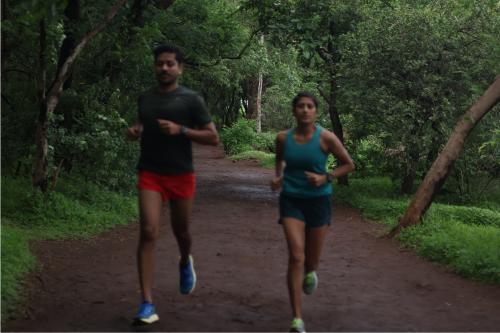
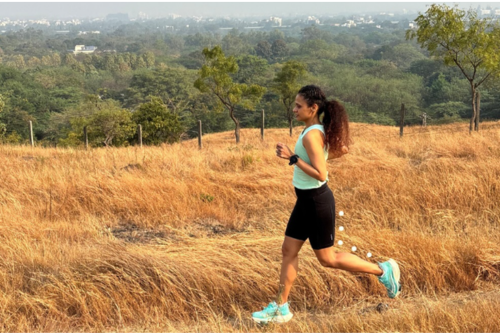
In the bustling lanes of Mumbai, where humidity envelops like a persistent embrace and temperatures often climb to 33-34°C with moisture levels between 36% and 75%, runners emerge at dawn to outpace the escalating heat. This ritual repeats in Bangalore's verdant Cubbon Park, Hyderabad's scenic Necklace Road, and Delhi's historic Lodhi Gardens, as city residents fuel a burgeoning fitness movement across India's urban hubs. With marathon participation surging recent figures show a 30% rise in events, boasting over 800 timed races and 700 clubs nationwide the choice of apparel evolves from mere preference to essential strategy. Quick-dry running gear, engineered to expel sweat efficiently, emerges as a vital ally, maintaining comfort and concentration amid relentless climatic demands.
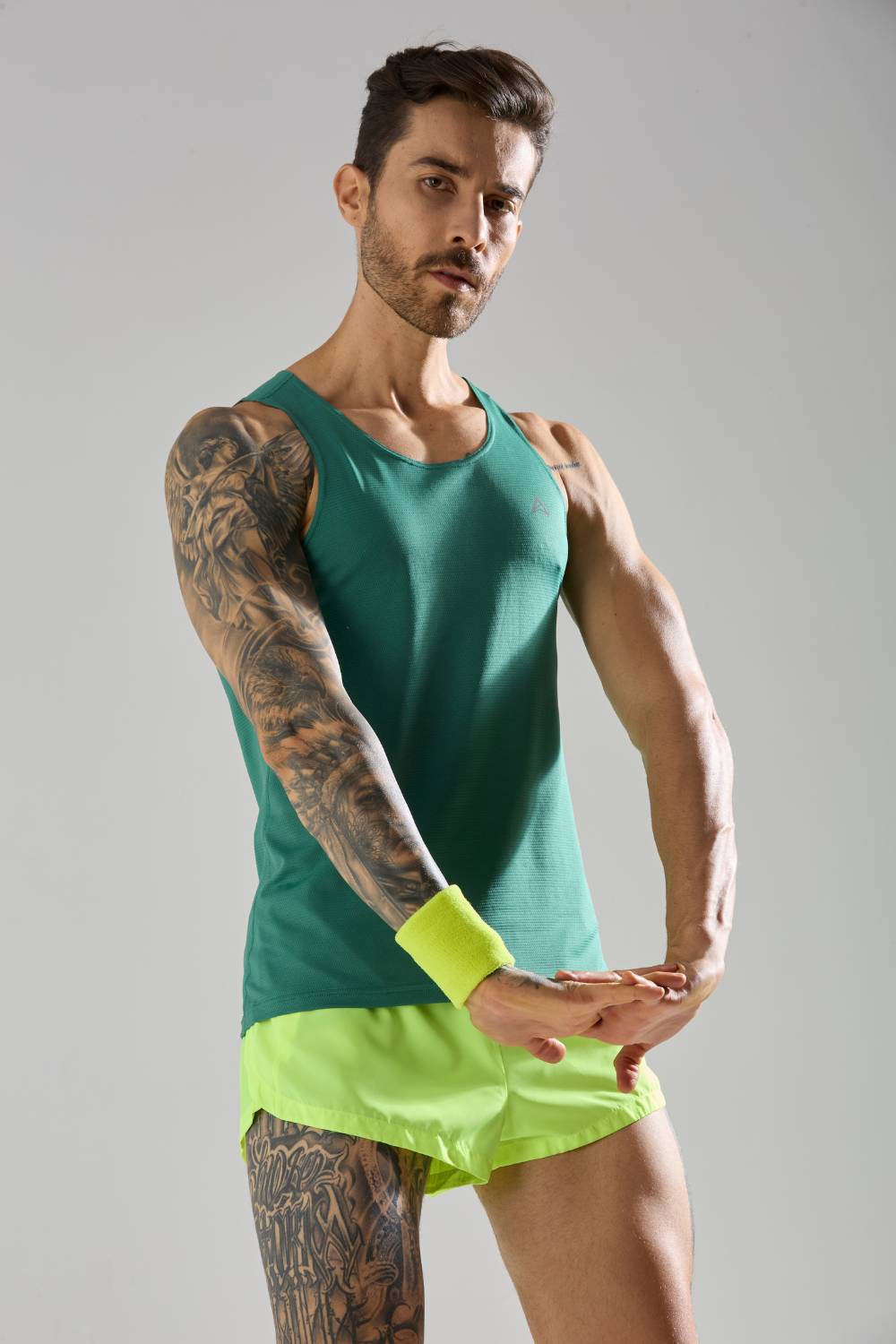
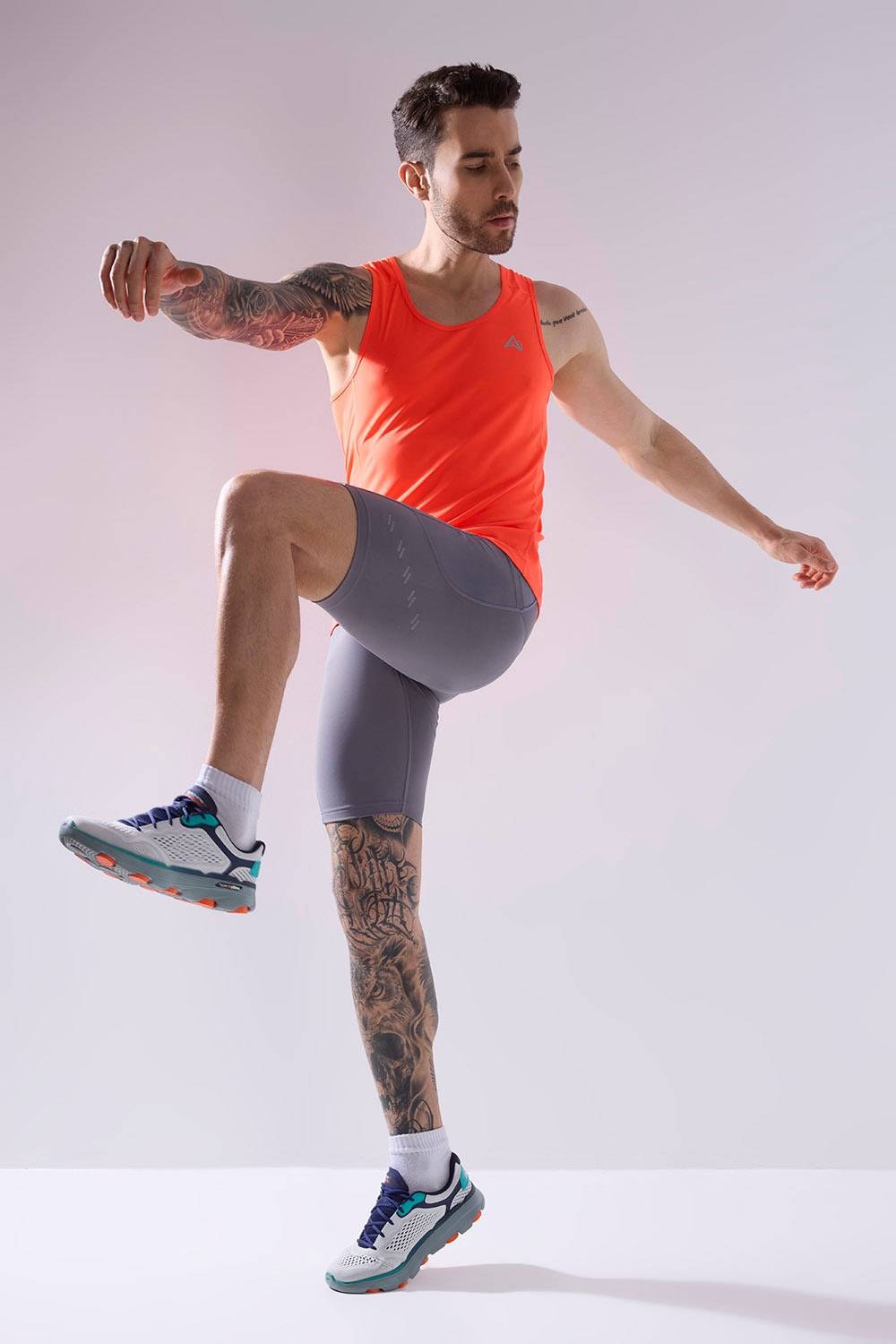
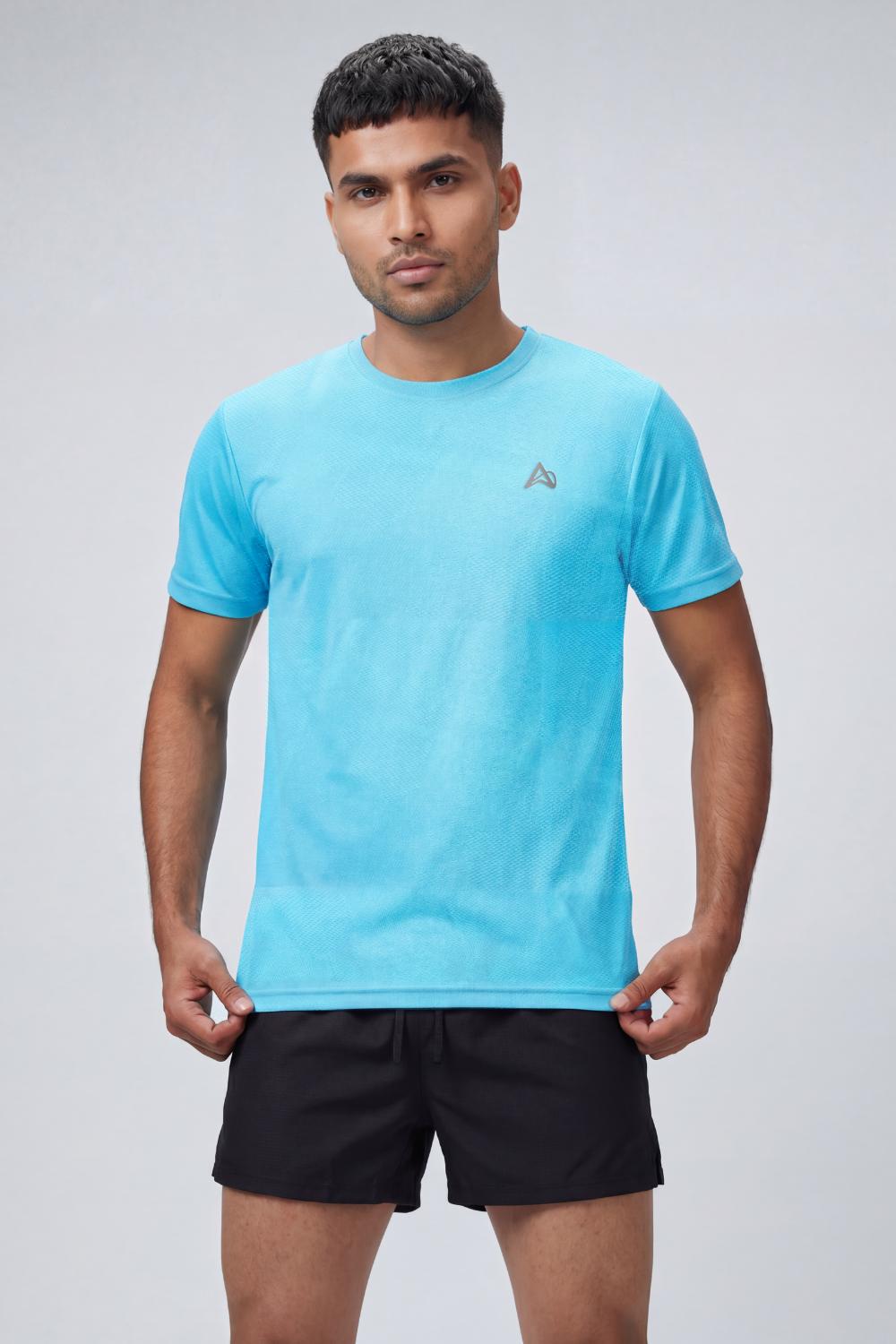
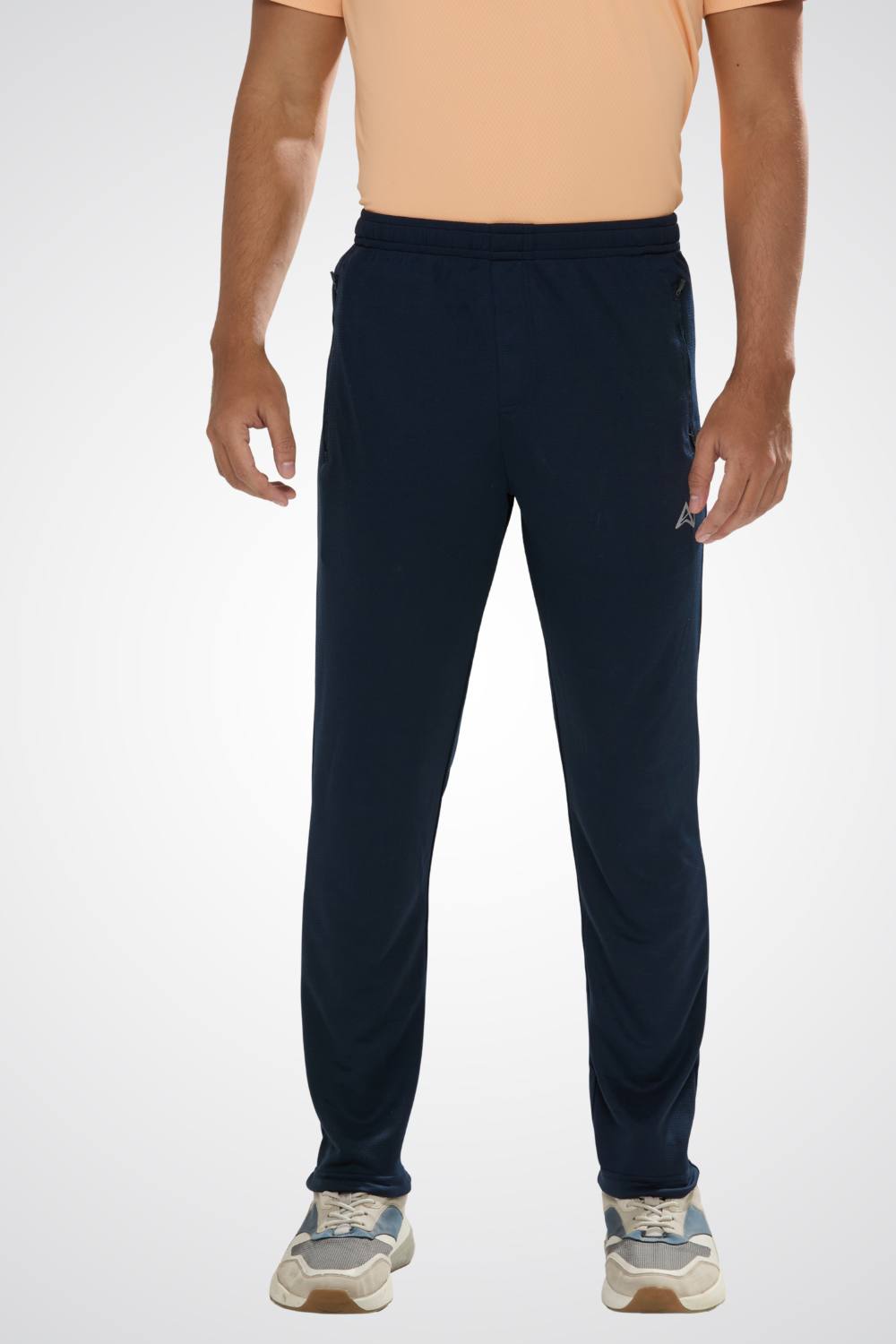
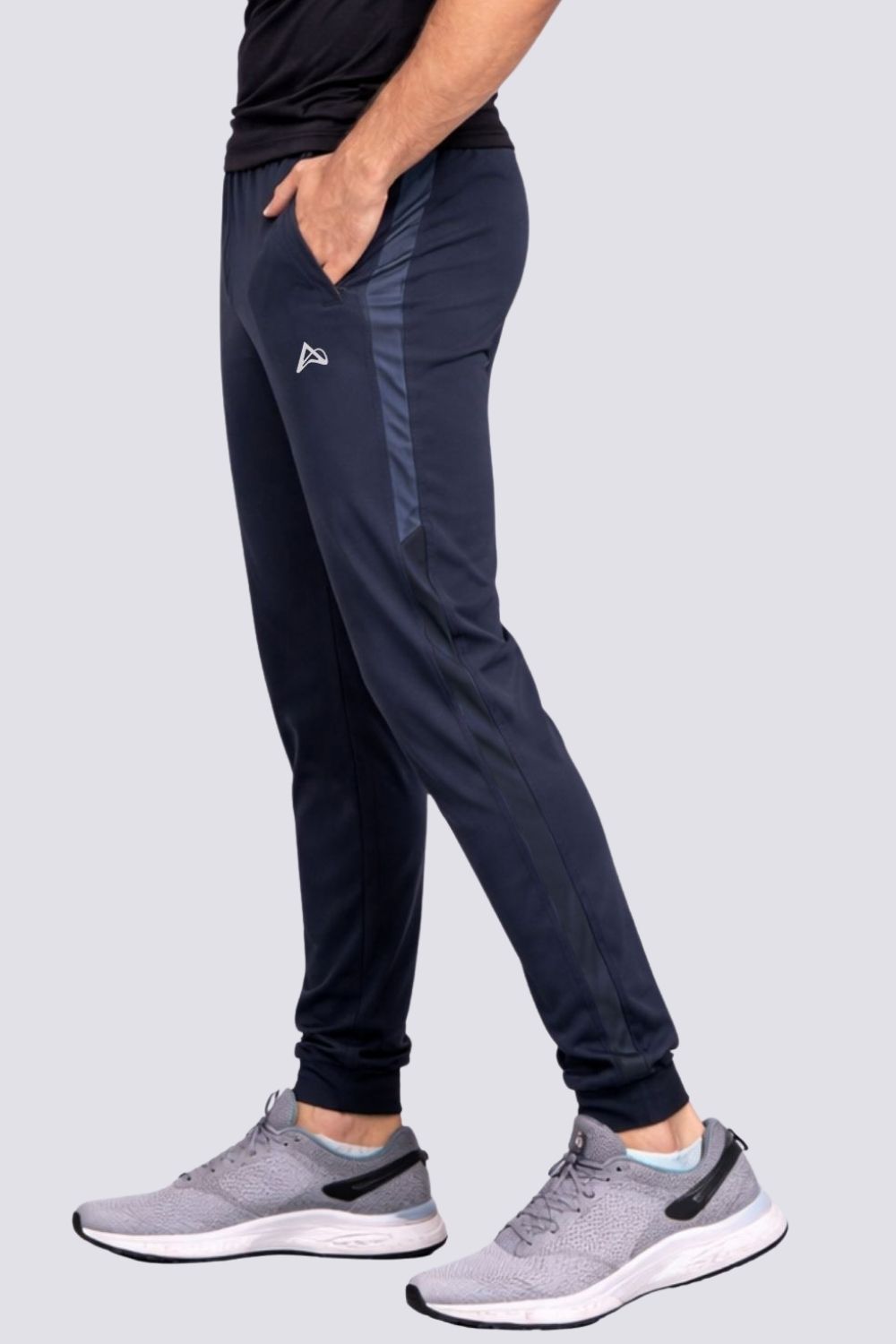
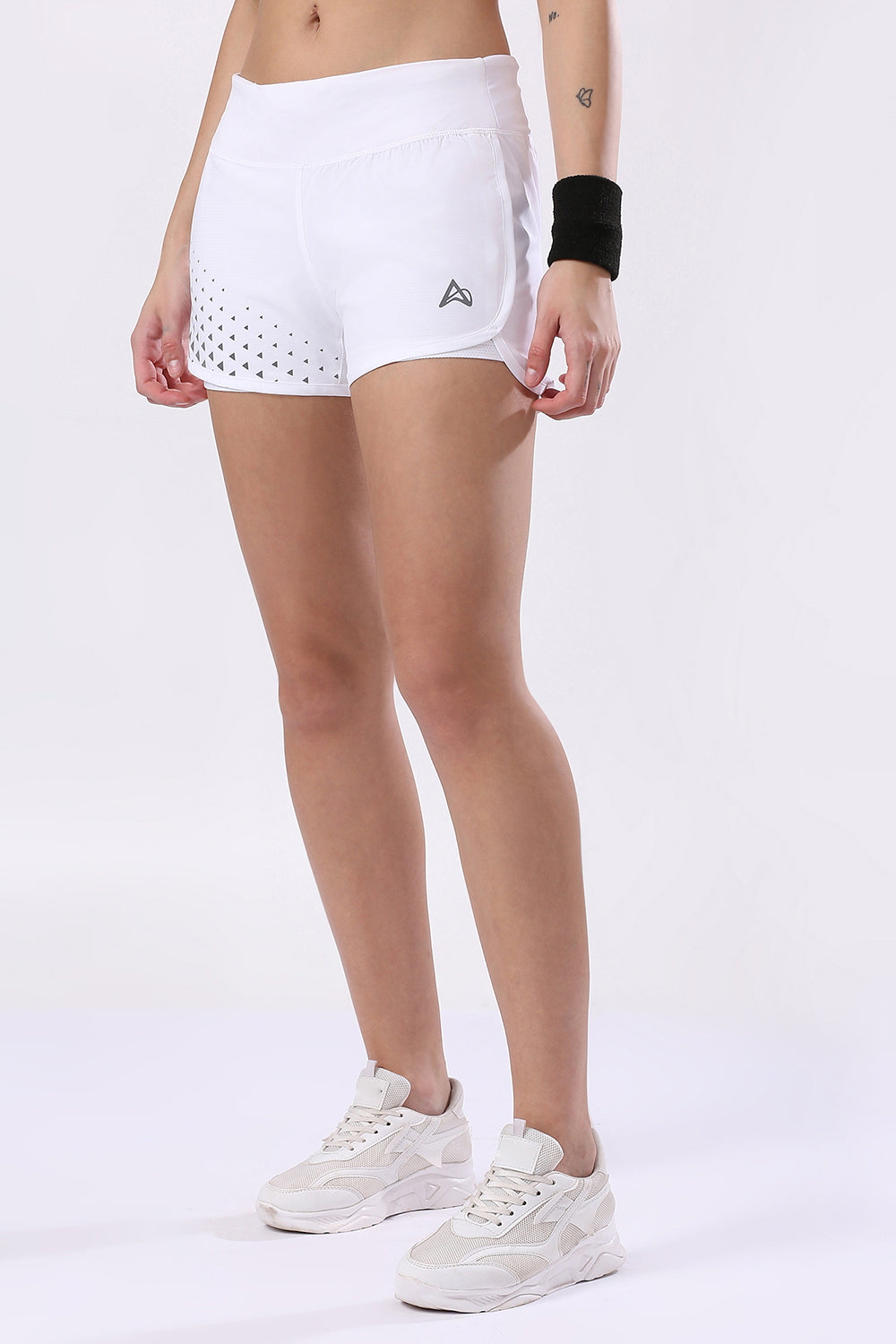
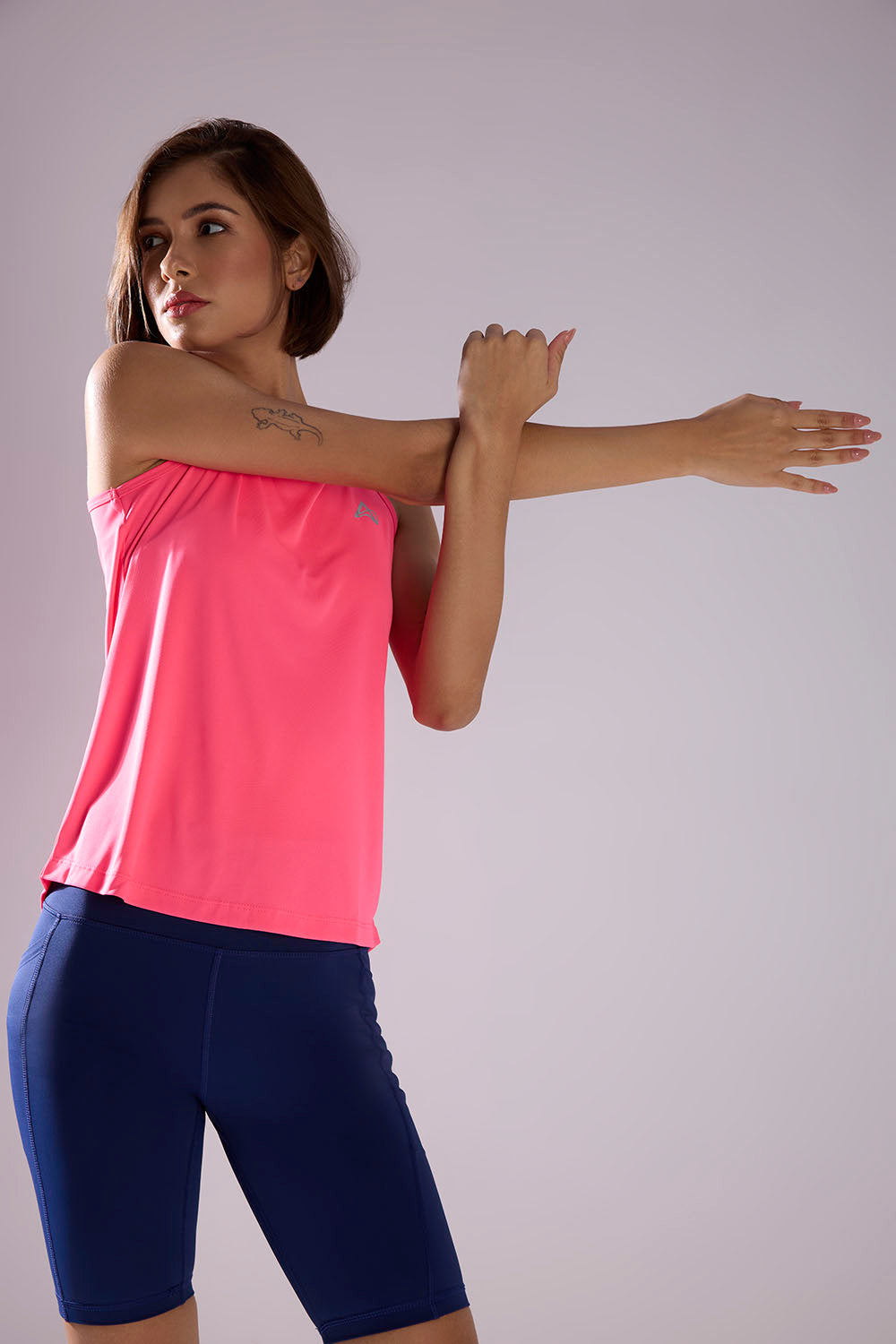
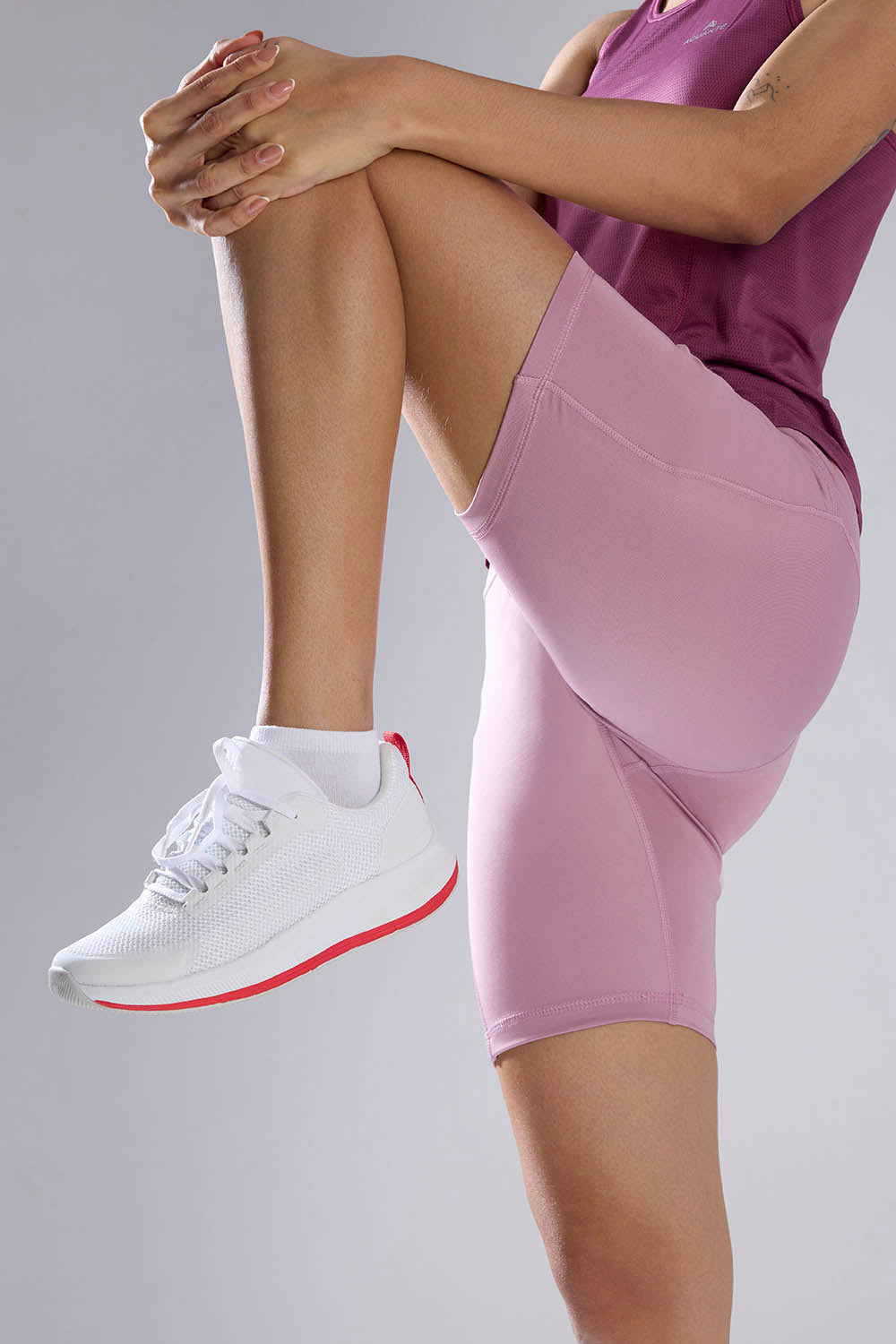
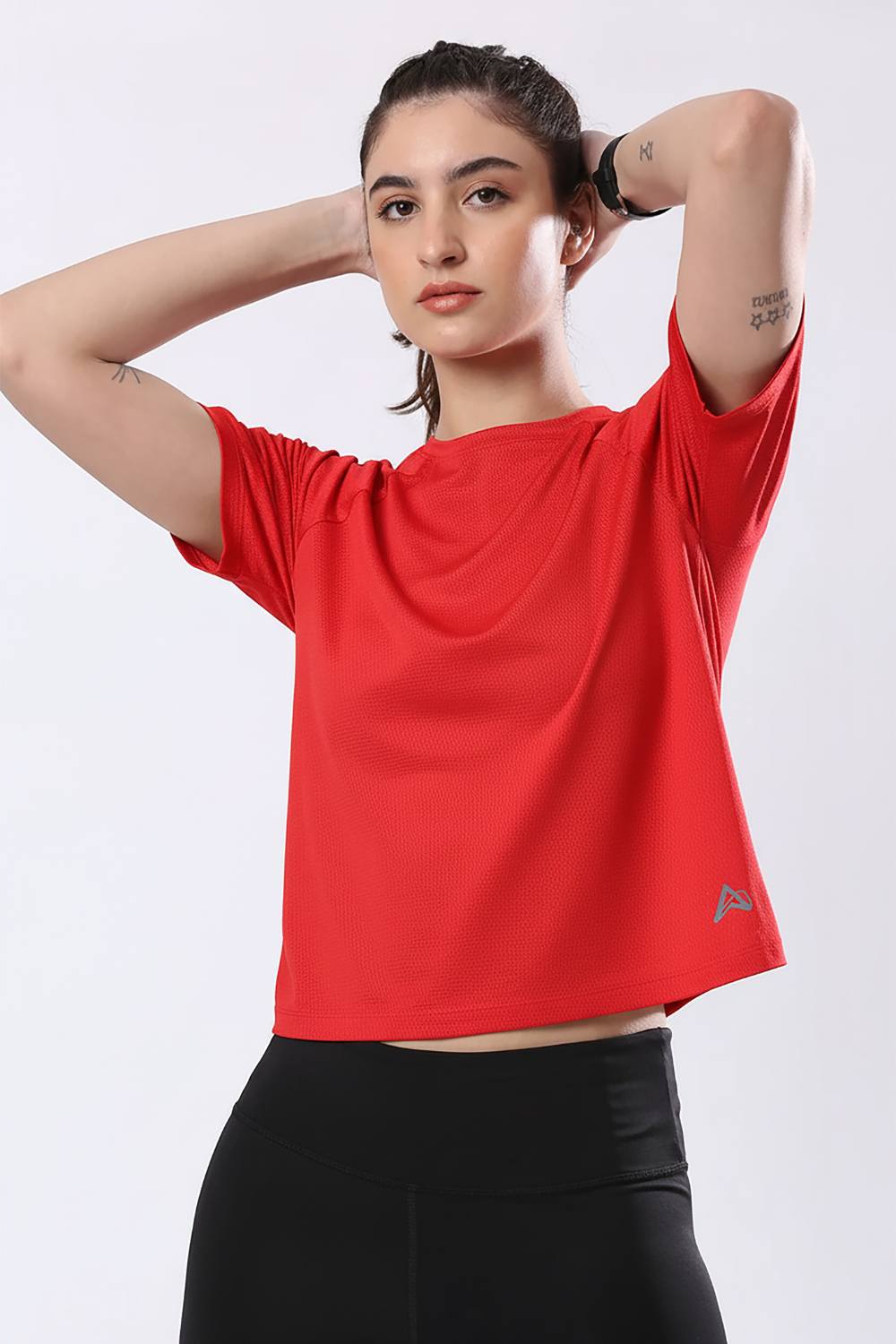
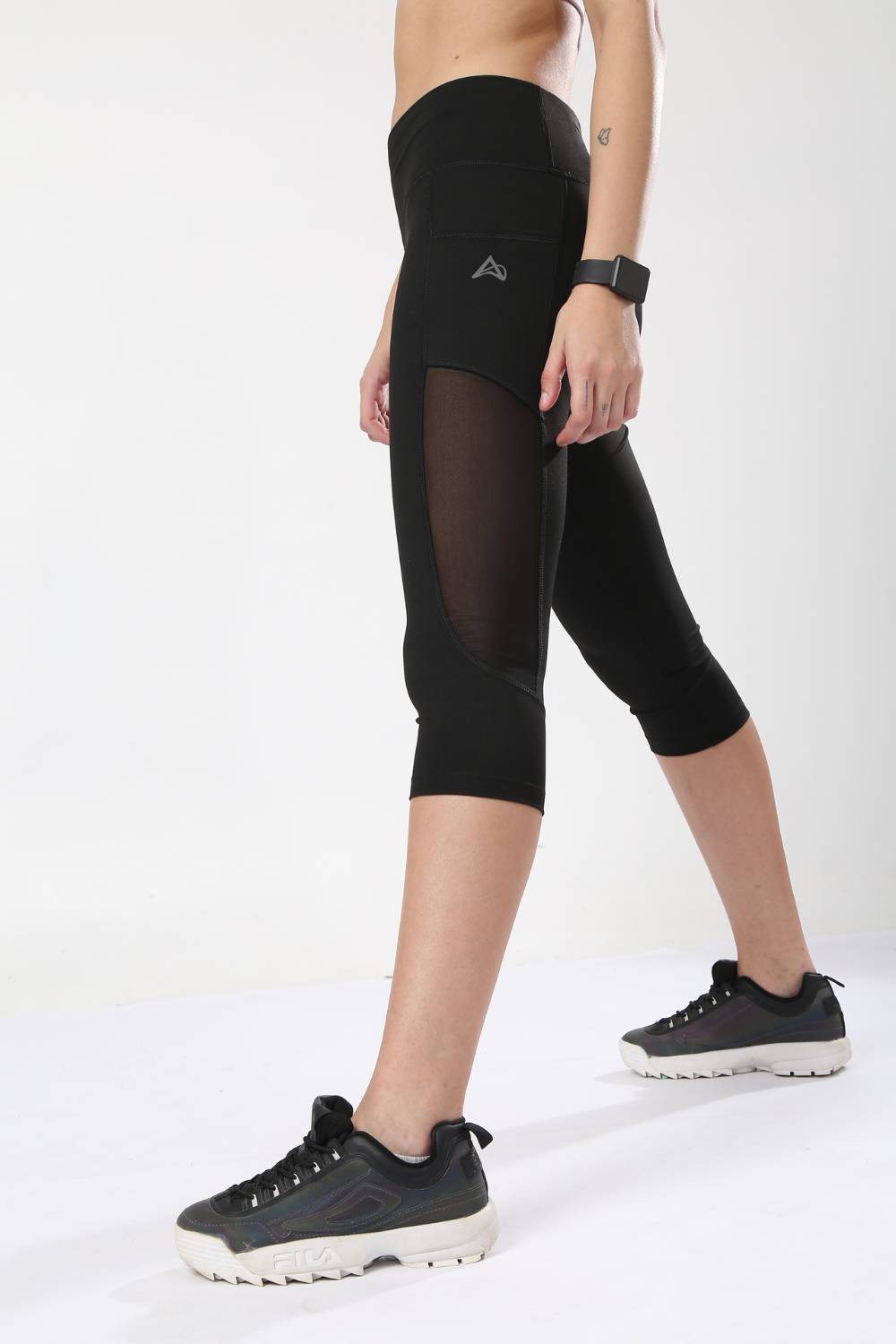
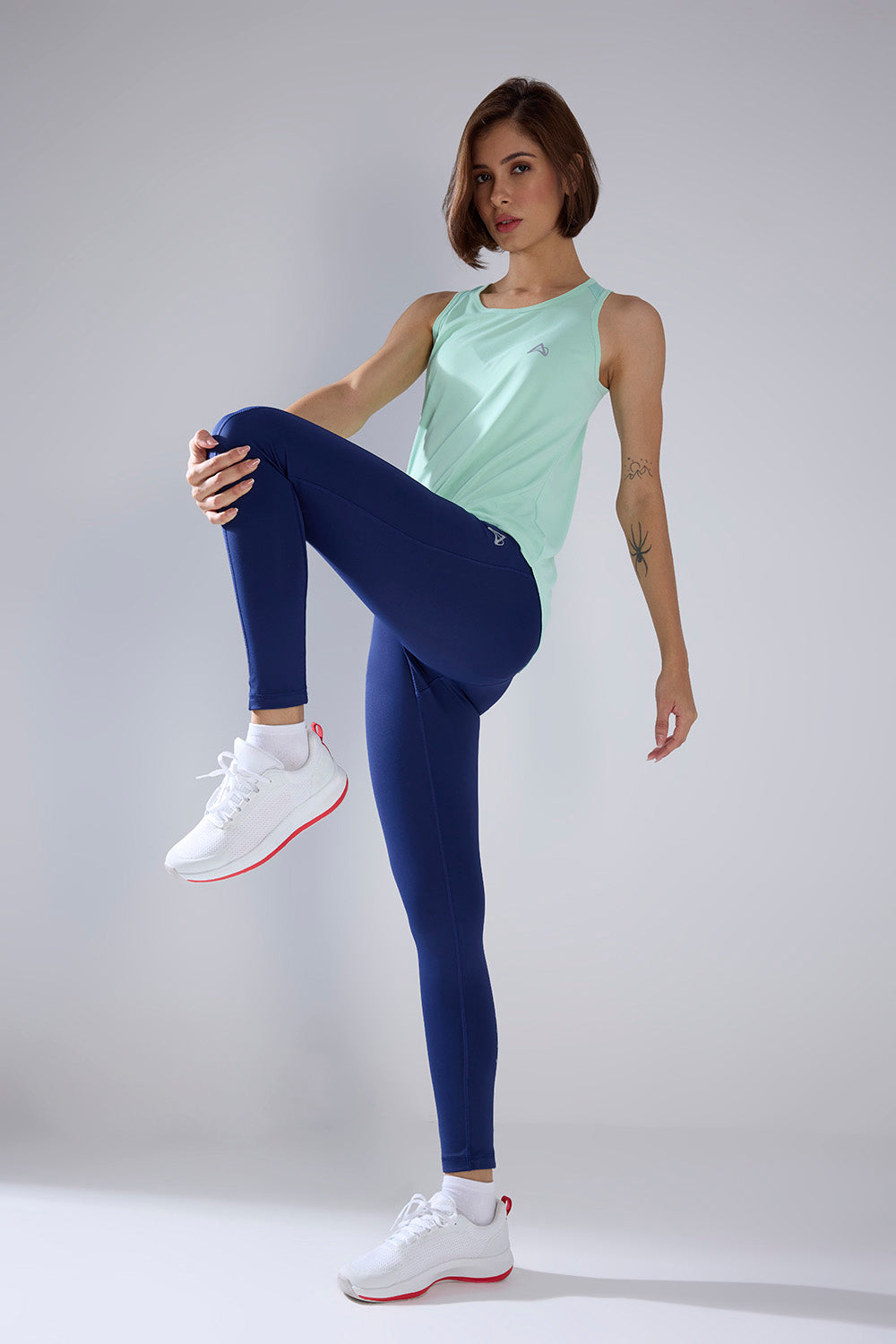
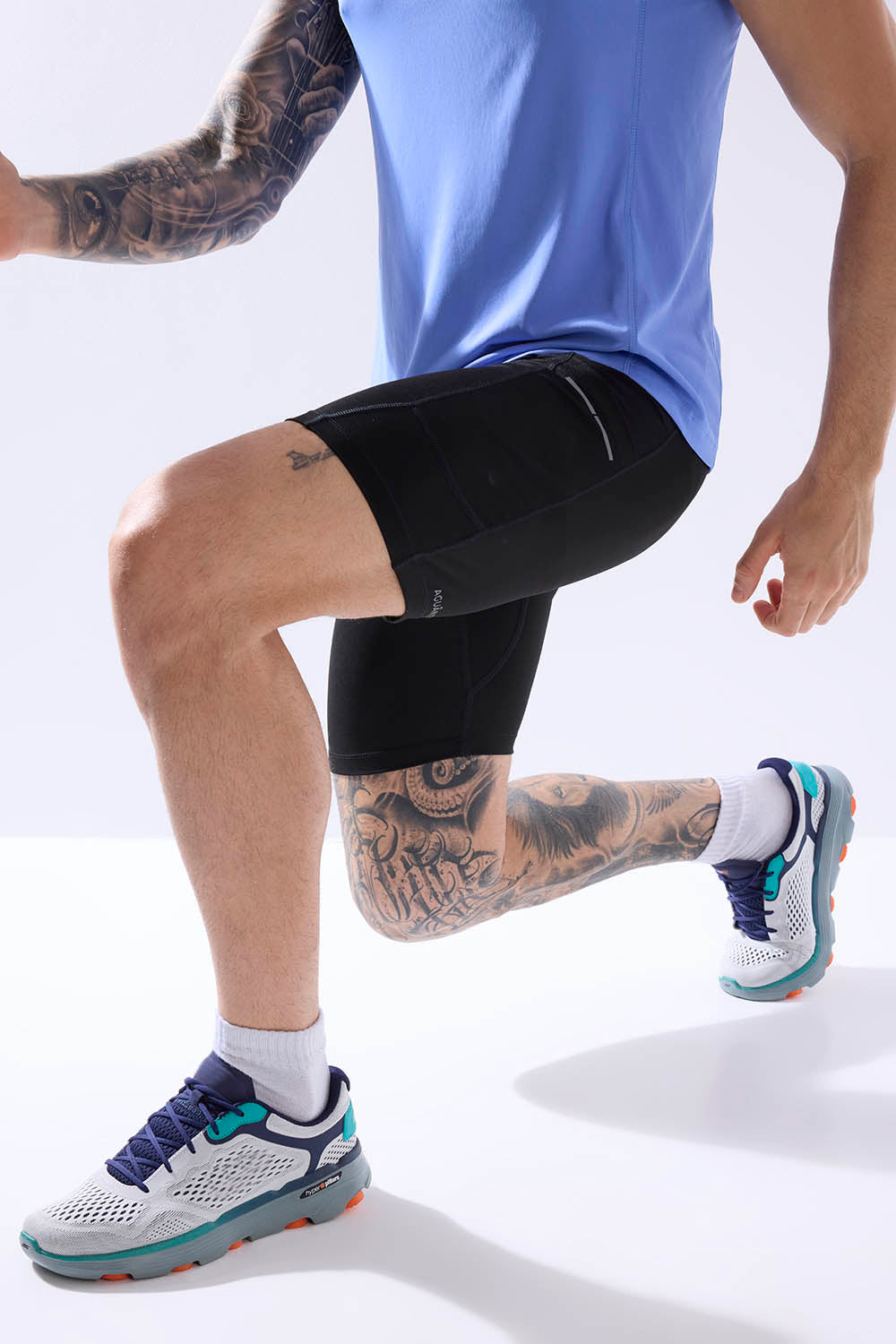
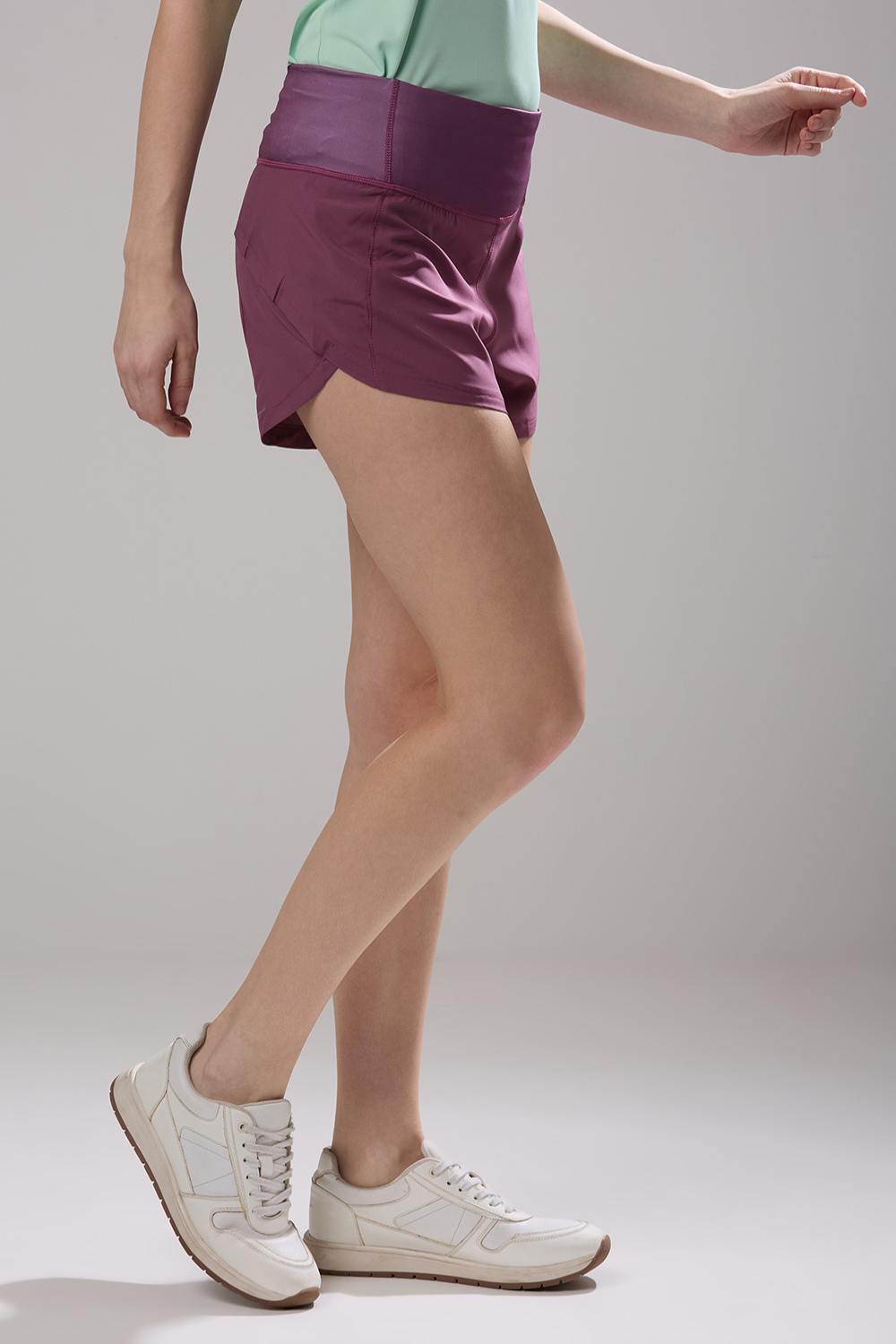
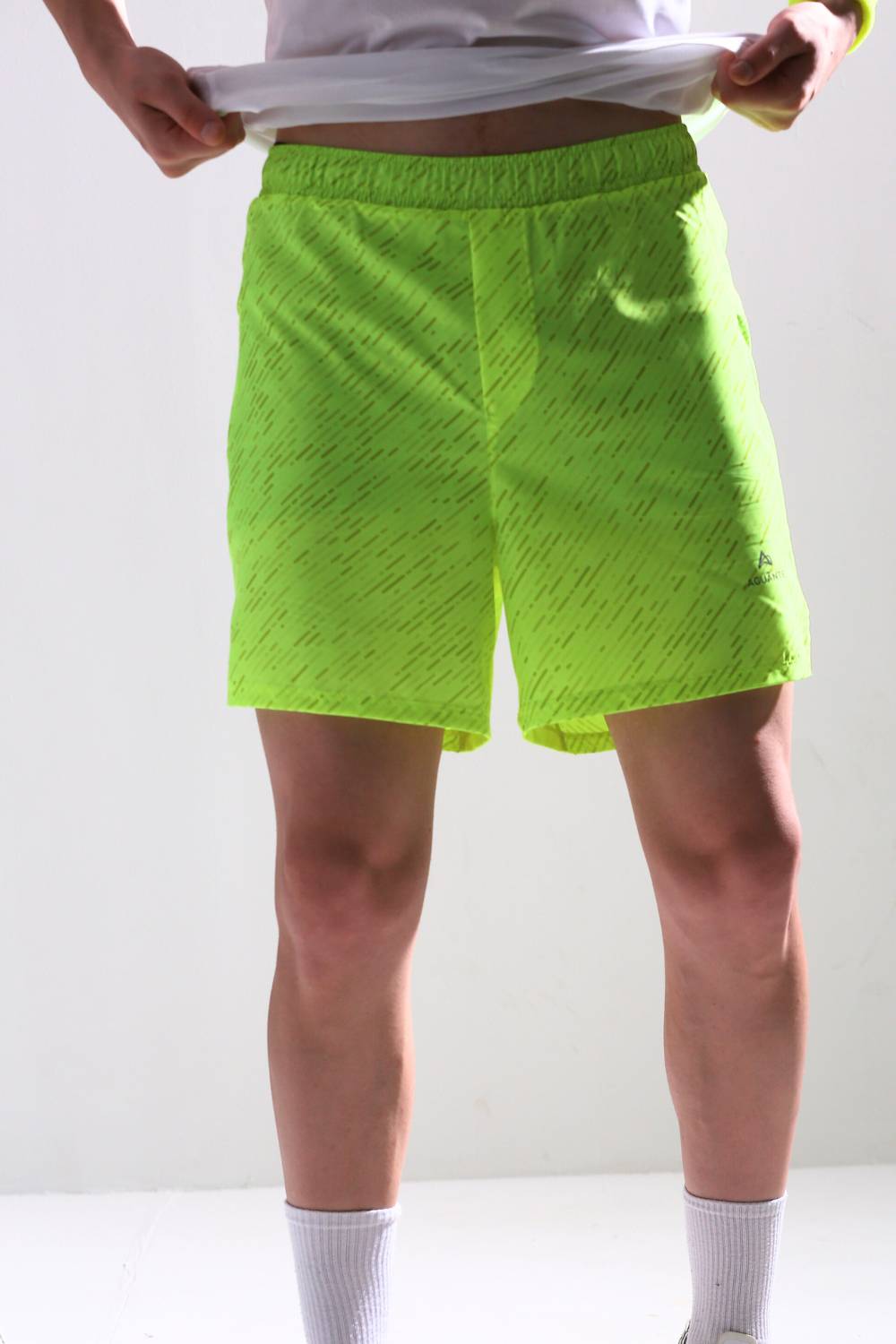
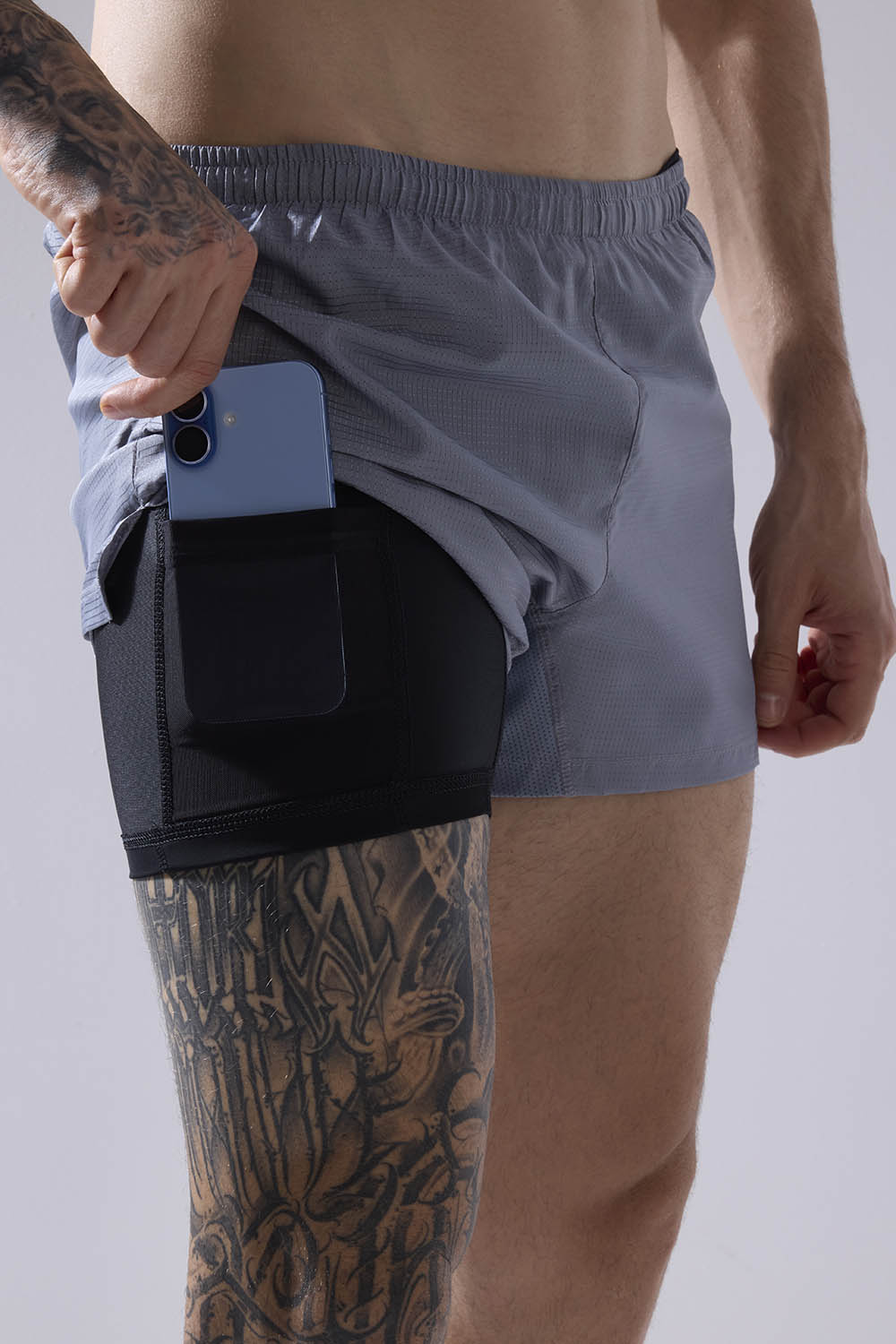
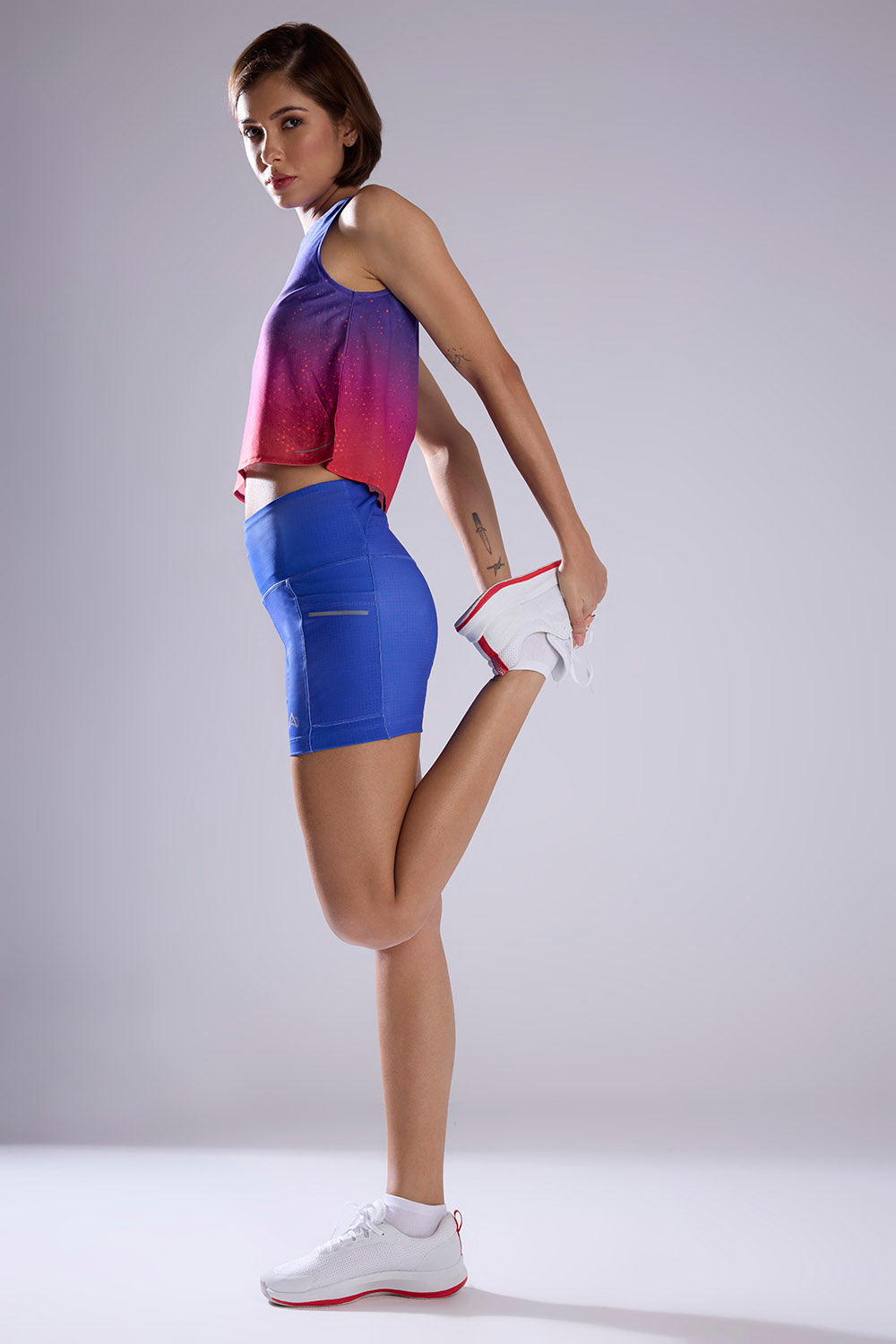
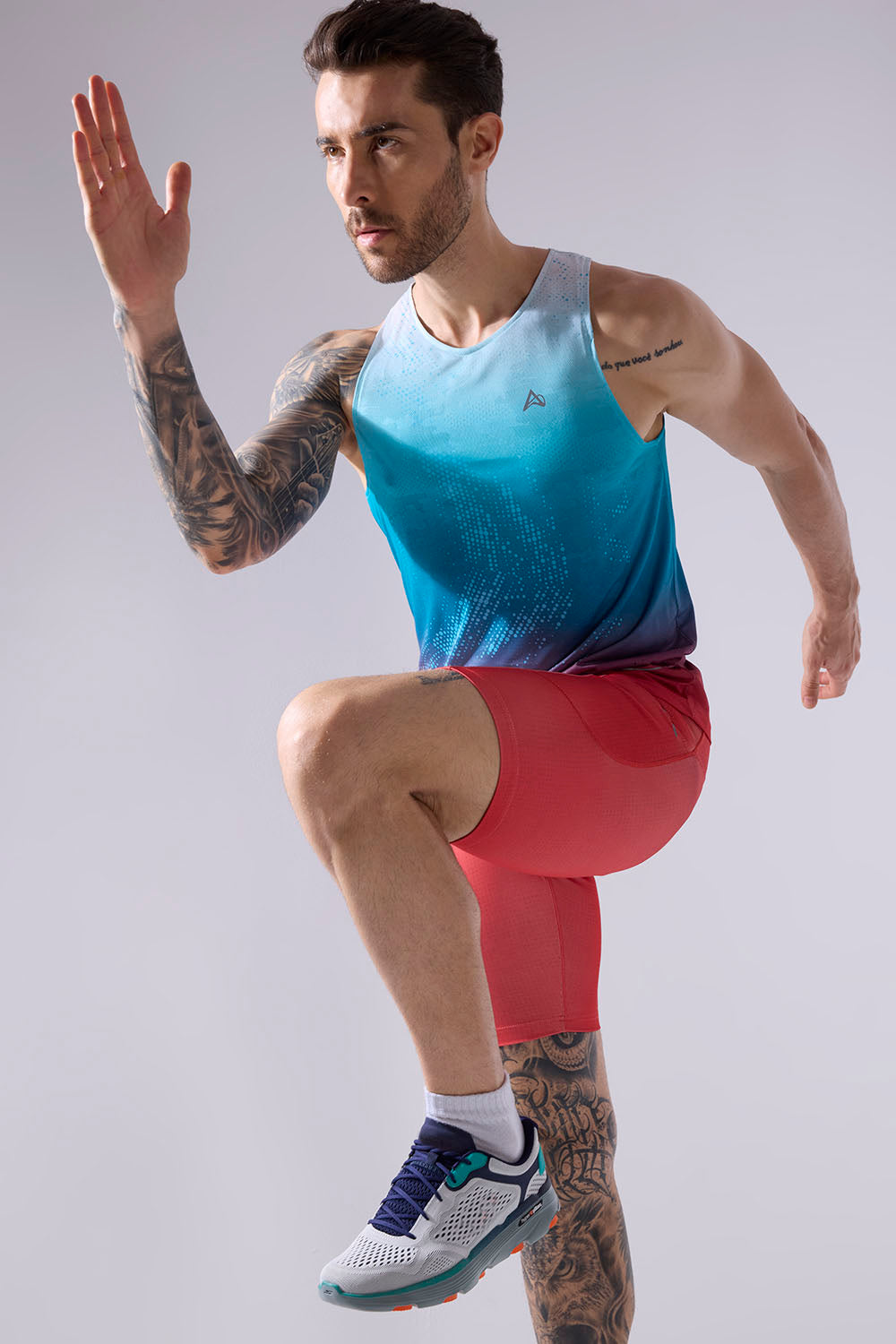
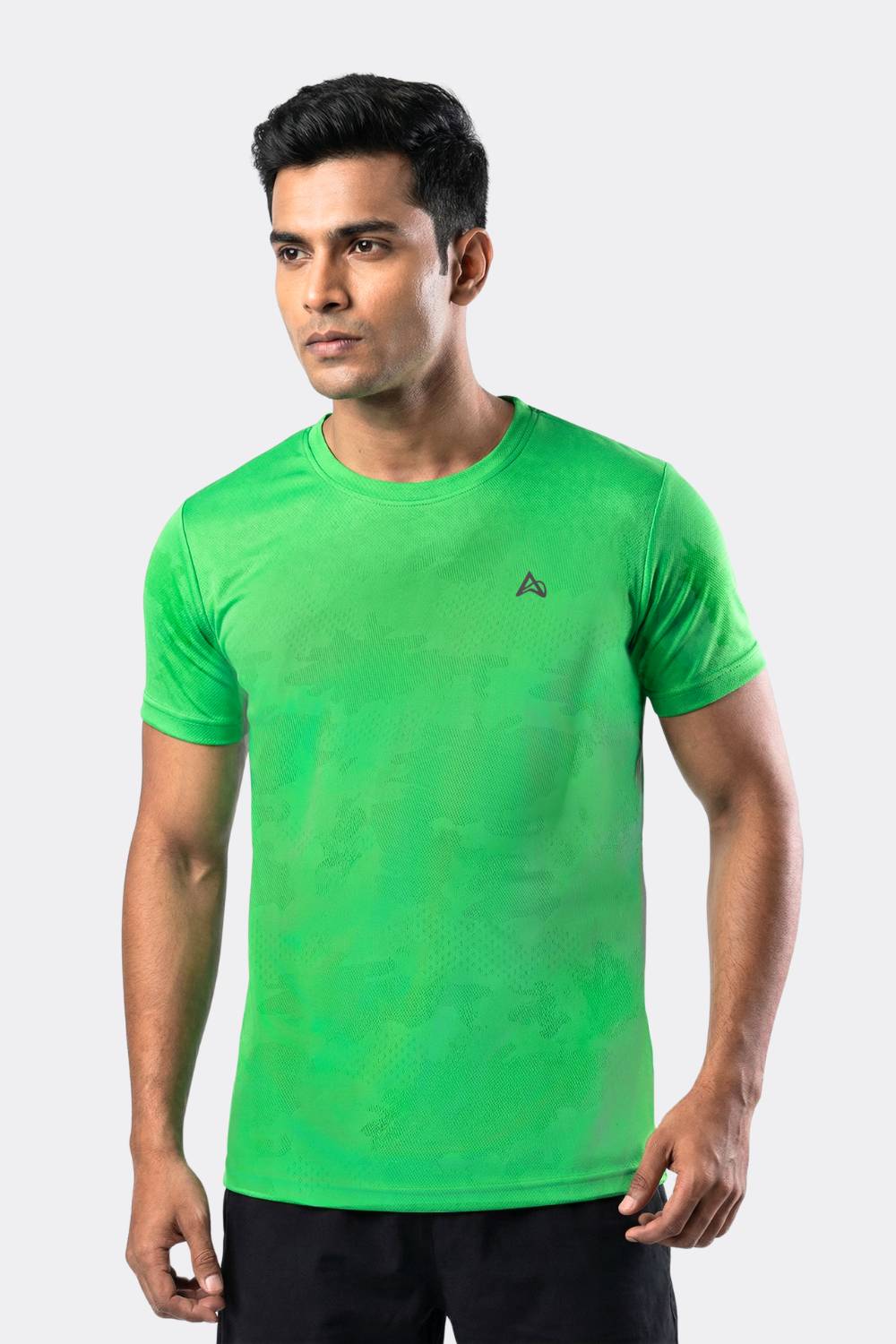
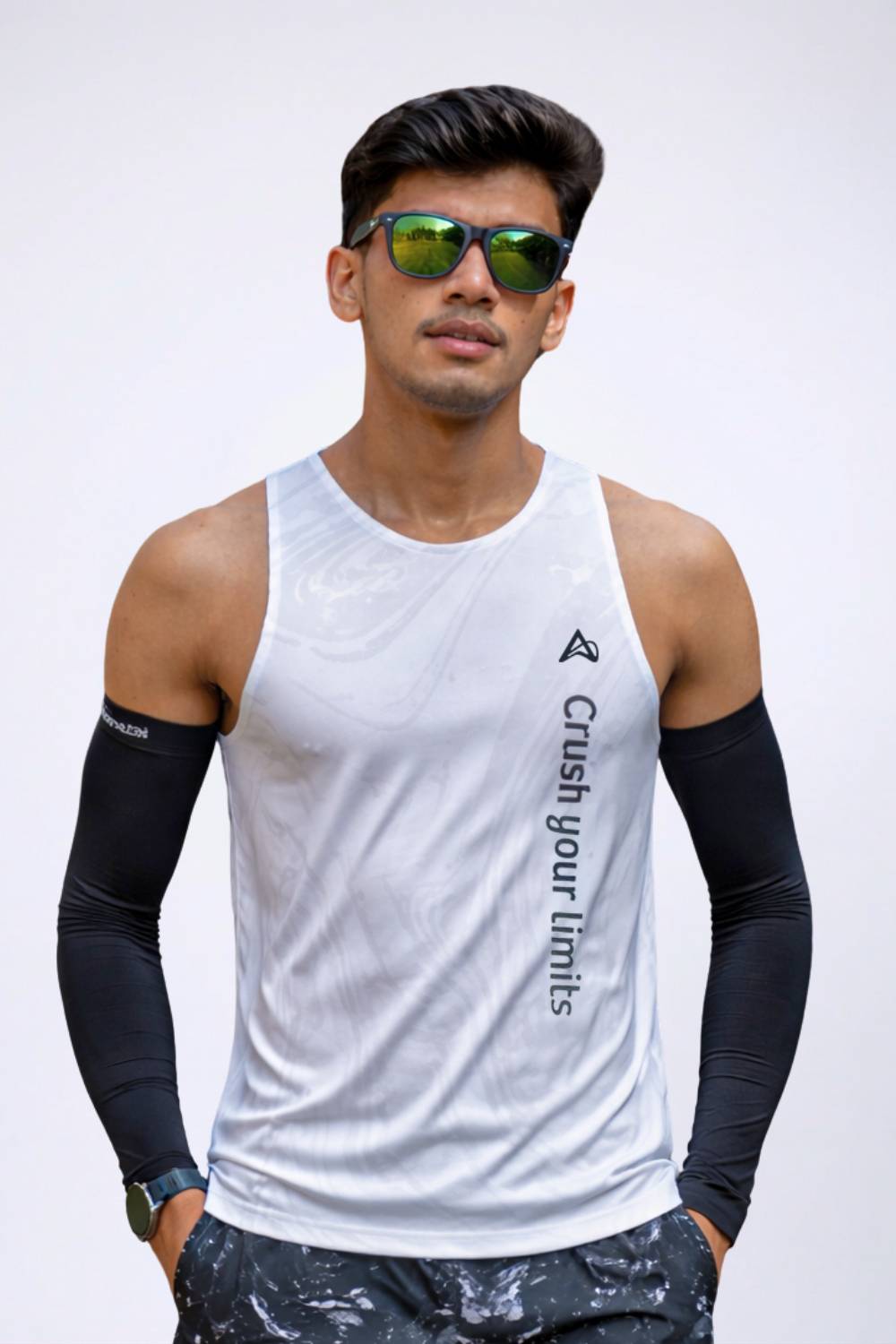
Tired of gear that slows you down? Chafing, soggy fabrics, and missing pockets kill your run's momentum. At Aguante, we're runners who get it. Our high-performance activewear features moisture-wicking fabrics, ergonomic designs, and smart storage to keep you focused. Shop Now!
The Surge in Urban Running Amid India's Heat
India's approach to fitness is undergoing a profound shift, propelled by increased awareness of health benefits and a collective pivot to outdoor pursuits following global disruptions. In metropolises such as Mumbai, Bangalore, and Delhi, running has transformed into a communal endeavor, fostering bonds and motivation. Recent insights from fitness tracking platforms highlight running as a global frontrunner in popularity, with India witnessing a notable uptick in club engagements. Communities like Mumbai Road Runners, Hyderabad Runners Society, and Bangalore's Namma Run Club attract multitudes, converting predawn hours into vibrant gatherings of enthusiasts.
This enthusiasm dovetails with expanding markets for specialized attire. India's sports fabric sector has reached approximately USD 1.66 billion, fueled by a collective drive toward activities like running and yoga, alongside innovations in breathable, high-performance materials. The demand for gear that excels in heat and humidity intensifies as more individuals navigate the pavements of Pune and Navi Mumbai, where summers push temperatures to 36°C with humidity creeping upward, rendering standard clothing inadequate for sustained efforts.
The Demands of Hot, Humid Environments on Runners
Across key Indian locales Bangalore averaging 32°C with 26-65% humidity, Hyderabad at 35°C and 13-39%, Mumbai's 33-34°C paired with 36-75%, Pune's 36°C and 9-44%, Delhi's 30-32°C and 36-49%, Gurugram's 26°C and 58%, Surat's 34°C with fluctuating levels, and Ahmedabad's scorching summers up to 45°C the interplay of warmth and moisture transforms routine jogs into endurance tests. Elevated humidity impedes sweat evaporation, escalating body heat, inducing chafing, and diminishing efficiency.
Quick-dry attire, crafted from moisture-wicking synthetics like polyester composites, draws perspiration away from the skin to the outer layer for rapid dissipation. This mechanism not only regulates temperature but also curbs bacterial proliferation, minimizing odors and irritations. Investigations demonstrate that in steamy settings, such clothing enhances thermal equilibrium during extended activity, enabling athletes to sustain momentum sans the burden of drenched fabrics.
Mastering the Perspiration Challenge
When humidity surpasses 50% prevalent in coastal Mumbai or during Surat's monsoons sweat lingers, elevating core temperatures and pulse rates. Participants often describe a sensation of added weight and accelerated tiredness, with fluid loss accelerating. Reports from meteorological authorities underscore how these elements amplify heat strain, particularly in densely built urban zones with scarce verdure.
Practical Triumphs: Quick-Dry Gear's Impact on Runs
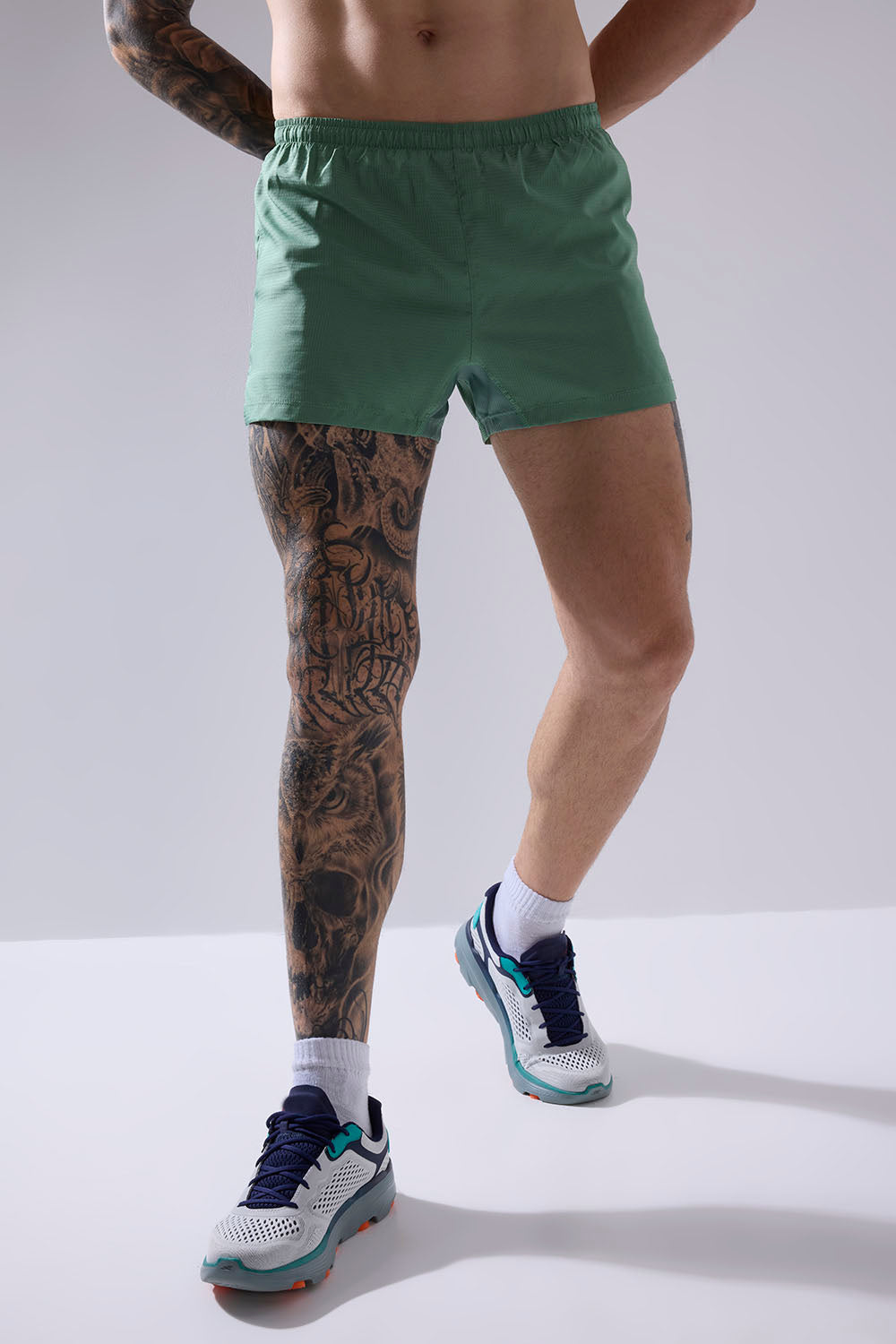
In Hyderabad, trainers recount how wicking shorts bolstered their squads through muggy 10K sessions, averting abrasions that marred prior outings. Bangalore's lakeside collectives advocate antimicrobial textiles to counter the city's erratic moisture. A vignette from Mumbai's Carter Road exemplifies: In a damp morning sprint, those in quick-dry outfits exhibited superior stamina, mirroring observations from Asian endurance practitioners adapting to warmth via ventilated wear.
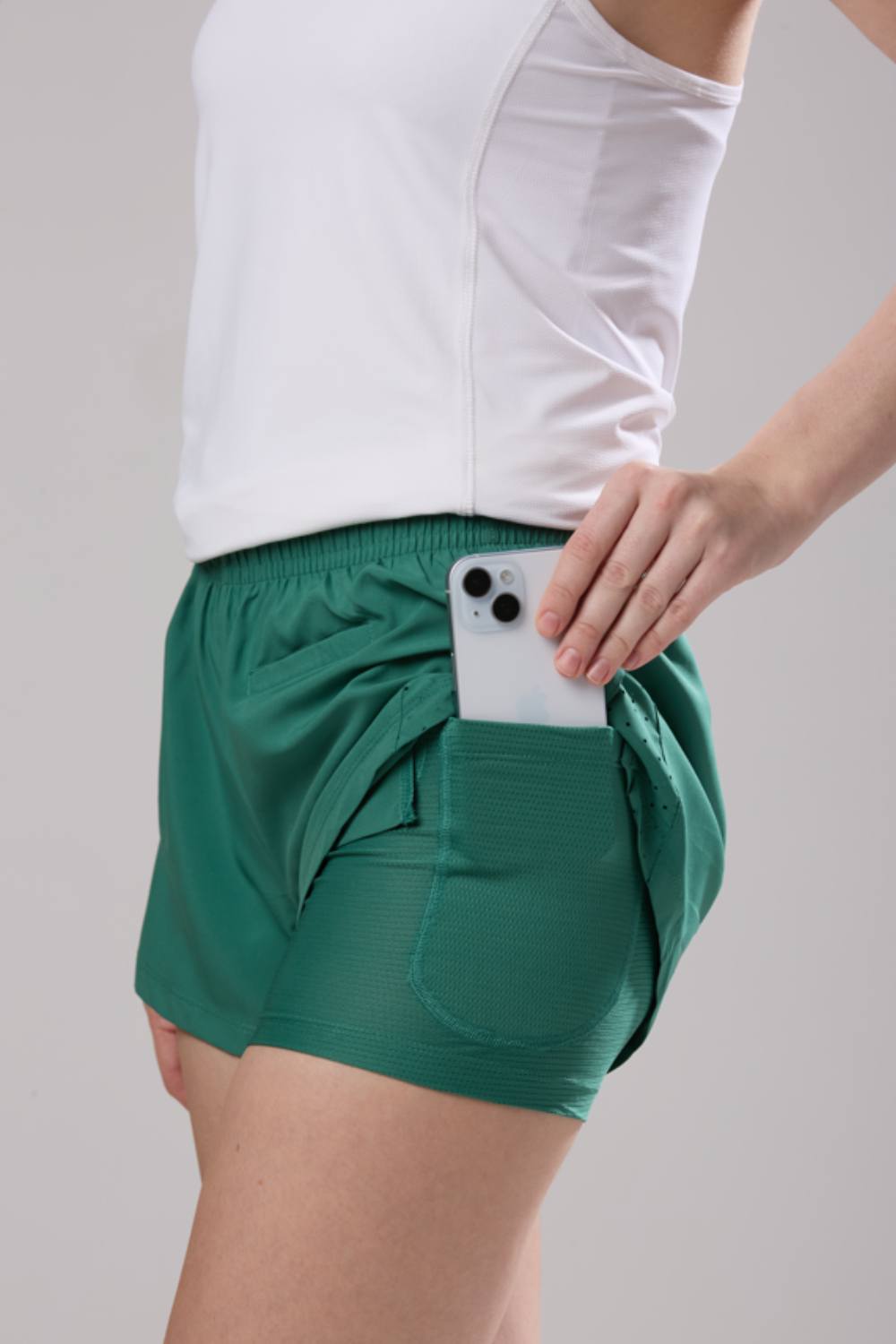
Delhi's Lodhi Garden joggers contend with dusty warmth, where quick-dry's UV shielding offers extra safeguard. These narratives illustrate how bespoke clothing, attuned to Indian physiques and pathways, elevates the pursuit featuring stable compartments for necessities, luminous accents for dim conditions, and contours validated by actual sportspeople. From X shared experiences, one Mumbai resident advises sturdy, quick-drying footwear for monsoons, emphasizing resilience against urban grime. Another highlights the ease of such materials in diverse tasks, underscoring their versatility in humid climes.
Expanding on these, consider the capillary dynamics at play: Moisture ascends through fabric interstices, evaporating externally to chill the wearer. Studies affirm reduced fatigue and enhanced perseverance in wicking ensembles during intense humid exertions. For runners in Ahmedabad's blistering heats or Gurugram's moist mornings, this translates to prolonged sessions without overheating, fostering consistency in training regimens.
Navigating Hurdles in Steamy Settings
Yet, quick-dry solutions have bounds. In Mumbai's peak 75% humidity, even superior textiles may saturate, fostering unease. Synthetic dependencies could trigger dermal sensitivities for certain users, and subpar market variants underperform on moisture management. Accounts from Gurugram and Navi Mumbai reveal that sans adequate hydration swift electrolyte depletion in 58% moisture apparel solitary can't thwart thermal ailments.
Infrastructure deficits compound issues: Mumbai's sparse tracks compel roadside trots amid pollution, intensifying strain. This amplifies perils like cellular dehydration, as climate specialists note. Broader, India's heatwaves exacerbate preexisting ailments, heightening mortality risks for vulnerable groups. Urban heat islands in Delhi and Bangalore magnify these, where scant greenery traps warmth, demanding vigilant pacing and recovery strategies.
Prospects for Enhanced Performance and Expansion
India's performance fabric arena, currently around USD 5.57 billion, hints at substantial promise for innovations in quick-dry tech. These advancements yield efficiencies: Superior heat control extends stamina, trimming downtime. For enterprises, this unlocks the athleisure wave, where versatile attire serves humid Ahmedabad or Pune daily life
- Wellness Advantages: Diminished abrasions and overheating encourage regular practice, syncing with India's wellness momentum.
- Economic Lift: Indigenous labels proffer premium standards affordably, rivaling overseas offerings.
- Eco-Consciousness: Sustainable textiles address escalating calls for responsible sourcing.
Initiatives like Fit India propel this, with academic institutions in Bangalore and Delhi probing fabric advancements for regional weathers. Globally, the textile domain thrives on eco-demands and smart integrations, yet India's focus on humid-adapted gear positions it uniquely.
Diving deeper, the broader apparel market in India stands at USD 222 billion, bolstered by governmental aids for artisans and ethical material shifts. This ecosystem nurtures local ingenuity, merging worldwide benchmarks with tailored solutions for India's diverse terrains from Mumbai's coastal mists to Delhi's arid bursts.
Forward Glance: Guidance for Aspiring Runners
Projections suggest robust expansion in India's textile sphere, potentially tripling in value over the next decade amid global realignments. For enthusiasts, opt for equipment boasting anti-friction interiors and airflow. Initiate outings at cooler times, replenish with salts, and select homegrown designs for India's variable landscapes.
Delving into practicalities, acclimatize gradually to humidity, monitoring for fatigue signals. Integrate zone training for paced efforts, as trending searches indicate. Community clubs offer support, turning solitary runs into shared journeys, enhancing adherence.
As detailed in this exploration of quick-dry running gear for hot climates, adopting such innovations transcends comfort it's pivotal for perpetuating India's running revival against climbing thermals.
Frequently Asked Questions
Why is quick-dry running gear important for hot and humid climates like India?
In hot, humid environments like Mumbai (33–34°C, up to 75% humidity) or Ahmedabad (up to 45°C), standard fabrics trap sweat against the skin, raising core body temperature and causing chafing and fatigue. Quick-dry gear made from moisture-wicking synthetics like polyester composites draws perspiration away from the skin to the outer fabric layer for rapid evaporation. This helps regulate body temperature, reduces bacterial growth, minimizes odors, and allows runners to sustain performance without the burden of soaked clothing.
What should I look for when buying quick-dry running gear for India's weather conditions?
When choosing quick-dry running gear for India's variable climate, prioritize moisture-wicking fabrics, anti-friction interiors to prevent chafing, and UV protection — especially useful for exposed routes like Delhi's Lodhi Gardens. Look for antimicrobial properties to handle high-humidity cities like Bangalore or Mumbai, and practical features like secure storage pockets and reflective accents for early morning runs. Opting for homegrown Indian brands can offer designs tailored to local terrains and body types at competitive prices.
Can quick-dry running gear fully prevent heat-related issues during runs in high humidity?
While quick-dry gear significantly improves comfort and thermal regulation, it has limitations — in peak humidity above 75%, even high-performance fabrics can become saturated. Apparel alone cannot prevent heat exhaustion or rapid electrolyte loss, so runners should combine moisture-wicking clothing with proper hydration, electrolyte replenishment, and scheduling runs during cooler morning hours. Gradual acclimatization to humidity and pacing strategies are equally important, particularly in urban heat islands like Delhi and Bangalore where limited greenery intensifies ambient heat.
Disclaimer: The above helpful resources content contains personal opinions and experiences. The information provided is for general knowledge and does not constitute professional advice.
You may also be interested in: How Indian Runners Benefit From Moisture-Wicking Tops - Aguante
Tired of gear that slows you down? Chafing, soggy fabrics, and missing pockets kill your run's momentum. At Aguante, we're runners who get it. Our high-performance activewear features moisture-wicking fabrics, ergonomic designs, and smart storage to keep you focused. Shop Now!
Powered by flareAI.co