



Quick Listen:
In the bustling streets of Mumbai or the humid tracks of Bangalore, runners are increasingly turning to specialized gear to enhance their post-run recovery. This innovative clothing is transforming how athletes in India's major cities bounce back from intense sessions, highlighting the benefits of compression running apparel.
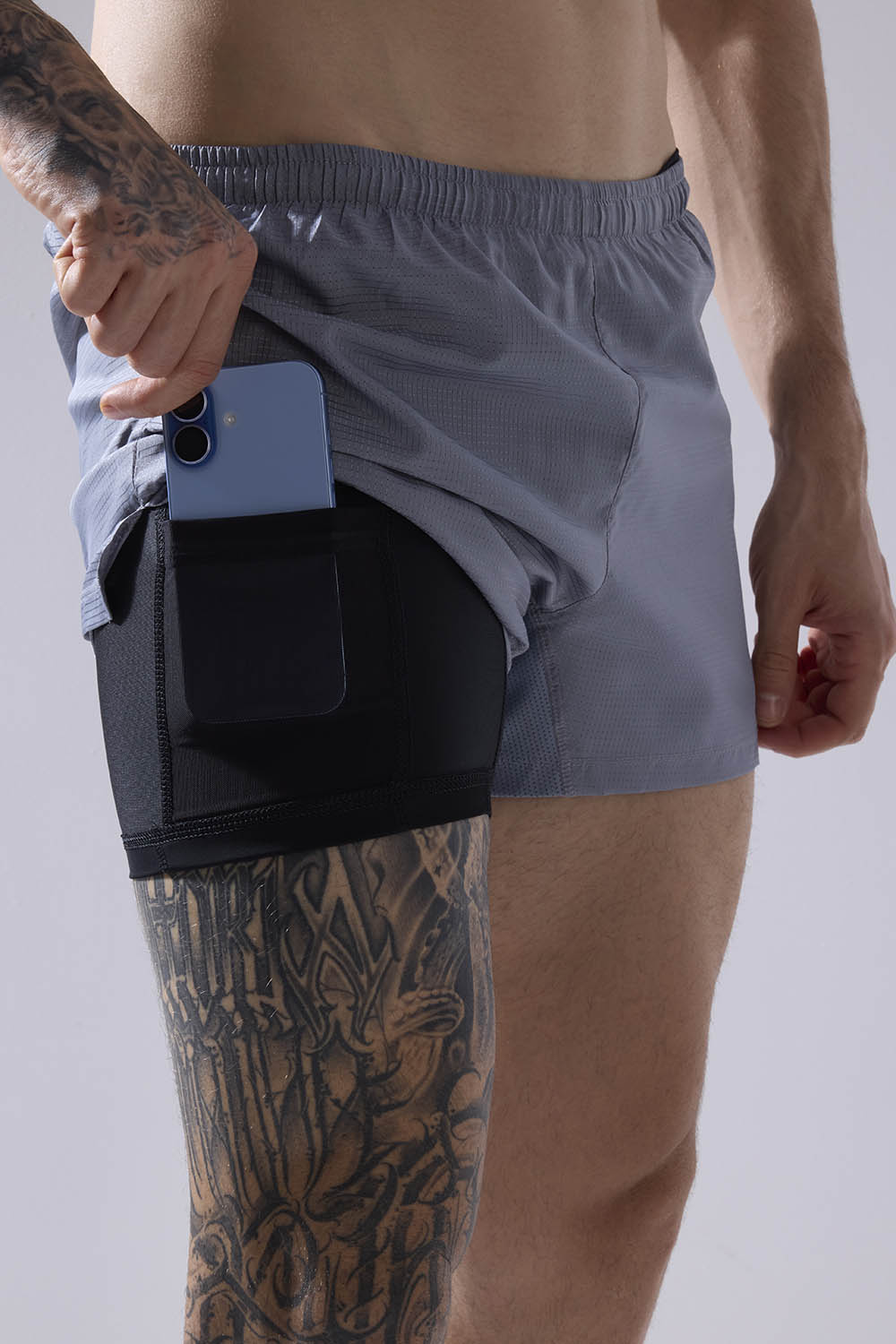
Tired of gear that slows you down? Chafing, soggy fabrics, and missing pockets kill your run's momentum. At Aguante, we're runners who get it. Our high-performance activewear features moisture-wicking fabrics, ergonomic designs, and smart storage to keep you focused. Shop Now!
Understanding Compression Running Apparel
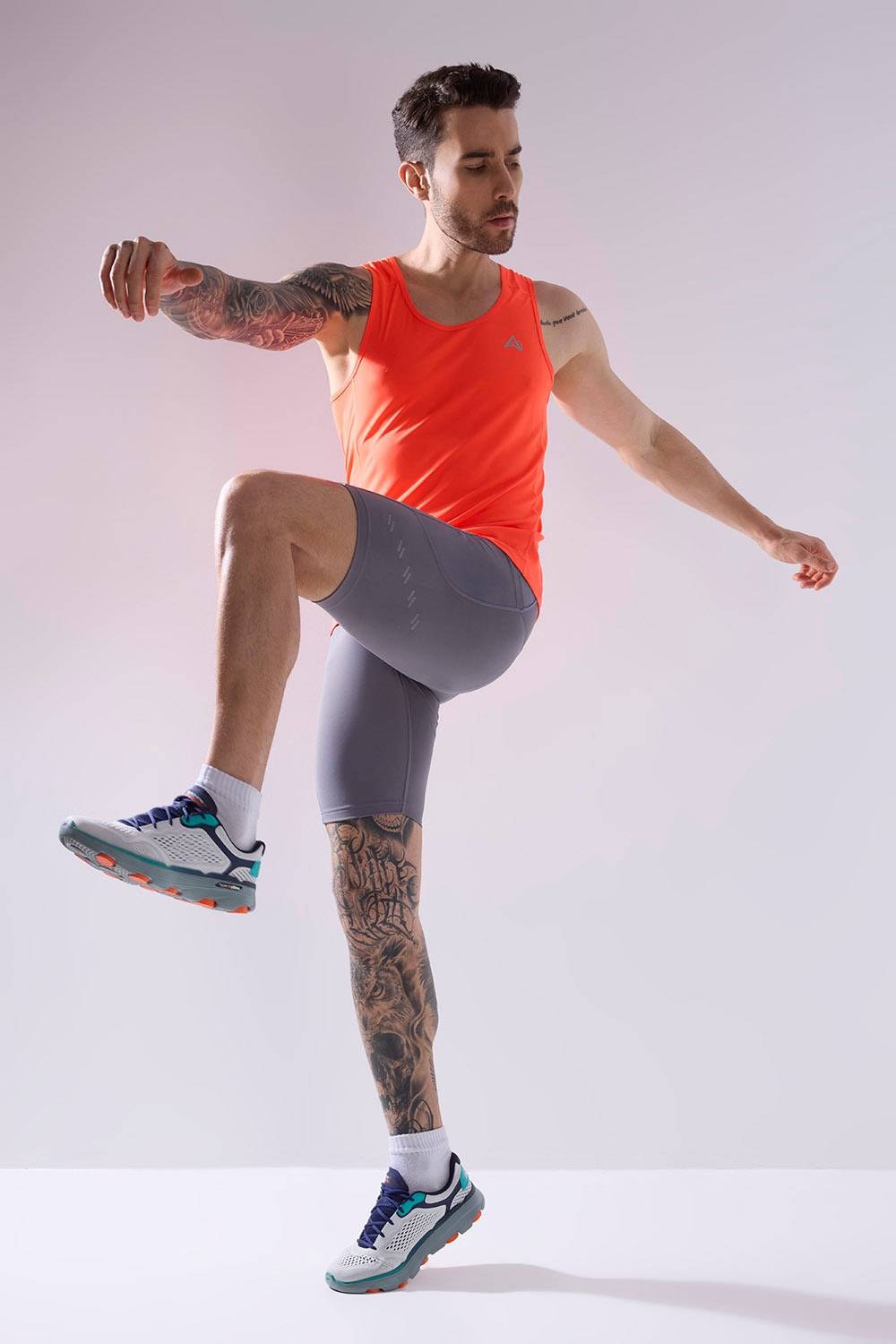
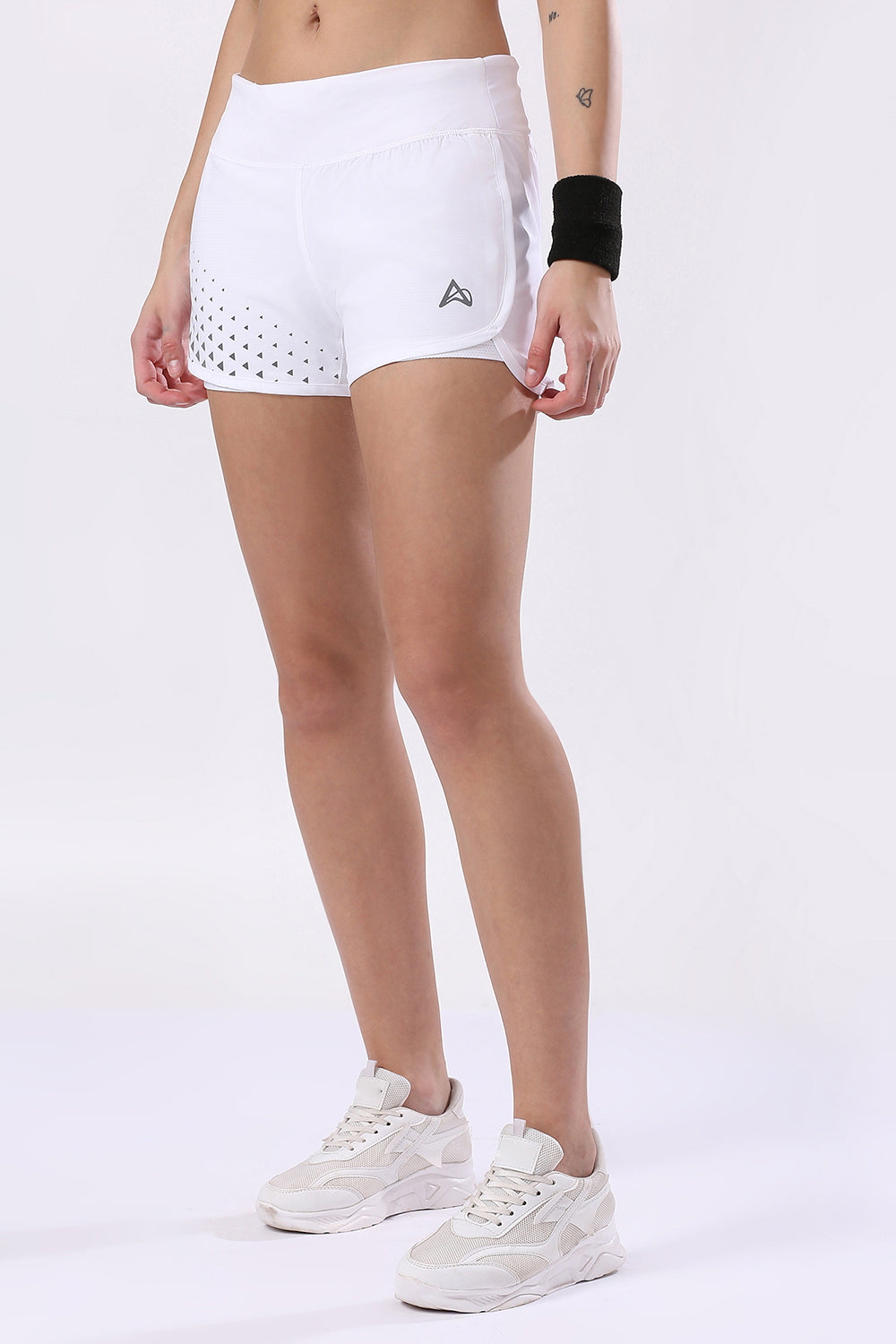
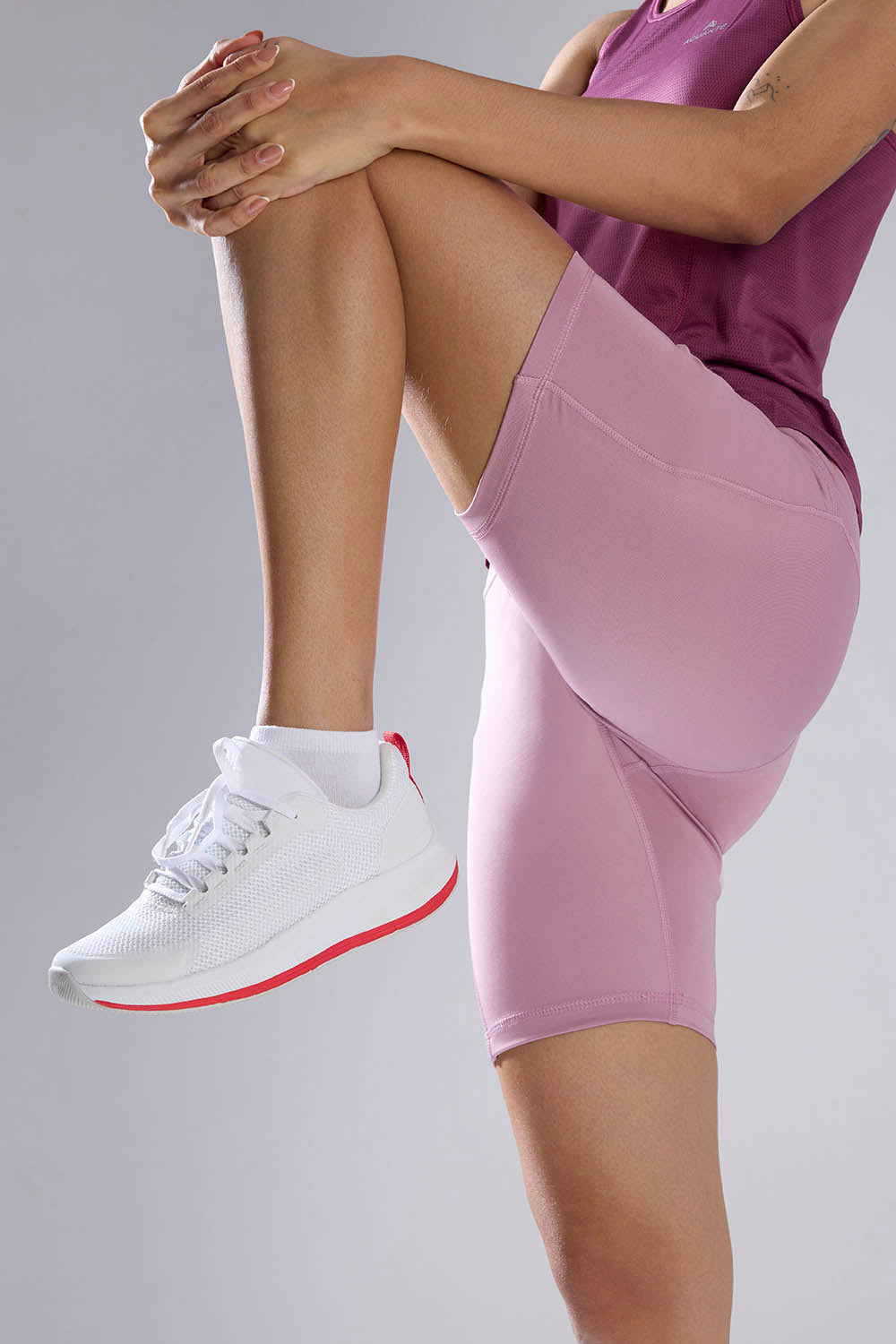
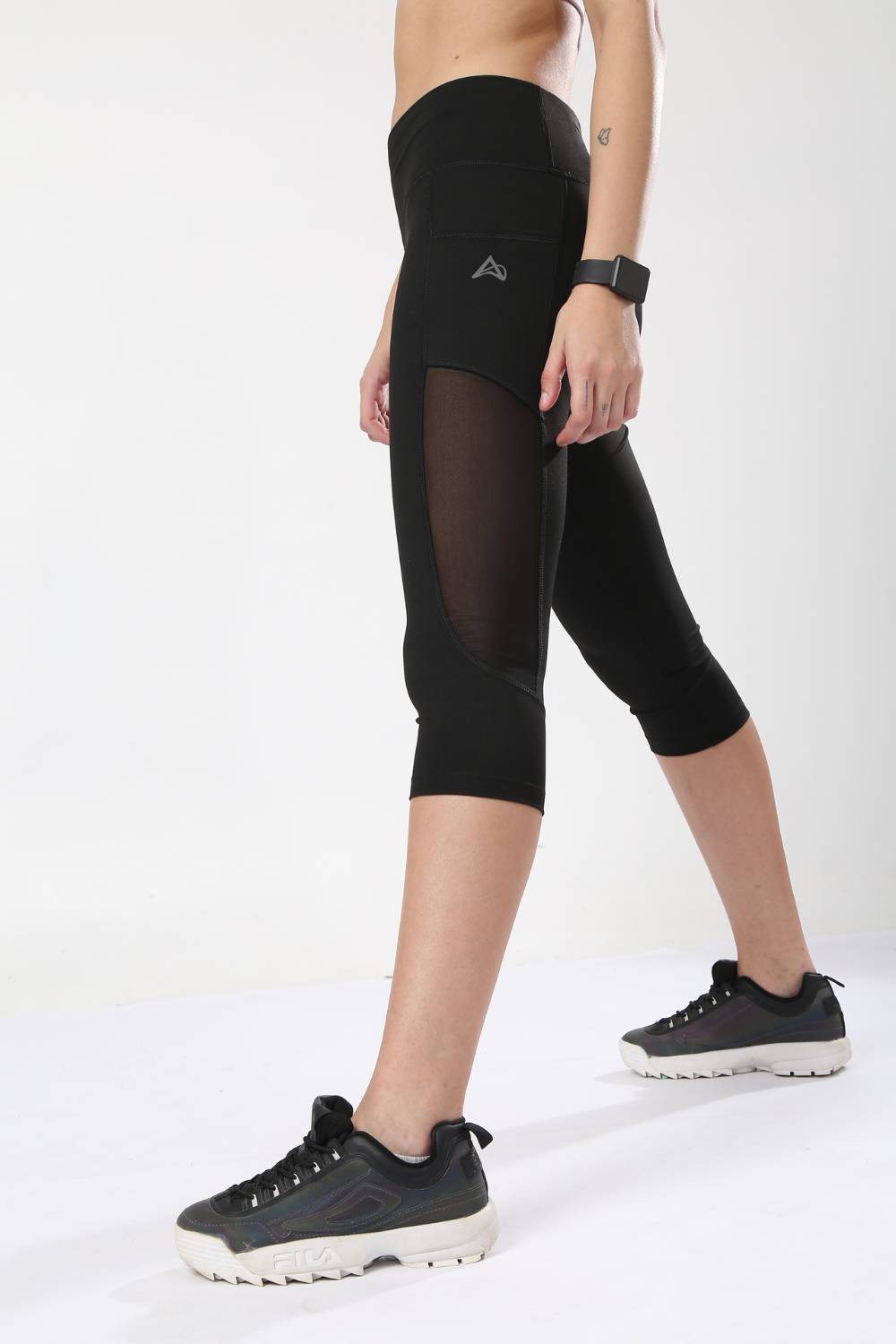
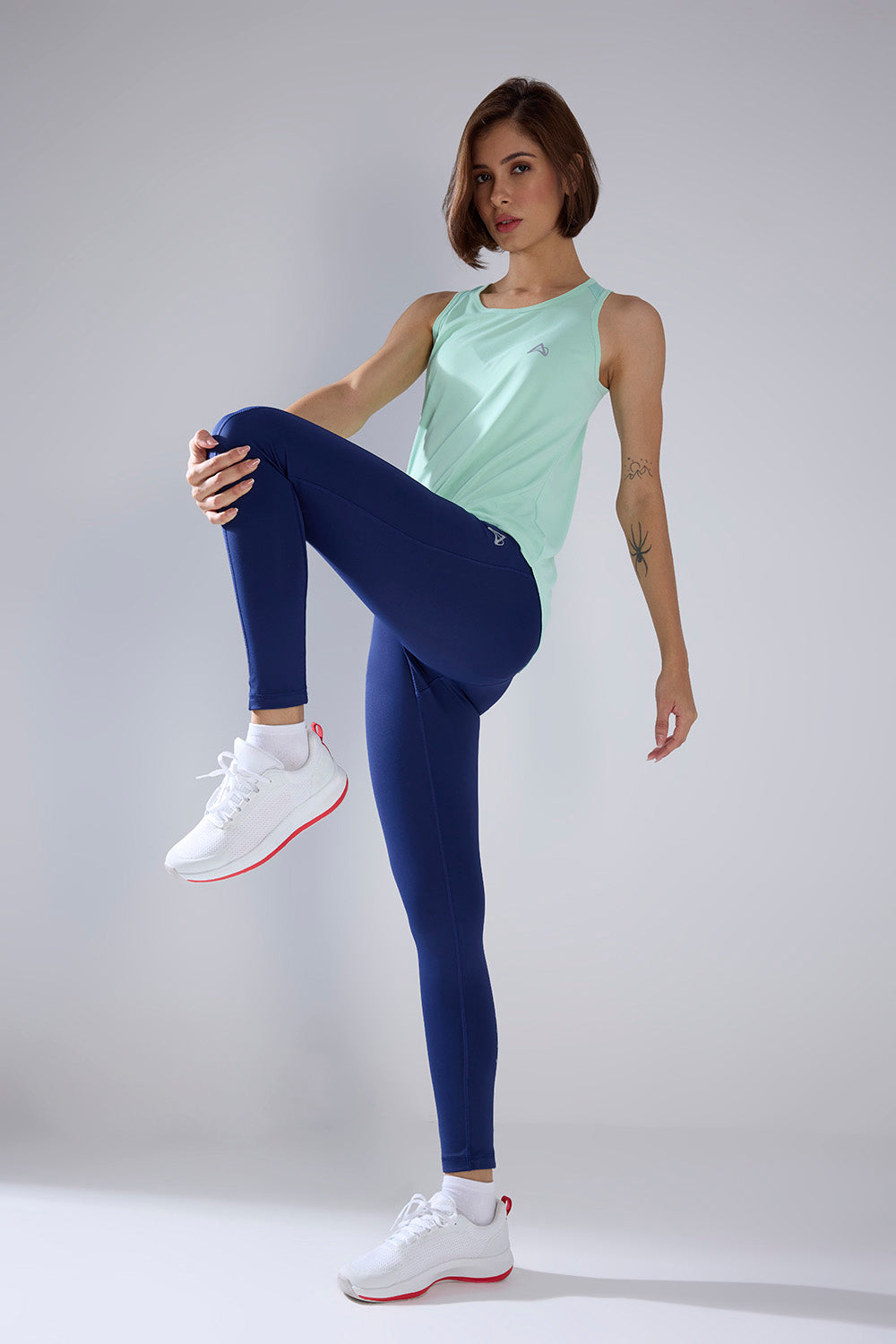
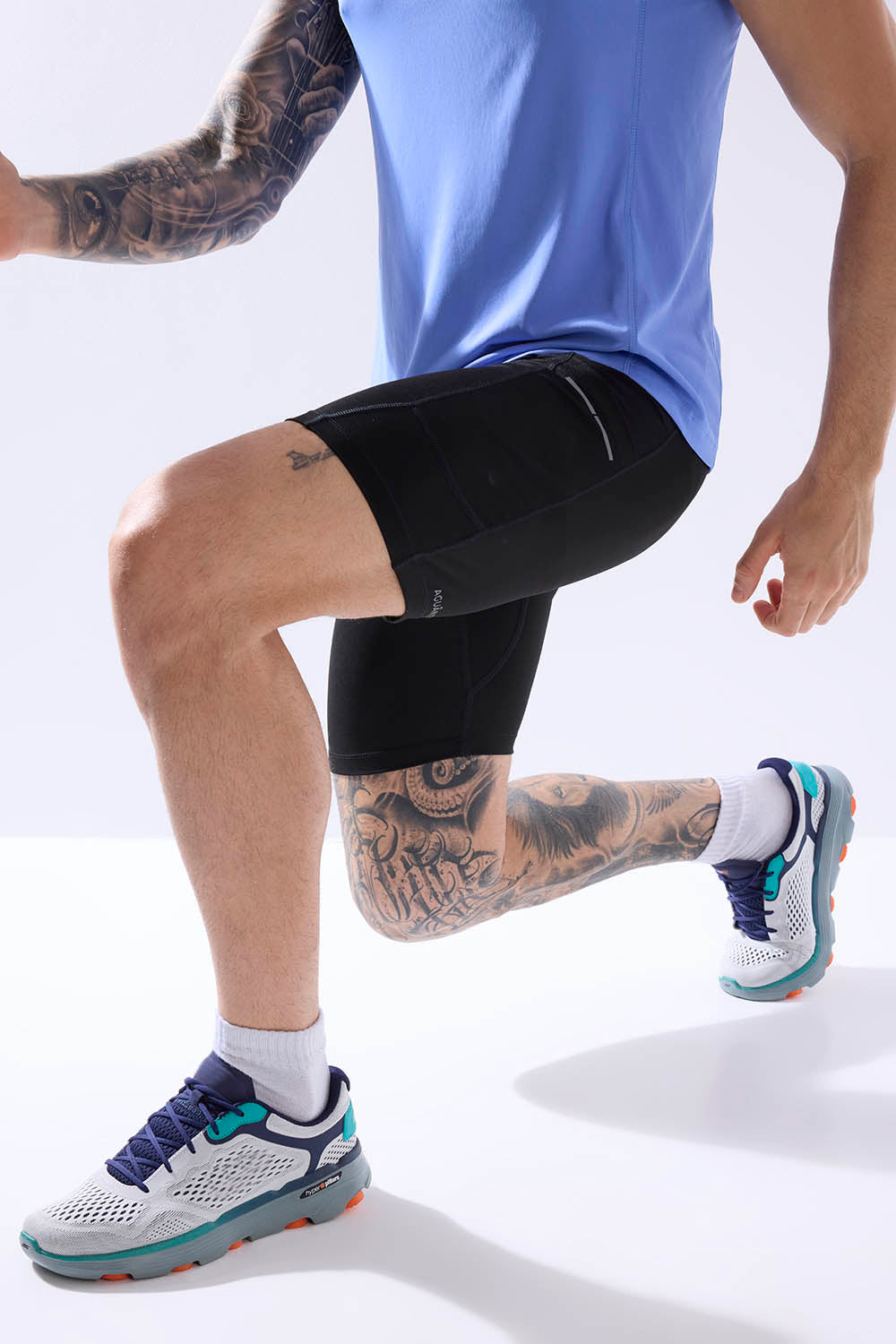
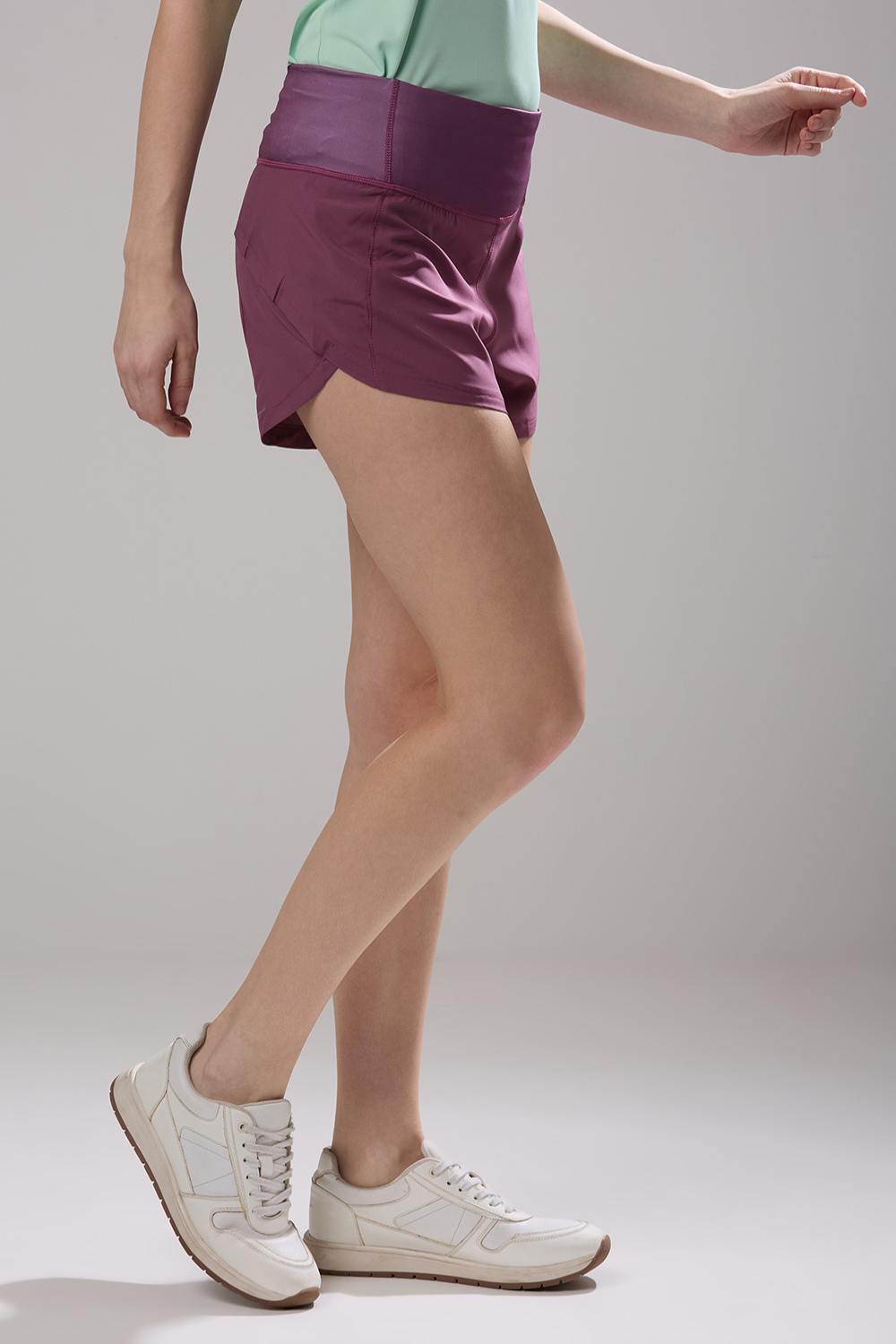
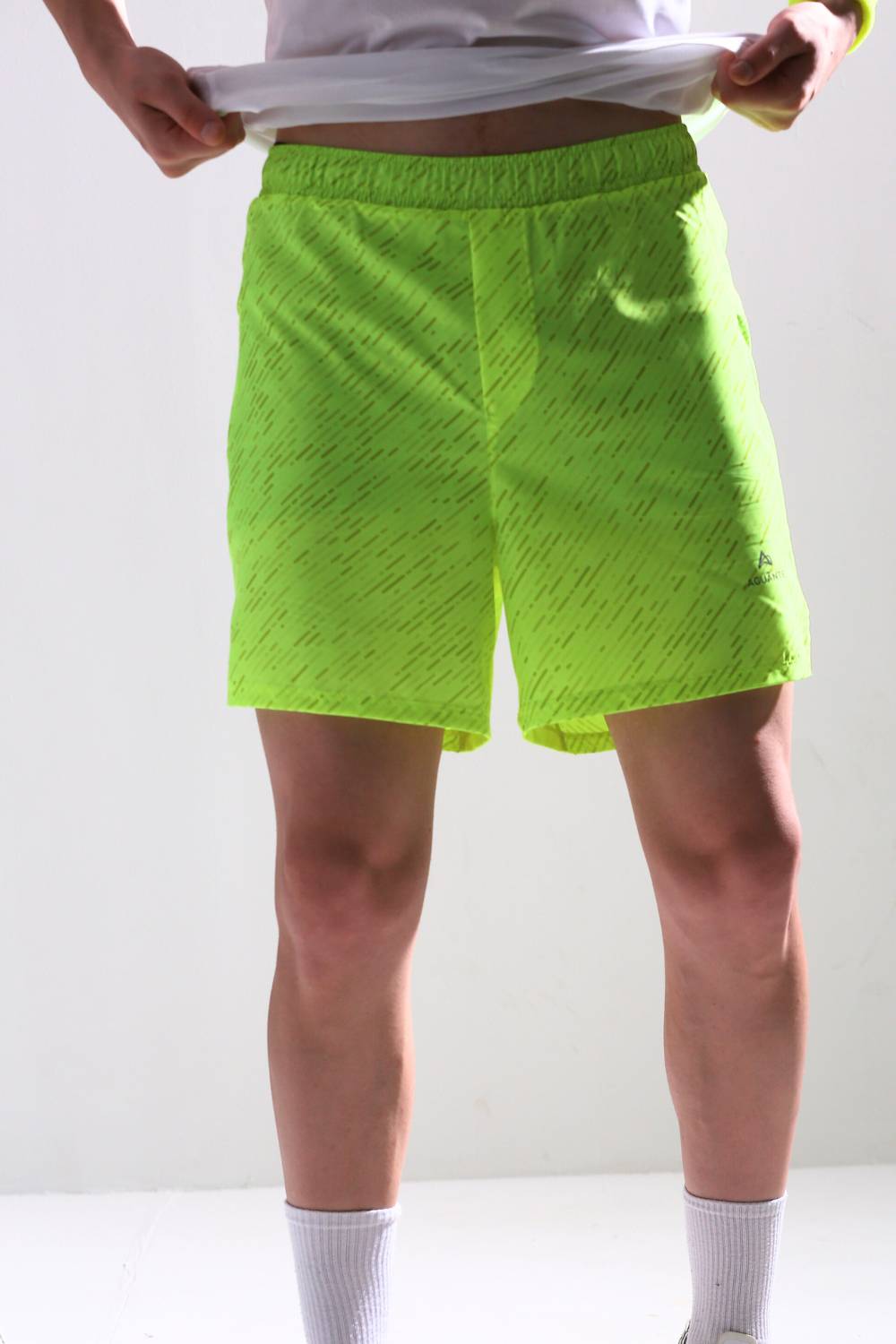
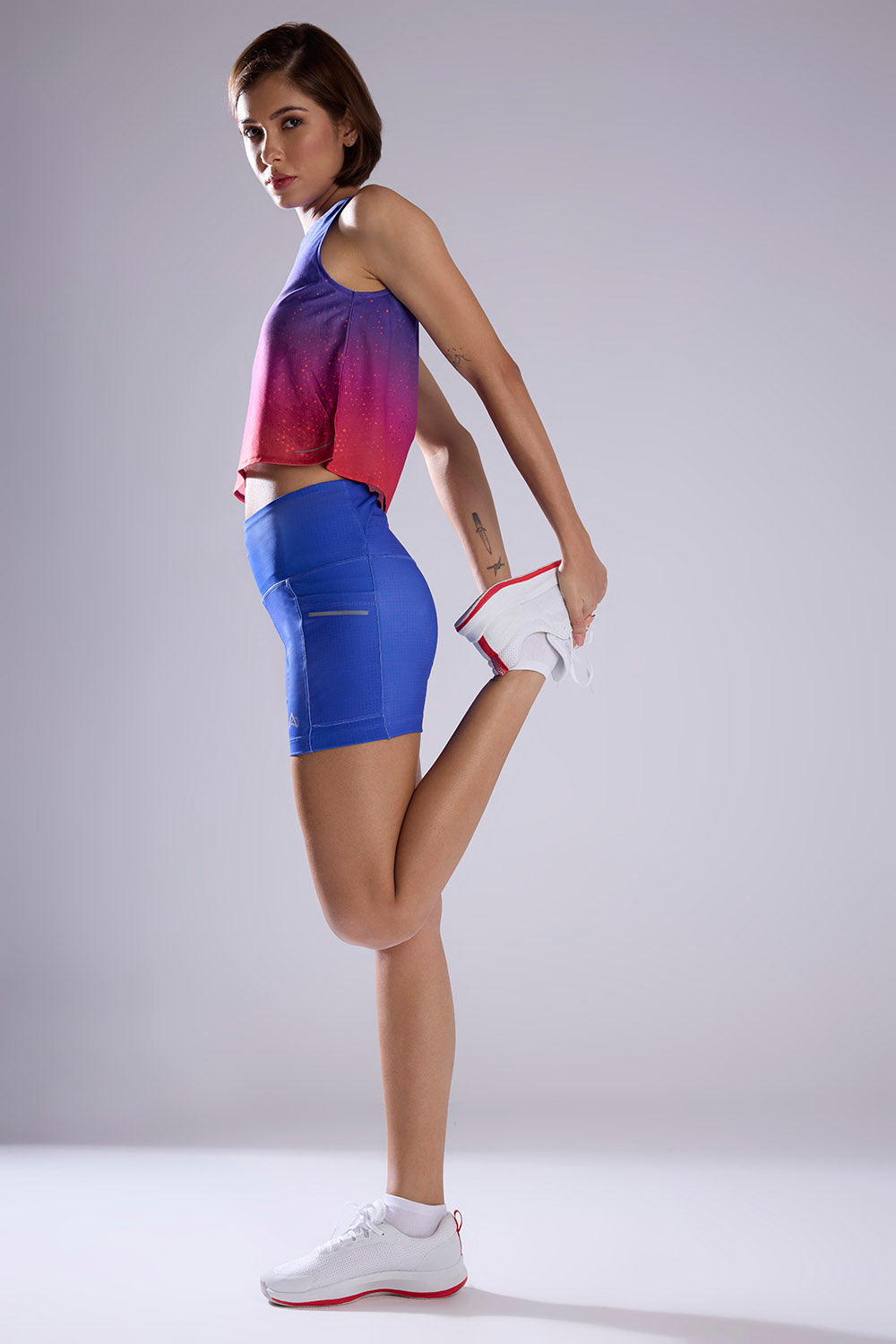
Compression running apparel consists of tight-fitting garments that apply graduated pressure to key muscle groups, especially in the legs and core areas. Items like shorts, tights, and socks are crafted to boost blood circulation and minimize muscle oscillation both during exercise and in the recovery phase. In urban hubs such as Delhi and Hyderabad, where runners contend with uneven surfaces and steamy conditions, this type of gear has proven indispensable for sustaining peak performance levels.
What sets compression gear apart from regular activewear is its use of stretchable fabrics that conform closely to the body, fostering improved blood flow. This feature holds particular importance amid India's diverse weather patterns from Pune's temperate climate to Surat's muggy coastal air where athletes encounter distinct physical demands that standard clothing might not address adequately.
To delve deeper, compression technology draws from medical principles used in treating circulatory issues, adapted for athletic use. The pressure gradient, typically stronger at the extremities and easing toward the heart, helps propel blood back upward, reducing pooling and enhancing oxygen delivery to tired muscles.
Emerging Trends in India's Running Scene
The Indian sports apparel market is experiencing robust expansion, currently valued at approximately USD 706 million, fueled by heightened health awareness and the athleisure boom. In key areas like Mumbai, Bangalore, and Delhi, demand for high-performance items, including compression wear, is on the rise as more people embrace fitness lifestyles.
Initiatives from the government, including the Fit India Movement and Khelo India program, have ignited widespread interest in physical activities, resulting in greater uptake of specialized apparel among Gurugram's professional running circles and Ahmedabad's local marathon events. Lately, there's been a noticeable pivot to domestically engineered products tailored to Indian requirements, such as fabrics that resist extreme heat.
Moreover, the integration of e-commerce has amplified access to these products. Drawing parallels from global markets, Canada's e-commerce sector illustrates this trend: it's projected to be worth USD 42.33 billion in 2025, expanding to USD 67.46 billion by 2030 with a steady growth rate around 9.77%. High internet access over 90% of the population and evolving shopping habits, including mobile purchases, drive this surge, much like India's own digital retail evolution.Canadian e-commerce insights Similarly, another analysis pegs the Canadian market at USD 41.79 billion in 2025, reaching USD 66.89 billion by 2030 at 9.86% growth, underscoring the role of online platforms in apparel distribution.
Market Growth in Key Cities
- Bangalore: Tech-oriented runners are adopting intelligent compression options fused with sweat-evaporating tech.
- Hyderabad: The burgeoning fitness center scene has elevated sales of recovery-oriented clothing noticeably each year.
- Pune: Off-road running fans are noting increased reliance on such gear for after-workout aid.
- Navi Mumbai: Coastal joggers benefit from humidity-resistant designs that maintain comfort.
- Delhi: Urban marathoners use compression to combat pollution-induced fatigue.
How Compression Apparel Aids Recovery
Studies demonstrate that compression garments can alleviate muscle tenderness by steadying tissues and augmenting venous blood return. For those training rigorously for Mumbai's marathons, this translates to diminished exhaustion, enabling swifter resumption of routines.
The primary ways it works involve accelerating lactic acid removal through better circulation and curbing inflammation in damp settings like Navi Mumbai. Evidence points to modest yet meaningful improvements in recovery, notably in easing felt discomfort following extended outings in Delhi's fluctuating temperatures.
Indian runners grappling with warmth and airborne irritants in Surat find that the breathable nature of compression wear helps regulate muscle warmth and facilitate nutrient transport during downtime. Furthermore, it can mitigate delayed onset muscle soreness (DOMS), a common post-run complaint, by limiting micro-tears in muscle fibers.
From a physiological standpoint, the apparel enhances proprioception the body's sense of position potentially reducing injury risk over time. In humid Hyderabad, where sweat buildup can exacerbate chafing, anti-friction linings in compression pieces offer additional protection.
Real-World Examples from Indian Runners
Within Bangalore's vibrant running communities, entrants in neighborhood 10K races have observed quicker recuperation when donning compression leggings after events. Likewise, Hyderabad's wellness devotees incorporating the gear into trail workouts mention reduced ache the next morning.
A prime illustration comes from preparations for the Mumbai Marathon, where compression clothing assists participants in handling rest periods amid demanding seaside paths. In Pune, social media-coordinated group jogs illustrate how this equipment bolsters casual runners in surmounting weariness from undulating landscapes.
In Gurugram's business districts, joggers are opting for compression to accelerate rebound after midweek exertions, according to regional wellness updates.
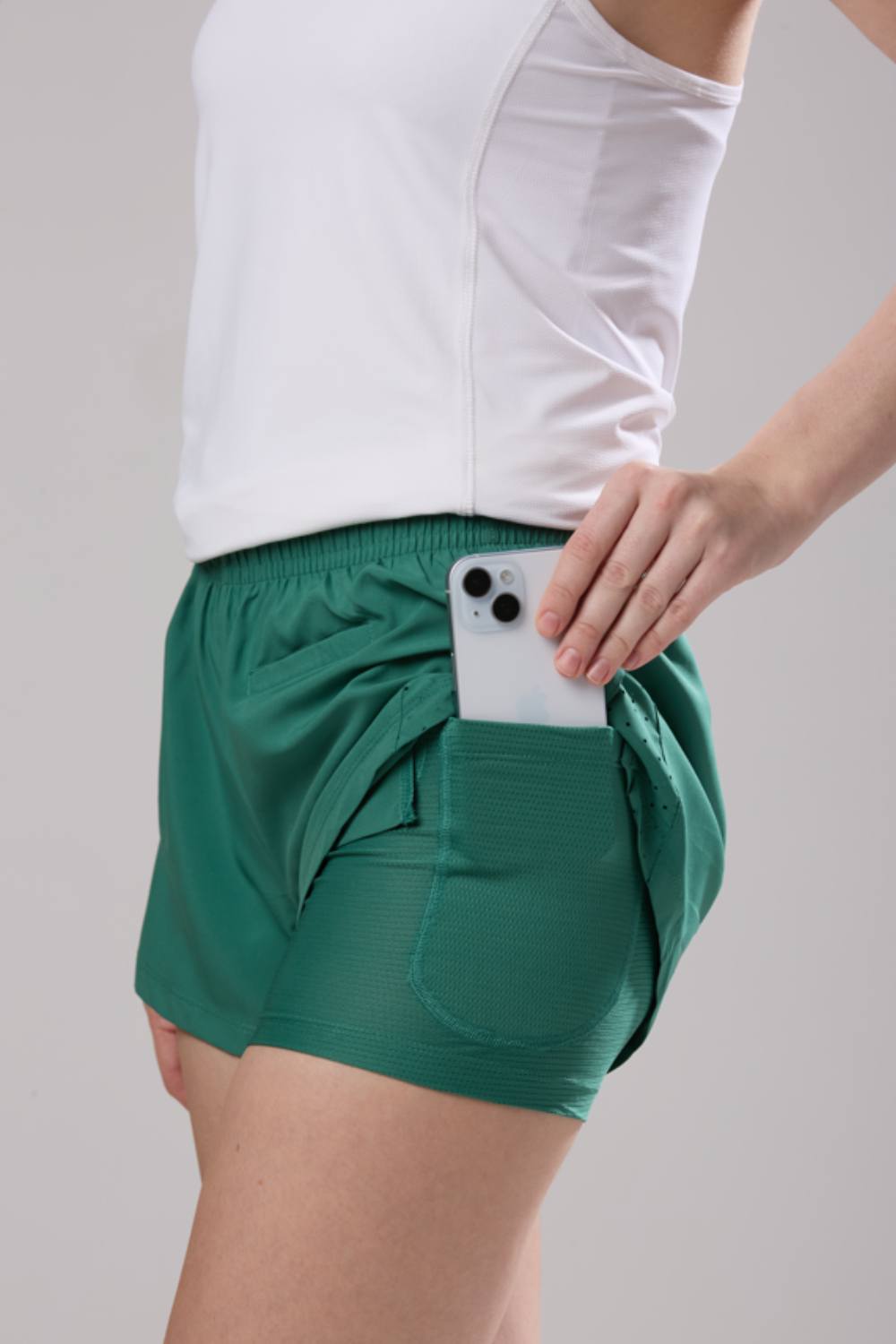
Surat's coastal runners share stories of how reflective elements in compression socks enhance safety during early dawn sessions, while Ahmedabad's marathon trainees credit the secure pockets for keeping essentials handy without distraction.
Key Challenges and Limitations
Even with its advantages, compression apparel encounters obstacles in the Indian context. Elevated pricing restricts reach in cost-conscious zones like Ahmedabad, where budget options prevail. In Mumbai and Surat's moist atmospheres, material longevity suffers, with textiles wearing out quicker from sun exposure and repeated laundering.
Sizing inconsistencies pose issues, as uniform measurements may not accommodate varied Indian physiques in Delhi and Navi Mumbai. Certain Hyderabad users cite unease from over-tightness, which could deter widespread use. Moreover, sparse research tailored to Indian scenarios in Pune sparks doubts regarding prolonged effectiveness.
Another concern is overheating in extreme heat, common in Bangalore summers, where improper fabric choices might hinder rather than help. Educating consumers on correct usage remains a hurdle to maximize benefits.
Opportunities and Business Impacts
The burgeoning sector opens doors for indigenous creativity, exemplified by Aguante's emphasis on designs attuned to India's warmth and dampness. In Bangalore and Gurugram, enterprises can leverage technological fusions for advanced recovery solutions.
On the economic front, this fosters employment in production centers near Mumbai and Pune. With governmental backing for athletics in Delhi, firms can collaborate for broader outreach. For runners, the efficiencies mean steadier regimens, elevating general health standards in Hyderabad and Surat.
Globally, e-commerce's expansion, as seen in Canada where the industry has grown at about 9.9% annually to hit an estimated $28.1 billion in 2024 thanks to online shopping's popularity, suggests similar potential for India's digital marketplaces to democratize access to quality gear.
| City | Opportunity | Business Impact |
|---|---|---|
| Bangalore | Tech-infused apparel | Boosted innovation-driven revenue |
| Mumbai | Event sponsorships | Heightened brand exposure |
| Delhi | Policy alignments | Accelerated market expansion |
| Hyderabad | Gym partnerships | Increased retail partnerships |
Expert Insights and Future Outlook
Authorities in India's fitness spheres stress compression's contribution to enduring exercise habits. A Pune-based trainer remarks, "In our steamy weather, apt recovery equipment is vital." Forward-looking, progress in airy textiles will remedy existing drawbacks in Ahmedabad and Navi Mumbai.
Suggestions encompass beginning with fundamental socks for novices in Surat and progressing to comprehensive leggings for dedicated athletes in Hyderabad. With India's jogging ethos advancing, compression attire is set to be instrumental in elevating recuperation and output.
Integrating smart features, like embedded sensors for monitoring recovery metrics, could redefine the landscape, aligning with tech trends in Bangalore.
Final Thoughts
Compression running apparel delivers concrete advantages for recuperation, finely tuned to India's multifaceted running milieus. From alleviating discomfort in Delhi's green spaces to bolstering stamina on Bangalore's paths, it stands as an essential asset for contemporary athletes. As the sector progresses, adopting homegrown advancements will unlock its full promise, encouraging healthier, more active communities across the nation.
Frequently Asked Questions
How does compression running apparel help with post-run recovery?
Compression running apparel aids recovery by applying graduated pressure to key muscle groups, which boosts venous blood return and accelerates the removal of lactic acid. This improved circulation helps reduce muscle soreness, limit inflammation, and minimize delayed onset muscle soreness (DOMS) by reducing micro-tears in muscle fibers. Studies show these benefits are particularly meaningful for runners who train frequently or cover long distances, allowing them to bounce back faster between sessions.
Is compression running gear suitable for running in hot and humid climates like India?
Yes, but fabric choice matters significantly. Quality compression apparel designed for warm, humid conditions like those found in cities such as Mumbai, Hyderabad, and Navi Mumbai uses breathable, moisture-wicking materials that help regulate muscle temperature and reduce chafing. However, wearing the wrong fabric in extreme heat can hinder recovery rather than help it, so runners should look for garments specifically engineered for high-heat environments.
What types of compression running apparel should beginners start with?
Beginners are best served starting with compression socks, which offer noticeable recovery benefits without the commitment of a full-body garment. As training intensity increases, runners can progress to compression tights or shorts that provide broader muscle support for the legs and core. The key is choosing well-fitted pieces, as sizing inconsistencies are a known challenge ill-fitting compression gear can cause discomfort and reduce effectiveness.
Disclaimer: The above helpful resources content contains personal opinions and experiences. The information provided is for general knowledge and does not constitute professional advice.
You may also be interested in: The Role of Lightweight Activewear in Improving Running Times
Tired of gear that slows you down? Chafing, soggy fabrics, and missing pockets kill your run's momentum. At Aguante, we're runners who get it. Our high-performance activewear features moisture-wicking fabrics, ergonomic designs, and smart storage to keep you focused. Shop Now!
Powered by flareAI.co