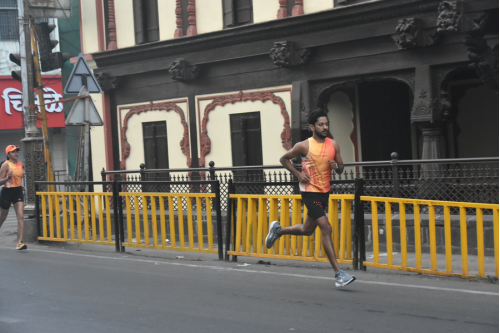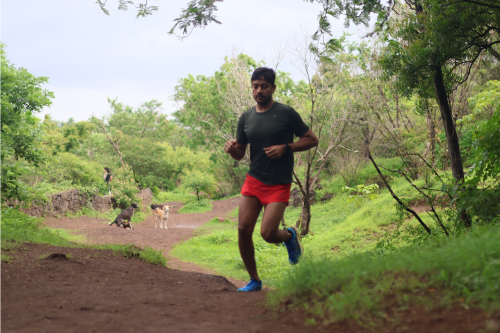

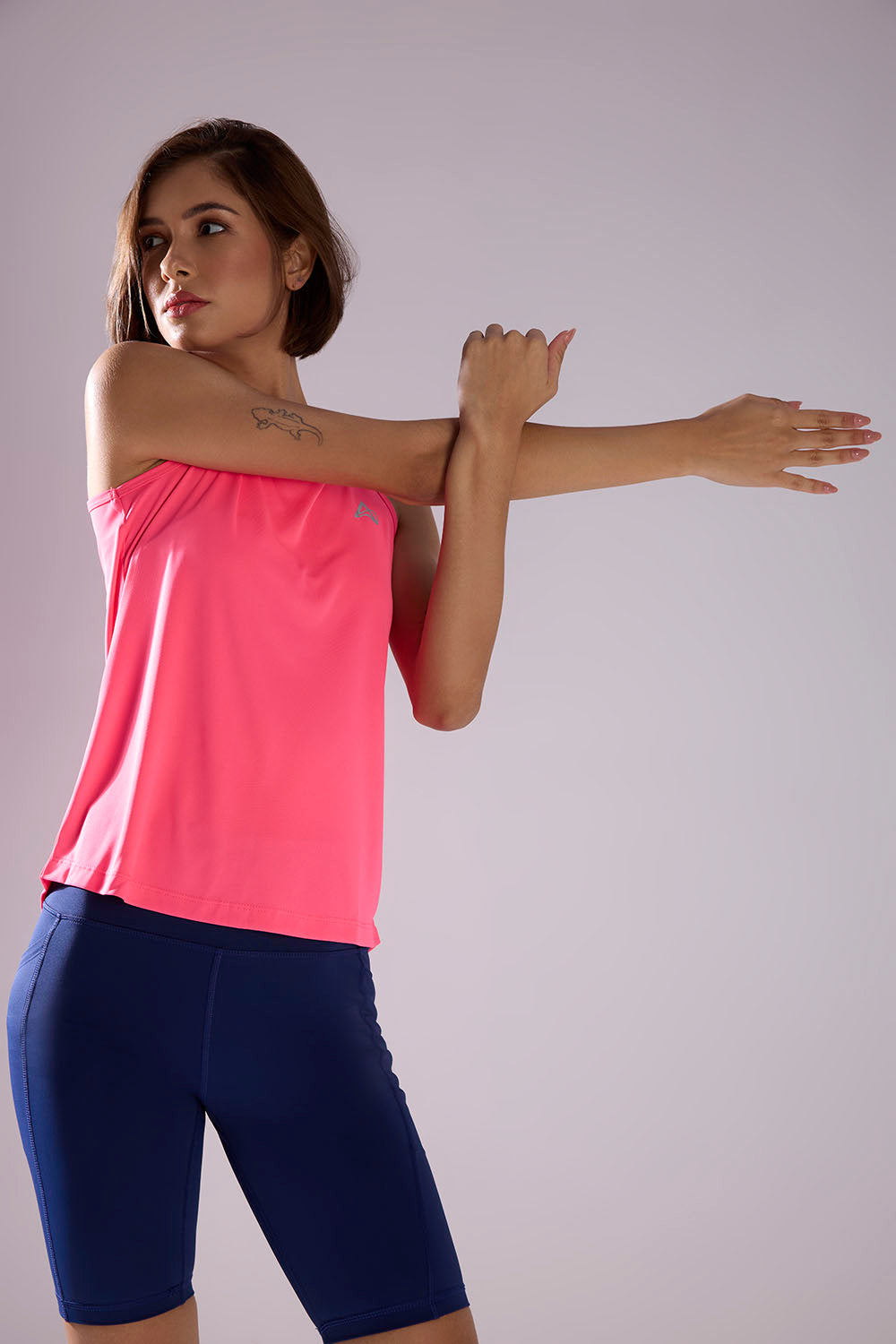
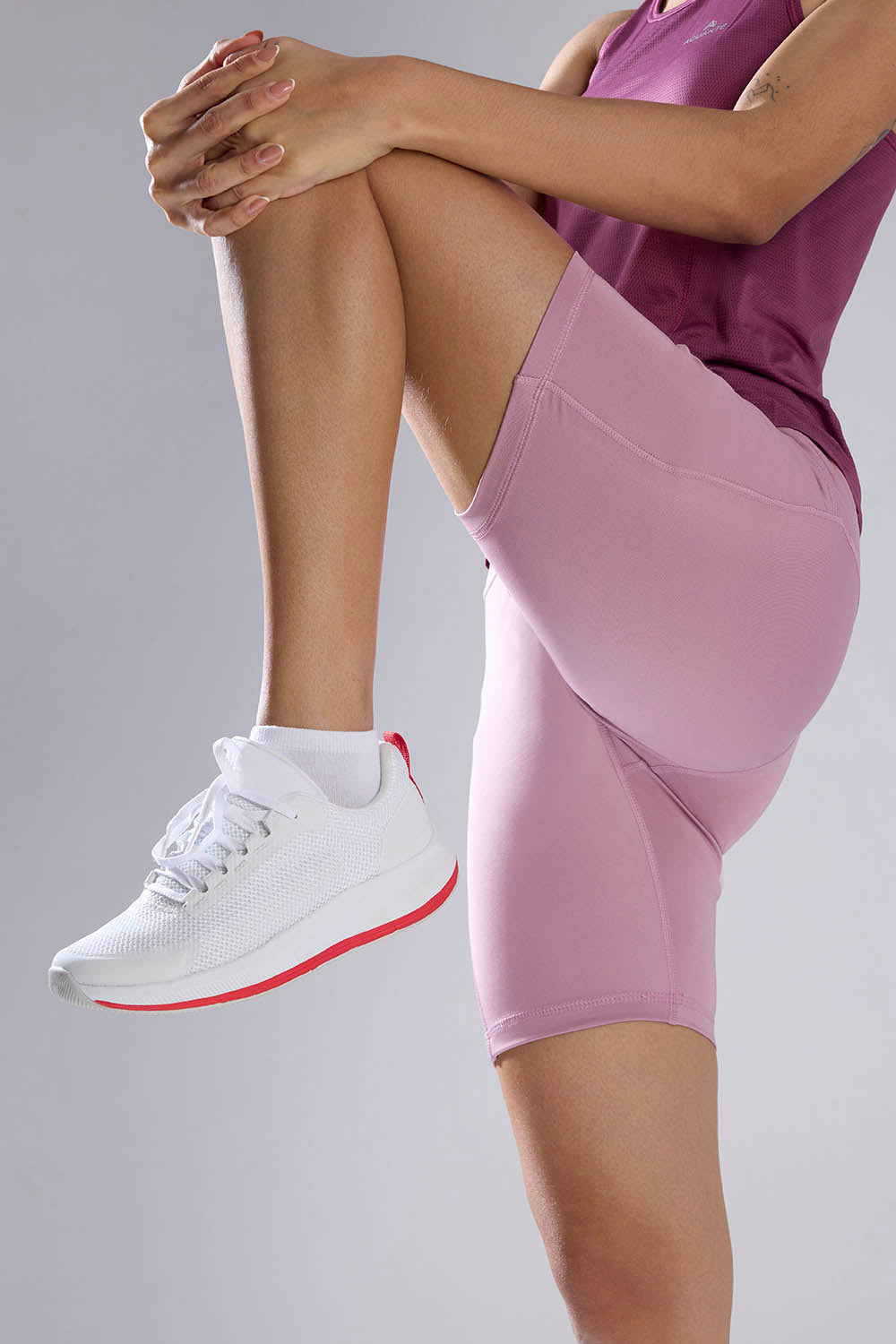
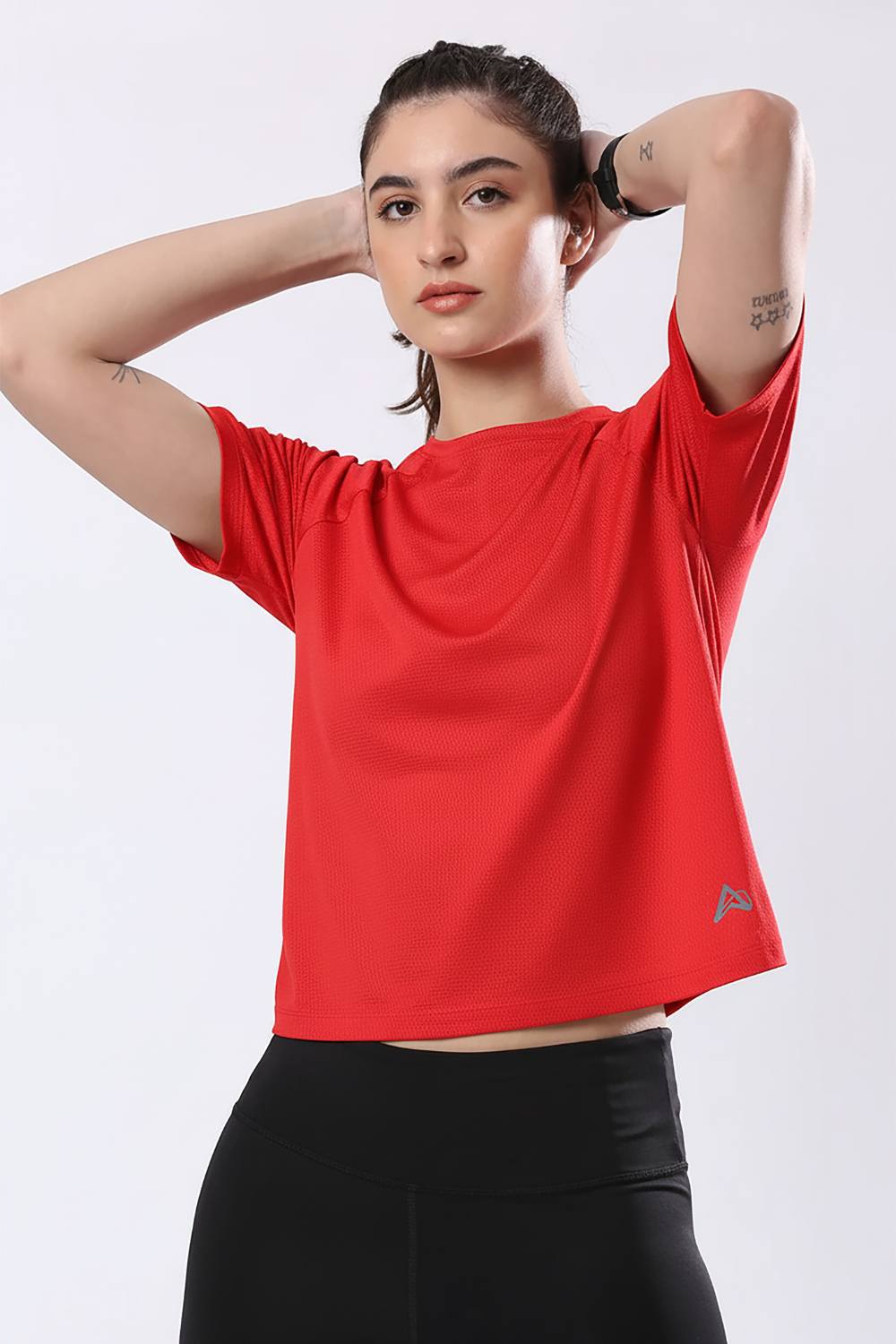
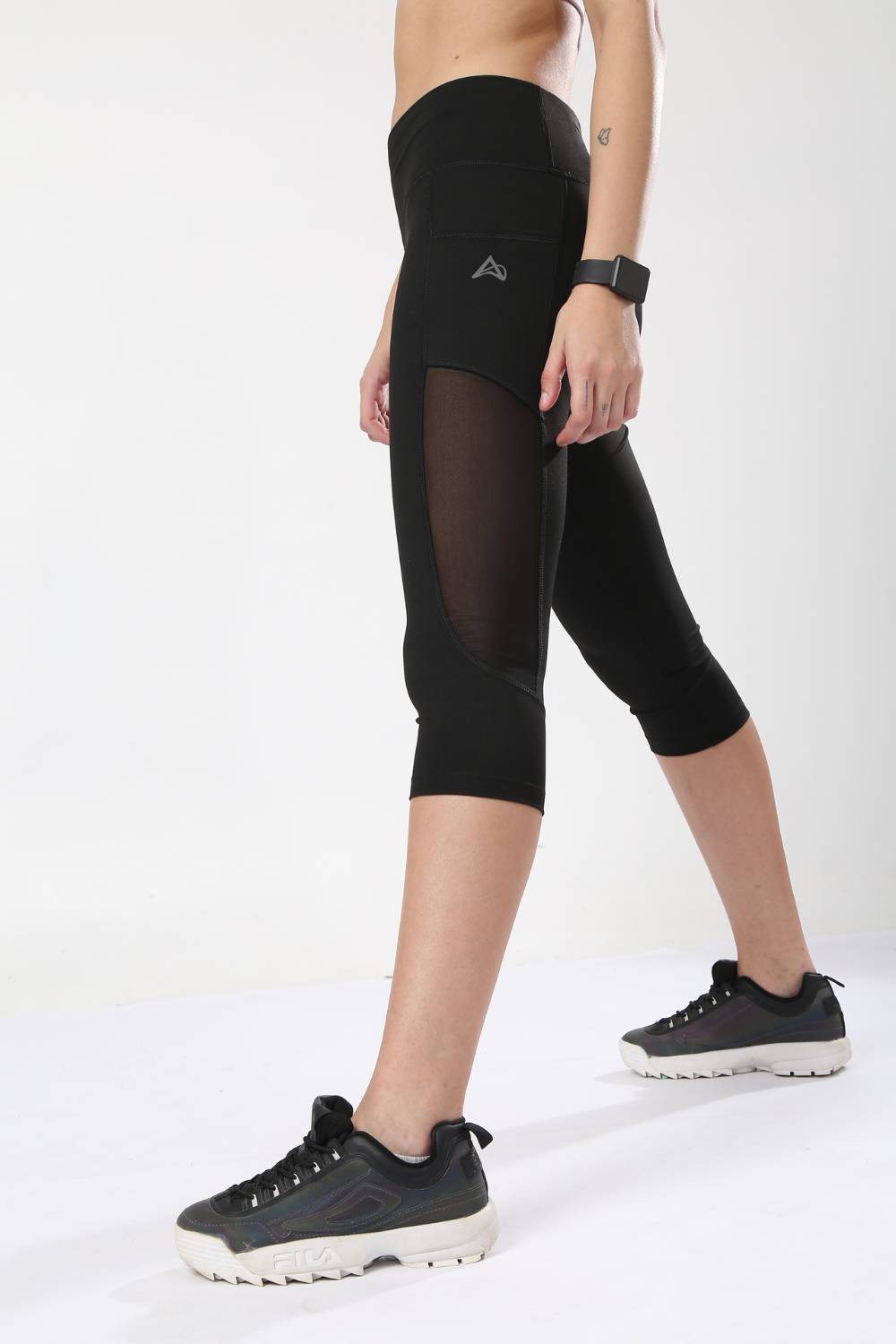






Picture yourself pushing through a long run on a sweltering afternoon. Your body generates significant heat with every stride, yet your shirt stays remarkably light and dry against your skin. This seamless comfort stems from advanced science dedicated to heat dissipation in running fabrics. Some of the most promising developments in this field are coming from India's vibrant urban research centers, which serve as living laboratories for performance apparel.
Heat dissipation in running fabrics has moved well beyond traditional manufacturing centers. From Bangalore's cutting-edge materials labs to Mumbai's rigorous humidity testing grounds, Indian cities are delivering real-world insights that are shaping next-generation sportswear athletes around the world can trust.
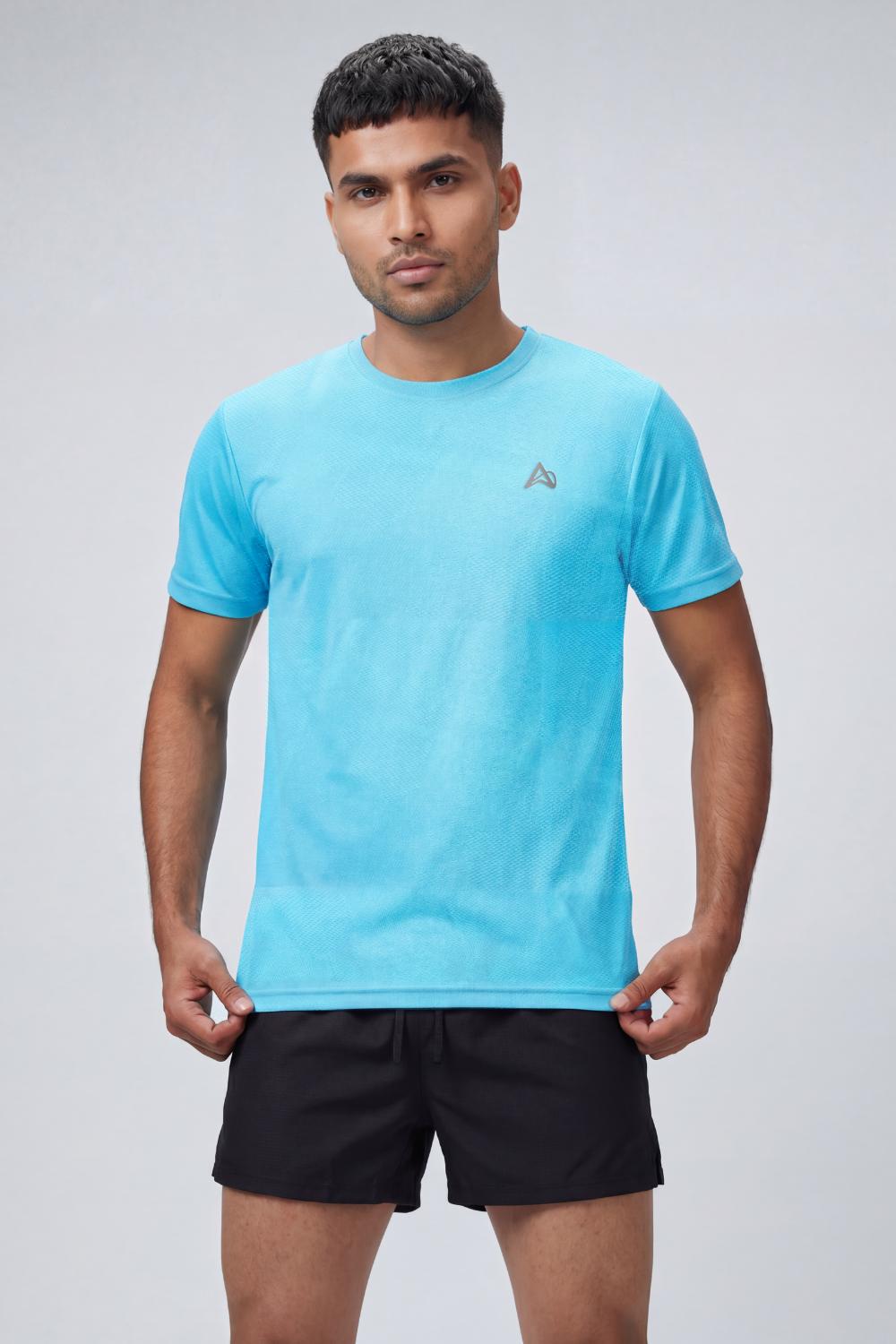
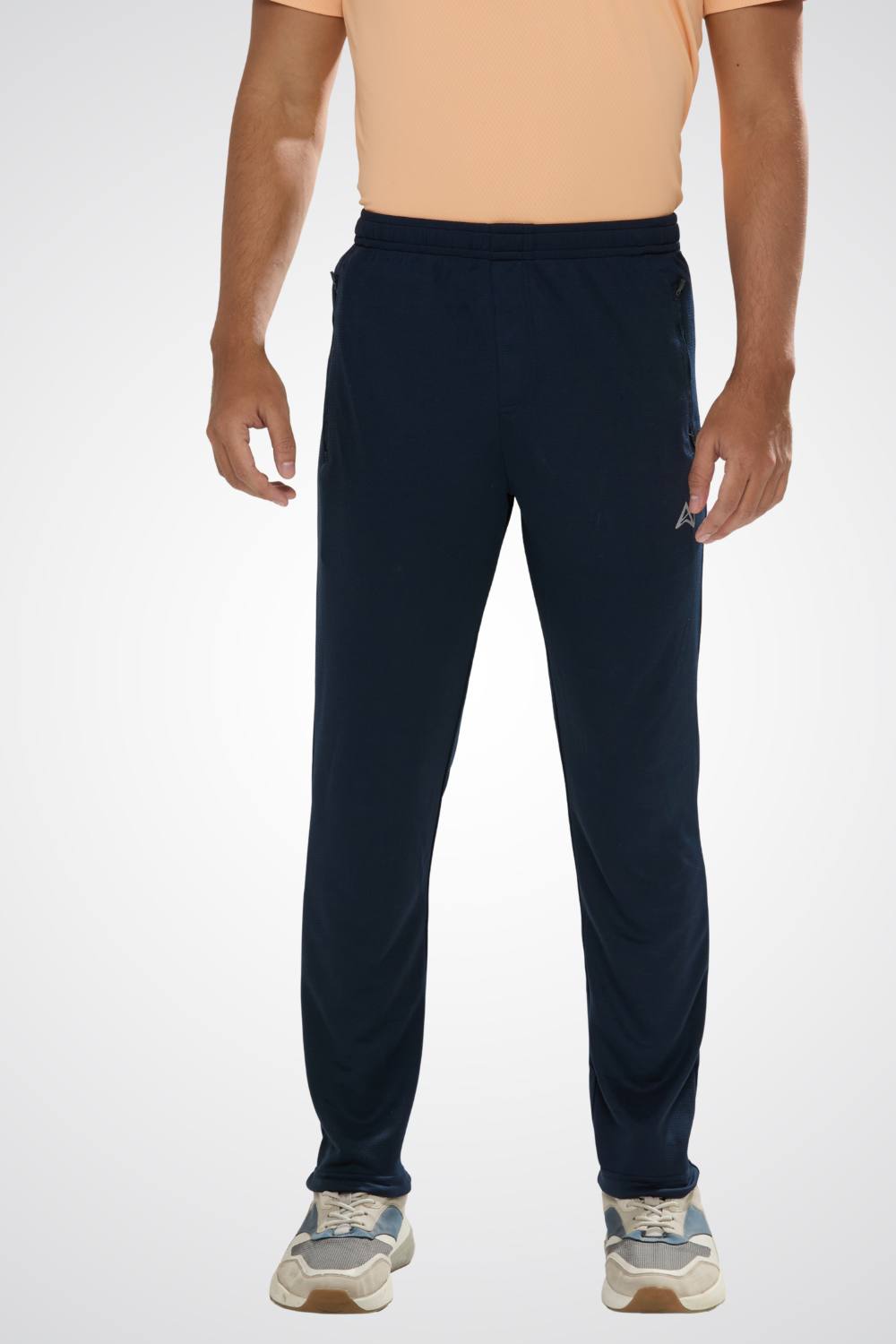
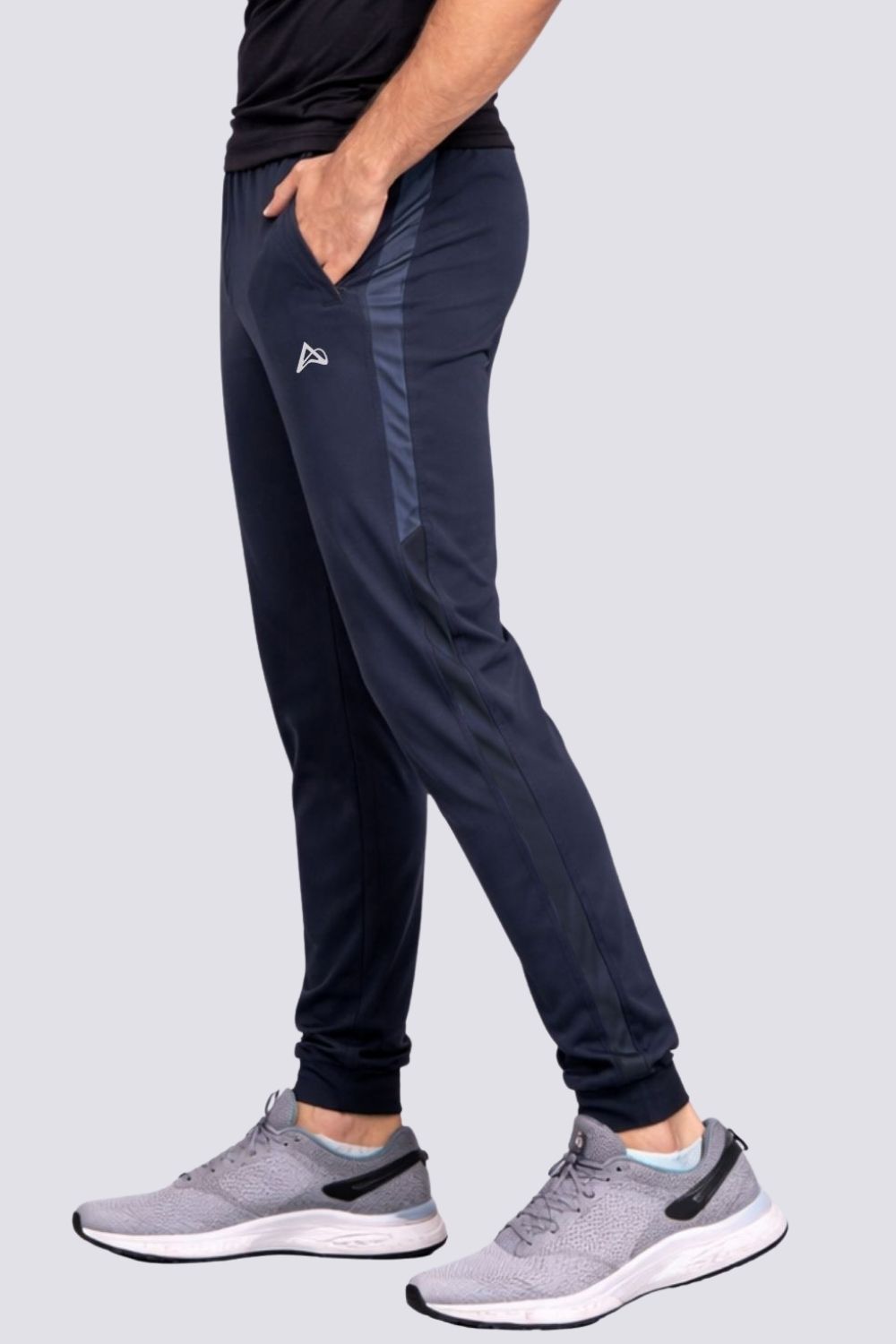
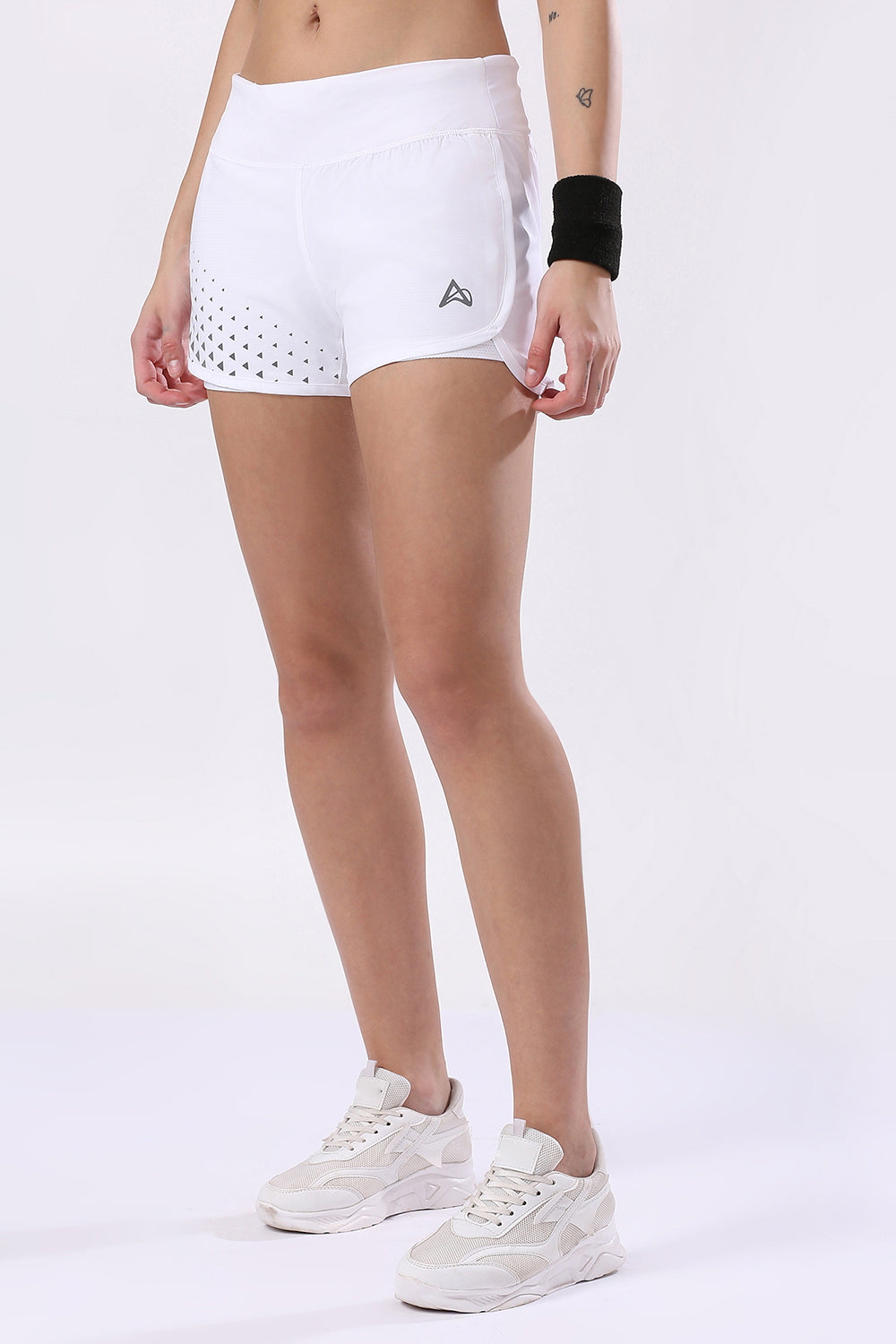
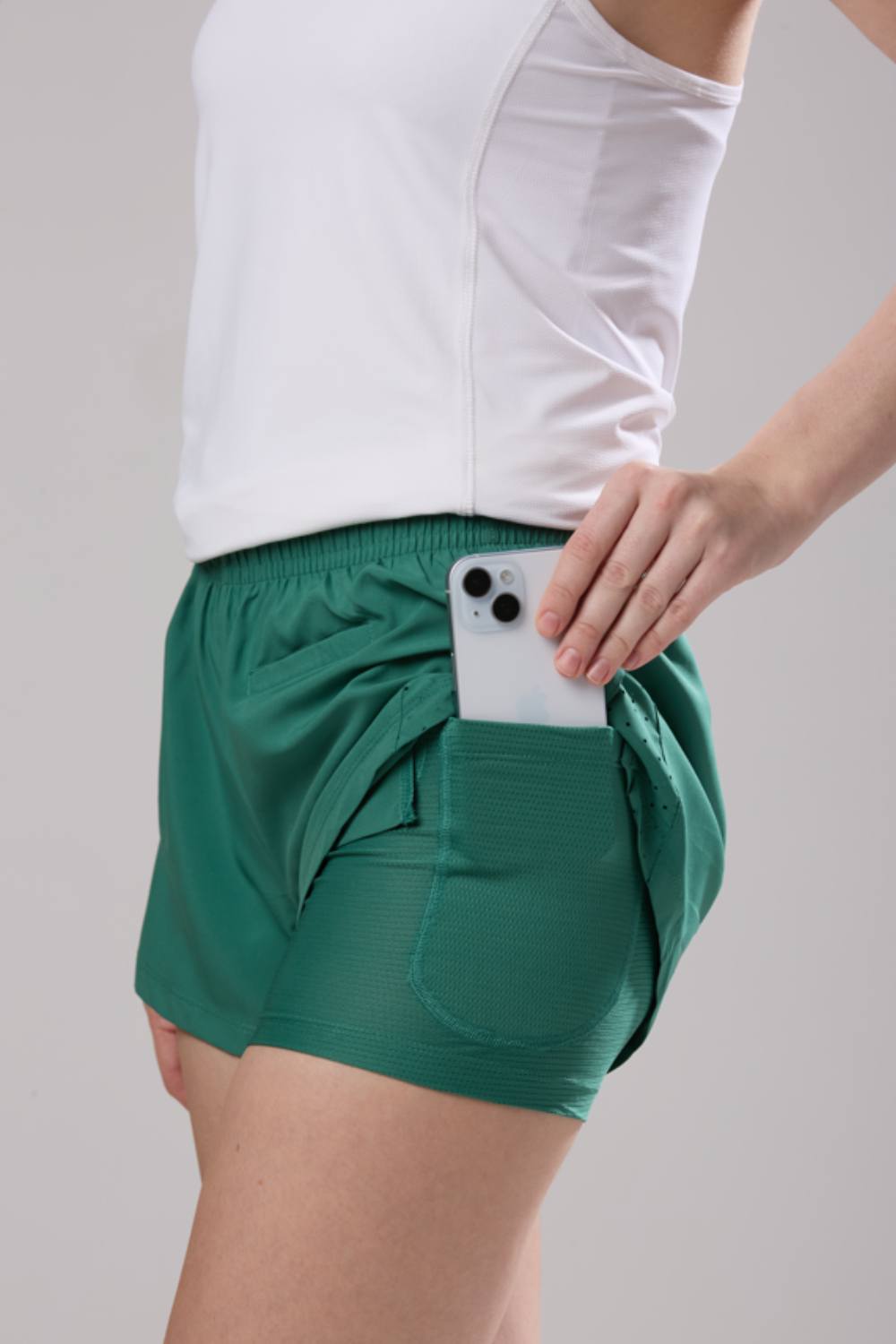
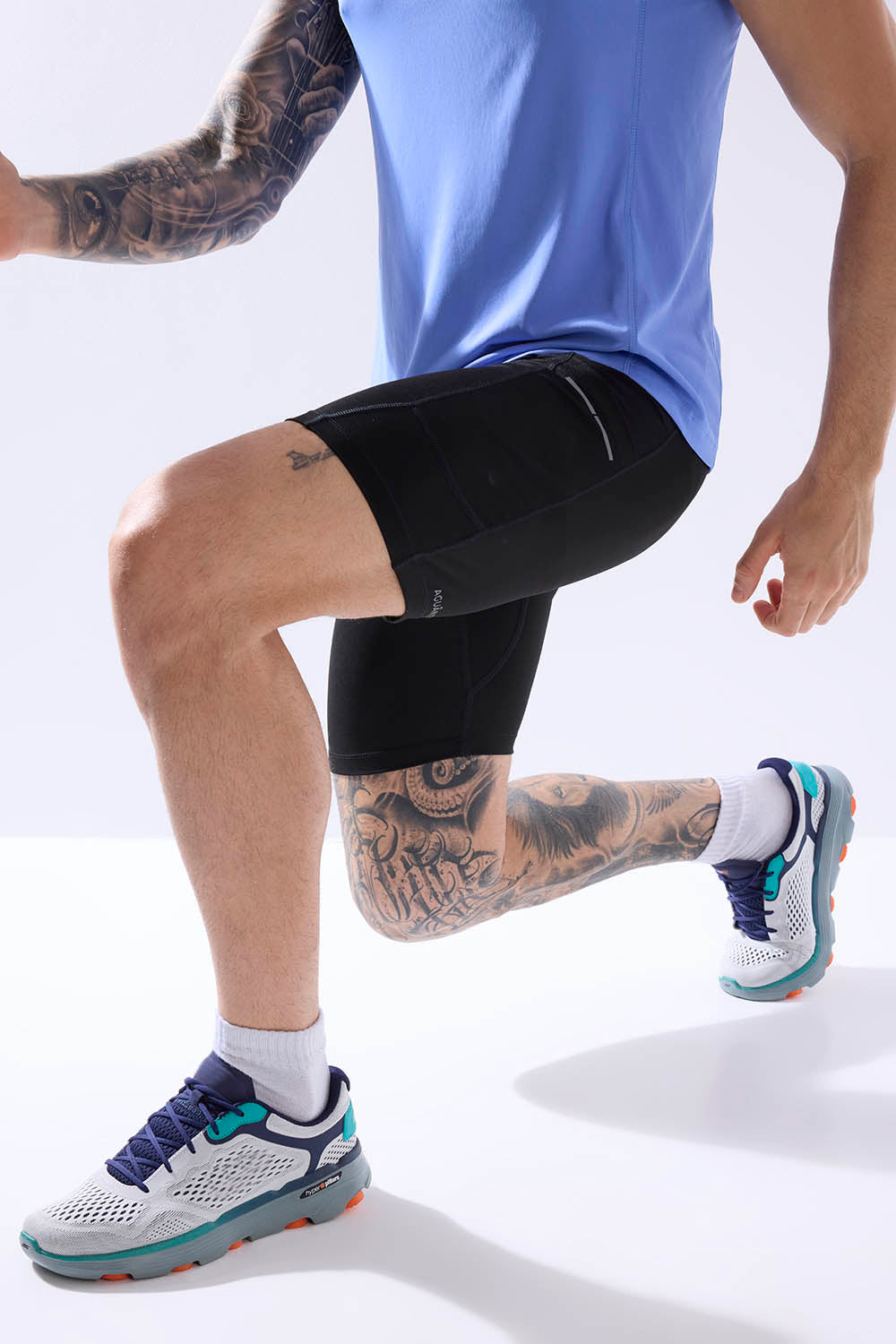
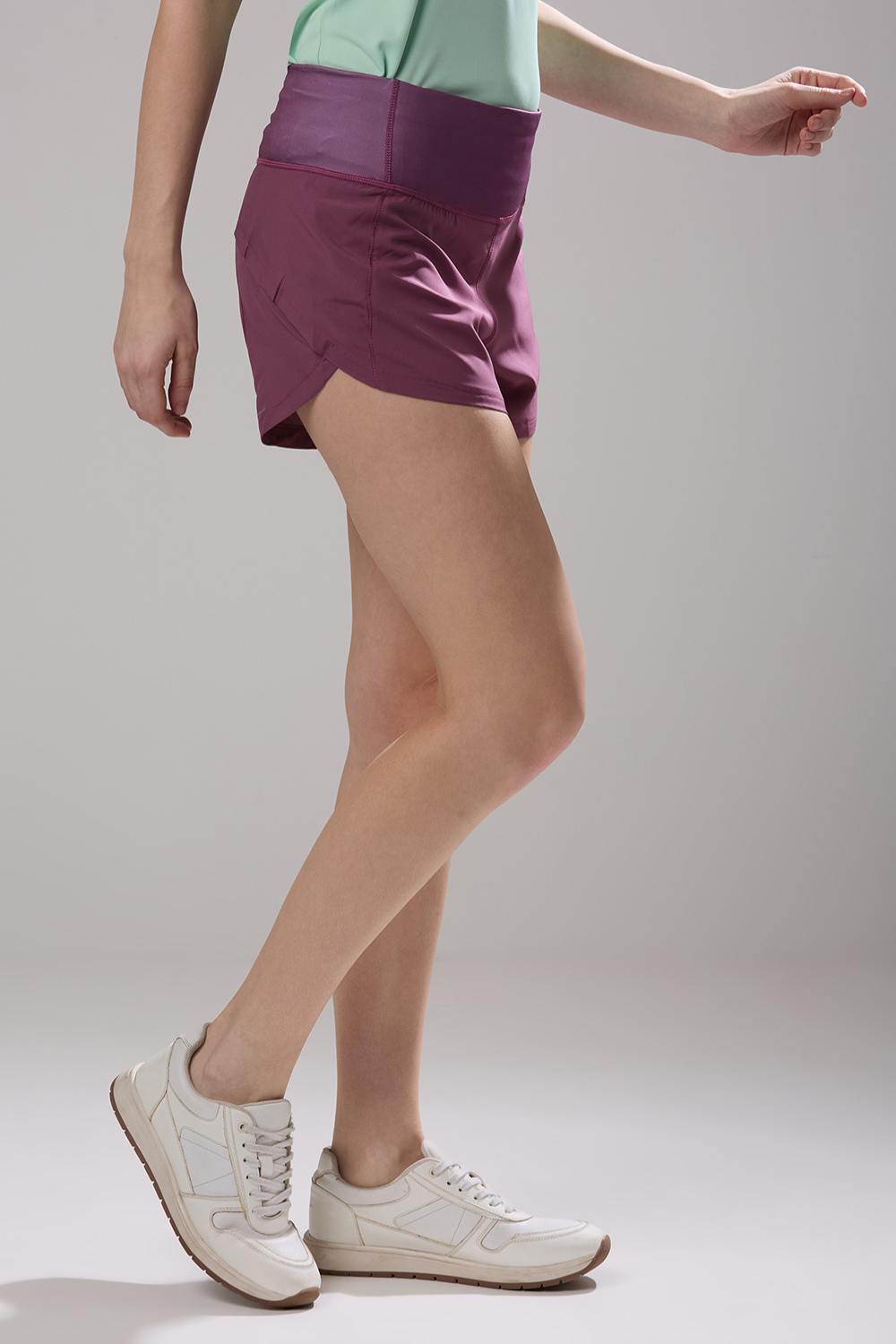
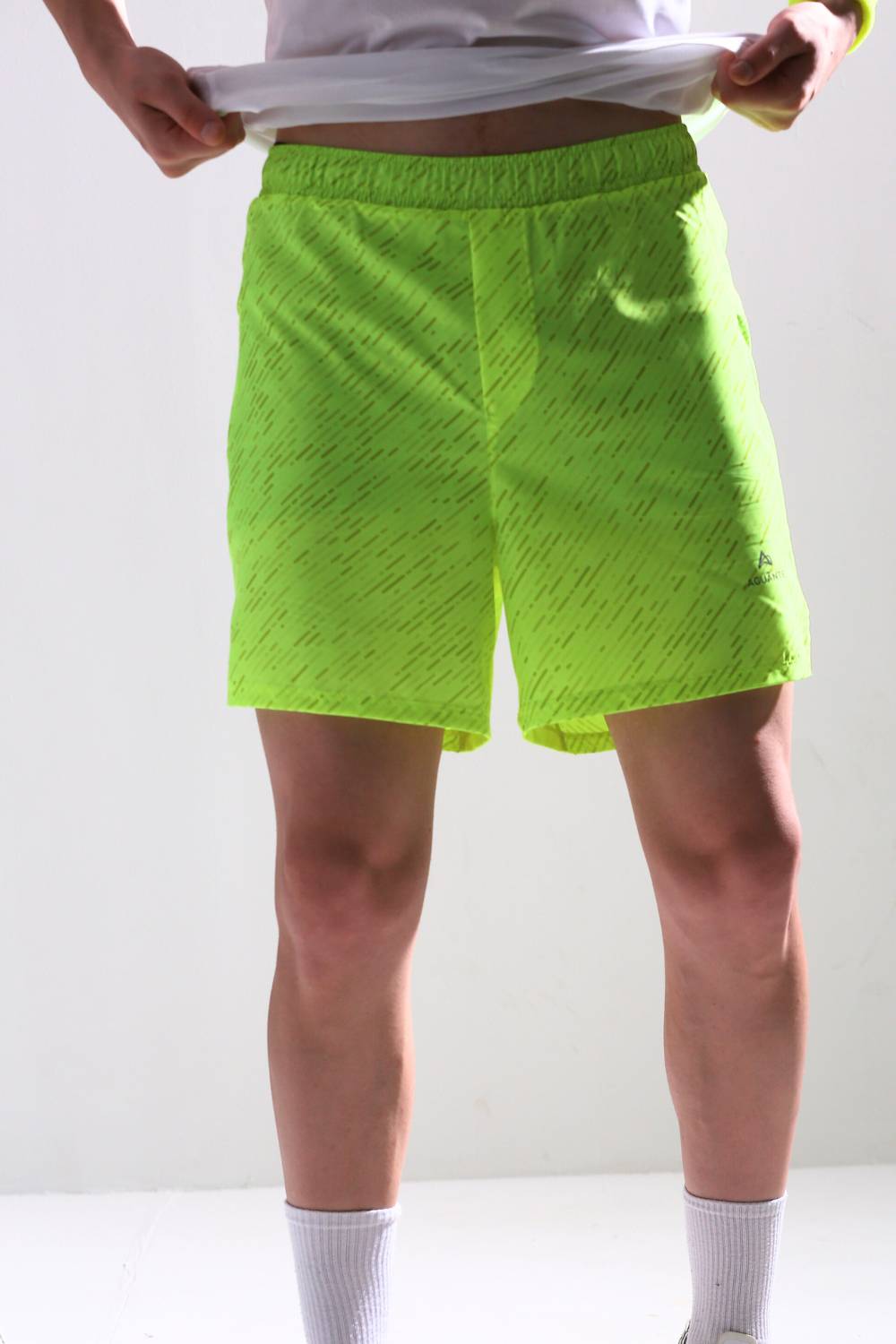
Tired of gear that slows you down? Chafing, soggy fabrics, and missing pockets kill your run's momentum. At Aguante, we're runners who get it. Our high-performance activewear features moisture-wicking fabrics, ergonomic designs, and smart storage to keep you focused. Shop Now!
Why Effective Heat Management Matters for Today's Runners
Running in challenging heat and humidity goes far beyond dealing with sweat. When temperatures rise rapidly and moisture lingers in the air, the body's natural cooling systems struggle. Fabrics that trap heat or become waterlogged transform an invigorating activity into a draining ordeal.
Runners in India's major urban areas face these conditions regularly. Coastal cities such as Mumbai, Surat, and Navi Mumbai bring intense humidity paired with heat, while inland locations like Delhi, Gurugram, and Ahmedabad test apparel under extreme dry heat. This diversity has compelled brands and researchers to move past basic moisture-wicking technology toward genuine thermal regulation solutions.
Leading institutions including IISc Bangalore, IIT Hyderabad, IIT Delhi, and IISER Pune are driving progress. Their teams investigate advanced airflow techniques, moisture transport mechanisms, and improvements in fiber-level thermal conductivity. Importantly, their research stays grounded in the actual environments where runners train and compete every day.
Leading Innovations in Performance Fabric Technology
Superior Moisture Management for Humid Environments
In Mumbai and Surat, where monsoon humidity can make even steady-paced runs feel overwhelming, experts have developed sophisticated multi-layer fiber systems. These constructions rapidly draw sweat away from the skin and distribute it for quicker evaporation, eliminating the heavy, sticky feeling common in older materials.
Testing focuses on maintaining reliable performance even when surrounding air resists natural cooling. Engineers carefully evaluate weave patterns and surface treatments under full saturation to ensure runners can sustain effort without their clothing working against them.
Optimized Airflow Solutions from Research Centers
Bangalore and Pune provide relatively moderate conditions that excel for detailed prototyping. Textile laboratories here refine micro-ventilated weaves and targeted mesh zones that promote continuous air circulation between fabric and skin, enhancing convective cooling during longer efforts.
These designs often incorporate precise body mapping data pinpointing high-heat zones to deliver maximum breathability exactly where it delivers the greatest benefit.
Materials That Adapt to Changing Conditions
The intense dry heat of Delhi and Gurugram has inspired fabrics with dynamic responses to temperature shifts. Emerging options feature phase-change elements or specialized coatings that help maintain stable skin temperatures despite fluctuating external conditions throughout a run.
Such adaptability proves especially valuable for athletes who train across different seasons or times of day when temperatures vary widely.
Hybrid Fiber Approaches for Lasting Performance
Teams in Hyderabad and Ahmedabad continue perfecting blends that combine high-performance synthetics with natural fibers. The objective remains delivering dependable moisture movement and breathability alongside the durability required for regular use and repeated washing.
Real-World Testing Across Diverse Urban Landscapes
India's varied city environments offer unmatched opportunities for practical field validation. Laboratory success must ultimately prove itself on actual streets and trails.
Extreme Heat Evaluation in Delhi NCR
Athletes training through Delhi's intense summer months generate critical performance data. These demanding sessions demonstrate which fabric constructions preserve cooling effectiveness even after extended periods of high exertion.
Humidity Stress Testing During Monsoons
Mumbai and Navi Mumbai's monsoon conditions create authentic challenges for moisture management. Fabrics that perform well here show exceptional ability to handle saturation while retaining structure and breathability insights valuable for runners facing similar climates globally.
Iterative Development in Balanced Climates
Bangalore's more temperate setting serves as an ideal space for refining designs before exposing them to harsher extremes elsewhere.
From Concept to Scale in Manufacturing Hubs
Ahmedabad and Surat's strong textile infrastructure enables rapid progression from prototype to production. Close collaboration among athletes, designers, and manufacturers creates effective feedback loops that enhance constructions while preserving high performance standards.
Navigating Key Engineering Trade-Offs
Developing superior running fabrics requires balancing competing priorities. Breathability and lightness must pair with long-term durability. Innovative features need to reach accessible price points for wider adoption. Solutions optimized for dry heat often demand meaningful adjustments for humid settings.
Coastal testing reveals the limits of evaporation-focused designs alone. In high-humidity areas, engineers emphasize fabric surface geometry and structural elements that promote airflow and efficient moisture release even when atmospheric conditions hinder traditional cooling.
Manufacturing centers in Surat and Ahmedabad work to align innovation with practical accessibility, helping advanced technologies benefit everyday runners rather than remaining exclusive options.
Industry Shifts Toward Science-Driven Apparel
Brands worldwide are responding to runner demand for gear that truly enhances comfort and performance in challenging conditions. The running apparel sector reflects strong interest in thoughtful, technically advanced products that integrate performance with everyday usability. In India, growing participation in fitness activities, including among women, has spurred development of inclusive designs tailored to diverse needs.
Urbanization and rising participation are expanding access to better-performing apparel. Research institutions in Bangalore and Hyderabad partner effectively with manufacturing centers, creating efficient pathways from laboratory concepts through field validation to scaled availability.
Global Relevance and Future Directions
Insights gained from India's urban testing environments extend well beyond national boundaries. Runners facing hot and humid conditions in cities across North America, Europe, and other regions encounter parallel challenges. Fabrics proven under Mumbai's monsoons or Delhi's heat waves provide valuable confidence for demanding training and racing scenarios worldwide.
The combination of rigorous material science, direct input from active runners, and robust manufacturing capabilities positions these advancements for meaningful global impact. Performance wear is evolving from passive sweat management toward active support for better thermoregulation and sustained comfort.
For marathon trainees battling tough weather or recreational runners seeking more enjoyable daily sessions, advancements in heat dissipation technology deliver noticeable improvements. India's distinctive mix of environmental variety, research expertise, and production strength continues to influence the next generation of running apparel that serves athletes everywhere.
The most effective fabrics will be those that respond intelligently to real body and environmental demands. Work underway in India's major cities leveraging both scientific precision and practical testing is accelerating progress toward that goal, thread by carefully engineered thread.
Frequently Asked Questions
How do modern running fabrics manage heat dissipation during intense workouts?
Modern running fabrics use advanced multi-layer fiber systems and micro-ventilated weaves to actively move sweat away from the skin and promote continuous airflow between the fabric and body. Unlike older moisture-wicking materials, today's performance apparel incorporates precise body mapping to target high-heat zones with maximum breathability. Some cutting-edge designs even feature phase-change elements or specialized coatings that help stabilize skin temperature as external conditions fluctuate during a run.
What makes running fabrics tested in India particularly effective for hot and humid conditions?
India's urban environments from Mumbai's monsoon humidity to Delhi's extreme dry heat serve as real-world stress tests that push fabric performance far beyond what lab simulations can replicate. Fabrics validated in these conditions demonstrate the ability to handle full moisture saturation while retaining breathability and structural integrity, making them reliable for runners worldwide facing similar climates. Research institutions like IISc Bangalore and IIT Delhi ground their innovations in these actual training environments, ensuring results translate directly to athlete performance.
What key trade-offs do engineers face when designing high-performance heat-dissipating running apparel?
Designing effective running fabrics requires balancing breathability and lightweight construction with long-term durability, all while keeping the technology accessible in price. Solutions optimized for dry heat often need significant reworking for high-humidity settings, where evaporation alone is insufficient and fabric surface geometry becomes critical for promoting airflow. Manufacturers in textile hubs like Surat and Ahmedabad work to bridge this gap, ensuring that advanced thermal regulation technologies reach everyday runners rather than remaining exclusive to elite athletes.
Disclaimer: The above helpful resources content contains personal opinions and experiences. The information provided is for general knowledge and does not constitute professional advice.
You may also be interested in: How Indian Runners Benefit From Moisture-Wicking Tops - Aguante
Tired of gear that slows you down? Chafing, soggy fabrics, and missing pockets kill your run's momentum. At Aguante, we're runners who get it. Our high-performance activewear features moisture-wicking fabrics, ergonomic designs, and smart storage to keep you focused. Shop Now!
Powered by flareAI.co