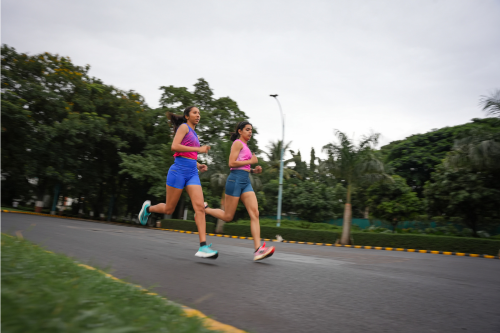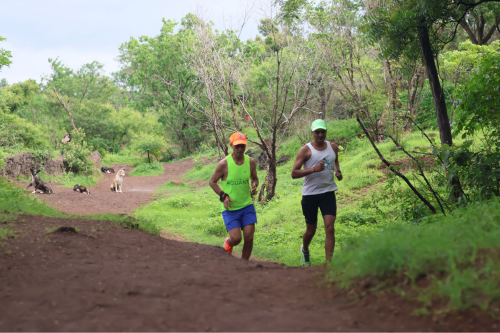




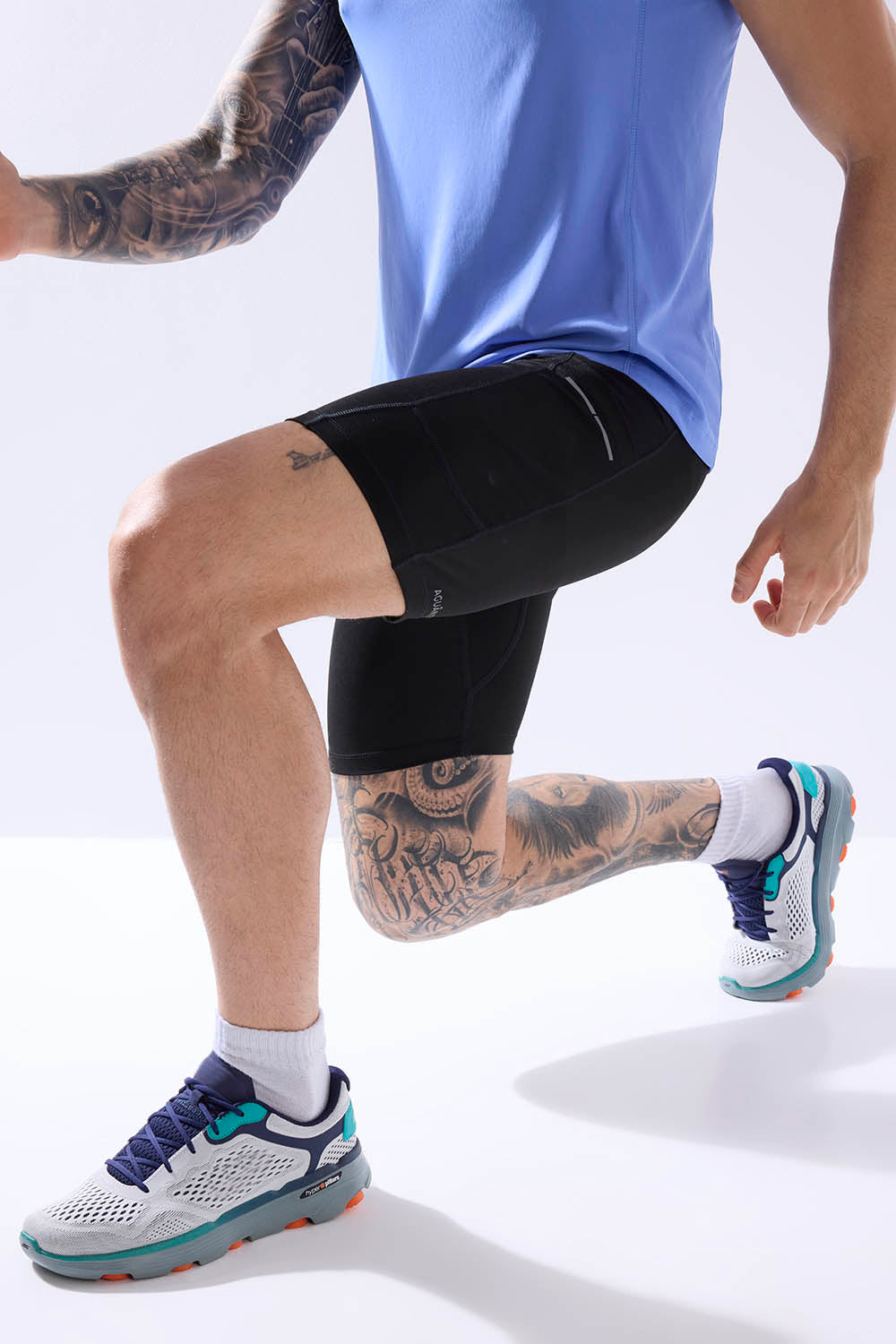
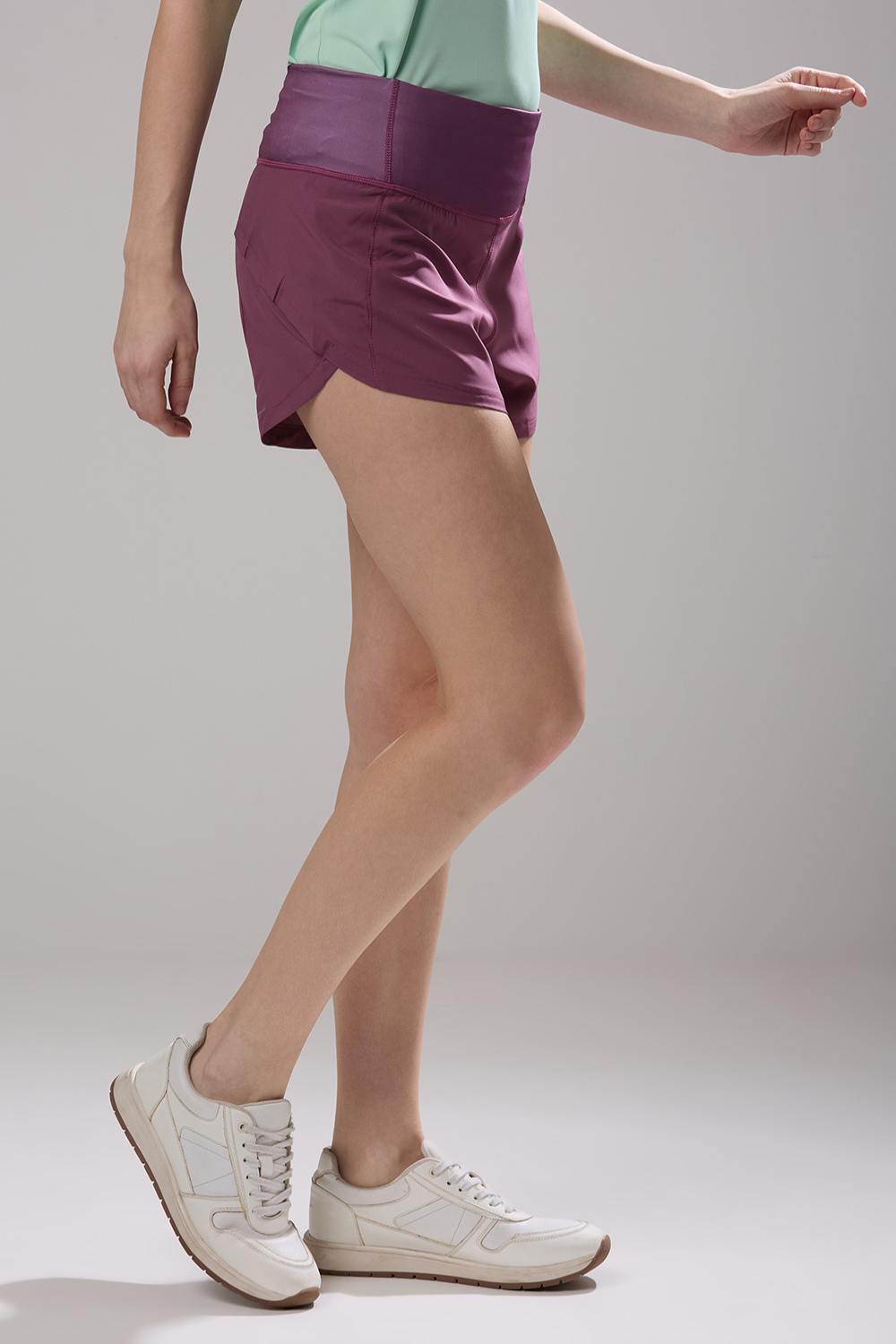
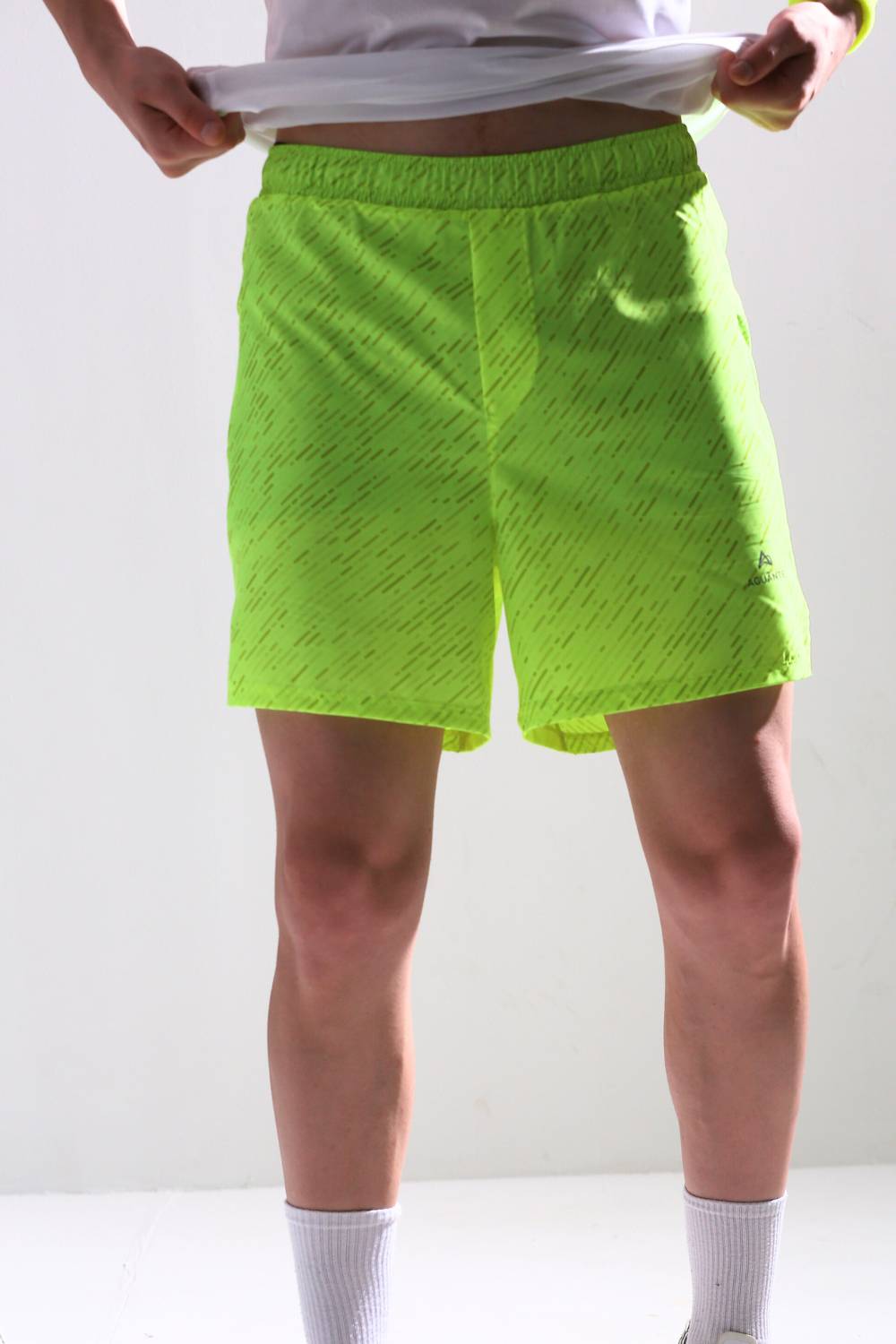
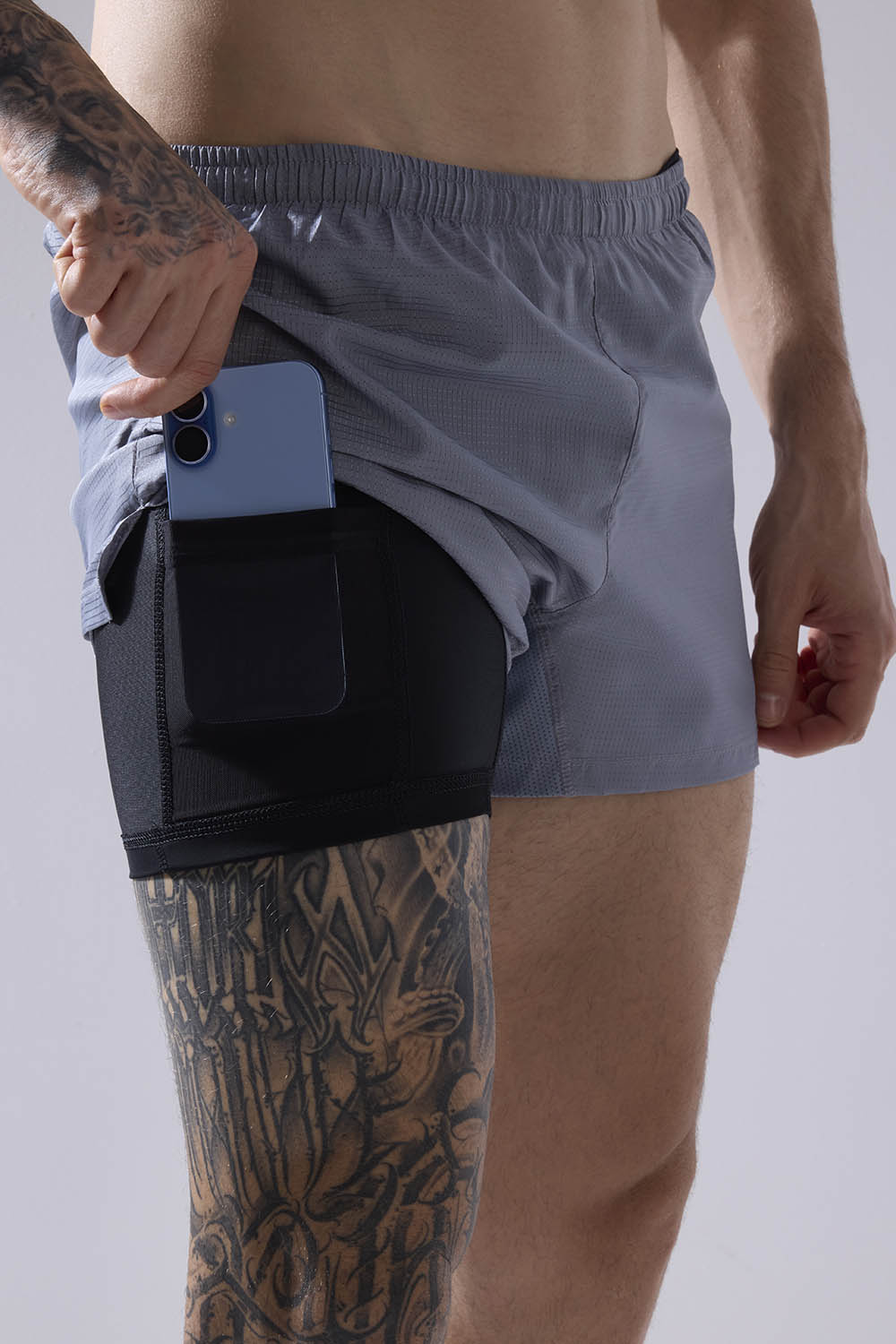


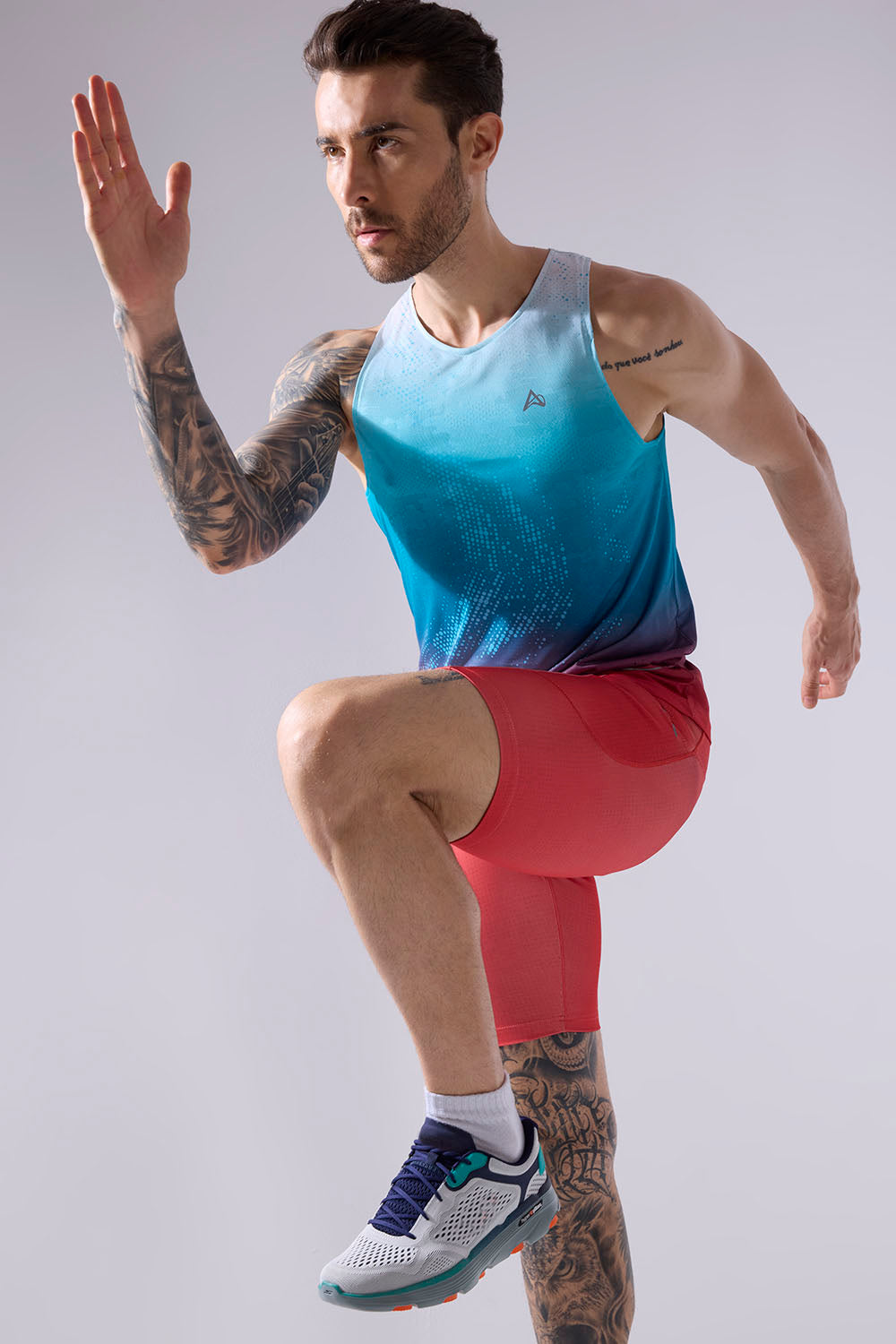

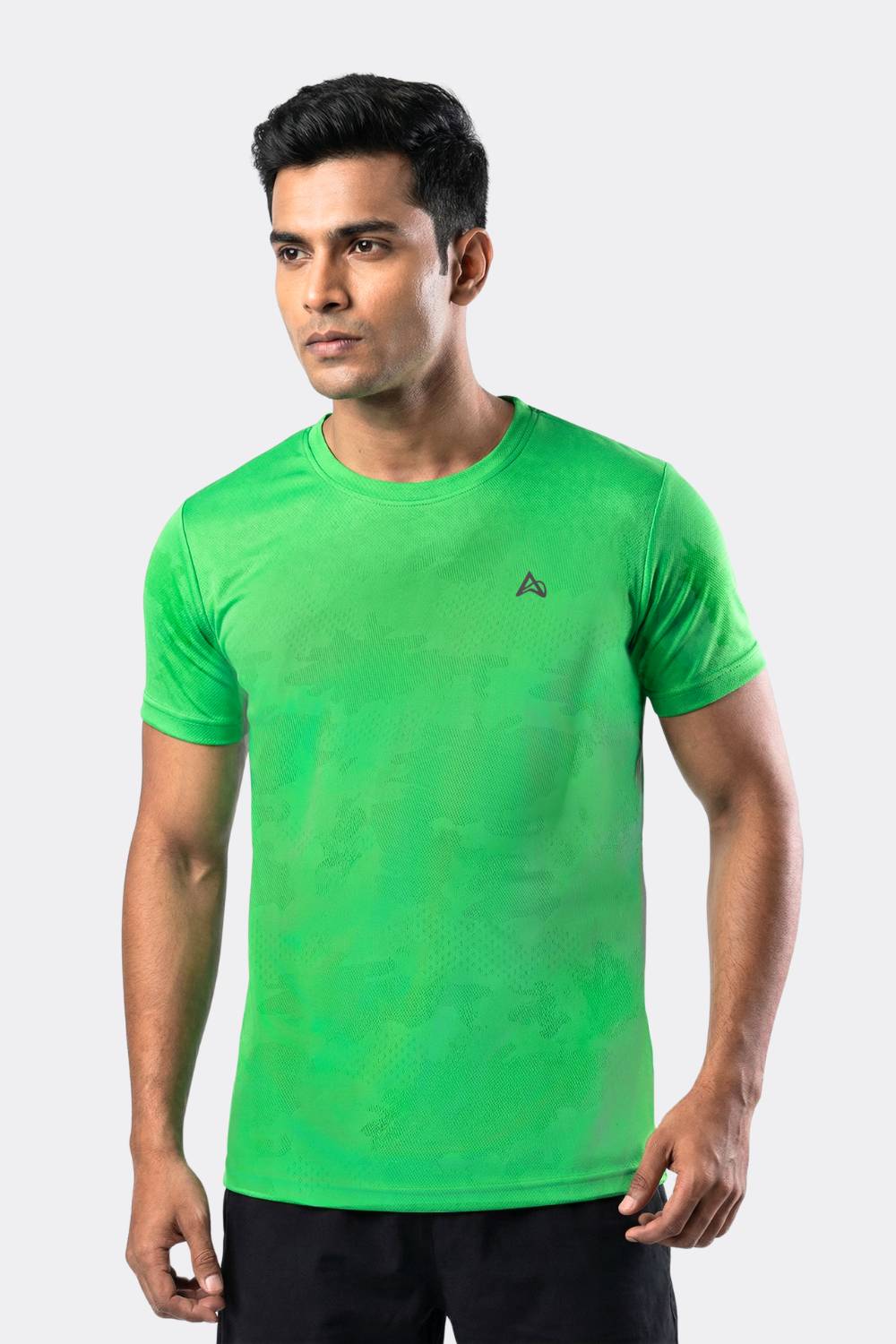
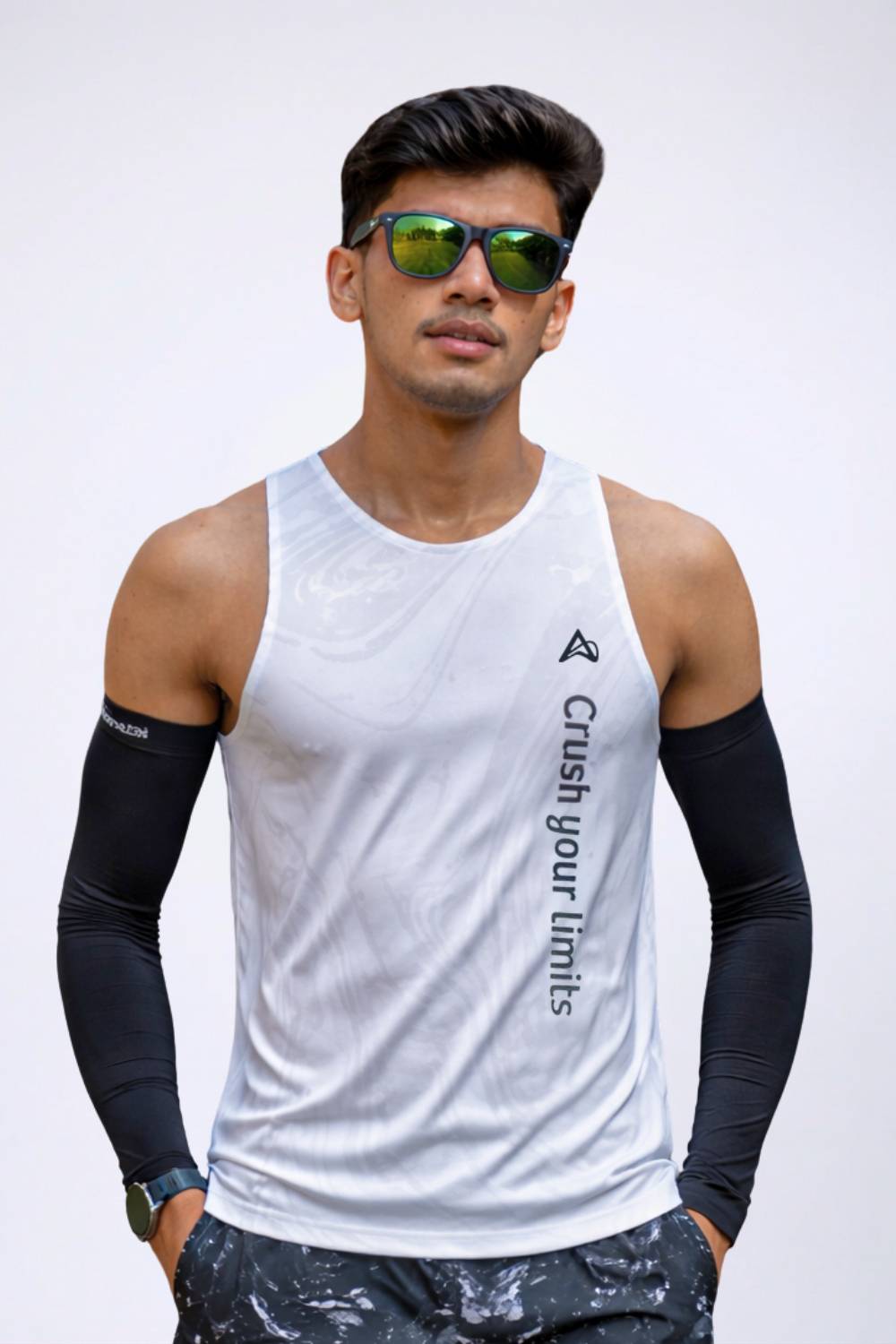

In the sweltering streets of Bangalore or the humid coastal runs of Mumbai, dedicated runners are discovering that beating their personal best isn't just about better shoes or smarter training plans. It's increasingly about what happens to the sweat that pours off them during those intense sessions. Moisture management in performance apparel has quietly become one of the most important yet often overlooked factors in how quickly runners recover and how well they perform day after day.
From early morning circuits in urban parks to weekend long runs, athletes across India's booming running communities are learning that staying drier isn't merely about comfort. It directly influences skin health, muscle fatigue, and overall recovery times in challenging local climates.
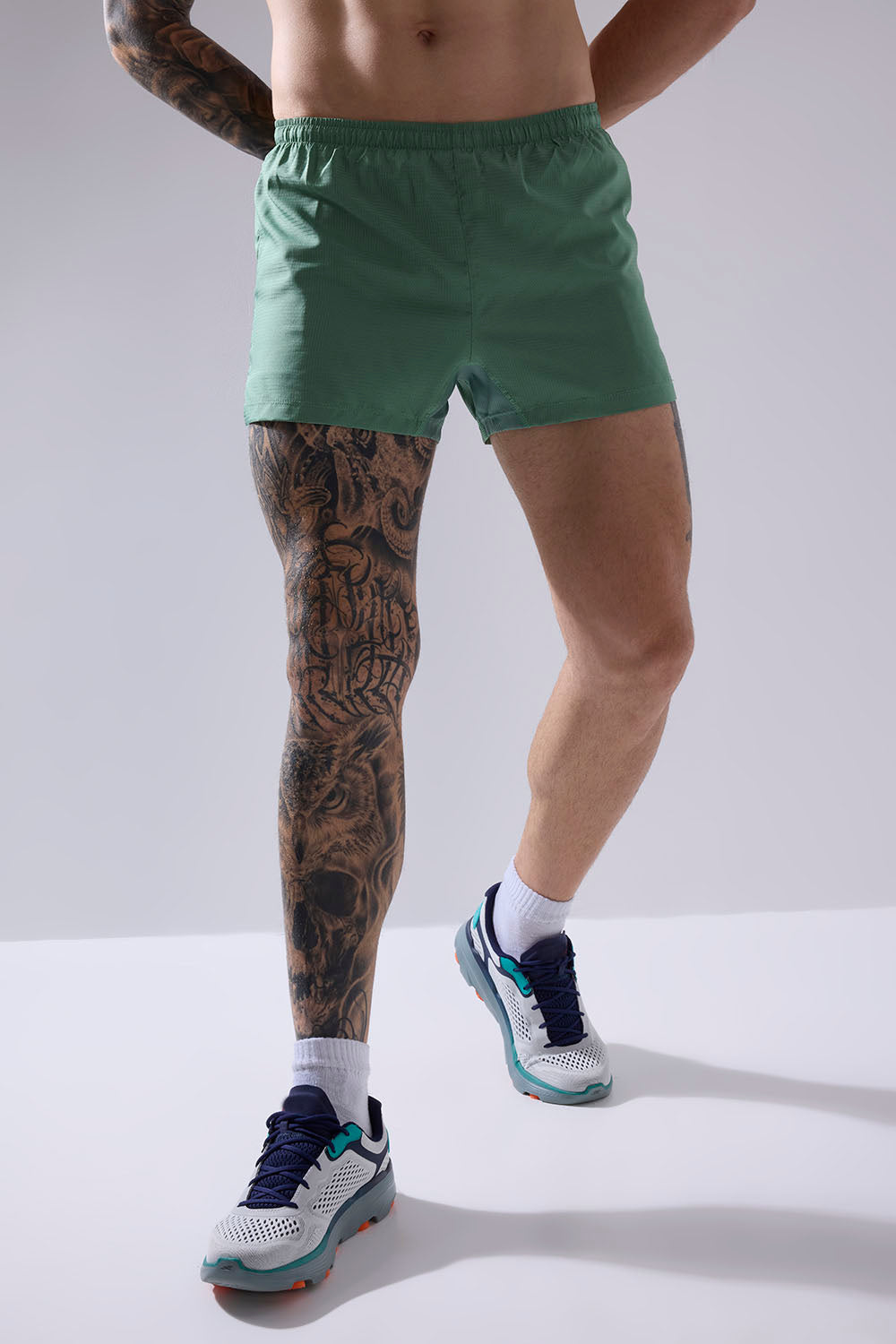
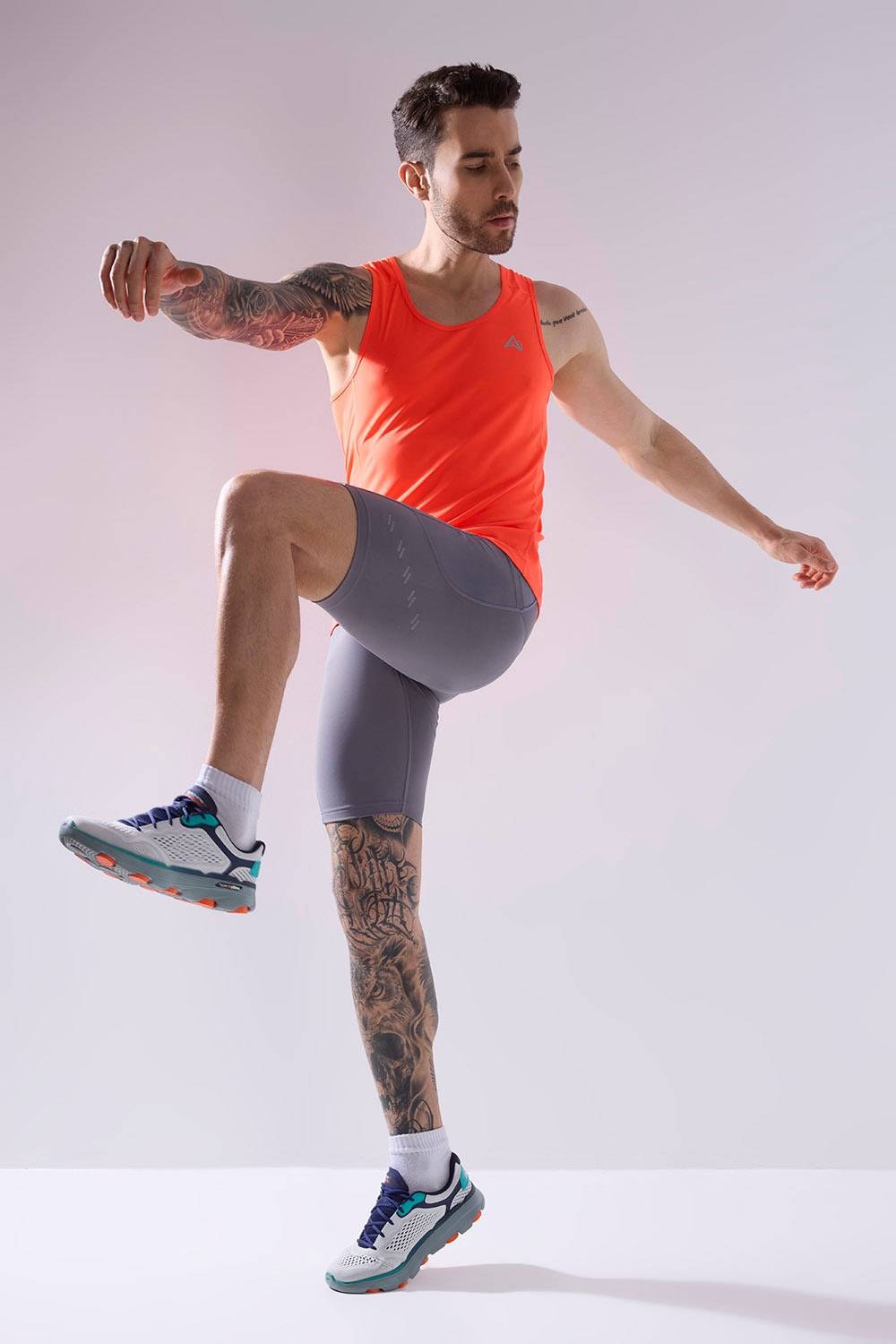
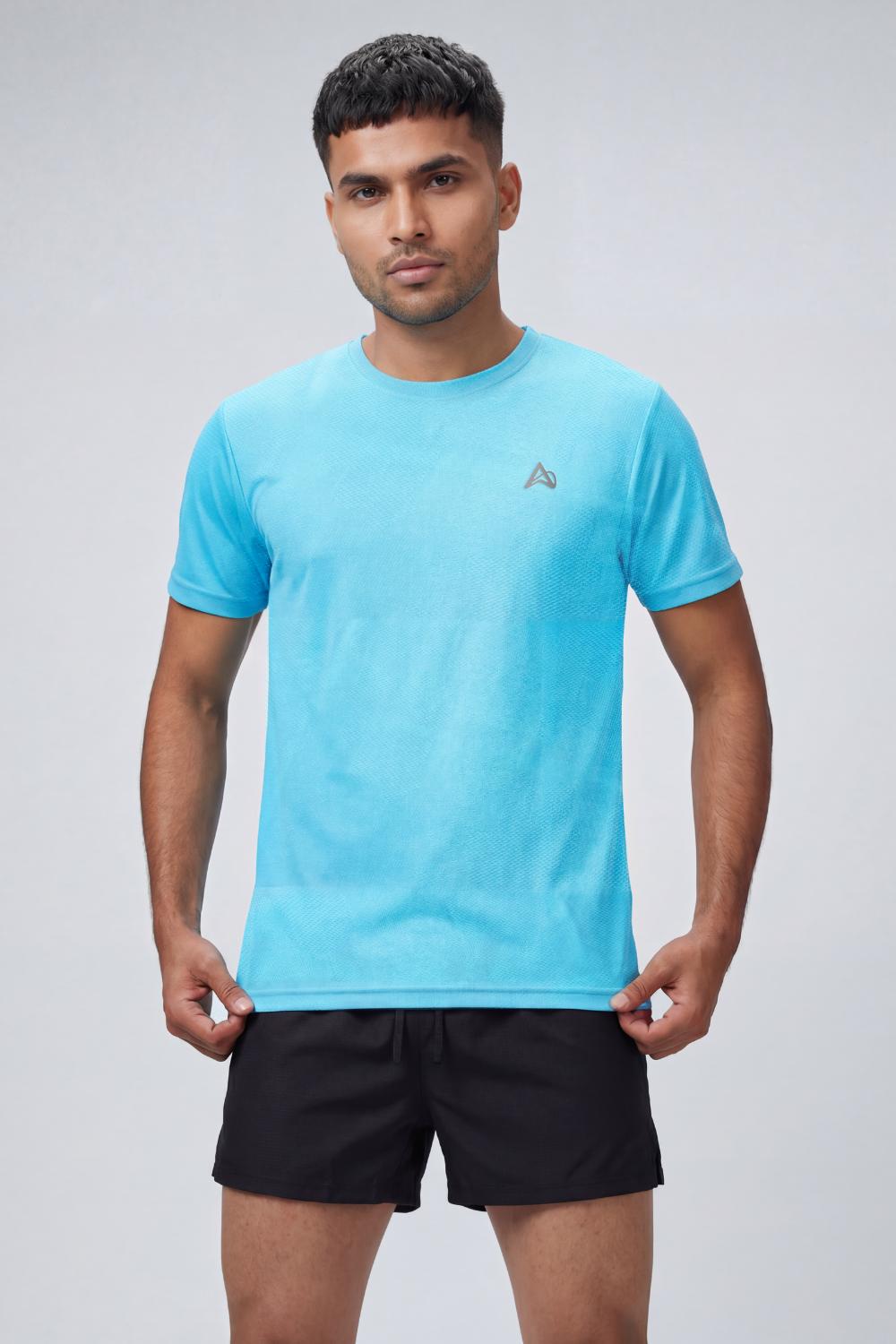
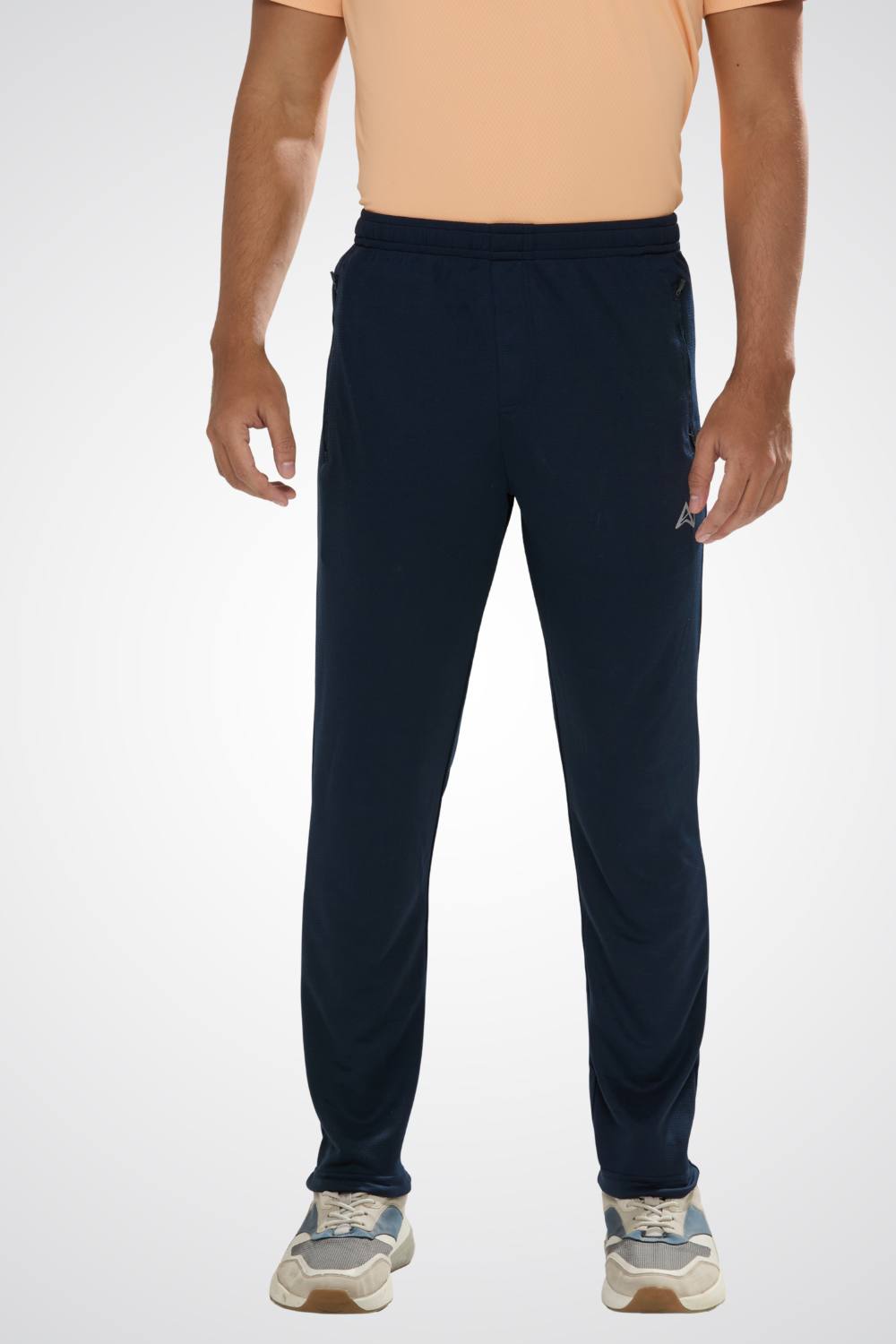
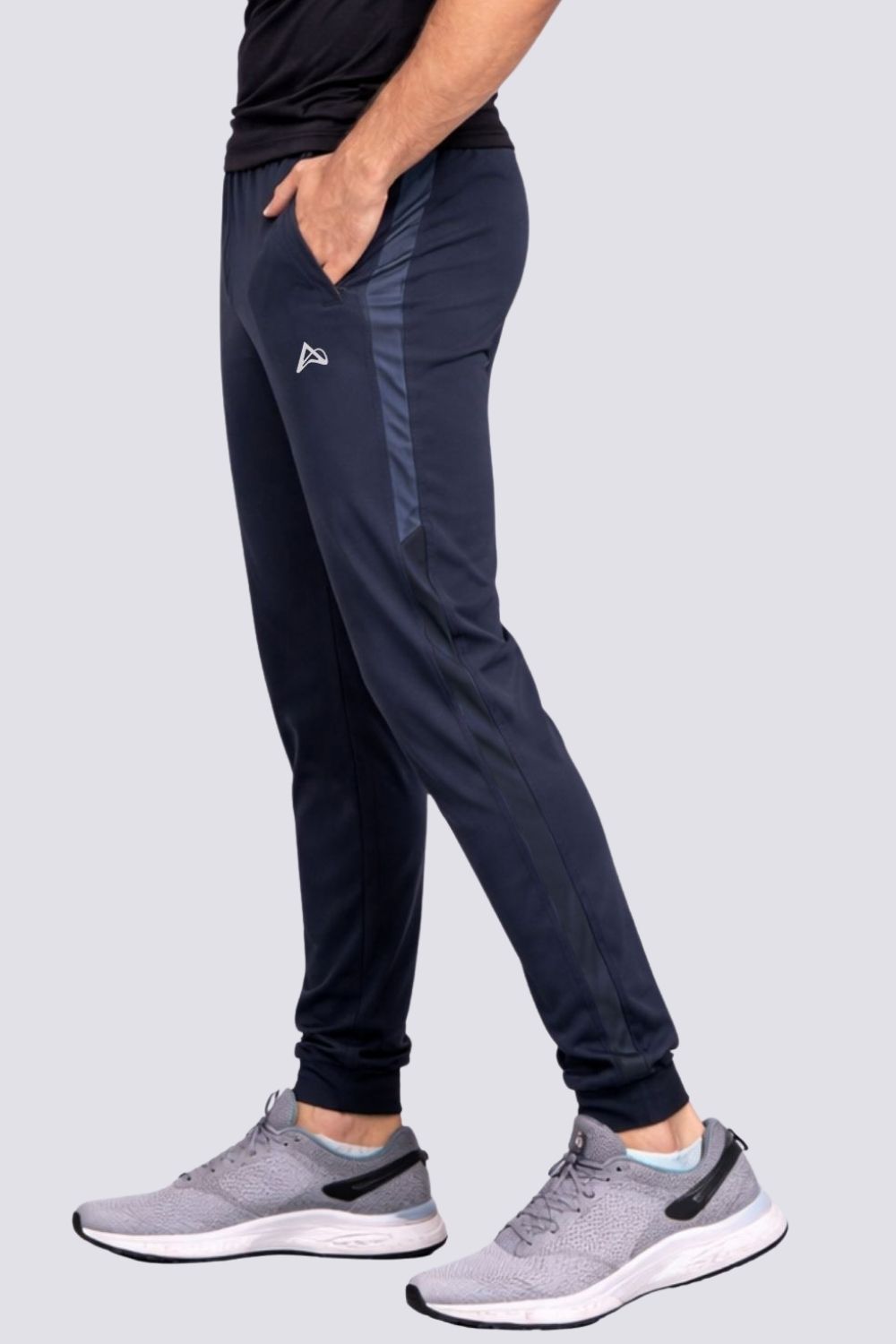
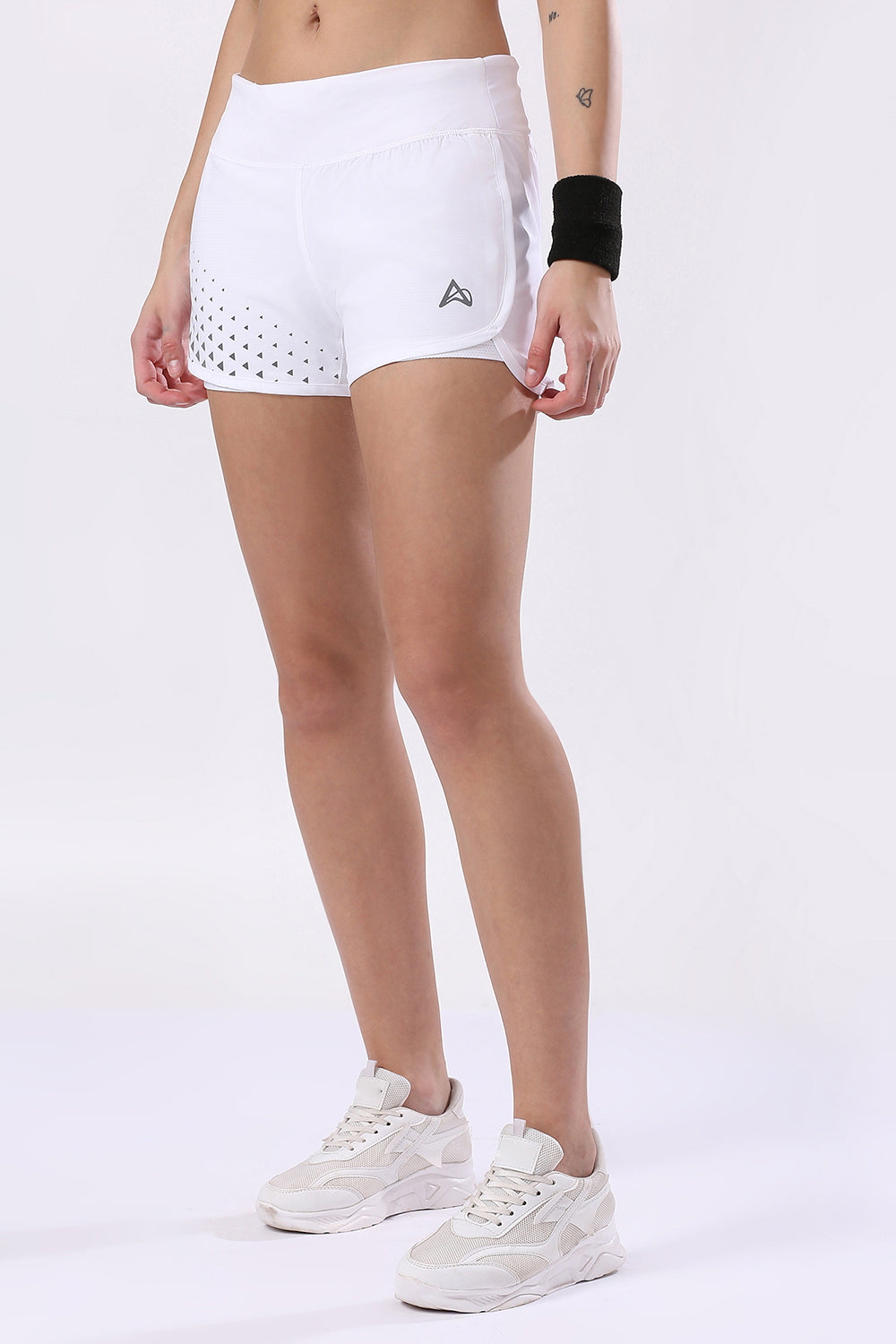
Tired of gear that slows you down? Chafing, soggy fabrics, and missing pockets kill your run's momentum. At Aguante, we're runners who get it. Our high-performance activewear features moisture-wicking fabrics, ergonomic designs, and smart storage to keep you focused. Shop Now!
Why Moisture Management Matters in Modern Running
India's cities are experiencing a remarkable running renaissance. Whether it's the endurance groups in Bangalore, the bustling runner networks in Delhi NCR, or the coastal crews in Mumbai and Pune, more people than ever are lacing up. Yet the country's diverse weather patterns create unique demands that generic sportswear often fails to meet.
High humidity in Mumbai and Navi Mumbai turns every run into a soggy challenge, while Delhi and Ahmedabad's dry heat can dehydrate and irritate skin rapidly. These conditions don't just make runs uncomfortable they can slow recovery by elevating skin temperature, promoting bacterial growth, and increasing friction against wet fabric.
Progressive runners are shifting their focus. Instead of viewing moisture-wicking technology as a nice-to-have feature, they're treating it as a genuine performance variable that supports faster recovery and injury prevention.
The Science Behind Sweat and Recovery
Sweat Dynamics in Indian Urban Climates
When humidity rises, the body's natural cooling system struggles. Sweat doesn't evaporate efficiently, leaving skin wet and muscles working harder to regulate temperature. Research insights from institutions like the Indian Institute of Science in Bangalore highlight how high humidity affects thermoregulation during exercise, directly impacting how quickly the body returns to baseline after a run.
Prolonged moisture retention raises skin temperature and can delay muscle recovery. It also creates an environment where bacteria thrive, potentially leading to irritation, chafing, and longer downtime between training sessions. Understanding these dynamics helps explain why some runners bounce back quickly while others feel heavy-legged for days.
Fabric Technology and Skin Interaction
Not all fabrics handle moisture the same way. Studies from places like the Indian Institute of Technology Delhi have explored how advanced textiles interact with skin under real Indian weather conditions. Synthetic blends engineered for moisture wicking pull sweat away from the body far more effectively than traditional cotton, which tends to absorb and hold moisture.
This difference matters. Dry fabric reduces friction, minimizes bacterial buildup, and helps maintain a more stable skin temperature. The result? Less post-run inflammation and quicker return to training readiness. Runners who prioritize these technologies often report feeling fresher during back-to-back training days.
Emerging Trends in India's Running Communities
The Rise of Performance Apparel Innovation
Startup ecosystems in Bangalore and Mumbai are responding to local needs with thoughtful innovations. Brands are developing breathable, anti-microbial fabrics specifically tuned for India's humidity, heat, and monsoon conditions. These aren't generic imports they're designed with monsoon-ready features and climate-specific performance in mind.
As runners seek gear that genuinely supports their training, India's activewear sector continues to expand with a strong emphasis on functional, climate-adapted solutions.
Data-Driven Approaches to Recovery
In Pune and Hyderabad, running clubs are embracing technology that goes beyond basic fitness trackers. Athletes monitor sweat rates and hydration patterns, using this data to make smarter choices about apparel and recovery protocols. In Delhi NCR's Gurugram area, collaborations between fitness tech companies and sports labs are helping runners personalize their approach to moisture management.
This data-informed mindset allows athletes to fine-tune not just their training intensity but also their post-run routines for optimal results.
Coaching Evolution Across Cities
Coaches in Ahmedabad and Surat are incorporating moisture management into holistic recovery strategies. The conversation has moved beyond simple endurance training to include everything from fabric selection to post-run routines. This shift recognizes that true performance gains come from consistent training enabled by better recovery.
Real-World Applications Across Indian Cities
Bangalore's Marathon Training Circuits
Long-distance runners in Bangalore have learned to adjust their gear based on early morning humidity levels. Local running groups now routinely integrate quick-dry apparel into their routines, noticing tangible differences in how they feel during subsequent sessions. One common insight: changing into fresh, moisture-managing layers immediately after a run dramatically reduces that heavy, fatigued feeling.
Experienced marathoners emphasize layering strategies that work with Bangalore's variable microclimates, allowing them to maintain pace without the distraction of clinging, sweat-soaked clothing.
Mumbai and Navi Mumbai: Tackling Coastal Humidity
Coastal runners face persistent moisture challenges that can lead to skin irritation and prolonged fatigue. Many have adopted layered moisture-wicking systems, especially during monsoon months. The ability to move sweat away from the skin prevents the constant dampness that previously defined their post-run experience.
Runners here often share practical tips in community forums from choosing lighter base layers to timing runs around tidal influences and humidity peaks.
Delhi and Gurugram: Adapting to Extreme Variations
In the capital region, runners deal with both scorching dry summers and colder winters. Breathable layers that manage moisture effectively help prevent sweat accumulation during intense sessions while providing necessary warmth when temperatures drop. Adaptive strategies here focus on versatility across seasons.
Hyderabad and Pune: Tech Meets Recovery
Fitness labs and sports clinics in these cities analyze sweat loss patterns to offer personalized recommendations. Runners receive guidance not just on hydration but on apparel choices that complement their individual physiology and local training conditions.
This tech-enabled approach turns recovery from guesswork into a more precise science, helping athletes stay injury-free even during heavy training blocks.
Challenges Runners Face and How to Overcome Them
Despite growing awareness, many amateur runners still prioritize shoes over functional apparel. Advanced moisture-wicking gear can carry a premium price, and availability remains limited in some tier-2 extensions of major cities. Climate variability across Delhi, Mumbai, and Bangalore also makes universal solutions difficult.
However, the long-term benefits fewer injuries, more consistent training, and better performance often justify the investment for serious runners. Smart shoppers look for versatile pieces that offer strong value across multiple seasons and conditions.
Looking Ahead: Innovation and Opportunity
The future of running performance in India lies in smarter integration of textile technology, training science, and local climate knowledge. Collaborations between engineering institutes like IIT Bombay and apparel innovators promise continued advances in fabrics that work with, rather than against, India's demanding conditions.
Brands that understand these nuances are better positioned to serve the evolving needs of runners who demand more from their gear than ever before.
For runners, the message is clear: recovery starts with managing sweat effectively. By choosing gear designed for real Indian running conditions, athletes can train harder, recover faster, and enjoy the sport for years to come.
The runners who gain the biggest edge aren't necessarily those who run the most miles. They're often the ones who've mastered the small but critical details including what happens to all that sweat once it leaves their skin. In a country where climate challenges vary dramatically from city to city, paying attention to moisture management isn't just smart it's becoming essential for anyone serious about their running journey.
Whether you're chasing a new personal record in the hills around Pune or building endurance along Mumbai's sea link, the right apparel technology can make the difference between struggling through recovery days and feeling ready to hit the pavement again sooner. As awareness spreads through running communities, more athletes are experiencing firsthand how effective moisture-managing sports apparel contributes to sustained progress and long-term enjoyment of the sport.
Frequently Asked Questions
How does moisture management affect running recovery?
Moisture management directly impacts how quickly your body recovers after a run. When sweat isn't wicked away efficiently, prolonged skin moisture raises body temperature, promotes bacterial growth, and increases fabric friction all of which slow muscle recovery. Choosing moisture-wicking performance apparel helps reduce post-run inflammation and gets you back to training readiness faster.
Why is moisture-wicking fabric better than cotton for running in India's climate?
Unlike cotton, which absorbs and holds sweat against the skin, synthetic moisture-wicking fabrics actively pull sweat away from the body. This is especially critical in high-humidity cities like Mumbai or during monsoon season, where sweat evaporation is already compromised. Dry fabric reduces friction, limits bacterial buildup, and helps maintain a stable skin temperature all key factors for faster recovery and fewer skin irritations.
What moisture management strategies do Indian runners use for better performance?
Runners across cities like Bangalore, Pune, and Delhi NCR are adopting several practical strategies: switching to quick-dry apparel immediately after runs, using layered moisture-wicking systems during monsoon months, and even tracking personal sweat rates to make smarter gear choices. Coaches in cities like Ahmedabad and Surat now incorporate fabric selection into holistic recovery plans, recognizing that consistent training depends heavily on how well the body recovers between sessions.
Disclaimer: The above helpful resources content contains personal opinions and experiences. The information provided is for general knowledge and does not constitute professional advice.
You may also be interested in: Moisture-Wicking T-Shirts Tackle India's Summer Heat - Aguante
Tired of gear that slows you down? Chafing, soggy fabrics, and missing pockets kill your run's momentum. At Aguante, we're runners who get it. Our high-performance activewear features moisture-wicking fabrics, ergonomic designs, and smart storage to keep you focused. Shop Now!
Powered by flareAI.co