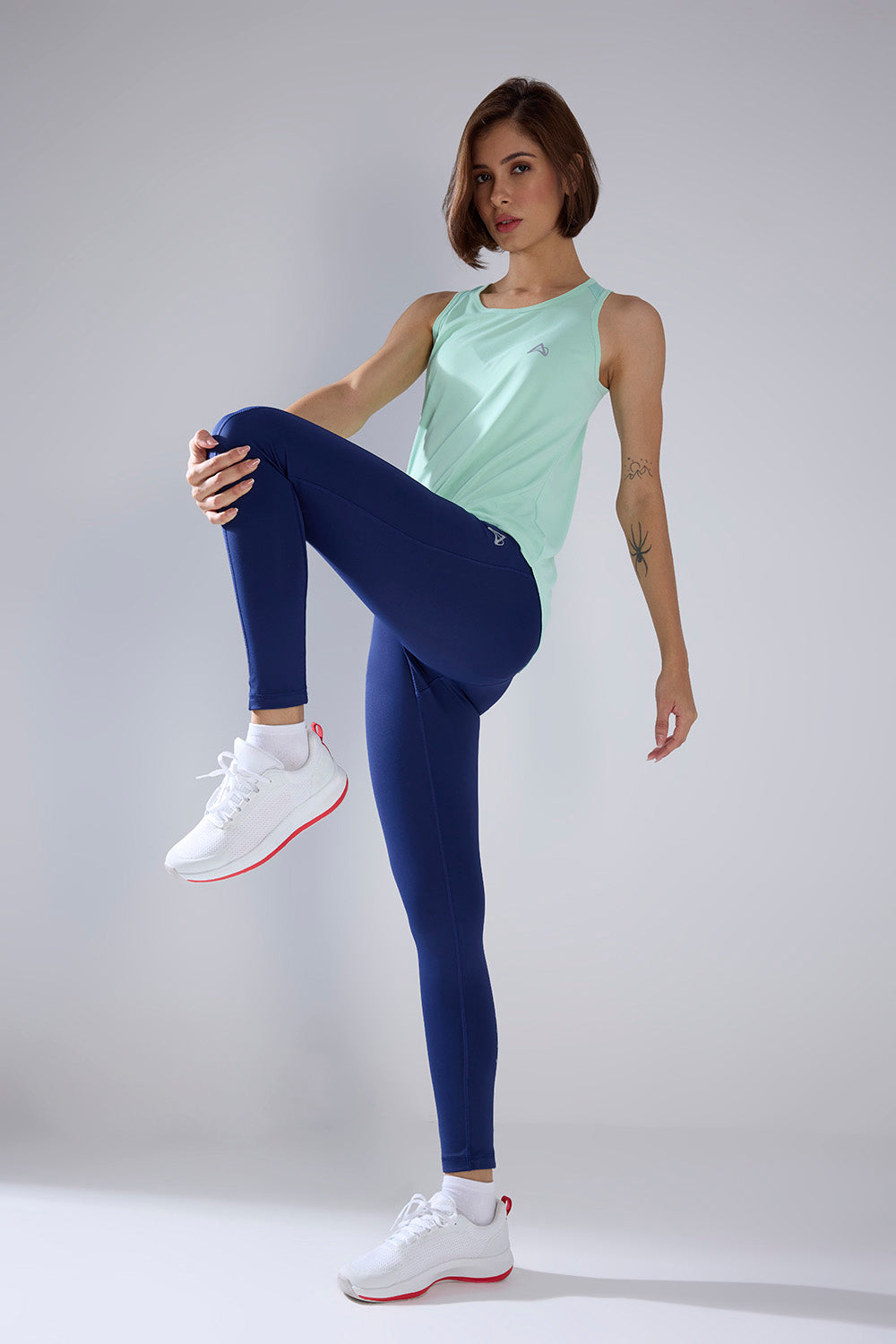

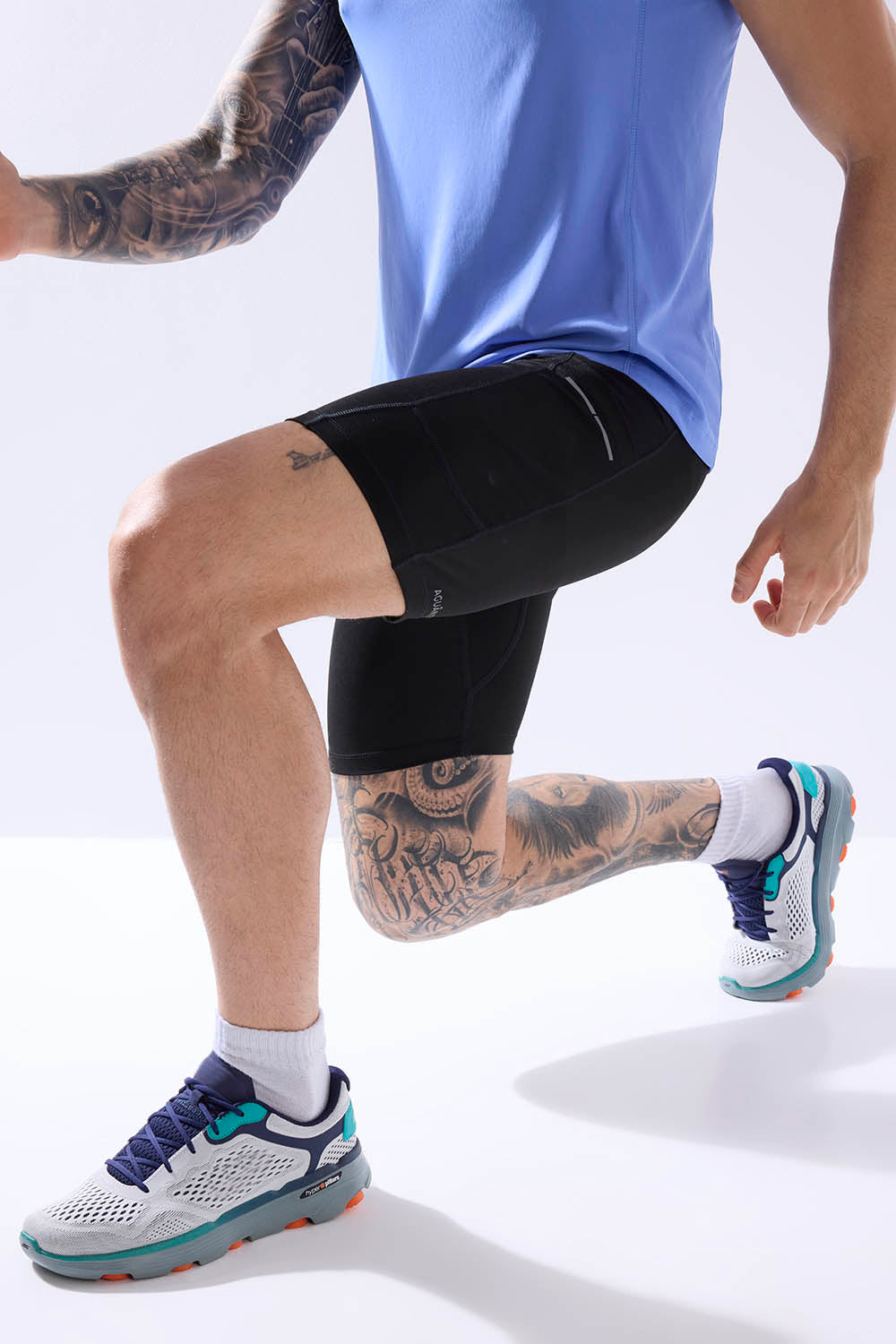
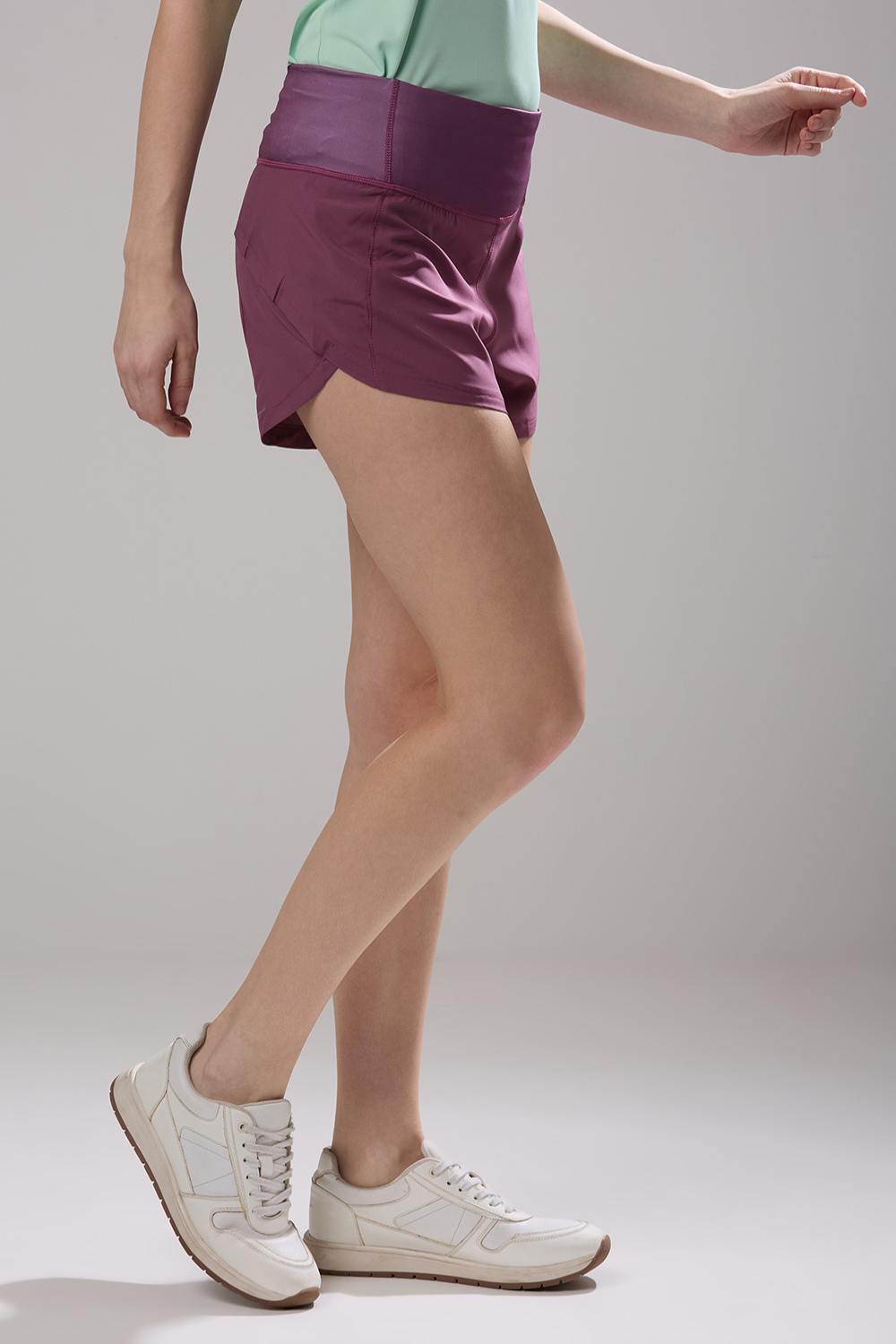
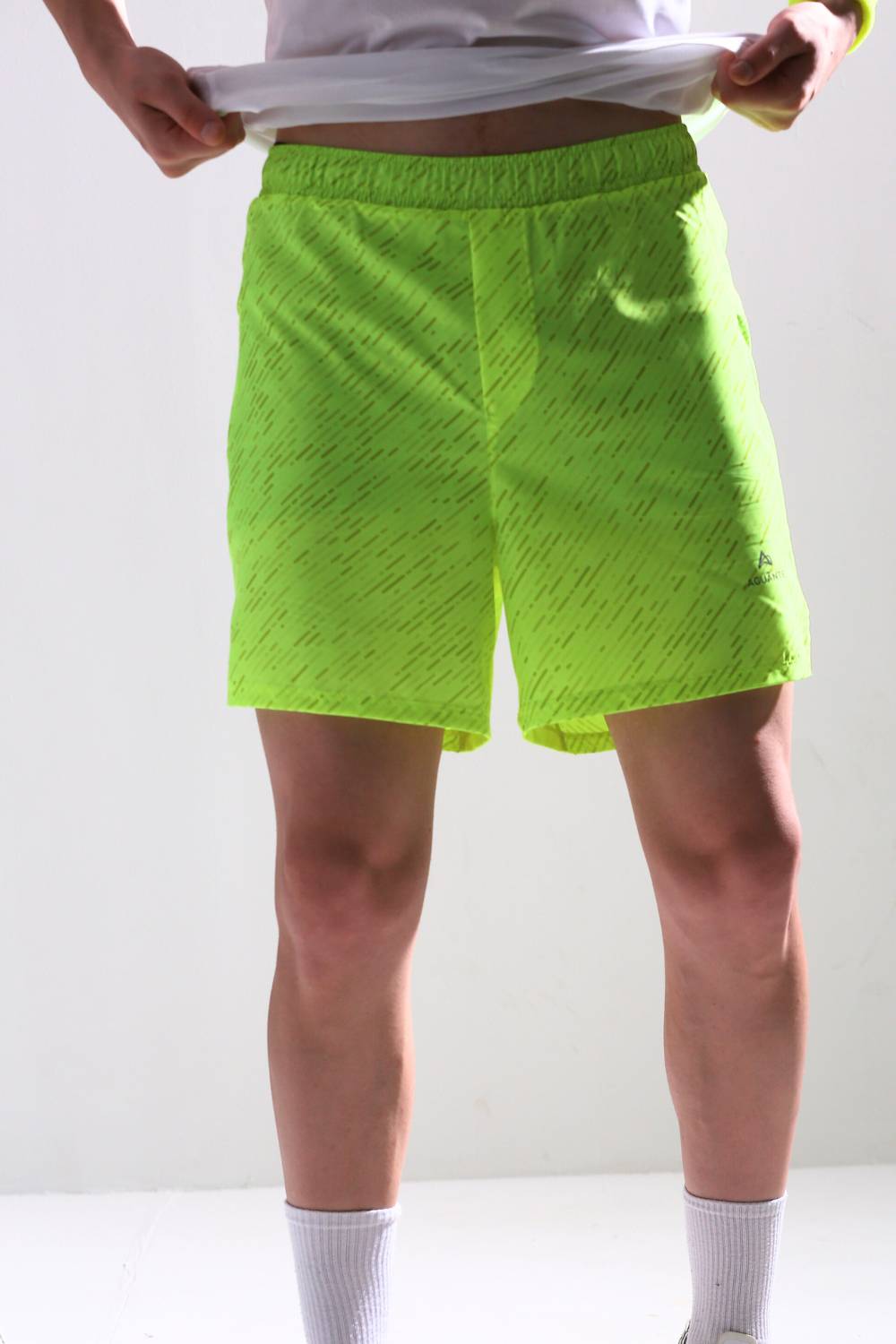
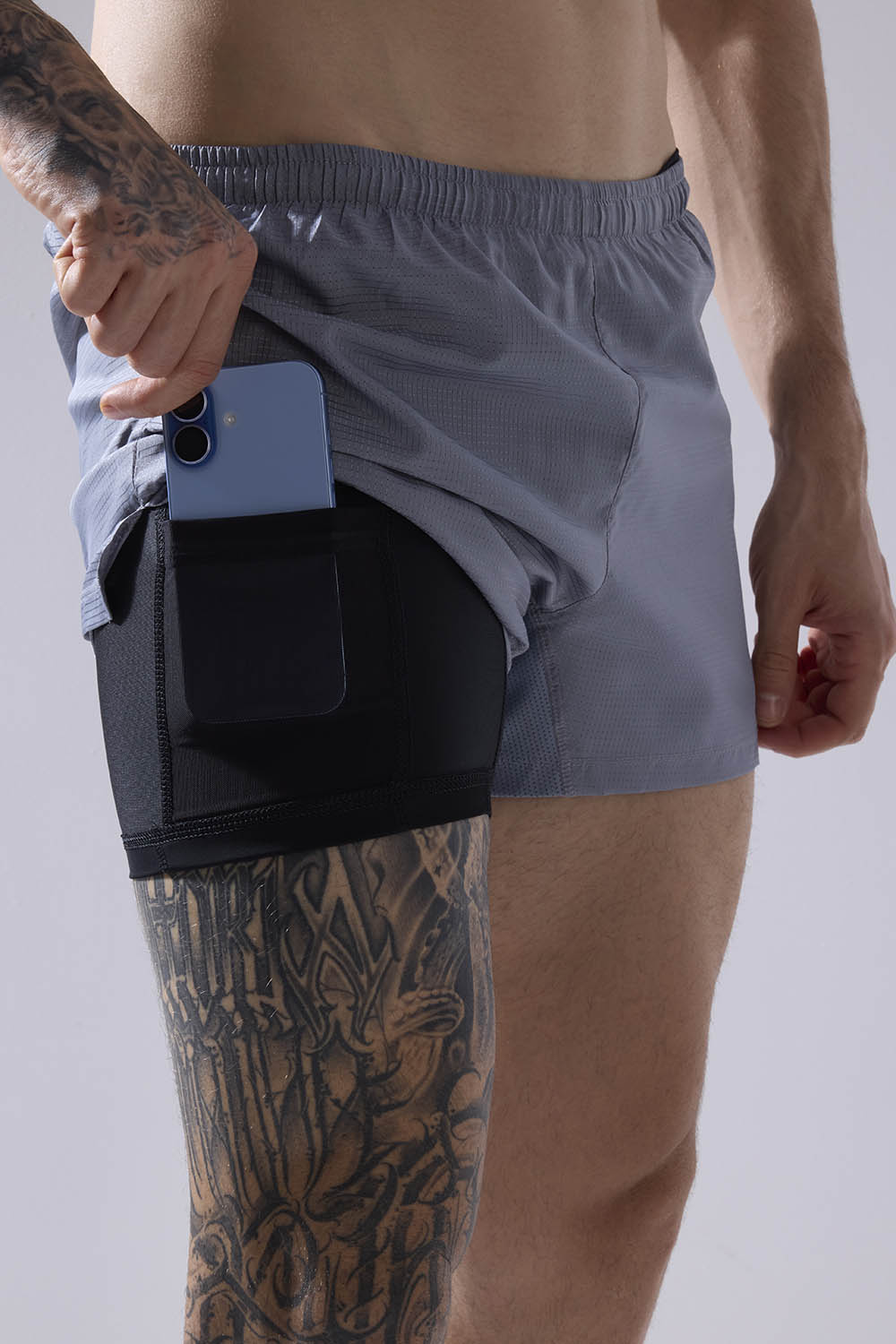

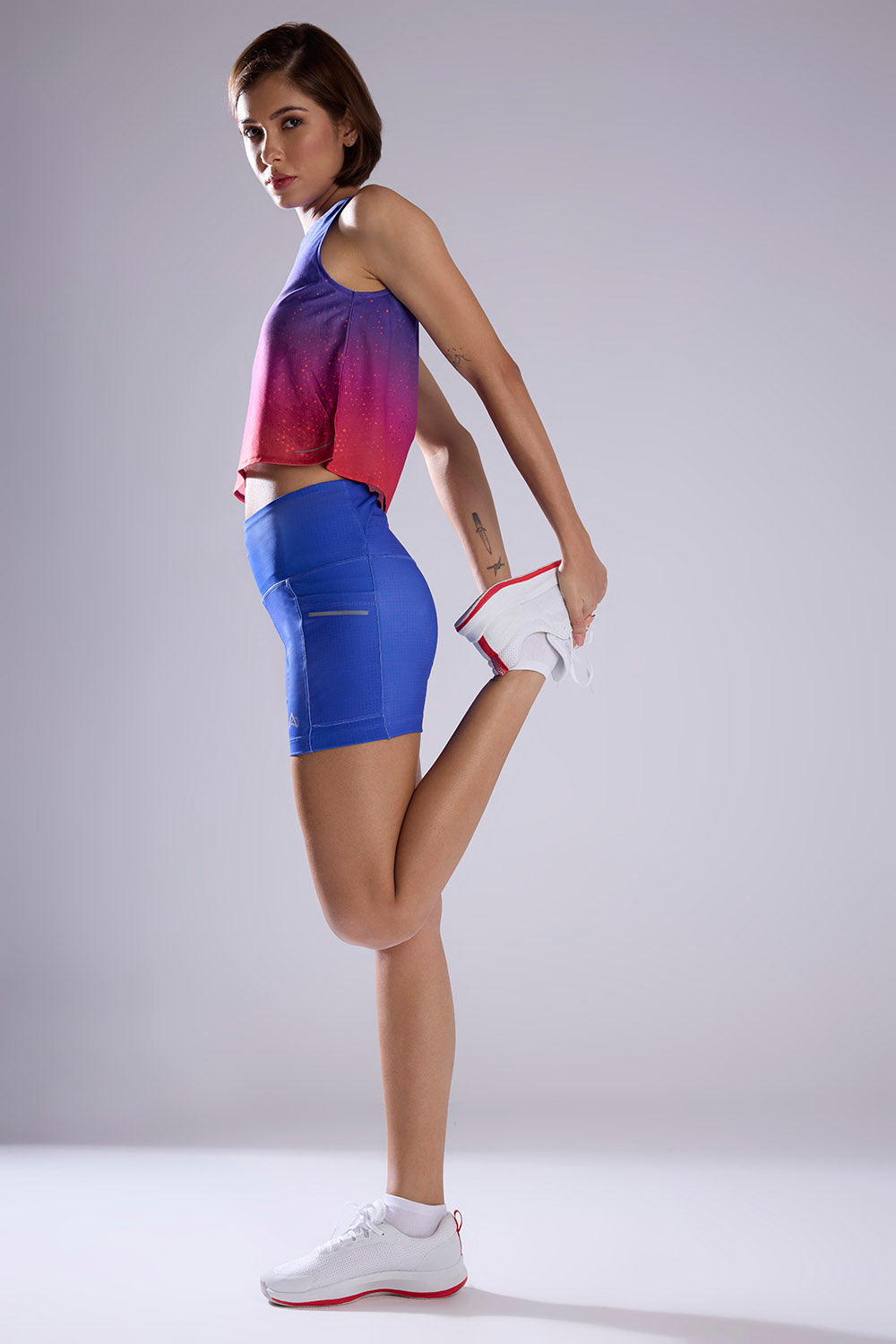
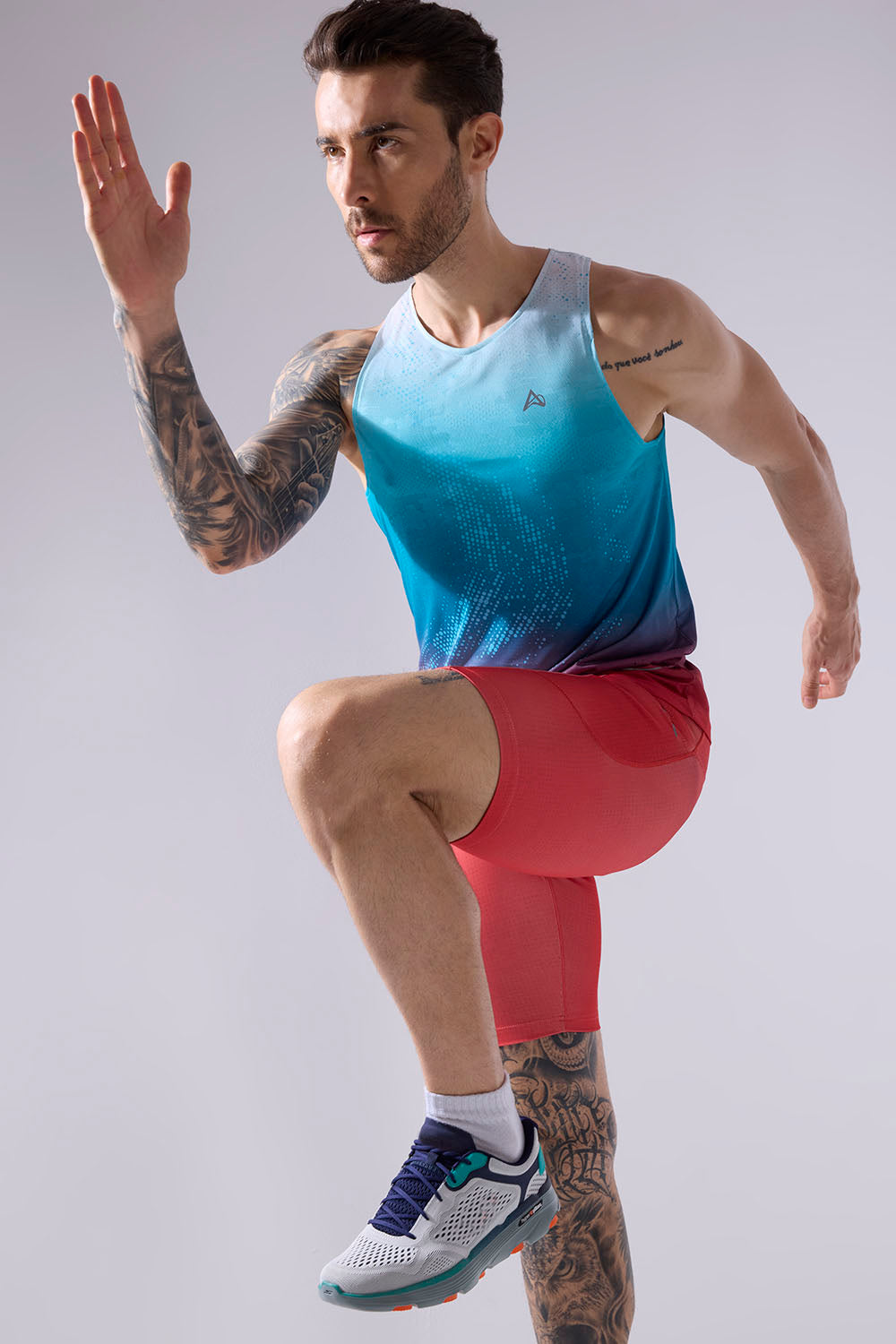

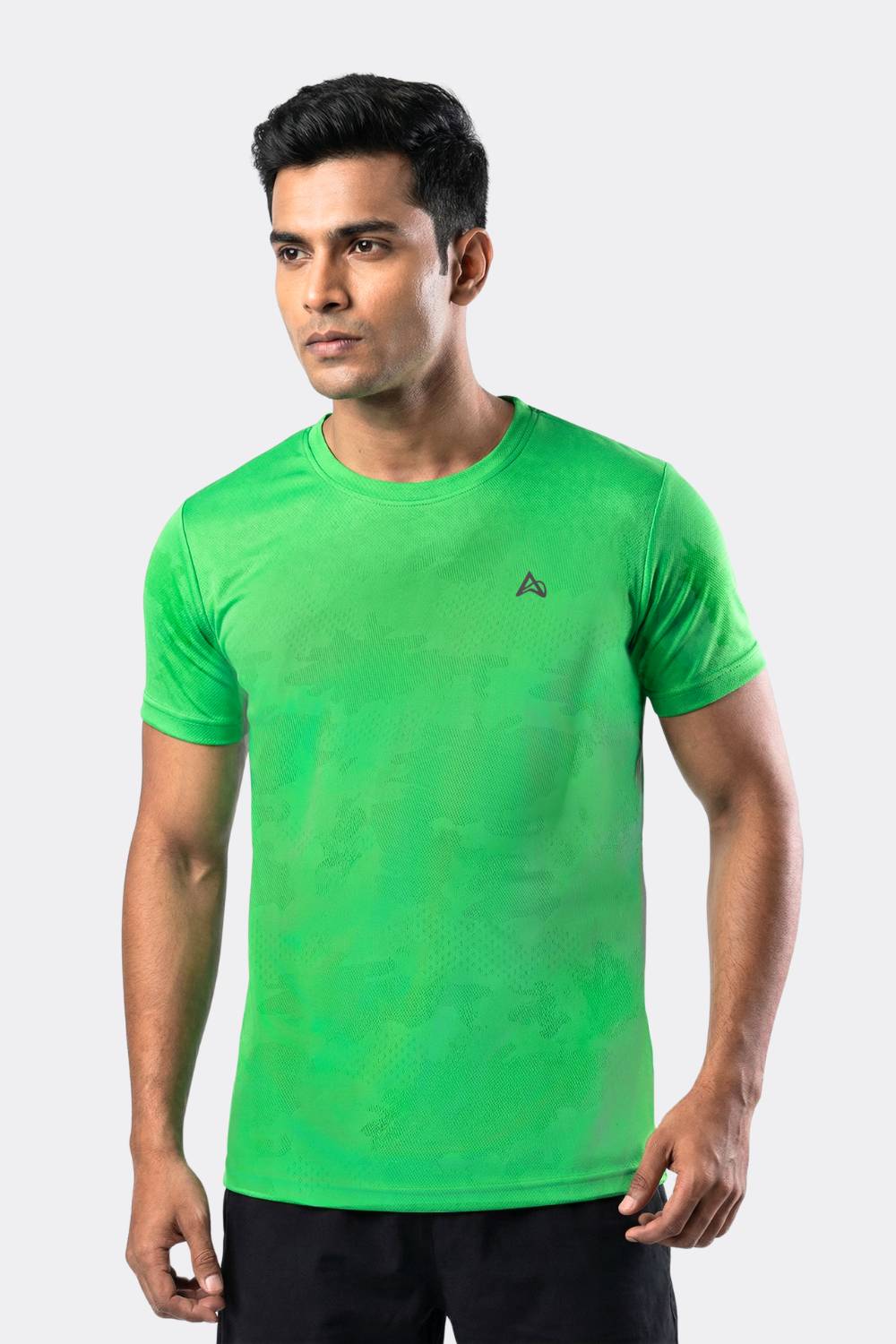
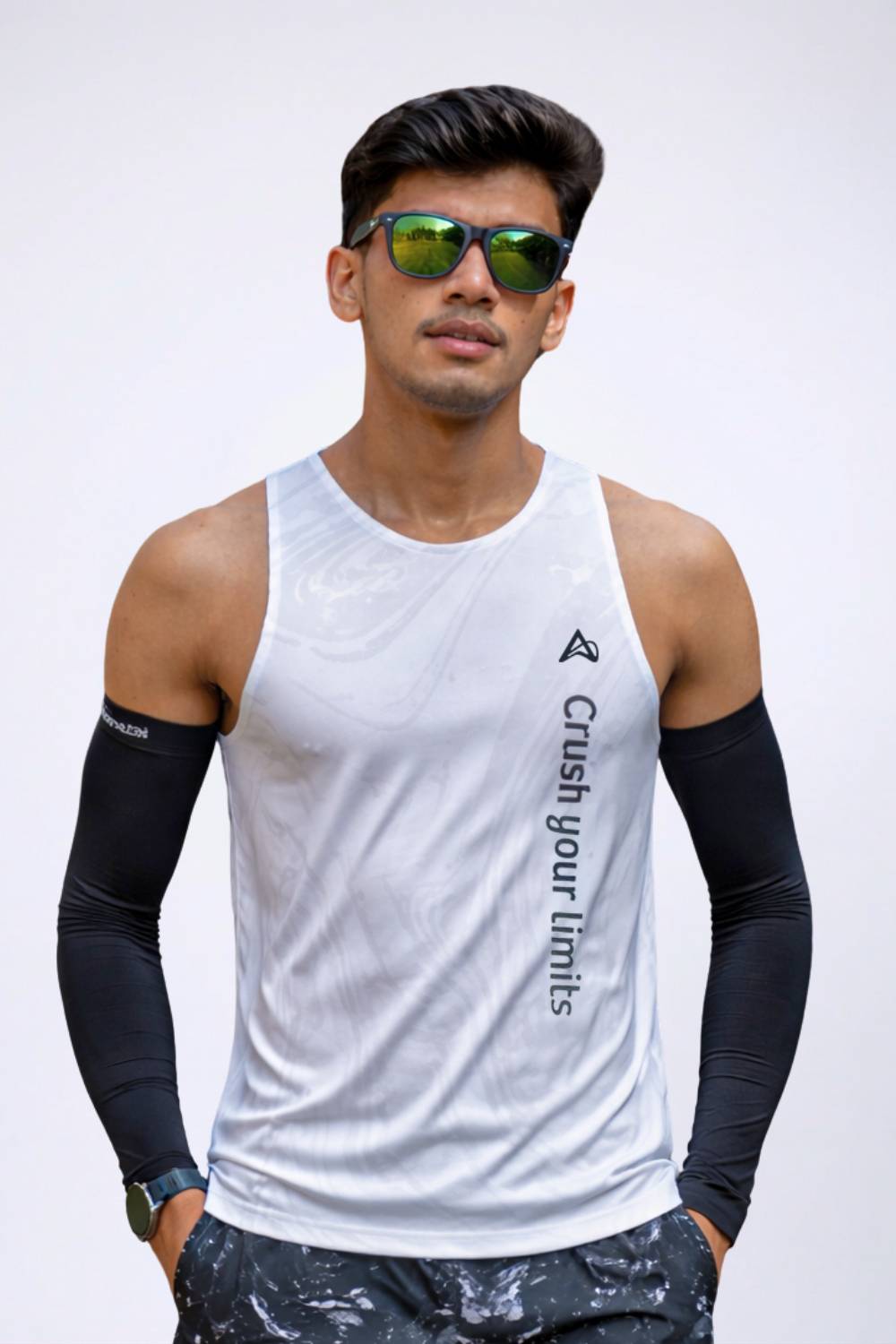

As marathon participation continues to rise across major urban centers such as Bangalore, Hyderabad, Mumbai, Pune, Navi Mumbai, Delhi, Gurugram, Surat, and Ahmedabad, one factor consistently separates comfortable long-distance runners from those battling avoidable discomfort: apparel fit. While training plans, nutrition, and pacing strategies often dominate preparation conversations, the way clothing interacts with the body over hours of repetitive motion plays a more direct role than most runners realize.
Fit is not just about size labels or aesthetic preference. It determines how fabric behaves under sweat, friction, heat, and sustained movement. In marathon preparation cycles often spanning 12 to 20 weeks runners accumulate thousands of kilometers in conditions that vary from humid mornings in Mumbai to dry, high-traffic routes in Delhi or Gurugram. In these environments, small inconsistencies in apparel fit can escalate into chafing, overheating, and muscular distraction that affects training quality.
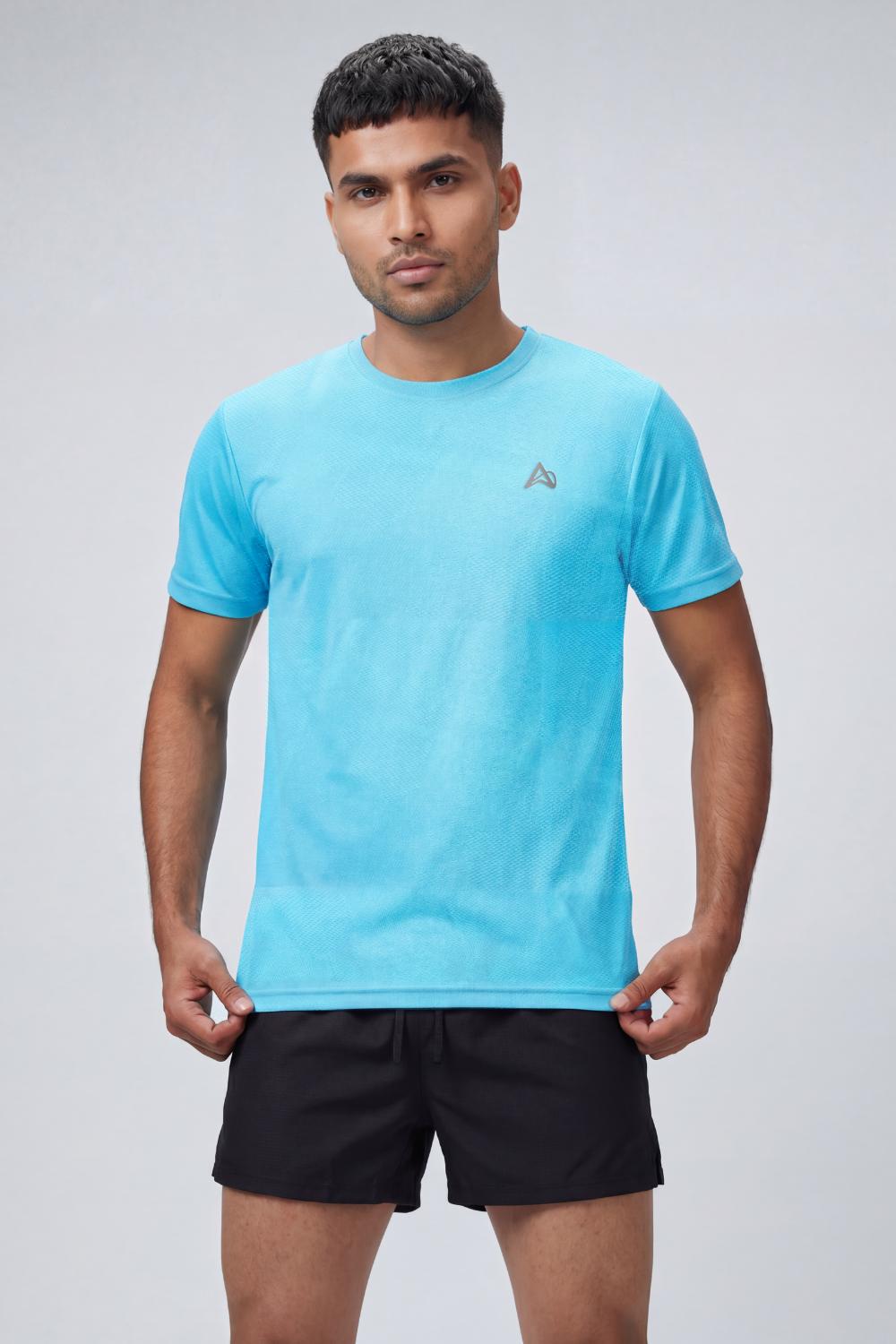
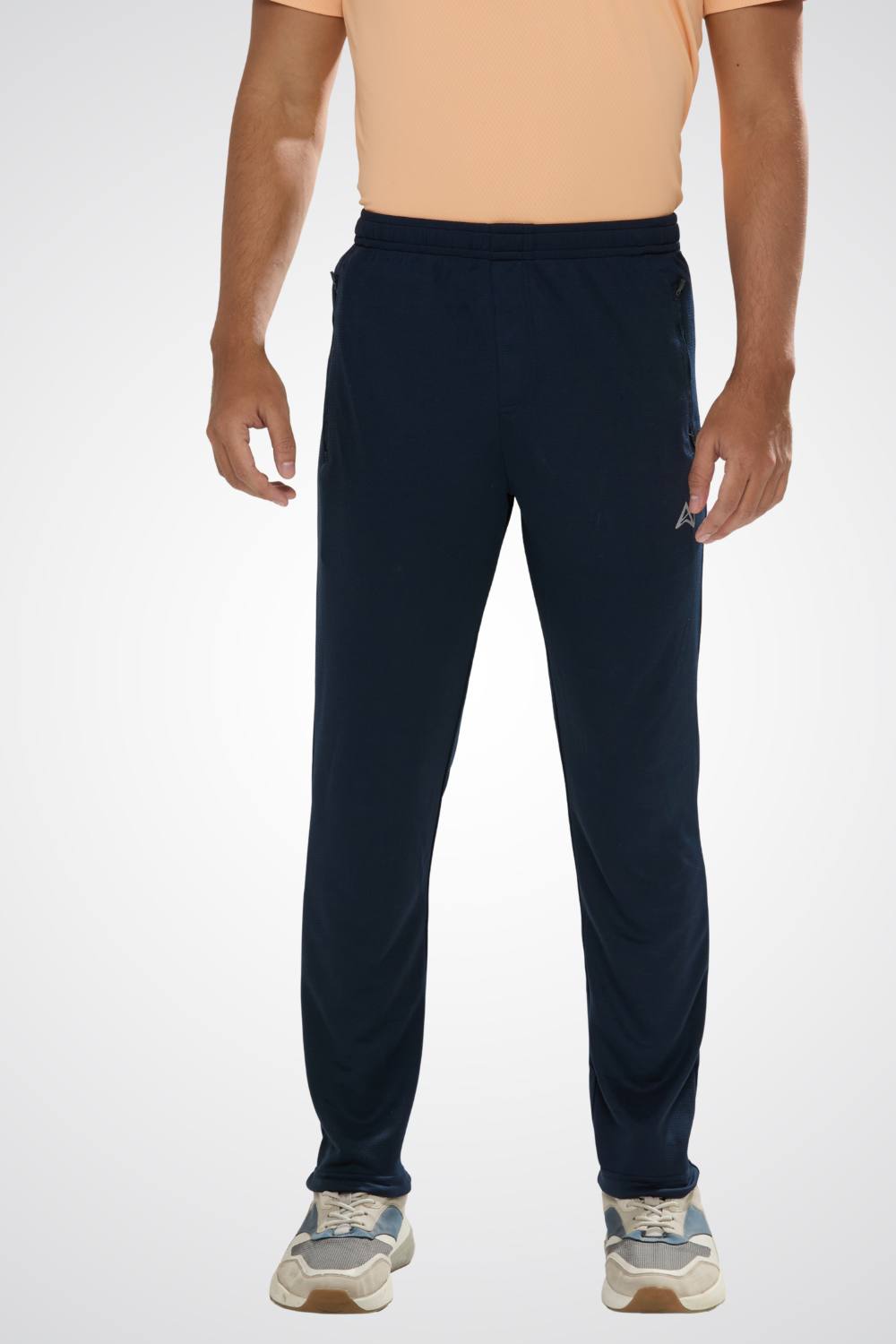
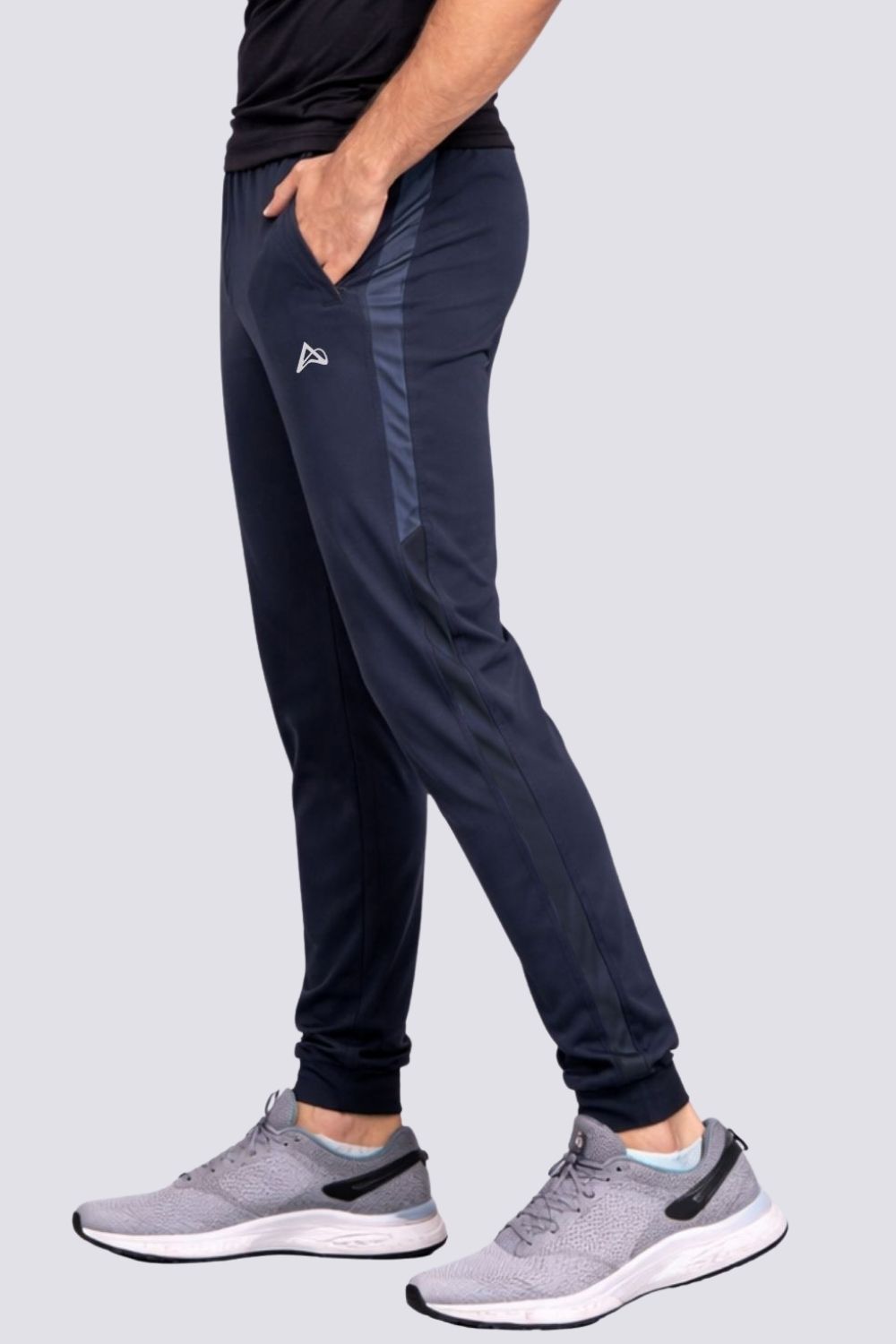
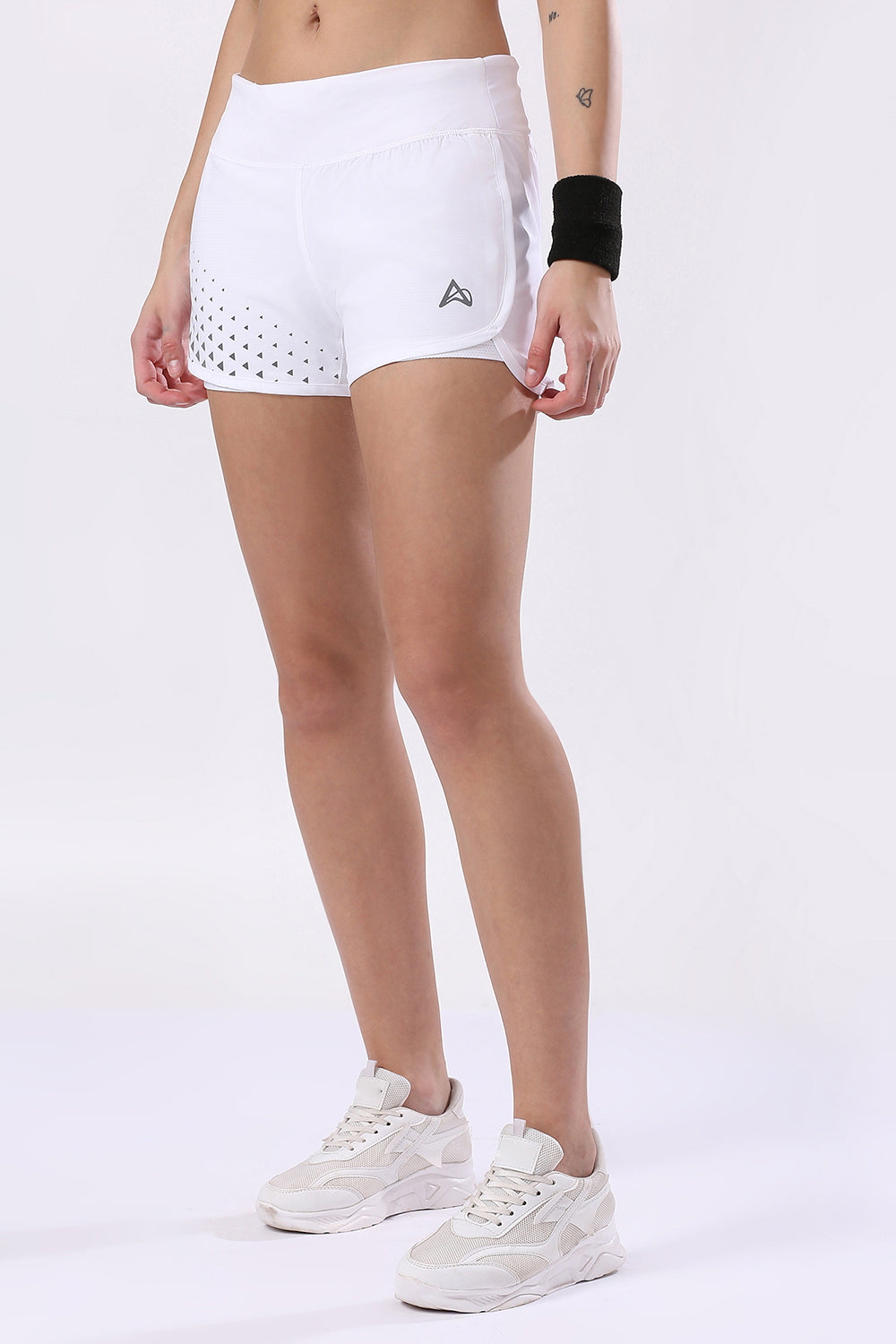
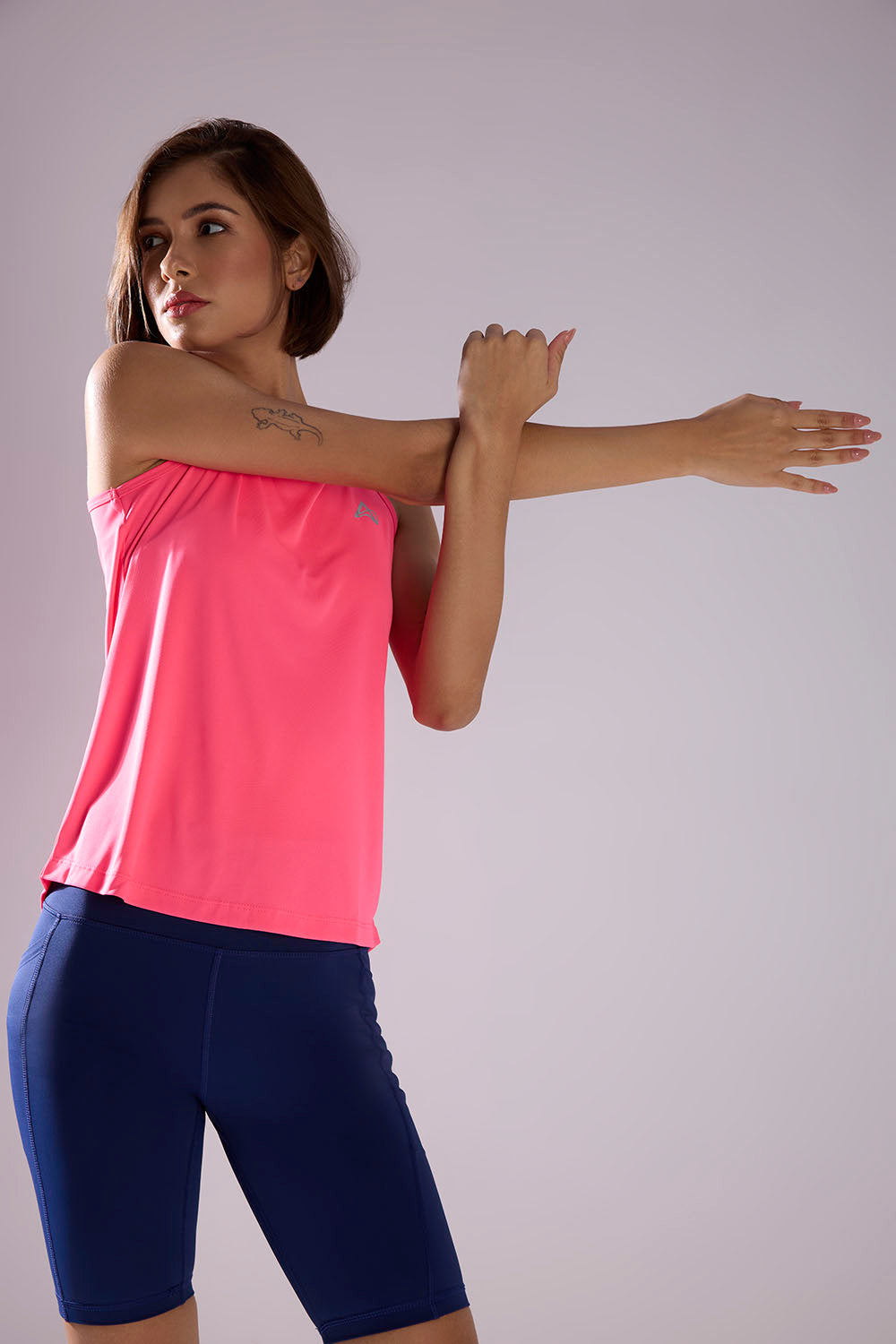
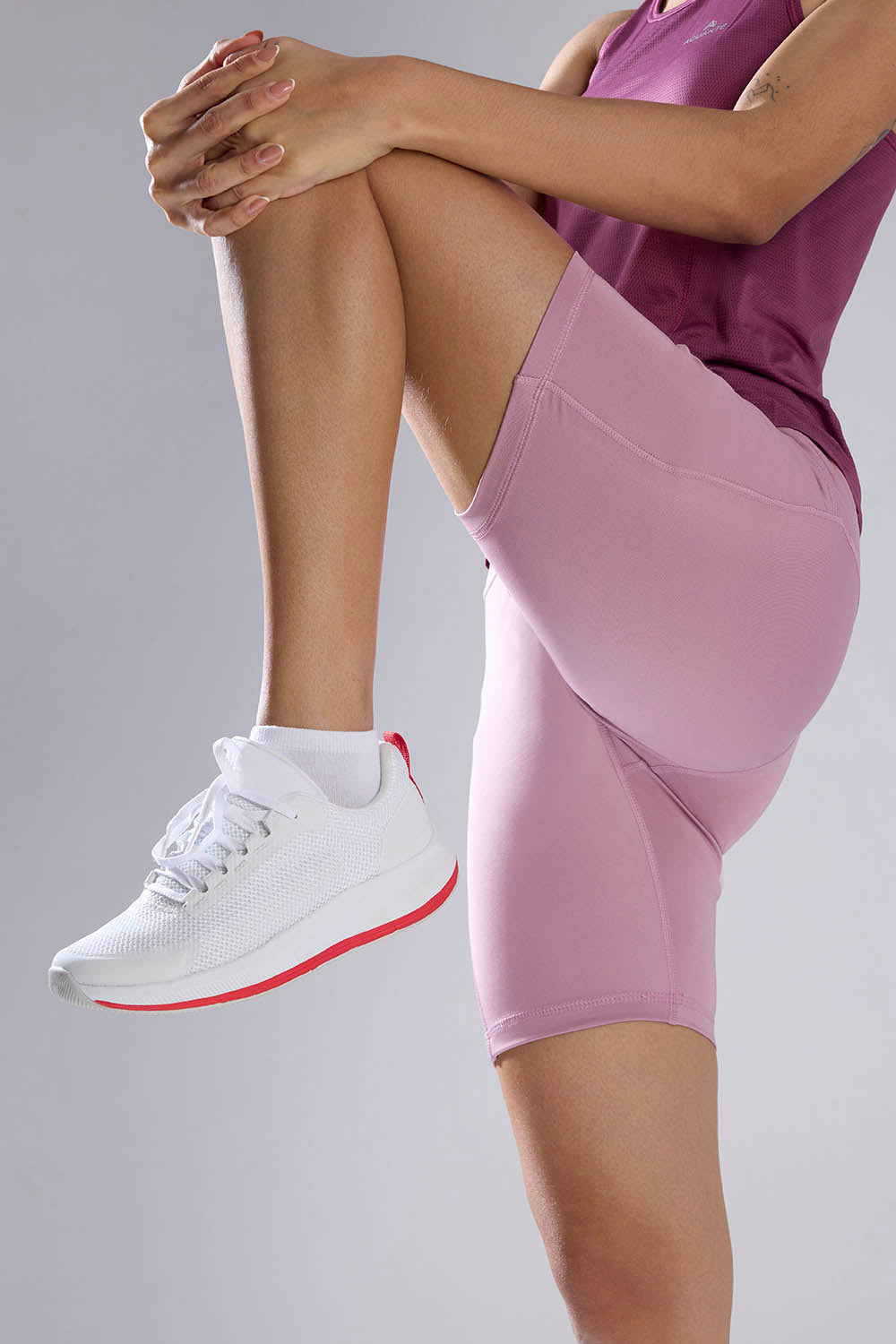
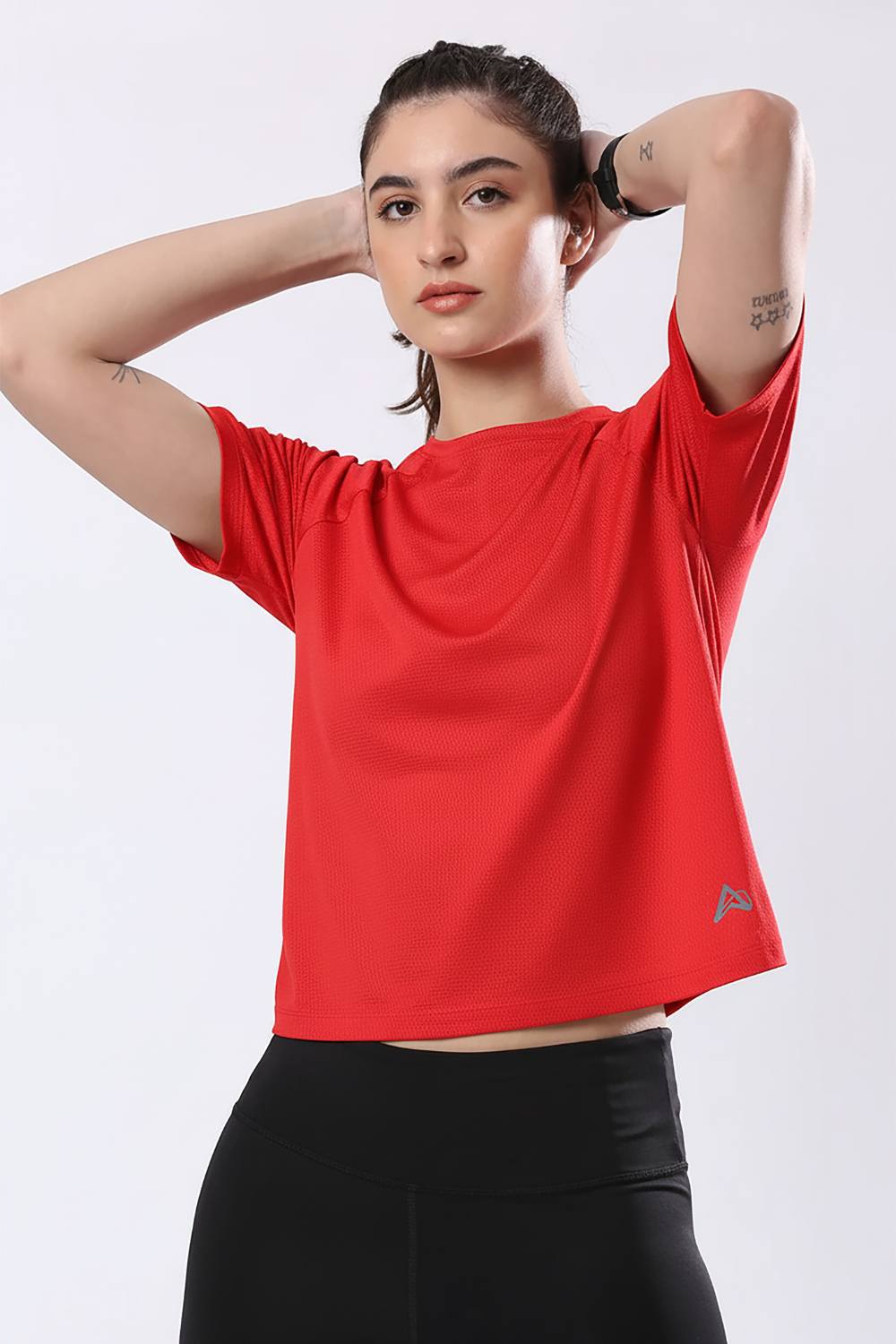
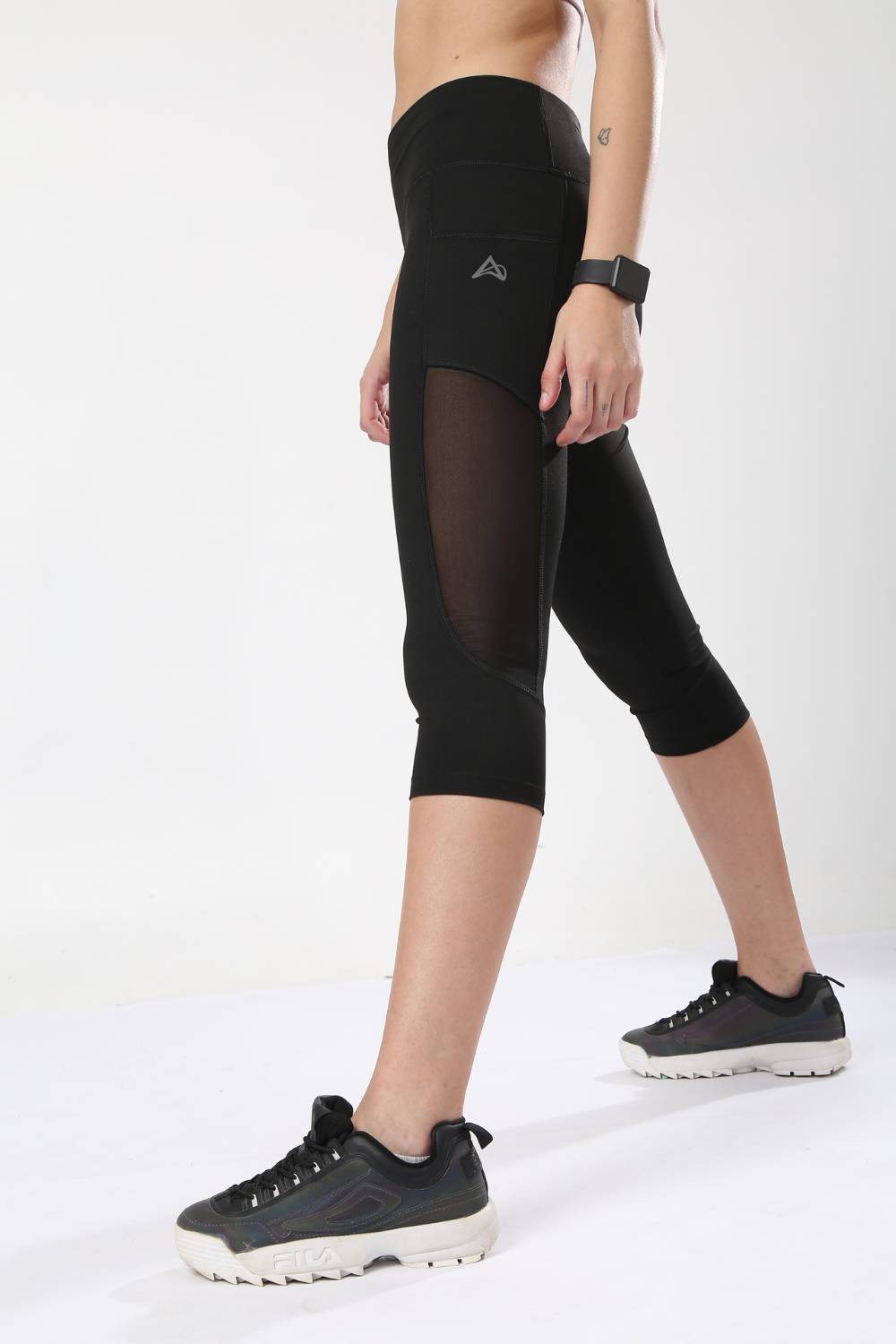
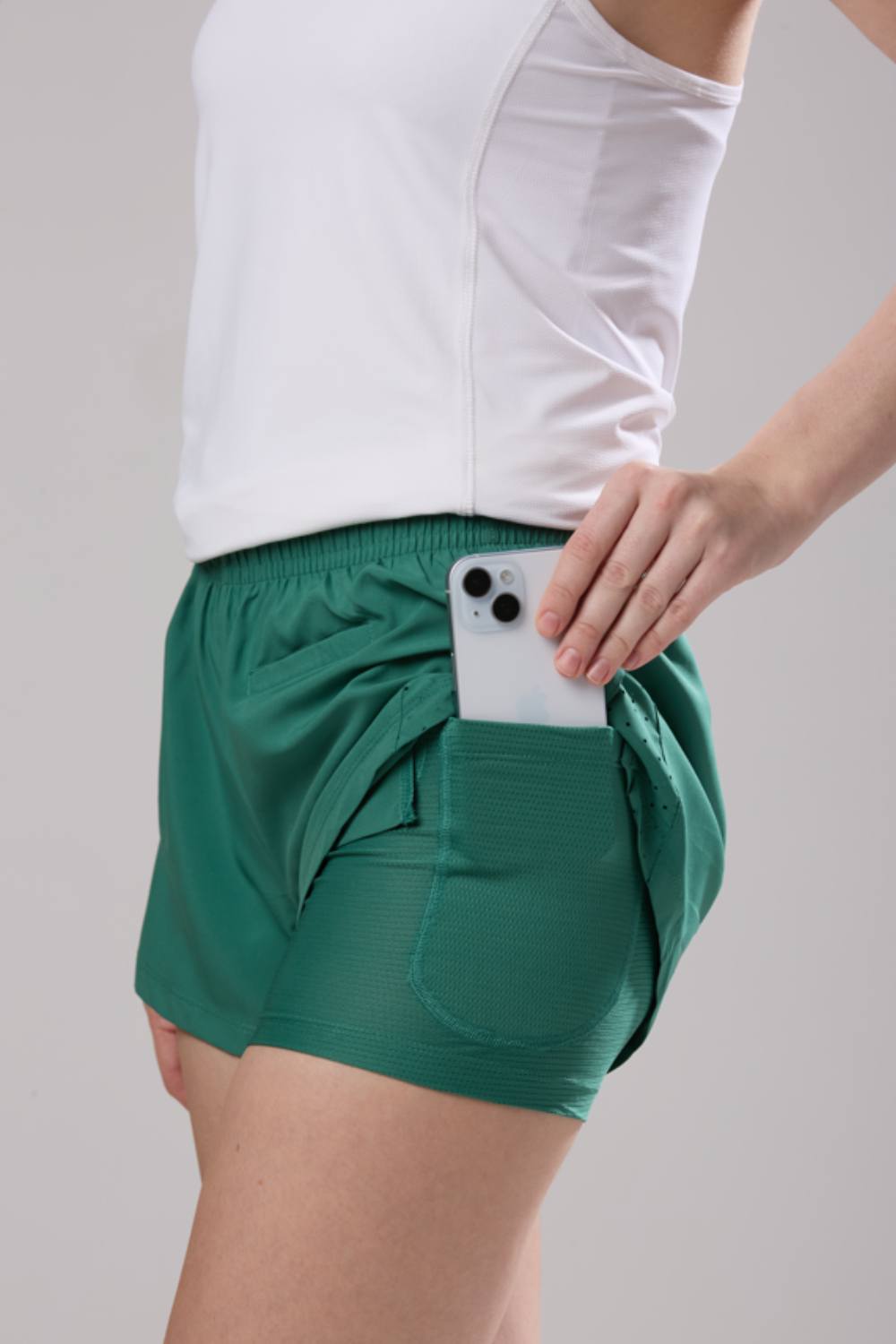
Tired of gear that slows you down? Chafing, soggy fabrics, and missing pockets kill your run's momentum. At Aguante, we're runners who get it. Our high-performance activewear features moisture-wicking fabrics, ergonomic designs, and smart storage to keep you focused. Shop Now!
The Hidden Cost of Poor Fit in Long-Distance Training
During marathon preparation, runners in cities like Pune and Bangalore often report that discomfort does not emerge immediately but builds gradually across long training blocks. A slightly loose seam around the underarm or excess fabric around the inner thigh may seem insignificant during short runs, yet becomes a persistent irritant during 90-minute endurance sessions. This is where apparel fit transitions from a comfort factor into a performance determinant.
In humid regions such as Mumbai and Navi Mumbai, moisture retention amplifies friction points. Fabric that does not sit close enough to the skin can trap sweat, increasing the likelihood of chafing. Conversely, overly tight garments restrict airflow, leading to overheating and reduced thermal efficiency. The challenge for runners is not simply choosing “tight” or “loose,” but understanding how targeted compression zones and adaptive stretch panels interact with body mechanics over time.
Across Hyderabad and Surat, where training routes often include mixed urban terrain and temperature fluctuations, runners experience additional variability. Apparel that fails to stabilize movement under these conditions can subtly alter stride efficiency, increasing fatigue over longer distances. This makes precision fit a foundational requirement rather than a secondary preference.
Biomechanics, Friction, and the Science of Discomfort
Every stride in a marathon training cycle generates repetitive motion across the hips, thighs, shoulders, and torso. Over time, even minor misalignment in apparel fit creates micro-friction zones. These zones are responsible for common complaints such as inner-thigh chafing, underarm irritation, and waistband pressure marks.
In high-intensity training environments like Delhi and Gurugram, where runners often incorporate speed intervals and tempo runs, the body experiences more pronounced lateral movement. Apparel that lacks anatomical tailoring fails to stabilize these motion patterns, resulting in unnecessary energy leakage. Instead of focusing fully on breathing rhythm or cadence, runners unconsciously adjust posture to compensate for discomfort.
Performance apparel designed for running must therefore account for dynamic movement rather than static measurements. This includes articulated seams, strategic elasticity, and fabric zones engineered to respond differently to tension and sweat accumulation. The goal is not compression for its own sake, but controlled support that reduces muscular oscillation during prolonged effort.
Urban Training Conditions Across Indian Cities
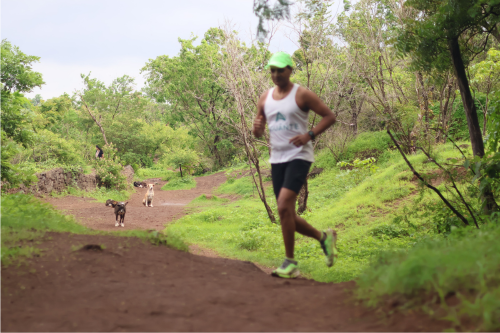
Marathon preparation in Indian metros introduces a unique combination of climate stressors, infrastructure variability, and air quality conditions. In Bangalore and Hyderabad, early morning runners benefit from relatively moderate temperatures, but humidity spikes can still impact fabric performance. In contrast, Delhi and Gurugram runners frequently deal with temperature extremes that demand apparel capable of both insulation and ventilation within the same training cycle.
In cities like Ahmedabad and Surat, where heat intensity can rise quickly during daytime sessions, apparel fit becomes a critical cooling mechanism. A well-fitted running top that allows controlled airflow while preventing fabric drag can significantly improve perceived exertion levels. Similarly, in Mumbai and Navi Mumbai, where coastal humidity persists throughout much of the year, moisture-wicking efficiency becomes inseparable from fit quality.
These regional differences highlight why a standardized approach to sizing often fails runners. The same garment that performs well in Pune's moderate climate may behave differently in Chennai-like humidity conditions experienced during certain training seasons in coastal Maharashtra. Understanding these nuances allows runners to adapt apparel choices based on training geography rather than relying solely on size charts.
Industry Shifts in Performance Apparel and Running Gear
The performance apparel sector is evolving in response to growing participation in endurance sports across India and other global markets. The demand is not just for visually appealing activewear, but for garments that actively solve problems such as overheating, friction control, and muscular stabilization during long-distance training.
In the broader sports apparel category, structured demand for moisture-responsive and stretch-engineered clothing continues to expand, supported by increasing participation in fitness and endurance activities. According to industry research on the sports apparel market growth, the sector reflects rising interest in performance-focused clothing driven by fitness adoption, urbanization, and lifestyle shifts across working-age populations. This trend is especially visible in metropolitan training hubs like Bangalore, Delhi, and Mumbai, where running communities are expanding rapidly.
Similarly, the running-specific segment is influenced by increasing participation in structured events such as marathons and local races. Insights from the running gear expansion indicate sustained growth in demand for footwear, apparel, and accessories tailored for endurance sports. Rather than focusing solely on competitive performance, a growing share of this demand is driven by recreational runners prioritizing comfort and injury prevention during preparation cycles.
These shifts signal a broader transformation: apparel is no longer positioned as passive wear but as an active component of athletic performance strategy. For brands operating in this space, including performance-focused companies like Aguante, the emphasis is increasingly on engineering fit systems that reduce fatigue accumulation rather than simply improving aesthetic appeal.
How Runners Can Evaluate Fit During Marathon Preparation
Choosing the right apparel fit for marathon training requires more than trying on garments or following generic sizing recommendations. Runners in cities such as Pune and Hyderabad benefit from a more functional evaluation approach that simulates real training conditions. This includes testing apparel during long runs rather than short trials, paying attention to friction points that emerge after sustained movement, and evaluating moisture response after at least 30–40 minutes of continuous activity.
One practical approach is to assess “movement stability,” which refers to how well a garment maintains position during changes in pace, direction, or terrain. For example, runners in Gurugram who incorporate flyovers or uneven routes into their training should observe whether waistbands shift or seams rotate during uphill transitions. Similarly, runners in Mumbai should evaluate how quickly garments recover from saturation after humid runs.
Another important consideration is fabric recovery. High-quality performance apparel should return to its original shape after stretching without creating pressure points or sagging zones. This is particularly important during marathon preparation cycles where weekly mileage can fluctuate significantly between recovery runs and long-distance sessions.
Role of Performance Apparel Brands in Reducing Training Discomfort
Modern performance apparel brands are increasingly focusing on solving functional discomfort rather than simply expanding product variety. This shift is especially relevant for runners in Indian metro regions where environmental variability places additional stress on training consistency. Apparel fit engineering now involves mapping body movement patterns, identifying high-friction zones, and designing garments that adapt dynamically over long durations.
In this context, brands such as Aguante operate within a broader category shift toward engineered comfort systems in sportswear. The emphasis is not only on durability or aesthetics but on how apparel supports repetitive motion across diverse training environments from humid coastal routes in Navi Mumbai to dry urban stretches in Delhi.
Performance apparel innovation is also being shaped by broader industry growth. The activewear category continues to expand as consumers prioritize multifunctional clothing suitable for both training and everyday use. Research on the activewear industry expansion highlights how demand is being driven by rising health consciousness and the increasing integration of fitness wear into daily wardrobes across urban India. This shift reinforces the importance of apparel that performs consistently across multiple contexts, not just during workouts.
As a result, fit is becoming the defining metric of value in performance apparel. Runners are no longer evaluating garments solely on brand or appearance but on how effectively they minimize distraction during peak training load. This evolution is reshaping how brands design, test, and position their products in competitive markets.
Fit as a Performance Multiplier in Marathon Training
Apparel fit plays a far more critical role in marathon preparation than is often acknowledged. Across cities like Bangalore, Mumbai, Delhi, Hyderabad, Pune, and Ahmedabad, runners face diverse environmental conditions that amplify the impact of even minor design inconsistencies. Poor fit leads to friction, overheating, and distraction, while optimized fit enhances endurance efficiency and mental focus.
As performance apparel continues to evolve, the focus is shifting toward precision engineering that aligns with real-world running behavior rather than static sizing systems. For runners preparing for marathons, understanding this distinction can significantly improve training quality and long-term performance outcomes. Ultimately, the right fit does more than prevent discomfort it enables consistency, which is the true foundation of marathon success.
Frequently Asked Questions
How does apparel fit affect performance and comfort during marathon training?
Apparel fit directly influences how fabric behaves under sweat, friction, heat, and sustained movement over long distances. Poor fit whether too loose or too tight can lead to chafing, overheating, and subtle postural adjustments that drain energy and reduce focus. Optimized fit with targeted compression zones and adaptive stretch panels supports biomechanics and reduces muscular fatigue across hours of repetitive motion.
What should runners look for when choosing running apparel for humid or high-heat conditions like those in Mumbai, Bangalore, or Ahmedabad?
In humid cities like Mumbai and Navi Mumbai, moisture-wicking efficiency is inseparable from fit quality fabric that sits too loosely traps sweat and increases friction, while overly tight garments restrict airflow and cause overheating. In high-heat environments like Ahmedabad, a well-fitted running top that allows controlled airflow while minimizing fabric drag can meaningfully lower perceived exertion. Runners should evaluate how quickly their apparel recovers from moisture saturation after at least 30–40 minutes of continuous activity.
How can marathon runners practically test whether their running apparel fits correctly?
Rather than relying on size charts alone, runners should test apparel during actual long runs and observe friction points that only emerge after sustained movement. A key test is "movement stability" checking whether waistbands shift or seams rotate during pace changes, uphill transitions, or uneven terrain. High-quality performance apparel should also demonstrate strong fabric recovery, returning to its original shape after stretching without creating pressure points or sagging zones.
Disclaimer: The above helpful resources content contains personal opinions and experiences. The information provided is for general knowledge and does not constitute professional advice.
You may also be interested in: How Ergonomic Fit Improves Running Performance: A Deep Dive
Tired of gear that slows you down? Chafing, soggy fabrics, and missing pockets kill your run's momentum. At Aguante, we're runners who get it. Our high-performance activewear features moisture-wicking fabrics, ergonomic designs, and smart storage to keep you focused. Shop Now!
Powered by flareAI.co