










For endurance athletes whether training for marathons in crisp Canadian autumns, tackling trail runs across European countryside, or pushing limits on American roads consistent performance hinges on more than just logging miles. Recovery practices form the foundation that allows athletes to train harder, adapt better, and sustain high-level efforts over months and years. At Aguante, we design performance apparel that supports these essential recovery moments, helping runners and triathletes move comfortably through every phase of their training cycle.
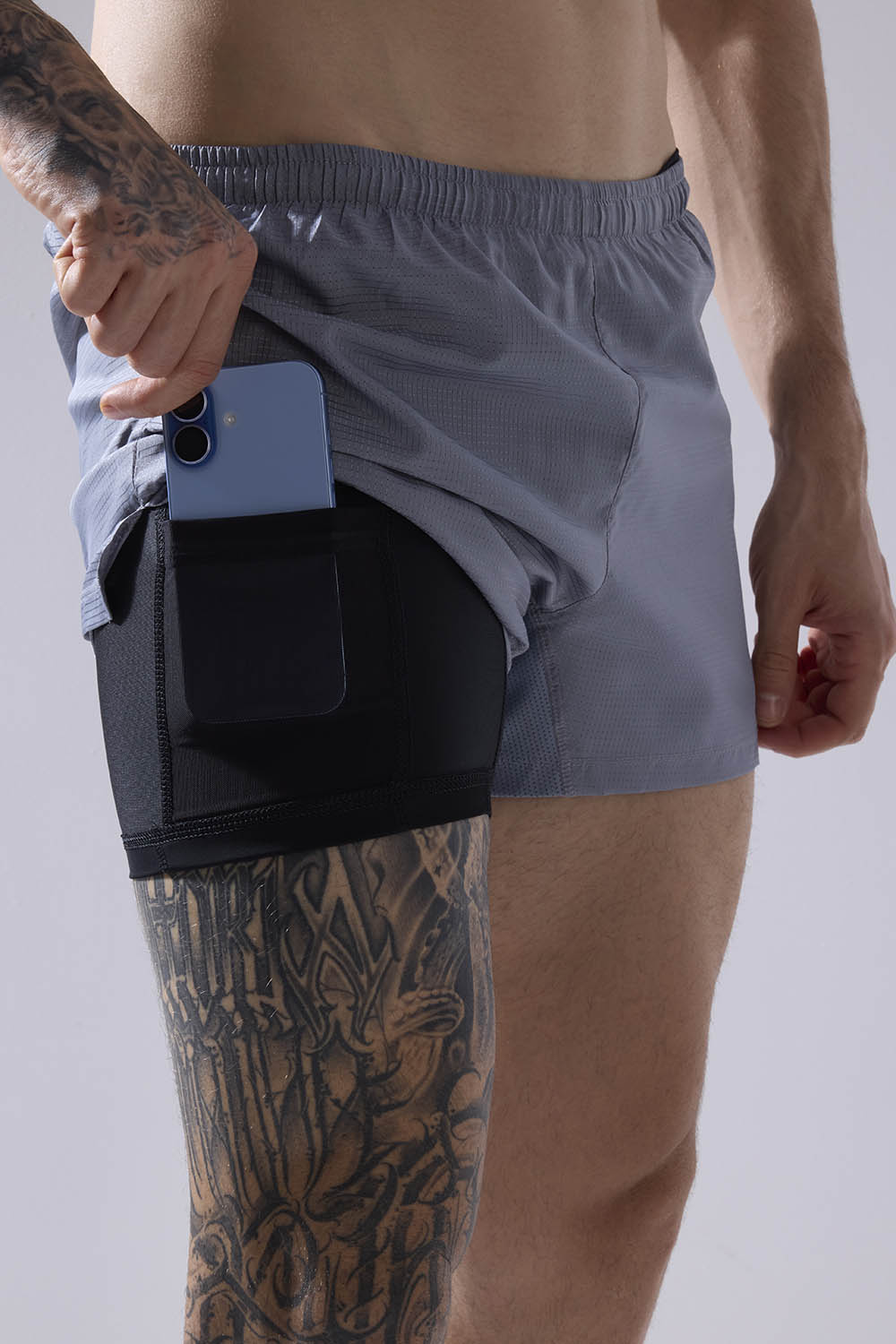
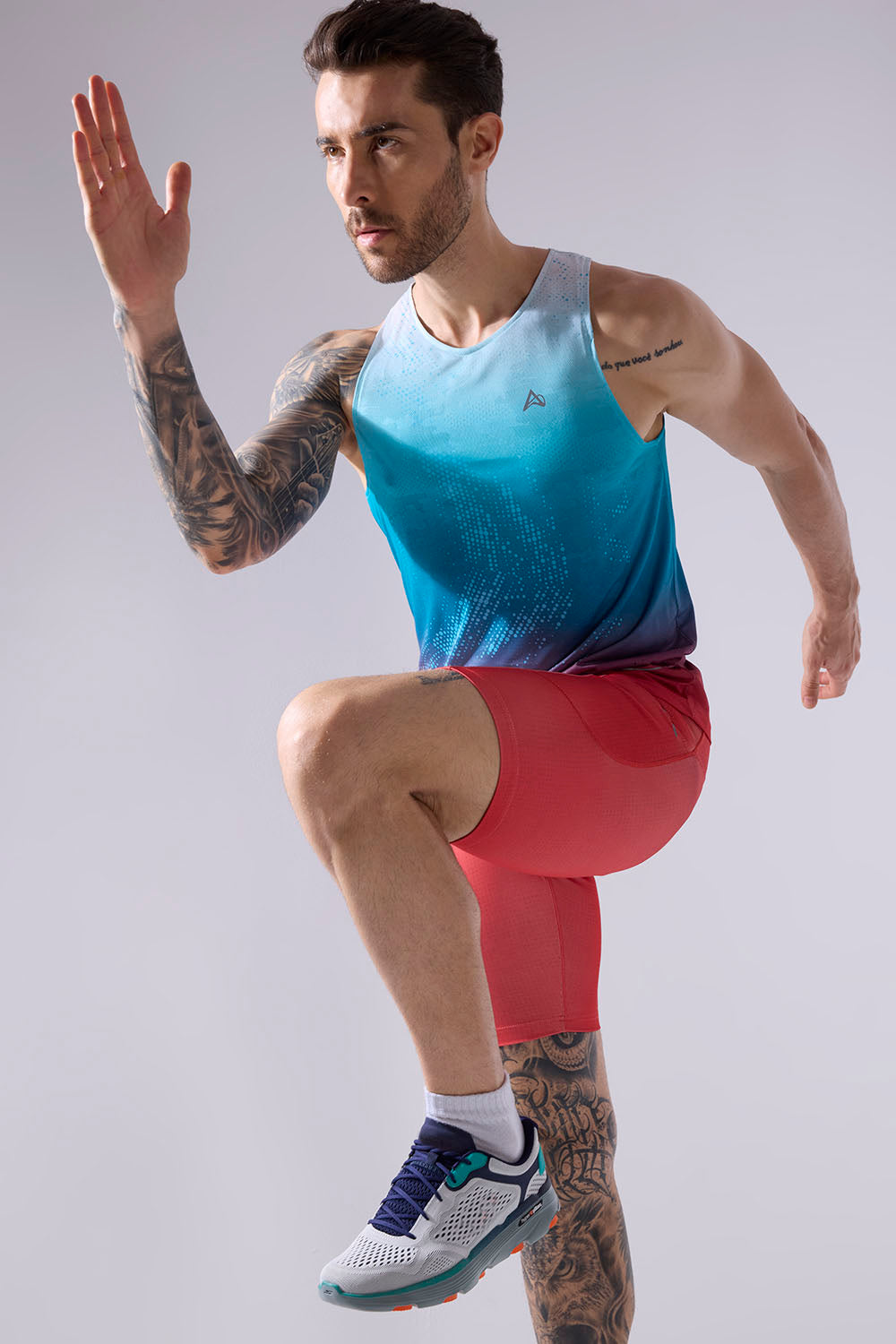
Tired of gear that slows you down? Chafing, soggy fabrics, and missing pockets kill your run's momentum. At Aguante, we're runners who get it. Our high-performance activewear features moisture-wicking fabrics, ergonomic designs, and smart storage to keep you focused. Shop Now!
Understanding the Recovery-Performance Connection
Endurance training places significant demands on the body. Long runs, interval sessions, and back-to-back workouts create micro-damage in muscles, deplete energy stores, and tax the nervous system. Without proper recovery, athletes risk stalled progress, persistent fatigue, and increased injury likelihood. Effective recovery practices help restore balance, allowing physiological adaptations that translate into stronger performances.
In cities like Bangalore and Mumbai, where dedicated running communities gather early mornings in parks and along waterfronts, athletes are discovering that structured recovery yields better consistency. Similar patterns emerge among endurance enthusiasts in Toronto, Berlin, and Austin places where active lifestyles meet demanding schedules. Recovery isn't passive rest; it's an active process involving sleep, nutrition, mobility work, and smart training adjustments.
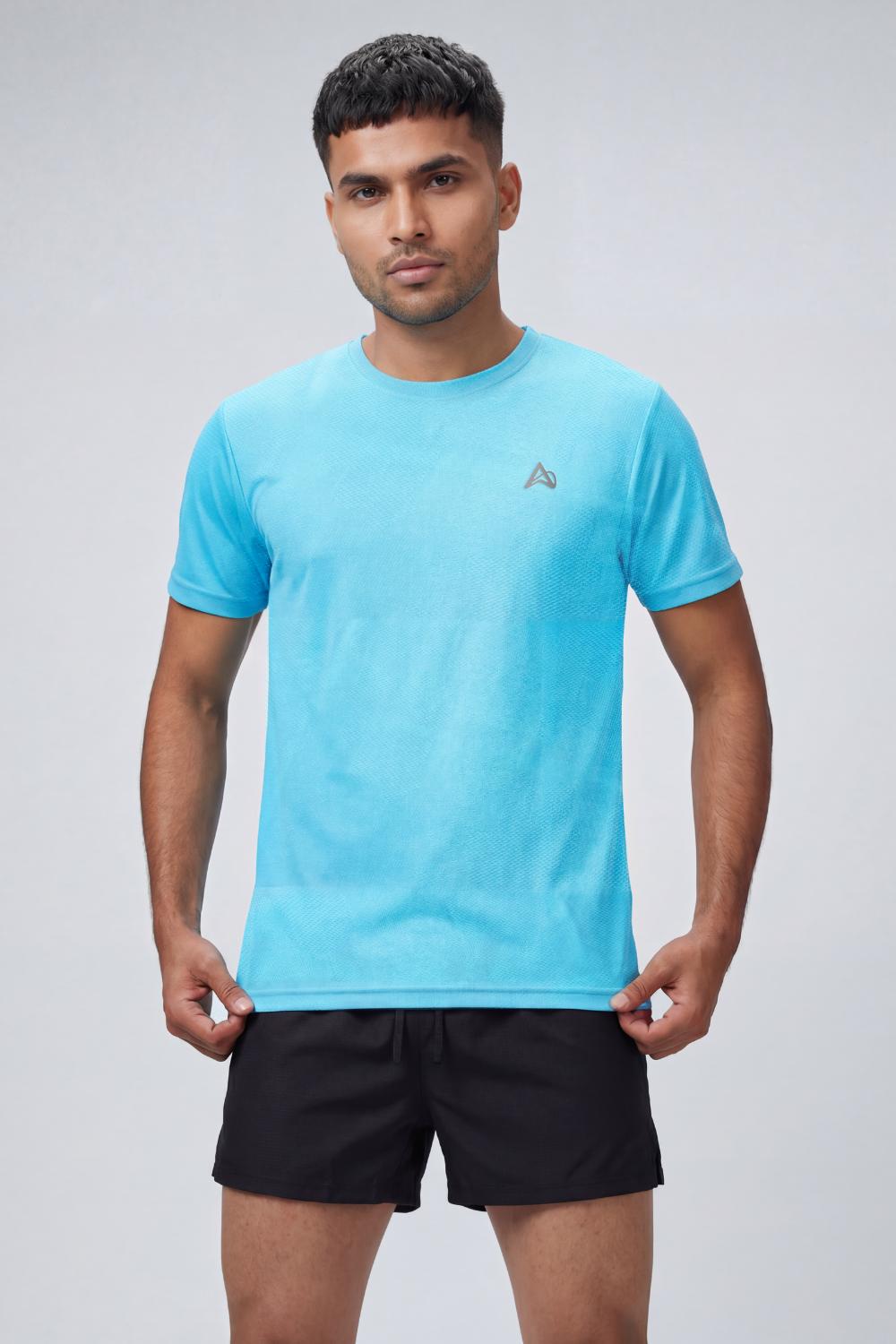
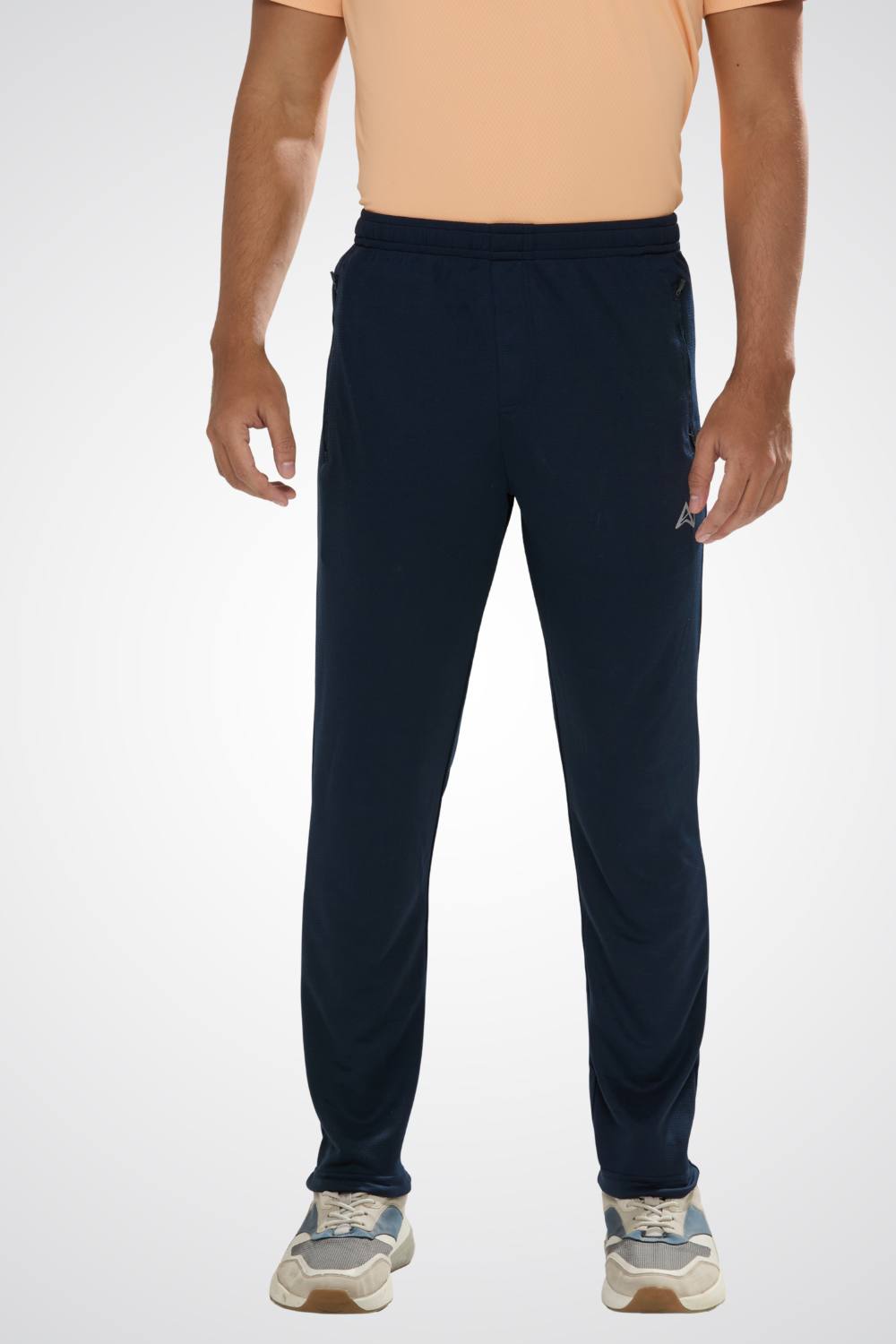
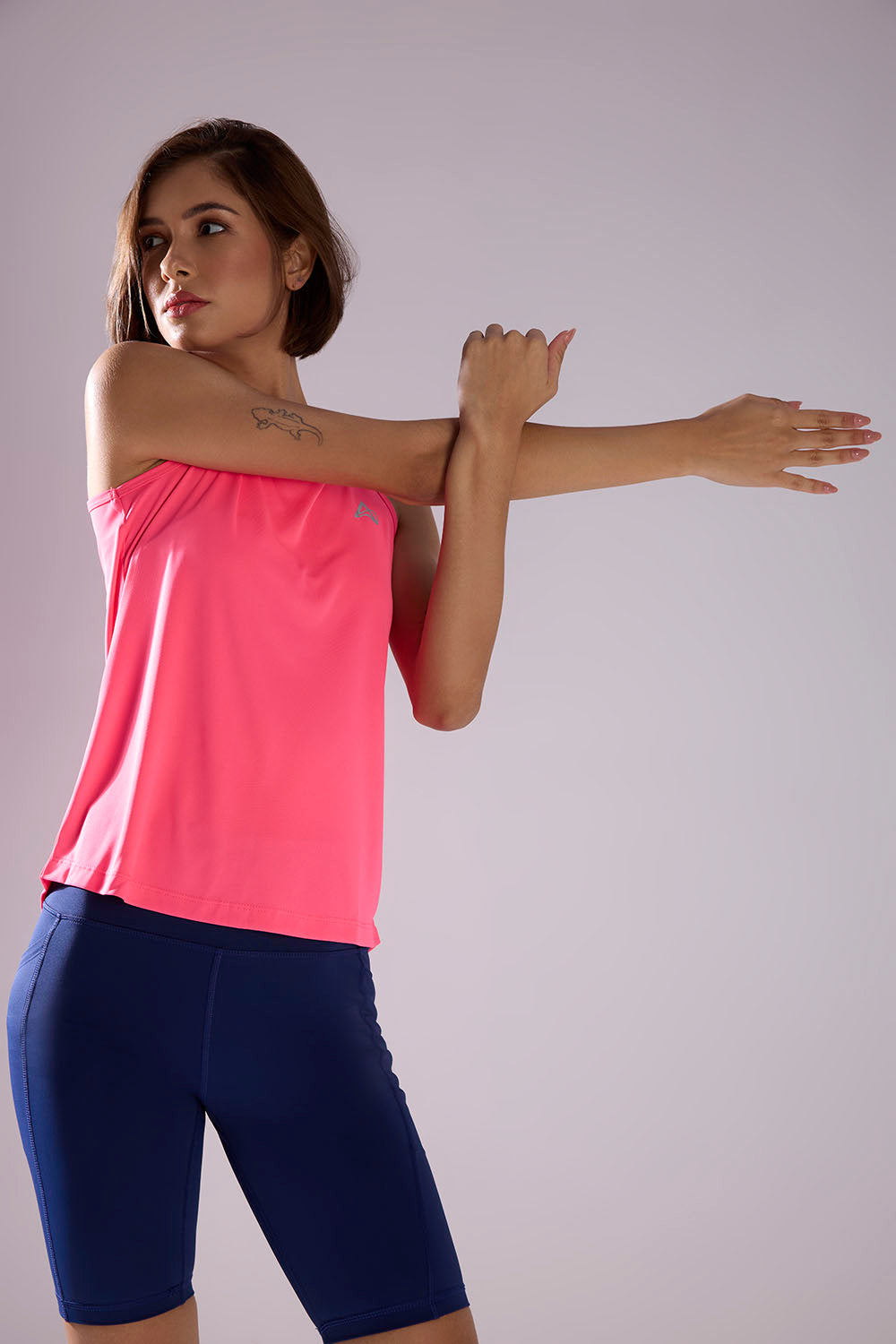
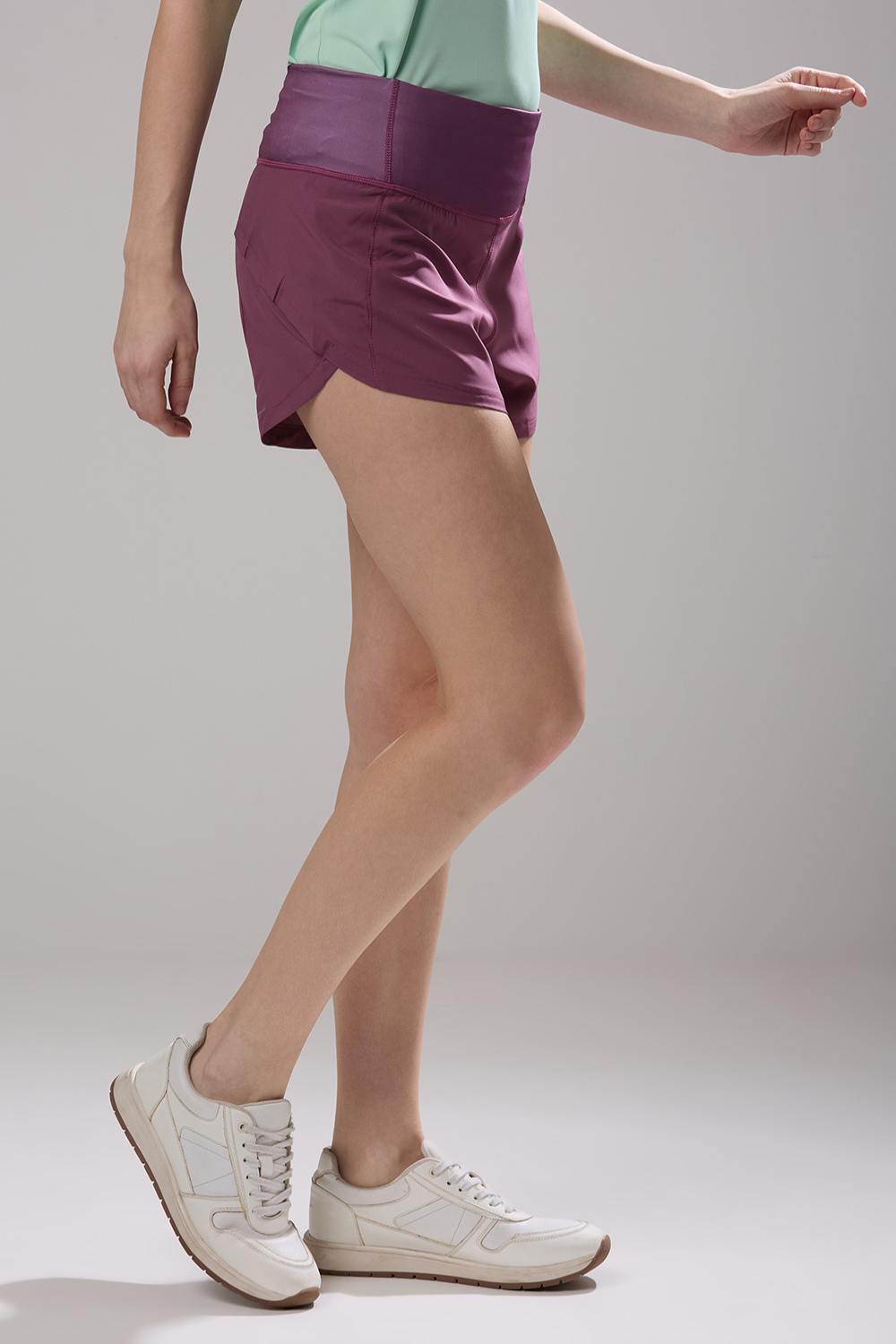
High-performance apparel plays a supporting role here. Breathable, moisture-wicking fabrics that feel gentle against the skin during post-run routines can make daily recovery rituals more comfortable. Aguante's designs prioritize this balance, offering pieces engineered for both intense efforts and restorative phases.
Sleep: The Cornerstone of Athletic Recovery
Quality sleep stands as one of the most powerful recovery tools available to endurance athletes. During deep sleep stages, the body releases growth hormone, repairs tissues, and consolidates motor learning from training sessions. Athletes who prioritize sleep often report improved mood, sharper focus during workouts, and faster rebound from hard efforts.
Practical strategies include maintaining consistent sleep schedules, creating cool and dark sleeping environments, and winding down with light stretching or reading. For runners balancing professional careers in places like Pune or Gurugram with evening training, protecting sleep windows becomes especially critical. The same principle applies to triathletes juggling swim-bike-run commitments across European time zones or North American cities.
Comfortable recovery wear can enhance this process. Loose-fitting, soft garments made from premium fabrics help regulate body temperature and reduce skin irritation, making it easier to relax fully. Many athletes find that changing into dedicated post-training apparel signals the body it's time to shift from effort to restoration.
Active Recovery and Mobility Strategies
Complete rest has its place, but active recovery light movement that promotes blood flow without adding stress often accelerates healing for endurance athletes. Easy jogs, swimming, cycling at low intensity, or yoga sessions help clear metabolic waste and maintain movement patterns.
In Hyderabad and Delhi, local running groups incorporate recovery-focused sessions like technique drills and mobility circuits. These approaches mirror trends in Vancouver's trail running scene or among London's park runners, where athletes blend social connection with purposeful movement. Incorporating foam rolling, dynamic stretching, and targeted mobility work addresses tight hips, calves, and IT bands commonly affected by high mileage.
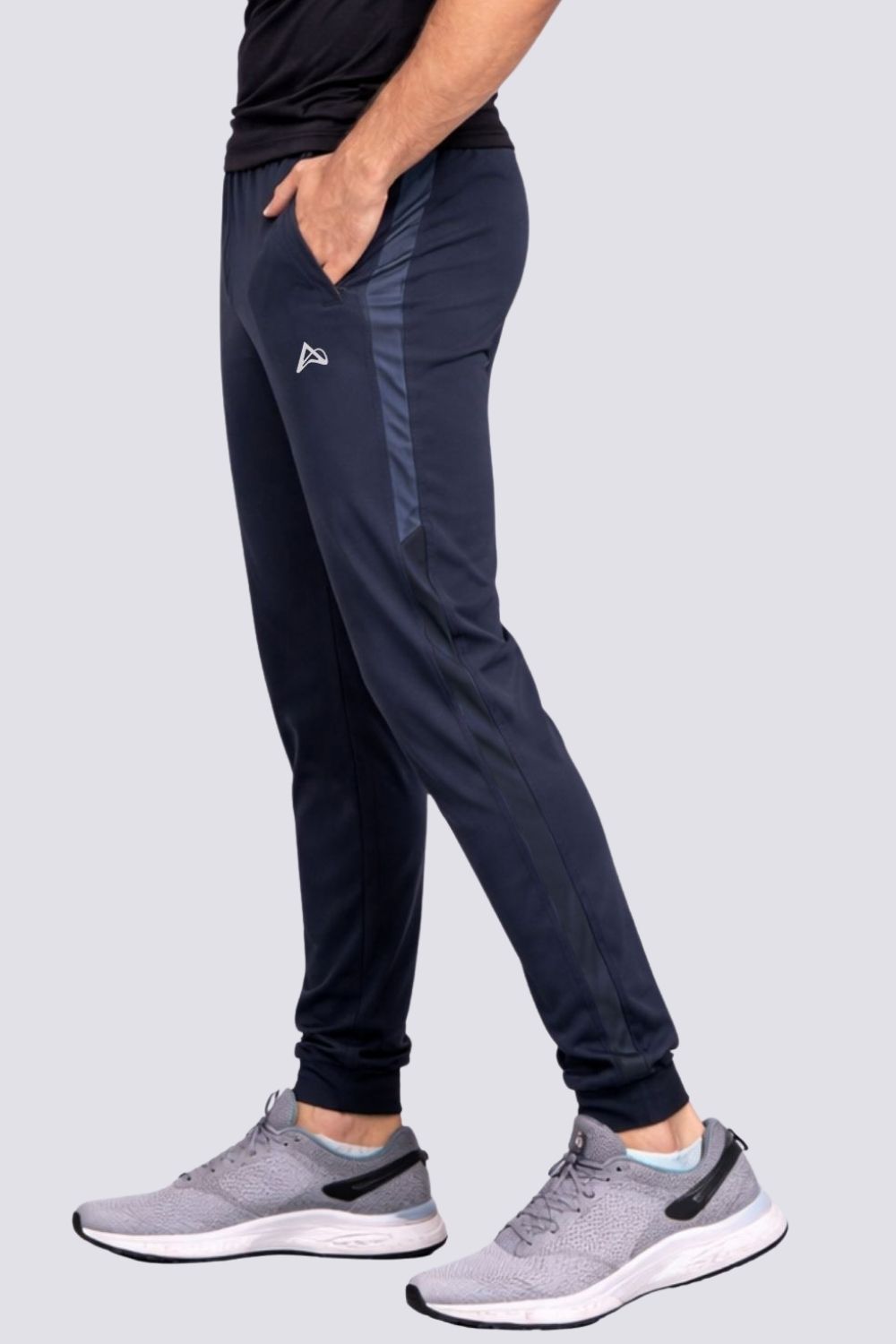
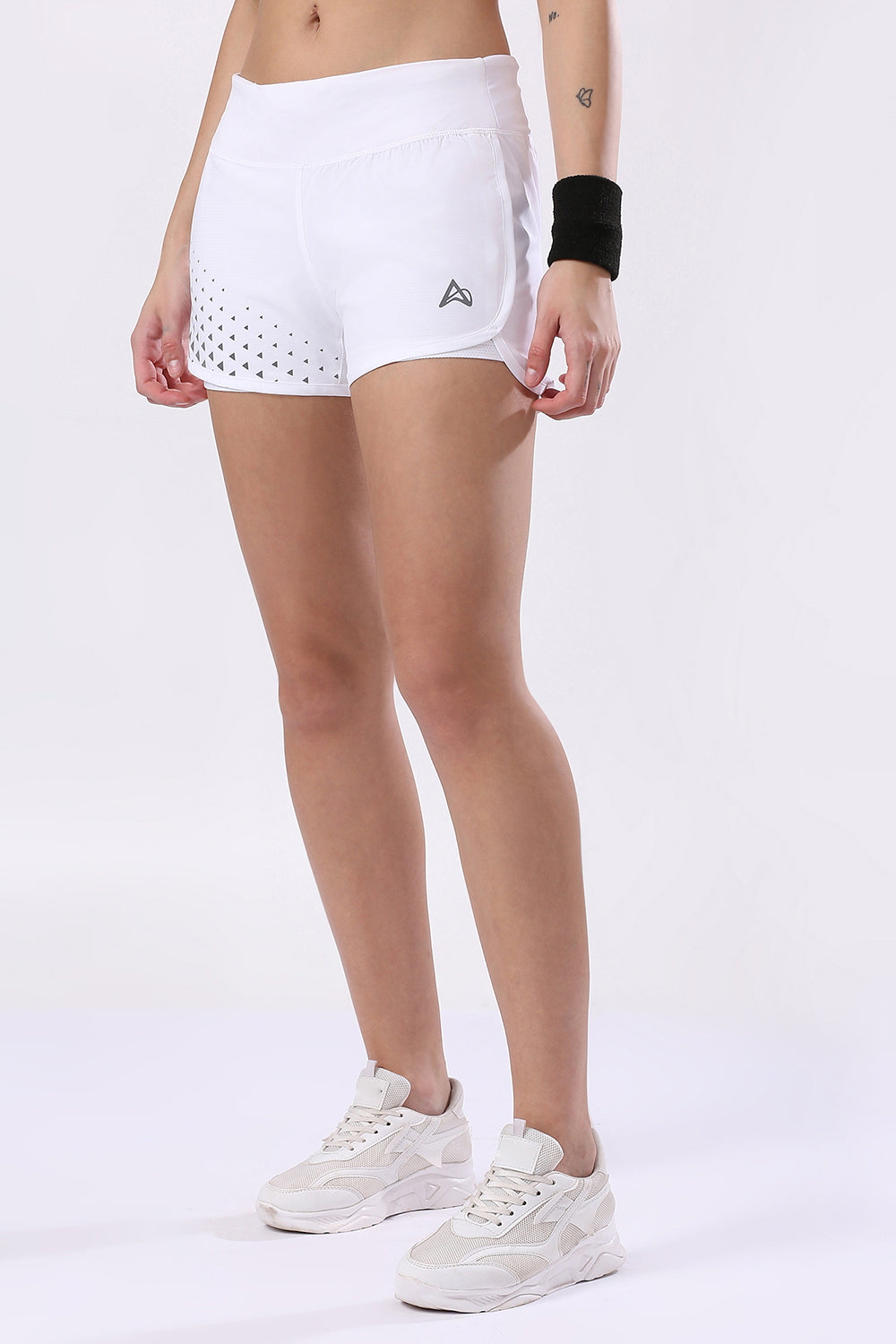
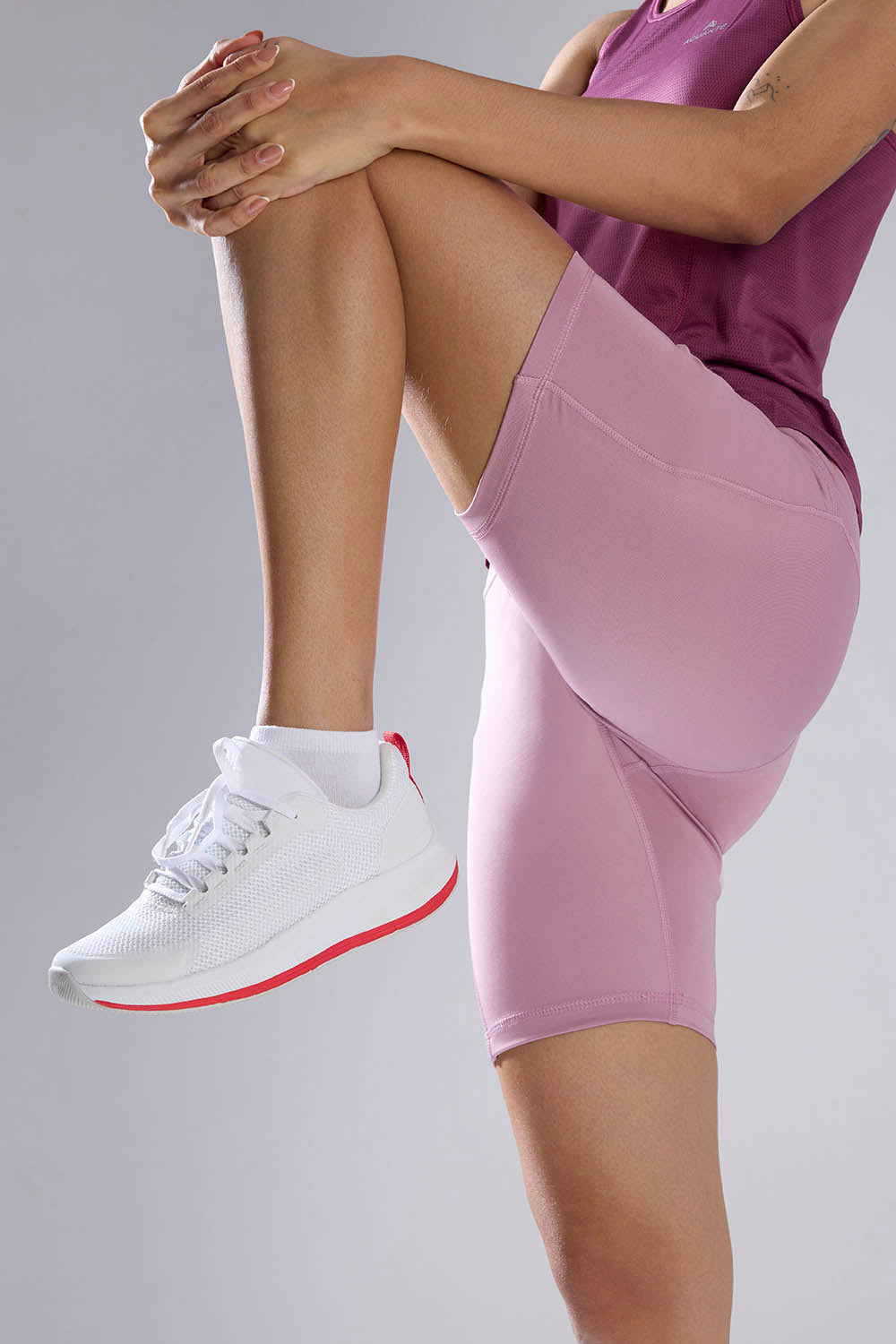
Apparel designed with four-way stretch and flatlock seams minimizes chafing during these gentler sessions. Aguante pieces support fluid movement, allowing athletes to focus on form and breath rather than discomfort during active recovery days.
Nutrition and Hydration for Rebuilding
Recovery nutrition refuels glycogen stores, provides protein for muscle repair, and delivers anti-inflammatory compounds that combat training-induced stress. Timing matters consuming a balanced meal or snack within an hour after longer sessions helps optimize this window.
Endurance athletes in Surat and Ahmedabad often emphasize local, nutrient-dense foods alongside their training. This mirrors how runners in Montreal or Munich integrate regional produce and proteins into recovery protocols. Hydration strategies extend beyond workouts, with consistent fluid intake supporting all bodily functions.
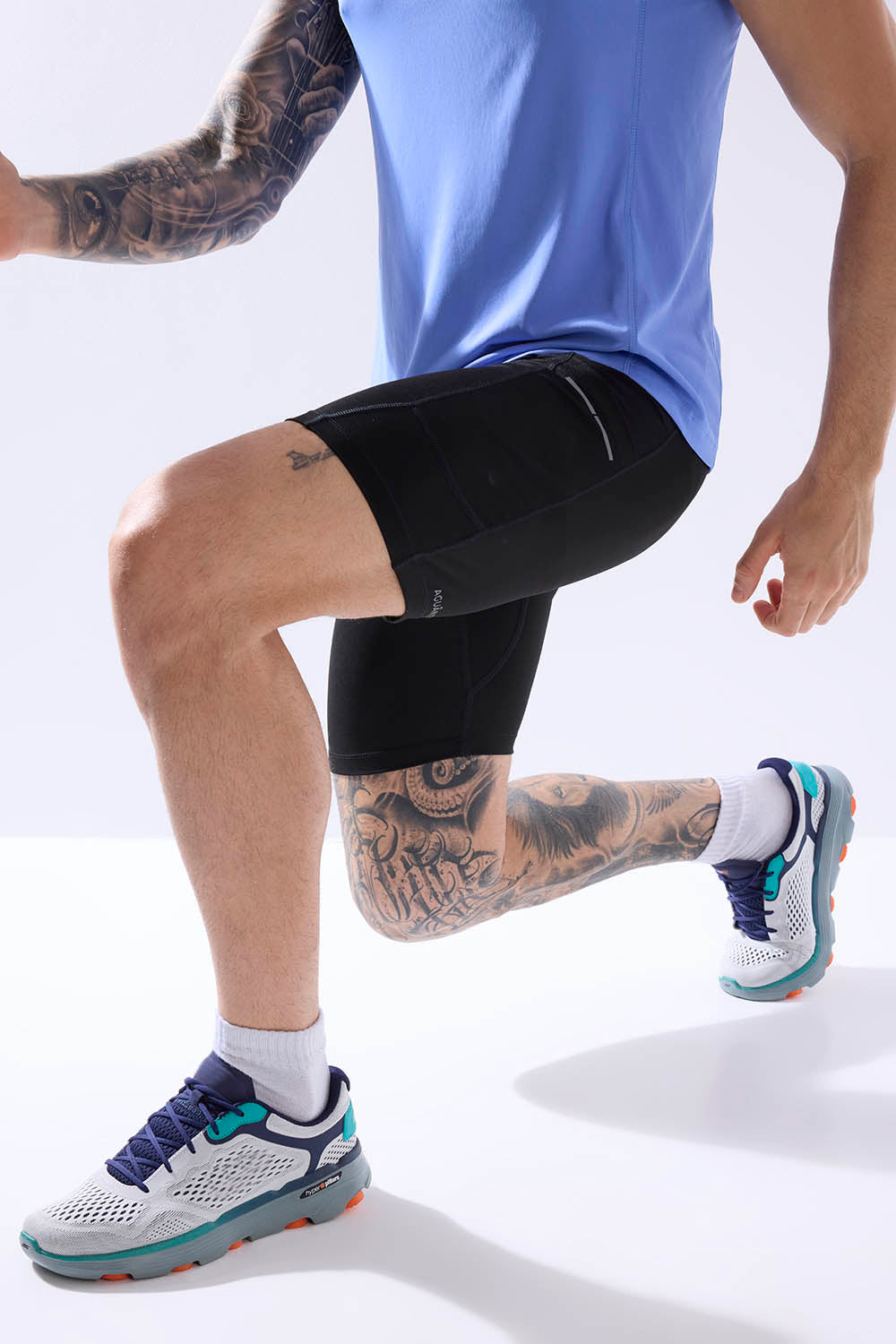
While training, moisture-managing apparel helps athletes stay dry and comfortable, reducing unnecessary stress on the body that could compound recovery needs. Post-activity, changing into fresh, clean garments supports hygiene and psychological transition to recovery mode.
Preventing Overtraining Through Smart Monitoring
Overtraining syndrome creeps up when accumulated stress exceeds recovery capacity. Signs include persistent soreness, elevated resting heart rate, mood disturbances, and performance plateaus. Successful endurance athletes learn to listen to their bodies and adjust accordingly.
Tools like heart rate variability tracking, training logs, and periodic deload weeks help maintain balance. In India's bustling urban running scenes from Navi Mumbai to Gurugram coaches and group leaders increasingly emphasize periodization and recovery awareness. This thoughtful approach resonates with athletes across the United States, Canada, and Europe who seek sustainable progress rather than short-term peaks.
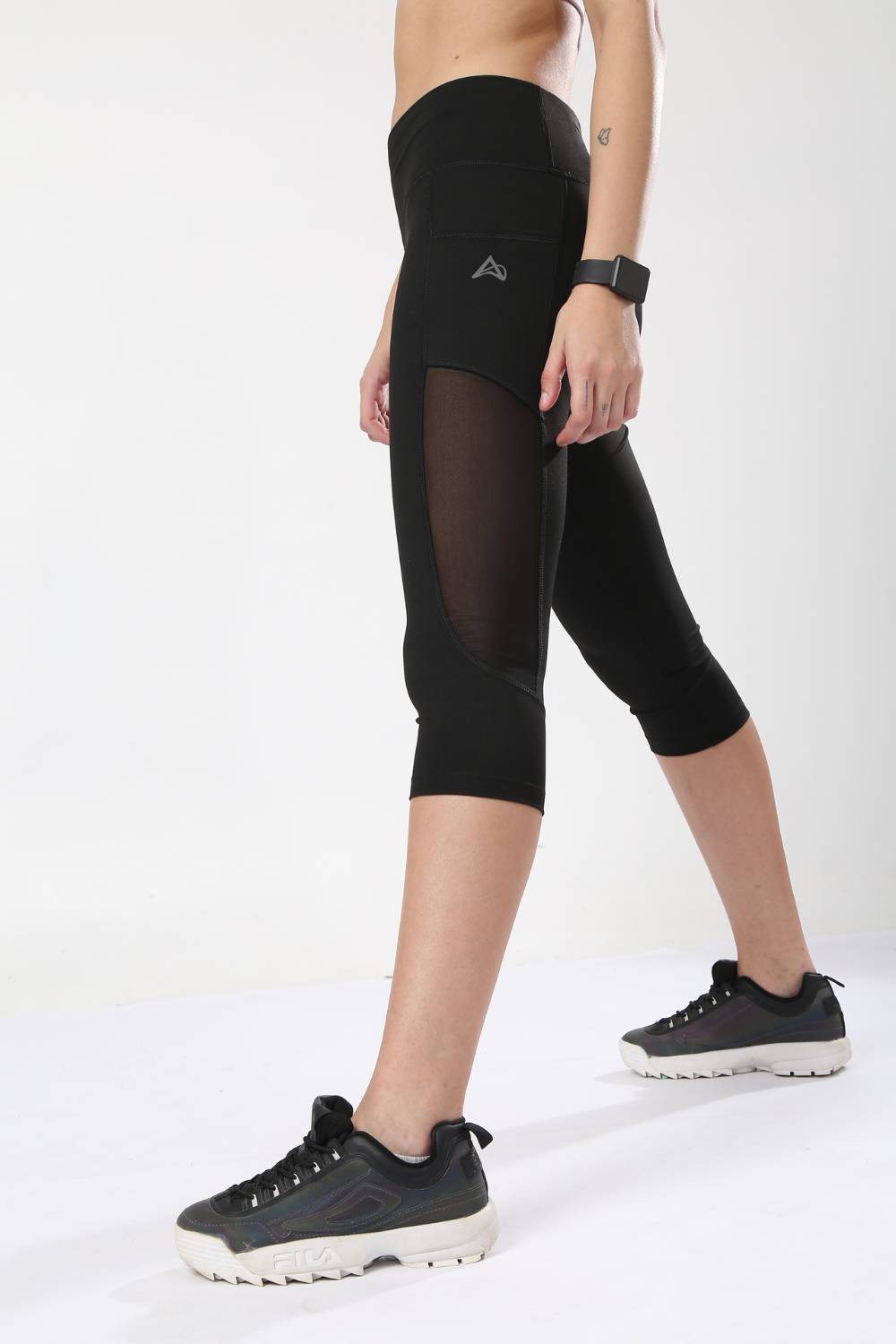
Performance apparel that feels supportive yet non-restrictive throughout varied training loads contributes to this balance. When gear enhances rather than hinders daily comfort, athletes can better tune into subtle signals from their bodies.
Building Long-Term Resilience
Sustained performance emerges from consistent habits rather than occasional heroic efforts. Recovery practices compound over time, strengthening connective tissues, improving efficiency, and building mental toughness. Athletes who master recovery often enjoy longer careers and greater enjoyment in the sport.
Community support plays a valuable role. Whether connecting through local running events in Bangalore or virtual groups spanning continents, sharing experiences around recovery challenges and solutions fosters collective learning. Many discover that small, consistent adjustments like better sleep hygiene or dedicated mobility days yield outsized benefits.
Aguante supports this journey by creating apparel that transitions seamlessly between training demands and recovery needs. Our focus on premium materials, thoughtful design, and athlete-informed features helps endurance enthusiasts feel prepared and comfortable at every stage.
Practical Steps to Enhance Your Recovery Routine
Start by assessing your current habits. Track sleep quality for one week, experiment with active recovery sessions, and refine post-workout nutrition. Consider how your apparel choices support these efforts do your clothes breathe well during easy days? Do they provide gentle compression where needed without constriction?
Gradually implement changes rather than overhauling everything at once. Many athletes benefit from designating specific recovery days with lighter activities and intentional rest. Over time, these practices become intuitive parts of a sustainable training lifestyle.
For runners and multisport athletes across the United States, Canada, and Europe, integrating recovery thoughtfully leads to more rewarding experiences on the road, trail, or track. The goal extends beyond racing faster it's about showing up consistently, injury-free, and energized by the process.
Recovery practices represent one of the most accessible ways endurance athletes can gain an edge. By honoring the body's need for restoration alongside training stimulus, athletes build the foundation for sustained performance and lifelong participation in the sports they love.
Frequently Asked Questions
Why is recovery important for endurance athlete's performance?
Recovery is essential because endurance training creates micro-damage in muscles, depletes energy stores, and taxes the nervous system. Without proper recovery, athletes risk stalled progress, persistent fatigue, and increased injury likelihood. Effective recovery practices including sleep, nutrition, and mobility work allow the body to adapt physiologically, which directly translates into stronger, more consistent performances over time.
What are the best active recovery strategies for runners and triathletes?
Active recovery involves light movement that promotes blood flow without adding training stress, such as easy jogs, low-intensity cycling, swimming, or yoga. Incorporating foam rolling, dynamic stretching, and targeted mobility work is especially beneficial for common problem areas like tight hips, calves, and IT bands. These sessions help clear metabolic waste, maintain movement patterns, and can even double as social, community-based workouts.
How does sleep support athletic recovery for endurance sports?
Sleep is one of the most powerful recovery tools available to endurance athletes. During deep sleep stages, the body releases growth hormone, repairs muscle tissue, and consolidates motor learning from training sessions. Athletes who protect consistent sleep windows especially those balancing busy professional lives with heavy training loads report improved mood, sharper focus, and faster rebound from hard efforts.
Disclaimer: The above helpful resources content contains personal opinions and experiences. The information provided is for general knowledge and does not constitute professional advice.
You may also be interested in: Track Pants vs. Tights: Which is Best for Your Run? - Aguante
Tired of gear that slows you down? Chafing, soggy fabrics, and missing pockets kill your run's momentum. At Aguante, we're runners who get it. Our high-performance activewear features moisture-wicking fabrics, ergonomic designs, and smart storage to keep you focused. Shop Now!
Powered by flareAI.co