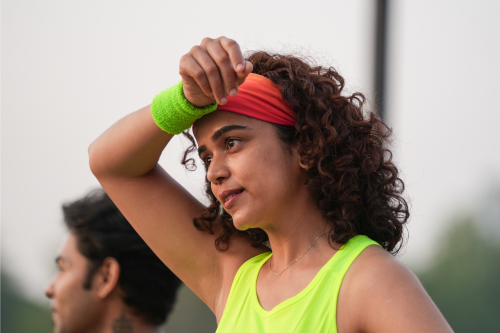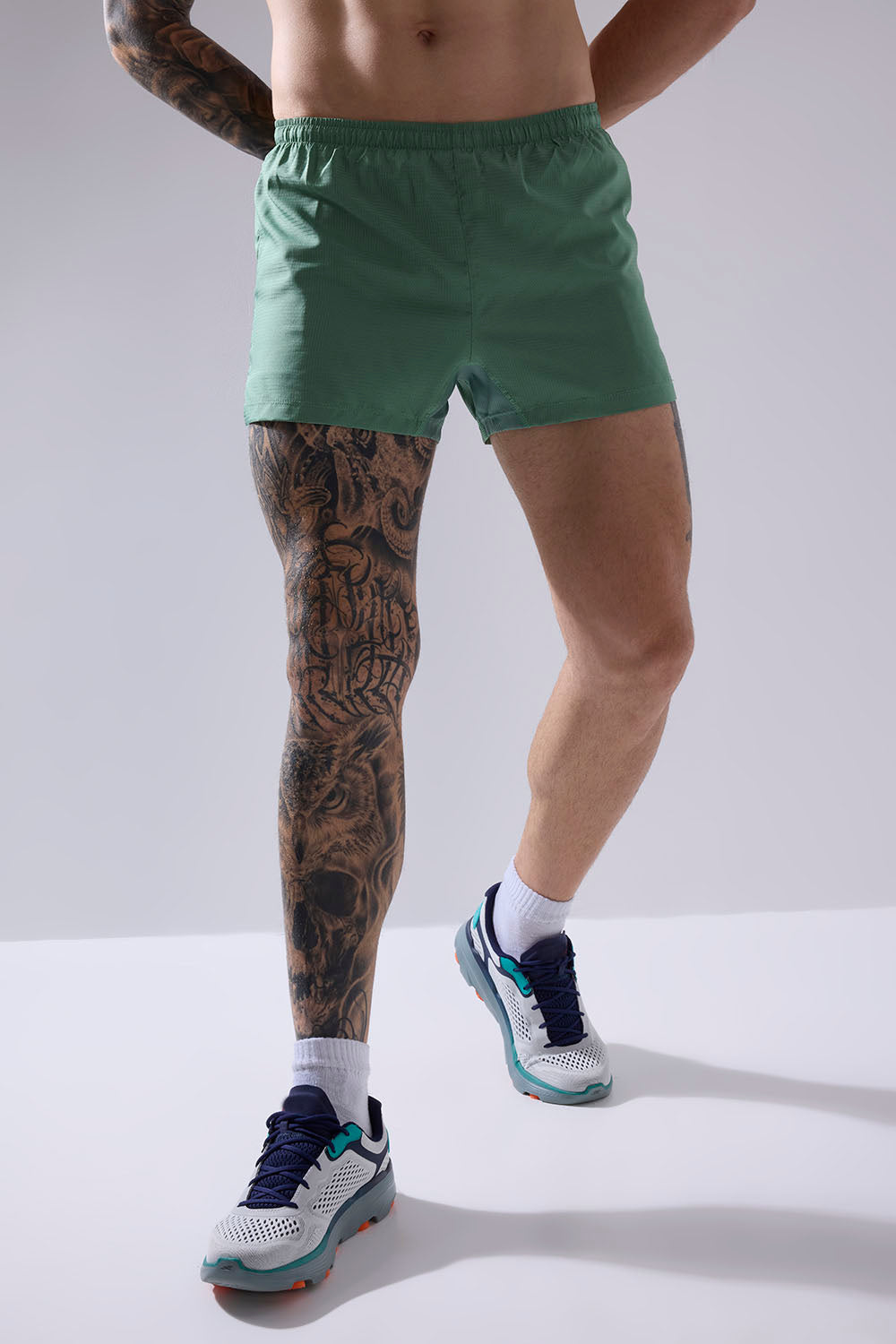
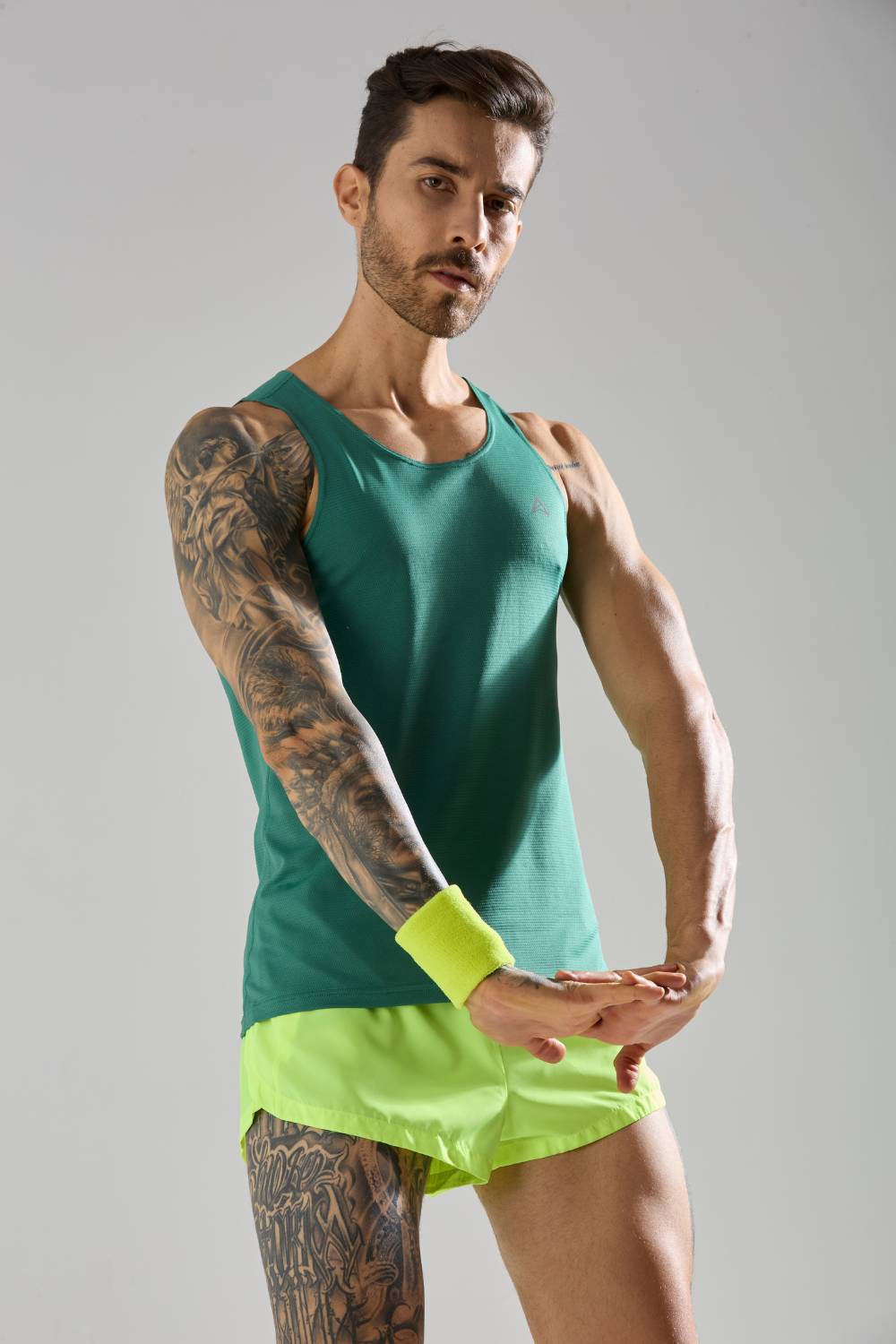
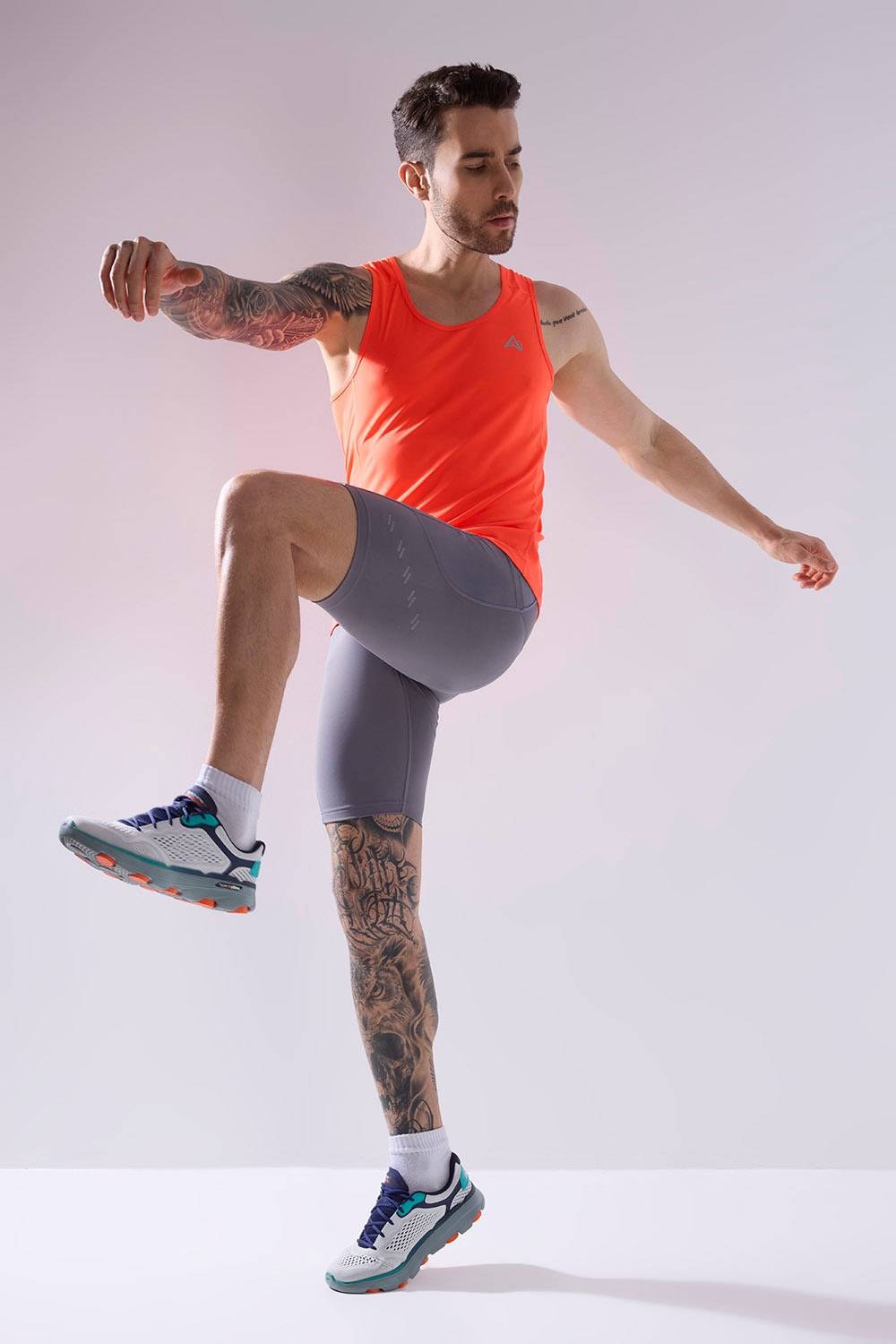



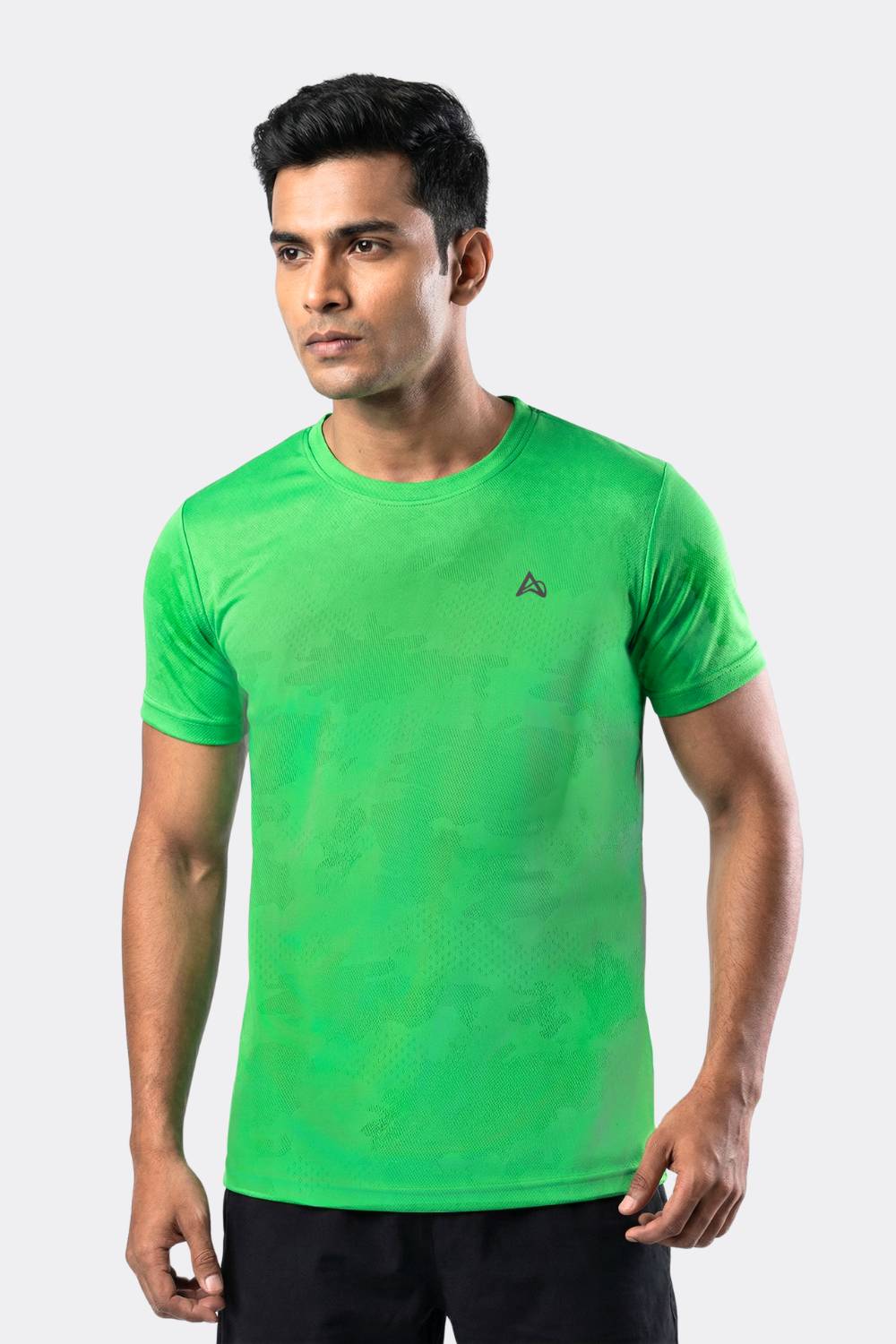
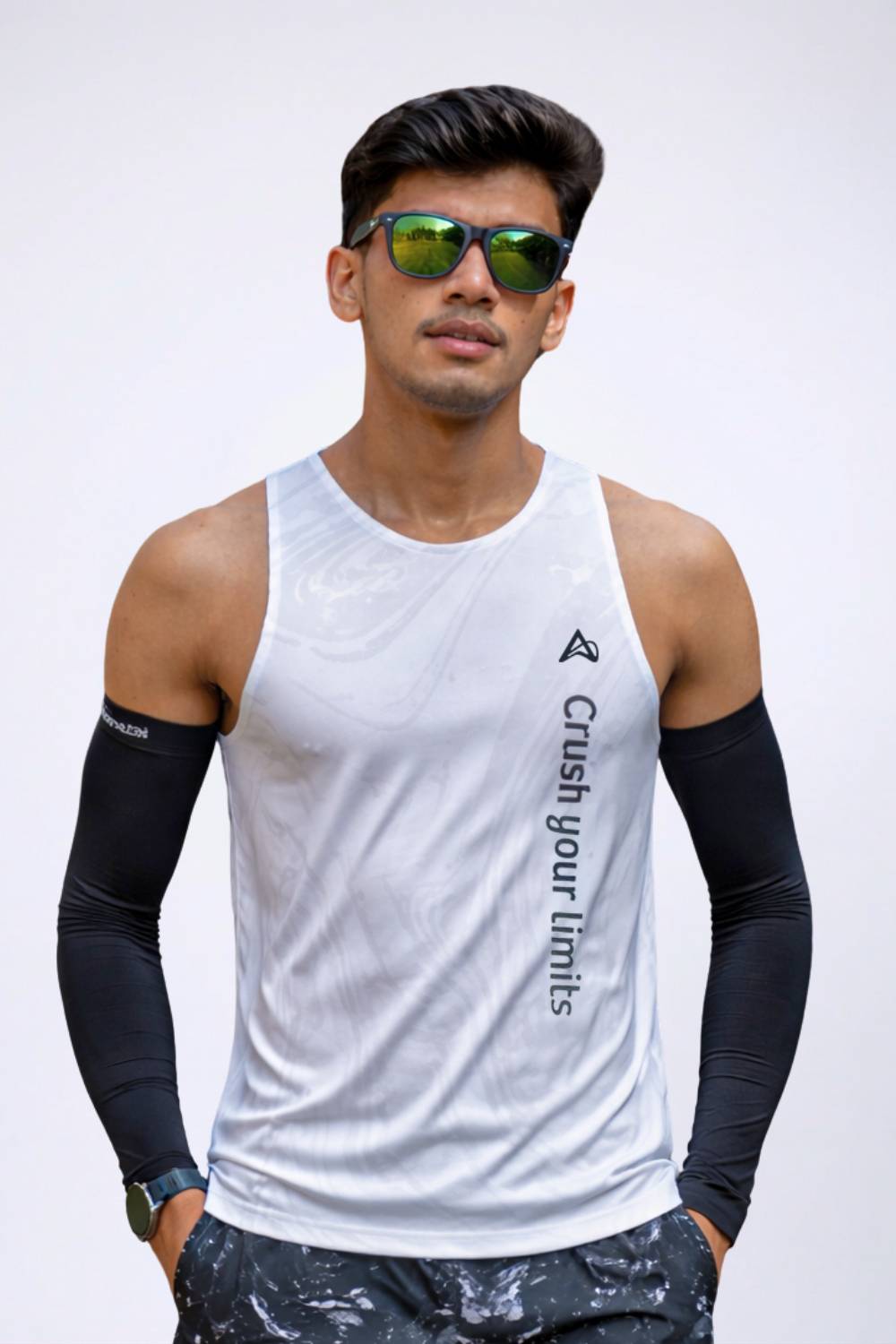

In the sweltering heat of a typical summer day, the difference between feeling energized and utterly drained often comes down to what you're wearing. Fabric breathability the ability of a textile to allow air and moisture to pass through plays a starring role in how effectively sweat evaporates from the skin. This seemingly technical detail has profound implications for comfort, performance, and even productivity across bustling urban centers.
Understanding how fabric breathability influences sweat evaporation matters more than most consumers realize, especially in climates where high temperatures and varying humidity levels test clothing choices daily. From athletes pushing their limits to professionals navigating busy city schedules, the right textile can make the difference between enduring discomfort and moving with confidence.
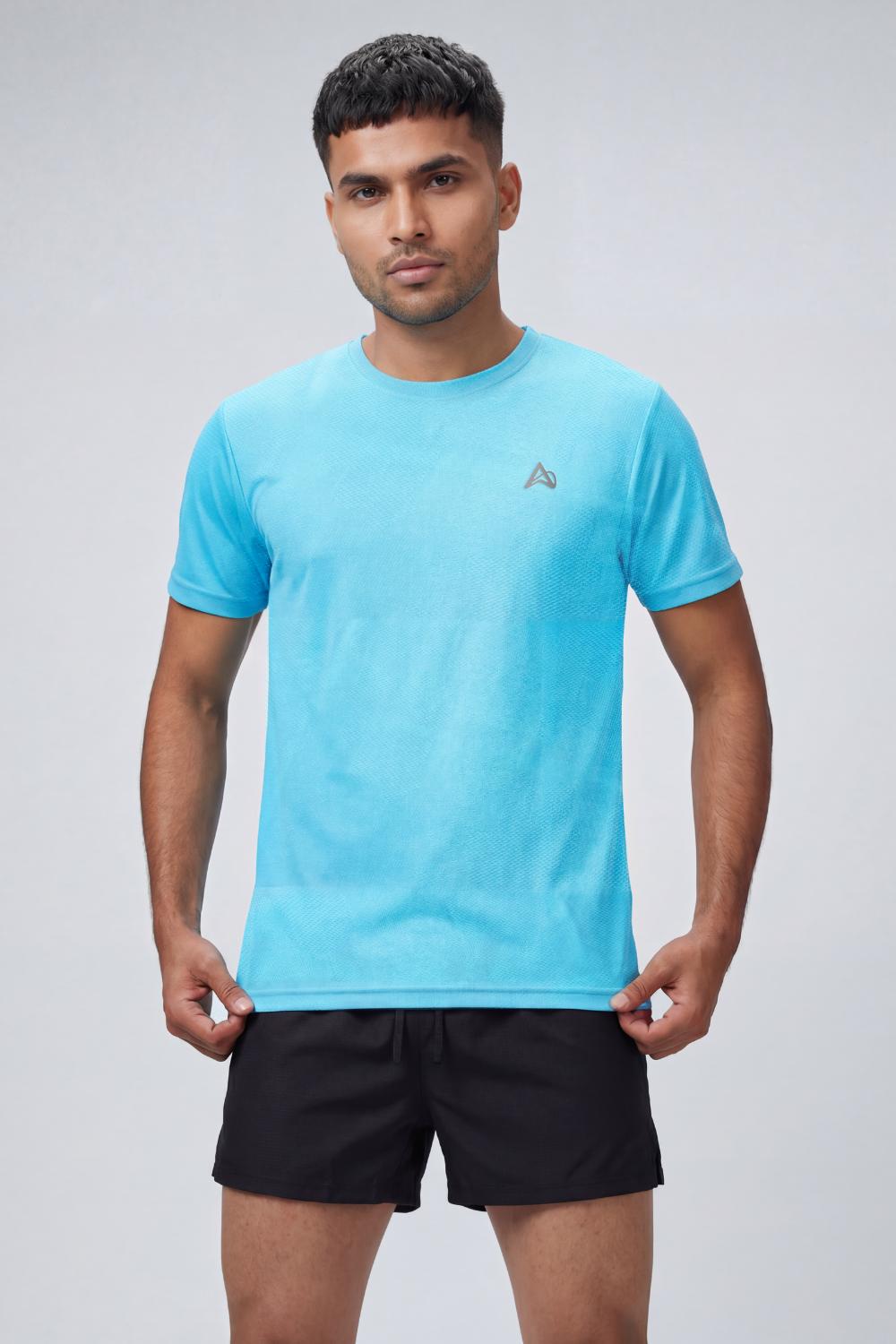
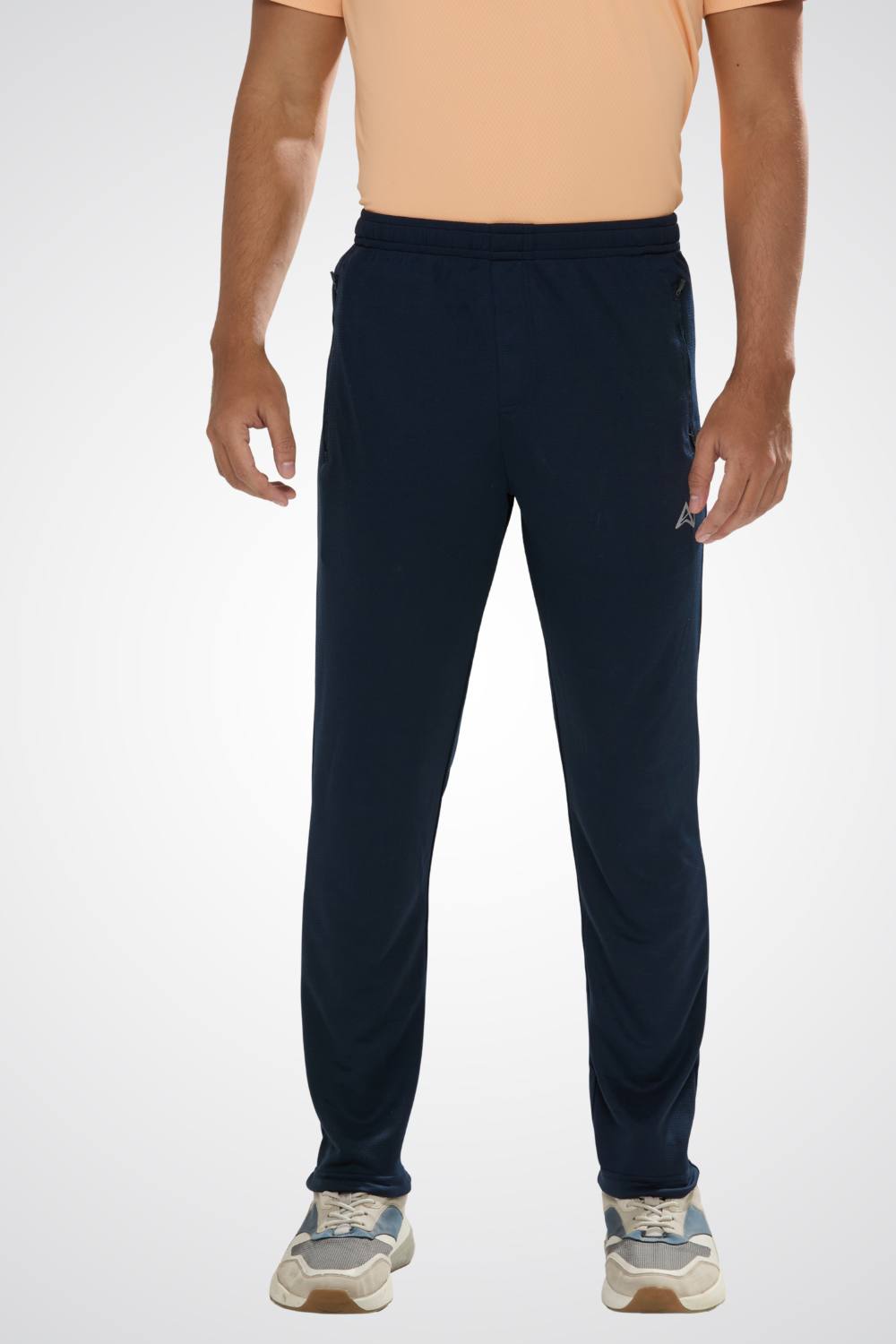
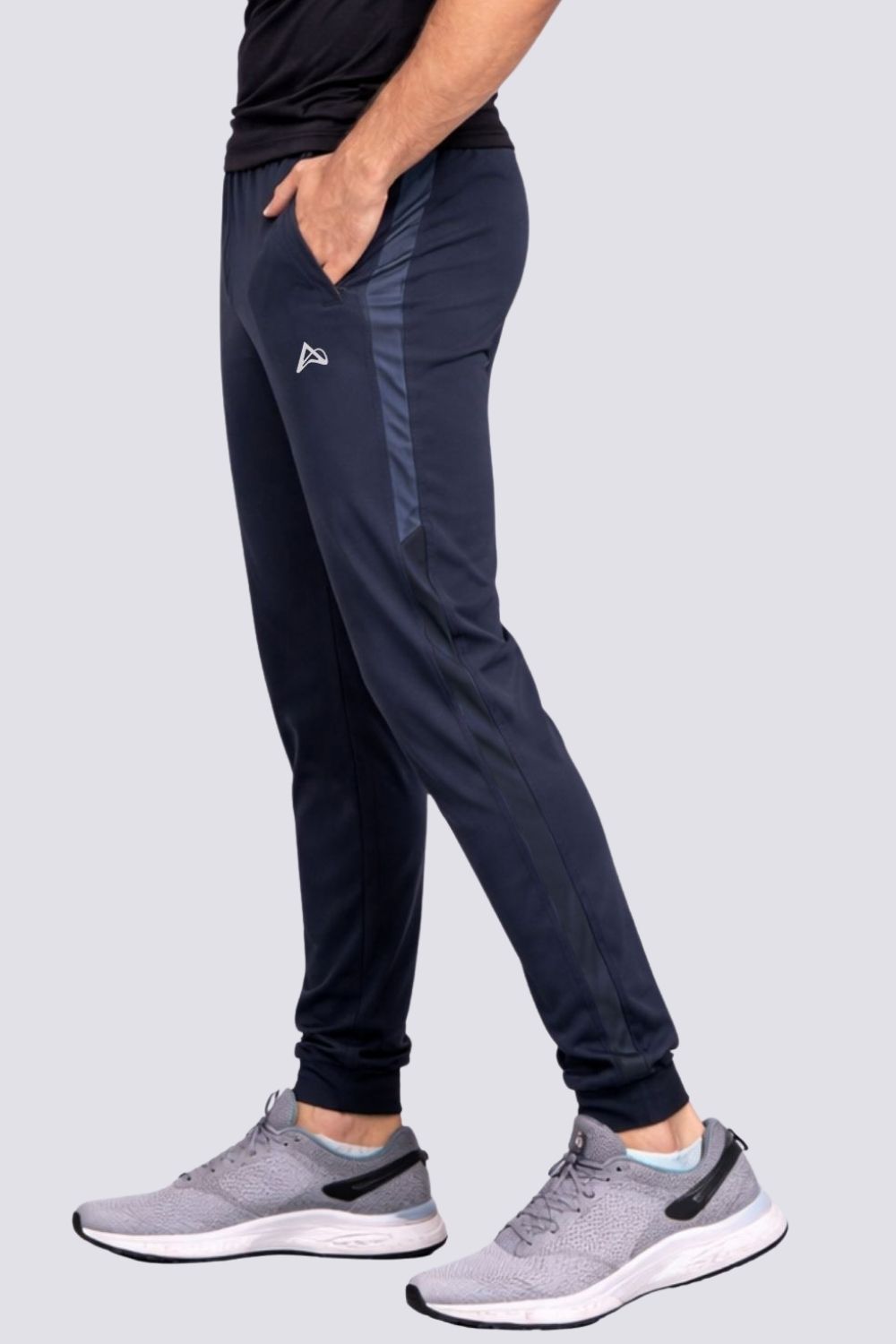
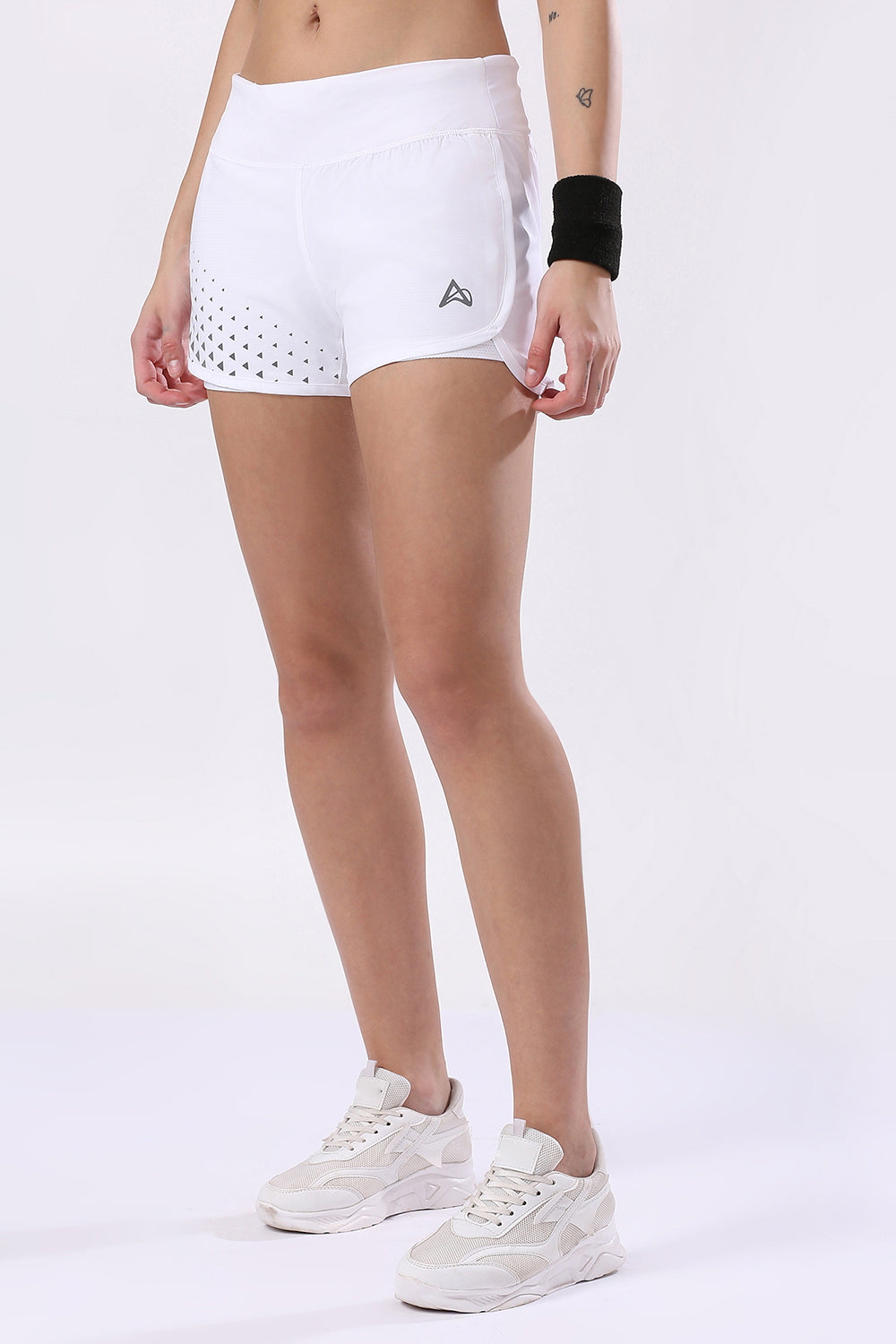
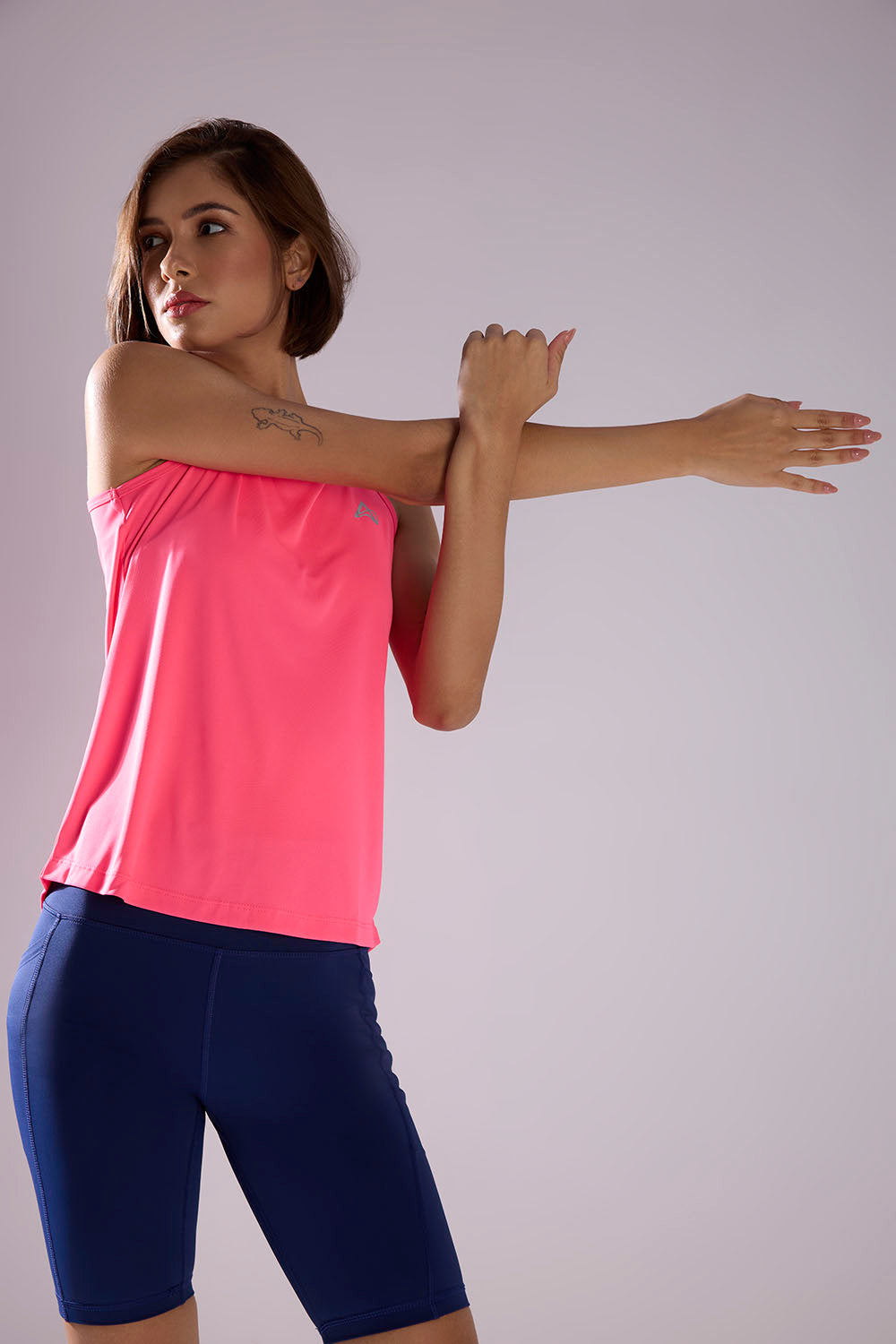
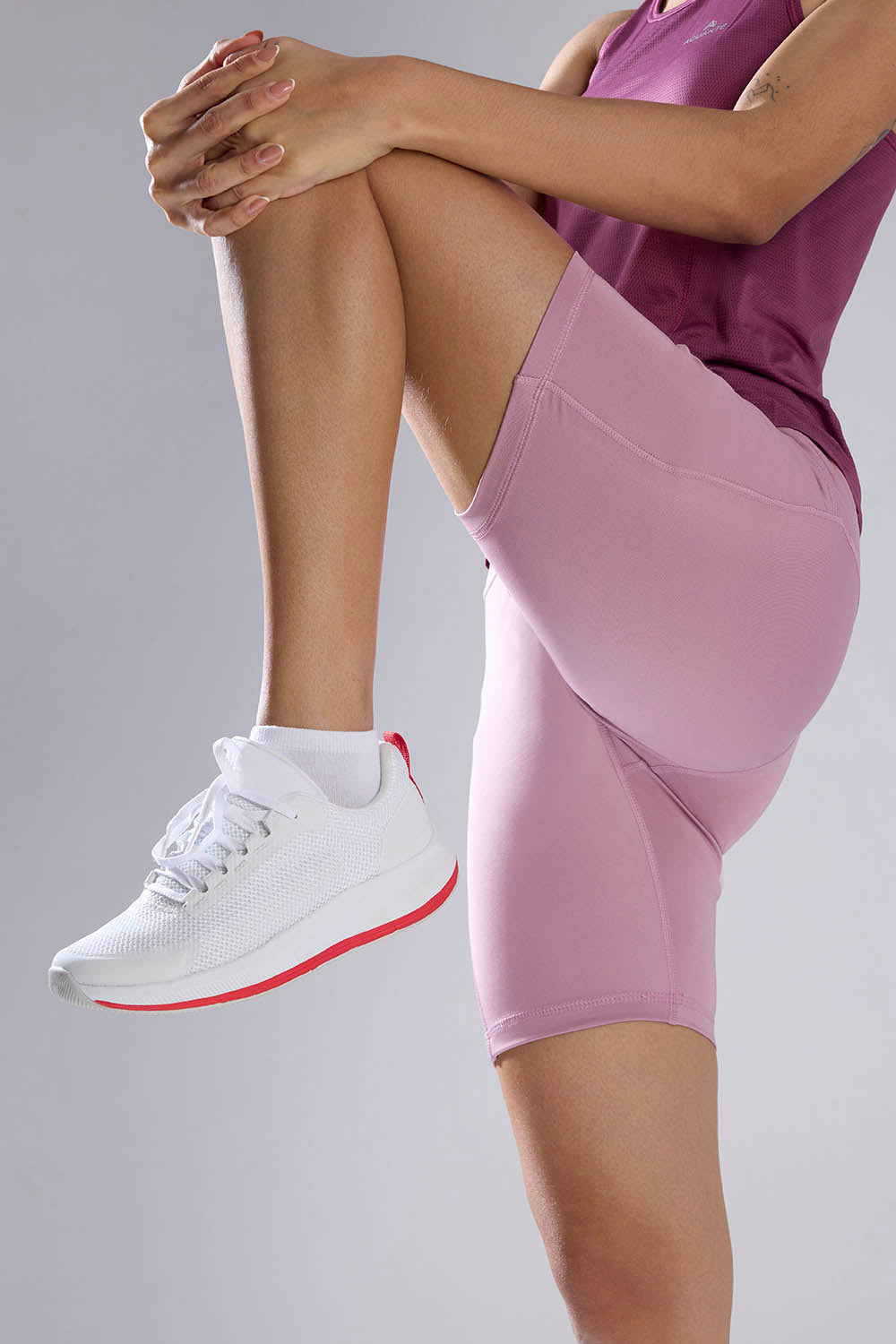
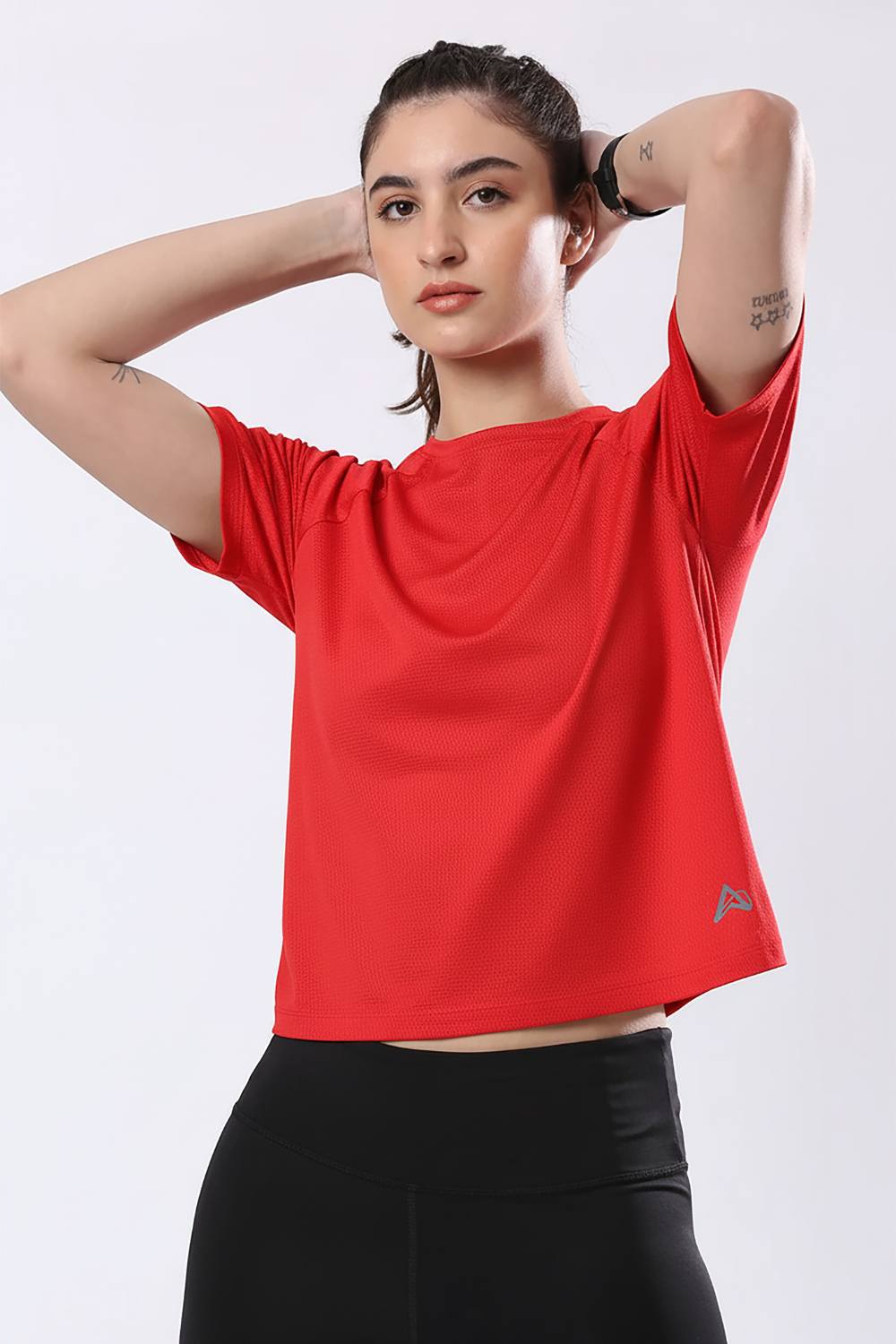
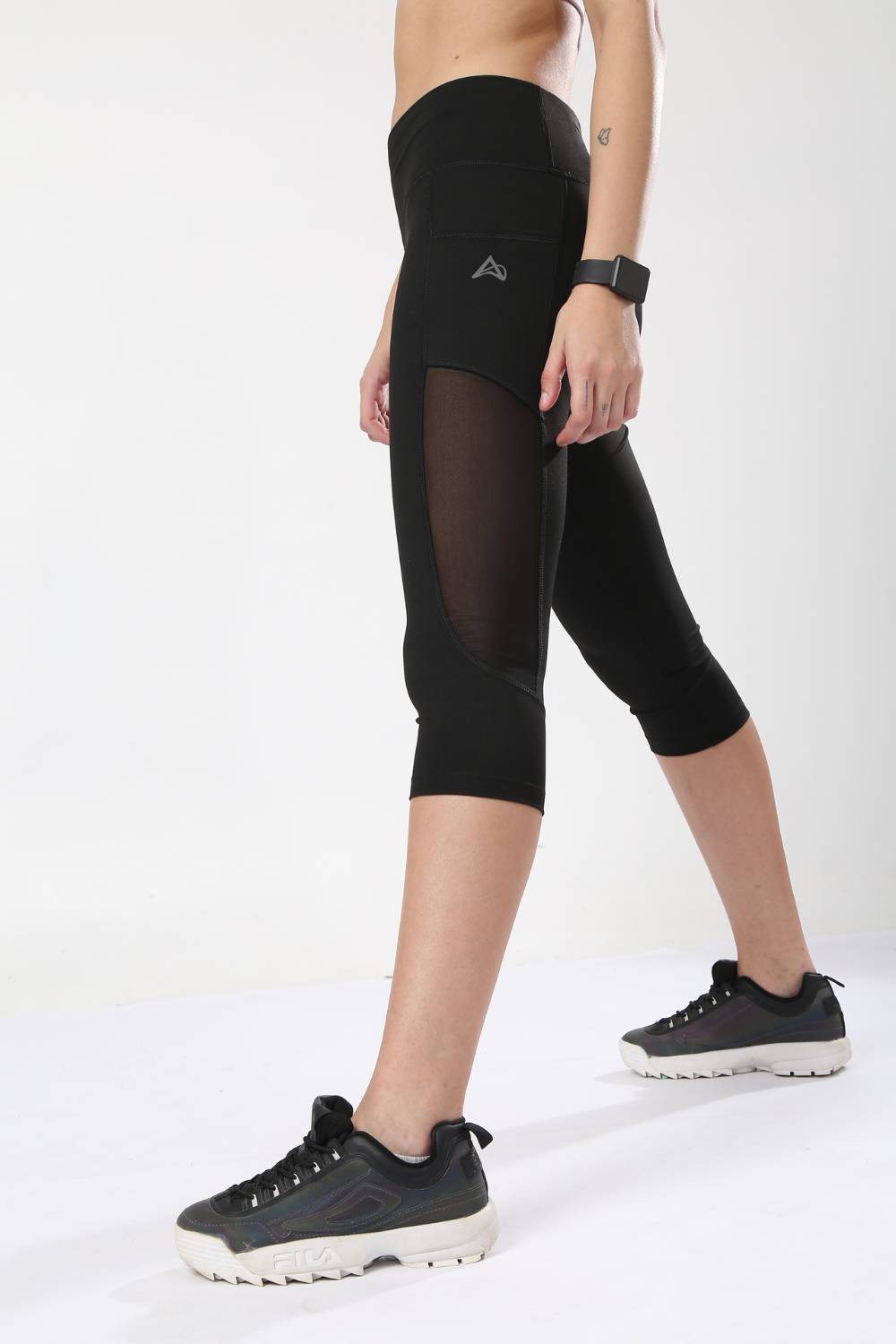
Tired of gear that slows you down? Chafing, soggy fabrics, and missing pockets kill your run's momentum. At Aguante, we're runners who get it. Our high-performance activewear features moisture-wicking fabrics, ergonomic designs, and smart storage to keep you focused. Shop Now!
Understanding Fabric Breathability and Sweat Evaporation
Fabric breathability refers to how well a material permits air circulation and moisture vapor transmission. It's not just about feeling airy it directly supports the body's natural cooling mechanism. When we sweat, evaporation carries heat away from the skin. Breathable fabrics accelerate this process, while less permeable ones trap moisture, creating that familiar clammy discomfort.
In diverse urban environments, this dynamic becomes especially important. Coastal areas with high humidity can slow evaporation rates, making quick-drying properties essential. Drier inland zones benefit from fabrics that manage rapid moisture release without causing skin dryness or overheating. Apparel designers, uniform providers, and sportswear manufacturers increasingly focus on these principles to create garments that deliver real-world performance.
The practical benefits extend throughout daily routines: more comfortable commutes, sustained focus during long workdays, better recovery after exercise, and improved sleep when nightwear allows the body to regulate temperature naturally.
Emerging Trends in Breathable and Moisture-Managing Textiles
Urban consumers are driving demand for advanced fabrics that combine superior moisture-wicking with excellent ventilation. Performance textiles have moved well beyond traditional athletic settings into corporate uniforms, casual office wear, and everyday active lifestyles. Companies in dynamic business environments now prioritize breathable blends, recognizing the direct connection between clothing comfort and overall productivity.
Research continues to reveal how local climate conditions affect textile behavior. Institutions study permeability and evaporation efficiency, underscoring the value of climate-specific fabric engineering. Fabrics optimized for humid conditions may behave differently in drier heat, pushing manufacturers toward more sophisticated hybrid solutions.
Industry leaders are responding by developing materials that maintain a comfortable microclimate next to the skin. This shift reflects broader consumer interest in garments that support health and wellness through better thermoregulation, particularly as more people incorporate regular physical activity into their routines.
Real-World Applications Across Sportswear and Activewear
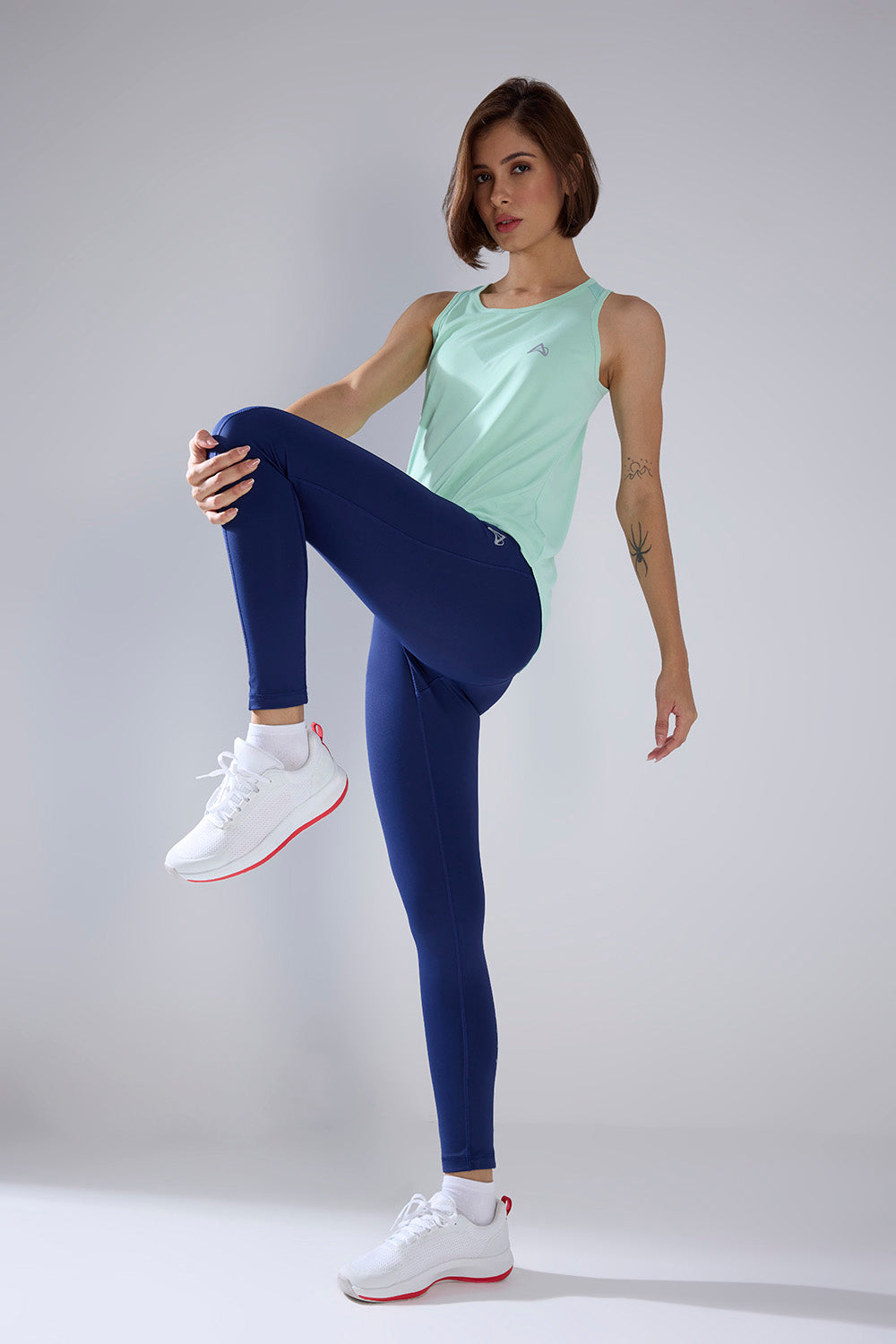
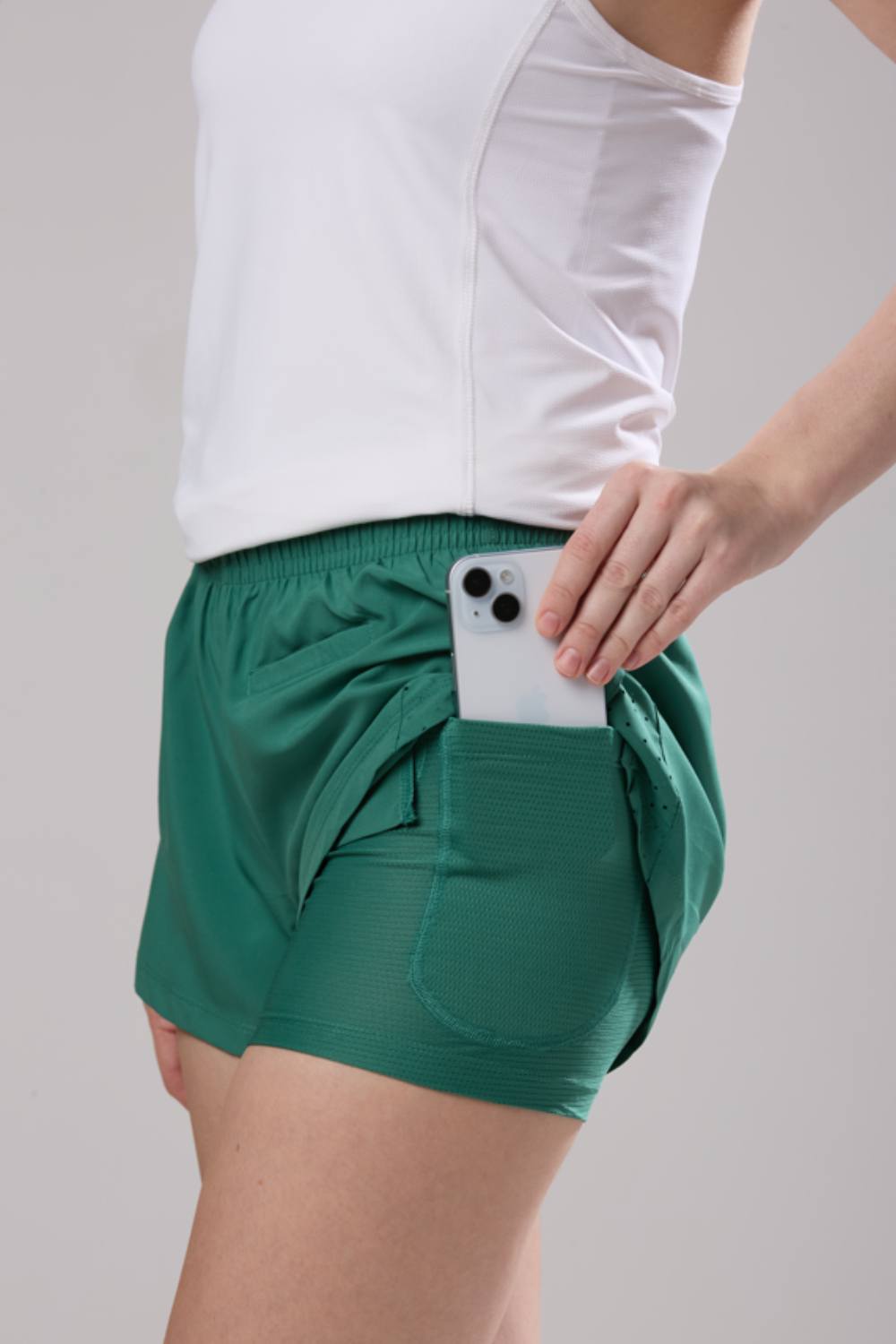
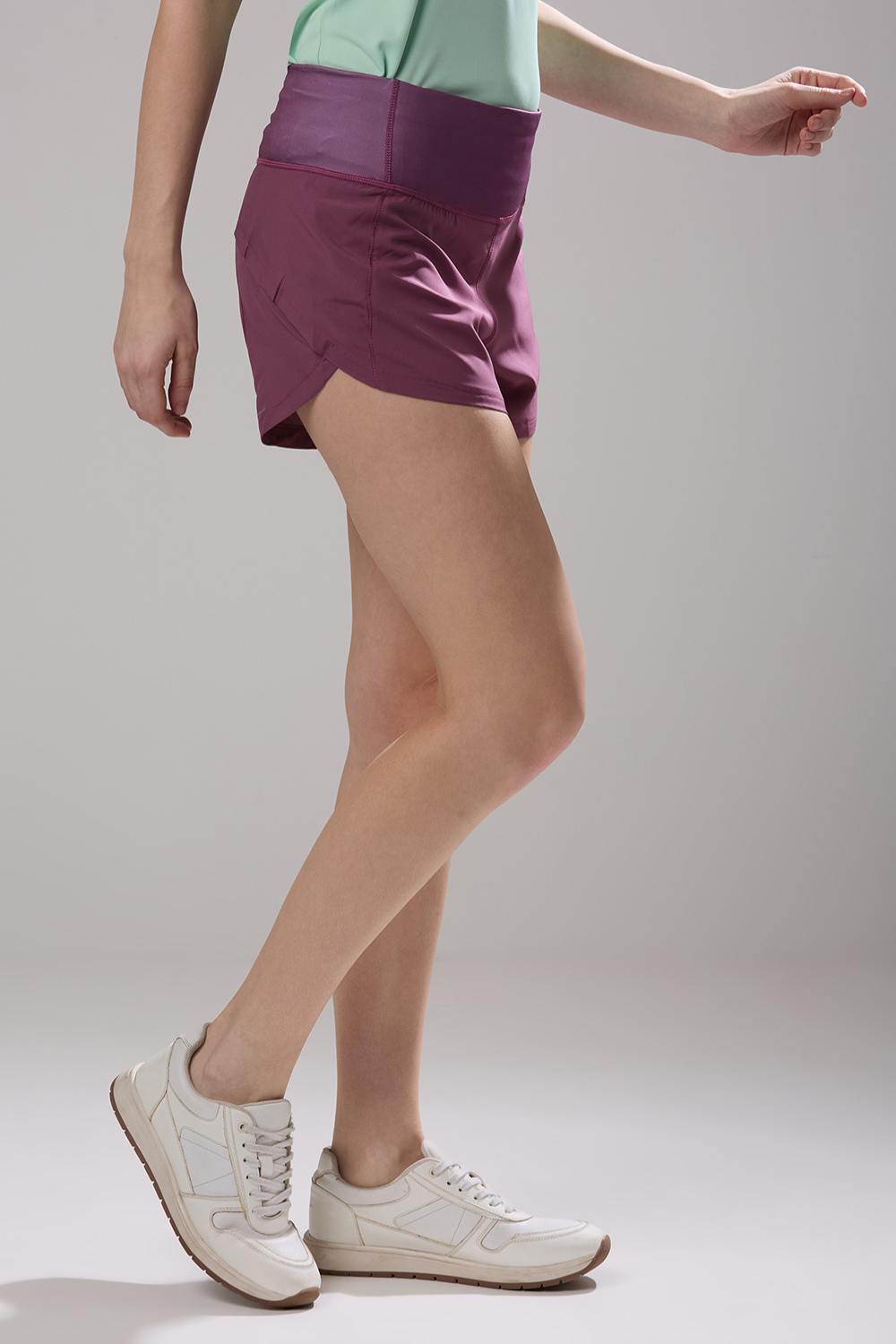
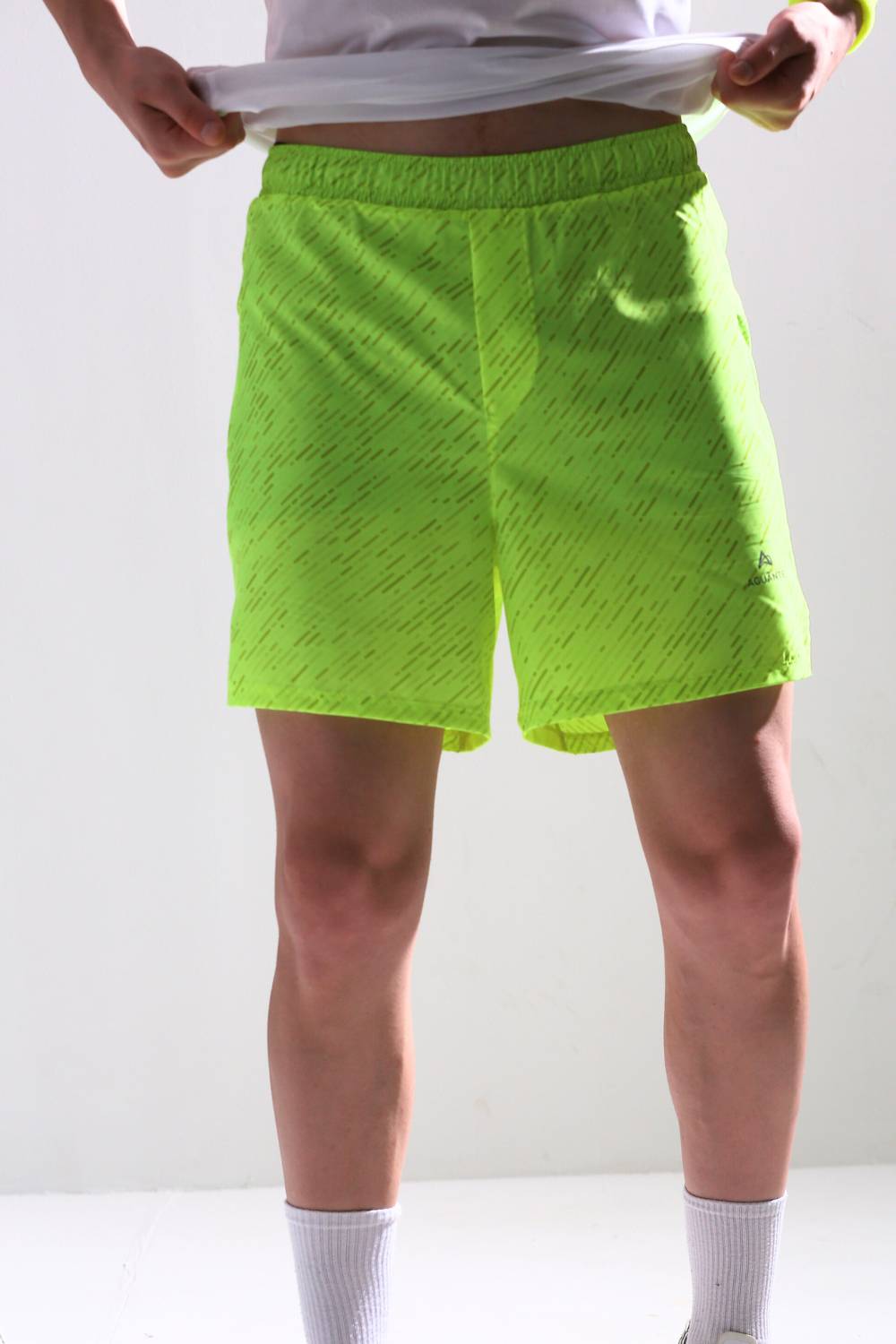
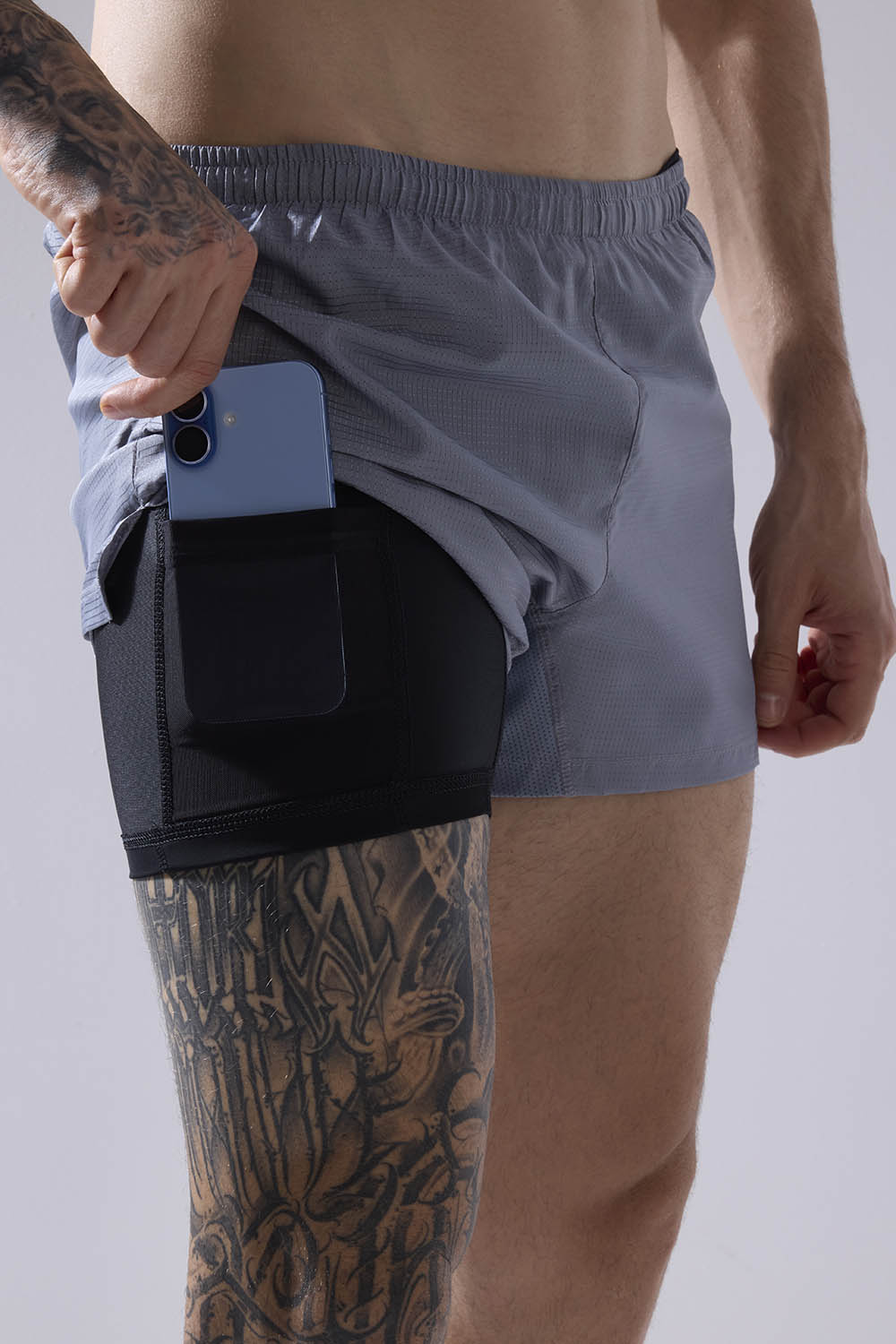
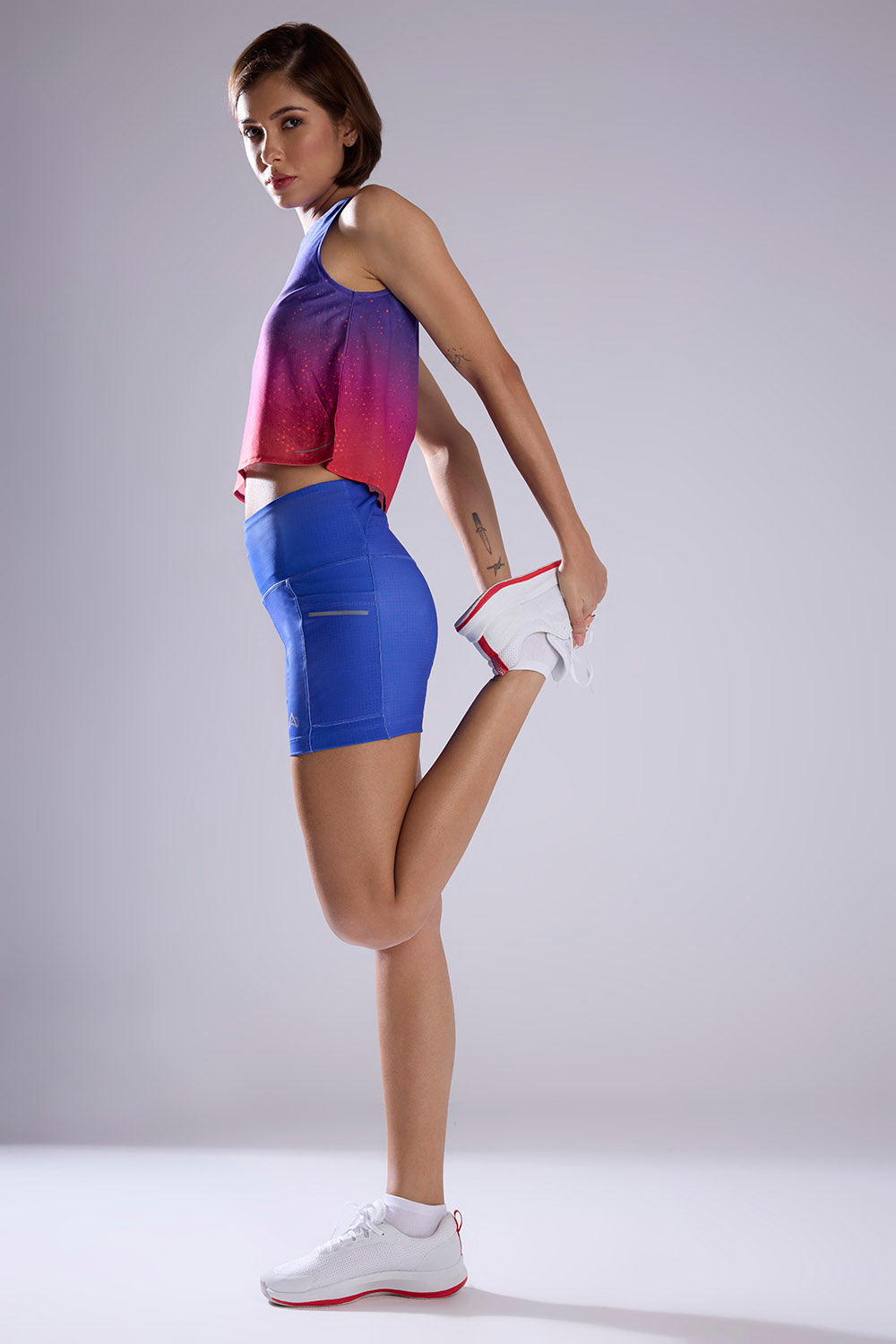
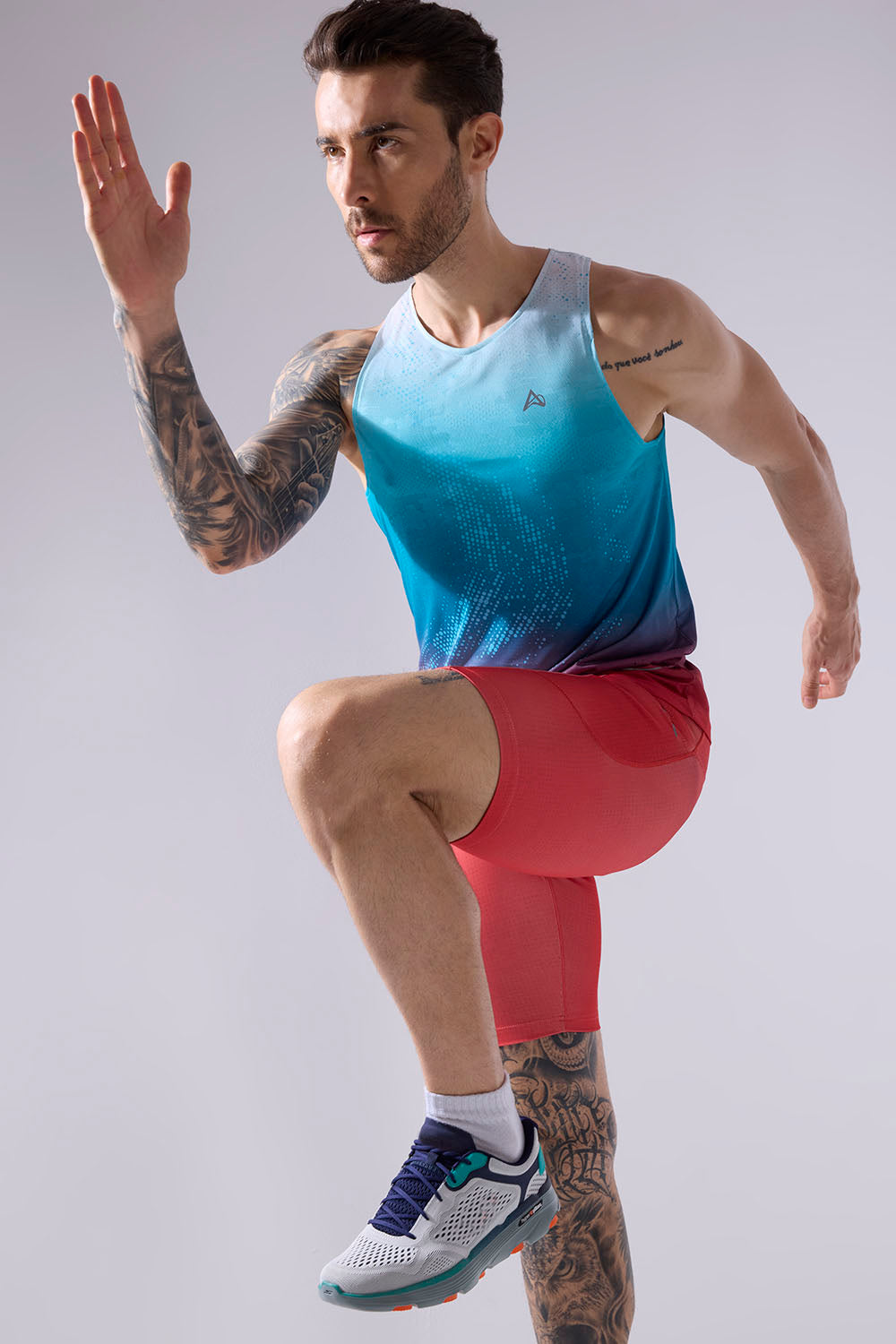
Sportswear brands have embraced innovations like micro-perforated structures and advanced knit constructions to enhance comfort during intense activity. These developments allow users to train harder and recover more effectively without the distraction of heavy, soaked clothing. Lightweight designs that prevent restriction during movement have become a priority, aligning with the growing popularity of outdoor and fitness activities.
Corporate uniform programs offer another powerful example. Organizations in major business districts integrate breathable polyester blends and performance fabrics into professional attire. Employees often report feeling fresher throughout commutes, meetings, and client visits whether transitioning between climate-controlled offices and outdoor environments .
Local manufacturers experiment with natural-synthetic combinations, such as cotton-linen blends that deliver excellent sweat absorption alongside natural ventilation. These hybrids appeal to consumers seeking both high performance and familiar textures. University textile laboratories regularly test such materials under authentic urban conditions, refining designs that respond effectively to specific weather challenges.
Performance Benefits in Action
- Enhanced evaporative cooling: Breathable fabrics help maintain stable core body temperature during physical exertion or demanding workdays.
- Reduced skin irritation: Faster moisture removal lowers the chance of chafing, bacterial buildup, and discomfort.
- Better durability and care: Quality engineered materials maintain their properties through repeated washing and extended wear.
- Versatile applications: From high-intensity training to daily professional use, these textiles adapt to multiple scenarios.
Key Challenges in Optimizing Fabric Performance
High humidity presents one of the most significant obstacles, particularly in coastal regions. Even sophisticated breathable fabrics can face limitations when surrounding air is already saturated, reducing overall evaporation efficiency. Designers must carefully balance breathability, durability, stretch, and ease of maintenance.
Consumer habits add complexity. Many people still prefer traditional cotton for its trusted hand-feel and perceived natural qualities. However, modern synthetic and hybrid performance fabrics frequently deliver superior results in active or humid conditions. Bridging this gap requires clear communication about real benefits backed by practical testing.
Another ongoing issue involves the availability of testing protocols tailored to specific urban microclimates. Generalized laboratory data sometimes falls short when accounting for combined factors like heat, humidity, pollution, and daily activity patterns. This creates room for more targeted research and validation methods.
Opportunities for Innovation and Business Advantage
The textile sector holds significant potential for differentiation through climate-responsive design. Hybrid fabrics that merge breathability with features like UV protection prove especially valuable for outdoor workers, commuters, and active individuals. These solutions address multiple needs within single garments.
Businesses investing thoughtfully in fabric selection frequently observe improvements in employee comfort, reduced heat-related complaints, and higher overall satisfaction. Retailers and brands that offer regionally attuned garments tend to build stronger customer loyalty through products that genuinely perform as promised.
Collaborations between academic research centers and manufacturers accelerate meaningful progress. These partnerships transform laboratory discoveries into practical, commercially viable products focused on solving actual user challenges rather than following fleeting trends. The result is clothing that supports both individual wellbeing and organizational efficiency.
Expert Insights on Fabric Selection and Technology
Seasoned professionals stress that breathability represents a combination of properties air permeability, moisture vapor transmission, and wicking capability rather than a single metric. The most effective garments achieve an intelligent balance suited to specific activity levels and environmental conditions.
Looking forward, emerging smart textiles incorporating sensors show promise for real-time monitoring of moisture and dynamic adjustment of ventilation. While still developing, these innovations hint at a future where clothing plays a more active role in helping the body maintain optimal temperature and comfort.
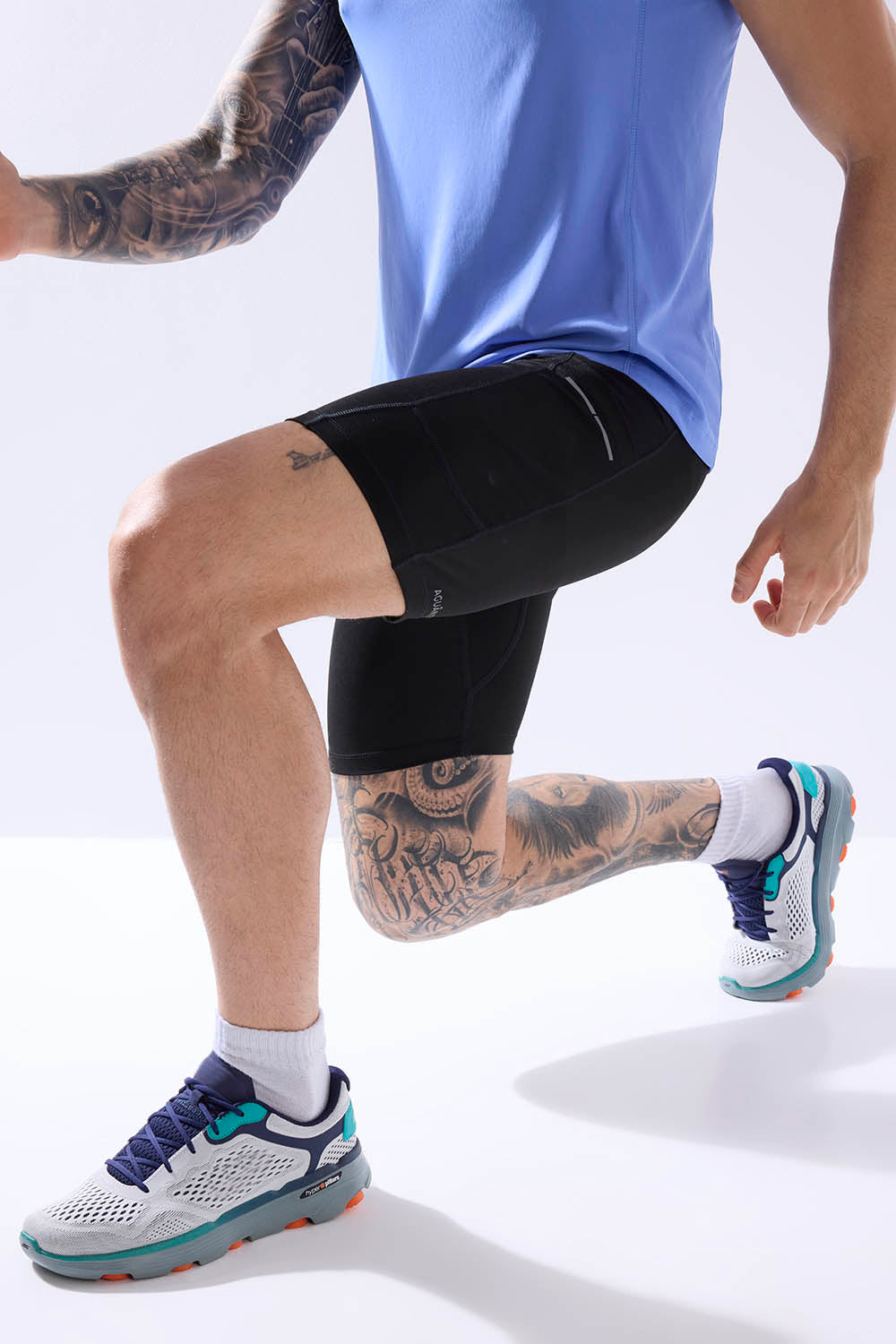
Compression wear and shapewear segments also benefit from fabric advancements, where innovations in material technology support muscle recovery and enhanced performance for athletes and fitness enthusiasts alike.
Practical Recommendations for Consumers and Organizations
When evaluating garments, move past surface marketing claims and consider your specific climate and activity patterns. For humid environments and high-activity use, prioritize constructions with proven quick-drying characteristics. In drier conditions, seek materials that effectively transport moisture away without creating dryness or clinginess.
Organizations should review uniform and workwear programs with local climate realities in mind. Modest adjustments in fabric specifications can produce noticeable gains in comfort, perceived quality, and even productivity. Working with suppliers who demonstrate understanding of regional performance factors typically yields superior outcomes compared to one-size-fits-all approaches.
Embracing Climate-Aware Textile Choices
The relationship between fabric breathability and sweat evaporation goes far beyond technical specifications. It touches core aspects of human comfort, capability, and confidence when facing challenging environments. As urban populations grow and lifestyles evolve, informed textile selection becomes an essential consideration for daily wellbeing.
By choosing garments engineered with genuine climatic intelligence, both individuals and organizations can experience meaningful improvements in comfort and performance. The ongoing evolution of breathable, sweat-managing textiles driven by research, practical testing, and thoughtful collaboration continues to raise the standard for what clothing can achieve.
Whether powering through demanding workdays, pursuing fitness goals, or simply managing life in dynamic cities, these principles empower better decisions. The science is compelling: selecting the right fabric helps you maintain composure and perform at your best, no matter the conditions. Investing in quality breathable apparel represents a practical step toward greater comfort and effectiveness in an increasingly active world.
Frequently Asked Questions
What is fabric breathability and why does it affect how quickly sweat evaporates?
Fabric breathability refers to a textile's ability to allow air circulation and moisture vapor to pass through it. When you sweat, your body relies on evaporation to release heat and cool down breathable fabrics support this process by accelerating moisture transmission away from the skin. Less permeable fabrics trap sweat against the body, resulting in that uncomfortable, clammy feeling. Key properties that determine breathability include air permeability, moisture vapor transmission rate, and wicking capability working together.
Which fabrics are best for sweat management in hot or humid climates?
In humid environments, the surrounding air is already moisture-saturated, which slows evaporation making quick-drying, high-wicking fabrics essential. Performance synthetics and hybrid blends (such as cotton-linen combinations or breathable polyester) tend to outperform traditional 100% cotton in active or warm conditions. For drier climates, fabrics that efficiently transport moisture away from the skin without causing dryness or clinging are ideal. The best choice ultimately depends on your specific climate, activity level, and how the garment is constructed.
Can breathable, moisture-wicking clothing actually improve productivity and physical performance?
Yes the blog highlights that clothing comfort has a direct impact on focus, endurance, and overall performance. Breathable fabrics help maintain a stable core body temperature during physical exertion or long workdays, reducing heat-related fatigue and skin irritation. Organizations that update uniforms and workwear to include performance fabrics often report improvements in employee comfort and satisfaction. For athletes, faster moisture removal also supports better recovery by keeping the body from overheating after intense training.
Disclaimer: The above helpful resources content contains personal opinions and experiences. The information provided is for general knowledge and does not constitute professional advice.
You may also be interested in: Moisture-Wicking Fabrics Gain Traction Among Indian Athletes
Tired of gear that slows you down? Chafing, soggy fabrics, and missing pockets kill your run's momentum. At Aguante, we're runners who get it. Our high-performance activewear features moisture-wicking fabrics, ergonomic designs, and smart storage to keep you focused. Shop Now!
Powered by flareAI.co