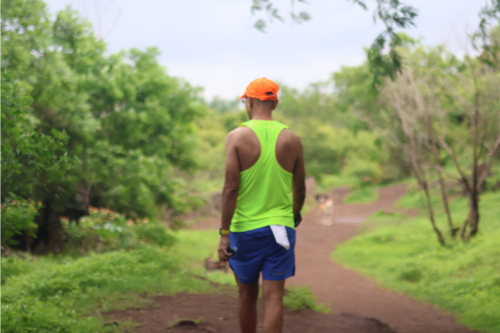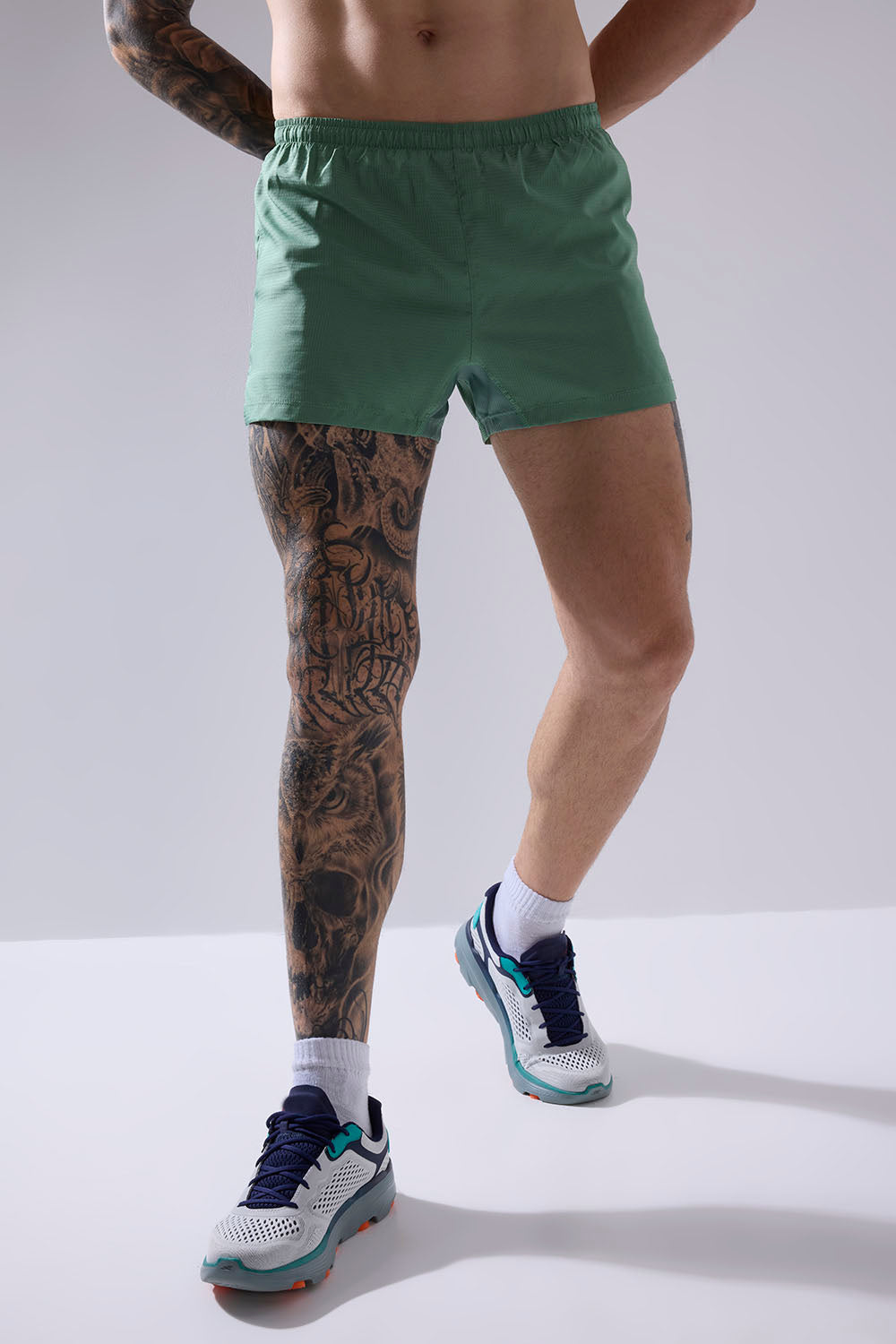
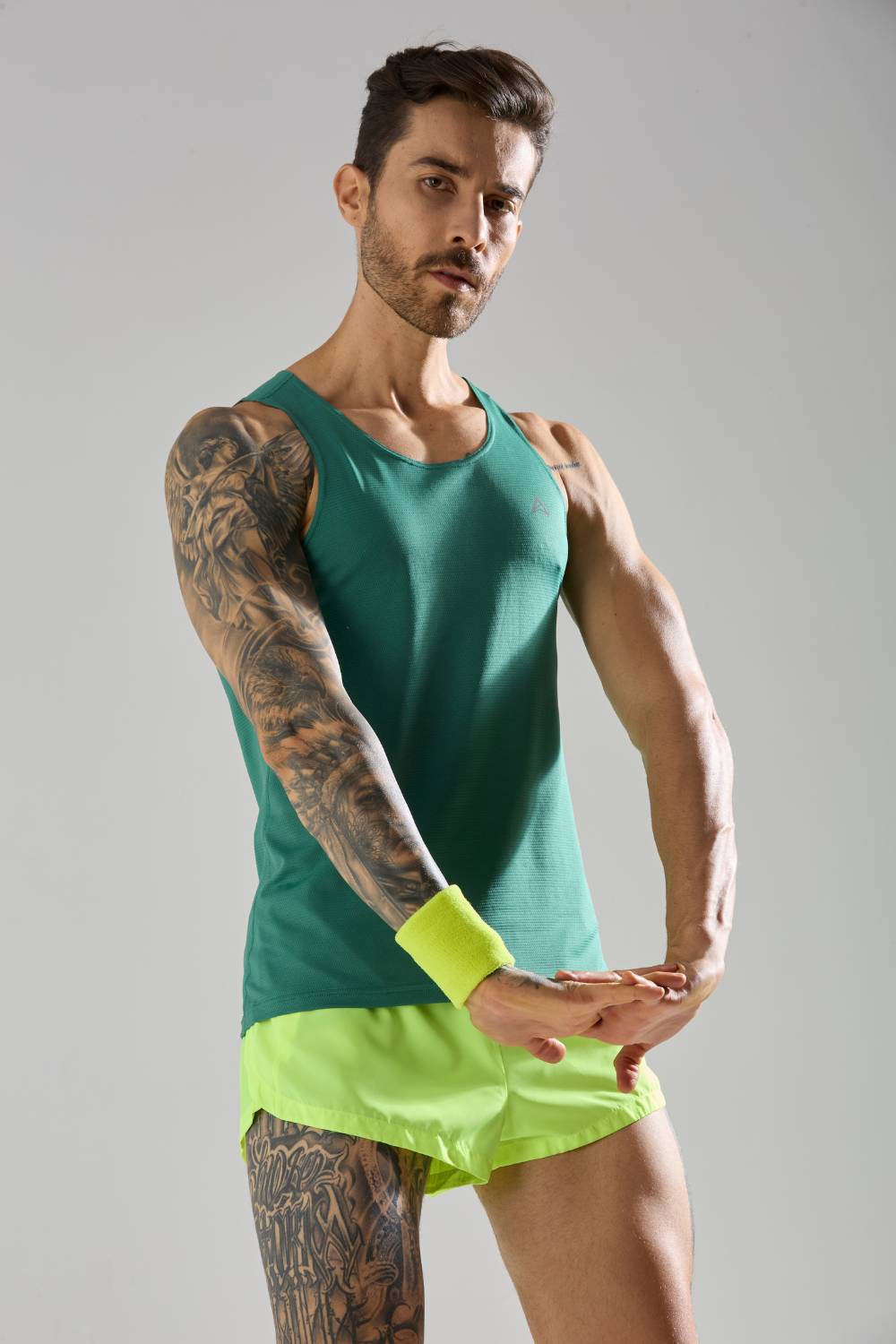
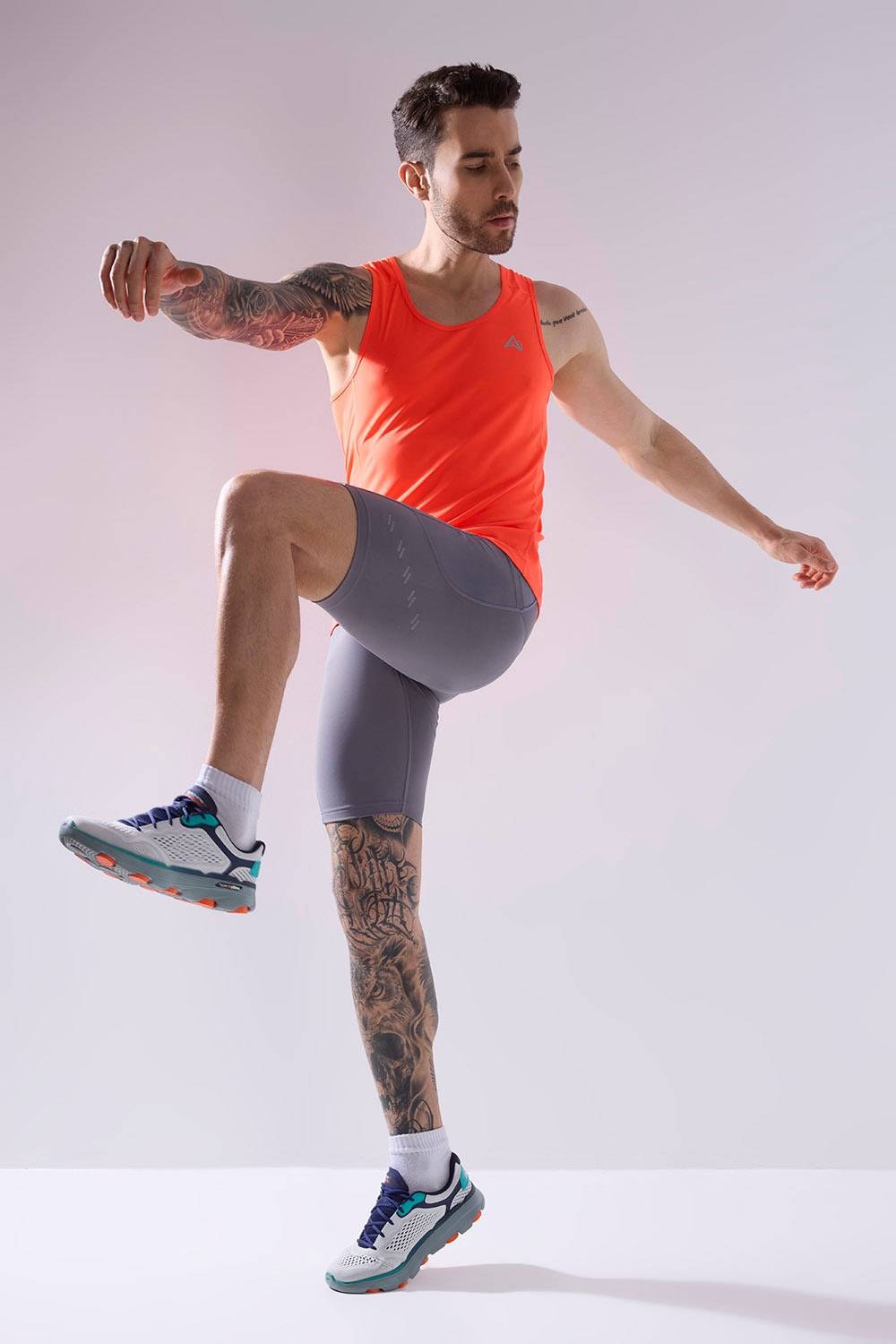
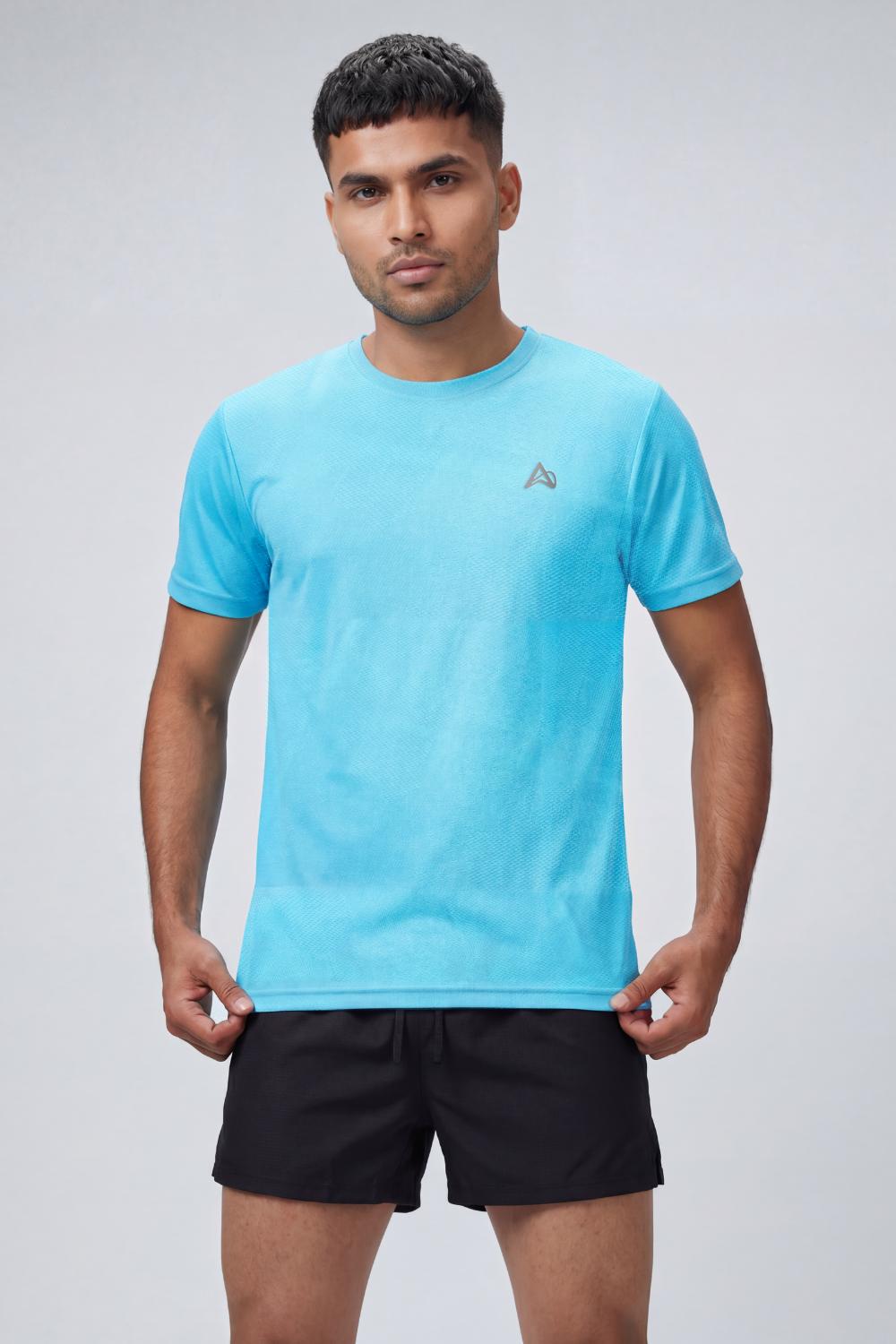
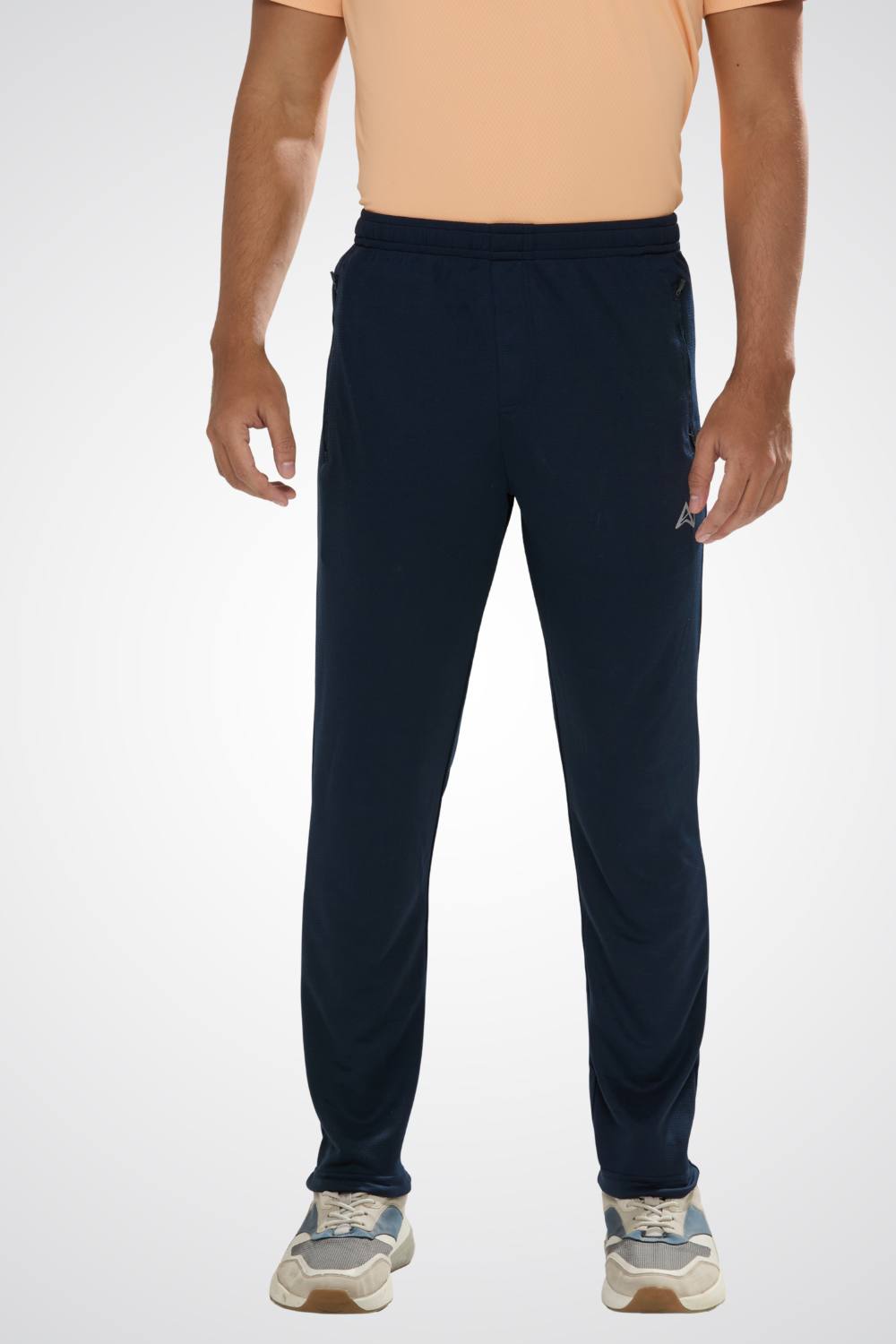
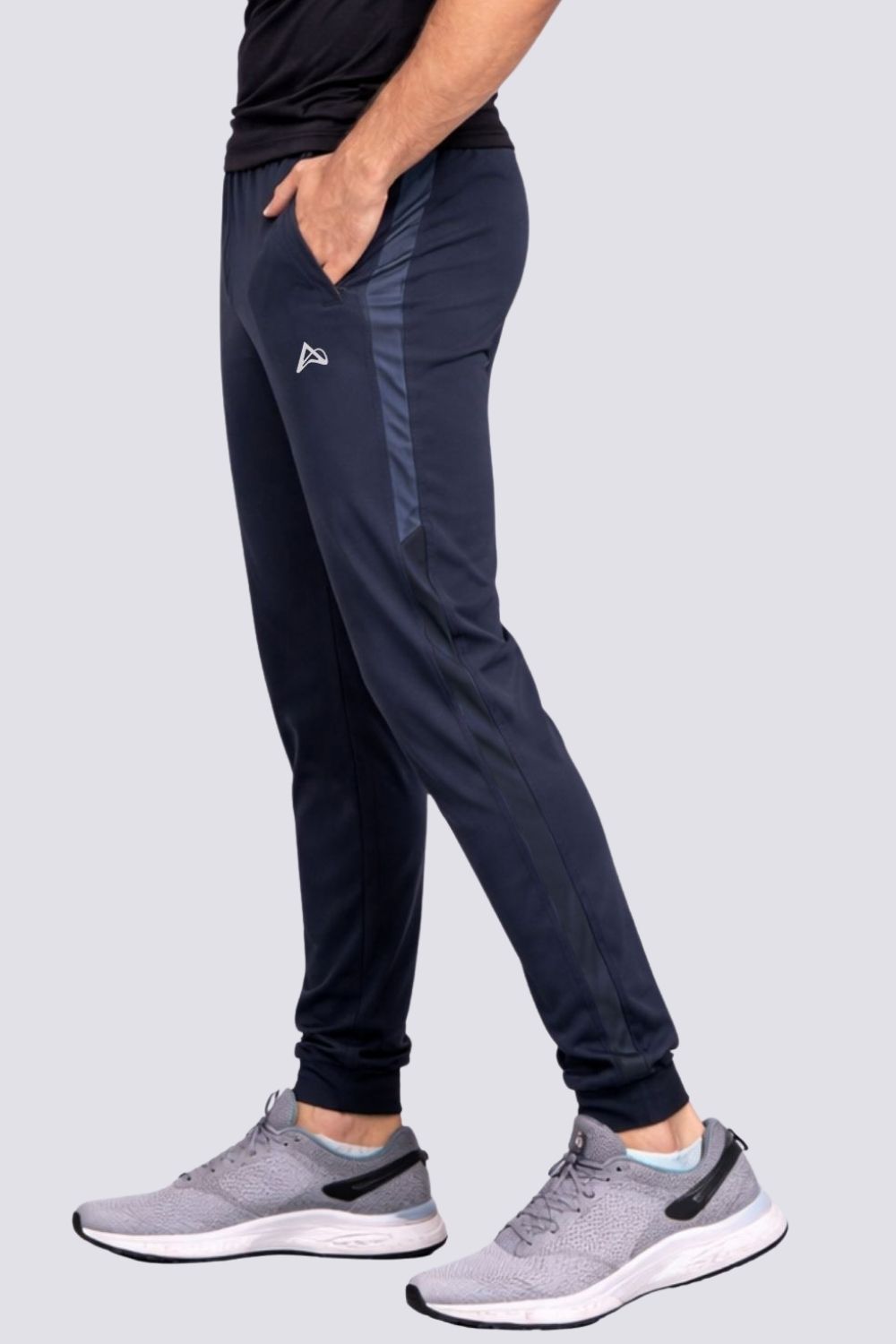
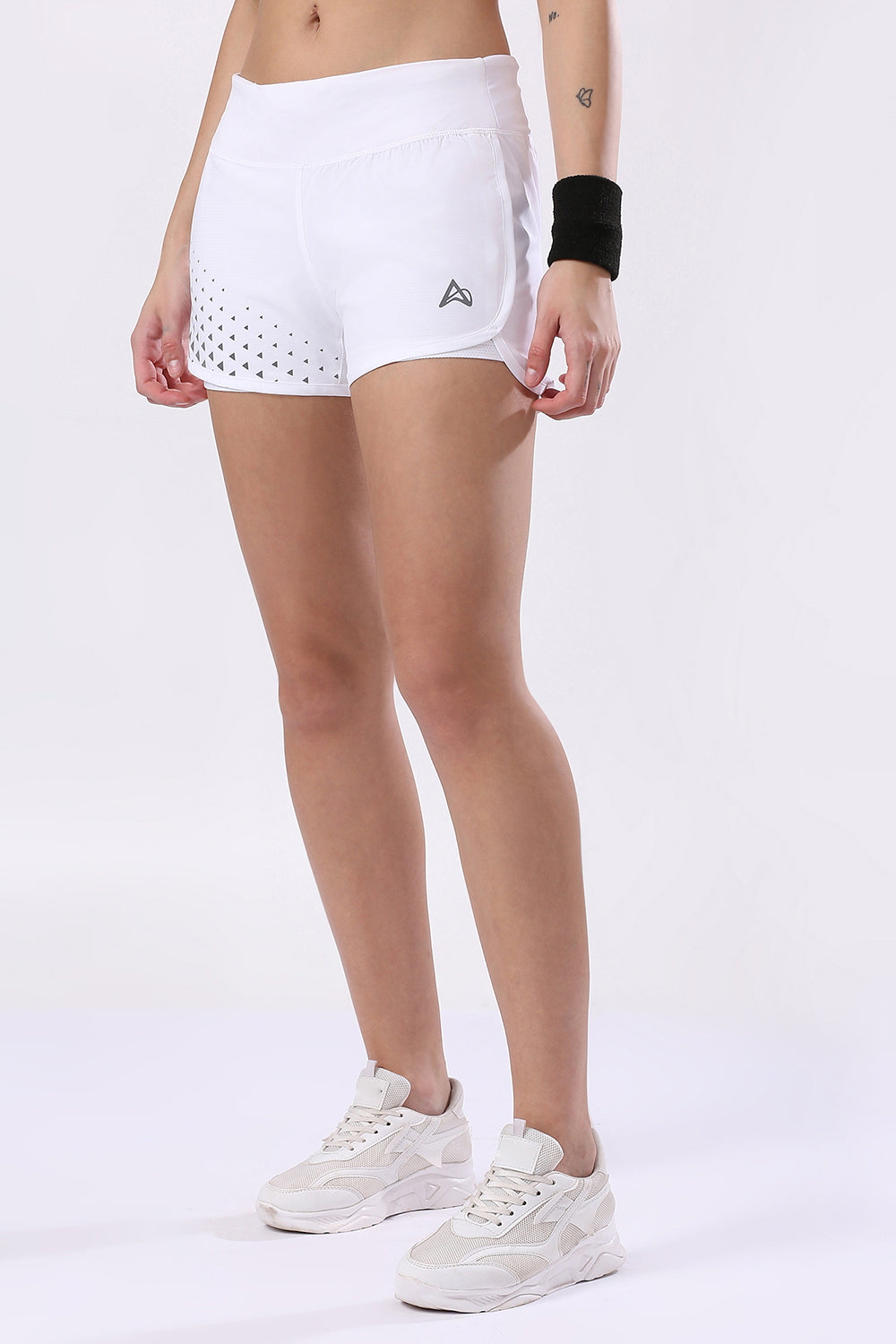





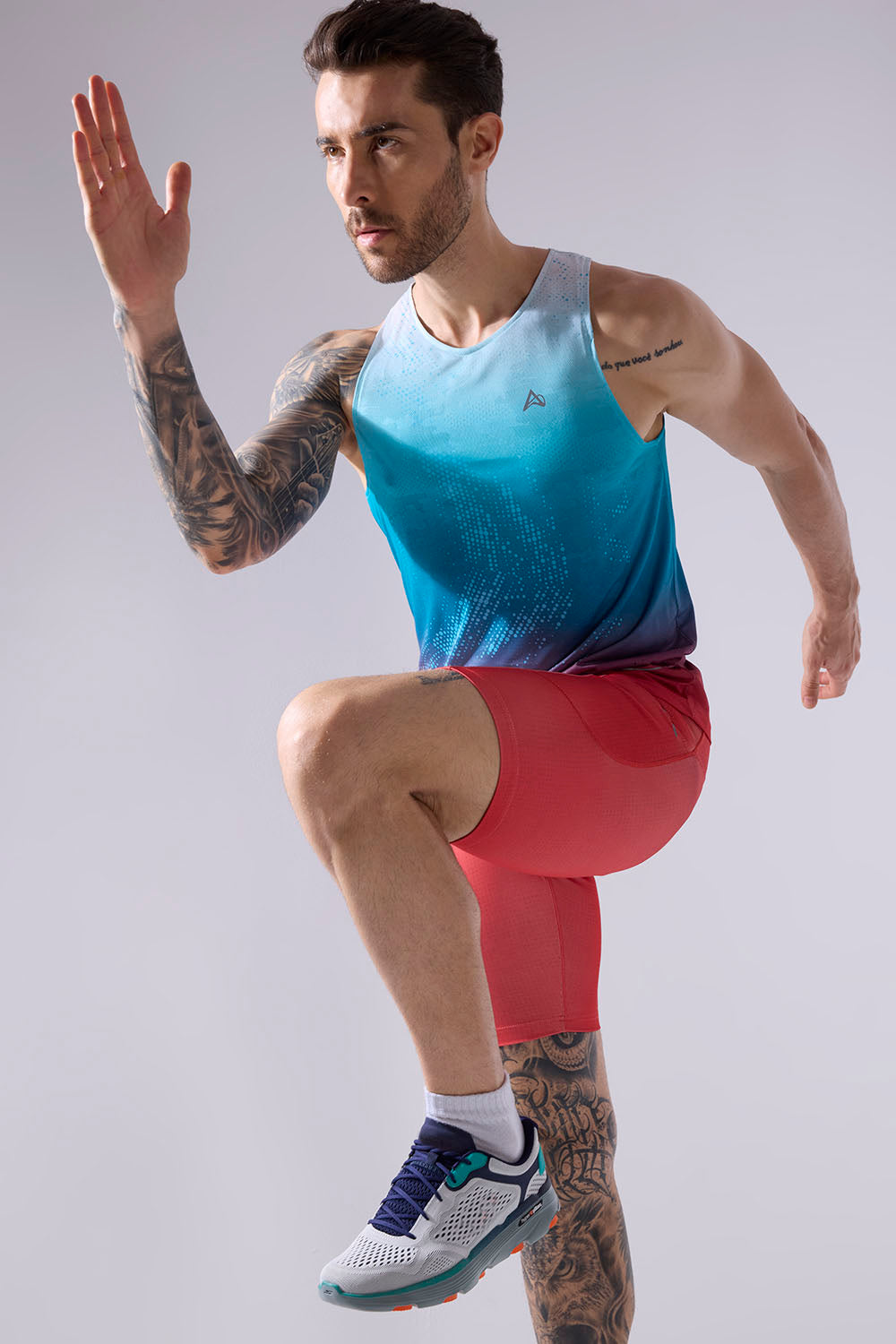


As the monsoon clouds gather over India's bustling metros, trail runners face a unique challenge: staying dry, comfortable, and safe on slippery paths while pushing their limits. In cities like Bangalore, Mumbai, Delhi, and Pune, the rainy season transforms familiar trails into muddy adventures that demand smarter clothing choices. The right gear can mean the difference between an invigorating run and a soggy, blister-filled ordeal.
Trail running in the monsoon isn't just about endurance it's about adaptation. Runners across urban and peri-urban India are discovering that thoughtful apparel selections enhance safety, boost performance, and keep the joy alive even when the skies open up. This guide draws from real runner experiences and practical strategies tailored to heavy rainfall and high humidity.
Tired of gear that slows you down? Chafing, soggy fabrics, and missing pockets kill your run's momentum. At Aguante, we're runners who get it. Our high-performance activewear features moisture-wicking fabrics, ergonomic designs, and smart storage to keep you focused. Shop Now!
Why Clothing Choices Matter in Monsoon Trail Running
Monsoon patterns vary across Indian cities, bringing intense showers, high humidity, and unpredictable downpours to Bangalore, Hyderabad, Mumbai, Pune, Navi Mumbai, Delhi, Gurugram, Surat, and Ahmedabad. What feels like a light drizzle can quickly turn trails into streams, testing both body and gear.
Proper clothing protects against hypothermia, chafing, and injuries while maintaining mobility. In humid conditions, moisture-wicking fabrics prevent that clammy feeling that saps energy. Breathable layers help regulate temperature when the rain stops and the sun peeks through. For trail runners in India's metros, investing in weather-appropriate apparel has become essential for consistent training and race performance.
The growing popularity of trail running during monsoon months reflects a broader shift: runners want to stay active year-round, turning seasonal challenges into opportunities for resilience and discovery.
Emerging Trends in Monsoon Trail Apparel
Across Mumbai and Pune, trail runners are embracing lightweight, quick-dry fabrics that handle frequent heavy showers without weighing them down. These materials pull moisture away from the skin and dry rapidly, reducing discomfort during long outings.
In Delhi and Gurugram, breathable waterproof layers have gained traction. Runners layer smartly to avoid overheating in sticky humidity while staying protected from sudden rains. Local running clubs in Bangalore and Hyderabad actively promote rain-resistant apparel and shoes, sharing tips on everything from sock choices to jacket ventilation.
Community feedback and practical insights from urban runners show a clear preference for gear that combines comfort with performance. This evolution highlights how monsoon conditions are shaping smarter choices in activewear rather than relying on standard options.
Real-World Examples from Indian Trail Runners
In Navi Mumbai, runners navigating muddy paths swear by waterproof trail shoes featuring enhanced grip. These shoes provide the traction needed on slick terrain, helping athletes maintain confidence and reduce slip risks during technical sections.
Ahmedabad running events showcase effective layering strategies: lightweight base layers for moisture management, mid-layers for warmth during cooler rains, and breathable rain shells as an outer barrier. This modular approach allows runners to adjust quickly as conditions change throughout the run.
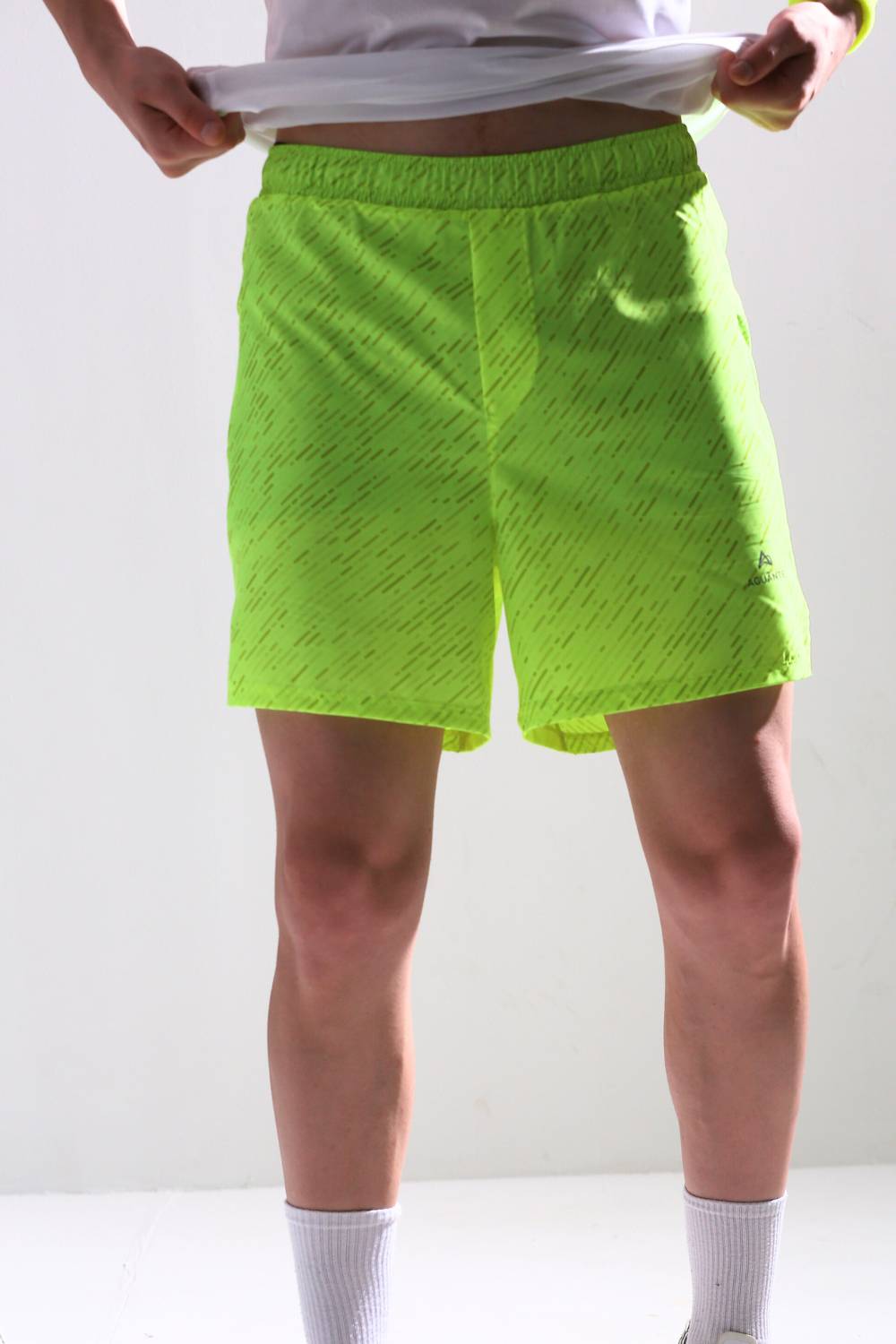
Delhi runners have adopted reflective, bright-colored clothing for better visibility in heavy rainfall and low-light conditions. Safety becomes paramount when visibility drops, and these choices help motorists and fellow runners spot them more easily on shared paths.
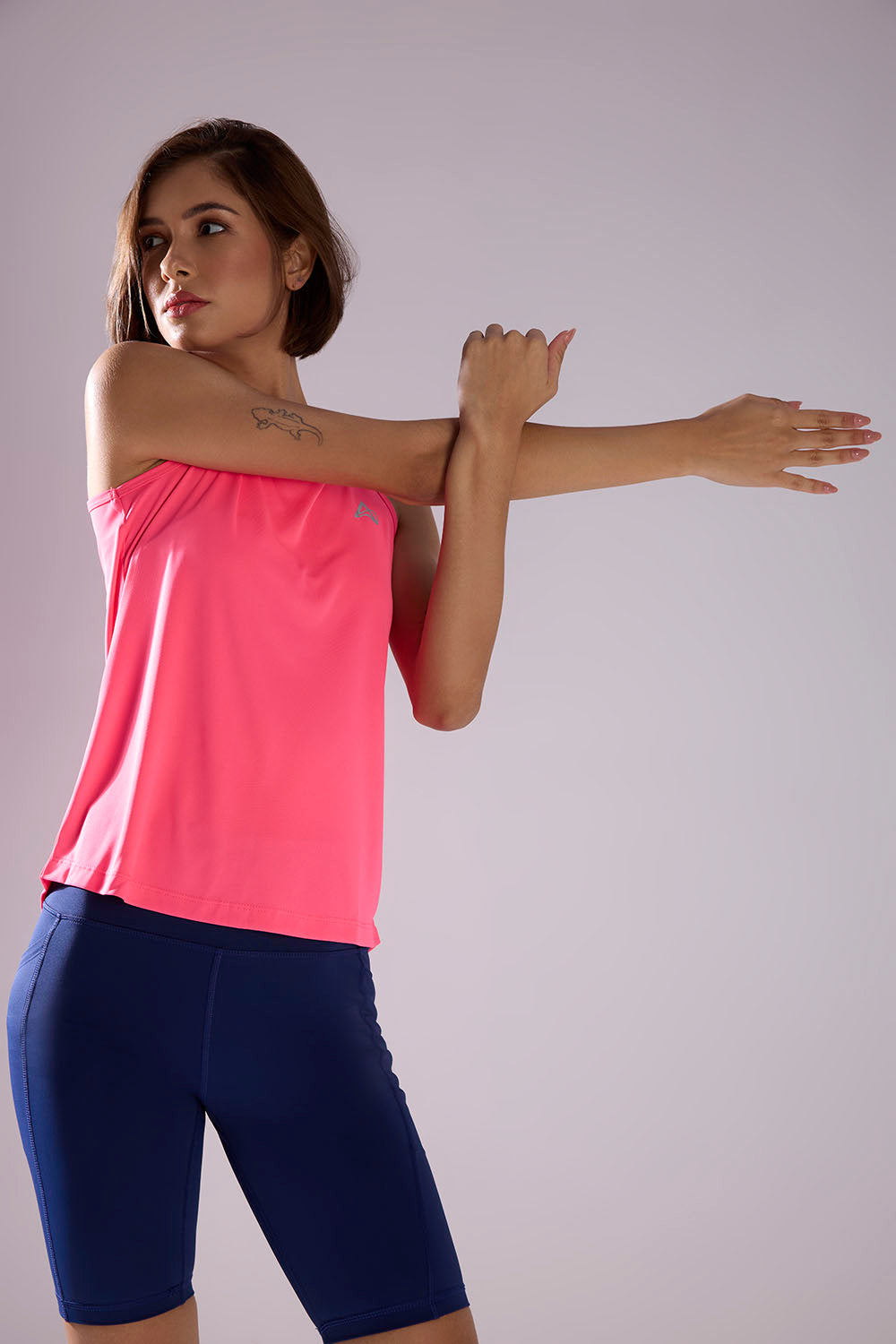
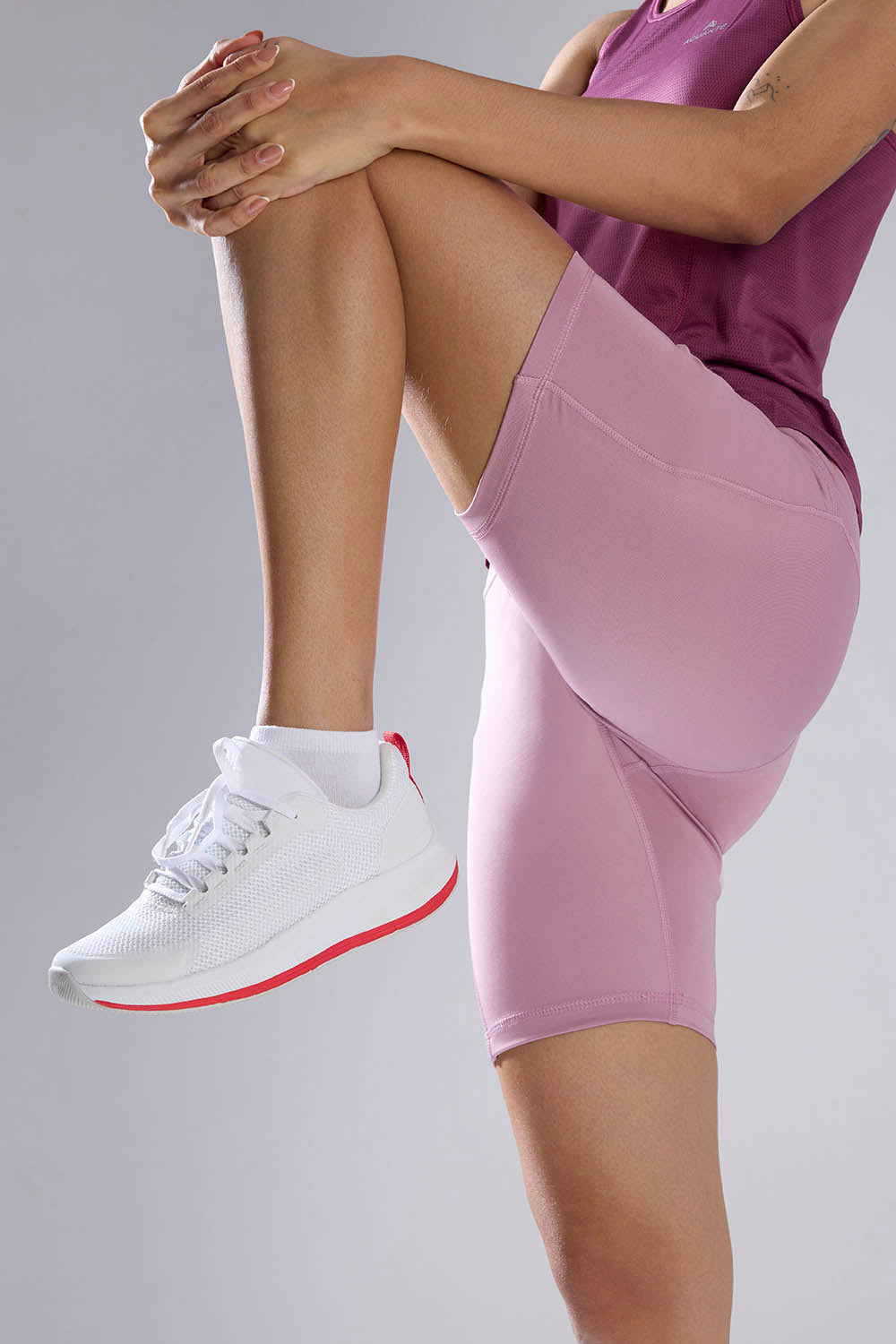
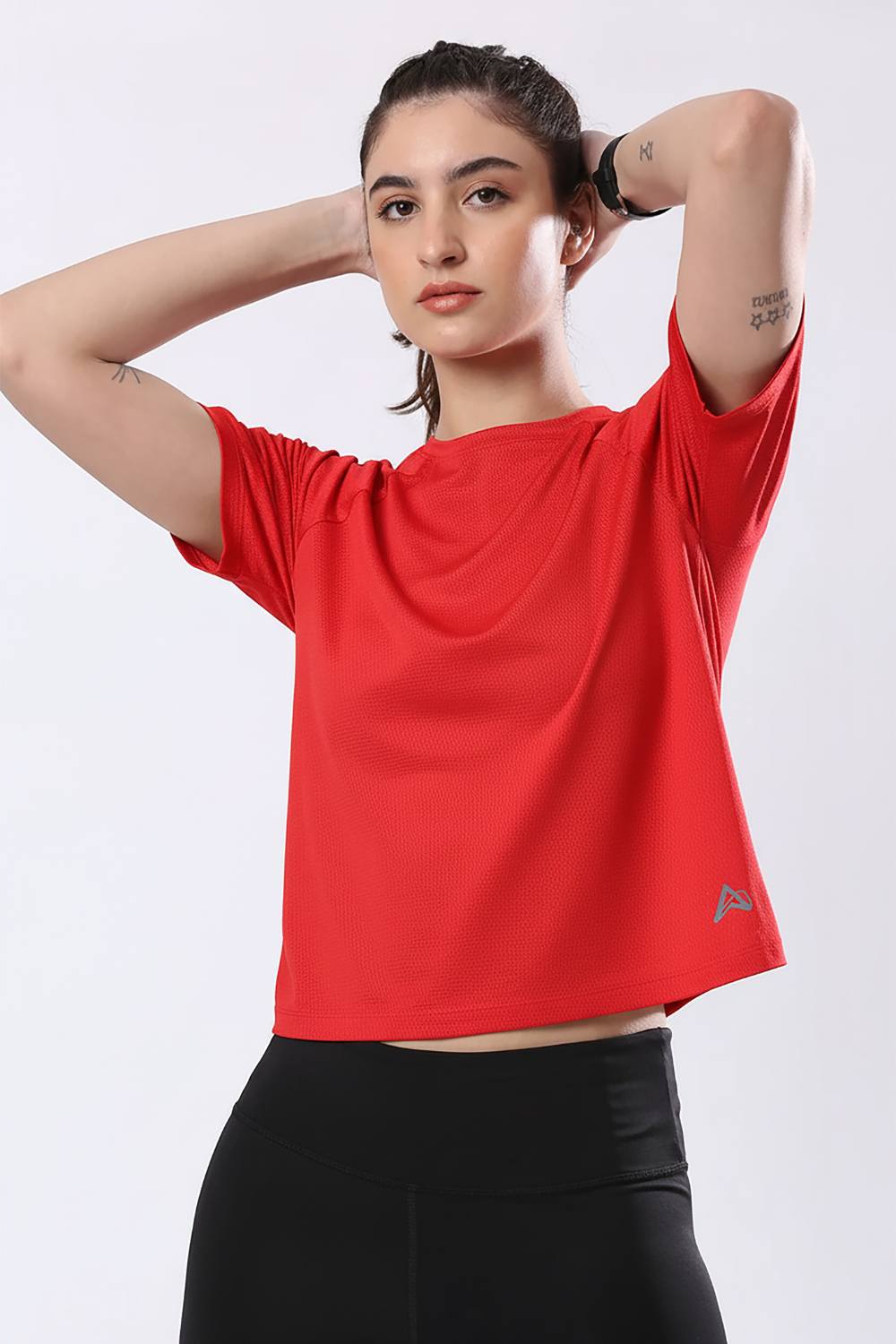
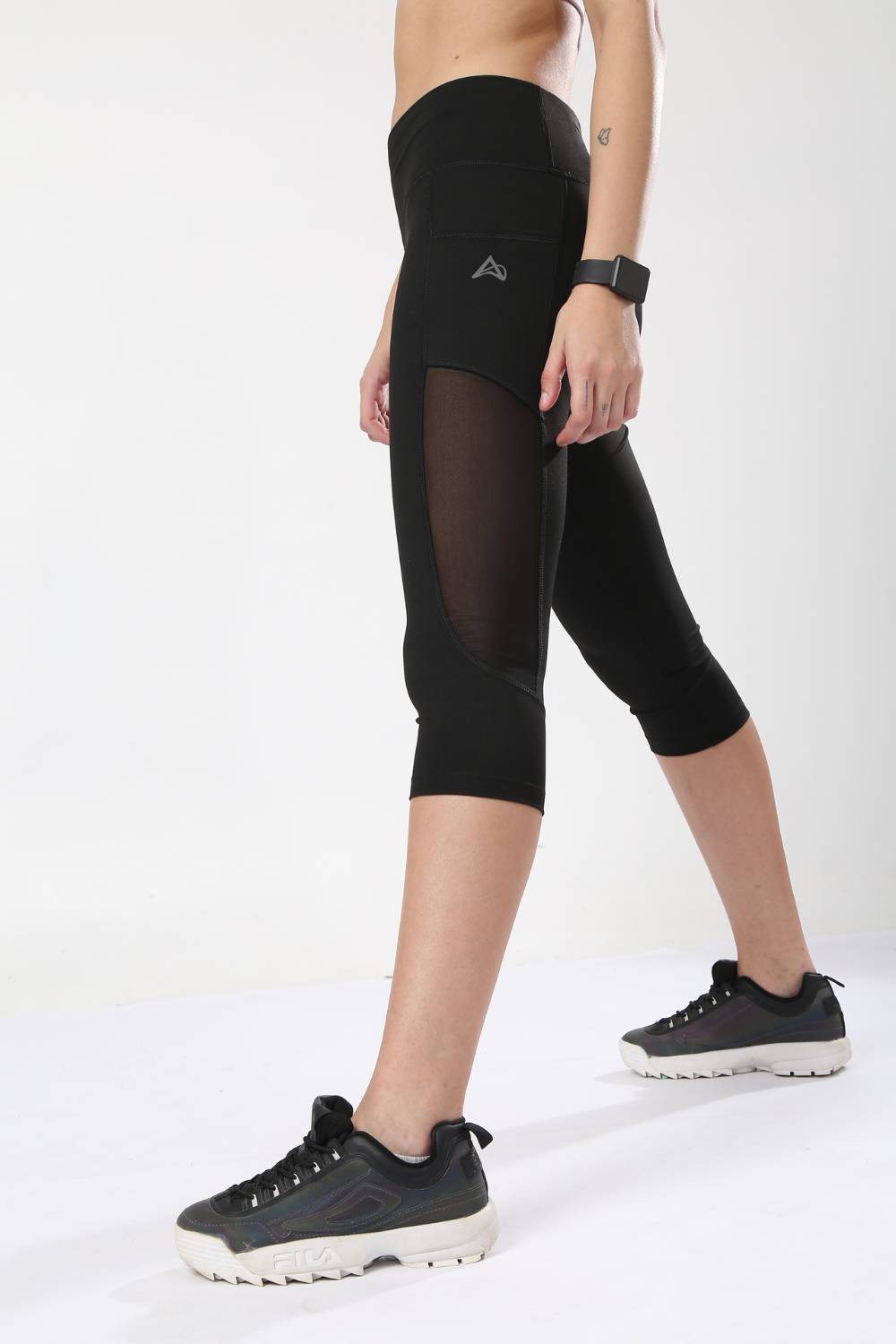
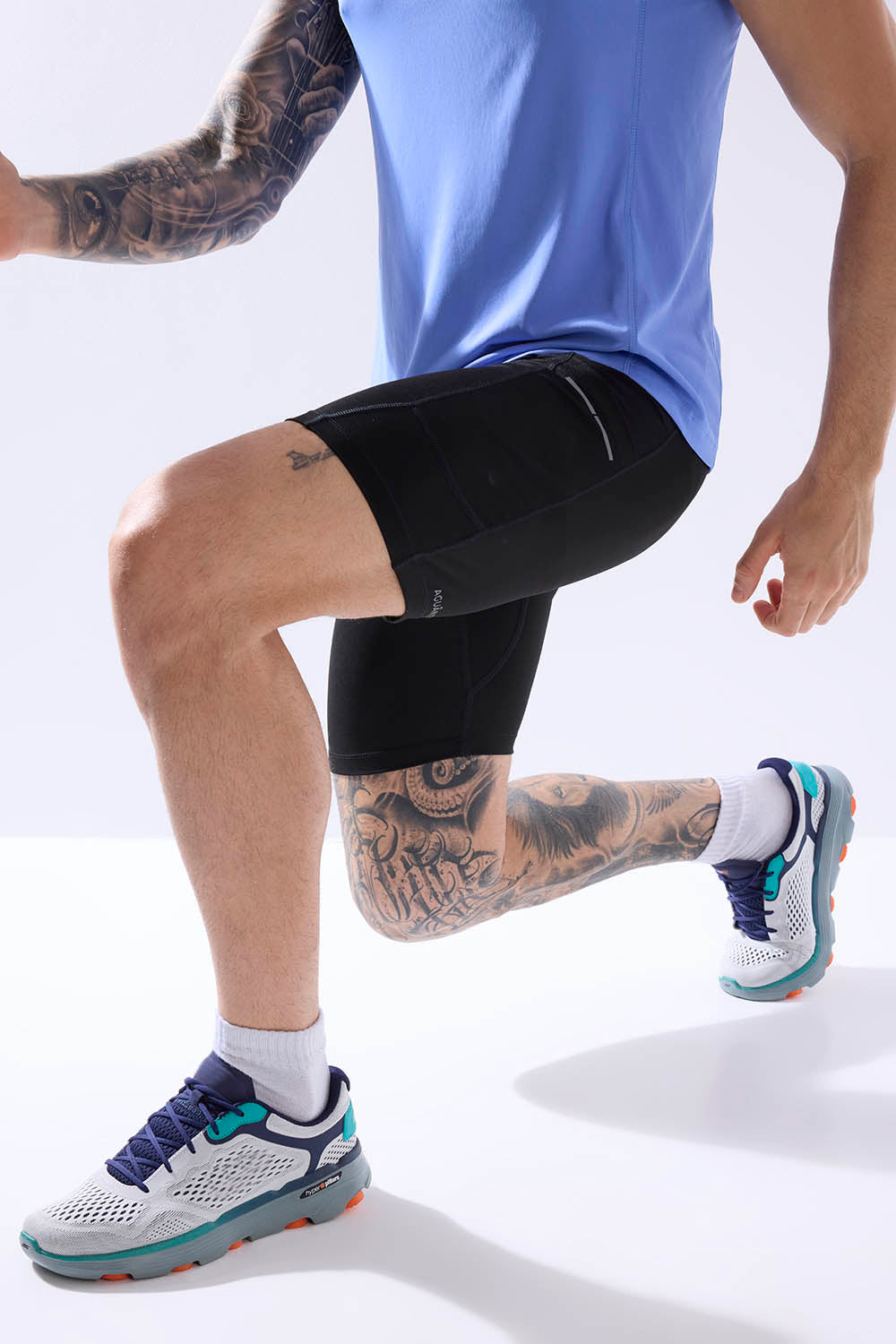
In Pune, many combine compression leggings with quick-dry tops. This pairing minimizes post-run discomfort and skin irritation, allowing runners to recover faster and return to the trails sooner. These practical applications demonstrate how localized solutions address specific regional challenges .
Key Challenges and Safety Risks
High humidity combined with persistent rainfall creates prime conditions for skin irritation, fungal infections, and blisters issues particularly common in Mumbai and Hyderabad. Wet clothes that stay damp for hours exacerbate these problems, making fabric choice critical for long-term comfort.
Slippery, uneven terrain increases injury risk. Runners must select clothing that supports mobility while pairing with shoes that offer reliable grip. Loose or heavy garments can hinder movement, while overly restrictive pieces limit agility on technical trails.
Access to high-performance rain gear remains limited in smaller cities like Surat and Ahmedabad. Many runners rely on imported options or creative local adaptations. Cultural preferences and budget considerations also influence adoption of premium trail apparel, pushing the community toward versatile, value-driven choices that deliver results without excess cost.
Performance Benefits of Smart Gear Choices
Effective moisture management reduces fatigue during longer runs in Bangalore and Gurugram. Dry, comfortable skin means better focus and sustained effort, helping athletes achieve personal bests even in challenging weather.
Compression garments, in particular, offer tangible advantages. Studies show compression wear can improve athletic performance by at least 2% and reduce muscle fatigue by 10 to 15%, making them especially valuable for endurance activities like trail running in demanding conditions.
Modular clothing systems stand out as a game-changer. Runners can add or remove layers as showers come and go, maintaining comfort without carrying excess weight. This flexibility proves invaluable during variable monsoon conditions across different Indian cities.
Opportunities for Innovation in Trail Running Gear
There's exciting potential for local apparel brands to develop city-specific monsoon running gear. Understanding regional rainfall patterns, humidity levels, and trail conditions could lead to innovative fabrics and designs tailored for Indian runners.
Eco-conscious options using lightweight, durable materials also appeal to athletes mindful of sustainability and long-term value. Brands are responding to runner demands by focusing on practical performance features rather than just aesthetics.
Sports apparel designed for activities like running and hiking continues to evolve, with emphasis on versatility that serves both trail adventures and everyday use in India's diverse climates.
Expert Insights on Fabric Technologies
Experts emphasize four key attributes for monsoon trail running clothing: lightweight construction, breathability, quick-drying properties, and reliable waterproofing. These features work together to create garments that perform in India's unique climate.
Compression elements in leggings and tops help with muscle support and circulation, while anti-chafing seams prevent irritation during extended wet runs. Reflective details and strategic venting enhance both safety and comfort.
Local runner communities serve as valuable resources. Connecting with groups in your city provides tested recommendations and real-world feedback on what actually works during peak monsoon months. Many experienced runners stress the importance of testing gear thoroughly before relying on it for longer distances.
Choosing the Right Layers
- Base layer: Moisture-wicking fabric that sits close to the skin
- Mid layer: Provides light insulation without trapping heat
- Outer shell: Breathable yet waterproof to handle sudden downpours
Practical Recommendations for Runners
Start with a solid base layer that wicks moisture effectively. Pair it with a breathable mid-layer and a packable rain shell for versatility. Choose trail shoes with aggressive lugs and waterproof membranes suited to muddy conditions.
Prioritize visibility with bright colors and reflective accents, especially for early morning or evening runs. Consider compression garments for muscle support and reduced soreness after wet sessions.
Test gear during shorter runs before committing to longer distances. Pay attention to how different fabrics perform in your local conditions Bangalore's humidity feels different from Mumbai's coastal rains or Delhi's variable showers.
Focus on fit and comfort. Clothing that moves with you, rather than against you, makes all the difference when navigating technical trails in the rain. Pay attention to seam placement and overall construction to avoid chafing in prolonged wet conditions.
Looking Ahead: The Future of Monsoon Trail Running
The monsoon trail running culture continues to grow in major metros like Delhi, Mumbai, and Bangalore. This enthusiasm drives innovation in city-specific gear, encouraging brands to create solutions that address real runner needs rather than generic athletic wear.
By embracing smart clothing choices, runners not only stay safer and more comfortable but also unlock new dimensions of their sport. The monsoon becomes less of an obstacle and more of an invitation to explore resilient, adaptive running.
Whether you're training for an upcoming ultra or simply enjoying weekend trails, the right apparel transforms challenging conditions into memorable experiences . Connect with local communities, experiment thoughtfully with different combinations, and run prepared. The trails await, rain or shine, for those equipped to embrace them fully.
Frequently Asked Questions
What are the best fabrics for trail running in monsoon conditions?
For monsoon trail running, experts recommend clothing with four key properties: lightweight construction, breathability, quick-drying capability, and waterproofing. Moisture-wicking base layers are essential to prevent the clammy feeling that drains energy in high humidity, while a breathable waterproof outer shell protects against sudden downpours. Fabrics that dry rapidly reduce the risk of skin irritation, fungal infections, and blisters common issues for runners training in wet conditions across cities like Mumbai and Hyderabad.
How should I layer my clothing for trail running in heavy rain?
A three-layer system works best for monsoon trail running. Start with a moisture-wicking base layer that sits close to the skin, add a lightweight mid-layer for insulation during cooler rain spells, and finish with a breathable yet waterproof outer shell to handle sudden downpours. This modular approach lets you add or remove layers as weather shifts throughout your run, keeping you comfortable without carrying unnecessary weight a strategy widely adopted at running events in cities like Ahmedabad.
Are compression leggings worth wearing for trail running in the monsoon?
Yes compression leggings offer real performance benefits during wet monsoon runs. Research cited in the blog indicates compression wear can improve athletic performance by around 2% and reduce muscle fatigue by 10–15%, making them especially valuable for endurance trail running. When paired with a quick-dry top, they also minimize post-run skin irritation and chafing, helping runners recover faster and get back on the trails sooner, as many runners in Pune have found.
Disclaimer: The above helpful resources content contains personal opinions and experiences. The information provided is for general knowledge and does not constitute professional advice.
You may also be interested in: The Future of Indian Running Apparel Lies in Climate Engineering
Tired of gear that slows you down? Chafing, soggy fabrics, and missing pockets kill your run's momentum. At Aguante, we're runners who get it. Our high-performance activewear features moisture-wicking fabrics, ergonomic designs, and smart storage to keep you focused. Shop Now!
Powered by flareAI.co