



Quick Listen:
Imagine pushing through the later miles of a demanding long run as daylight fades and traffic picks up along familiar routes. Your legs maintain their rhythm with surprising ease, your form holds steady, and the usual discomfort from fabric shifting never materializes. For countless distance runners, this smoother experience often traces back to a straightforward choice in gear: half tights.
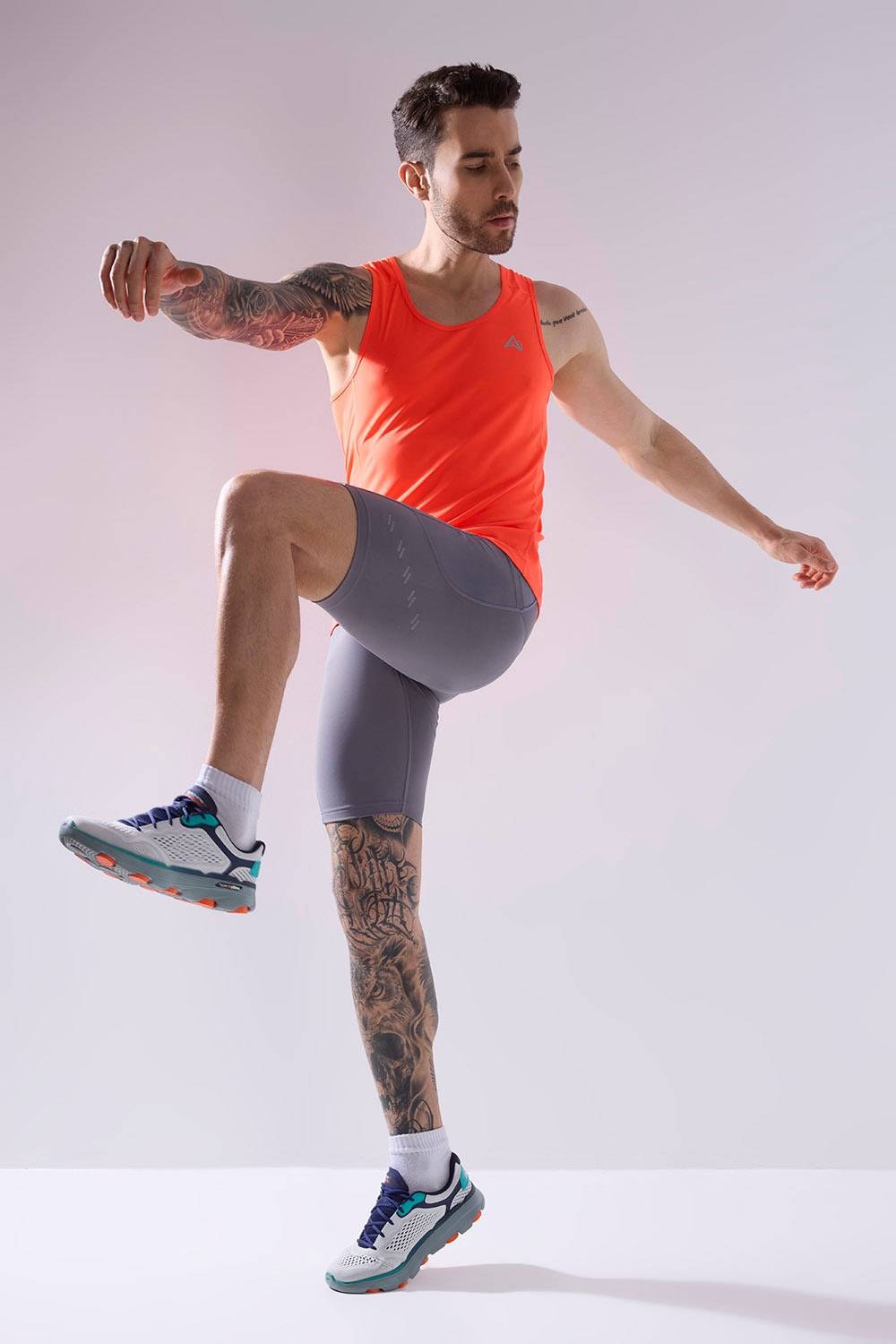
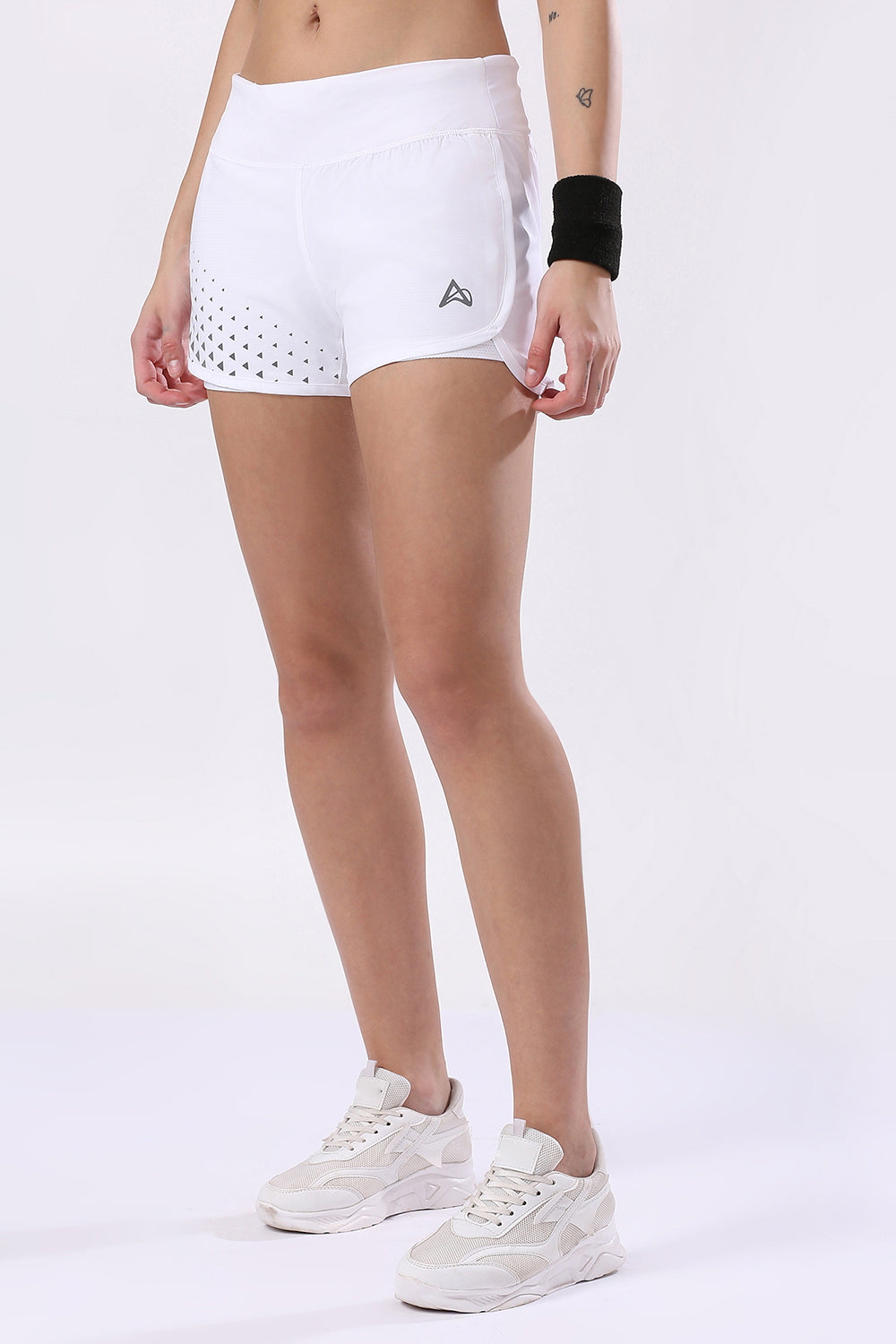
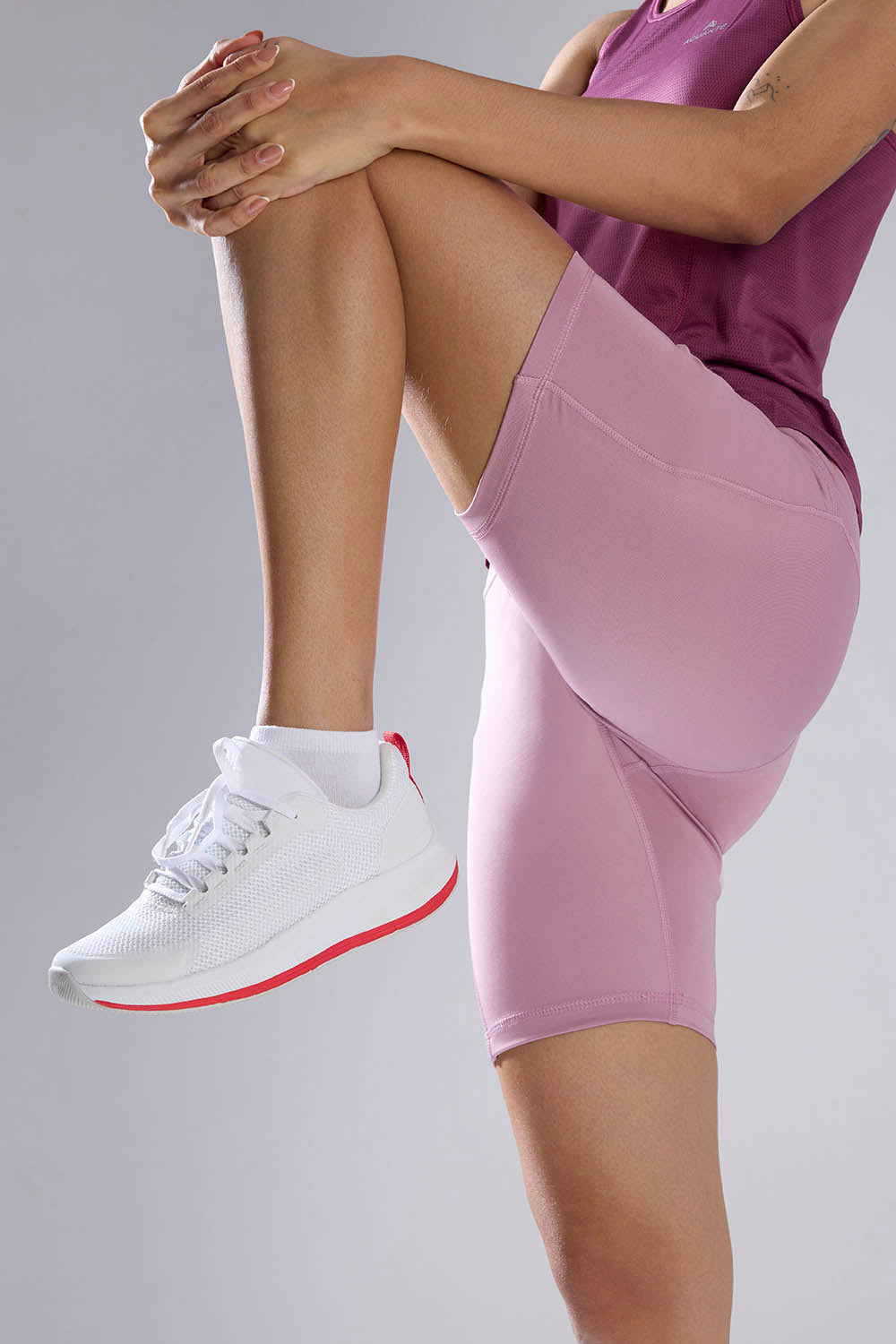
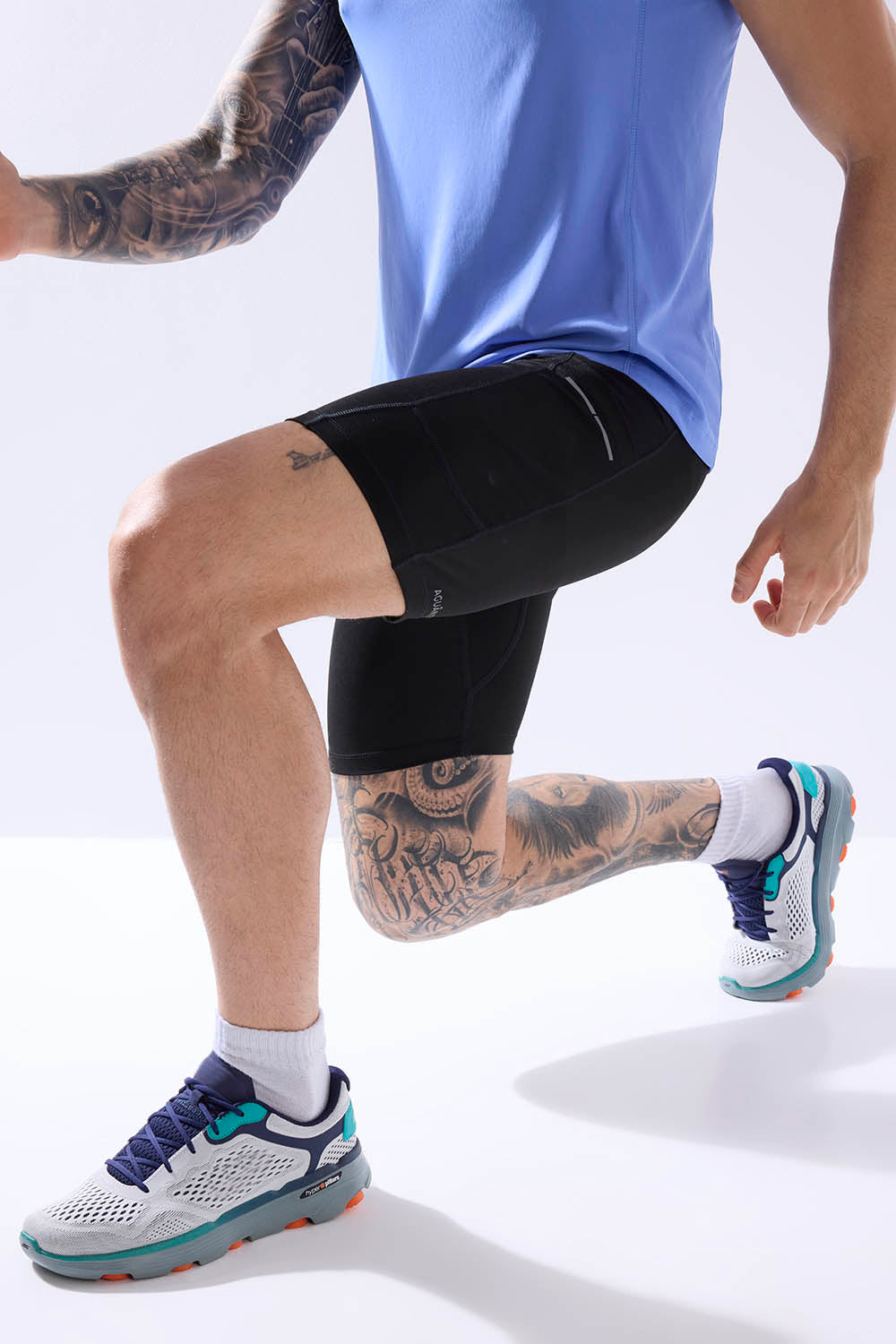
These mid-thigh options, sometimes referred to as compression shorts, have earned a loyal following among those tackling extended efforts. They bridge the gap between minimal split shorts and full-length tights, providing targeted support and coverage that proves its worth over many miles.
Tired of gear that slows you down? Chafing, soggy fabrics, and missing pockets kill your run's momentum. At Aguante, we're runners who get it. Our high-performance activewear features moisture-wicking fabrics, ergonomic designs, and smart storage to keep you focused. Shop Now!
The Growing Appeal of Half Tights Among Serious Runners
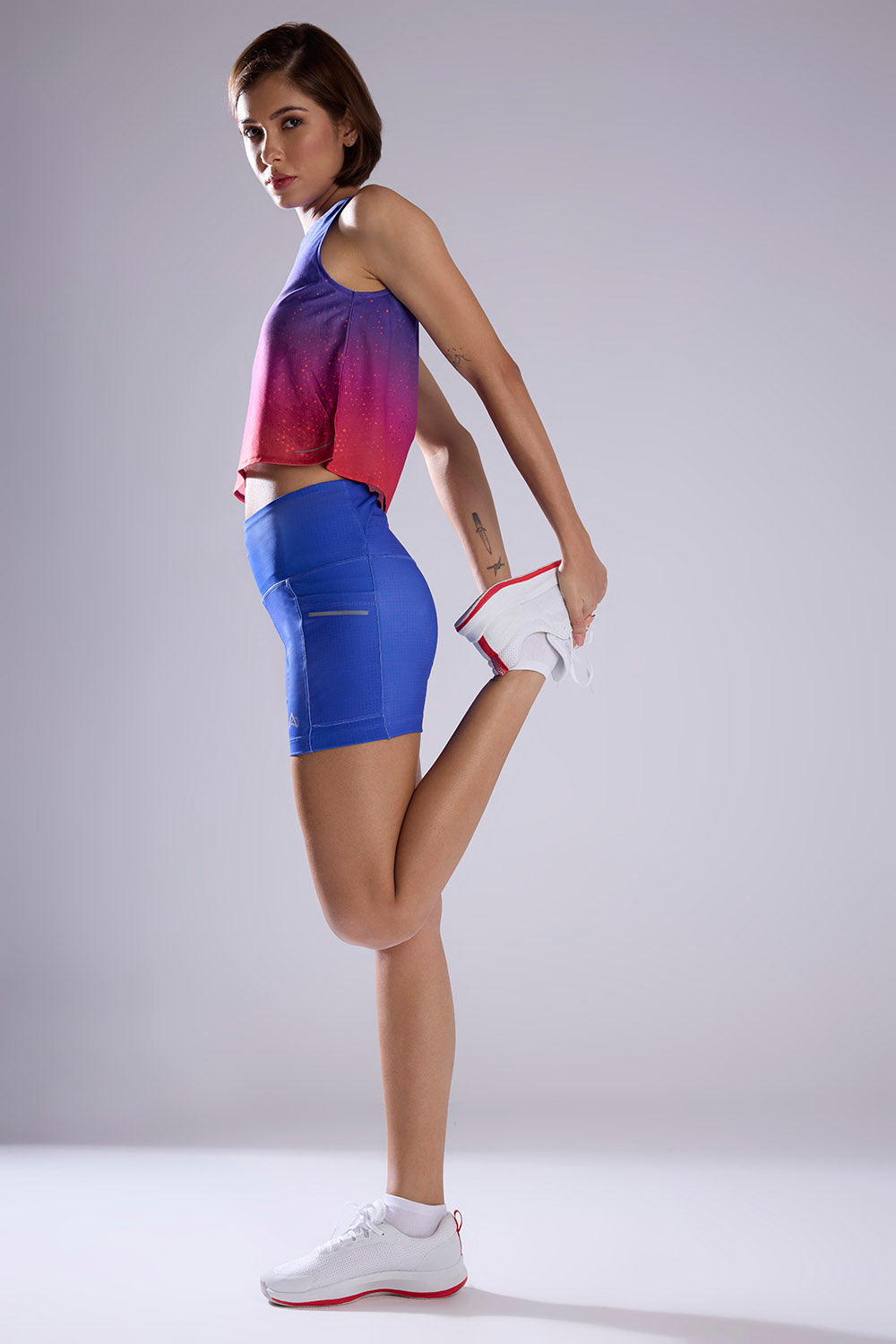
Half tights occupy a sweet spot in running apparel. Extending to roughly mid-thigh, they deliver more protection than brief-style shorts yet remain significantly lighter and more breathable than complete tights. Many athletes who previously preferred loose-fitting shorts have made the switch, particularly when preparing for high-mileage weeks where chafing or muscle fatigue can quickly become limiting factors.
The practical logic behind this trend is clear. During humid sessions or prolonged training blocks, the close fit of half tights limits unwanted fabric movement against the skin. The result is stable, irritation-free coverage that stays in place without constant adjustment.
How Compression in Half Tights Supports Long-Distance Efforts
A primary advantage lies in the gentle compressive qualities built into many designs. By offering light support to key muscle groups, these garments can help dampen excessive vibration with each footstrike. Over long distances, reduced vibration often contributes to less overall muscle fatigue, helping runners preserve efficient biomechanics deeper into their workouts.
Enhanced circulation represents another frequently experienced benefit. The subtle pressure may promote better blood flow, potentially aiding recovery during the run itself and leaving the legs feeling less weighted down in the closing stages. For most healthy runners, this level of support falls well short of clinical compression but still provides a meaningful edge during marathon preparation or consecutive long runs.
Many athletes note that this combination allows them to sustain pace and focus more effectively, particularly on varied terrain where form tends to break down later in the effort.
Maintaining Full Mobility While Gaining Stability
One common concern with heavier tights is a sense of restriction in warmer conditions. Half tights avoid this pitfall by preserving natural range of motion at the hips and knees. The shorter cut supports unrestricted stride mechanics, which remains essential for efficient running across extended distances.
Simultaneously, the fabric adheres reliably without shifting or bunching. This eliminates the frequent need to readjust that plagues looser shorts in sweaty conditions. Runners can therefore concentrate on rhythm, breathing, and pacing rather than managing clothing distractions.
On trails, the moderate coverage offers light protection from underbrush and minor scrapes, while the streamlined profile reduces the risk of catching on obstacles.
Effective Chafing Prevention During Extended Runs
Chafing ranks among the most disruptive issues on long runs. The inner thighs are especially susceptible after hours of continuous motion, particularly in warm or damp environments. Half tights tackle this challenge by establishing a smooth, body-conforming layer that eliminates skin-on-skin or fabric-on-skin friction.
The compressive hold keeps materials securely positioned, greatly reducing the rubbing that occurs with shifting garments. A significant number of runners discover they can minimize or entirely forgo separate anti-chafing products when using quality half tights engineered for endurance.
This dependability becomes critical in ultra-training or hot marathons, where addressing irritation mid-effort is rarely feasible.
Advanced Fabrics for Breathability and Comfort
Contemporary half tights incorporate moisture-wicking materials that promote airflow and rapid drying. The mid-thigh length exposes additional skin compared with full tights, assisting natural temperature regulation during warmer outings while still providing enough coverage for cooler mornings or evenings.
Lightweight, four-way stretch constructions prevent the garment from feeling burdensome as perspiration builds. This versatility allows half tights to serve effectively across different seasons, from transitional spring and autumn long runs to summer workouts where heavier options would quickly overheat.
Key Features to Consider When Selecting Half Tights
Performance varies across models, so attention to construction details pays dividends. Prioritize flatlock seams that further reduce friction points and fabrics containing elastane for consistent compression that retains shape through repeated use and laundering.
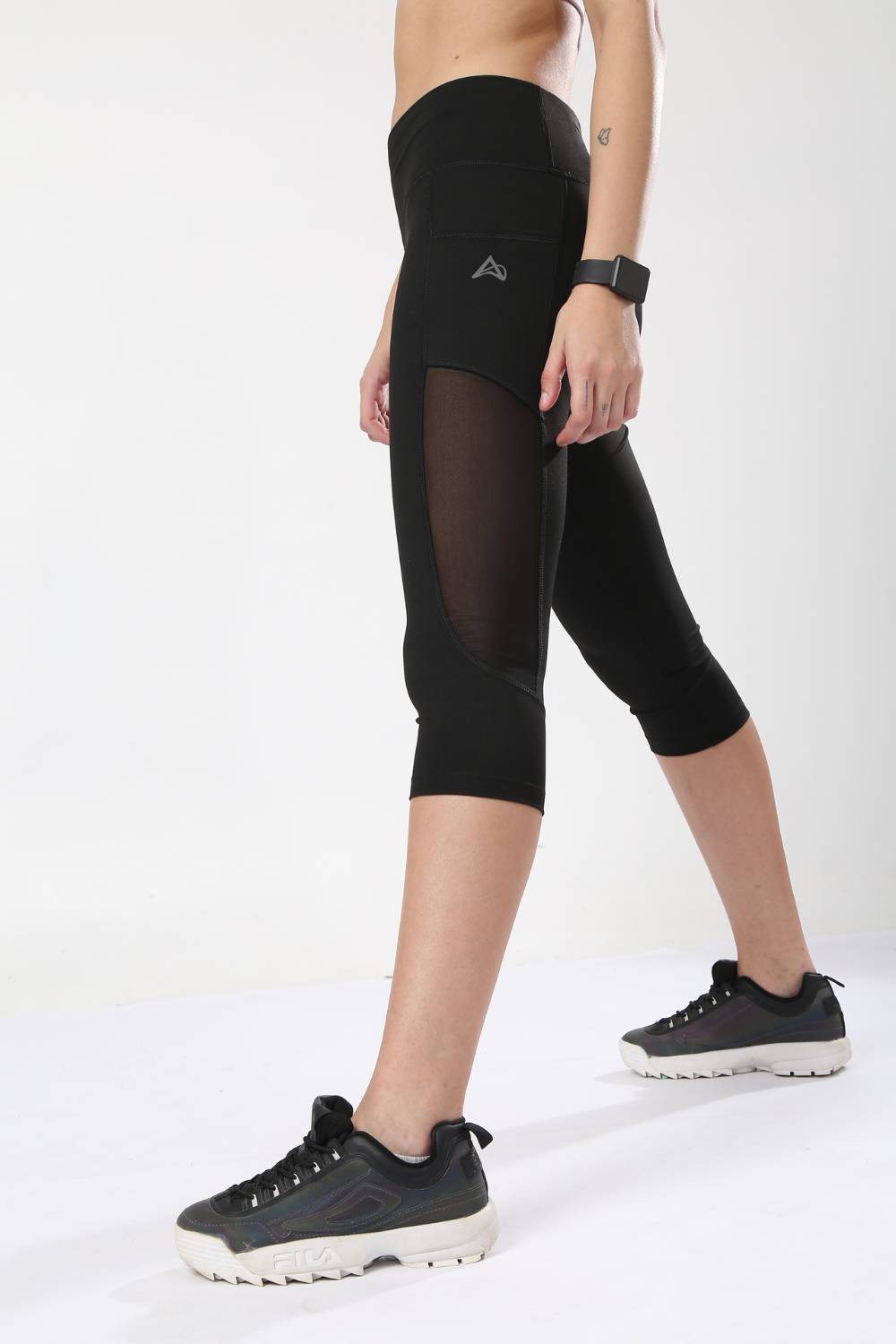
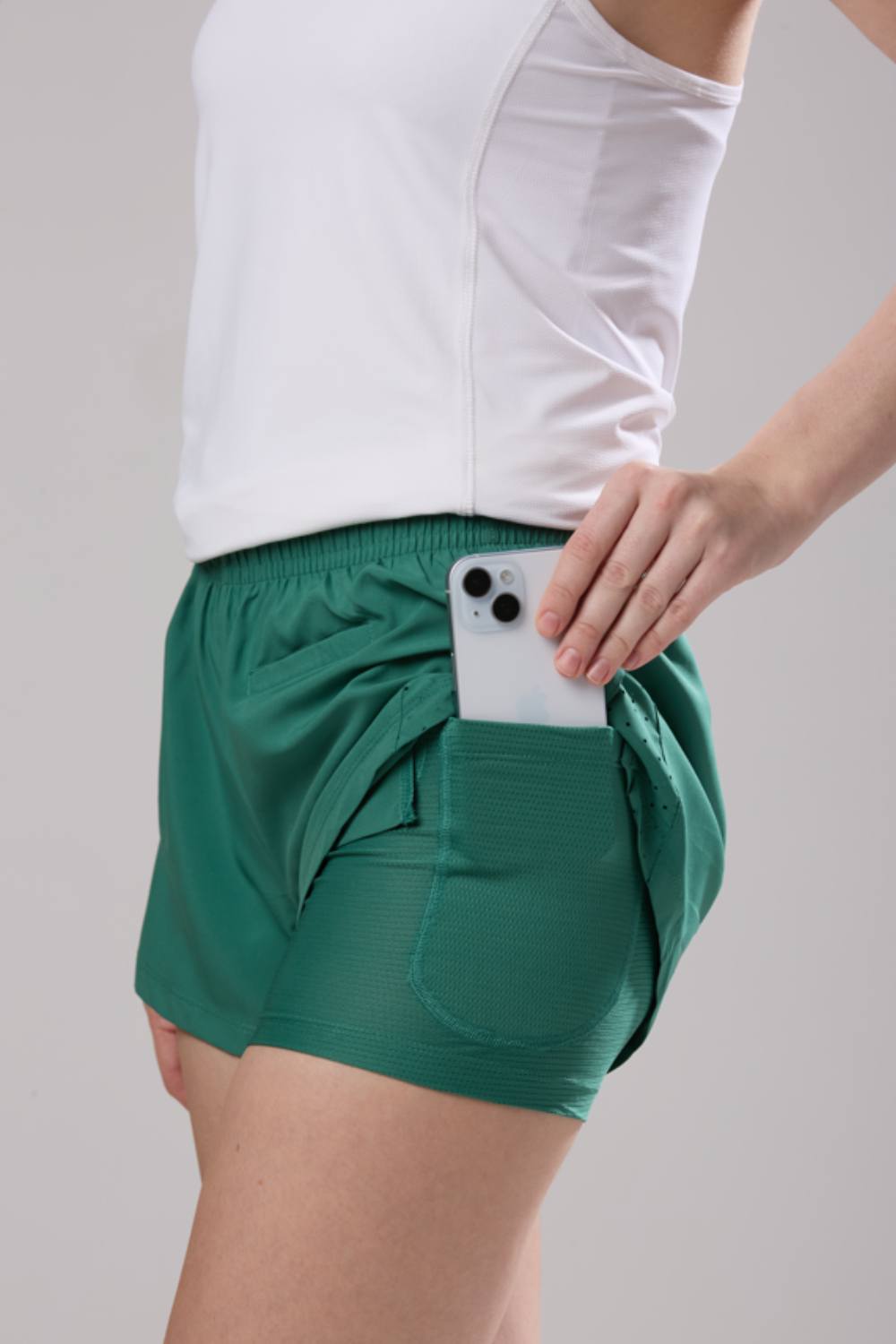
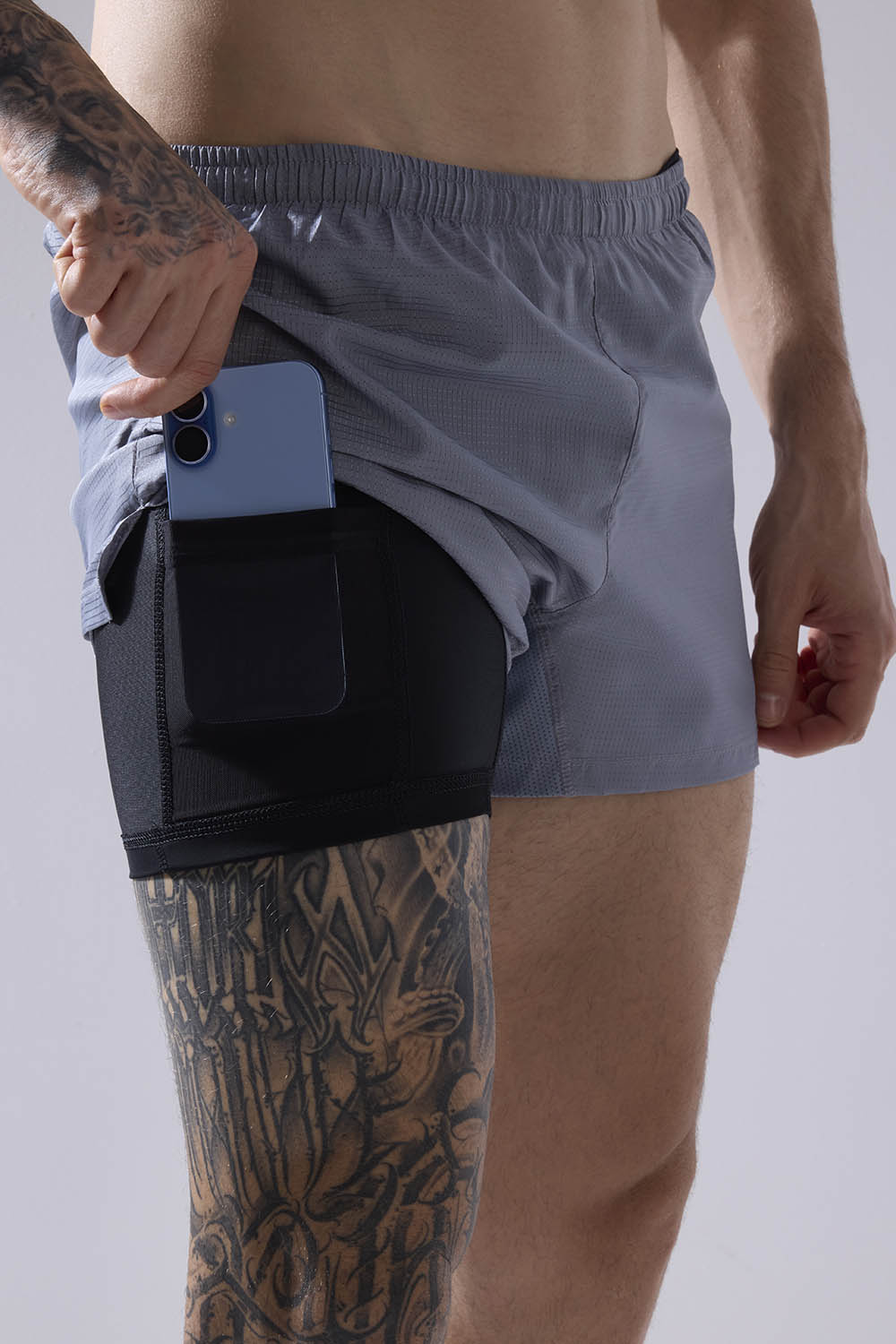
Storage solutions have improved markedly. Many current designs feature discreet, secure pockets for nutrition, identification, or devices, ensuring essentials remain accessible without disruptive movement. Some incorporate reflective elements to enhance visibility during low-light sessions, complementing broader safety practices.
Individual fit preferences differ. Certain runners favor firmer support for competition days, while others select milder versions for daily training volume. Short test runs help determine the ideal balance for personal physiology and goals.
Observable Benefits in Training and Competition
Athletes incorporating half tights commonly describe incremental yet worthwhile gains. They often feel more composed in the final portions of long runs, devoting less attention to physical annoyances. Across an entire marathon build-up, these small efficiencies in focus and reduced lingering fatigue can accumulate meaningfully.
During races, the secure yet unrestrictive fit fosters confidence. In moments when every factor influences outcome, the assurance that gear will perform reliably through the later miles delivers both physical and mental support.
Half tights do not replace foundational elements like structured training, fueling strategies, or rest. They function instead as a reliable component within a comprehensive approach, delivering consistent, real-world utility that dedicated runners value.
Addressing Common Questions and Misconceptions
A frequent inquiry concerns suitability for warm-weather running. Well-engineered models with advanced breathable textiles frequently prove more comfortable than traditional loose shorts, which can trap heat and moisture close to the body. The abbreviated length further encourages ventilation.
Comparisons with full compression tights highlight trade-offs: half tights sacrifice some comprehensive coverage in exchange for superior freedom of movement and cooler operation, rendering them particularly appropriate for most road and trail long runs in moderate to warmer climates.
Another misconception suggests effective compression must feel constrictive. In practice, thoughtfully designed half tights deliver even, supportive pressure that enhances performance without compromising comfort or mobility.
Why Half Tights Deserve Consideration for Your Next Training Cycle
When seeking practical improvements in long-distance running, half tights provide targeted benefits that match the demands of sustained efforts. They help control chafing, supply light compression to sustain endurance, and preserve the mobility required for sound technique, all while remaining comfortable throughout demanding sessions.
Whether preparing for an initial marathon or maintaining steady high-volume training, experimenting with quality half tights can yield noticeable differences. The advantages may begin subtly, yet they frequently prove significant as weekly mileage increases. Your legs and concentration will likely appreciate the difference when the toughest miles arrive.
Frequently Asked Questions
Do half tights actually help prevent chafing during long runs?
Yes, half tights are one of the most effective solutions for chafing prevention during long-distance running. Their close-fitting, body-conforming design eliminates skin-on-skin and fabric-on-skin friction, particularly in the inner thigh area. The compressive hold keeps the material securely in place, meaning many runners can reduce or skip separate anti-chafing products entirely a major advantage during hot marathons or ultra-training where stopping mid-run isn't an option.
Are half tights better than full compression tights for long-distance running?
It depends on conditions, but for most road and trail long runs in moderate to warm climates, half tights offer a strong advantage over full compression tights. The mid-thigh cut exposes more skin for natural temperature regulation, provides greater freedom of movement at the hips and knees, and still delivers light compression to reduce muscle vibration and fatigue. Full tights offer more comprehensive coverage, but half tights strike the ideal balance between support and breathability for most runners.
Can half tights improve running performance and reduce muscle fatigue on long runs?
Half tights with built-in compression can meaningfully support performance over extended distances. The gentle pressure helps dampen muscle vibration with each footstrike, which research and athlete experience suggest can reduce cumulative fatigue and help maintain efficient running form later in a workout or race. Enhanced circulation from the subtle compression may also aid in-run recovery, leaving legs feeling less heavy during the final miles of marathon training or competition.
Disclaimer: The above helpful resources content contains personal opinions and experiences. The information provided is for general knowledge and does not constitute professional advice.
You may also be interested in: How Ergonomic Fit Improves Running Performance: A Deep Dive
Tired of gear that slows you down? Chafing, soggy fabrics, and missing pockets kill your run's momentum. At Aguante, we're runners who get it. Our high-performance activewear features moisture-wicking fabrics, ergonomic designs, and smart storage to keep you focused. Shop Now!
Powered by flareAI.co