



Quick Listen:
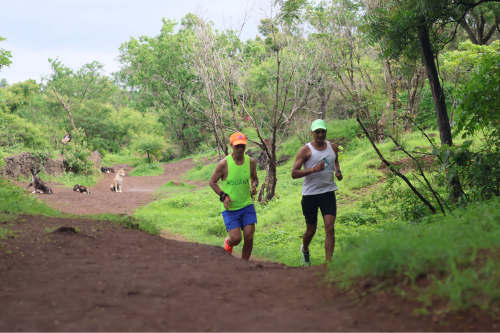
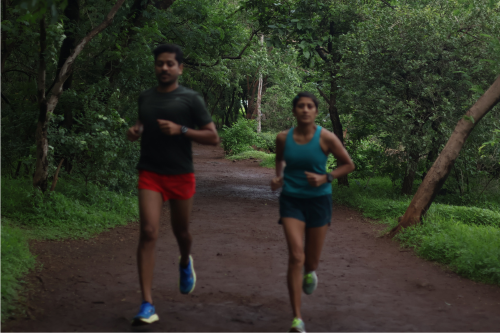
Step out for an early morning run in Mumbai or Delhi, and the air wraps around you like a warm, damp blanket. Within minutes, sweat beads up, clothes cling uncomfortably, and what should feel invigorating quickly turns into a test of endurance. India's climate hot, humid, and often unforgiving transforms a simple jog into a real challenge. That is precisely why runners across the country are embracing specialized gear that does more than just cover the body. Running gear designed for India's climate places strong emphasis on moisture management, turning those sticky, uncomfortable sessions into far more manageable and enjoyable experiences.
From bustling urban streets to quieter park trails, enthusiasts are discovering apparel engineered to pull sweat away from the skin, dry rapidly, and promote free air circulation. This approach goes beyond fleeting trends. It delivers practical performance where weather conditions rarely cooperate. Polyester blends crafted for superior wicking, combined with thoughtful designs that minimize chafing, directly tackle the realities of tropical running.
Tired of gear that slows you down? Chafing, soggy fabrics, and missing pockets kill your run's momentum. At Aguante, we're runners who get it. Our high-performance activewear features moisture-wicking fabrics, ergonomic designs, and smart storage to keep you focused. Shop Now!
The Unique Challenges of Running in India's Heat and Humidity
India's varied landscapes create equally diverse running conditions. Coastal cities such as Chennai and Kolkata frequently see temperatures above 30°C paired with humidity levels nearing 80 percent. Northern regions contend with intense dry heat that still drains energy reserves. Monsoon seasons introduce slippery paths and even heavier, moisture-laden air.
For years, traditional cotton served as a go-to fabric, yet it absorbs sweat and holds onto it, leaving garments heavy and skin prone to irritation. Runners everywhere recognize the familiar frustration: that mid-run discomfort that pulls focus away from the steady rhythm of breath and footsteps. Contemporary solutions redirect attention toward advanced fabrics that actively transport moisture outward. This process supports natural evaporation, helping maintain a more stable core temperature and lowering the chances of overheating or skin problems during extended efforts.
Advanced Fabrics and Technologies for Superior Moisture Management
Effective running apparel relies on sophisticated textile engineering. Synthetic materials, particularly polyester and nylon blends, lead the field because they excel at wicking drawing perspiration from the skin to the outer surface for swift evaporation. Strategic mesh panels enhance airflow while preserving necessary coverage, and quick-dry finishes ensure garments remain light even after heavy sweating.
Many designs now feature antimicrobial treatments to combat odor, providing welcome relief when washing cycles stretch between runs. Lightweight builds reduce unnecessary bulk, and incorporated stretch allows unrestricted movement whether dodging traffic on crowded sidewalks or navigating uneven trails in local parks. In India's demanding climate, these elements prove essential rather than optional, often determining whether a runner cuts a session short or continues with growing confidence.
Selecting the Ideal Tops and Base Layers
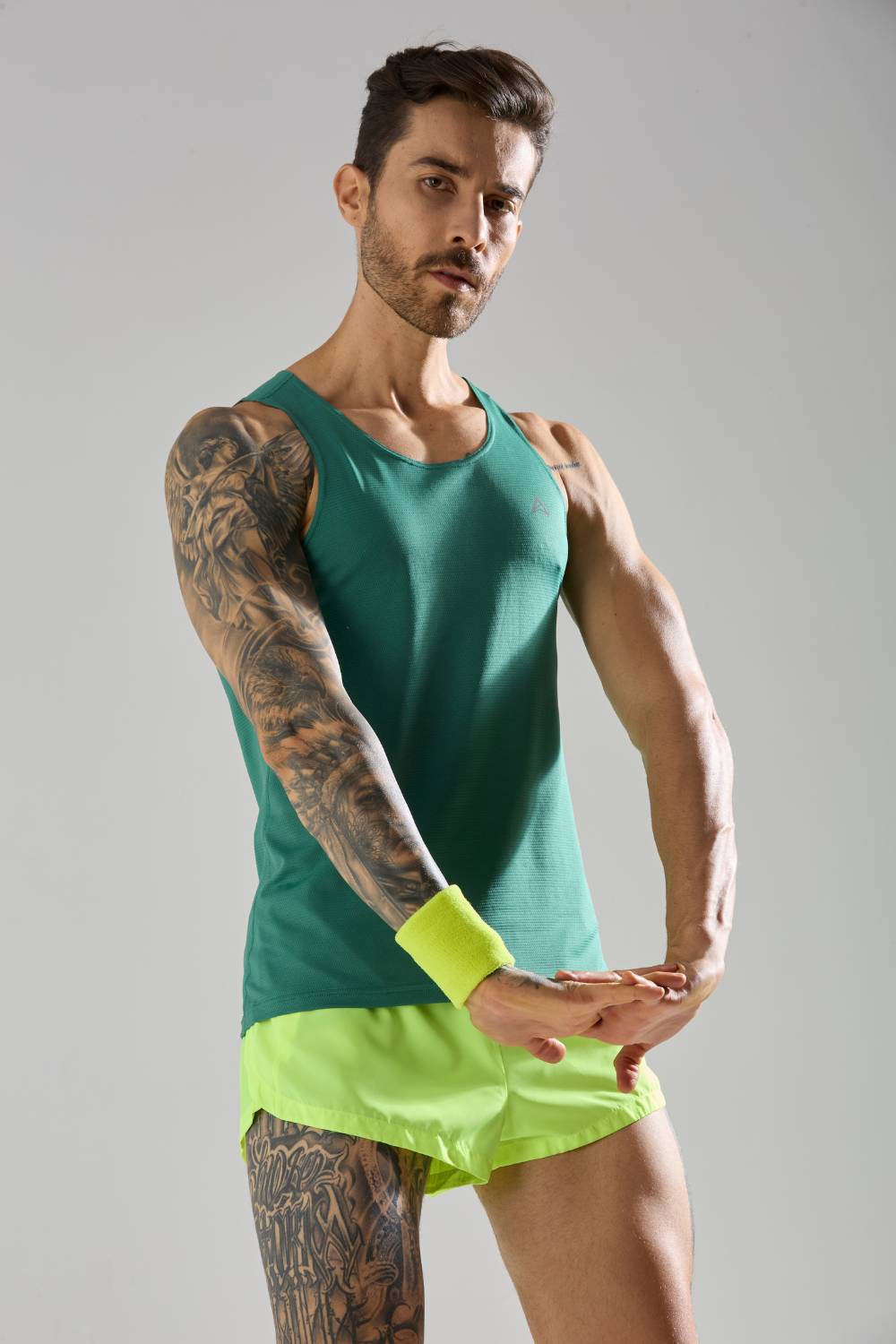
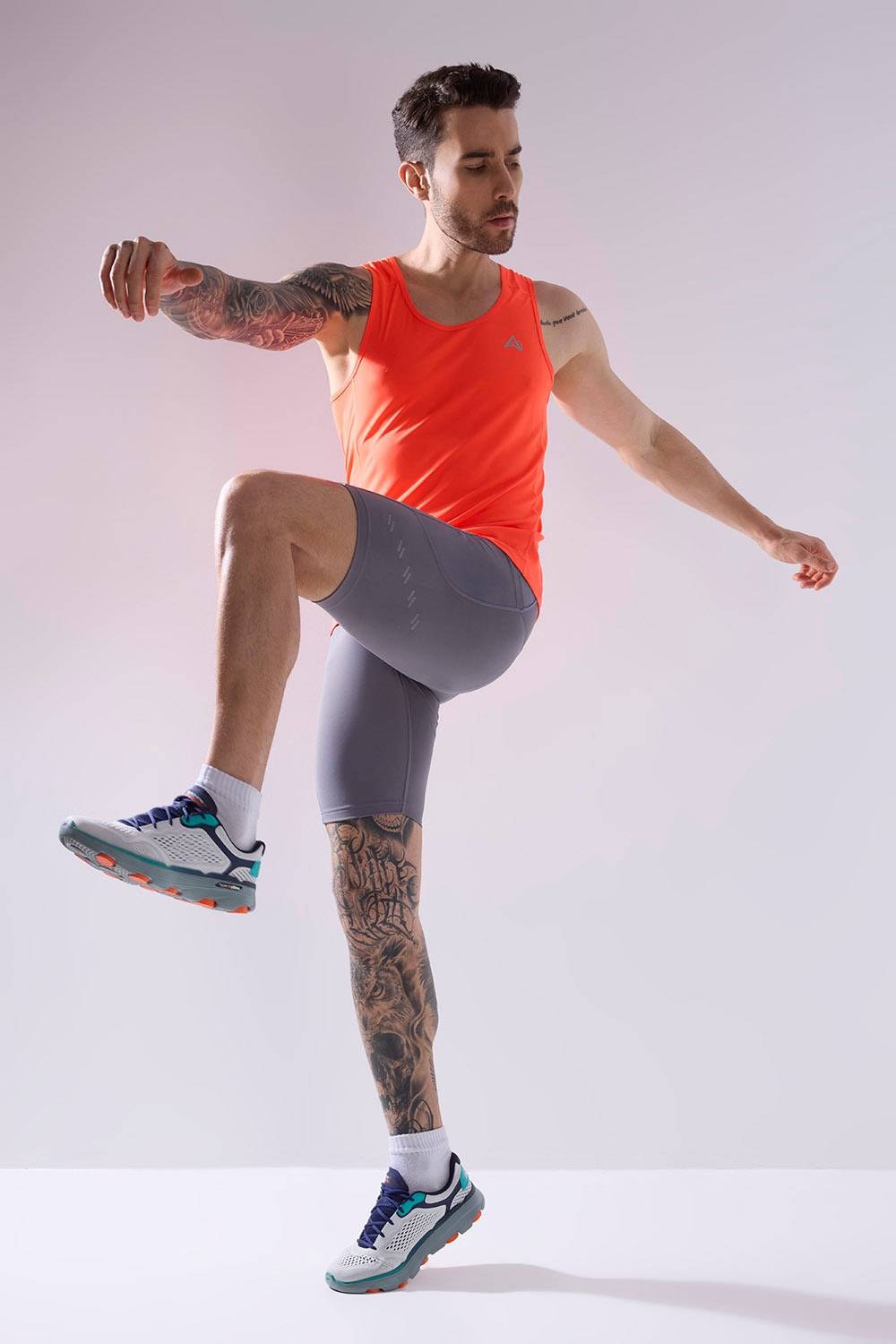
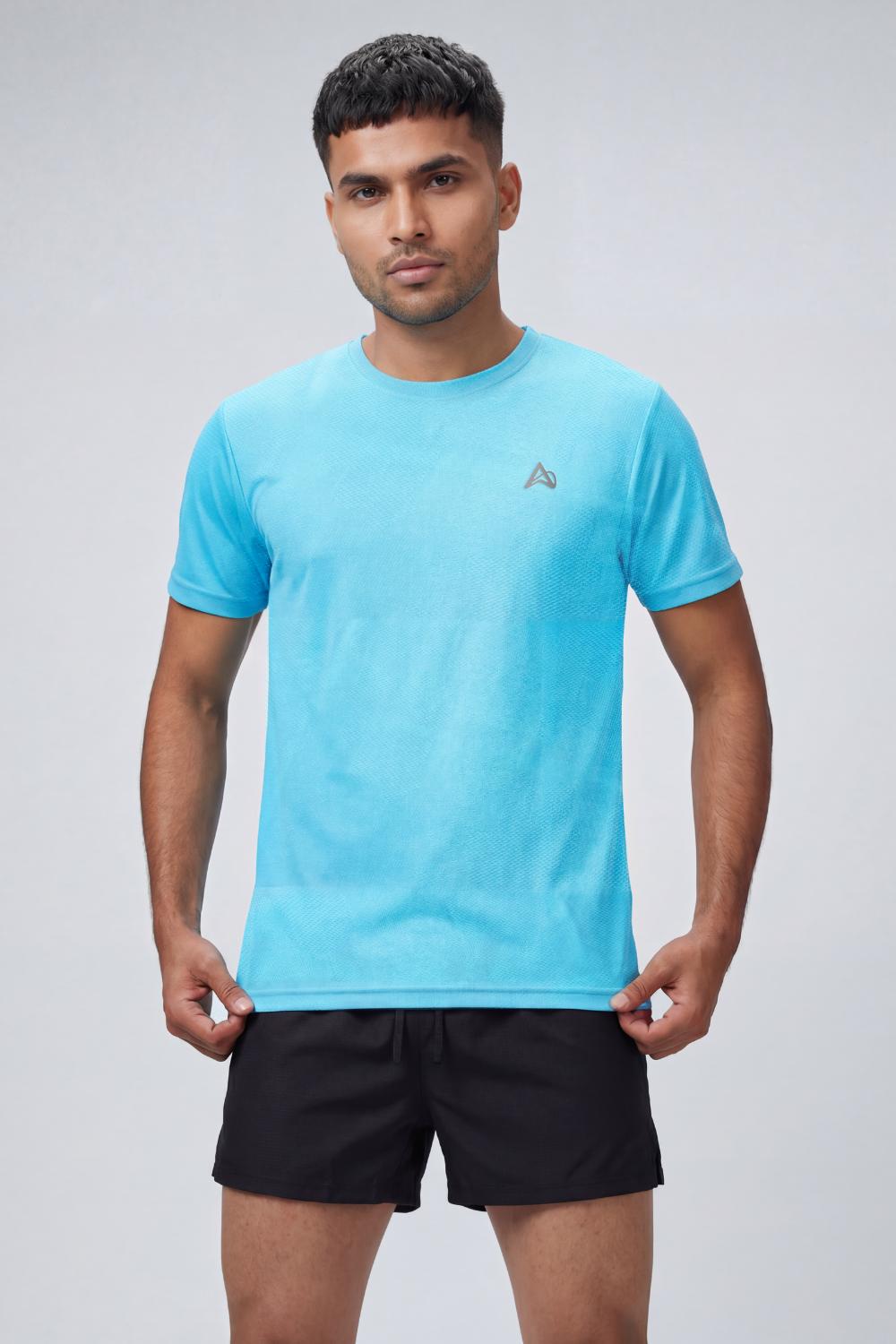
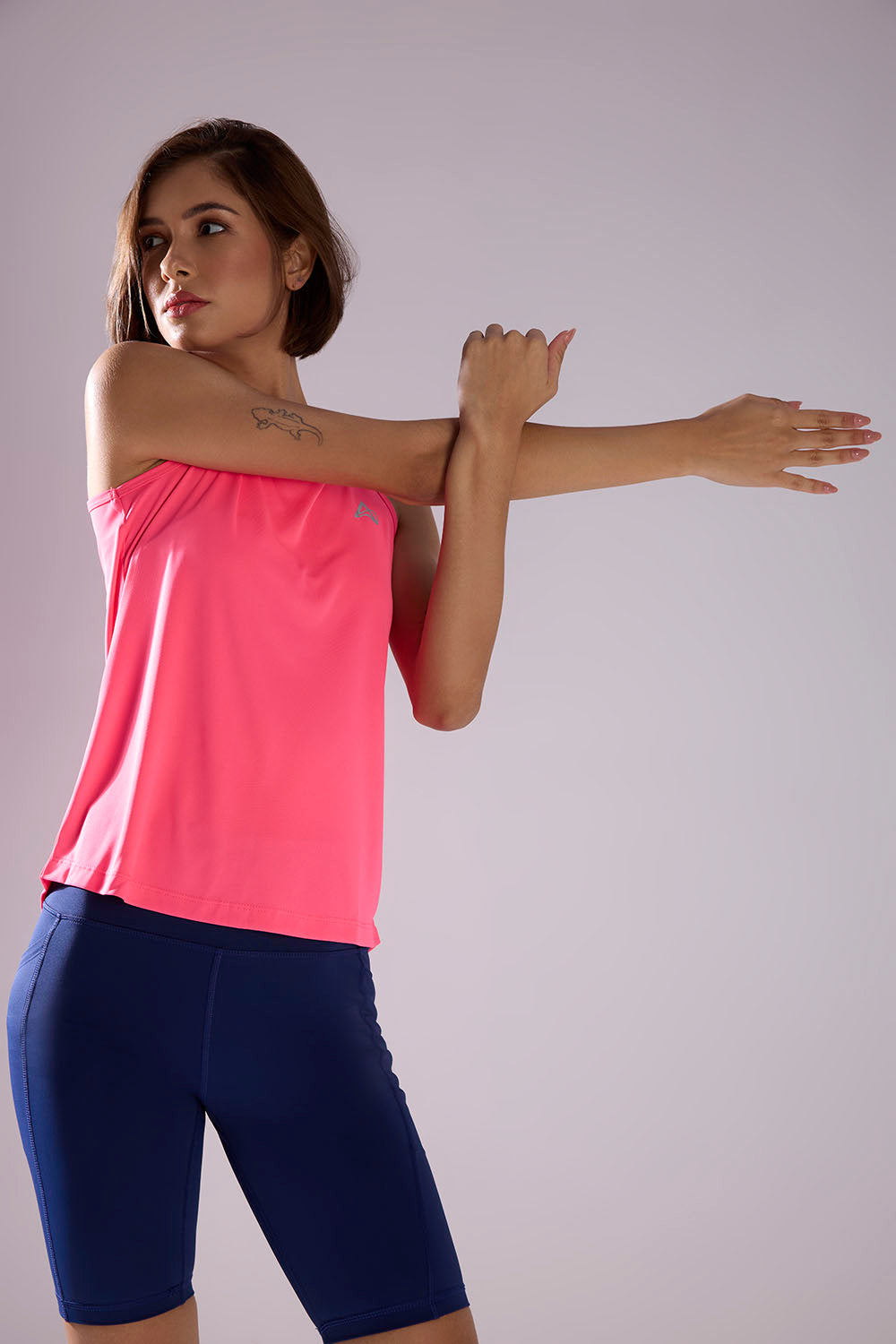
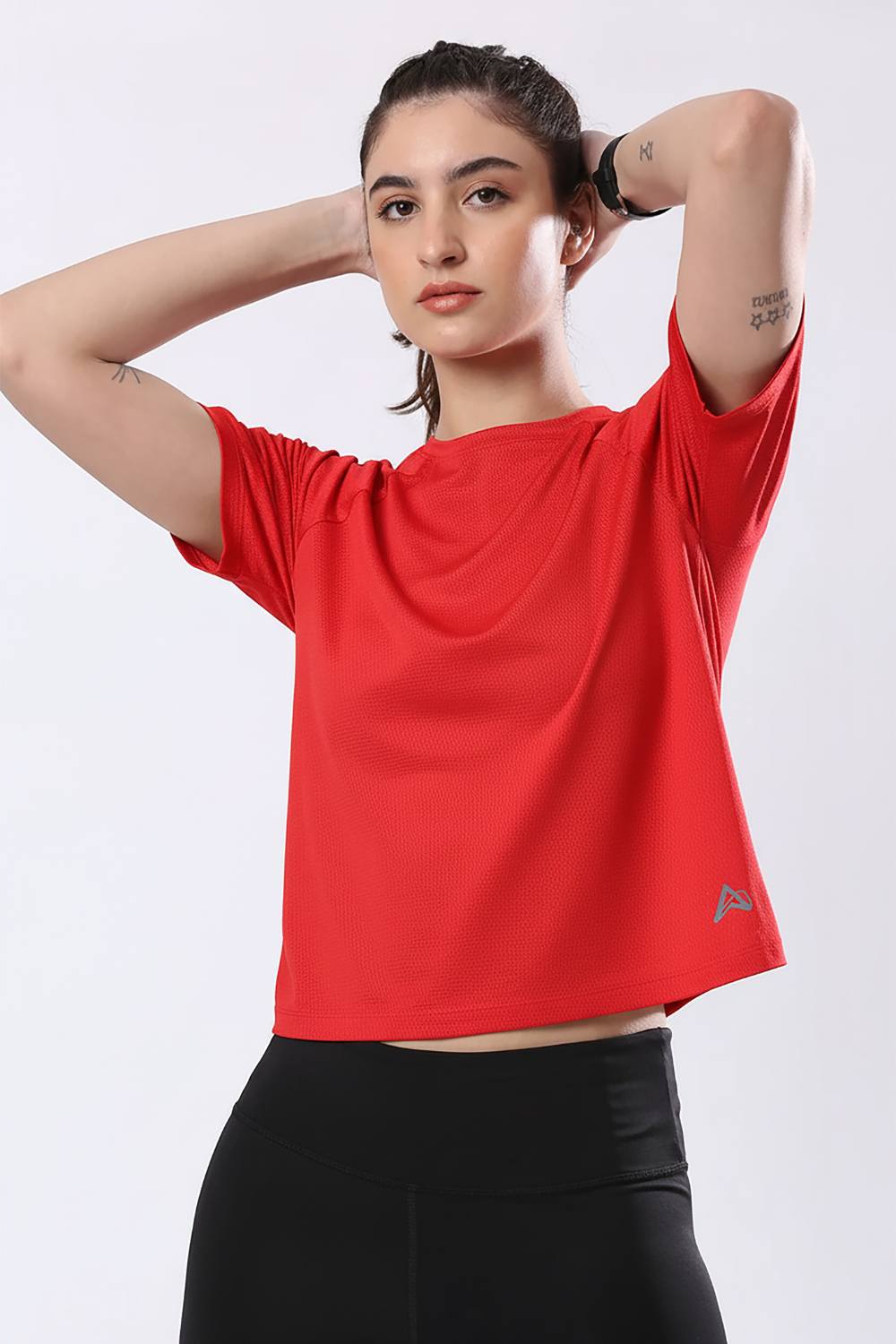
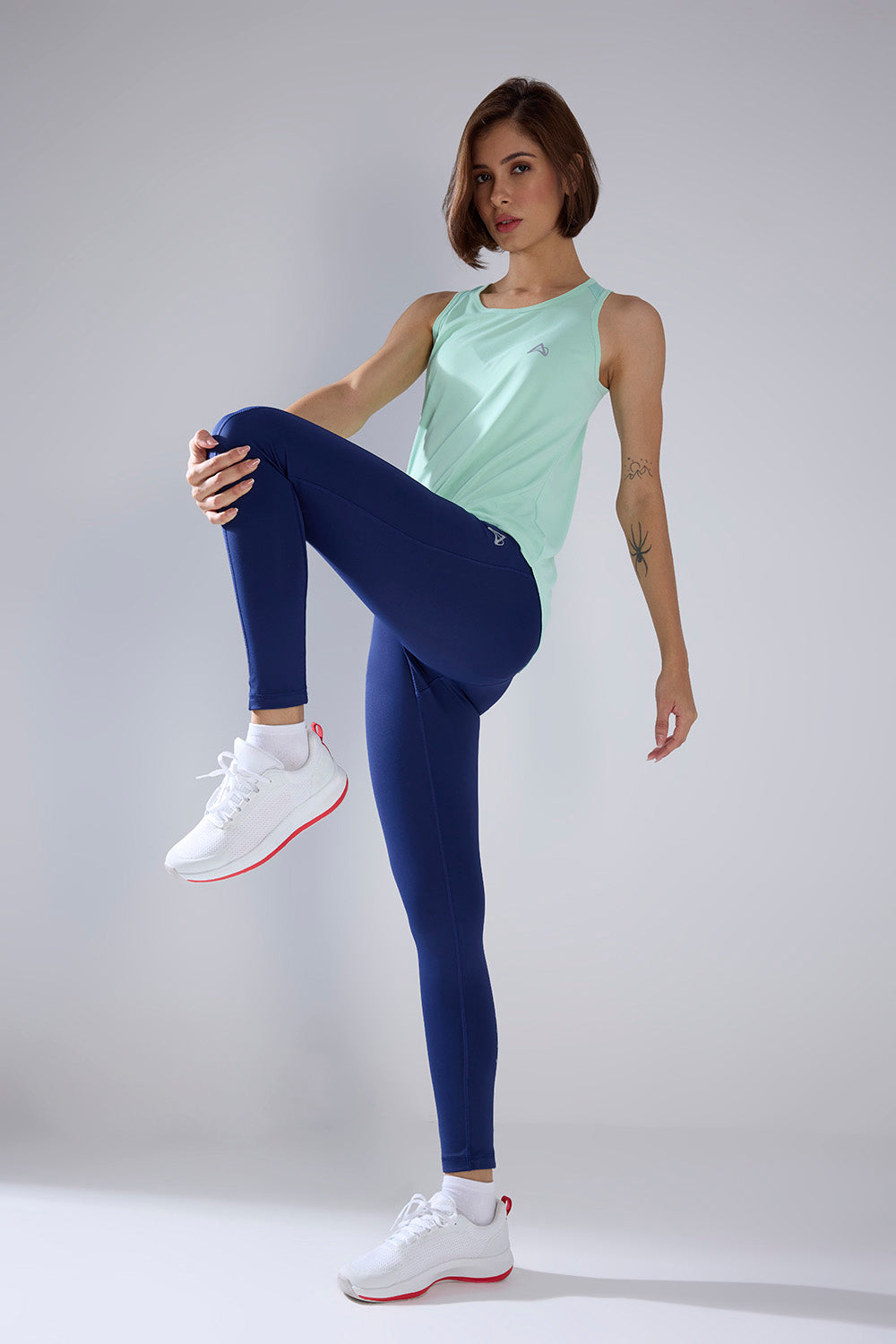
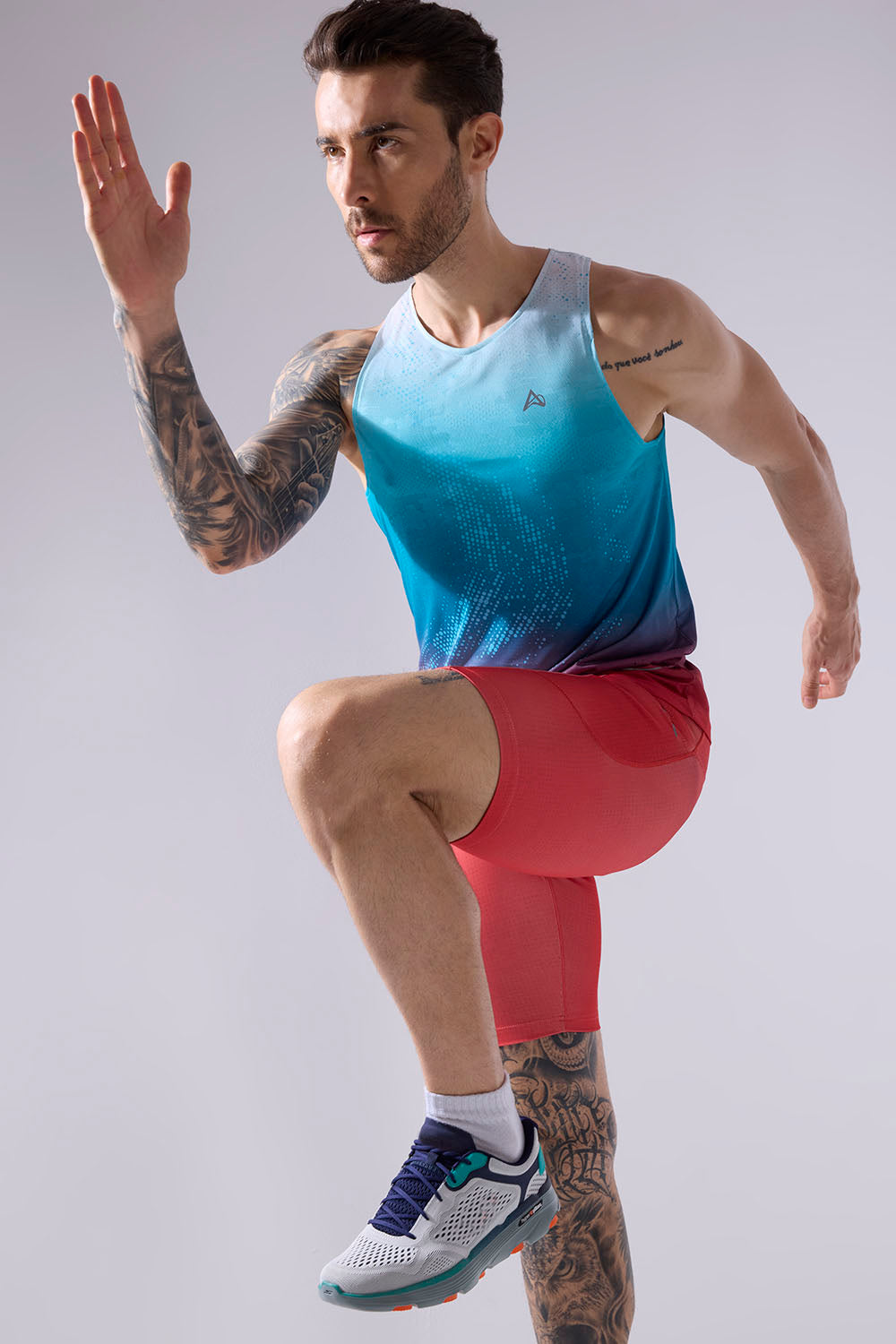
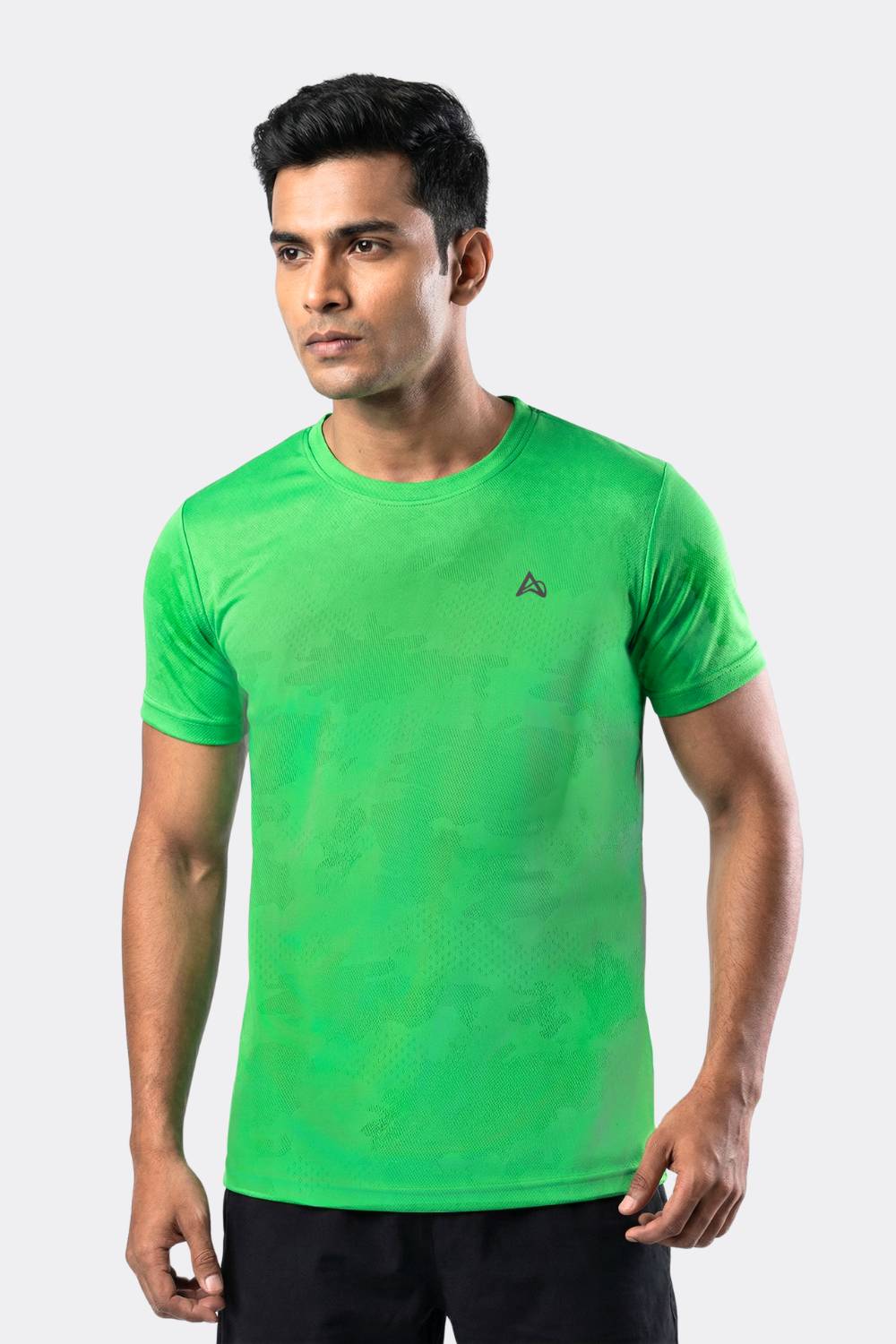
A quality running top establishes the foundation for any outing. Prioritize short-sleeve or sleeveless styles offering ample ventilation and flat, chafe-resistant seams. Moisture-wicking polyester typically serves as the primary material, frequently blended with spandex to deliver a comfortable fit that follows body motion smoothly.
In humid environments, many runners favor slightly looser silhouettes that encourage air movement over restrictive compression garments, although targeted support in critical zones remains beneficial. Reflective accents enhance visibility and safety during low-light early or evening runs. The strongest options skillfully merge technical capability with versatile everyday wear, allowing the same shirt to move seamlessly from training to casual use.
Shorts and Lower-Body Options Tailored for Comfort
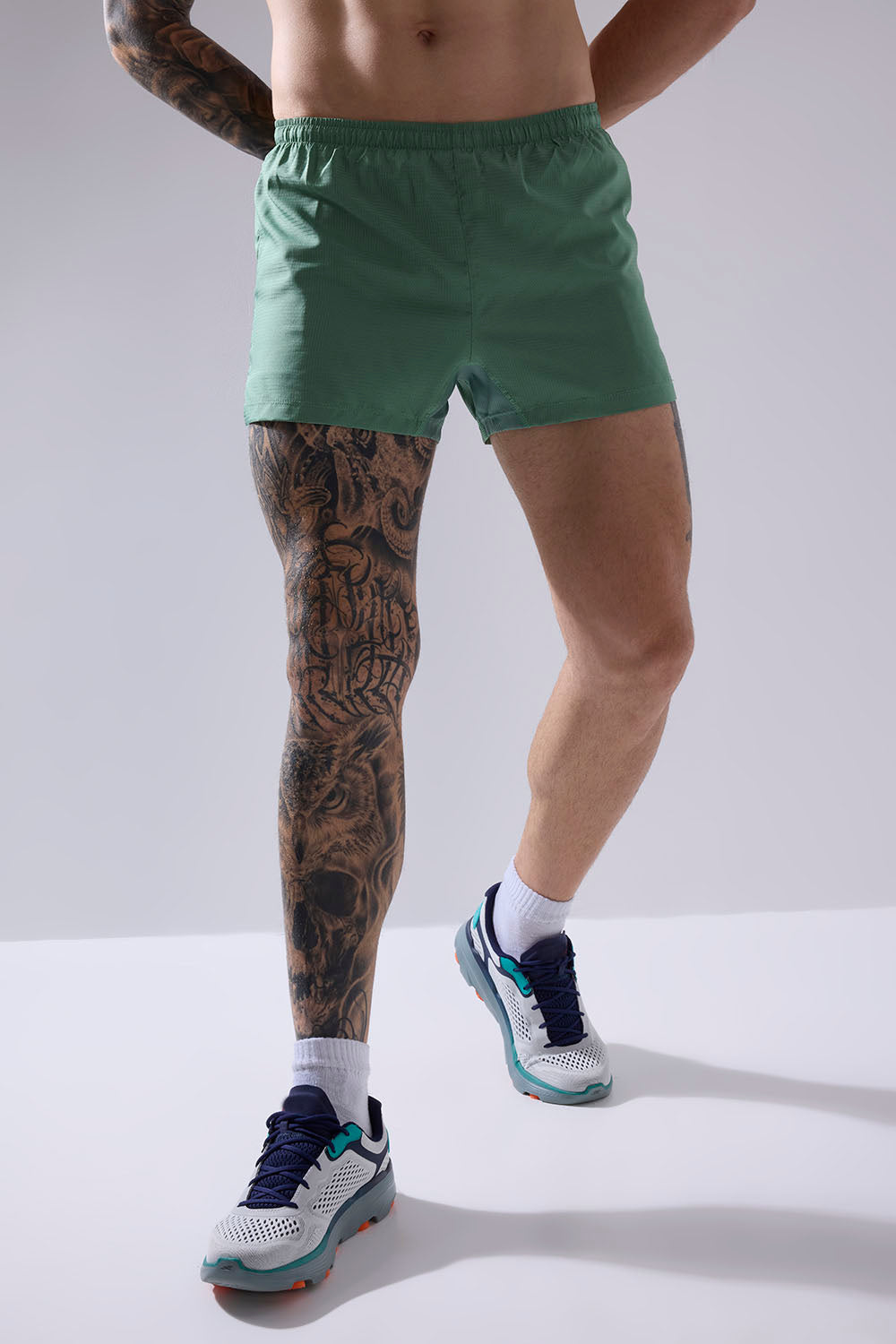
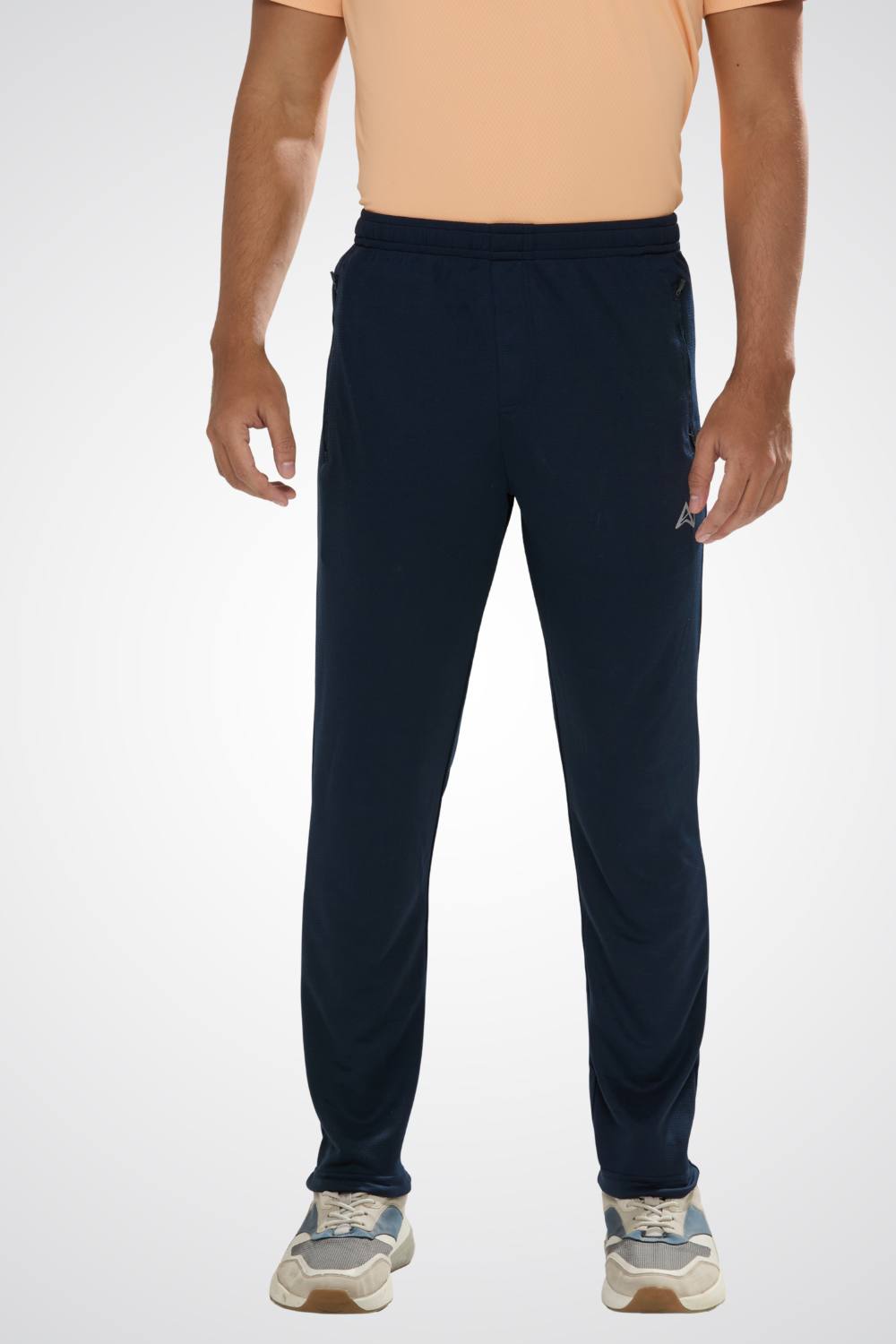
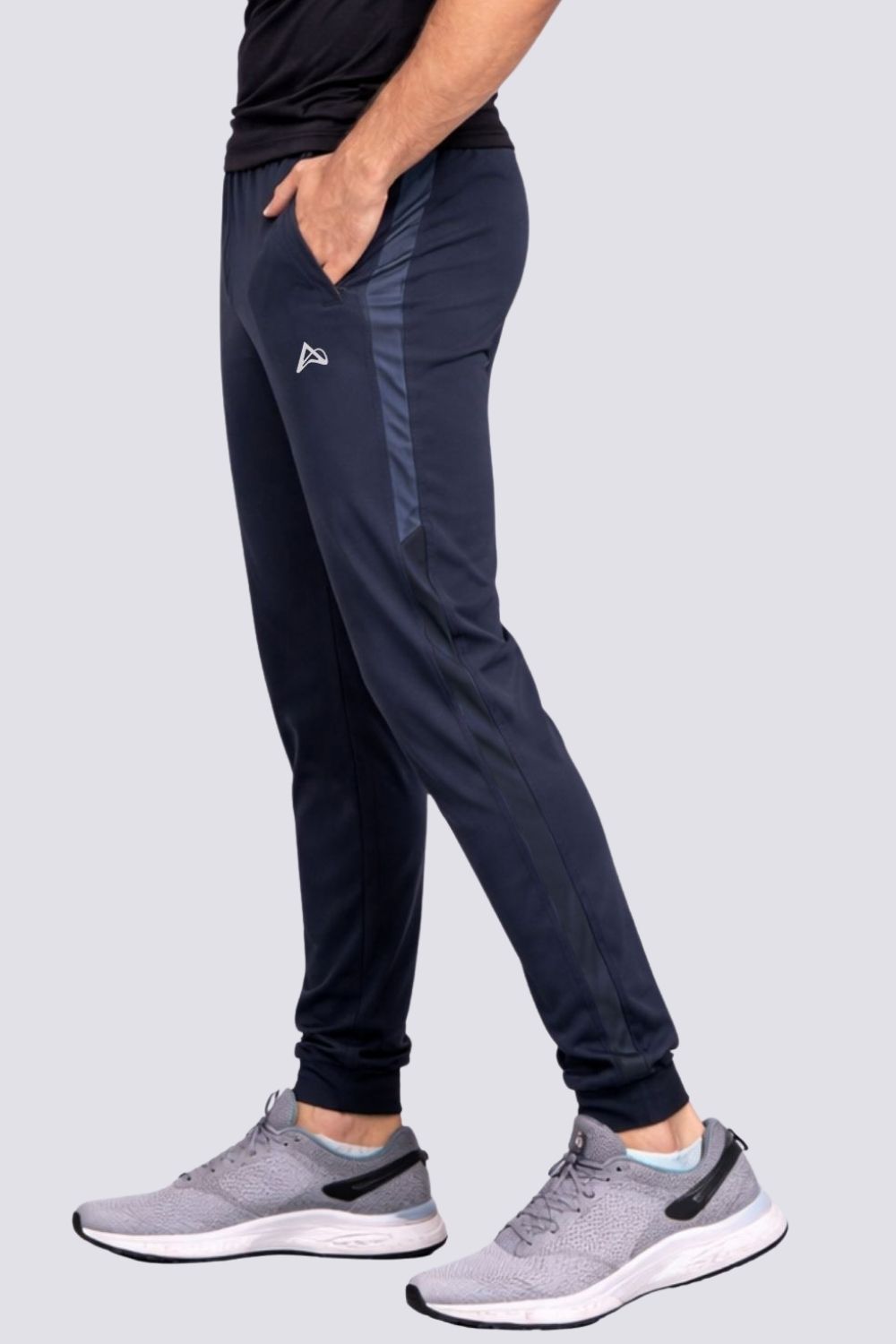
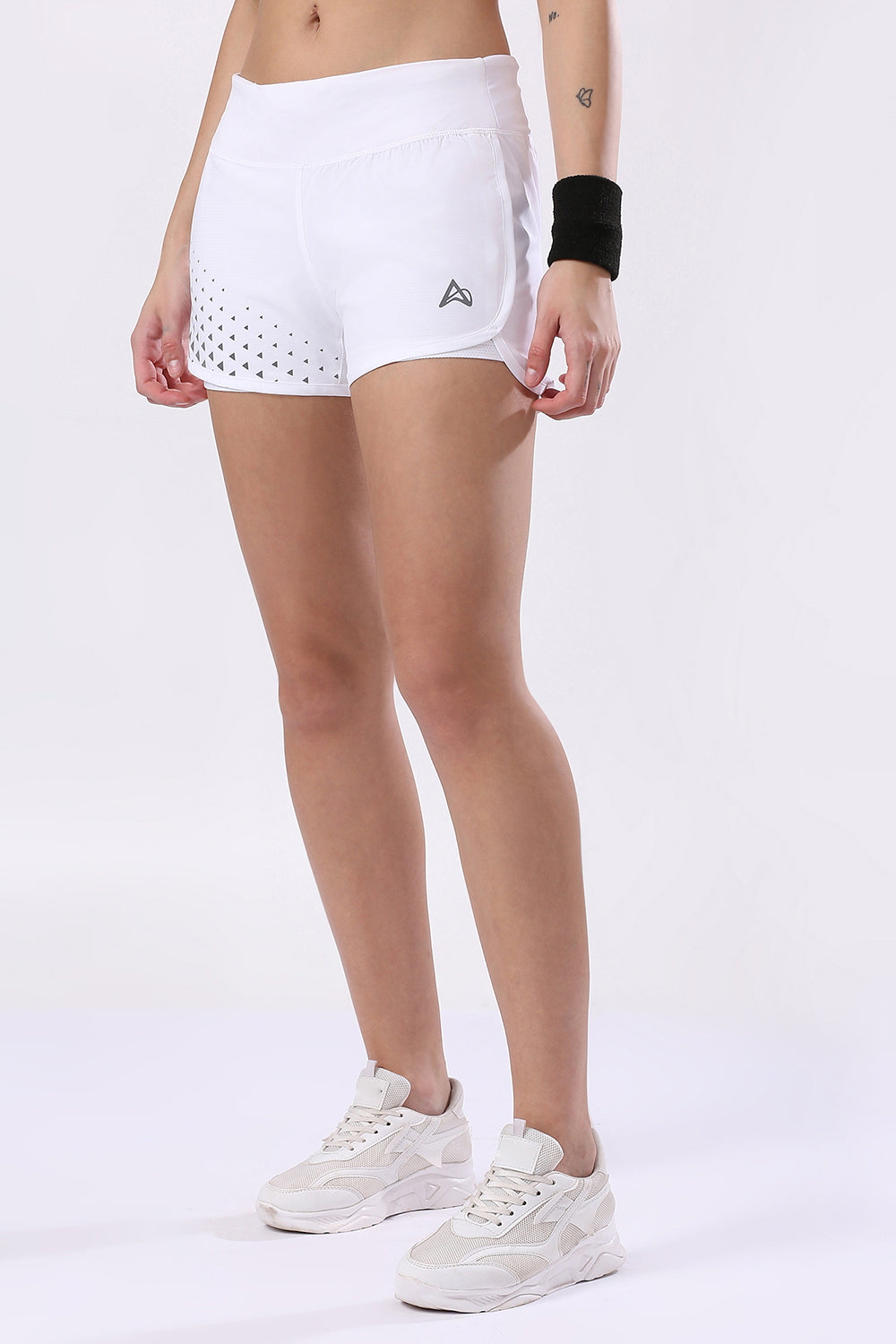
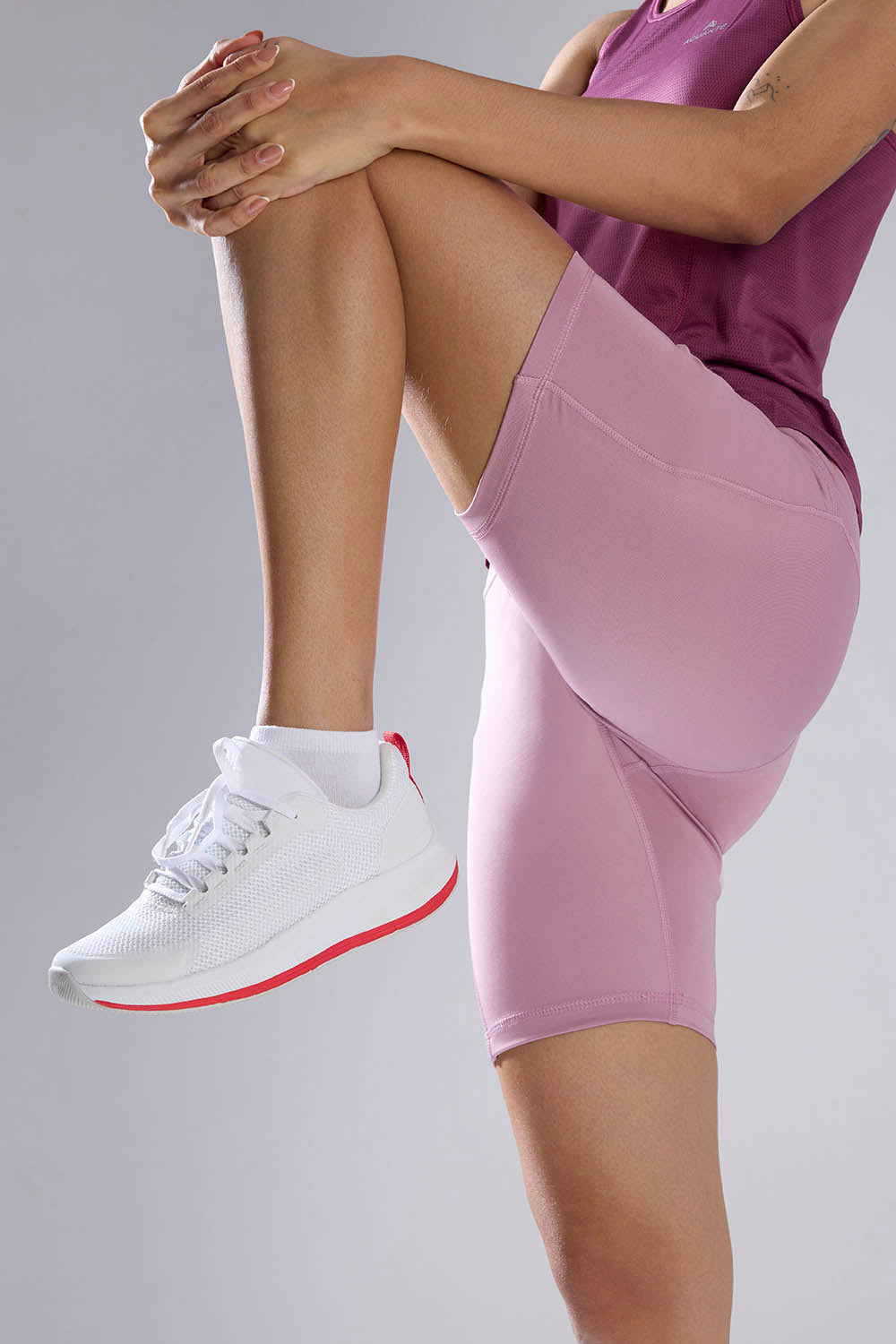
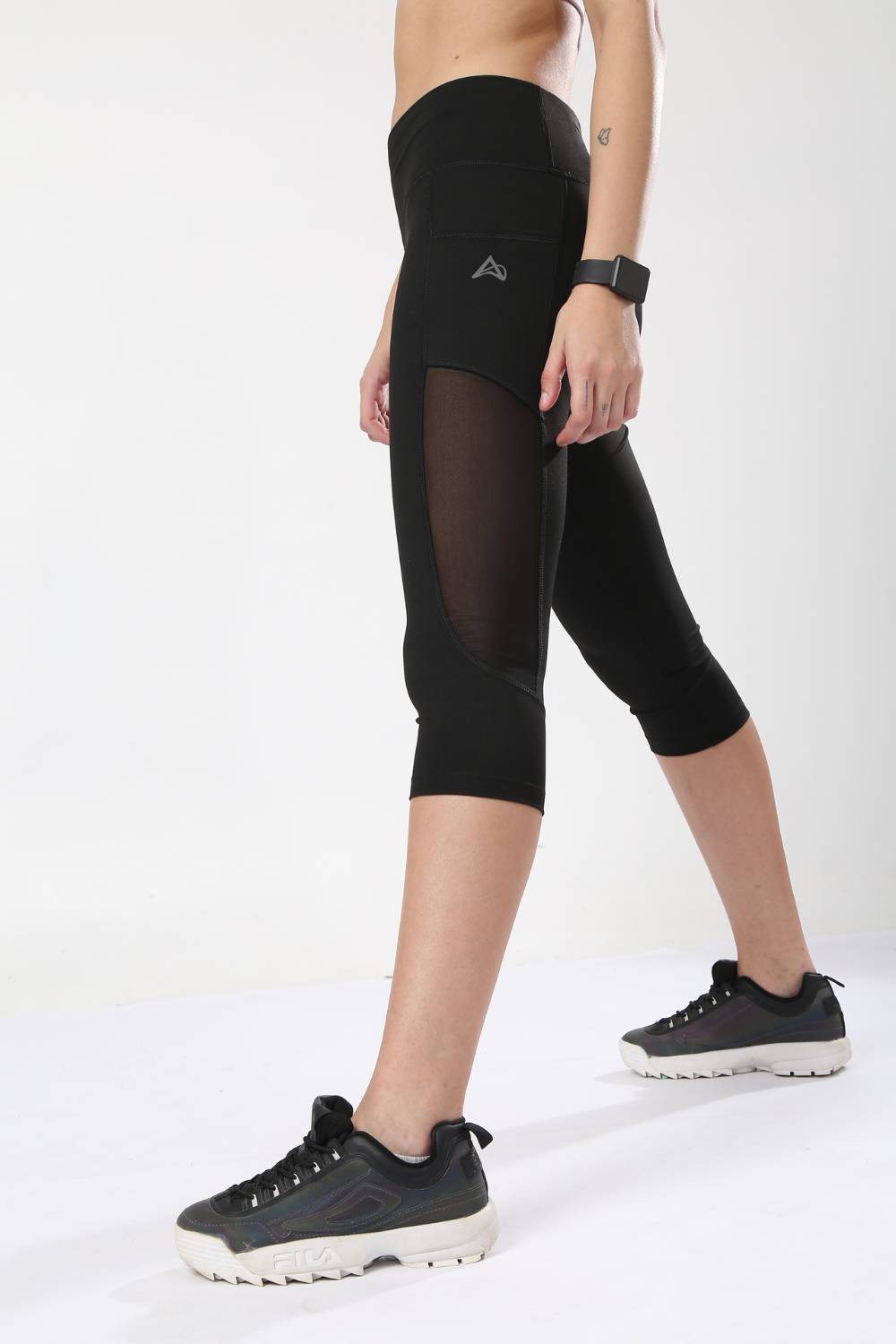
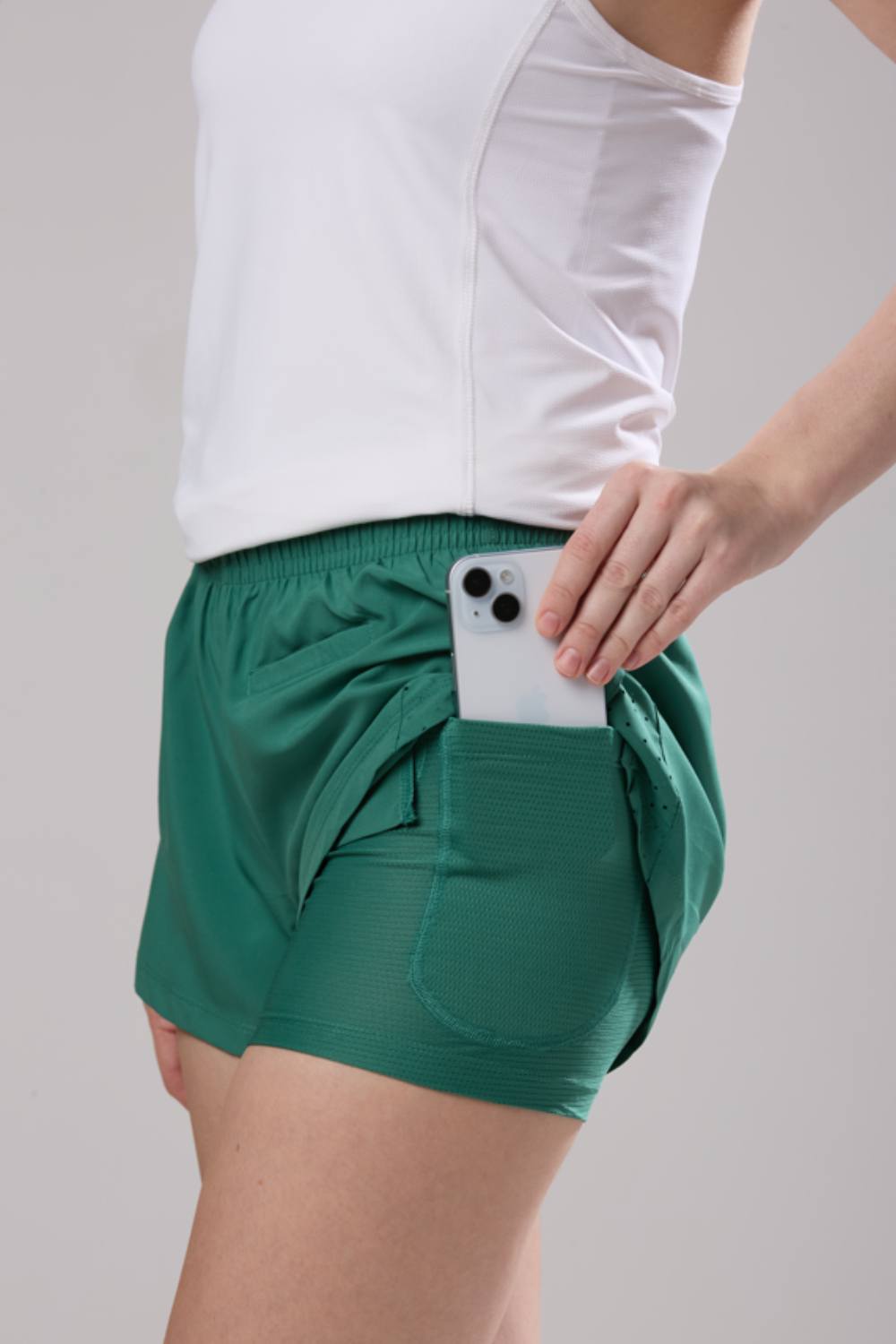
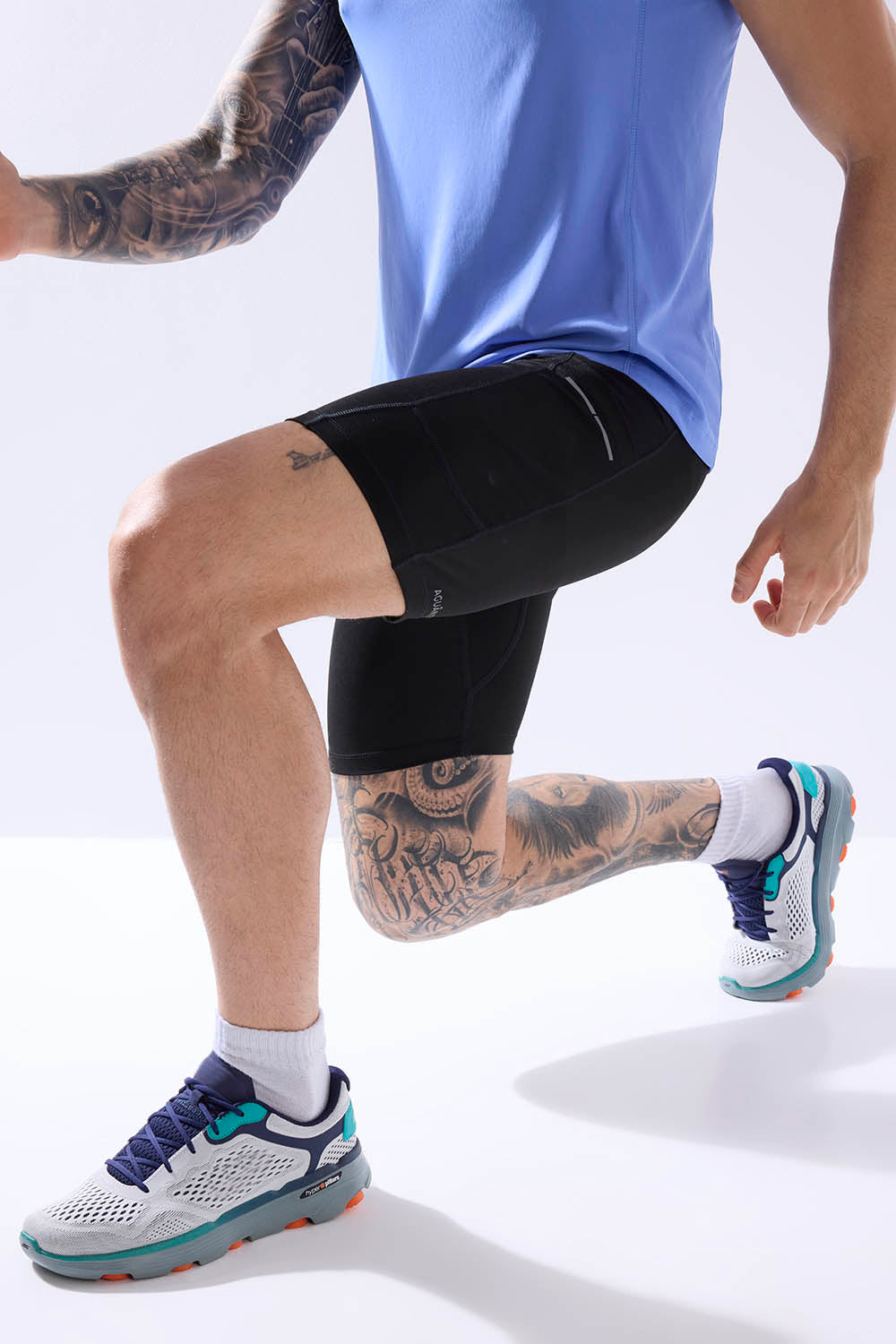
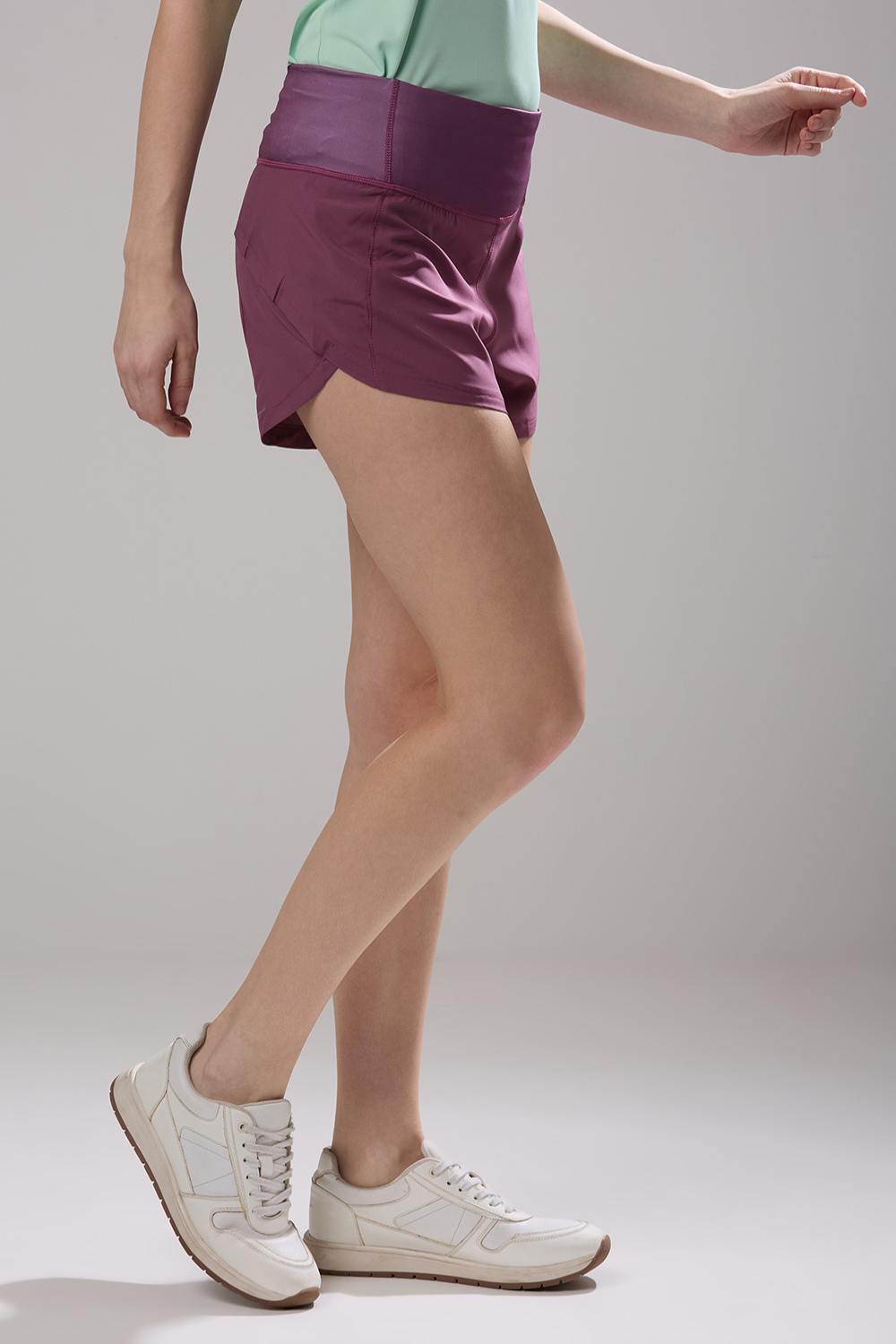
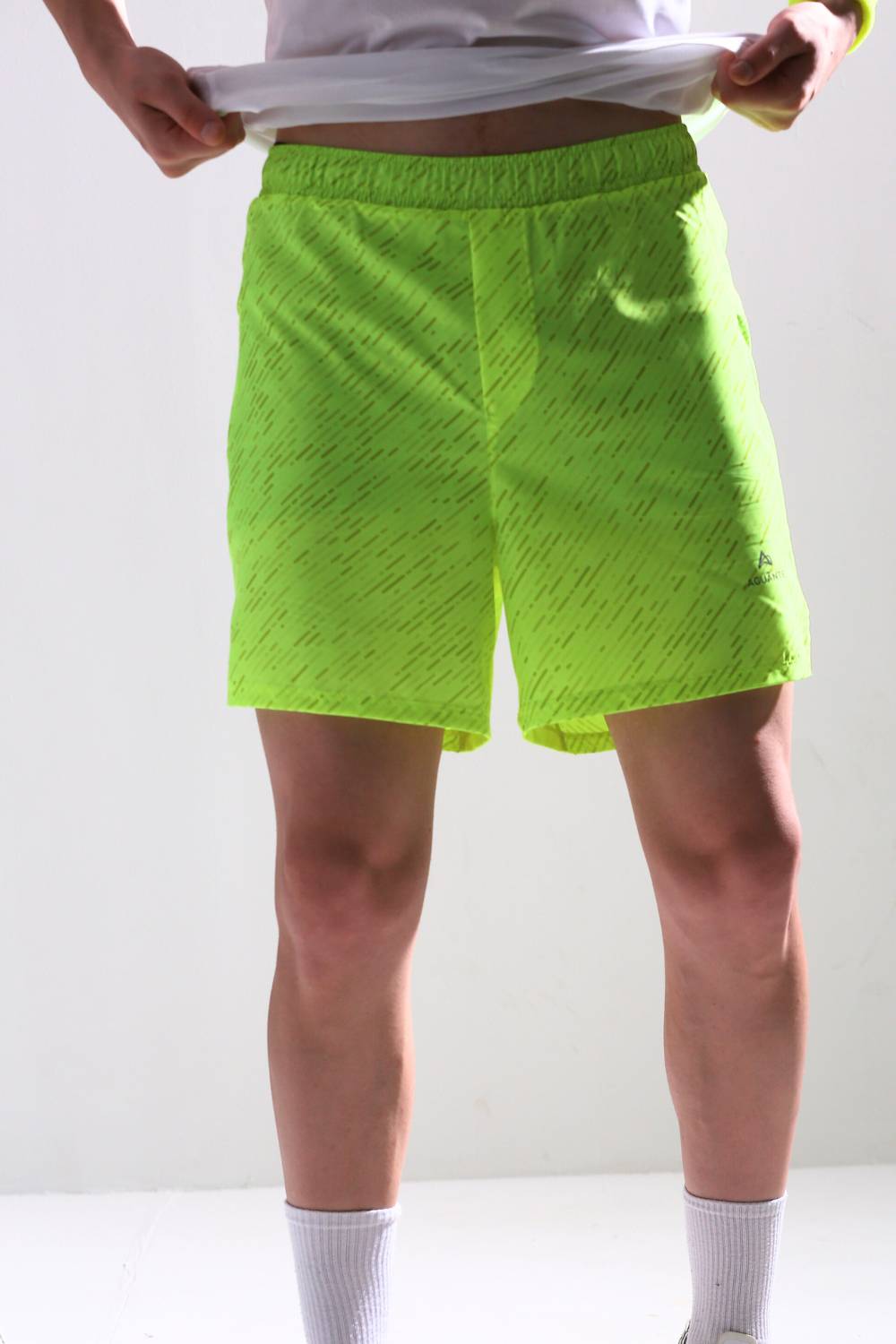
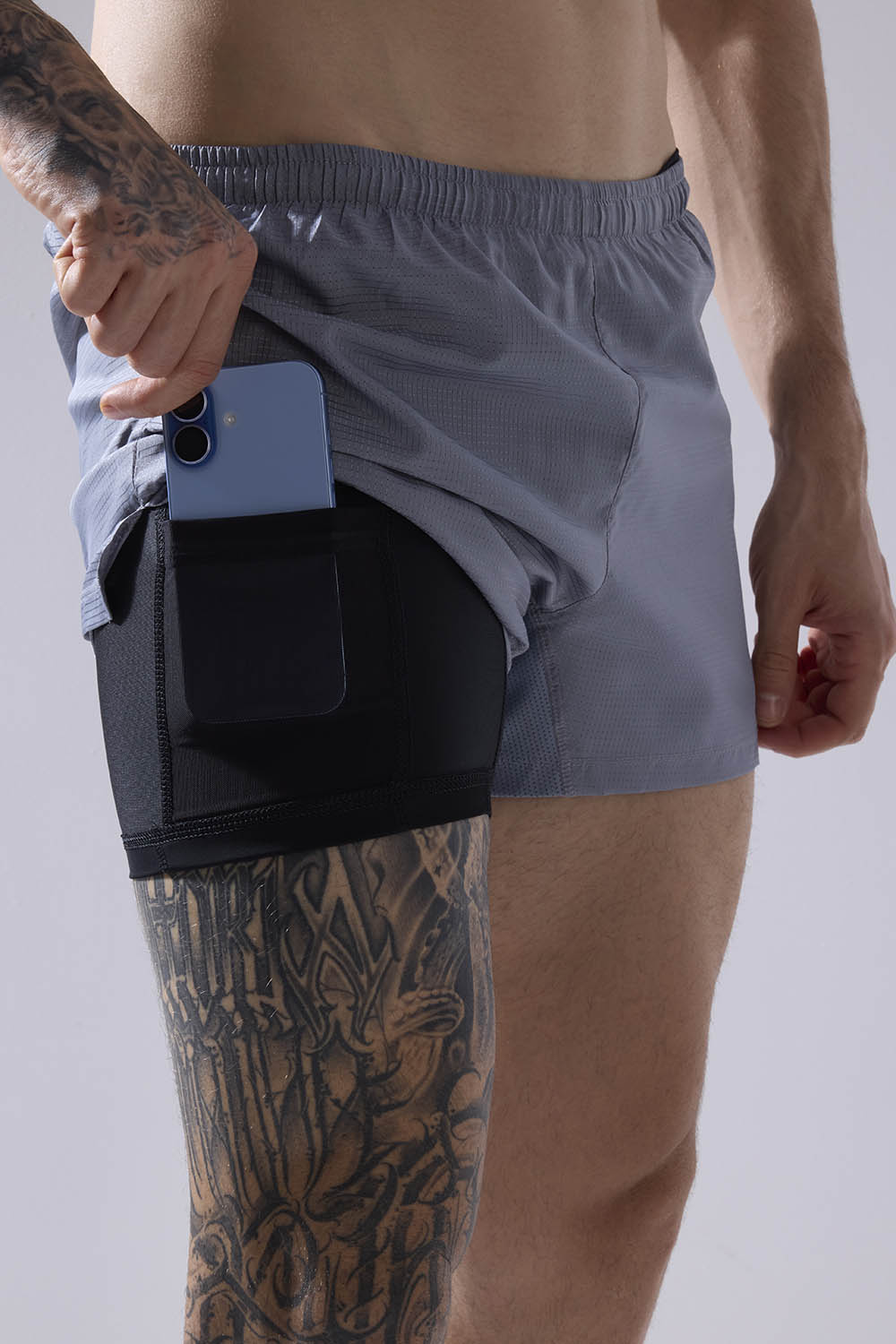
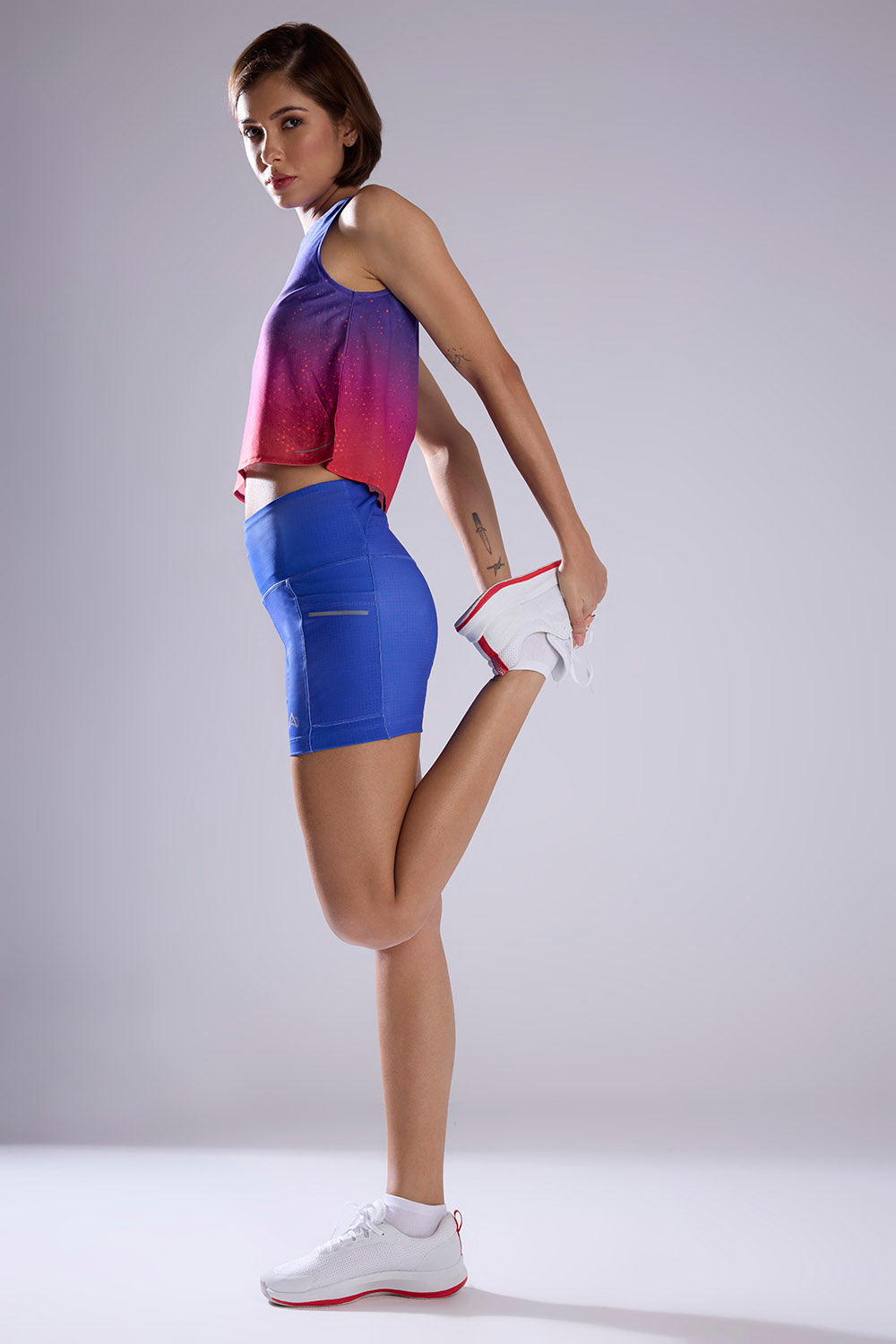
Running shorts or tights must remain secure without causing irritation, particularly in areas where sweat tends to gather. Lightweight fabrics incorporating built-in liners or inner briefs help reduce chafing, while side vents and mesh inserts improve breathability. Secure yet accessible pockets prove invaluable for carrying small essentials like keys, energy gels, or a smartphone without introducing unwanted bounce.
In regions prone to sudden showers, quick-drying materials prevent that heavy, waterlogged sensation. Certain pieces also provide subtle UV protection, offering skin defense during midday outings or runs at higher altitudes where sunlight intensity increases dramatically.
Essential Accessories That Enhance the Complete System
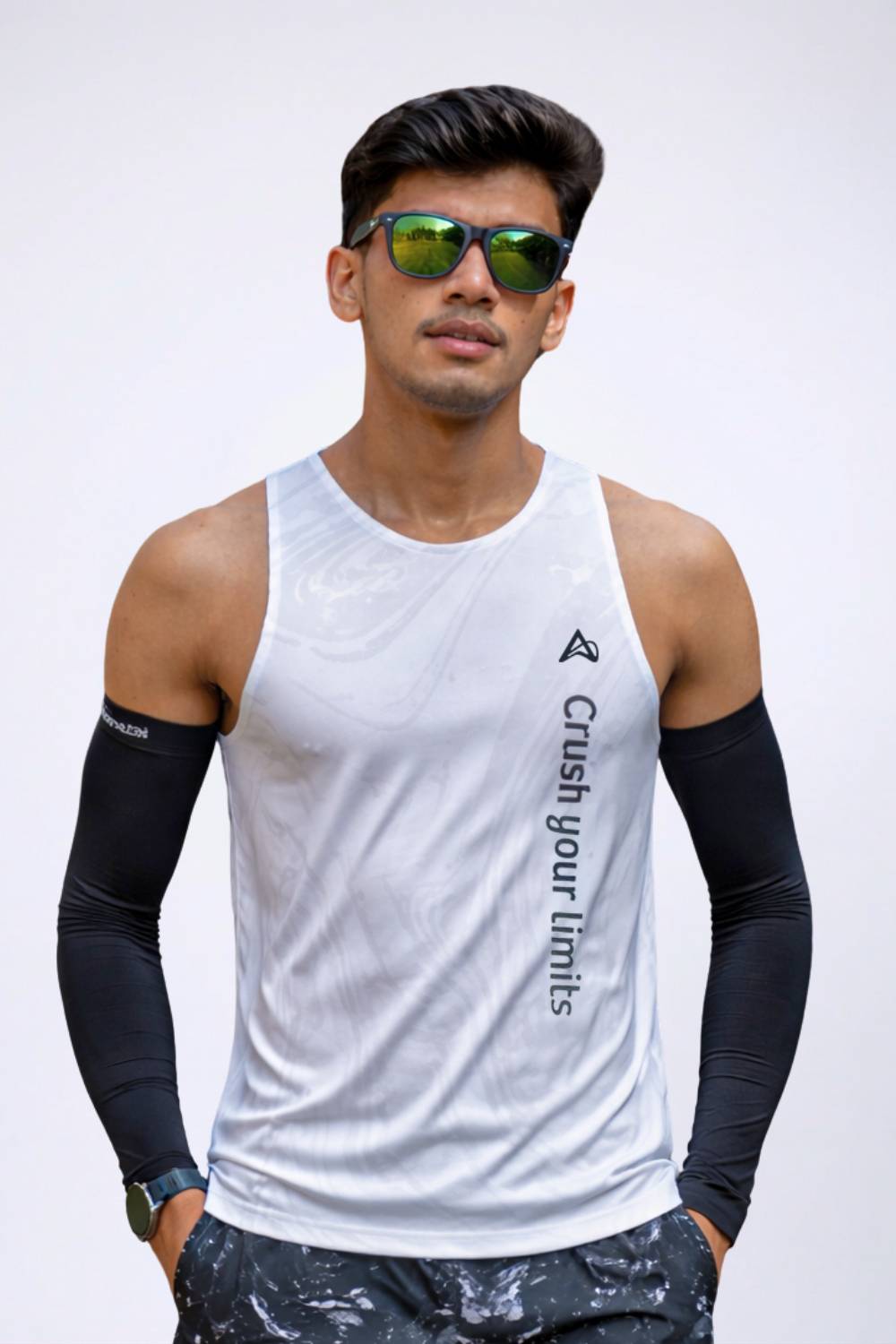
Moisture management principles extend well beyond main garments. Technical socks crafted from advanced blends keep feet drier and significantly reduce blister risk especially important when humidity makes every surface feel slick. Hats or visors featuring mesh zones effectively wick sweat from the brow, and lightweight arm sleeves or gloves deliver sun protection while avoiding heat buildup.
Hydration vests and belts designed with breathable straps round out the ensemble, enabling sustained fueling without added bulk or discomfort. These thoughtful additions transform solid individual pieces into a cohesive, climate-adapted system that supports consistent performance.
Real-World Impact of Climate-Adapted Running Gear
Picture lacing up before sunrise in Bengaluru. The air hangs thick with humidity, yet a thoughtfully selected shirt efficiently draws emerging sweat away from the skin, leaving the back remarkably dry as pace increases. Shorts equipped with targeted venting eliminate that trapped warmth around the legs. The outcome is straightforward: fewer distractions, sharper mental focus, and genuine freedom to savor the run instead of merely pushing through it.
Larger community events and marathons throughout India demonstrate this evolution clearly. Participants in races ranging from the TCS World 10K to smaller local gatherings now arrive equipped with performance apparel built to work with the climate rather than against it. Women runners, in growing numbers, particularly appreciate gender-specific designs that accommodate distinct movement patterns and sweat distribution while respecting preferences for modesty and personal style.
This rising demand aligns with broader trends in the running apparel sector. Urbanization and increased participation in fitness activities continue to fuel interest in versatile, climate-appropriate options across emerging economies.
Practical Guidance for Choosing and Maintaining Your Gear
When evaluating options, emphasize tactile feel and functional performance over prominent logos. Assess how quickly a fabric spreads and dries moisture. Examine seam positioning and overall garment weight carefully. Opt for sizing that permits slight movement to avoid constriction, particularly in humid settings where the body may swell or produce additional perspiration.
- Begin with foundational items: several high-quality wicking tops and one versatile pair of shorts.
- Layer strategically and avoid heavy outer layers unless conditions specifically require them.
- Clean technical fabrics using cold water and mild detergent to protect performance treatments.
- Allow garments to air dry whenever possible to preserve stretch and functional properties.
Consistent investment in well-made pieces delivers long-term rewards through extended durability and reliable comfort, decreasing the frequency of replacements.
Future Directions: Blending Innovation with Local Requirements
India's rich textile tradition, paired with ongoing global material advancements, suggests even more responsive solutions ahead fabrics capable of adapting dynamically to fluctuating temperature and humidity levels. Options incorporating recycled materials are gaining traction among runners who value environmental responsibility alongside personal performance gains.
The wider sportswear field continues to expand as greater numbers of people adopt active lifestyles. Features centered on sweat-wicking and breathability remain central, helping enhance physical movement while offering protection from the extreme weather conditions frequently encountered across many parts of the country.
In the end, appropriate running gear makes no unrealistic promises, yet it effectively removes unnecessary obstacles. It redirects attention to the fundamental reasons people run: pursuing better health, achieving mental clarity, building community connections, or simply experiencing the pure satisfaction of motion. Within India's challenging climate, strong moisture management converts potential hardship into sustained pleasure one comfortable, dry stride after another.
As knowledge spreads through running communities, shared experiences on social platforms, and recommendations among fellow enthusiasts, expect a wider selection of locally attuned products to become available. The core insight grows increasingly evident: apparel engineered specifically for prevailing conditions has moved well beyond niche status. It now stands as an important consideration for anyone committed to accumulating meaningful miles beneath the Indian sun.
Frequently Asked Questions
What is the best fabric for running clothes in India's hot and humid weather?
Polyester and nylon blends are the top choices for running in India's climate, as they excel at wicking moisture away from the skin and drying quickly. Unlike traditional cotton, which absorbs sweat and stays heavy, these synthetic fabrics actively transport perspiration to the outer surface for faster evaporation. Many performance garments also include antimicrobial treatments to control odor and spandex blends for a flexible, comfortable fit.
How does moisture-wicking running gear improve performance in Indian conditions?
Moisture-wicking gear helps maintain a more stable core body temperature by supporting natural sweat evaporation, reducing the risk of overheating during runs in cities like Mumbai, Chennai, or Delhi. By keeping skin drier, it also minimizes chafing and irritation common issues when humidity levels approach 80%. The result is fewer physical distractions, allowing runners to stay focused and complete longer sessions with greater comfort.
What running accessories are essential for managing sweat and heat in India?
Beyond tops and shorts, technical socks made from moisture-wicking blends are critical for keeping feet dry and preventing blisters on humid days. Mesh-paneled hats or visors help wick sweat from the forehead, while lightweight arm sleeves can provide UV protection without trapping heat. Hydration vests and belts with breathable straps complete the system, ensuring runners stay fueled and comfortable across longer distances in India's demanding weather.
Disclaimer: The above helpful resources content contains personal opinions and experiences. The information provided is for general knowledge and does not constitute professional advice.
You may also be interested in: Running Gear Designed for India's Climate Goes Viral - Aguante
Tired of gear that slows you down? Chafing, soggy fabrics, and missing pockets kill your run's momentum. At Aguante, we're runners who get it. Our high-performance activewear features moisture-wicking fabrics, ergonomic designs, and smart storage to keep you focused. Shop Now!
Powered by flareAI.co