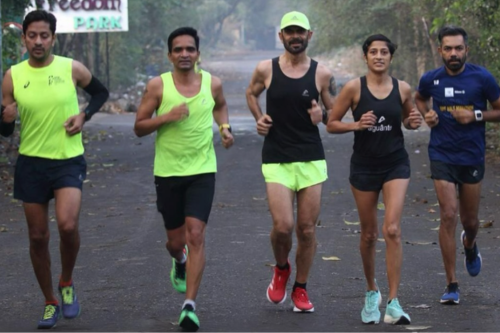
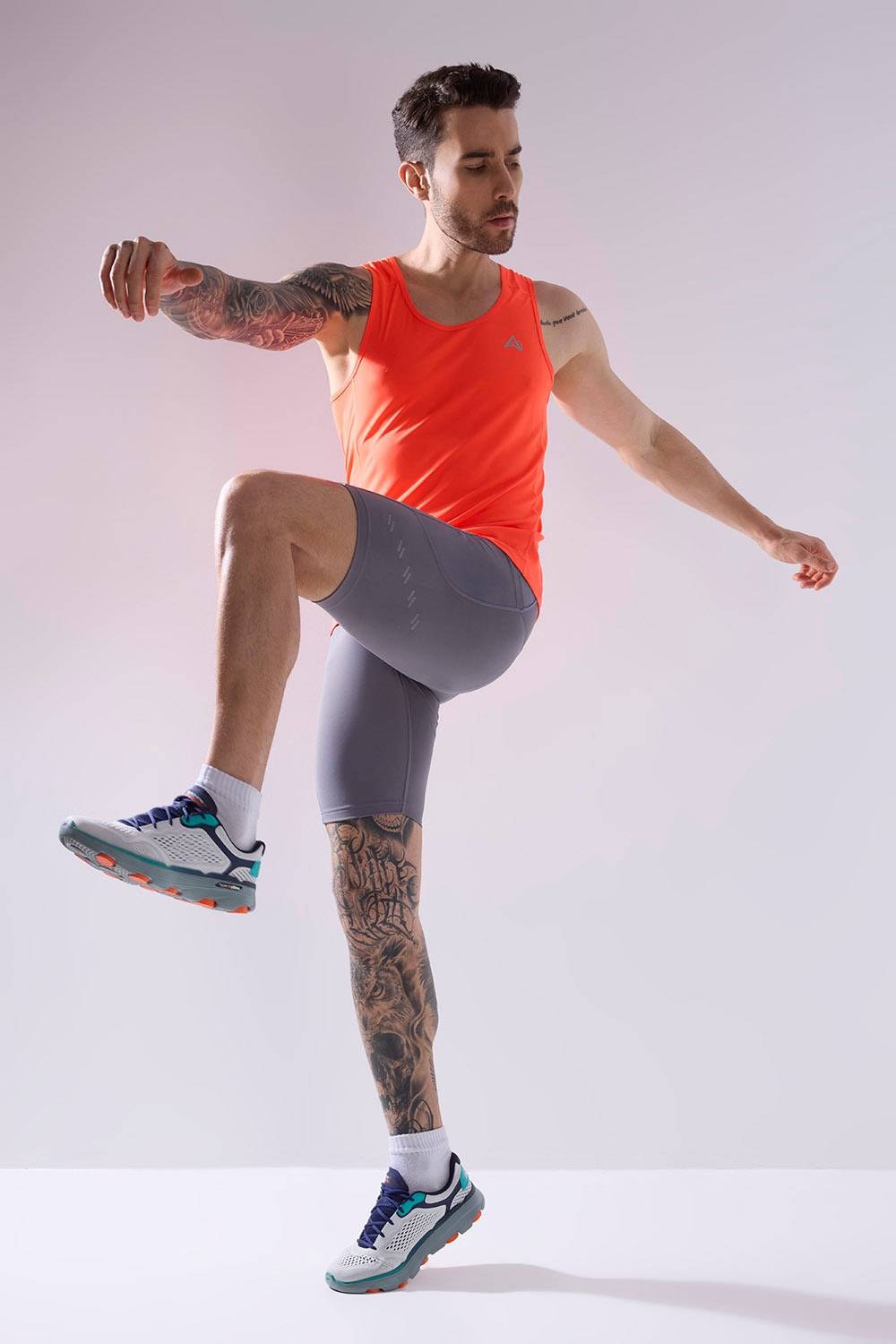
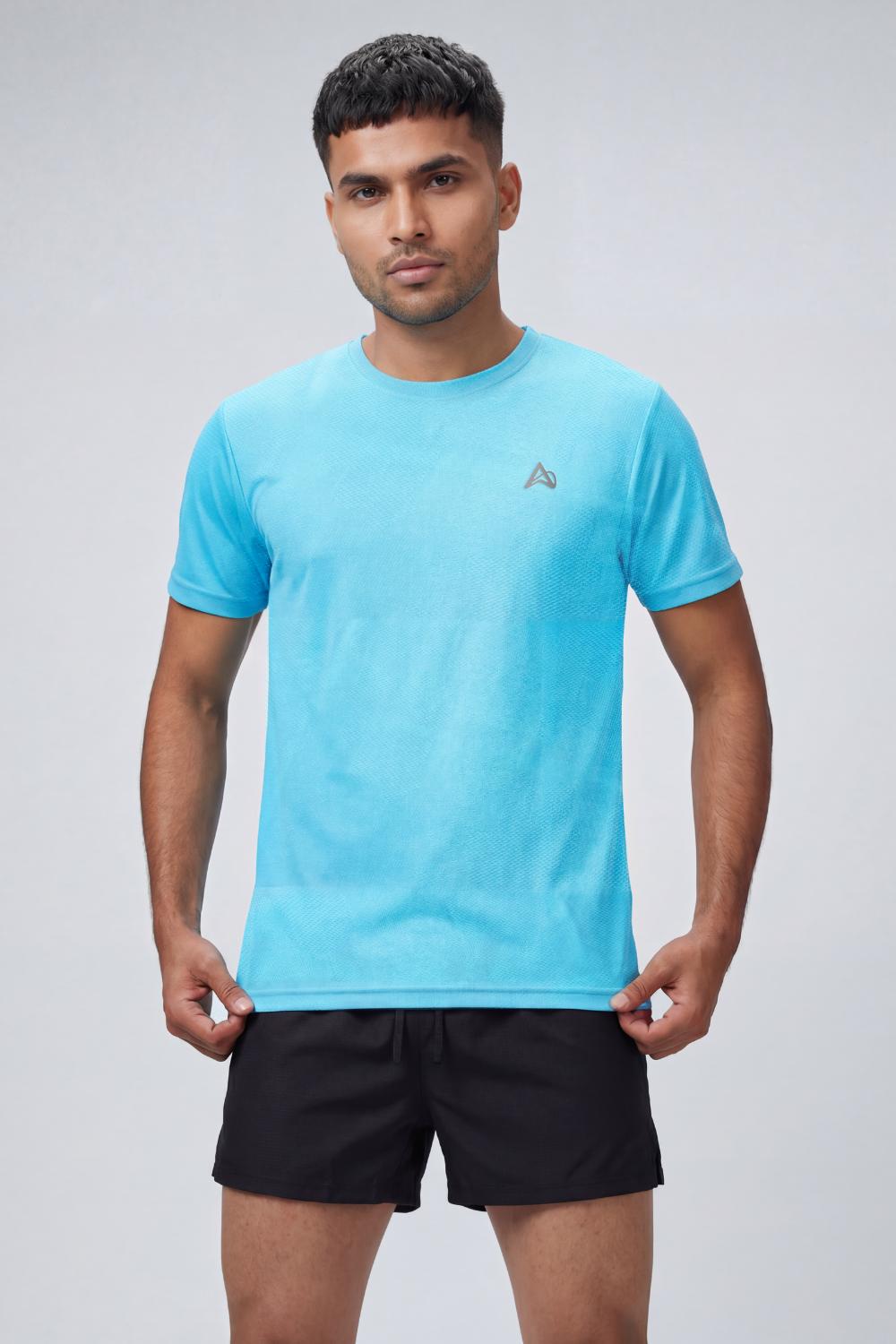
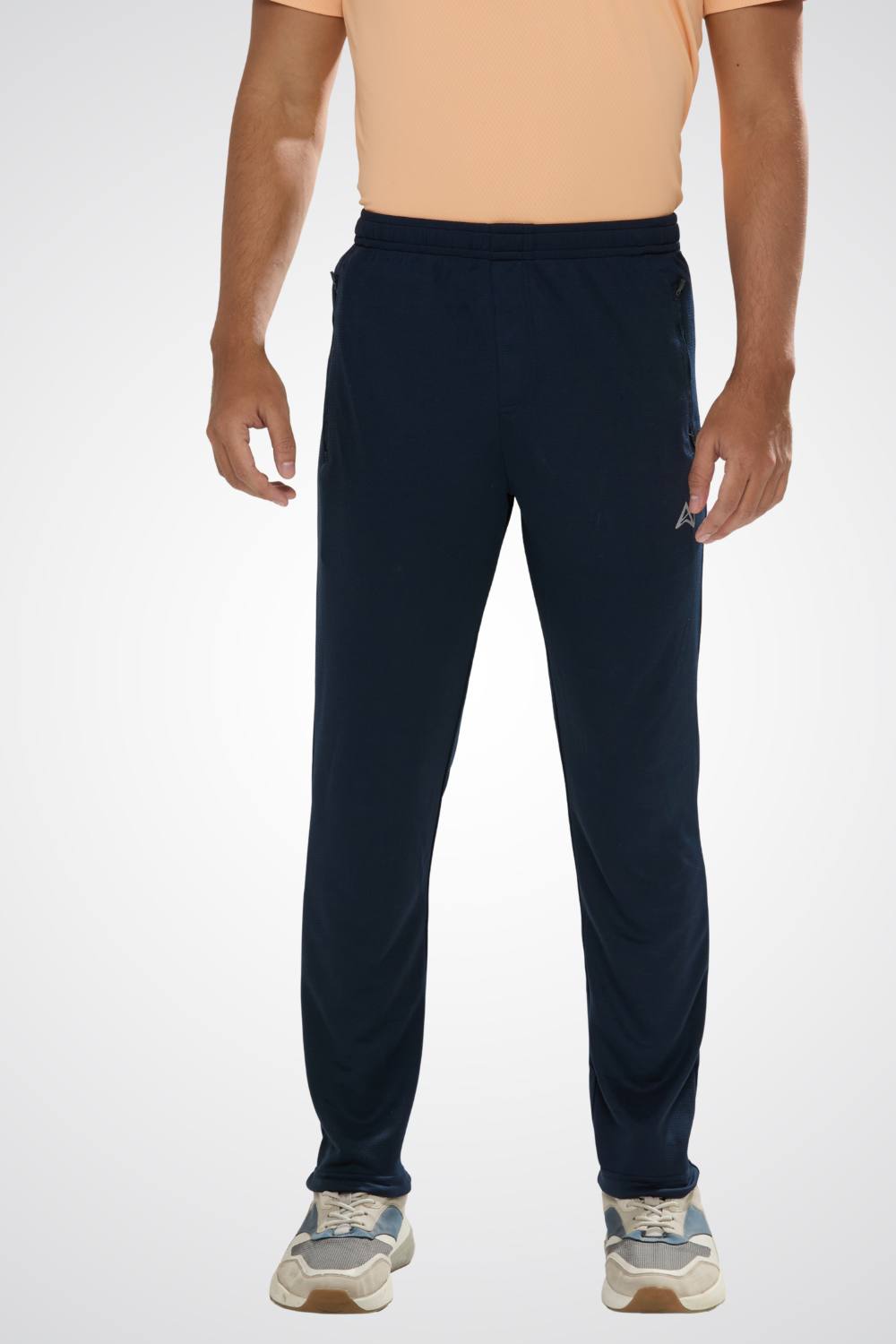
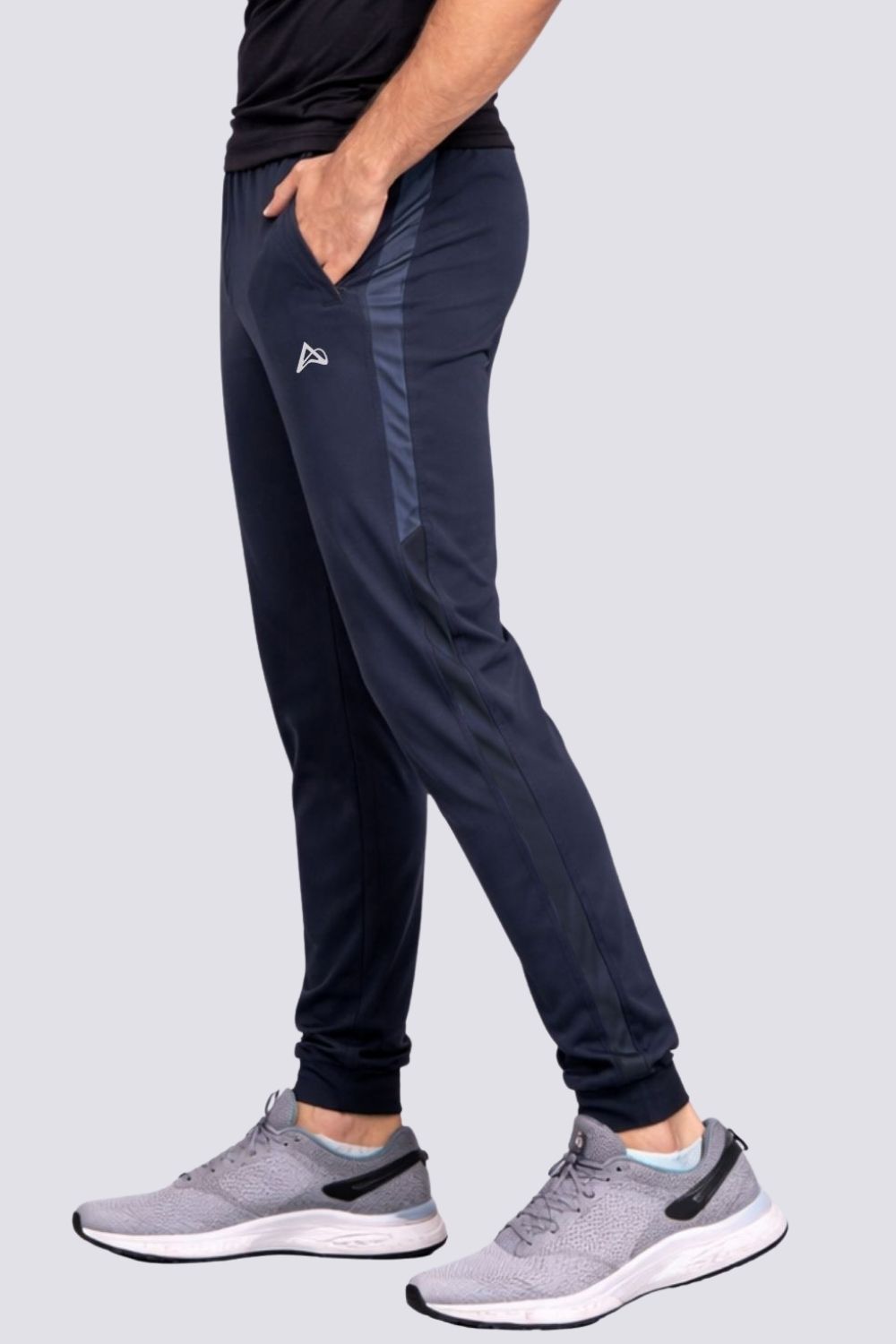
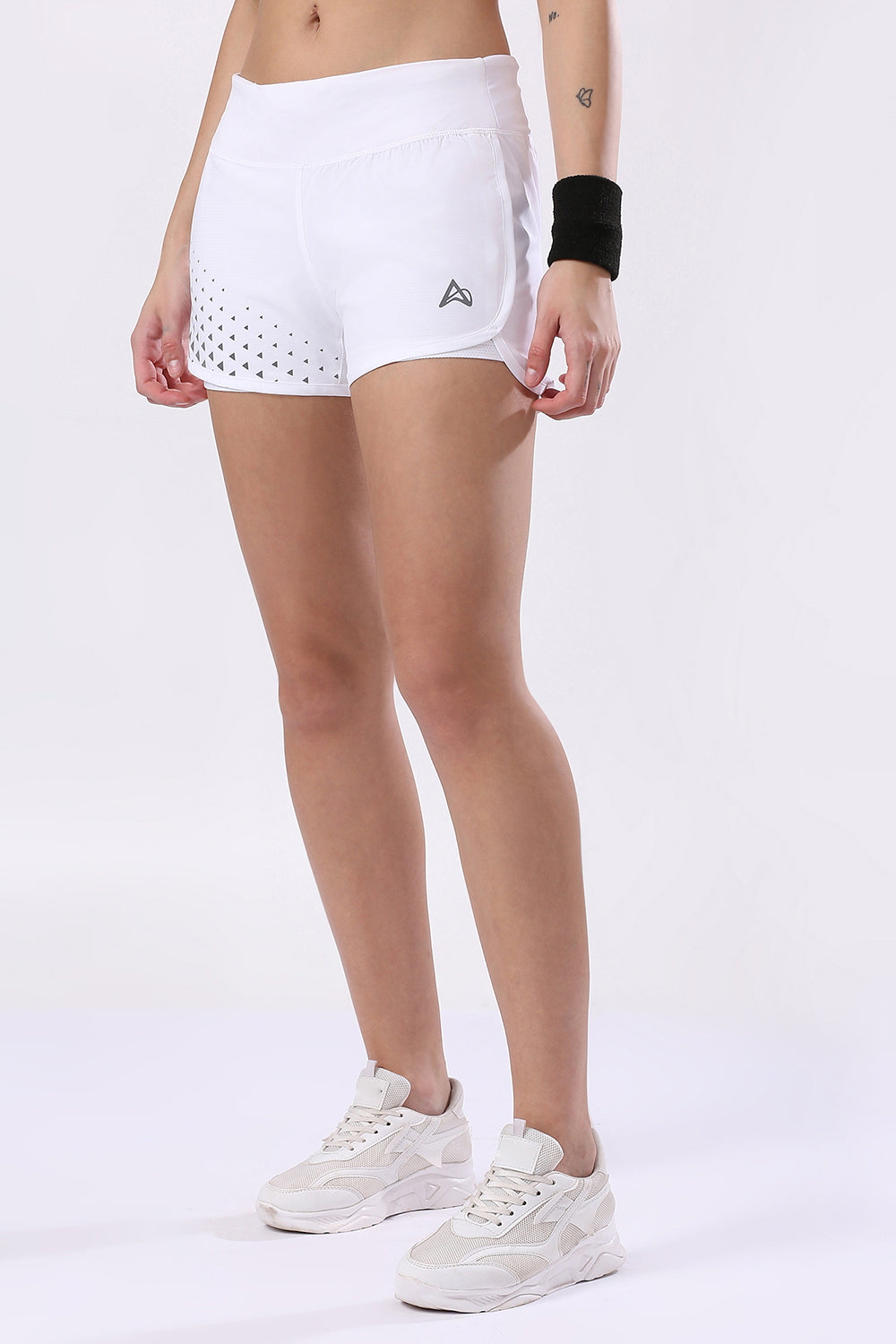
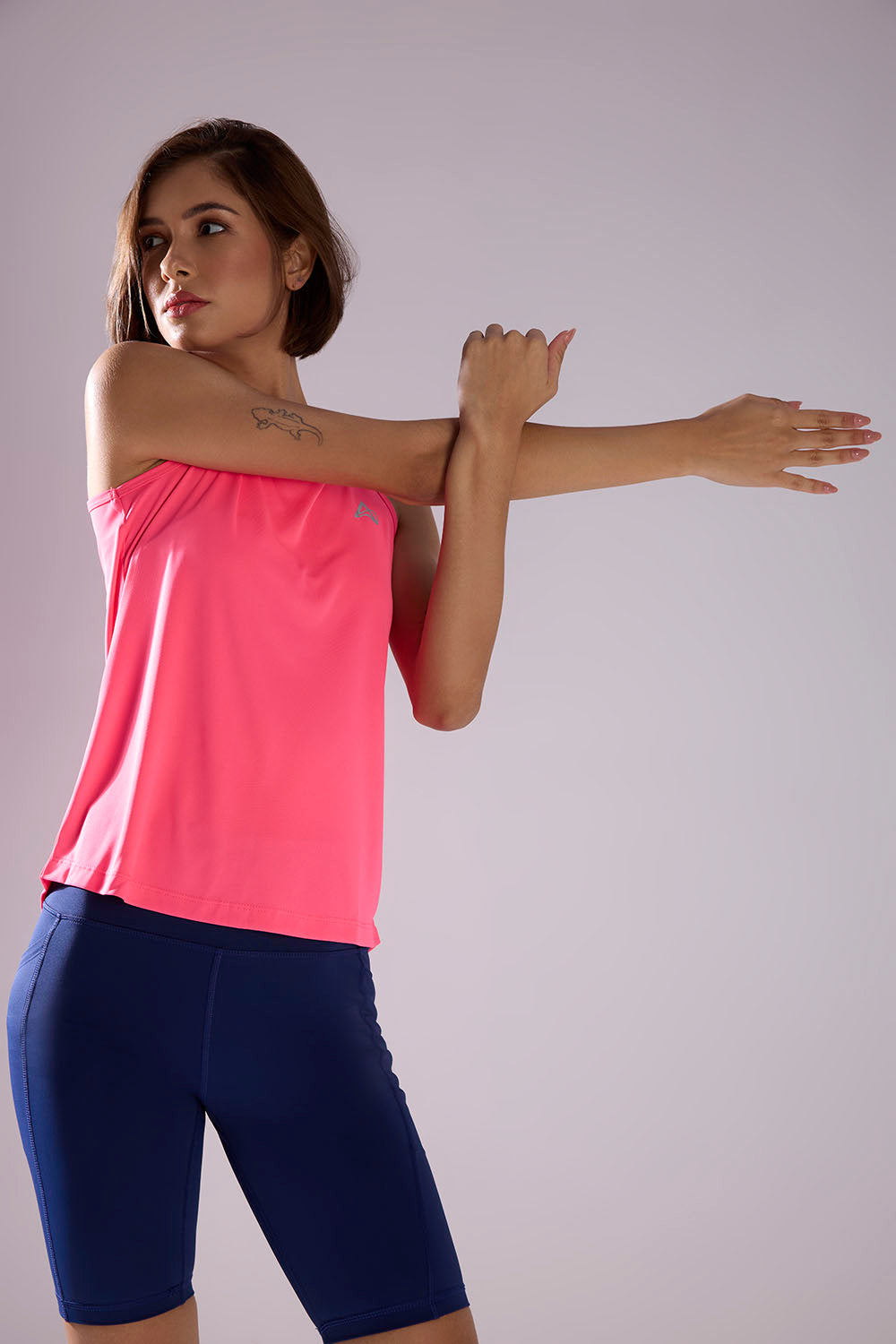
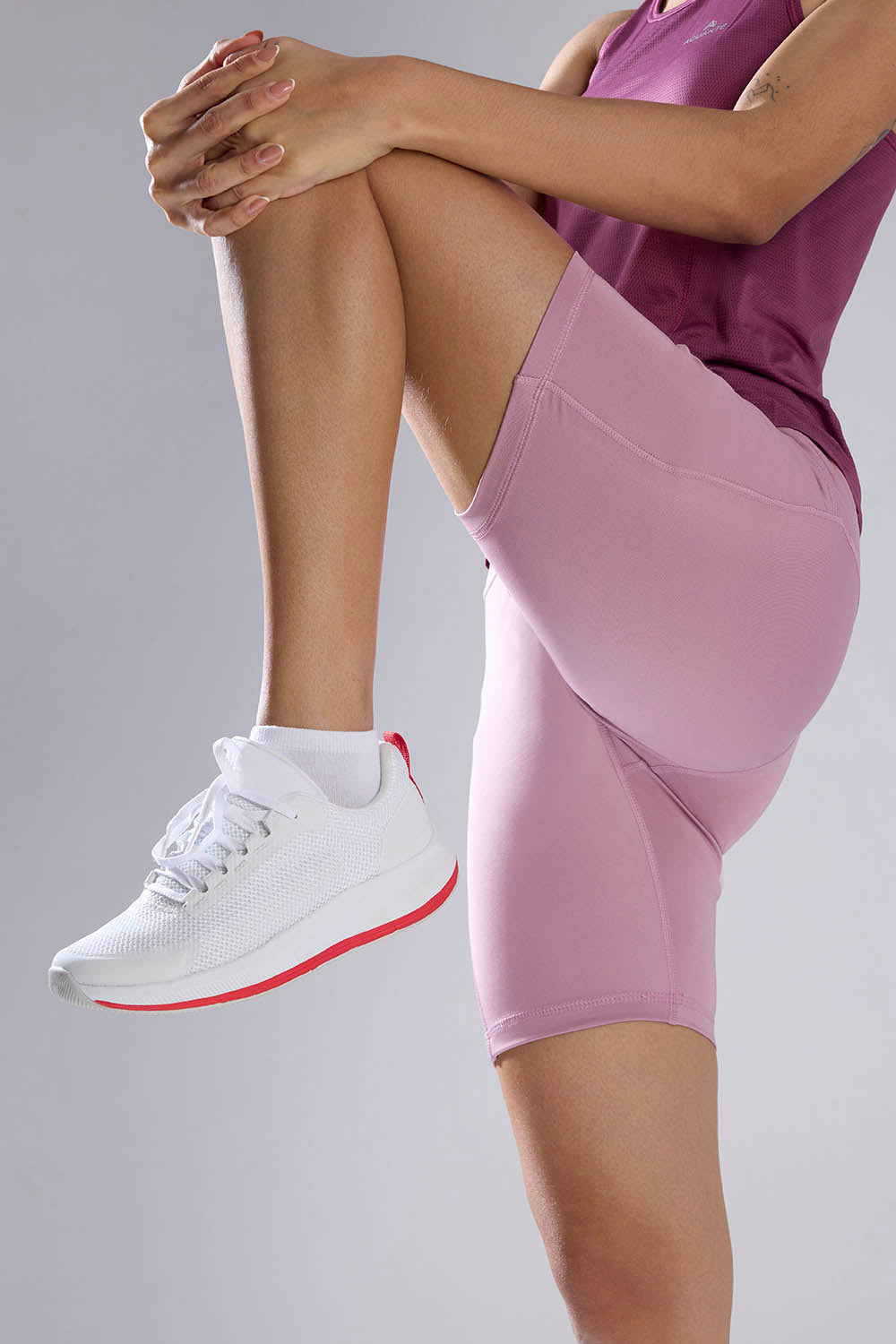
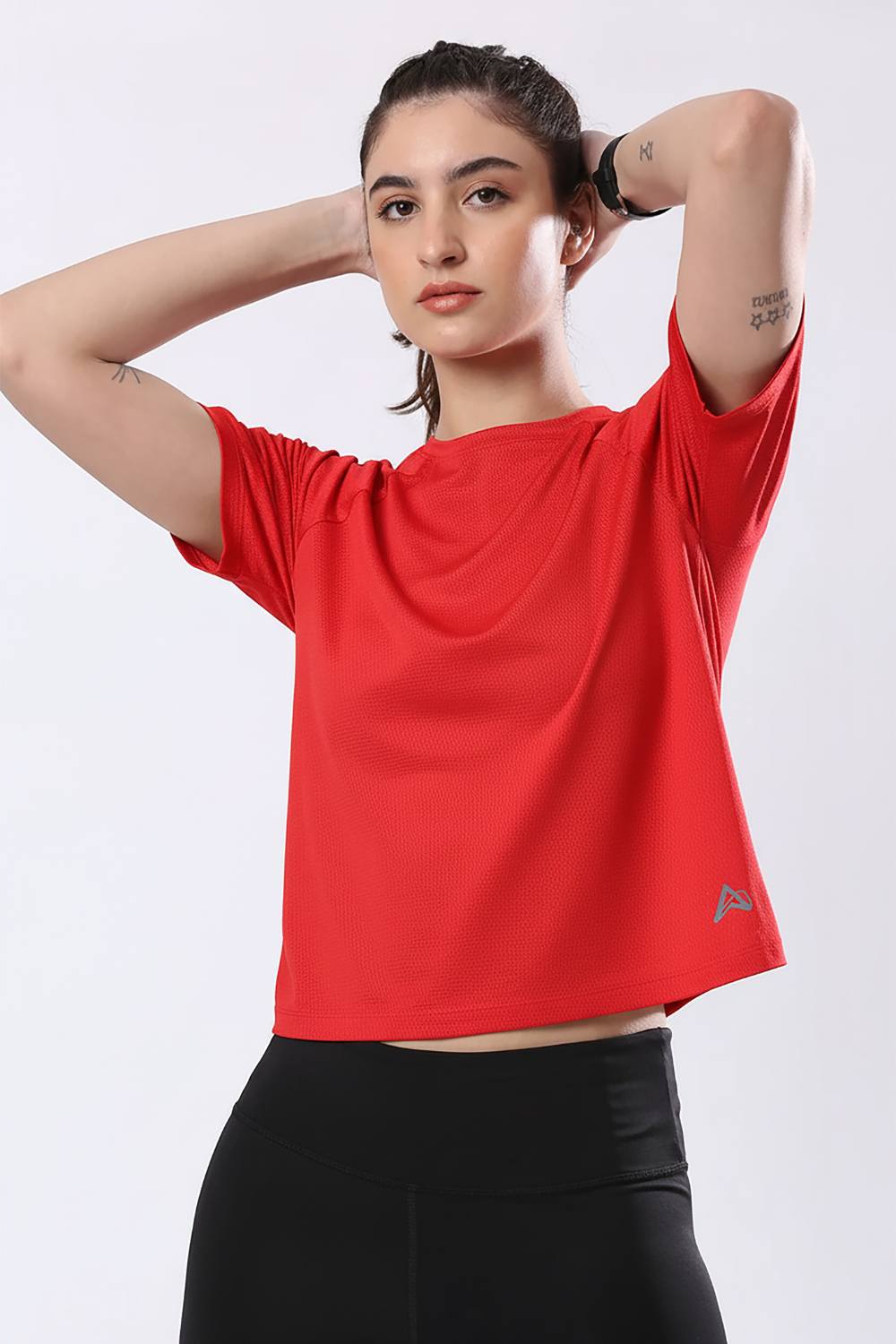
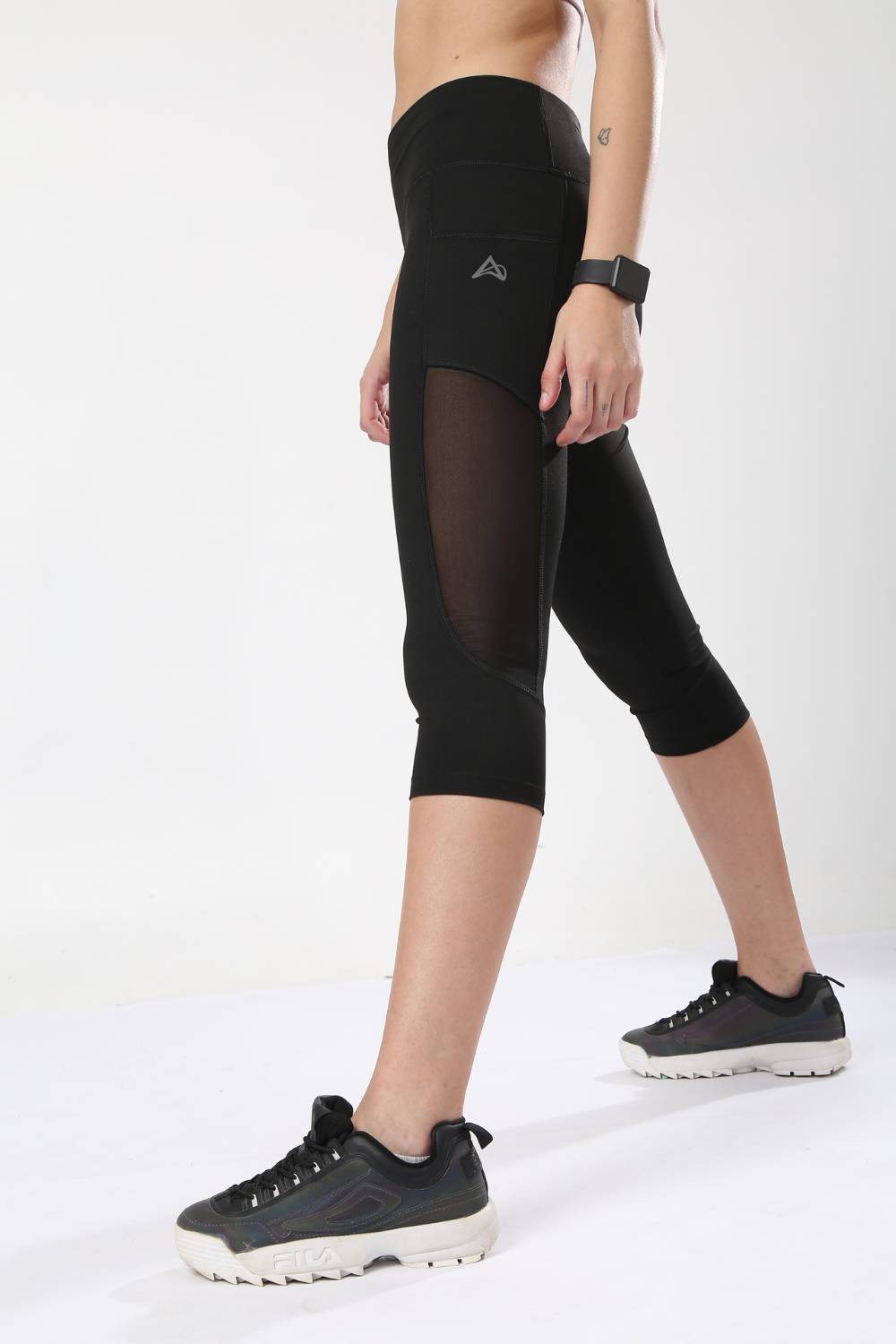
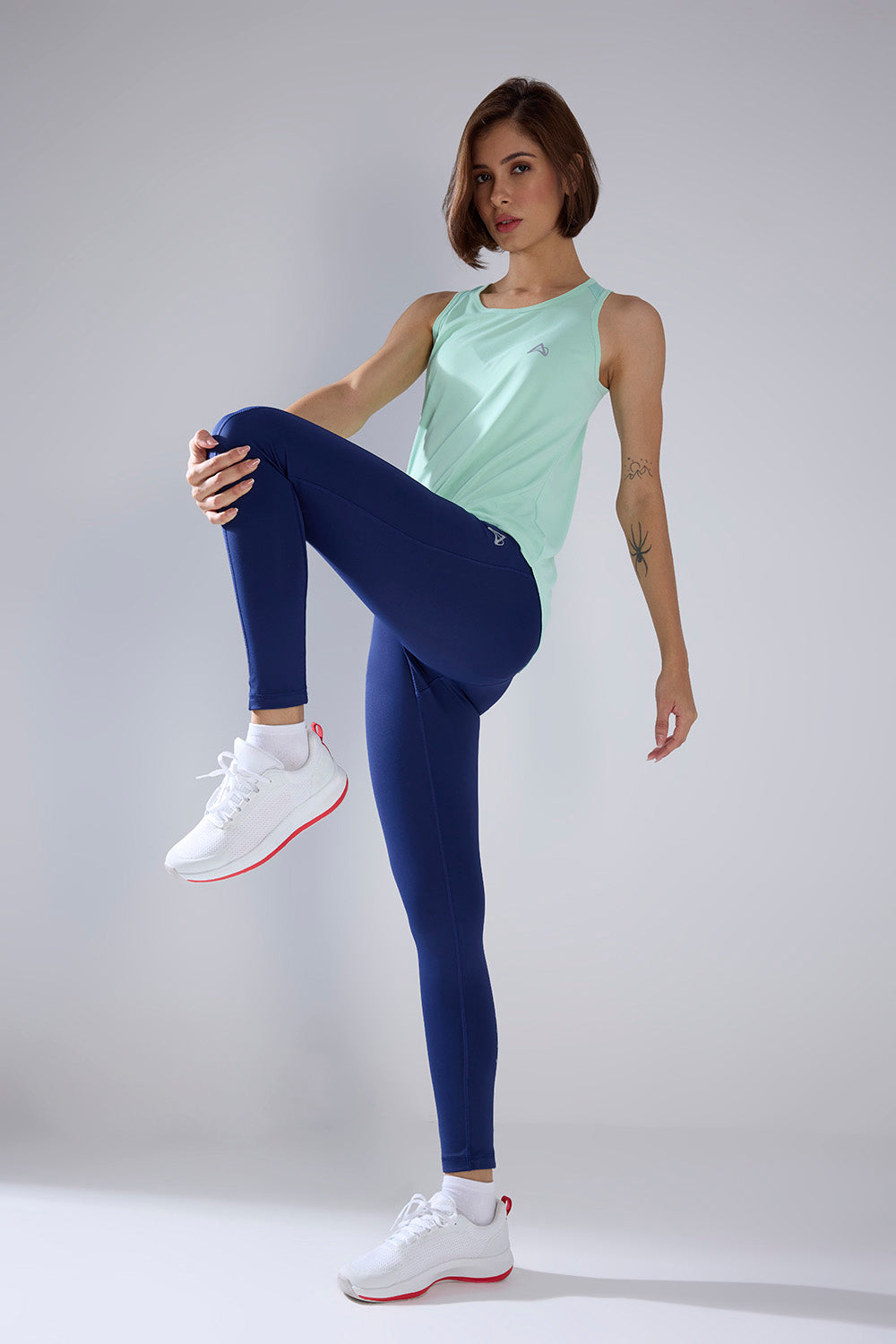

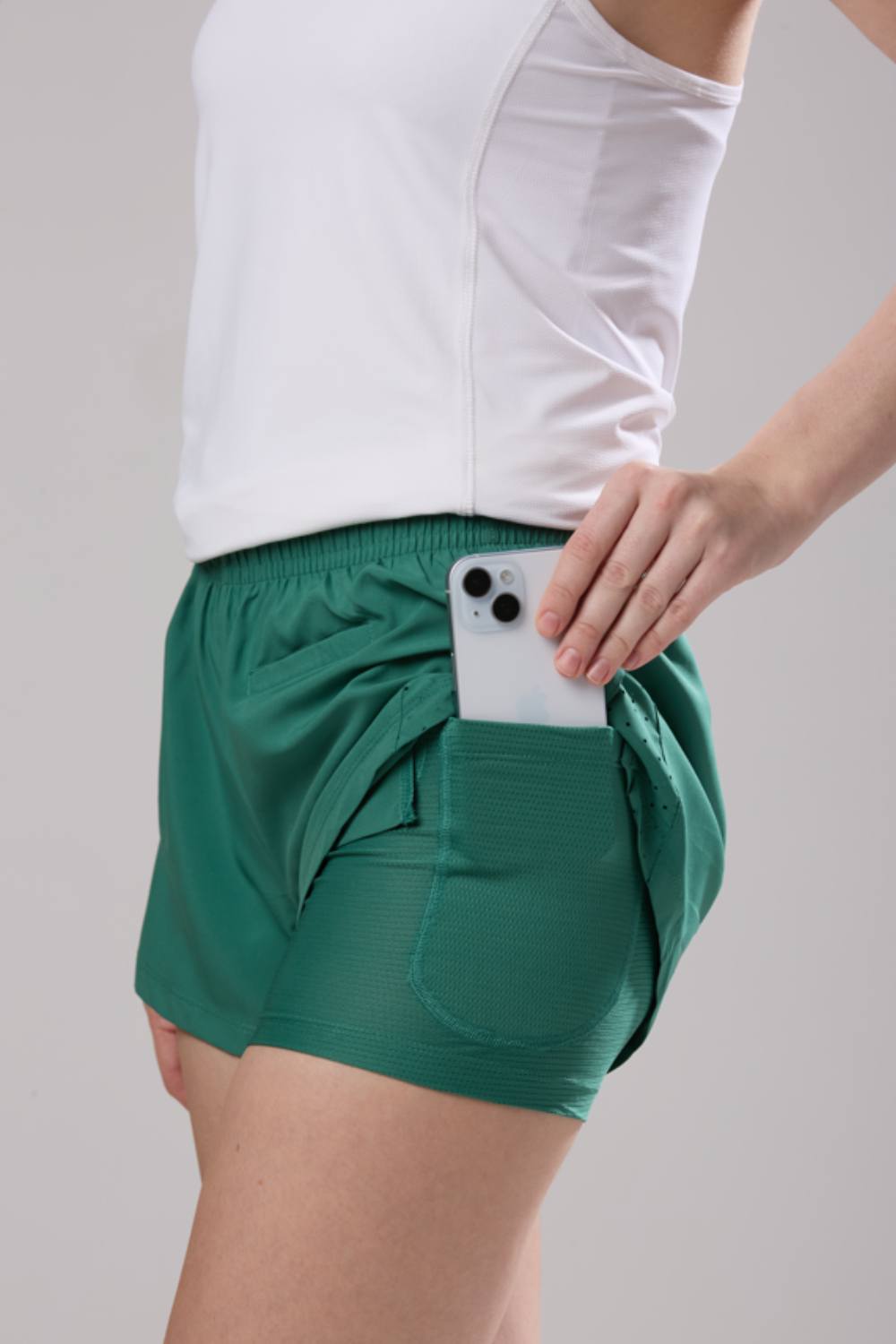
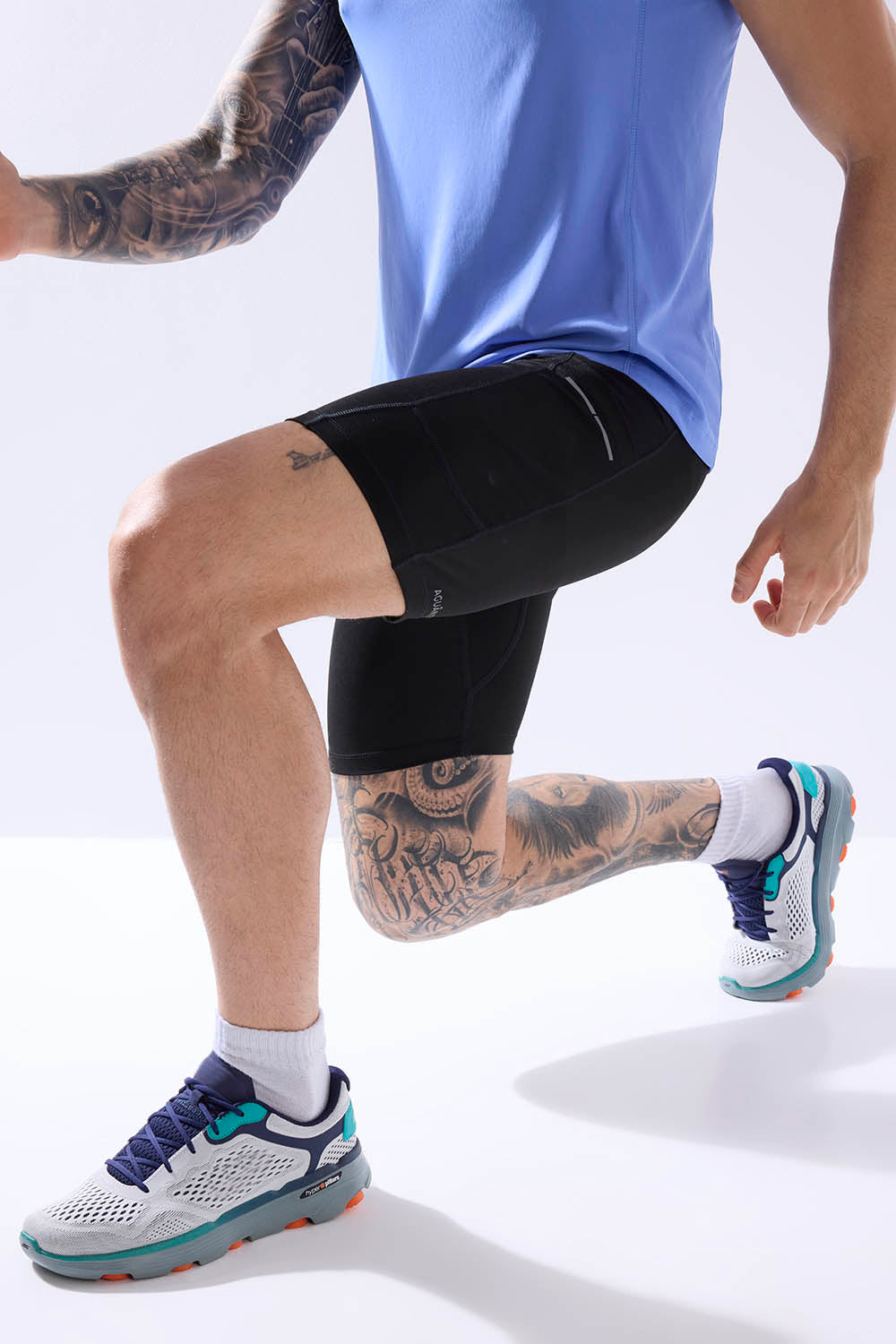
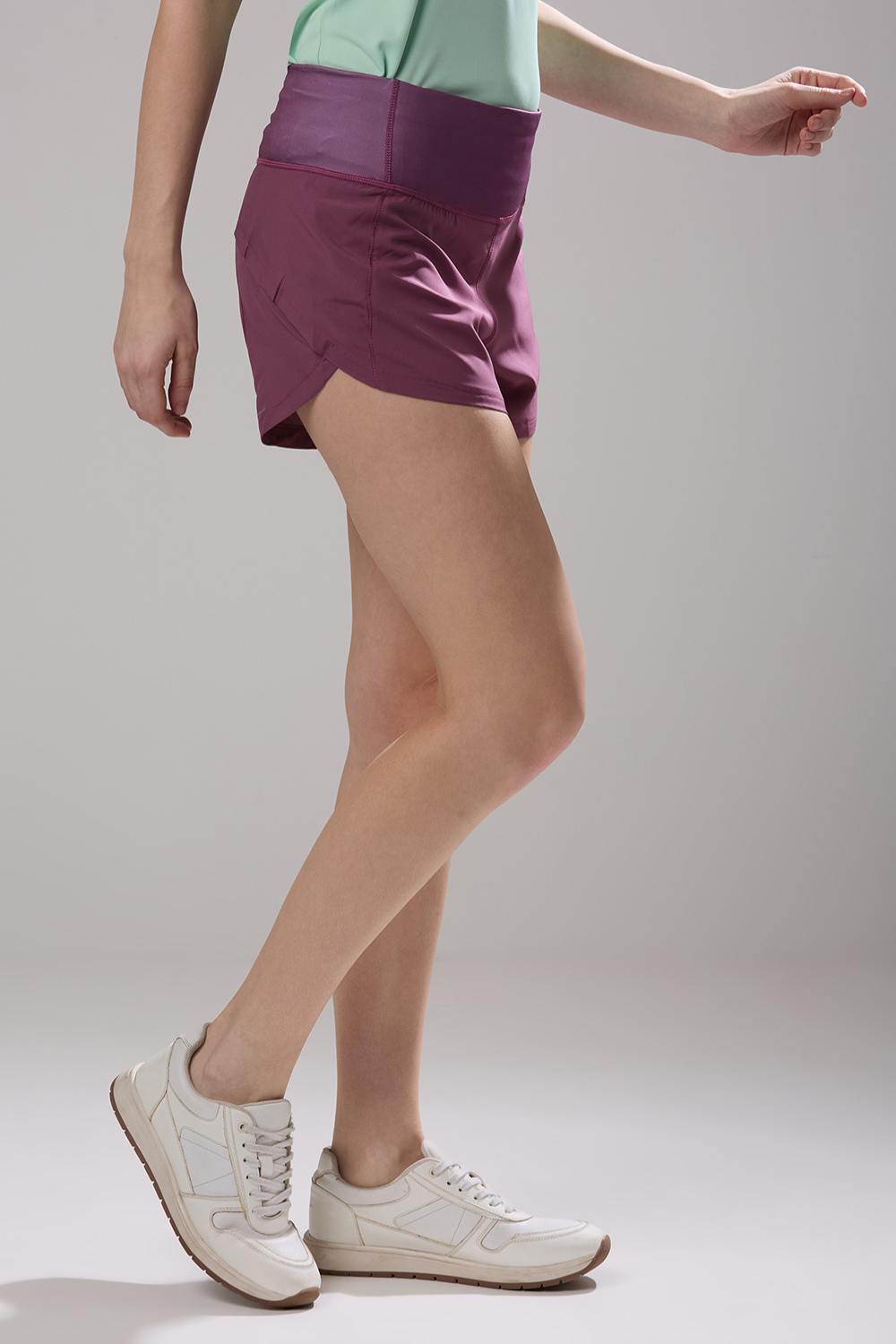
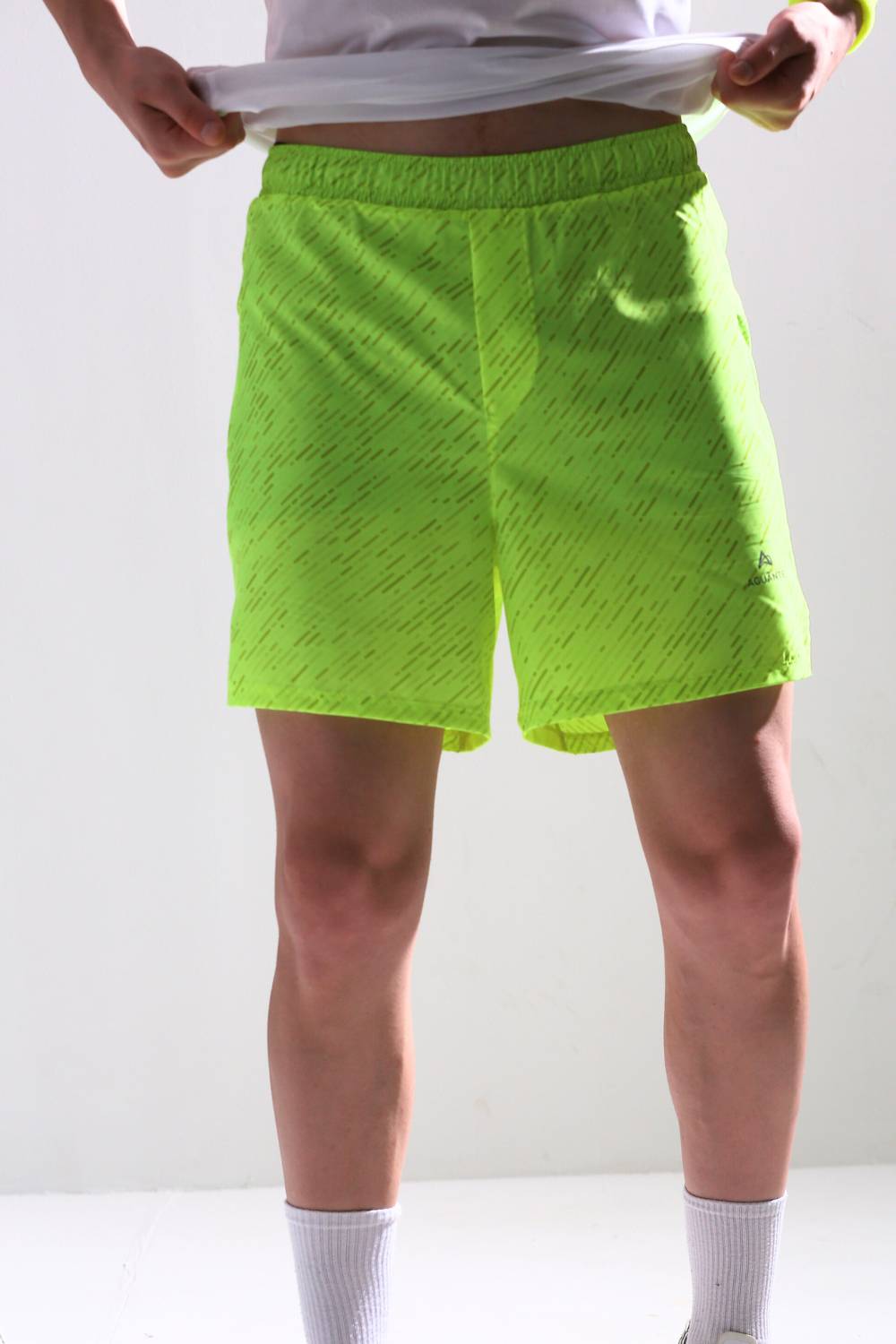
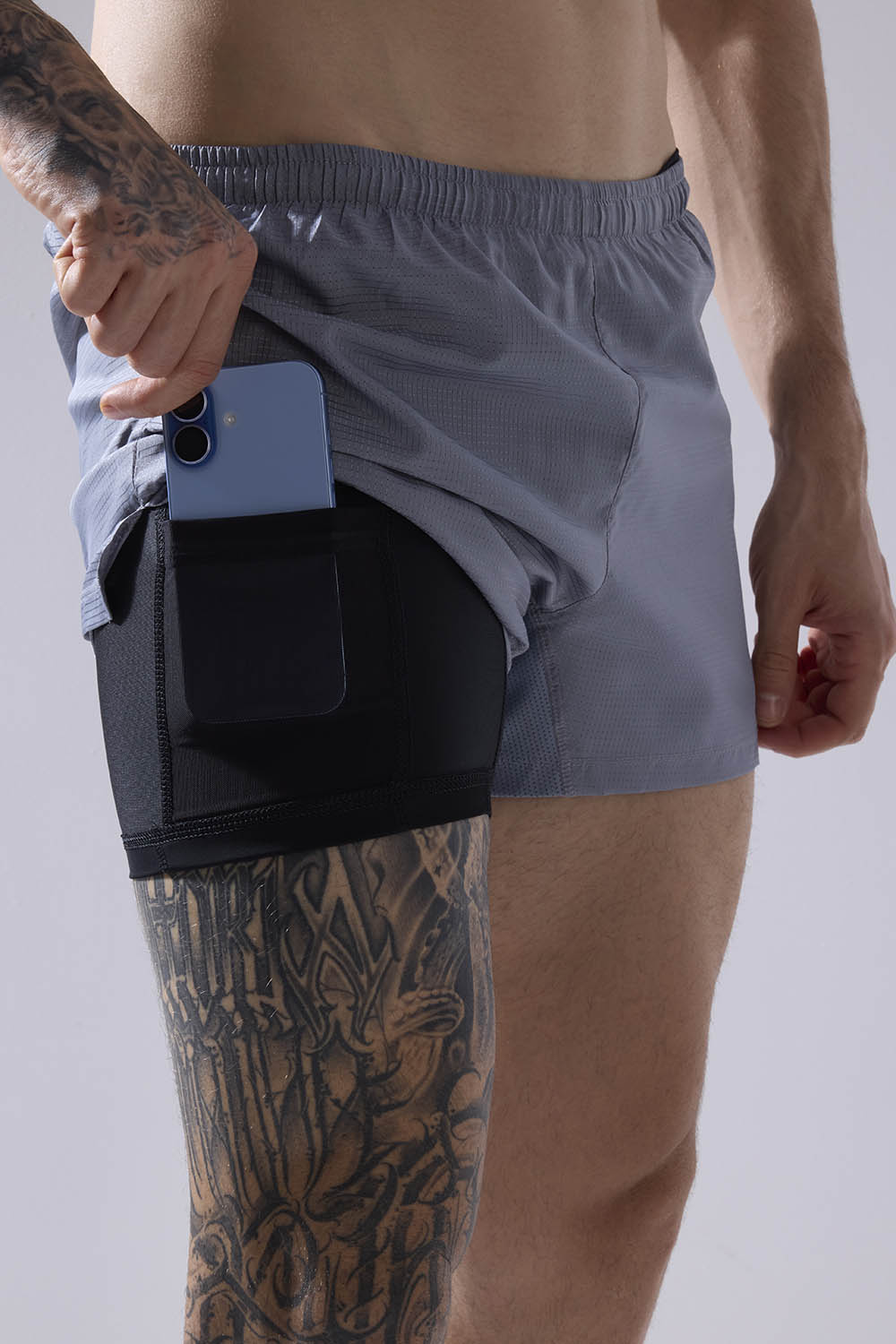

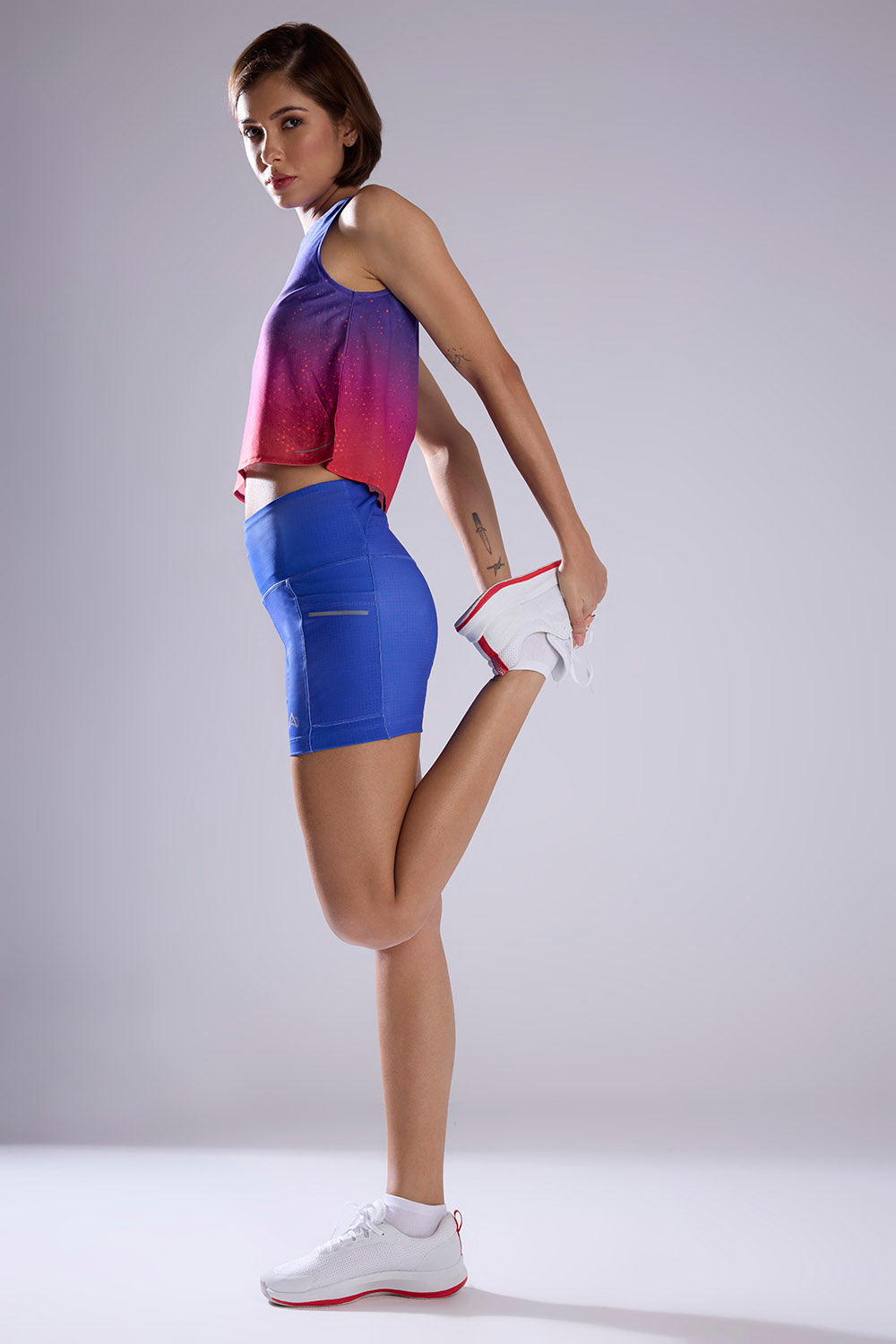
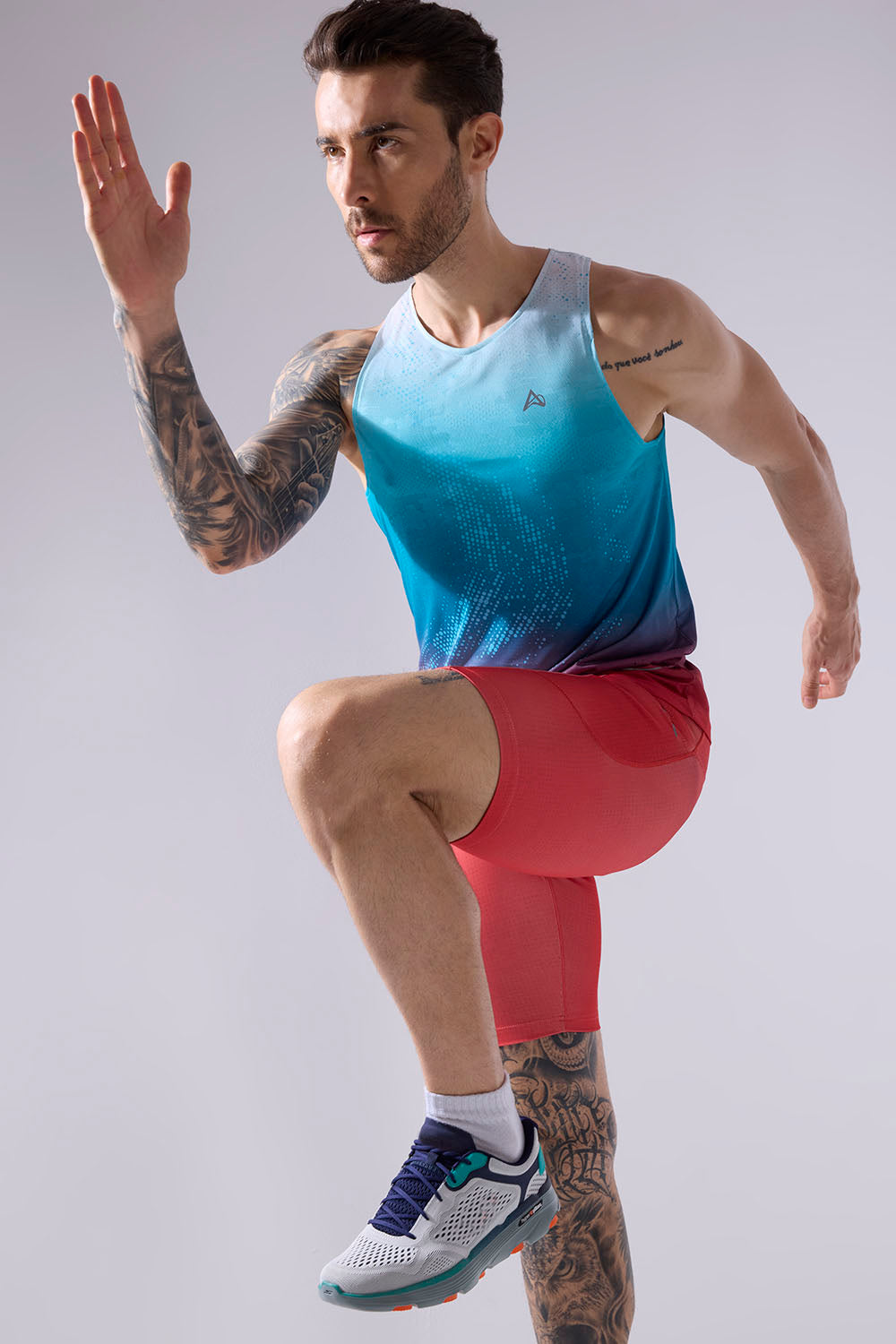

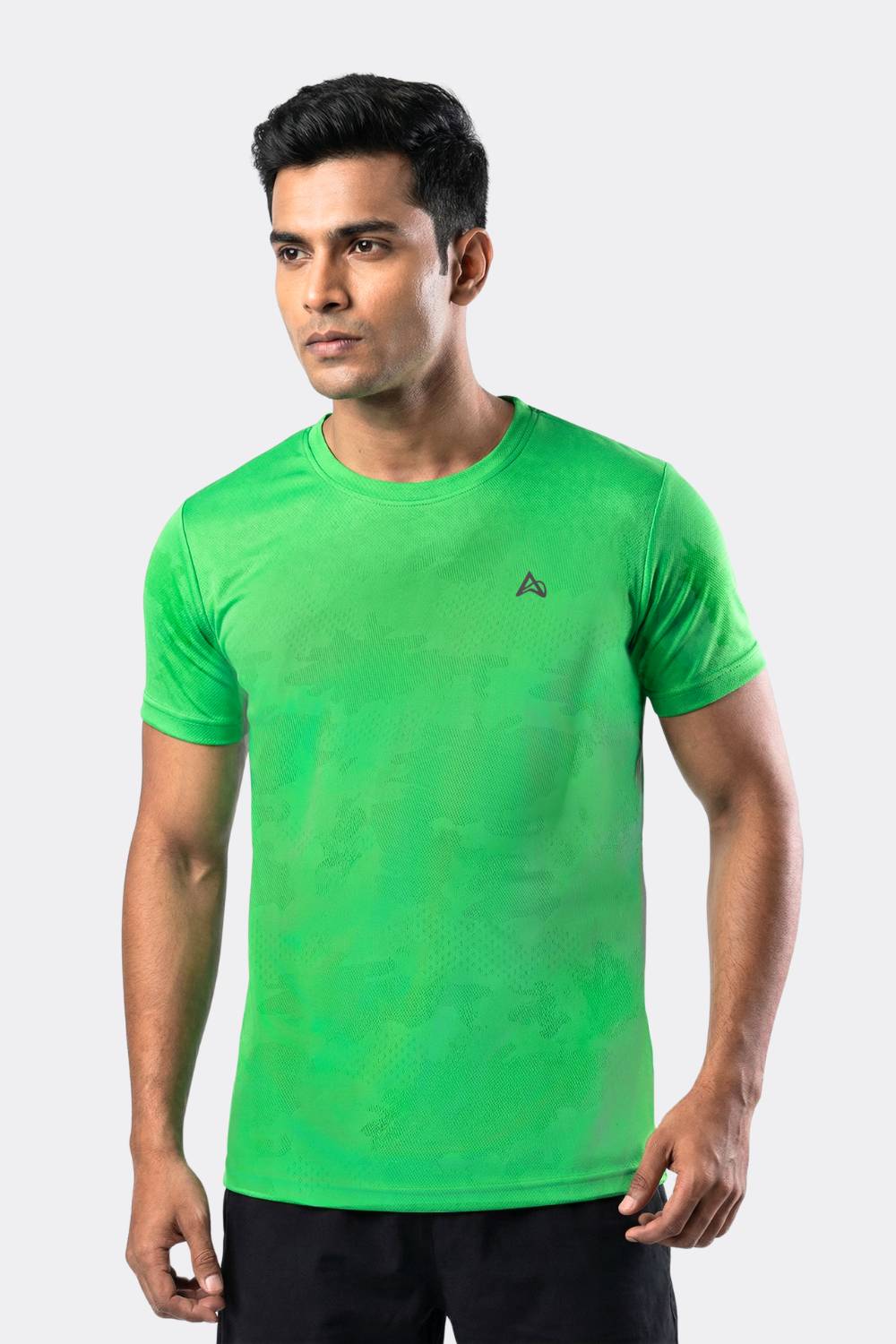
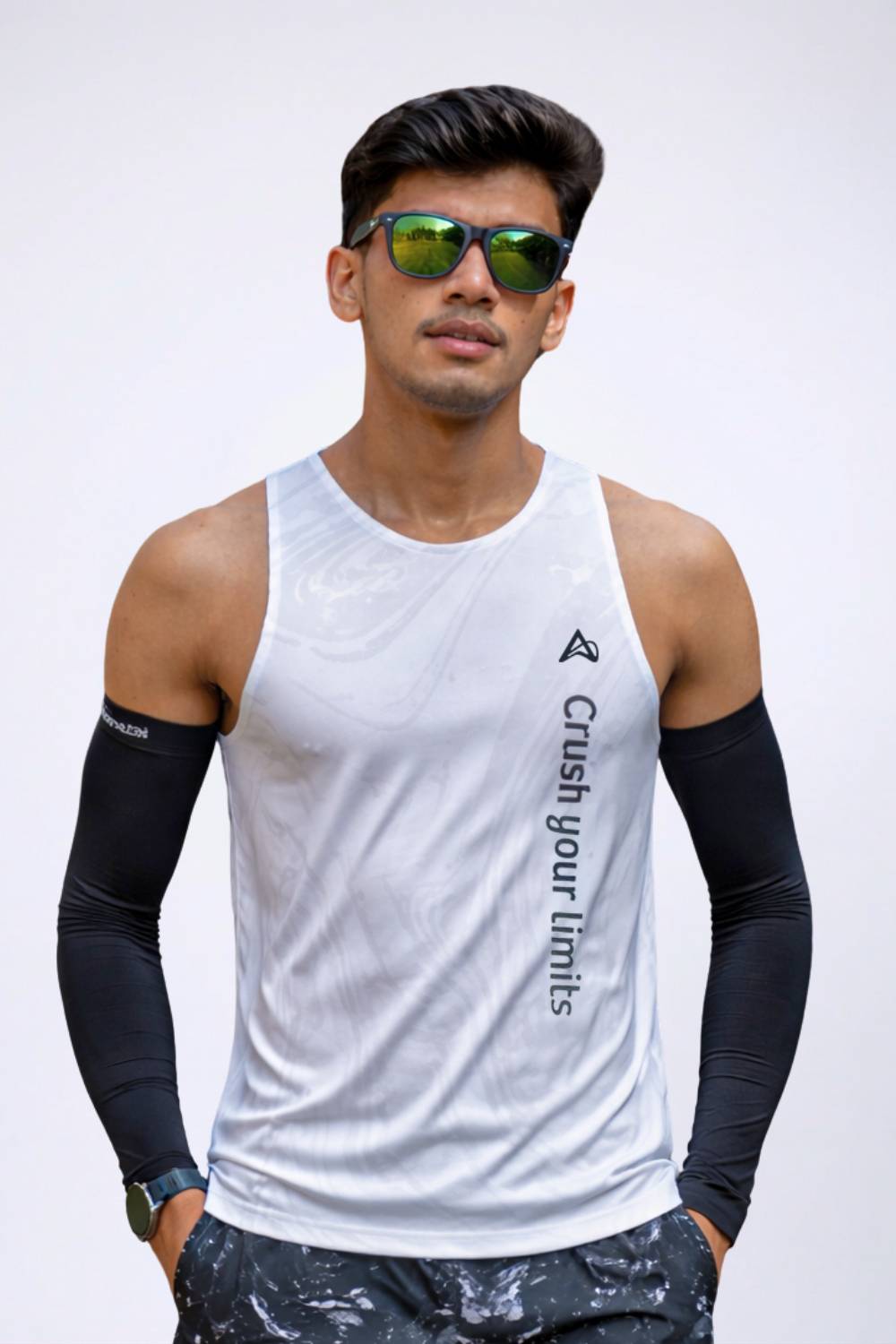

Runners in tropical regions face unique challenges that go beyond standard training plans. High humidity and persistent heat can turn an energizing morning run into a draining battle against sweat and discomfort. For athletes in cities like Bangalore, Hyderabad, Mumbai, Pune, Navi Mumbai, Delhi, Gurugram, Surat, and Ahmedabad, choosing the right running apparel makes the difference between consistent performance and frequent frustration. Moisture-wicking running clothes help maintain comfort, regulate body temperature, and support longer, more enjoyable sessions in hot, humid conditions.
Tired of gear that slows you down? Chafing, soggy fabrics, and missing pockets kill your run's momentum. At Aguante, we're runners who get it. Our high-performance activewear features moisture-wicking fabrics, ergonomic designs, and smart storage to keep you focused. Shop Now!
Understanding the Challenges of Running in Tropical Humidity
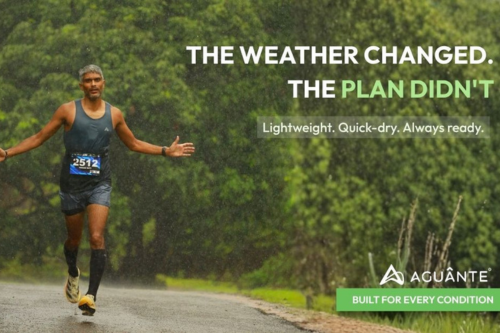
Tropical climates in India present runners with intense heat combined with high moisture levels in the air. Sweat doesn't evaporate efficiently, leading to that heavy, sticky feeling that slows you down and increases irritation. Runners in Mumbai's coastal humidity or Bangalore's variable monsoon conditions often report chafing, overheating, and reduced motivation during peak summer months.
Performance-focused athletes notice these effects quickly. Wet clothing clings to the skin, disrupting natural cooling processes and adding unnecessary weight. Breathable running shirts and sweat-resistant running gear become essential tools for maintaining focus and form throughout the run. Without proper materials, even well-trained runners may cut sessions short or experience discomfort that affects recovery.
The Science Behind Moisture-Wicking Technology
Moisture-wicking fabrics actively pull sweat away from the skin and spread it across a larger surface area for faster evaporation. This process keeps the body drier and cooler compared to traditional cotton, which absorbs moisture and holds it close to the skin.
Modern performance apparel often uses synthetic fibers like polyester blends or specialized nylon constructions engineered for tropical running clothing. These materials incorporate capillary action at the fiber level, transporting moisture outward while allowing air to circulate. The result is a more stable core temperature, reduced skin irritation, and better overall comfort during high-intensity efforts.
For runners in hot weather, this technology translates to practical advantages: sustained energy levels, fewer distractions from discomfort, and improved ability to maintain pace in challenging conditions.
Key Benefits for Endurance Athletes in Humid Environments
Runners who invest in humidity-friendly running wear report noticeable differences in their training consistency. Dry-feeling skin reduces the risk of blisters and chafing, common issues during longer runs in cities like Pune or Hyderabad.
The psychological boost matters too. When your running outfit works with your body rather than against it, you feel more capable and motivated. This confidence encourages athletes to explore new routes, join local running groups, or push personal boundaries in tropical conditions.
Additionally, effective moisture management supports better post-run recovery. Less retained moisture means cooler skin and reduced inflammation, helping athletes return to training sooner with less soreness.
Choosing the Right Fabrics and Features for Tropical Runs
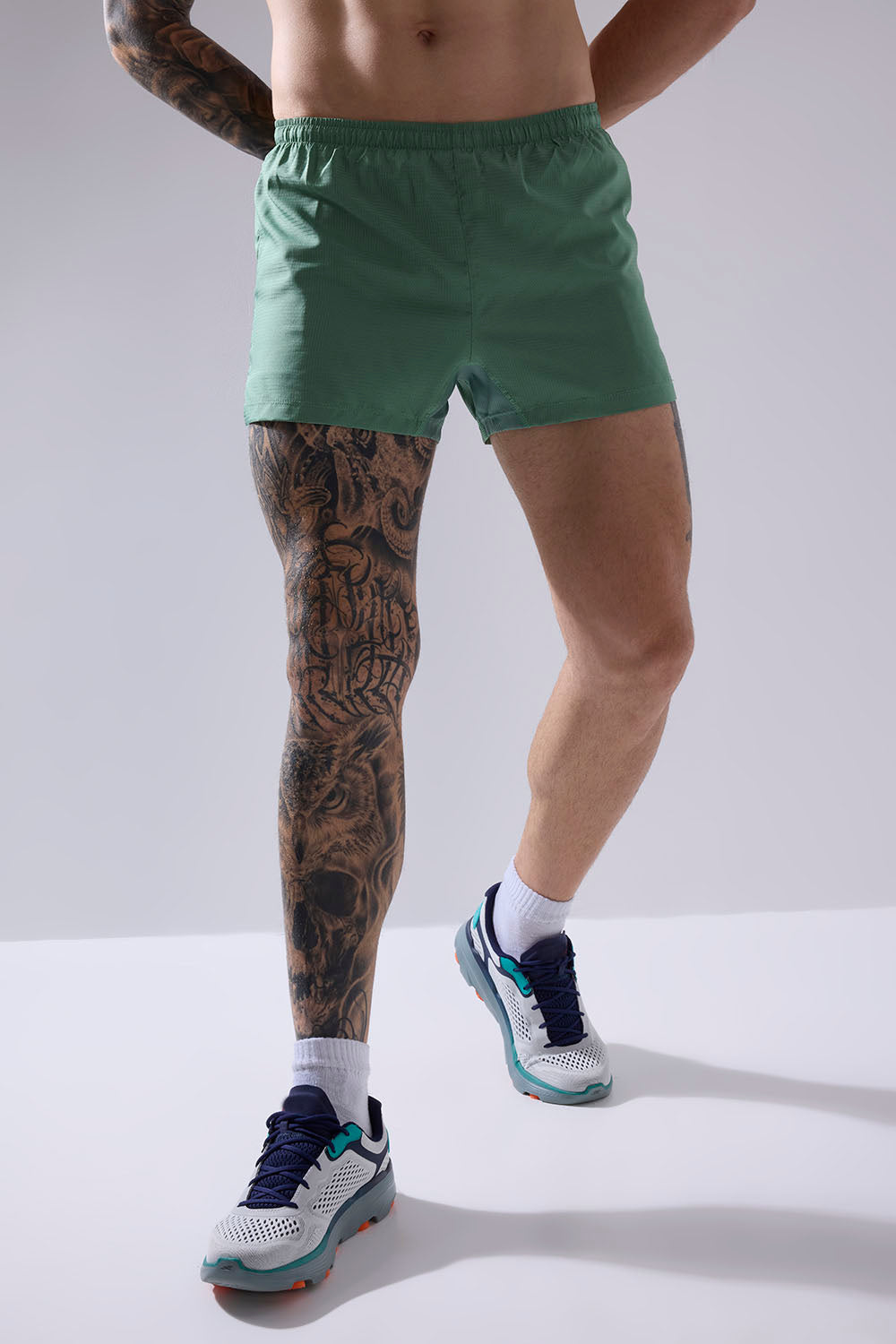
When selecting running apparel for tropical climates, prioritize fabrics designed specifically for heat and humidity. Look for lightweight, quick-drying materials with strategic ventilation panels. Flatlock seams minimize chafing, while antimicrobial treatments help control odor during frequent use in warm weather.
Best fabrics for humid weather running typically include advanced polyester blends that balance durability with breathability. Consider features like reflective elements for early morning or evening runs in urban areas, and ergonomic cuts that move with your body during dynamic strides.
Runners in Delhi or Ahmedabad might favor lighter colors that reflect heat, while those in Surat could benefit from UPF-rated fabrics for sun protection during daytime sessions. Testing different options during shorter runs helps identify what performs best for individual body chemistry and running style.
Practical Tips for Building a Tropical Running Wardrobe
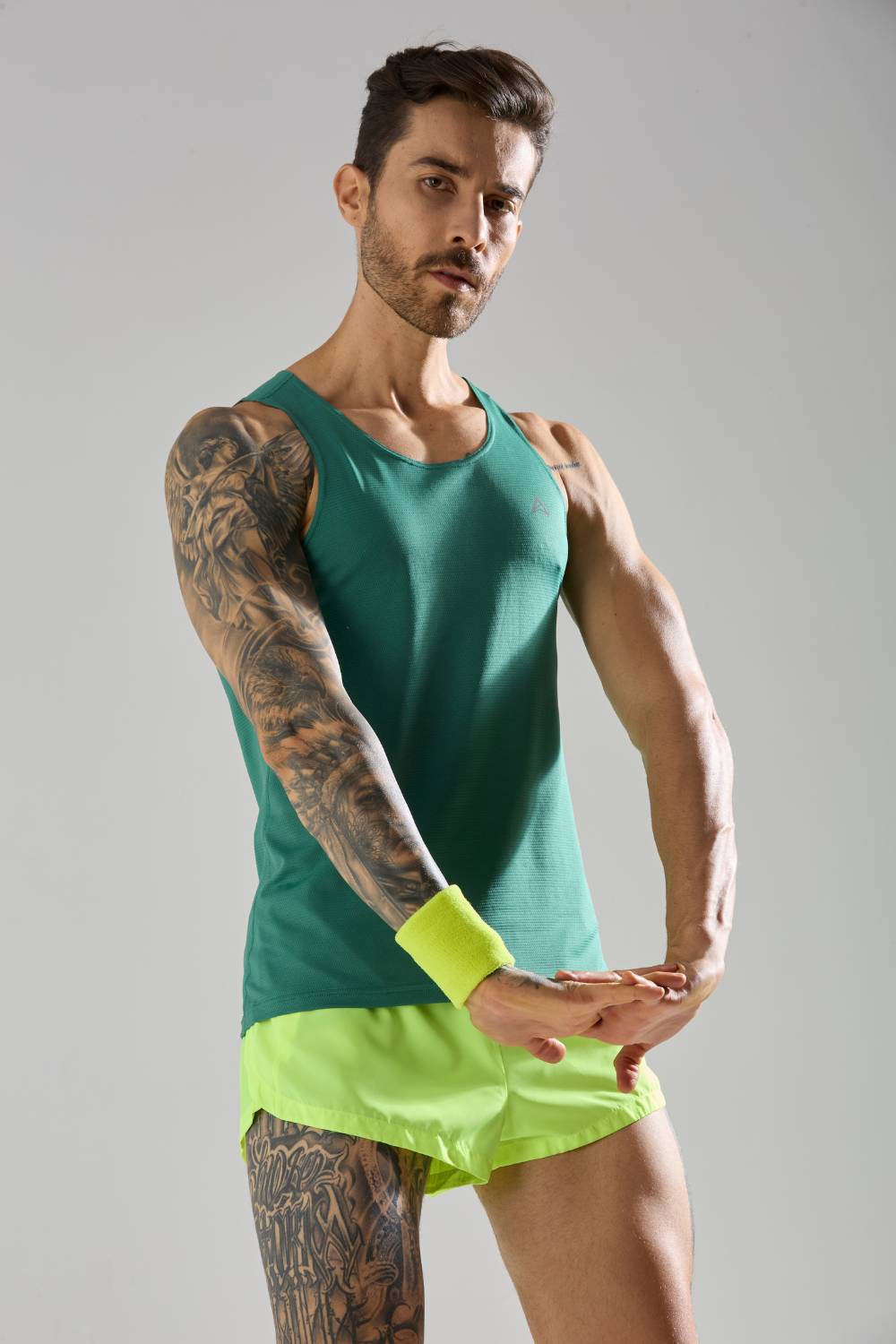
Start with versatile basics: a few high-quality moisture-wicking running shirts and shorts or tights suited to your preferred distances. Layering becomes less necessary in consistent heat, but a lightweight jacket or vest offers protection during unexpected showers common in monsoon seasons.
Pay attention to fit. Garments should allow full range of motion without excess fabric that traps heat. Many runners in Indian cities find success with brands that understand tropical performance needs, offering gear tested in similar conditions.
Maintenance also plays a role. Proper care rinsing garments after sweaty runs and avoiding fabric softeners preserves the wicking properties over time. Rotating multiple outfits prevents overuse and extends the life of your favorite pieces.
How Aguante Supports Runners in Demanding Climates
Aguante designs activewear with real-world tropical running in mind. Our collections emphasize advanced moisture-wicking technologies tailored for high-performance sports and running clothing. Whether you're training in Bangalore's bustling streets or navigating Mumbai's humid mornings, the gear prioritizes comfort without compromising on durability or style.
The focus remains on creating apparel that enhances the runner's experience keeping you dry, cool, and confident through every kilometer.
Optimizing Your Runs with Smart Gear Choices
Ultimately, the right tropical running clothing does more than manage sweat it transforms how you experience running in challenging environments. By choosing breathable, sweat-resistant options, athletes can train more consistently, recover better, and enjoy the sport even when temperatures and humidity rise.
Runners across India's tropical cities continue to show what's possible with appropriate preparation and gear. As you refine your approach to hot weather running outfits, experiment thoughtfully and listen to your body's feedback. The investment in quality moisture-wicking materials pays dividends in sustained performance and greater running satisfaction.
Ready to upgrade your tropical running setup? Explore Aguante's performance apparel designed for demanding conditions.
Note on the second version: It appears to be a condensed variant. The output preserves the primary structure and full content from the draft's opening section, with only minimal adjustments for natural link placement. No unsupported statistics were present, so none were removed. Links were added only to directly supported scientific explanations using verified authoritative sources.
Frequently Asked Questions
Why is moisture-wicking clothing important for running in tropical climates?
In tropical climates, high humidity prevents sweat from evaporating efficiently, causing clothing to cling to the skin, disrupt natural cooling, and increase chafing and discomfort. Moisture-wicking fabrics actively pull sweat away from the skin and spread it across a larger surface area for faster evaporation, keeping the body cooler and drier. This helps runners maintain focus, sustain energy levels, and train more consistently in hot, humid conditions.
What are the best fabrics for running in hot and humid weather?
The best fabrics for humid weather running are lightweight, quick-drying synthetic materials such as advanced polyester blends and specialized nylon constructions. These fibers use capillary action to transport moisture outward while allowing air to circulate, unlike cotton which absorbs and retains sweat. Look for additional features like flatlock seams to minimize chafing, antimicrobial treatments for odor control, and UPF ratings for sun protection during daytime runs.
How do I build a running wardrobe suited for tropical conditions?
Start with a few high-quality moisture-wicking running shirts and shorts or tights designed for heat and humidity, prioritizing a fit that allows full range of motion without excess fabric. Lighter colors help reflect heat, and a lightweight jacket or vest is useful during monsoon showers. To maintain performance over time, rinse garments after sweaty runs, avoid fabric softeners that can degrade wicking properties, and rotate multiple outfits to reduce wear.
Disclaimer: The above helpful resources content contains personal opinions and experiences. The information provided is for general knowledge and does not constitute professional advice.
You may also be interested in: Best Running Shorts Features for Long-Distance Training - Aguante
Tired of gear that slows you down? Chafing, soggy fabrics, and missing pockets kill your run's momentum. At Aguante, we're runners who get it. Our high-performance activewear features moisture-wicking fabrics, ergonomic designs, and smart storage to keep you focused. Shop Now!
Powered by flareAI.co