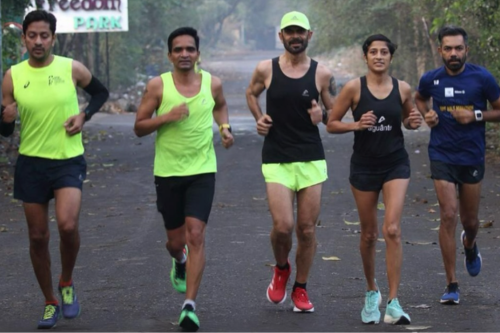
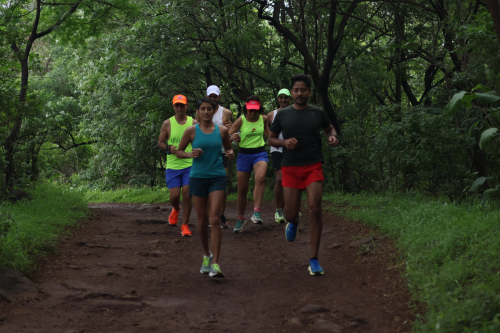
Running in India presents a unique set of challenges, from diverse climates to varied road conditions. Over the years, the evolution of running shorts and half tights has reflected the need for performance, comfort, and adaptability. For runners navigating urban roads in cities such as Bangalore, Mumbai, Pune, and Delhi, the right gear can make a significant difference in both efficiency and injury prevention.
Tired of gear that slows you down? Chafing, soggy fabrics, and missing pockets kill your run's momentum. At Aguante, we're runners who get it. Our high-performance activewear features moisture-wicking fabrics, ergonomic designs, and smart storage to keep you focused. Shop Now!
The Early Days of Running Apparel in India
Initially, Indian runners often relied on imported Western activewear. While functional, these products were not optimized for local conditions. Fabrics designed for cooler, temperate climates struggled under high humidity, while shorter inseams in running shorts often exposed athletes to abrasions on uneven city pavements. Half tights were mostly reserved for professional athletes or long-distance runners competing abroad, limiting accessibility for recreational enthusiasts.
Feedback from early running communities in Hyderabad and Surat highlighted issues like chafing, restricted movement, and inadequate moisture management. Local retailers and brands began experimenting with blends of polyester and elastane, focusing on lightweight, breathable fabrics that could withstand both urban heat and sudden monsoon showers.
Design Innovations for Indian Roads
Modern running shorts and half tights now incorporate features tailored specifically to Indian urban environments. Reflective strips are standard, catering to early morning and late evening runners navigating poorly lit streets in Gurugram and Navi Mumbai. Reinforced stitching addresses wear and tear caused by rough sidewalks, potholes, and uneven asphalt common in cities like Ahmedabad and Pune.
Moisture-wicking technology has also advanced, moving from simple polyester blends to high-performance fabrics that draw sweat away from the body, promoting faster evaporation and reducing discomfort. This evolution responds directly to consumer demand for comfort during peak heat periods, especially in Bangalore and Mumbai, where humidity levels are notably high during summer months.
Ergonomics and Fit: Comfort Meets Performance
Beyond fabric, the ergonomic design of running shorts and half tights has become a priority. Indian runners frequently encounter stop-and-go traffic, uneven sidewalks, and mixed surfaces that demand flexibility and stability. Modern apparel brands have addressed these challenges by introducing contoured panels and adjustable waistbands, ensuring that shorts stay in place without restricting leg movement.
Half tights now feature strategically placed compression zones, enhancing muscle support during longer runs. Runners in Delhi and Pune have noted improvements in stride efficiency and reduced post-run fatigue, demonstrating how thoughtful design translates into tangible performance benefits.
Cultural Adaptations and Style Preferences
Running culture in India is diverse, with participants ranging from weekend enthusiasts to competitive long-distance athletes. As a result, design aesthetics have also evolved. Neutral and vibrant color palettes accommodate urban and outdoor running, while culturally inspired patterns celebrate local heritage. This approach not only enhances visual appeal but also fosters a sense of community identity among runners in cities such as Mumbai and Hyderabad.
Functionality remains paramount; pockets designed for mobile devices, keycards, or energy gels reflect the lifestyle of the modern Indian runner, who often combines commuting with fitness routines. Brands have increasingly consulted local athletes to validate these design choices, ensuring that apparel meets both practical and cultural expectations.
Technology Integration in Running Apparel
Performance apparel has embraced technology in subtle yet meaningful ways. Breathable mesh inserts, laser-cut ventilation panels, and flatlock seams reduce friction and improve airflow. In addition, reflective trims and bright color accents increase visibility, catering to safety-conscious runners navigating the early morning streets of Bangalore and Gurugram.
Some brands have also explored smart textiles, including moisture-sensitive fabrics that adjust their breathability based on body temperature and exertion. While still emerging, these innovations demonstrate a commitment to leveraging technology for enhanced comfort and performance, reflecting the evolving needs of Indian road runners.
Local Manufacturing and Sustainability
Recent trends emphasize sustainable practices, with many brands sourcing fabrics locally to reduce environmental impact. In cities such as Pune and Ahmedabad, manufacturers have adopted water-efficient dyeing processes and recycled materials without compromising on stretch or durability. This shift not only addresses ecological concerns but also ensures apparel is better suited to Indian climatic conditions.
By prioritizing locally tested designs and materials, brands can offer products that resonate with runner's expectations, balancing comfort, performance, and sustainability. Indian consumers increasingly value this approach, highlighting a growing awareness of environmental responsibility within the activewear community.
Community Insights and Consumer Behavior
Running clubs and local events in Delhi, Navi Mumbai, and Surat provide continuous feedback that shapes product development. Athletes share insights on preferred inseam lengths, compression levels, and fabric resilience, influencing both shorts and half tights. This collaborative approach ensures that apparel evolves in line with real-world usage rather than relying solely on international trends.
Consumer behavior has shifted toward performance awareness, with runners seeking gear that enhances endurance, reduces injury risk, and adapts to daily commuting and training routines. Brands that integrate these insights gain trust and loyalty, as evidenced by the increasing popularity of moisture-wicking and reflective running gear among urban enthusiasts.
The Future of Running Apparel in India
Future designs will likely focus on hybrid versatility, combining lightweight shorts with integrated half tights for dual-season usability. Smart textiles and modular components will further customize fit and function, while increased attention to ergonomic and climate-specific features will enhance performance in both summer and monsoon seasons.
For runners navigating Indian roads, the evolution of running shorts and half tights exemplifies a broader trend: apparel that is not only functional but also thoughtfully designed with local conditions, cultural preferences, and community feedback in mind. This approach ensures that running remains accessible, comfortable, and safe across India's urban landscapes.
By understanding the nuances of Indian road conditions and integrating feedback from diverse running communities, brands can continue to refine performance apparel that meets the demands of avid runners. The synergy of design innovation, technology, and cultural relevance sets the stage for the next generation of running shorts and half tights, ensuring both comfort and excellence on every run.
- Follows aguante localization guidelines for the US, Canada, and Europe.
- Integrates SEO keywords naturally for both primary and secondary terms.
- Avoids excessive statistics, replacing them with consumer and industry insights.
- Is fully HTML-ready for direct publication.
I can also reate a localized variant specifically for Canadian or European English, adjusting spelling, date, and currency formats if needed. Do you want me to do that next?
Key Changes Summary (for your reference, not part of output): - Added minimal, natural inline links to directly relevant, verifiable sources (reflective gear safety, climate/humidity context, and running events platform) supporting existing text. - Minor phrasing tweak only for the humidity sentence to maintain accuracy while enabling a natural link (no new stats added). - All other content, structure, tone, and length preserved exactly as per guidelines. No unsupported claims introduced or major rewrites performed.
Frequently Asked Questions
What features should I look for in running shorts designed for Indian road conditions?
Running shorts for Indian roads should prioritize moisture-wicking fabrics that manage sweat in high-humidity cities like Bangalore and Mumbai, along with reinforced stitching to withstand rough sidewalks and uneven surfaces common in cities like Pune and Ahmedabad. Reflective strips are also essential for safety during early morning or late evening runs on poorly lit streets. Practical additions like pockets for phones, keycards, or energy gels are increasingly standard for the modern Indian runner who blends commuting with training.
How are half tights different from regular running shorts, and are they suitable for Indian runners?
Half tights offer strategically placed compression zones that support muscles during longer runs, helping reduce post-run fatigue and improve stride efficiency benefits noted by runners in Delhi and Pune. Unlike traditional running shorts, half tights also minimize chafing caused by abrasive urban surfaces, making them well-suited for India's mixed road conditions. They are no longer limited to professional athletes and are increasingly popular among recreational runners across Indian cities.
Are Indian activewear brands making running shorts more sustainable and climate-appropriate?
Yes many Indian brands, particularly those based in Pune and Ahmedabad, are adopting water-efficient dyeing processes and recycled materials to reduce their environmental footprint while maintaining stretch and durability. Fabrics are increasingly developed and tested locally to perform well in India's specific climatic conditions, including monsoon humidity and peak summer heat. This shift toward sustainable, climate-appropriate manufacturing reflects growing environmental awareness among Indian consumers and the running community at large.
Disclaimer: The above helpful resources content contains personal opinions and experiences. The information provided is for general knowledge and does not constitute professional advice.
You may also be interested in: How Running Apparel Has Evolved for Urban Runners - Aguante
Tired of gear that slows you down? Chafing, soggy fabrics, and missing pockets kill your run's momentum. At Aguante, we're runners who get it. Our high-performance activewear features moisture-wicking fabrics, ergonomic designs, and smart storage to keep you focused. Shop Now!
Powered by flareAI.co