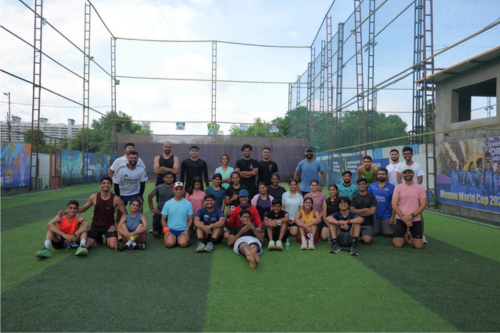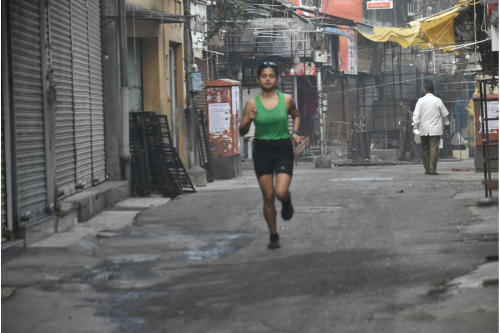
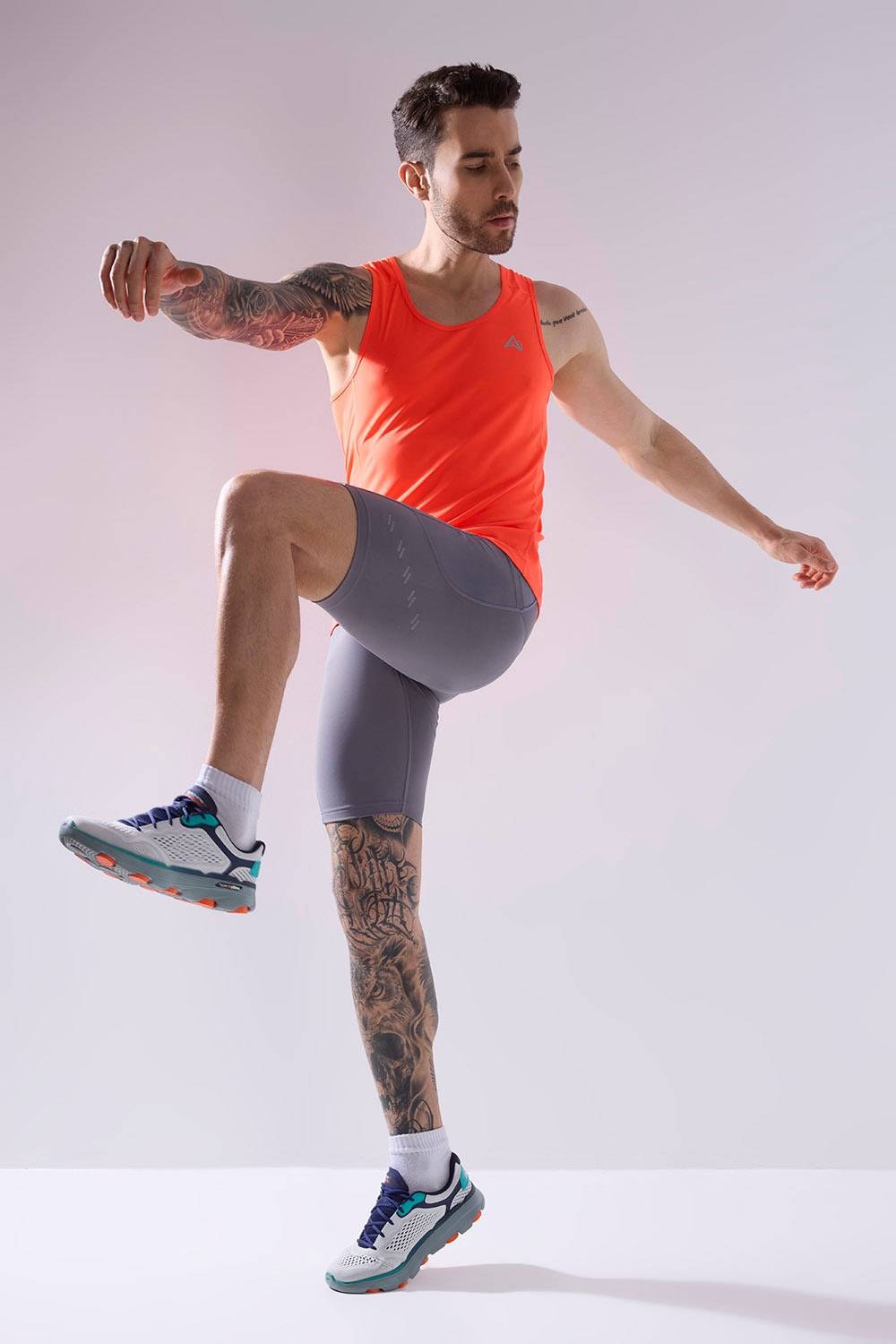
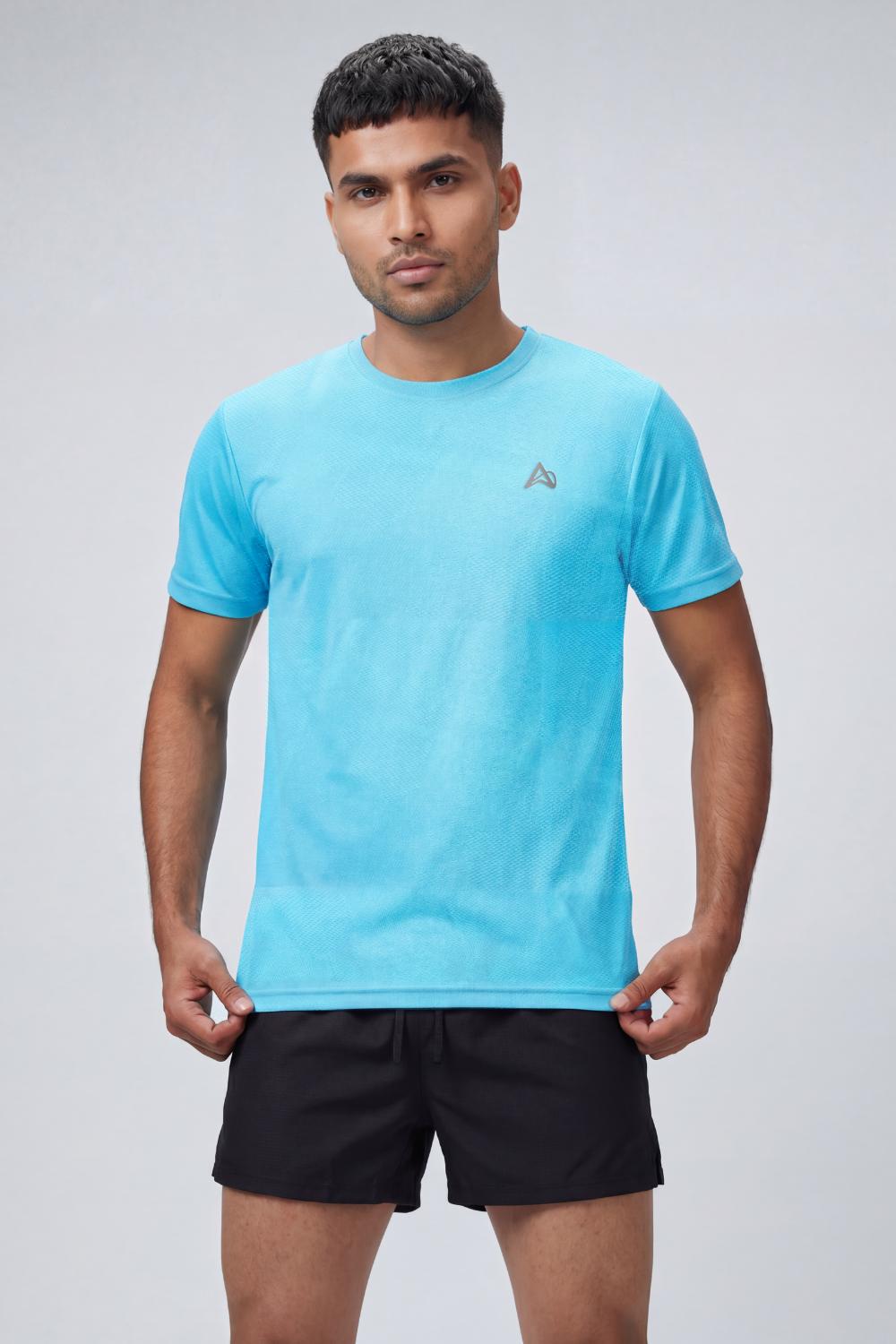
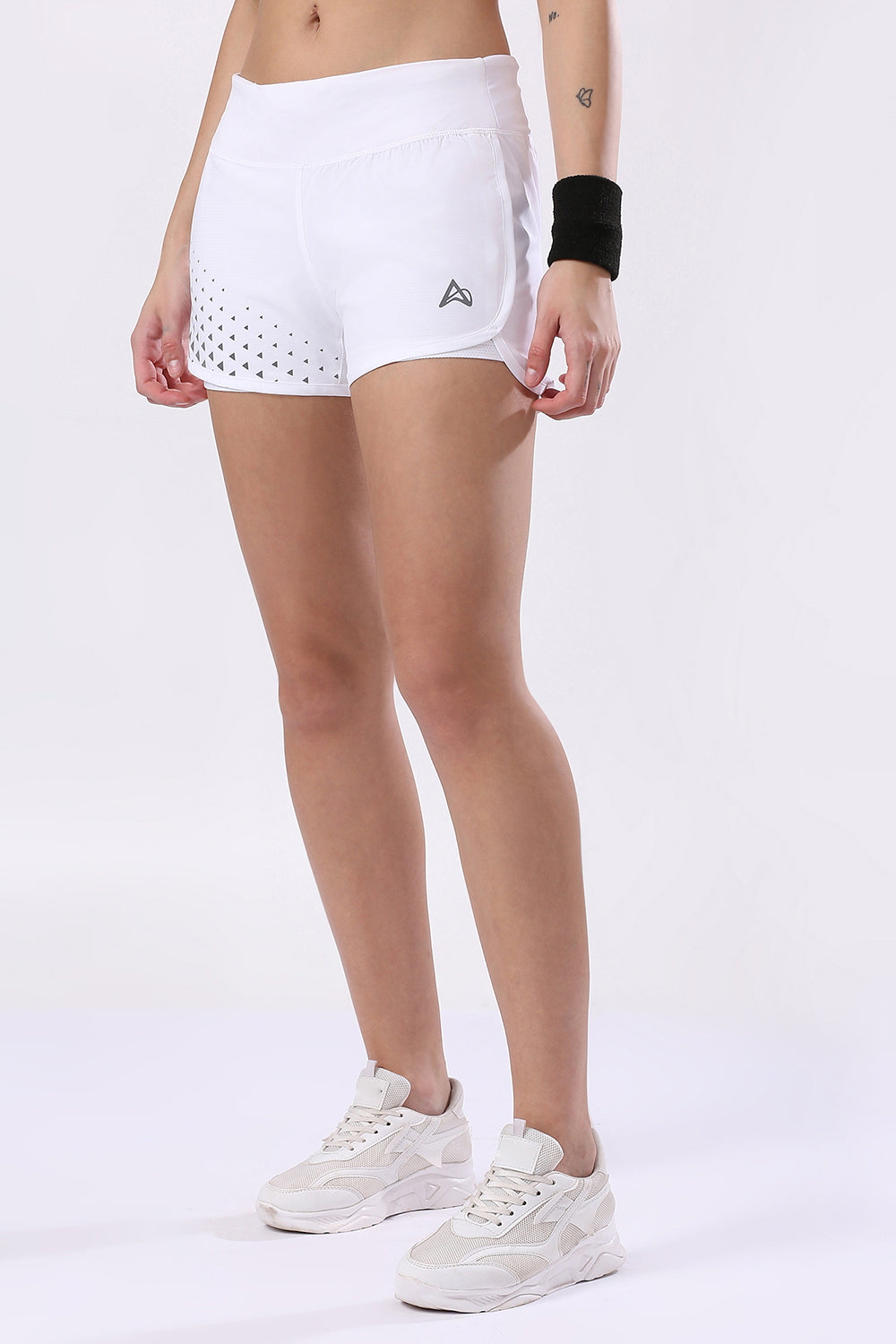
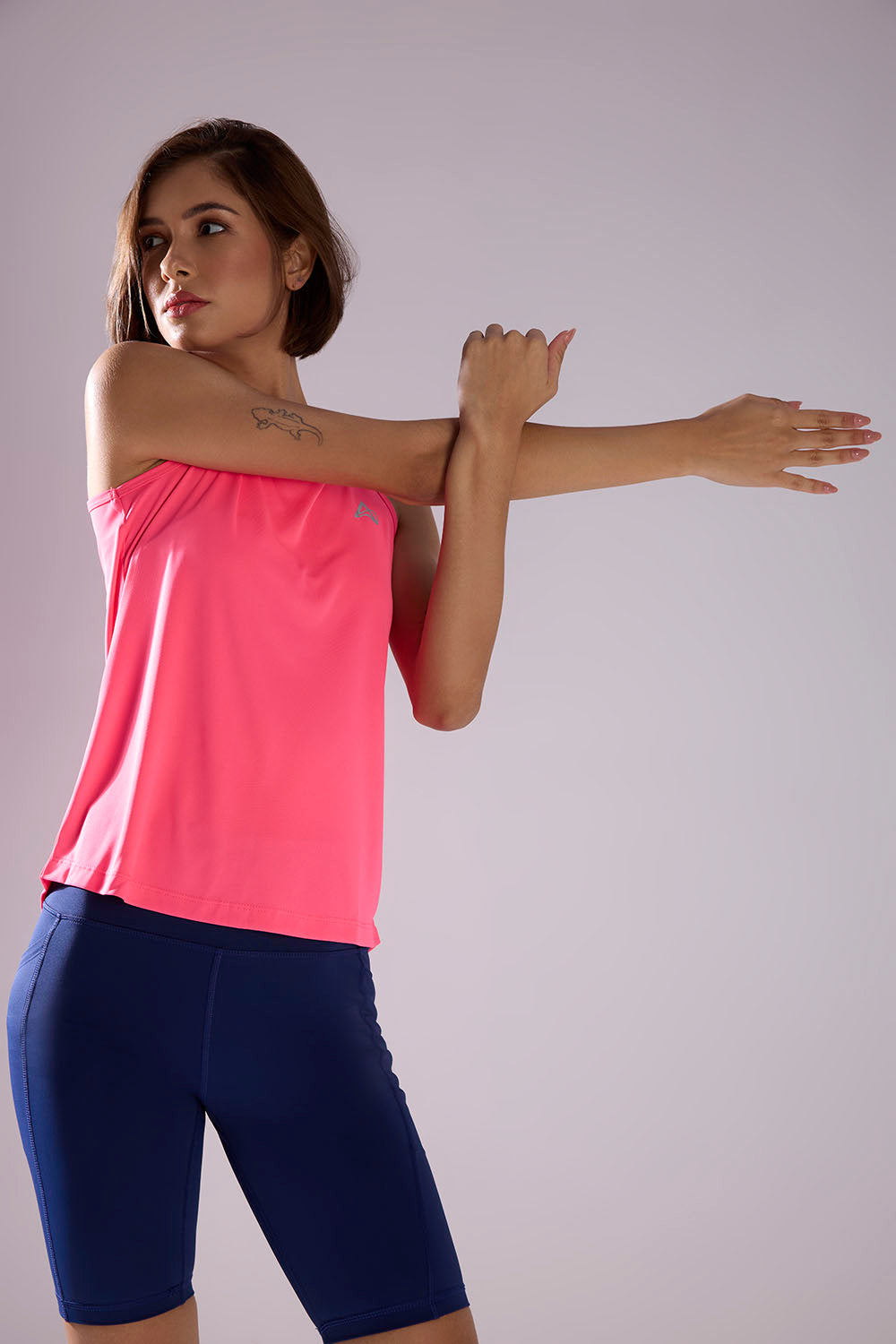
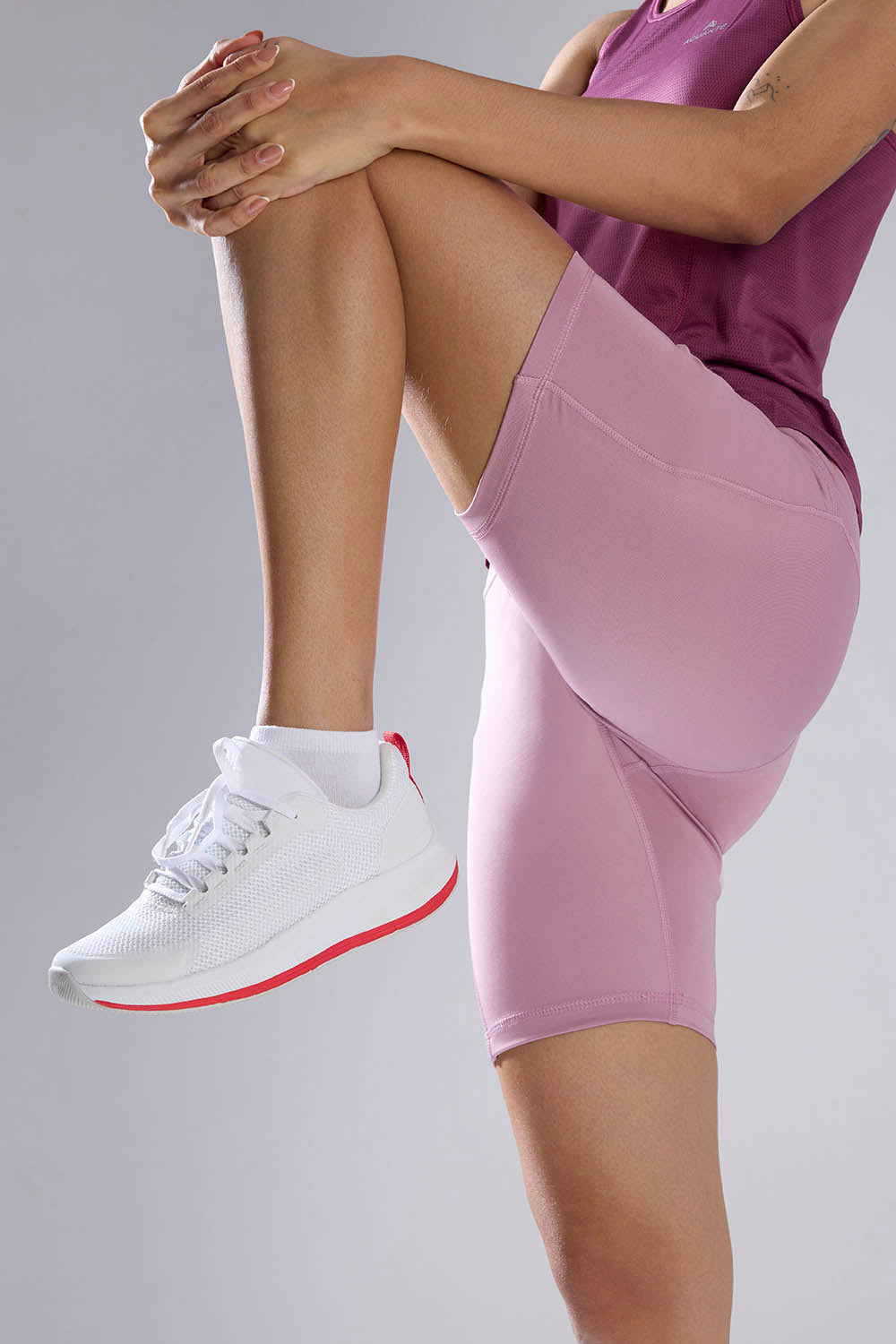
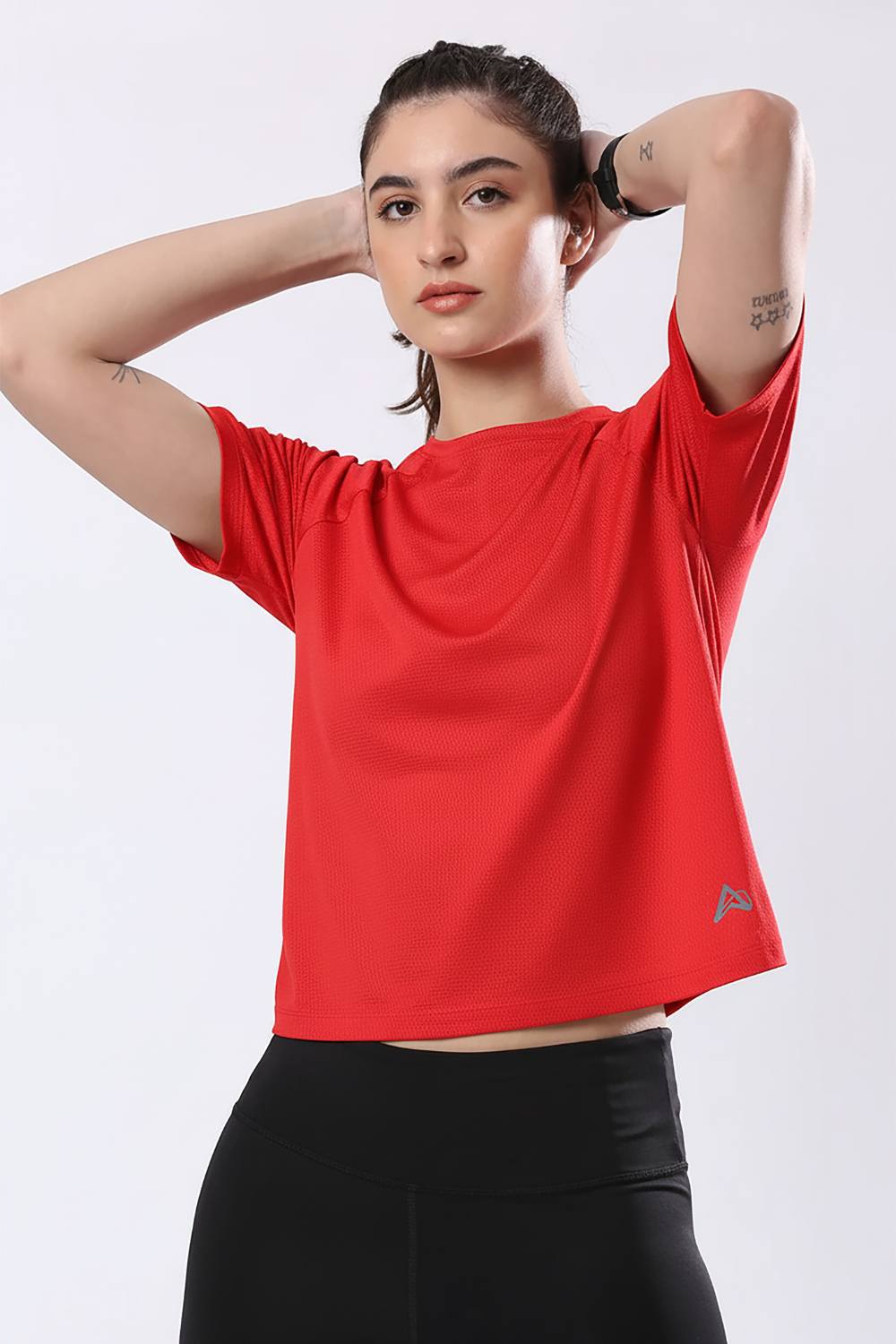
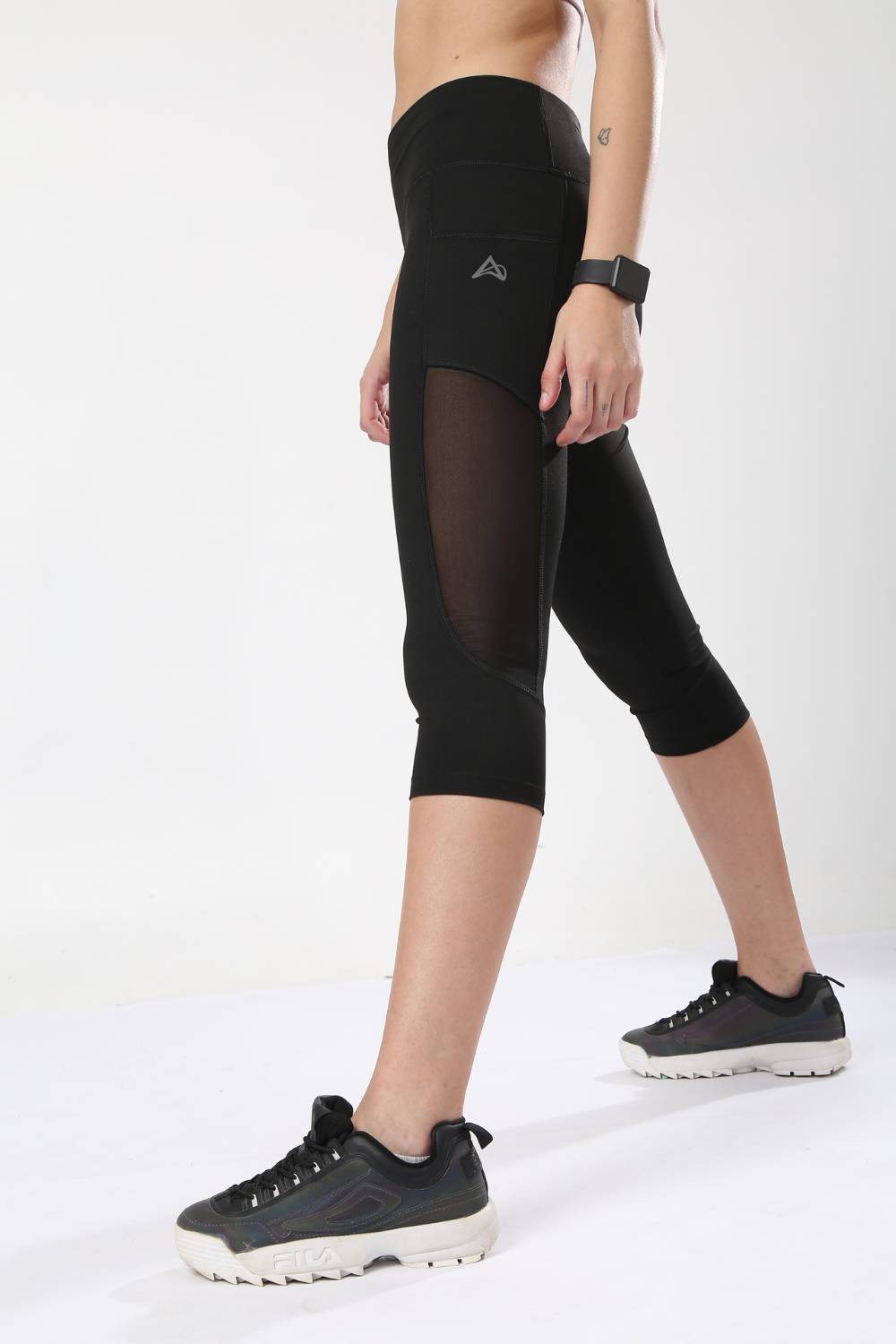
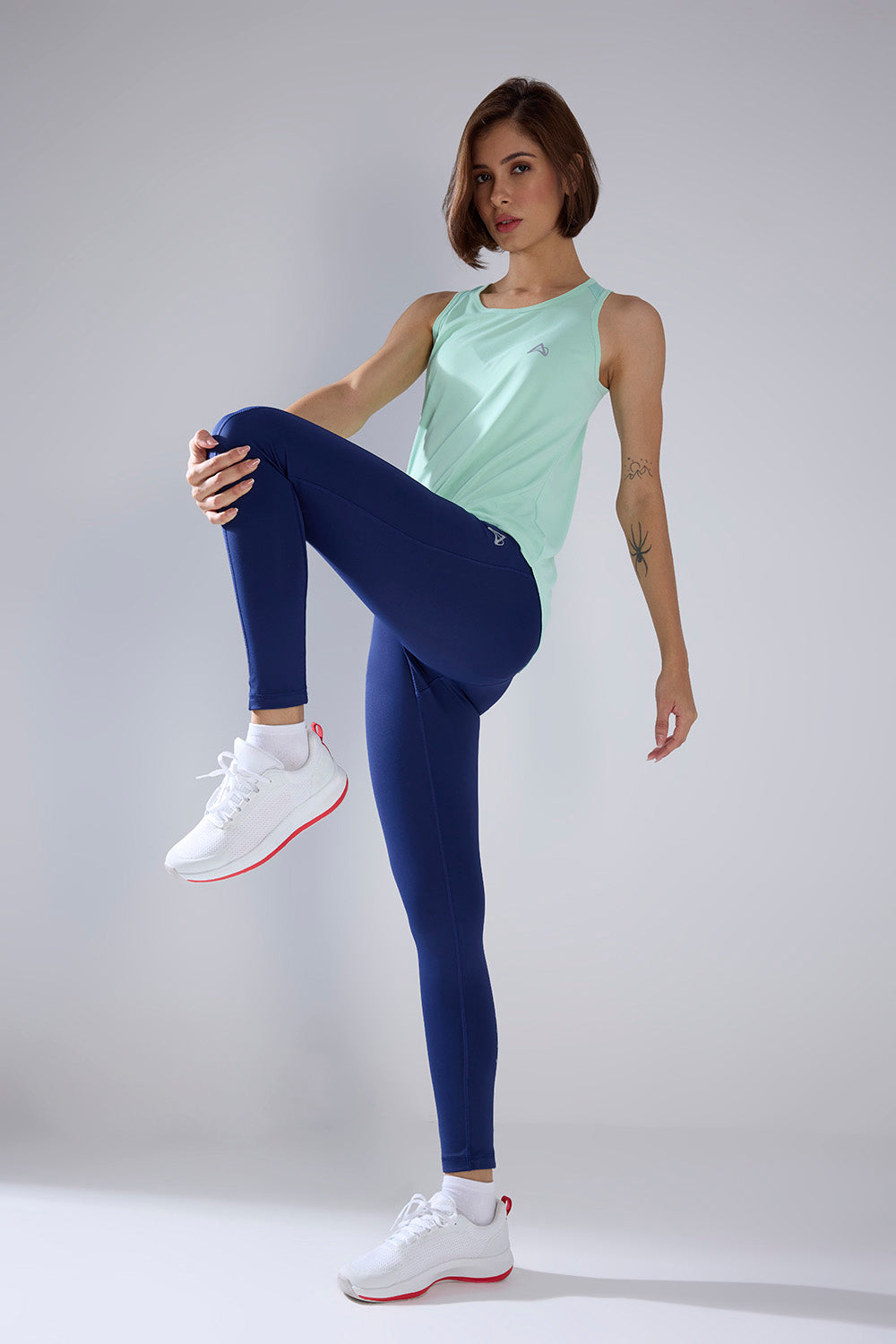

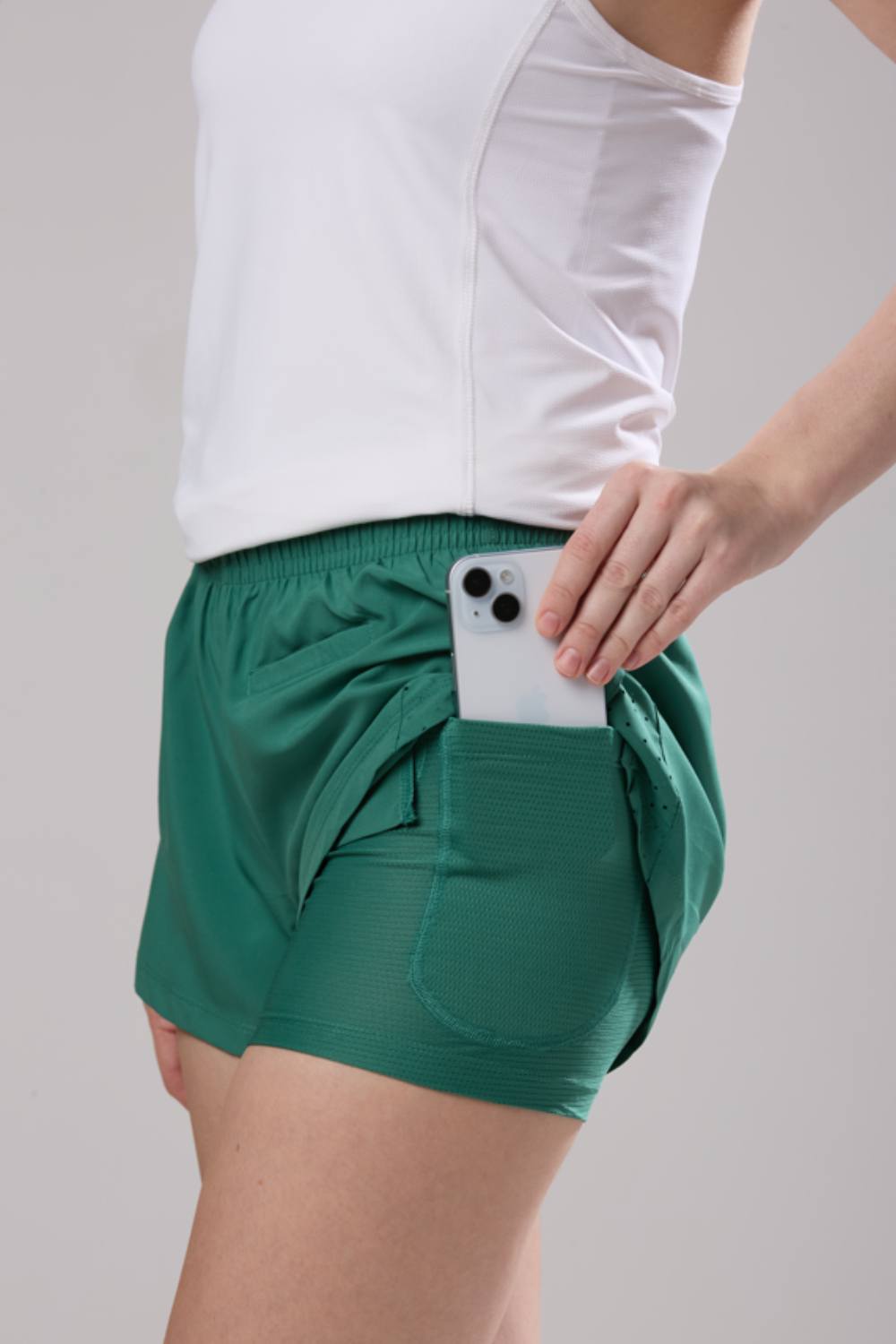
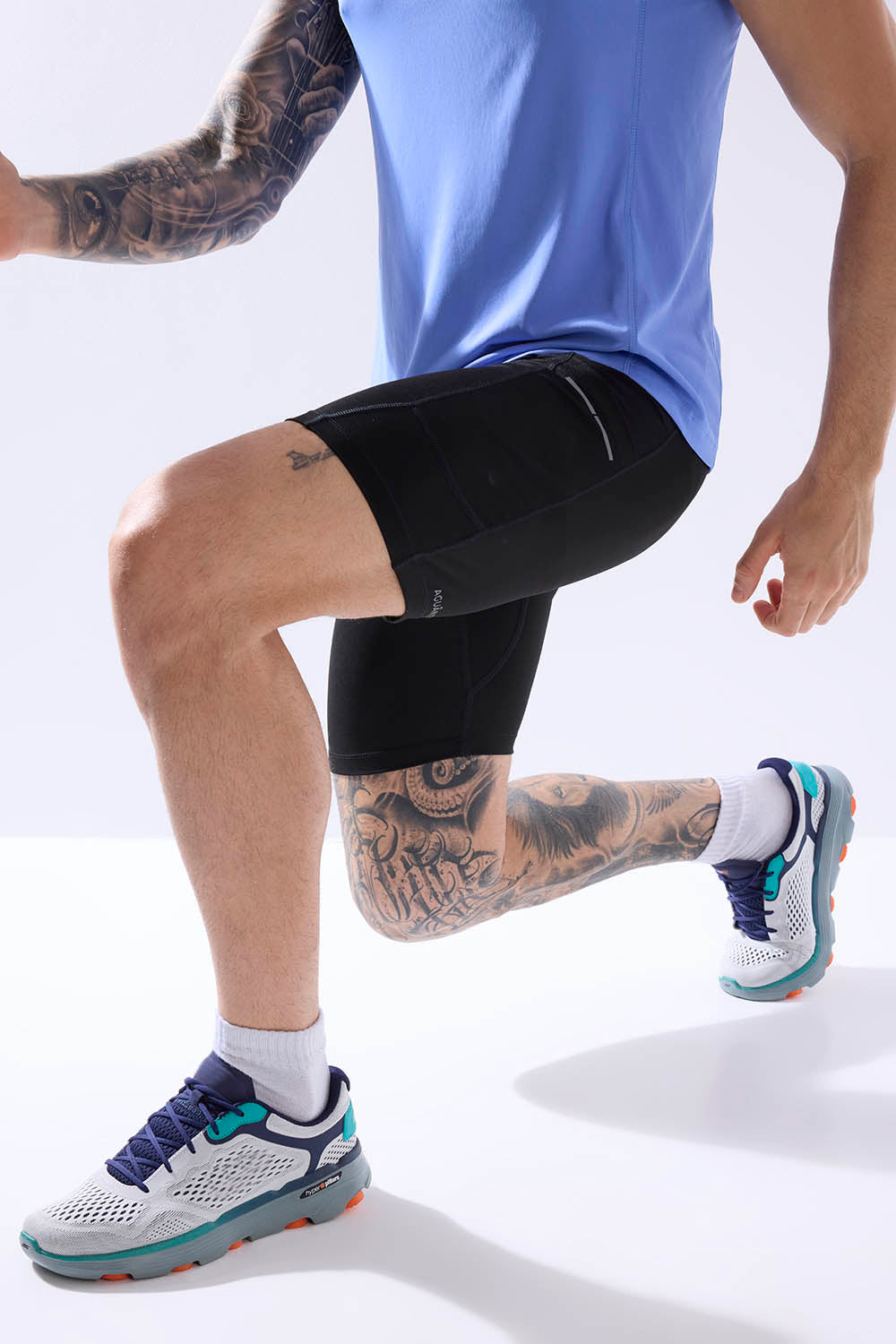
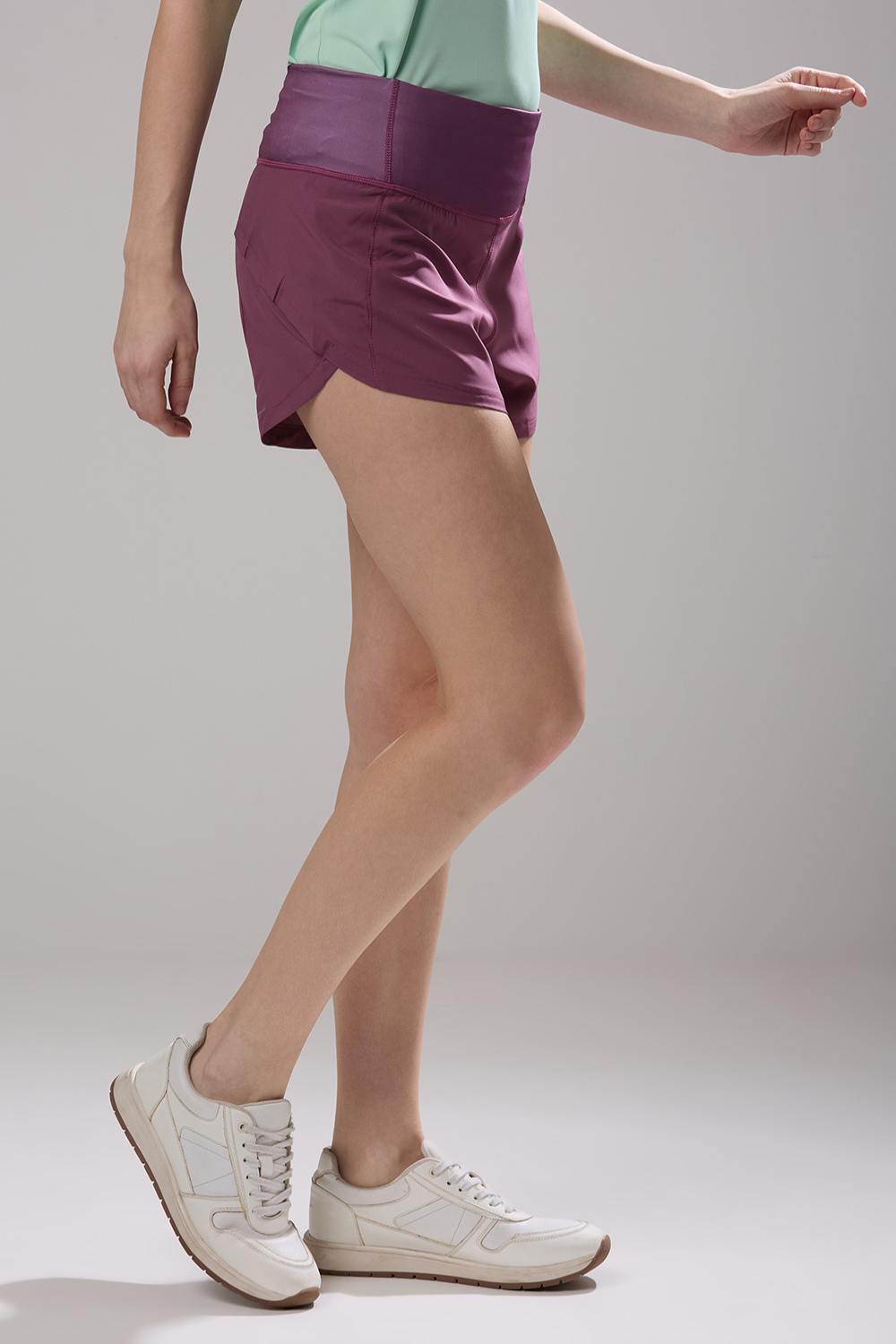
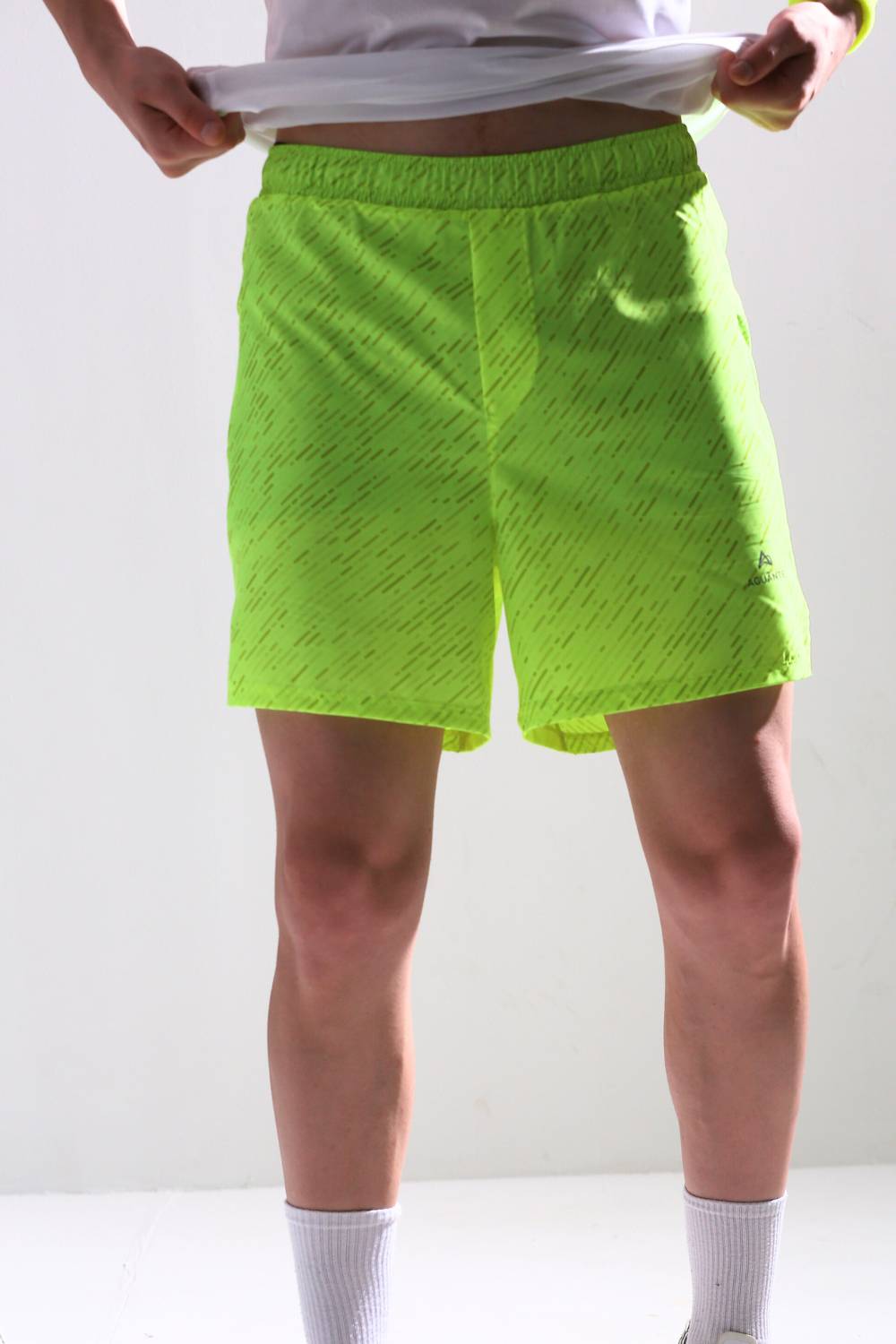
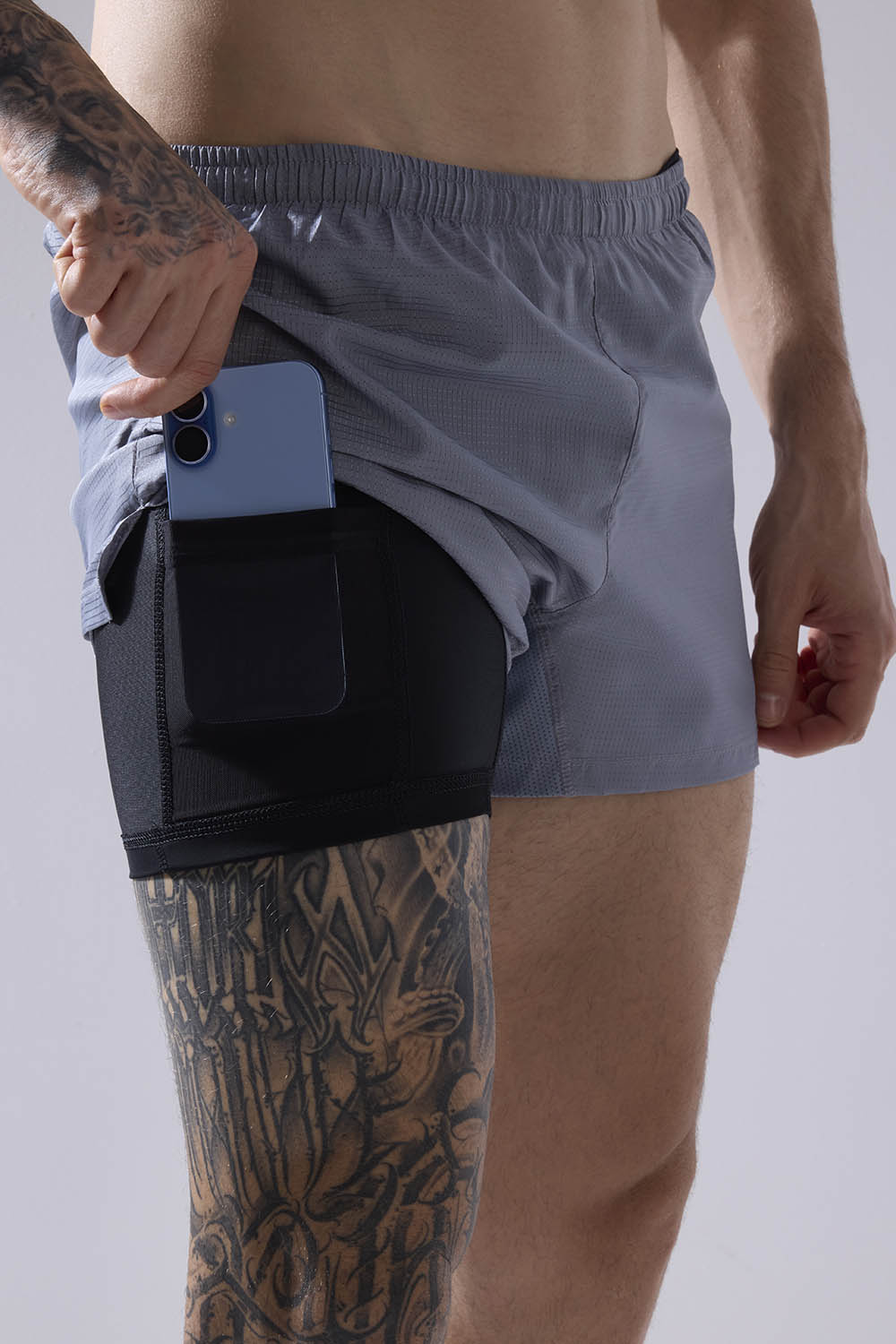

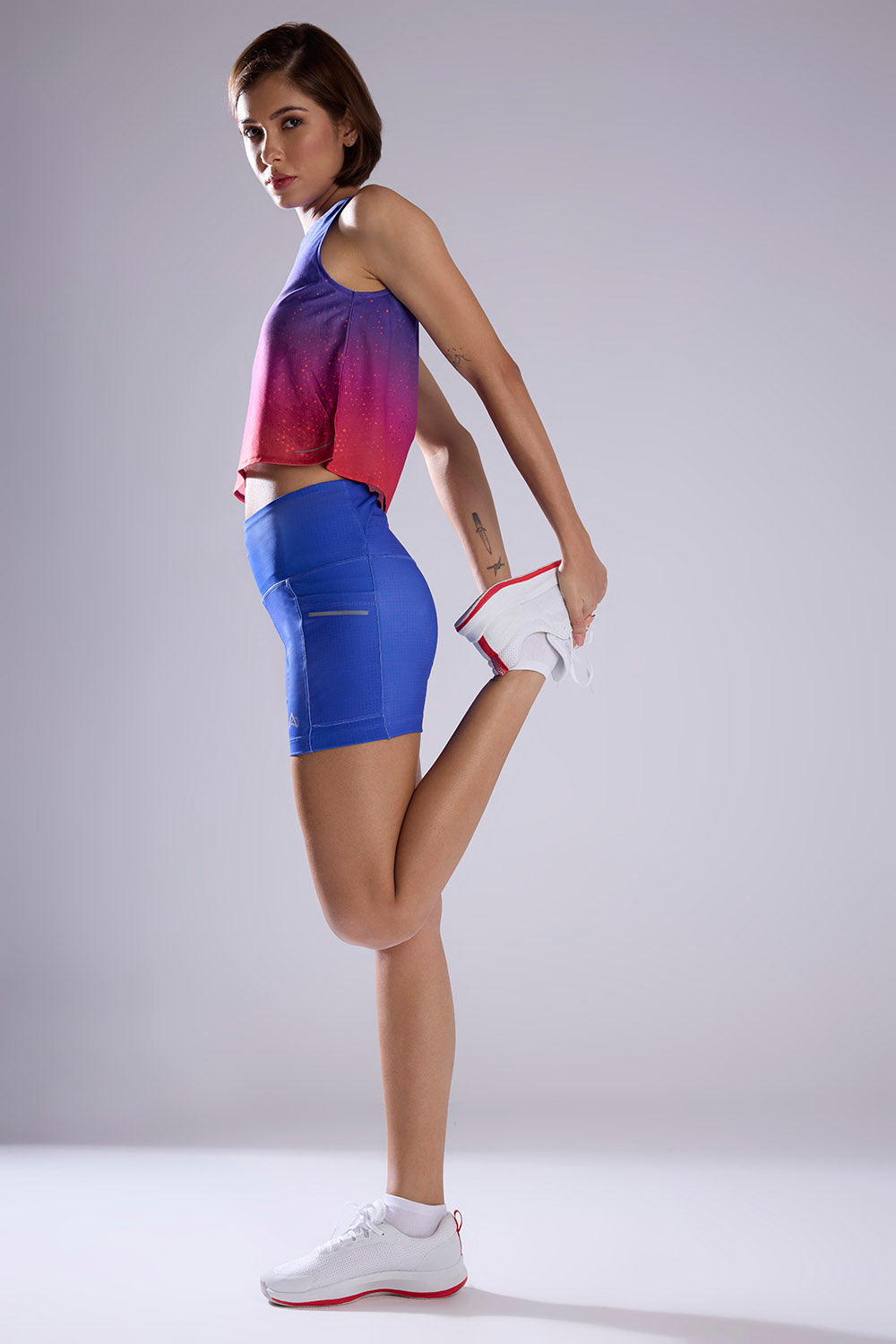
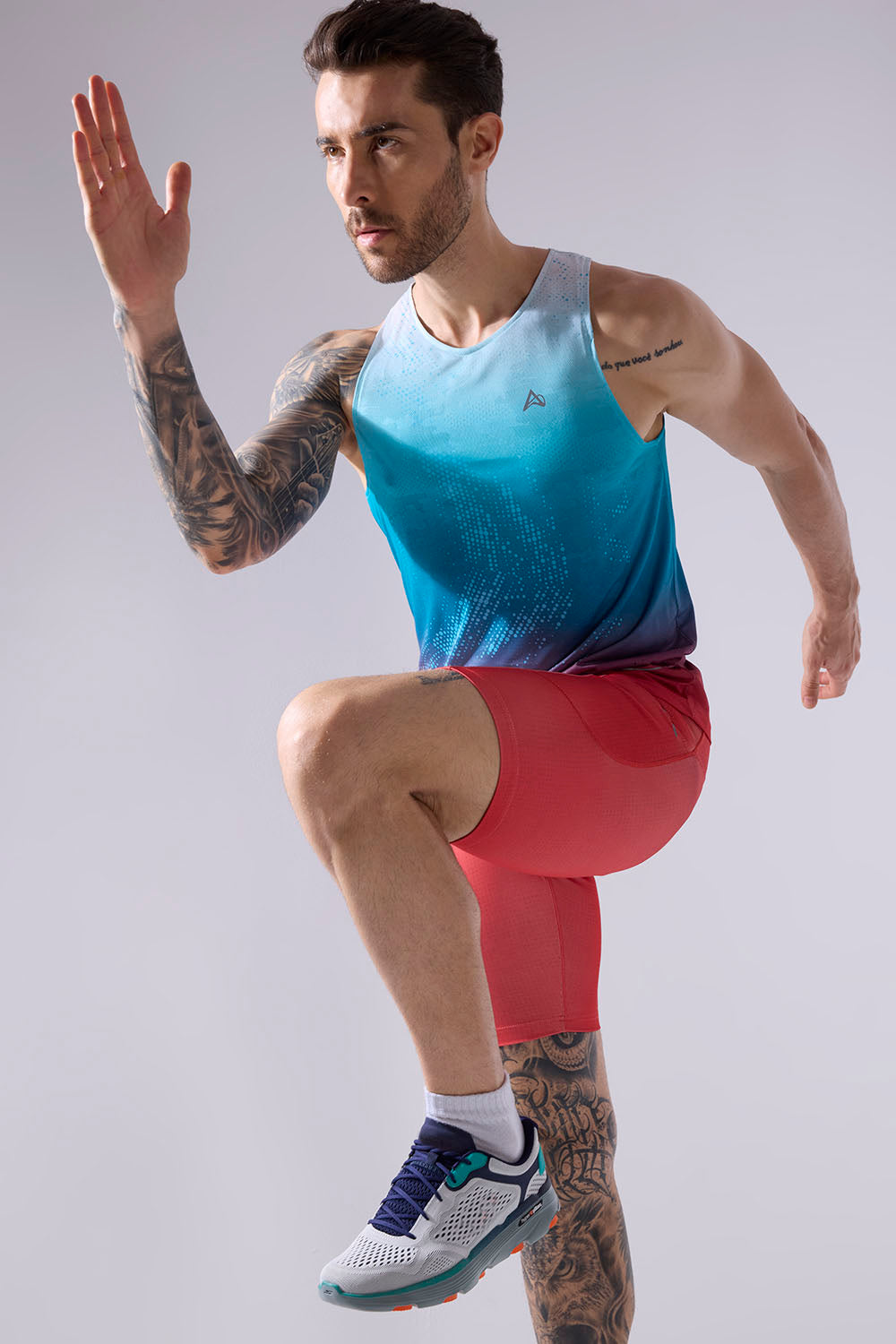

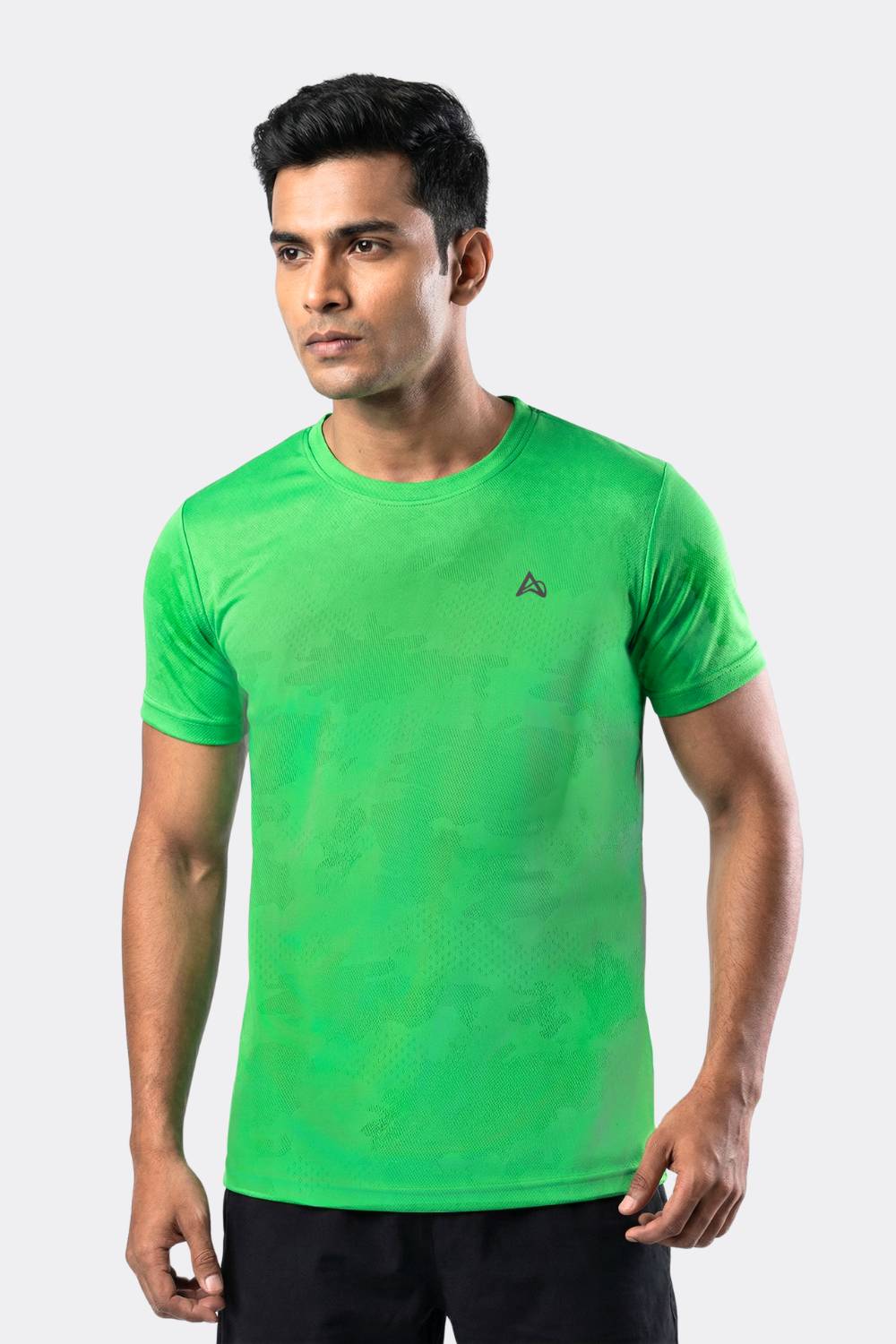
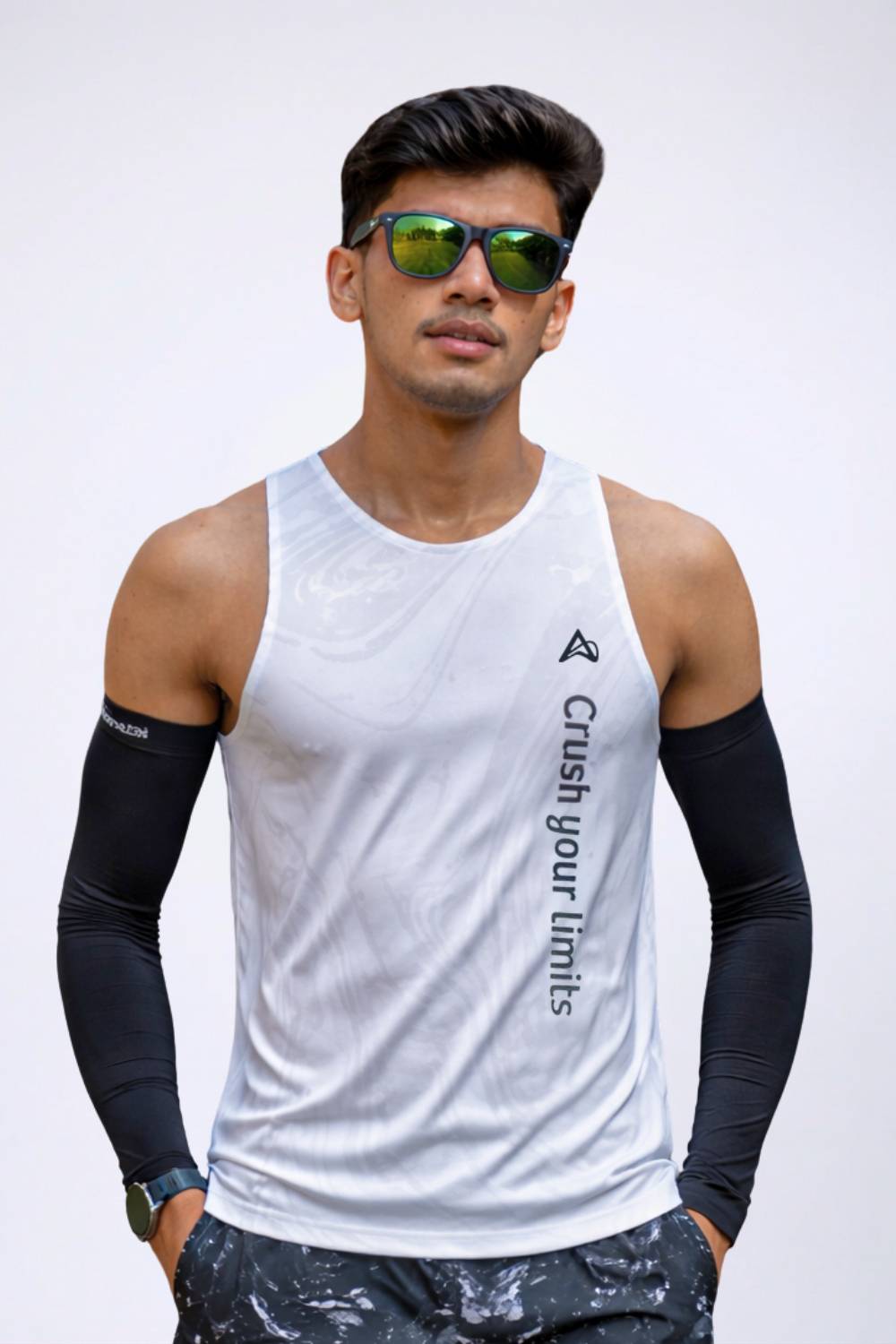

In the early morning light of Delhi's Lodhi Gardens, runners dart through tree-lined paths, their breath visible in the winter chill, clad in gear designed to trap warmth without weighing them down. Across the country, Mumbai's joggers pound the pavement along Marine Drive, battling oppressive humidity with featherlight, sweat-wicking fabrics. India's weather doesn't just influence daily life it dictates the very design of the nation's running and fitness apparel. For an industry at the heart of a fitness revolution, this climatic diversity is both a challenge and a catalyst for innovation.
Tired of gear that slows you down? Chafing, soggy fabrics, and missing pockets kill your run's momentum. At Aguante, we're runners who get it. Our high-performance activewear features moisture-wicking fabrics, ergonomic designs, and smart storage to keep you focused. Shop Now!
Designing for India's Climates: Weather-Driven Running Apparel
India's 1.3 billion people navigate a kaleidoscope of climates, from the steamy tropics of coastal Chennai to the scorching deserts of Rajasthan and the frosty winters of Himachal Pradesh. This diversity has long shaped traditional attire, with breathable khadi and handspun cotton crafted to endure sweltering summers, as highlighted in a Vogue feature on India's climate challenges. Yet, as fitness culture explodes in cities like Delhi, Mumbai, and Bangalore, the running apparel sector is stepping up, tailoring designs to regional weather patterns with scientific precision. The global apparel industry, set to climb from USD 1.9 trillion in 2025 to USD 2.6 trillion by 2035 at a 3.3% CAGR, underscores India's growing influence, driven by its unique climatic demands and a young, active population.
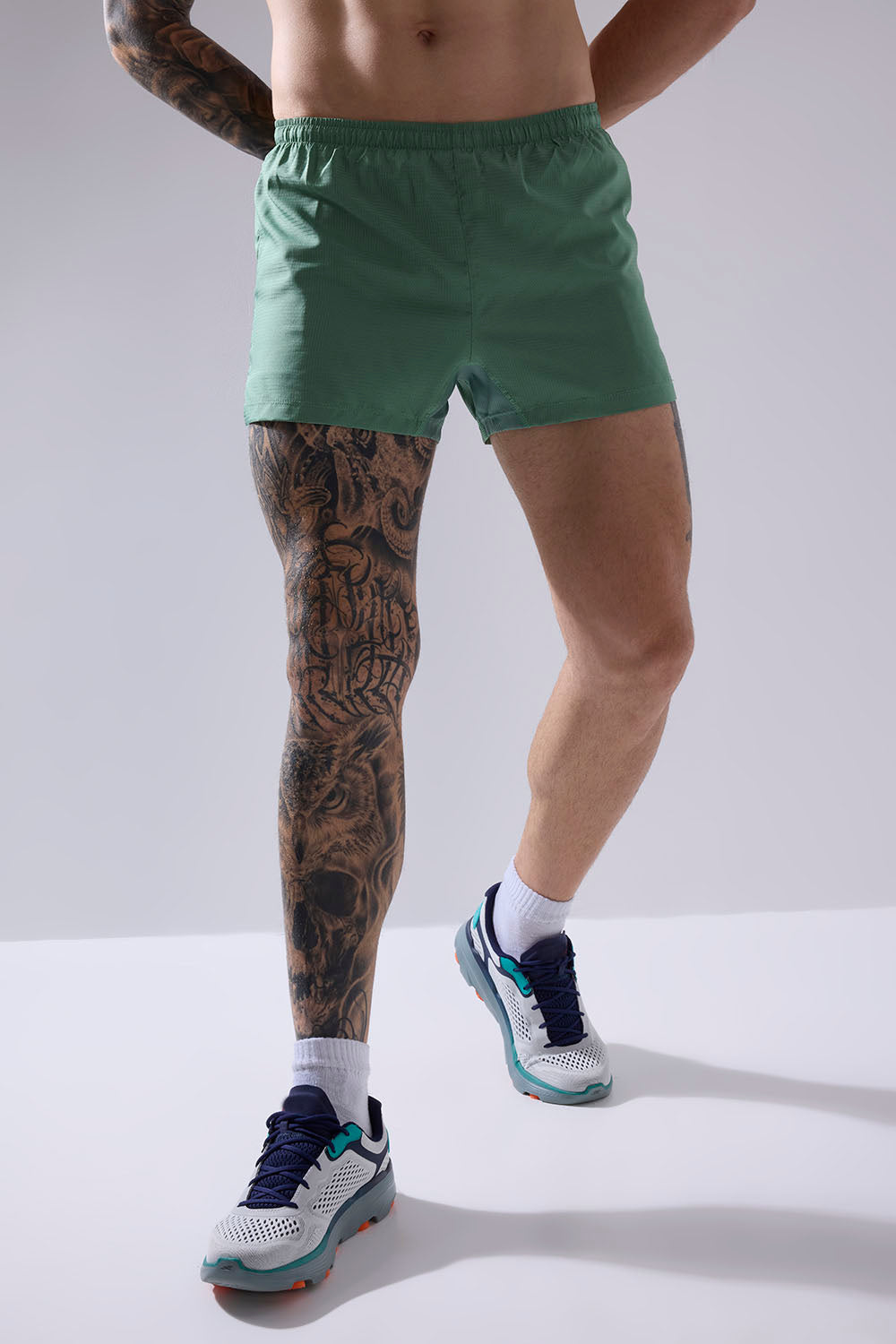
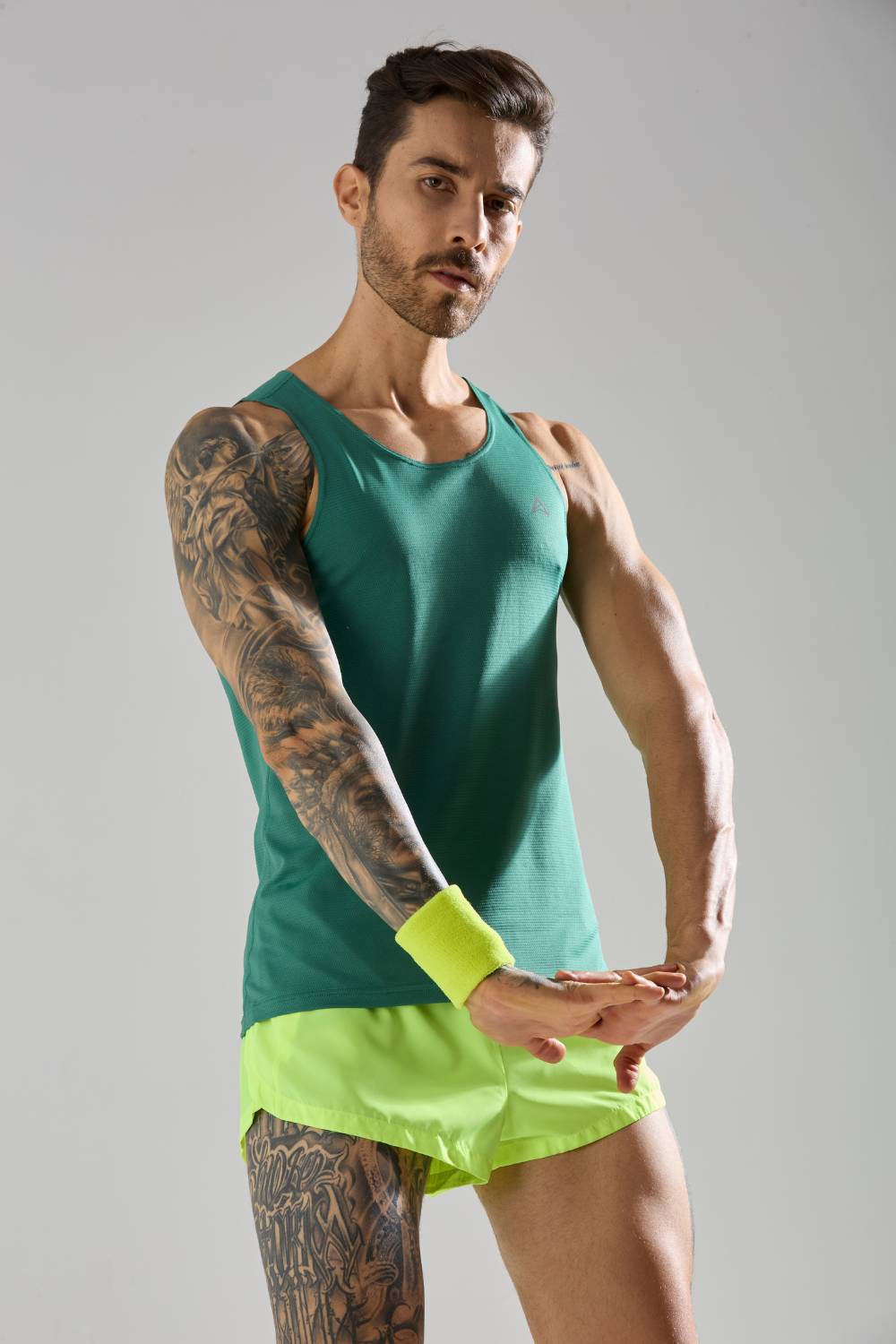
In coastal hubs like Mumbai and Surat, humidity is the defining factor. Runners here demand apparel that pulls sweat away from the skin, dries rapidly, and maximizes airflow. Brands are delivering with moisture-wicking synthetics and mesh-panelled designs that keep athletes cool during sticky morning runs. These lightweight tops and shorts, built for quick-dry performance, are now essential for urban fitness enthusiasts. This push for functional activewear aligns with market projections, as the Indian apparel and footwear sector, valued at USD 67.32 billion in 2024, is forecasted to hit USD 109 billion by 2030, growing at an 8.45% CAGR, fueled by demand for performance-driven clothing.
The rise of e-commerce and social commerce platforms further accelerates this trend, enabling brands to reach fitness-conscious consumers with targeted offerings. From 2025 to 2030, the global apparel market is expected to grow from USD 1.9 trillion to nearly USD 2.0 trillion, with Asia-Pacific, including India, leading the charge due to its youthful demographics and increasing disposable incomes. The following five years, from 2030 to 2035, will see revenues soar to USD 2.6 trillion, driven by sustainable materials and deeper market penetration in emerging economies like India.
Adapting to Sun and Cold
In northern India, where Delhi and Gurugram endure blistering, dry summers, sun protection is critical. A temperature increase of 33.3 degrees Fahrenheit since 1901, as noted in Vogue, has intensified the need for gear that shields runners from harmful UV rays. UPF-rated fabrics engineered to block ultraviolet radiation while remaining breathable are now a staple, with brands crafting sun-protective tops, hats, and sleeves for the region's harsh sunlight. For runners hitting the streets at dawn, this isn't just about comfort it's about long-term health.
In contrast, cooler regions like Pune or Delhi during winter, where temperatures can plummet to single digits Celsius, call for a different approach. Layering is paramount, with thermal jackets and leggings designed to retain heat without sacrificing mobility. These garments, often made with advanced insulating materials, allow runners to stay warm and agile during chilly morning sessions. This focus on versatility reflects India's evolving fitness culture, where style and functionality converge to meet the needs of a dynamic, urban demographic.
Bangalore's moderate climate presents a unique opportunity. Runners in this tech hub gravitate toward natural fibers like organic cotton and bamboo blends, which offer breathability and align with growing eco-conscious values. Local brands are capitalizing on this, producing activewear that feels soft and sustainable, catering to a city known for its progressive outlook. This shift mirrors global trends, as the textile and apparel market is projected to expand from USD 2,666.42 billion in 2023 to USD 4,047.99 billion by 2033 at a 4.26% CAGR, with sustainability as a key driver.
The global textile industry, encompassing everything from fiber production to finished garments, is adapting to these demands. Natural and synthetic materials are being blended to create fabrics that meet both performance and environmental standards, ensuring that India's running apparel remains competitive on a global stage.
Navigating a Complex Market
Creating apparel for India's diverse climates is no small feat. Developing fabrics that excel in humid, arid, and cold conditions while remaining durable is a significant engineering challenge. High-performance materials like moisture-wicking synthetics or UPF-rated weaves come with high production costs, which can make climate-specific gear less affordable in a price-sensitive market. The apparel industry, already grappling with volatile raw material prices and supply chain disruptions, must also contend with the complexity of sourcing specialized fabrics for regional needs.
Distribution adds another layer of difficulty. India's vast geography requires brands to align their supply chains with regional weather patterns. A thermal jacket tailored for Delhi's winter is unlikely to sell in Mumbai's year-round warmth, and vice versa. This fragmentation demands sophisticated inventory management, forcing brands to rethink how they produce and distribute fitness apparel to ensure the right products reach the right markets at the right time.
Seizing Opportunities Through Customization
These challenges, however, open doors for innovation. Brands that excel at regional customization can differentiate themselves in India's competitive apparel market. By prioritizing climate-specific solutions cooling fabrics for Chennai, UV-protective gear for Ahmedabad, or thermal layers for Shimla companies can build loyalty among runners who value gear that performs in their local conditions. Localized manufacturing, an emerging strategy, could further reduce costs and streamline supply chains, making specialized apparel more accessible to a broader audience.
Marketing plays a critical role in this strategy. Imagine a campaign featuring a Chennai runner powering through humid dawn runs in a breathable, quick-dry kit, or a Delhi athlete layering up for a winter jog in sleek thermal gear. Region-specific campaigns that highlight weather-responsive features resonate deeply, tapping into India's pride in its diverse landscapes. Social commerce, a cornerstone of India's e-commerce growth, amplifies these efforts, with influencers on platforms like Instagram showcasing how apparel performs in local climates.
In tech-forward cities like Delhi, innovation is taking a futuristic turn. Smart fabrics embedded with wearable technology such as sensors monitoring heart rate or hydration are gaining traction among fitness enthusiasts. While still a niche market, these advancements point to a future where running apparel not only adapts to weather but also to the athlete's body in real time, merging performance, style, and data-driven insights.
A Climate-Conscious Future
As India's fitness revolution gains momentum, its apparel industry is racing to innovate, stitching solutions into every garment. The nation's climatic diversity, once a hurdle, is now a driving force, inspiring brands to create running gear as resilient and dynamic as the athletes who wear it. From the humid coasts of Mumbai to the sunbaked plains of Delhi, the future of fitness apparel lies in embracing these regional differences, delivering products that empower runners to perform in any weather. With the global apparel market poised to reach USD 2.6 trillion by 2035, India is positioning itself as a leader in weather-driven design, proving that the right gear can transform a run whether under scorching sun, monsoon rains, or winter frost.
Frequently Asked Questions
What fabrics are best for clothing in India's different climates?
Lightweight, breathable fabrics like cotton, khadi, and linen are ideal for India's hot and humid regions, offering comfort and ventilation. In colder areas, such as northern hill stations, wool, silk, and pashmina are preferred for warmth. For monsoon conditions, designers use water-resistant blends and quick-drying synthetics to balance style and practicality.
How does India's diverse weather influence apparel design choices?
India's varied climate, from humid coastal regions to arid deserts and chilly Himalayan areas, drives apparel designers to create versatile clothing. Fabrics like cotton and linen are popular for hot, humid areas, while wool and layered designs suit colder regions. Designers also incorporate breathable, quick-drying materials for monsoon seasons, ensuring comfort and functionality across seasons.
Why is weather-adaptive clothing important for India's fashion industry?
Weather-adaptive clothing is crucial in India due to its extreme seasonal and regional climate variations, from scorching summers to heavy monsoons and cold winters. Apparel brands design collections that cater to these conditions, blending traditional aesthetics with modern, climate-responsive fabrics. This approach enhances wearability, boosts consumer satisfaction, and drives demand in India's dynamic fashion market.
Disclaimer: The above helpful resources content contains personal opinions and experiences. The information provided is for general knowledge and does not constitute professional advice.
You may also be interested in: Running Apparel Designed for Indias Hot and Humid Climate
Tired of gear that slows you down? Chafing, soggy fabrics, and missing pockets kill your run's momentum. At Aguante, we're runners who get it. Our high-performance activewear features moisture-wicking fabrics, ergonomic designs, and smart storage to keep you focused. Shop Now!
Powered by flareAI.co