



Quick Listen:
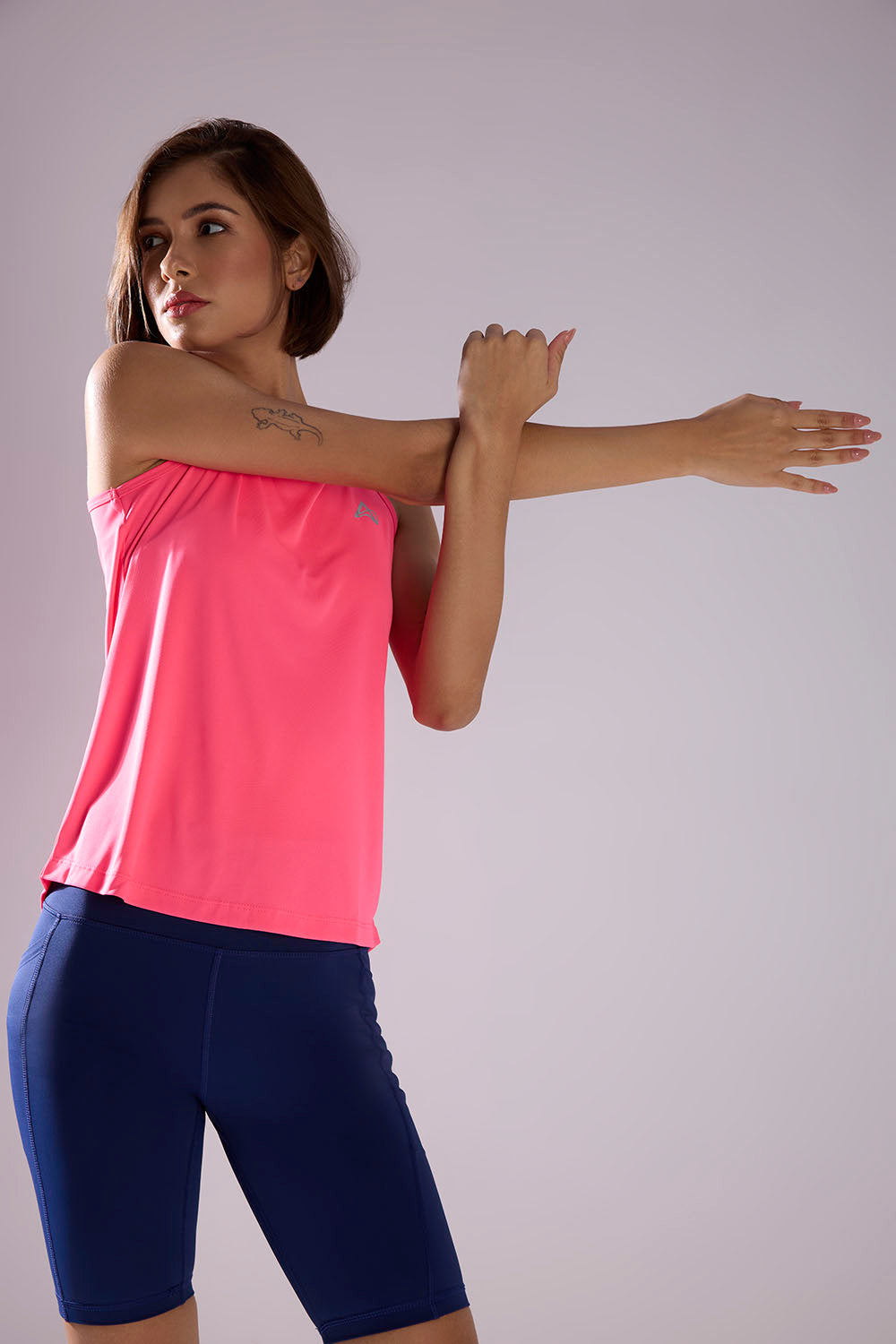
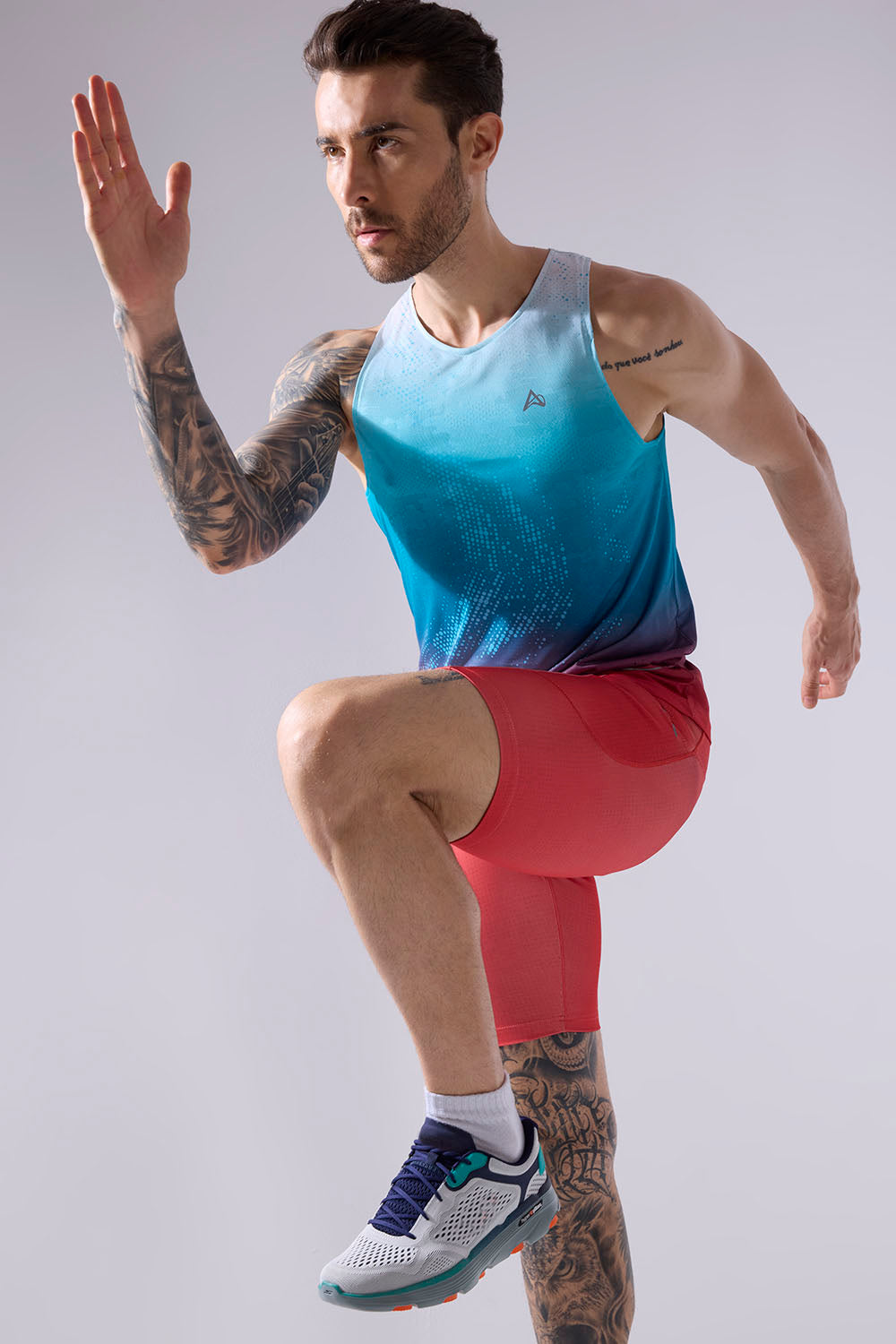
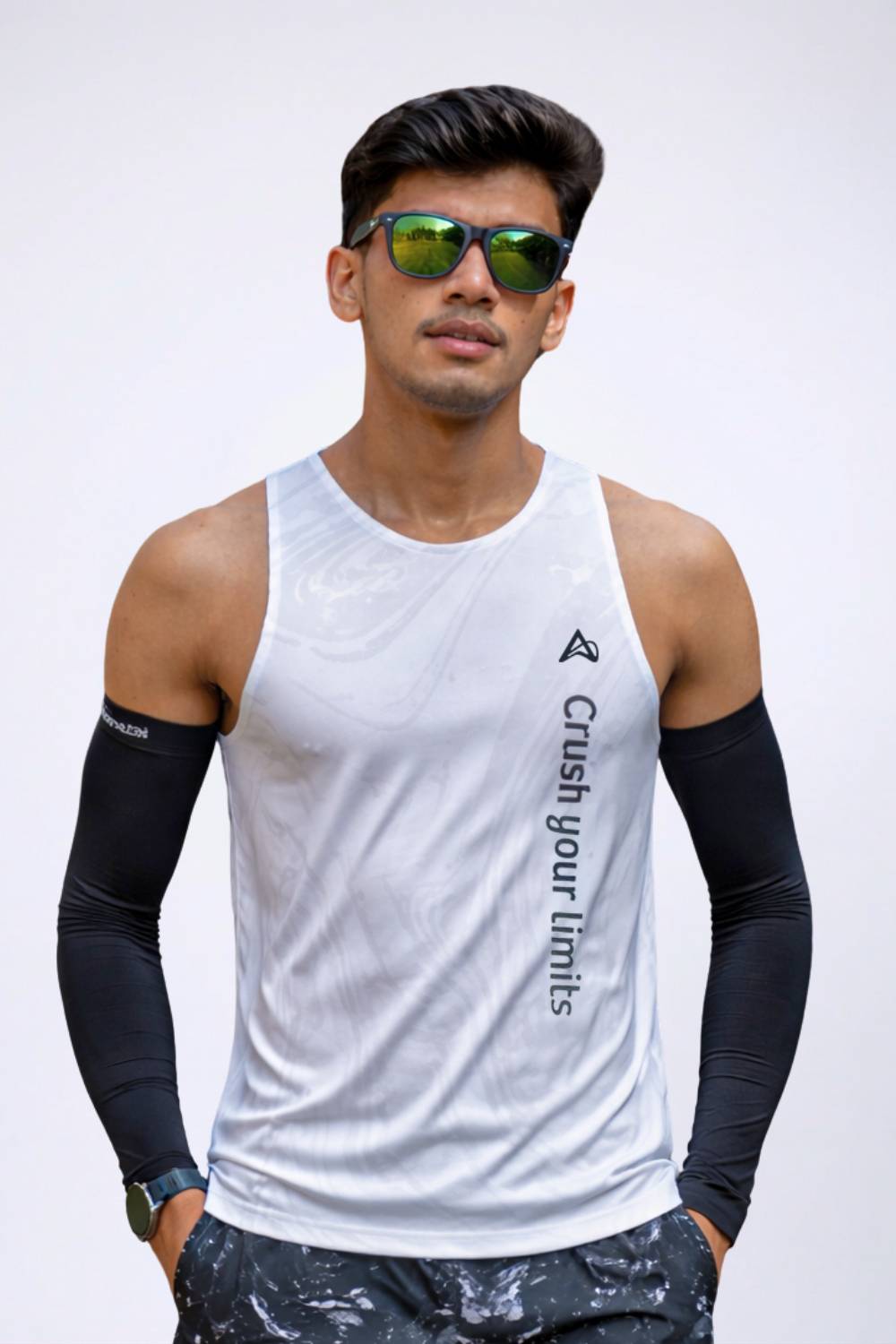
As the summer sun climbs higher and the pavement begins to shimmer with heat, seasoned runners recognize the familiar discomfort all too well: a heavy, sweat-soaked shirt clinging stubbornly to the skin, transforming an invigorating workout into an endurance test of irritation. In response, a growing number of athletes are quietly shifting toward minimalist alternatives that prioritize breathability and freedom. This shift captures the growing preference for lightweight running singlets in summer conditions, where ultra-breathable, featherlight designs have emerged as the preferred choice for those determined to maintain their mileage when temperatures rise.
Tired of gear that slows you down? Chafing, soggy fabrics, and missing pockets kill your run's momentum. At Aguante, we're runners who get it. Our high-performance activewear features moisture-wicking fabrics, ergonomic designs, and smart storage to keep you focused. Shop Now!
The Heat Is On: Why Runners Are Moving Away from Heavier Tops
Summer running demands careful attention to detail. High humidity combined with intense sunlight can rapidly elevate core body temperature, turning every additional layer of fabric into a burden that hinders performance. Lightweight singlets confront this challenge directly. Constructed from exceptionally thin, advanced technical fabrics, they minimize weight while promoting maximum airflow across the chest and shoulders. Runners heading out at first light or tackling late-evening sessions often notice the improvement right away: reduced overheating, faster evaporation of perspiration, and a welcome feeling of unrestricted movement.
Yet the advantages extend beyond mere comfort. During competitive events ranging from local 5Ks to full marathons, these incremental improvements become meaningful. A singlet engineered for efficient ventilation helps athletes hold their target pace even as the heat index climbs. Experienced runners who previously relied on layered shirts now praise the singlet's simplicity, describing it as the subtle edge that separates a strong finish from merely crossing the line.
The Fabric Revolution: What Sets a Summer-Ready Singlet Apart
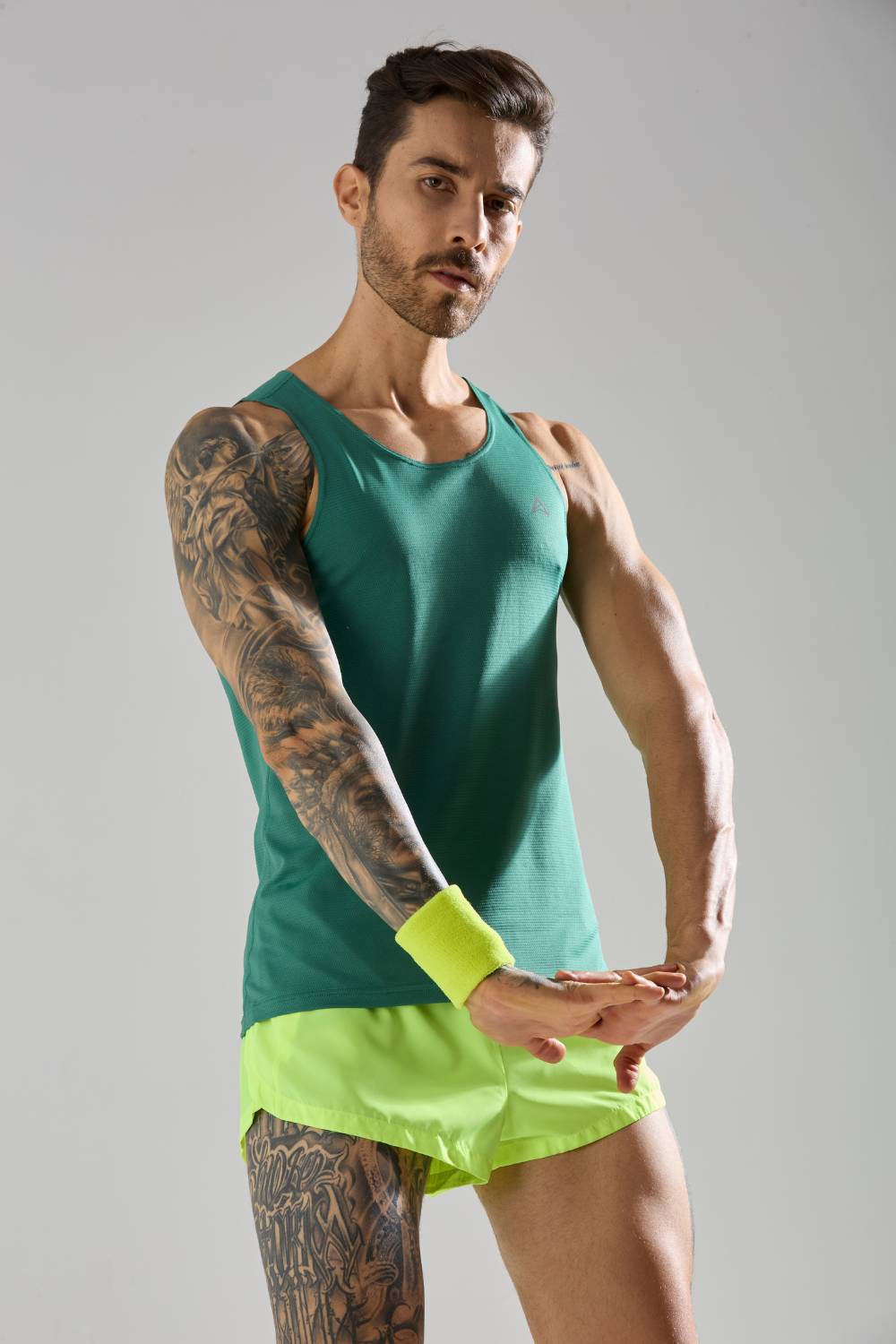
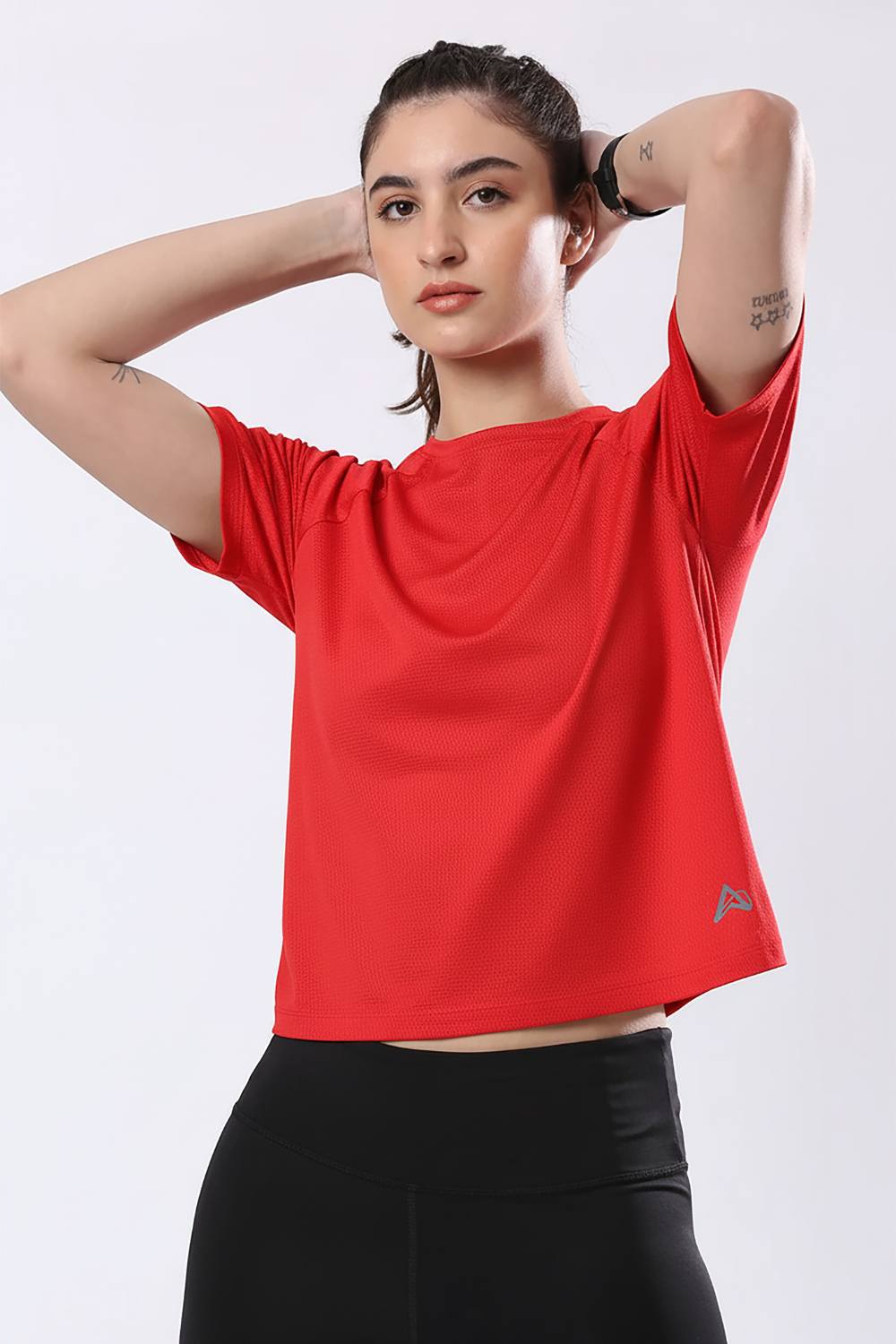
The true innovation resides in the materials themselves. Contemporary singlets incorporate engineered polyester blends featuring targeted mesh panels across the front and rear torso. These fabrics actively transport moisture away from the skin, drying far more rapidly than traditional options. Many include gentle stretch properties to accommodate full arm swing without resistance, paired with flat-lock seams that lie smoothly against the body. The outcome is apparel that feels almost weightless yet proves remarkably durable over repeated long efforts.
Color selections and protective features matter equally. Vibrant, reflective finishes enhance visibility during low-light summer runs, while many modern fabrics integrate UPF protection to safeguard skin from ultraviolet exposure. This represents a significant advancement from the plain, basic vests of earlier eras, transforming singlets into genuine performance assets that runners eagerly incorporate into their routines.
Chafing No More: How Lightweight Designs Safeguard Skin Health
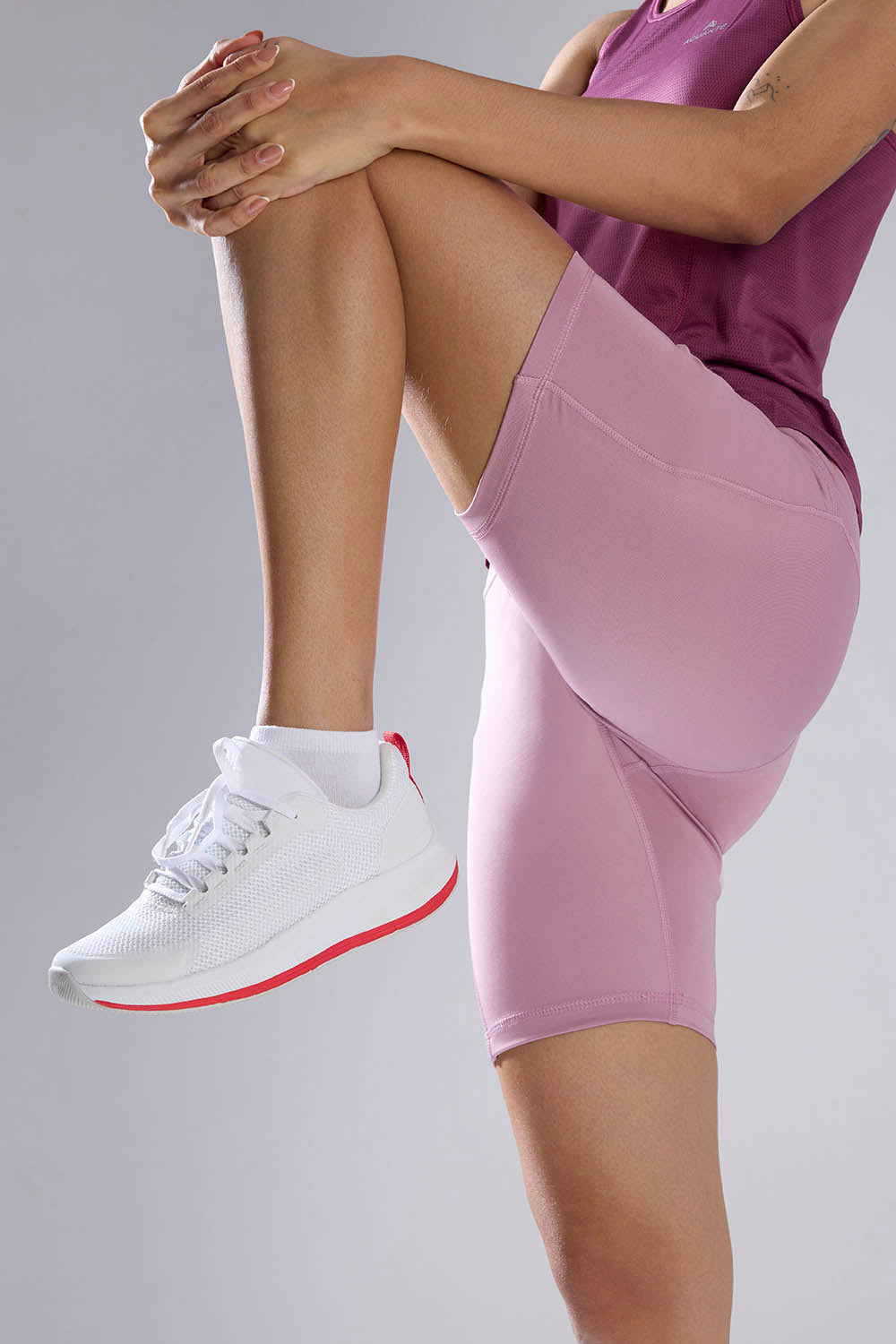
Few issues derail a run as quickly as painful skin irritation caused by persistent friction. Lightweight singlets address this vulnerability proactively through seamless or minimally seamed construction that limits rubbing in critical areas such as under the arms and across the shoulders common trouble spots once fabric becomes saturated with sweat. This emphasis on skin protection aligns with wider developments in running apparel focused on comfort during extended activity.
The anti-chafing shorts market offers a clear parallel. It was valued at approximately USD 1.2 billion in 2023 and is projected to reach around USD 2.5 billion by 2032. This expansion reflects growing consumer awareness about skin health and the drawbacks of chafing, alongside increased involvement in outdoor and sports pursuits, including running, cycling, and hiking. A key driver is the rising understanding of how prolonged skin irritation can affect long-term comfort and performance. Endorsements from healthcare professionals and athletes further boost adoption of such specialized gear. Singlets operate on the same principle, eliminating one more potential distraction so every stride remains focused and enjoyable.
Performance Gains: Maintaining Cool Efficiency in Warm Conditions
Physiological evidence supports what many runners experience firsthand. When the body remains cooler, the cardiovascular system expends less energy regulating temperature. Heart rates stay more controlled, respiration feels less labored, and overall effort seems more manageable. Lightweight singlets facilitate this process by enhancing evaporative cooling through superior airflow and moisture transport. Research involving endurance athletes regularly demonstrates that improved thermoregulation leads to extended sustainable effort and quicker recovery afterward.
Whether on roads or trails, participants consistently report the same outcome: greater capacity to sustain intensity during hot sessions without the typical lingering exhaustion. For athletes committed to training through humid summer months, a well-designed singlet quickly becomes indispensable much like selecting the proper footwear for the terrain.
Choosing Your Perfect Singlet: Practical Guidance for Runners
Selecting an effective singlet need not involve guesswork, though attention to specific attributes proves worthwhile.
- Fit is critical. Seek a silhouette that follows the body's contours closely yet without constriction. Excessively loose fabric tends to shift and create new irritation, while overly tight cuts can introduce fresh pressure points.
- Fabric weight counts. The most effective options remain exceptionally light, delivering outstanding breathability paired with sufficient resilience for regular use.
- Seam strategy matters. Flat or bonded seams positioned away from high-friction zones help preserve skin comfort throughout the run.
- Moisture management is essential. Reliable wicking technology should rapidly draw sweat outward and facilitate quick drying to maintain a dry microclimate next to the skin.
Before committing to longer distances, test candidates during a brief, intense effort in warm conditions. Initial impressions in a retail setting can differ markedly from real-world performance once sweat and movement enter the equation.
From Track to Trail: Tangible Advantages in Diverse Settings
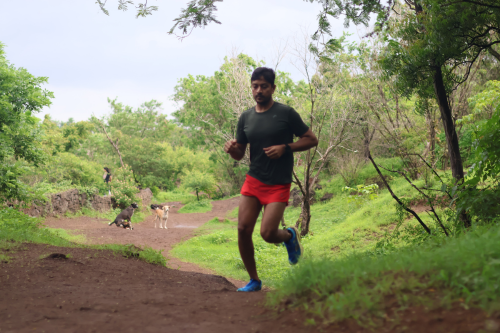
The benefits of lightweight singlets prove consistent whether athletes circle a local track at twilight or navigate winding forest trails. City runners value the rapid drying that follows unexpected showers, while trail users appreciate the unrestricted mobility on uneven ground where bulkier garments might catch or add unnecessary load. Even recreational joggers in neighborhood parks often find they can comfortably extend their summer sessions, free from the discomfort that once prompted early returns indoors.
This transition appears increasingly evident at group runs and competitive starts. A higher presence of singlets on the line reflects not merely shifting aesthetics but a pragmatic adaptation to warmer, more challenging environmental demands.
Looking Ahead: The Evolution of Summer Running Apparel
With continued growth in outdoor participation, brands are introducing increasingly sophisticated solutions. Future designs are likely to feature greater use of recycled materials, antimicrobial properties to manage odor, and discreet storage options that preserve the singlet's streamlined profile. The overarching focus stays fixed on delivering high performance without added bulk and sustained comfort without trade-offs.
This progression mirrors broader discussions about adapting training habits to evolving climate patterns while preserving the joy of consistent activity. Runners adopting lightweight singlets pursue more than personal bests they make informed decisions that support year-round enjoyment of the sport.
Final Thoughts: Why Lightweight Singlets Deserve Consideration
Summer running will continue to present tests of resilience, yet appropriate equipment converts those challenges into rewarding experiences. Lightweight singlets remove extraneous elements, preserving only the essential pleasure of fluid motion beneath the sun. They illustrate how modest adjustments can produce outsized returns: cooler skin, more consistent pacing, and the satisfaction of completing longer efforts without unnecessary discomfort.
The next time warm weather appears in the forecast, consider reaching for a singlet rather than a conventional shirt. Both body and performance stand to benefit. The preference continues to build with solid justification, and many who try it find the change becomes permanent.
Frequently Asked Questions
Why are lightweight running singlets better for summer running than regular t-shirts?
Lightweight running singlets are made from advanced technical fabrics with targeted mesh panels that maximize airflow and wick moisture away from the skin far faster than traditional shirts. Their minimal, close-fitting construction reduces the feeling of heavy, sweat-soaked fabric clinging to the body in heat and humidity. This helps regulate core body temperature more efficiently, allowing runners to maintain their target pace even as conditions become more demanding.
How do lightweight singlets help prevent chafing during long runs?
Lightweight singlets are typically built with seamless or flat-lock seam construction that minimizes friction in high-contact areas like the underarms and shoulders zones that become especially problematic once fabric is saturated with sweat. By reducing rubbing in these trouble spots, they help protect skin health over extended efforts. This same principle drives the broader growth of the anti-chafing sportswear market, which reflects rising athlete awareness of how skin irritation directly impacts performance and comfort.
What features should I look for when choosing a lightweight running singlet for hot weather?
The most effective summer singlets combine an ultralight polyester or technical blend fabric with strong moisture-wicking properties that draw sweat outward and dry quickly. Look for a close-but-unrestricted fit, flat or bonded seams positioned away from friction zones, and mesh panels across the torso for ventilation. Bonus features worth considering include UPF sun protection and reflective finishes for visibility during early morning or evening runs in low-light conditions.
Disclaimer: The above helpful resources content contains personal opinions and experiences. The information provided is for general knowledge and does not constitute professional advice.
You may also be interested in: Why Indian Athletes Prefer Lightweight Running T-Shirts - Aguante
Tired of gear that slows you down? Chafing, soggy fabrics, and missing pockets kill your run's momentum. At Aguante, we're runners who get it. Our high-performance activewear features moisture-wicking fabrics, ergonomic designs, and smart storage to keep you focused. Shop Now!
Powered by flareAI.co