










Quick Listen:
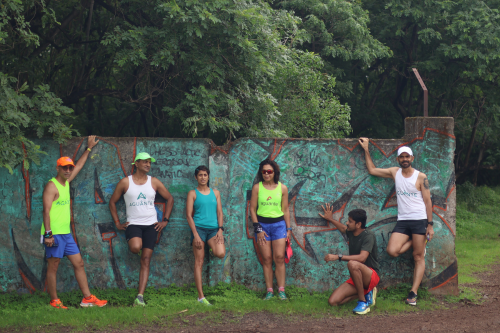
When dawn breaks over the rugged trails of the Himalayas or the steamy lanes of coastal Kerala awaken, Indian runners understand a fundamental reality: choosing the right apparel can transform a tough session into an invigorating experience. Across a nation where landscapes shift dramatically from rocky mountain paths to rain-drenched urban roads within hours, and weather veers from freezing northern winters to scorching southern summers, intelligent clothing decisions prove essential. How Indian Runners Adapt Apparel Choices for Varied Terrain and Weather explores how everyday athletes fine-tune their gear to thrive in these challenging conditions, combining real-world practicality with an expanding selection of suitable options.
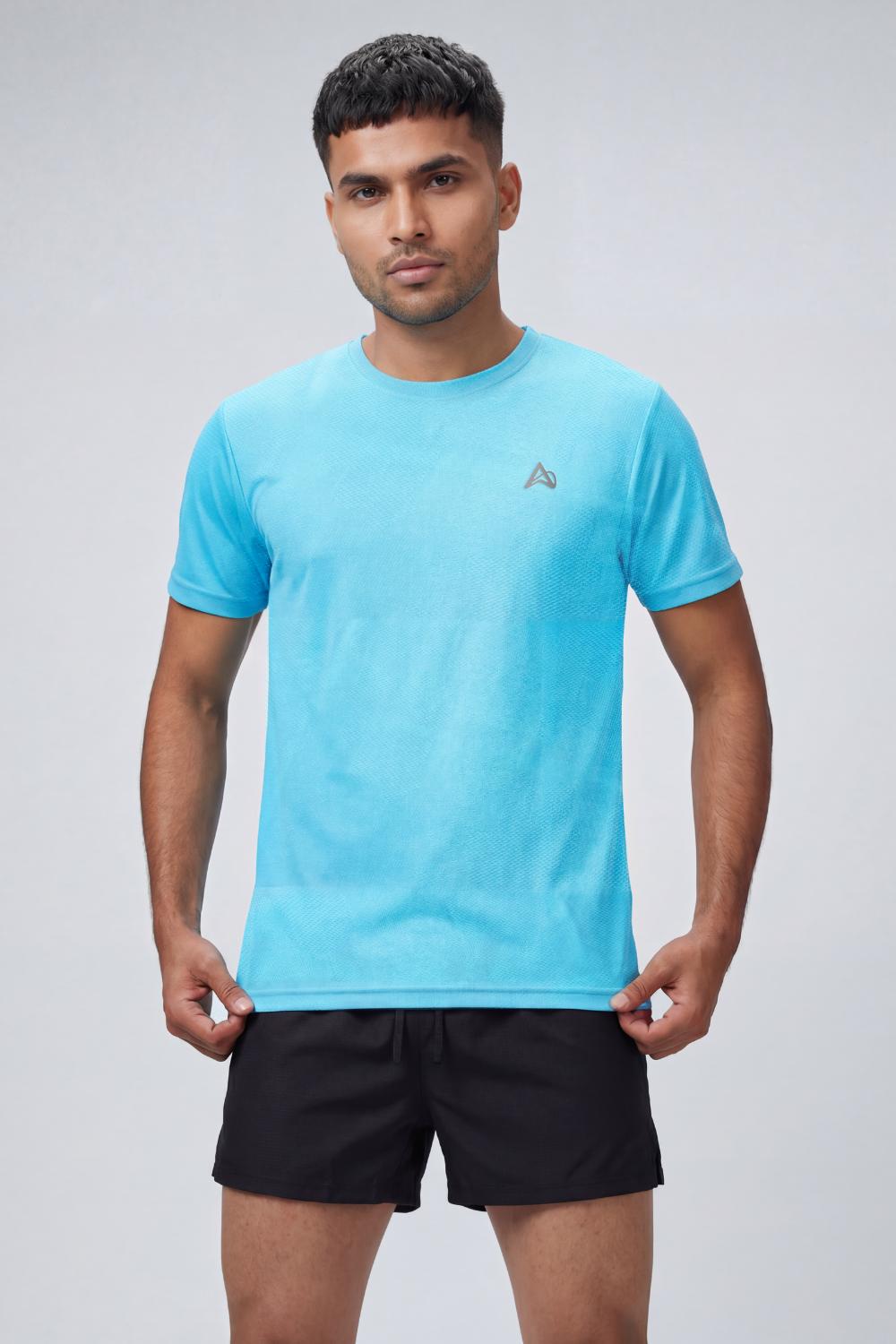
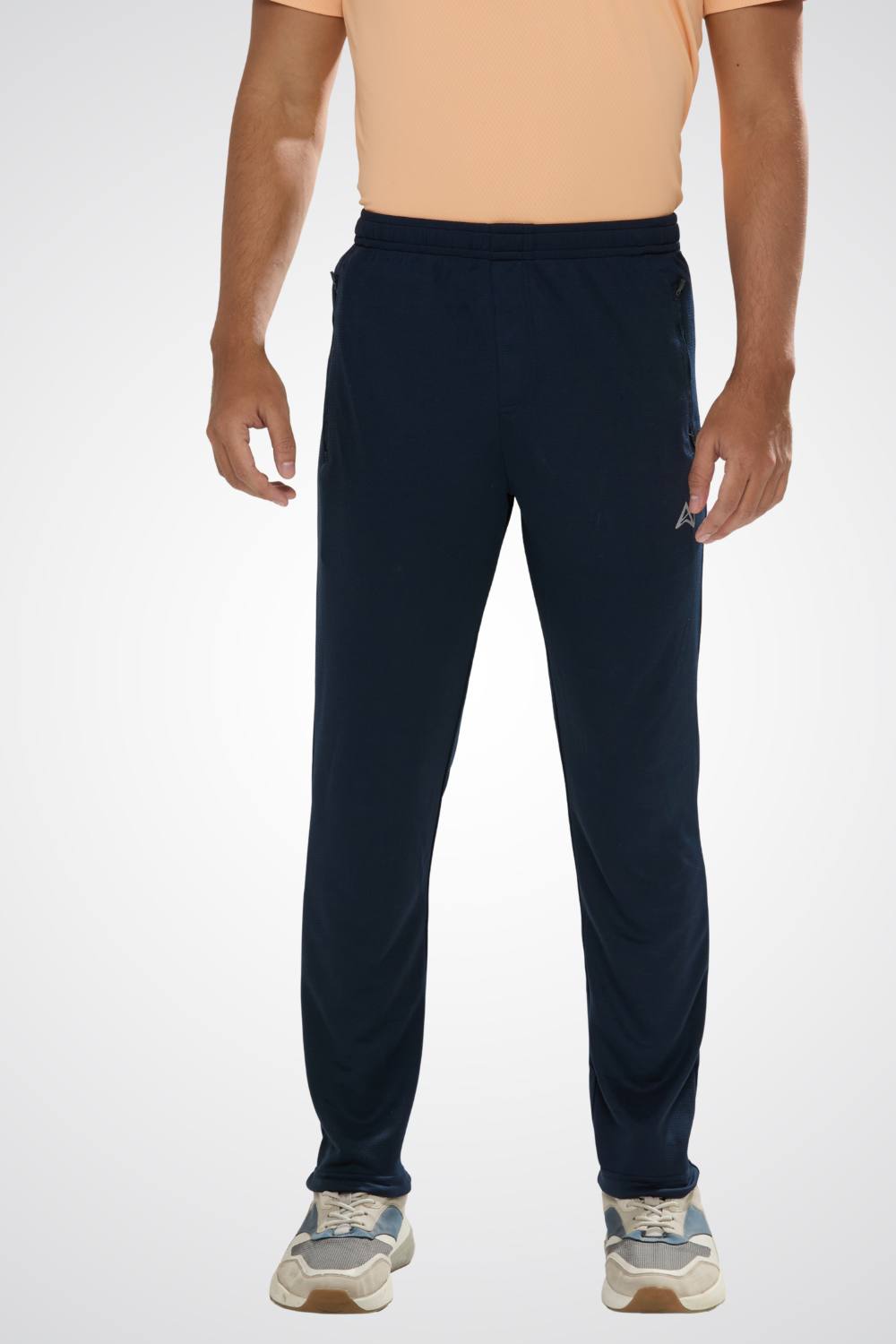
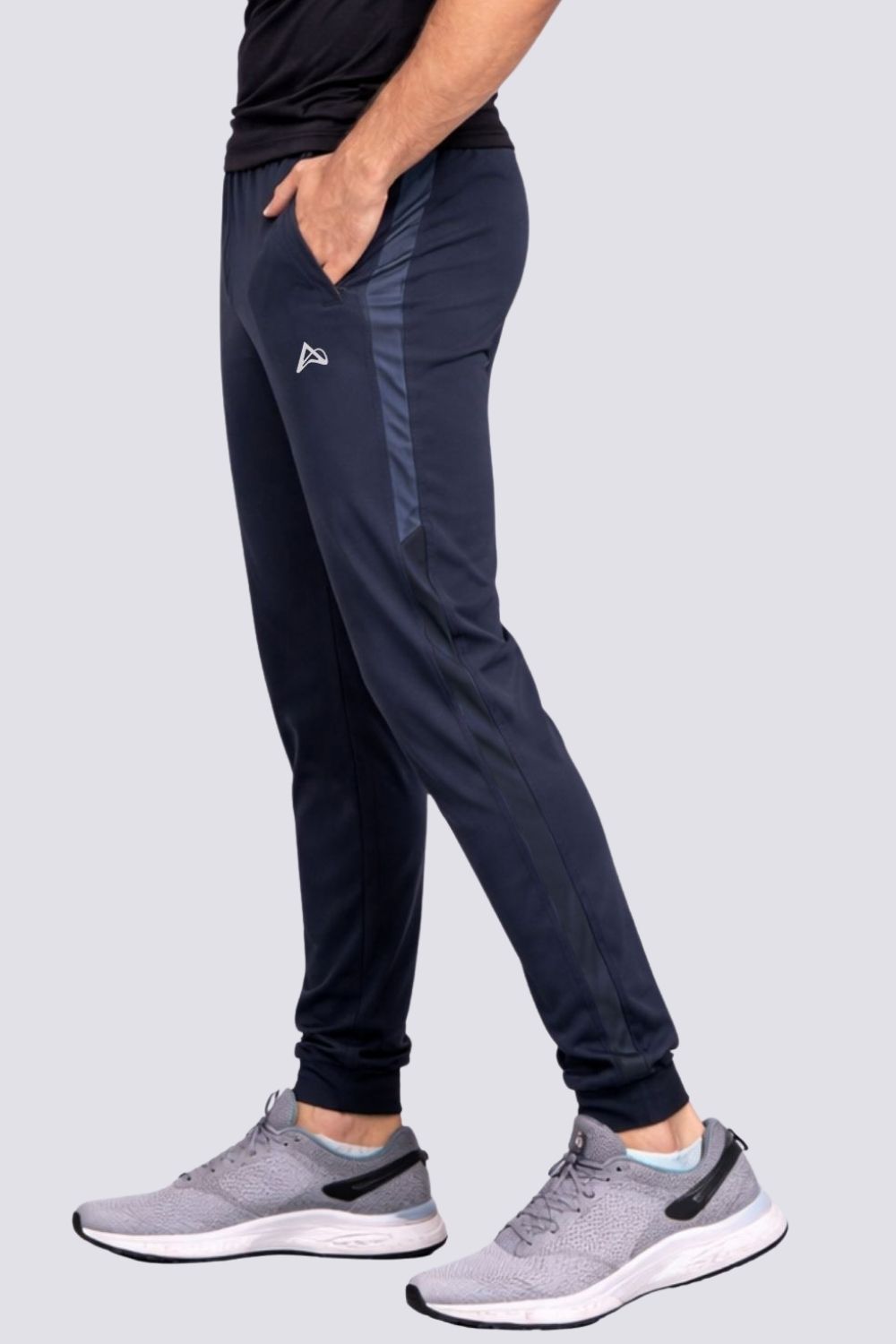
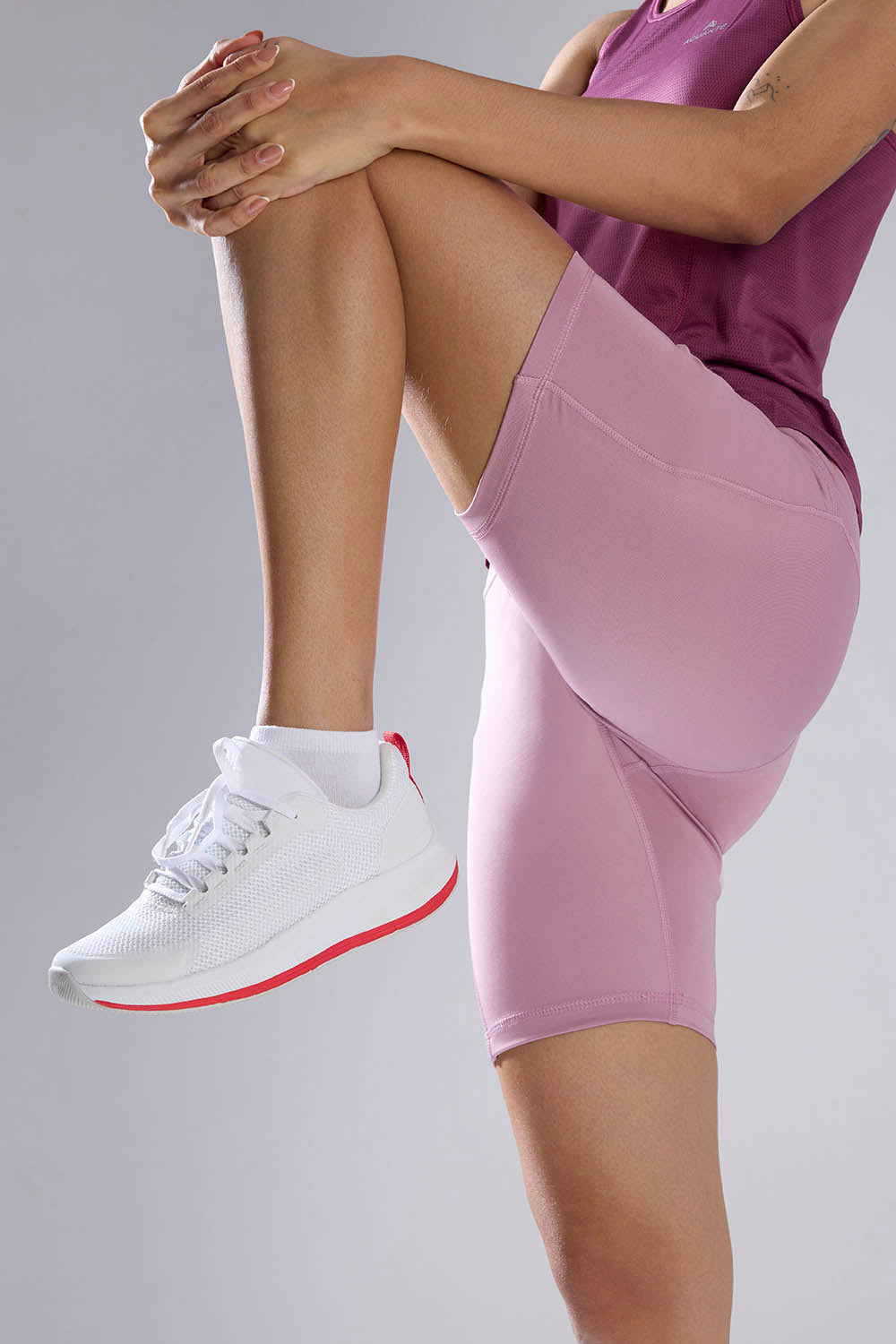
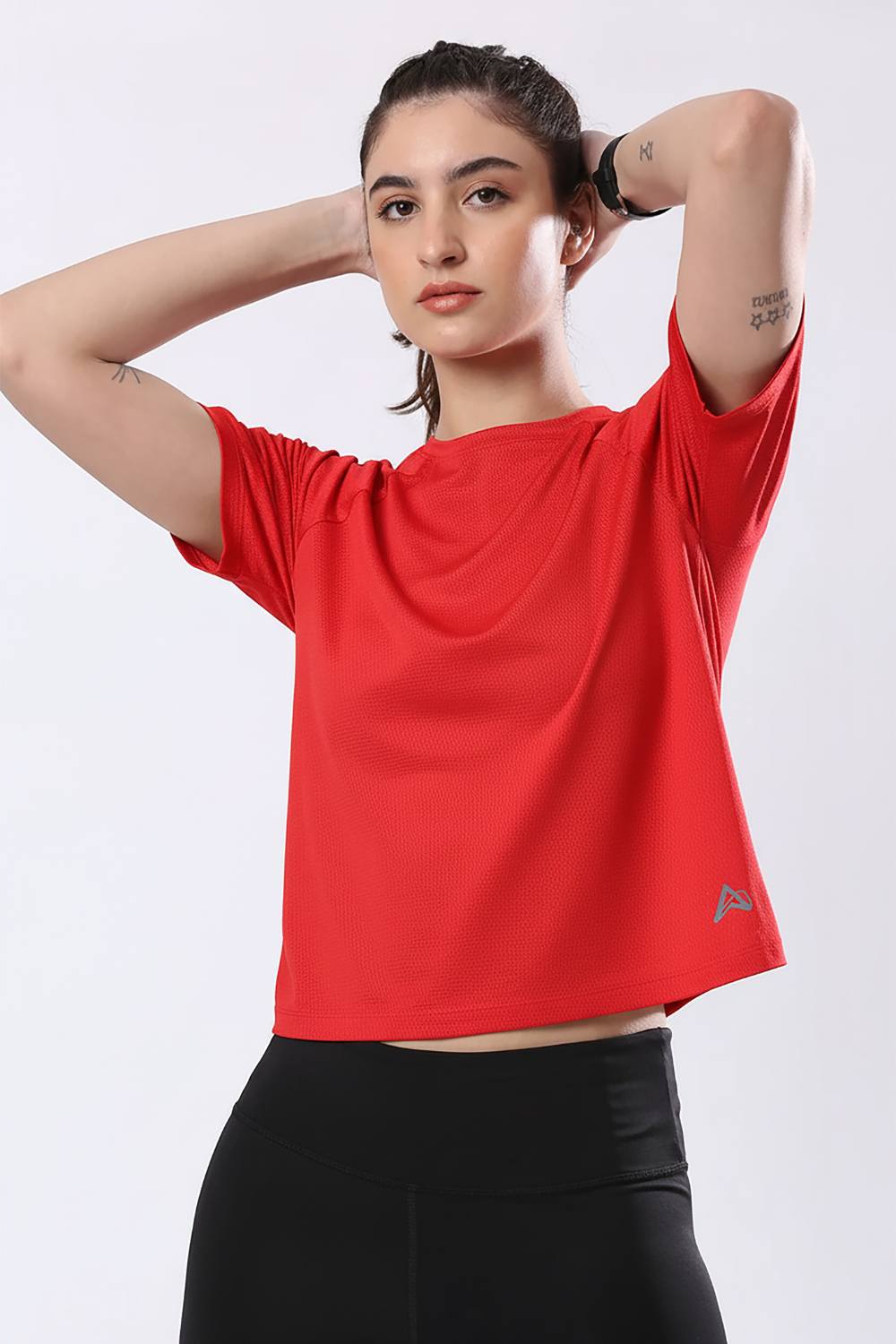
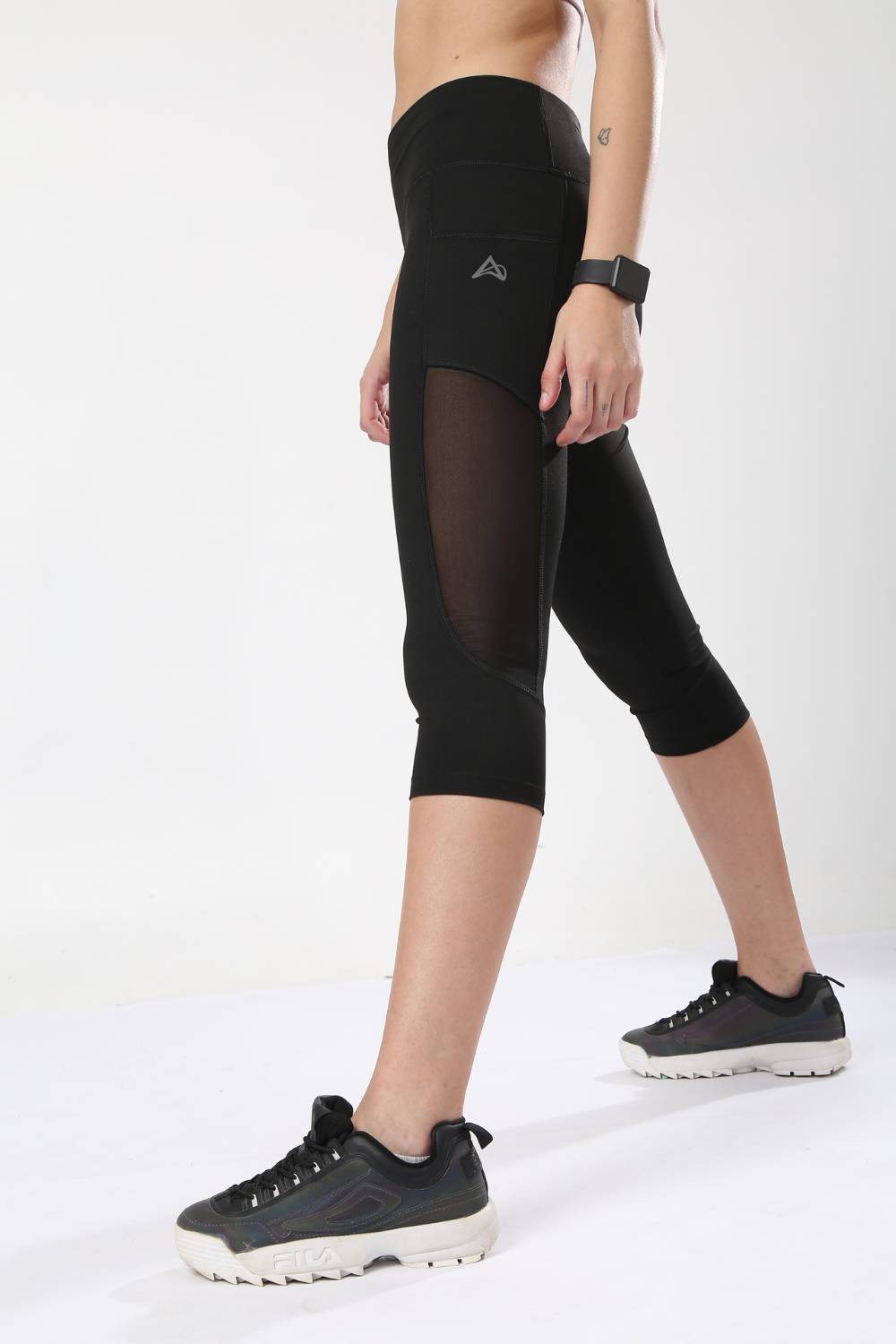
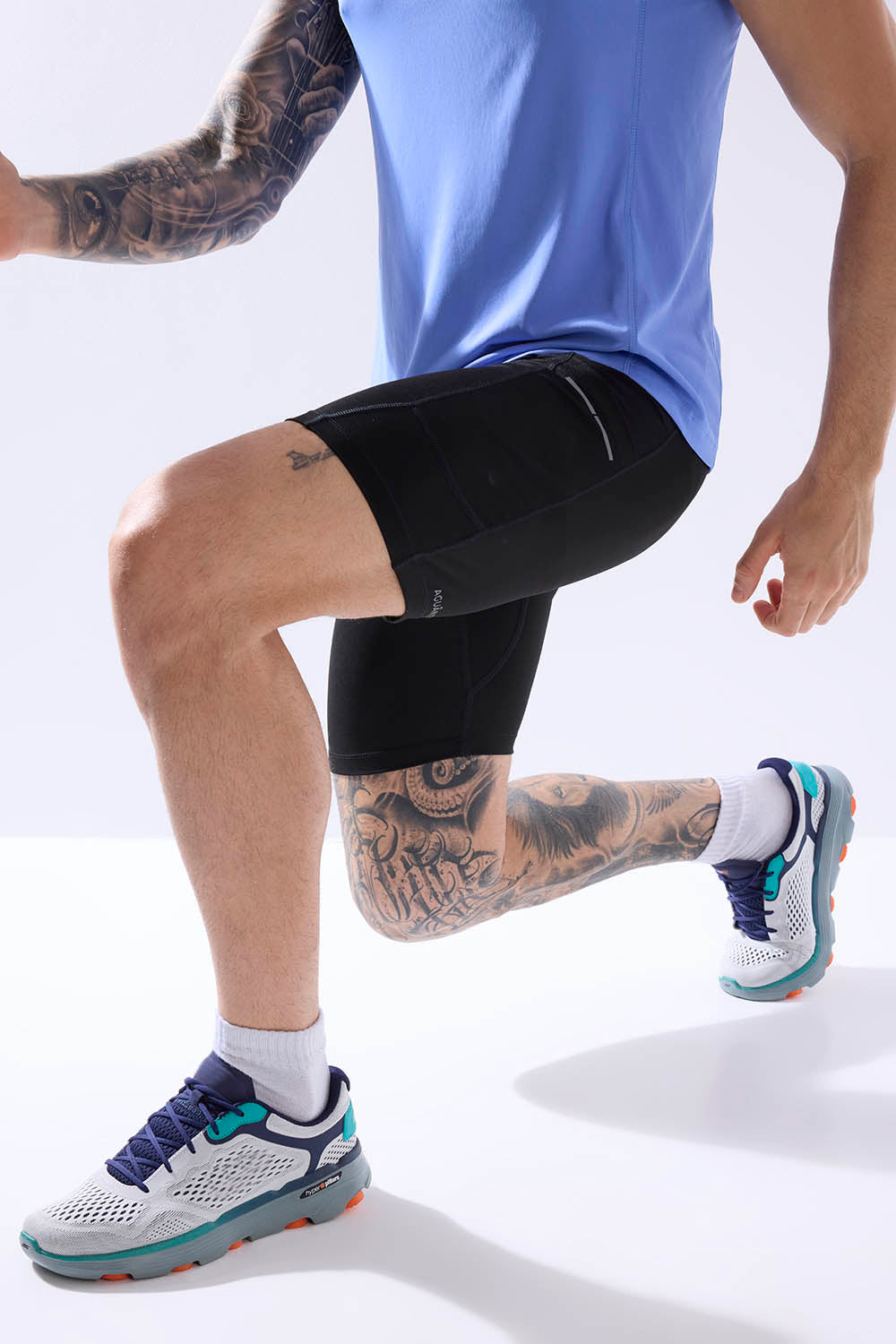
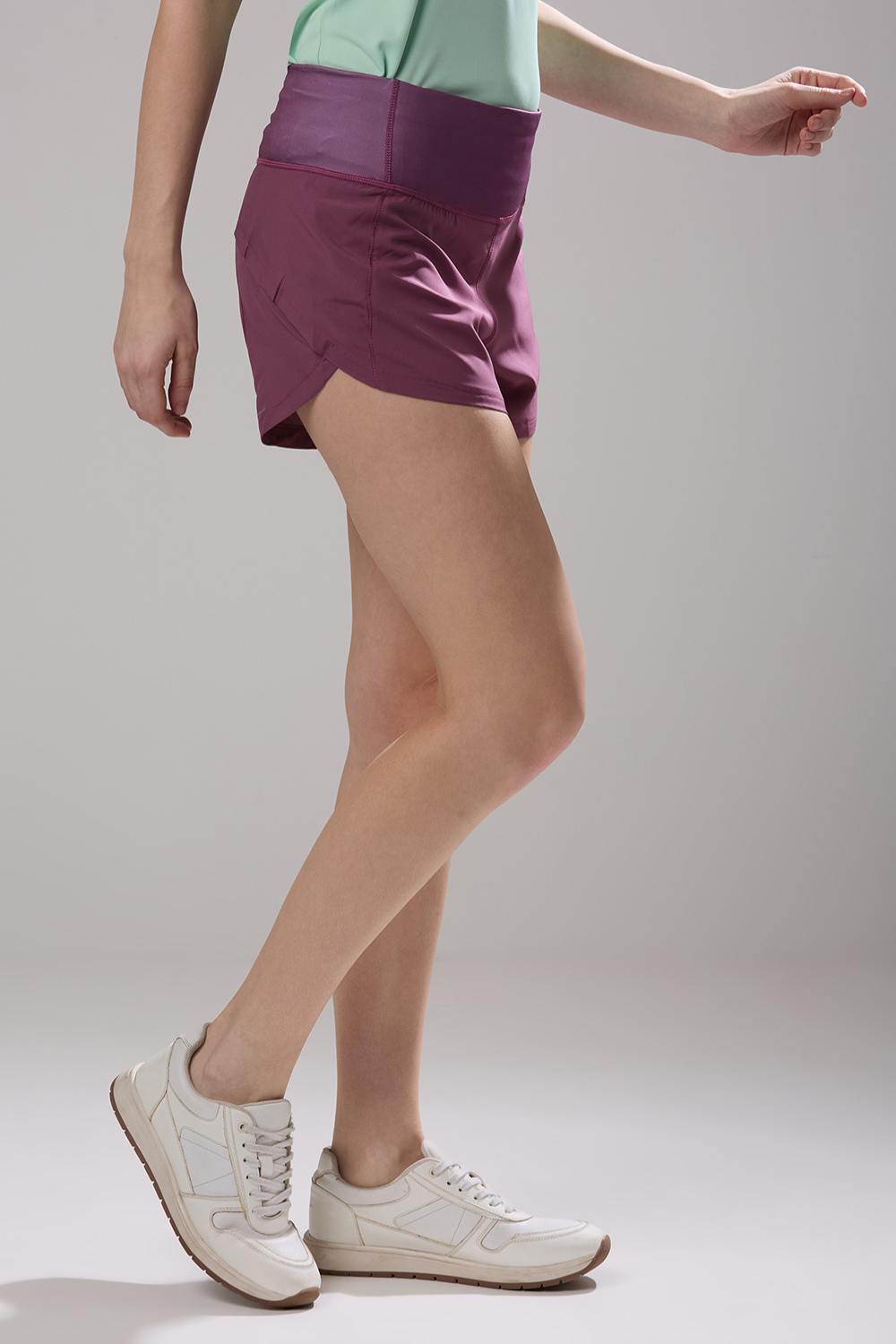
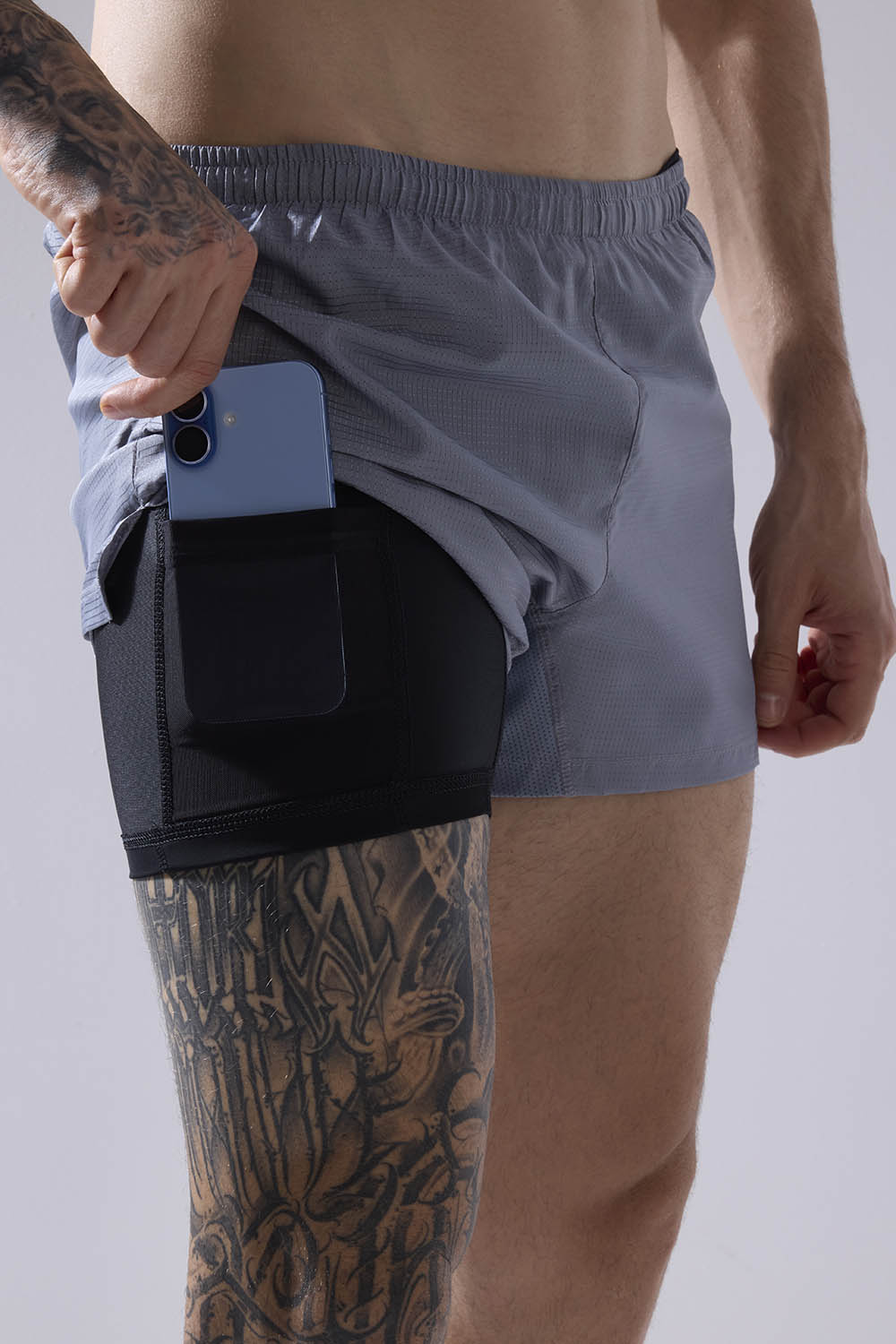
Tired of gear that slows you down? Chafing, soggy fabrics, and missing pockets kill your run's momentum. At Aguante, we're runners who get it. Our high-performance activewear features moisture-wicking fabrics, ergonomic designs, and smart storage to keep you focused. Shop Now!
India's Diverse Landscapes: A Rigorous Challenge for Runners
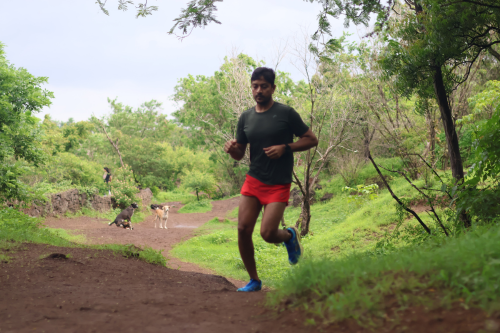
From snow-laced paths in Himachal Pradesh to the vast, level farmlands of Punjab, runners encounter an astonishing range of surfaces. Northern mountain enthusiasts navigate steep climbs and unstable gravel, while Mumbai's urban runners dodge uneven sidewalks and heavy traffic. Coastal routes in Goa alternate between yielding sand and slick boulders. Every setting places unique demands on shoes and clothing. A robust, heavily cushioned shoe ideal for Himalayan stability might feel burdensome during a humid seaside outing. Athletes quickly discover that ill-suited equipment causes blisters, exhaustion, or injuries that derail training.
Versatility emerges as the cornerstone. Hybrid footwear featuring strong lugs for trails yet capable on pavement gains popularity for routes that blend wilderness and city. Lightweight vests stocked with pockets keep hydration and fuel accessible on extended efforts. The body's signals offer the clearest direction: excessive grip on flat roads wastes energy, while poor traction on wet rocks erodes confidence.
Weather Patterns That Require Ongoing Adjustments
India's climate rarely follows a steady pattern. Rajasthan's summer temperatures often exceed 40 degrees Celsius amid intense humidity, contrasting with Delhi's near-freezing winter dawns. Monsoon showers strike suddenly, converting firm trails into slippery mud. Runners incorporate weather awareness directly into their preparation, viewing it as an integral element rather than an obstacle.
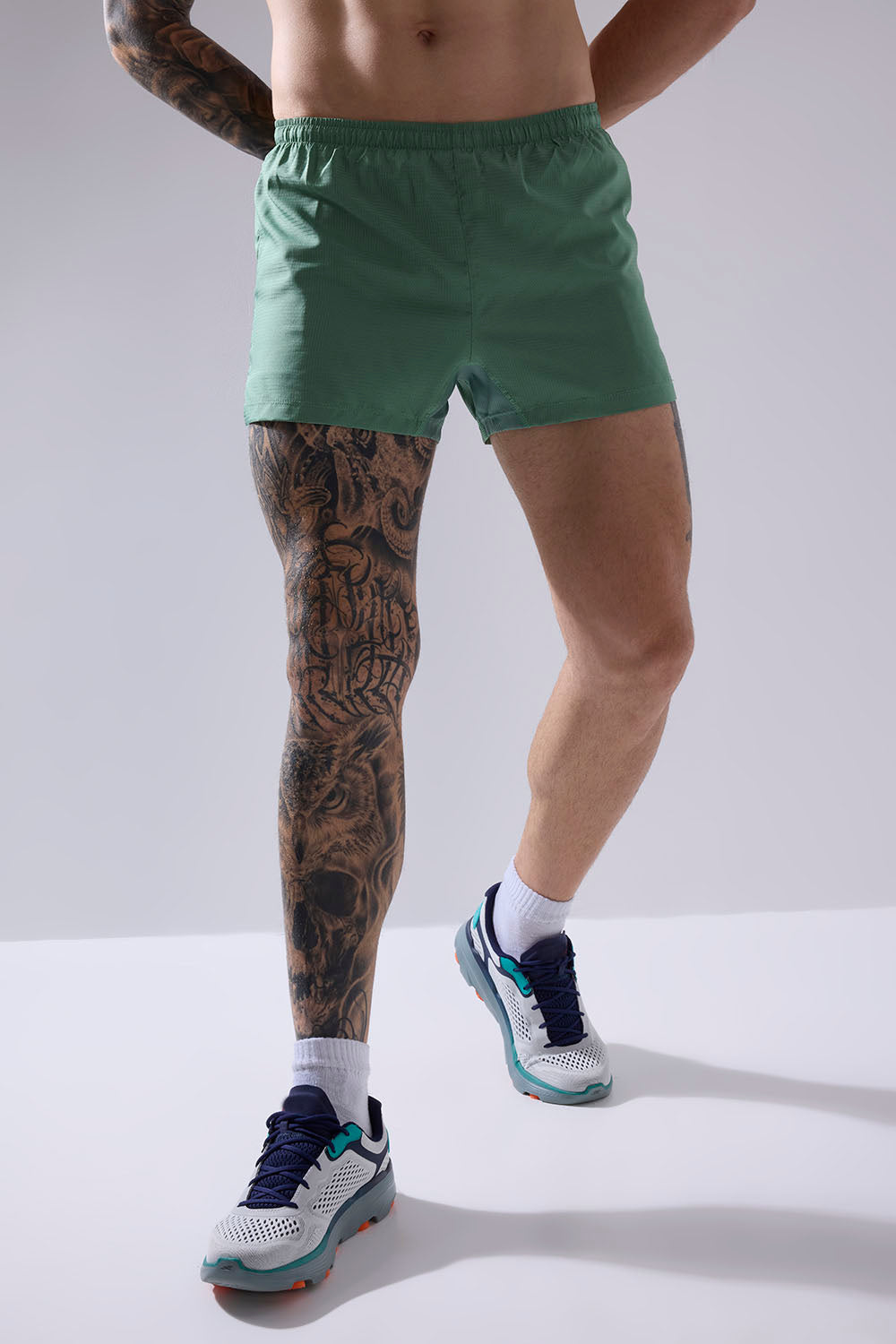
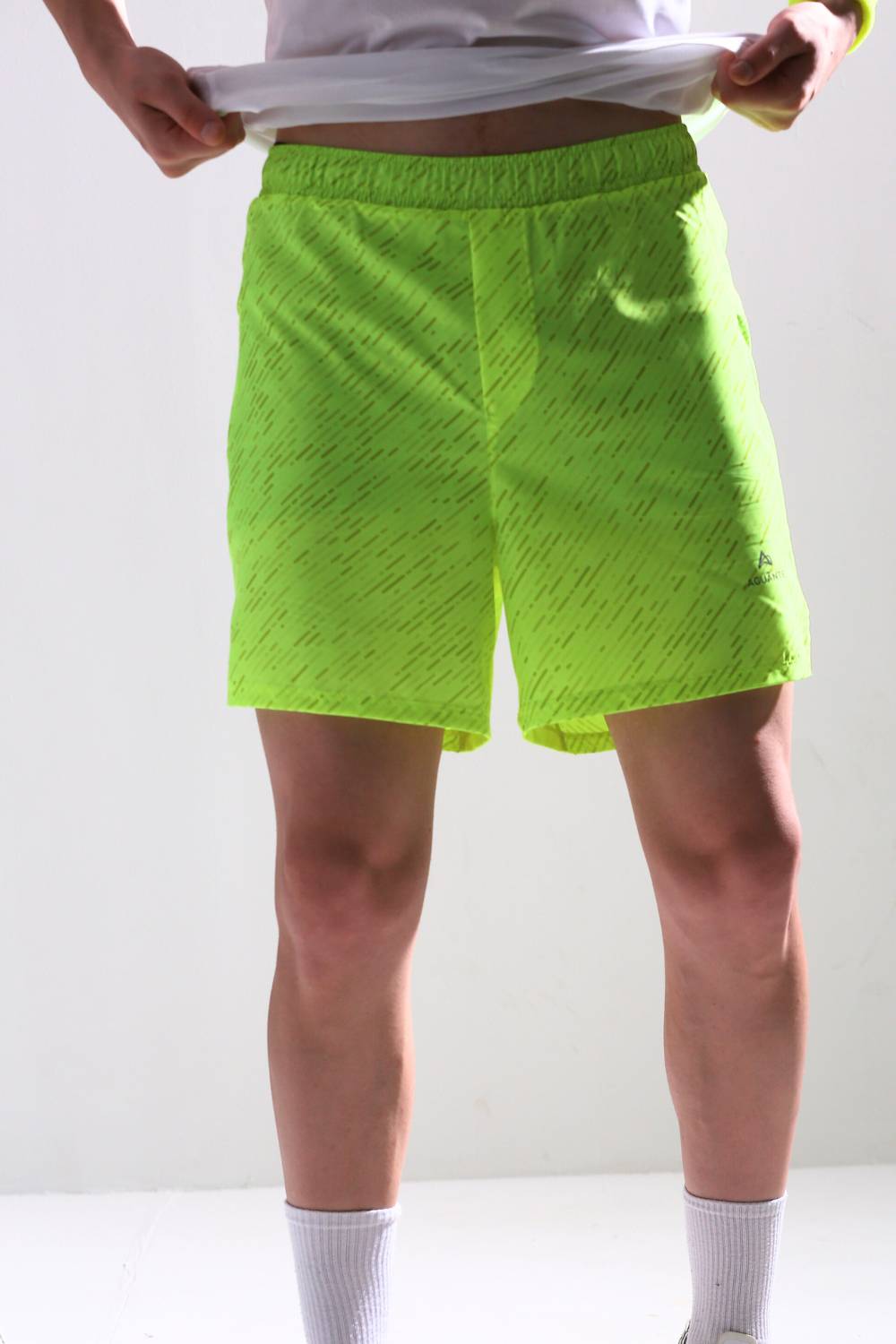
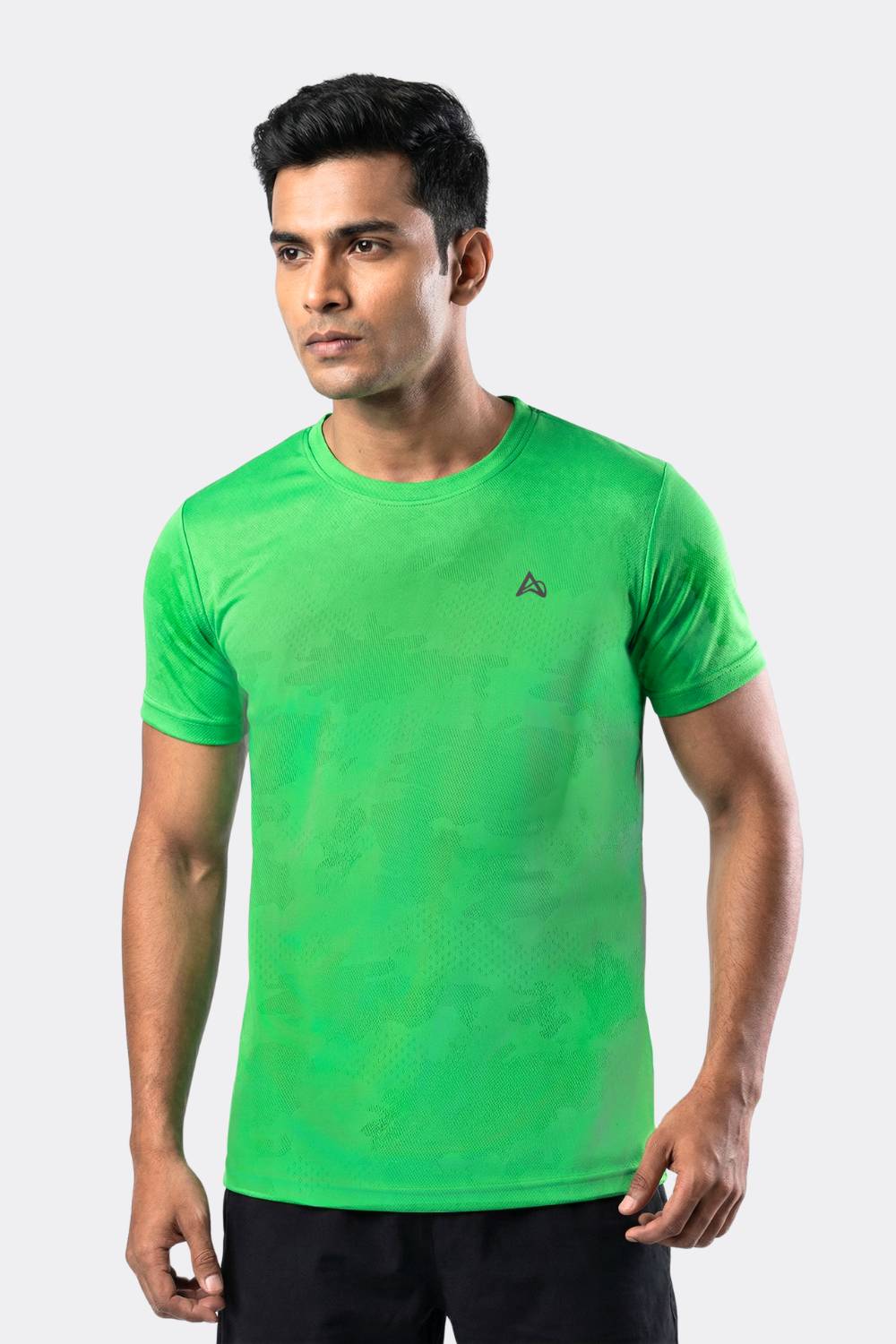
In extreme heat, breathable fabrics that wick moisture away become vital. Light-colored tops and shorts help deflect sunlight while promoting rapid sweat evaporation, avoiding the drenched heaviness that hampers speed and elevates core temperature. During monsoon periods, fast-drying textiles paired with water-resistant shells allow continued progress instead of retreat. In colder northern regions, strategic layering prevails close-fitting base layers, insulating mid-layers, and wind-blocking outer shells that vent perspiration effectively.
Fabric Advances Transforming Endurance
Contemporary materials have reshaped the limits of what runners can comfortably handle. Advanced synthetic mixes efficiently transport sweat from the skin, maintaining dryness even in thick, oppressive air. Blends incorporating merino wool, previously considered premium, now feature in base layers that combat odors naturally and stabilize temperature amid India's broad seasonal variations.
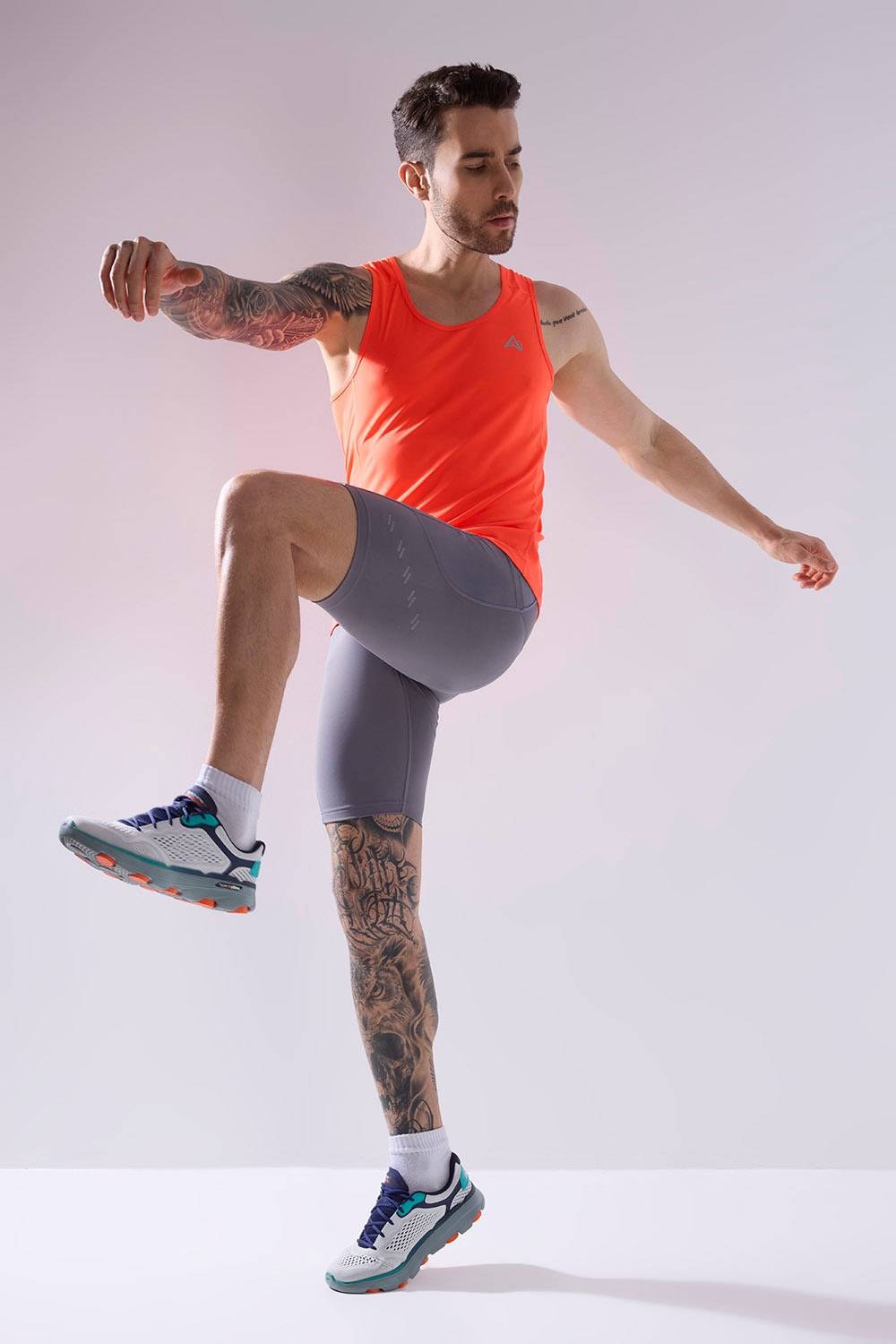
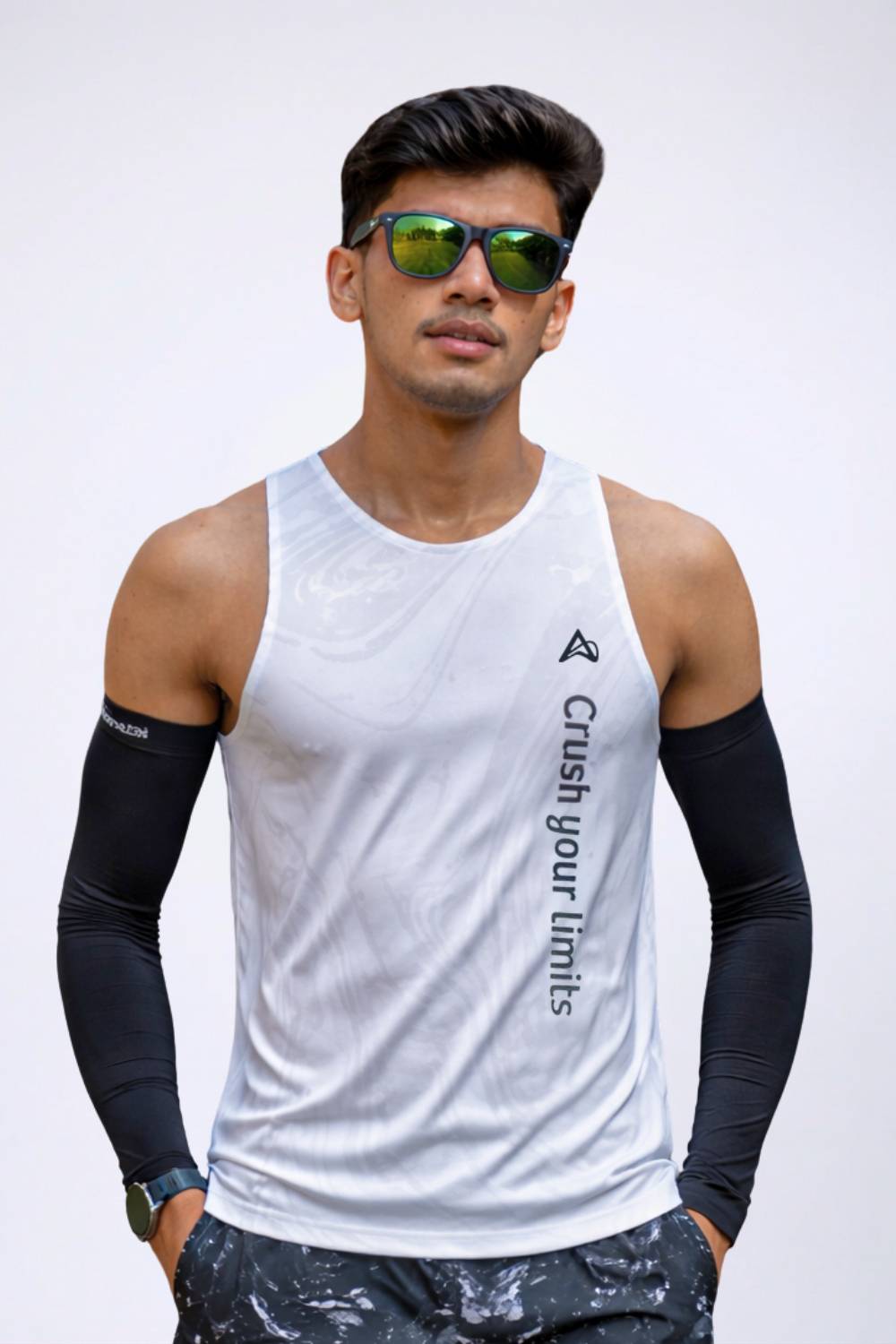
Compression features in tights and arm sleeves earn praise for minimizing muscle oscillation during prolonged descents or easy recovery days. Treatments providing UV protection on upper-body garments have standardized in sunny areas, delivering reliable coverage without constant sunscreen adjustments. These refinements add up to smoother outings and reduced interruptions over countless kilometers.
Selecting Gear Tailored to Specific Terrains
Footwear often reveals the most telling adaptations. Trail models equipped with rock plates and pronounced treads excel in the Western Ghats and Himalayan foothills, where roots and shifting stones pose constant hazards. In contrast, cushioned road shoes with lively foam deliver the needed responsiveness for quicker tempos on city streets and park circuits. Athletes who alternate terrains frequently maintain separate pairs, selecting based on the planned route.
Clothing mirrors this approach. Packable lightweight jackets tuck neatly into running belts for mountain outings where conditions can shift rapidly. In open urban zones, reflective details and bright hues enhance safety amid vehicles and foot traffic. Winter ensembles include moisture-wicking gloves and headbands for subtle warmth, while specialized caps channel sweat to preserve clear vision in humid conditions.
- Prioritize outsoles with strong grip for rocky or slippery trails
- Favor ample cushioning for extended pavement segments
- Build outfits from multiple thin, technical layers instead of bulky singles
- Carry a compact rain shell that packs small enough for any pocket
The Expanding Activewear Landscape in India
The activewear sector in India has gained remarkable momentum, reflecting the deepening commitment to running and fitness nationwide. This expansion has introduced greater variety, moving beyond reliance on imported labels. Domestic producers now supply equipment rigorously evaluated under authentic Indian scenarios materials resilient against dust, humidity, and abrupt rains that endure repeated laundering.
Athletes gain freedom to experiment without major trade-offs. Accessible, performance-oriented tops, bottoms, and specialized innerwear enable precise matching to individual physiology and typical running environments. Consequently, more participants maintain steady routines, foster local communities, and achieve new personal milestones.
Sustainability Gaining Ground Among Runners
With heightened awareness of environmental impact, the principles of circular fashion increasingly influence selections. Practices such as using recycled polyester derived from plastic bottles, incorporating organic cotton, and supporting garment return initiatives are growing in popularity. Many runners who previously cycled through shoes annually now seek robust alternatives that support repair or recycling, thereby prolonging usability.
This evolution aligns seamlessly with India's longstanding tradition of ingenuity and resourcefulness. Mending a trusted running shirt or exchanging lightly worn trail shoes through community networks reduces expenses, minimizes landfill contributions, and preserves high-level functionality.
Lessons Gained from Real-World Running Experience
Practical knowledge accumulates faster than formal advice. In muggy southern cities, runners often stash extra dry socks for post-run relief. Northern participants carry lightweight gloves that serve dual purposes in emergencies. All learn to consult forecasts yet equip for surprises, acknowledging that local weather seldom adheres strictly to predictions.
Introducing fresh items during brief outings before longer commitments avoids unwelcome issues. Apparel that appears ideal in a controlled retail setting may become burdensome after several kilometers in real heat. Optimal adaptations arise from attentive self-awareness and responsive tweaks.
The Broader Value of Adaptive Running Strategies
Insights gathered about apparel extend far beyond training sessions. Moisture-control techniques honed during monsoon runs ease comfort on packed public transport. Layering proficiency gained on chilly mornings simplifies seasonal journeys. Above all, the habit of aligning gear with prevailing conditions cultivates adaptability useful in diverse life circumstances.
As running participation surges across India, these field-tested approaches disseminate via running groups, online forums, and community spaces. The nation's runners contribute more than distance covered they are shaping a distinctive understanding of appropriate attire for one of the planet's most varied and demanding settings.
Step outside for your next run in India and observe fellow athletes closely. Spot the one in a vivid, quick-drying layer maneuvering through flooded streets, or another in a minimal shell ascending into foggy highlands. Their selections reflect accumulated expertise regarding terrain, climate, and the profound satisfaction of steady forward motion regardless of obstacles. Properly chosen apparel offers protection while granting greater freedom to enjoy the journey.
Frequently Asked Questions
What type of running apparel works best for India's hot and humid weather conditions?
In extreme heat, lightweight and breathable fabrics that wick moisture away from the skin are essential. Light-colored tops and shorts help deflect sunlight while promoting rapid sweat evaporation, preventing the drenched heaviness that hampers speed and raises core temperature. During monsoon seasons, fast-drying textiles paired with water-resistant shells allow runners to continue training instead of cutting sessions short.
How should Indian runners choose footwear for different terrains like mountain trails versus city roads?
Trail running shoes with rock plates and pronounced treads are best suited for rugged environments like the Western Ghats and Himalayan foothills, where roots and shifting stones are constant hazards. For city streets and park circuits, cushioned road shoes with responsive foam deliver the comfort and speed needed for urban running. Runners who frequently alternate between terrains are advised to maintain separate pairs and choose based on the planned route.
What layering strategy do Indian runners use for cold northern winters?
Runners in colder northern regions rely on a strategic three-layer system: a close-fitting moisture-wicking base layer, an insulating mid-layer, and a wind-blocking outer shell that allows perspiration to escape. Accessories like moisture-wicking gloves and headbands add subtle warmth without bulk. Packable lightweight jackets that tuck into running belts are also popular for mountain outings where weather can shift rapidly.
Disclaimer: The above helpful resources content contains personal opinions and experiences. The information provided is for general knowledge and does not constitute professional advice.
You may also be interested in: How Runner Feedback Drives Indian Activewear Innovation - Aguante
Tired of gear that slows you down? Chafing, soggy fabrics, and missing pockets kill your run's momentum. At Aguante, we're runners who get it. Our high-performance activewear features moisture-wicking fabrics, ergonomic designs, and smart storage to keep you focused. Shop Now!
Powered by flareAI.co