























Quick Listen:
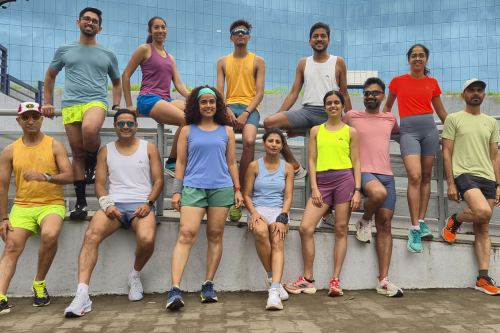
In the hazy glow of a Mumbai dawn, a group of runners gathers near the sea link, their breaths visible in the cool air as they lace up shoes and exchange quick greetings. What starts as a casual jog soon turns into laughter-filled strides along the promenade. This scene, once rare in Indian cities, now repeats itself across Delhi's parks, Bengaluru's tech corridors, and beyond. Run clubs are quietly reshaping how people train, connect, and move through their daily routines.
Tired of gear that slows you down? Chafing, soggy fabrics, and missing pockets kill your run's momentum. At Aguante, we're runners who get it. Our high-performance activewear features moisture-wicking fabrics, ergonomic designs, and smart storage to keep you focused. Shop Now!
The Dawn of a Running Movement
Not long ago, running in urban India felt like a solitary pursuit. Early mornings or late evenings meant dodging traffic alone, battling motivation dips, and wondering if the effort was worth it. Today, the landscape has shifted dramatically. Informal running groups have multiplied in major cities, turning what was once an individual grind into a shared ritual that fits seamlessly into busy schedules.
These clubs offer more than just company on the road. They provide structure to training, accountability on tough days, and a genuine sense of belonging in fast-paced metros where personal connections can feel fleeting. Runners no longer need to rely solely on apps or sheer self-discipline; the group dynamic keeps them showing up week after week, building habits that endure.
Why Run Clubs Took Root in Indian Cities
Several factors converged to spark this expansion. Post-pandemic health awareness played a key role, alongside the search for affordable, accessible fitness that doubles as valuable social time. In cities where loneliness has crept into modern life, run clubs act as natural meeting points that cut across ages, professions, and fitness levels.
Many groups began small friends inviting friends for a weekend loop and grew through word of mouth and social media shares. Citizen-led efforts felt authentic and local, while brand-supported initiatives from shoe companies added momentum without overshadowing the grassroots energy. In Mumbai, Delhi, Bengaluru, and even emerging in smaller towns, runners discovered that showing up together made the habit stick far better than going it alone.
How Daily Training Routines Are Changing
Traditional solo running often followed erratic patterns: sporadic long runs mixed with skipped sessions when life got in the way. Run clubs introduce welcome consistency. Weekly meetups create fixed anchors in the calendar, whether it's a gentle recovery jog or a paced tempo session guided by more experienced members.
Training becomes more balanced and progressive as a result. Beginners learn proper form from the collective wisdom of the group, while seasoned runners refine their pace through friendly competition and shared tips. The social element reduces the mental load conversations flow during easy miles, making hard efforts feel noticeably lighter and more manageable.
Many participants report that their overall routine has evolved in meaningful ways. Instead of forcing evening runs after long workdays, they opt for sunrise gatherings that energize the start of the day. Recovery discussions, nutrition chats, and post-run coffee sessions extend the benefits well beyond the physical miles logged.
The Social Fabric of Sweat and Strides
Run clubs thrive because they blend fitness with friendship in a natural, unforced way. In a country where community has deep cultural roots, these groups revive that spirit in urban settings. A Delhi runner might chat about weekend plans while logging kilometers; a Bengaluru participant could exchange marathon stories with someone from a different tech firm.
This camaraderie reshapes motivation on a fundamental level. On days when the alarm feels impossible, the thought of letting the group down or simply missing the laughs gets people out the door. The inclusive vibe welcomes everyone from first-timers to ultrarunners, creating spaces where pace doesn't define a person's worth within the community.
“Running together turns the miles into moments worth remembering,” one regular from a Mumbai group shared after a recent coastal route.
Challenges and Adaptations in Urban India
Of course, city life brings real hurdles that clubs must navigate. Traffic, occasional pollution alerts, and unpredictable weather test even the most dedicated groups. Organizers adapt thoughtfully by choosing safer routes, timing runs around peak hours, and sometimes shifting to indoor tracks or virtual options when conditions demand it.
Women's participation has grown notably, with some groups offering women-only sessions or safety-focused routes to build confidence. Infrastructure gaps remain better sidewalks and dedicated paths would help but the enthusiasm of participants often bridges these gaps through collective advocacy and creative problem-solving.
Balancing Intensity and Enjoyment
Clubs strike a careful balance between serious training and pure enjoyment. Not every session aims for personal bests. Some focus on social runs with music or themed routes, while others prepare members for upcoming marathons. This variety keeps routines fresh and prevents burnout, ensuring long-term engagement.
Real Impact on Runner's Lives
The effects extend far past physical fitness alone. Improved sleep, better stress management, and stronger mental resilience surface repeatedly in conversations within these communities. For many, the club becomes a reliable support network that spills into other areas of life career advice, travel plans, and even lasting friendships formed on the run.
Daily training feels less like a chore and more like a meaningful investment in overall well-being. Runners integrate shorter, quality sessions during the week and save longer efforts for group weekends, creating sustainable habits that last well beyond fleeting New Year resolutions.
Looking Ahead: The Future of Running Communities
As more cities embrace this model, run clubs could influence broader fitness trends across India. They demonstrate convincingly that accessible, group-based activity can compete effectively with solitary gym routines or high-cost classes. With growing participation, expect more hybrid events, coaching integrations, and even corporate tie-ups that bring running into workplace wellness programs.
The movement also highlights a subtle cultural shift: prioritizing shared experiences and human connections over isolated achievements. In bustling Indian metros, these early-morning or evening gatherings offer a welcome pause a chance to breathe, move, and belong amid the daily rush.
Getting Started with Your Local Run Club
- Search for groups on Instagram or local fitness apps many welcome drop-ins with open arms.
- Start with easy-paced sessions to build comfort and form natural connections.
- Listen carefully to your body and communicate any concerns to organizers promptly.
- Embrace the social side fully; the miles will follow more naturally than you expect.
The expansion of run clubs across Indian cities shows no signs of slowing. What began as scattered meetups has become a daily rhythm for thousands, reshaping training from solitary efforts into communal journeys. In the process, they remind us that sometimes the best way to move forward is together, one steady stride at a time.
Frequently Asked Questions
Why are run clubs becoming so popular in Indian cities like Mumbai, Delhi, and Bengaluru?
Run clubs have grown rapidly in Indian cities due to a combination of post-pandemic health awareness, the need for affordable fitness options, and a desire for social connection in busy urban environments. Many groups started organically friends inviting friends and spread through word of mouth and social media. They appeal across ages and fitness levels, making them an inclusive alternative to solo workouts or expensive gym memberships.
How do run clubs in India help improve daily training routines for beginners and experienced runners?
Run clubs bring consistency to training by creating fixed weekly meetups that serve as reliable anchors in the calendar, replacing the erratic patterns common in solo running. Beginners benefit from collective guidance on form and pacing, while experienced runners sharpen their performance through friendly competition and shared knowledge. The social dynamic also reduces mental fatigue, making even tough sessions feel lighter and more sustainable over time.
Are run clubs in Indian cities safe and accessible for women?
Women's participation in Indian run clubs has grown significantly, with many groups now offering women-only sessions and safety-focused routes to build confidence and comfort. Organizers actively address urban challenges like traffic and pollution by choosing safer paths and adjusting timing around peak hours. While infrastructure gaps such as dedicated sidewalks remain a hurdle, run club communities are increasingly advocating for better conditions and finding creative solutions together.
Disclaimer: The above helpful resources content contains personal opinions and experiences. The information provided is for general knowledge and does not constitute professional advice.
You may also be interested in: Group Runs as a Tool for Community Building in Major Cities
Tired of gear that slows you down? Chafing, soggy fabrics, and missing pockets kill your run's momentum. At Aguante, we're runners who get it. Our high-performance activewear features moisture-wicking fabrics, ergonomic designs, and smart storage to keep you focused. Shop Now!
Powered by flareAI.co