



Quick Listen:
Stepping out for your usual morning run on a sticky summer day, the air feels thick enough to chew. Within minutes, sweat beads on your skin, but instead of cooling you down, it clings relentlessly, turning your shirt into a heavy, sodden layer that chafes with every stride. Humidity has a way of robbing the simple joy from running, transforming what should feel invigorating into something downright miserable. Yet modern running apparel, particularly fabrics engineered to wick moisture away, offers a quiet but powerful revolution against this discomfort.
These specialized materials do far more than absorb sweat. They actively manage it, pulling moisture away from your body so evaporation can work effectively. The result is a drier, cooler feel that keeps your mind focused on the steady rhythm of your feet on the pavement instead of the growing irritation of clinging fabric. As interest in running and fitness continues to rise across the United States, innovations in performance apparel are helping dedicated runners push through challenging humid conditions with greater ease and confidence.
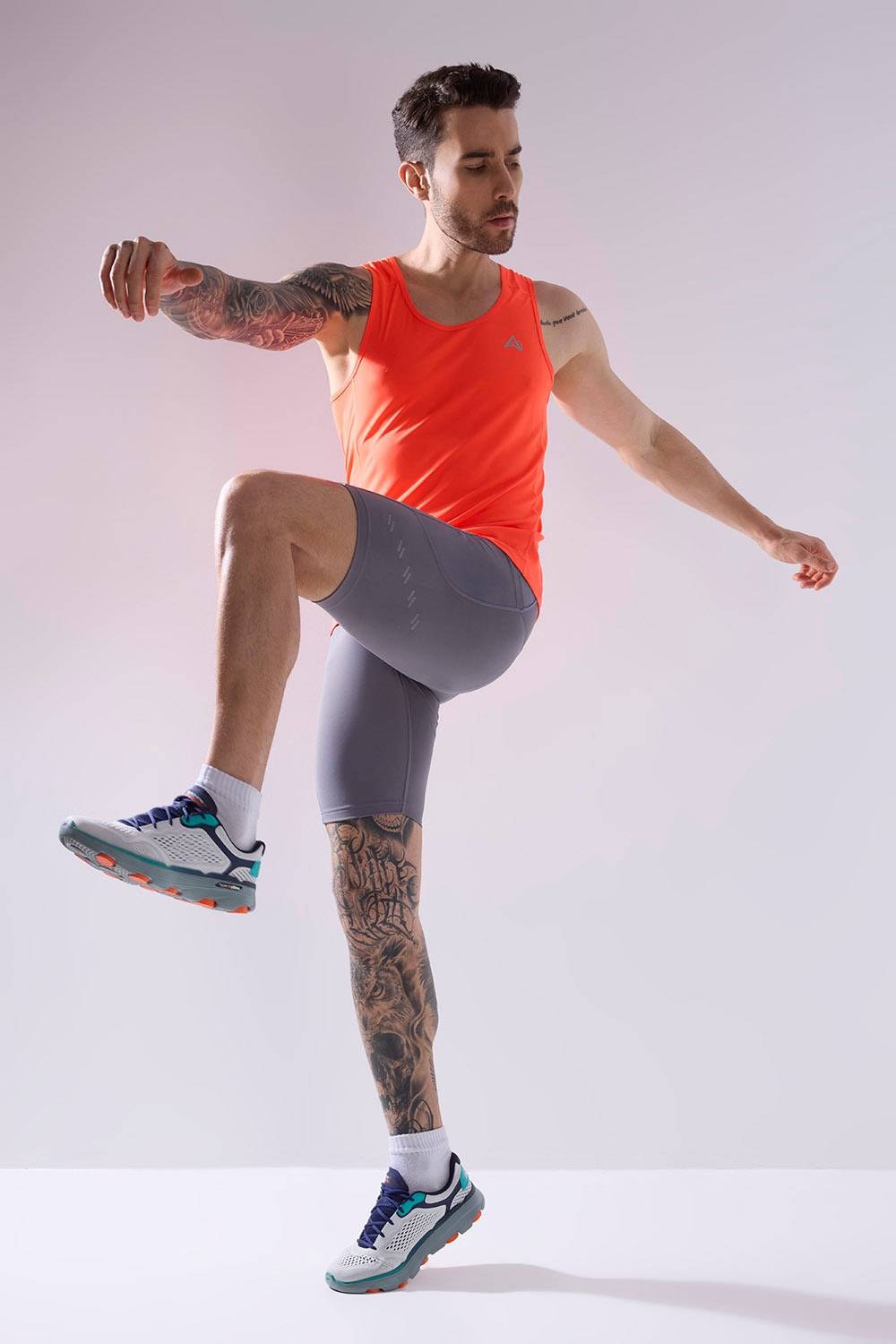
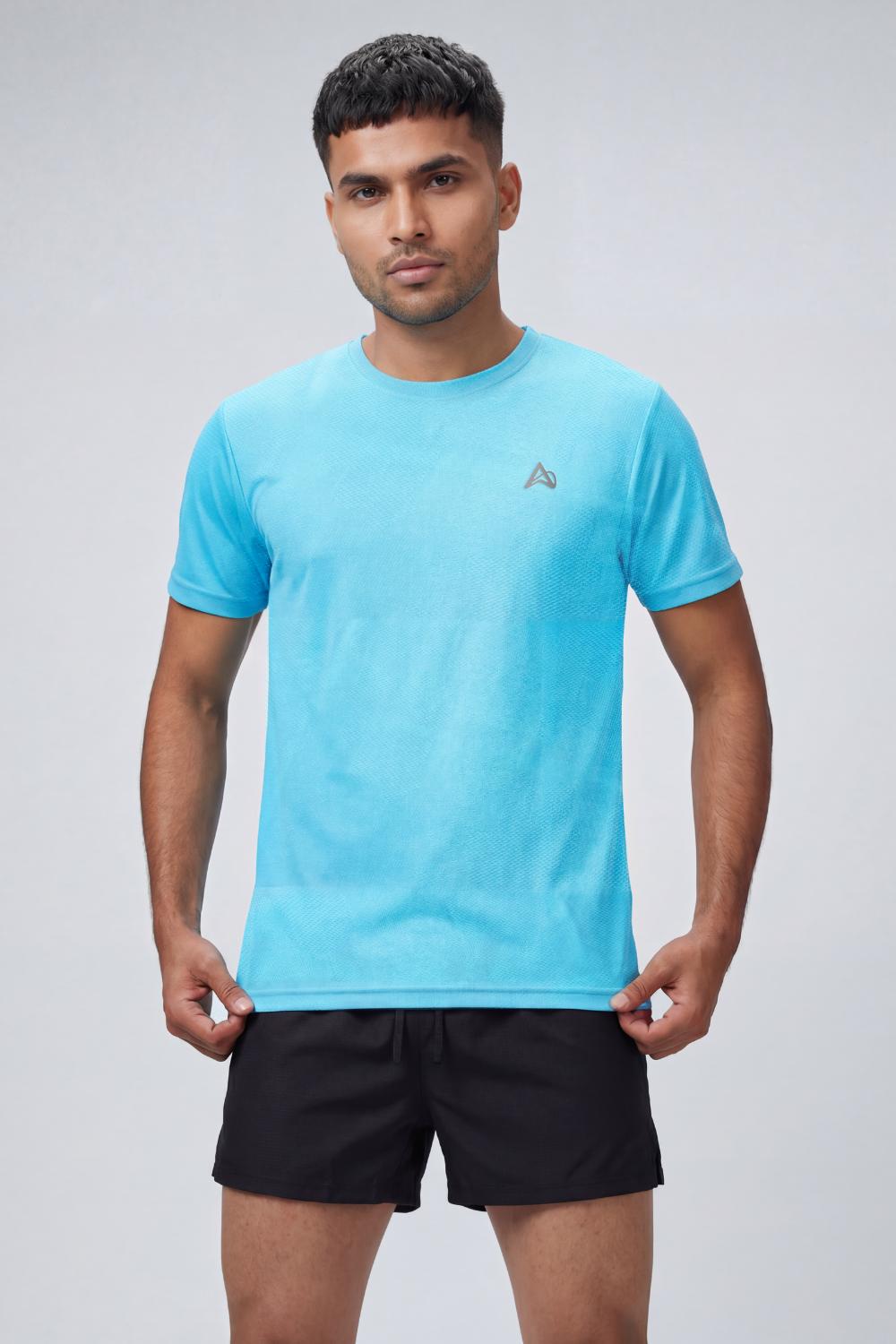
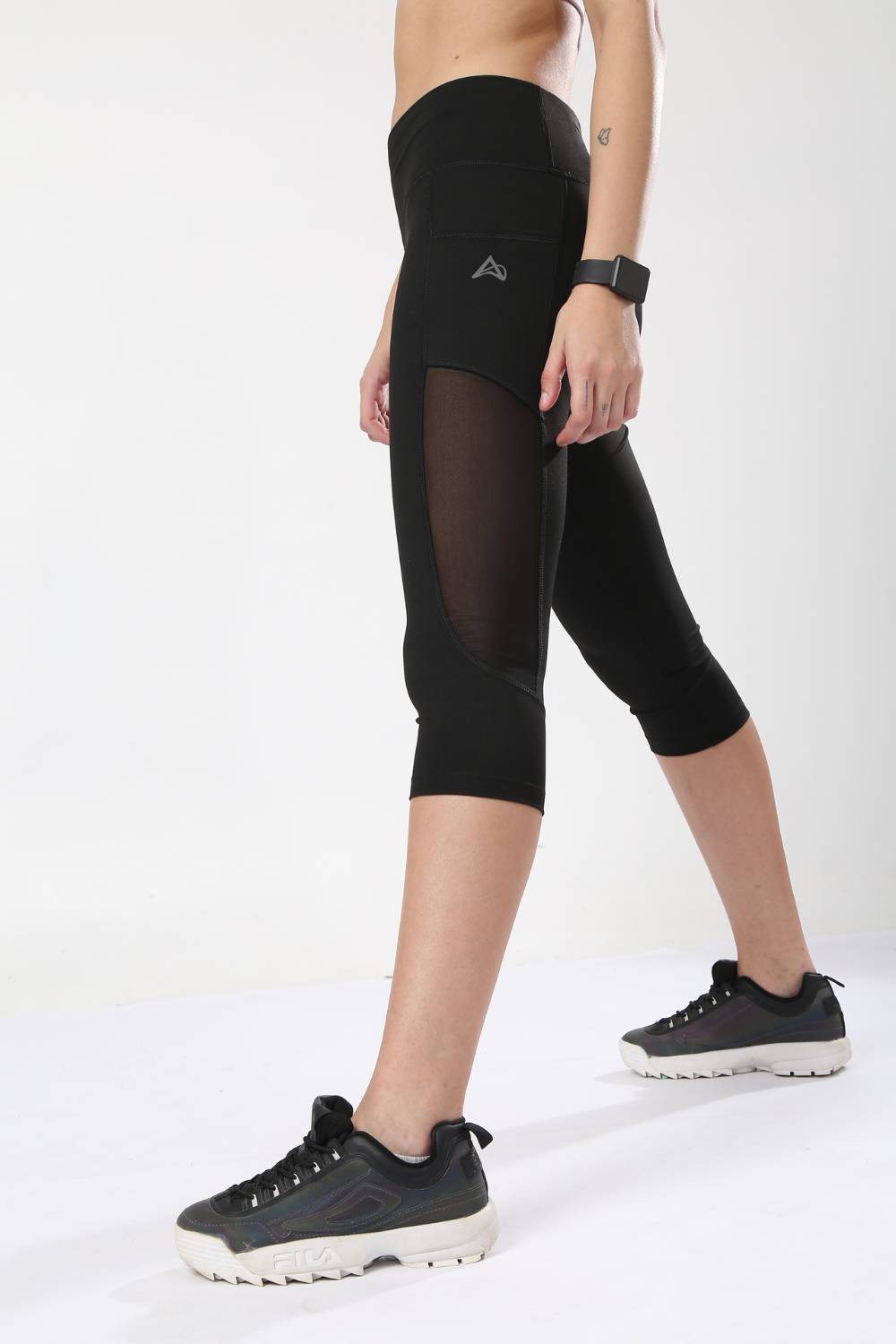
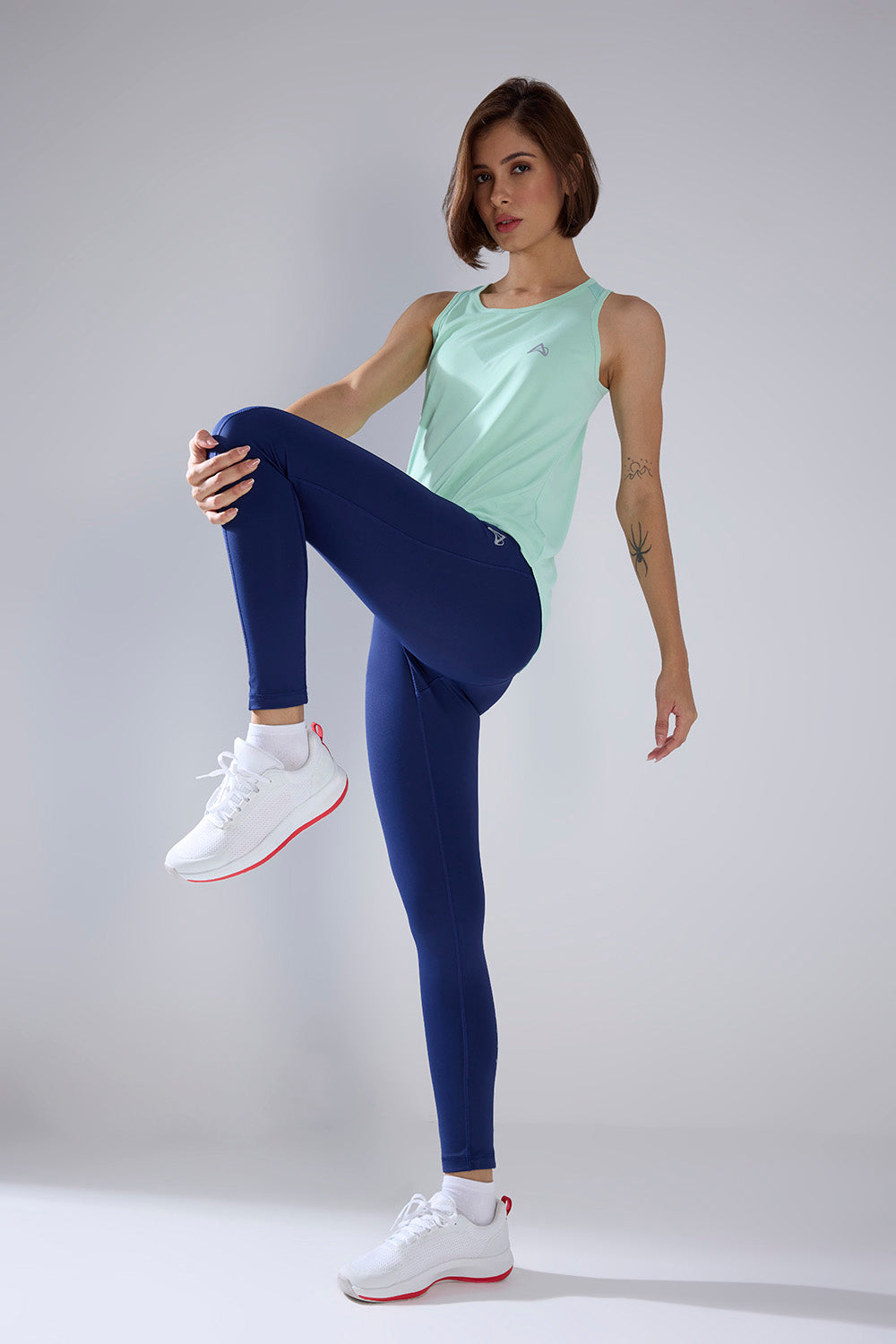
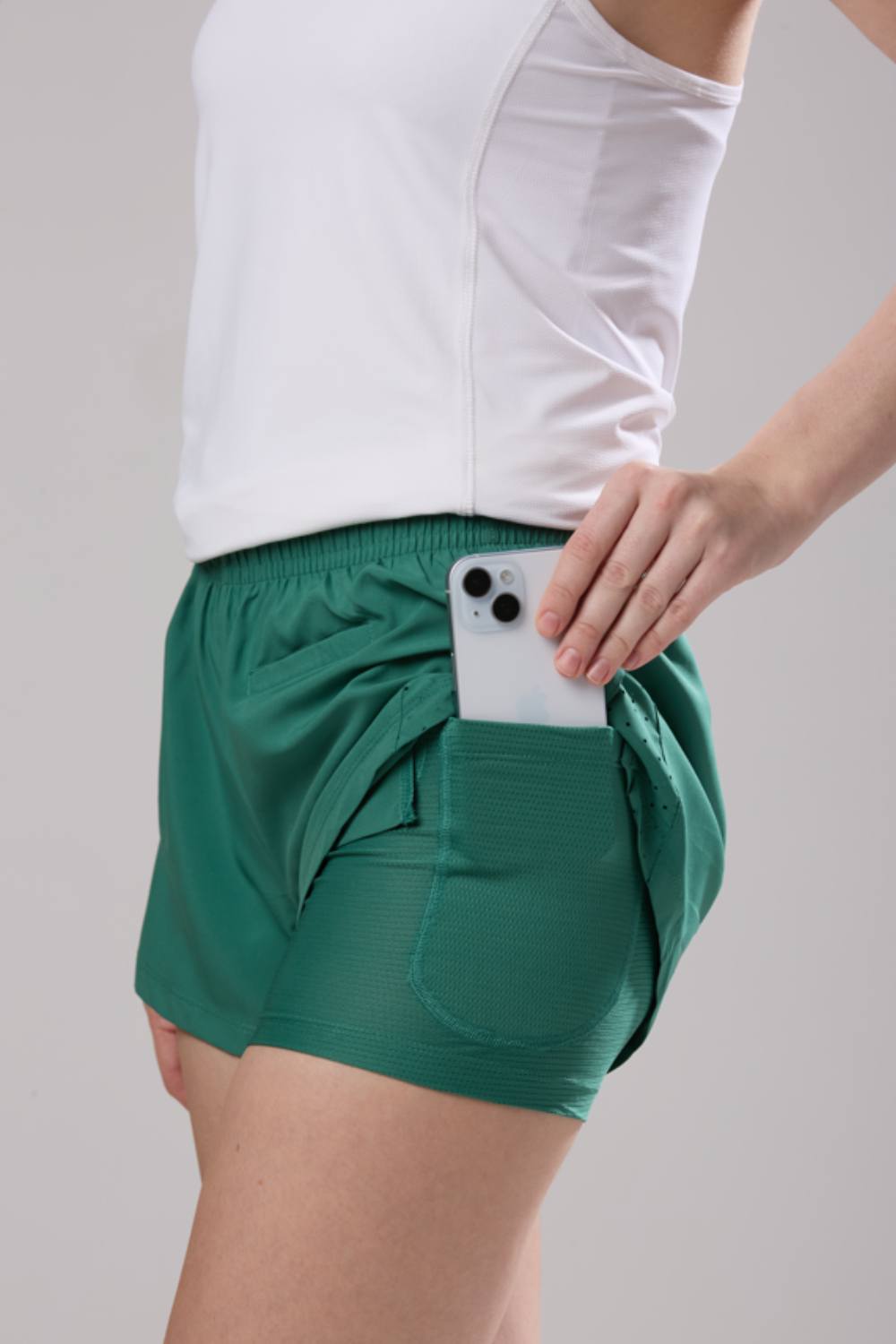
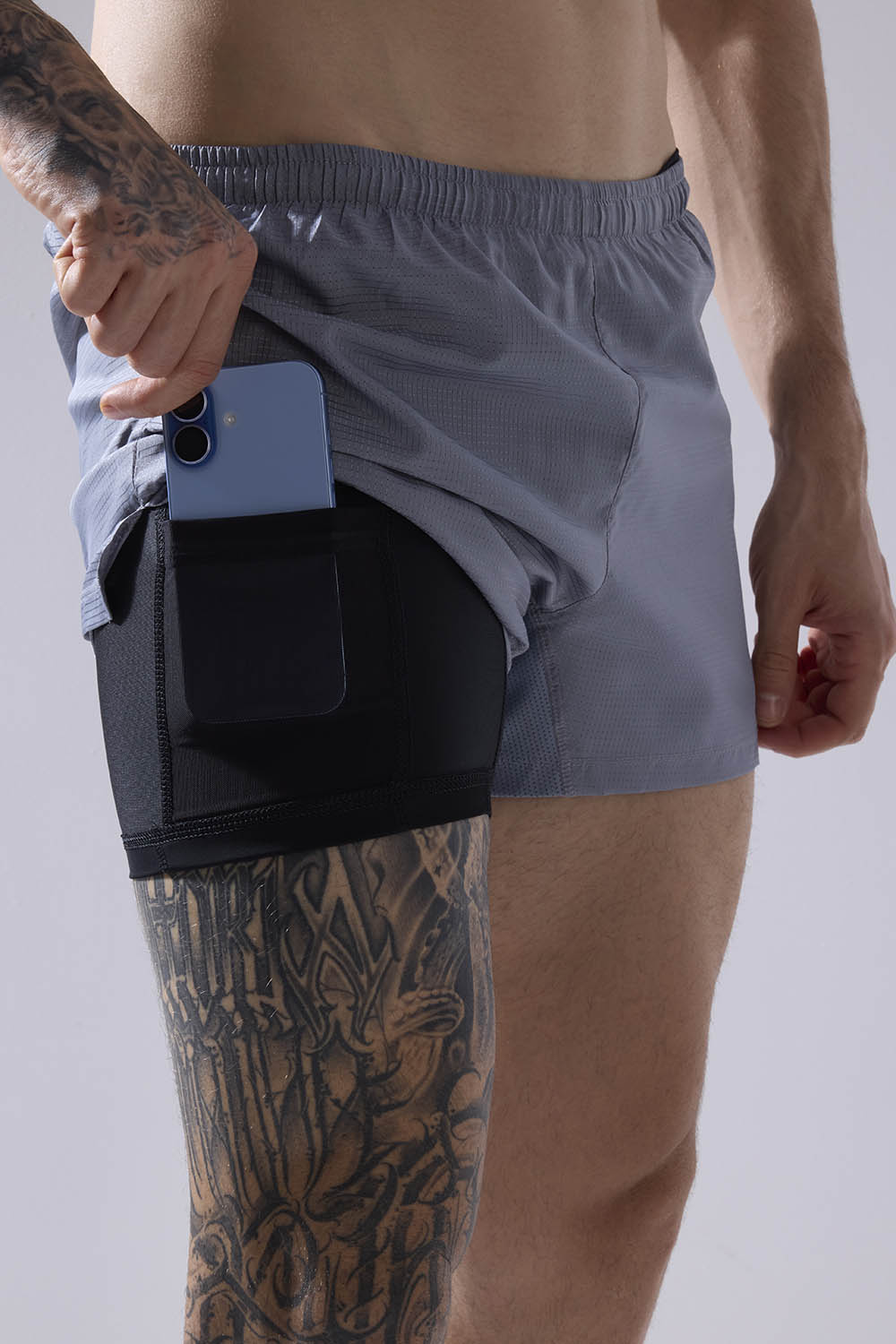
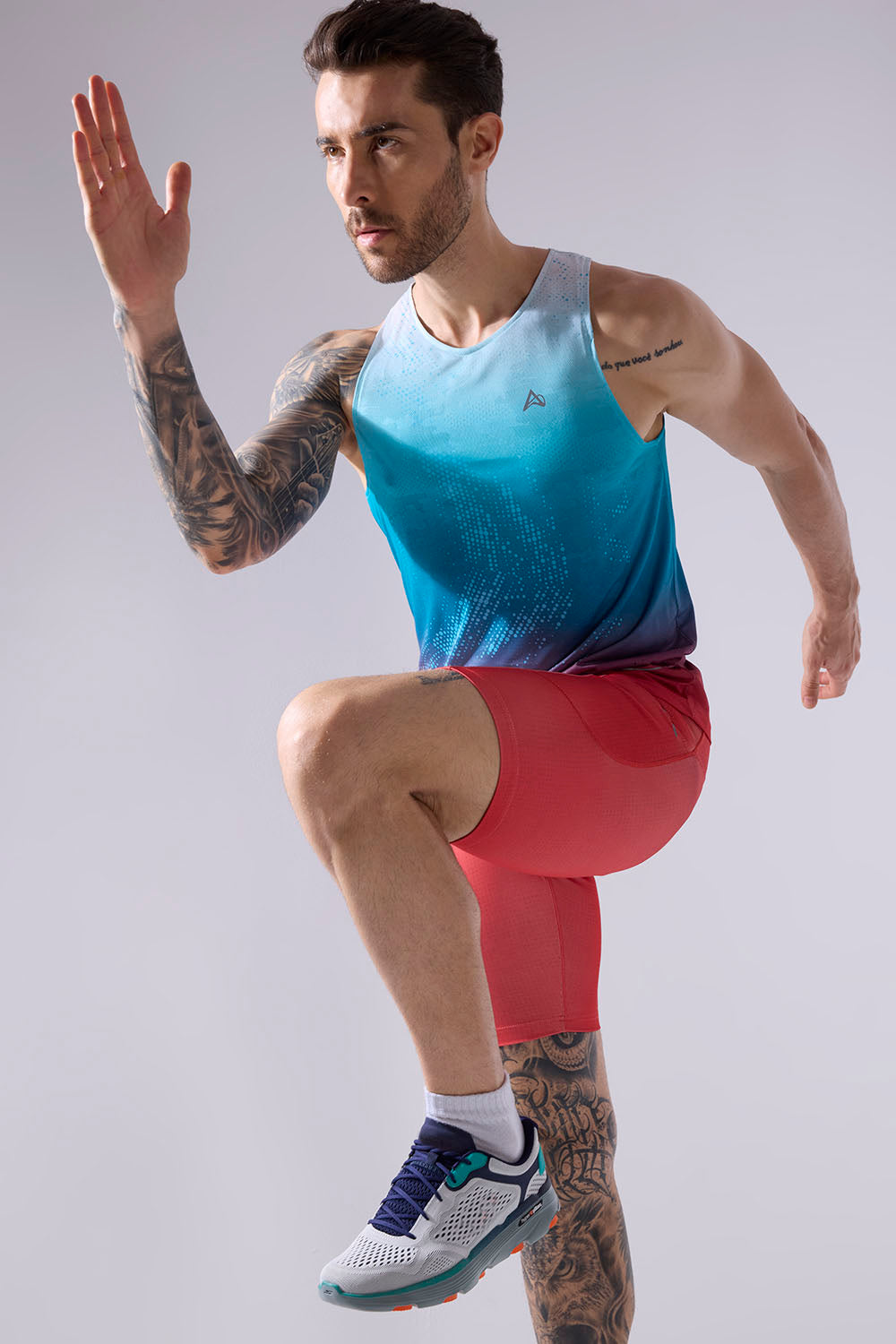
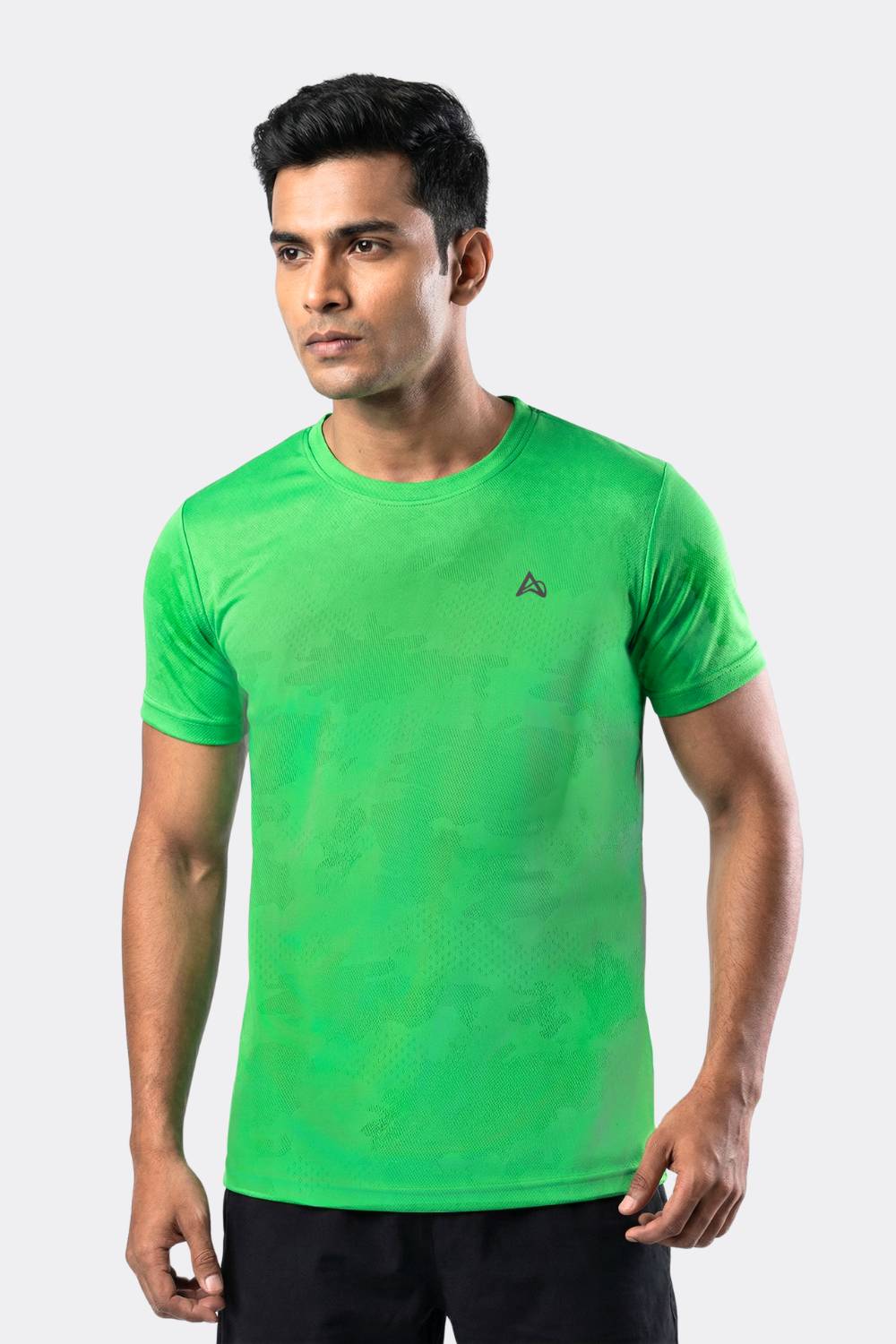
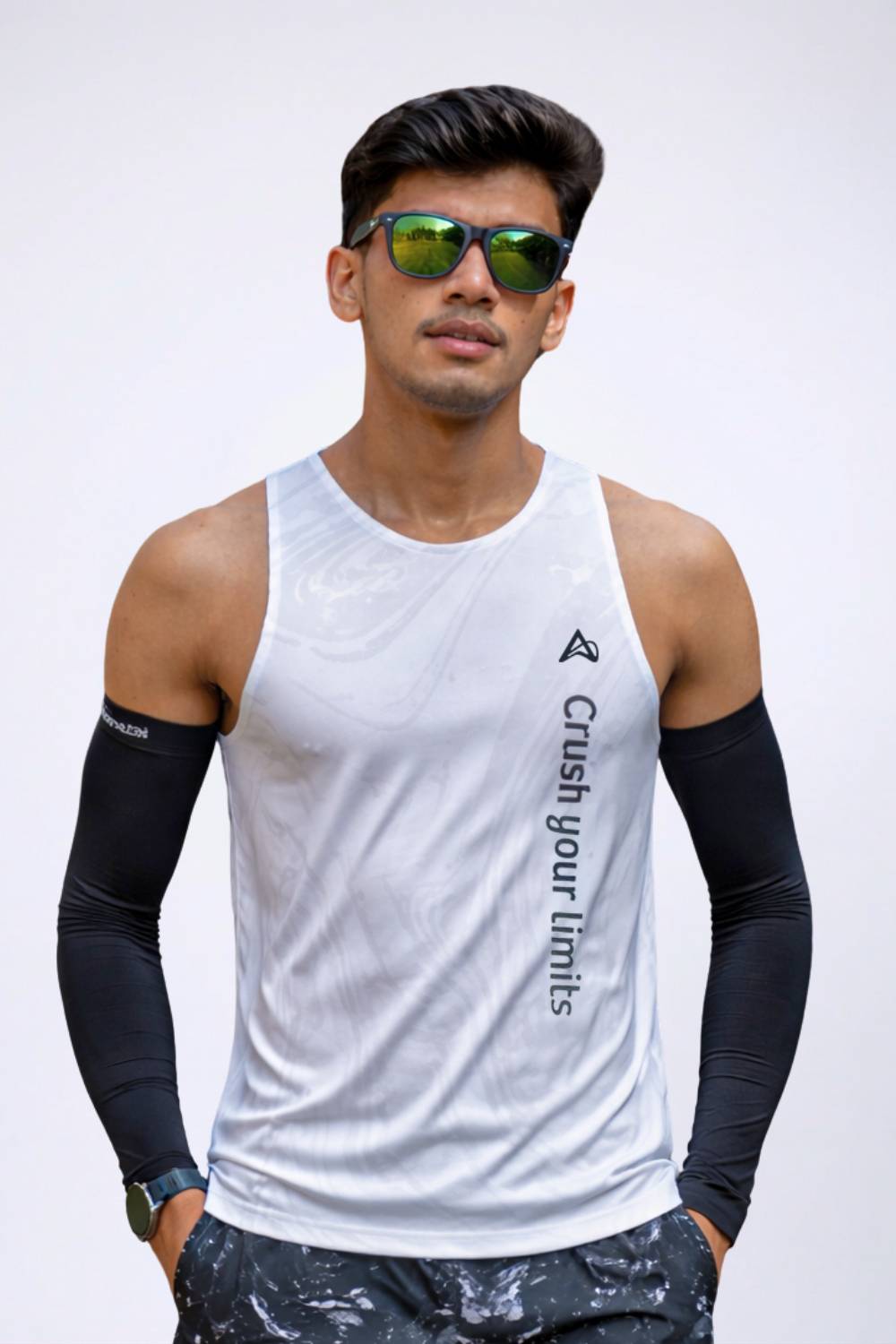
Tired of gear that slows you down? Chafing, soggy fabrics, and missing pockets kill your run's momentum. At Aguante, we're runners who get it. Our high-performance activewear features moisture-wicking fabrics, ergonomic designs, and smart storage to keep you focused. Shop Now!
The Persistent Challenge of Humid Weather Runs
Humidity does more than simply increase perspiration. It undermines your body's natural cooling mechanism. When the surrounding air is already laden with moisture, sweat has nowhere to evaporate efficiently. It pools on the skin and saturates clothing, creating that familiar clammy sensation that quickly leads to chafing, overheating, and premature fatigue. Runners who live in coastal regions or humid climates understand this frustration intimately. Runs that feel smooth and effortless in drier air can suddenly turn into exhausting struggles against the environment.
Traditional cotton fabrics, long favored for casual athletic wear, only compound the issue. Cotton holds moisture like a sponge, becoming heavy, sticking uncomfortably to the skin, and slowing the evaporation process while trapping heat close to the body. Performance fabrics designed specifically for runners take a different approach. They confront these problems directly, converting potential misery into manageable conditions so you can maintain your pace and actually enjoy the effort, even when the air hangs heavy.
How Moisture-Wicking Fabrics Function
At the core of effective moisture-wicking fabrics lies an elegant process known as capillary action. Synthetic fibers, commonly polyester or nylon blends, contain microscopic channels that draw sweat away from the skin through natural molecular forces, similar to the way water climbs a narrow strip of paper towel. Once transported outward, the moisture spreads across a much larger surface area on the exterior of the garment, allowing it to evaporate rapidly into the air.
This mechanism relies on solid physics rather than any mysterious technology. The inner fibers are often treated to be hydrophobic, actively repelling water to drive it outward, while specialized yarn structures and surface treatments accelerate the wicking process. Unlike traditional absorbent materials that lock liquid in place, these advanced fabrics transport moisture efficiently. The result is a next-to-skin surface that remains remarkably dry even after covering many miles. Newer designs incorporate microfibers or precisely engineered grooves to multiply these pathways, enhancing overall performance in demanding conditions.
The Science Behind Evaporation and Sustained Comfort
Evaporation remains the key to staying cool during physical activity. As sweat moves away from the body and vaporizes on the fabric surface, it carries heat along with it, helping regulate core temperature more effectively. In humid environments, where natural evaporation is naturally hindered, moisture-wicking fabrics compensate by distributing moisture thinly and broadly across the material. This maximizes cooling potential despite the thick, moisture-saturated air.
Practical experience and testing consistently show that runners using such gear often report lower perceived effort and fewer interruptions caused by wetness. The fabrics also tend to dry more quickly, lowering the chance of post-run chills or that lingering damp feeling that can make changing clothes unpleasant long after the workout ends.
Practical Benefits for Runners in Humid Conditions
Moisture-wicking apparel provides several tangible advantages that extend well beyond simply feeling less wet. By keeping the interface between skin and fabric drier, it significantly reduces chafing. Those uncomfortable raw spots under the arms or along the inner thighs become much less frequent, supporting longer and more enjoyable outings without distraction.
- Temperature regulation: By promoting efficient sweat evaporation, these fabrics help prevent dangerous overheating, allowing the body to maintain effective cooling even when humidity works against natural processes.
- Reduced fatigue: Staying drier conserves energy that would otherwise be spent fighting discomfort, enabling sustained effort and better concentration on running form or surroundings.
- Lightweight sensation: Clothing avoids turning heavy and restrictive mid-run, preserving the light, free-flowing feeling that draws many people to the sport.
- Faster recovery: Rapid-drying properties make the transition from run to everyday activities smoother, eliminating the need to peel off uncomfortable soggy layers.
These advantages build upon one another over repeated use. Regular incorporation of proper gear can make training in humid weather far more sustainable, helping runners maintain consistency instead of avoiding sessions when the atmosphere turns oppressive.
Selecting Effective Moisture-Wicking Gear
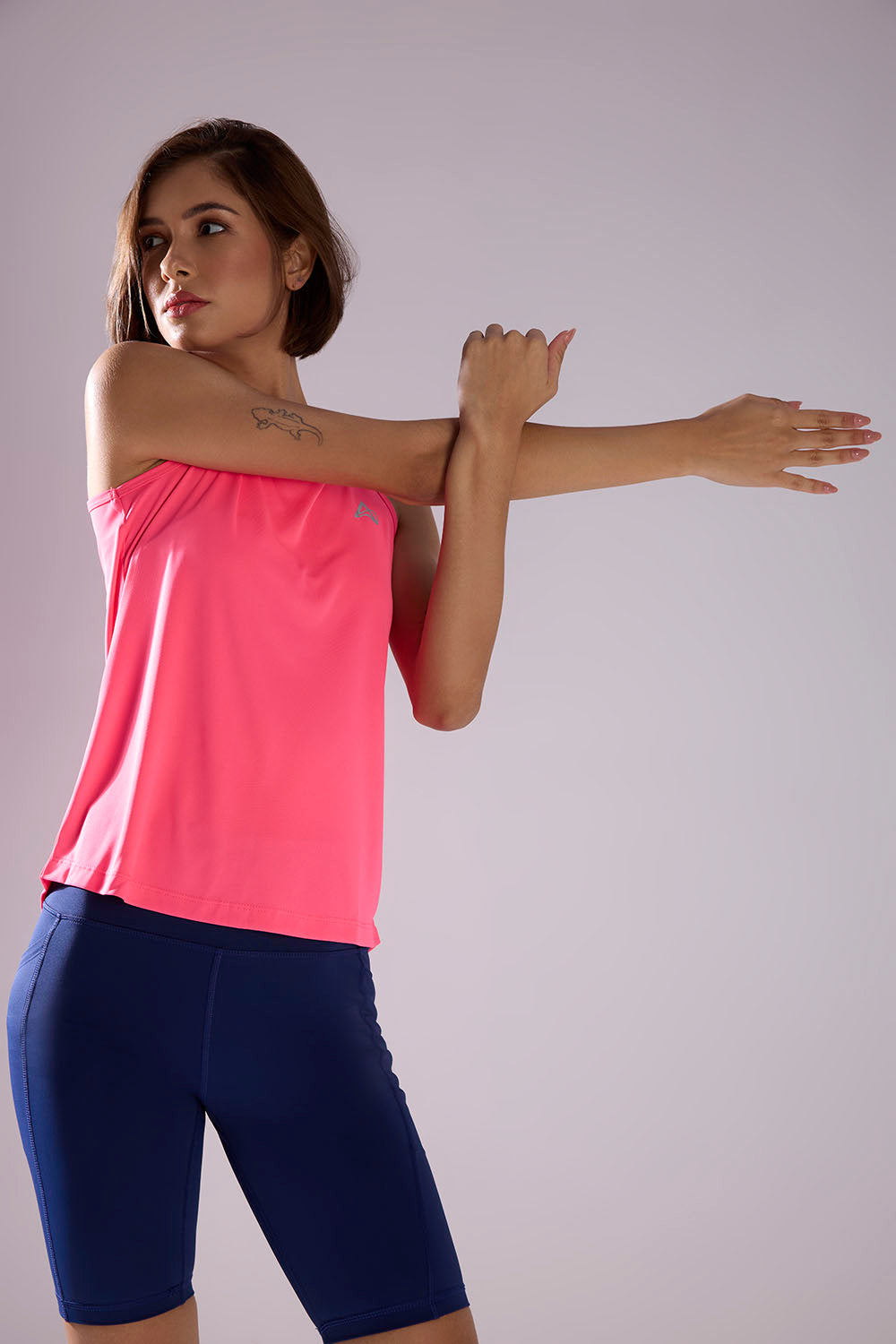
Not every performance fabric delivers the same level of results. Seek out garments featuring advanced wicking technologies, typically based on carefully engineered polyester blends or proprietary fabric treatments. Base layers that fit close to the skin generally provide the most immediate benefits, while looser outer layers encourage additional airflow to support the evaporation process.
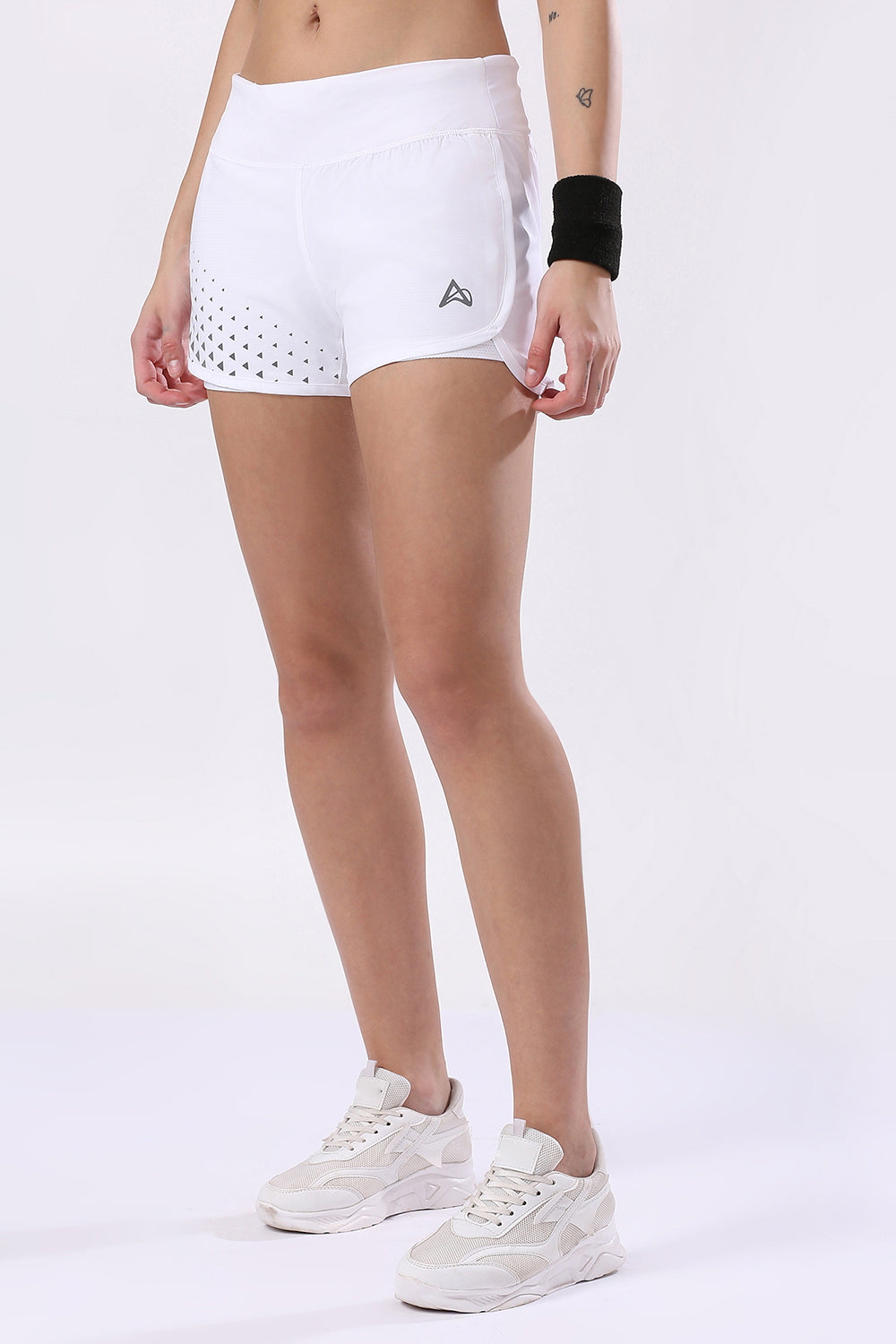
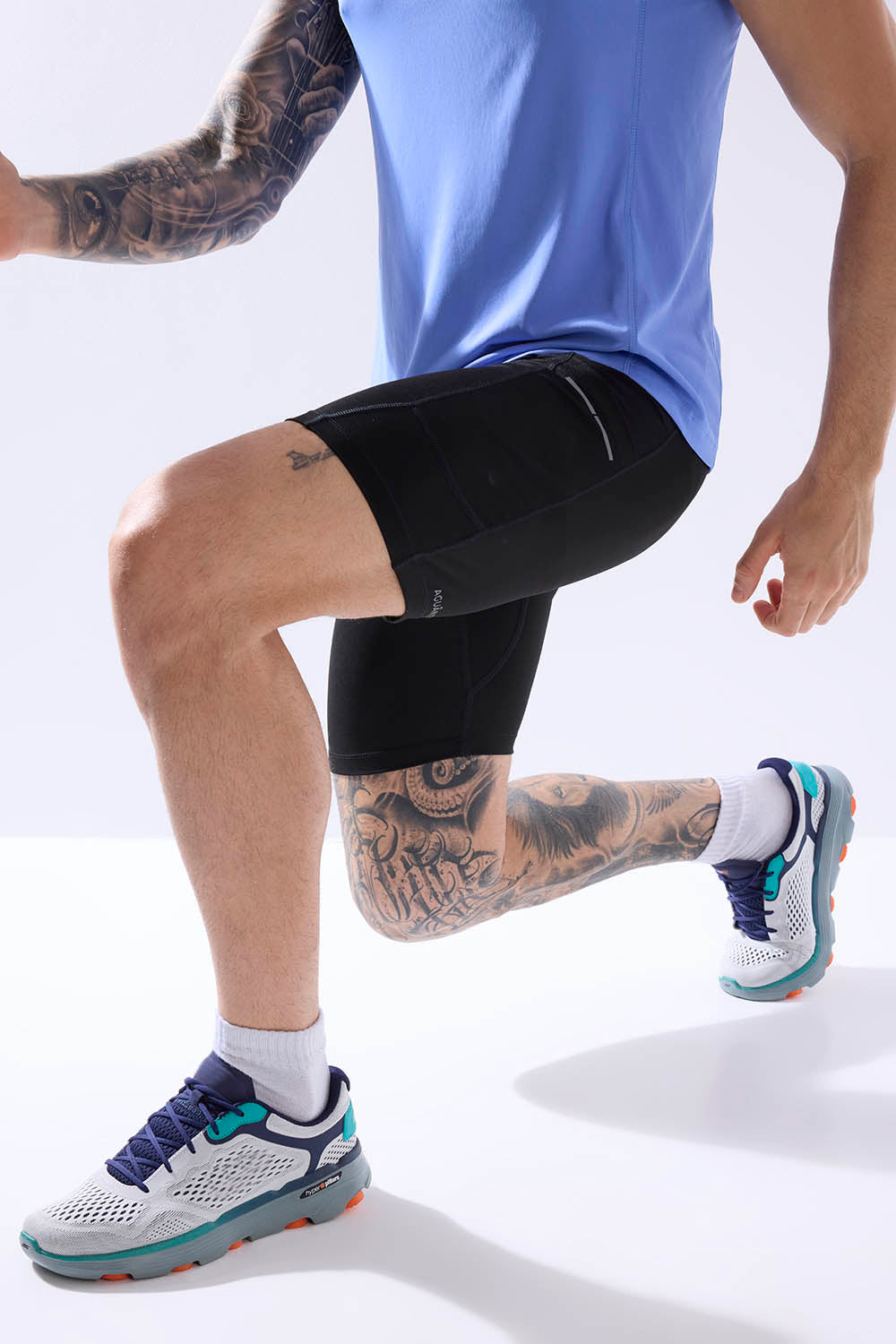
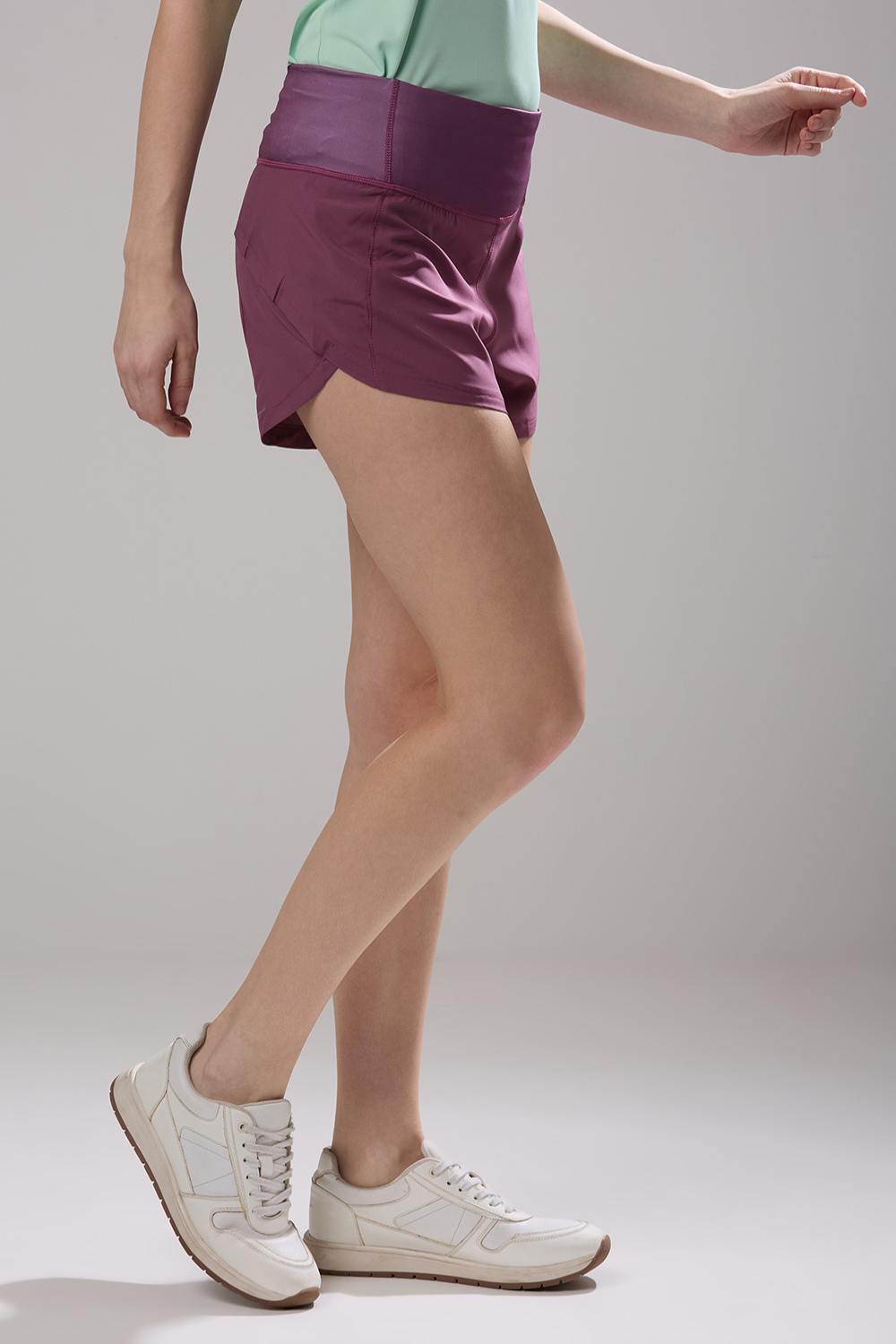
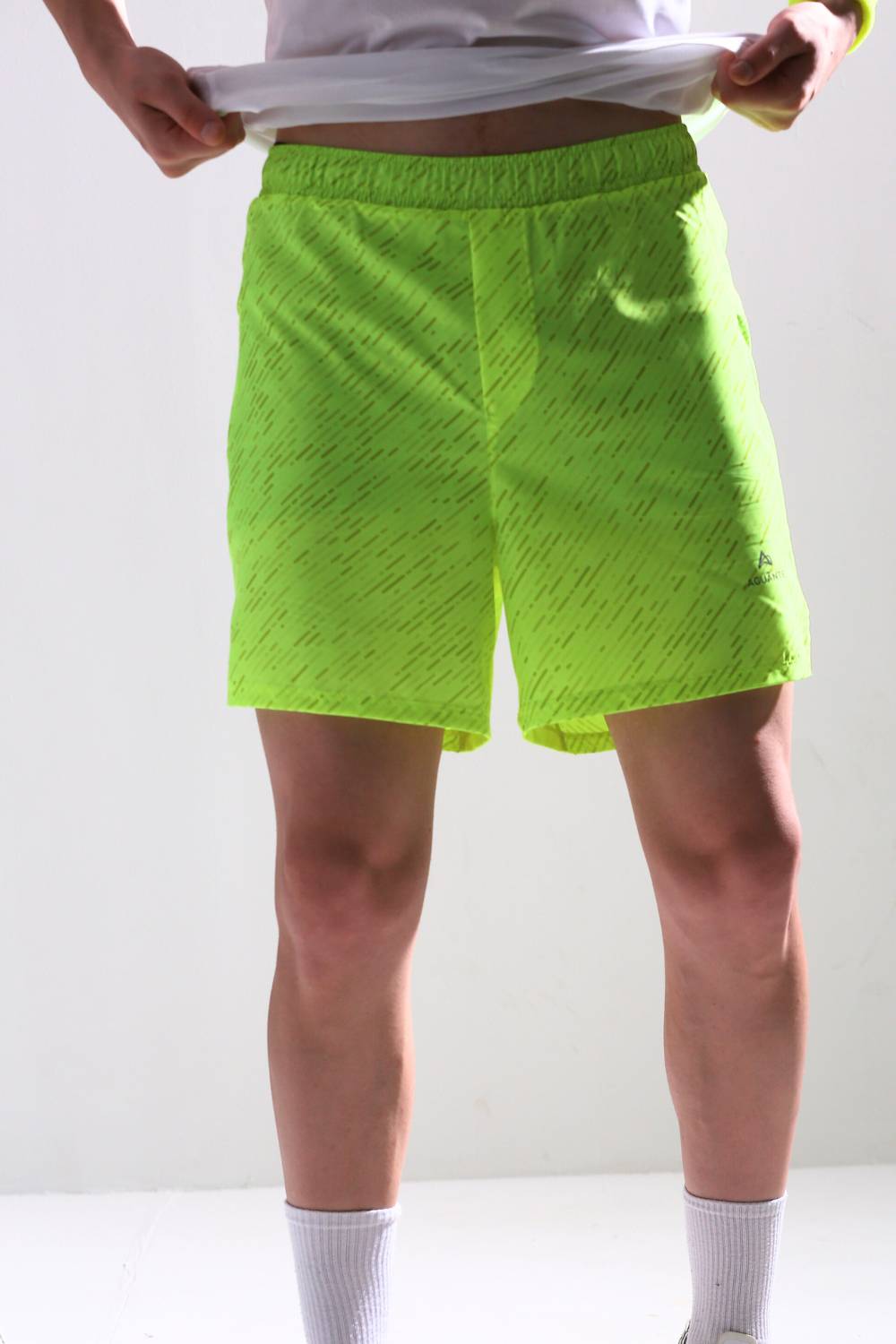
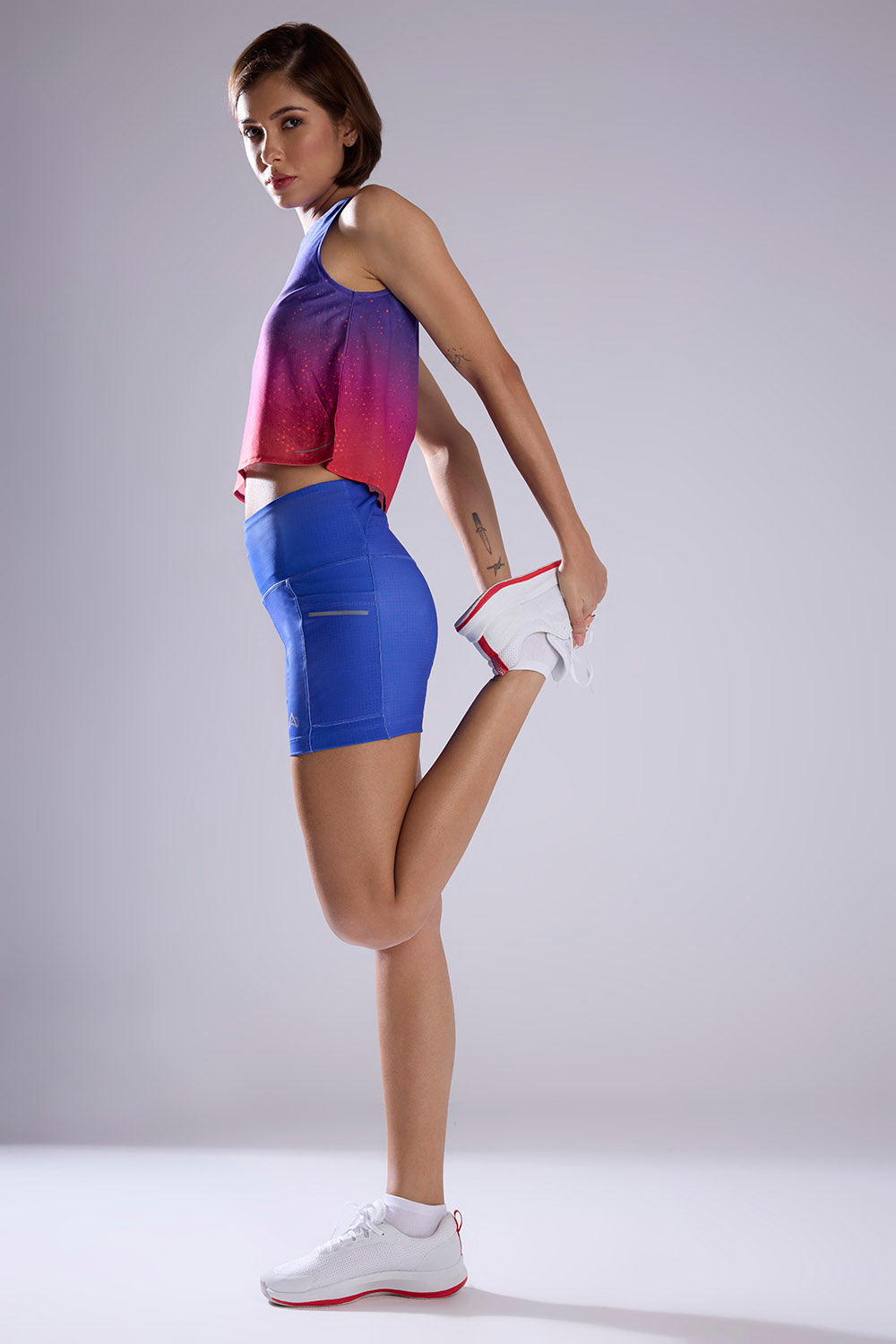
Match your choices to the specific demands of your runs. Lighter shorts and singlets suit shorter efforts, whereas options with strategic ventilation panels work better for extended sessions in intense humidity. Do not overlook socks moisture-wicking versions play a crucial role in blister prevention by keeping feet drier throughout the activity. Proper fit remains essential: overly tight garments can restrict airflow, while excessively loose pieces may shift and introduce new sources of friction.
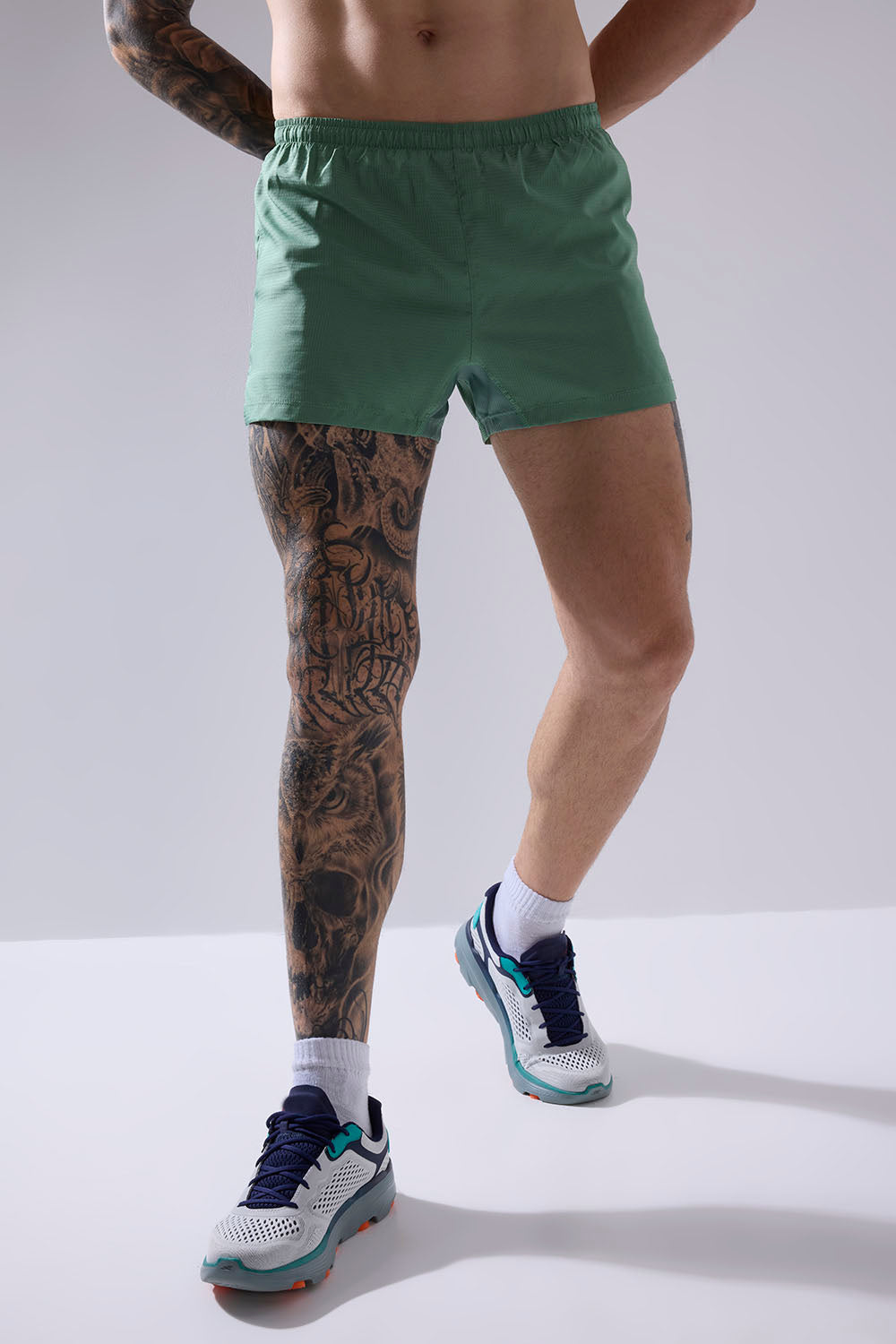
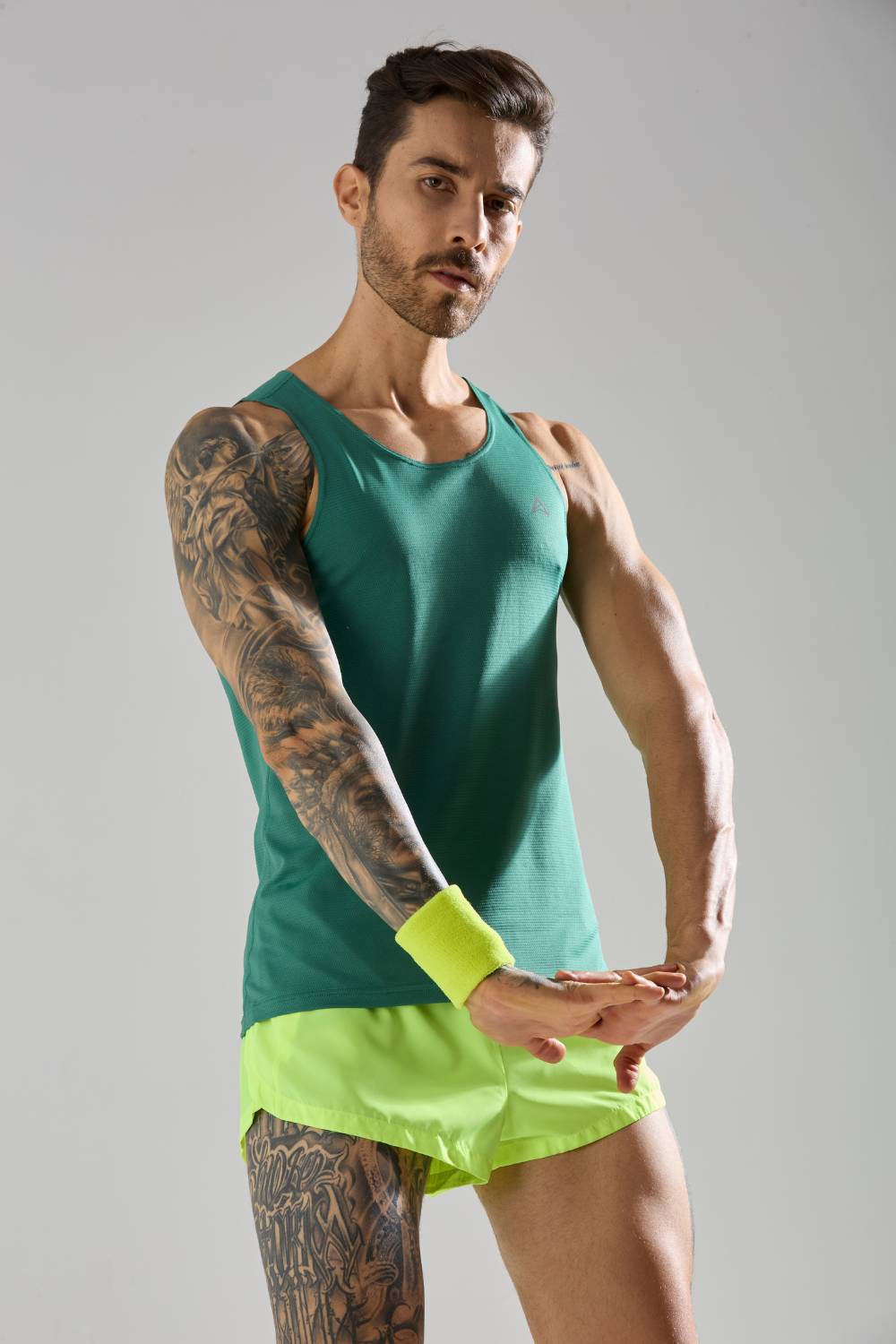
Many experienced runners discover that pairing a high-quality moisture-wicking top with lightweight, breathable shorts creates a reliable system capable of handling conditions ranging from early-morning muggy starts to midday summer efforts.
Addressing Common Misconceptions About Performance Fabrics
Some runners assume that any synthetic shirt will suffice, yet basic polyester without optimized engineering can still feel clammy if wicking performance is inadequate. Others express concern that these materials trap heat against the body. When properly designed, however, the opposite occurs: they actively support cooling by facilitating evaporation instead of impeding it.
Another frequent misunderstanding is that moisture-wicking technology serves only serious competitive athletes. In practice, recreational runners and weekend enthusiasts benefit equally from reduced discomfort, particularly in areas where humid days far outnumber comfortable ones. Although these specialized garments typically carry a higher initial cost than basic cotton, their durability and reliable performance across seasons often justify the investment for consistent users.
Incorporating Wicking Fabrics Into Daily Training
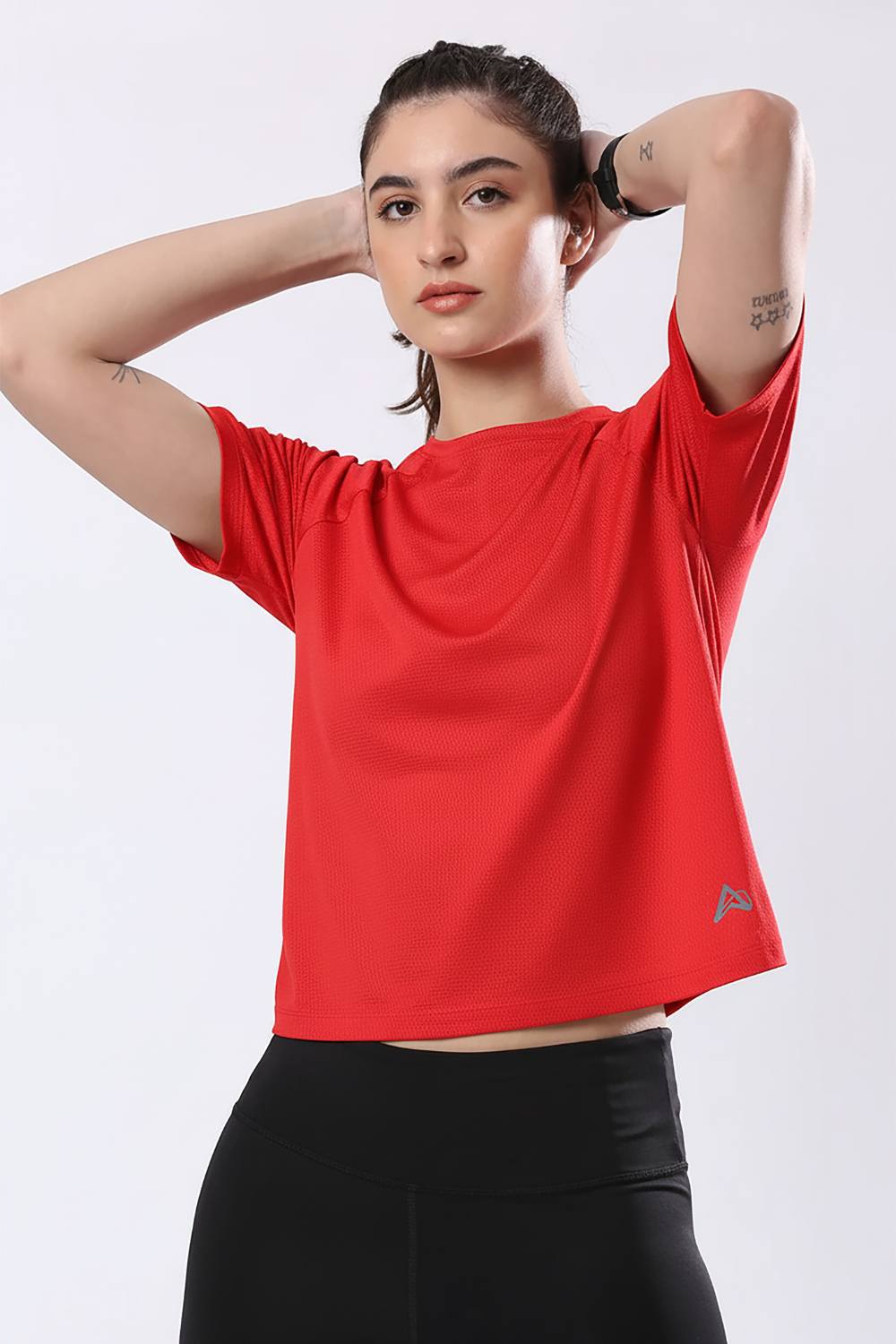
Begin by reviewing your existing running wardrobe. Replace standard cotton tees with moisture-wicking alternatives and observe the noticeable difference during your next humid outing. Focus on how your body responds after shorter versus longer distances many athletes find they can comfortably extend their mileage without the familiar mental drain caused by accumulating wetness.
Strategic layering enhances versatility. A moisture-wicking base layer worn beneath a lightweight, ventilated jacket adapts well to changing conditions, from cooler early hours to rising daytime heat. Complementary habits also matter: applying anti-chafing products to vulnerable areas works in harmony with the fabric's capabilities for even better results.
With consistent use, quality moisture-wicking gear gradually becomes an intuitive part of your routine. It frees mental resources so you can fully appreciate the run itself the steady cadence of footsteps, the shifting quality of light, and the quiet satisfaction of covering distance even when the weather seems determined to interfere.
The Evolving Landscape of Running Apparel
The market for running gear continues to develop, with steady advancements in fabric technology placing strong emphasis on comfort and reliable performance in difficult environments. Improvements such as enhanced knitting techniques contribute to superior fit and breathability, supporting the expanding community of runners who refuse to let humidity control their training schedules. The ongoing growth in running participation reflects a broader cultural shift toward health consciousness and active lifestyles.
In the end, moisture-wicking fabrics represent more than a simple material improvement. They offer a thoughtful, practical solution to genuine challenges faced by runners every day. By effectively managing discomfort, these innovations help protect the fundamental pleasure of running placing one foot in front of the other, mile after mile, even when the air feels thick and unforgiving.
The next time humidity threatens to disrupt your plans, choose gear specifically built to meet the challenge. Your runs, and your continued motivation to lace up, will clearly benefit.
Frequently Asked Questions
How do moisture-wicking fabrics work to keep runners cool in humid weather?
Moisture-wicking fabrics use capillary action microscopic channels in synthetic fibers like polyester or nylon that draw sweat away from the skin and spread it across the garment's outer surface, where it evaporates quickly. The inner fibers are treated to be hydrophobic, actively repelling moisture outward rather than absorbing it. In humid conditions, this process compensates for the air's reduced evaporation capacity by distributing moisture thinly and broadly, maximizing cooling even when the atmosphere is thick with moisture.
Are moisture-wicking running clothes only beneficial for serious athletes, or do casual runners benefit too?
Moisture-wicking apparel benefits runners of all levels equally recreational joggers and weekend enthusiasts experience the same reduction in chafing, overheating, and fatigue as competitive athletes. In fact, casual runners in humid climates may notice the difference most, since discomfort from clinging, saturated fabric is one of the most common reasons people cut runs short or skip sessions altogether. The higher upfront cost compared to basic cotton is generally offset by the durability and consistent performance across multiple seasons.
What should I look for when choosing moisture-wicking gear for hot, humid runs?
Look for garments built with advanced polyester blends or proprietary fabric treatments that are specifically engineered for wicking performance not just any synthetic shirt will deliver the same results. Base layers that fit close to the skin provide the most immediate moisture management, while looser outer layers with ventilation panels support extra airflow for longer efforts. Don't overlook moisture-wicking socks, which help prevent blisters by keeping feet drier, and make sure the fit isn't too tight (restricts airflow) or too loose (causes friction).
Disclaimer: The above helpful resources content contains personal opinions and experiences. The information provided is for general knowledge and does not constitute professional advice.
You may also be interested in: Breathable Fabrics Help Urban Runners Beat the Heat - Aguante
Tired of gear that slows you down? Chafing, soggy fabrics, and missing pockets kill your run's momentum. At Aguante, we're runners who get it. Our high-performance activewear features moisture-wicking fabrics, ergonomic designs, and smart storage to keep you focused. Shop Now!
Powered by flareAI.co