





Quick Listen:
Before the sun breaches the horizon in Bangalore's Cubbon Park, the air hums with the steady thump of sneakers against dew-kissed trails. From the bustling promenades of Mumbai's Marine Drive to the serene paths of Delhi's Lodhi Gardens, urban India is in motion, propelled by a running boom that's as much about fitness as it is about identity. What sets this movement apart isn't just the growing legions of joggers in India's metro cities it's the footwear they choose. Increasingly, those shoes bear the stamp of homegrown brands, crafted by Indian startups racing to claim their share of a dynamic market. This isn't merely a trend; it's an economic transformation, redefining India's sportswear landscape with every stride.
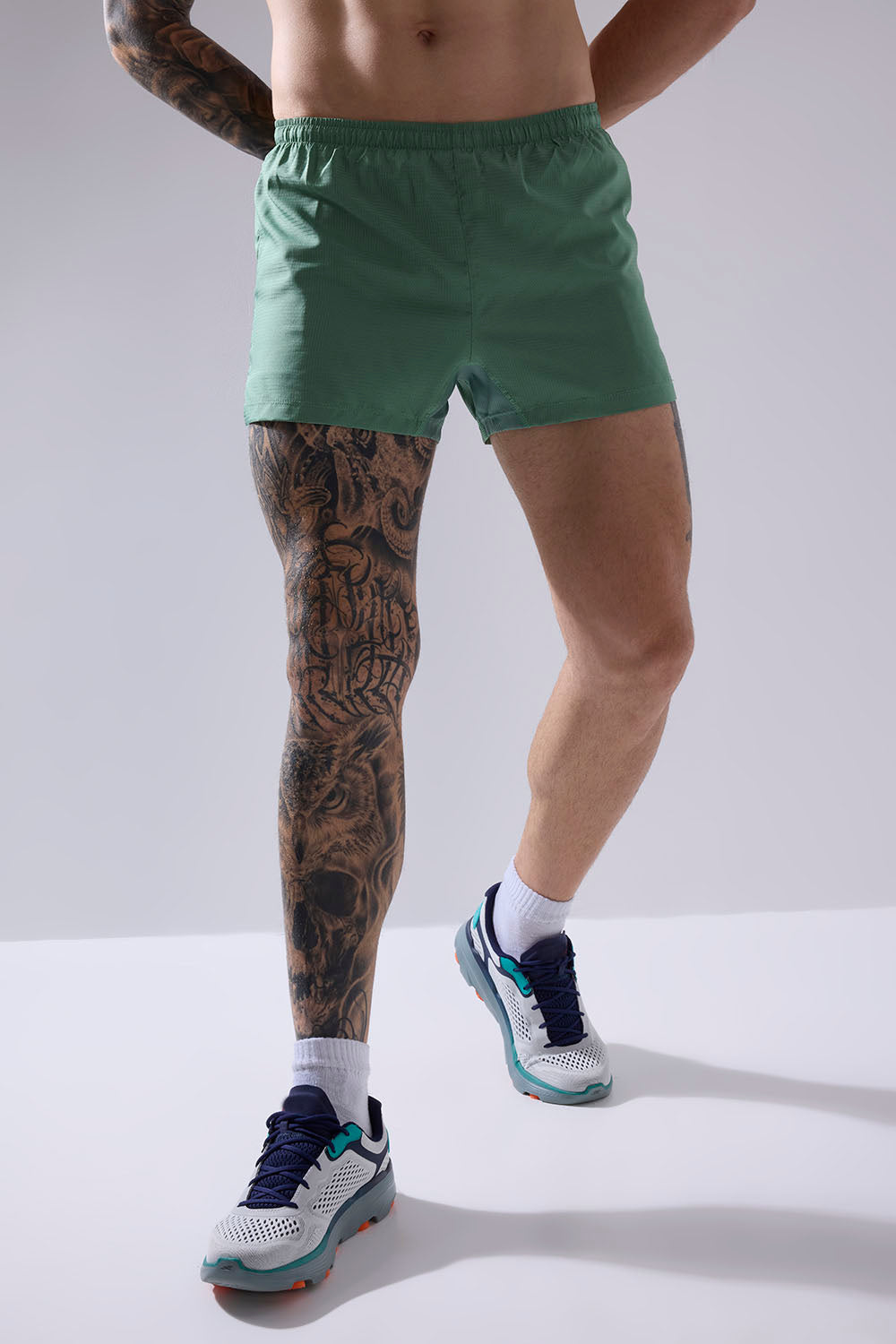
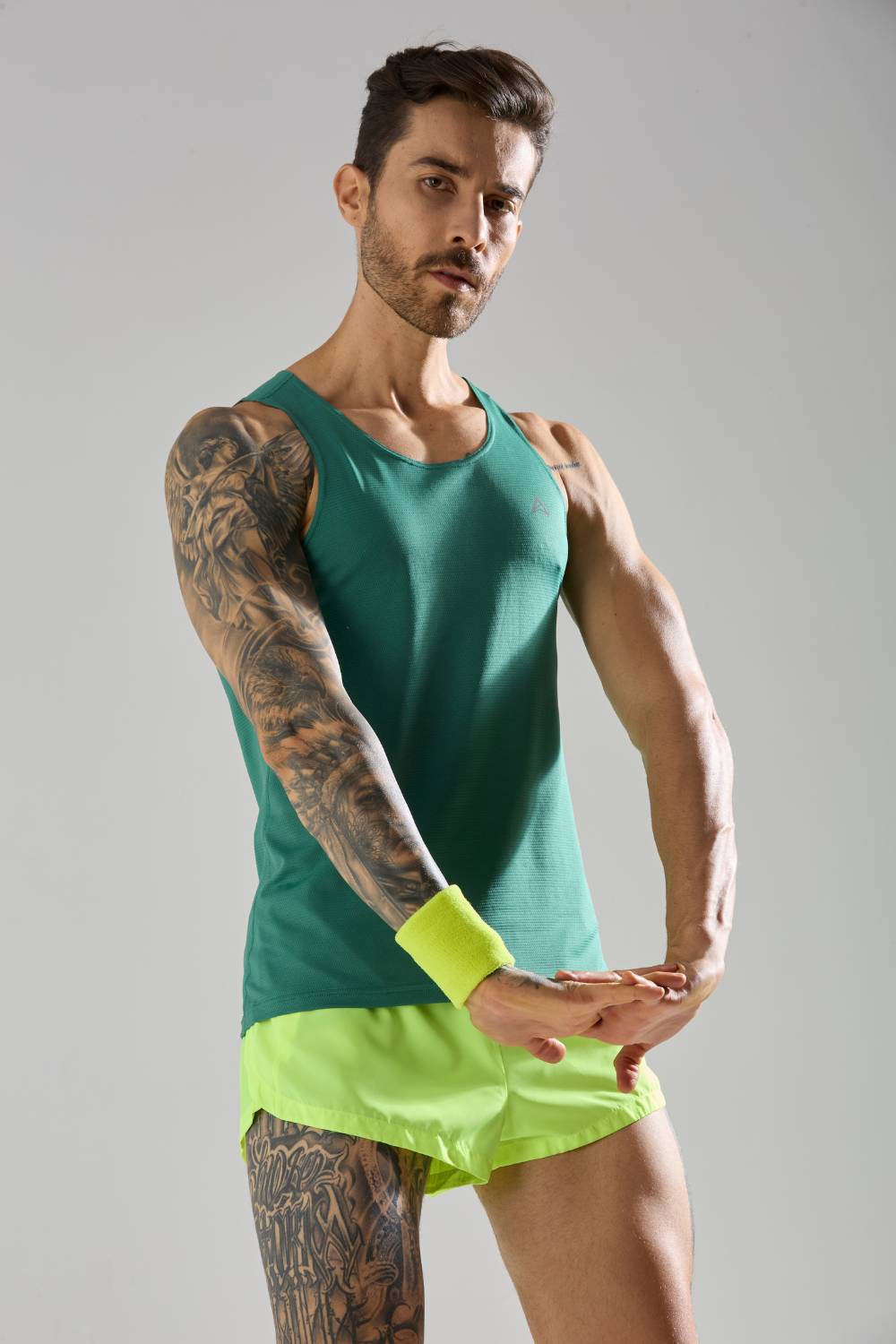
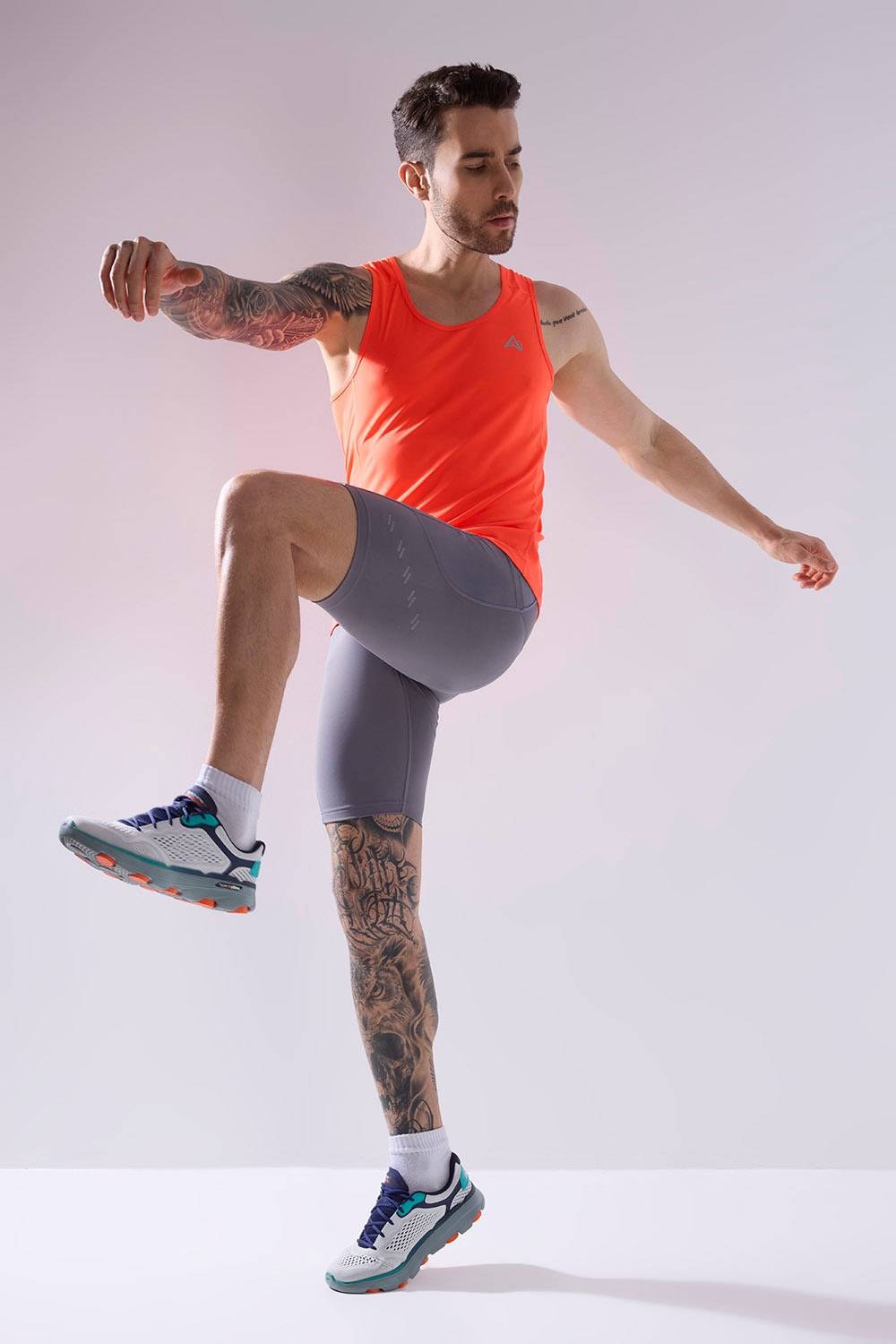
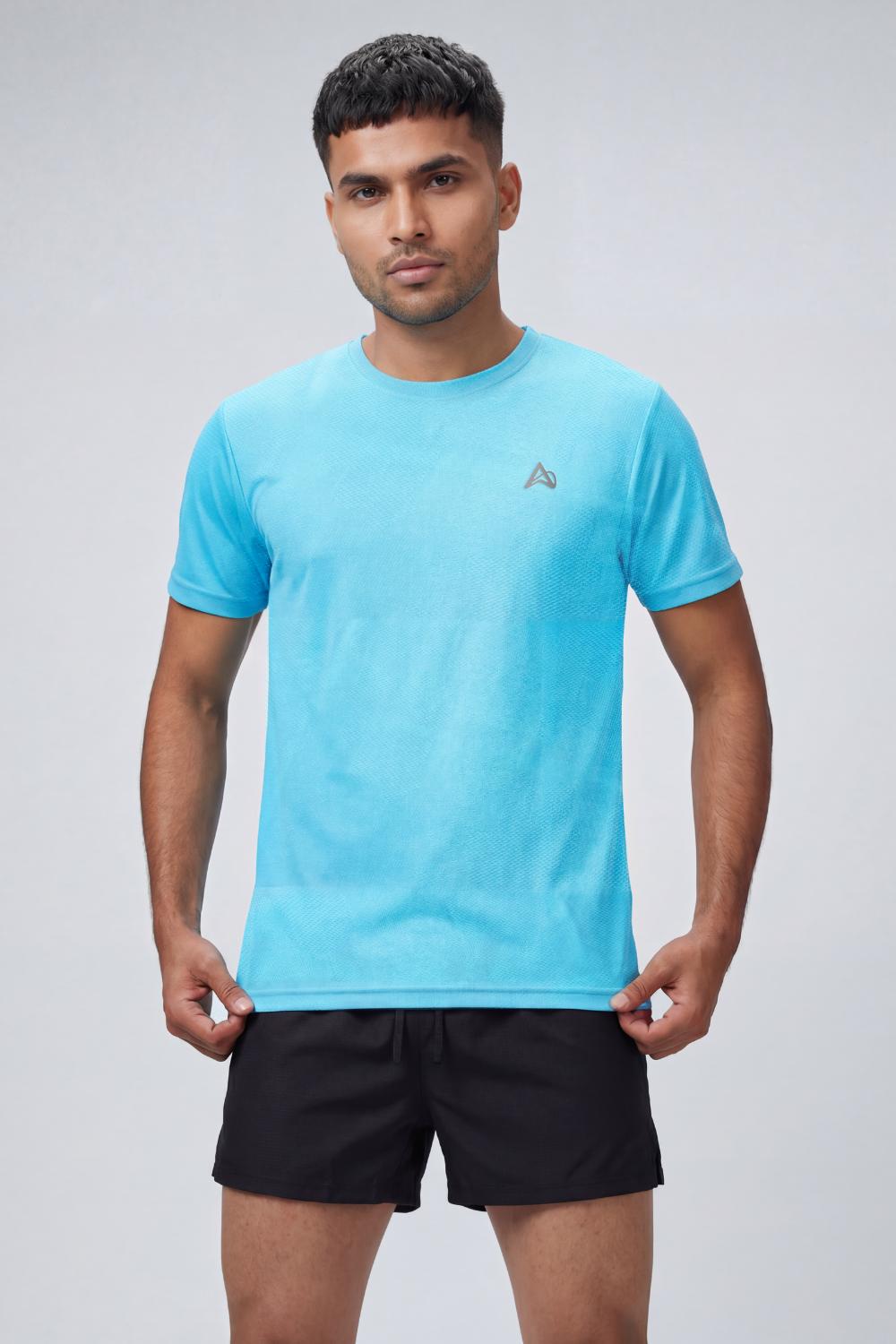
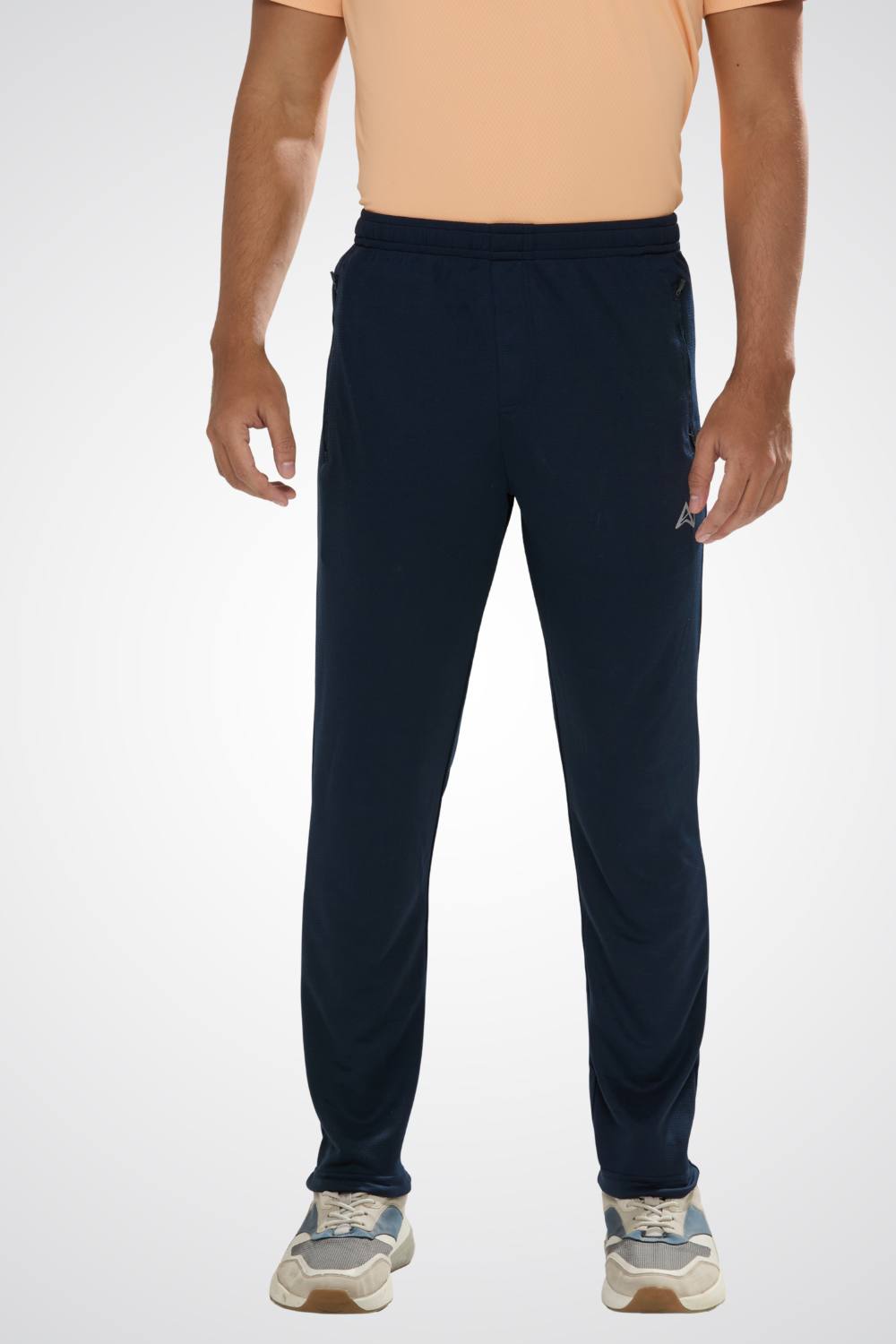
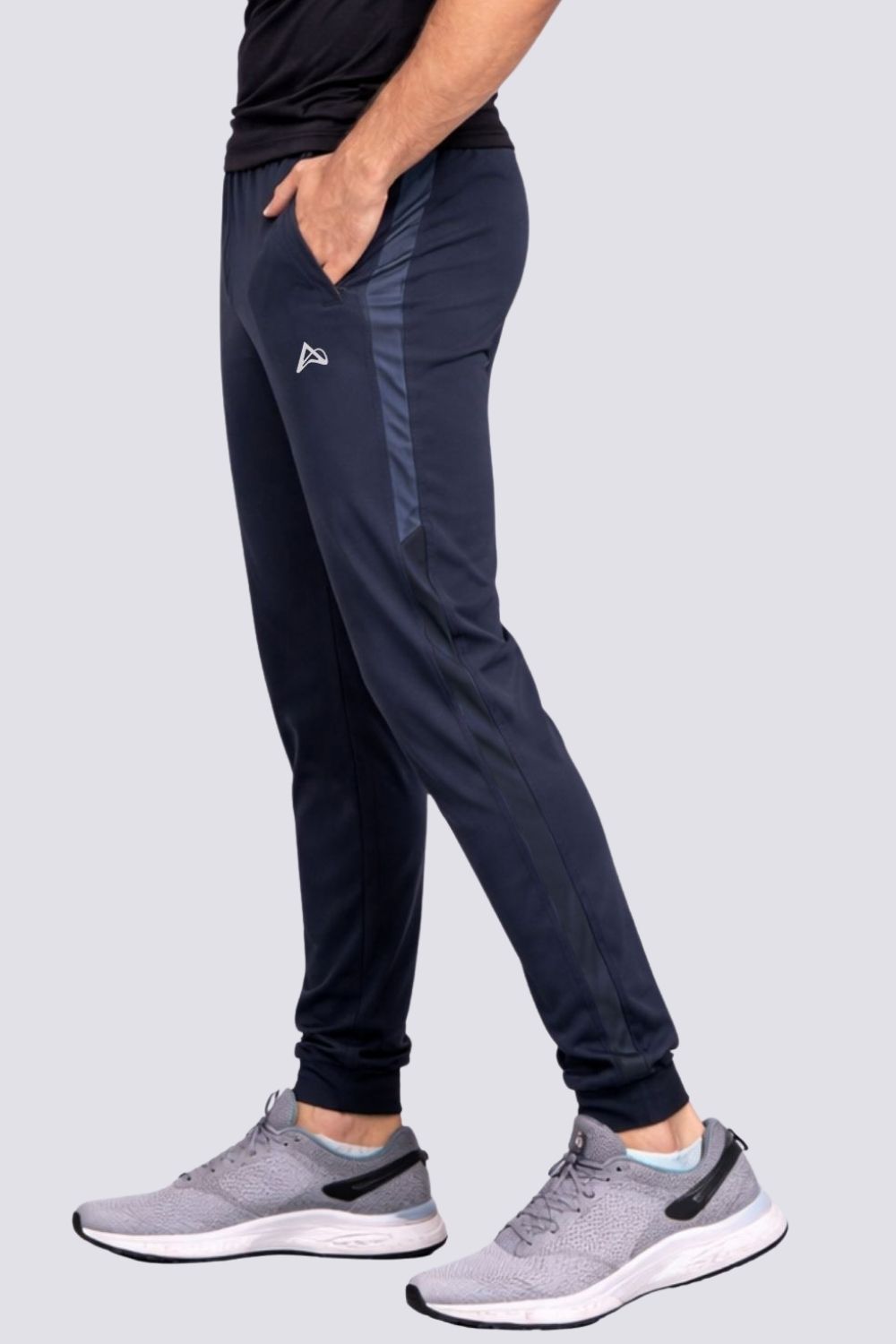
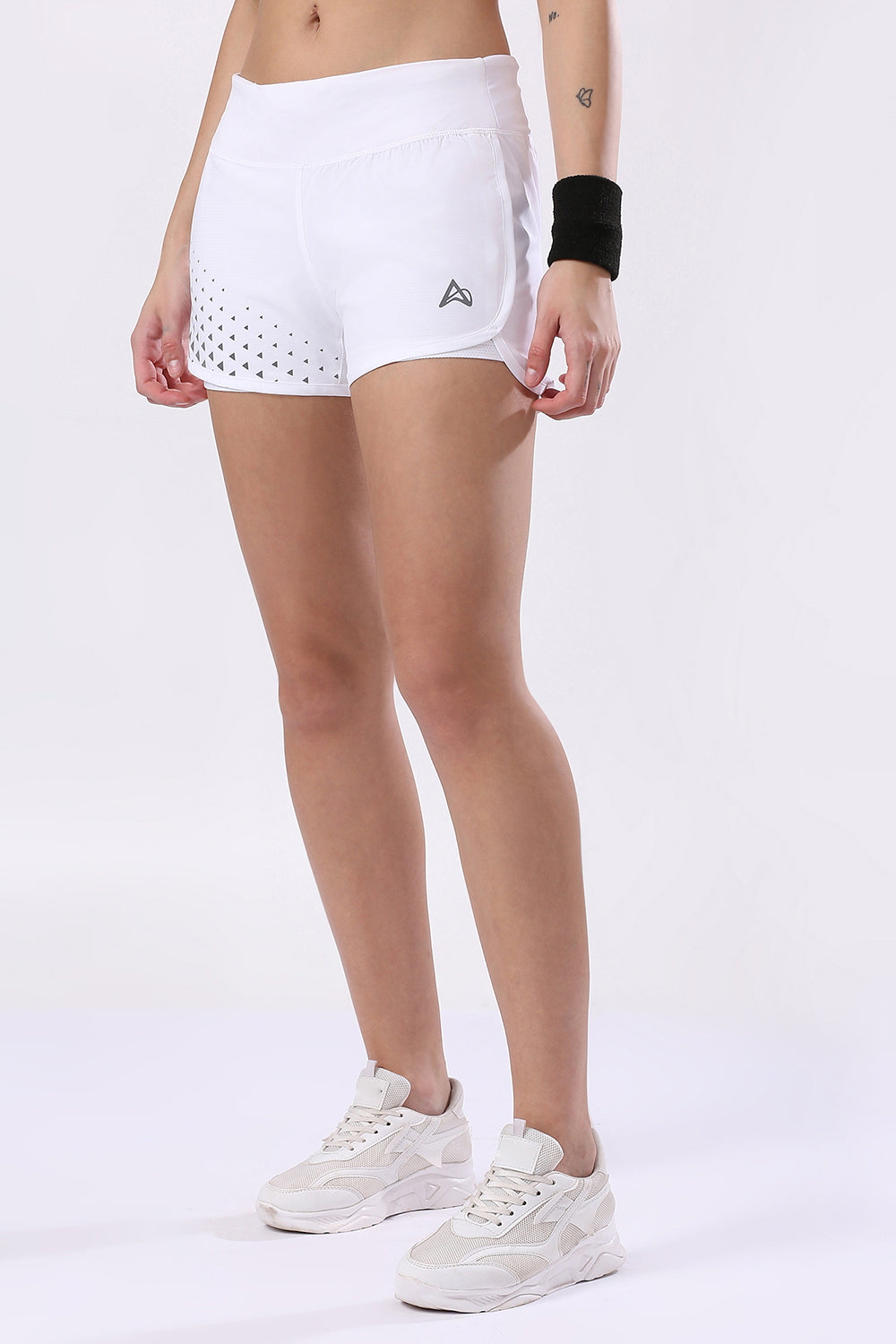
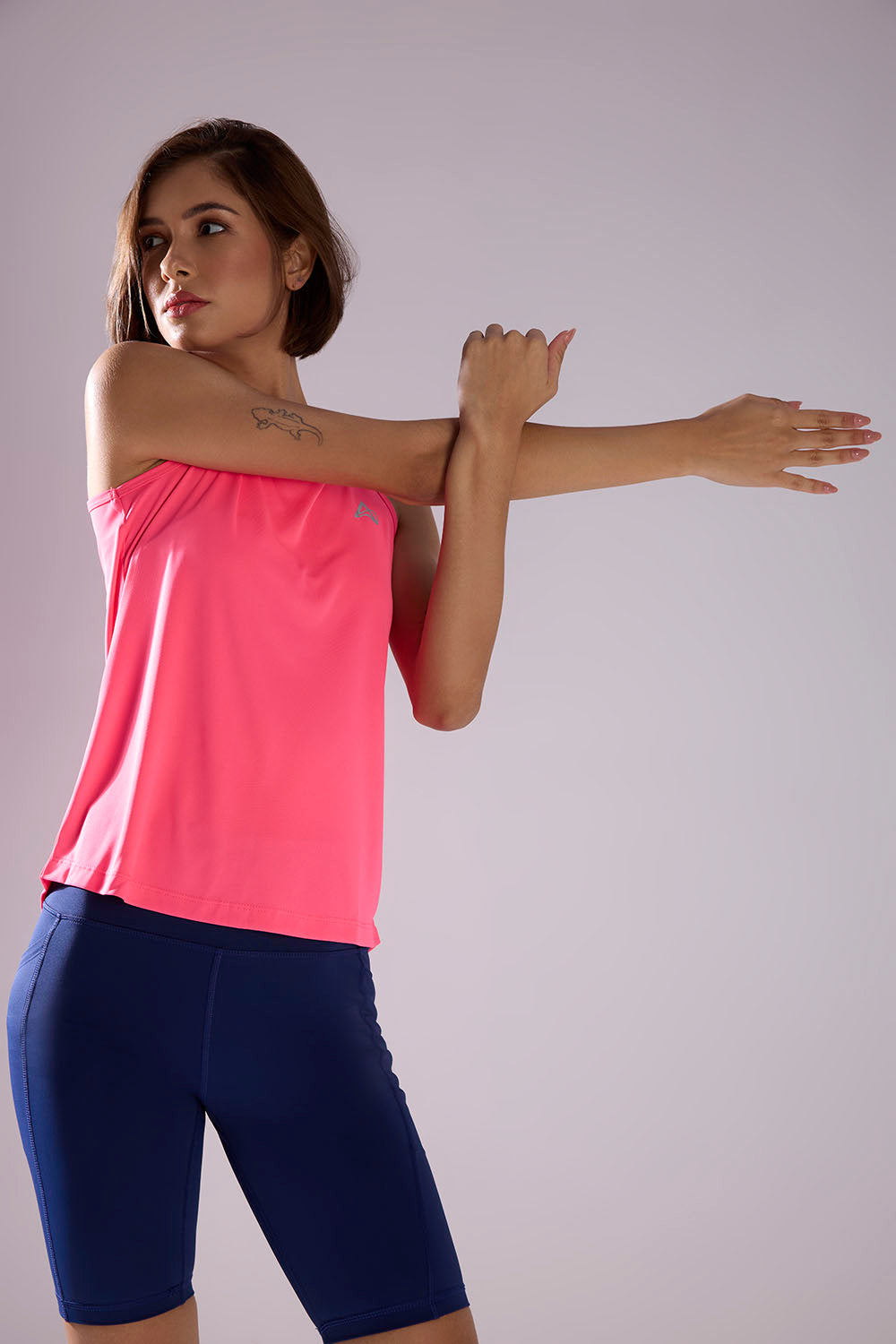
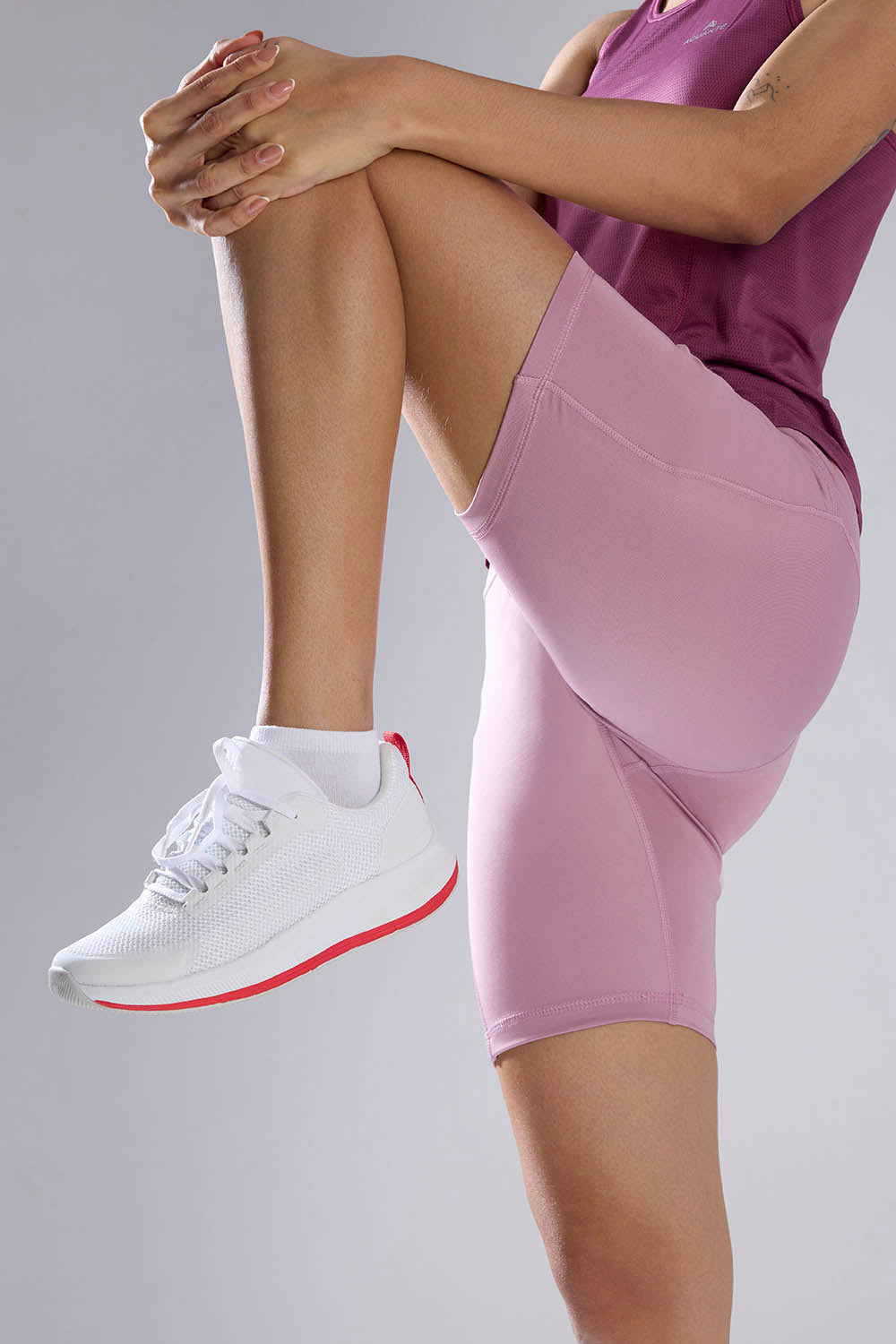
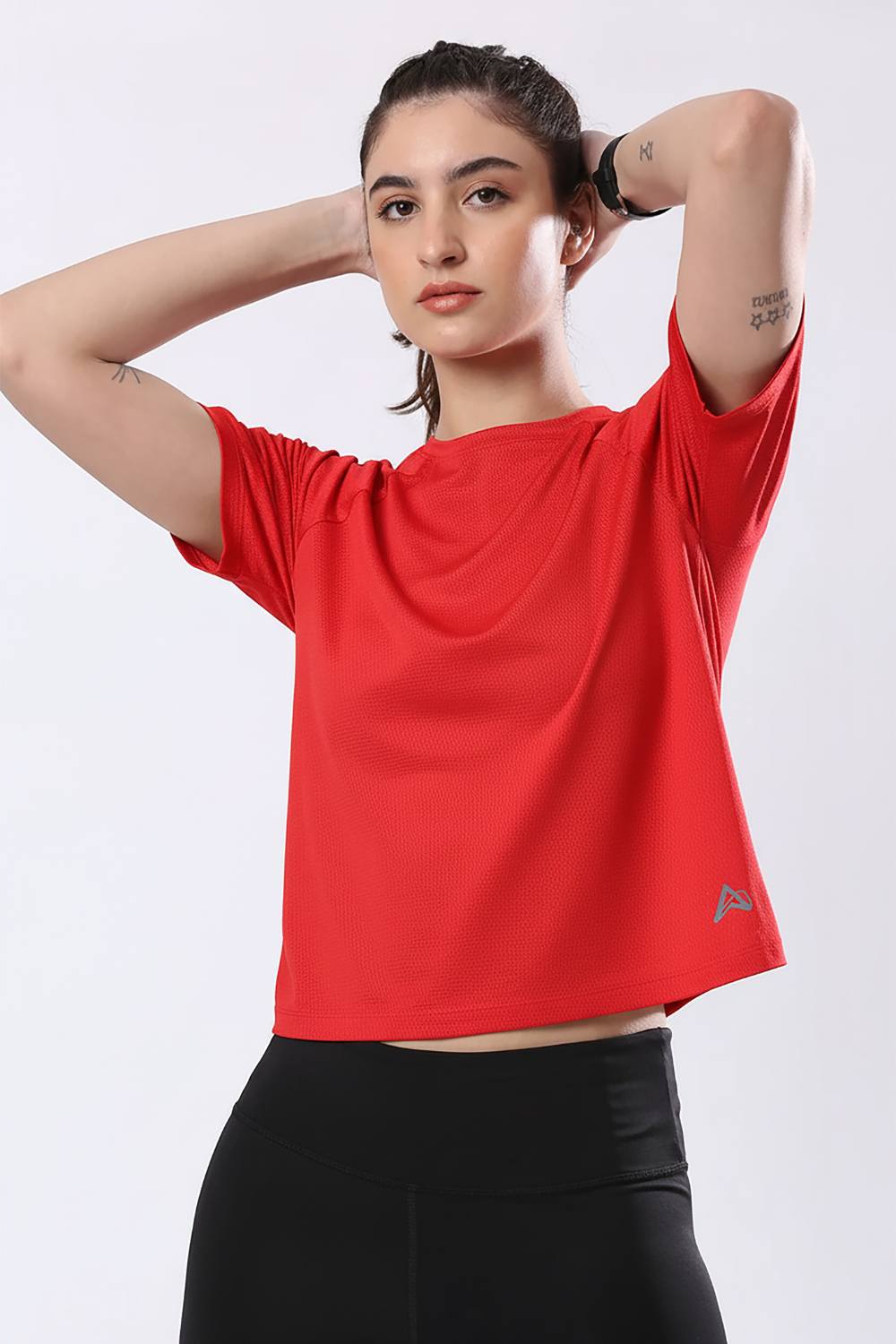
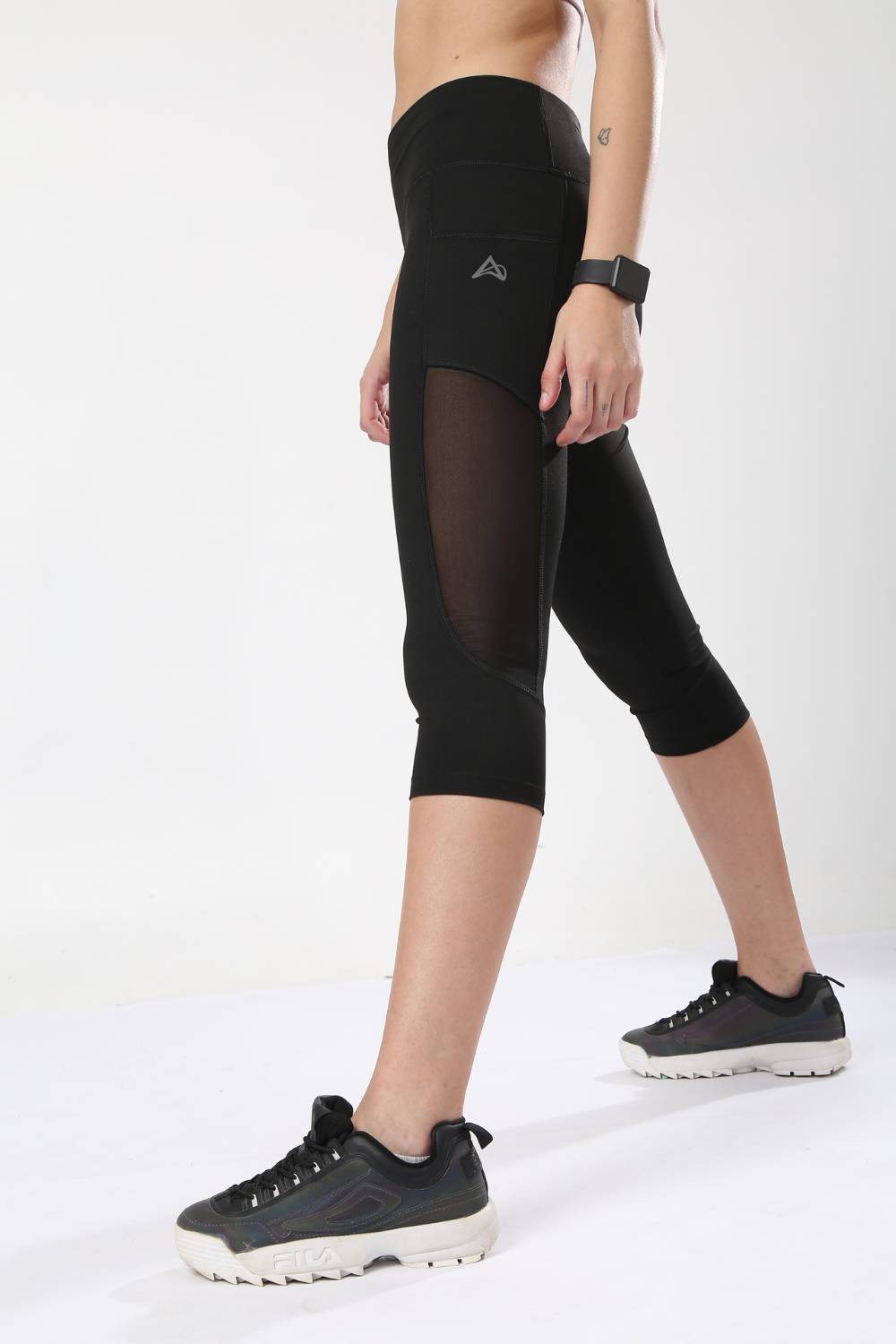
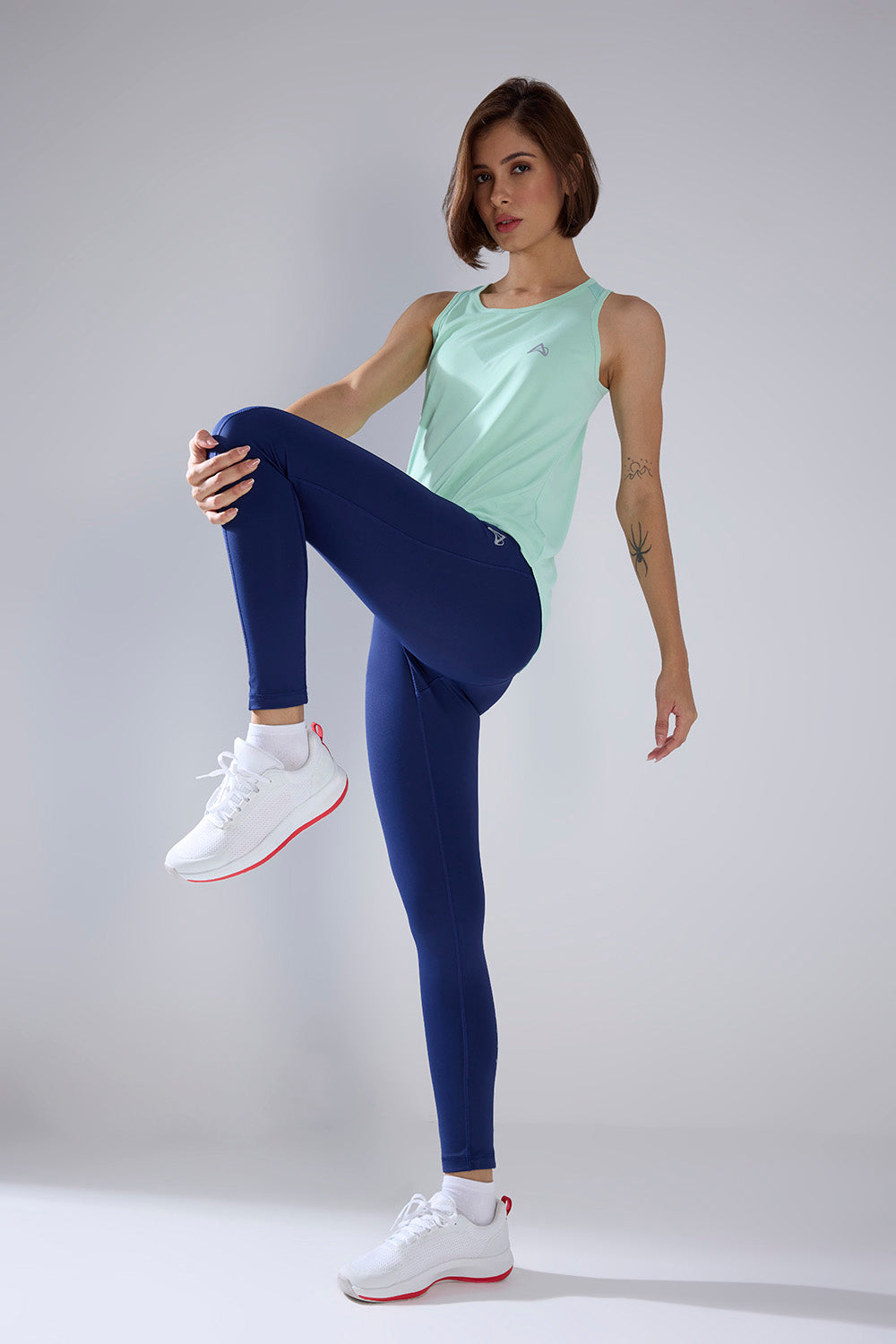
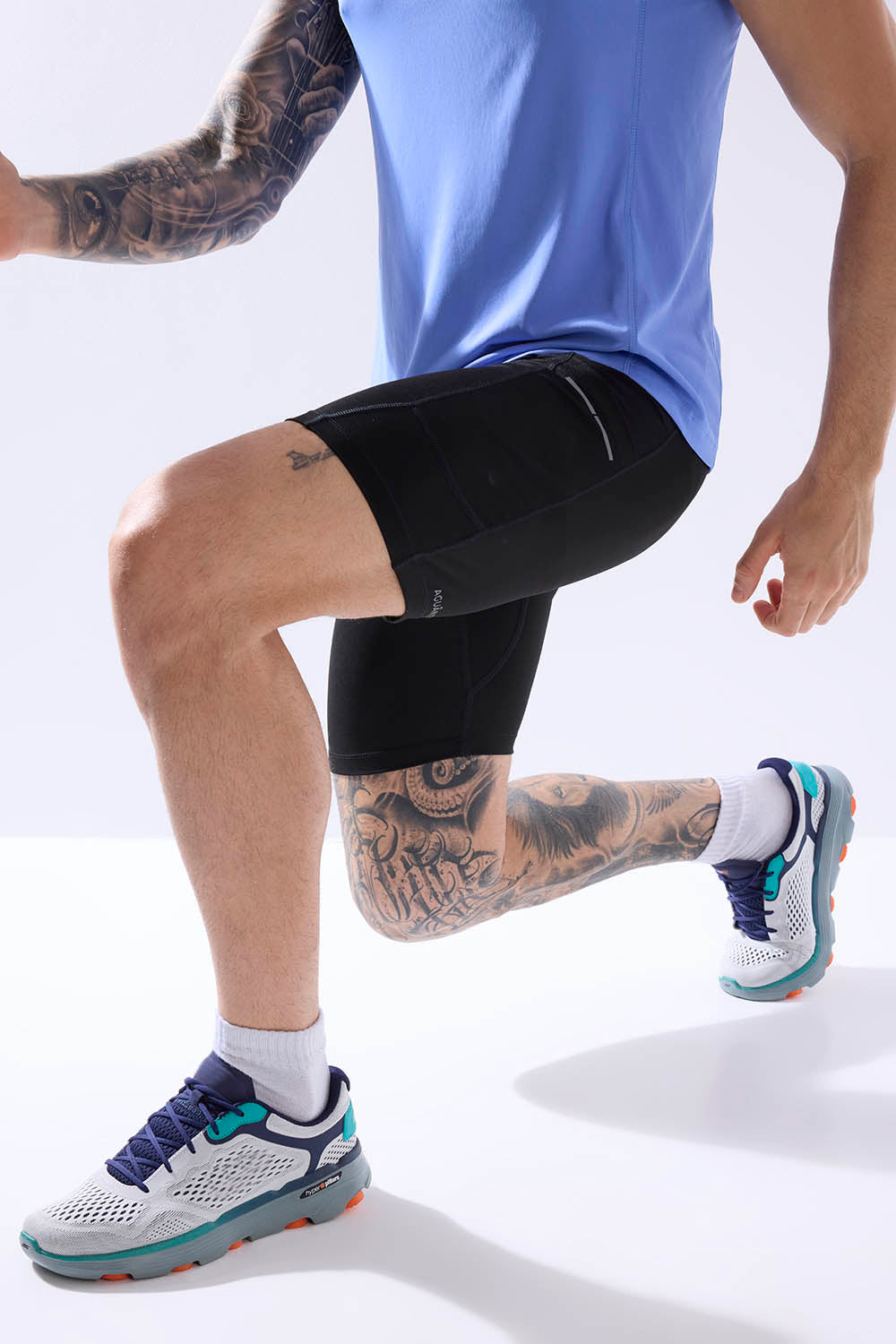
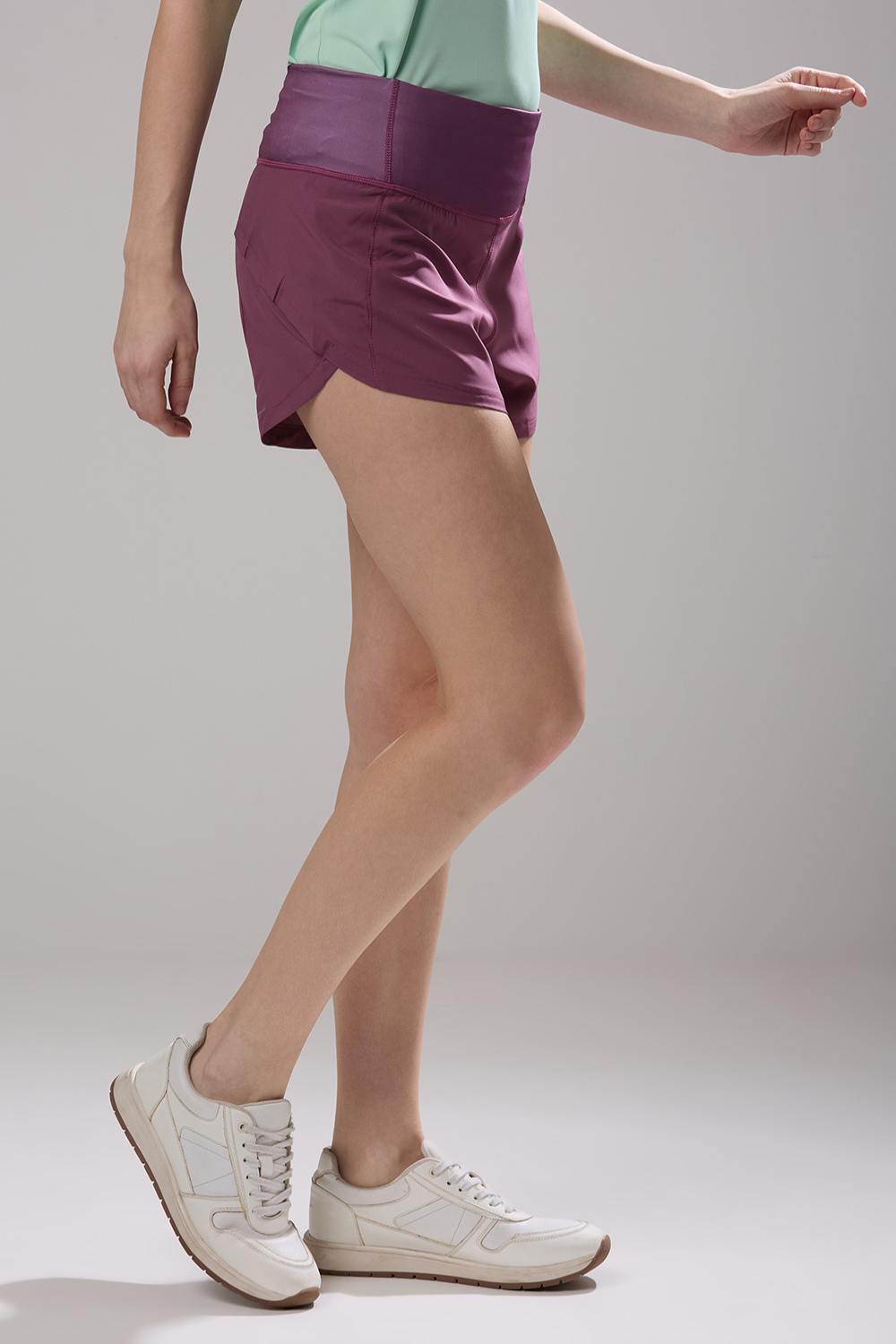
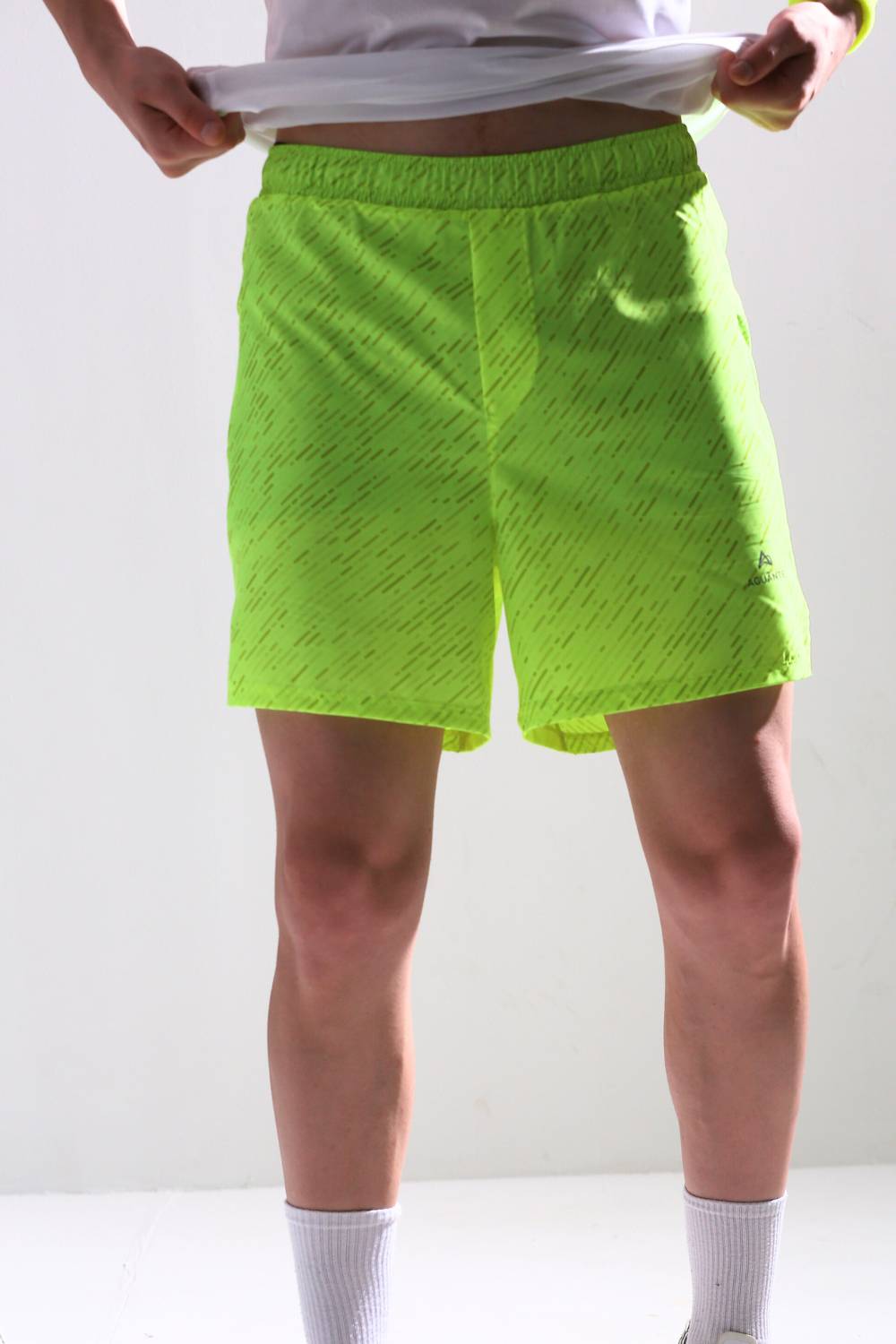
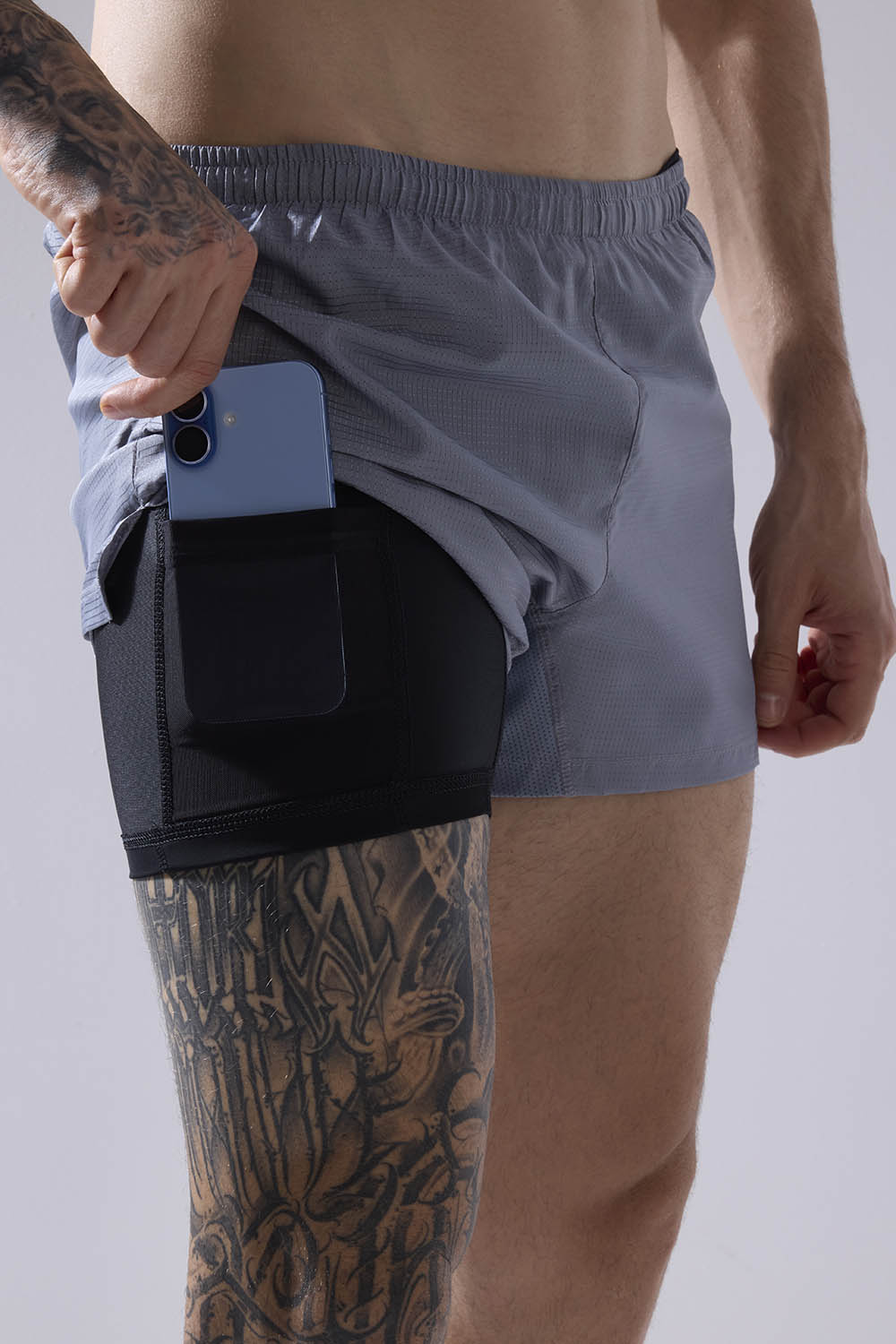
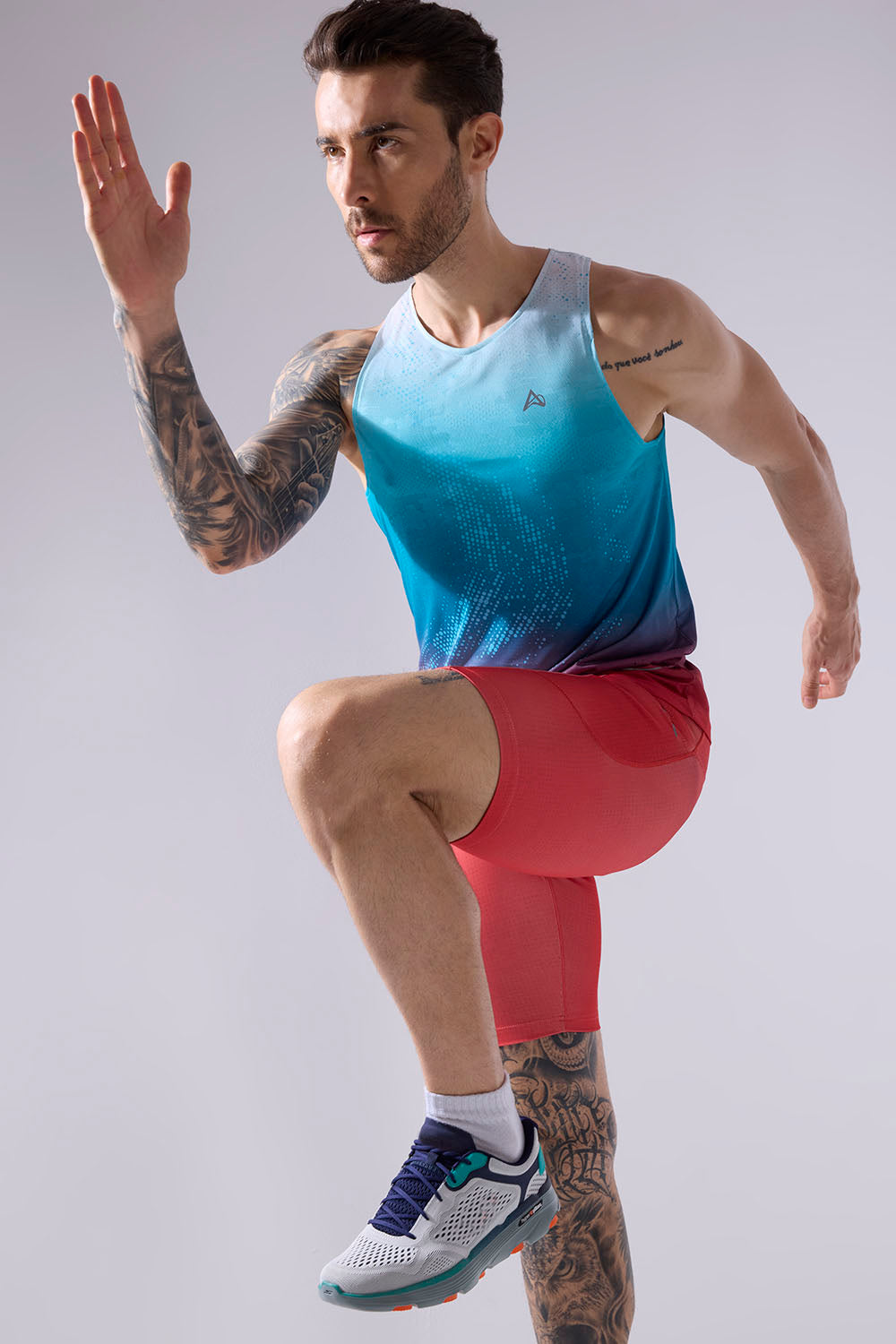
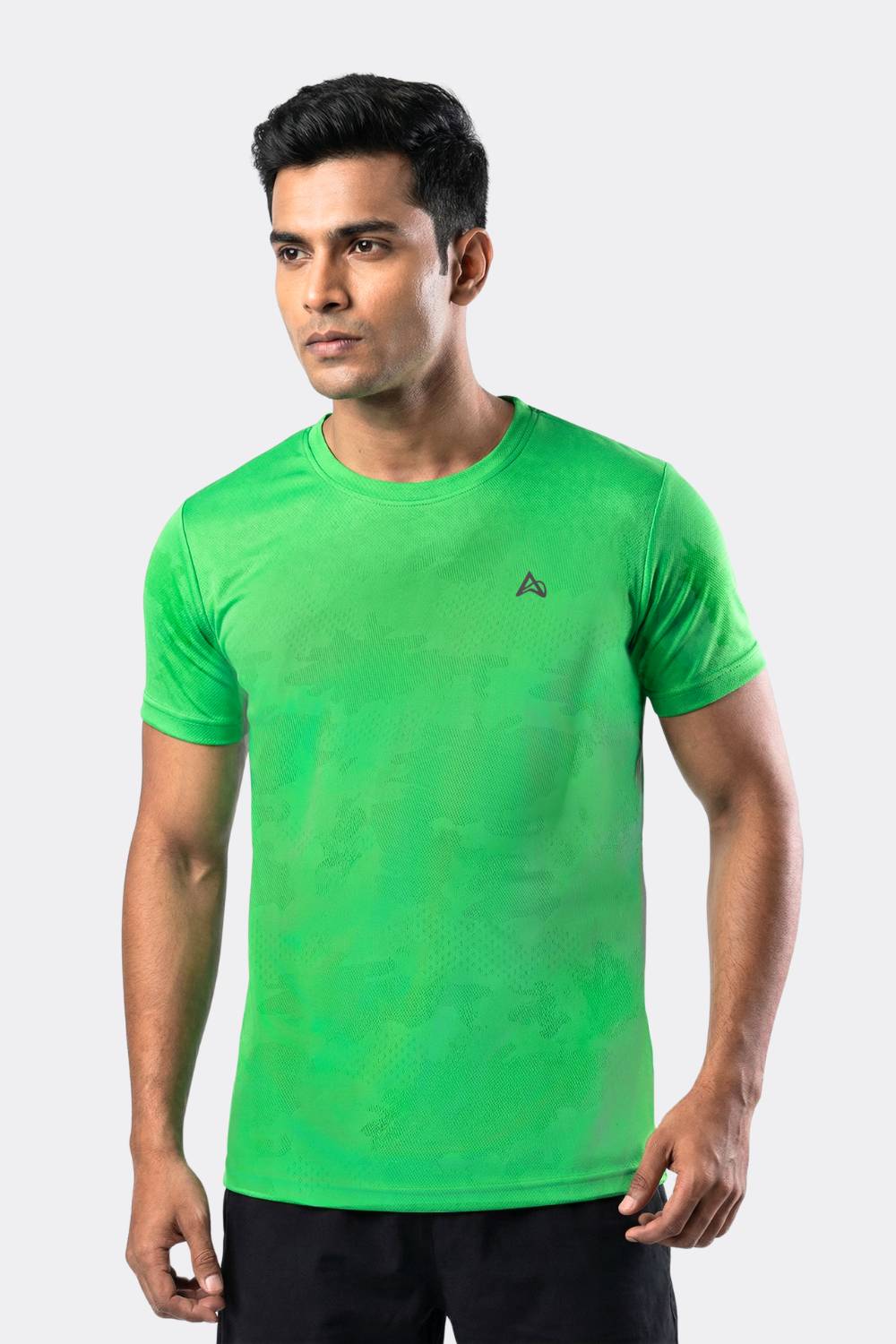
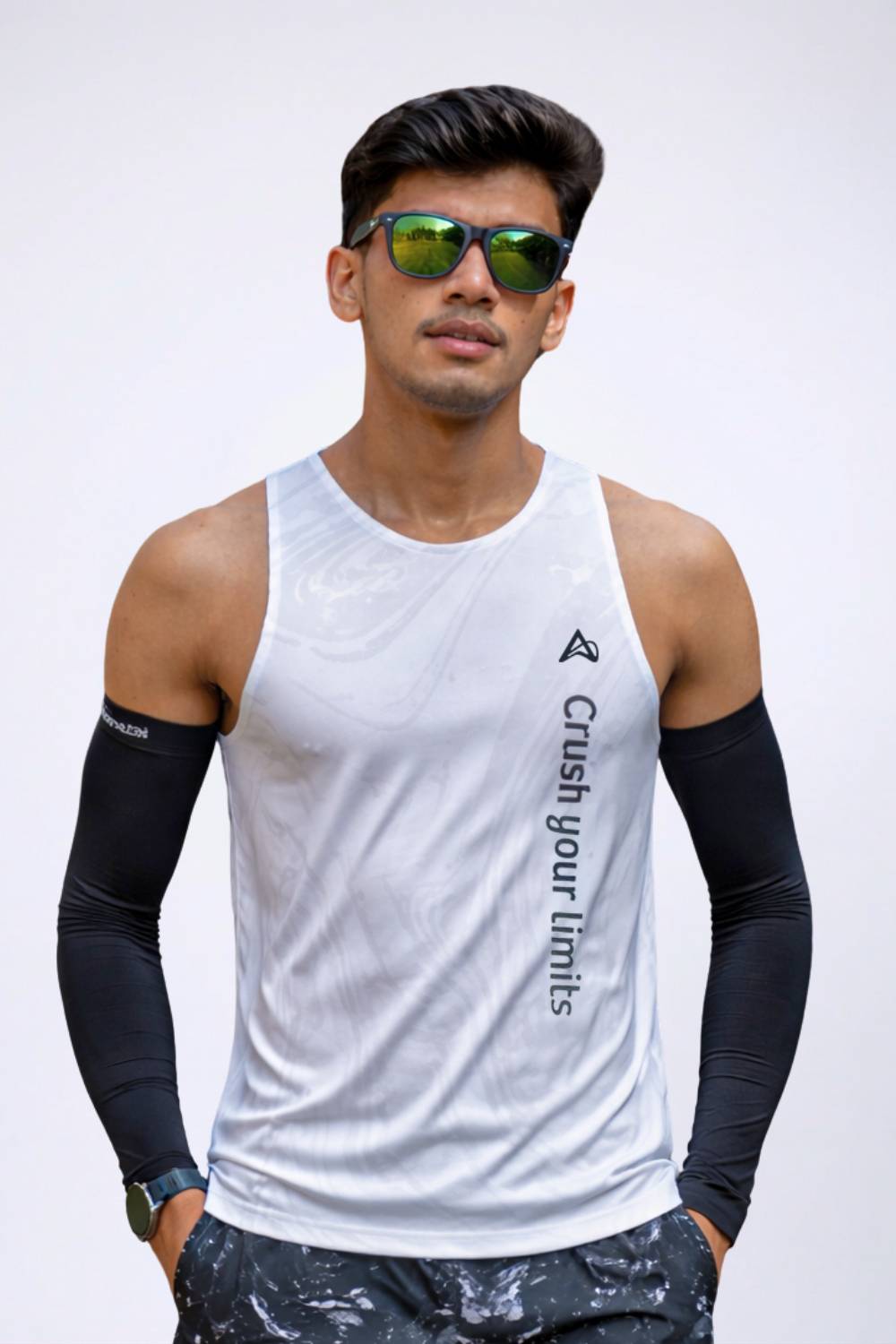
Tired of gear that slows you down? Chafing, soggy fabrics, and missing pockets kill your run's momentum. At Aguante, we're runners who get it. Our high-performance activewear features moisture-wicking fabrics, ergonomic designs, and smart storage to keep you focused. Shop Now!
A Booming Market Fueled by Local Pride
India's romance with running has surged, driven by a youthful population and a burgeoning middle class with money to spend. Cities like Bangalore, Hyderabad, Mumbai, Pune, Navi Mumbai, Delhi, Gurugram, Surat, and Ahmedabad are epicenters of this shift, where running clubs and marathons are now cultural fixtures. Data from a report cited by Entrepreneur India values the Indian sneaker market at USD 3.88 billion in FY24, with projections to reach USD 6 billion by FY32 at a CAGR of 5.45%. The catalysts are clear: a youthful demographic, the rise of streetwear culture, and a growing appetite for brands that mirror India's cultural ethos.
Local running brands are seizing this moment, offering products designed with India's unique needs in mind. Unlike global giants, these startups prioritize features like breathable materials for Mumbai's humid summers or durable soles for Ahmedabad's rugged paths. In Bangalore, some brands are collaborating with tech firms to develop AI-driven sizing solutions, ensuring a tailored fit for India's diverse foot profiles. In Delhi and Gurugram, eco-friendly running gear is capturing the attention of sustainability-minded professionals, blending affordability with environmental responsibility.
The Cultural Edge of Homegrown Brands
Stroll through Pune's Koregaon Park or Surat's Dumas Road, and you'll see runners sporting vibrant, locally made apparel, often adorned with slogans championing Indian heritage. These brands aren't just selling products they're weaving narratives of pride and belonging. Consider Gully Labs, a Noida-based startup launched in 2023, which has emerged as a trailblazer in India's sneaker scene. As co-founder Arjun Singh noted in Entrepreneur India, the global sneaker culture once overlooked India's presence. Gully Labs is rewriting that story, blending streetwear flair with accessible pricing to resonate with Gen-Z runners in cities like Navi Mumbai and Hyderabad.
The broader apparel and footwear market is equally robust. According to MarkNtel Advisors, this sector was valued at USD 67.32 billion and is expected to soar to USD 109 billion by 2030, growing at a CAGR of 8.45%. Running gear is a standout category, fueled by urban running events in Mumbai and community initiatives in Pune that spotlight local brands. Social media has amplified this momentum, with influencers in Ahmedabad and Surat transforming small-scale startups into recognizable names through viral campaigns.
Hurdles in the Race for Market Share
Despite their momentum, India's homegrown brands face formidable challenges. Limited manufacturing infrastructure is a persistent issue, particularly in tech-savvy hubs like Bangalore and Hyderabad, where supply chain bottlenecks can delay deliveries and frustrate customers accustomed to rapid e-commerce services. In price-sensitive markets like Mumbai and Delhi, local brands struggle to compete with the allure of discounted global labels while maintaining profitability. The Economic Times highlights India's evolving retail landscape as a growth driver, yet local players grapple with the high costs of imported materials, which inflate production expenses.
Consumer perception poses another barrier. In smaller metros like Surat and Ahmedabad, many runners still associate quality with international brands, making it difficult for local startups to gain traction. Size inclusivity remains a challenge, as India's diverse foot shapes demand a broader range of offerings than many fledgling brands can afford to produce. Regulatory hurdles, particularly in Gujarat and Maharashtra, further complicate matters, with sustainability mandates adding layers of complexity to production processes. These obstacles make the journey for India's running brands a steep climb.
Seizing Opportunities in a Digital Age
Yet, the opportunities are vast. India's e-commerce surge has democratized market access, enabling brands to reach runners in Pune or Gurugram with unprecedented ease. Marketing campaigns emphasizing “Made in India” credentials are striking a deep chord, particularly in Bangalore and Mumbai, where national pride fuels purchasing decisions. Strategic partnerships with fitness studios and corporate wellness programs in Delhi are boosting brand visibility, while in Ahmedabad, companies are leveraging data analytics to design products tailored to specific runner profiles marathoners versus casual joggers, for instance.
The economic impact is profound. Manufacturing hubs in Bangalore, Pune, and Ahmedabad are generating jobs, from skilled designers to factory workers, while small and medium enterprises (SMEs) thrive by supplying materials and managing logistics. These trends suggest a future where India's metro cities could rival global sportswear innovation centers like Germany or Japan. The IMARC Group underscores the efficiency of India's market research ecosystem, noting its role in providing timely, actionable insights that help brands navigate this competitive landscape.
A Vision for India's Running Future
As dawn breaks over Delhi's India Gate, runners pause to catch their breath, their locally crafted shoes dusted with morning dew. This scene, unfolding daily across India's urban centers, is more than a fitness phenomenon it's a symbol of economic evolution. Homegrown running brands are carving out a niche in a market long dominated by global titans, driven by innovation, cultural resonance, and an unwavering commitment to India's runners. The path forward is not without obstacles, but the potential is staggering. With a sneaker market projected to reach USD 6 billion by 2032 and a fitness-obsessed youth driving demand, India's local brands are not just matching the pace they're setting it. For runners in Bangalore, Mumbai, or Ahmedabad, the future is clear: India's running revolution is homegrown, and it's only just begun.
Frequently Asked Questions
What is driving the growth of homegrown running brands in India?
The rise of homegrown running brands in India is fueled by increasing consumer demand for fitness products, a growing middle class, and a shift toward supporting local businesses. Economic factors like rising disposable incomes and government initiatives promoting domestic manufacturing have empowered brands to offer high-quality, affordable running gear. These brands are also leveraging India's cultural shift toward health and wellness to compete with global giants.
Why is the economic shift in India important for its running industry?
The economic shift in India, marked by increased consumer spending and support for "Make in India" initiatives, has created a fertile ground for the running industry's growth. This shift enables homegrown brands to invest in research, design, and marketing, offering products that rival global standards at competitive prices. It also reflects a broader trend of economic self-reliance, boosting local entrepreneurship in the fitness sector.
How are India's homegrown running brands competing with international brands?
India's homegrown running brands are competing by offering innovative, locally designed products tailored to Indian runner's needs, such as affordability and suitability for local climates. They focus on sustainable materials and cost-effective production, which resonate with eco-conscious consumers. Additionally, strong digital marketing and partnerships with local running communities help these brands build trust and visibility against international competitors.
Disclaimer: The above helpful resources content contains personal opinions and experiences. The information provided is for general knowledge and does not constitute professional advice.
You may also be interested in: Heat and Humidity Pose Unique Challenges for Indian Marathoners
Tired of gear that slows you down? Chafing, soggy fabrics, and missing pockets kill your run's momentum. At Aguante, we're runners who get it. Our high-performance activewear features moisture-wicking fabrics, ergonomic designs, and smart storage to keep you focused. Shop Now!
Powered by flareAI.co