



Quick Listen:
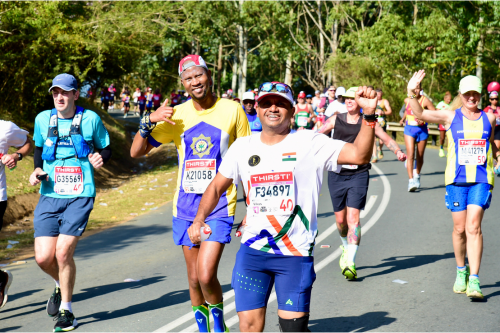
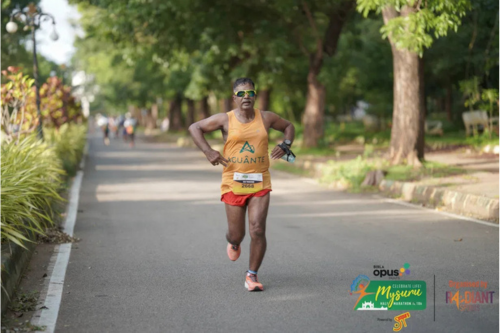
The air in Bangalore's Cubbon Park is thick with humidity before dawn, yet runners glide through the mist, unfazed. In Mumbai, joggers skirt puddles along Marine Drive, where summer mornings sizzle at 33°C with 80% humidity, as noted by the India Meteorological Department. From Hyderabad's winding paths to Delhi's sweltering streets, a technological marvel is redefining India's running culture: moisture-wicking fabrics. These advanced textiles, engineered to draw sweat away from the skin, are empowering runners to conquer heat and humidity, transforming every stride into a testament to innovation.
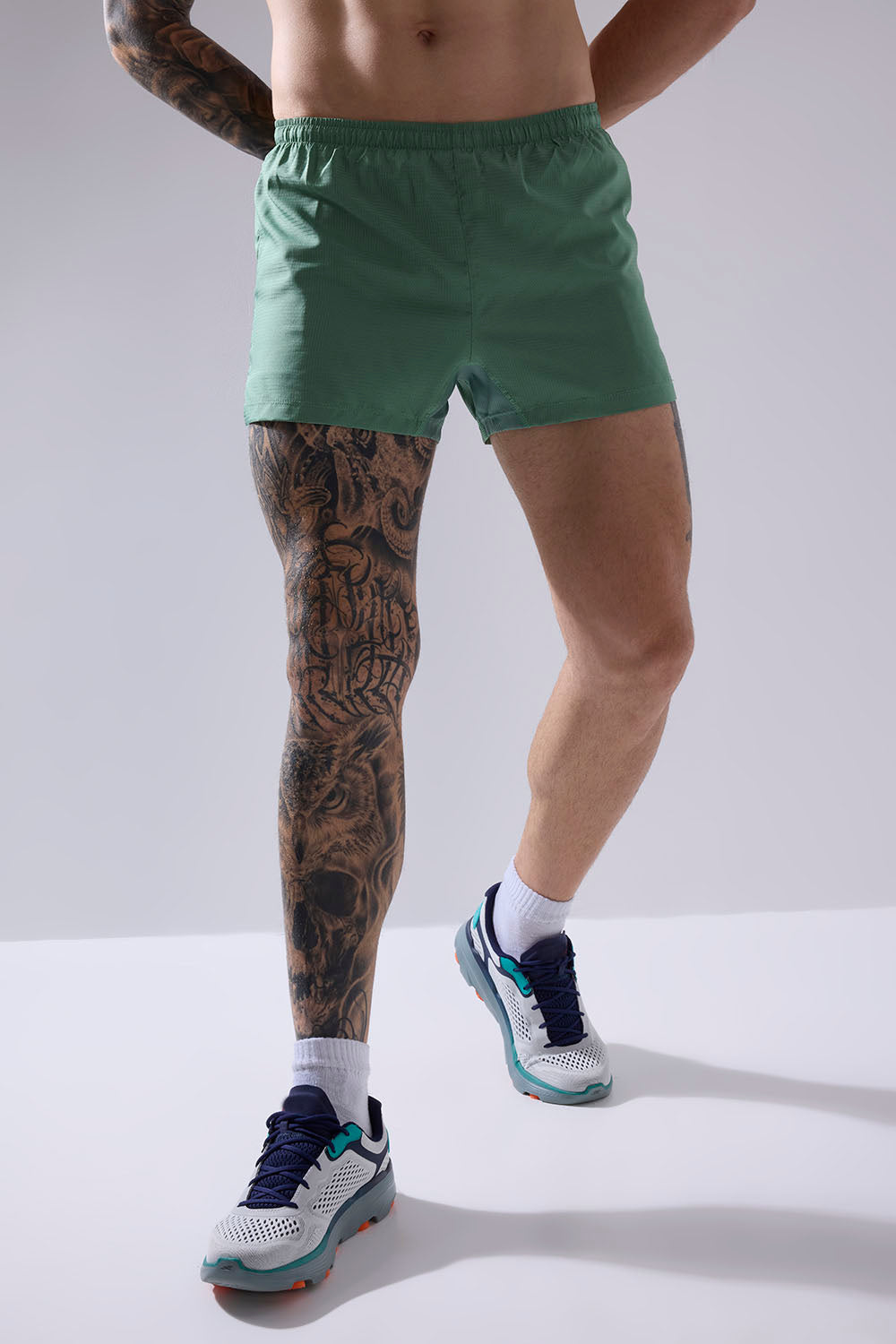
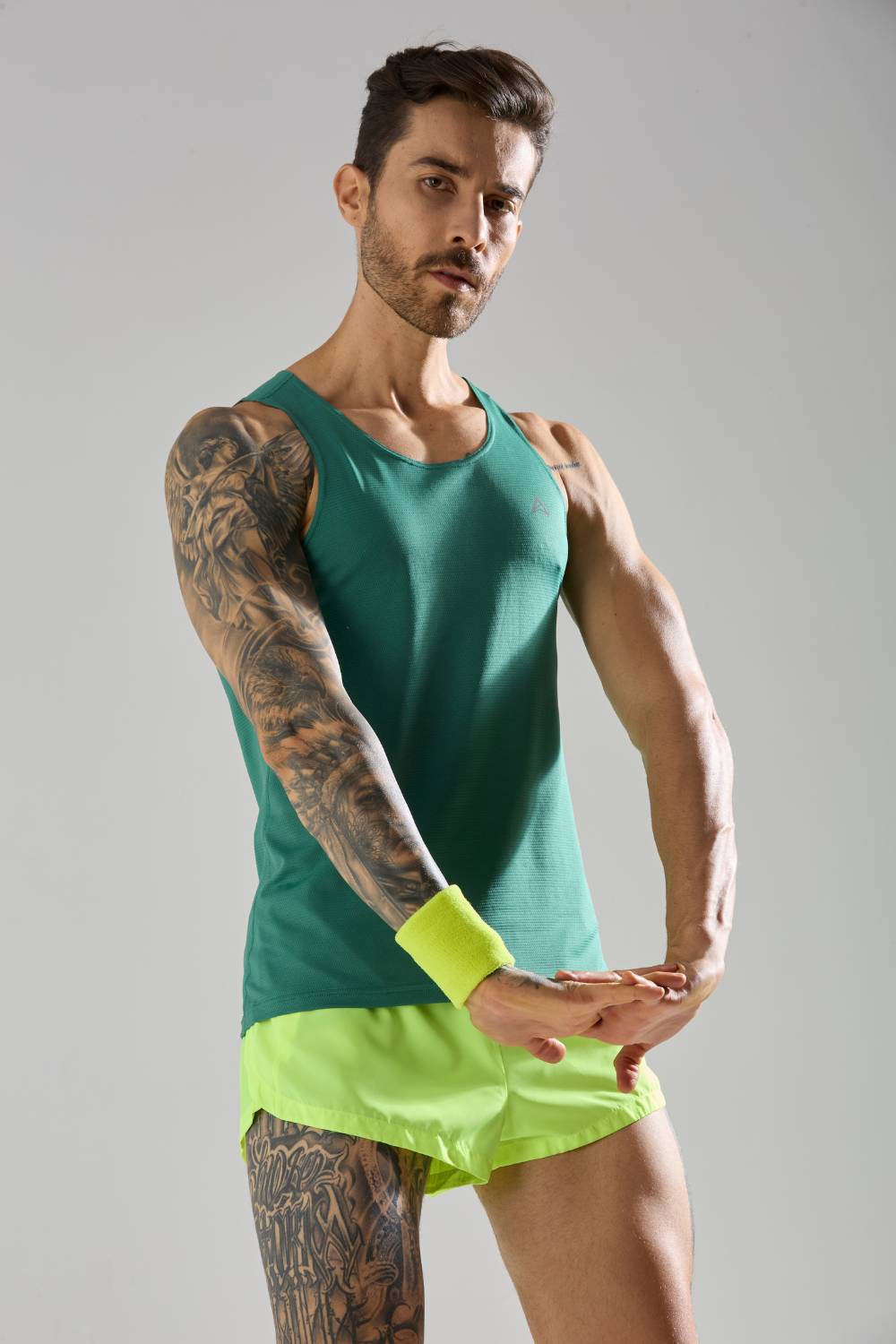
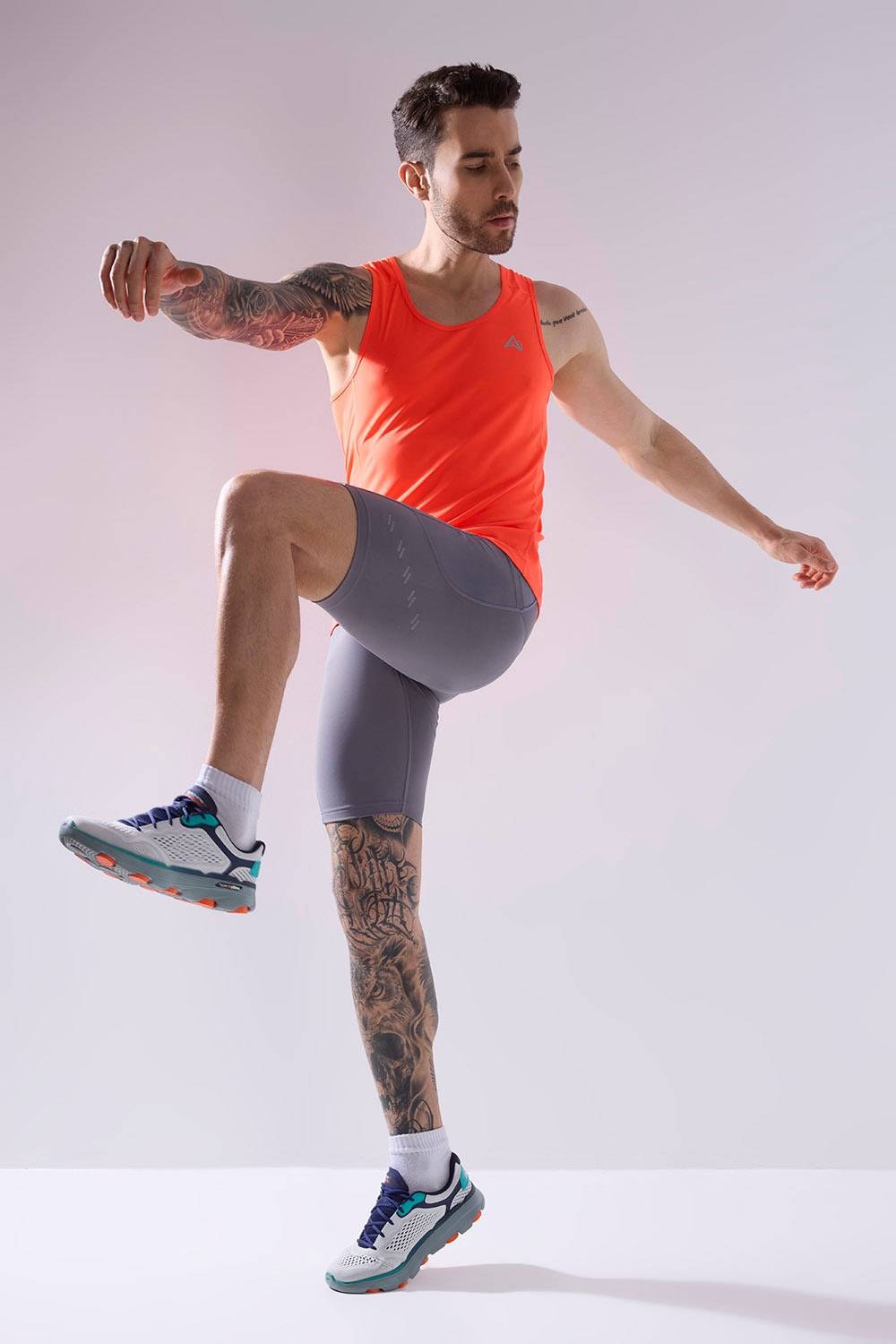
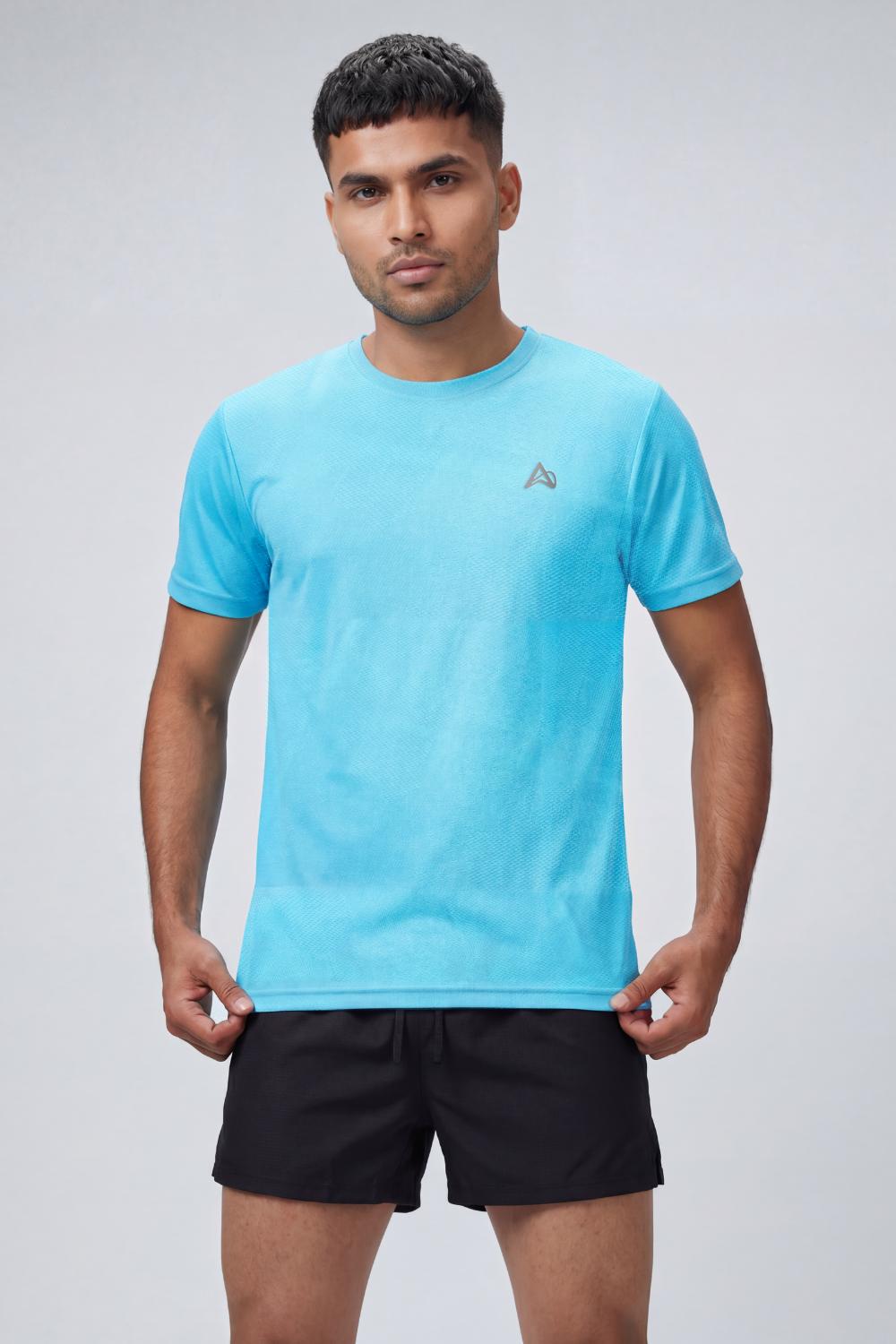
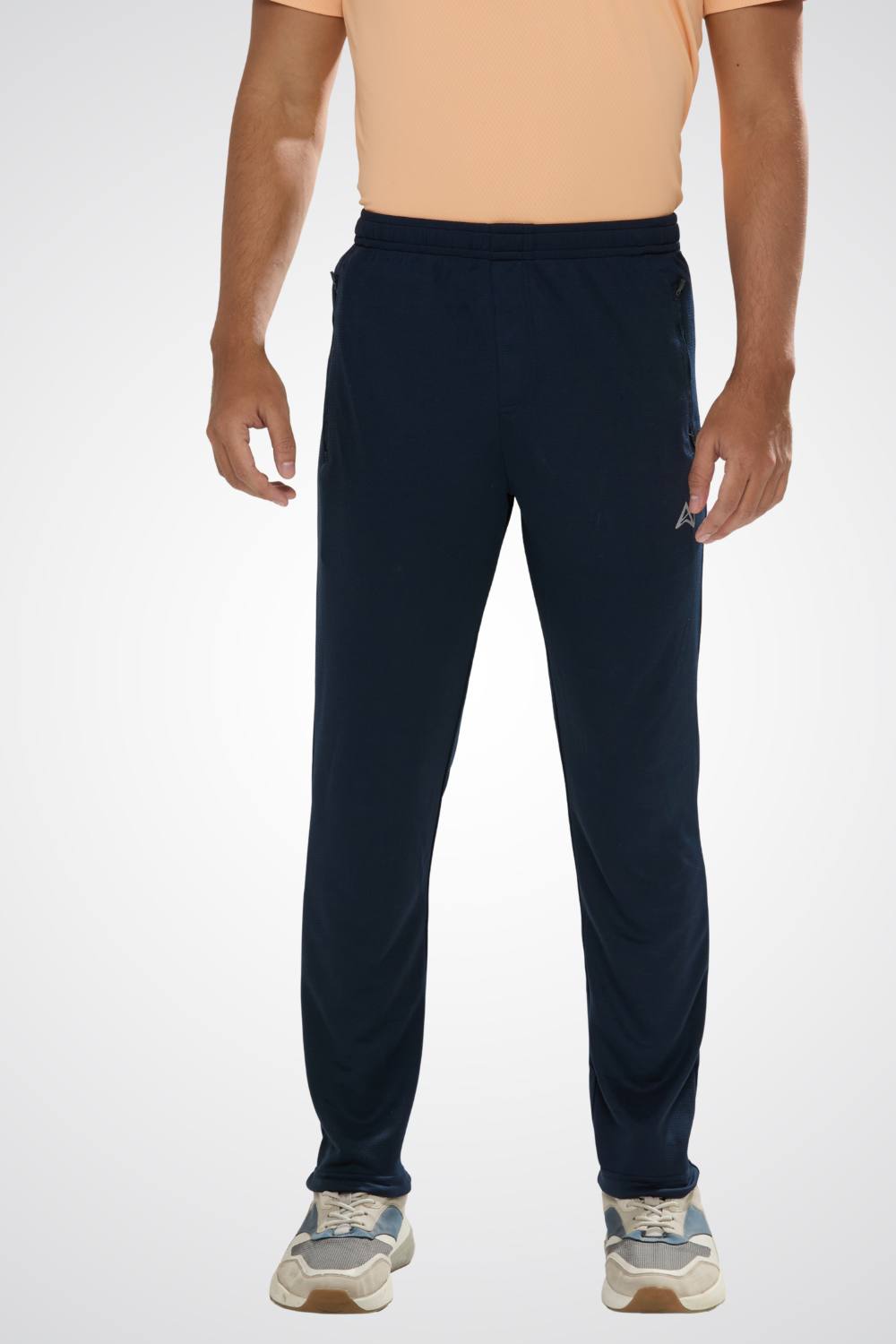
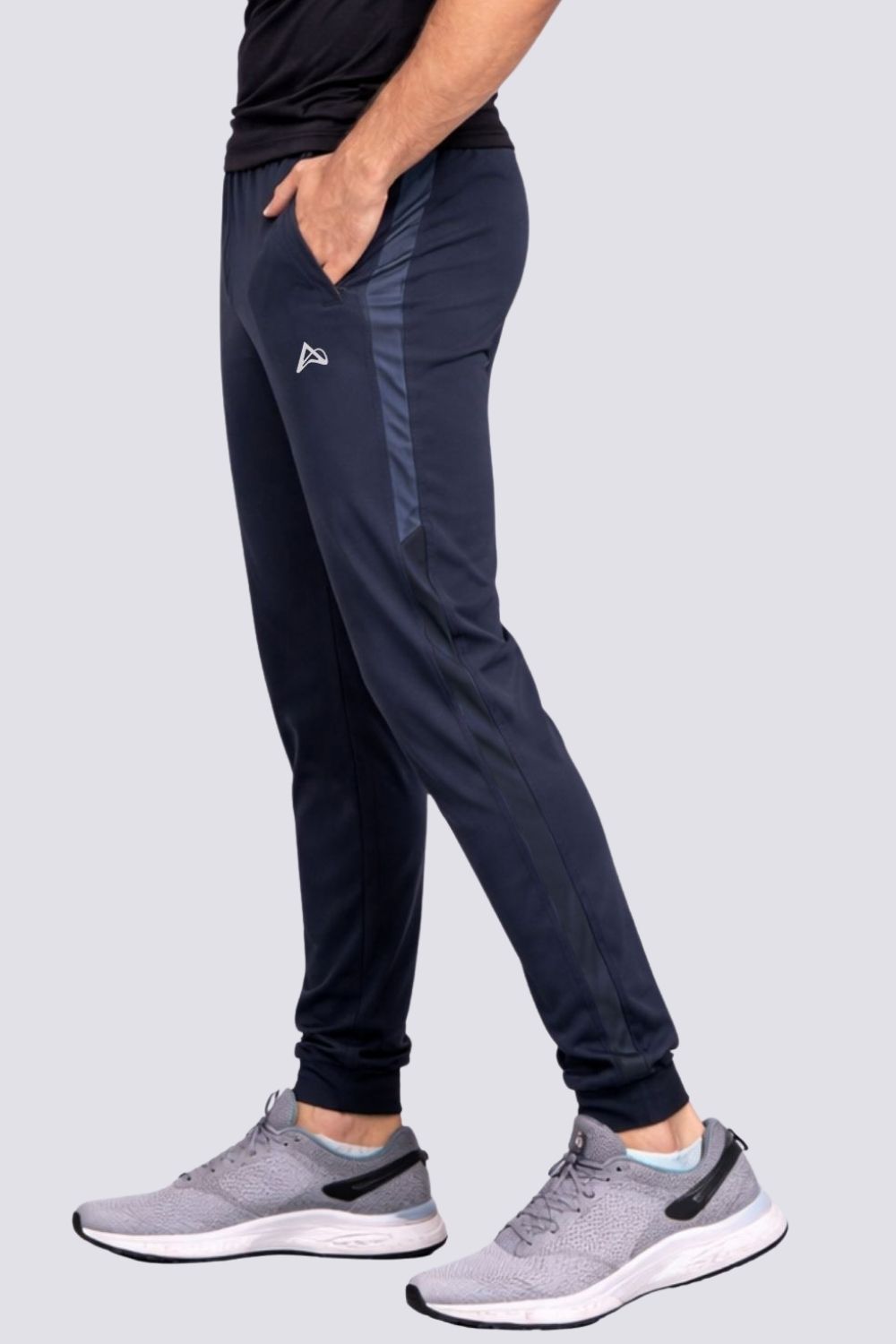
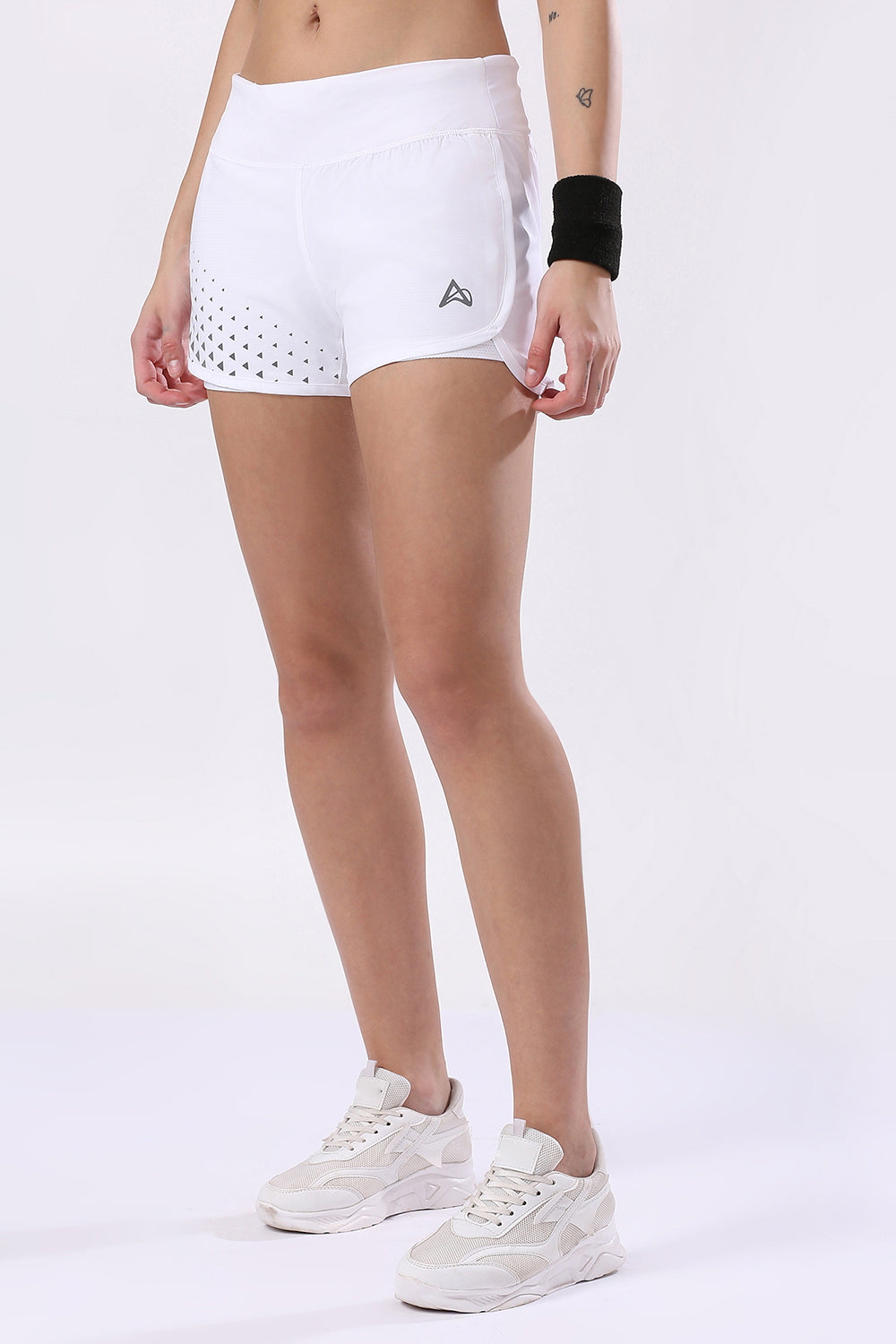
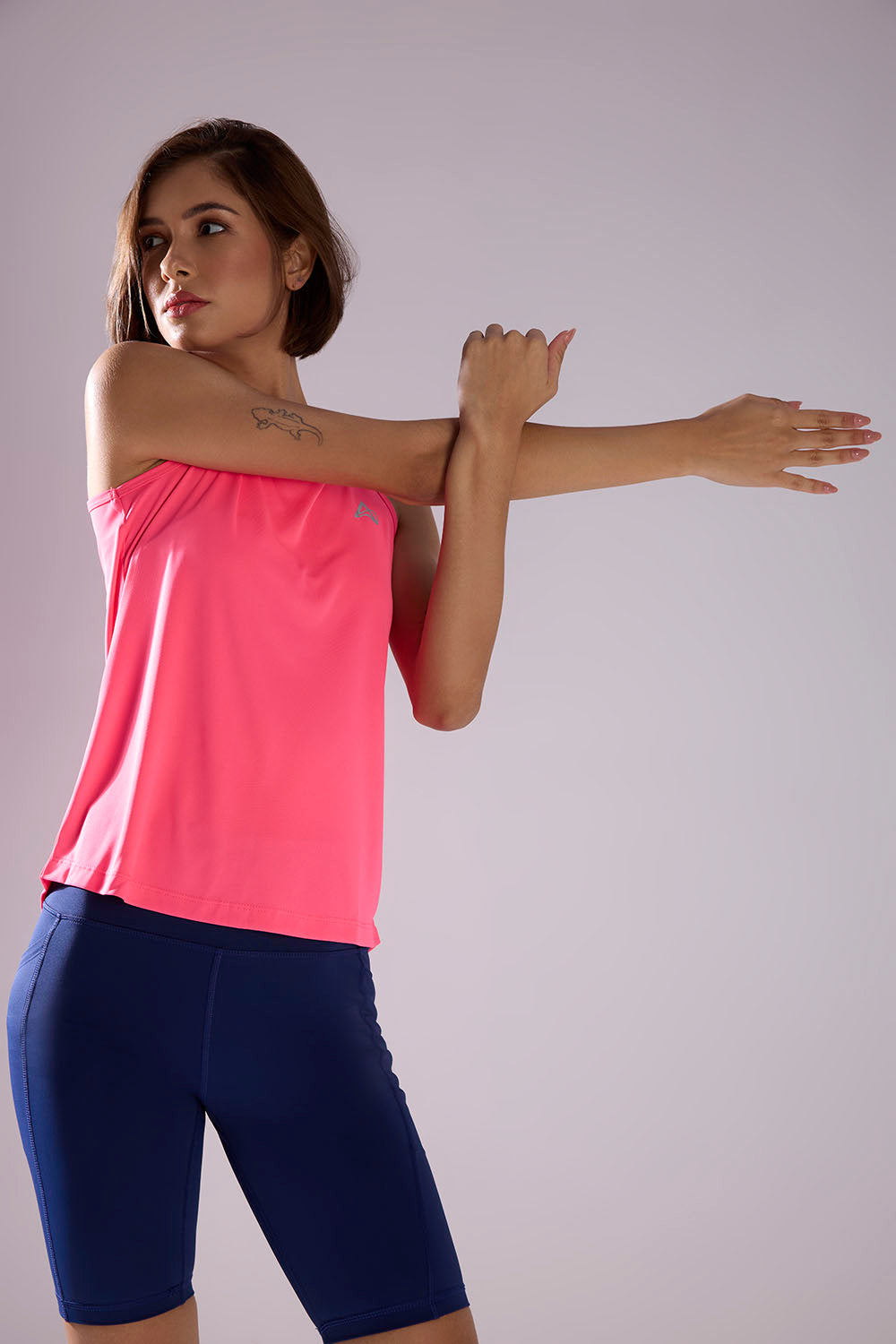
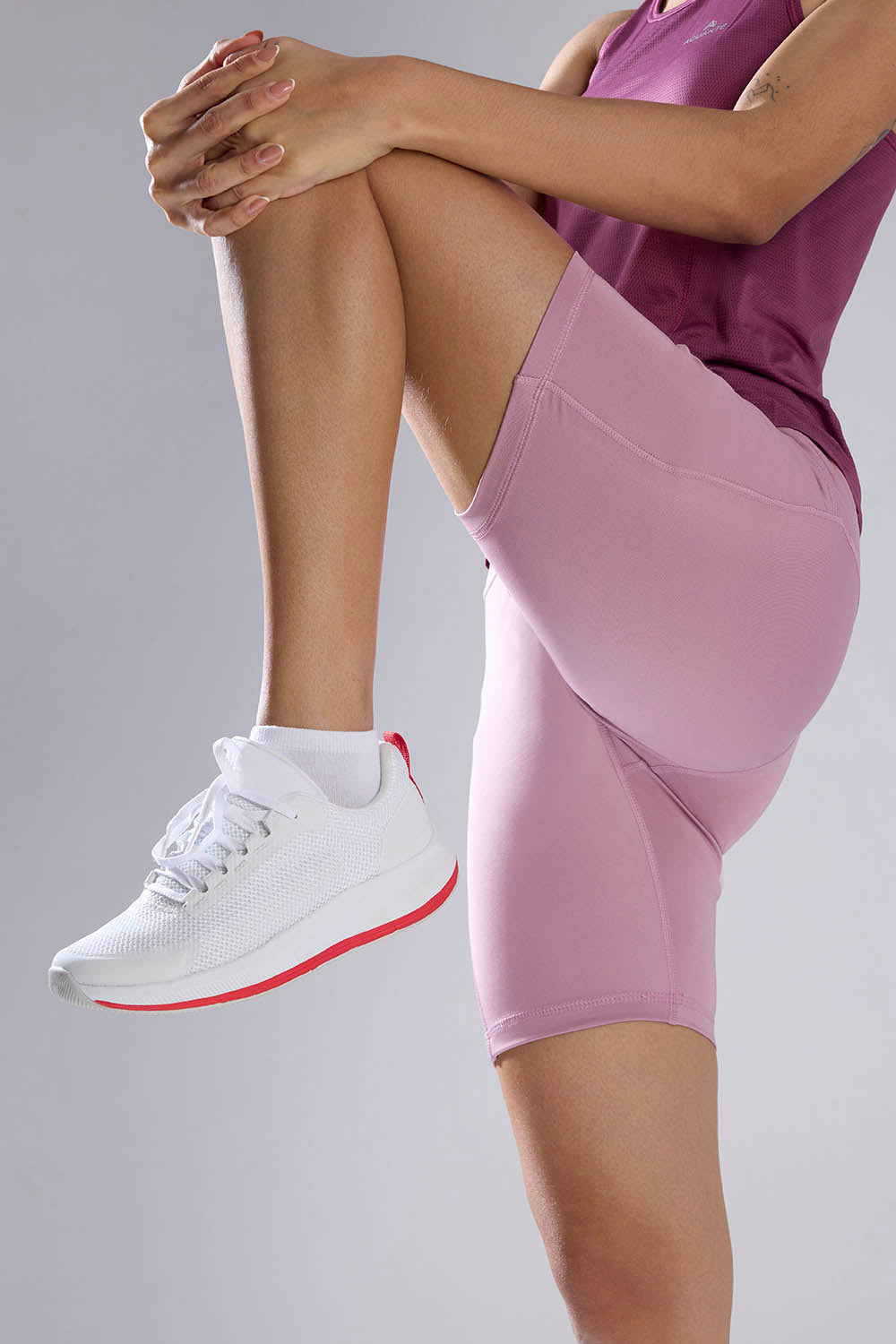
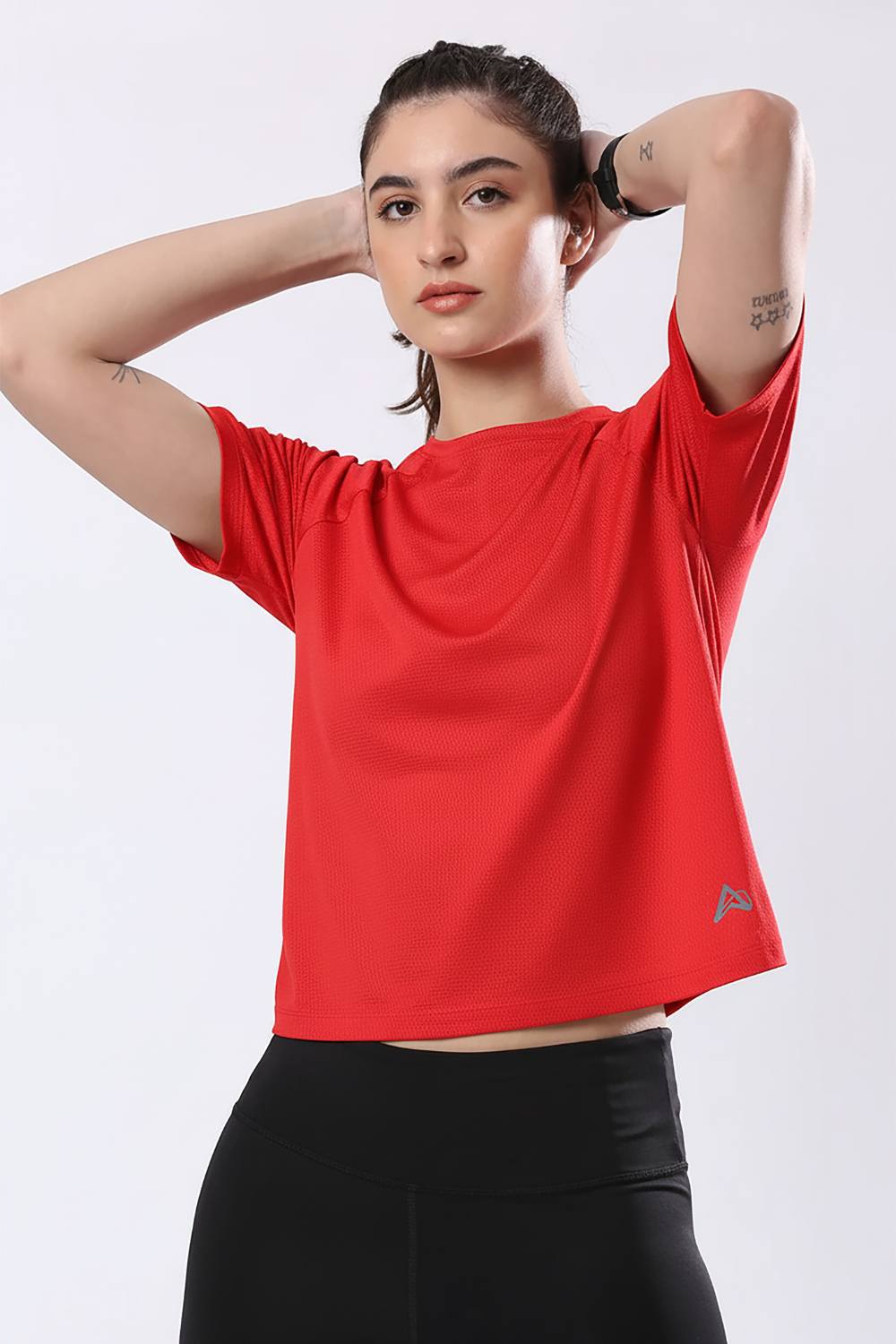
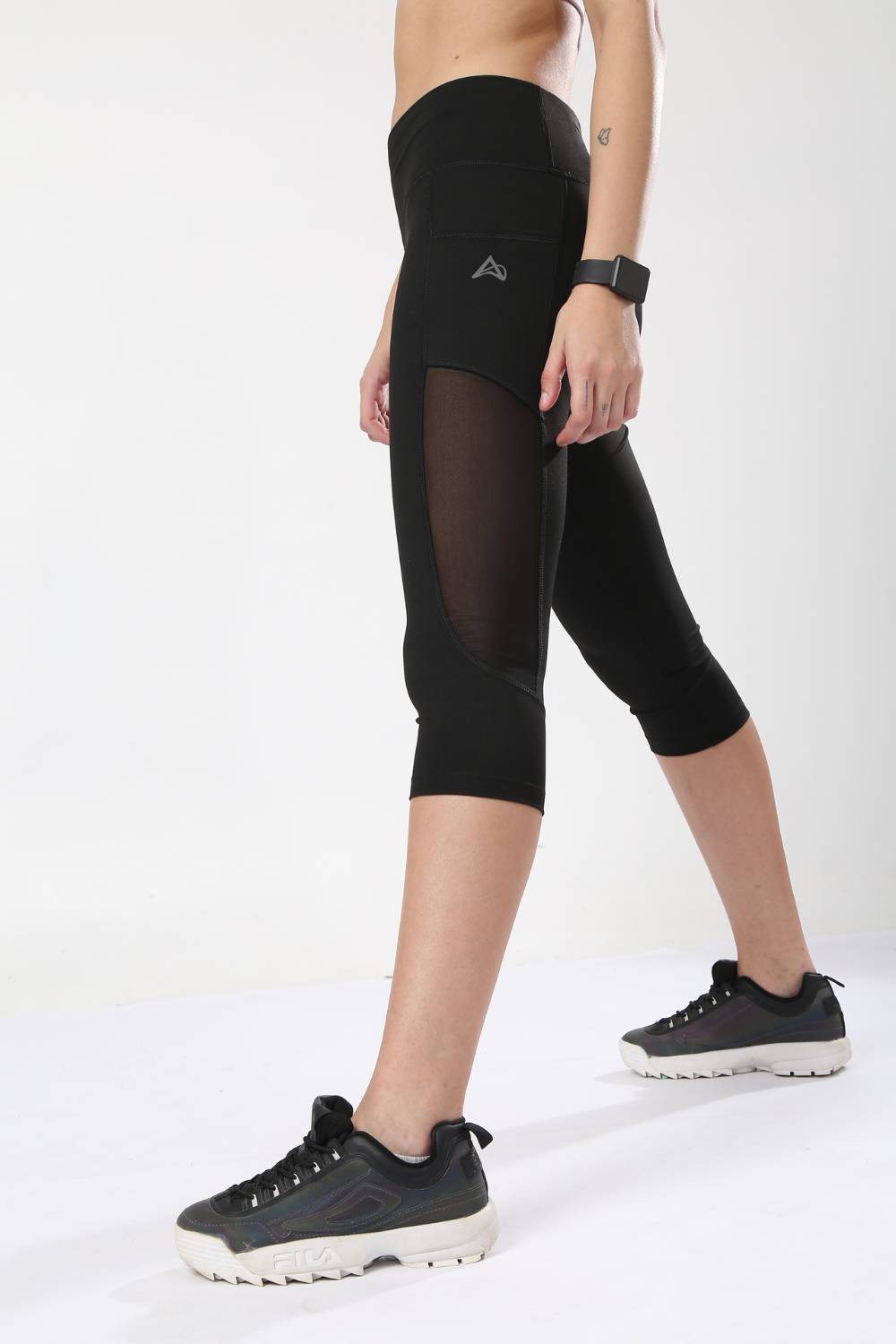
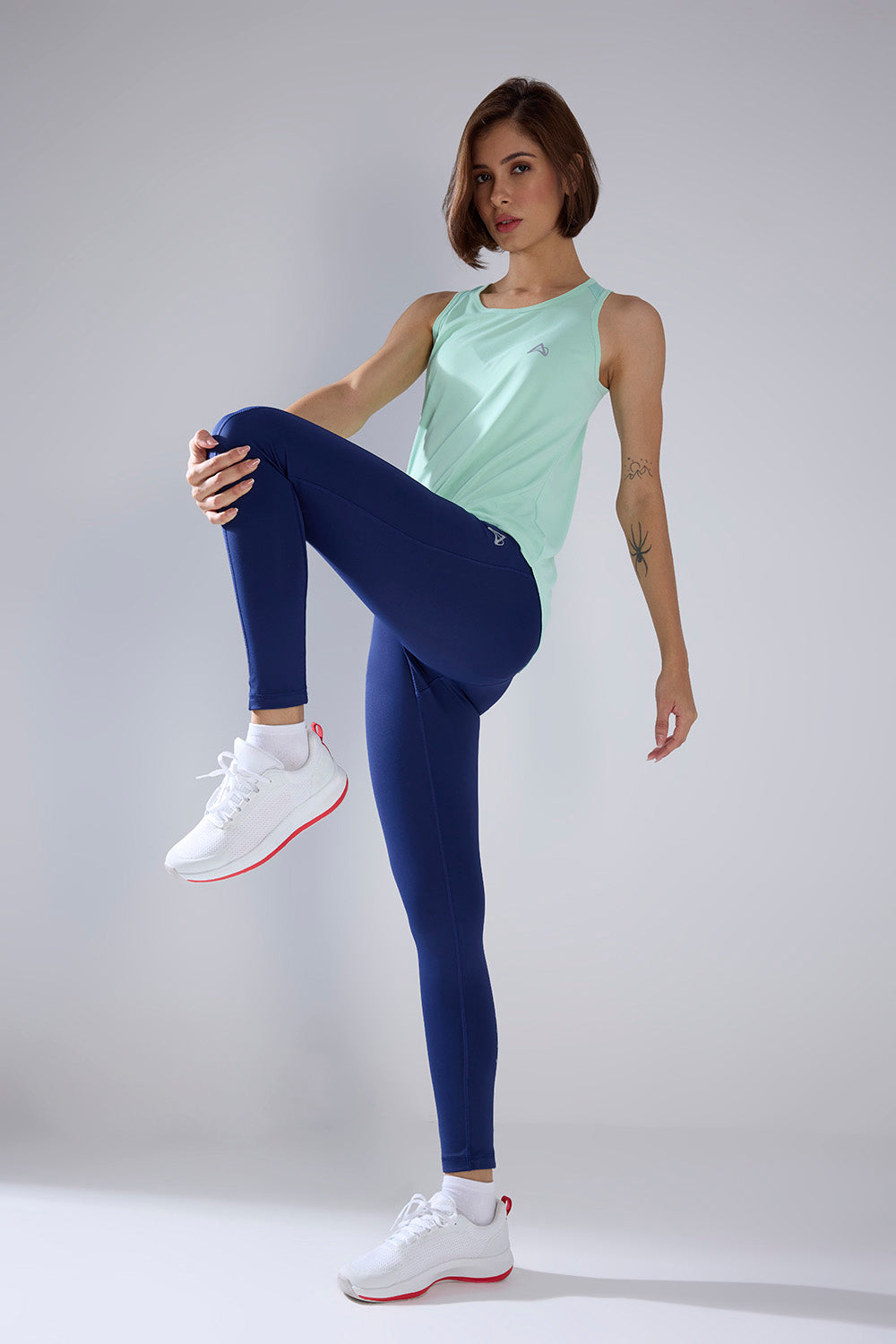
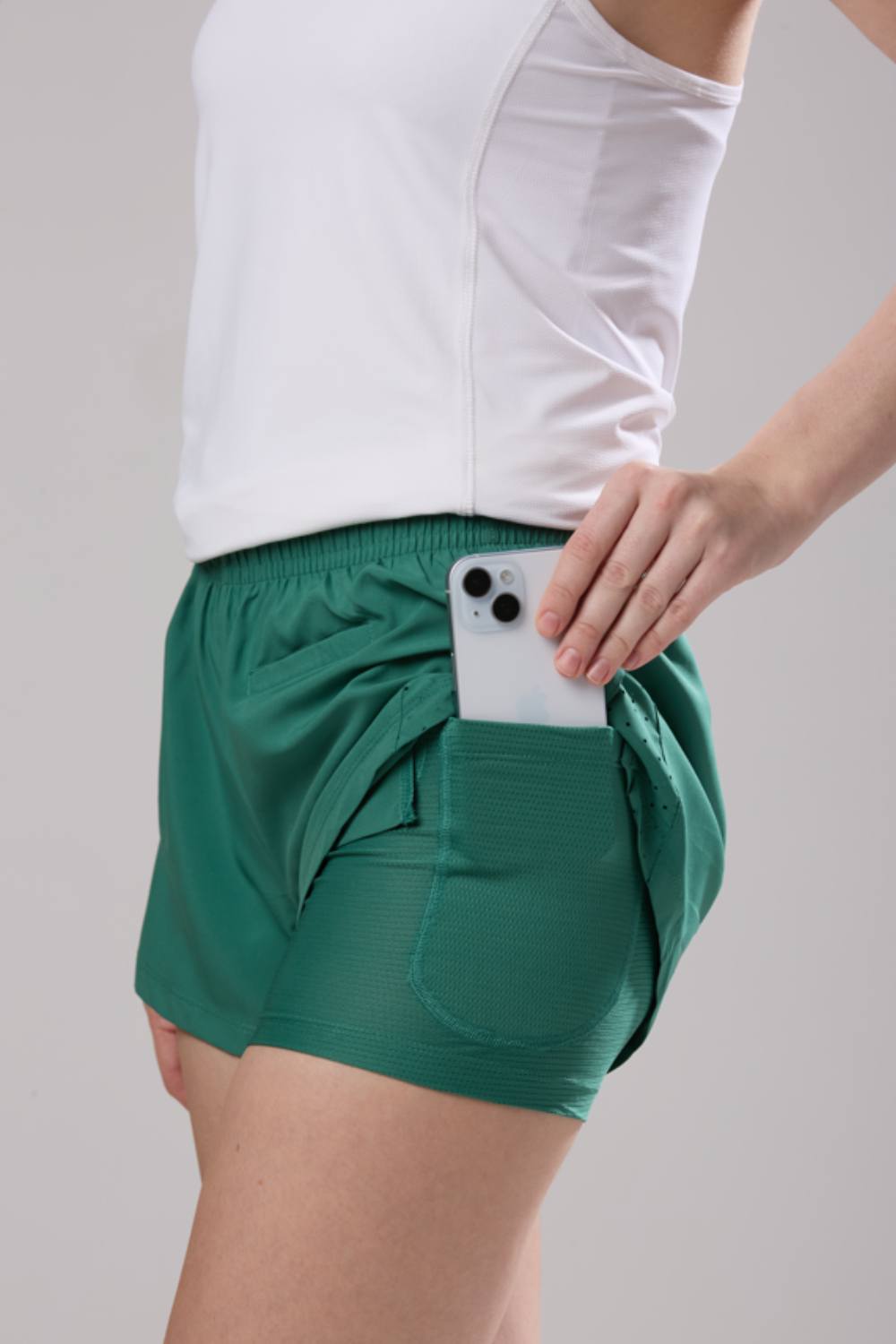
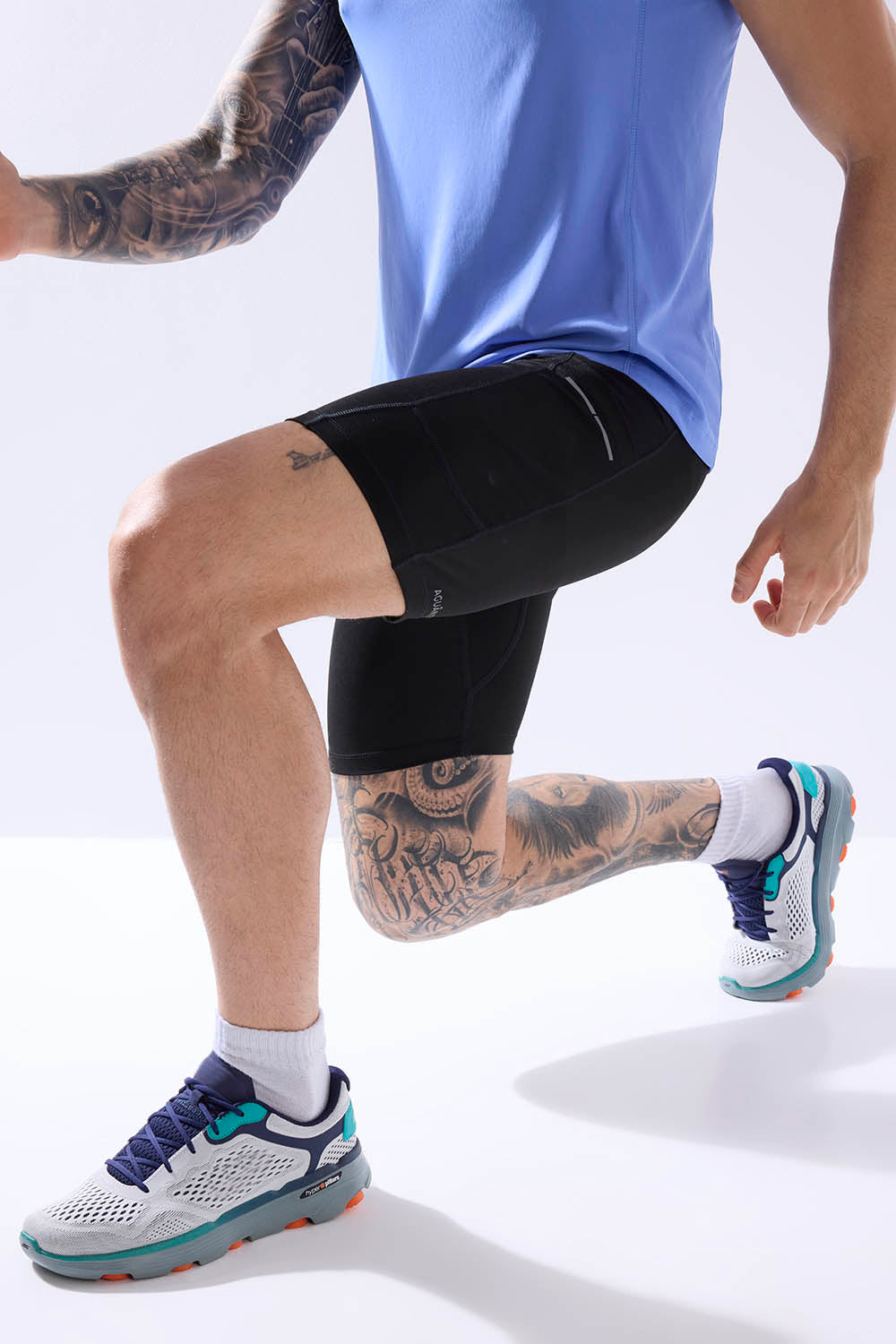
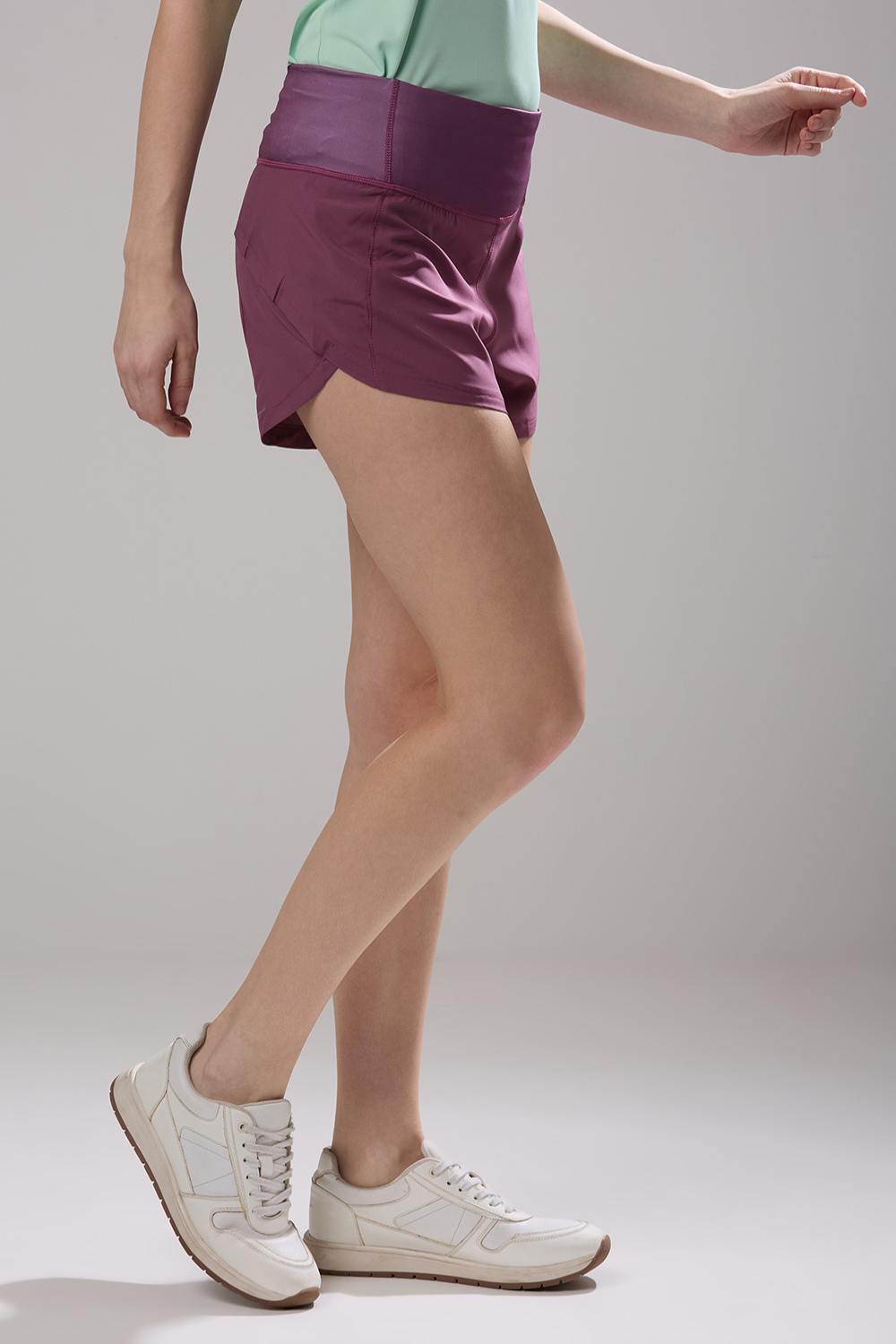
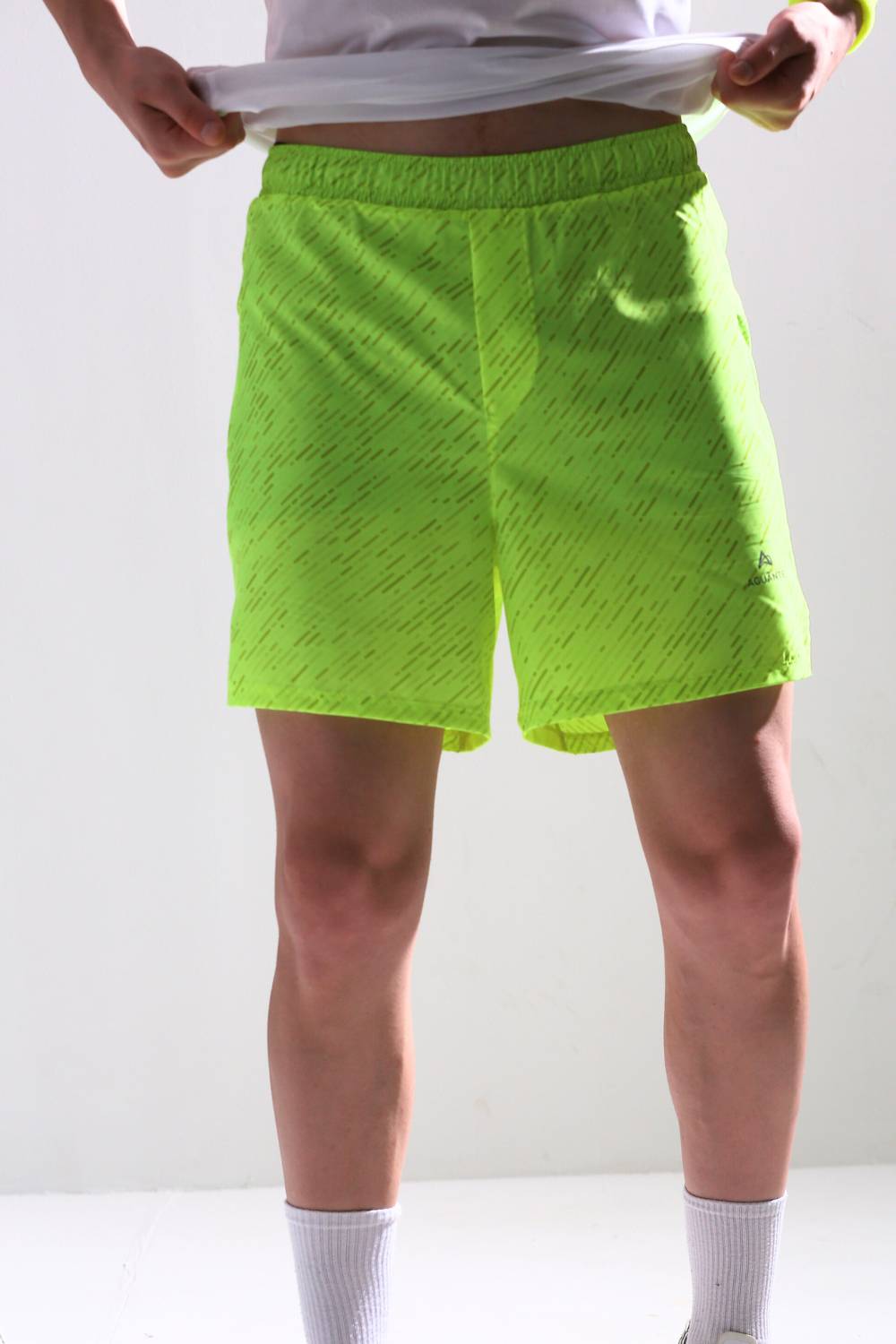
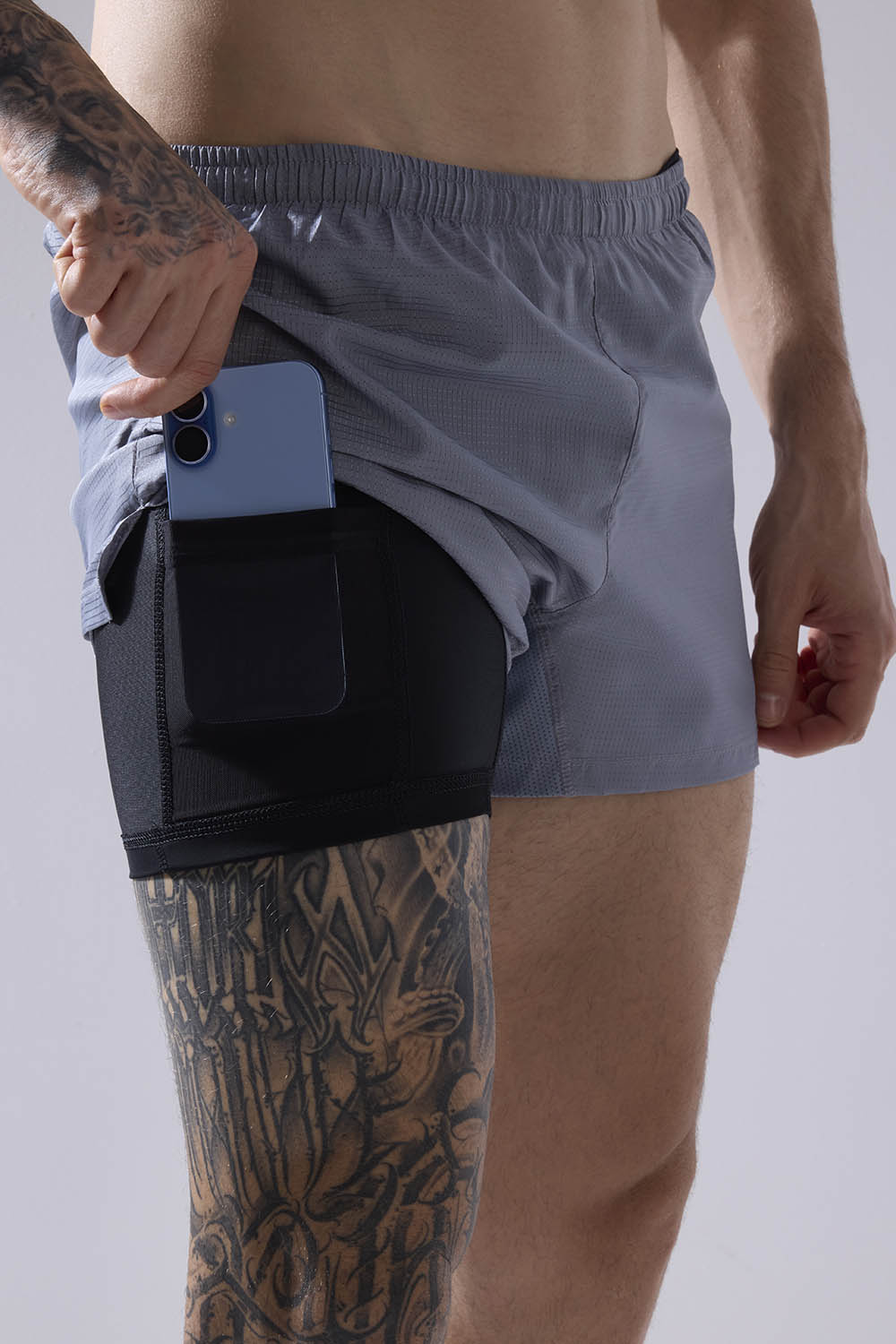
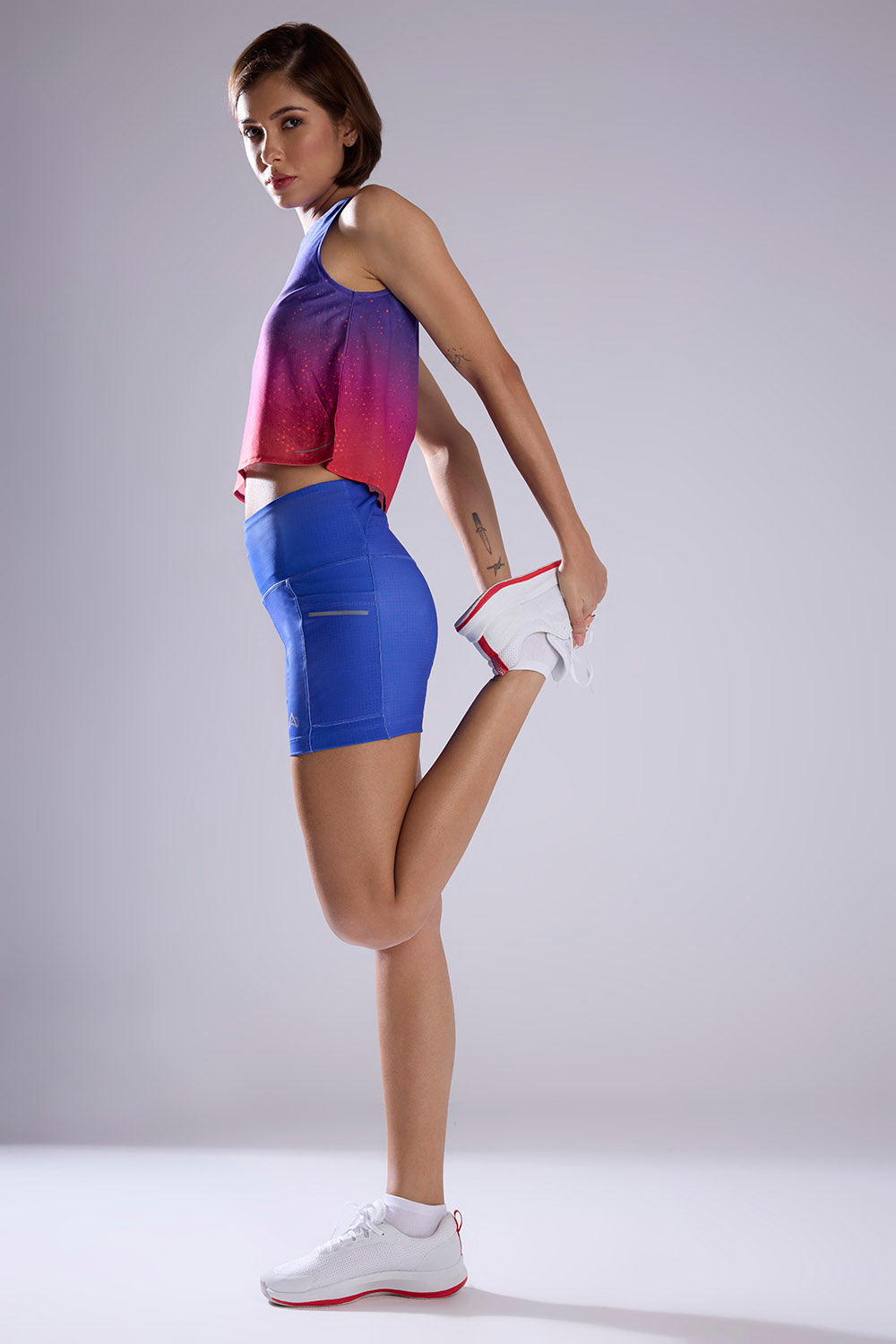
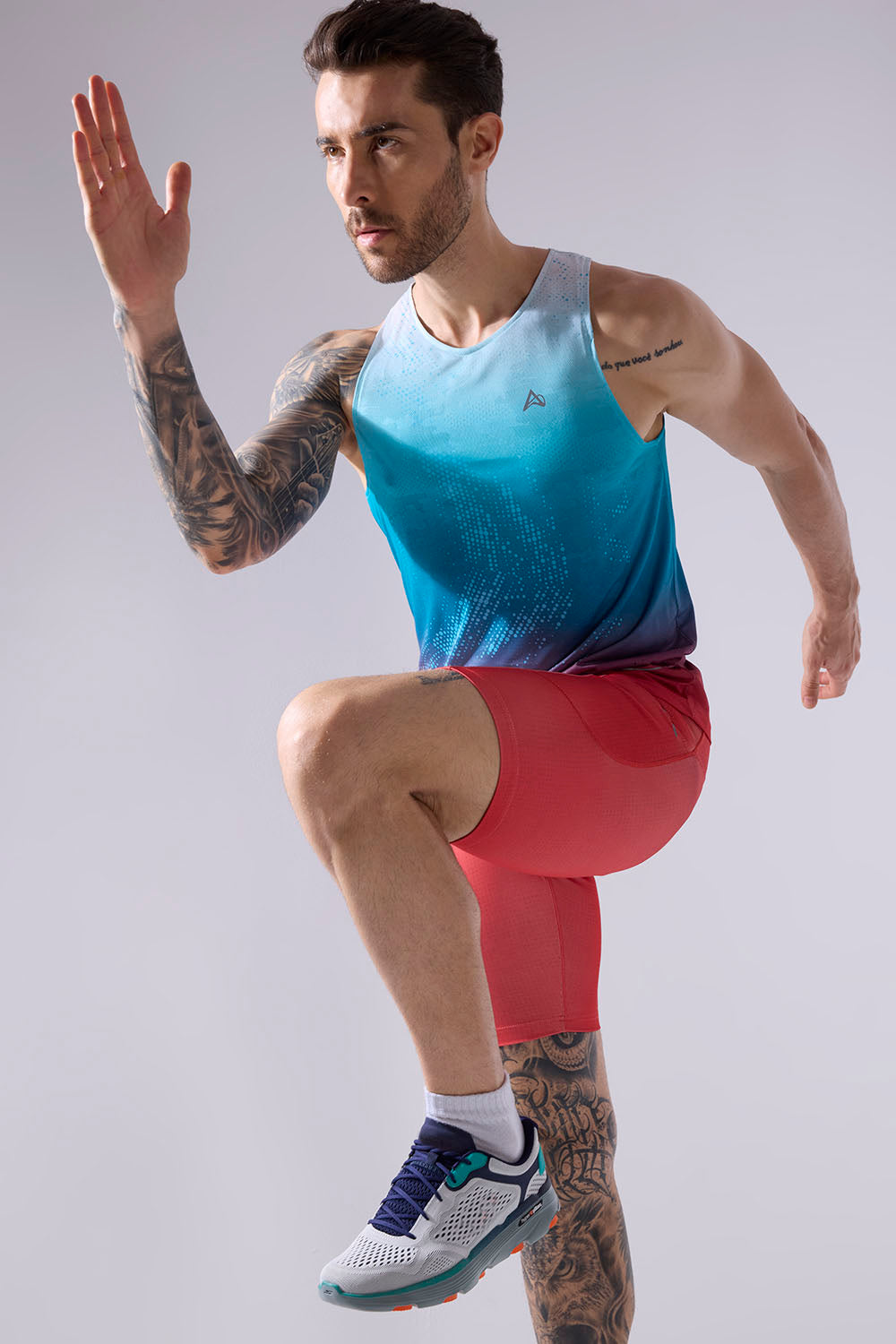
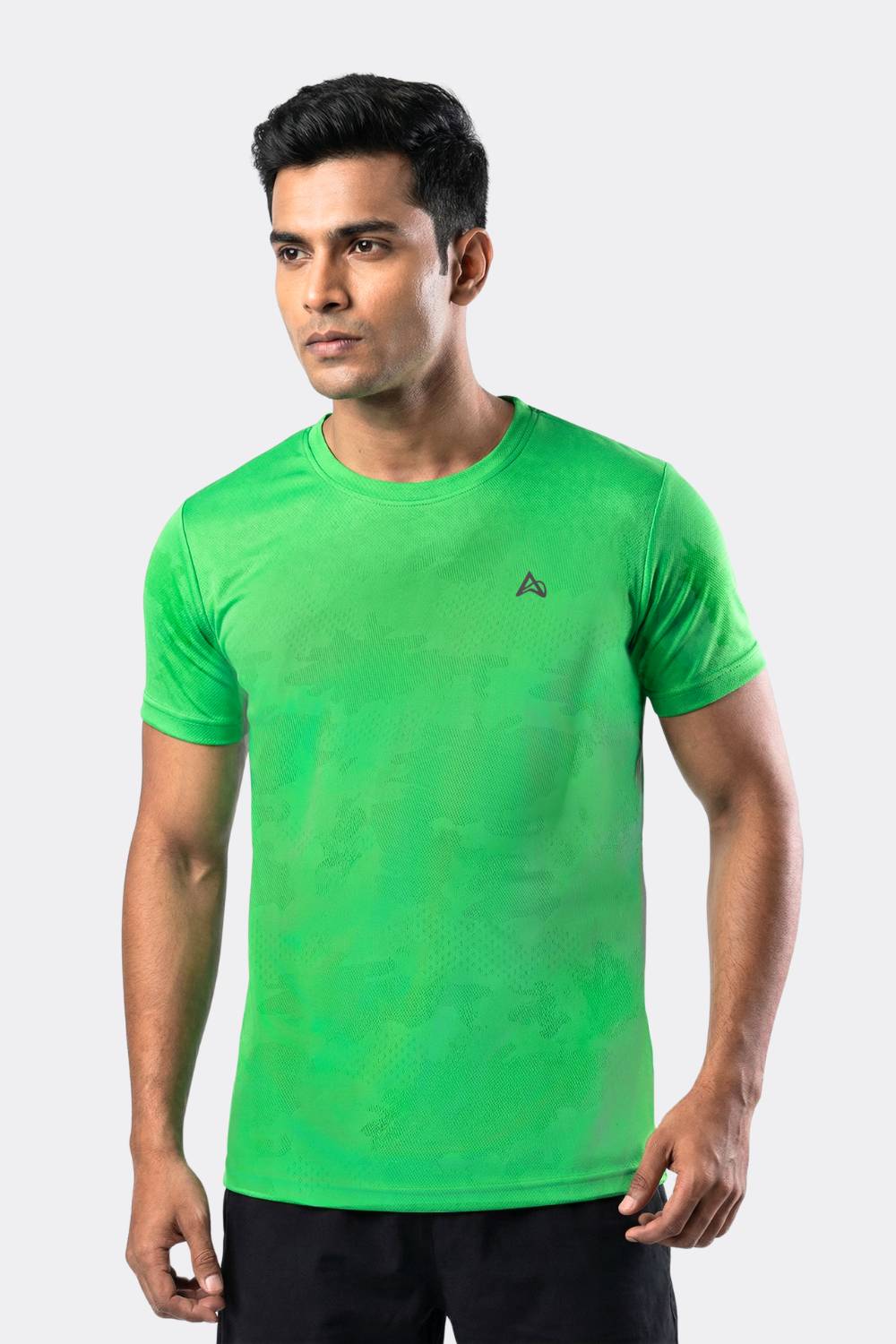
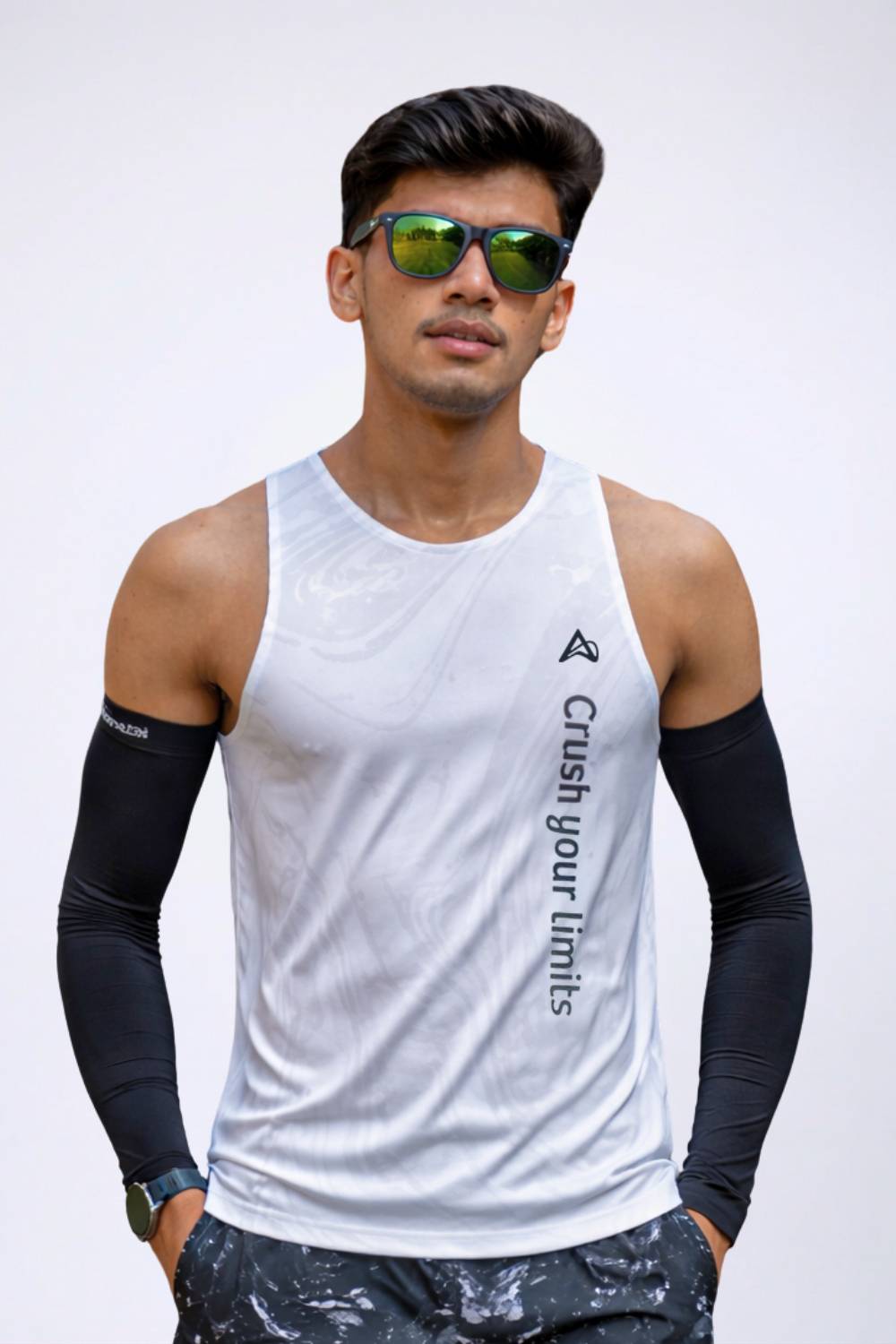
Tired of gear that slows you down? Chafing, soggy fabrics, and missing pockets kill your run's momentum. At Aguante, we're runners who get it. Our high-performance activewear features moisture-wicking fabrics, ergonomic designs, and smart storage to keep you focused. Shop Now!
Moisture-Wicking Fabrics: Powering India's Fitness Boom
In a nation where climate shapes daily life, moisture-wicking technology is a breakthrough. A 2024 report from IMARC Group values India's sports fabric market at USD 1.66 billion, projecting growth to USD 3.47 billion by 2033 with a robust CAGR of 7.87%. This expansion is driven by heightened health awareness, a surge in activities like running and yoga, and a rising demand for breathable, high-performance materials. Innovations such as moisture-wicking, UV-protective, and antimicrobial fabrics are enhancing comfort, fueling the market's ascent.
Unlike cotton, which traps sweat and burdens the wearer, moisture-wicking fabrics typically polyester-spandex blends pull moisture outward for rapid evaporation. In textile hubs like Surat and Ahmedabad, manufacturers are crafting micro-mesh designs and hydrophobic yarns that prioritize breathability. For runners battling India's relentless heat, these fabrics deliver dryness and focus, making every kilometer more manageable.
Urban Challenges, Regional Solutions
In Bangalore and Hyderabad, morning runs are a way of life, but humidity often exceeds 70%, according to 2024 data from the Karnataka State Pollution Control Board and IMD Bangalore. The Hyderabad Sports Authority reported a 22% increase in women runners purchasing quick-dry apparel from 2023 to 2024, signaling a shift toward performance-driven gear. The Bangalore Runners Group has collaborated with local brands to create moisture-wicking T-shirts tailored for marathons, designed to combat the city's muggy conditions.
Mumbai and Pune contend with coastal heat, where IMD Mumbai Station data records summer humidity above 80% and temperatures surpassing 33°C. A 2024 fitness survey by Pune's Smart City Development Corporation revealed a spike in technical wear sales during warmer months. In Mumbai, athleisure brands are working with the Textile Committee to develop cool-touch polyester that disperses sweat instantly, offering relief to runners navigating monsoons and scorching summers.
Delhi and Gurugram face an intensifying urban heat island effect, with morning temperatures climbing 2.3°C over the past five years, per Delhi University's Department of Environmental Studies. Retailers in the National Capital Region note soaring demand for poly-blend moisture-wicking tees and leggings, particularly among night runners and delivery riders. Gurugram's e-commerce hubs reported double-digit growth in performance T-shirt sales in 2024, catering to the region's fitness enthusiasts.
Surat and Ahmedabad, India's textile epicenters, are at the forefront of innovation. The Gujarat Textile Research Association and NIFT Gandhinagar highlight increased investment in hydrophobic yarn blends for activewear exports. These cities are also leading the charge in sustainable production, developing recycled PET-based fabrics in line with the Ministry of Textile's 2025 Green Apparel Mission, which emphasizes eco-friendly manufacturing.
Driving Innovation: The Science of Staying Dry
The technology behind moisture-wicking fabrics is advancing rapidly. Surat's mills produce polyester-spandex micro-mesh that blends hydrophobic properties with superior breathability, ideal for India's humid climate. In Bangalore, startups are leveraging AI-driven material testing to optimize fabric performance, creating gear that meets the needs of urban athletes. Sustainable innovations, including antimicrobial coatings and UV protection, are broadening the scope of these fabrics into healthcare and fashion, as outlined in a Data Bridge Market Research report.
Globally, the moisture-wicking fabrics market is poised to reach USD 3.86 billion by 2029, growing at a CAGR of 6.4%, according to The Business Research Company. India's market is outpacing this, with IIT Delhi's 2025 Technical Textile Innovation Report projecting a 12.5% CAGR through 2030. Faculty at NIFT Bangalore emphasize the potential of hybrid natural-synthetic blends, which offer a balance of comfort, durability, and sustainability for India's growing runner demographic.
The global cooling fabrics market, closely related, was valued at USD 1.84 billion in 2024 and is expected to reach USD 4.16 billion by 2034, with a CAGR of 8.5%, per Precedence Research. The Asia-Pacific region, including India, is forecasted to grow at a CAGR of 9.1%, driven by demand for breathable apparel. Synthetic fabrics dominated with a 72% market share in 2024, while natural fibers are projected to grow at a CAGR of 8.05%.
Navigating Obstacles, Seizing Opportunities
Challenges persist in scaling this revolution. High-performance fabrics imported from Korea or Japan remain costly, restricting access for many. The Delhi Pollution Control Board has flagged microfiber pollution from synthetic activewear during washing, posing environmental risks. In Tier-2 cities like Surat and Ahmedabad, mislabeling of non-functional fabrics as “moisture-wicking” confuses consumers, underscoring the need for greater awareness.
Yet, the outlook is bright. The Ministry of Textile's 2024 Production-Linked Incentive Scheme for Technical Textiles is boosting domestic R&D, particularly in moisture-management fabrics. Surat's mills are aligning with global standards like ISO 20471, positioning India as an export leader. In Bangalore and Pune, tech-driven retail innovations, such as augmented reality fit trials, are enhancing the shopping experience, ensuring runners find gear that fits their needs.
The broader activewear market reflects this momentum. Valued at USD 406.83 billion globally in 2024, it is projected to reach USD 677.26 billion by 2030, with a CAGR of 9.0%, according to Grand View Research. Women's activewear led with a 47.62% revenue share, and in-store sales accounted for 71.14% of distribution in 2024, highlighting the tactile appeal of performance gear.
India's Sprint Toward Textile Leadership
As the first light spills over Bangalore's Cubbon Park or Mumbai's Marine Drive, India's runners embody a nation on the move. From Surat's humming looms to Delhi's bustling trails, moisture-wicking fabrics are more than functional they're a symbol of resilience and ingenuity. These textiles don't merely keep runners dry; they weave together India's climate challenges, technological ambition, and urban vitality. With government support, cutting-edge research, and a vibrant fitness culture, India is not just keeping pace it's poised to lead the Asia-Pacific in performance textiles, one sweat-free stride at a time.
Frequently Asked Questions
What are the best fabrics for summer running clothes in India?
The best fabrics for summer running in India include moisture-wicking materials like polyester, nylon, and spandex blends. These fabrics are lightweight, quick-drying, and designed to keep you cool by wicking sweat away. Look for running gear with added ventilation features to maximize comfort in India's intense summer conditions.
How can I stay comfortable while running in India's summer heat?
To stay comfortable, wear moisture-wicking running apparel that draws sweat away and promotes airflow. Lightweight, breathable fabrics like polyester blends help regulate body temperature in India's humid climate. Pair these with proper hydration and early morning runs to beat the heat effectively.
What is moisture-wicking technology, and how does it benefit runners in India's summer?
Moisture-wicking technology uses specialized fabrics to pull sweat away from the skin, allowing it to evaporate quickly. For runners in India's hot and humid summers, this keeps you dry, reduces discomfort, and prevents chafing during long runs. It enhances comfort by maintaining breathability, making it ideal for intense workouts in high temperatures.
Disclaimer: The above helpful resources content contains personal opinions and experiences. The information provided is for general knowledge and does not constitute professional advice.
You may also be interested in: How Indian Runners Benefit From Moisture-Wicking Tops
Tired of gear that slows you down? Chafing, soggy fabrics, and missing pockets kill your run's momentum. At Aguante, we're runners who get it. Our high-performance activewear features moisture-wicking fabrics, ergonomic designs, and smart storage to keep you focused. Shop Now!
Powered by flareAI.co