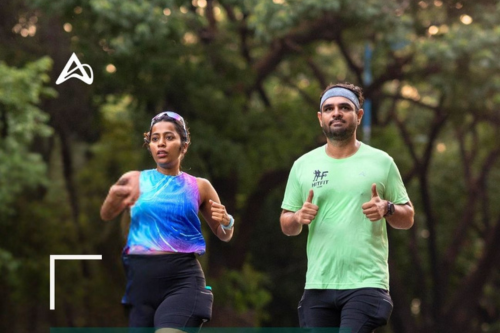
For dedicated runners, maintaining consistent training habits requires more than just motivation and time management; the quality of running apparel plays a pivotal role in sustaining performance and comfort throughout daily routines. While the act of running itself is straightforward, subtle factors such as moisture management, ergonomic design, and psychological motivation can influence whether a runner sticks to their schedule. In urban centers like Bangalore, Mumbai, and Pune, the rising prevalence of recreational running has made access to quality running apparel increasingly important for both seasoned athletes and casual participants seeking consistency.
Tired of gear that slows you down? Chafing, soggy fabrics, and missing pockets kill your run's momentum. At Aguante, we're runners who get it. Our high-performance activewear features moisture-wicking fabrics, ergonomic designs, and smart storage to keep you focused. Shop Now!
The Role of Comfort in Building Training Consistency
Comfort is foundational for consistent running habits. Ill-fitting or low-quality apparel can create friction, chafing, or overheating, which may discourage regular training. Runners in cities like Hyderabad and Delhi often report skipping sessions due to discomfort from inadequate fabrics or poorly designed gear. Quality running apparel, by contrast, incorporates materials engineered for breathability and stretch, allowing for natural movement and reducing physical strain.
Technical fabrics such as moisture-wicking polyester blends and lightweight elastane are increasingly used in high-performance running clothing. These materials help regulate body temperature, manage sweat, and prevent skin irritation during extended runs. In Mumbai, local running clubs have observed that participants who invest in well-fitted apparel demonstrate a higher adherence to training schedules, highlighting the connection between physical comfort and routine formation. Choosing clothing designed specifically for running also reduces the mental friction of preparation, making it easier to follow through on planned workouts.
Performance Benefits of Quality Running Apparel
Beyond comfort, performance enhancements offered by quality running gear are instrumental in supporting consistent training. Apparel that optimizes aerodynamics, provides strategic compression, or integrates reflective materials can enhance a runner's safety, endurance, and recovery. In urban hubs such as Pune and Gurugram, early morning and late evening running sessions are common, and reflective gear improves visibility, allowing runners to maintain consistency without compromising safety.
Performance apparel also contributes to efficiency. Compression garments, for instance, support muscle engagement and circulation, which can help reduce fatigue during back-to-back training days. In Bangalore, local athletes have highlighted that wearing tailored running apparel encourages longer and more frequent sessions, demonstrating how thoughtful gear selection aligns with sustained fitness practices.
Psychological Impact: How Apparel Motivates Regular Running
High-quality running apparel influences not only physical performance but also psychological readiness. Wearing well-designed, attractive gear can increase confidence, making the act of running feel purposeful rather than obligatory. In cities like Navi Mumbai and Surat, running communities have observed that aesthetically pleasing apparel boosts motivation, especially when shared through social media or community events. Runners are more likely to adhere to routines when their clothing aligns with both function and personal expression.
The concept of “dress for success” extends into athletic contexts: investing in quality gear signals commitment and can establish a positive feedback loop where preparation and attire reinforce habit formation. Regular runners in Ahmedabad note that having designated running outfits simplifies decision-making, reduces excuses, and fosters accountability, particularly during periods of fatigue or busy schedules.
Selection Criteria for Consistent Training
When choosing running apparel to support habit formation, several practical factors should guide selection. First, fit and sizing are critical. Apparel that accommodates the runner's body type without restricting movement helps maintain form and reduces risk of injury. Second, climate adaptation is essential. In Mumbai and Pune, breathable fabrics help counteract heat and humidity, whereas in Delhi and Gurugram, layering options address fluctuating temperatures during seasonal runs.
Another important consideration is versatility. Many runners in Hyderabad integrate sessions into commuting or casual routines, requiring apparel that transitions seamlessly between training and daily life. Features such as quick-dry technology, odor resistance, and multiple pockets enhance convenience, enabling runners to maintain consistency even when time or space is constrained.
Community and Environmental Influences
Local running environments and community structures interact with apparel choice to reinforce consistency. Neighborhood running groups in Bangalore and Pune have created informal networks where participants share tips on effective gear selection, coordinate training times, and encourage attendance. In these settings, access to quality running apparel supports engagement by reducing discomfort and increasing performance, which strengthens social accountability.
Urban infrastructure also plays a role. In cities like Surat and Ahmedabad, dedicated running tracks and safe public spaces are complemented by clothing that adapts to diverse conditions from early morning dew to midday heat. Runners equipped with breathable, protective apparel are better able to exploit these resources, sustaining training schedules across seasons and environmental variations.
Integration of Technology and Apparel
Modern running apparel increasingly incorporates technology that enhances training consistency. Moisture-monitoring fabrics, integrated sensors, and reflective strips are examples of innovations that support endurance and safety. Runners in Delhi and Gurugram have leveraged these features to optimize their routines, allowing them to track performance and reduce risk of injury. While technology should complement, not replace, habit-building strategies, its presence in high-quality apparel underscores the value of investing in gear that aligns with training goals.
Additionally, smart apparel encourages feedback loops. For instance, garments that communicate with wearable devices provide insights into pace, distance, and recovery needs, helping runners adjust schedules and maintain consistency. This combination of comfort, performance, and data-driven awareness demonstrates how apparel selection can directly influence long-term adherence to running routines.
Case Studies and Practical Insights from Indian Cities
The India sports apparel market has seen substantial growth, driven by a focus on health, fitness, and active lifestyles among urban populations. Verified sources indicate that sportswear adoption in India has been embraced across age groups, particularly millennials and Gen Z, who prioritize versatile, functional, and stylish clothing for both gym and outdoor running sessions. The integration of performance fabrics and designs into mainstream fashion has helped recreational runners in Mumbai and Bangalore sustain consistent training routines.
Moreover, local case studies highlight that women, as a key demographic in the activewear segment, are particularly influenced by apparel quality. Verified findings show that the Indian activewear market registers women as the fastest-growing segment, reflecting broader trends where comfort, design, and versatility impact training adherence. Observations from Hyderabad and Pune running communities demonstrate that runners who prioritize high-quality apparel report greater consistency, reduced injury, and improved motivation, emphasizing the practical benefits of considered gear selection.
Practical Recommendations for Runners
To leverage apparel for consistent running habits, runners should adopt a strategic approach. Prioritize clothing that balances comfort, performance, and psychological readiness. Evaluate fabric technology, fit, and adaptability to local climate conditions. Integrate reflective and safety features for early morning or late evening runs, and consider versatile designs for multi-context usage. Establishing a dedicated running wardrobe can reduce decision fatigue and reinforce routine adherence.
Finally, connecting with local running groups or urban running events in cities such as Bangalore, Surat, and Delhi enhances both motivation and social accountability. Participation in these communities allows runners to share insights on apparel choices, exchange strategies for maintaining consistency, and foster a culture of commitment. When paired with thoughtfully selected running gear, these environmental and social factors create a sustainable foundation for achieving long-term fitness goals.
the connection between quality running apparel and consistent training habits is multifaceted, encompassing physical comfort, performance optimization, psychological motivation, and community reinforcement. Urban runners across India's major cities, from Mumbai to Ahmedabad, demonstrate that investing in well-designed apparel not only improves the immediate running experience but also promotes adherence to long-term training routines. By prioritizing gear that supports comfort, safety, and engagement, runners can establish habits that endure, bridging the gap between intention and consistent action.
Frequently Asked Questions
How does quality running apparel help build consistent training habits?
Quality running apparel reduces physical discomfort like chafing, overheating, and restricted movement, making it easier to follow through on planned workouts. Technical fabrics such as moisture-wicking polyester blends and lightweight elastane regulate body temperature and prevent skin irritation during extended runs. Having a dedicated running wardrobe also reduces decision fatigue and reinforces routine adherence by simplifying pre-run preparation.
What features should I look for in running apparel to improve performance and safety?
Look for apparel with moisture-wicking fabrics, ergonomic fit, and compression support to reduce fatigue and improve circulation during back-to-back training days. Reflective materials are especially important for early morning or late evening urban runs, as they significantly improve visibility and safety. Additional features like quick-dry technology, odor resistance, and multiple pockets add everyday convenience that supports training consistency.
Can the psychological effect of wearing good running gear really impact motivation?
Yes wearing well-designed, attractive running gear can boost confidence and make training feel purposeful rather than obligatory, creating a positive feedback loop that reinforces habit formation. The concept of "dressing for success" applies directly to athletic routines: investing in quality gear signals personal commitment and reduces excuses, particularly during periods of fatigue. Running communities across Indian cities have observed that aesthetically pleasing apparel increases motivation, especially when shared through social platforms or group events.
Disclaimer: The above helpful resources content contains personal opinions and experiences. The information provided is for general knowledge and does not constitute professional advice.
You may also be interested in: The Best Fabrics for Running Shorts: Comfort Meets Performance
Tired of gear that slows you down? Chafing, soggy fabrics, and missing pockets kill your run's momentum. At Aguante, we're runners who get it. Our high-performance activewear features moisture-wicking fabrics, ergonomic designs, and smart storage to keep you focused. Shop Now!
Powered by flareAI.co