
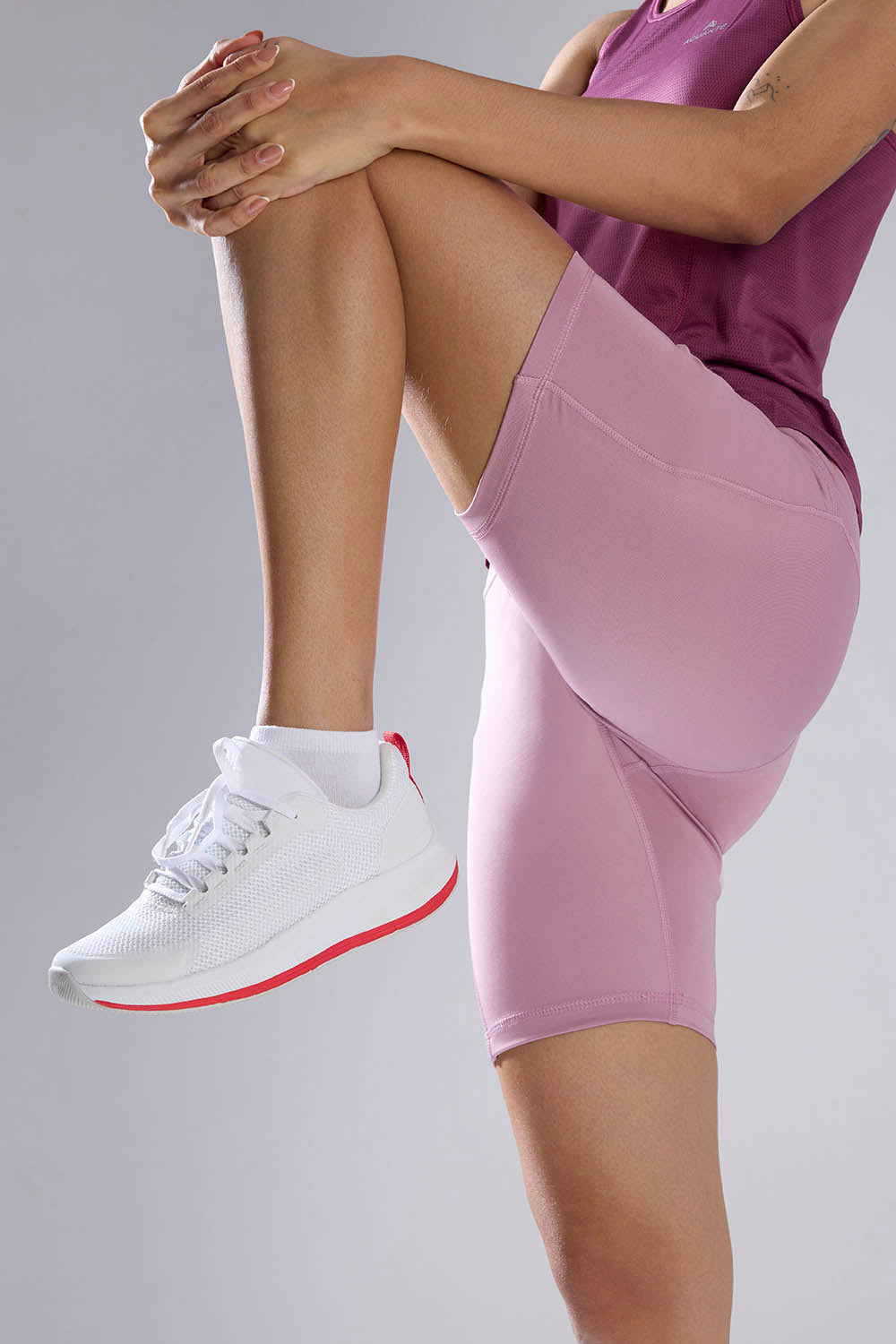
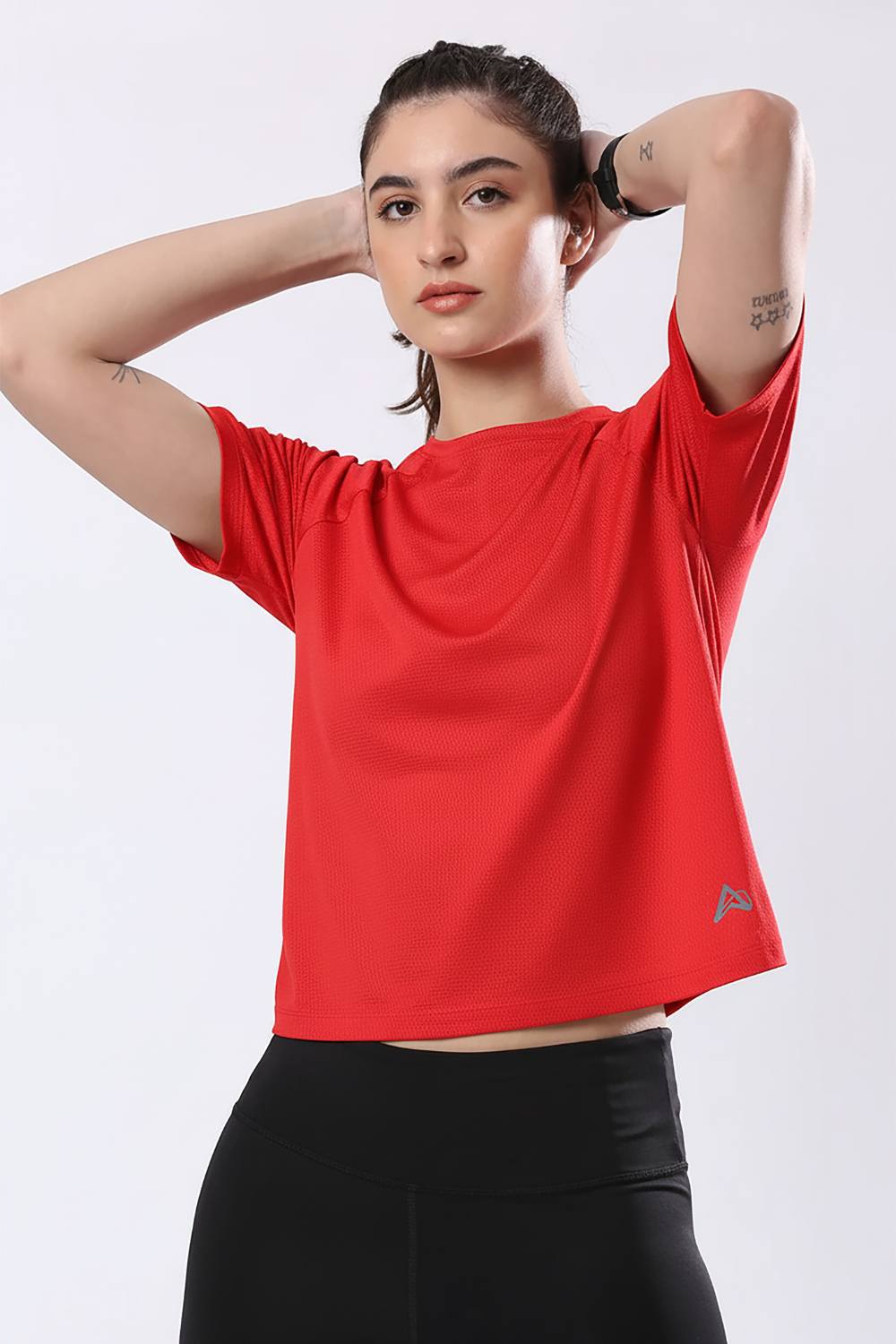
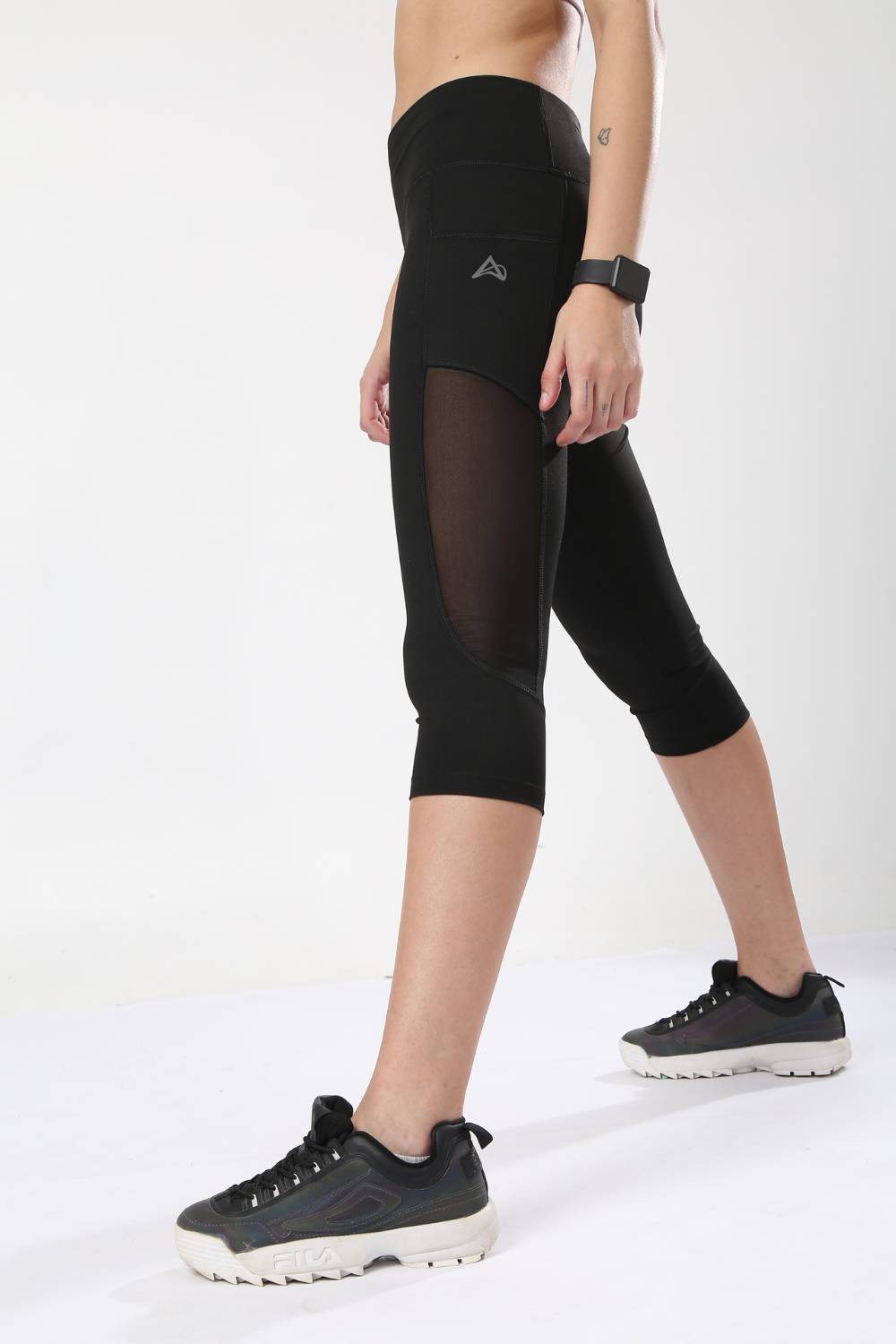



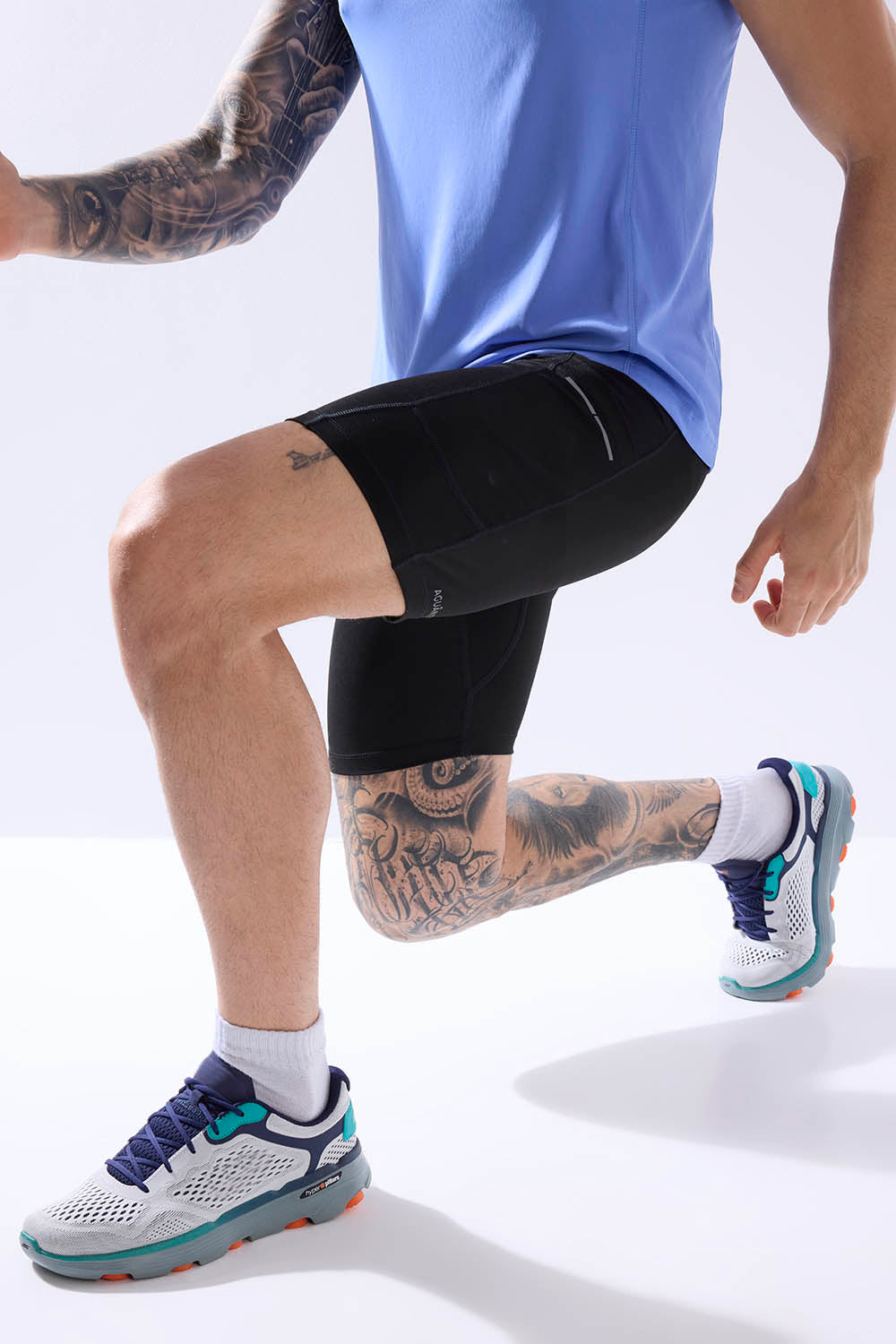





Running in India presents a unique set of challenges for athletes, particularly when it comes to managing variable weather. From the humid mornings of Mumbai to the monsoon-soaked streets of Pune, runners must adapt their clothing strategies to maintain comfort and performance. Layering has emerged as a practical solution, allowing athletes to adjust their apparel to changing conditions while minimizing distraction and maximizing efficiency.
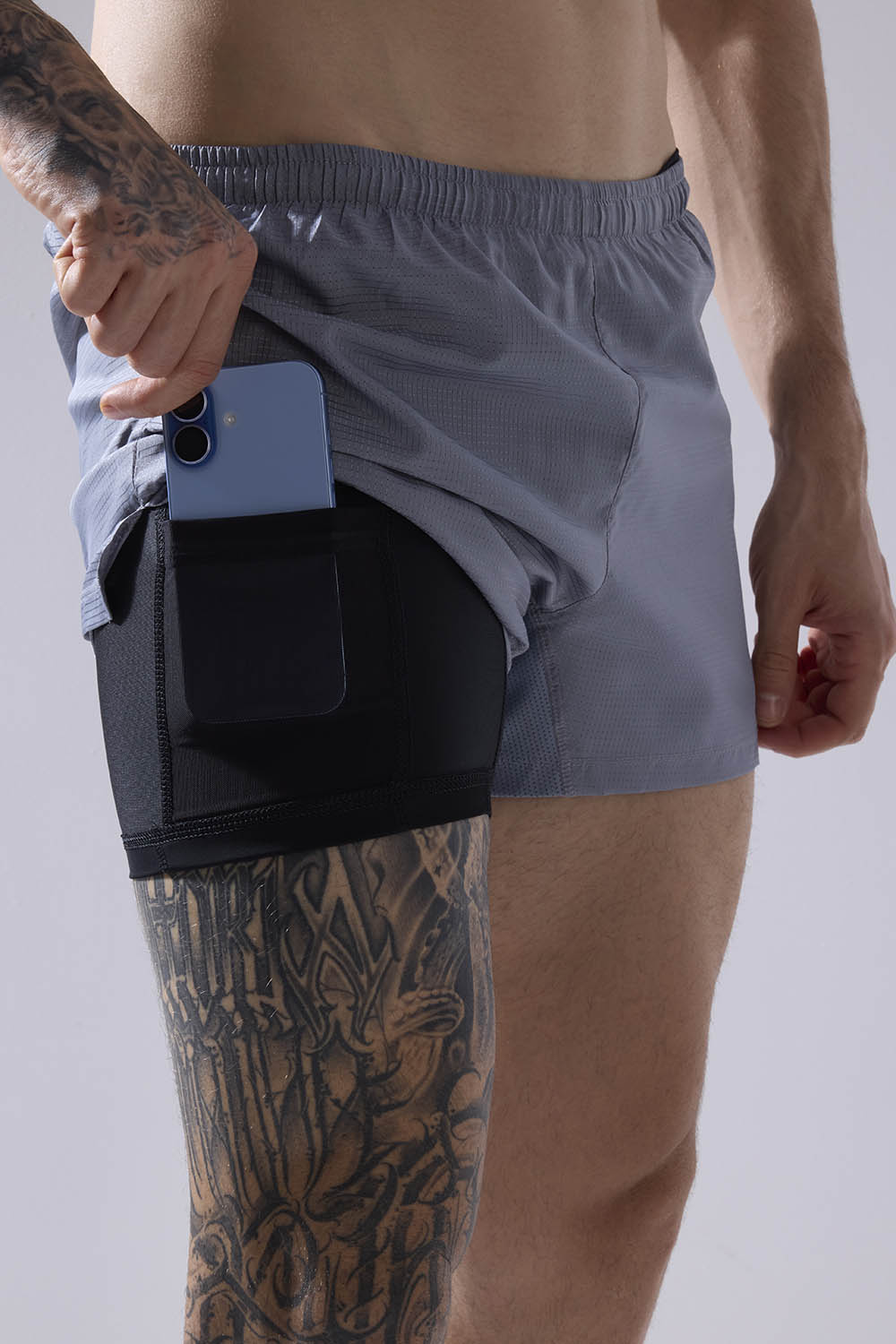
Tired of gear that slows you down? Chafing, soggy fabrics, and missing pockets kill your run's momentum. At Aguante, we're runners who get it. Our high-performance activewear features moisture-wicking fabrics, ergonomic designs, and smart storage to keep you focused. Shop Now!
Understanding the Benefits of Layering for Indian Runs
Layering provides a versatile approach to running attire, offering both flexibility and protection. In cities like Bangalore and Hyderabad, early morning runs often start cool, with temperatures rising rapidly as the day progresses. By wearing multiple layers, runners can remove or add garments as needed, preventing overheating or excessive cooling. The ability to adjust clothing in response to real-time conditions not only enhances comfort but also supports consistent performance throughout a run.
Beyond temperature regulation, layering enables moisture management. Technical fabrics in base layers wick sweat away from the skin, while mid-layers retain warmth without becoming heavy. Outer layers provide wind or rain protection, crucial during the monsoon season in coastal cities such as Mumbai and Navi Mumbai. This modular approach allows runners to respond dynamically to sudden weather changes without compromising mobility or safety.
Practical Layering Strategies for Variable Conditions
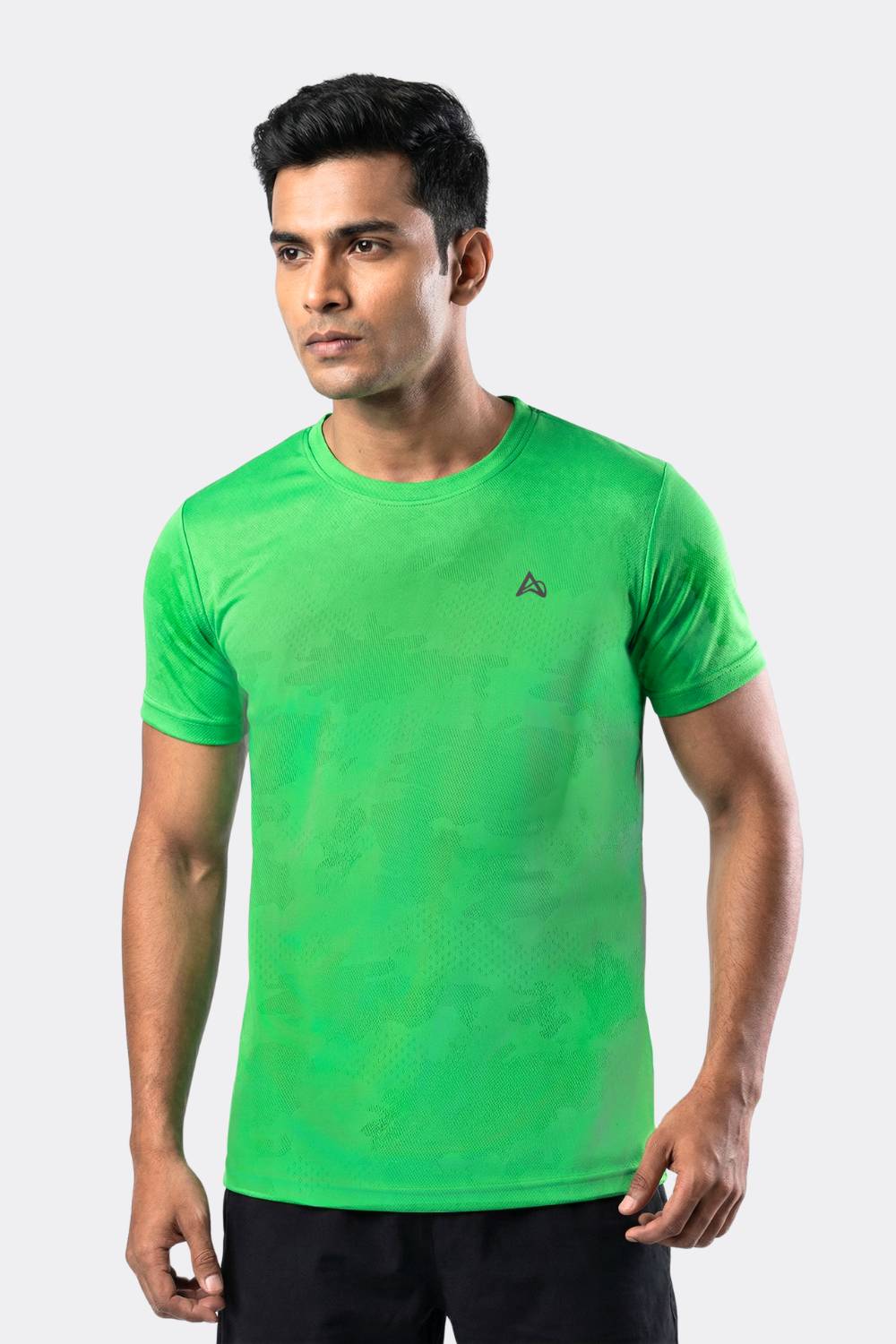
Effective layering begins with understanding the role of each layer. The base layer should be lightweight and moisture-wicking, preferably made from technical synthetic fabrics or merino wool blends. For example, runners in Delhi may choose breathable long-sleeve tops for cooler mornings, paired with shorts or tights that adapt to temperature fluctuations. The mid-layer functions as insulation; lightweight fleece or performance knit garments provide warmth without excessive bulk.
The outer layer is critical for protection against wind, rain, or dust. In Pune or Surat, where sudden showers are common, a lightweight, waterproof shell can prevent a run from turning uncomfortable or unsafe. Reflective elements on the outer layer also enhance visibility during early morning or low-light runs, an important safety consideration in densely populated urban areas.
Adapting Layering Techniques to Humidity
Humidity can complicate layering strategies, particularly in cities like Mumbai and Ahmedabad where moisture levels remain high throughout the year. Opting for breathable, quick-dry fabrics prevents sweat accumulation, reducing chafing and discomfort. Loose-fitting mid-layers allow air circulation, helping regulate body temperature without sacrificing performance. In humid conditions, runners may favor minimal layers that can be easily adjusted to maintain optimal thermoregulation.
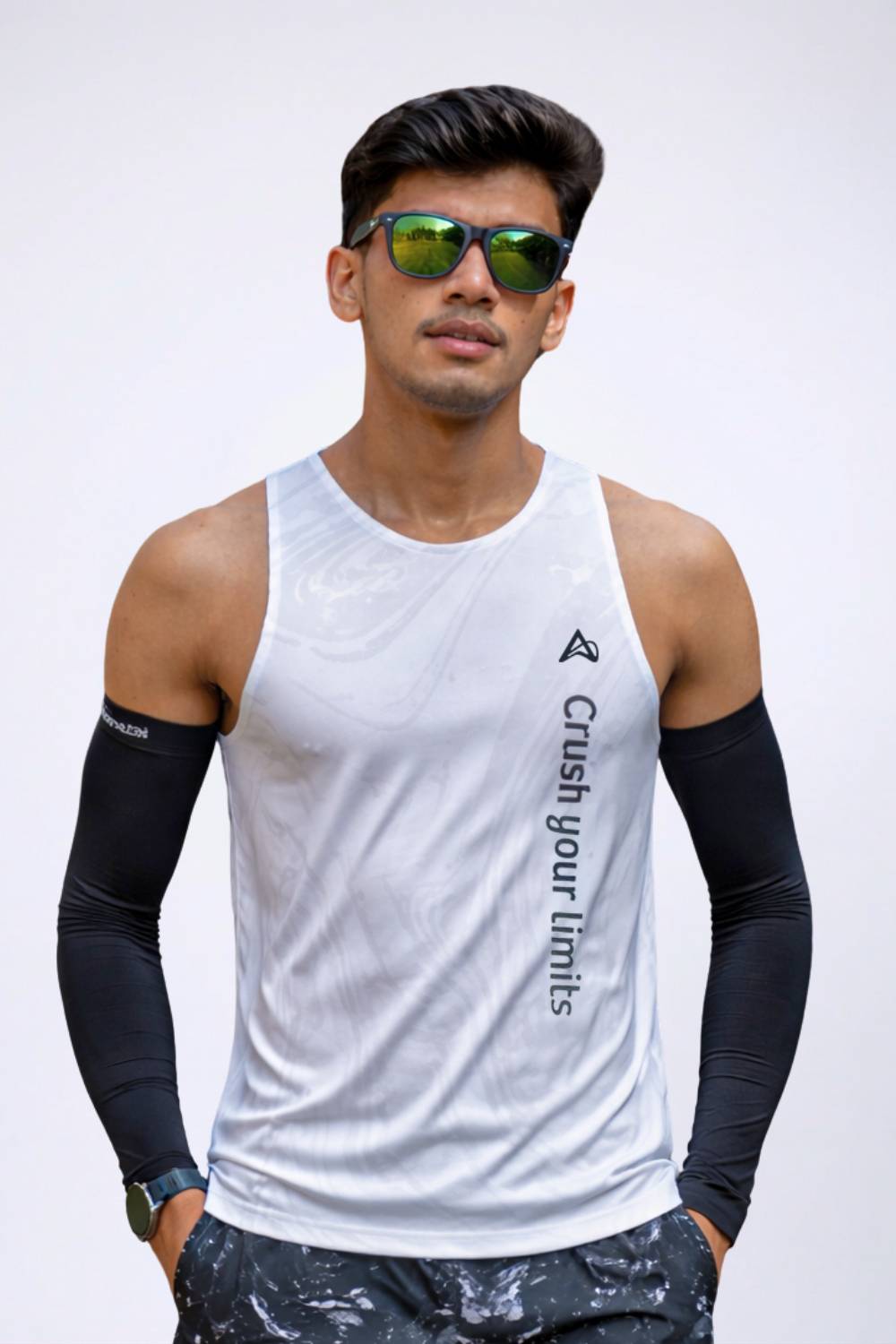
Accessories such as moisture-wicking caps, lightweight gloves, or breathable arm sleeves further enhance comfort. For early morning runs in Gurugram or Delhi, these additions can help regulate skin exposure, wick away sweat, and protect from sun or wind, ensuring a controlled and efficient running experience.
Integrating Local Context and Terrain
Running in India's diverse urban landscapes necessitates consideration of local conditions. The hilly terrain of Pune and the coastal humidity of Mumbai influence how runners choose and adjust their layers. In Hyderabad's dense cityscapes, layering strategies may also incorporate sun protection, with lightweight, UV-rated fabrics offering both comfort and safety. Understanding these regional differences allows runners to tailor their clothing, balancing performance needs with environmental challenges.
Moreover, runners often encounter crowded streets, traffic, and sudden weather changes. Strategic layering helps maintain agility and readiness for environmental variability. By combining functional apparel with smart layering techniques, athletes can confidently navigate both urban and natural running routes.
Expert Tips for Efficient Layering
1. Plan ahead: Check the weather forecast for your city before heading out and choose layers that can be adjusted mid-run. Cities such as Bangalore experience significant temperature swings, making preparation essential.
2. Prioritize mobility: Avoid overly bulky mid-layers that restrict movement. Performance-oriented fabrics provide stretch without compromising insulation.
3. Test during practice runs: Evaluate how different combinations perform in real conditions. Early morning runs in Navi Mumbai or Surat provide ideal opportunities to experiment without extreme stress on the body.
4. Layer for versatility: Choose garments that serve multiple functions, such as moisture management and sun protection. This approach is especially effective in monsoon-prone regions where conditions shift unpredictably.
Running Gear Recommendations for Variable Weather
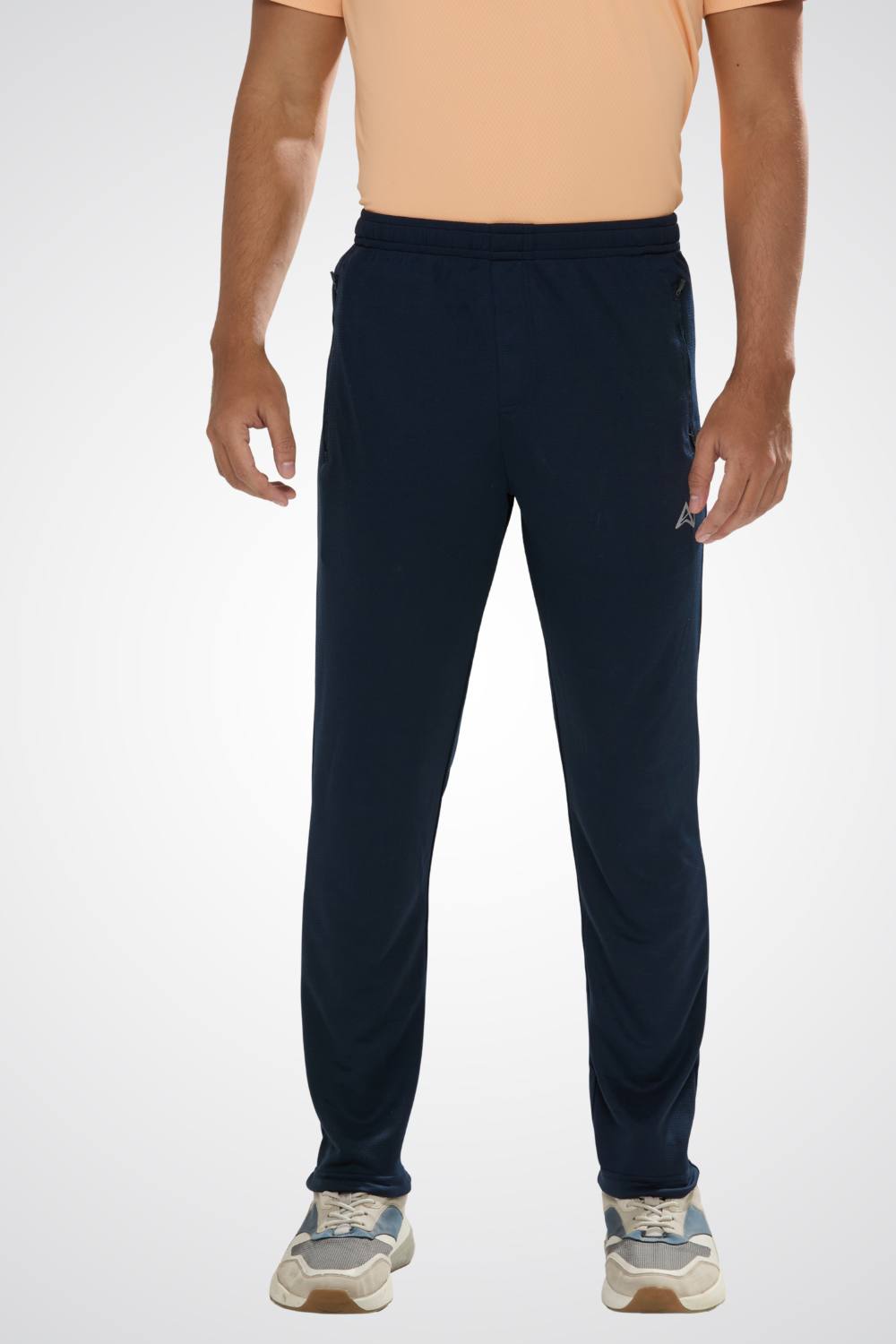
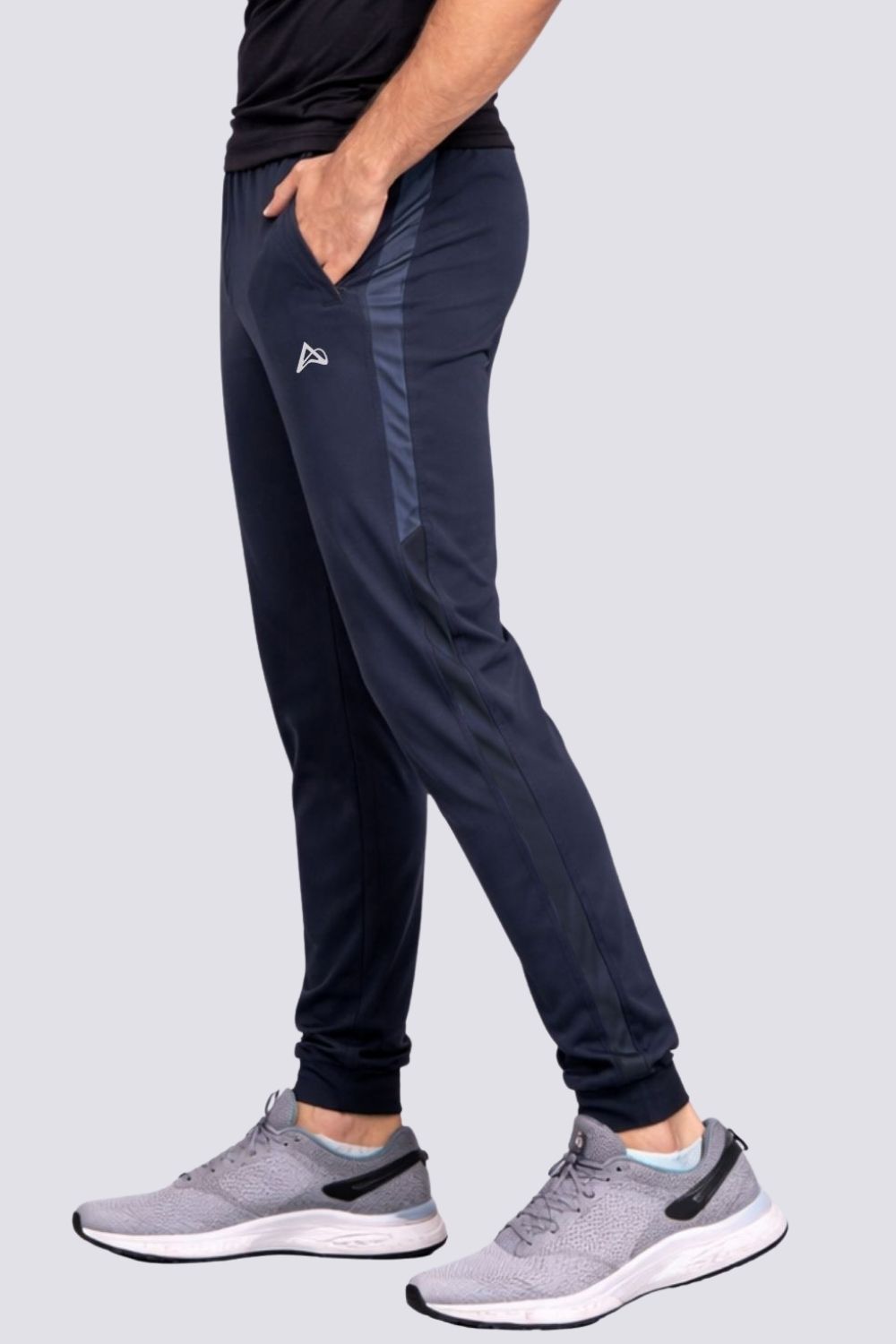
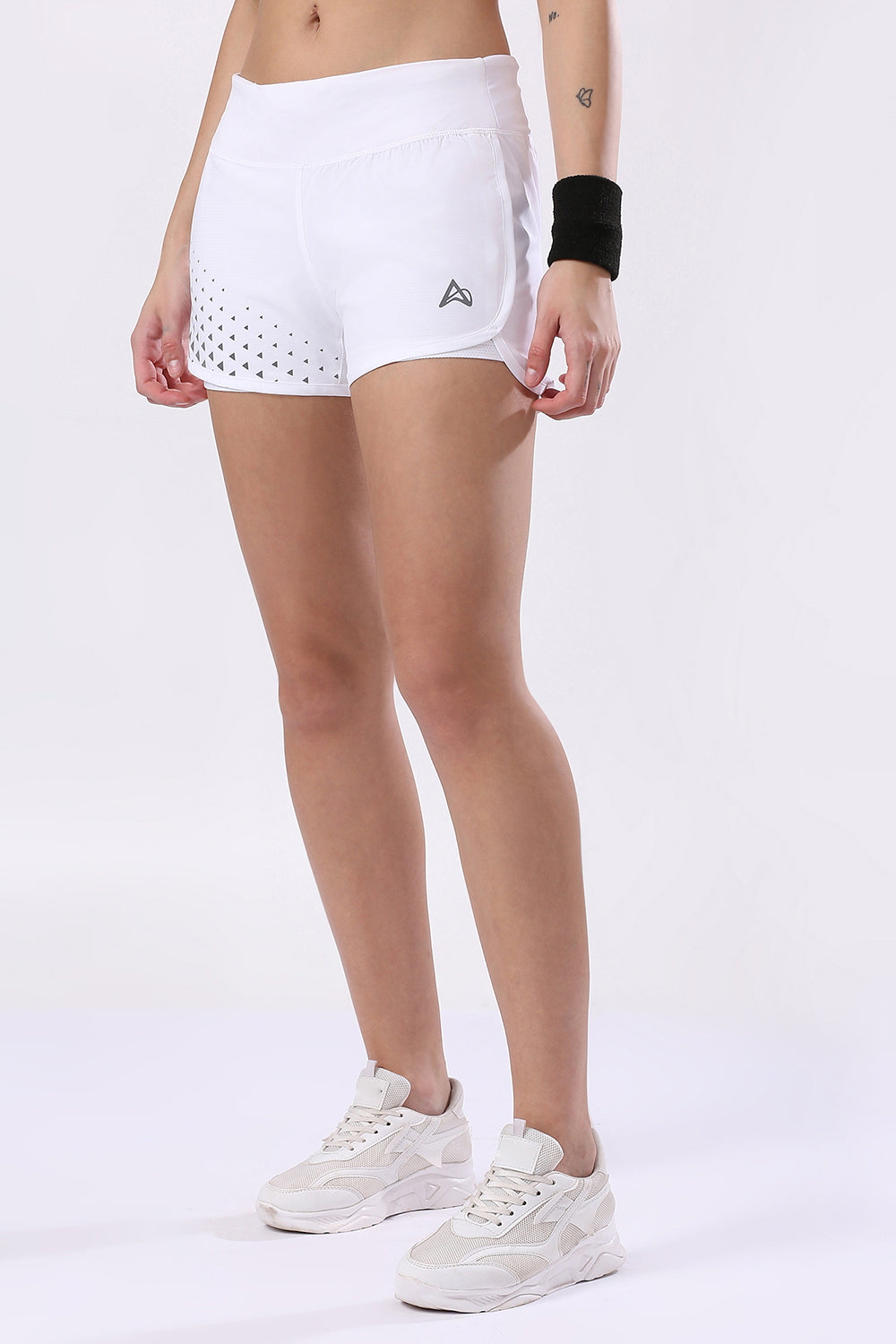
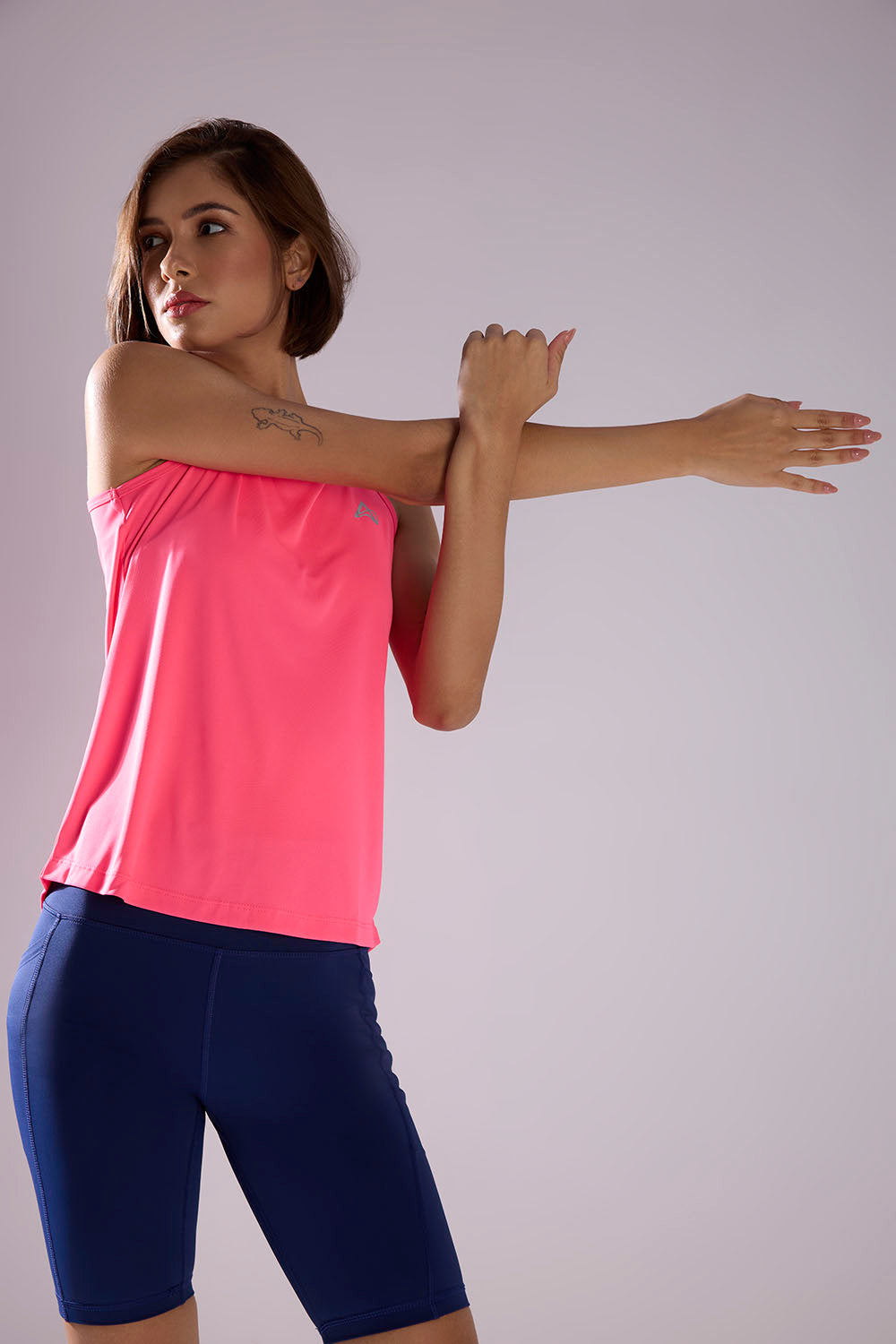
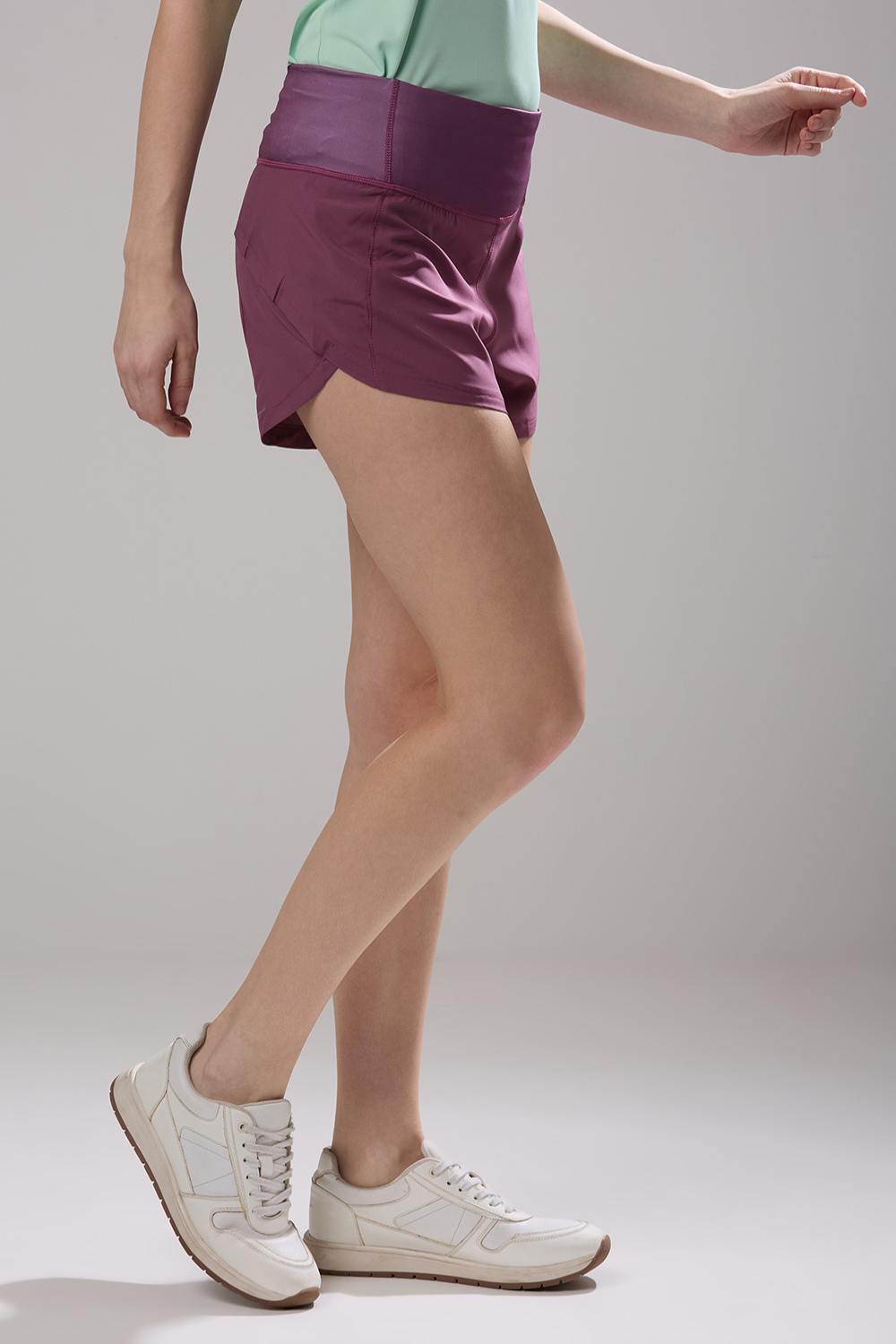
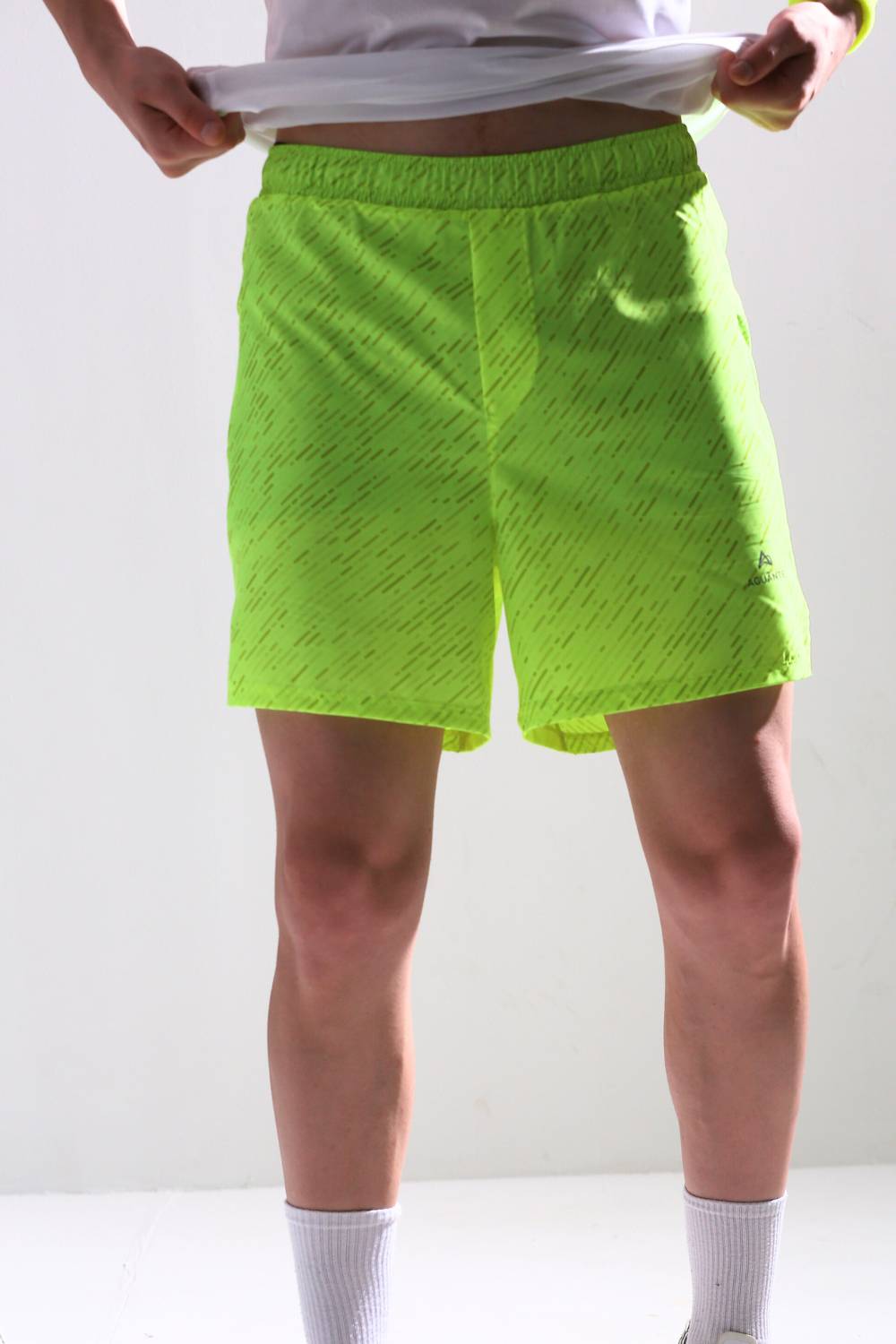
Runners should invest in a few key pieces rather than an extensive wardrobe. A technical moisture-wicking base layer, a lightweight insulating mid-layer, and a waterproof, breathable shell cover most scenarios. Breathable tights or shorts, depending on temperature, and moisture-resistant footwear complete the ensemble. Accessories such as caps, arm sleeves, and reflective elements further optimize safety and comfort. Integrating these elements into a consistent layering strategy allows athletes to adapt seamlessly to the dynamic Indian climate.
Many runners in Delhi and Hyderabad also find benefit in modular systems where each layer can be worn independently or combined. This flexibility reduces laundry loads, lowers costs, and ensures comfort across diverse conditions. By investing in high-performance, adaptable apparel, runners maintain focus on their training rather than reacting to environmental discomfort.
Mastering Comfort and Performance
Mastering layering strategies is essential for runners navigating India's variable weather. By understanding the function of each layer, considering local climate nuances, and prioritizing adaptability, athletes can maintain optimal comfort and performance across early morning, humid, and rainy runs. From Bangalore's cool mornings to Mumbai's monsoon showers, effective layering transforms unpredictable conditions into a manageable part of the running routine. With careful planning, smart apparel choices, and attention to local context, runners can focus on performance while staying comfortable, confident, and prepared for whatever the weather presents.
Frequently Asked Questions
What are the benefits of layering clothes for running in India's variable weather?
Layering allows runners to adjust their clothing in real time as temperatures shift especially useful in cities like Bangalore and Delhi, where cool mornings quickly give way to warmer conditions. Each layer serves a distinct purpose: the base layer wicks moisture, the mid-layer insulates, and the outer layer guards against wind, rain, or dust. This modular approach improves both comfort and performance without sacrificing mobility.
How should runners in humid Indian cities like Mumbai layer their running clothes?
In high-humidity cities like Mumbai and Ahmedabad, the key is to minimize layers and choose breathable, quick-dry technical fabrics that prevent sweat buildup and reduce chafing. Loose-fitting mid-layers that allow air circulation help regulate body temperature, while accessories like moisture-wicking caps and breathable arm sleeves add comfort without adding heat. During monsoon season, a lightweight waterproof shell as an outer layer is also strongly recommended.
What running gear should I invest in for unpredictable Indian weather conditions?
A well-rounded layering kit for Indian runners doesn't need to be extensive three core pieces cover most scenarios: a technical moisture-wicking base layer, a lightweight insulating mid-layer, and a waterproof, breathable outer shell. Pair these with breathable tights or shorts suited to the temperature, and add accessories like reflective elements, caps, and arm sleeves for safety and sun protection. Choosing garments that double up on functions such as UV protection combined with moisture management keeps your kit versatile and cost-effective.
Disclaimer: The above helpful resources content contains personal opinions and experiences. The information provided is for general knowledge and does not constitute professional advice.
You may also be interested in: Local Activewear Brands Blend Sustainability With Functionality
Tired of gear that slows you down? Chafing, soggy fabrics, and missing pockets kill your run's momentum. At Aguante, we're runners who get it. Our high-performance activewear features moisture-wicking fabrics, ergonomic designs, and smart storage to keep you focused. Shop Now!
Powered by flareAI.co