




















Quick Listen:
Training for endurance events is challenging in any environment, but athletes in India face a unique combination of high heat and humidity that can test both physical endurance and mental resilience. Cities such as Bangalore, Hyderabad, Mumbai, Pune, Navi Mumbai, Delhi, Gurugram, Surat, and Ahmedabad experience conditions that often push the limits of conventional running routines. For endurance runners and triathletes, understanding how to adapt to these climates is essential for maintaining performance while minimizing the risk of heat-related stress.
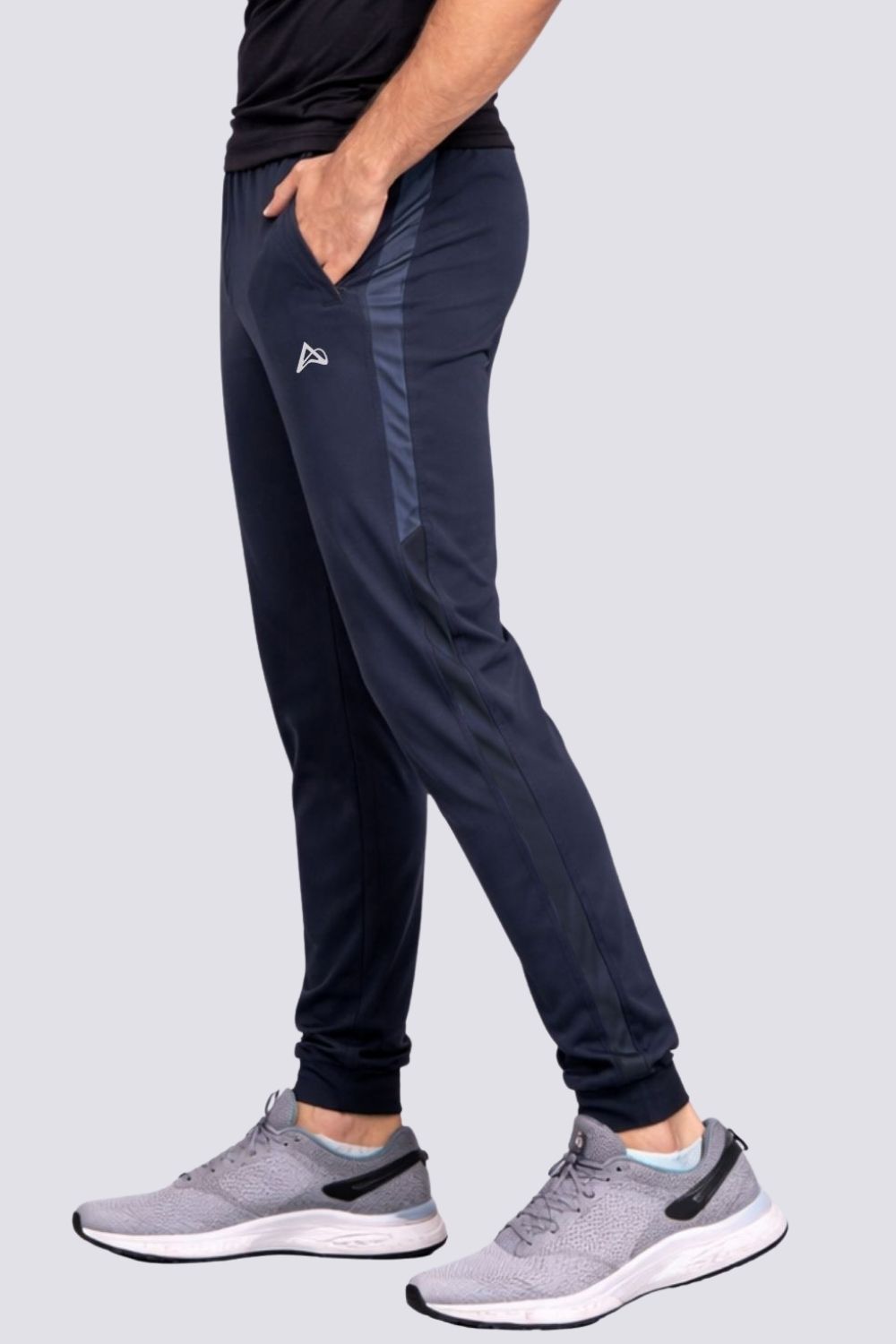
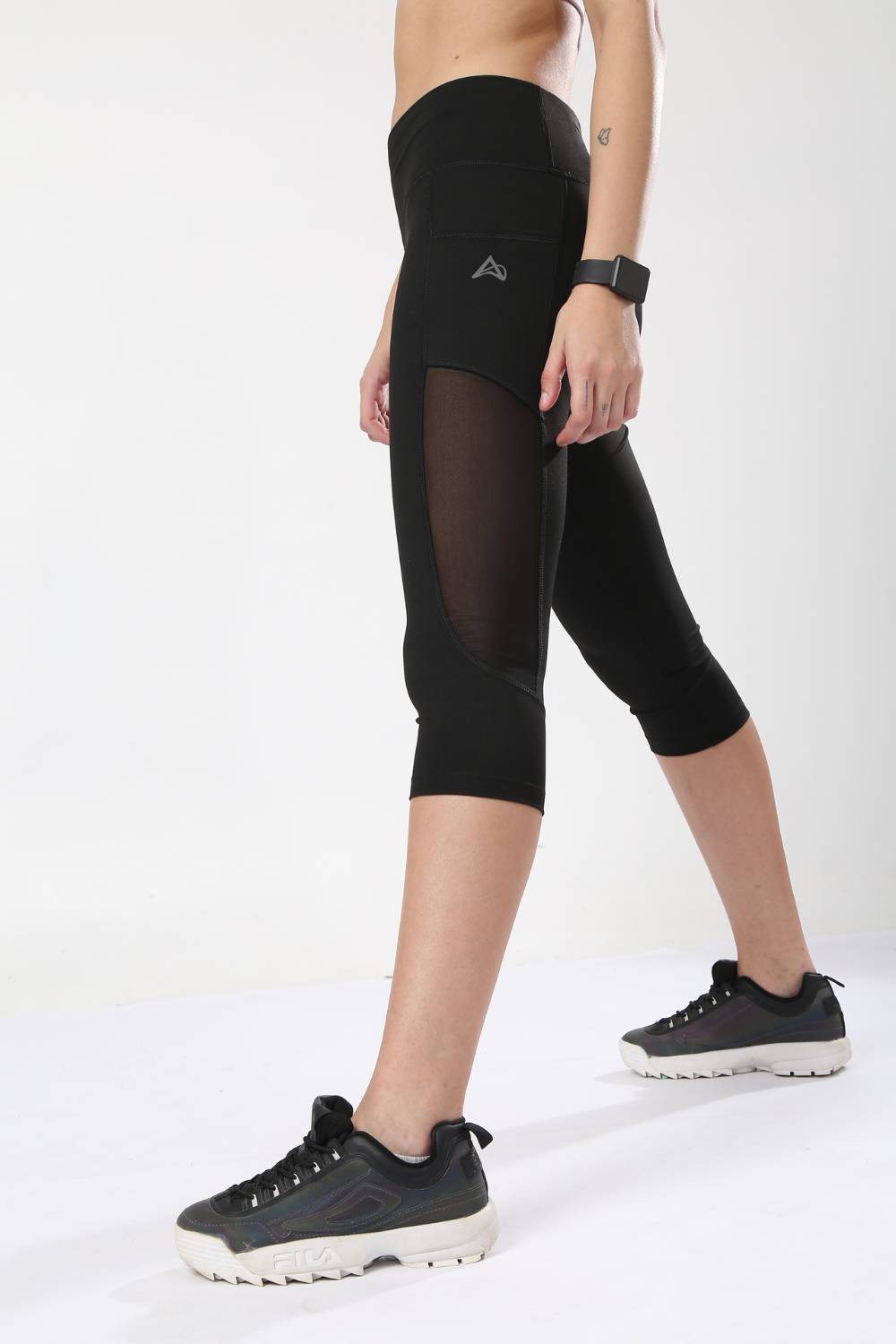
Tired of gear that slows you down? Chafing, soggy fabrics, and missing pockets kill your run's momentum. At Aguante, we're runners who get it. Our high-performance activewear features moisture-wicking fabrics, ergonomic designs, and smart storage to keep you focused. Shop Now!
Understanding Heat and Humidity in Indian Cities
India's urban centers are characterized by intense summer heat and persistent humidity, particularly in coastal cities like Mumbai, Navi Mumbai, and Surat. Even in inland cities such as Delhi and Pune, summer temperatures can soar past 40°C, combined with moderate to high humidity levels. This combination increases the risk of dehydration, heat exhaustion, and impaired athletic performance. For runners, high humidity impedes the body's natural cooling mechanism through sweat evaporation, making every kilometer physically and mentally taxing.
Endurance athletes training in Bangalore or Hyderabad, for instance, must contend with dense urban microclimates where asphalt and concrete amplify ambient temperatures. Awareness of local weather patterns and peak heat periods is crucial to planning training sessions. Morning or evening runs are often safer and more sustainable, allowing athletes to maintain intensity without undue stress on their cardiovascular and thermoregulatory systems.
Physiological Challenges of Running in Heat
Running in India's heat and humidity triggers several physiological stressors that affect performance. High temperatures elevate core body heat, forcing the cardiovascular system to divert blood flow from muscles to the skin to facilitate cooling. This shift can reduce oxygen delivery to working muscles, diminishing endurance capacity. Humidity further complicates this process by limiting sweat evaporation, which is the body's primary cooling mechanism.
Symptoms of heat stress, including excessive fatigue, dizziness, and rapid heart rate, are common among runners in Delhi or Gurugram during peak summer months. For competitive athletes, even a minor lapse in hydration or pacing strategy can lead to reduced performance and increased recovery times. Consequently, understanding how heat interacts with endurance physiology is critical for safe and effective training in Indian cities.
Practical Hydration Strategies for Endurance Runners
Maintaining proper hydration is a cornerstone of running in high-temperature, high-humidity conditions. Athletes in Mumbai or Pune benefit from scheduling water intake before, during, and after runs. Incorporating electrolyte solutions can help replace sodium, potassium, and magnesium lost through sweat, which is particularly high in coastal and tropical urban centers.
Runners can use practical markers such as urine color, perceived exertion, and heart rate to monitor hydration status. Additionally, strategies such as pre-cooling with cold beverages or ice packs before long sessions in Ahmedabad or Hyderabad can reduce core body temperature and enhance training tolerance. Training plans that integrate regular hydration checkpoints allow athletes to sustain effort while minimizing the risk of heat-related illness.
Clothing and Gear for Hot Weather Running
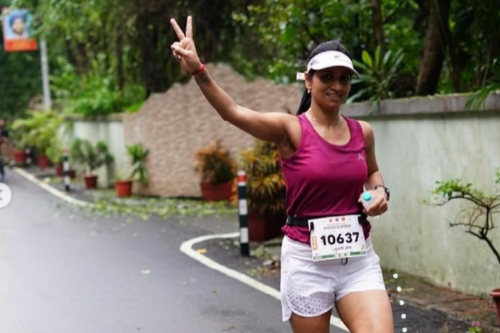
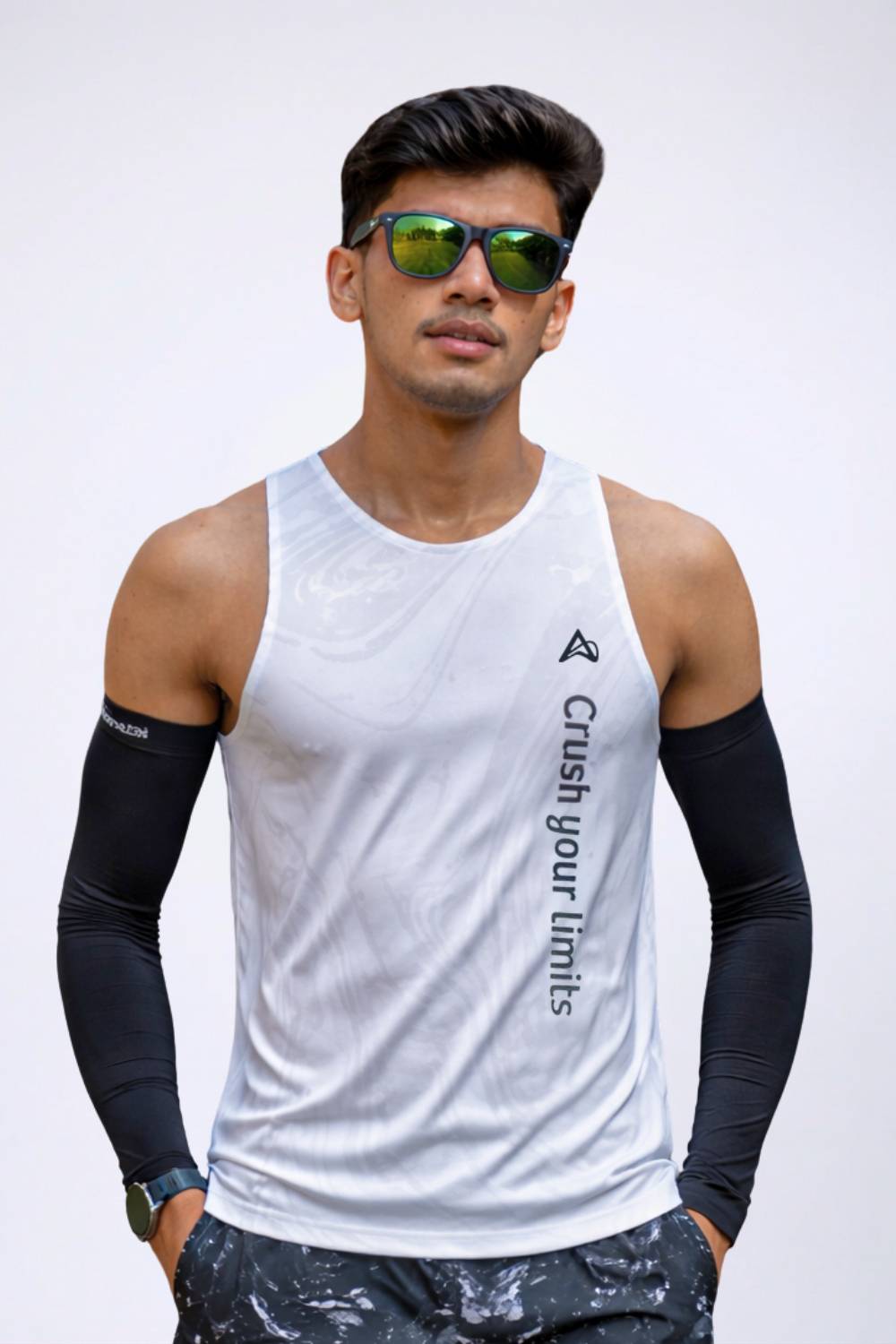
Choosing appropriate running apparel significantly impacts comfort and performance in India's climates. Lightweight, moisture-wicking fabrics designed for high heat and humidity can improve sweat evaporation and reduce skin irritation. In cities like Delhi and Surat, breathable singlets, shorts, and ventilated running shoes help maintain thermal comfort, enabling longer, more consistent training sessions.
Beyond clothing, gear such as sun-protective hats, UV-rated sunglasses, and performance socks enhances both safety and comfort. Runners training in Mumbai may benefit from reflective or light-colored apparel to reduce heat absorption during daytime runs, while compact hydration packs can provide convenient fluid access on longer routes. Selecting gear suited to urban terrain and local weather conditions allows athletes to train effectively without compromising performance or safety.
Heat Acclimatization Techniques
Acclimating to India's extreme temperatures is a gradual process. Endurance athletes traveling to Bangalore or Gurugram for training should begin with shorter, less intense sessions, progressively increasing duration and intensity over 7–14 days. This adaptation period helps the body improve sweat response, regulate core temperature, and maintain cardiovascular efficiency under stress.
Cross-training in air-conditioned environments or swimming can supplement heat adaptation while reducing cumulative strain. Monitoring training loads and recovery markers ensures that athletes do not overreach, which is particularly important in high-humidity cities like Hyderabad, where thermal stress is compounded by persistent moisture in the air. Structured acclimatization plans enable runners to sustain performance during prolonged outdoor workouts.
Adjusting Training Plans for Safety and Performance
Running schedules must be flexible to accommodate weather extremes. Urban runners in Pune or Delhi often shift workouts to early mornings or late evenings when temperatures drop. Interval training, tempo runs, and long-distance sessions can be strategically scheduled to avoid peak heat hours, ensuring athletes maintain training quality while minimizing heat strain.
Integrating active recovery, such as walking or light jogging, allows the body to adapt without overtaxing thermoregulatory systems. Additionally, monitoring environmental conditions using local weather apps helps athletes anticipate heat waves or high humidity periods. Planning rest days during extreme weather ensures sustainable training progression and reduces the likelihood of heat-related setbacks.
Nutrition and Recovery Considerations
Proper nutrition supports endurance performance in hot climates by replenishing glycogen stores and maintaining electrolyte balance. In Mumbai and Ahmedabad, athletes often incorporate water-rich fruits, electrolyte beverages, and balanced meals to optimize hydration and energy levels. Consuming lighter, easily digestible foods before training can minimize gastrointestinal discomfort during high-intensity workouts.
Post-training recovery is equally critical. Cool-down routines, stretching, and adequate sleep help the body repair muscle tissues stressed by heat exposure. Incorporating anti-inflammatory foods and adequate protein supports adaptation and prevents performance declines. By combining strategic nutrition with recovery protocols, runners in India's hot cities can sustain consistent training while safeguarding health.
Mental Strategies for Running in Challenging Climates
Endurance running in India requires not only physical preparation but also mental resilience. Athletes in Hyderabad or Delhi can benefit from goal-setting, pacing awareness, and mindfulness techniques to manage perceived exertion during high-heat sessions. Focusing on short-term objectives, such as reaching the next water station or completing a kilometer at steady pace, helps maintain motivation and reduces the psychological burden of environmental stress.
Building mental toughness through visualization, meditation, and structured breathing exercises can enhance confidence during extreme conditions. Many runners report that training in urban parks or along shaded routes in Pune and Mumbai improves focus and reduces cognitive fatigue. By integrating mental strategies with practical training adaptations, athletes can thrive in environments that might otherwise impede performance.
Community and Support Networks
Joining local running clubs or social fitness groups in Bangalore or Gurugram provides both accountability and guidance for training in heat. Experienced members often share insights on optimal routes, hydration practices, and timing strategies suited to local weather patterns. These networks create a supportive environment where runners can exchange tips, track progress, and navigate the challenges of summer running safely.
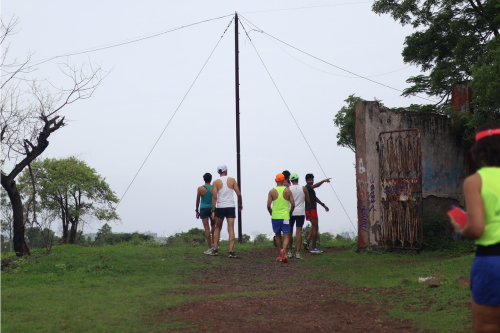
Community events, such as local races and organized group runs, offer practical exposure to heat conditions while promoting motivation and consistency. Endurance runners participating in India sports events can experience structured environments that mirror competitive conditions, enhancing preparedness and resilience for solo or long-distance training in extreme heat.
Mastering Endurance in Indian Heat
Training for endurance running in India's heat and humidity requires a strategic combination of physiological adaptation, practical hydration, appropriate apparel, and mental resilience. Athletes in cities like Delhi, Mumbai, Hyderabad, and Pune must adjust training times, implement heat acclimatization techniques, and leverage local community support to maintain performance and reduce risk. By integrating these approaches, runners can navigate India's challenging climates while continuing to pursue their endurance goals safely and effectively.
Frequently Asked Questions
How do endurance runners in India manage heat and humidity during training?
Runners in Indian cities like Mumbai, Delhi, and Hyderabad adapt by scheduling workouts during early mornings or late evenings to avoid peak heat hours. Proper hydration including electrolyte solutions to replace sodium, potassium, and magnesium lost through sweat is essential. Pre-cooling techniques such as cold beverages or ice packs before long sessions can also help lower core body temperature and improve training tolerance.
What is heat acclimatization and how long does it take for runners training in Indian cities?
Heat acclimatization is the gradual process of adapting the body to perform in high-temperature, high-humidity environments. For endurance athletes training in cities like Bangalore or Gurugram, it typically involves starting with shorter, lower-intensity sessions and progressively building up over 7–14 days. This allows the body to improve its sweat response, regulate core temperature more efficiently, and maintain cardiovascular performance under thermal stress.
What clothing and gear are best for running in India's hot and humid climate?
Lightweight, moisture-wicking fabrics that promote sweat evaporation are the top choice for runners dealing with India's heat. Breathable singlets, ventilated running shoes, and performance socks help maintain thermal comfort during long training sessions in cities like Delhi and Surat. Additional gear such as UV-rated sunglasses, sun-protective hats, and light-colored or reflective apparel can further reduce heat absorption and improve safety during daytime runs.
Disclaimer: The above helpful resources content contains personal opinions and experiences. The information provided is for general knowledge and does not constitute professional advice.
You may also be interested in: Training in heat and humidity: Challenges unique to Indian
Tired of gear that slows you down? Chafing, soggy fabrics, and missing pockets kill your run's momentum. At Aguante, we're runners who get it. Our high-performance activewear features moisture-wicking fabrics, ergonomic designs, and smart storage to keep you focused. Shop Now!
Powered by flareAI.co