












Quick Listen:
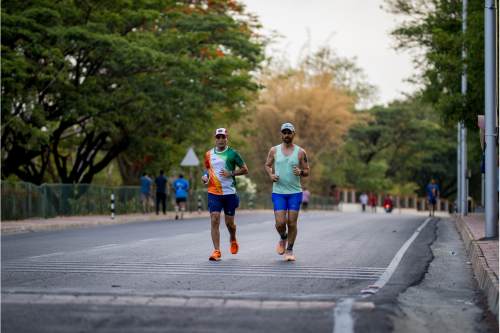
In recent years, India's urban landscapes have witnessed a notable transformation in fitness culture, driven largely by a surge in the running community. Cities such as Bangalore, Mumbai, Delhi, and Pune are now more than just hubs for corporate and tech activity they are evolving into epicenters for fitness enthusiasts, where running is not merely a recreational activity but a lifestyle choice. The rise of group running events, community-led initiatives, and the integration of running into daily routines is reshaping the way urban residents approach health and wellness. This trend highlights the intersection of social motivation, accessibility of public spaces, and growing awareness of physical fitness.
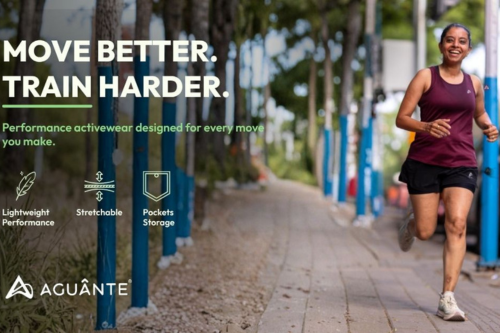
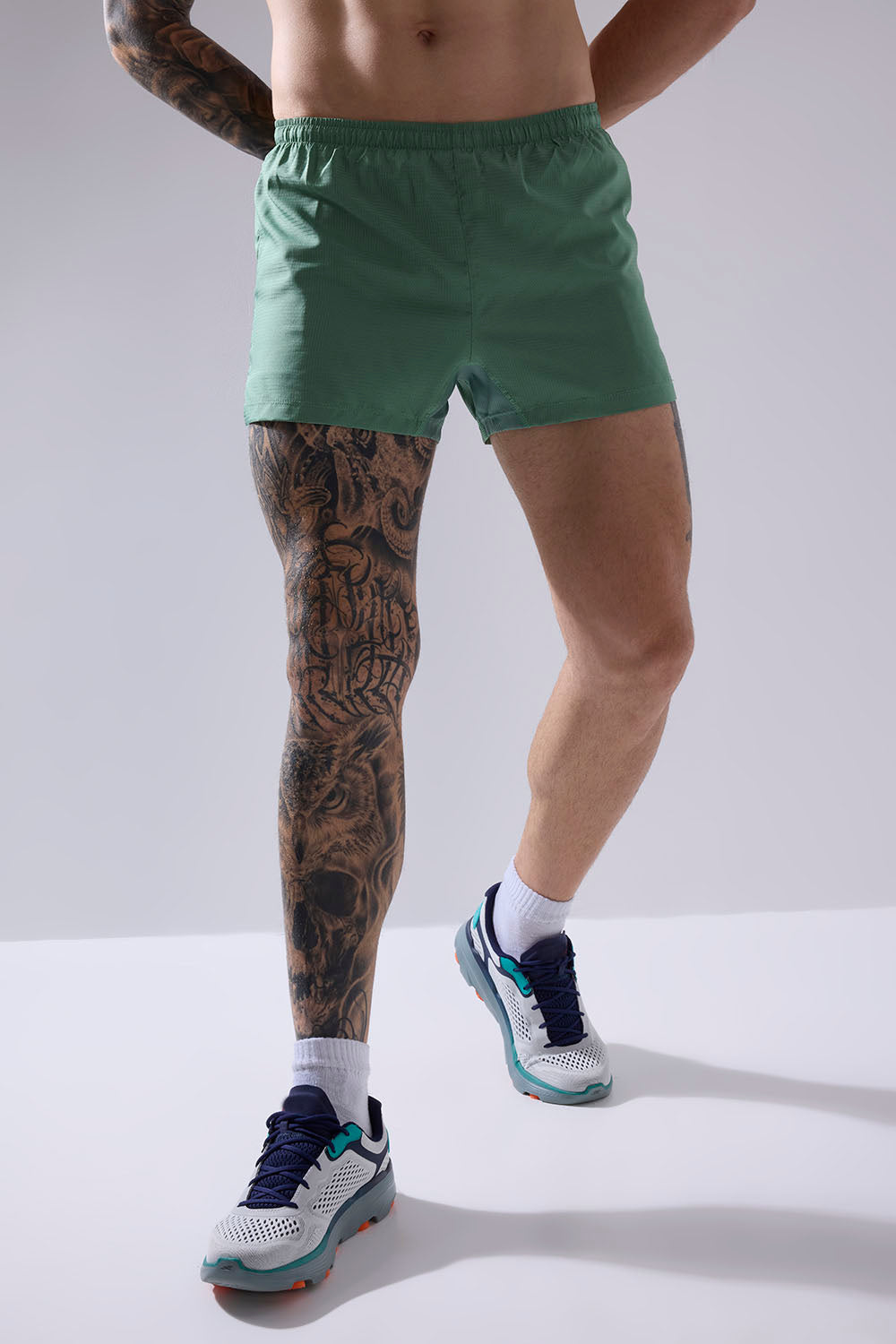
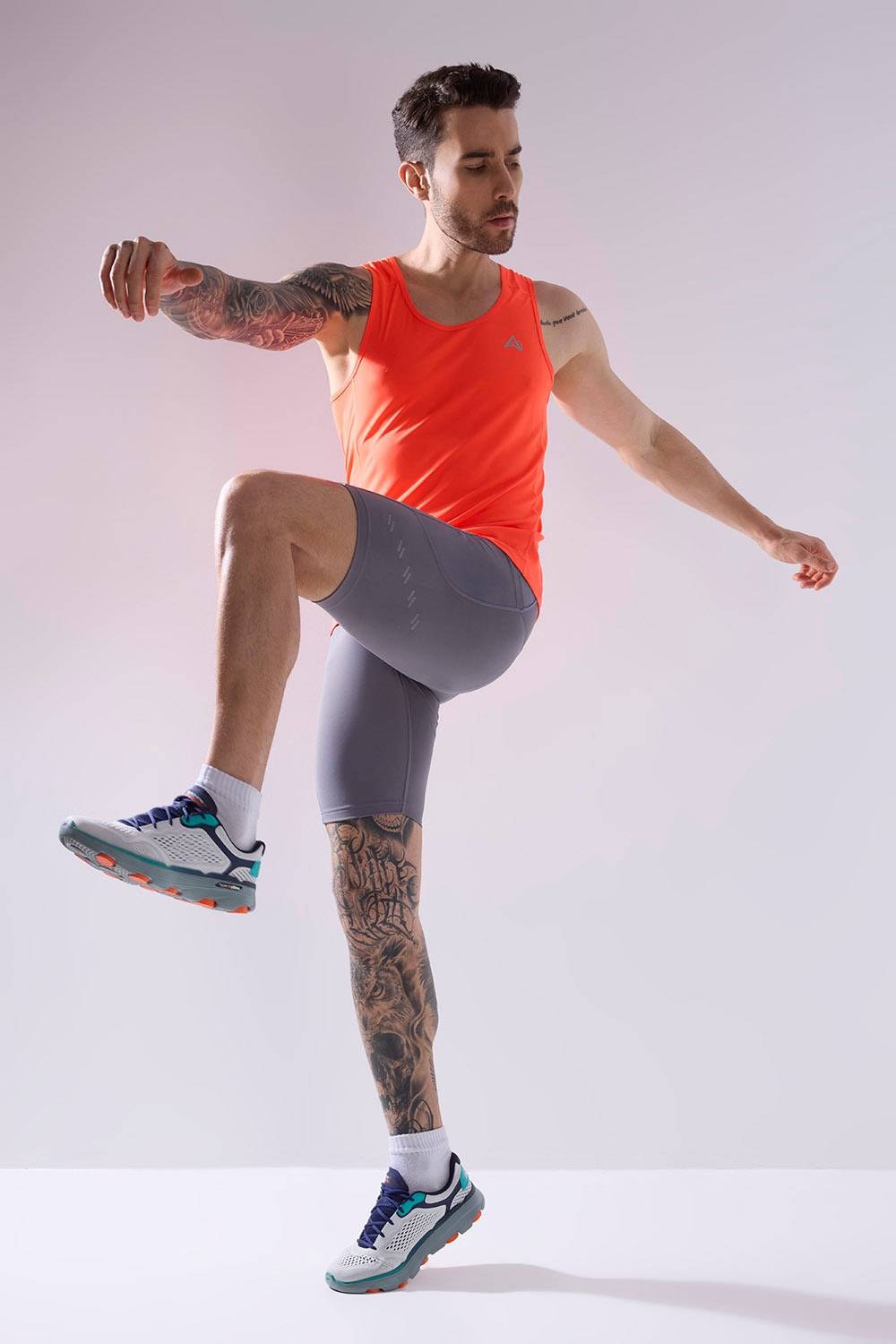
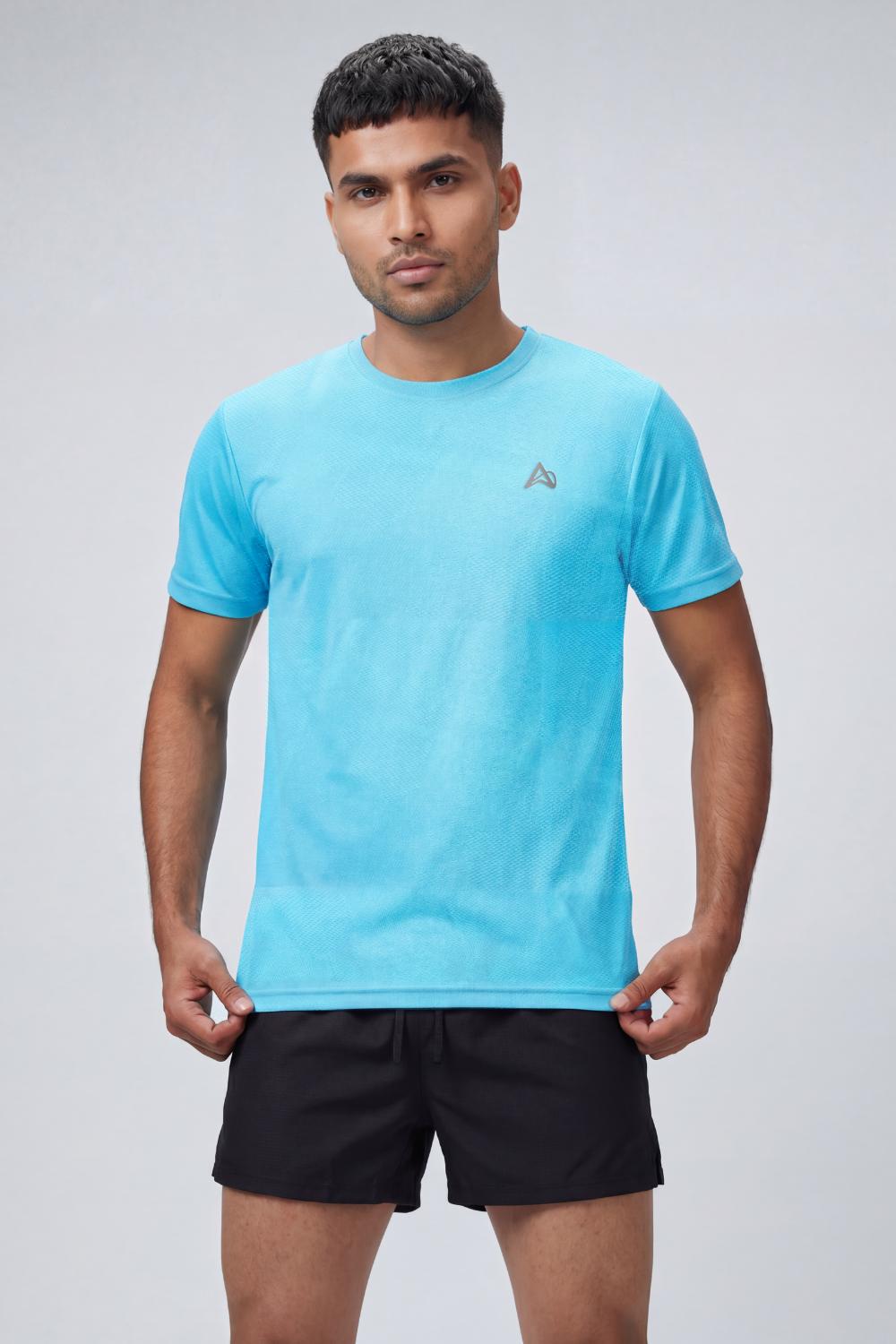
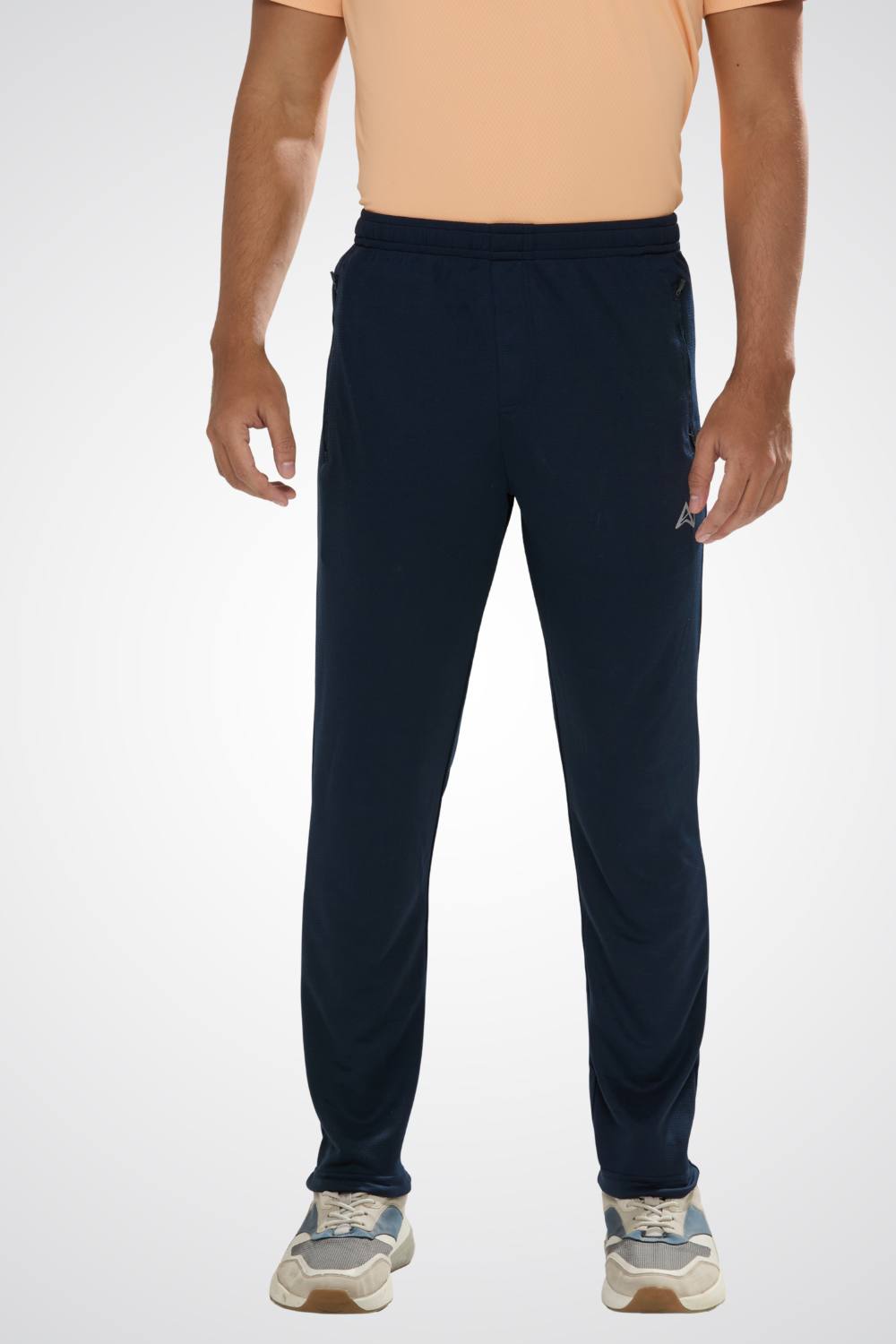
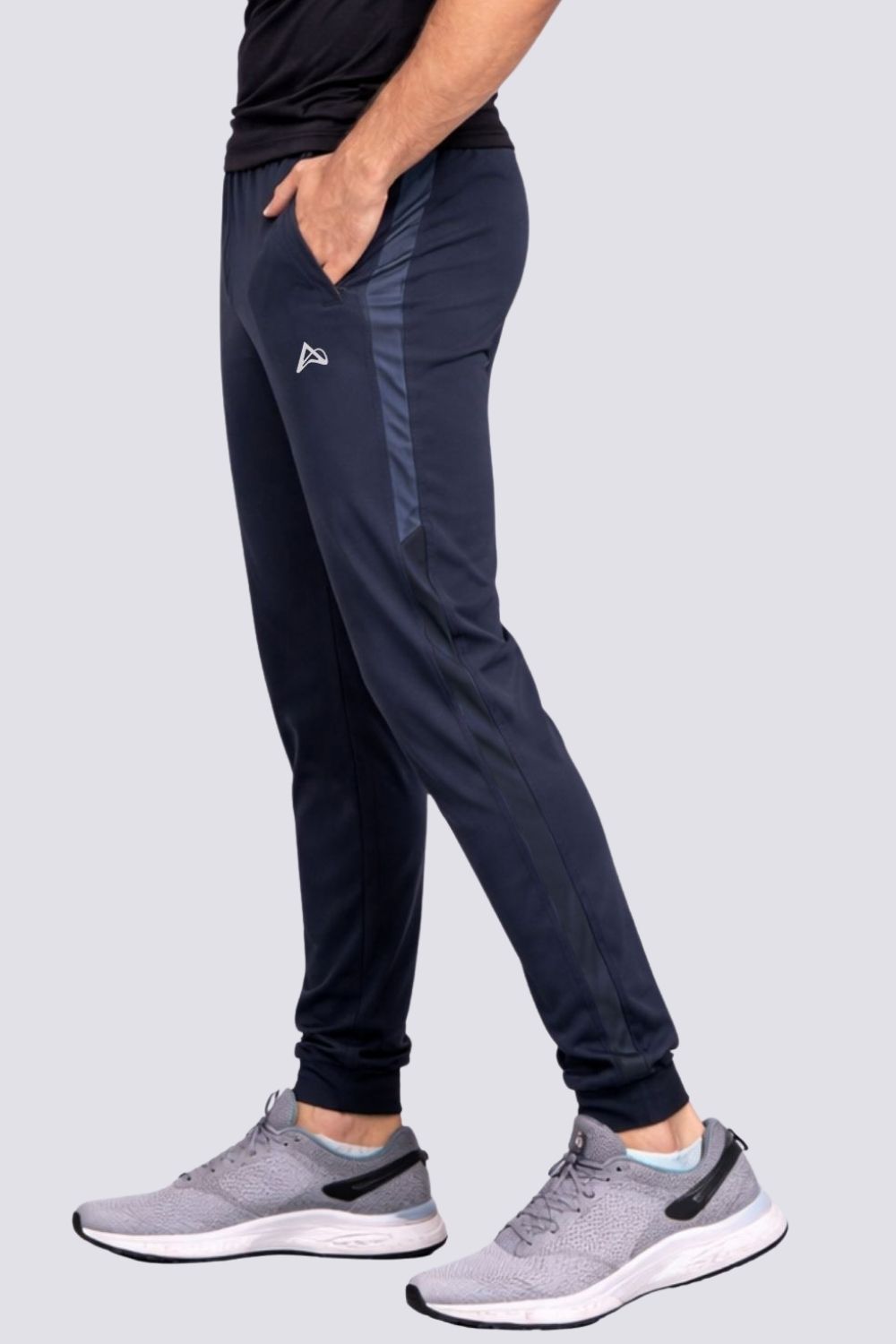
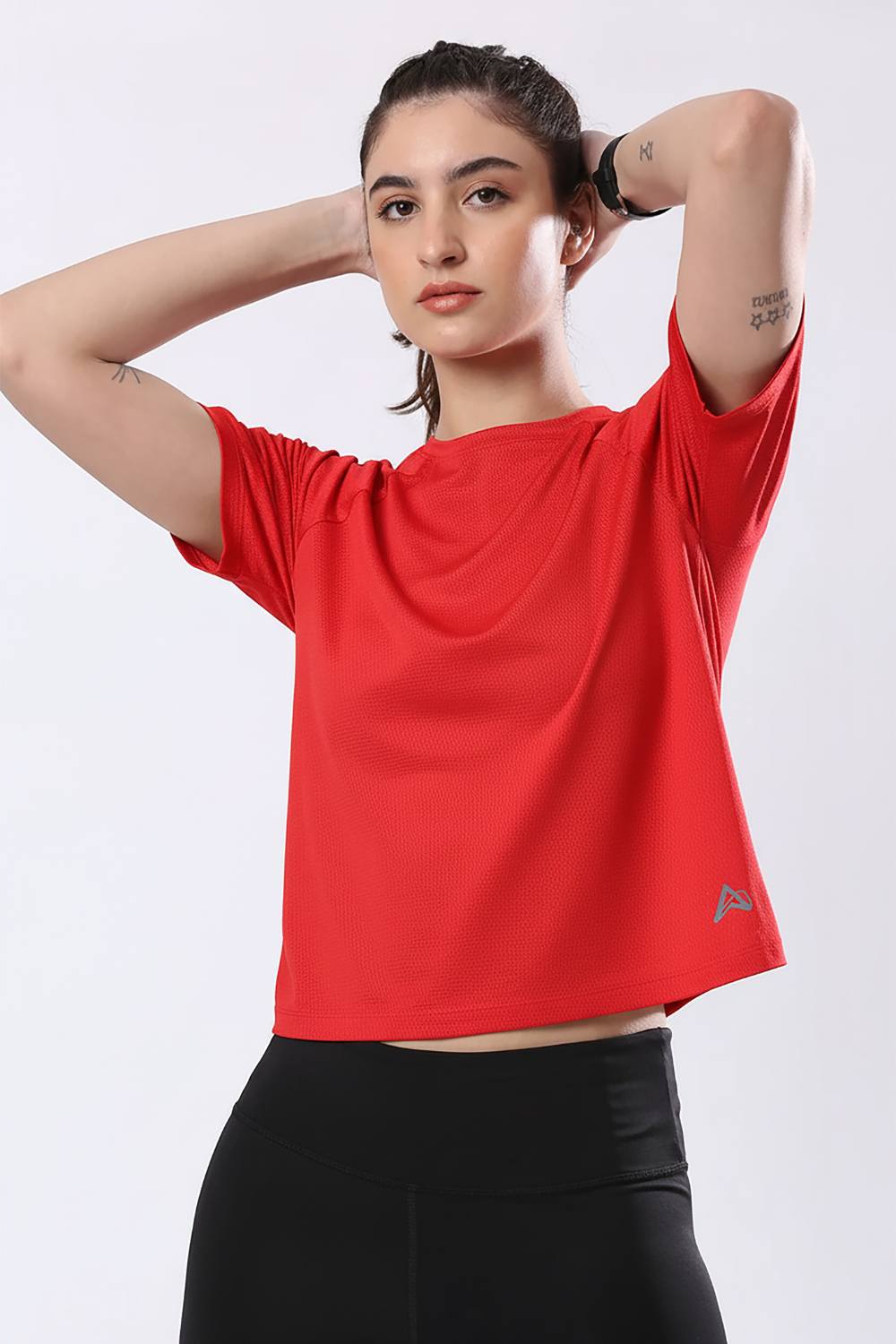
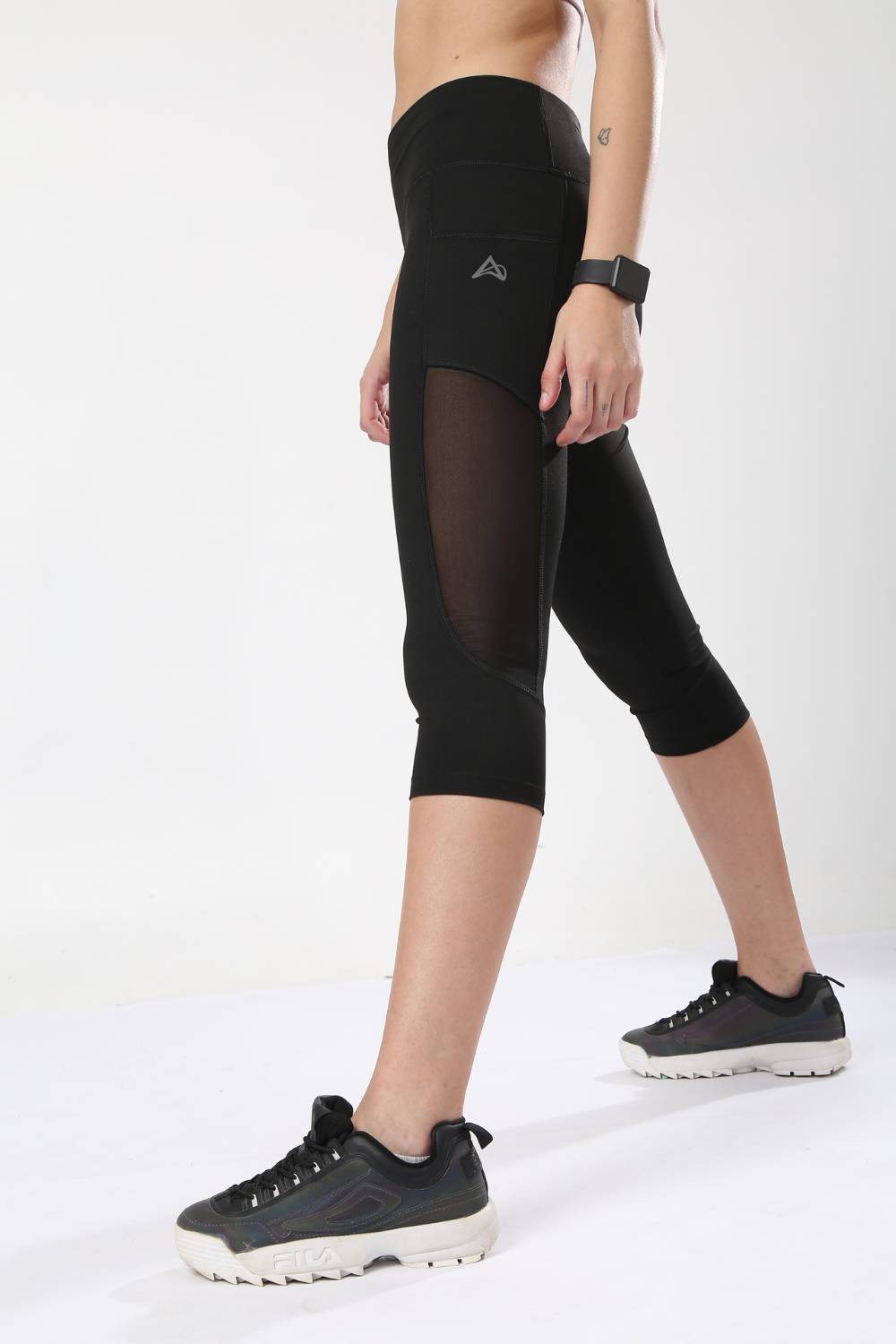
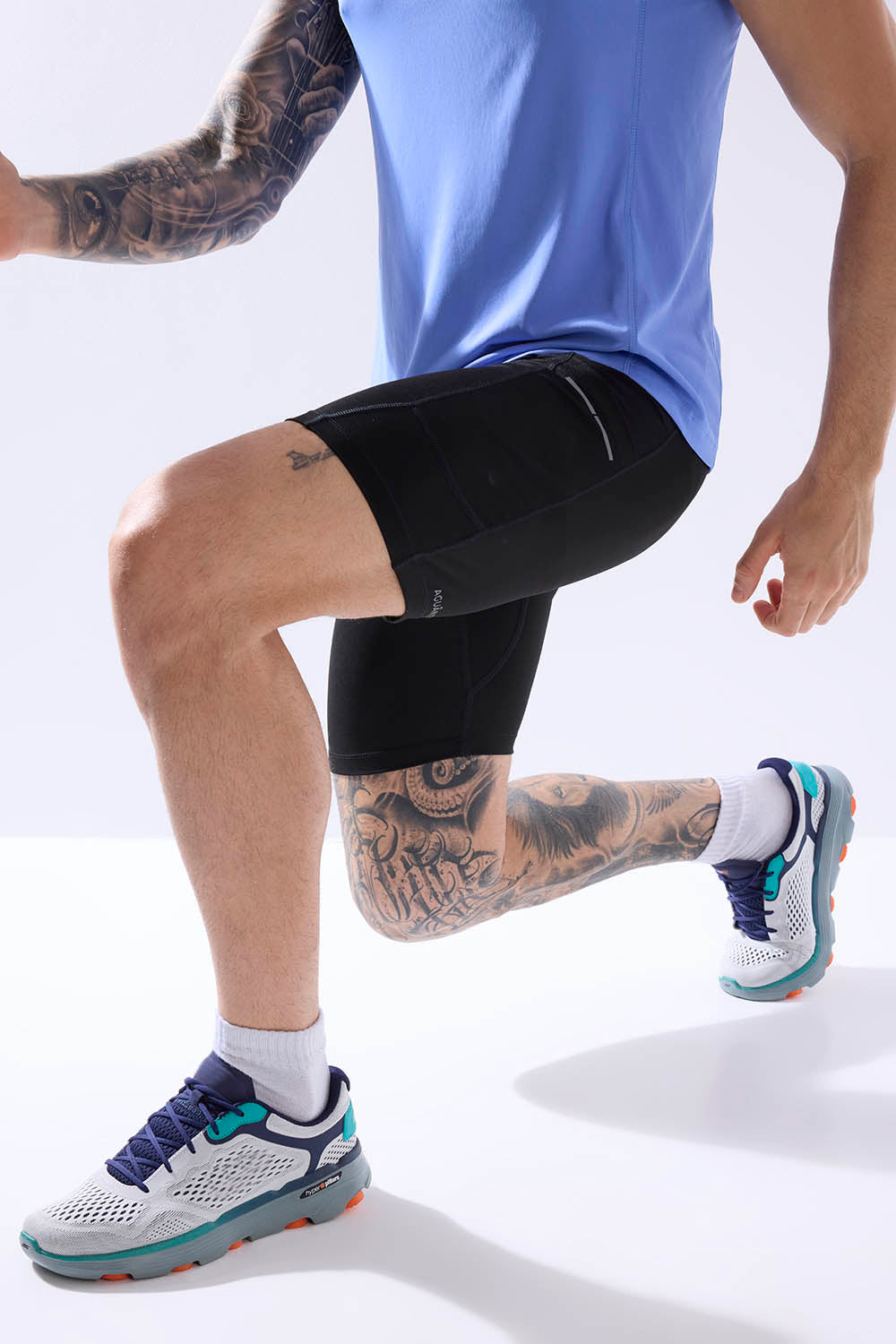
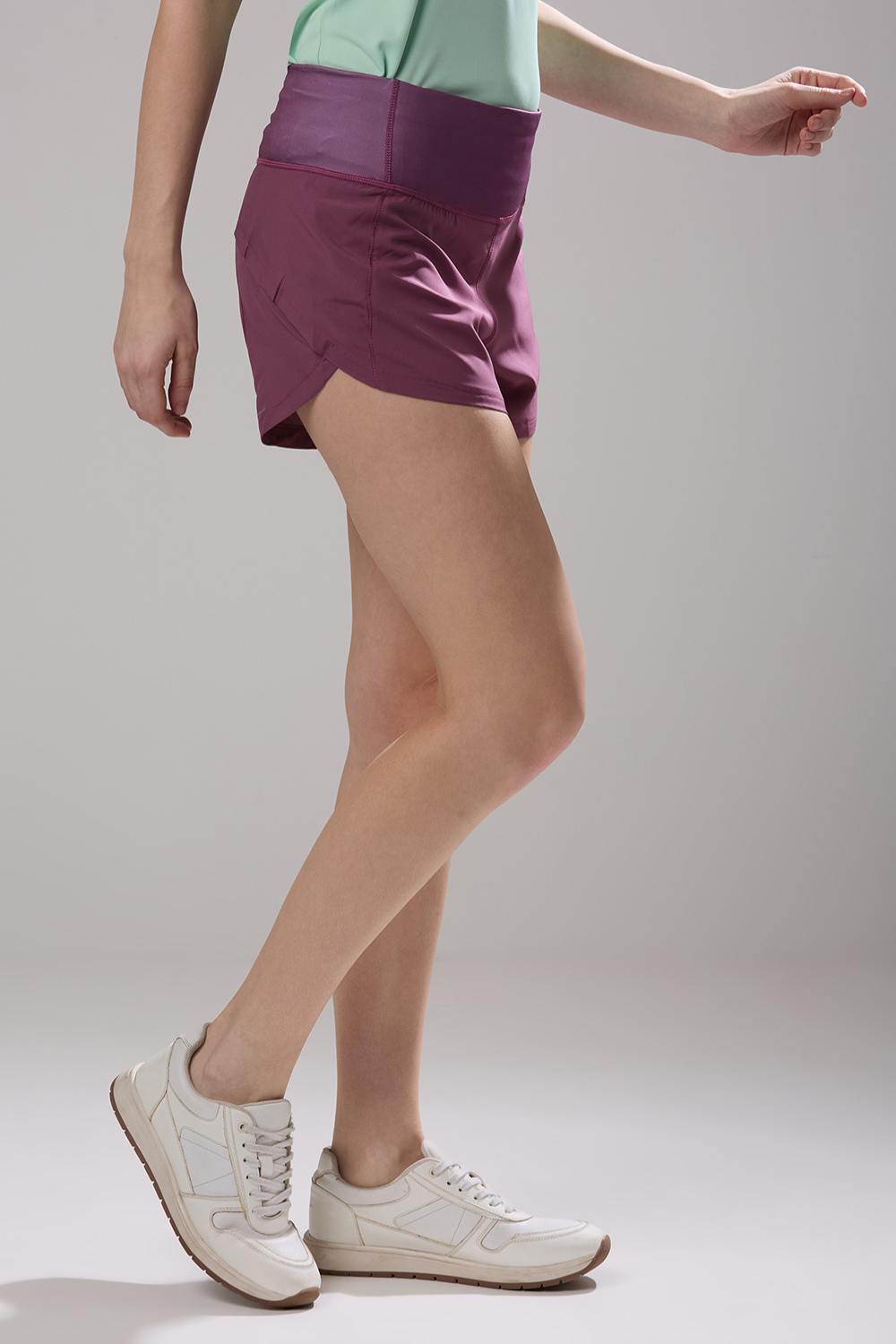
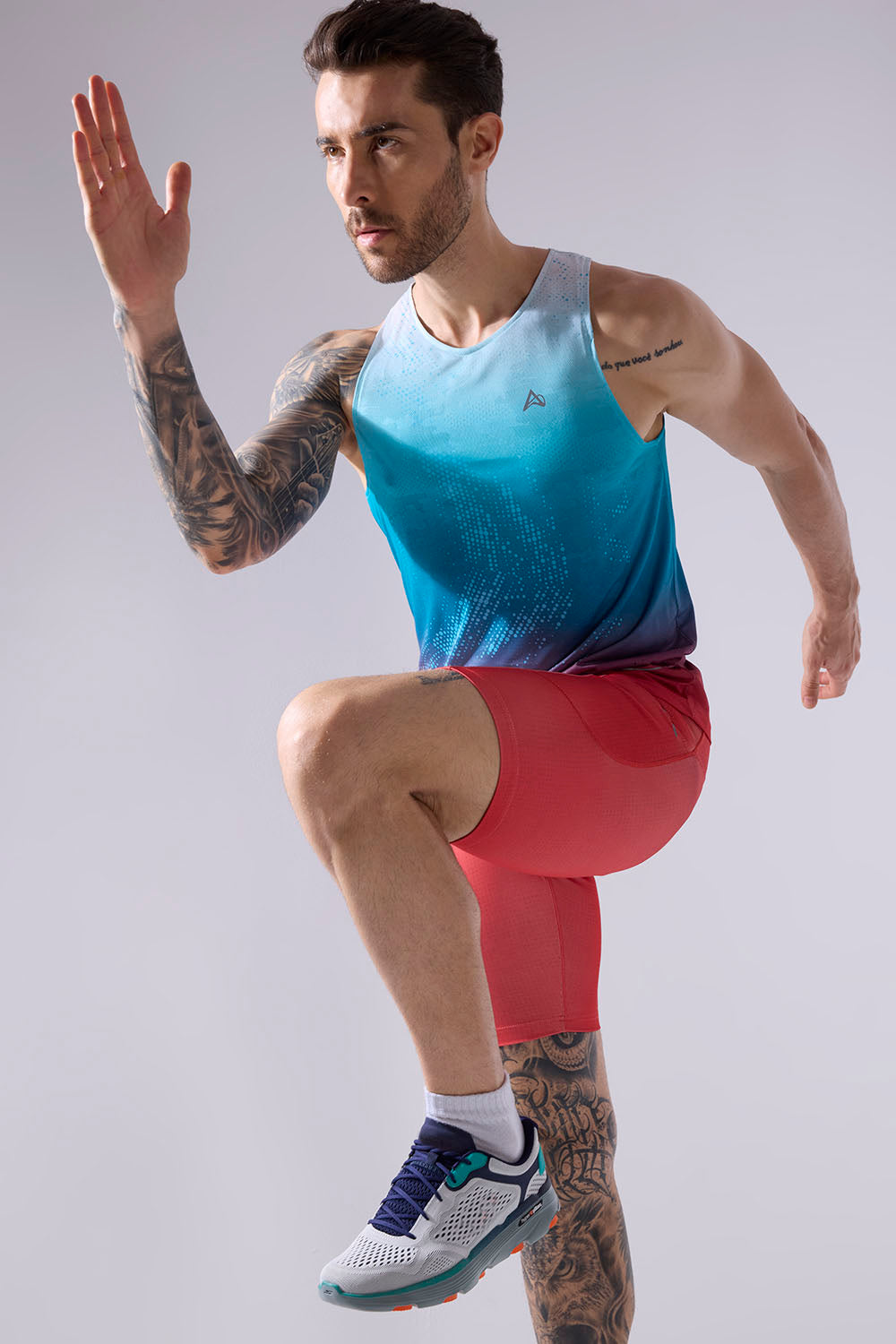
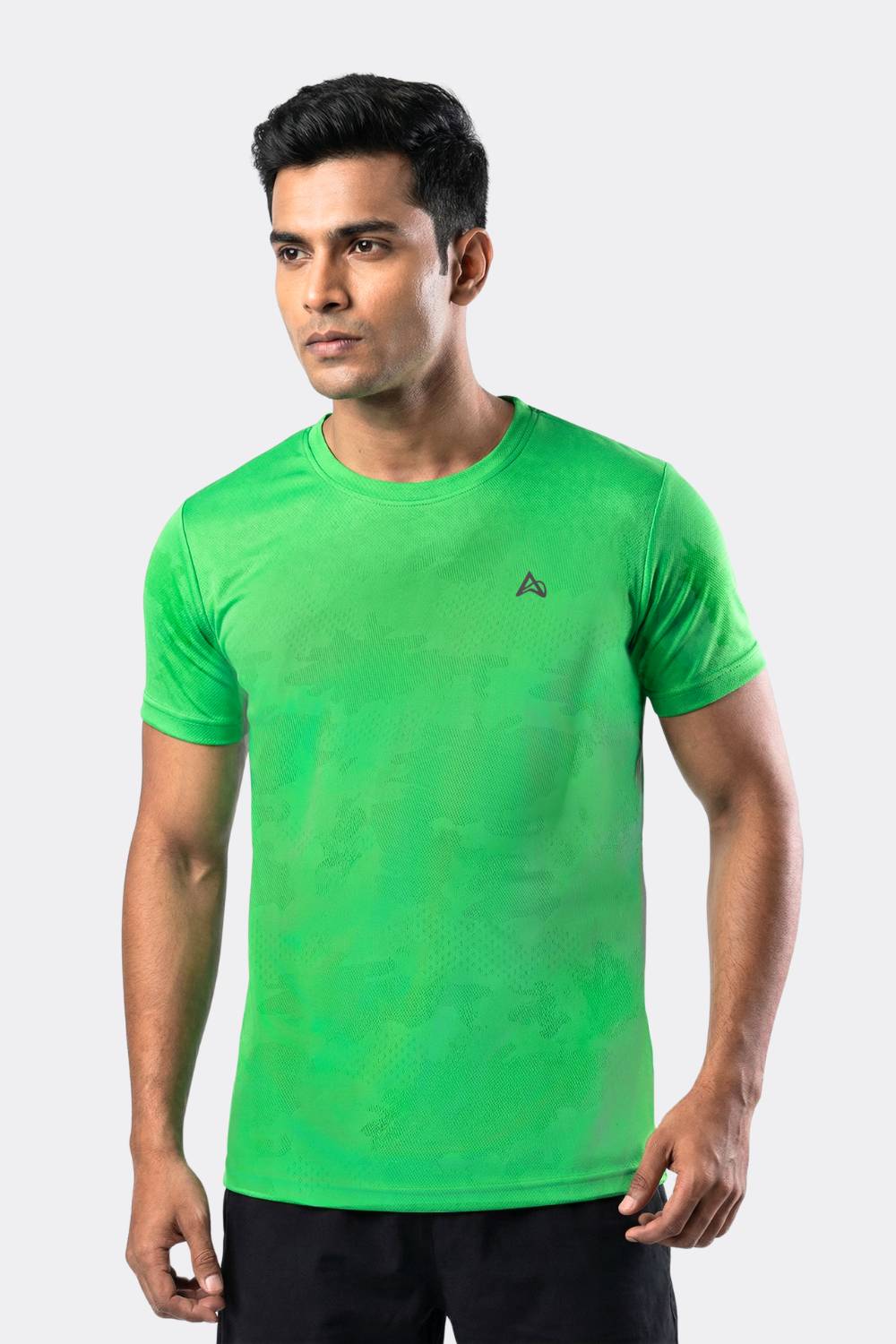
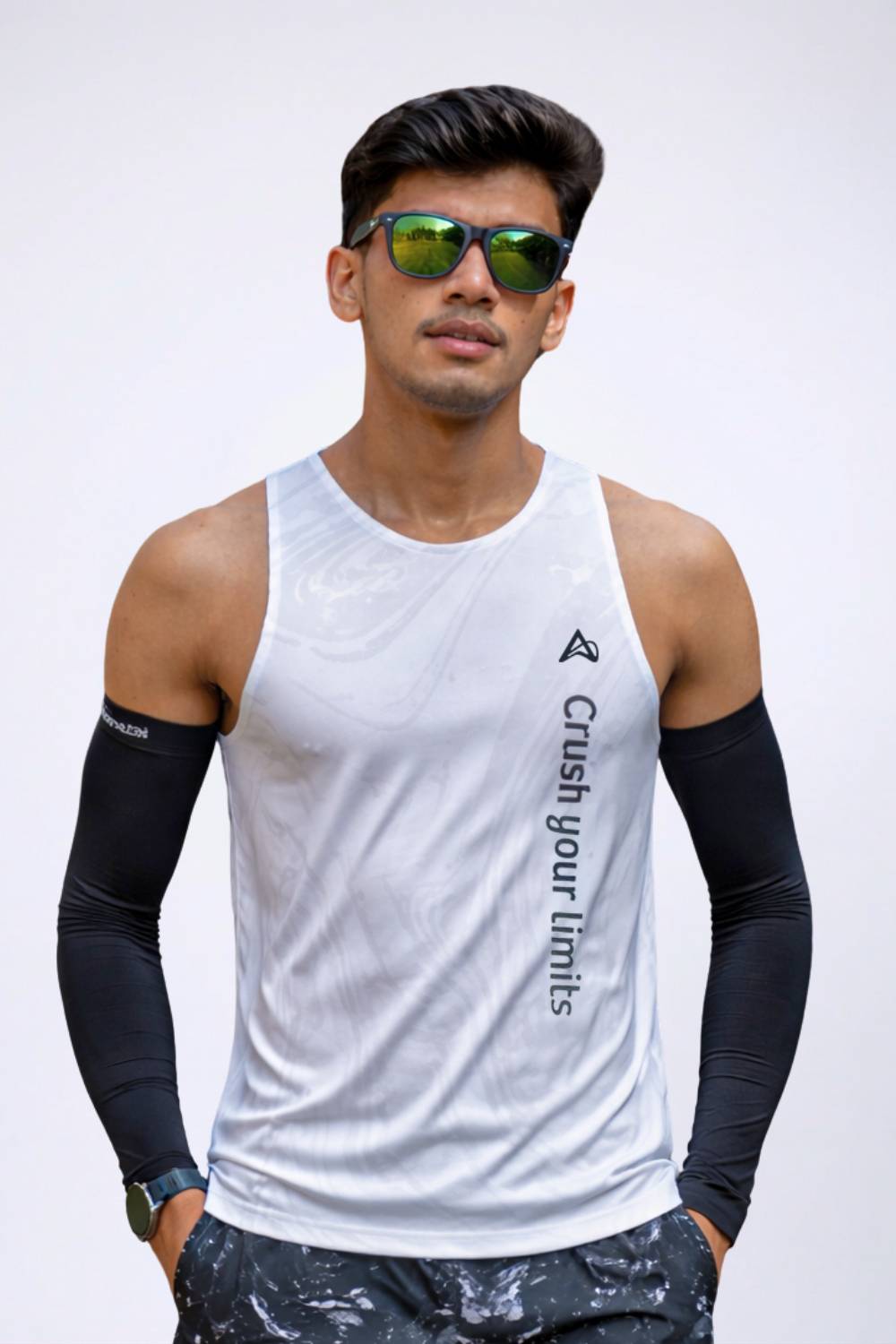
Tired of gear that slows you down? Chafing, soggy fabrics, and missing pockets kill your run's momentum. At Aguante, we're runners who get it. Our high-performance activewear features moisture-wicking fabrics, ergonomic designs, and smart storage to keep you focused. Shop Now!
The Emergence of Group Running Culture in Indian Cities
One of the most significant developments in India's urban fitness scene is the proliferation of running clubs. In cities like Bangalore and Hyderabad, local enthusiasts have established informal running groups that meet several times a week, providing structured support and community engagement for members. These clubs often organize early morning runs along city parks or designated running tracks, blending physical activity with social interaction. Such group activities have been shown to increase adherence to regular exercise, as the communal aspect fosters accountability and motivation.
Beyond the physical benefits, group running in India is cultivating a sense of belonging and purpose among participants. Urban runners in Delhi and Gurugram, for instance, frequently coordinate weekend runs that double as networking opportunities, community-building exercises, and even charity initiatives. These events are increasingly being leveraged to raise awareness for health causes, demonstrating how the running community is embedding itself into broader societal narratives. This social dimension transforms running from a solitary endeavor into a shared cultural phenomenon.
Adapting Urban Fitness Habits to Local Environments
Urban runners in Mumbai and Pune face unique challenges, including traffic congestion, pollution, and limited green spaces. To navigate these hurdles, many have embraced flexible running schedules and innovative routes, such as waterfront promenades, gated community paths, and early morning city streets. By modifying their routines to local conditions, runners are developing highly adaptable fitness habits that align with both personal goals and urban constraints. These adaptive strategies are also influencing how the broader urban population approaches wellness, promoting consistency and safety in outdoor exercise.
The rise of morning and evening running sessions has had a ripple effect on other aspects of urban lifestyle. For example, fitness-conscious residents in Navi Mumbai and Ahmedabad are increasingly incorporating stretching routines, wearable fitness technology, and performance apparel into their regimen. This evolution reflects a shift toward more holistic, self-directed wellness practices, emphasizing injury prevention, endurance building, and sustained engagement. Urban fitness habits are no longer limited to the gym; instead, they are being reimagined as an accessible, community-oriented activity.
Marathons, Races, and the Performance Apparel Connection
Marathons and organized races are now key touchpoints for India's running community. Events in Bangalore and Hyderabad attract thousands of participants, offering both competitive and non-competitive formats to accommodate varied skill levels. These races not only serve as milestones for runners but also create opportunities for urban populations to experience structured fitness challenges in a citywide context. The organization of such events has stimulated local awareness about endurance sports trends India, fostering a culture of preparation, training, and strategic participation.
The growing prominence of marathons and running events has directly influenced the performance apparel market. Indian runners are increasingly seeking high-quality, durable, and functional clothing designed to optimize performance while offering comfort across varying climates. Brands specializing in activewear are responding by integrating moisture-wicking fabrics, reflective materials for early morning or late evening runs, and ergonomic designs that support long-distance endurance. This trend underlines how community-driven fitness behaviors are shaping consumer demand for technical apparel that supports consistent running routines.
Popular Running Routes and Urban Accessibility
Local knowledge of safe, scenic, and accessible running routes is central to the success of urban fitness initiatives. In Delhi, stretches along the India Gate and Lodhi Garden provide runners with well-maintained paths that encourage regular participation, while Mumbai's Marine Drive and Bandra-Worli Sea Link areas offer picturesque settings conducive to endurance training. Similarly, Pune's Riverfront Development and Hyderabad's Necklace Road have become favorites for runners seeking a balance of convenience, safety, and aesthetic appeal. These urban routes serve not just as training grounds but also as catalysts for community engagement, with informal meetups and spontaneous group runs emerging organically.
Accessibility is equally important for inclusivity. Cities like Ahmedabad and Surat have witnessed grassroots efforts to map safe running routes, often led by local enthusiasts and supported by digital platforms. By highlighting the availability of accessible outdoor spaces, these initiatives lower entry barriers for novice runners, encouraging more people to participate in urban fitness activities. The result is a decentralized, community-driven approach to health and wellness that integrates seamlessly into the rhythm of city life.
Shifts in Consumer Behaviour and Motivation
Indian urban runners are exhibiting a marked shift in how they approach fitness. Rather than viewing running solely as a calorie-burning exercise, participants increasingly treat it as a holistic practice encompassing mental health, social connection, and personal achievement. The emphasis on group runs, community challenges, and structured programs reflects a growing preference for interactive and motivating environments over solitary workouts. Fitness enthusiasts in Gurugram and Delhi, for instance, often track progress through apps, share milestones on social media, and leverage peer recognition as an accountability tool.
Motivation is further amplified by a growing awareness of the health implications of sedentary lifestyles, particularly among corporate employees in Bangalore and Mumbai. By integrating running into daily routines, participants can manage stress, improve cardiovascular health, and foster mental resilience. This behavioural shift is encouraging brands, fitness providers, and urban planners to consider the broader ecosystem that supports regular physical activity, from route design to product development, highlighting a symbiotic relationship between community practices and market offerings.
Technology and Community-Led Fitness Initiatives
Technology has become a key enabler for India's urban running movement. Mobile apps and online platforms facilitate route tracking, performance analysis, and virtual challenges, allowing runners to connect across geographies and skill levels. In cities like Hyderabad and Pune, apps are often used to coordinate group runs, provide coaching tips, and gamify training experiences. These digital tools complement traditional community initiatives, ensuring runners remain engaged and motivated while gaining insights into personal progress.
Community-led initiatives, including social media groups, local newsletters, and organized weekend runs, further reinforce the cultural shift. In Navi Mumbai and Ahmedabad, residents are using these platforms to mentor beginners, plan themed runs, and promote inclusivity across age, gender, and experience levels. The integration of technology and social networking into fitness habits demonstrates how urban running in India is evolving into a self-sustaining ecosystem that blends physical activity, social interaction, and digital engagement.
Urban Running as a Cultural Phenomenon
India's growing running community is doing more than increasing individual fitness levels it is redefining urban health culture. Cities like Bangalore, Delhi, Mumbai, Pune, and Hyderabad are witnessing a convergence of social motivation, accessibility, and technological support that enables residents to integrate running into daily life. Group running, organized races, and local route initiatives are fostering a sense of community, shaping consumer expectations for performance apparel, and influencing broader urban fitness trends. As the movement continues to expand, it underscores the role of communal participation in cultivating enduring wellness habits, demonstrating that running in India is now a lifestyle, a social experience, and a marker of urban culture.
For runners seeking high-quality activewear to support their urban fitness journey, understanding these community dynamics offers valuable insights into how performance, comfort, and style intersect with evolving habits across Indian cities. The sustained growth of group running and community engagement suggests that urban fitness trends in India will continue to influence both consumer behavior and the local performance apparel market.
Frequently Asked Questions
How are running clubs and group fitness communities changing urban health culture in Indian cities?
Running clubs in cities like Bangalore, Delhi, Hyderabad, and Pune are transforming urban fitness by turning a solitary activity into a social experience. Members benefit from structured accountability, peer motivation, and community events such as charity runs and networking meetups. This communal approach has significantly improved adherence to regular exercise and is embedding running into broader urban lifestyles, making it both a wellness practice and a cultural movement.
What challenges do urban runners in India face, and how do they adapt their fitness routines?
Runners in cities like Mumbai and Pune navigate obstacles such as traffic congestion, air pollution, and limited green spaces by adopting flexible schedules and creative routes including waterfront promenades, gated community paths, and early morning city streets. Many also incorporate wearable fitness technology, performance apparel, and stretching routines to stay consistent and safe. These adaptive strategies reflect a shift toward holistic, self-directed wellness that extends well beyond the traditional gym setting.
How is the rise of marathons and organized races in India influencing the performance apparel market?
The growing popularity of marathons in cities like Bangalore and Hyderabad is directly driving demand for high-quality, technical running apparel. Indian runners are increasingly seeking activewear with moisture-wicking fabrics, reflective materials for low-light conditions, and ergonomic designs suited for long-distance endurance. This consumer shift highlights how community-driven fitness behaviors are shaping the broader activewear market, pushing brands to develop products that align with the specific needs of urban Indian runners.
Disclaimer: The above helpful resources content contains personal opinions and experiences. The information provided is for general knowledge and does not constitute professional advice.
You may also be interested in: Urban fitness trends drive demand for breathable, lightweight running
Tired of gear that slows you down? Chafing, soggy fabrics, and missing pockets kill your run's momentum. At Aguante, we're runners who get it. Our high-performance activewear features moisture-wicking fabrics, ergonomic designs, and smart storage to keep you focused. Shop Now!
Powered by flareAI.co