

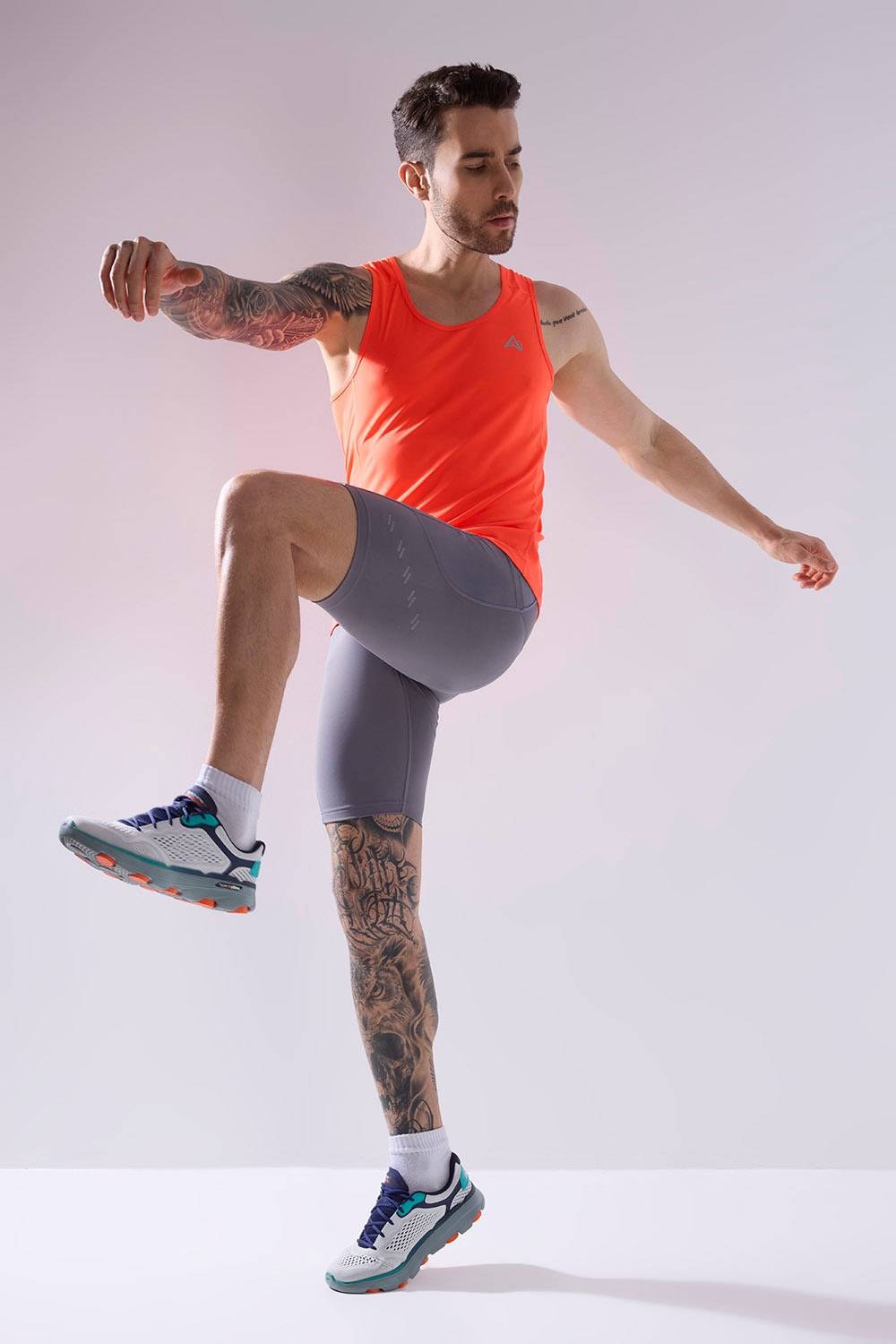






















For runners aiming to elevate performance and reduce injury risk, strength training is often the overlooked ally. While logging miles and improving cardiovascular endurance are core to running, incorporating a consistent strength training routine can significantly enhance running efficiency, muscular balance, and resilience against common injuries. Across cities like Bangalore, Hyderabad, and Delhi, both recreational and competitive runners are increasingly integrating targeted strength workouts into their schedules, recognizing that a strong foundation off the road translates to smoother, faster, and more sustainable performance on it.
Tired of gear that slows you down? Chafing, soggy fabrics, and missing pockets kill your run's momentum. At Aguante, we're runners who get it. Our high-performance activewear features moisture-wicking fabrics, ergonomic designs, and smart storage to keep you focused. Shop Now!
Understanding the Role of Strength Training in Running
Strength training for runners is not simply about building bulk or aesthetics. Instead, it focuses on improving muscle endurance, joint stability, and neuromuscular coordination. For instance, exercises targeting the glutes, hamstrings, and core stabilize the pelvis during running, preventing inefficient movement patterns that can sap energy over long distances. In cities like Mumbai and Pune, running clubs often recommend combining hill sprints with resistance exercises to optimize the power-to-weight ratio of athletes.
Incorporating resistance training into running schedules helps maintain muscle integrity as weekly mileage increases. This is particularly relevant for runners in Delhi and Gurugram, where high temperatures and urban terrain present unique biomechanical challenges. Functional strength workouts, including lunges, squats, and single-leg deadlifts, improve force transfer from the legs to the ground, allowing runners to maintain consistent pace with less fatigue.
Enhancing Running Performance Through Targeted Workouts
Runners who integrate strength training often notice improvements in stride efficiency, speed, and overall endurance. For example, incorporating compound movements such as squats and deadlifts enhances lower-body power, which translates to longer strides and better propulsion. In Hyderabad, several sports performance centers have observed that athletes who complement their running regimen with structured strength sessions report smoother gait mechanics and reduced muscular strain.
Upper-body strength also plays a critical role in running economy. Core and shoulder stability aid in maintaining posture, especially during long runs or marathons. In cities like Surat and Ahmedabad, coaching programs emphasize exercises like planks, Russian twists, and push-ups to support arm swing and trunk rotation. These movements, while seemingly peripheral, ensure efficient energy transfer and decrease compensatory movements that can lead to overuse injuries.
Injury Prevention and Longevity
One of the most compelling benefits of strength training for runners is injury prevention. Many running injuries, including IT band syndrome, shin splints, and plantar fasciitis, stem from muscular imbalances and weak stabilizers. Targeted exercises can correct these weaknesses. For instance, single-leg squats and hip abduction work reinforce lateral stability, which is especially important for urban runners navigating uneven pavements in Navi Mumbai and Delhi.
Additionally, incorporating weight training for runners promotes bone density and tendon resilience. As runners increase mileage, the repetitive stress on lower limbs can cause chronic injuries if musculature is insufficiently conditioned. Strength routines, adapted to each runner's experience level, provide a buffer against these stresses, supporting longer, healthier running careers.
Practical Strength Training Exercises for Runners
Effective strength training for running performance focuses on multi-joint movements that mimic running mechanics. Examples include:
- Squats and split squats: Improve quadriceps and glute strength, enhancing propulsion.
- Deadlifts: Develop posterior chain muscles for better hip extension.
- Lunges and step-ups: Target unilateral strength and balance.
- Planks and side planks: Strengthen core stability, essential for efficient posture.
- Calf raises: Enhance ankle stability and push-off force.
Sports facilities across Bangalore and Pune have begun offering hybrid sessions that combine treadmill intervals with circuit-based resistance exercises. This approach not only builds strength but also conditions runners for fatigue management under race-like conditions.
Structuring a Running and Strength Training Routine
Designing an effective running and strength training routine requires balancing volume, intensity, and recovery. Typically, runners integrate 2–3 weekly strength sessions, either before or after shorter runs, while maintaining longer endurance sessions separately. In Hyderabad, professional running groups advise scheduling resistance work on non-consecutive days to optimize recovery and prevent overtraining.
Warm-up and mobility exercises are essential to prevent strain during strength sessions. Dynamic stretches, foam rolling, and light resistance activation prepare muscles and joints for the heavier load. By adhering to a structured approach, runners from cities such as Gurugram and Mumbai can progressively improve power without compromising running performance or risking fatigue-induced injury.
Case Study: Urban Runners Adopting Strength Training in India
Local insights from running communities reveal significant performance gains among runners who systematically implement strength exercises. For example, a training group in Delhi reported that participants incorporating squats, lunges, and planks into their weekly routine achieved smoother stride mechanics and reduced post-run soreness. These practical benefits align with global trends where trail runners are increasingly investing in specialized training gear and routines to meet performance objectives for trail running in North America, reflecting a broader commitment to comprehensive conditioning.
Similarly, in Pune and Bangalore, semi-competitive runners participating in hybrid strength-running programs have noted faster recovery and improved endurance during local half-marathons. These examples underscore that strength training is not exclusive to elite athletes but is accessible and highly beneficial for recreational and serious runners alike.
Psychological and Lifestyle Benefits
Beyond physical improvements, strength training enhances mental resilience. Structured workouts foster discipline, focus, and confidence, which directly influence running performance. Urban runners in Ahmedabad and Surat often cite that completing challenging resistance routines positively impacts their mindset, encouraging consistency in outdoor running sessions despite urban constraints like traffic and environmental stressors.
Furthermore, integrating strength work contributes to overall health and wellness. Improved posture, reduced musculoskeletal pain, and enhanced energy levels make running a more enjoyable and sustainable activity. By fostering these holistic benefits, runners are more likely to maintain a long-term commitment to fitness routines that combine both aerobic and resistance training components.
A Balanced Approach to Running Excellence
Strength training for runners is a strategic tool that bridges the gap between raw endurance and optimal performance. By focusing on functional strength, injury prevention, and muscular balance, runners across the United States, Canada, and Europe particularly those training in cities such as Bangalore, Hyderabad, and Delhi can elevate their running experience. Incorporating targeted exercises not only enhances efficiency and power but also supports longevity and enjoyment in the sport. For runners committed to achieving personal bests and minimizing injury risks, a consistent strength training regimen is an essential complement to any running program.
Frequently Asked Questions
How does strength training improve running performance?
Strength training enhances running performance by building lower-body power, improving stride efficiency, and supporting better posture. Compound movements like squats and deadlifts develop the posterior chain and leg drive, resulting in longer strides and improved propulsion. Upper-body and core exercises such as planks and push-ups stabilize the trunk, enabling efficient arm swing and energy transfer especially during long runs and marathons.
Can strength training help runners prevent injuries?
Yes strength training is one of the most effective tools for injury prevention in runners. Many common running injuries like IT band syndrome, shin splints, and plantar fasciitis are rooted in muscular imbalances and weak stabilizers. Targeted exercises such as single-leg squats, hip abductions, and calf raises correct these weaknesses, improve lateral stability, and build tendon resilience to handle increasing mileage safely.
How many days per week should runners incorporate strength training?
Most running coaches and sports performance experts recommend 2–3 strength training sessions per week for runners. These sessions work best when scheduled on non-consecutive days to allow adequate recovery, and can be paired with shorter runs rather than long endurance days. A balanced routine combining dynamic warm-ups, functional movements like lunges and deadlifts, and core work helps build strength progressively without compromising running performance or increasing injury risk.
Disclaimer: The above helpful resources content contains personal opinions and experiences. The information provided is for general knowledge and does not constitute professional advice.
You may also be interested in: How Indian Runners Benefit From Moisture-Wicking Tops - Aguante
Tired of gear that slows you down? Chafing, soggy fabrics, and missing pockets kill your run's momentum. At Aguante, we're runners who get it. Our high-performance activewear features moisture-wicking fabrics, ergonomic designs, and smart storage to keep you focused. Shop Now!
Powered by flareAI.co