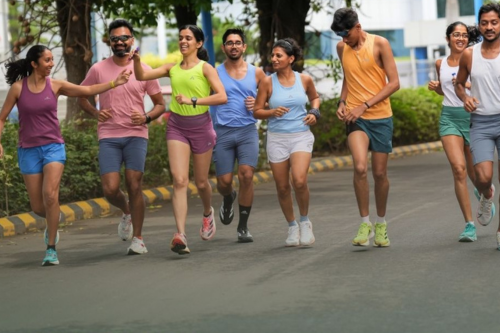
















Balancing marathon training with demanding professional schedules has become one of the most common fitness challenges for urban runners across global business hubs. Whether in Bangalore, Mumbai, Delhi, or international cities in North America and Europe, working professionals are increasingly seeking structured yet flexible training approaches that align with long working hours, hybrid work models, and high-stress routines. The modern marathon runner is no longer a full-time athlete they are executives, engineers, consultants, healthcare workers, and entrepreneurs trying to integrate endurance training into tightly packed calendars. This shift has also influenced the demand for performance-driven activewear designed to support comfort, recovery, and efficiency during time-constrained training cycles, a trend reflected in the broader expansion of the performance apparel ecosystem.
Tired of gear that slows you down? Chafing, soggy fabrics, and missing pockets kill your run's momentum. At Aguante, we're runners who get it. Our high-performance activewear features moisture-wicking fabrics, ergonomic designs, and smart storage to keep you focused. Shop Now!
Understanding the Modern Professional Runner's Challenge
In cities such as Mumbai, Gurugram, and Hyderabad, professionals often begin their workdays before sunrise and continue well into the evening, leaving limited room for structured marathon preparation. Unlike traditional athletic training schedules, modern runners must navigate unpredictable meetings, travel commitments, and mental fatigue. This creates a unique challenge: maintaining consistency without burnout.
At the same time, lifestyle shifts toward fitness-oriented routines are reshaping apparel expectations. The global activewear market outlook reflects how consumers are increasingly prioritizing performance clothing that supports movement, recovery, and long-duration comfort. For marathon aspirants, this translates into apparel choices that reduce friction, improve breathability, and enable seamless transitions between office hours and training sessions.
In Indian business hubs such as Pune and Ahmedabad, running communities have grown around early morning and late evening sessions precisely because professionals are adapting training to work constraints. The key challenge remains consistency less about intensity and more about integrating running into everyday routines without disrupting professional performance.
Designing a Realistic Marathon Training Plan for Busy Schedules
A successful marathon plan for working professionals is not built on volume alone but on strategic time allocation. Instead of six or seven training days per week, most sustainable programs for busy individuals rely on three to five structured sessions. These typically include one long run, one speed or interval session, and one or two recovery runs.
In Bangalore's tech corridors and Delhi's corporate districts, runners are increasingly adopting “split training windows,” where shorter runs are completed in the early morning and strength or mobility sessions are scheduled in the evening. This approach helps maintain training load without compromising work responsibilities. For example, a professional in Navi Mumbai might complete a 6 km tempo run before commuting, while reserving weekends for longer endurance sessions along coastal or park routes.
The growing emphasis on structured yet flexible training aligns with broader fitness participation trends globally. In markets like Canada and Europe, recreational running is increasingly viewed as part of lifestyle management rather than competitive sport alone. This reinforces the importance of adaptable marathon plans that fit into unpredictable work patterns while still building endurance progressively.
Time-Efficient Training Frameworks That Actually Work
Efficiency is the cornerstone of marathon training for professionals. Instead of focusing solely on distance accumulation, runners benefit more from structured intensity distribution. A typical week may include interval training for speed development, a steady-paced mid-distance run, and a long endurance run that gradually builds stamina.
In Hyderabad and Surat, many runners use treadmill-based interval sessions during weekdays when outdoor conditions or time constraints make road running difficult. This allows for precise control over pace and heart rate without requiring extended time blocks. Meanwhile, weekend long runs in cities like Pune or Gurugram often take place in parks, lakeside routes, or gated community circuits that provide uninterrupted running space.
These strategies are increasingly supported by the expanding performance apparel ecosystem, where innovation in lightweight fabrics and moisture control has become essential for high-frequency training. The activewear industry evolution highlights how demand is being driven by individuals who blend fitness into everyday life rather than treating it as a separate activity. For marathon trainees, this means gear must function across multiple environments from office commutes to long training runs.
Recovery, Injury Prevention, and Sustainable Progress
One of the most overlooked aspects of marathon training among professionals is recovery. High stress levels, limited sleep, and sedentary work environments increase the risk of injury if training load is not carefully managed. Cities like Delhi and Mumbai, where pollution levels and humidity can also impact outdoor running conditions, further complicate recovery cycles.
In response, many runners are incorporating structured rest days, mobility routines, and low-impact cross-training such as cycling or swimming. Stretching sessions after office hours in Gurugram corporate parks or yoga-based recovery routines in Bangalore studios are becoming common additions to training plans. These practices help maintain muscular balance and reduce overuse injuries that often derail marathon preparation.
Nutrition also plays a critical role. Professionals with limited time often rely on simplified dietary strategies balanced macronutrient intake, hydration planning, and pre-run fueling routines that can be executed without complex preparation. The goal is consistency rather than perfection, ensuring the body remains resilient throughout the training cycle.
The Role of Performance Apparel in Modern Marathon Training
Performance apparel is no longer just about aesthetics; it directly influences training efficiency and comfort. In fast-paced urban environments, runners need clothing that adapts to temperature shifts, reduces chafing, and supports extended movement. This is particularly relevant in tropical cities like Mumbai and Chennai, where humidity levels can significantly impact endurance performance.
The expansion of the Indian performance apparel segment reflects this growing demand. The India activewear market growth demonstrates how fitness-oriented consumers are driving demand for multifunctional clothing that supports both athletic and everyday use. This aligns closely with the needs of marathon trainees who transition between office environments and training routes within the same day.
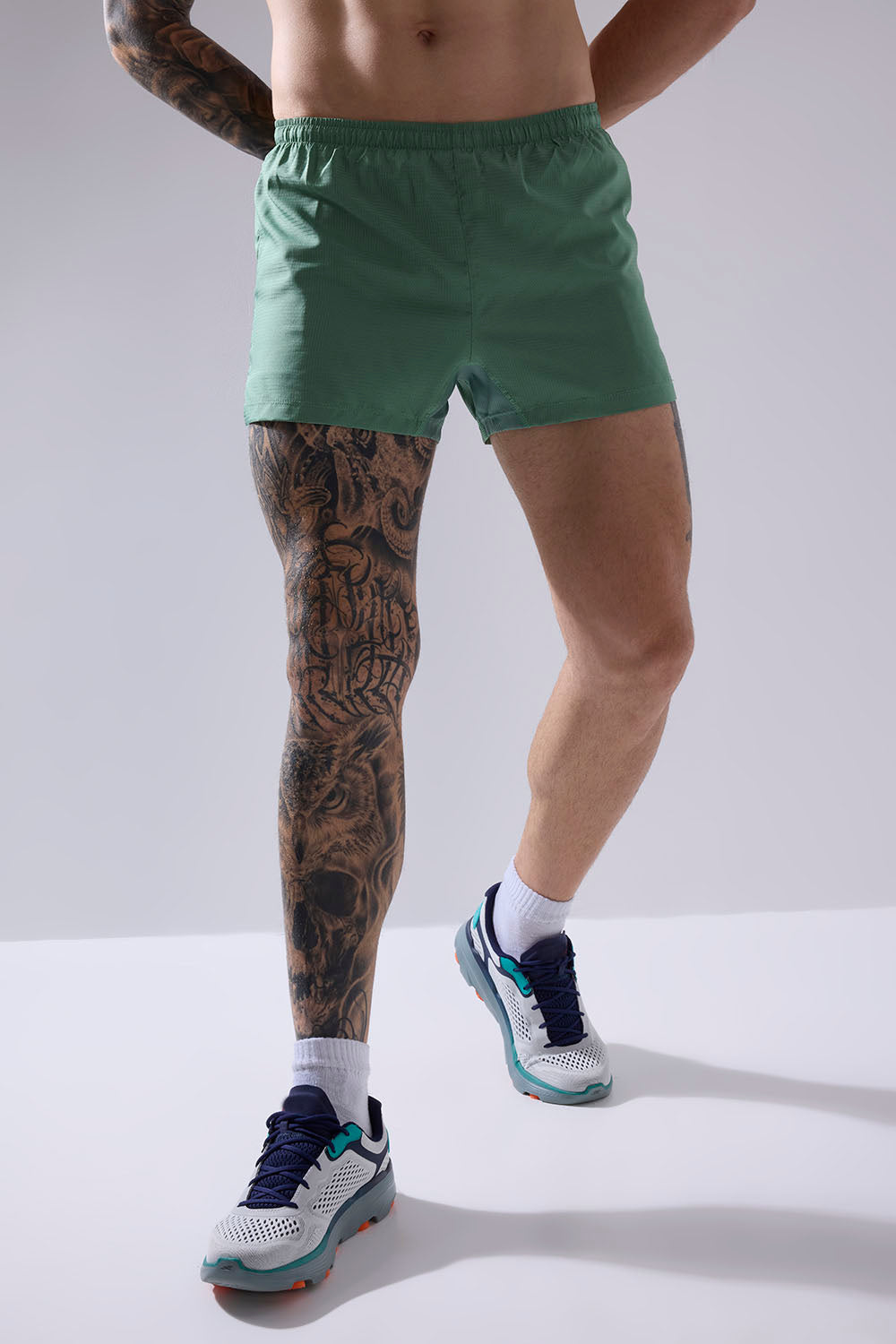
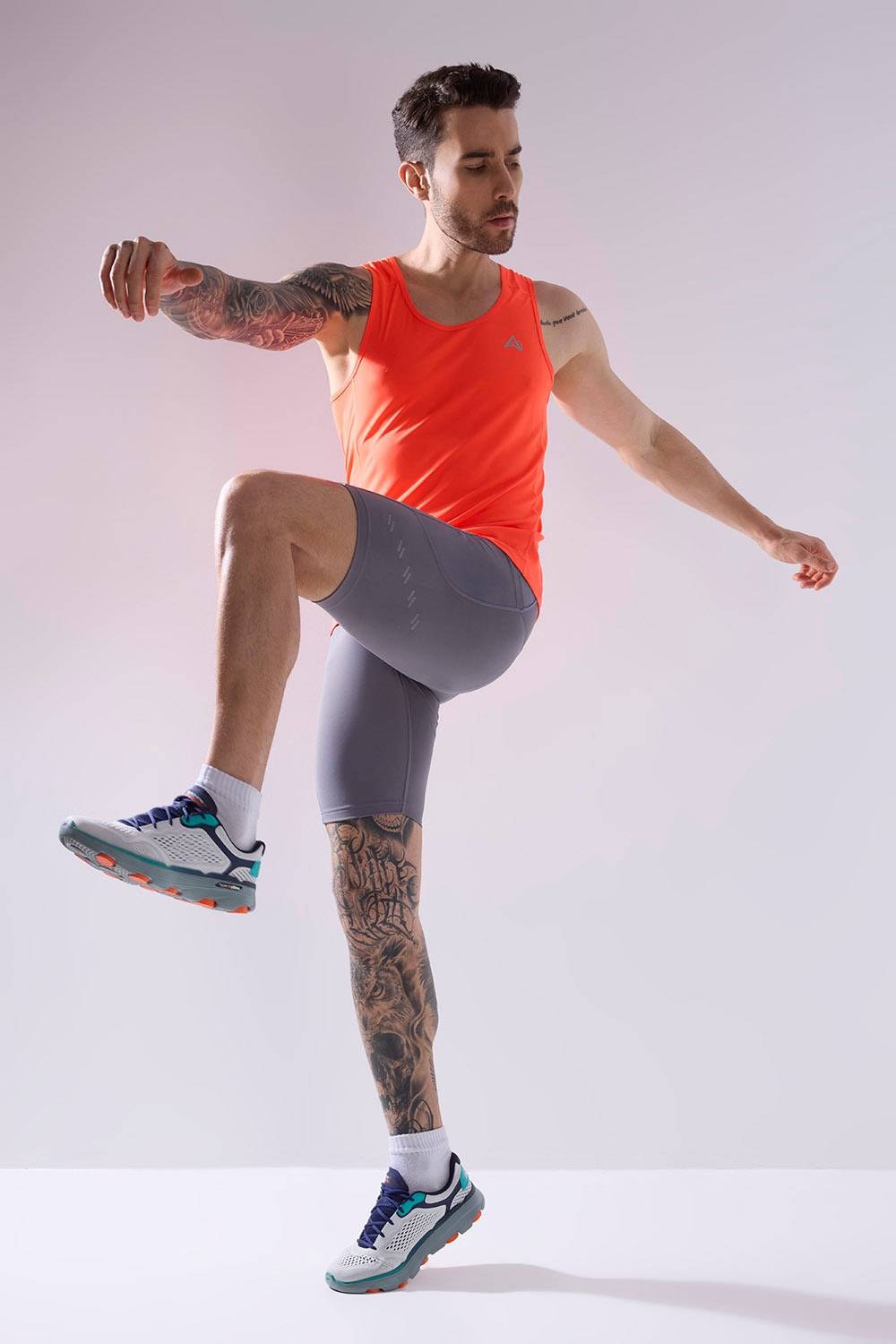
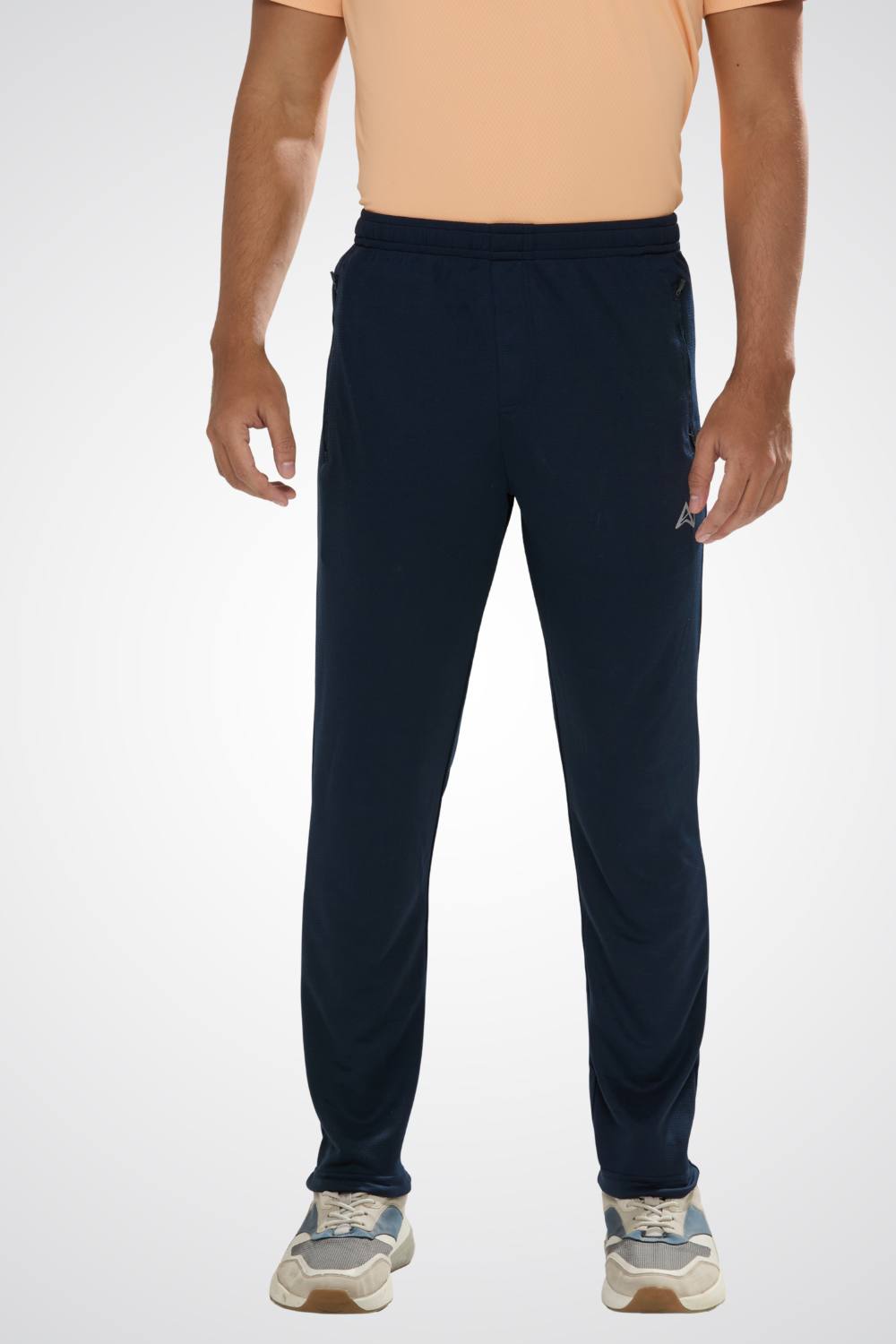
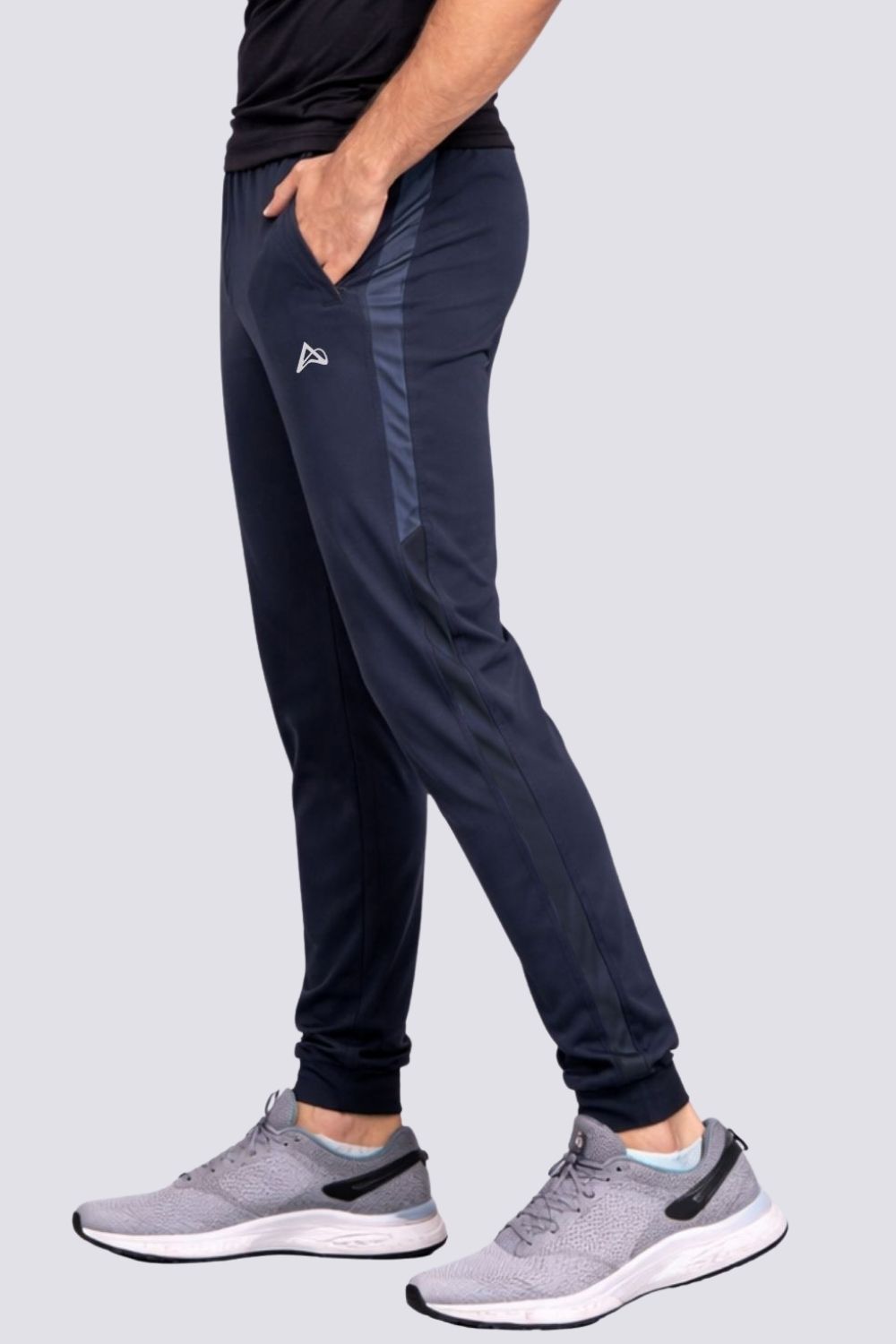
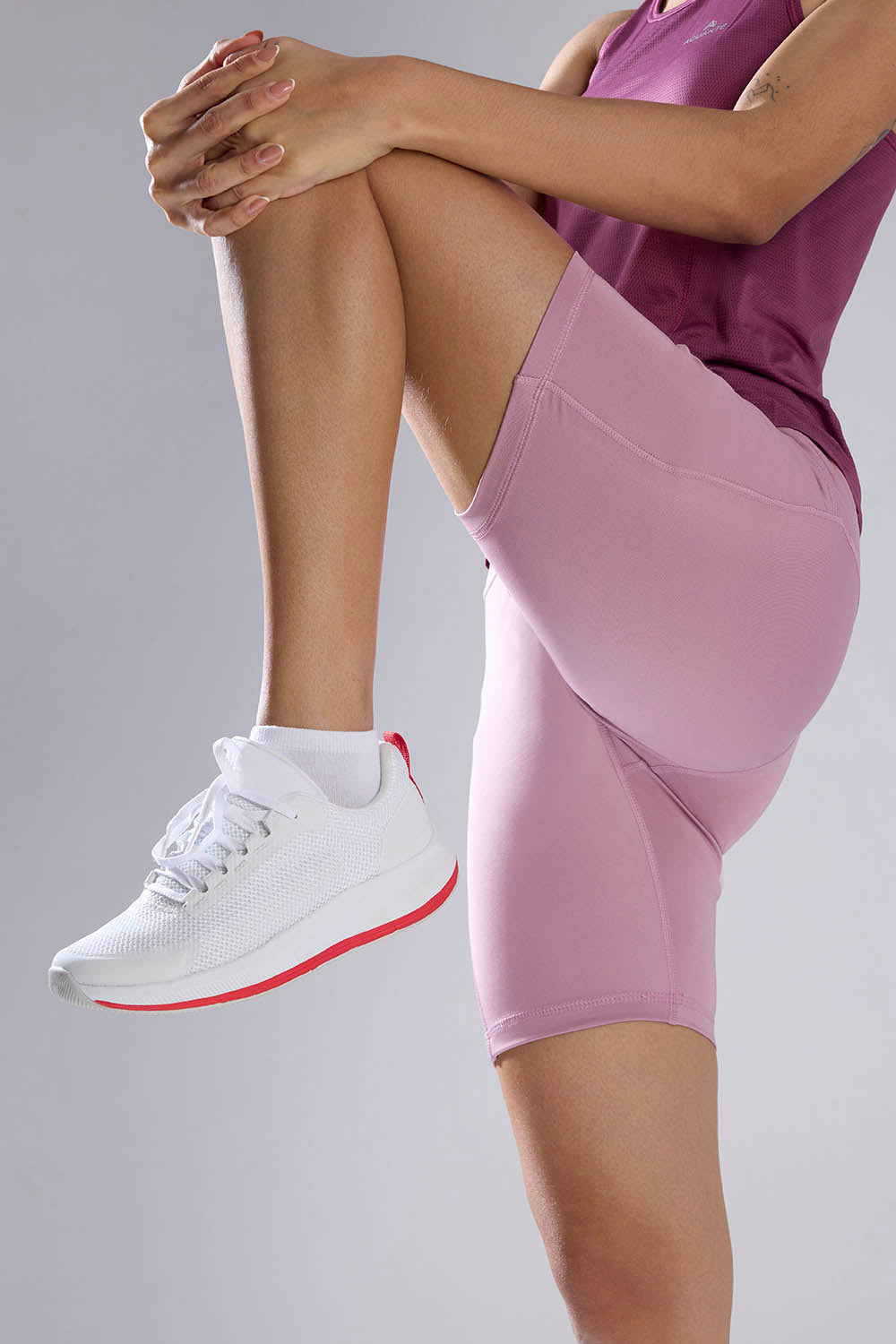
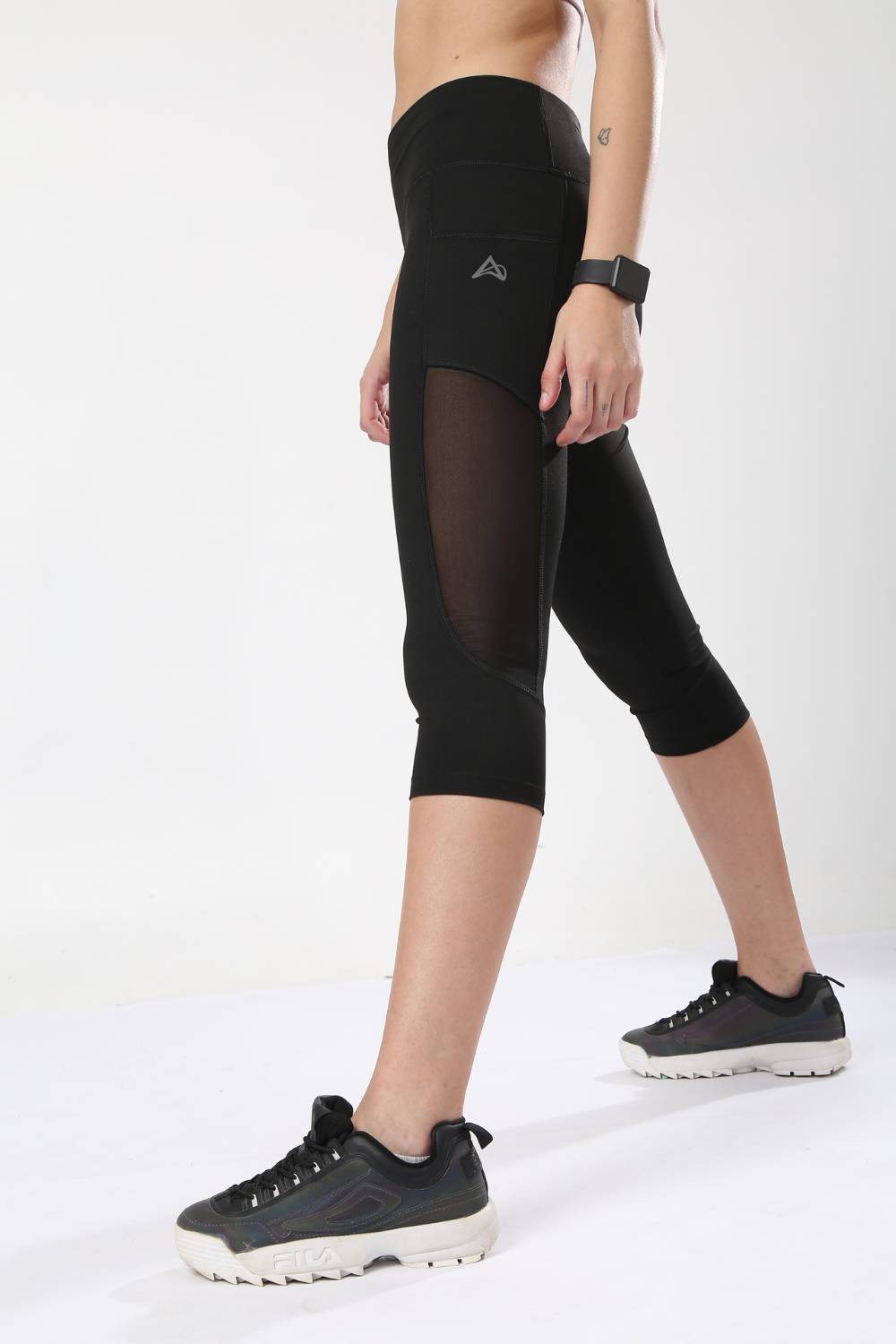
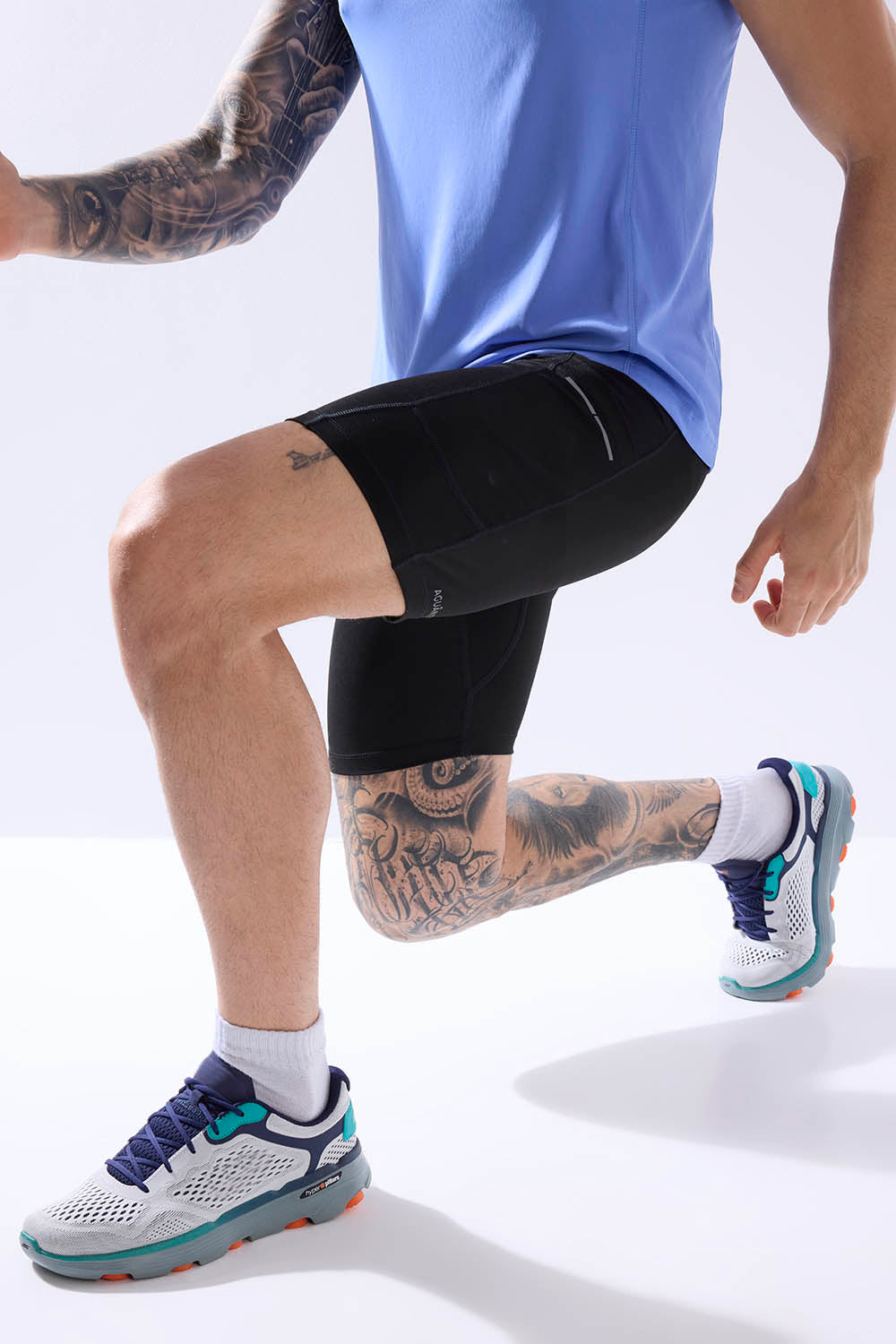
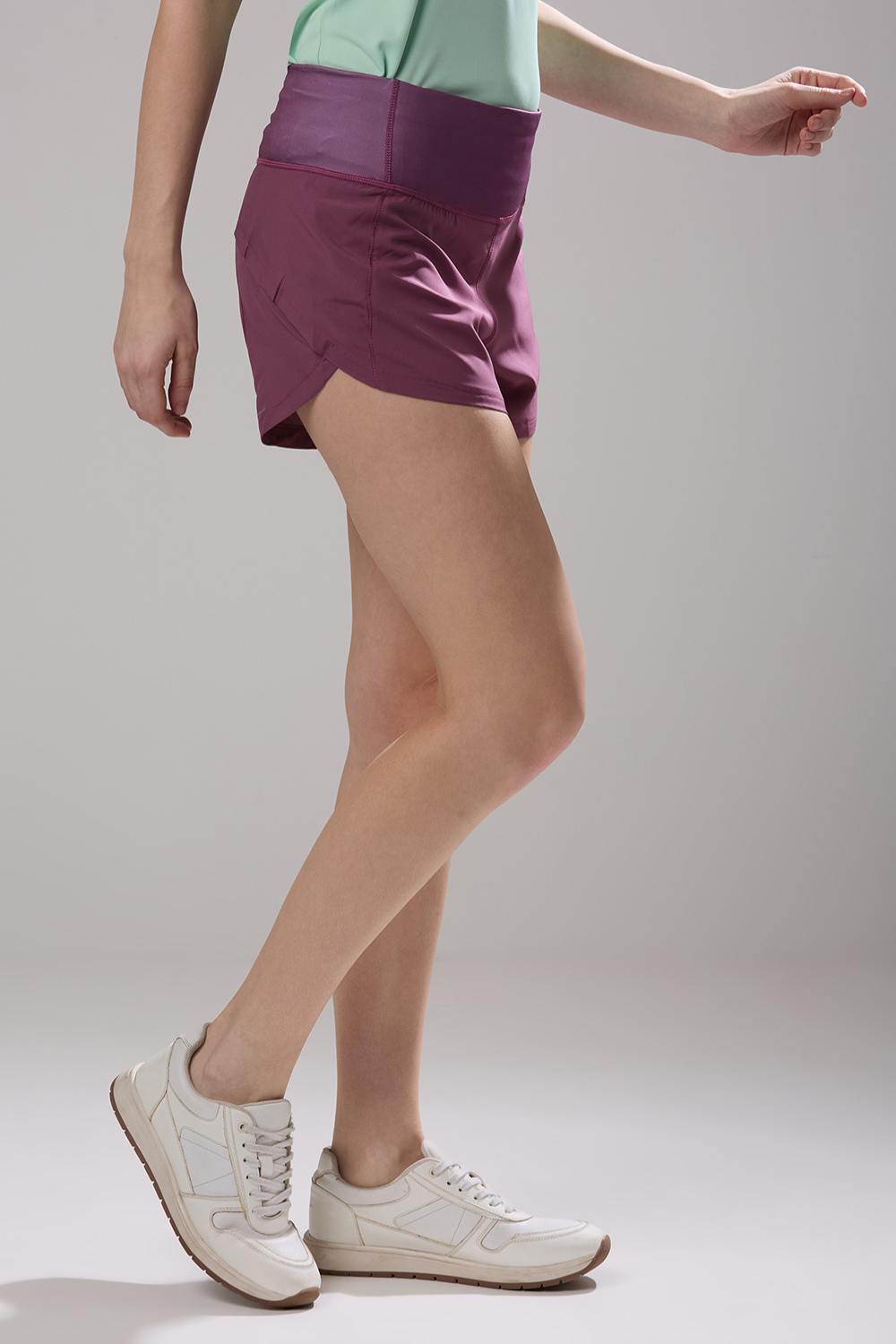
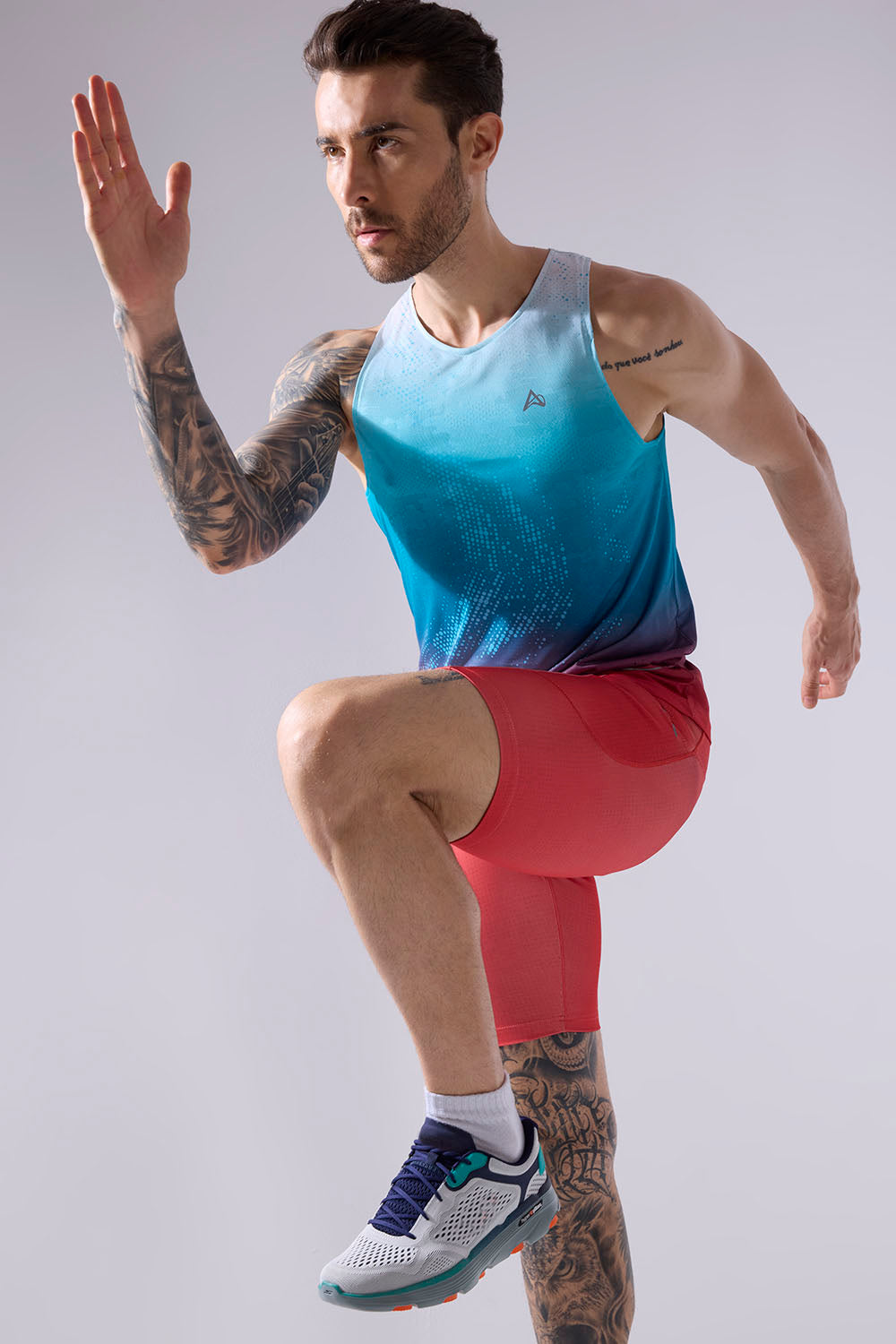
Brands such as Aguante operate within this evolving landscape by focusing on technical apparel designed for high-performance running. Lightweight materials, ergonomic design, and moisture management systems are increasingly becoming essential features for runners managing tight schedules. For professionals training for marathons, apparel becomes part of the training strategy itself supporting recovery, reducing fatigue, and improving overall efficiency.
Integrating Training Into a Sustainable Lifestyle
The most successful marathon training plans for busy professionals are not rigid programs but adaptable systems. They evolve with work demands, travel schedules, and personal energy levels. In cities like Ahmedabad, Mumbai, and Bangalore, runners are increasingly viewing marathon preparation as a long-term lifestyle integration rather than a short-term athletic goal.
This shift is also visible in global urban centers where hybrid work has redefined daily movement patterns. Running is no longer confined to stadiums or competitive events; it has become a structured form of personal discipline that fits into early mornings, lunch breaks, or evening wind-down routines. The key is consistency built on flexibility rather than strict adherence to fixed schedules.
Ultimately, marathon training for professionals is about designing a rhythm that respects both physical capability and professional responsibility. With the right balance of structured planning, recovery awareness, and performance-oriented apparel support, even the busiest individuals can progress toward long-distance running goals without compromising their careers or well-being.
Frequently Asked Questions
How many days per week should a busy professional train for a marathon?
Most sustainable marathon programs for working professionals are built around three to five structured sessions per week rather than six or seven. A typical week includes one long run, one speed or interval session, and one or two recovery runs. This approach maintains adequate training load while leaving room for demanding work schedules and proper recovery.
What is the best time of day for professionals to fit in marathon training?
Many urban professionals use a "split training window" strategy completing shorter runs such as tempo sessions in the early morning before their commute, and reserving evenings for strength or mobility work. Weekends are best suited for longer endurance runs in parks or open routes. This flexible approach keeps training consistent without disrupting professional commitments.
How can marathon runners prevent injuries while balancing a high-stress work life?
Professionals face elevated injury risk due to high stress, limited sleep, and long sedentary periods at work, so structured recovery is essential. Incorporating dedicated rest days, mobility routines, yoga-based recovery, and low-impact cross-training like cycling or swimming helps maintain muscular balance and reduce overuse injuries. Choosing performance apparel with moisture management and ergonomic support also plays a practical role in reducing fatigue and chafing during high-frequency training.
Disclaimer: The above helpful resources content contains personal opinions and experiences. The information provided is for general knowledge and does not constitute professional advice.
You may also be interested in: The Benefits of Running Gear with Reflective Strips for Urban Runners
Tired of gear that slows you down? Chafing, soggy fabrics, and missing pockets kill your run's momentum. At Aguante, we're runners who get it. Our high-performance activewear features moisture-wicking fabrics, ergonomic designs, and smart storage to keep you focused. Shop Now!
Powered by flareAI.co