



Quick Listen:
The early morning haze clings to Cubbon Park in Bangalore, where dedicated runners cut through the thick, humid air as the city stirs to life. Their rhythms are precise, their focus unbreakable provided their gear doesn't betray them. Amid India's surging running culture, with millions hitting the pavements in bustling metros such as Mumbai, Delhi, Pune, and Hyderabad, the line between an exhilarating long-distance session and a grueling ordeal often hinges on the benefits of all-day comfort in running shorts and singlets. This isn't merely about momentary ease during exercise; it's about apparel that endures, supporting seamless transitions from dawn workouts to daily routines without nagging irritations or restrictions.
Tired of gear that slows you down? Chafing, soggy fabrics, and missing pockets kill your run's momentum. At Aguante, we're runners who get it. Our high-performance activewear features moisture-wicking fabrics, ergonomic designs, and smart storage to keep you focused. Shop Now!
Emerging Trends in Running Apparel
In the ever-evolving world of athletic wear, the running apparel market stands out for its robust growth trajectory. Valued at approximately USD 90.44 billion in 2026, this sector is anticipated to climb from USD 97.02 billion in 2026 to USD 137.98 billion by 2031, achieving a compound annual growth rate of 7.28% over that period. Such expansion stems from widespread increases in health consciousness worldwide, breakthroughs in fabric technologies, and the seamless merging of high-performance features with everyday casual styles, making these products attractive to a broad spectrum of age groups and lifestyles.
Another perspective from industry analyses highlights the market's valuation at USD 21.8 billion in 2024, with projections indicating growth to USD 23.4 billion in 2026 and further to USD 32.7 billion by 2030, at a CAGR of 6.9%. This momentum is propelled by greater involvement in casual running activities, the incorporation of intelligent textiles equipped with biometric monitoring capabilities, and the popularity of multi-purpose clothing suitable for both intense training sessions and relaxed daily wear. Notably, performance-oriented tights and compression tops dominate as the primary product segments, finding favor among casual enthusiasts and semi-professional athletes alike.
Broadening the view to the overarching sportswear industry, which encompasses running gear, reveals a market size of USD 335.92 billion in 2023, expected to surge to USD 646.01 billion by 2030 with a CAGR of 9.9%. Within this, trends emphasize health-driven participation in activities like running, alongside athleisure influences that blend functionality with fashion. Innovations in materials such as those offering moisture management, temperature control, and antimicrobial benefits are pivotal, as is a growing commitment to sustainability through the use of recycled and eco-friendly fabrics.
Regionally, North America commands a leading position, holding about 35.4% of the market share in 2024, thanks to a deeply ingrained fitness ethos and supportive public health campaigns. Yet, the Asia-Pacific region emerges as the most dynamic, poised for a CAGR of 10.5% from 2024 to 2030. In nations like India, this surge is fueled by governmental pushes for wellness, a youthful demographic embracing active living, an expanding middle class with greater spending power, and the proliferation of online retail platforms. Local brands are capitalizing on this by offering products attuned to regional needs, competing effectively with global giants.
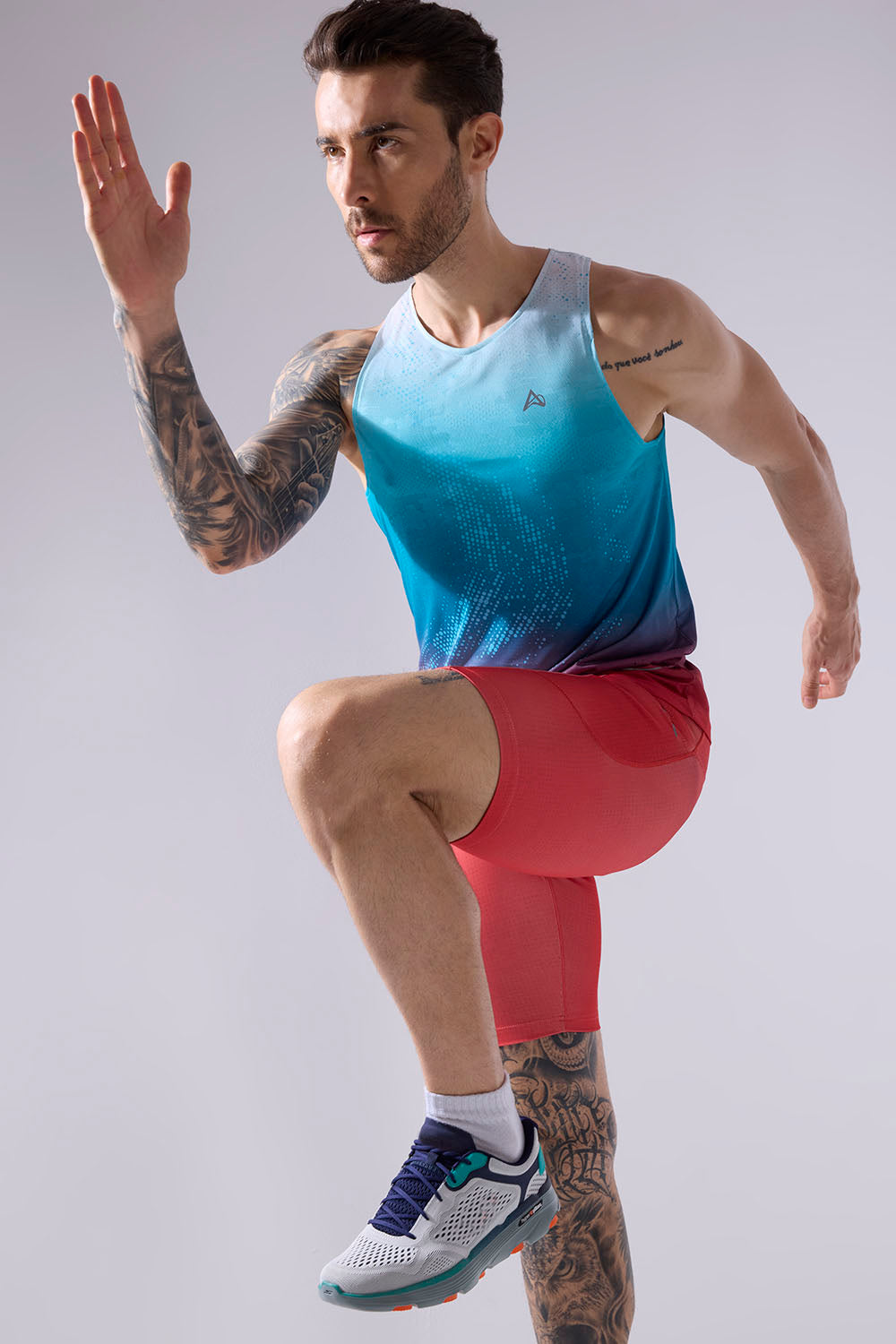
In India specifically, the landscape is transforming rapidly. Runners contend with extreme conditions: blistering heat requiring exceptional ventilation, relentless humidity that can turn standard materials into soggy burdens, and varied terrains from urban sidewalks to rugged trails that demand resilient construction. Cutting-edge developments in breathable, sweat-evaporating textiles, protective anti-chafing layers, and visibility-enhancing reflective elements are directly countering these issues. Moreover, there's a noticeable pivot toward garments that excel not just in workouts but in prolonged daily use singlets that remain non-clingy even when drenched, and shorts that provide unrestricted movement without bunching.
Indian innovators are at the forefront, crafting solutions like those from Aguante, which emphasize adaptations for local climates, prioritizing superior airflow, resistance to perspiration, and irritation-free designs suited to Indian physiques, routes, and environments. This localized focus extends to sustainable practices and affordable pricing, aligning with the rising disposable incomes and urbanization driving demand in emerging markets.
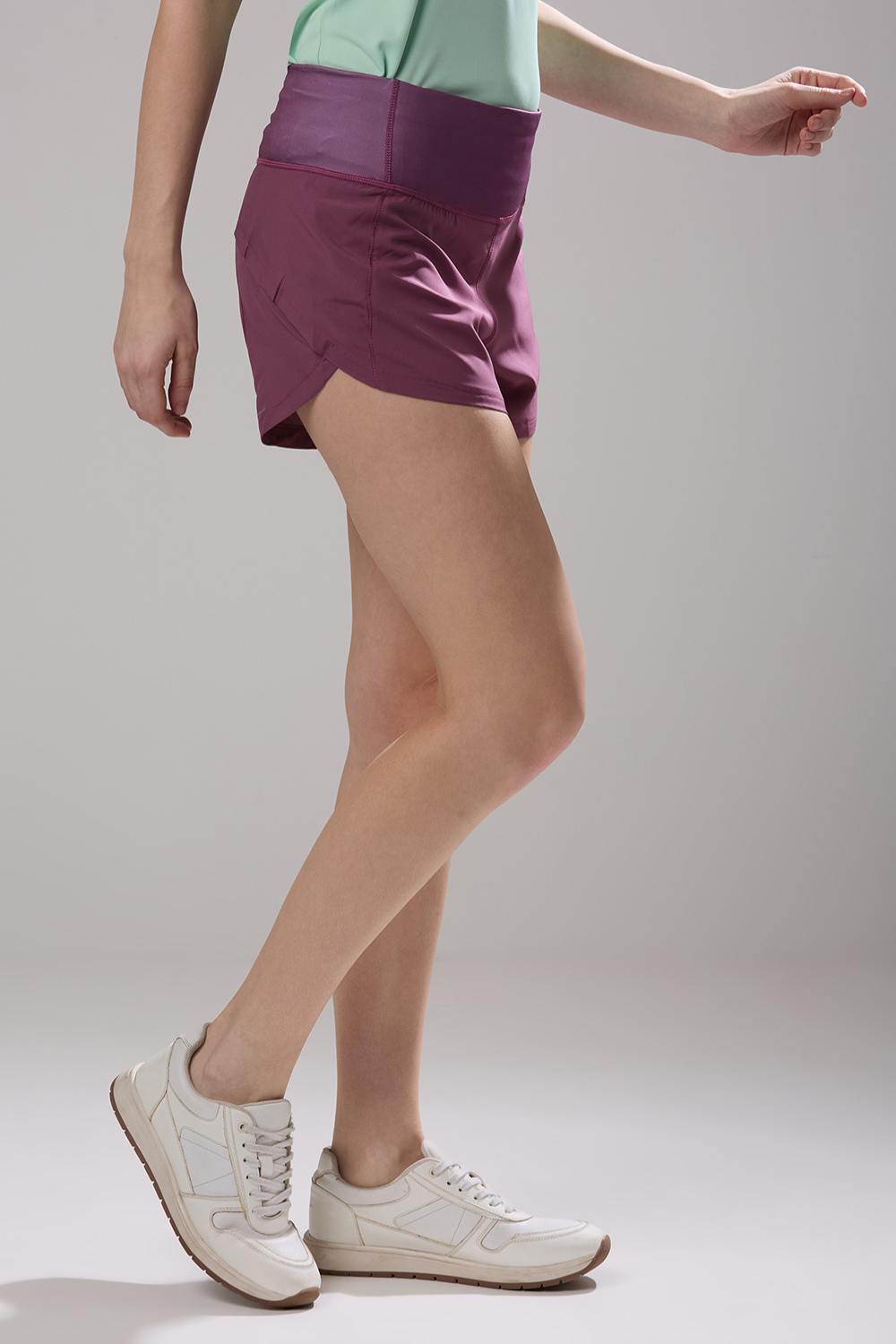
Women's engagement in running is another key driver, with the segment forecasted to grow at an 8.72% CAGR through 2031. This has spurred the creation of specialized lines featuring tailored ergonomics, breathable materials, and aesthetic appeals that cater to female runner's preferences, further expanding the market's reach.
Real-World Examples & Applications
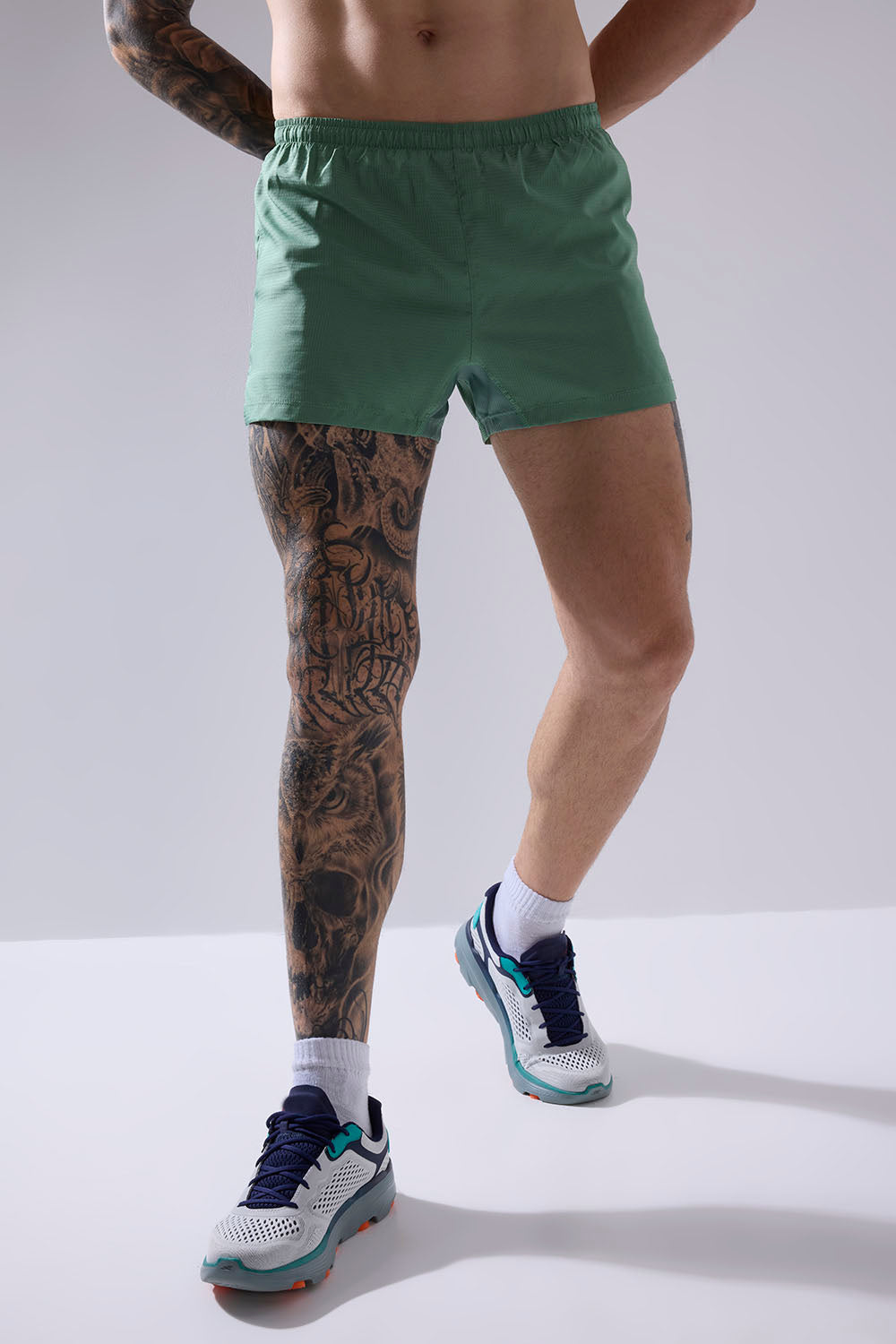
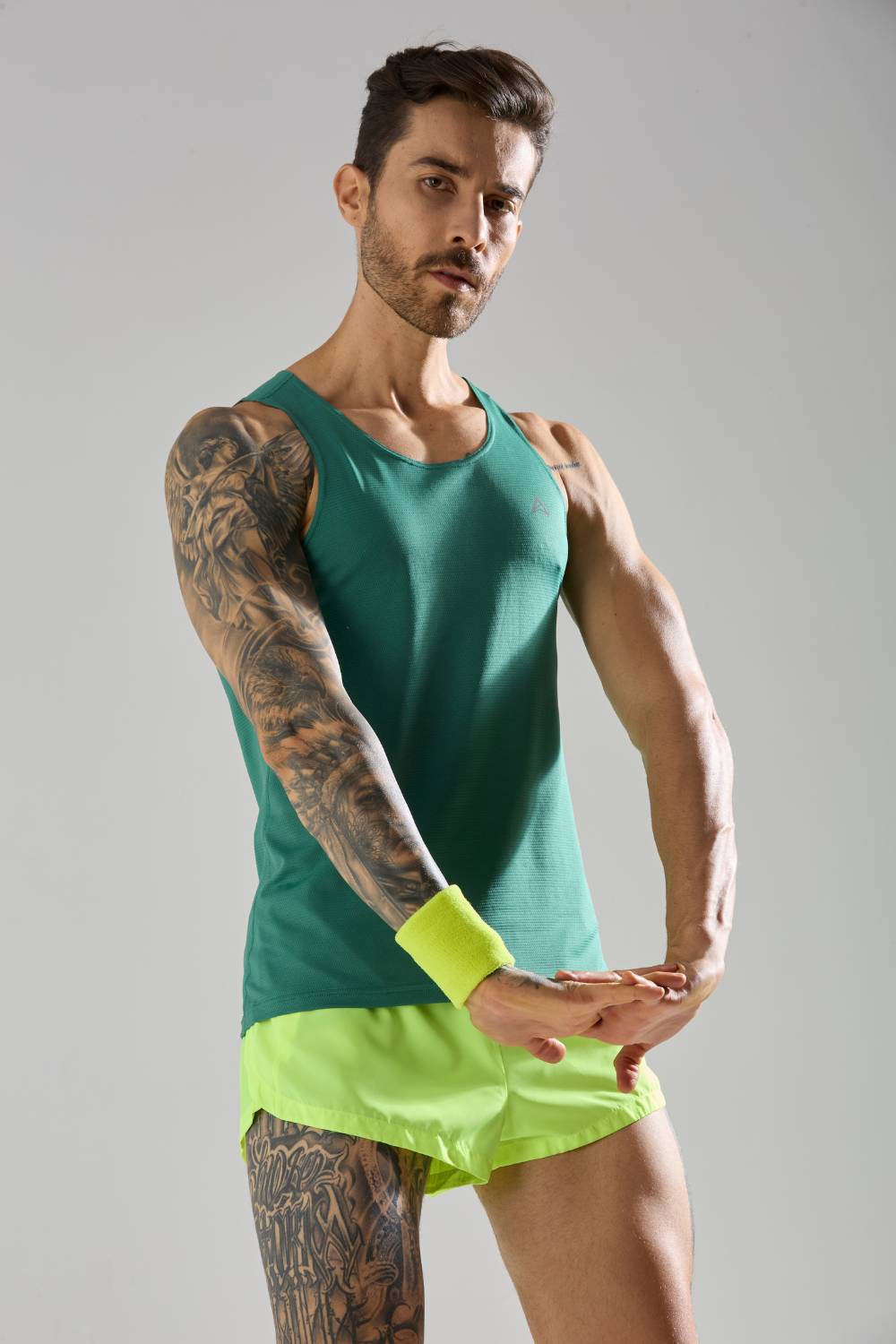
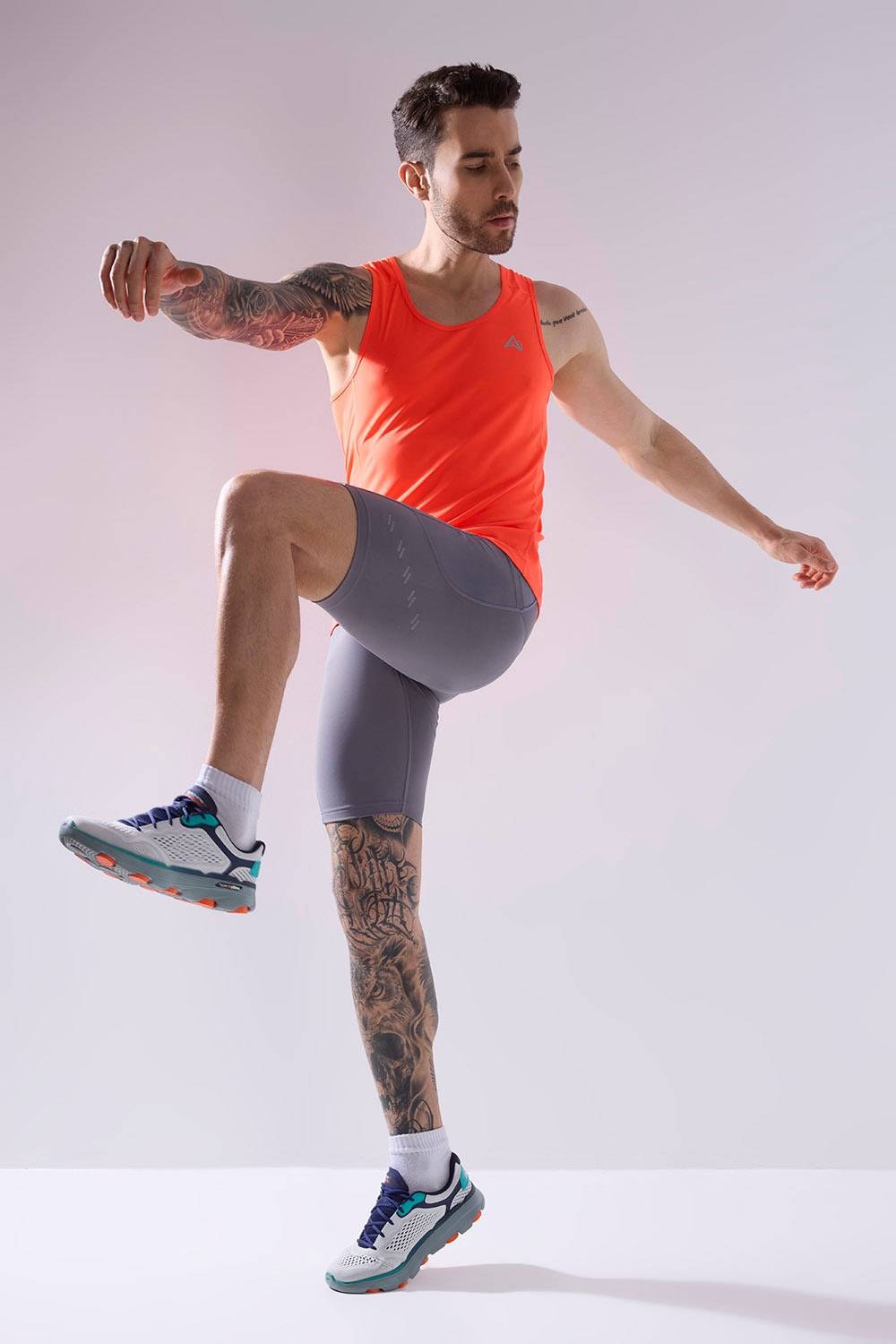
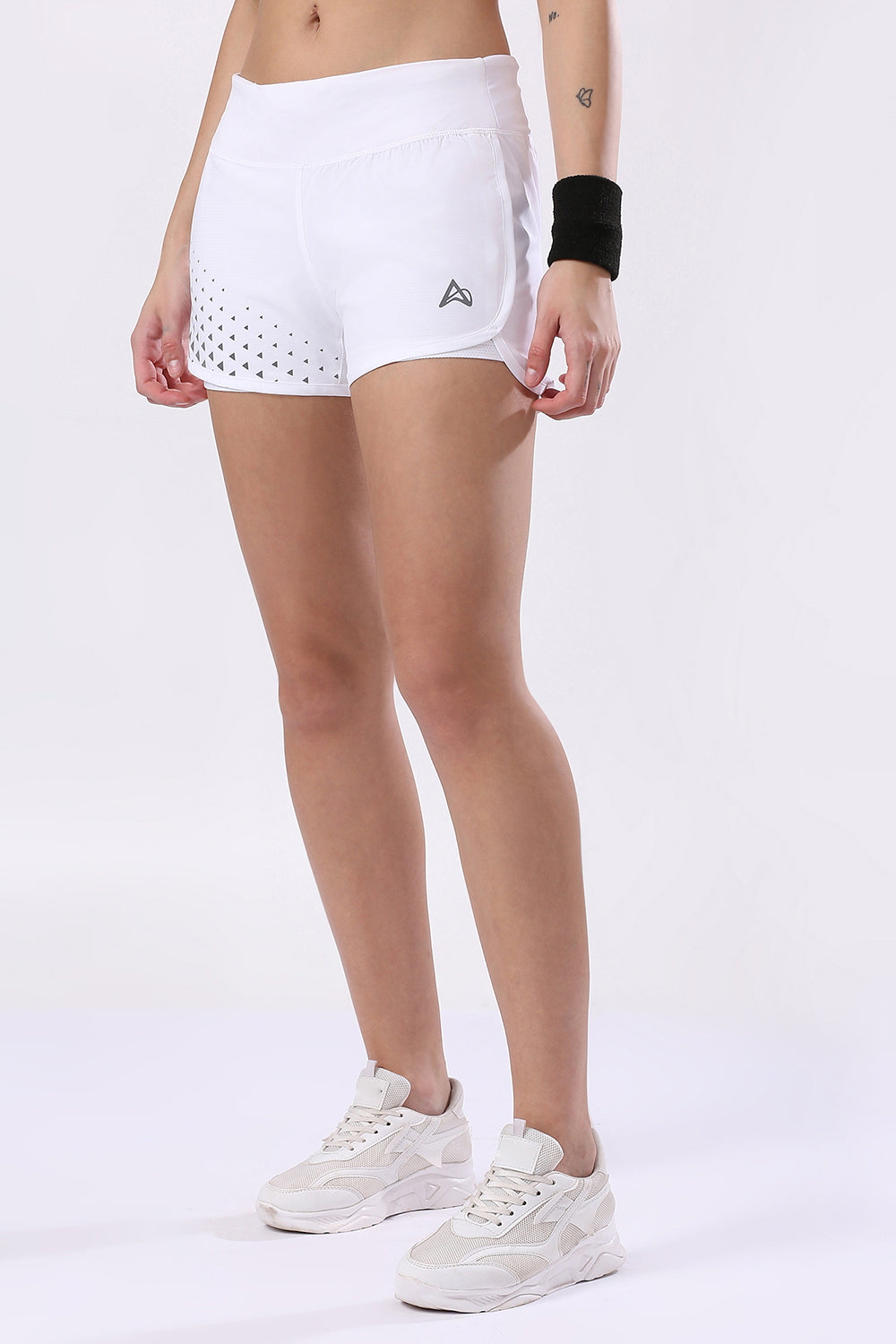
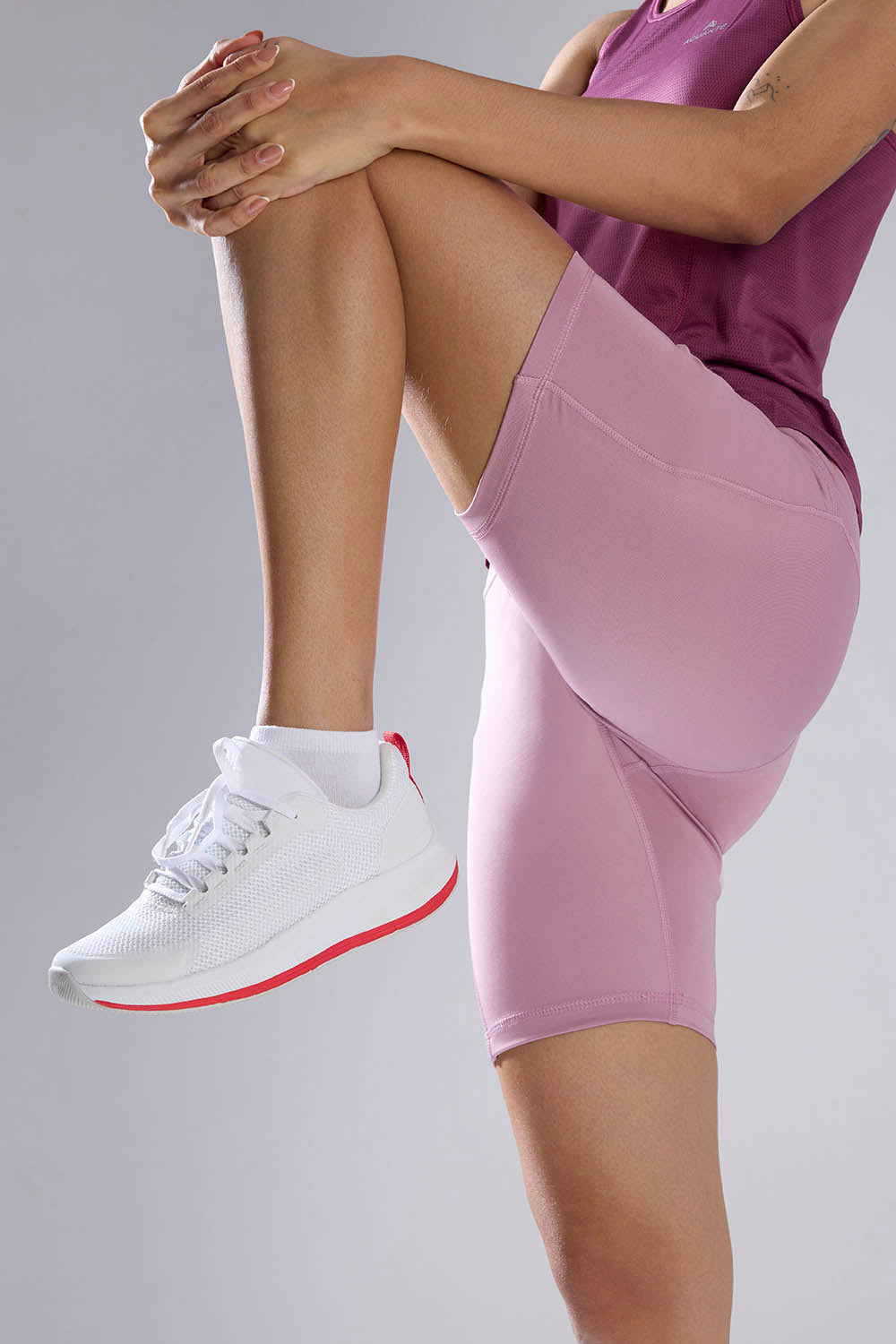
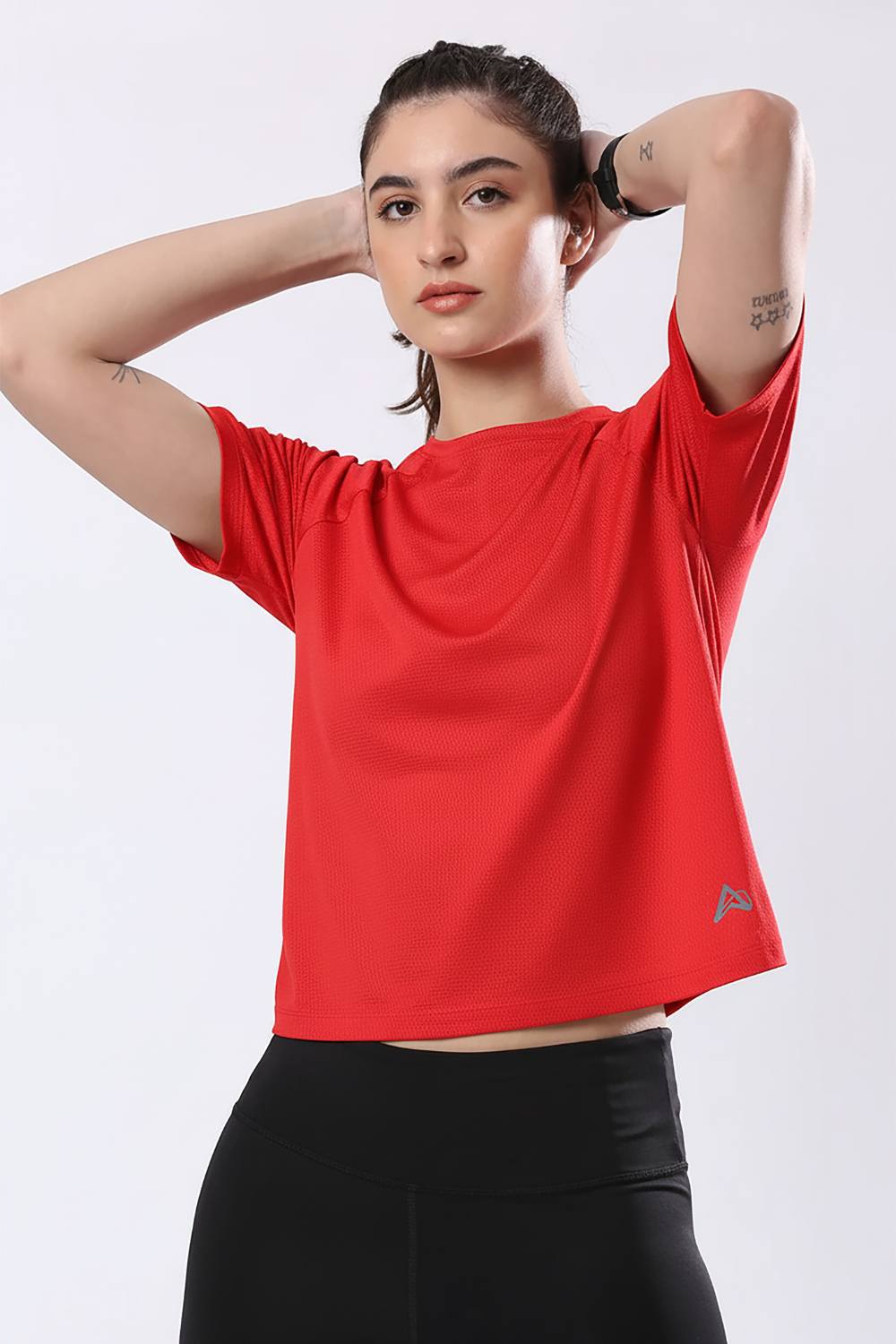
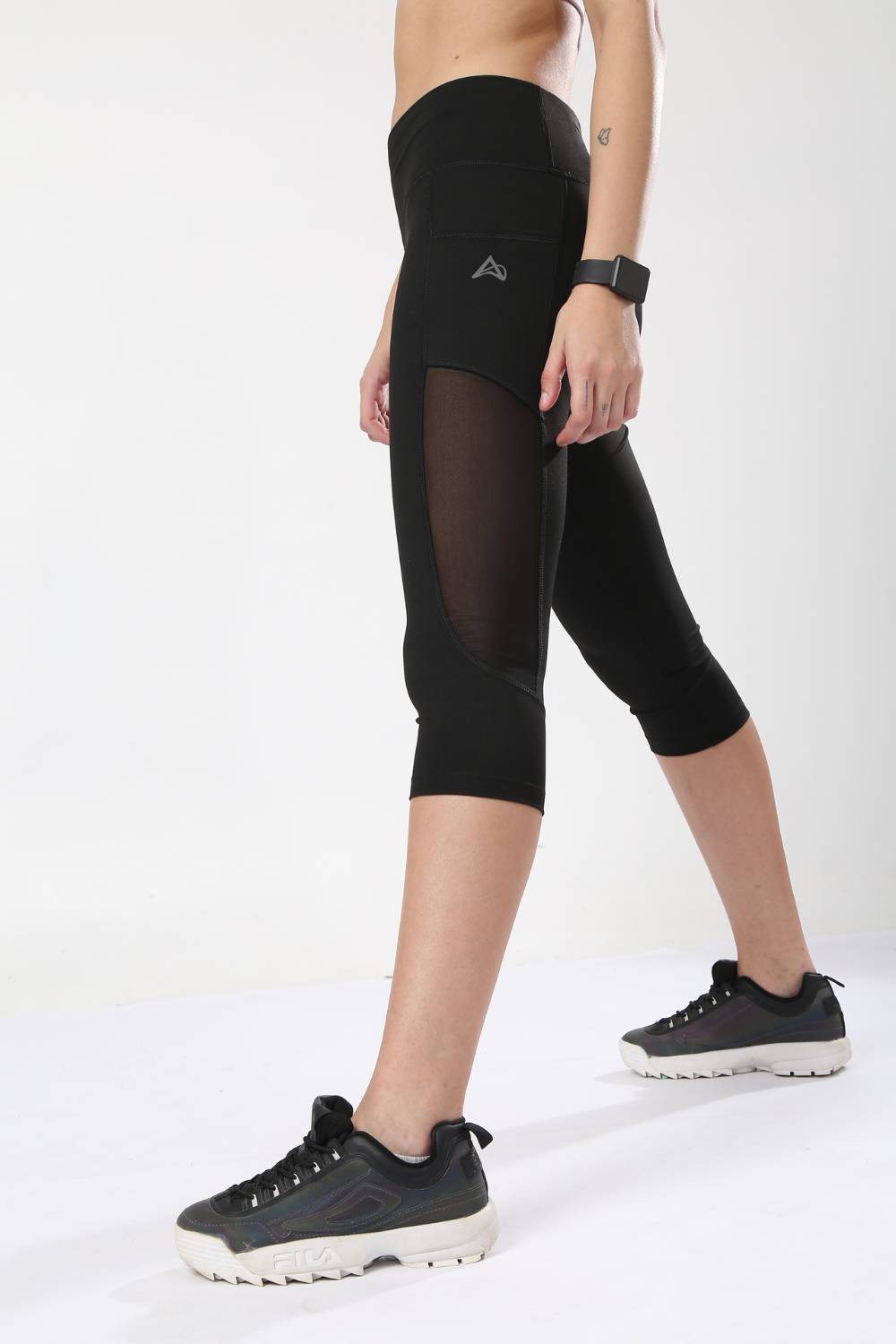
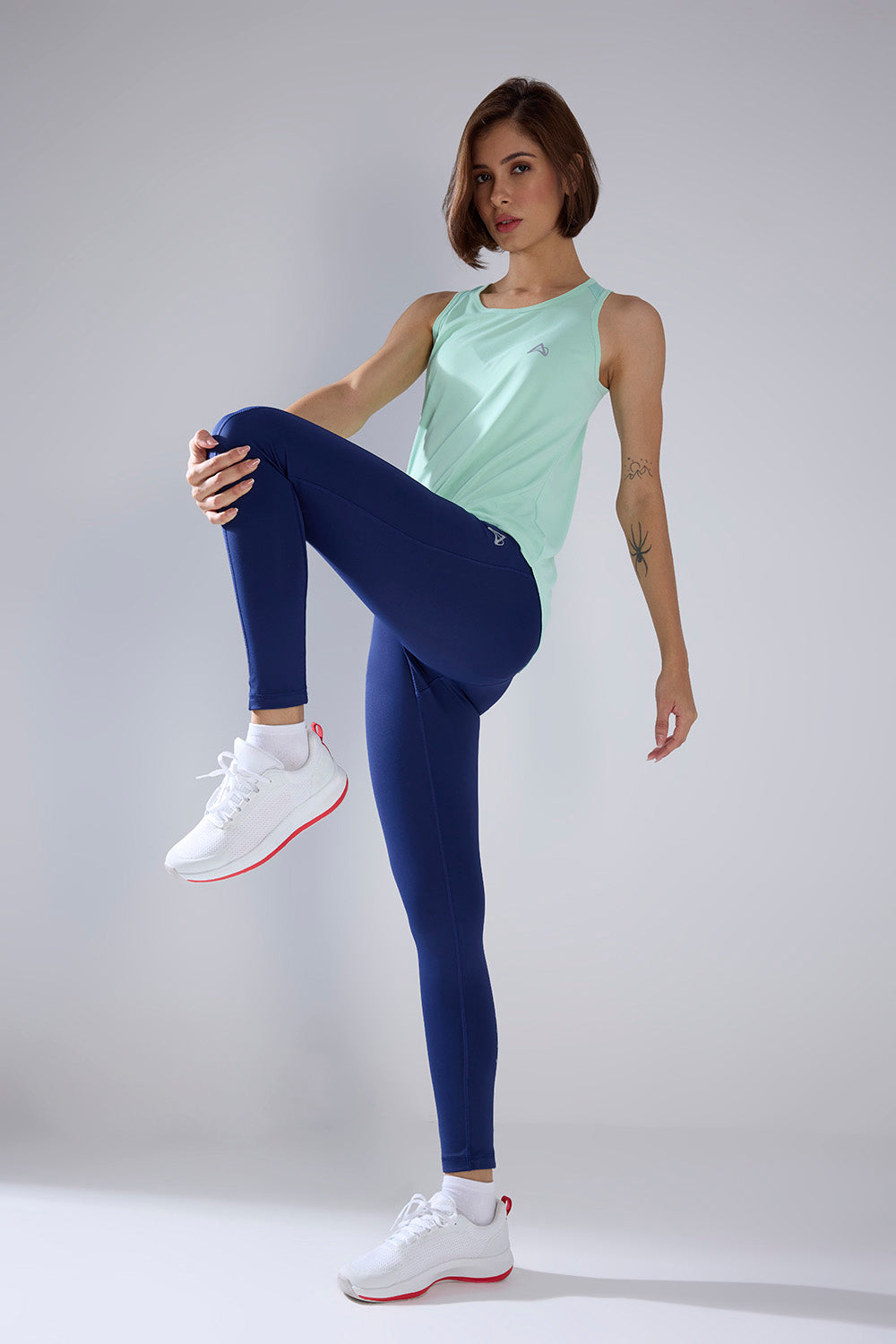
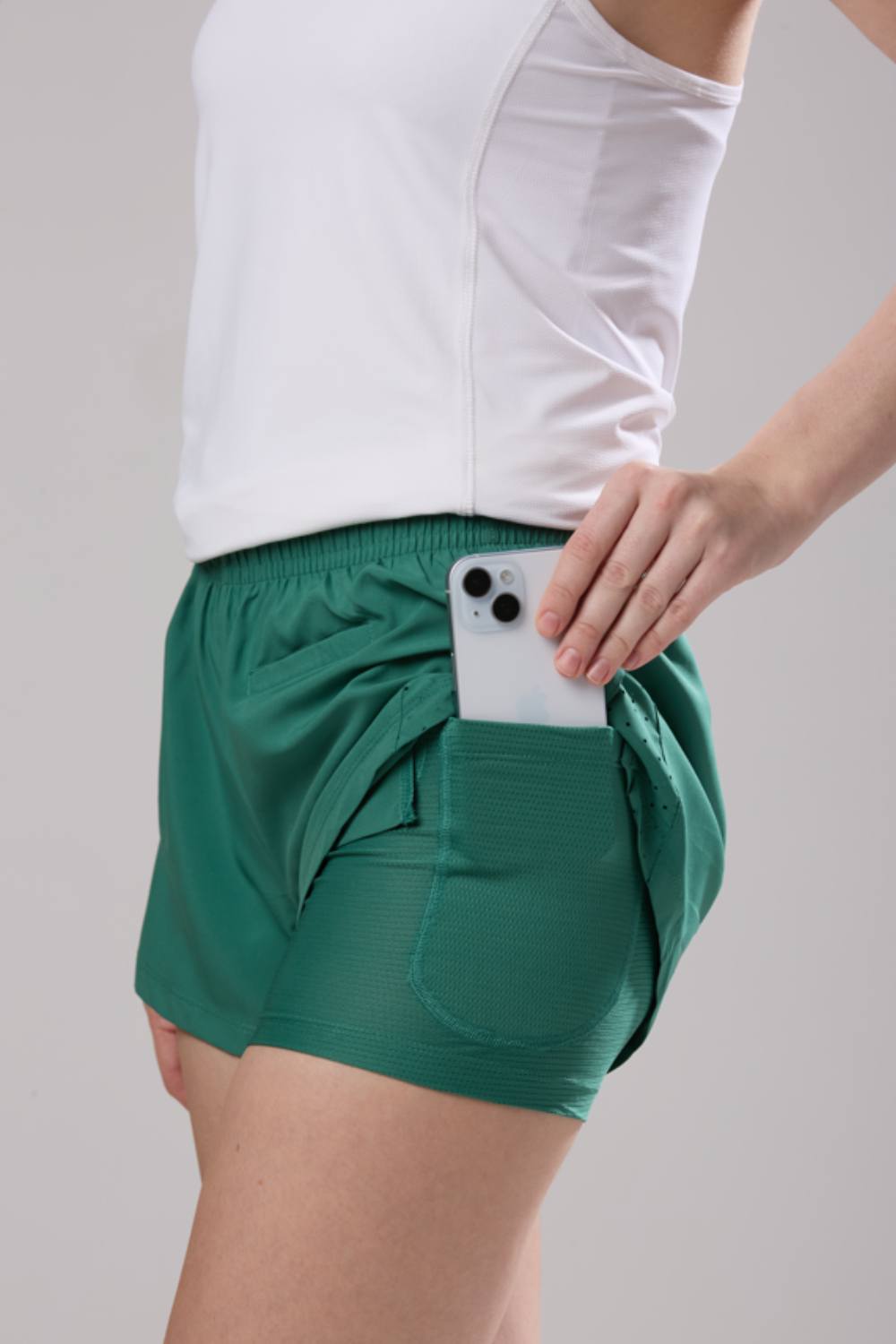
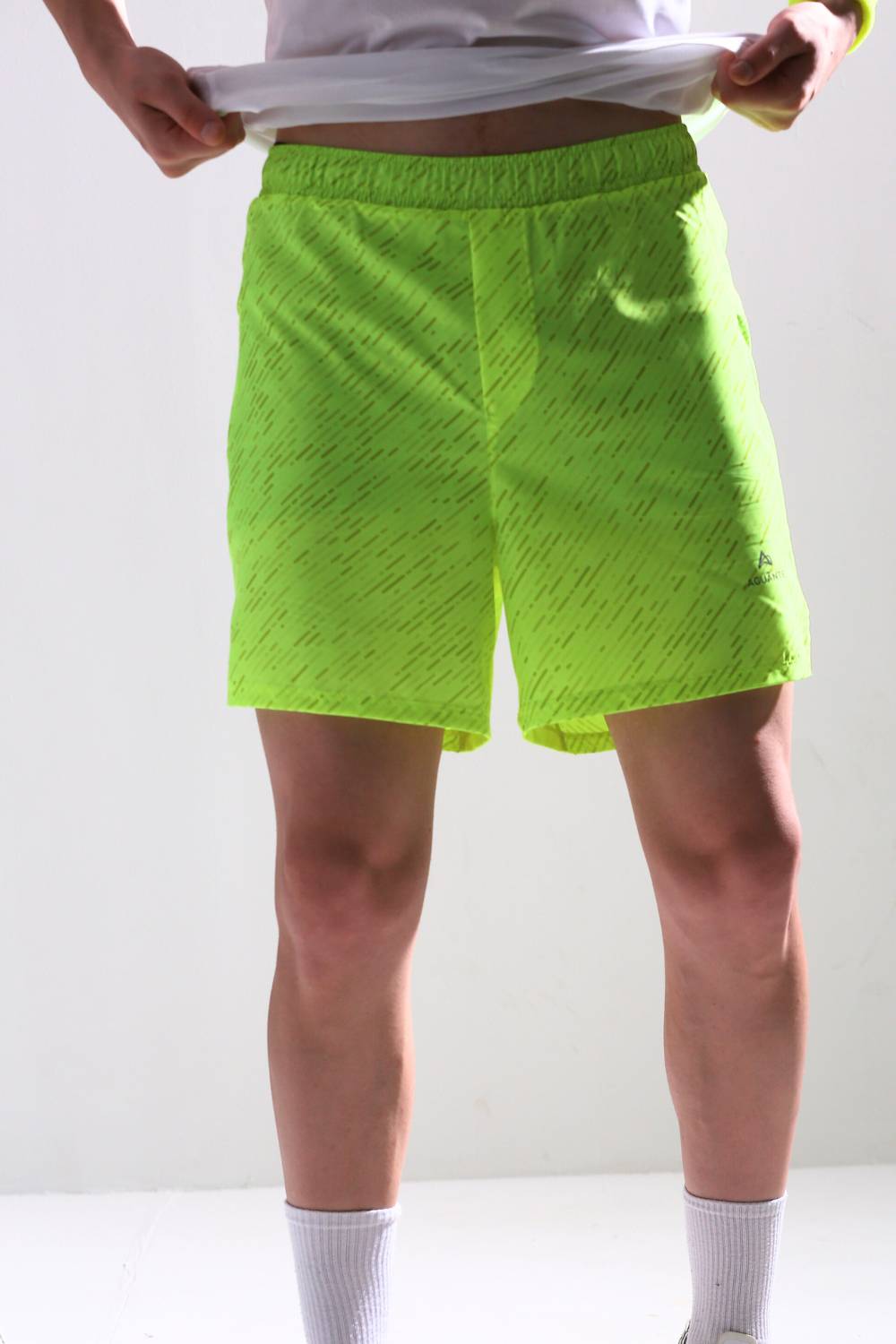
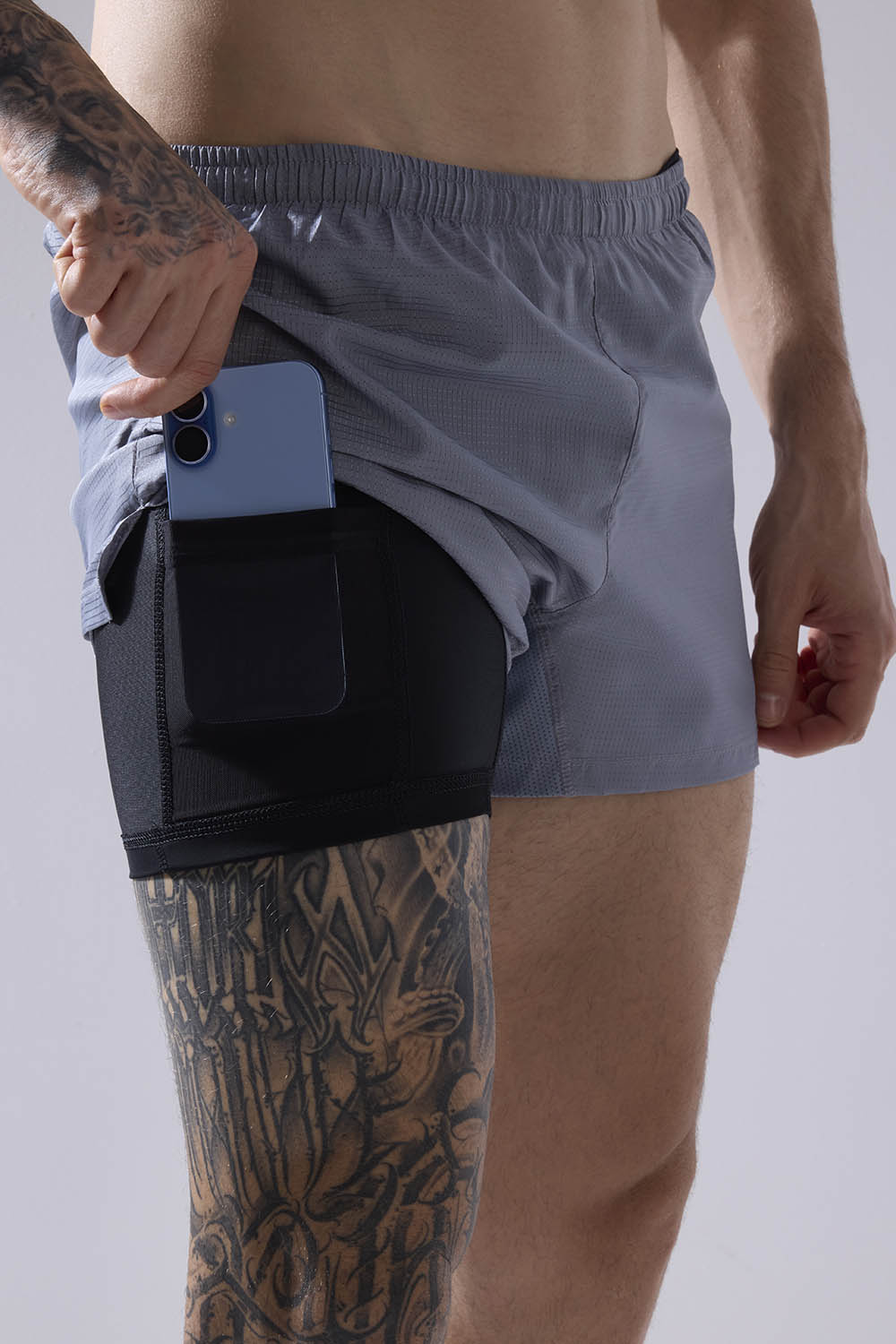
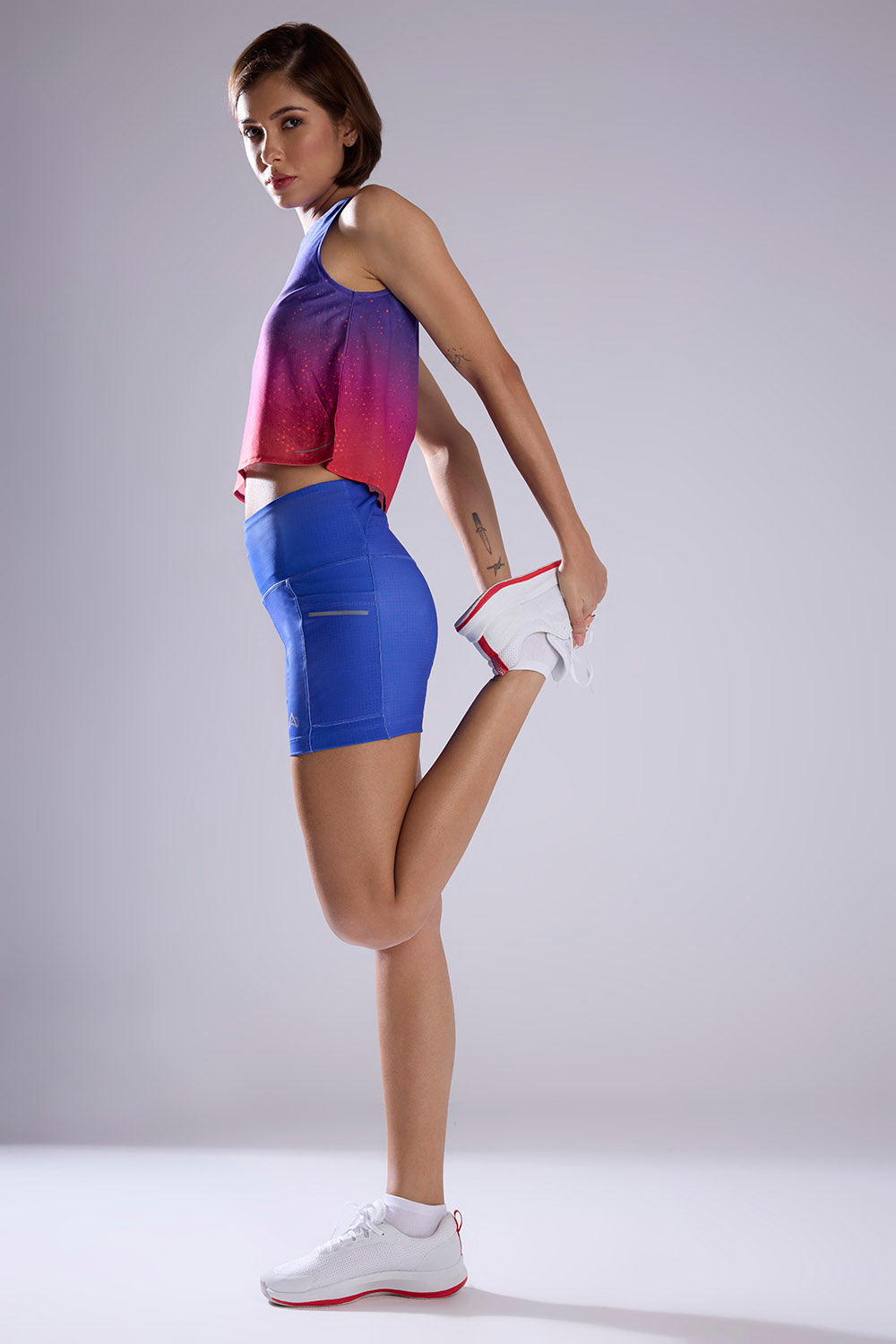
Consider Aguante's meticulous design philosophy: each item is honed for the realities Indian runners face pockets that stay firmly in place without jiggling on a steamy 15-kilometer jaunt in Mumbai, inner linings that ward off chafing during extended circuits in Bangalore, fabrics that swiftly draw away moisture to maintain dryness amid Delhi's muggy pre-rain seasons, and subtle reflective accents for safer twilight outings in Pune.
Actual users attest to these advantages. In humidity-laden Mumbai, where even brief runs can feel stifling, Aguante's singlets and shorts enable undivided attention to rhythm and endurance rather than discomfort. Community input from trainers and casual joggers underscores how this homegrown engineering elevates both ease and efficacy, minus the hefty costs associated with foreign labels.
Prominent voices in the fitness realm amplify these sentiments. Barefoot Coach Shanth Koushik and Rajesh Parida, among others like Runholic Dev, Fit Kaur, and Coach Amit Kumar, frequently share on platforms such as Instagram their positive encounters with gear resilient across India's climatic and topographical variances. These authentic narratives illustrate how intentional craftsmanship yields superior running experiences and enhanced overall well-being.
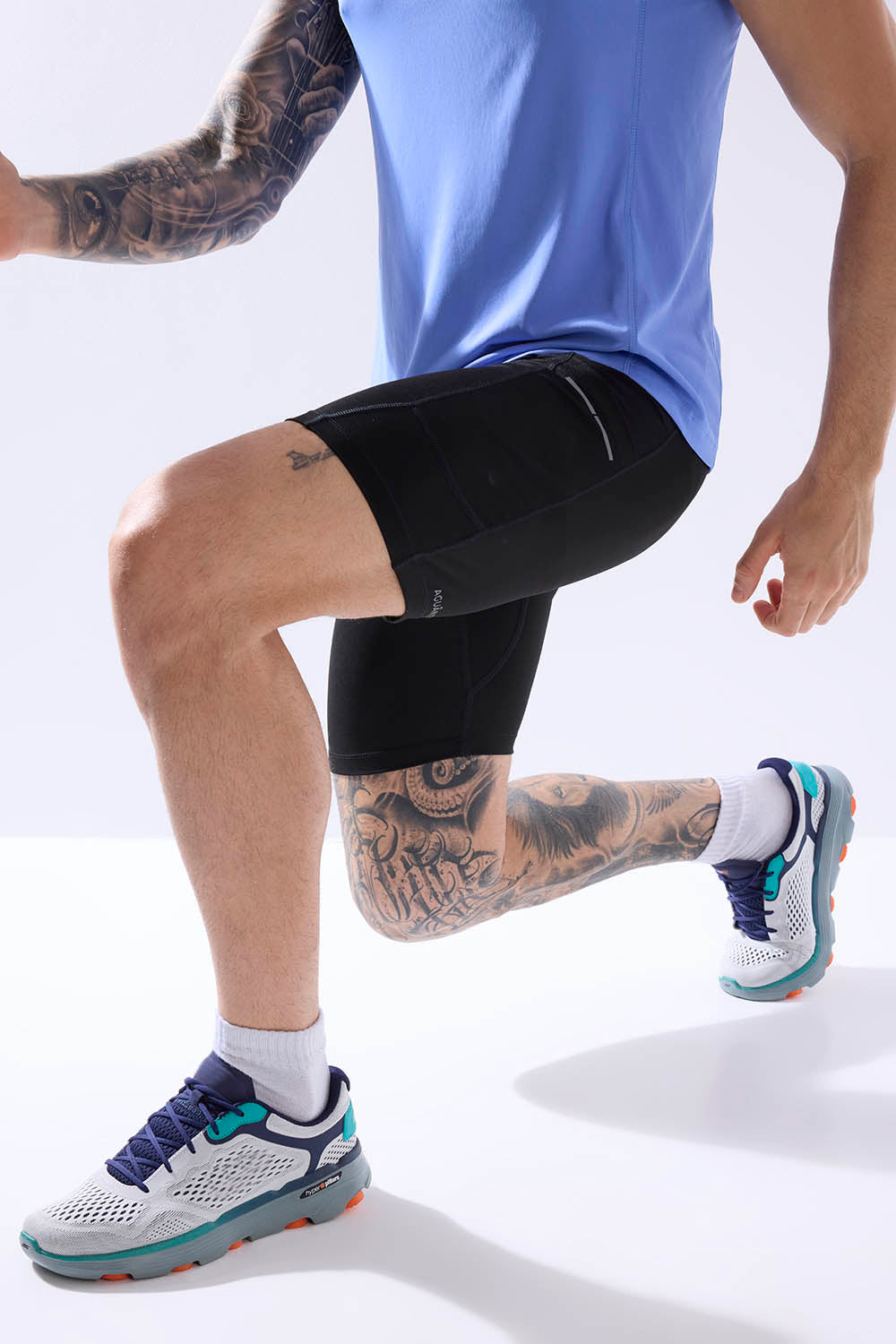
Scientific backing adds depth to these anecdotes. A comprehensive review of studies on compression garments encompassing socks, sleeves, shorts, and tights reveals nuanced impacts. Published in 2016, this analysis found no substantial statistical effects on direct running performance metrics, such as completion times for half-marathons, 15-km trails, 5- or 10-km distances, or 400-meter sprints; nor on maximal or submaximal oxygen consumption, blood lactate levels, gas exchange rates, cardiac functions including heart rate and output, or body and subjective temperatures. Post-run strength exercises also showed no notable improvements.
However, small beneficial effect sizes emerged for endurance indicators like time until exhaustion in progressive tests, running efficiency encompassing biomechanical aspects, lactate removal from blood, sense of effort, immediate post-exercise maximal isometric contractions, peak muscular power in legs, and indicators of muscular injury and swelling. A moderate influence was observed on core body temperature, while large positives appeared for alleviating leg soreness after exercise and postponing muscle fatigue onset. Overall, these suggest mild enhancements in sustained running capabilities through better efficiency, mechanics, perception, and thermal regulation, alongside recovery aids via diminished pain, harm, and inflammation.
Authors Florian Azad Engel and colleagues, in their Sports Medicine publication, based this on a database search, evaluating peer-reviewed works via the PEDro scale. While acknowledging prior conflicting reports, the review highlights potential from compression in bolstering comfort and recuperation, though limited by its cutoff date and study variabilities.
Key Challenges in Running Apparel Design
Seasoned runners are all too familiar with common pitfalls: shorts that irritate skin after mere kilometers in moist conditions, singlets that adhere uncomfortably and trap heat, or compartments that jostle distractingly. Overseas products frequently fall short, engineered for milder weathers; they retain moisture and constrain in India's swelter. Inadequate ventilation intensifies overheating, and ill-suited cuts necessitate frequent fixes, disrupting flow.
Addressing these, Aguante invests deeply in minutiae stable pockets for essentials without movement, protective linings against friction, advanced wicking technologies eradicating interruptions. The outcome is attire that sustains comfort from initial strides to after-run activities, enabling true all-day utility.
Beyond fit and fabric, challenges include balancing durability with lightness, integrating eco-materials without sacrificing performance, and scaling production to meet diverse body types prevalent in India. Designers must navigate supply chains for quality components while keeping costs accessible, especially as counterfeit issues loom in growing markets.
Opportunities & Business Impact
India's running ecosystem is burgeoning, particularly in urban hubs. Escalating awareness of wellness, workplace health schemes, and prolific events like marathons fuel a voracious appetite for reliable gear. Cost-effective, superior local alternatives broaden participation, equipping novices and veterans alike without financial strain.
Shoppers are gravitating toward brands attuned to domestic nuances, favoring them over pricier imports mismatched for local contexts. This preference nurtures indigenous creativity, stimulates economic activity, and fosters communal bonds through shared fitness pursuits. With women's segment accelerating bolstered by customized offerings Aguante's strategy aligns perfectly for market capture.
On a global scale, the market shows steady long-term expansion, with strong opportunities emerging across key segments. Apparel continues to be the dominant category, while women's collections are gaining particular momentum, driven by evolving fashion preferences, greater inclusivity, and rising demand for versatile, everyday wear. These trends point to sustained growth potential across both mass and niche offerings. In Asia-Pacific, including India, urbanization and income rises, coupled with events and national fitness drives like China's plans, amplify potential. E-commerce, holding promise with 9.07% CAGR, enhances reach via tech like virtual fittings.
Yet, the Asia Pacific market faces hurdles like fakes, but leverages affordable manufacturing. For businesses, this means investing in innovation, sustainability, and digital channels to tap into the health boom.
Why Comfort Wins Every Run
In essence, prioritizing comfort in running shorts and singlets transcends mere convenience it's the bedrock of sustained, pleasurable athleticism. When equipment fades into invisibility, allowing immersion in breath, cadence, and path, achievements multiply: longer distances, swifter recoveries, enduring motivation. For those traversing India's thermal extremes and variabilities, selecting gear conceived for such demands proves transformative.
Opt for items excelling in moisture control, friction prevention, and ergonomic harmony with your form and routine. Entities like Aguante exemplify tomorrow's standards: blending regional acumen with international excellence, delivered affordably. As you embark on your next predawn venture, empower your attire to champion you, ensuring the journey captivates wholly.
Frequently Asked Questions
Why is all-day comfort important in running shorts and singlets?
All-day comfort in running gear allows for seamless transitions from intense workouts to daily activities without irritation or restrictions. Well-designed running apparel eliminates distractions like chafing, moisture buildup, and fabric bunching, enabling runners to focus entirely on their performance and rhythm. This is especially crucial in India's extreme heat and humidity, where poor-quality gear can turn a training session into an uncomfortable ordeal.
What features should I look for in running shorts for Indian weather conditions?
For India's hot and humid climate, prioritize running shorts with advanced moisture-wicking fabrics that quickly draw sweat away from the skin, anti-chafing linings to prevent irritation during long runs, and secure pockets that stay in place without bouncing. Look for breathable, lightweight materials with good ventilation and ergonomic fits designed for Indian body types and terrains. Brands like Aguante specifically engineer their gear for local conditions, offering superior airflow and durability suited to India's urban sidewalks and varied landscapes.
Do compression running garments actually improve performance?
Research shows that compression garments provide mild benefits for running performance, particularly in areas like running efficiency, delayed muscle fatigue, and improved recovery. While they don't significantly impact race times or maximum oxygen consumption, studies indicate moderate to large positive effects on reducing post-run leg soreness, minimizing muscle damage, and enhancing thermal regulation. The primary advantages lie in sustained comfort during longer runs and faster recovery afterward, making them valuable for endurance training and multi-day running schedules.
Disclaimer: The above helpful resources content contains personal opinions and experiences. The information provided is for general knowledge and does not constitute professional advice.
You may also be interested in: Comfort vs. Performance: How Aguante Balances the Two in
Tired of gear that slows you down? Chafing, soggy fabrics, and missing pockets kill your run's momentum. At Aguante, we're runners who get it. Our high-performance activewear features moisture-wicking fabrics, ergonomic designs, and smart storage to keep you focused. Shop Now!
Powered by flareAI.co