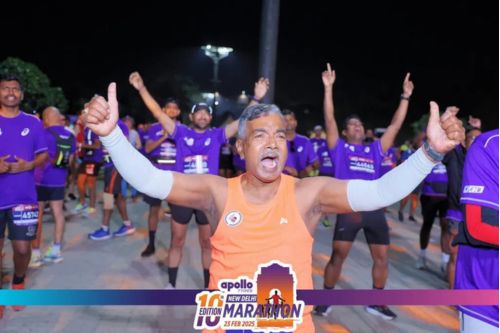










In the steamy early morning haze of Bangalore's Cubbon Park, runners weave through dew-kissed paths, their outfits not only engineered for endurance but also woven from threads that honor the earth. Fabrics reborn from discarded plastics or nurtured from organic fields are becoming the norm, as athletes across Mumbai's coastal promenades, Pune's hilly tracks, and Delhi's urban loops demand gear that excels in India's relentless heat and humidity while minimizing ecological footprints. This burgeoning movement reflects a deeper commitment among fitness enthusiasts to harmonize personal health with planetary well-being.
Tired of gear that slows you down? Chafing, soggy fabrics, and missing pockets kill your run's momentum. At Aguante, we're runners who get it. Our high-performance activewear features moisture-wicking fabrics, ergonomic designs, and smart storage to keep you focused. Shop Now!
Sustainable Running Apparel: Shaping the Future for Eco-Conscious Athletes in India
How Indian activewear brands like Aguante are pioneering sustainable running gear, meeting the needs of eco-conscious runners while enhancing performance.
With marathons swelling in participation and fitness apps tracking millions of steps in cities like Hyderabad, Gurugram, Ahmedabad, Navi Mumbai, and Surat, the appetite for specialized running wear has skyrocketed. But modern runners crave more than mere functionality they yearn for products that resonate with their environmental ethos. This transformation is redefining the sector, where indigenous labels are innovating apparel suited to India's diverse climates: blistering dry spells, torrential rains, and variable landscapes that test both body and fabric.
The surge in health-focused lifestyles, amplified by government campaigns like the Fit India Movement, has propelled this evolution. Runners are no longer content with generic imports; they seek locally attuned designs that incorporate sustainable elements without compromising on breathability or resilience. Brands responding to this call are blending cutting-edge materials with ethical practices, ensuring every stride contributes to a greener tomorrow.
Emerging Trends in Sustainable Activewear for Runners
The global running apparel market achieved a valuation of USD 90.44 billion in 2025, with forecasts indicating growth to USD 131.89 billion by 2030 at a compound annual growth rate of 7.84%. This expansion stems from heightened health awareness, breakthroughs in fabric technology, and the fusion of athletic and casual wear that attracts diverse demographics. Notably, women's increasing involvement in running and fitness has spurred demand for tailored designs. In developed regions, premium products prevail, while in developing areas like India, urban expansion and higher disposable incomes fuel the momentum.
In India, the sports apparel landscape is thriving robustly. According to one analysis, the India sports apparel market stood at USD 705.85 million in 2024, projected to escalate to USD 1592.58 million by 2030 with a 14.52% CAGR. Drivers include escalating fitness consciousness, booming gym enrollments, marathon fervor, and youthful sports engagement. E-commerce and evolving style preferences bolster international and local brand growth, with consumers favoring moisture-absorbent, flexible garments for dual exercise and leisure use. Government efforts to promote athletics further accelerate this trajectory.
Another report highlights the Indian sports apparel market at USD 1275.3 million in 2024, anticipated to reach USD 3298.7 million by 2030 at a 16.58% CAGR. Key catalysts encompass a burgeoning fitness culture with over 70 million gym-goers, a youthful populace embracing trendy athleisure, policy initiatives integrating sports in education, rising affluence, social media influence, and innovations in lightweight, wicking fabrics. T-shirts dominate at 42.53% share, while offline channels hold 61%, though online surges.
At the core of these trends lie sustainable materials. Recycled polyester from plastic waste, organic cotton, and bamboo derivatives lead the charge, providing superior moisture management, ventilation in muggy conditions, and robustness against rugged terrains essentials for Indian runners navigating dusty paths and abrupt showers. Bio-based synthetics are rising, prompted by consumer shifts and regulations curbing microplastics and PFAS chemicals.
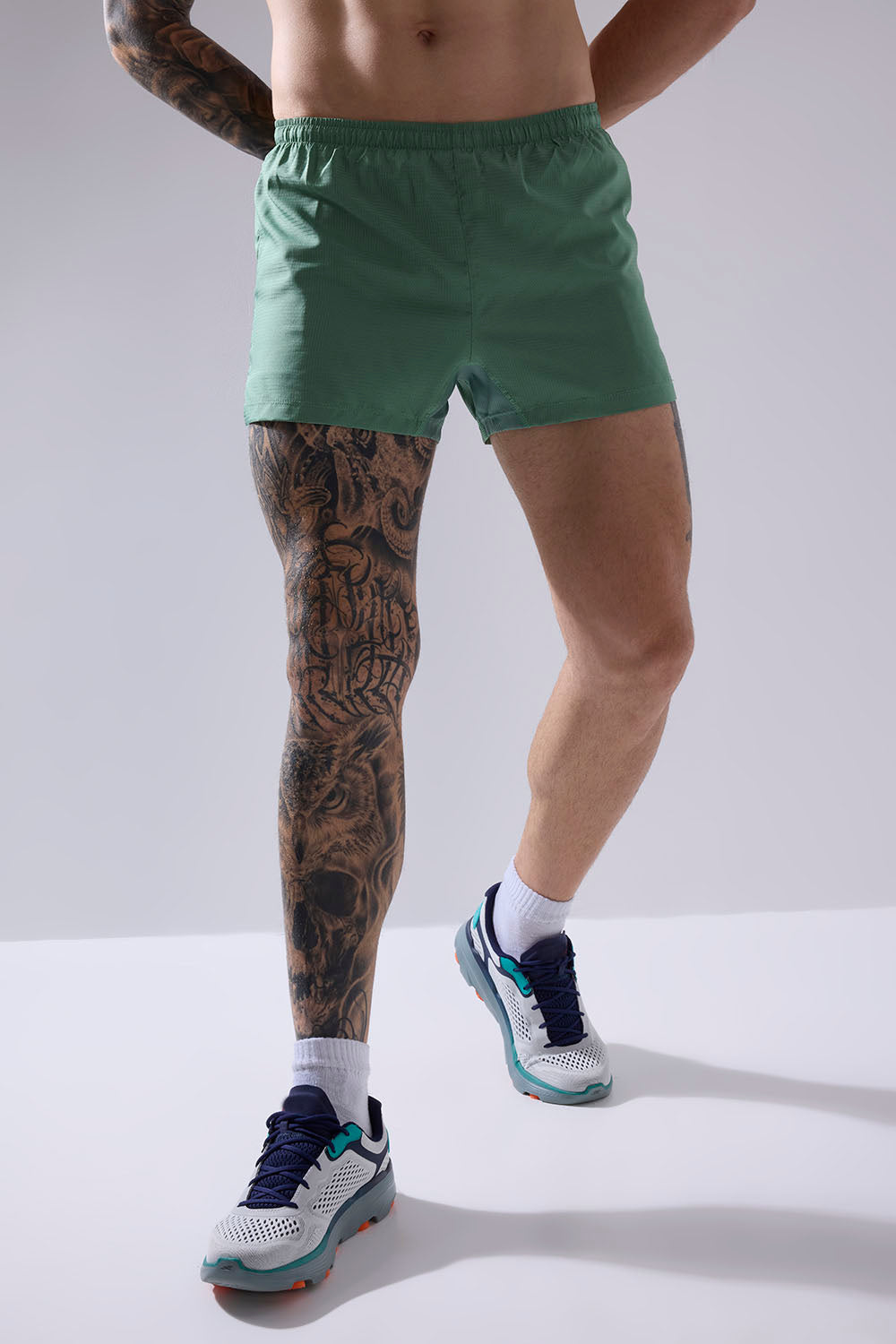
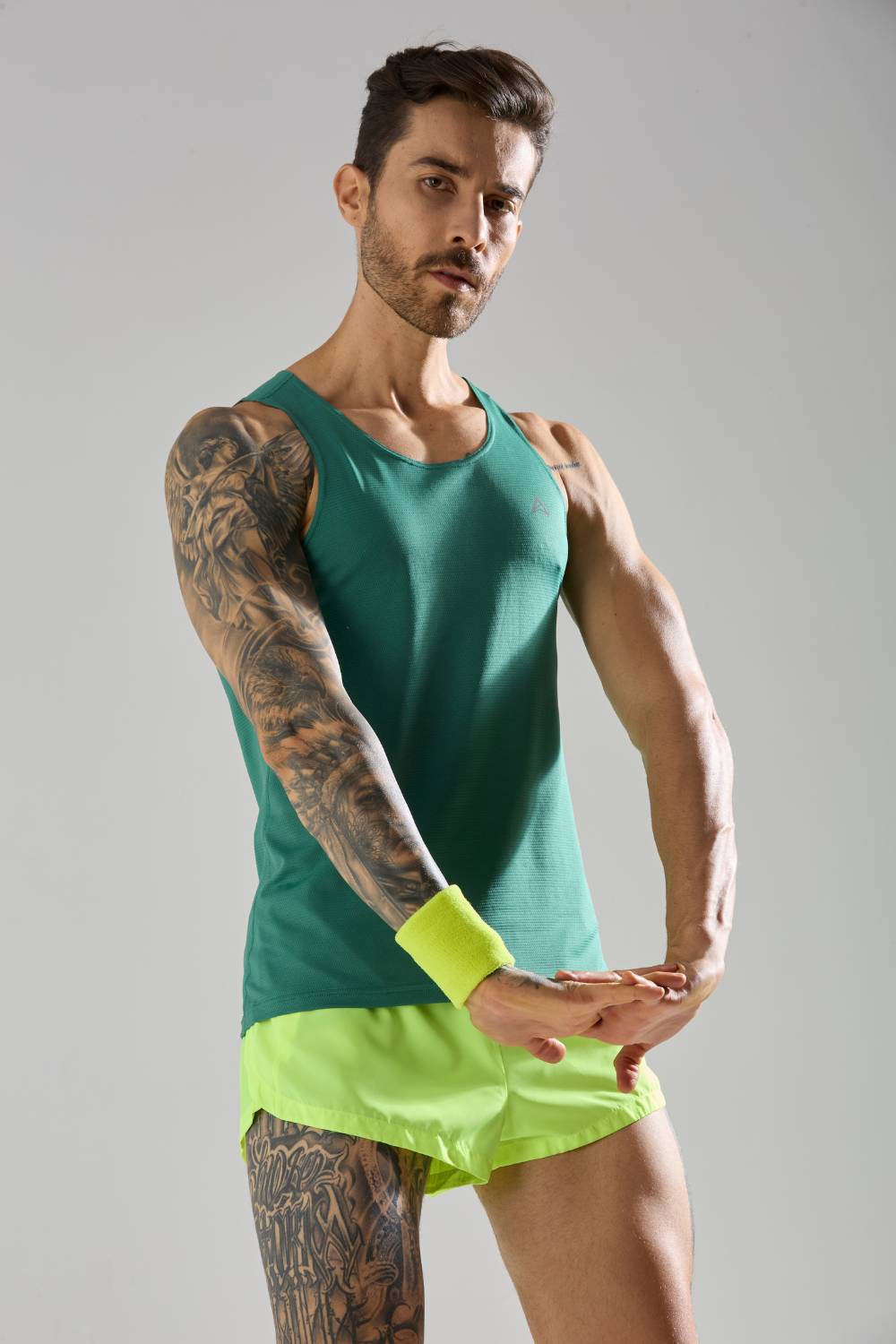
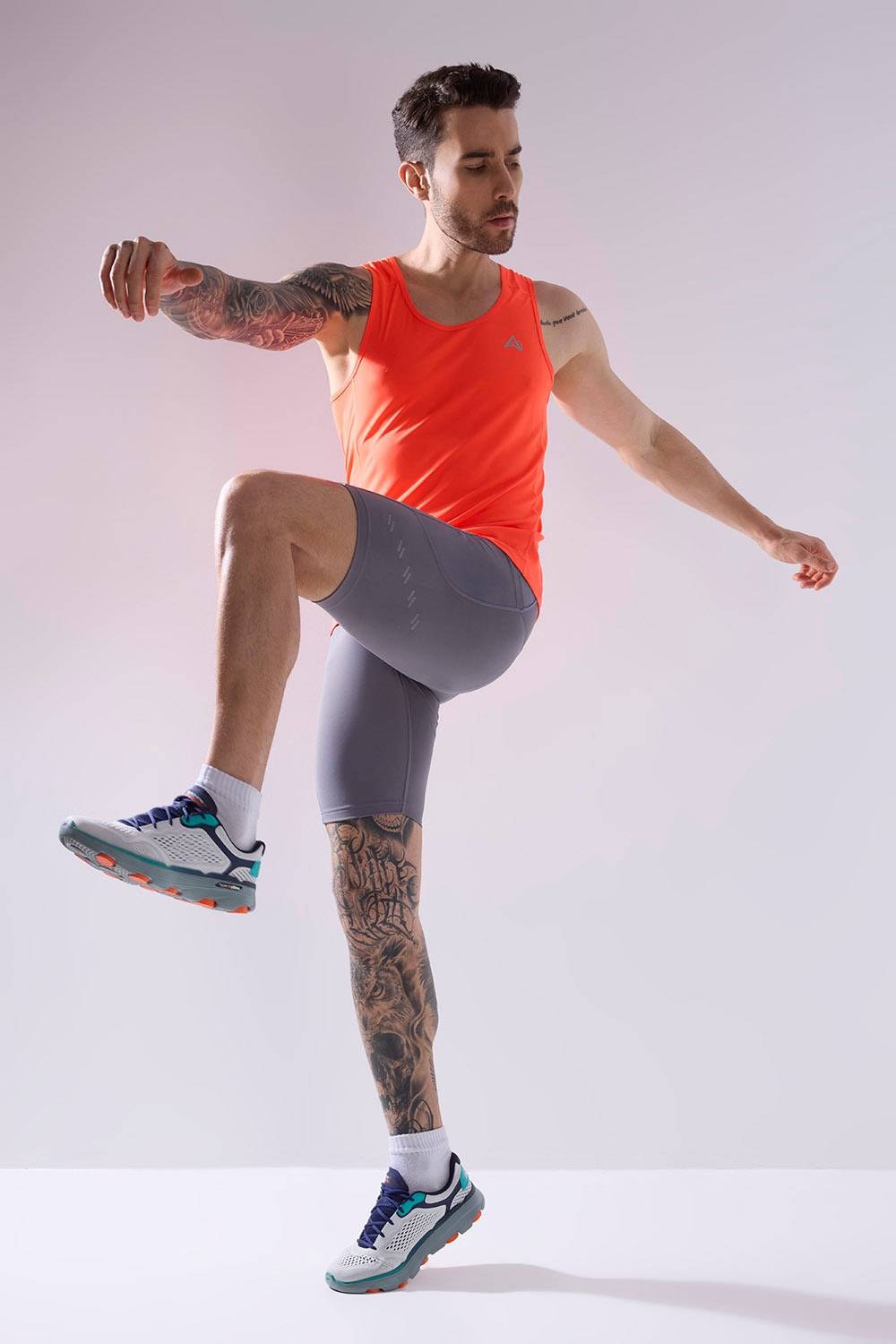
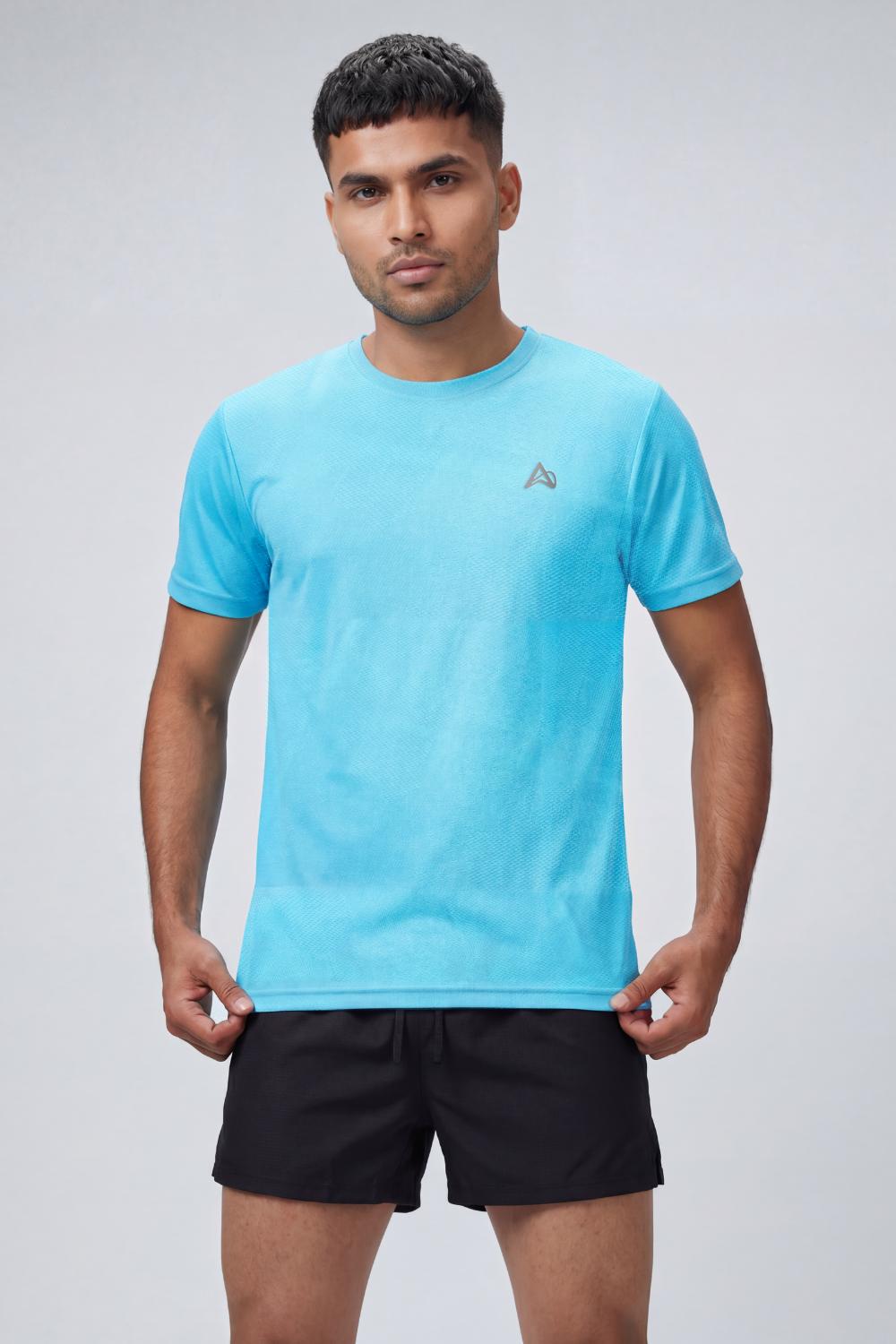
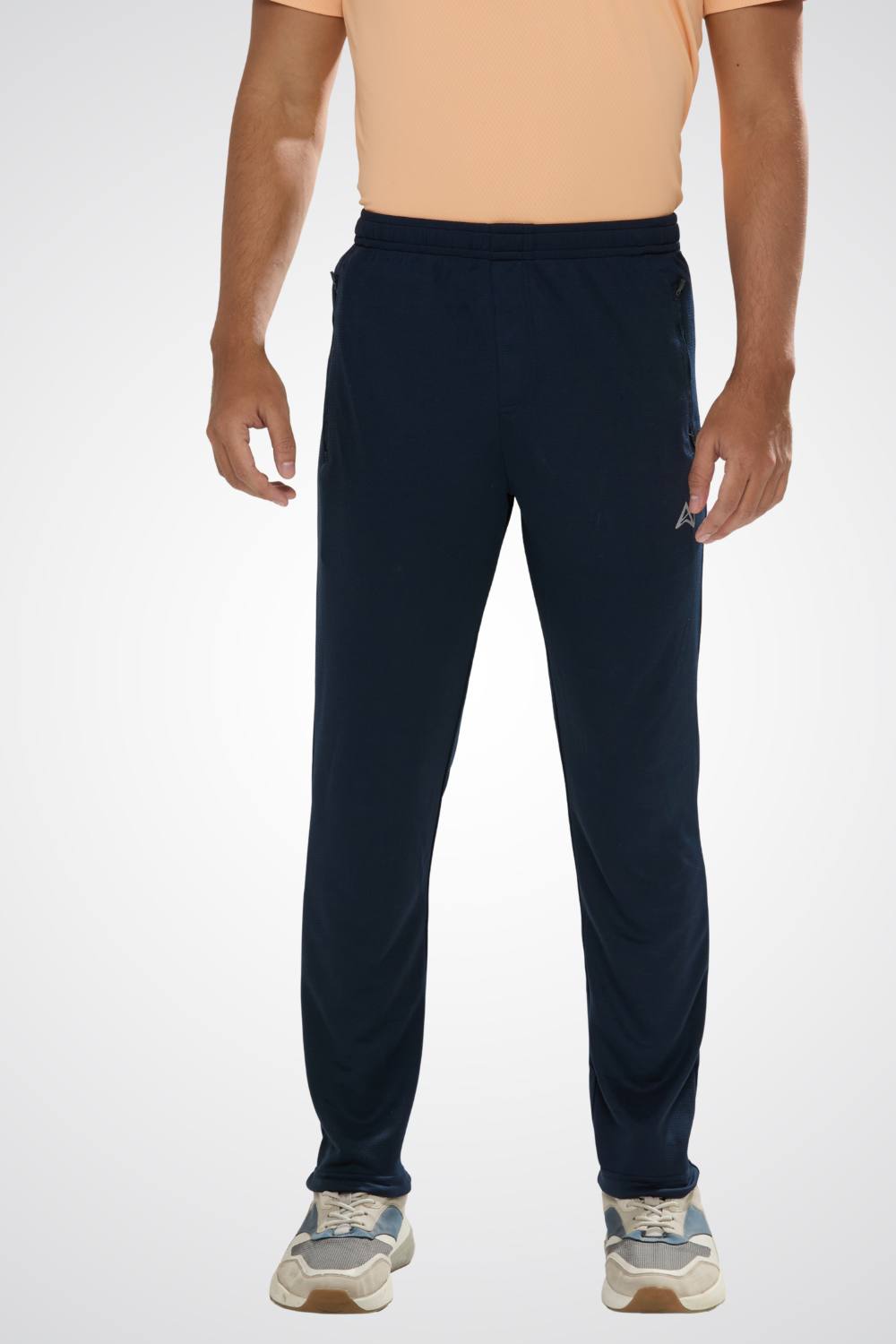
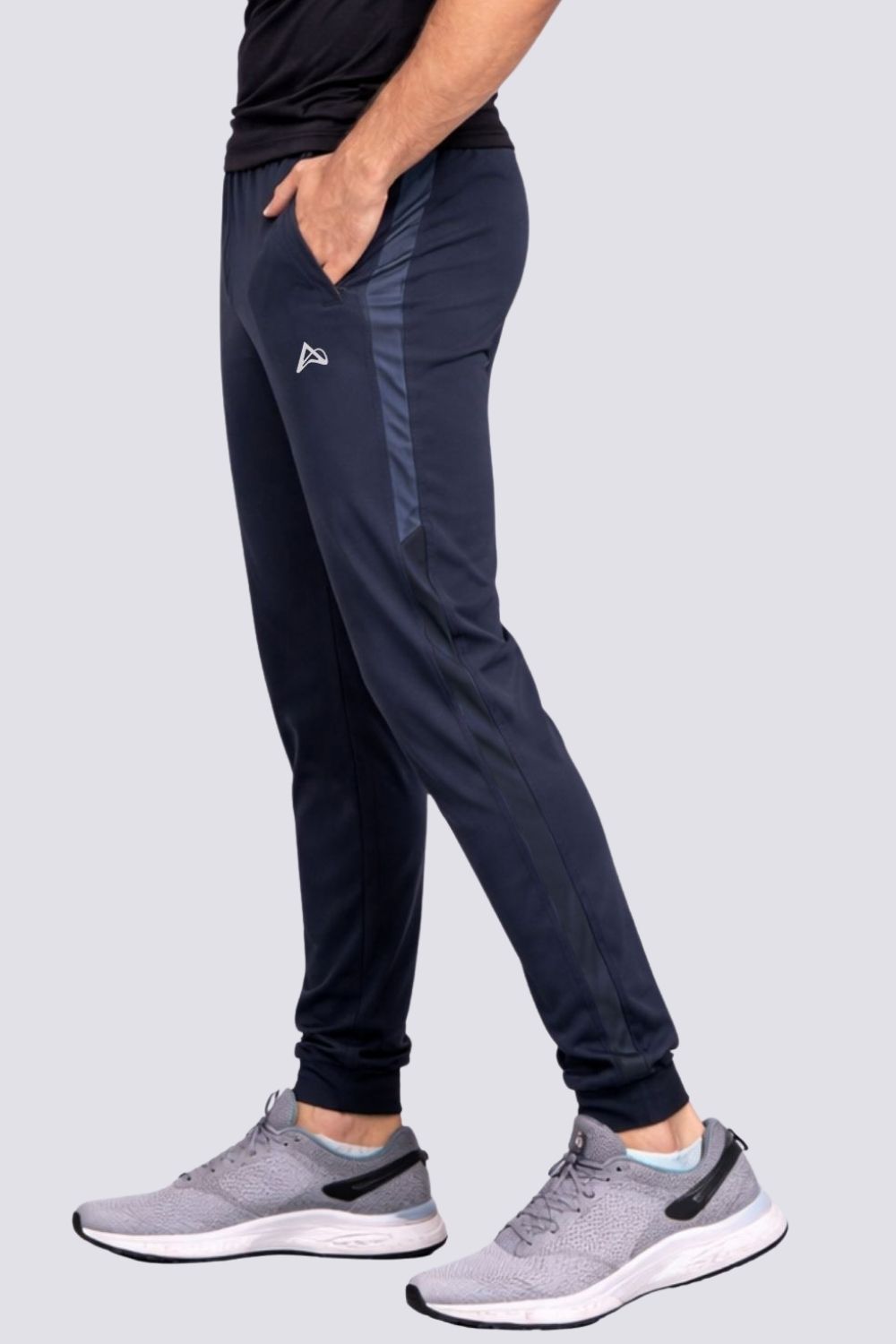
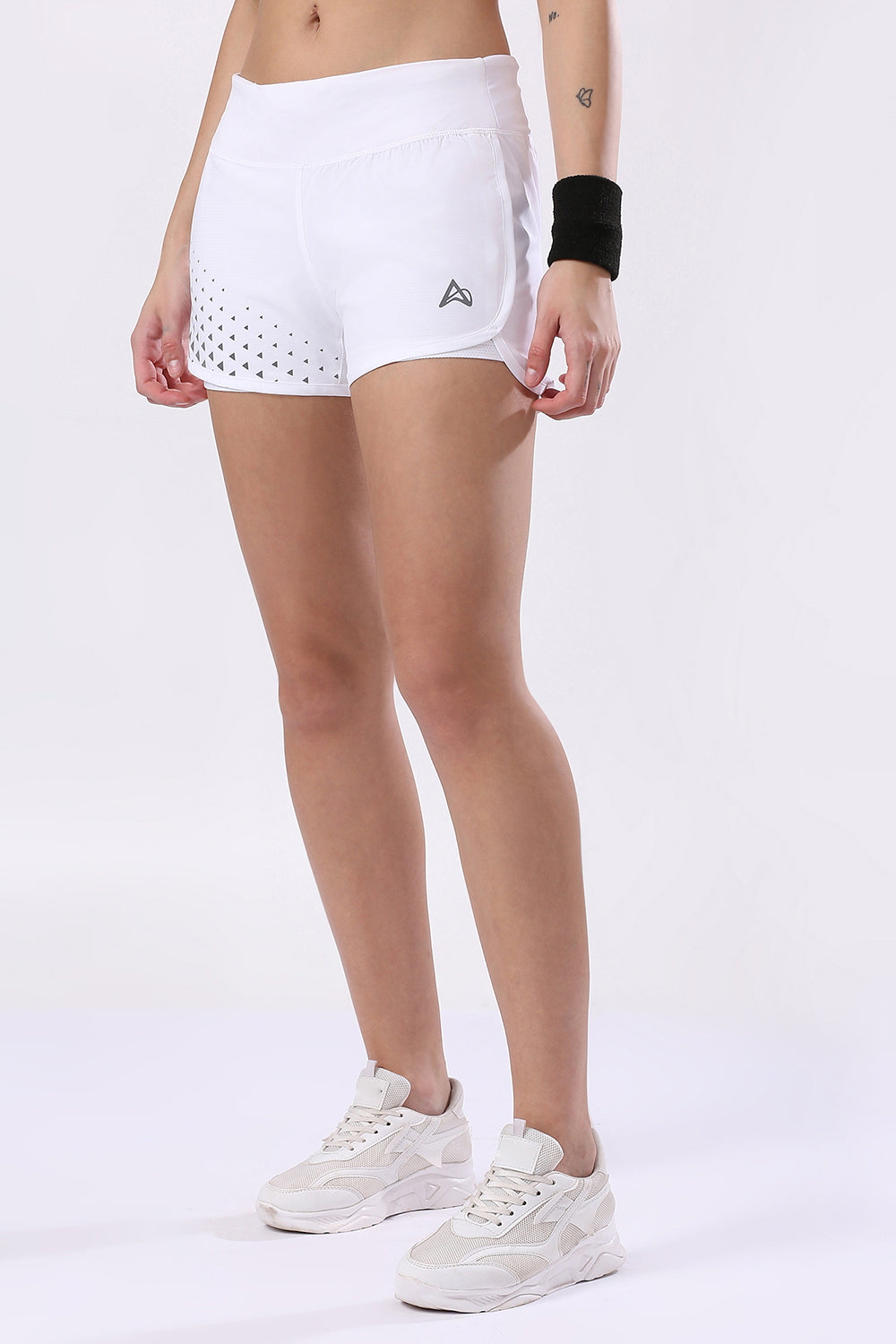
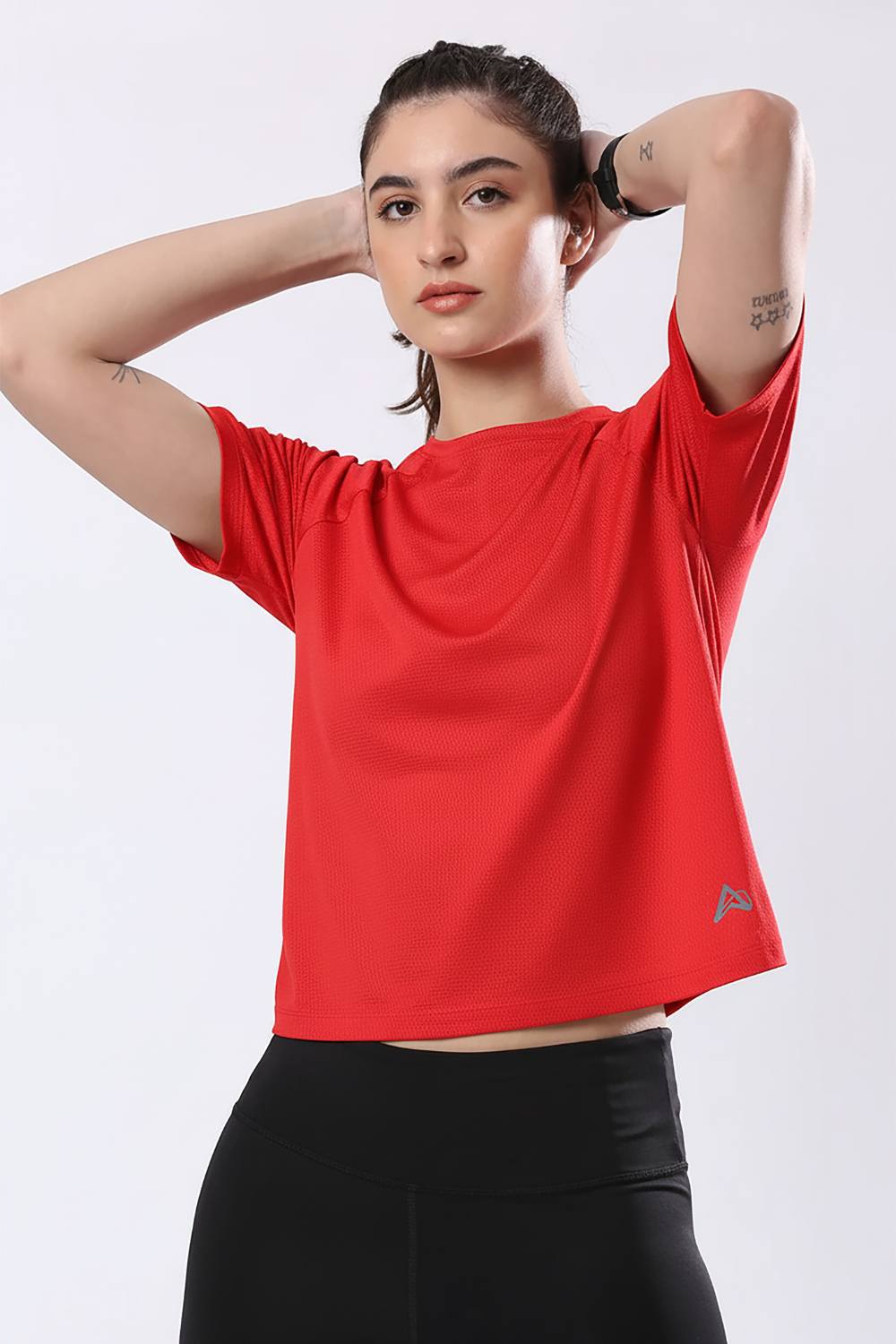
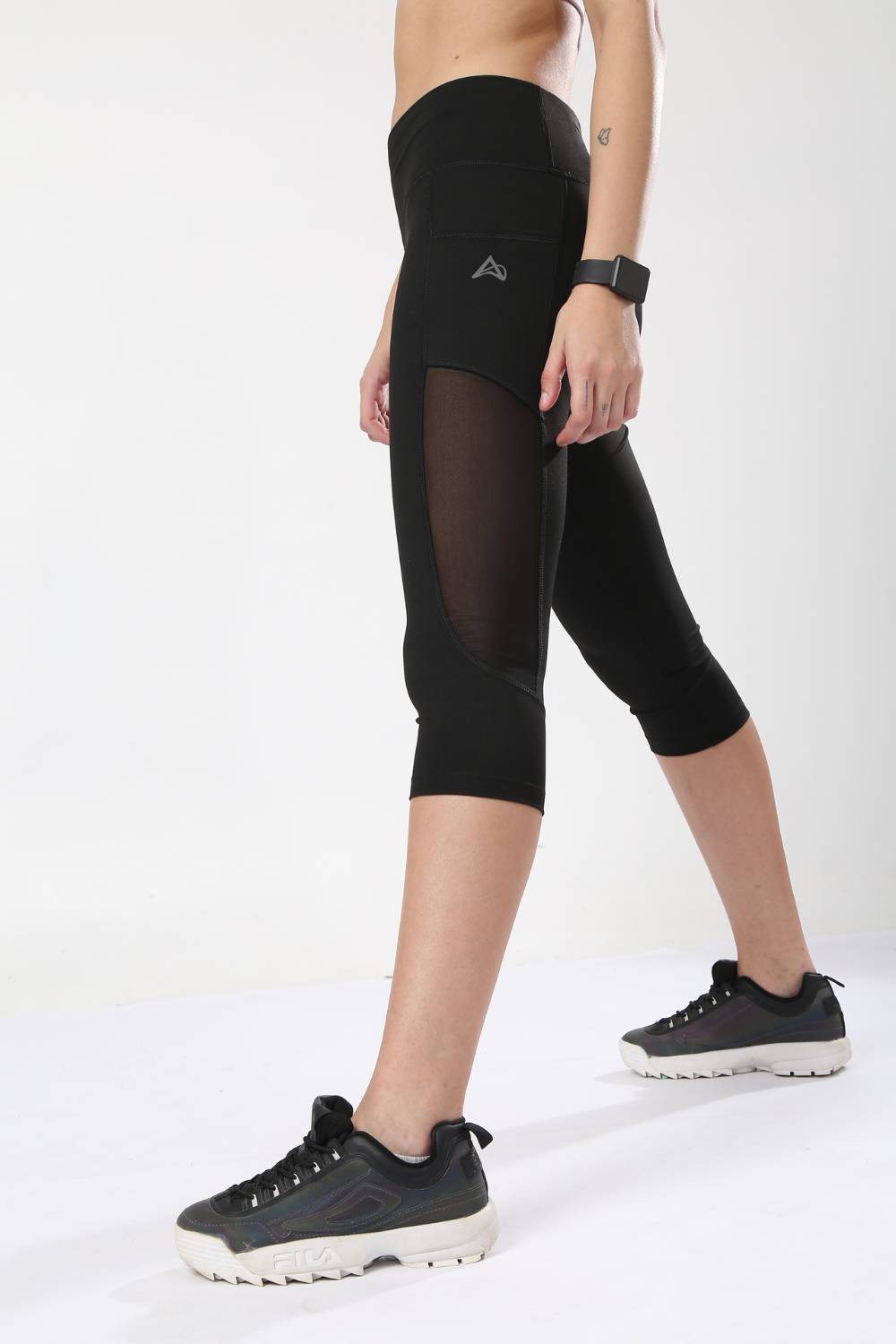
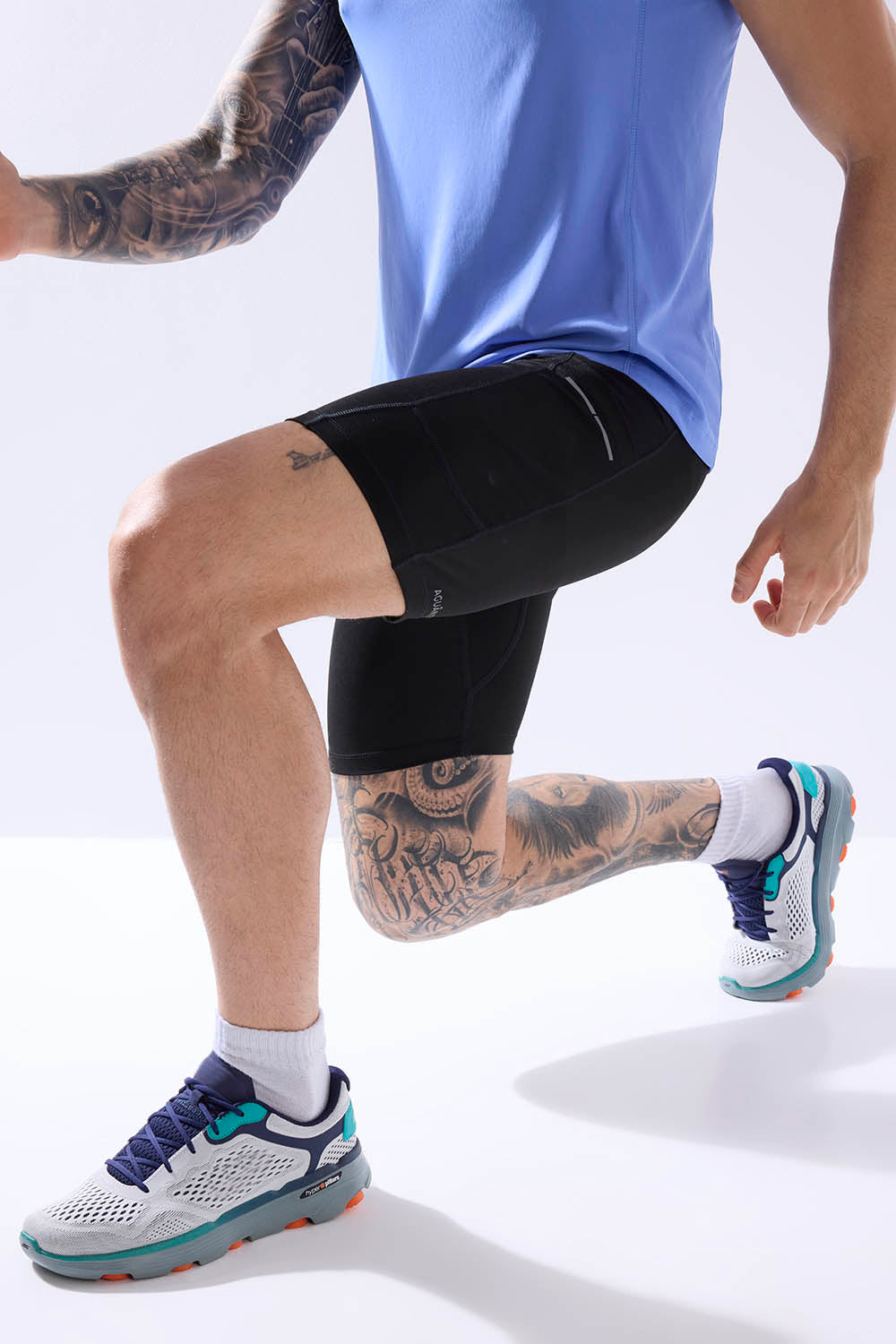
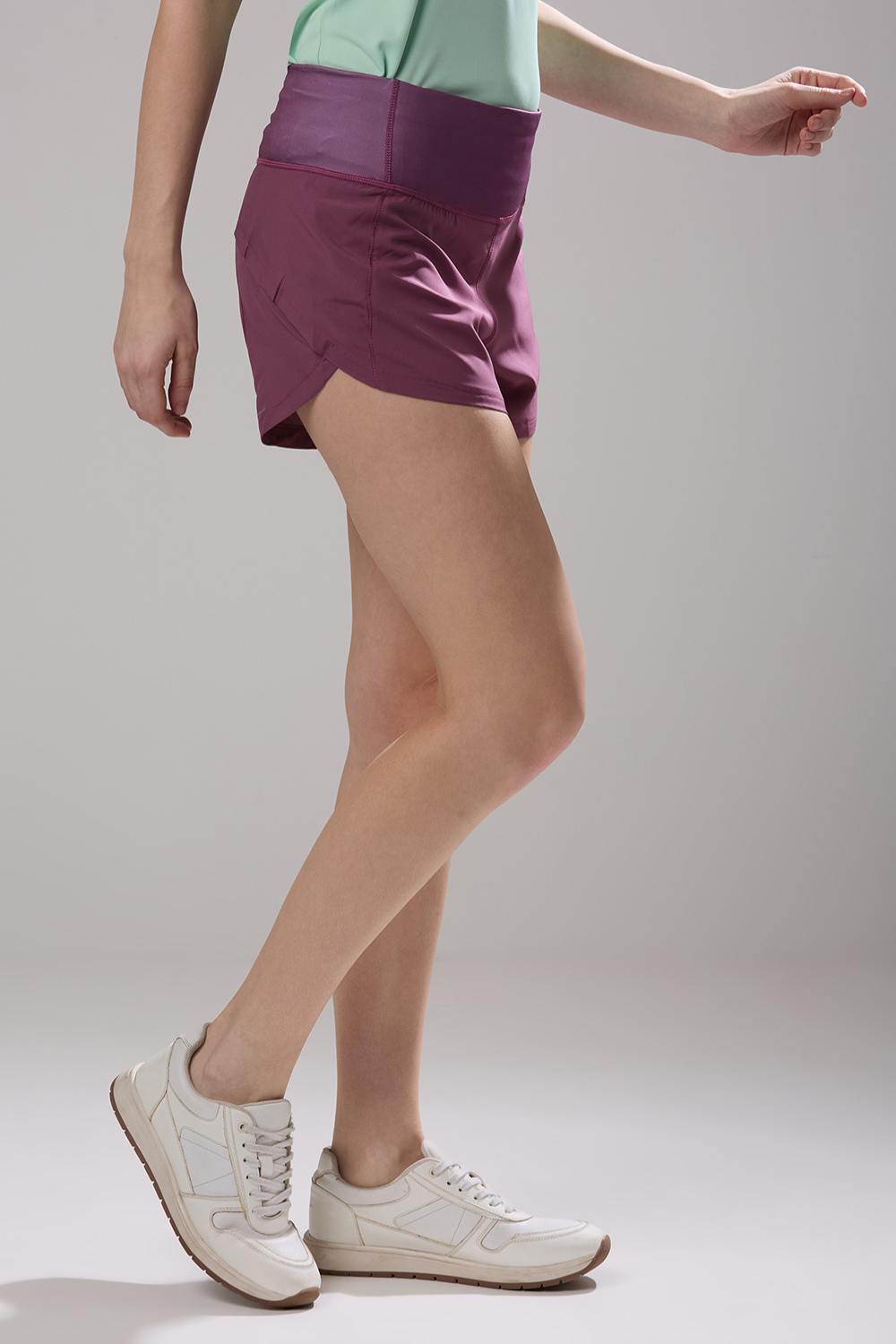
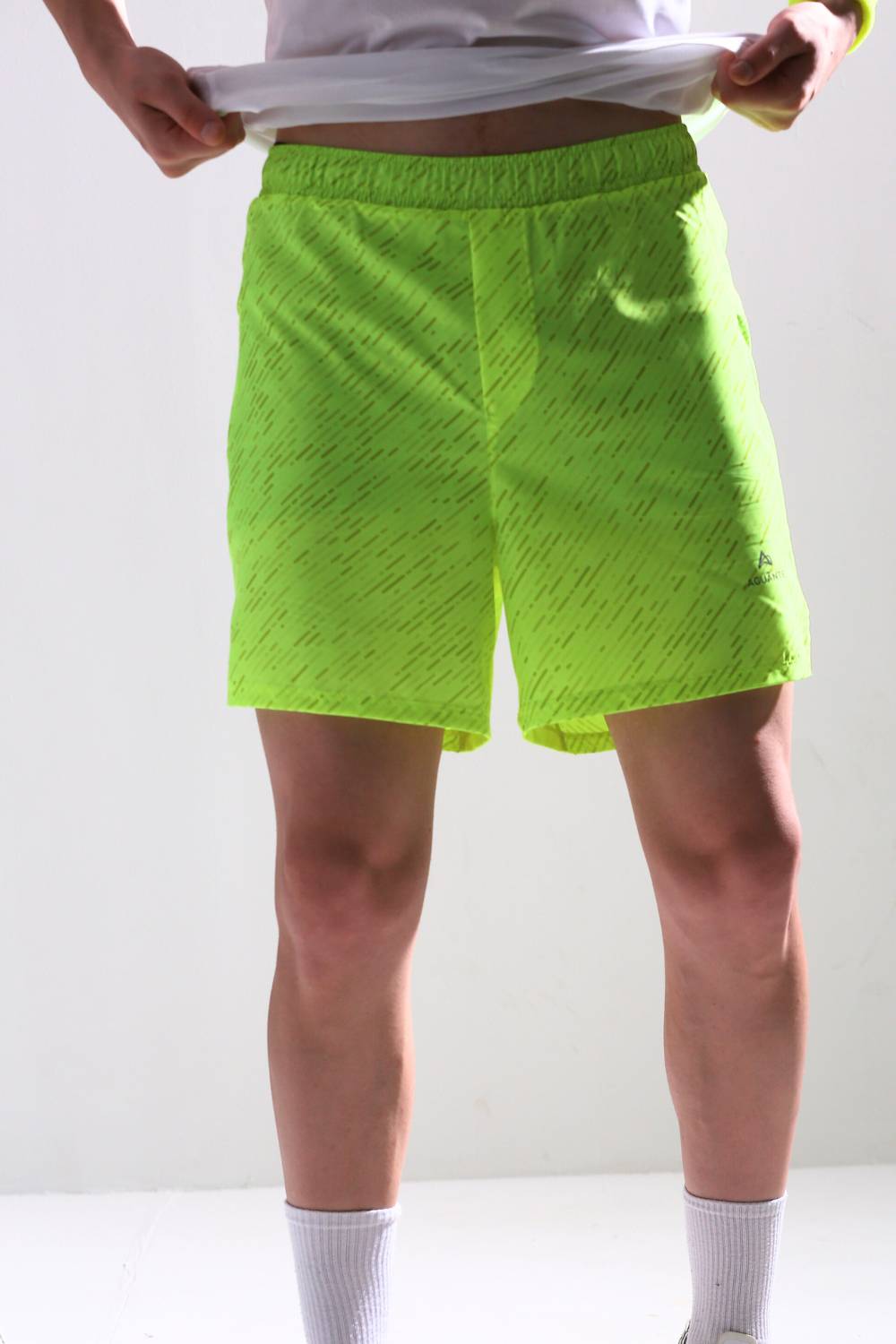
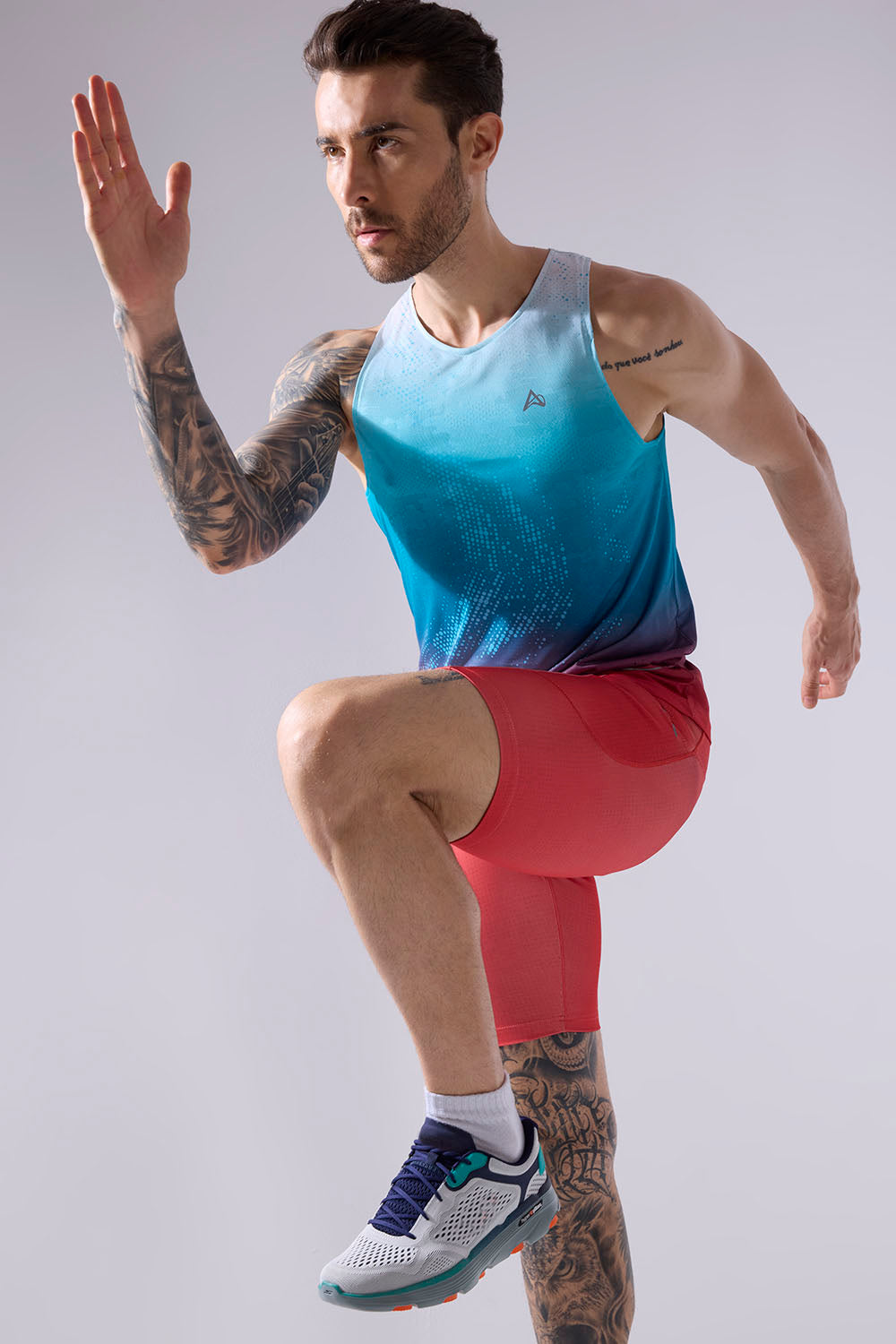
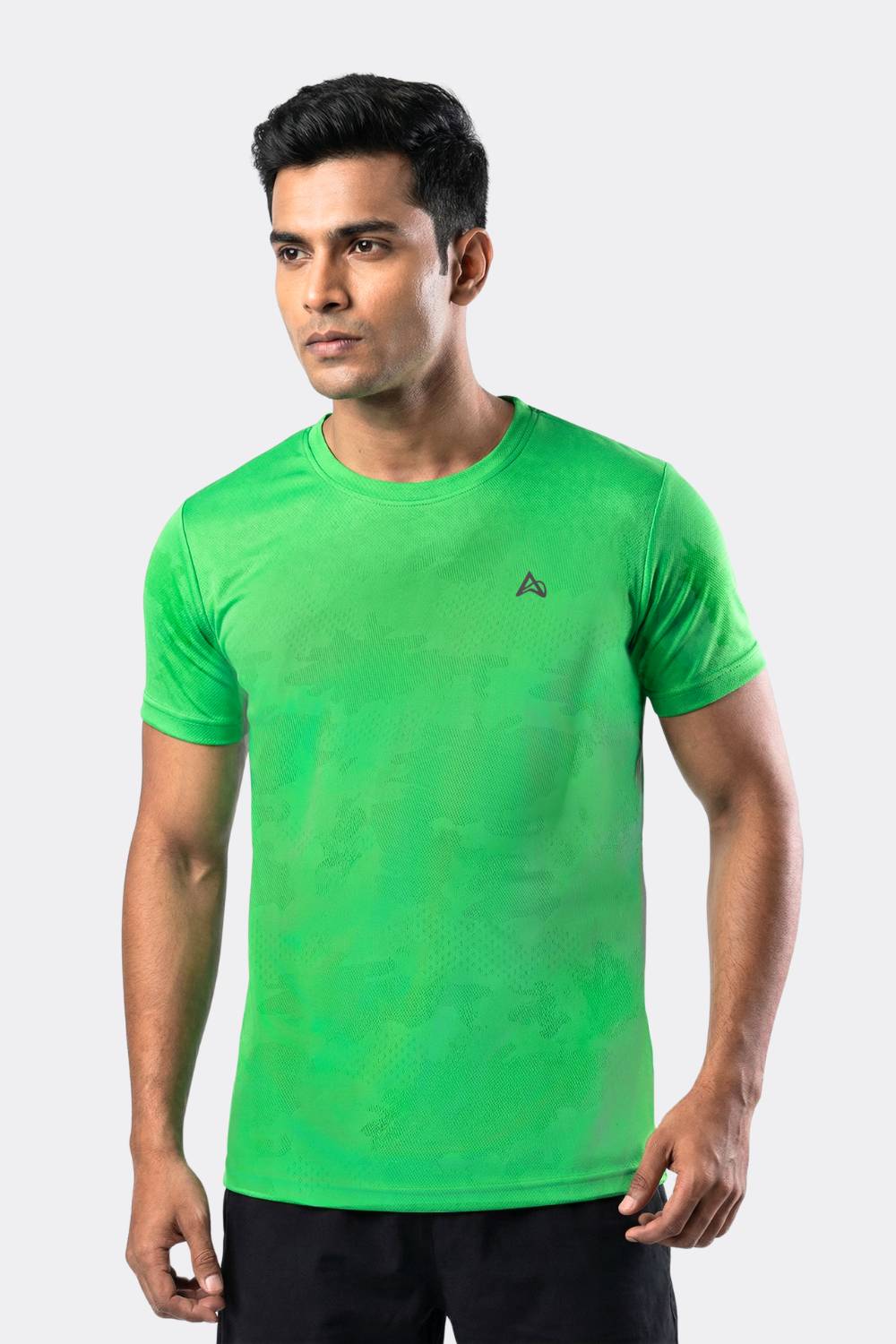
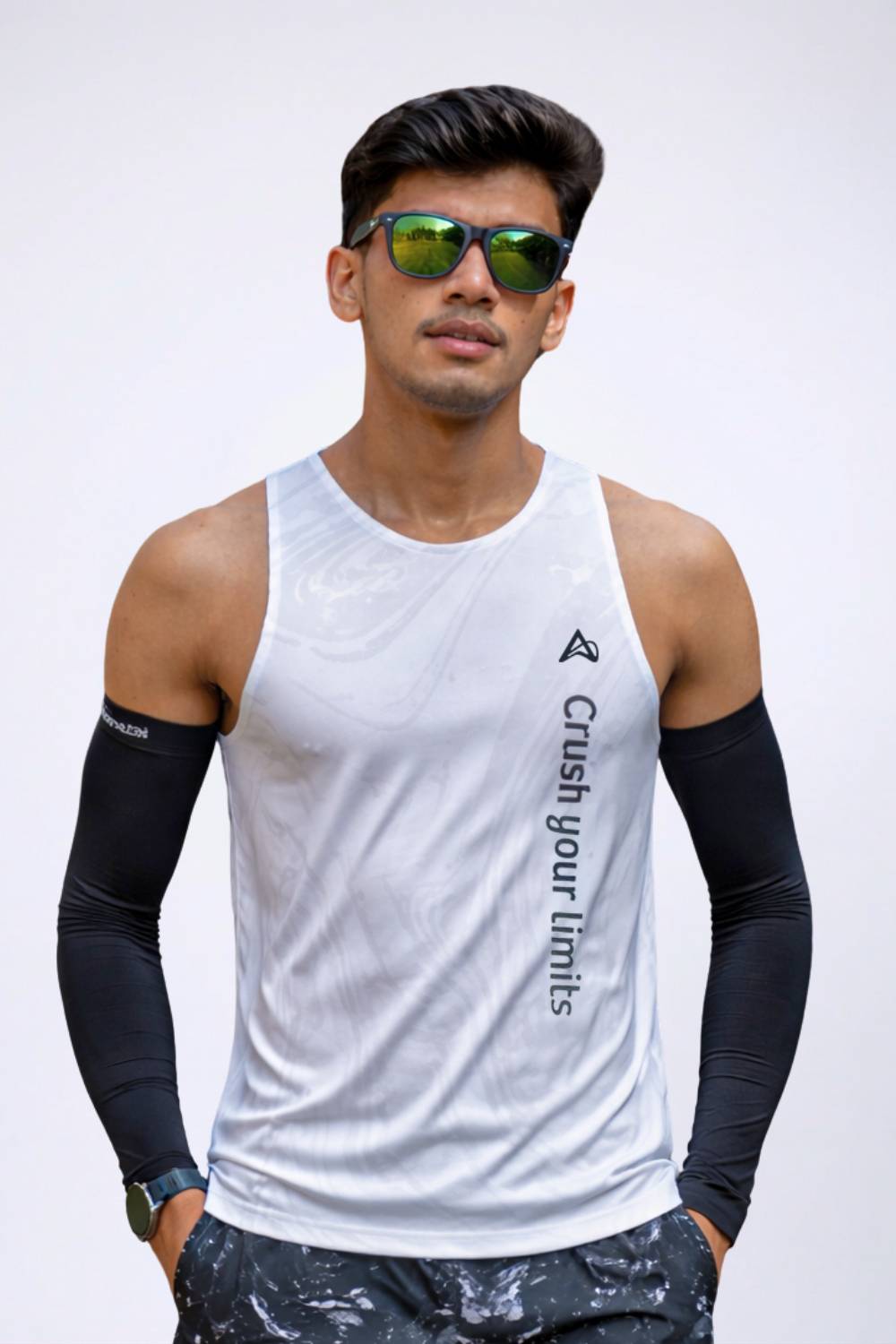
Aguante, established in 2018 by passionate runners, exemplifies this by integrating recycled and low-impact materials into their lineup of singlets, shorts, half-tights, and t-shirts. They prioritize runner-centric features: stable pockets, chafe-resistant linings, reflective accents, and fits honed on authentic Indian trails. Tailored for regional humidity and heat, their offerings eclipse foreign generics, delivering affordability alongside global standards.
Production methods are advancing as well. Techniques like low-water dyeing, minimal chemical application, and localized ethical manufacturing diminish environmental burdens while bolstering domestic ingenuity. The sustainable athleisure segment in India is poised for 5.0% CAGR from 2024 to 2031, underscoring the integration of green practices in everyday sportswear.
Real-World Adoption: How India's Runners Are Embracing the Shift
In key urban centers Bangalore, Mumbai, Pune, Gurugram, Surat athletes are manifesting this change through their choices. Early morning groups in verdant parks and along waterfronts don eco-prioritizing attire, with online marketplaces like Myntra and Amazon witnessing surges in queries for green running shorts, tanks, and tees amid standard searches.
Influencers are pivotal in this narrative. Figures like barefoot running expert Shanth Koushik, marathon veteran Rajesh Parida from Odisha, Runholic Dev, Fit Kaur, and Coach Amit Kumar leverage Instagram to showcase training regimens in gear optimized for India's rigors. Their content emphasizes how eco-friendly items sustain prolonged efforts seamlessly, cultivating faith in labels like Aguante.
Beyond performance, these adopters reduce waste: each recycled garment averts landfill contributions, every natural fiber selection conserves resources. Indian brands such as Satva, using organic cotton sans harmful chemicals; Stretchery, with fair-trade eco-dyes; and Deivee, incorporating banana fiber and recycled polyester while planting trees per sale, are gaining traction. Soul Space's GOTS-certified cotton, Proyog's hyperbreath organic blends, and SOHFIT's Tencel-eucalyptus mixes further diversify options, all emphasizing fair labor and reduced water use.
Globally inspired yet locally adapted, brands like Icebreaker with merino wool, Janji's recycled plastics, and Pressio's no-dye tech influence Indian markets. Plastic-free pioneers such as Community Clothing's organic cotton, Iron Root's hemp-Tencel combos, and Arms of Ande's alpaca wool offer alternatives, promoting circularity through recycling incentives and ethical sourcing.
This embrace extends to events: marathons and trail runs increasingly feature sustainable gear mandates, amplifying awareness. Runners report enhanced motivation, knowing their apparel aligns with broader conservation goals.
Challenges on the Path to Green Gear
Yet, hurdles persist. Sustainable inputs often command higher initial costs, straining accessibility in a price-sensitive arena. Athletes habituated to luxury imports or budget basics may view eco-variants as extravagant, despite long-term savings from durability.
Performance skepticism remains: initial green fabrics sometimes lagged in longevity or sweat-handling, though innovations have bridged this. Aguante demonstrates efficacy with wicking, field-tested creations that assure uninterrupted runs, illustrating how eco-designs can amplify capabilities.
Supply chain intricacies complicate matters sourcing ethical materials amid global regulations adds layers. However, emphasizing local production mitigates delays and excesses, fostering resilience. Overcoming these requires education, subsidies, and collaborative R&D to democratize sustainable options.
Opportunities Ahead: Growth and Impact
The payoffs are substantial. Aligning with eco-values cultivates deep loyalty; satisfied runners advocate via social platforms like Instagram, Facebook, and YouTube, expanding reach organically.
For Aguante, merging international quality with indigenous creativity unlocks potential. Their emphasis on Indian-specific perks secure essentials holders, humidity-defying anti-chafe, low-light visibility synergizes with sustainability, establishing them as marketplace favorites.
Wider ramifications include lessened ecological stress, invigorated local economies, and inspired athletes experiencing superior runs. As e-commerce flourishes and influencers propel trends, opportunities abound for scaling green innovations.
Market projections signal vast potential: with urbanization and income growth, India's running cohort expands, primed for sustainable dominance amid policy-backed fitness drives.
The Green Horizon for Indian Running
As cities densify and earnings climb, the nation's running ethos will intensify. Calendar-filling events and official endorsements set the scene for eco-apparel supremacy.
Breakthroughs will erase lingering disparities, rendering high-caliber green gear standard. Trailblazers like Aguante, anchored in innovation, integrity, and responsibility, will spearhead this forging cost-effective, deliberate items that uplift endurance seekers in Bangalore's greens, Mumbai's shores, and Delhi's avenues.
India's running future transcends speed and distance. It's verdant, synchronized with the terrain it traverses, affirming that elite achievement and environmental stewardship can advance in unison.
Frequently Asked Questions
What are the best sustainable materials used in running apparel for Indian climates?
The top sustainable materials for Indian runners include recycled polyester made from plastic waste, organic cotton, and bamboo derivatives. These eco-friendly fabrics excel at moisture management and ventilation crucial for India's heat and humidity while also offering durability against rugged terrains. Bio-based synthetics are also emerging as alternatives that avoid harmful microplastics and PFAS chemicals.
How much is India's sports apparel market expected to grow by 2030?
India's sports apparel market is experiencing remarkable growth across multiple projections. One analysis valued it at USD 705.85 million in 2024, forecasting growth to USD 1,592.58 million by 2030 at a 14.52% CAGR. Another report estimates the market at USD 1,275.3 million in 2024, reaching USD 3,298.7 million by 2030 at 16.58% CAGR, driven by fitness consciousness, government initiatives like Fit India Movement, and rising disposable incomes.
Which Indian brands offer eco-friendly running gear that performs well in hot and humid conditions?
Several Indian brands are leading the sustainable running gear movement with climate-adapted designs. Aguante, founded by runners in 2018, specializes in recycled and low-impact materials with features like chafe-resistant linings and moisture-wicking technology tailored for Indian conditions. Other notable brands include Satva (organic cotton), Stretchery (eco-dyes), Deivee (banana fiber and recycled polyester), Soul Space (GOTS-certified cotton), and Proyog (organic blends) all emphasizing performance alongside environmental responsibility.
Disclaimer: The above helpful resources content contains personal opinions and experiences. The information provided is for general knowledge and does not constitute professional advice.
You may also be interested in: Sustainable Fabrics Shape the Future of Indian Activewear
Tired of gear that slows you down? Chafing, soggy fabrics, and missing pockets kill your run's momentum. At Aguante, we're runners who get it. Our high-performance activewear features moisture-wicking fabrics, ergonomic designs, and smart storage to keep you focused. Shop Now!
Powered by flareAI.co