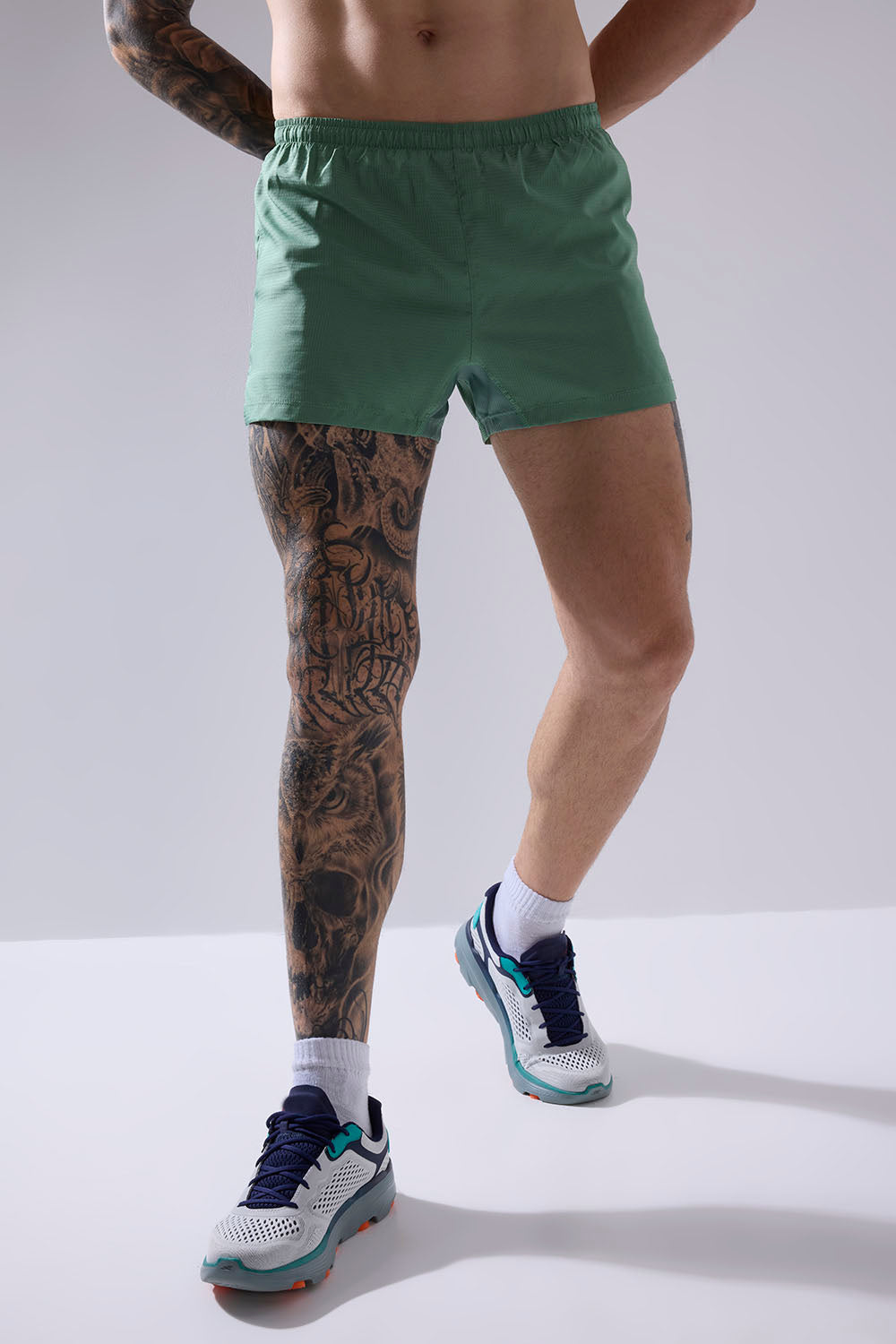
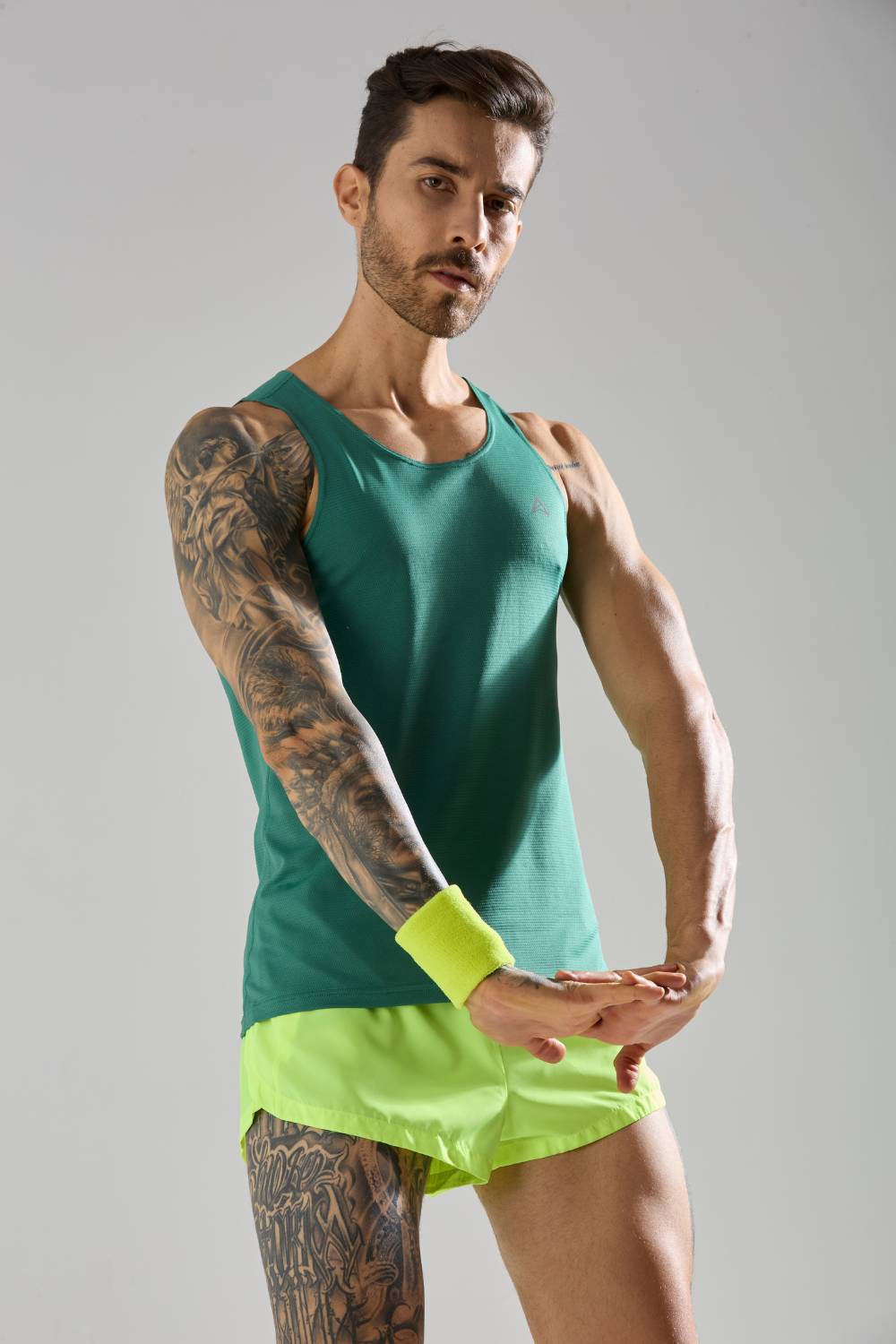
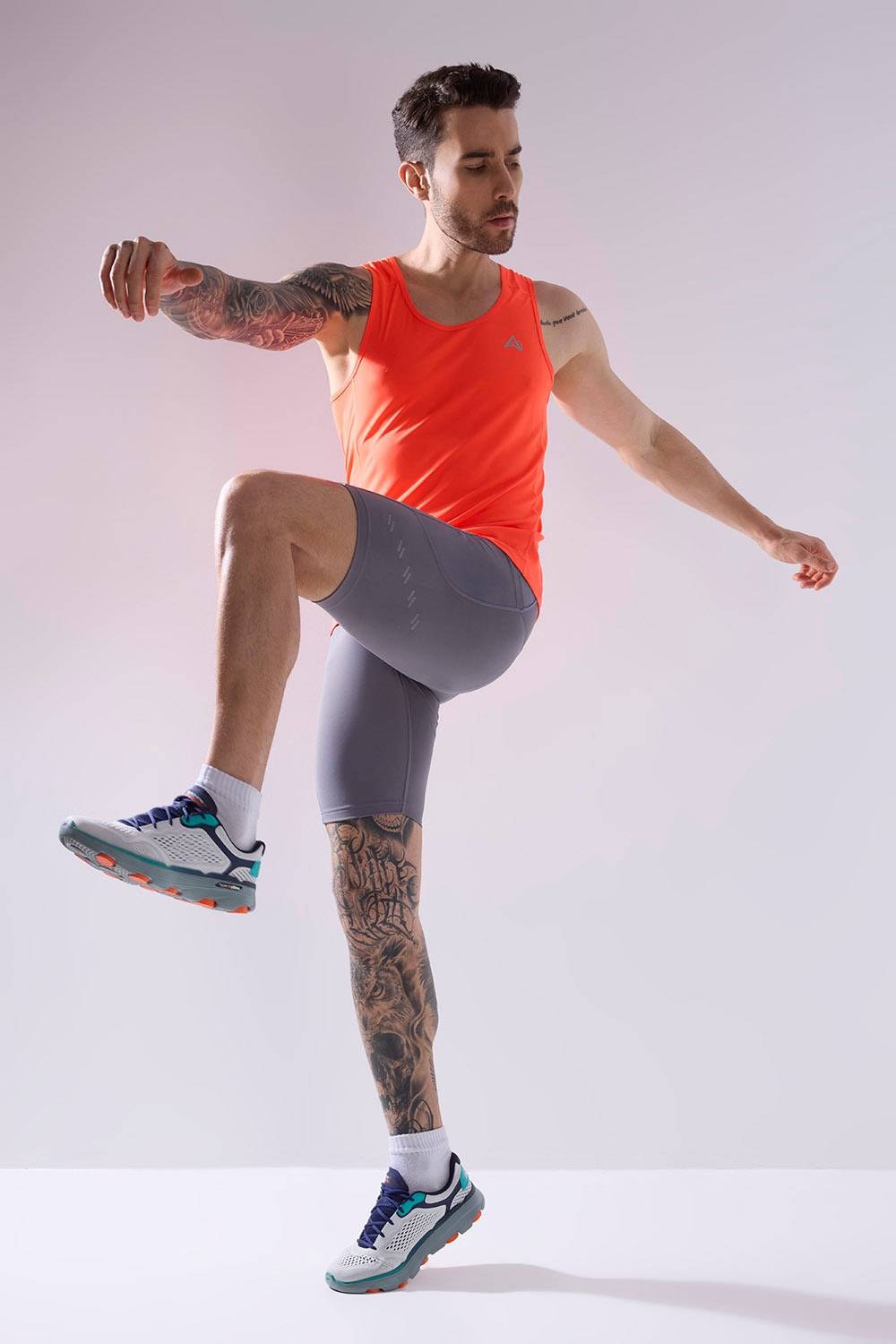
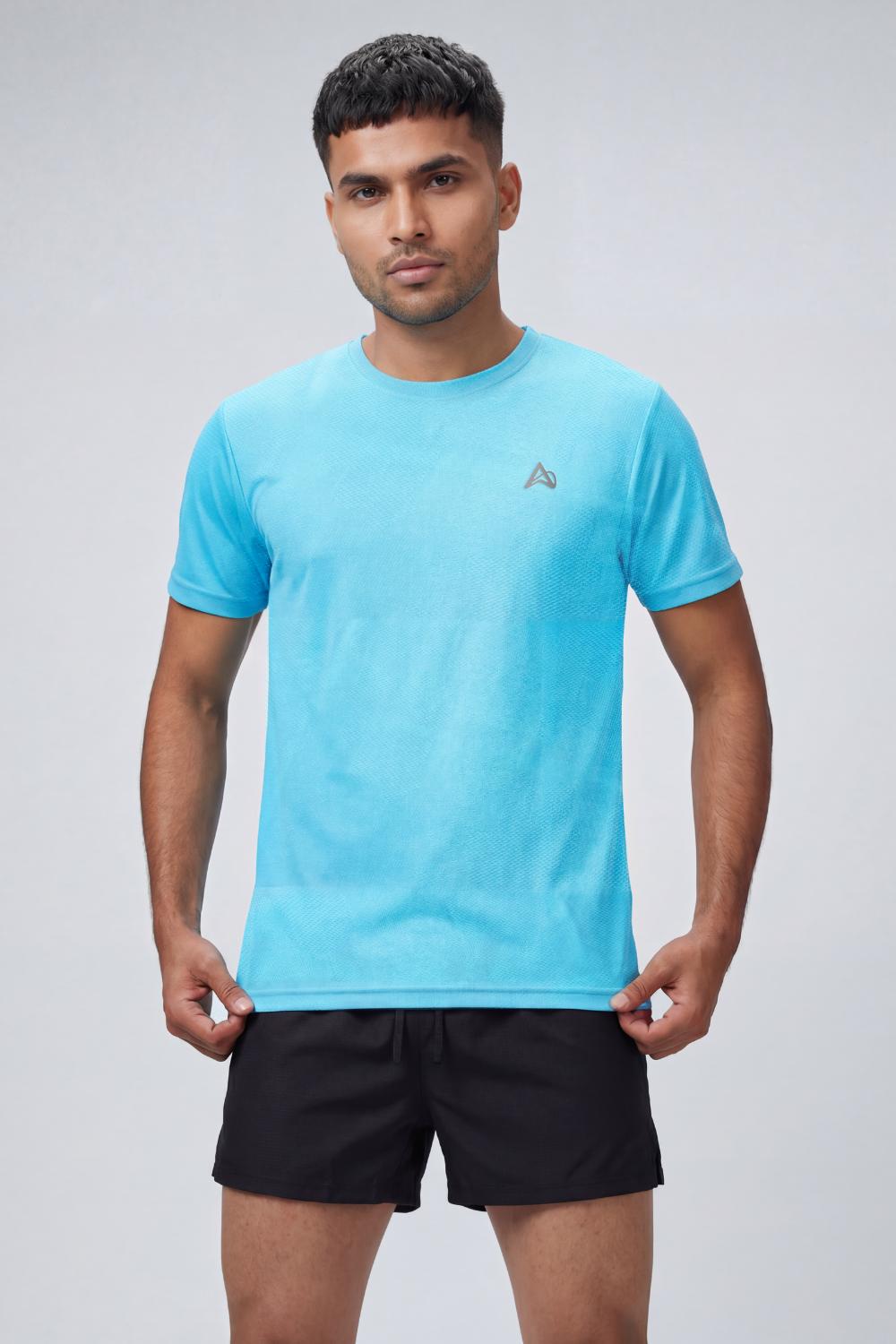
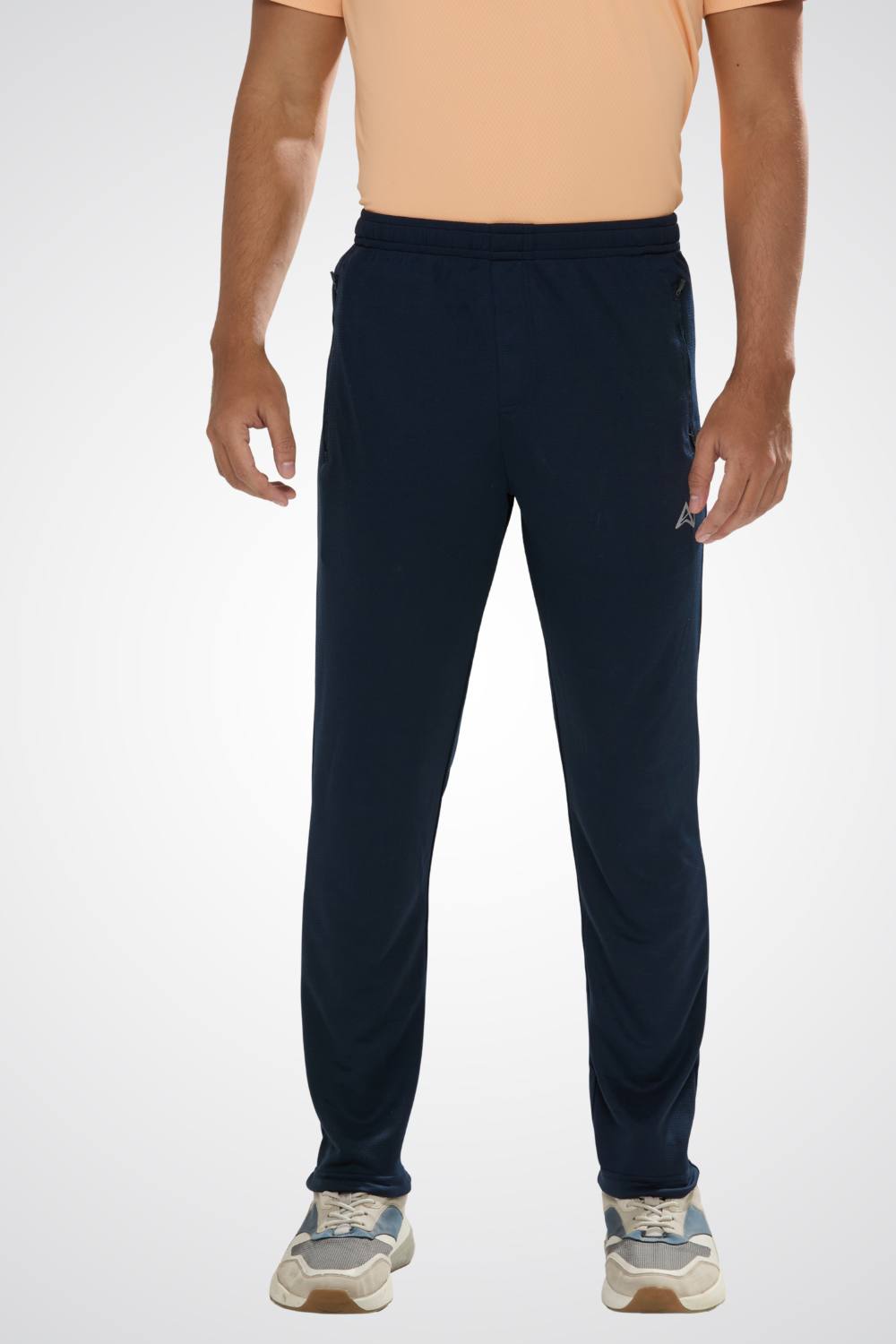
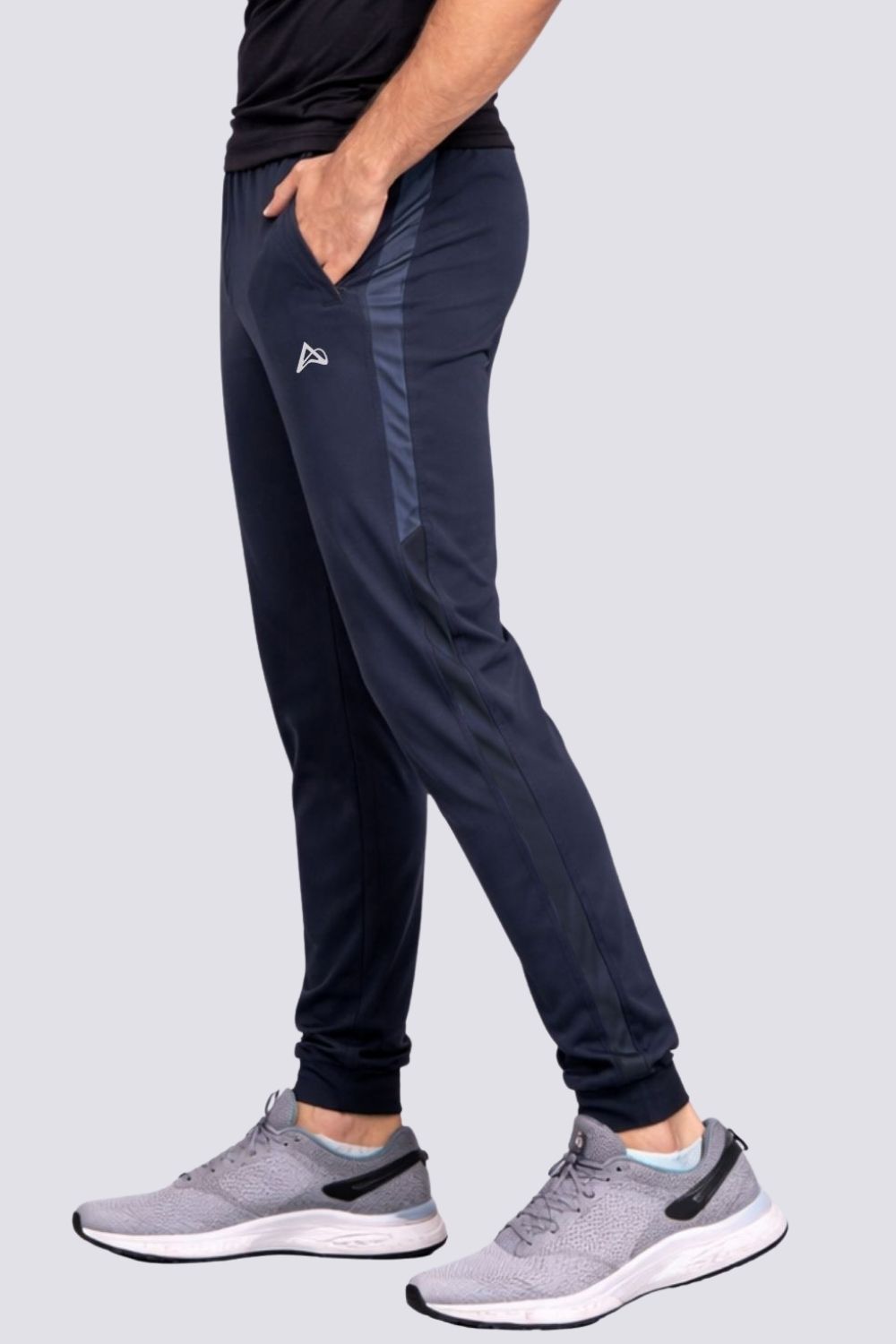
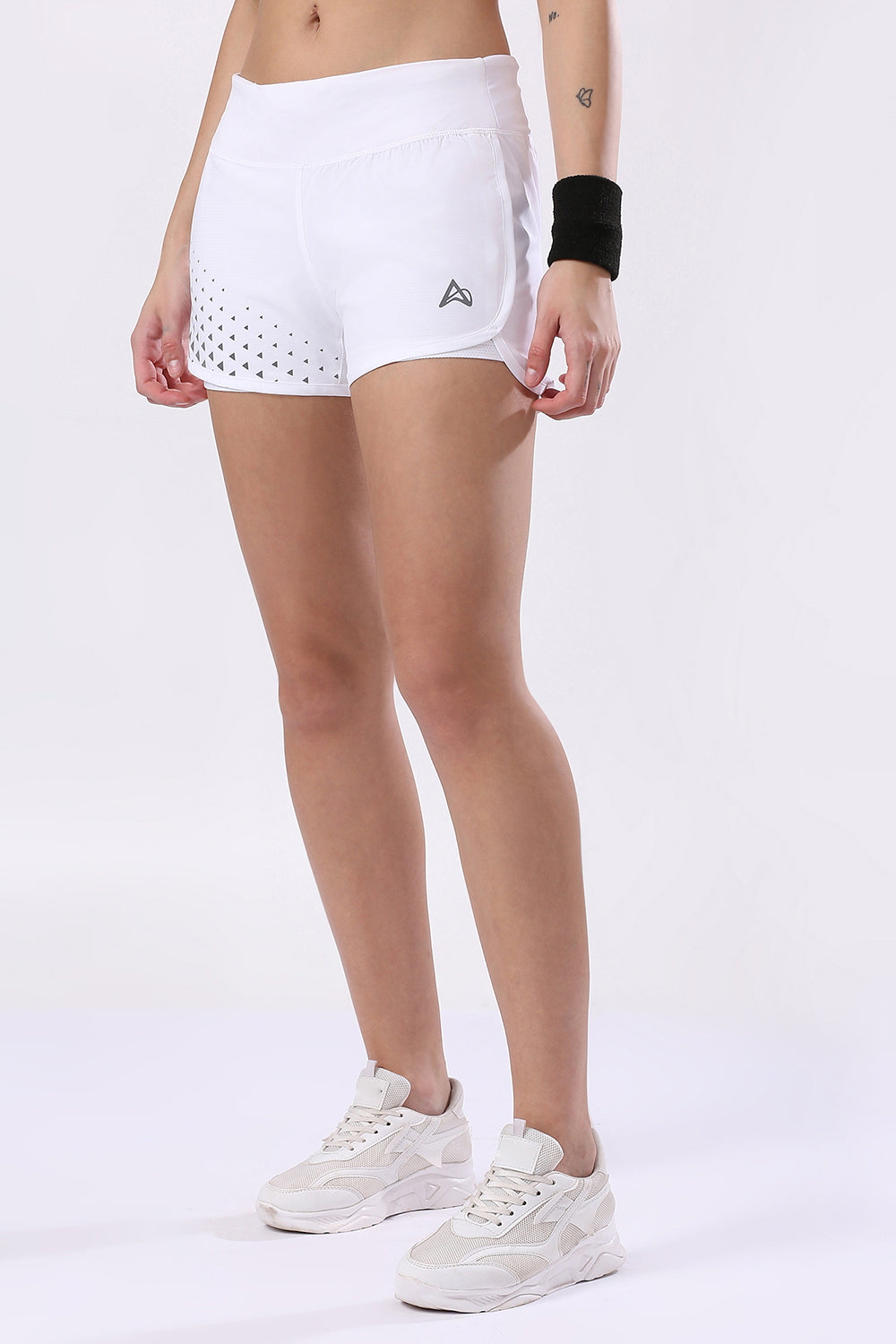
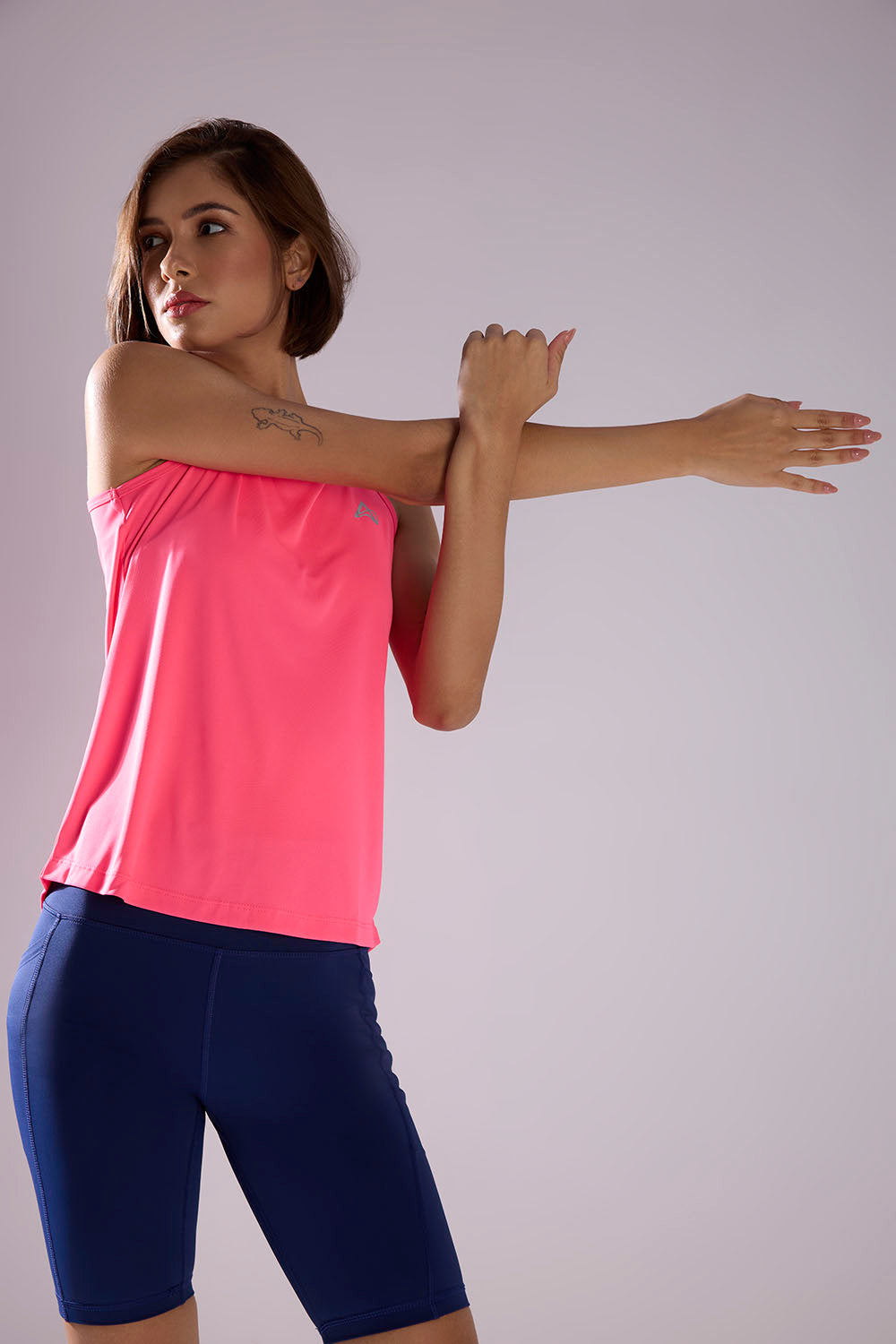


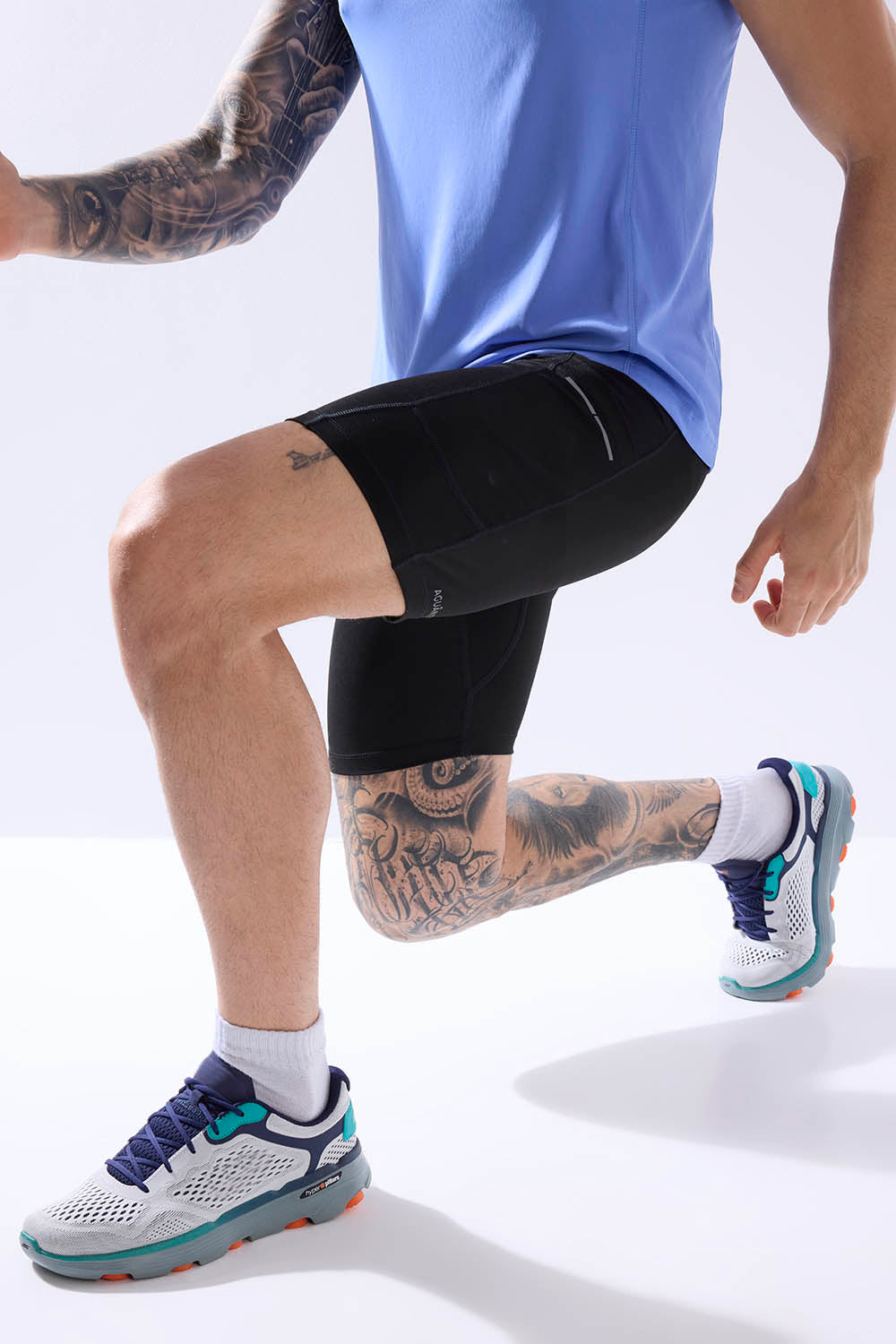
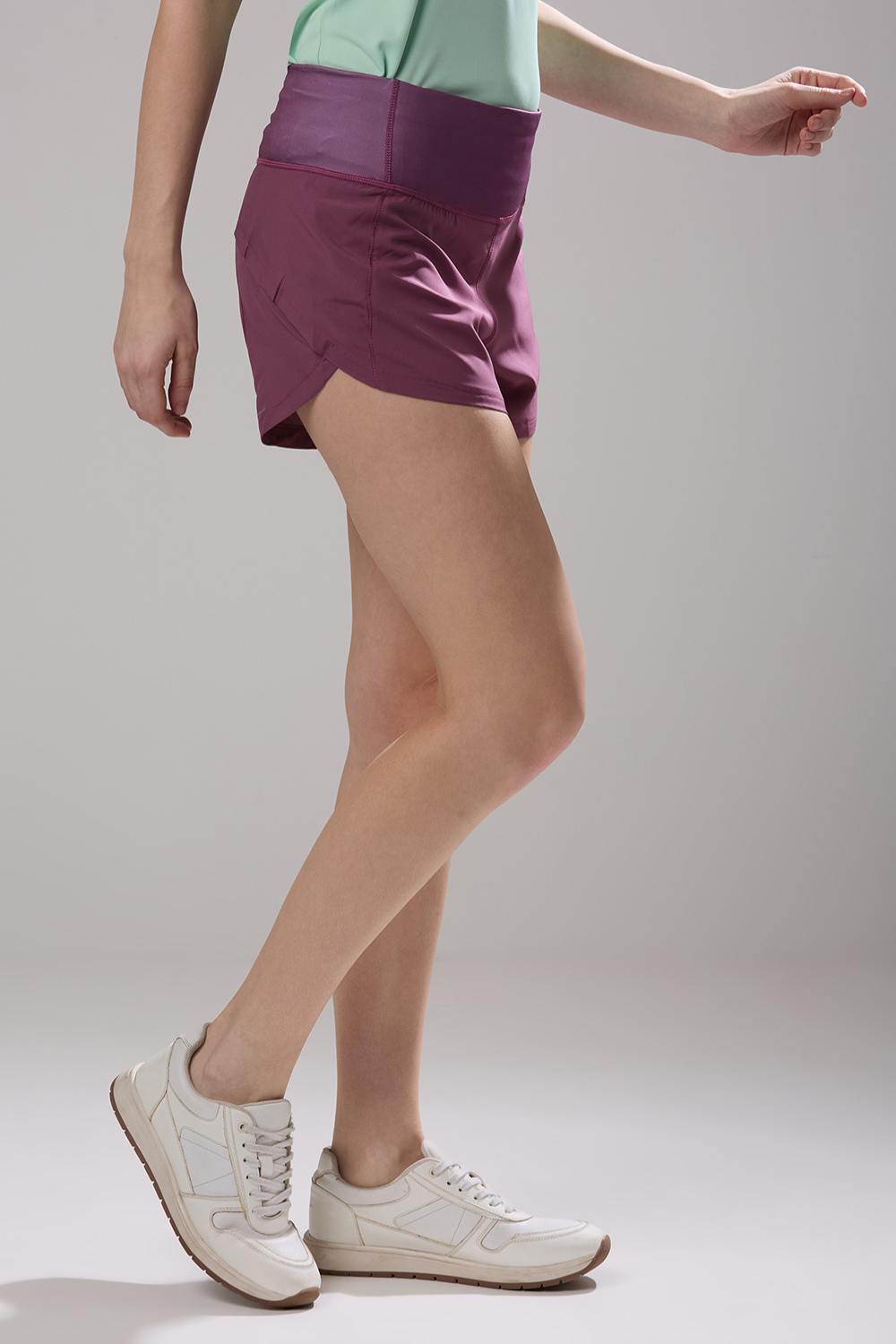
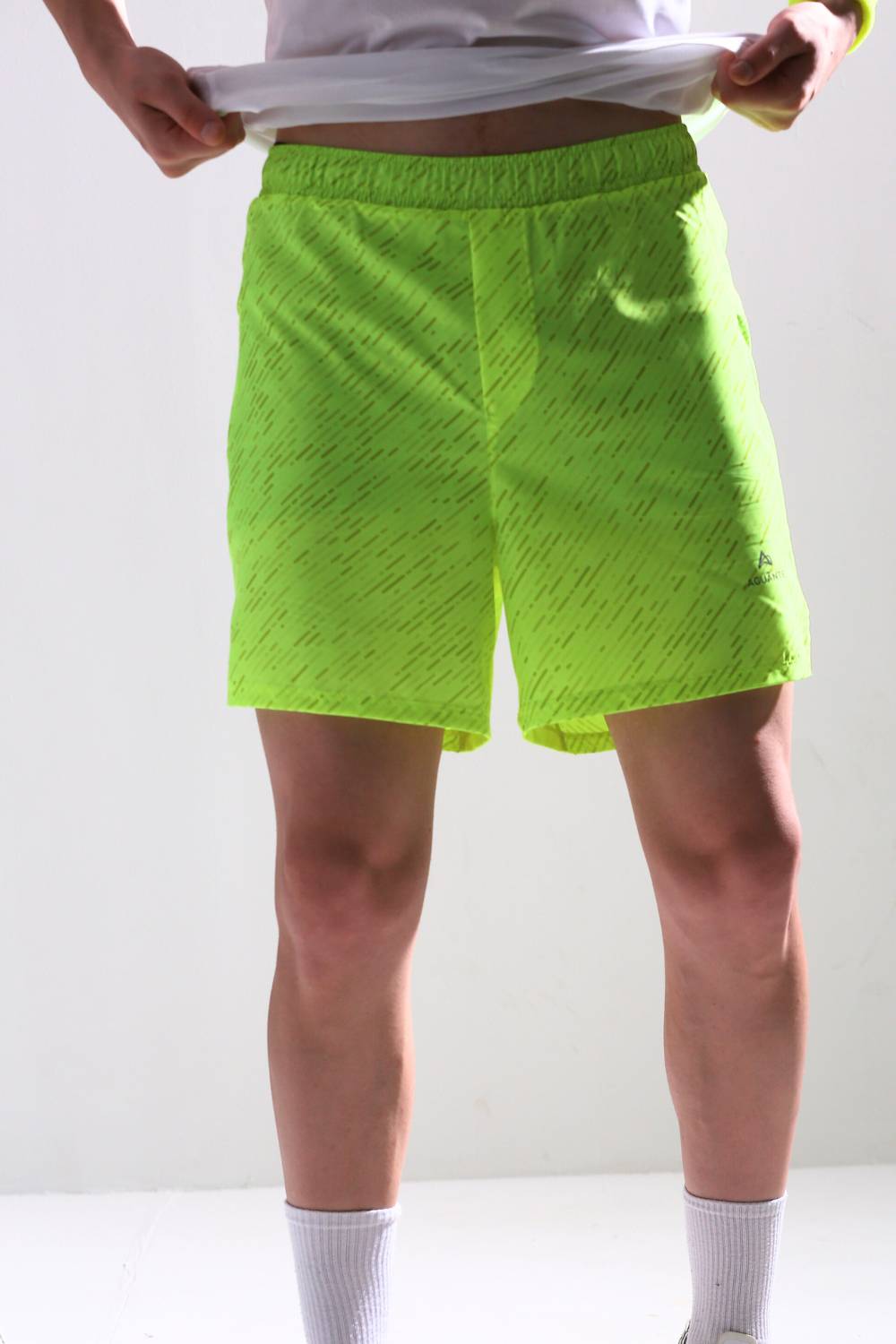


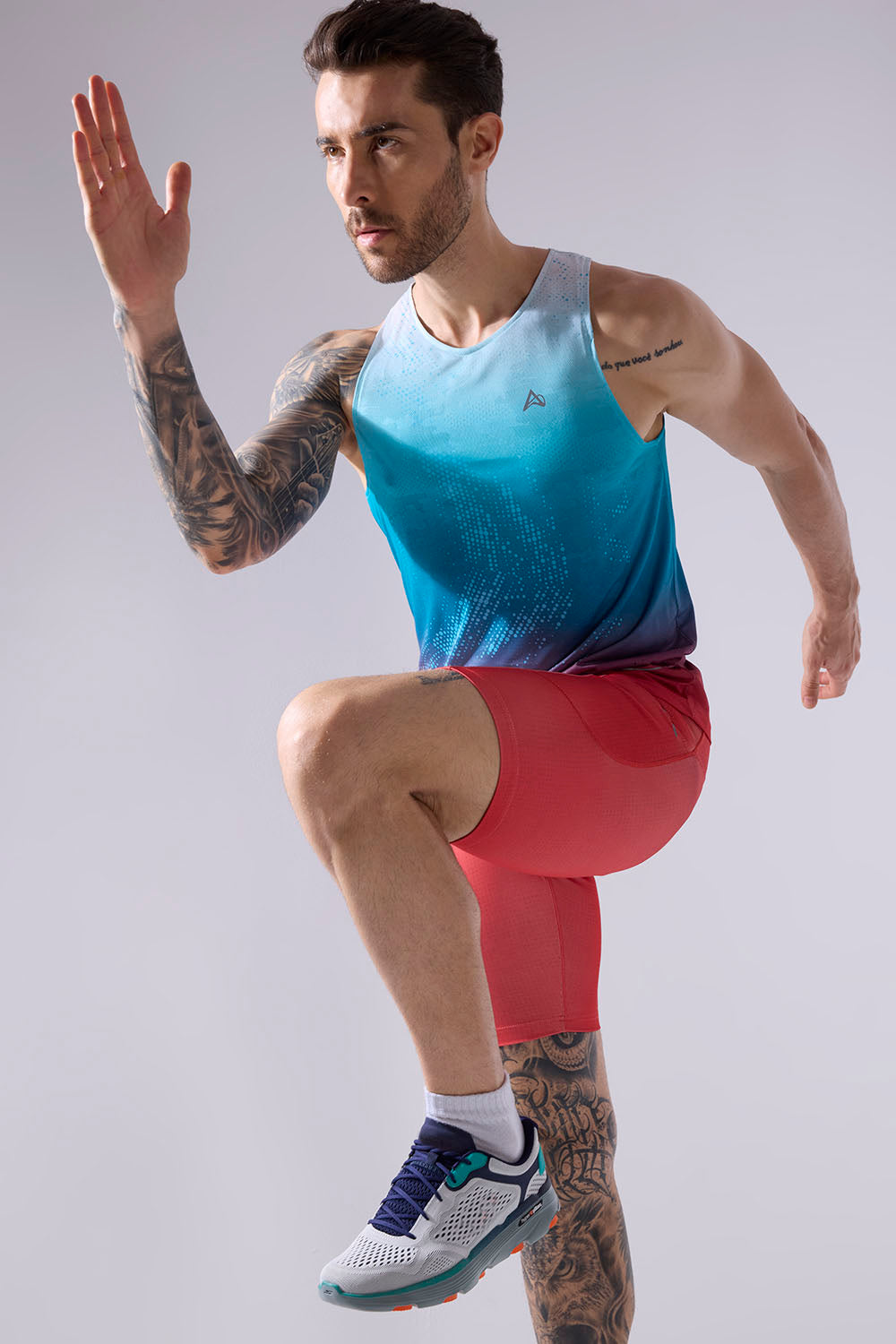

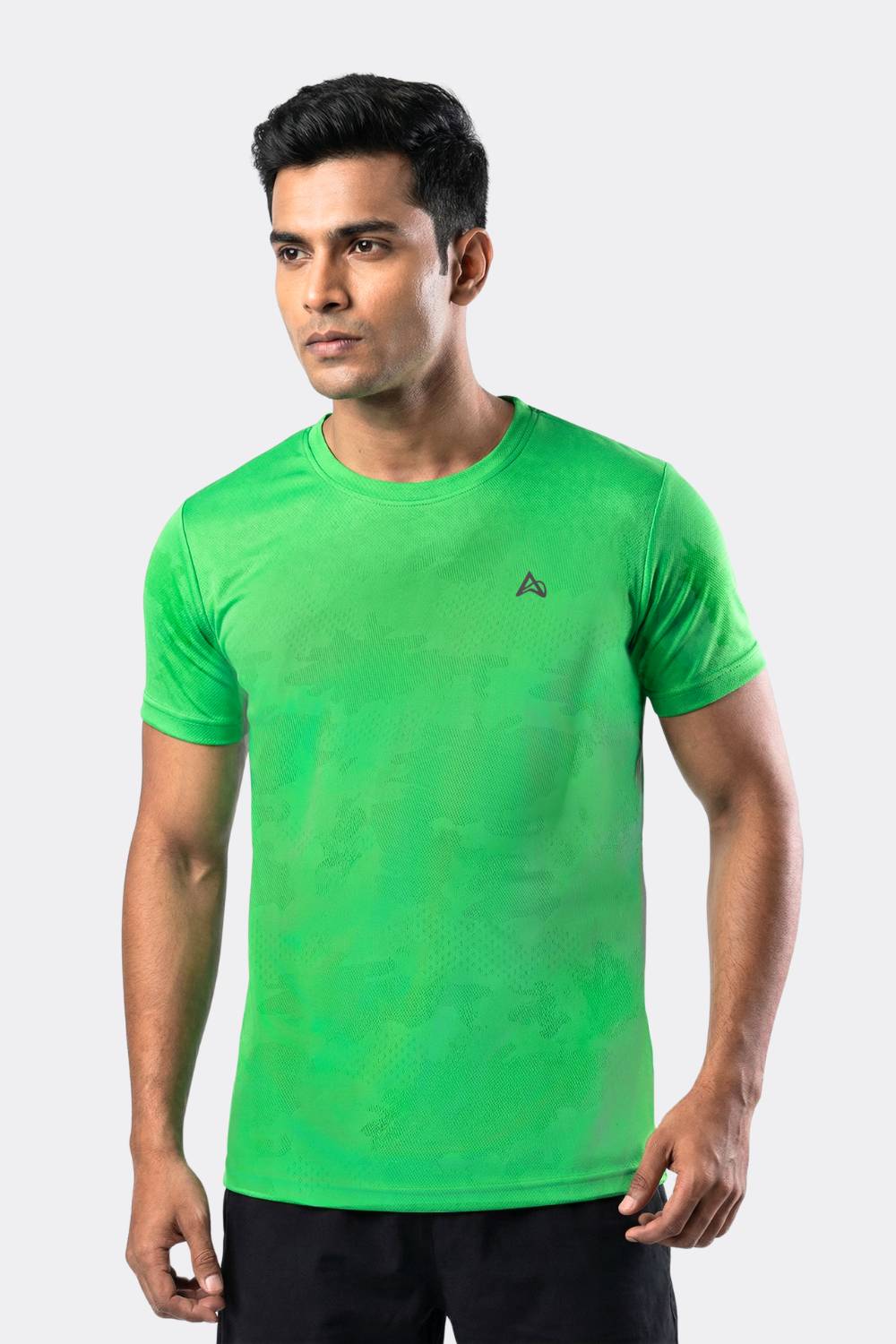
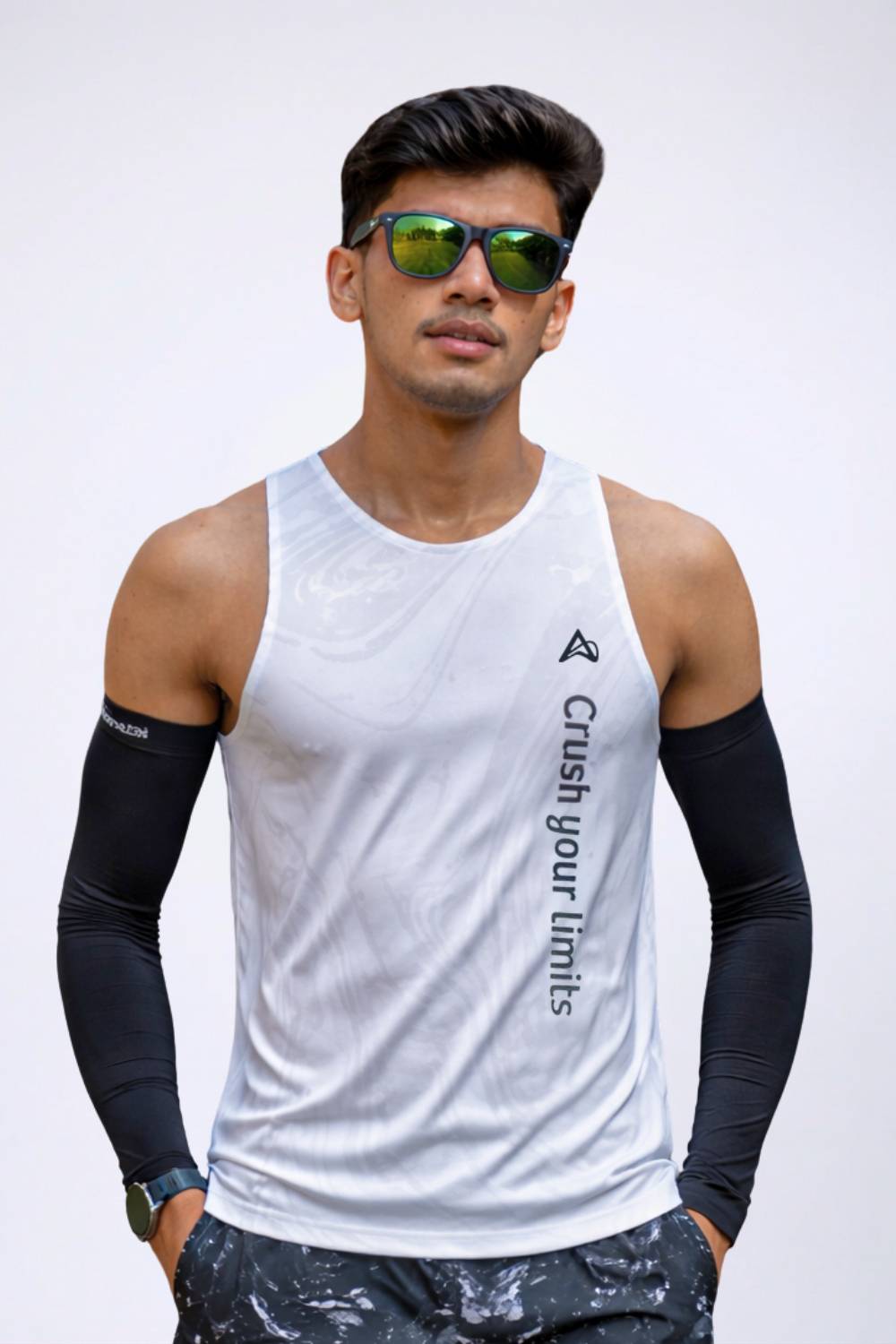

At dawn in Bangalore's Cubbon Park, runners glide through fog-draped trails, their eco-friendly gear cutting through the morning chill. From Mumbai's vibrant Marine Drive to Delhi's gritty urban tracks, India's metropolitan running scene is thriving, driven by a new wave of athletes who demand performance without environmental compromise. These runners, weaving through India's bustling cities, are fueling a seismic shift in the activewear market, elevating sustainable fabrics and practices from a trend to a mandate. This transformation, rooted in urban hubs like Bangalore, Mumbai, and Delhi, signals a future where fitness and sustainability run stride for stride.
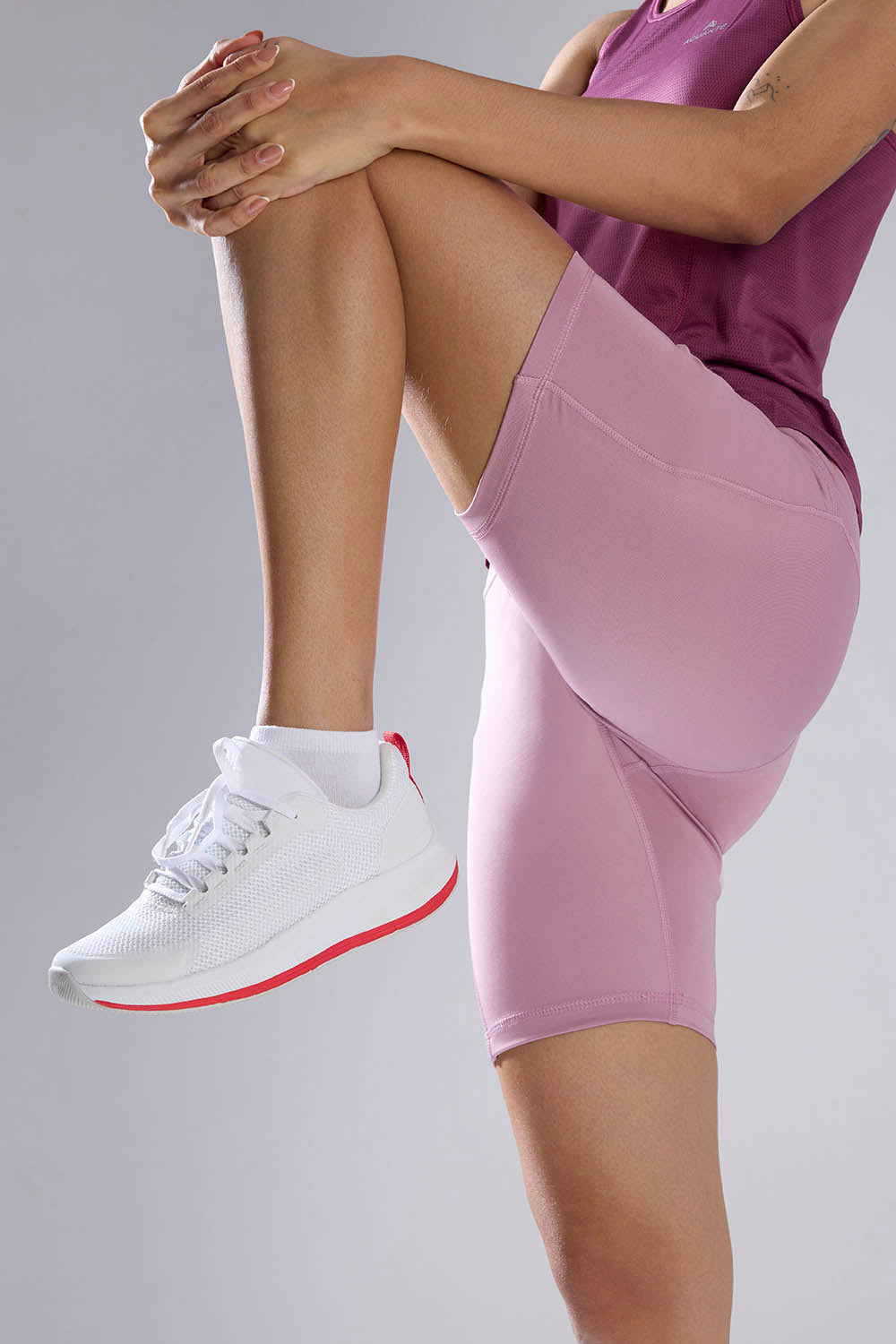
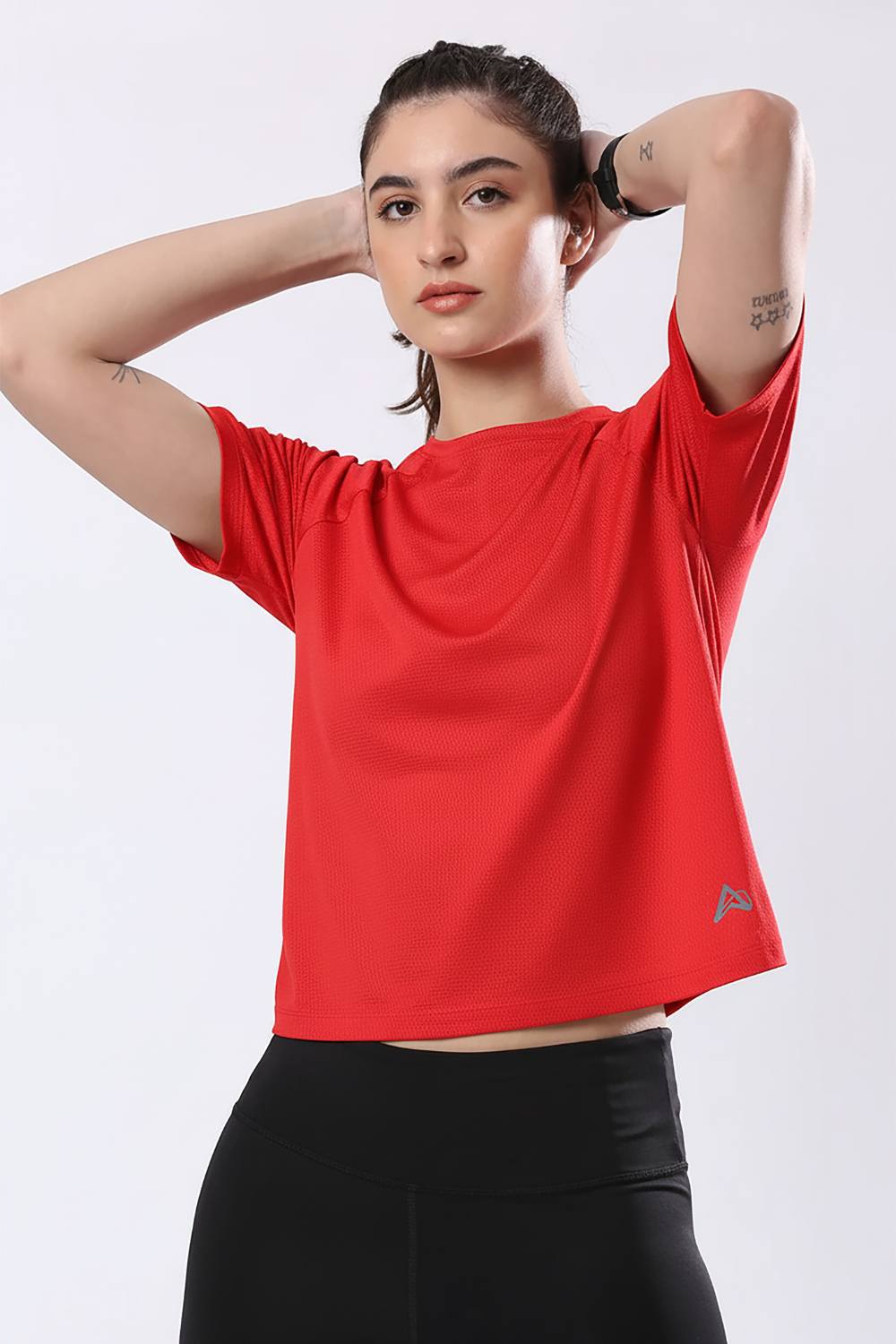
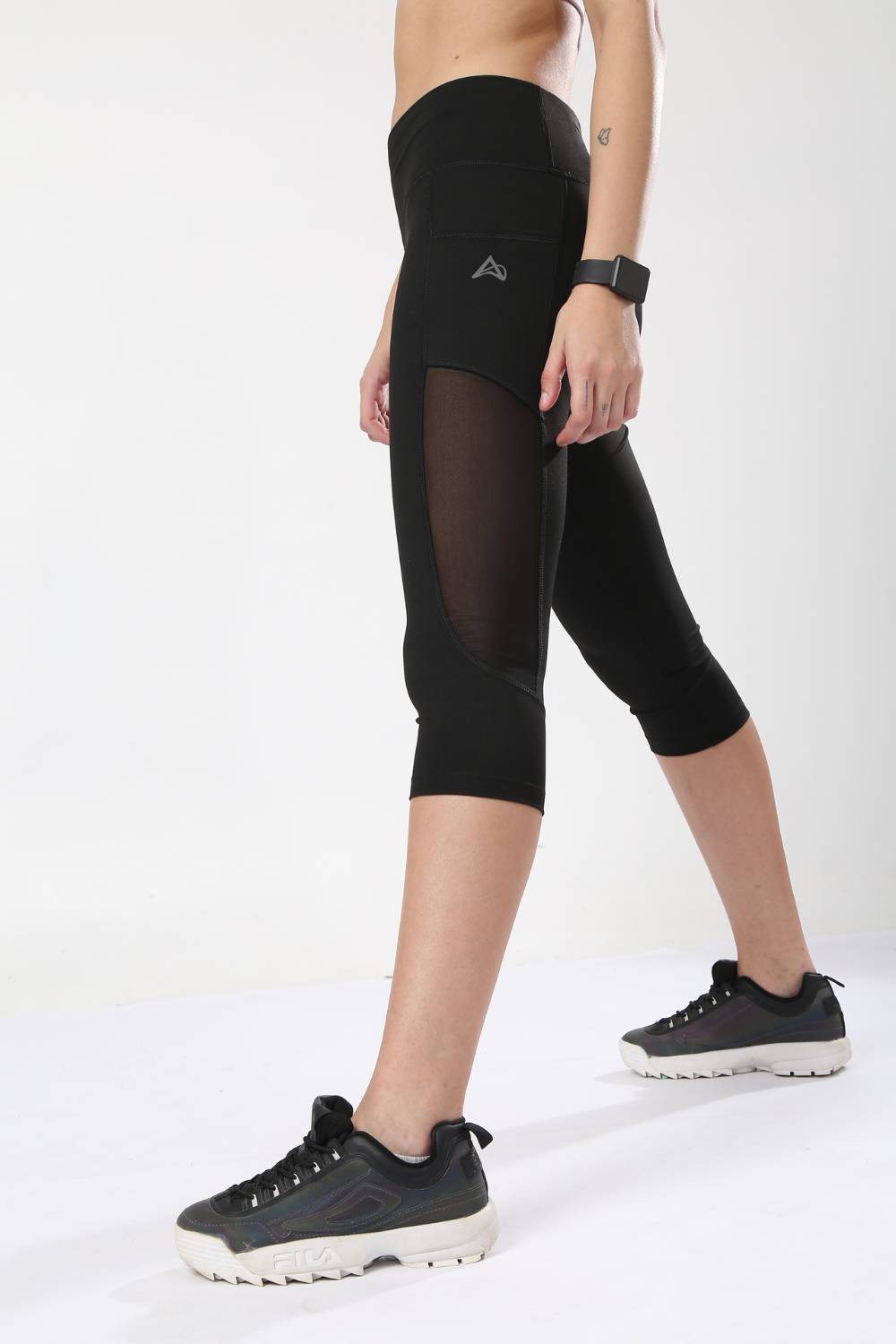
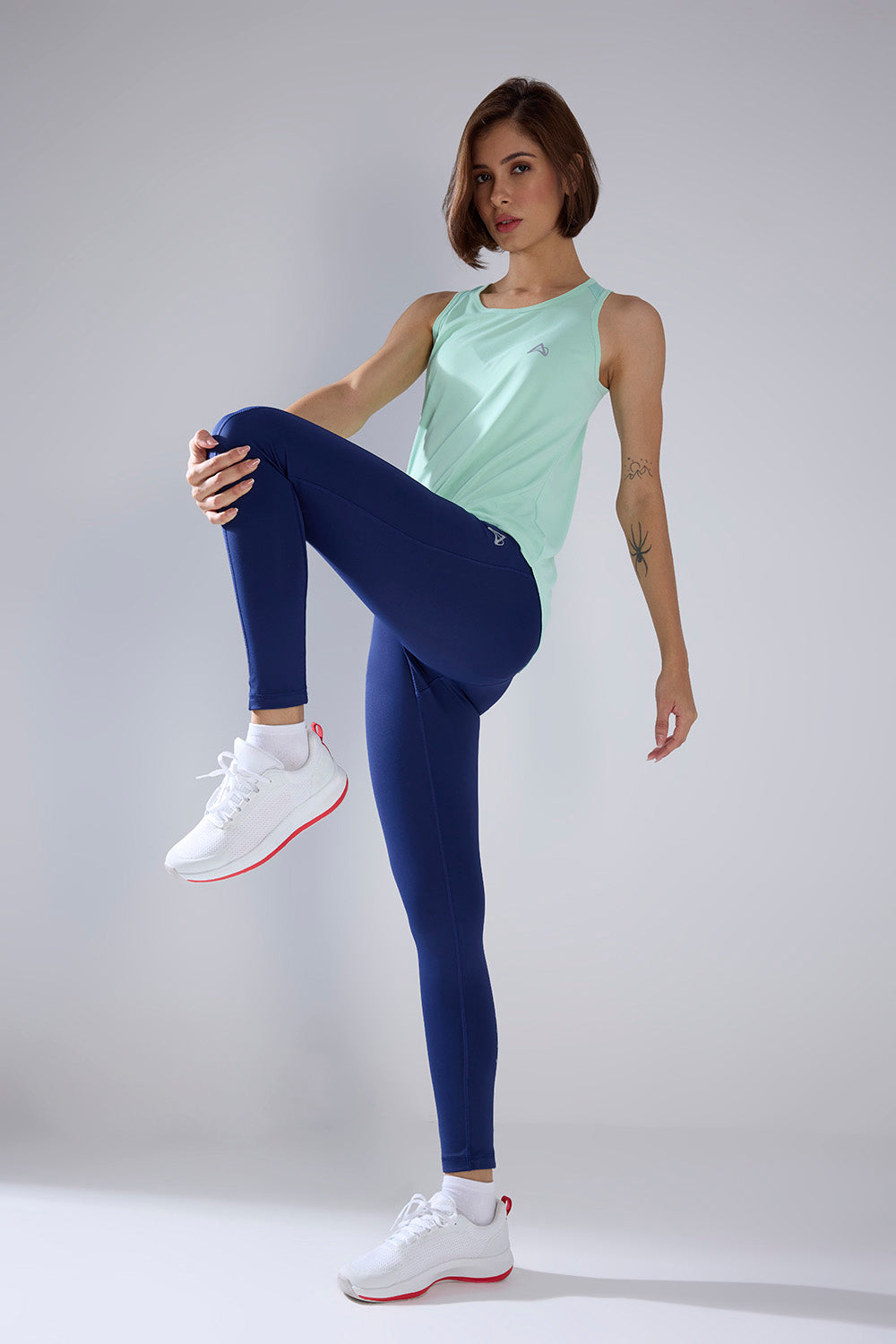
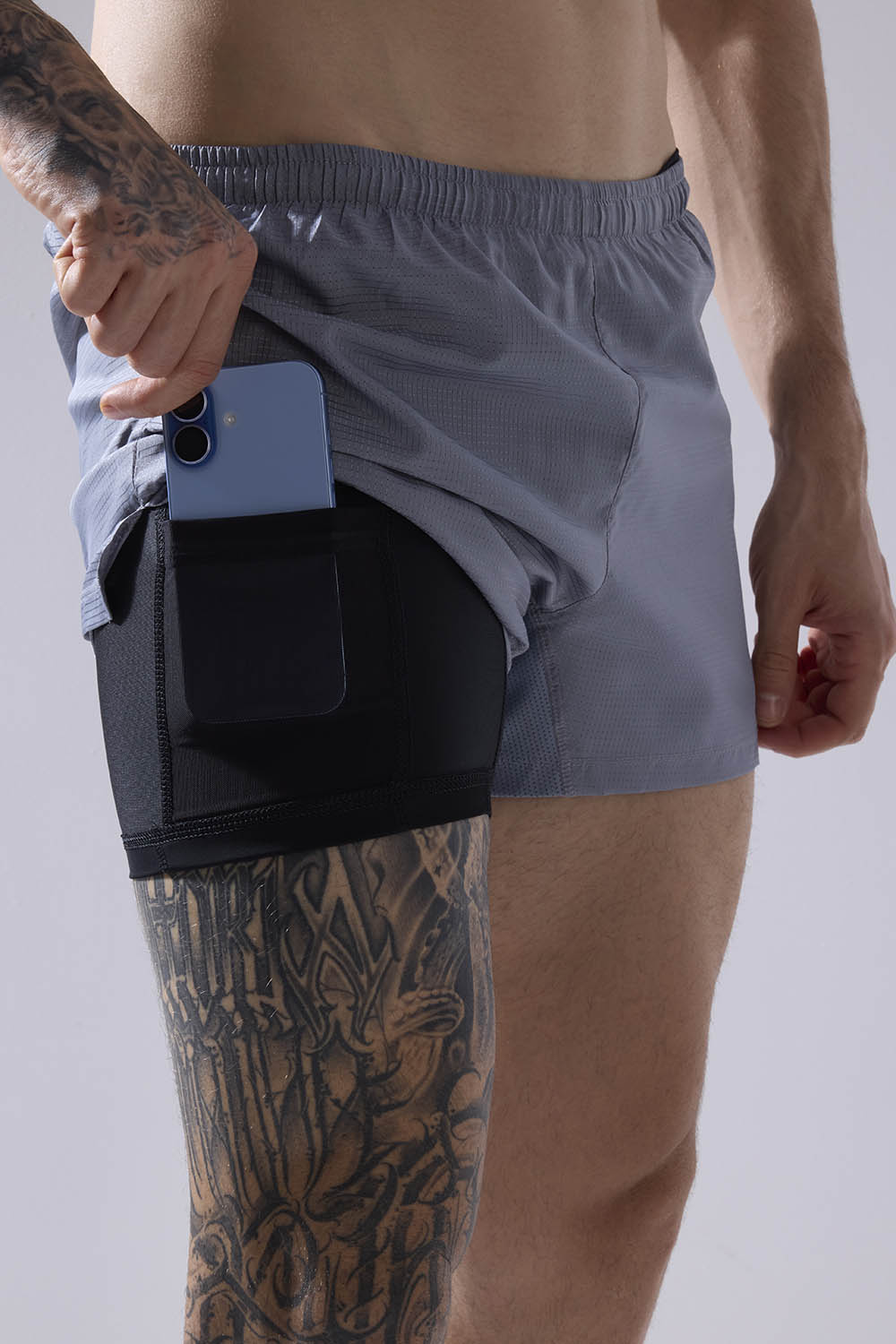
Tired of gear that slows you down? Chafing, soggy fabrics, and missing pockets kill your run's momentum. At Aguante, we're runners who get it. Our high-performance activewear features moisture-wicking fabrics, ergonomic designs, and smart storage to keep you focused. Shop Now!
Sustainable Activewear Captivates India's Metro Runners
The data paints a vivid picture. India's activewear market, valued at USD 10.20 million in 2024, is on track to reach USD 16.60 million by 2033, with a CAGR of 5.10%, as reported by IMARC Group. This growth reflects more than rising sales it signals a cultural realignment. Urban runners in cities like Bangalore, Mumbai, and Delhi are championing apparel that marries performance with eco-conscious values. Materials like recycled polyester, organic cotton, and biodegradable fabrics are overtaking synthetic staples, while innovations such as waterless dyeing and low-carbon production gain momentum. Homegrown brands like Aguante are at the forefront, designing gear tailored to India's punishing climates swelter, monsoons, and urban chaos.
What's driving this pivot? A surge in health awareness, with soaring marathon sign-ups and gym memberships, has made fitness a cornerstone of urban Indian life. The athleisure boom, blending sportswear with everyday style, has cemented activewear's place beyond the gym. Yet, it's the environmental consciousness of younger consumers millennials and Gen Z that's reshaping the market. Over 55% of urban Indians are ready to pay more for sustainable products, according to Nielsen India and Mintel. In Mumbai, a running collective recently embraced eco-friendly gear, citing both performance and a deeper sense of duty. “Running in gear that respects the earth,” one member shared, “makes every mile feel purposeful.”
Brands Leading the Charge
Aguante exemplifies this shift. Unlike global brands with generic designs, it crafts gear for India's unique demands: secure pockets for Hyderabad's uneven trails, anti-chafing fabrics for Mumbai's humid coasts, and reflective details for safe runs in Pune's dimly lit suburbs. Its commitment to sustainability using recycled materials and low-impact methods strikes a chord with runners who view their choices as votes for a greener future. By partnering with local coaches and athletes in Bangalore and Delhi, Aguante builds trust, ensuring its apparel meets the rigors of real-world runs.
Other players are stepping up. Decathlon, with 133 Indian stores, launched its Second Life Bazaar campaign on World Environment Day 2025, promoting gear recycling across 68 locations. The retailer plans for 80% of its India sales to come from locally made, sustainable products within five years, up from 60% today, per an Economic Times article. Meanwhile, India's textile sector faces hurdles in adopting circular economy practices, as small and medium enterprises struggle with unclear metrics and frameworks, according to a 2025 study by Suman Kumar Das. Yet, brands like Techno Sport and Feier, with sustainable lines launched in 2024, are bridging gaps with affordable, eco-friendly options.
Overcoming Barriers
Challenges persist. Price sensitivity is a significant hurdle, especially in cities like Gurugram and Ahmedabad, where sustainable materials often carry a premium. For brands like Aguante, the cost of recycled fibers and organic cotton can push prices beyond some runner's budgets. “I want sustainable gear,” a Delhi runner noted, “but my wallet often has the final say.” In a market where affordability reigns, striking a balance between green practices and accessible pricing remains a delicate challenge.
Access is another issue. While e-commerce has expanded reach, sustainable activewear remains scarce in smaller retail outlets, limiting availability in tier-2 and tier-3 cities. Performance concerns also linger runners in Pune and Navi Mumbai question whether eco-friendly fabrics can deliver the moisture-wicking, durability, and comfort of traditional synthetics. Brands are responding with innovations like bamboo-based moisture management and robust recycled polyester, but overcoming skepticism demands ongoing education and transparency.
Capitalizing on a Growing Market
The potential is staggering. The Indian activewear market is projected to soar to USD 29,972.9 million by 2030, with a CAGR of 12.2% from 2025, according to Grand View Research. Women, driving 56.59% of 2024 revenue, are the fastest-growing segment, fueled by rising fitness participation and demand for stylish, sustainable gear. The broader sustainable clothing market is also surging, propelled by innovations in moisture-wicking, thermally regulated, and antimicrobial fabrics, as noted in a September 2025 report. Brands embracing these trends gain a competitive edge, meeting both performance and environmental expectations.
Government support bolsters this momentum. Initiatives like the Production-Linked Incentive scheme and Mega Integrated Textile Region and Apparel parks aim to scale sustainable textile production. Coupled with e-commerce's expanding reach, these policies empower brands to penetrate underserved markets. Social media amplifies the trend runners like Instagram's Fit Kaur and Runholic Dev showcase sustainable gear, turning followers into advocates. For brands, the directive is clear: innovate, engage communities, and prioritize sustainability to lead the market.
Running Toward a Sustainable Future
As Mumbai's Bandra-Worli Sea Link glows under the rising sun, runners in eco-friendly gear pound the pavement, each step a quiet pledge to a better future. India's metro runners are more than athletes they're catalysts for change, using their purchasing power to demand gear that honors both performance and the planet. Experts forecast that by 2030, sustainable activewear will dominate urban markets, with brands investing in eco-conscious materials and transparent practices poised to lead. For now, every run through Bangalore's parks or Delhi's streets underscores a truth: sustainability isn't a fleeting trend it's the rhythm of progress, pulsing through India's urban running tribes.
Frequently Asked Questions
Why is sustainable activewear becoming popular among runners in Indian cities?
Urban runners in metros like Bangalore, Mumbai, and Delhi are increasingly choosing sustainable activewear because it combines high performance with environmental responsibility. Over 55% of urban Indians are willing to pay more for eco-friendly products, driven by growing environmental consciousness among millennials and Gen Z. Materials like recycled polyester, organic cotton, and biodegradable fabrics now offer the moisture-wicking and durability needed for India's challenging climates while reducing environmental impact.
What are the main challenges facing sustainable activewear brands in India?
The primary challenges include price sensitivity, as sustainable materials often carry a premium that pushes prices beyond many runner's budgets, particularly in cities like Delhi and Ahmedabad. Limited availability in tier-2 and tier-3 cities through retail outlets remains an access issue, while some runners question whether eco-friendly fabrics can match the performance of traditional synthetics. Brands are addressing these concerns through innovations like bamboo-based moisture management and improved recycled polyester technology.
How big is India's sustainable activewear market opportunity?
India's activewear market is projected to reach USD 29,972.9 million by 2030, growing at a CAGR of 12.2% from 2025. The market was valued at USD 10.20 million in 2024 and is expected to reach USD 16.60 million by 2033. Women are driving 56.59% of revenue and represent the fastest-growing segment, while government initiatives like the Production-Linked Incentive scheme and expanding e-commerce are creating significant opportunities for sustainable activewear brands.
Disclaimer: The above helpful resources content contains personal opinions and experiences. The information provided is for general knowledge and does not constitute professional advice.
You may also be interested in: Running Apparel for Beginners: What to Look for in Your First Kit
Tired of gear that slows you down? Chafing, soggy fabrics, and missing pockets kill your run's momentum. At Aguante, we're runners who get it. Our high-performance activewear features moisture-wicking fabrics, ergonomic designs, and smart storage to keep you focused. Shop Now!
Powered by flareAI.co