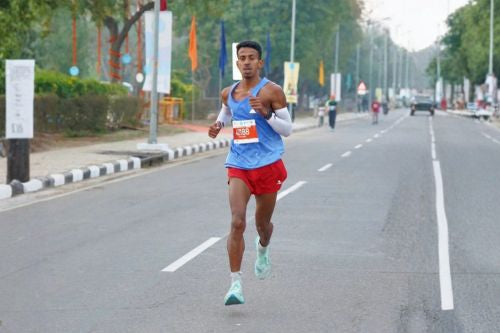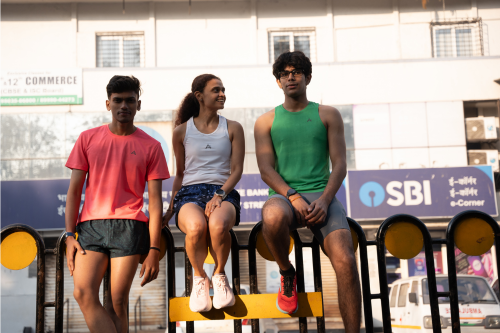


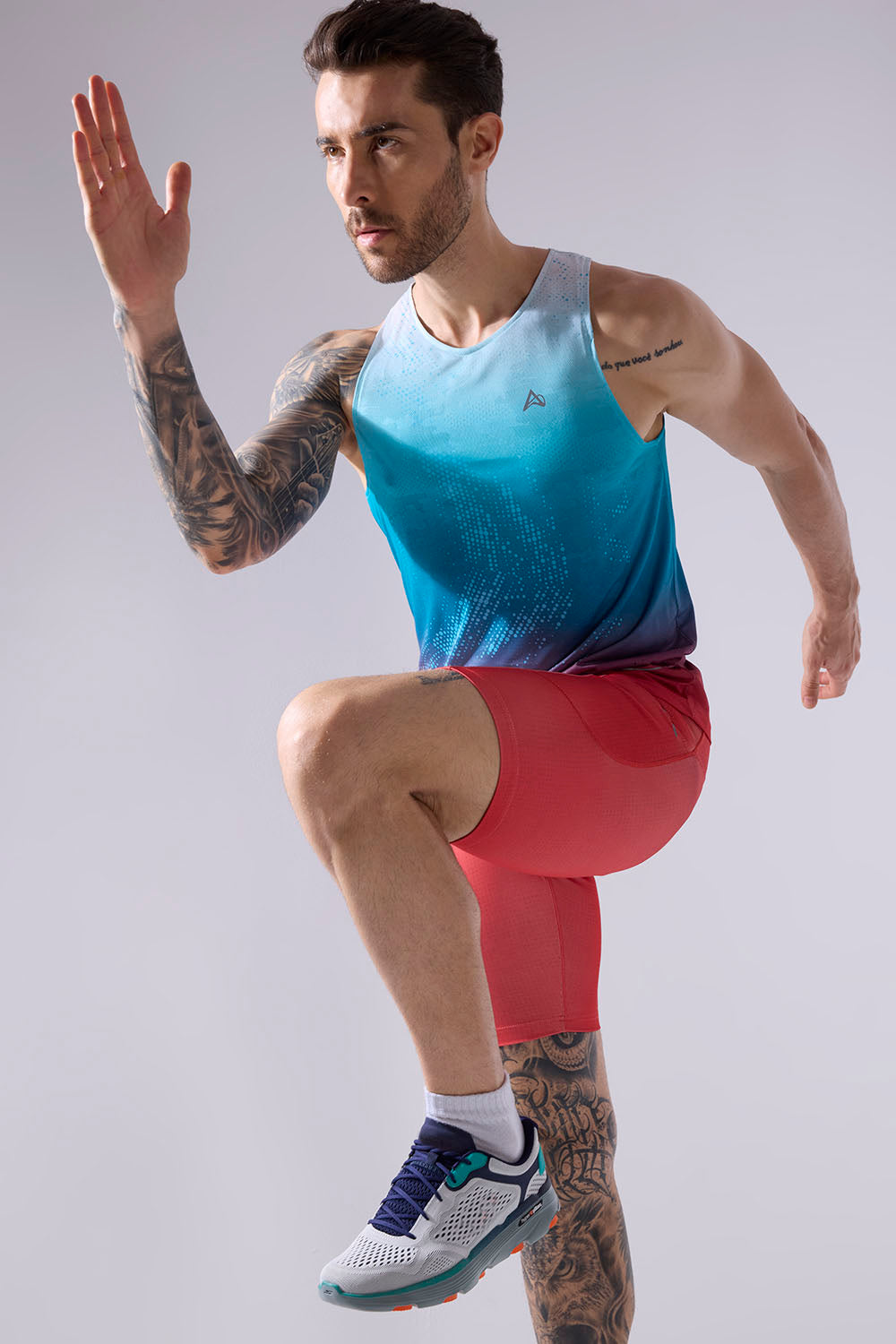

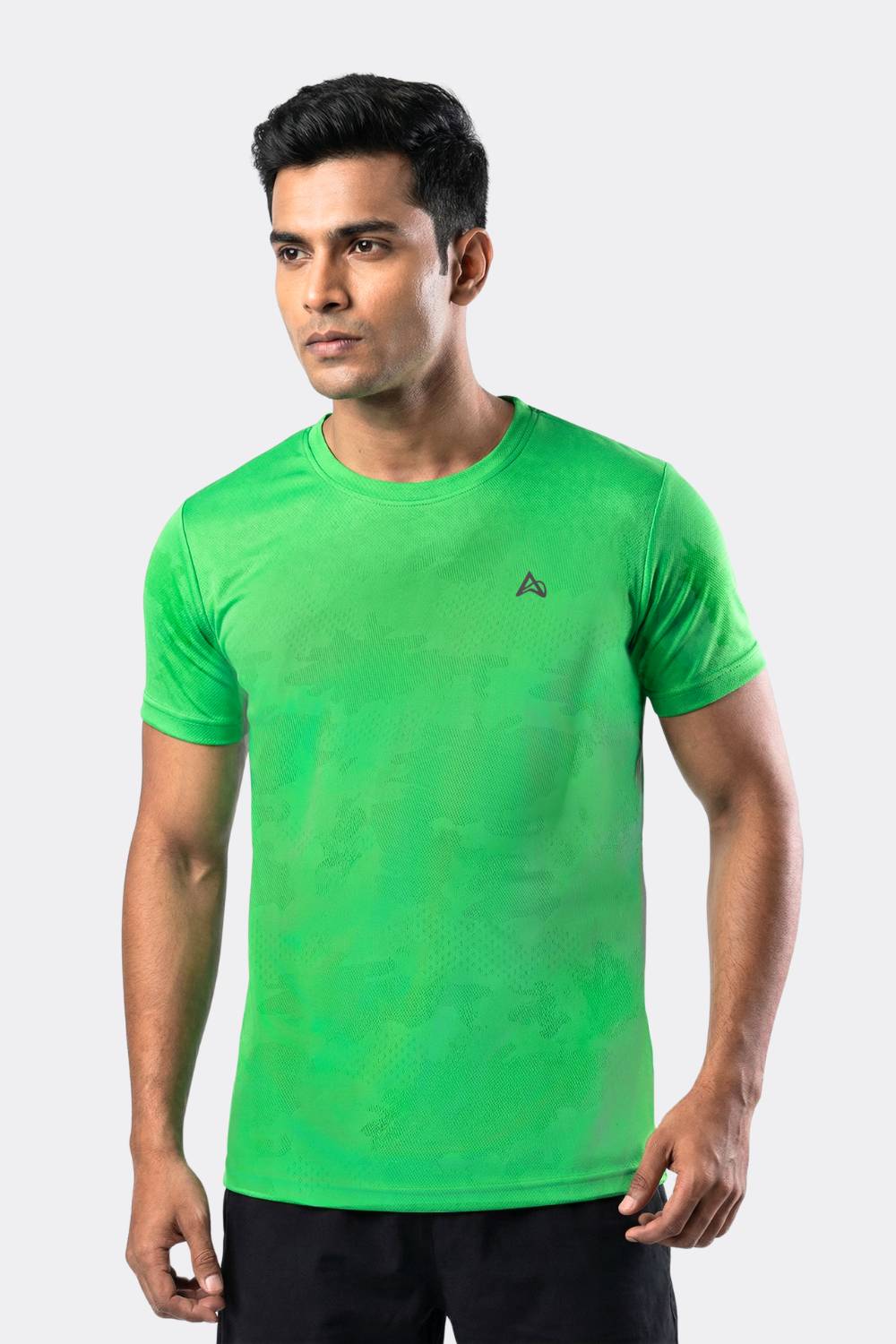
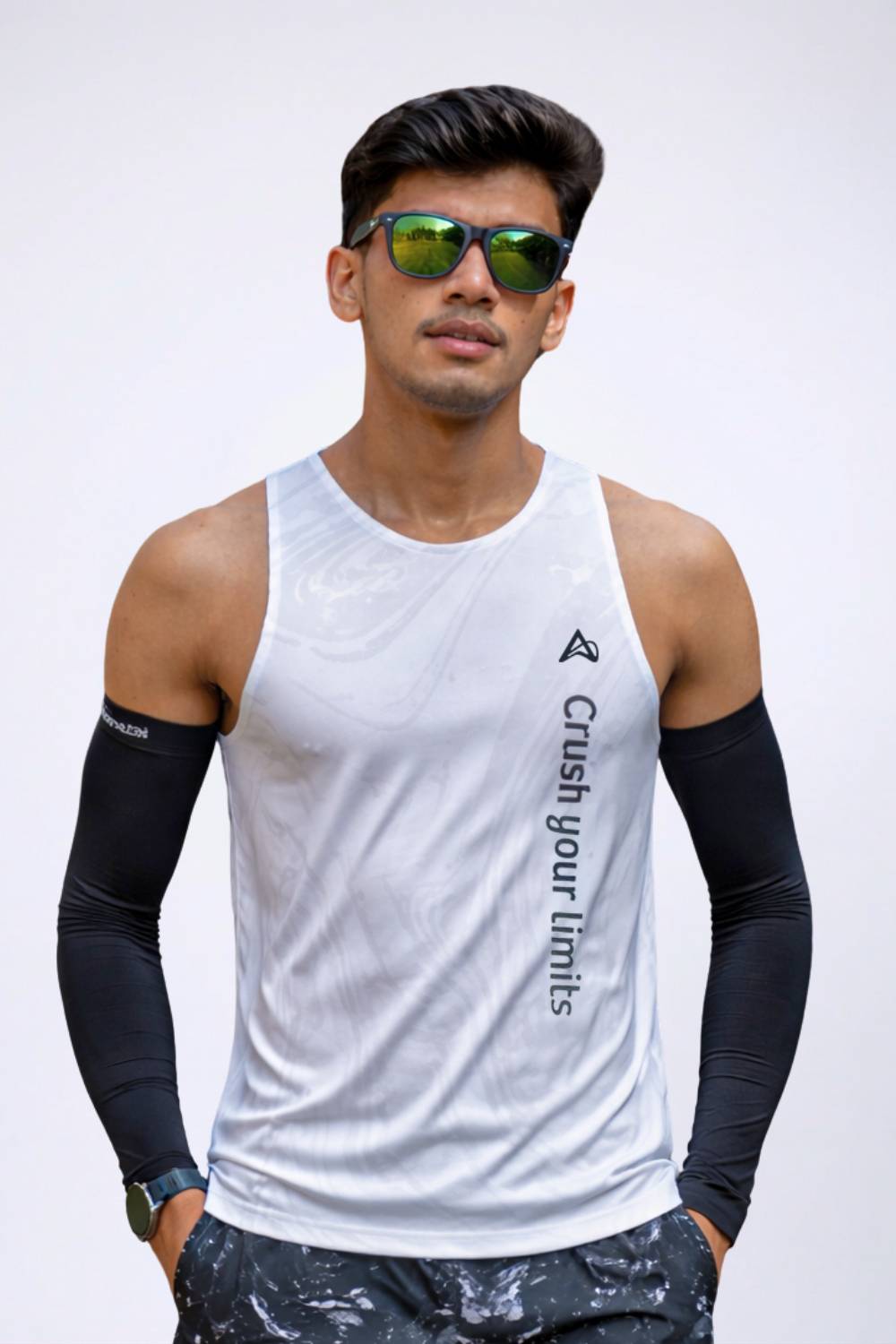

Picture this: You're weaving through the crowded streets of Mumbai during the monsoon season, or climbing the rugged hills of Bangalore beneath a blazing sun. Your determination drives you forward, but ill-suited gear can derail even the strongest resolve. In India's vibrant fitness landscapes, where humidity wraps around you and heat intensifies every step, runners expect sports bras to do more than provide basic support. They must conquer tropical challenges, ensuring mile-after-mile comfort. This demand has sparked a revolution in design, with homegrown brands rising to address the gritty truths of running in India's climate.
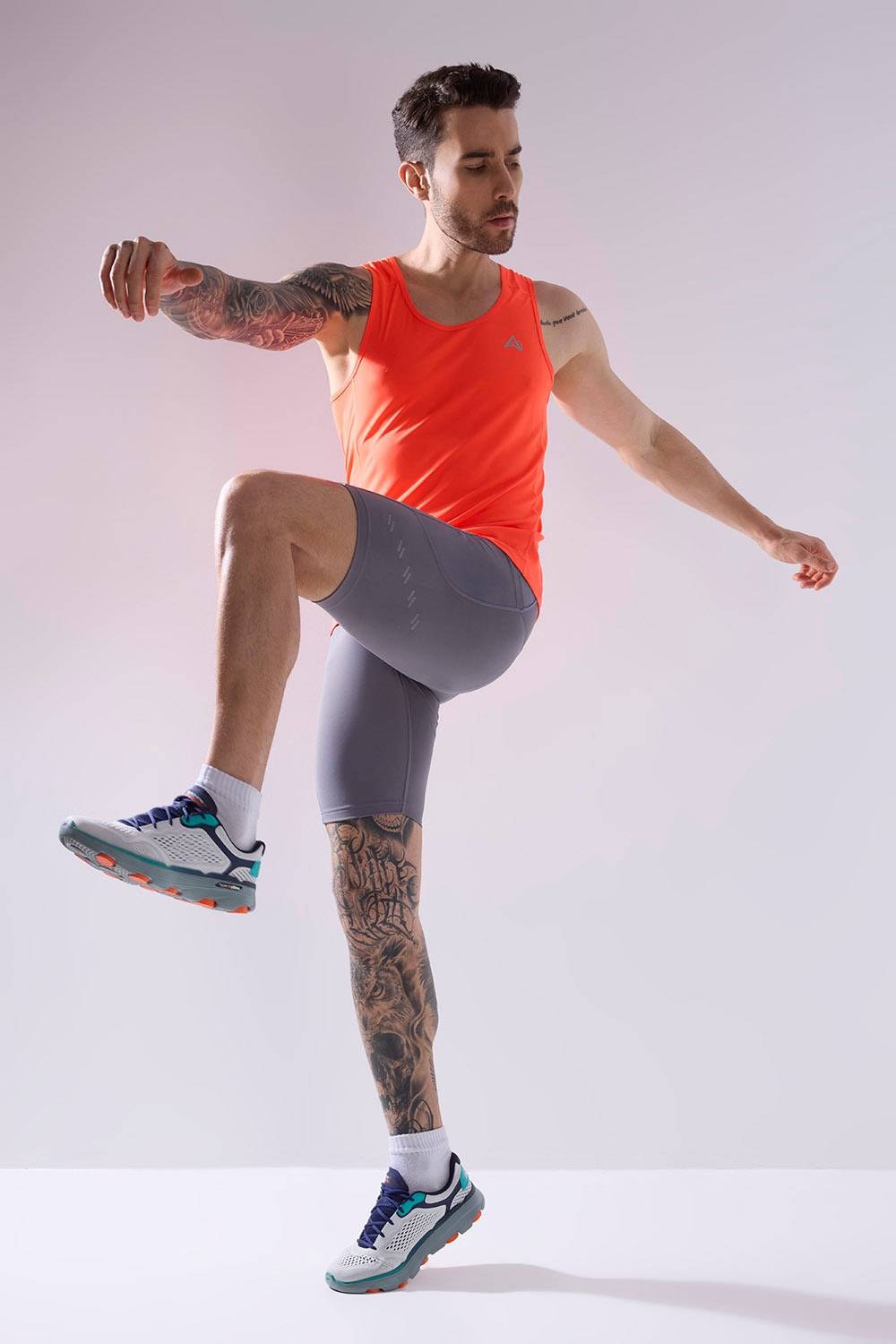
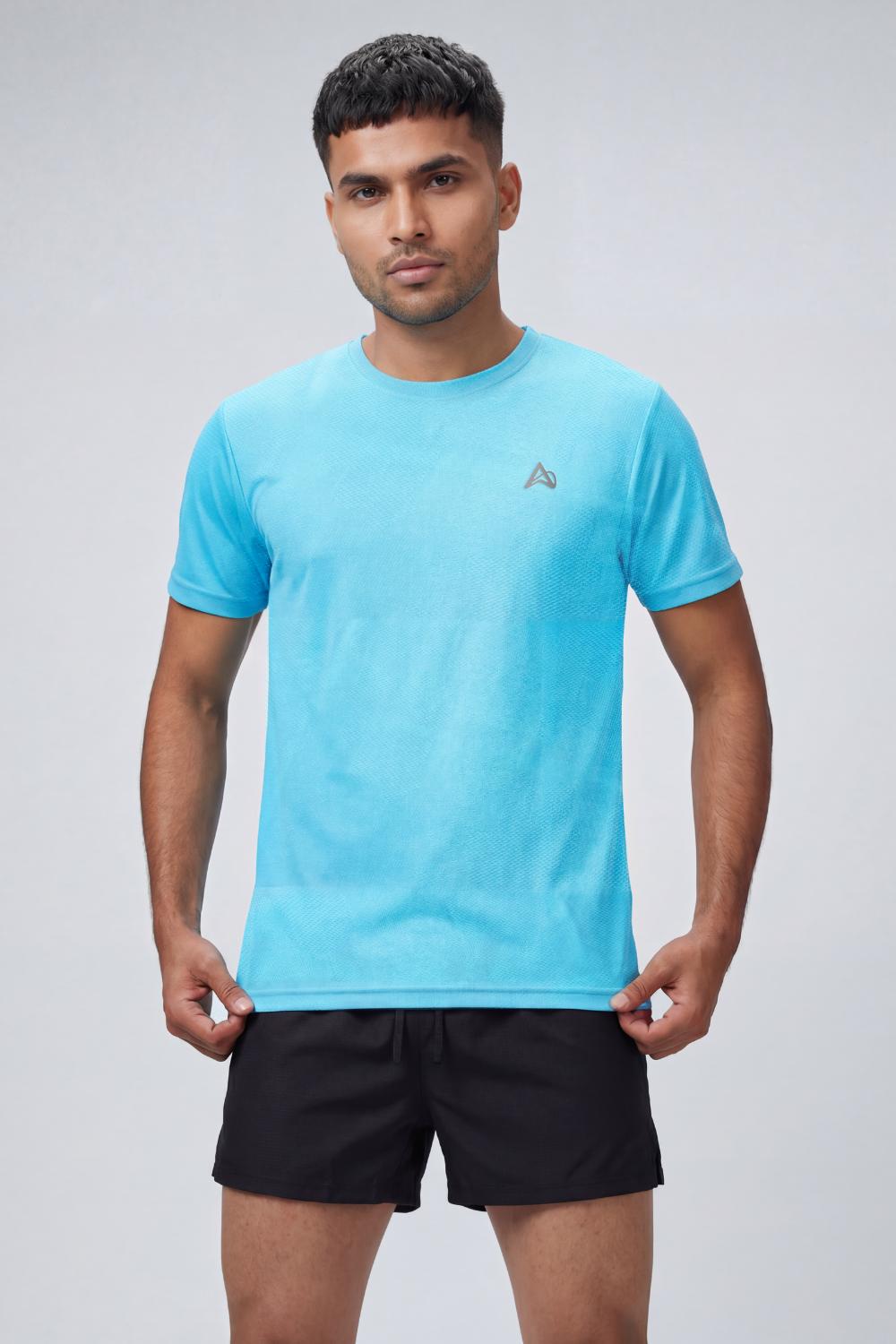
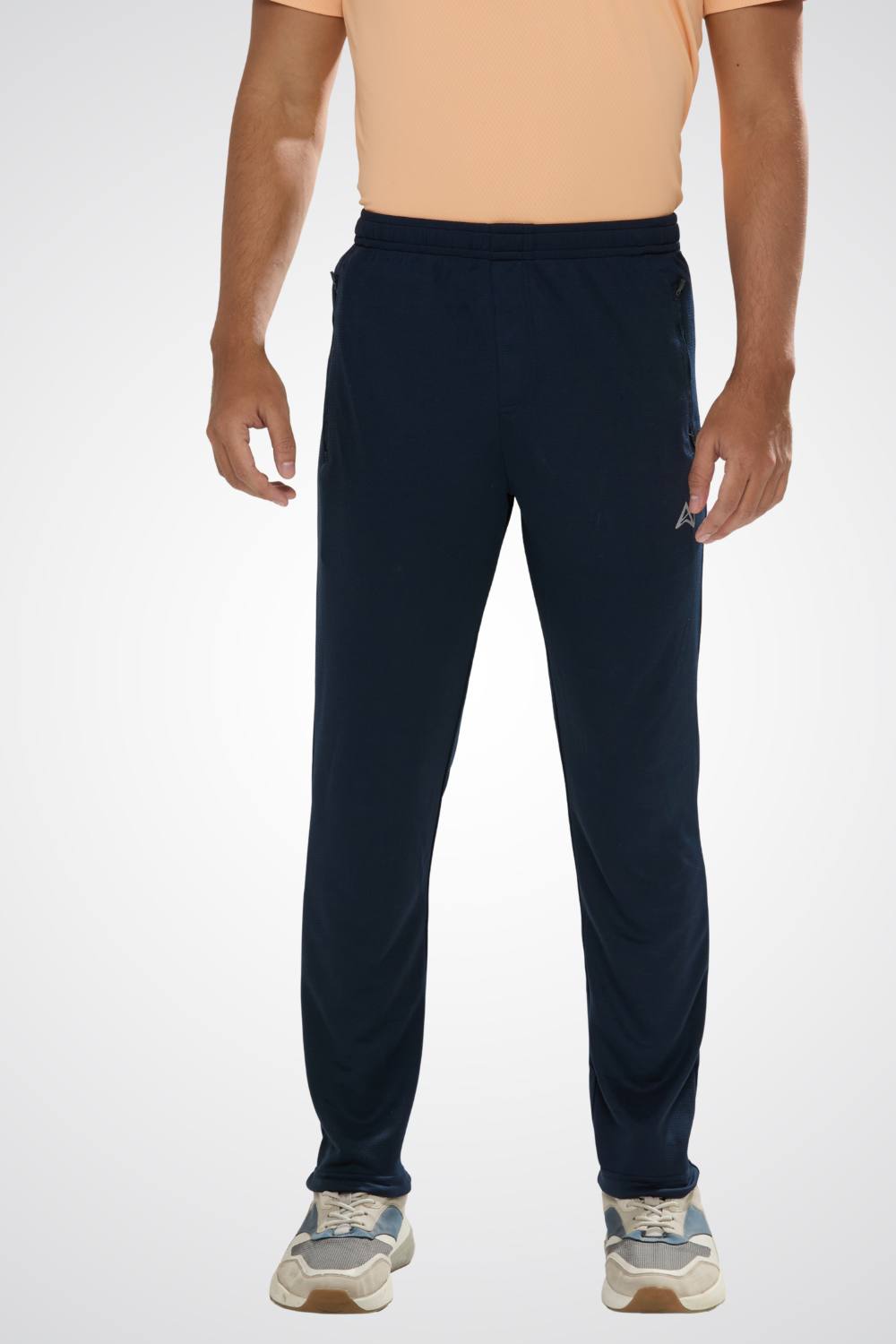
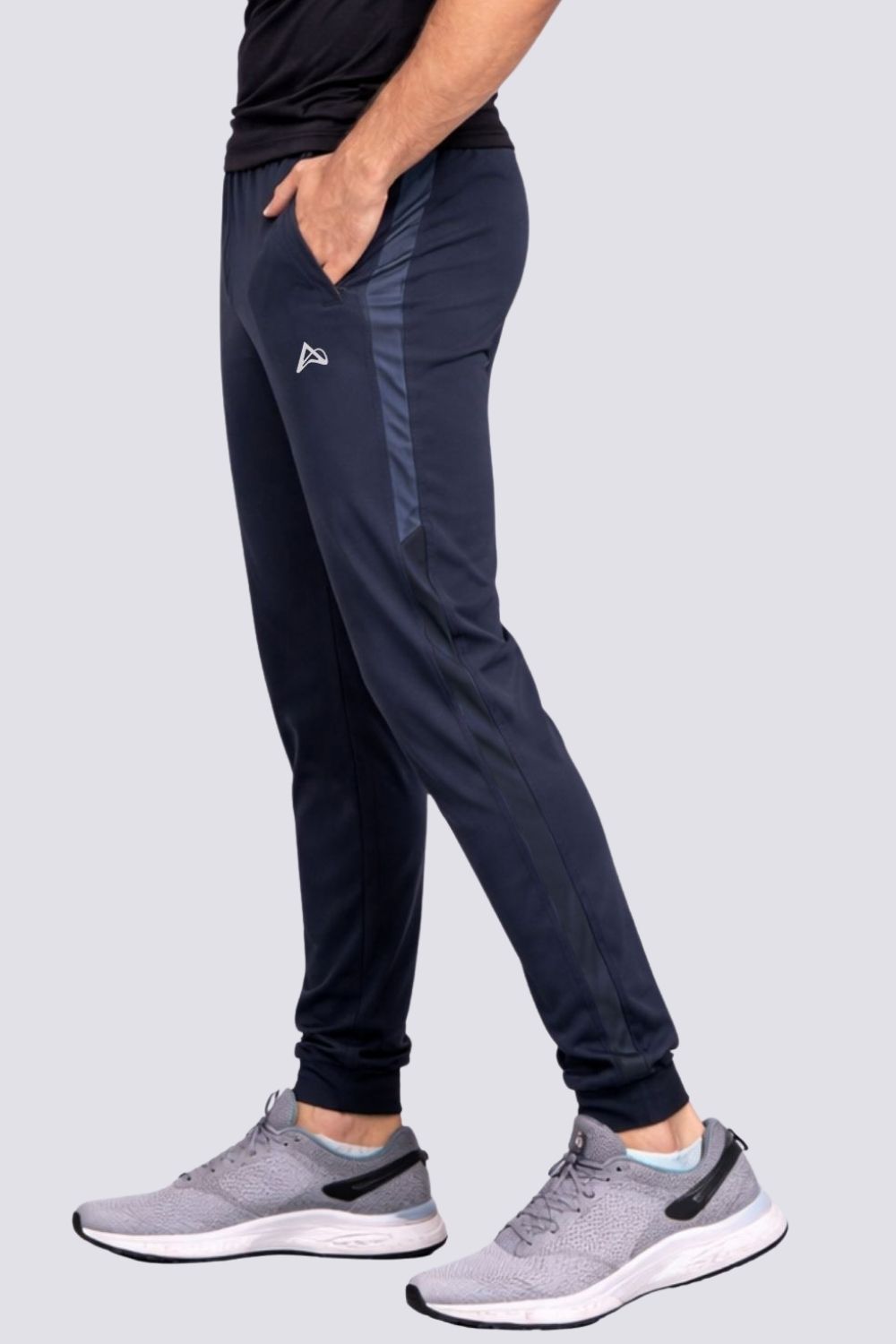
Tired of gear that slows you down? Chafing, soggy fabrics, and missing pockets kill your run's momentum. At Aguante, we're runners who get it. Our high-performance activewear features moisture-wicking fabrics, ergonomic designs, and smart storage to keep you focused. Shop Now!
Engineered for Endurance: Sports Bras That Keep Indian Runners Cool and Supported in Tropical Heat
India's premier fitness centers are fueling a surge in need for high-performance, ventilated sports bras crafted specifically for authentic tropical environments.
The Heat Test of Indian Runs
Endurance athletes in urban powerhouses such as Bangalore, Mumbai, and Delhi confront these realities daily. Oppressive humidity locks in moisture, transforming routine runs into ordeals of irritation. As body heat accumulates, abrasion occurs, and mental sharpness fades precisely when endurance matters most. Conventional sports bras, frequently sourced from overseas and mismatched to local conditions, fail spectacularly they're optimized for temperate zones, not the sweltering intensity of India's warm seasons.
The influx of women into running has accelerated dramatically, particularly in Hyderabad and Pune, where entries for marathons have doubled in the past five years based on reports from regional sports authorities. This growth reflects deeper societal changes toward wellness in fast-paced city life. Still, equipment shortcomings remain evident. Aguante emerges as a solution, offering activewear customized for Indian physiques and weather patterns original creations focused on ventilation and suitability for extended tropical efforts, rather than modified foreign templates.
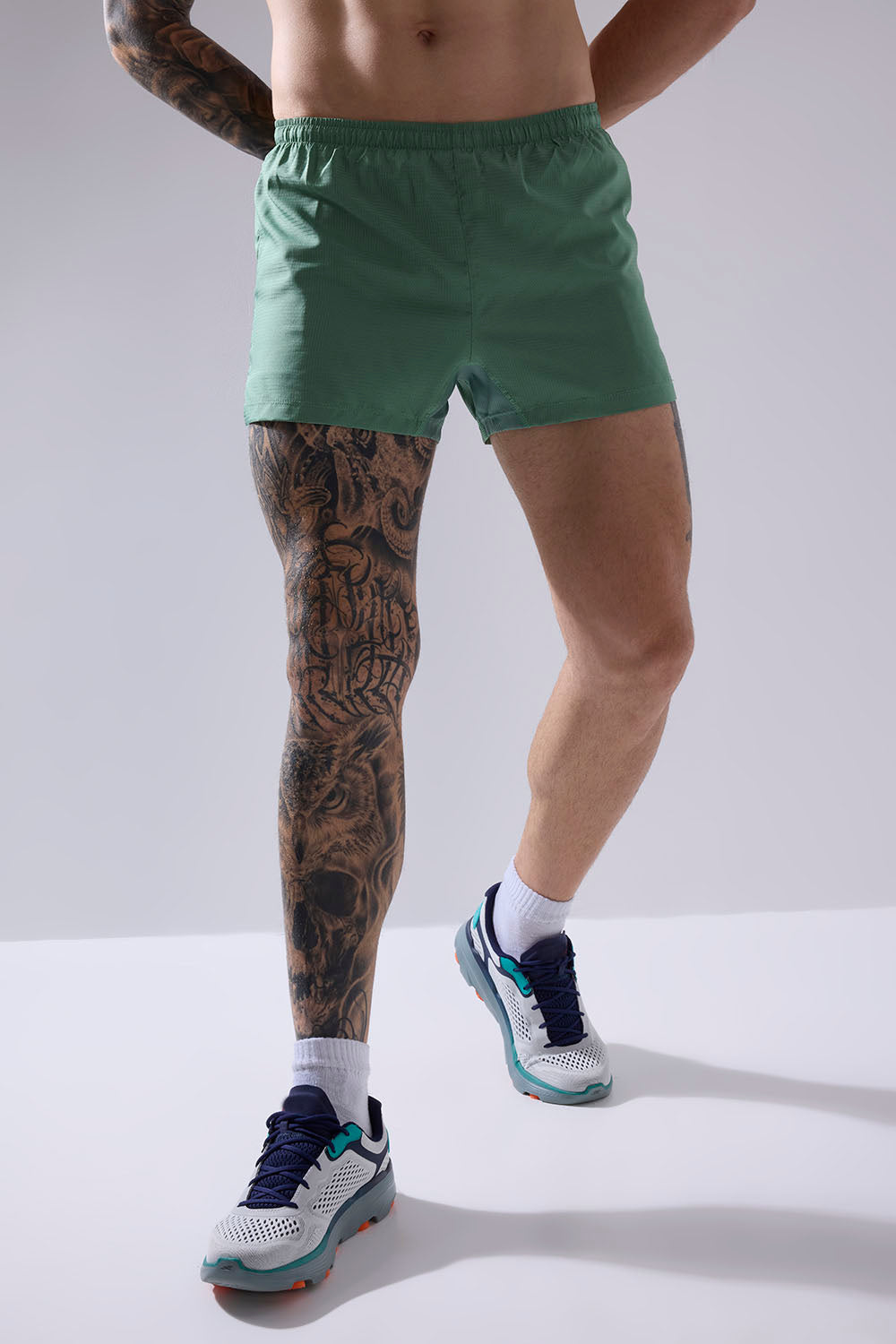
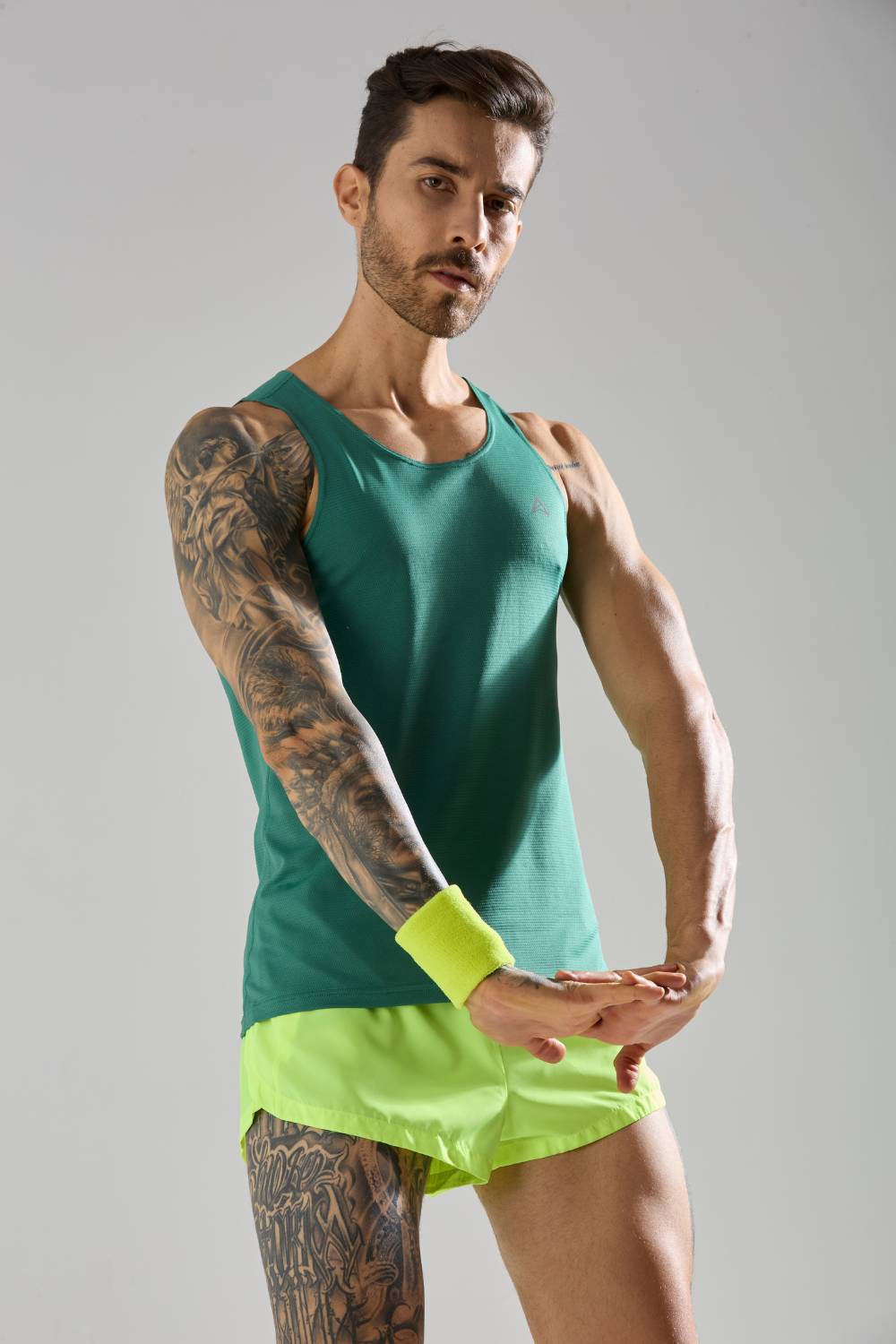
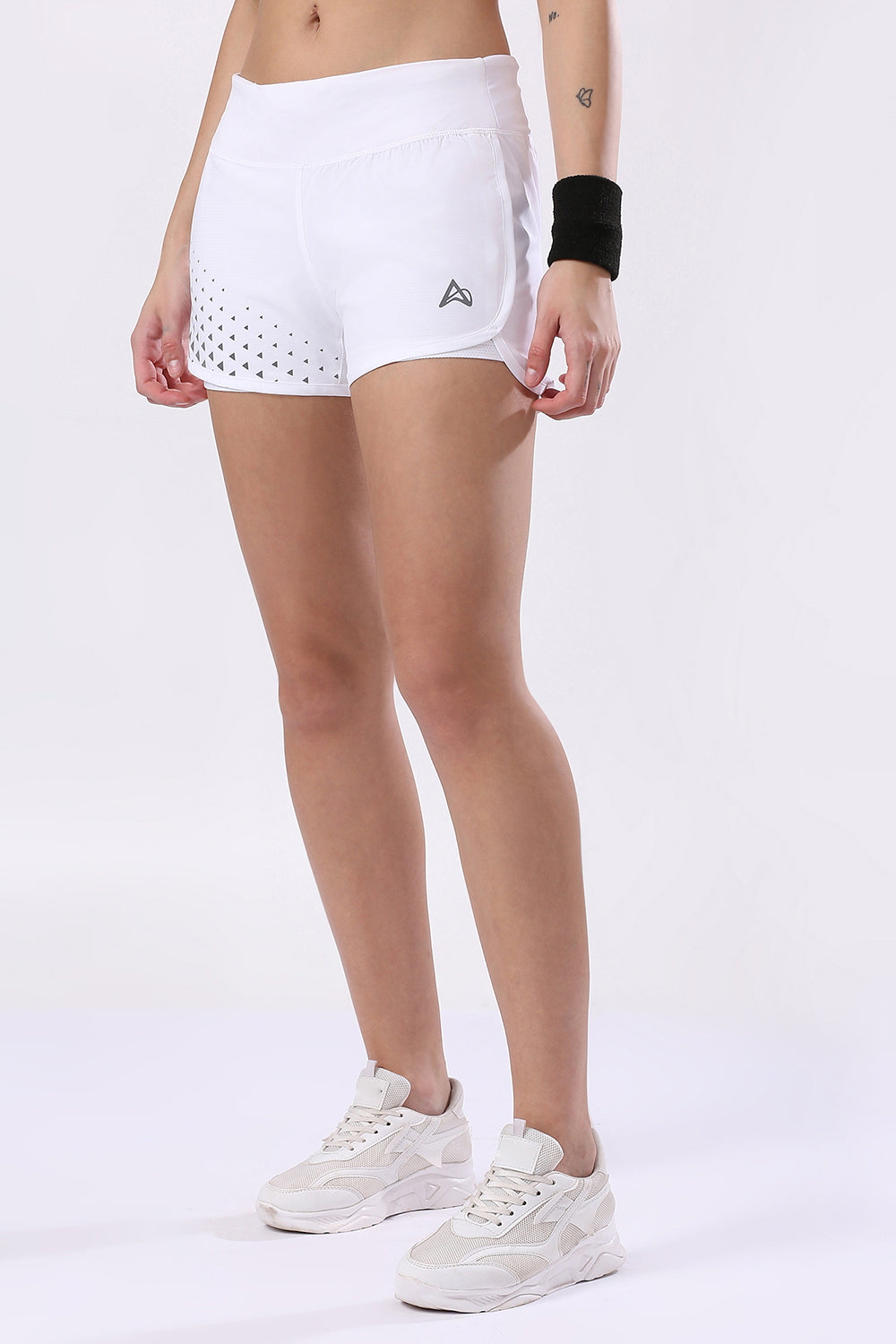
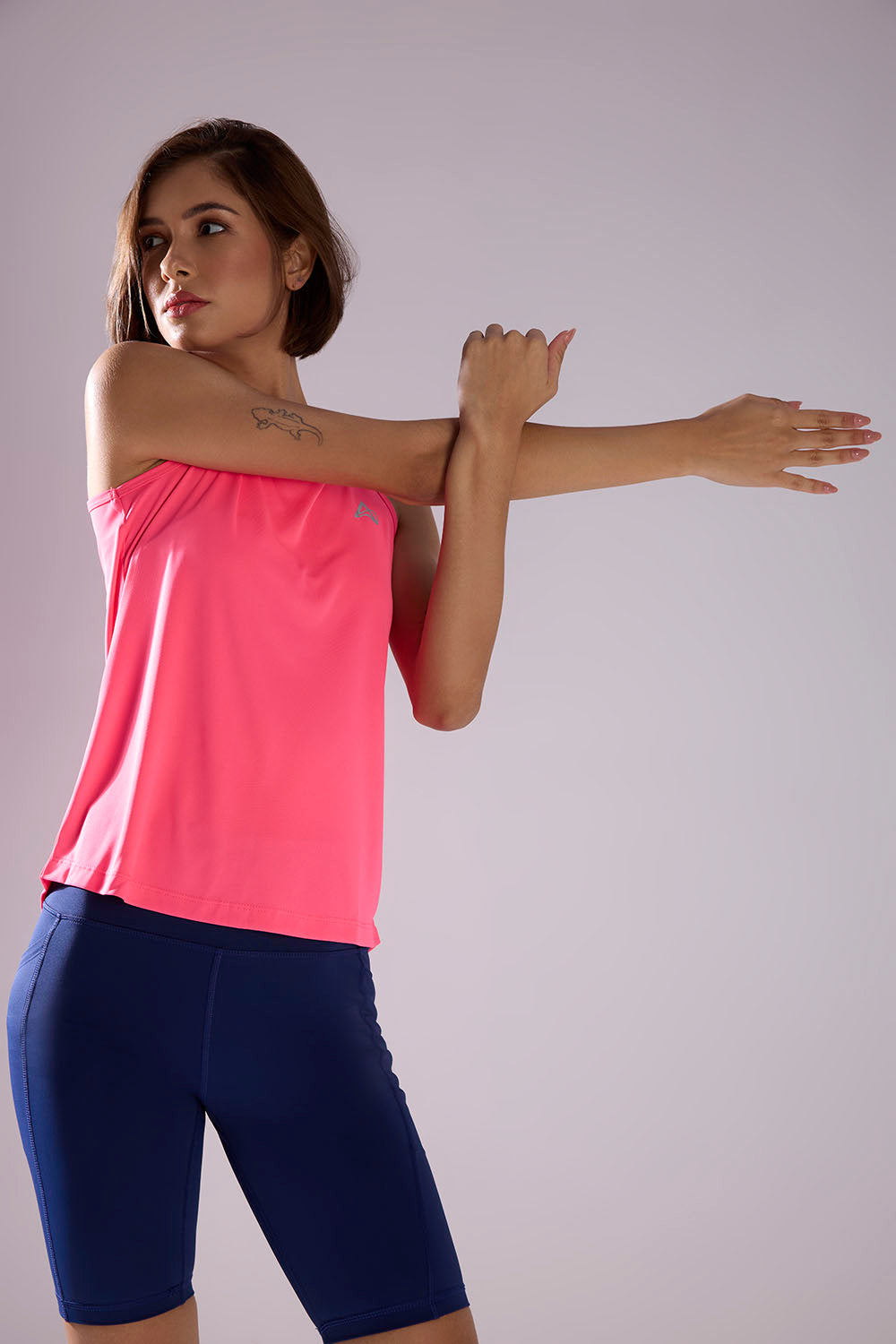
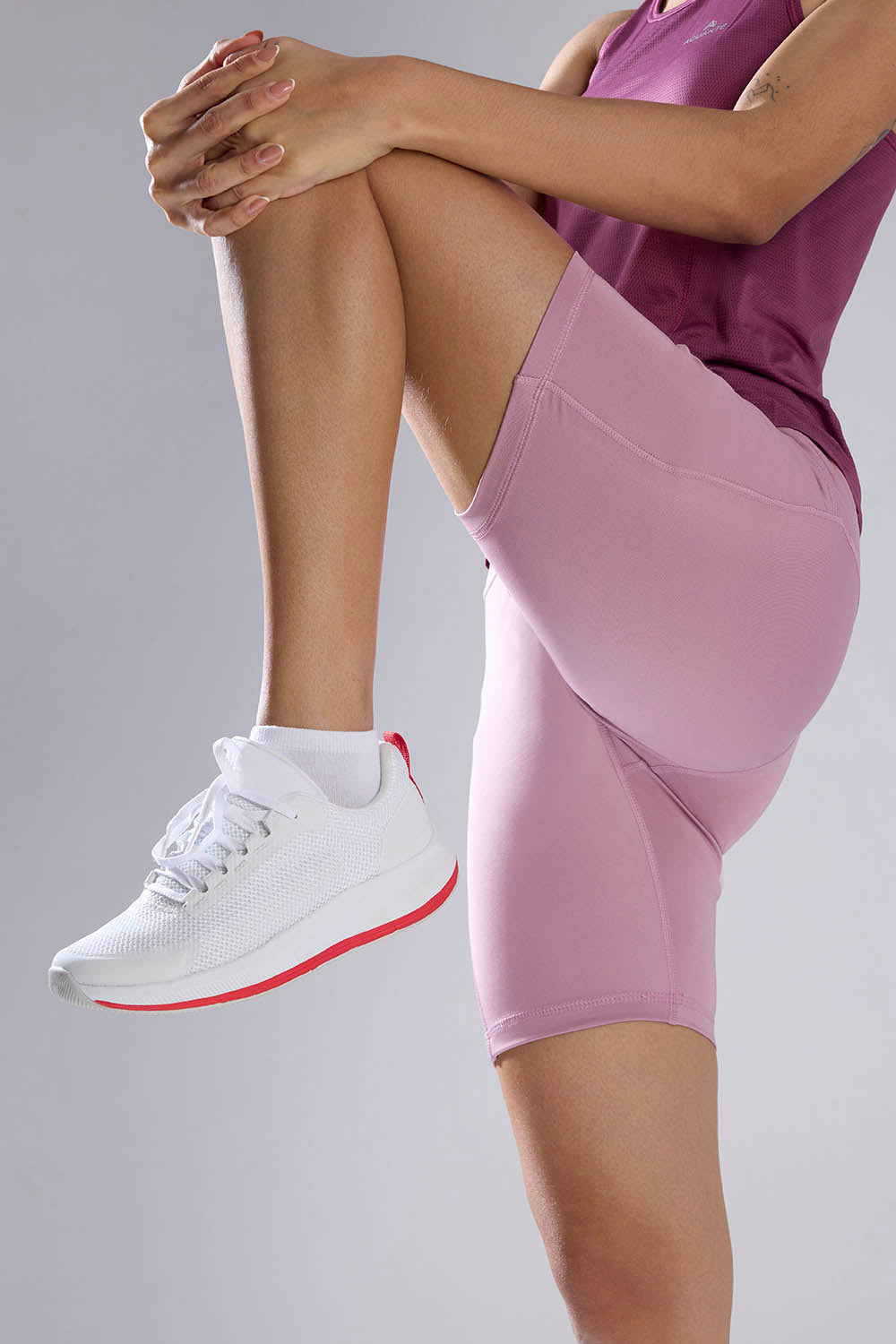
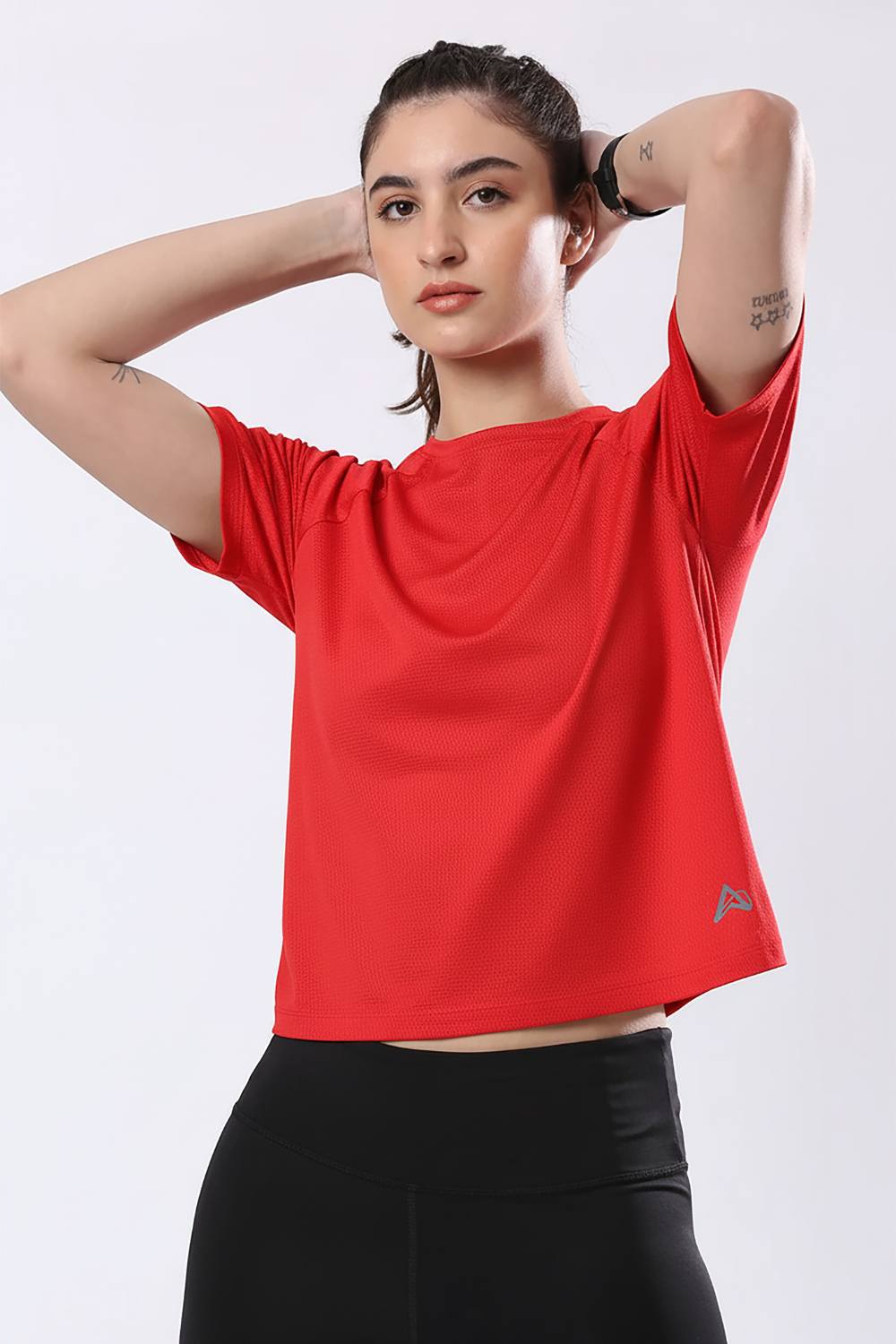
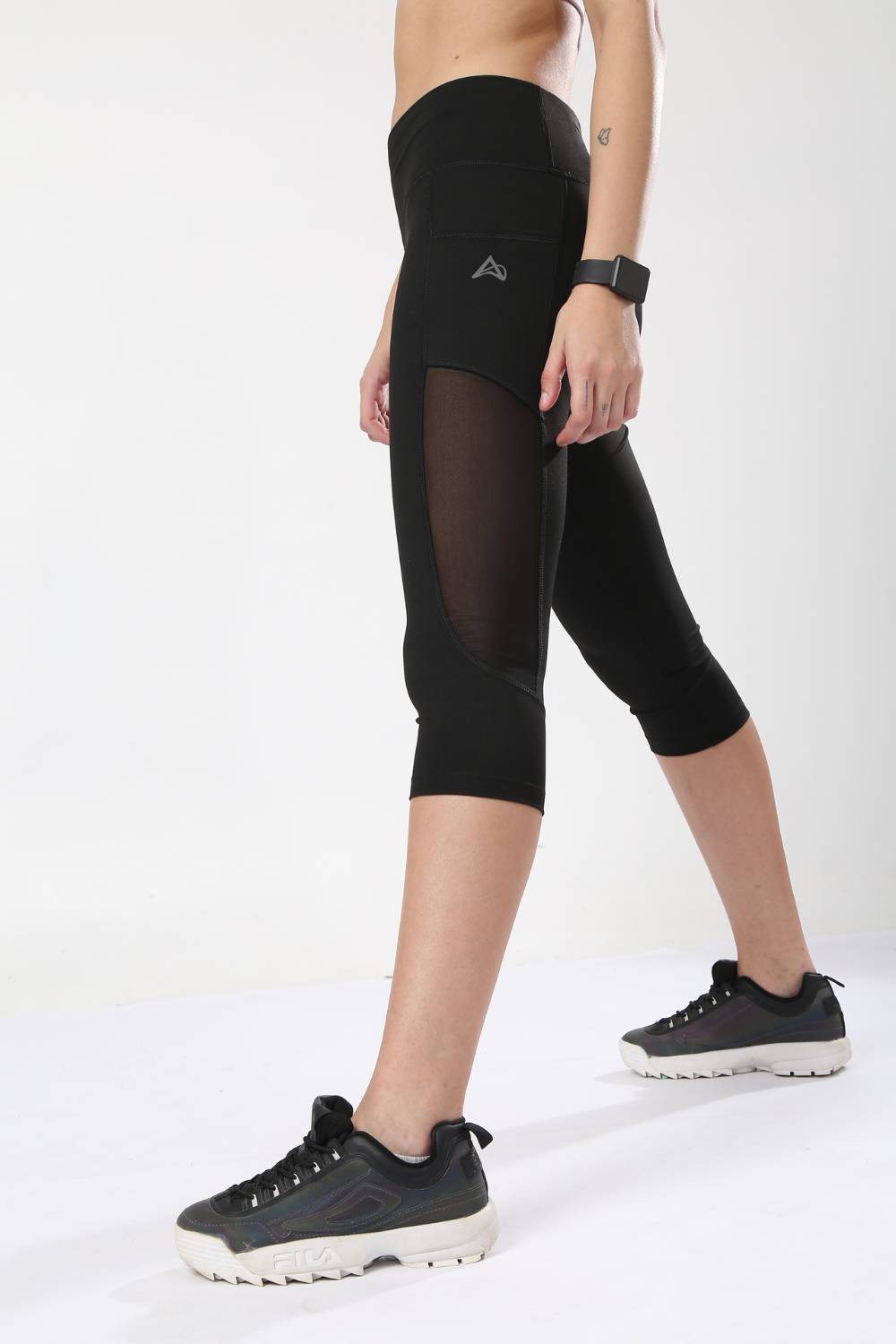
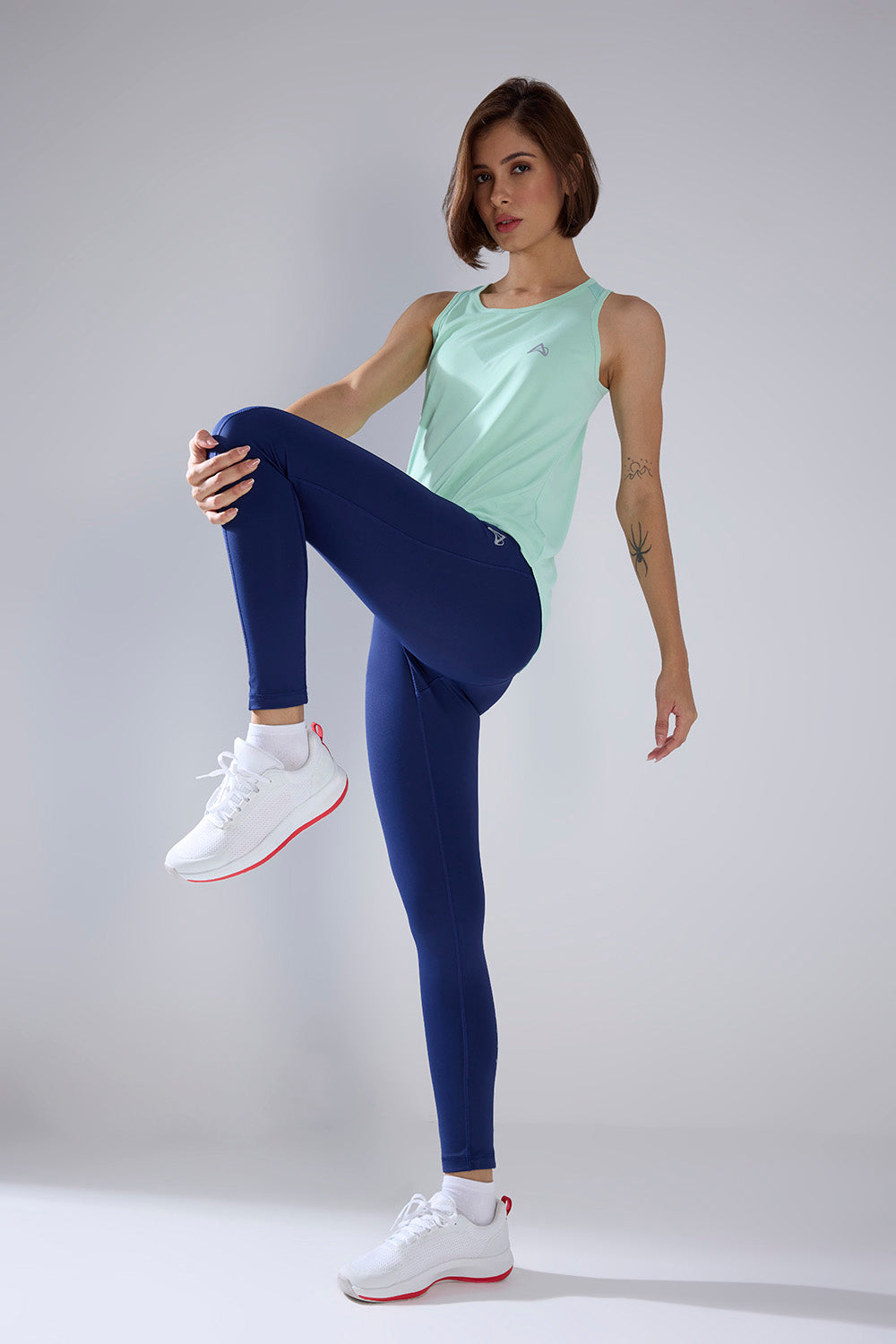
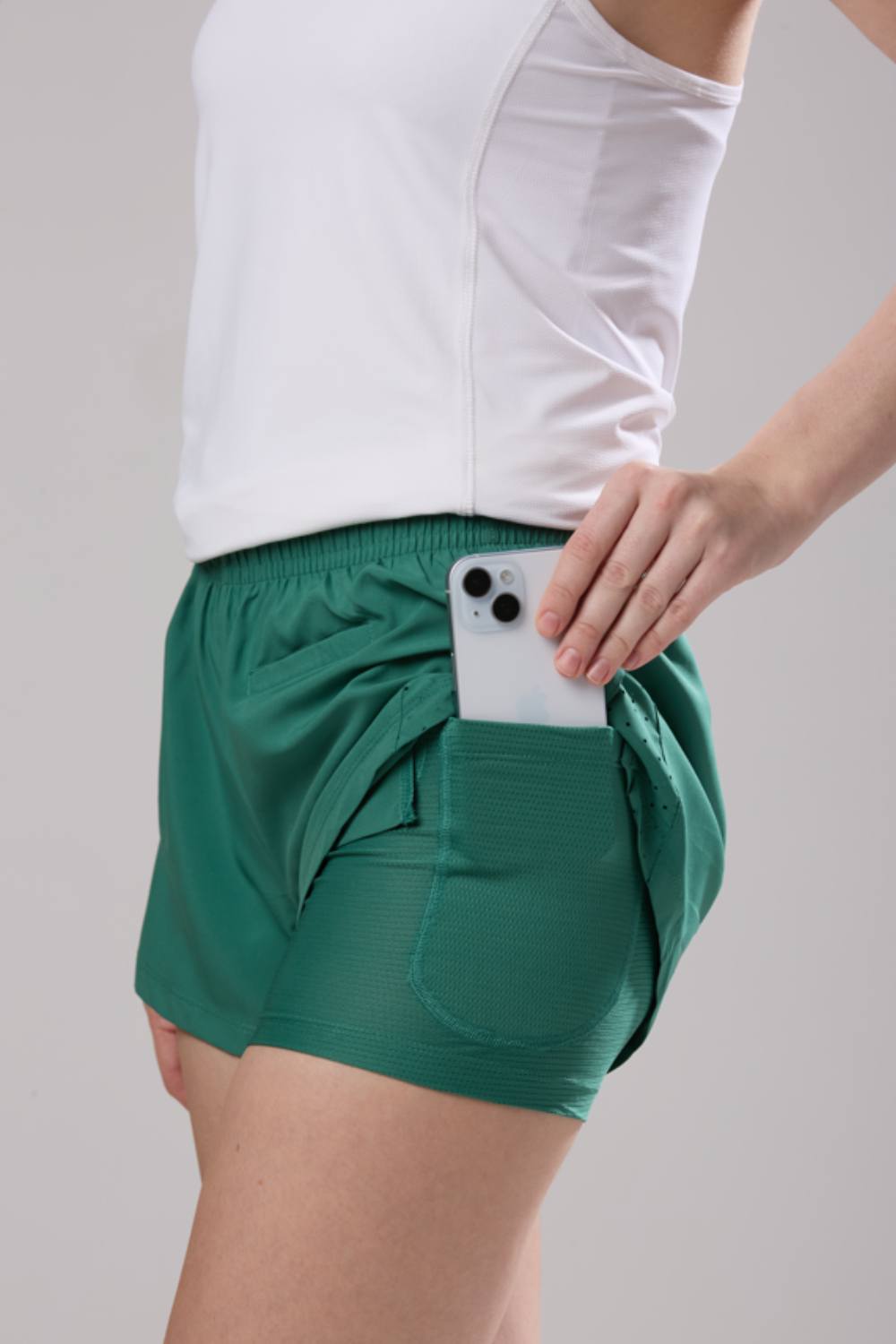
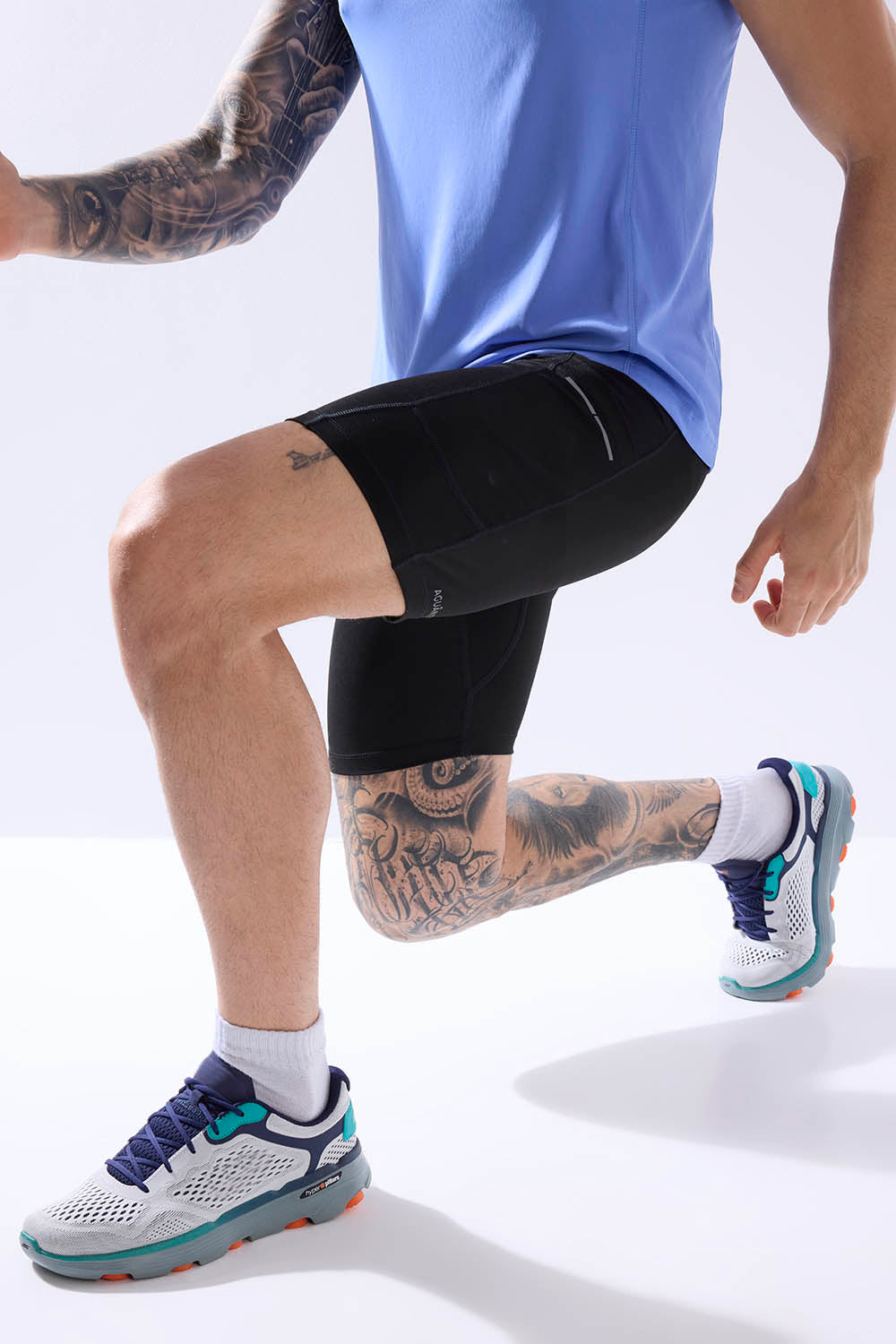
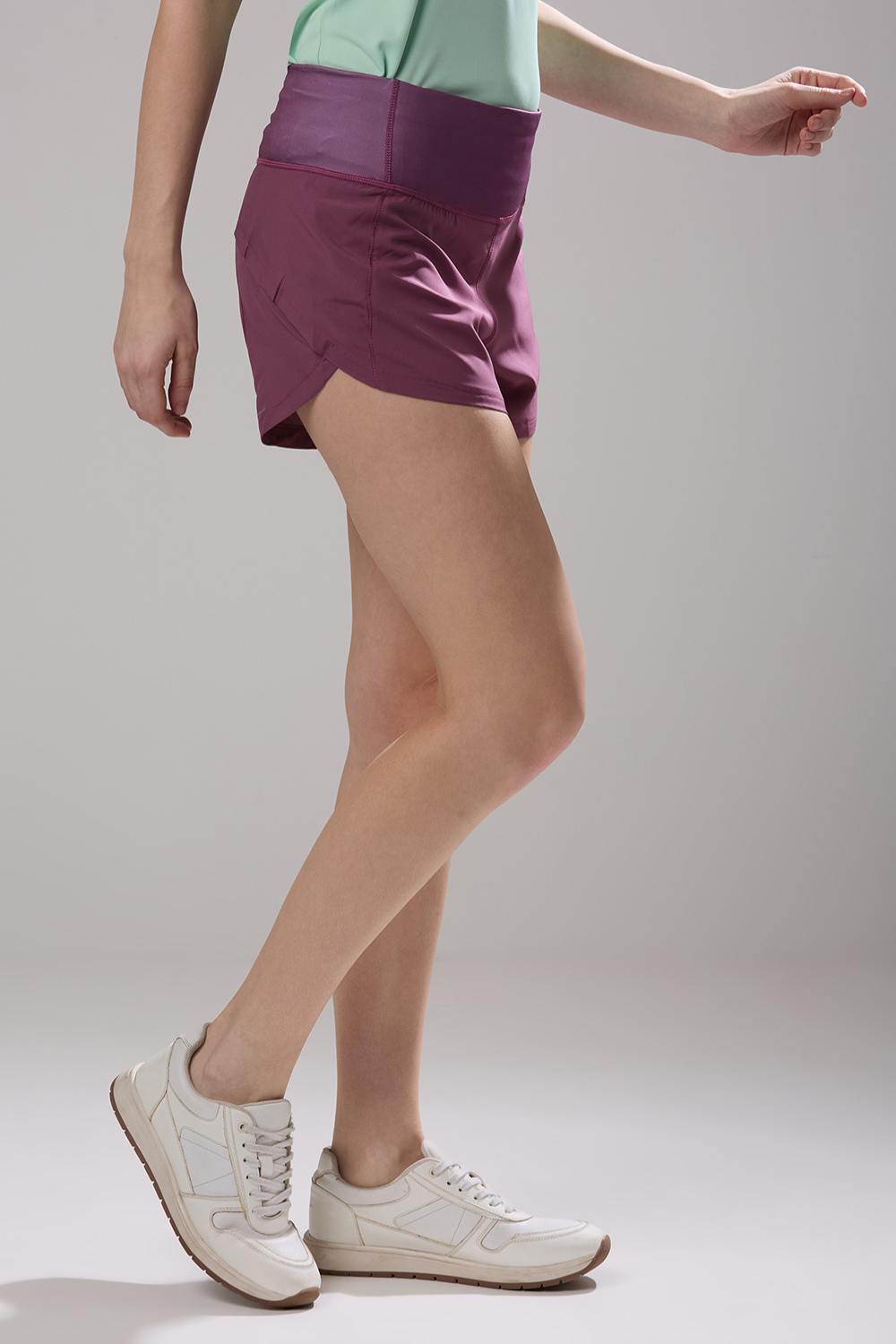
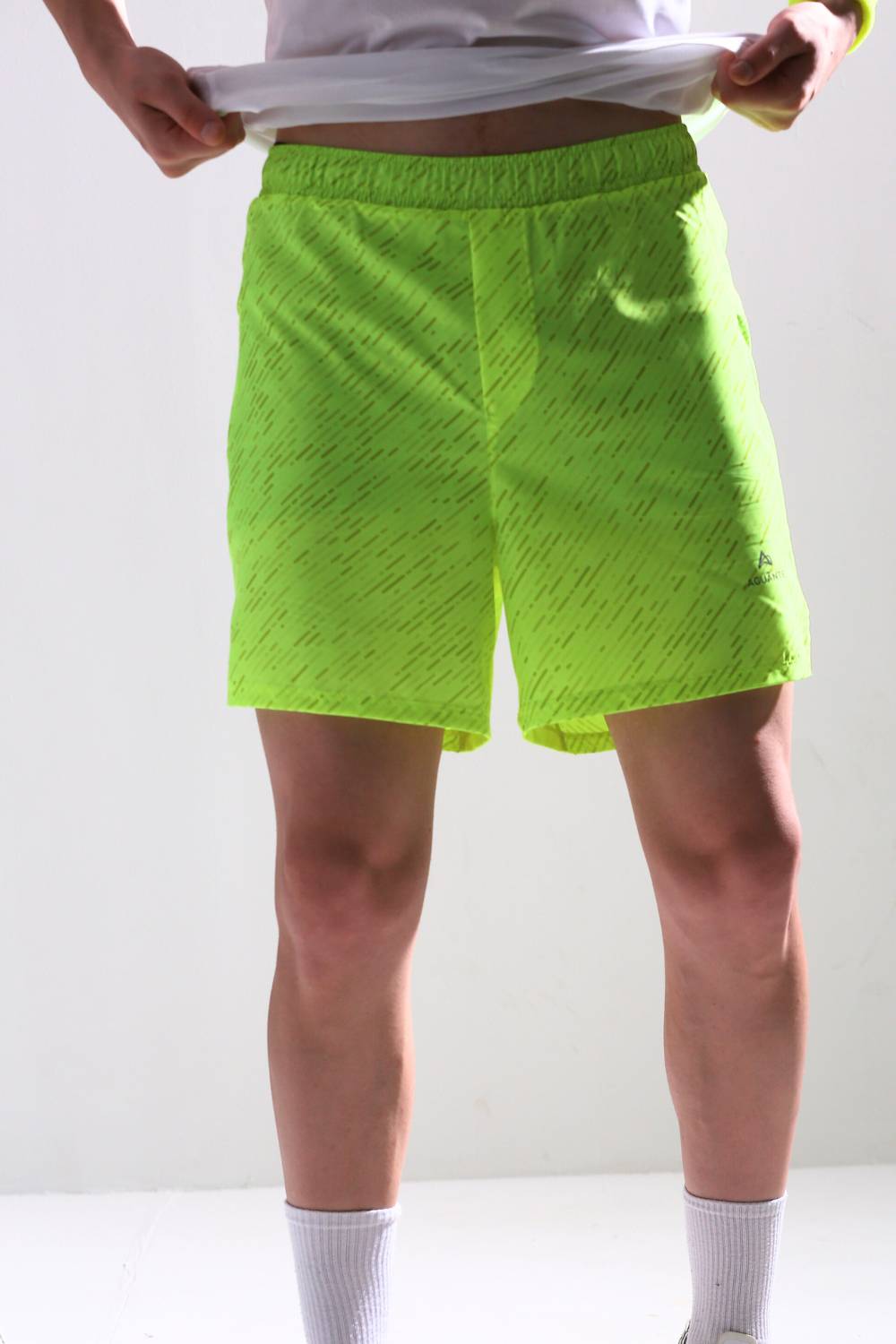
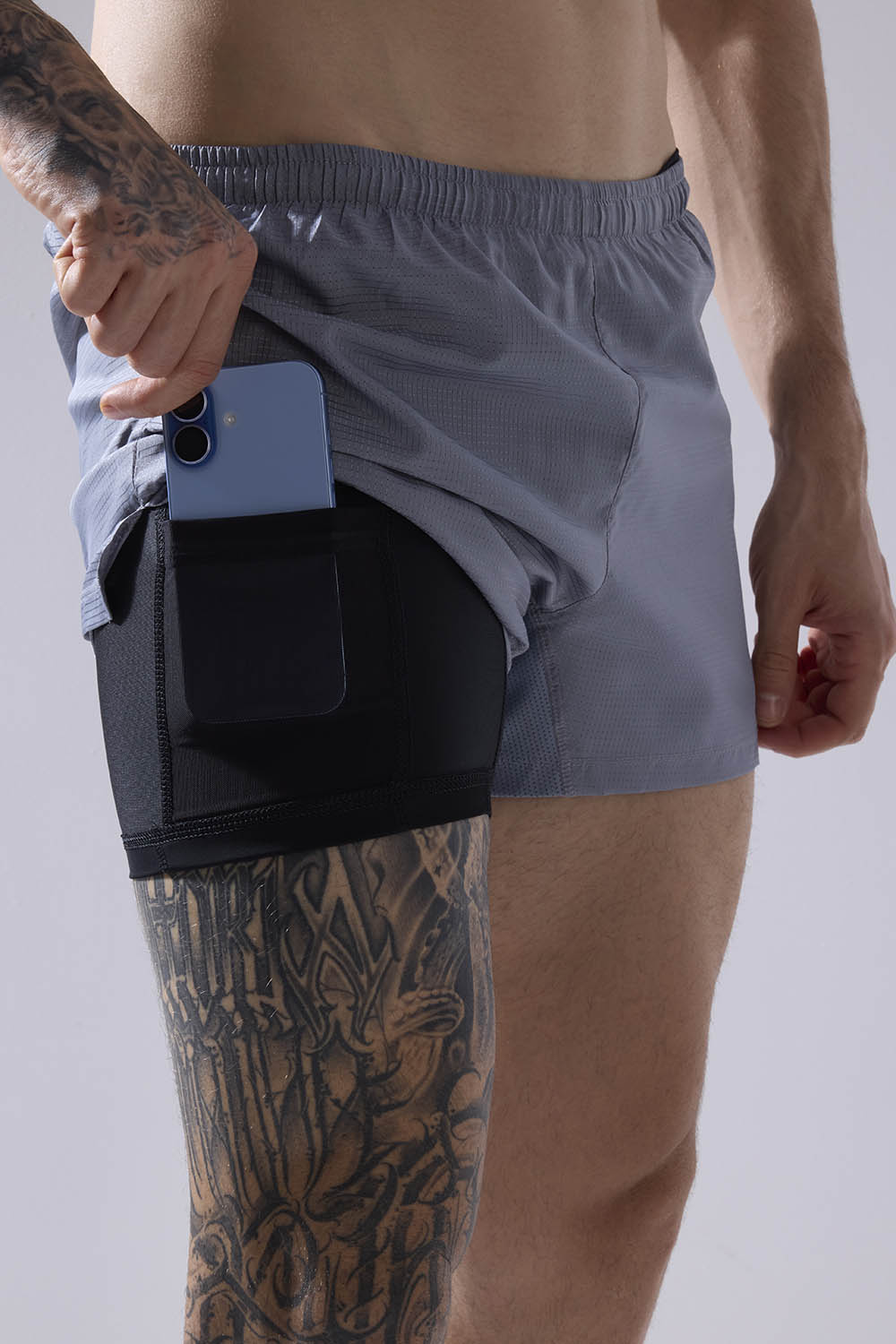
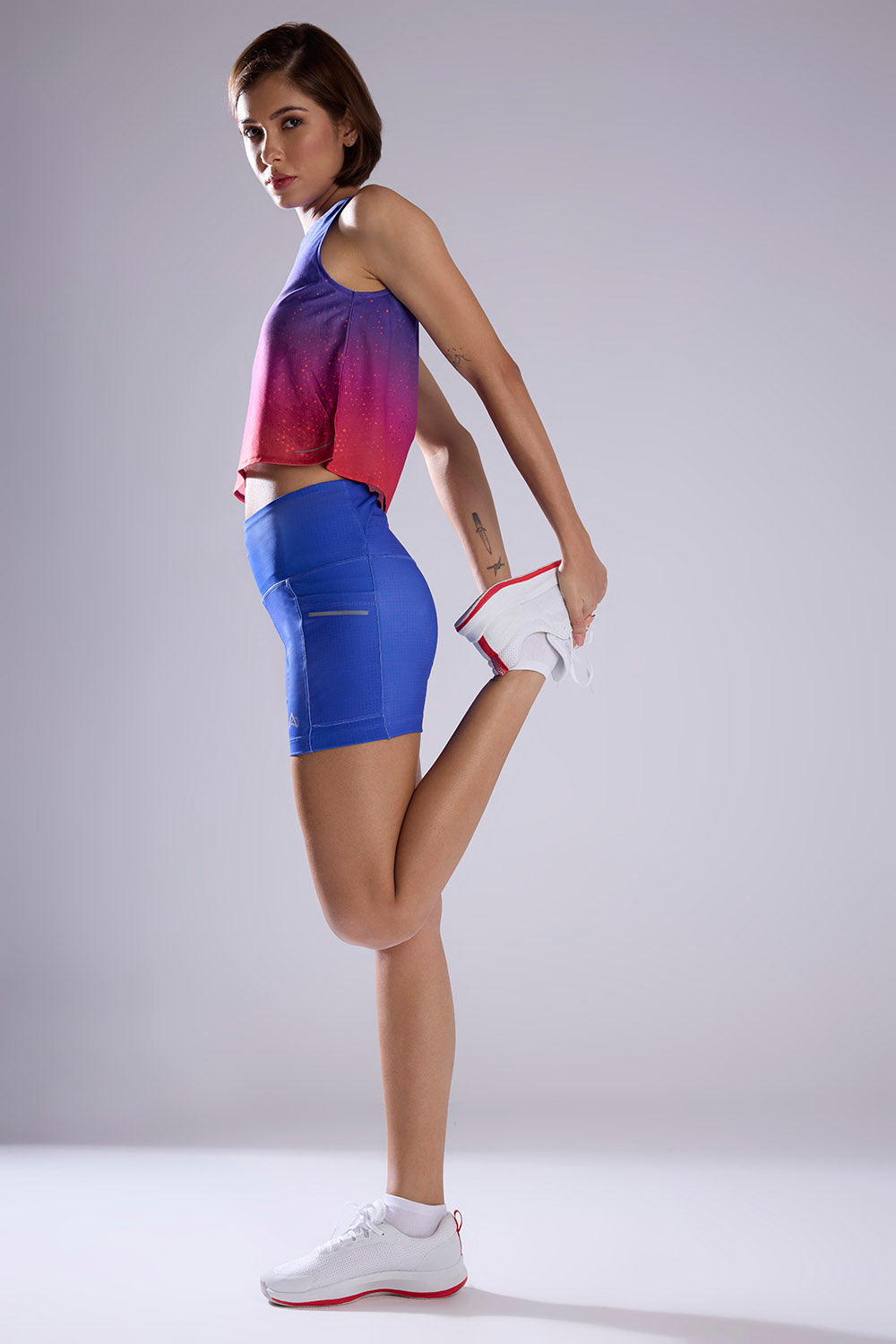
What sets Aguante apart is its meticulous attention to elements runners value: stable pockets that remain secure without jostling, interiors lined to prevent rubbing, fabrics that draw away sweat efficiently, reflective accents for visibility in dim conditions, and silhouettes perfected via trials with genuine Indian participants. Athletes experience unhindered motion, convenient storage for necessities, and zero interruptions. In contrast to expensive international labels conceptualized far away, Aguante combines domestic creativity with international standards, all at reasonable costs tailored for regular enthusiasts.
Aguante isn't generic activewear. Every product is designed specifically for Indian running conditions from heat to humidity to unpredictable terrain ensuring unmatched comfort, breathability, and performance. Details like secure pockets, anti-chafing linings, moisture-wicking fabrics, reflective detailing, and perfect fits tested by real runners allow distraction-free movement.
Emerging Trends Local Innovation Meets Climatic Reality
In India's core textile regions, transformation is underway. Factories in Surat and Ahmedabad develop featherweight, germ-resistant mesh composites suited to temperatures exceeding 35°C, merging traditional crafting techniques with cutting-edge advancements. Such materials evaporate perspiration rapidly while combating smells and skin aggravations, ideal for hours under damp strain.
Innovation hubs in Bangalore and Gurugram adopt rapid-drying, friction-resistant components initially for elite competitors but now available broadly. Female runners in Mumbai and Pune insist on firm hold that avoids overheating, igniting demand for advanced styles. Data from the Textile Commissioner's Office joined by FICCI analyses emphasize the point: Ergonomics in India require versatile elasticity for varied forms, supported by National Institute of Fashion Technology research on localized proportions.
This evolution stems from practical demands. With athleisure merging workout and casual wear, worldwide market dynamics highlight the importance. A September 2024 analysis by Grand View Research indicates the international sports bra sector will expand to USD 11,496.6 million by 2030, advancing at a 6.1% compound annual growth rate from 2024 onward. Key factors include rising female involvement in athletics, exercise regimens, and activities, propelled by worldwide health initiatives and fitness trends. Additionally, athleisure activewear used casually boosts call for fashionable, cozy options suitable inside and outside training spaces. As women increasingly adopt dynamic routines, requirement for proper supportive gear escalates.
These insights come directly from the Grand View Research report, underscoring how lifestyle shifts amplify needs for versatile, supportive apparel in growing markets like India.
Real-World Examples Testing on India's Running Circuits
Consider Bangalore's demanding paths: Trainers affiliated with @barefoot_coach_shanth_koushik and @coach_amitkumar rigorously evaluate equipment on uneven, moist terrains. Their Instagram updates illustrate how ventilated sports bras sustain stability sans excess warmth, enabling concentration on technique instead of clothing issues.
Along Mumbai and Navi Mumbai's coastal paths, visibility enhancements and sleek profiles without extra compartments prove essential for dusk outings. Participants praise setups that withstand briny winds minus irritation. Head to Delhi and Gurugram, where pollution compounds thermal stress materials with minimal moisture hold dominate, transitioning from fashion-focused leisurewear to practical performance tools. Figures like @runholic_dev and @fit_kaur23, along with @rajesh84parida, document kilometers covered in adaptive outfits that harmonize with surroundings.
Such accounts proliferate on Instagram, Facebook, and YouTube, where Hyderabad groups advocate for climate-aligned clothing, converting online posts into authentic validations. In Pune and Navi Mumbai, similar narratives emerge, with runners in Surat and Ahmedabad testing prototypes amid local humidity spikes. These platforms amplify voices from Gurugram's corporate joggers to Delhi's park enthusiasts, building communities around shared experiences of gear that performs under pressure.
Coaches and influencers in these areas spanning from barefoot specialists to fitness mentors demonstrate how region-specific designs enhance training. For instance, in Ahmedabad's emerging scenes, reflective features aid early morning sessions, while Surat's textile ties inform fabric choices that endure sweat and sun.
Key Challenges Comfort, Fit, and Climate Barriers
Runners across India encounter obstacles overlooked by standard products. Physical variations differ markedly by locale fuller figures in certain zones, slimmer in others necessitating adjustable dimensions and fabrics that conform seamlessly. Hyderabad's sticky atmosphere, with its salty perspiration, hastens material breakdown, requiring resilience checks that surpass standard evaluations.
Financial aspects compound issues. Foreign premium items often exceed budgets for hobbyists, opening doors for equitable options. Aguante addresses this head-on via India-centric creations: attuned to warmth, dampness, and ground variations for reliable ease and output sans inflated costs. Knowledge gaps persist numerous opt for all-purpose athletic clothes, missing specialized aspects like seam protections or stable holds.
Nevertheless, difficulties reveal pathways. Athletes benefit from moisture evacuation, light reflection, and custom fits engineered precisely for them. In cities like Pune and Delhi, where terrains shift from urban flats to green escapes, these features prevent common pitfalls like bounce or slip, allowing longer, safer sessions.
Opportunities India's Climate-Smart Design Leadership
India possesses distinct advantages in this arena. Vast production facilities in Surat and Ahmedabad for sweat-managing textiles enable swift modifications, diminishing overseas dependencies. This proximity facilitates rapid responses to input from Mumbai's marine drives or Bangalore's elevations.
Enterprises like Aguante supply top-tier attributes rubbing-resistant layers, safety reflectors, weather-validated structures at attainable rates, connecting expert and amateur realms. Environmental benefits accrue as well: Home-based manufacturing reduces transport emissions, bolstering employment in textiles and green credentials.
Market projections reinforce viability. India's sportswear industry targets over USD 13 billion by 2028 with a CAGR surpassing 11%, according to IBEF and Technavio, led by women's categories. States like Maharashtra, Karnataka, and Delhi NCR command retail, while Gujarat anchors production networks. Apparel optimized for weather defines future value, with local brands at the forefront.
In Navi Mumbai and Gurugram, this translates to booming collaborations, where influencers on Instagram and YouTube showcase products, driving engagement across target regions.
Business Impact The Market Opportunity
Vitality throbs in these athletic centers. Gurugram's professional loops and Ahmedabad's budding competitor circles see escalating calls for utilitarian bras. Women integrating activity into routines seek items versatile for gym and daily use, aligning with observed athleisure expansions.
Such transitions empower labels emphasizing native scenarios superior ventilation for muggy distances, efficacy at equitable pricing. As participation swells in events from Hyderabad marathons to Surat fun runs, the sector flourishes on advancements grounded in actual pathways, not remote studios. This growth not only boosts sales but fosters loyalty, with social media channels like Facebook amplifying reach in Pune and beyond.
Economic ripples extend to supply chains in Surat, where fabric innovations feed back into designs tested in Mumbai's humidity. Overall, it positions India as a hub for climate-resilient activewear, capturing shares in a global arena projected for steady expansion.
Endurance Meets Engineering
Spanning Bangalore's lush trails to Mumbai's waterfronts, sports bras transform into essential partners for tropical victories. Aguante leads by example: Designs informed by data and localized trials that reshape ease for India's running population. As women's long-distance involvement climbs, anatomically sound, air-permeable foundations become integral to the nation's wellness framework.
Future horizons promise AI-driven sizing, adaptive humidity fabrics, and sustainable materials from domestic research centers within half a decade. Today, equip yourself with attire that comprehends the warmth and excel. From Hyderabad's vibrant packs to Pune's dedicated groups and further, evidence abounds: Adaptation in gear empowers adaptation in performance, propelling India's runners toward new heights.
Frequently Asked Questions
What makes sports bras suitable for running in India's tropical climate?
Sports bras designed for tropical weather feature moisture-wicking fabrics that rapidly evaporate sweat, lightweight and breathable mesh materials that work in temperatures exceeding 35°C, and anti-chafing linings to prevent irritation during humid runs. These specialized designs also incorporate antimicrobial properties to combat odors and skin issues that arise from prolonged exposure to heat and humidity, making them ideal for India's challenging climate conditions.
How do Indian sports bra brands like Aguante differ from international options?
Indian brands like Aguante design sports bras specifically for Indian body types and climate conditions, rather than adapting foreign templates made for temperate zones. They offer features tailored to local runners including secure pockets that don't jostle, ergonomic fits tested by real Indian athletes, and reflective detailing for early morning or evening runs, all at affordable price points that make high-performance gear accessible to regular enthusiasts rather than just elite athletes.
What features should I look for in a sports bra for long-distance running in hot weather?
Look for sports bras with superior ventilation and breathability to prevent overheating, quick-drying and friction-resistant fabrics to minimize chafing during extended runs, firm support that doesn't trap heat, and practical features like secure storage pockets and reflective accents for visibility. The best options combine adjustable dimensions to accommodate different body types with antimicrobial materials that can withstand India's sticky atmosphere and salty perspiration without breaking down quickly.
Disclaimer: The above helpful resources content contains personal opinions and experiences. The information provided is for general knowledge and does not constitute professional advice.
You may also be interested in: Indian endurance athletes turn to functional activewear brands for bet
Tired of gear that slows you down? Chafing, soggy fabrics, and missing pockets kill your run's momentum. At Aguante, we're runners who get it. Our high-performance activewear features moisture-wicking fabrics, ergonomic designs, and smart storage to keep you focused. Shop Now!
Powered by flareAI.co