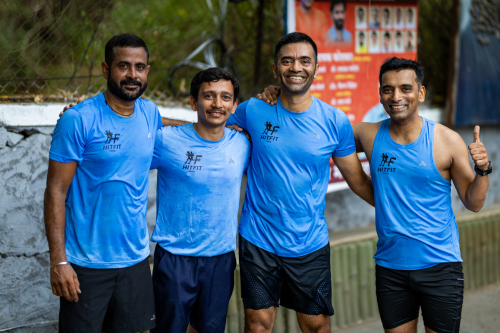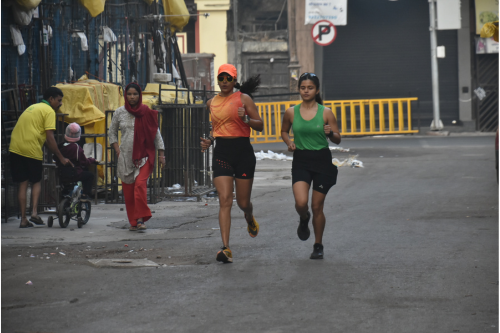
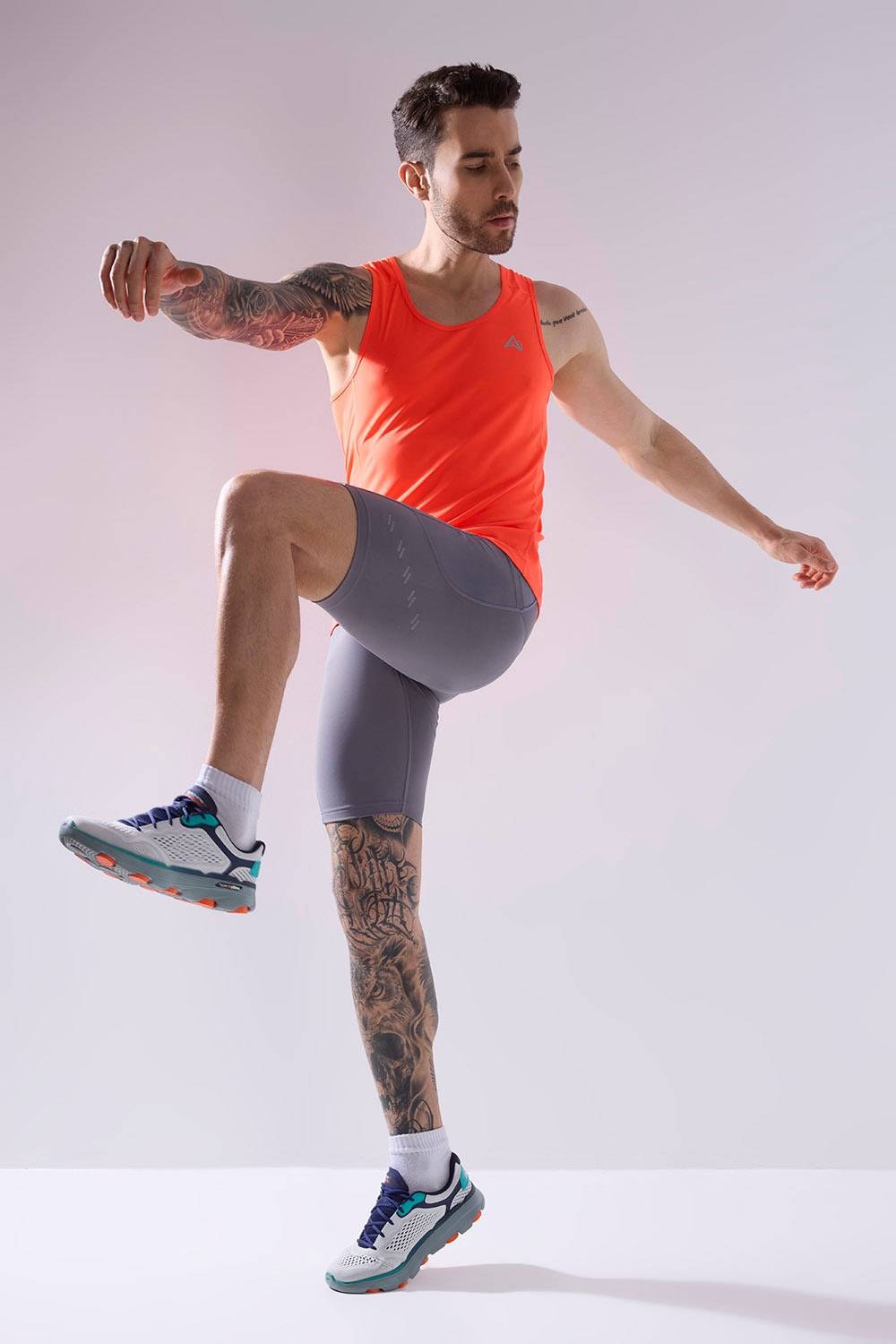
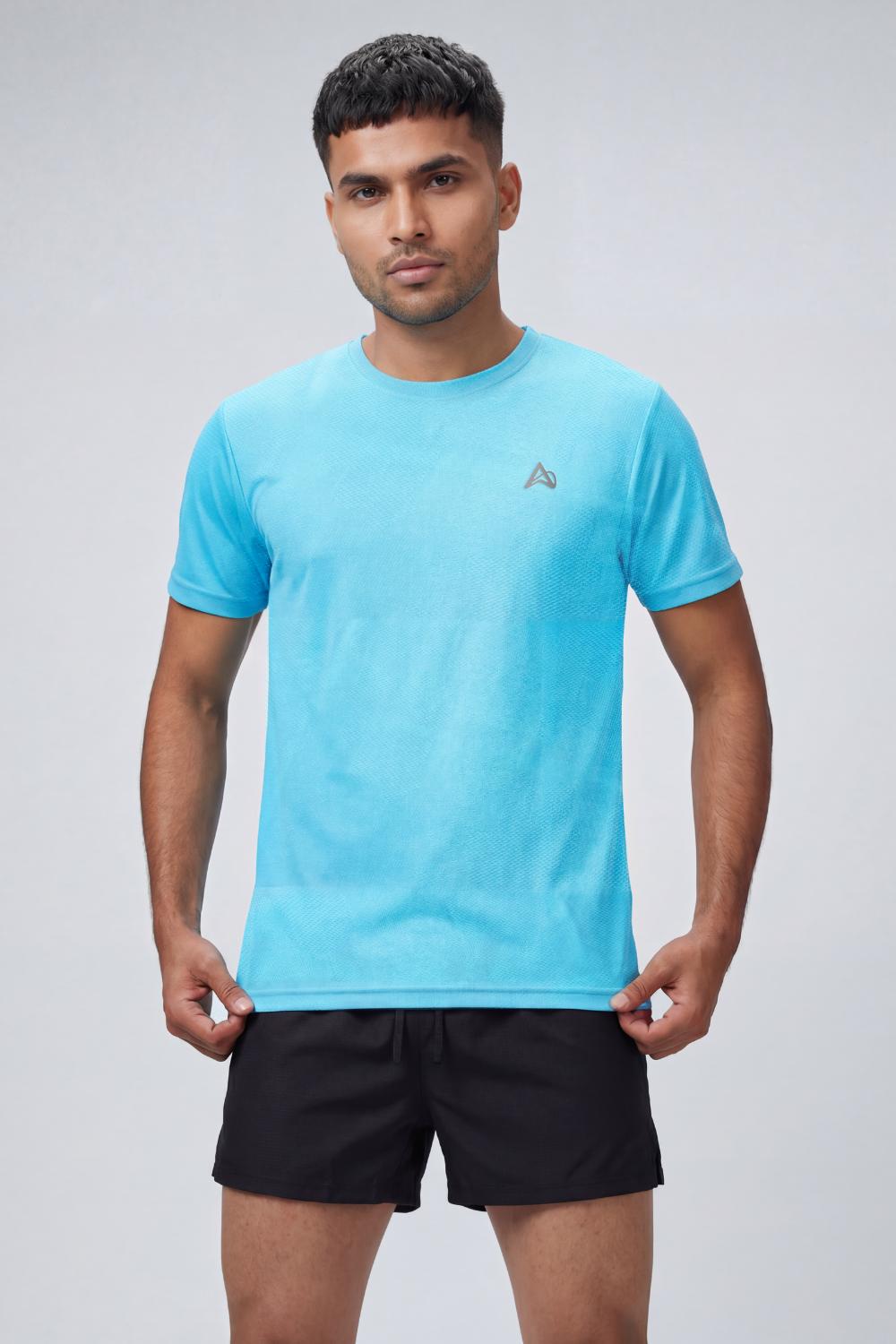
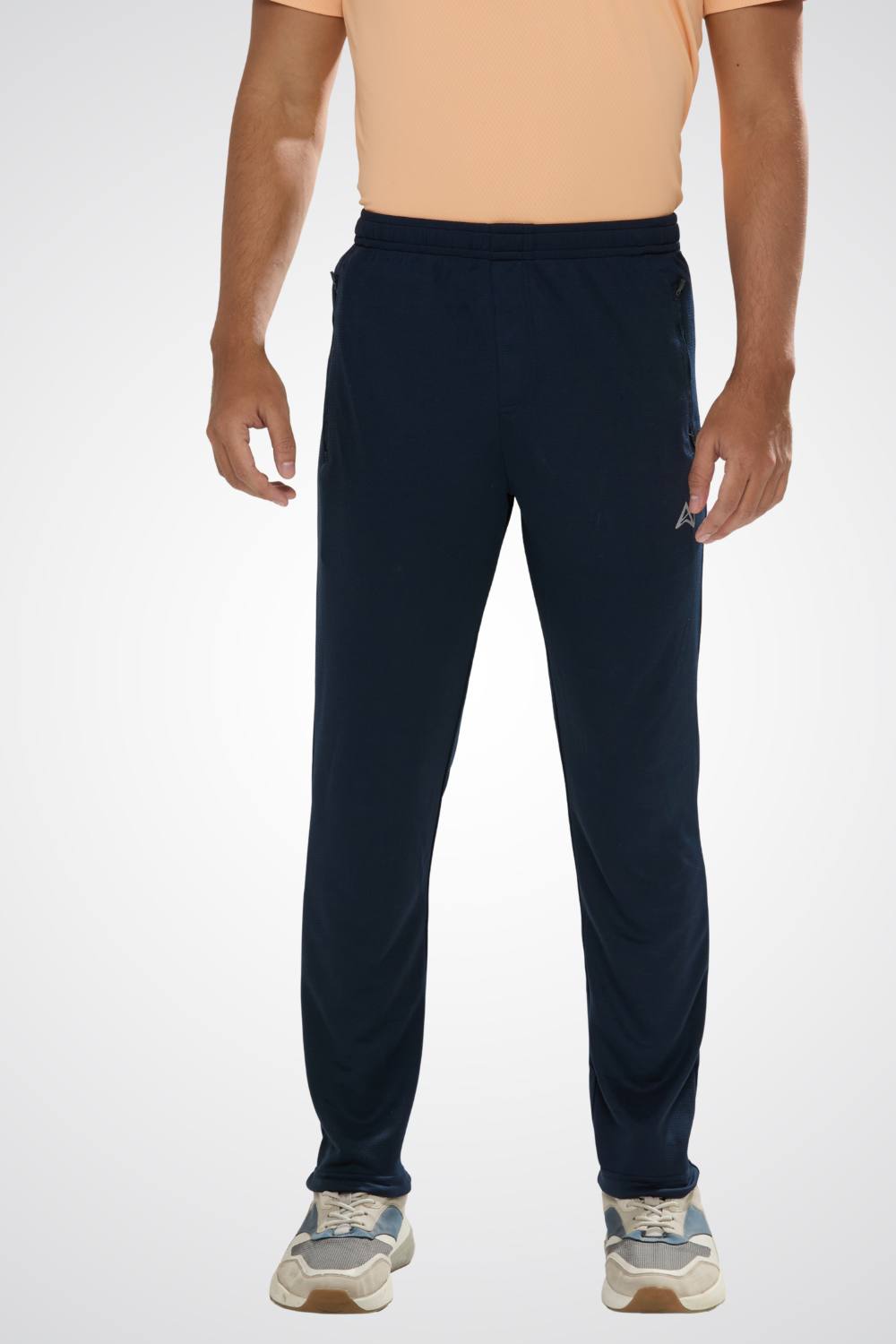
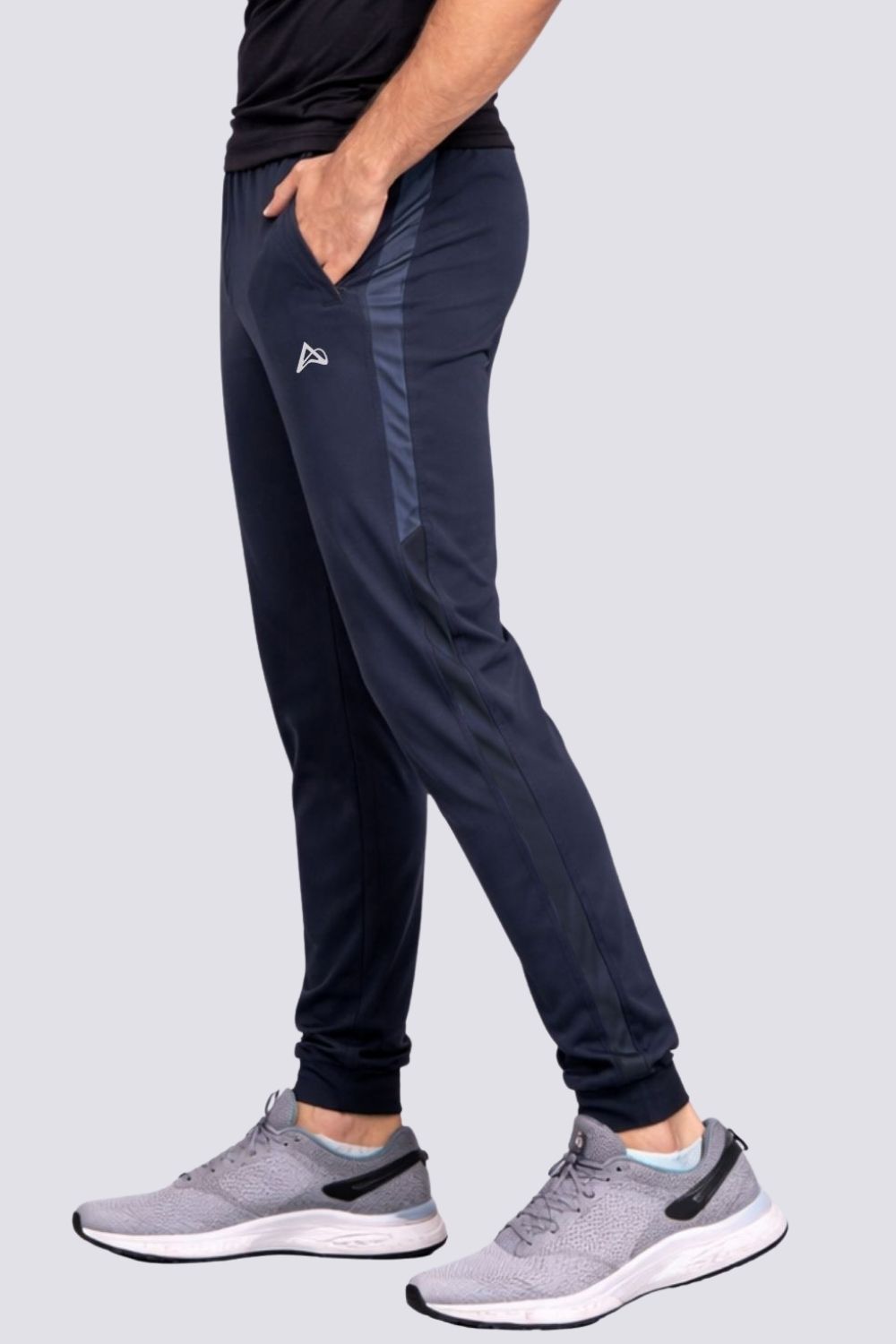
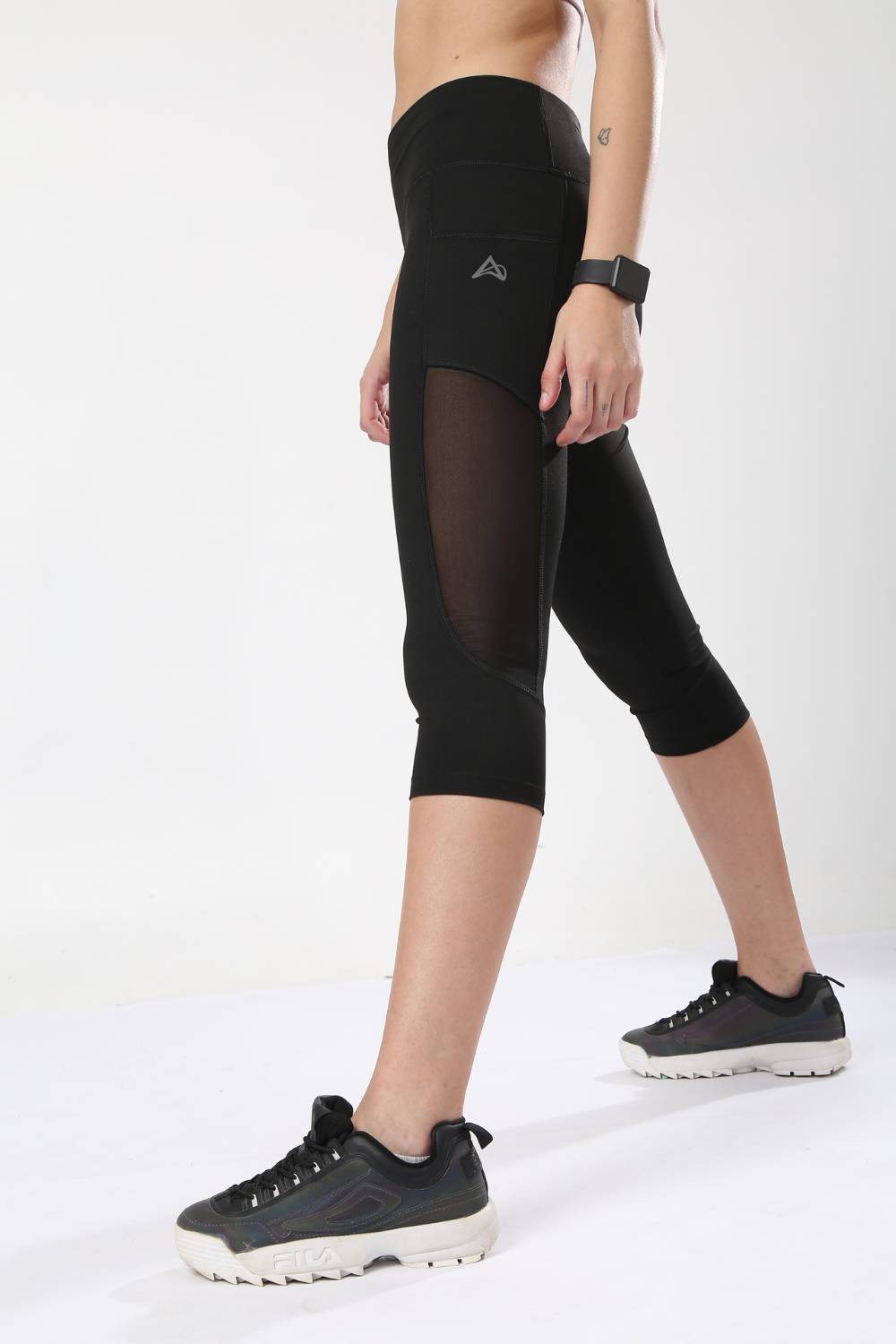
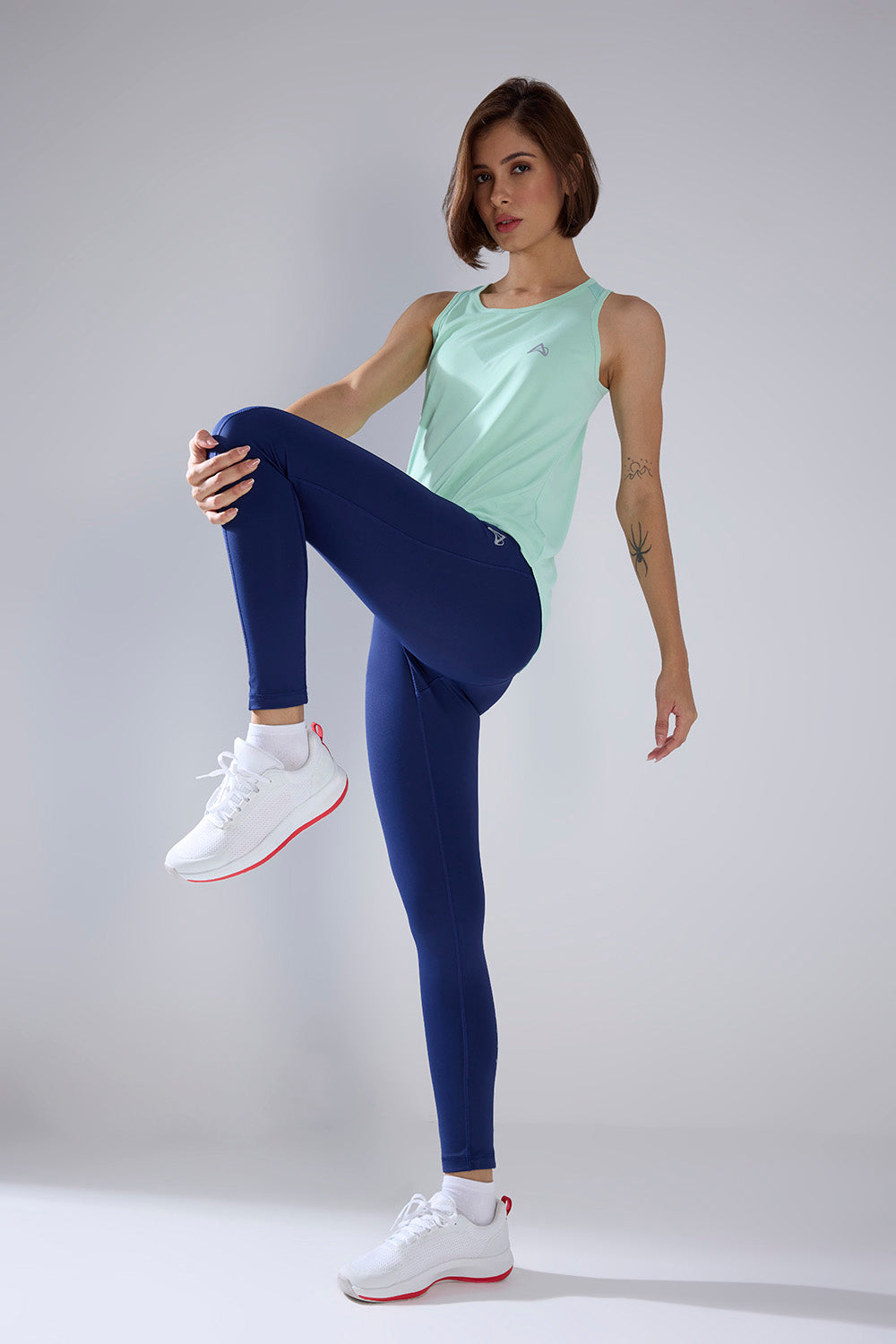

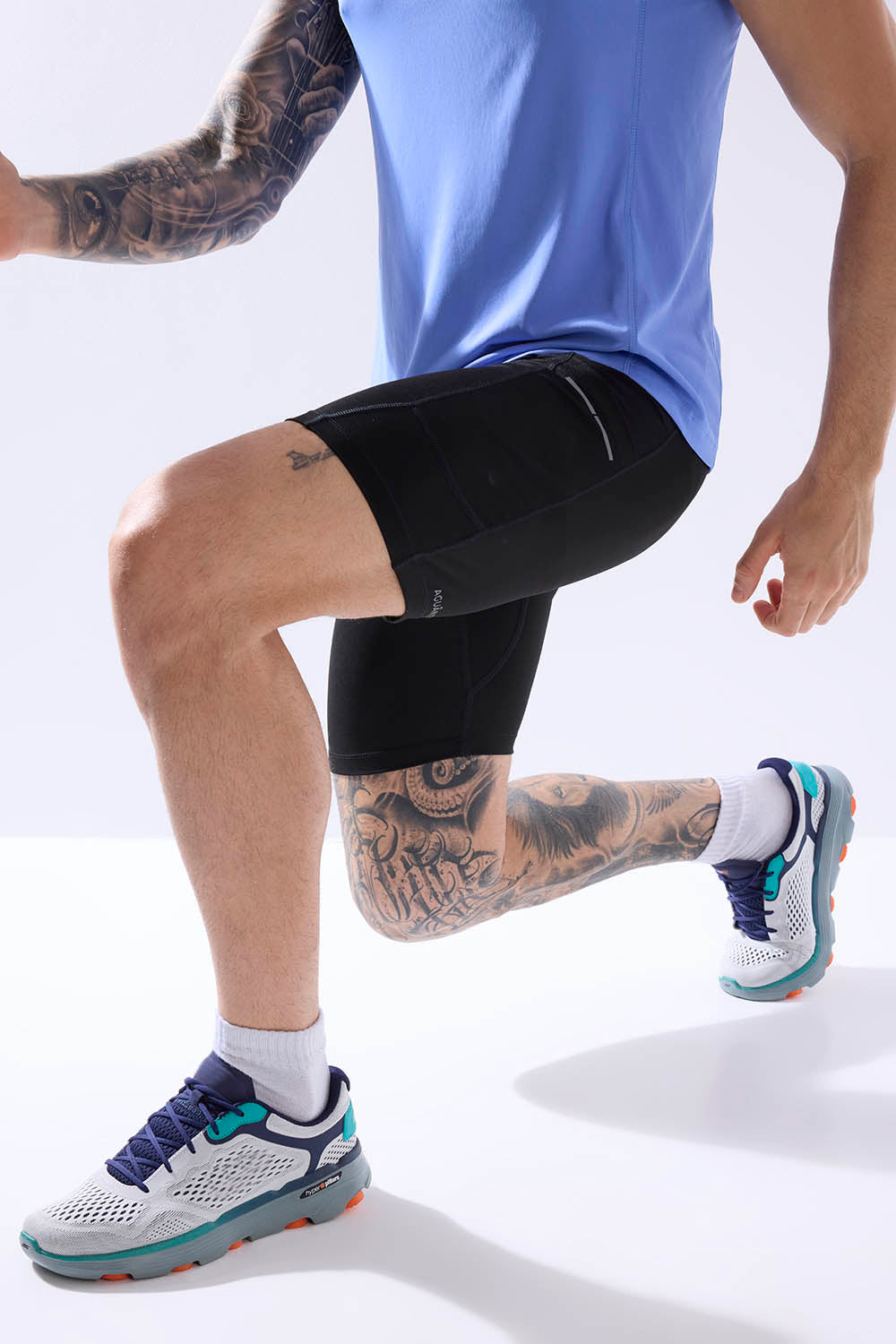
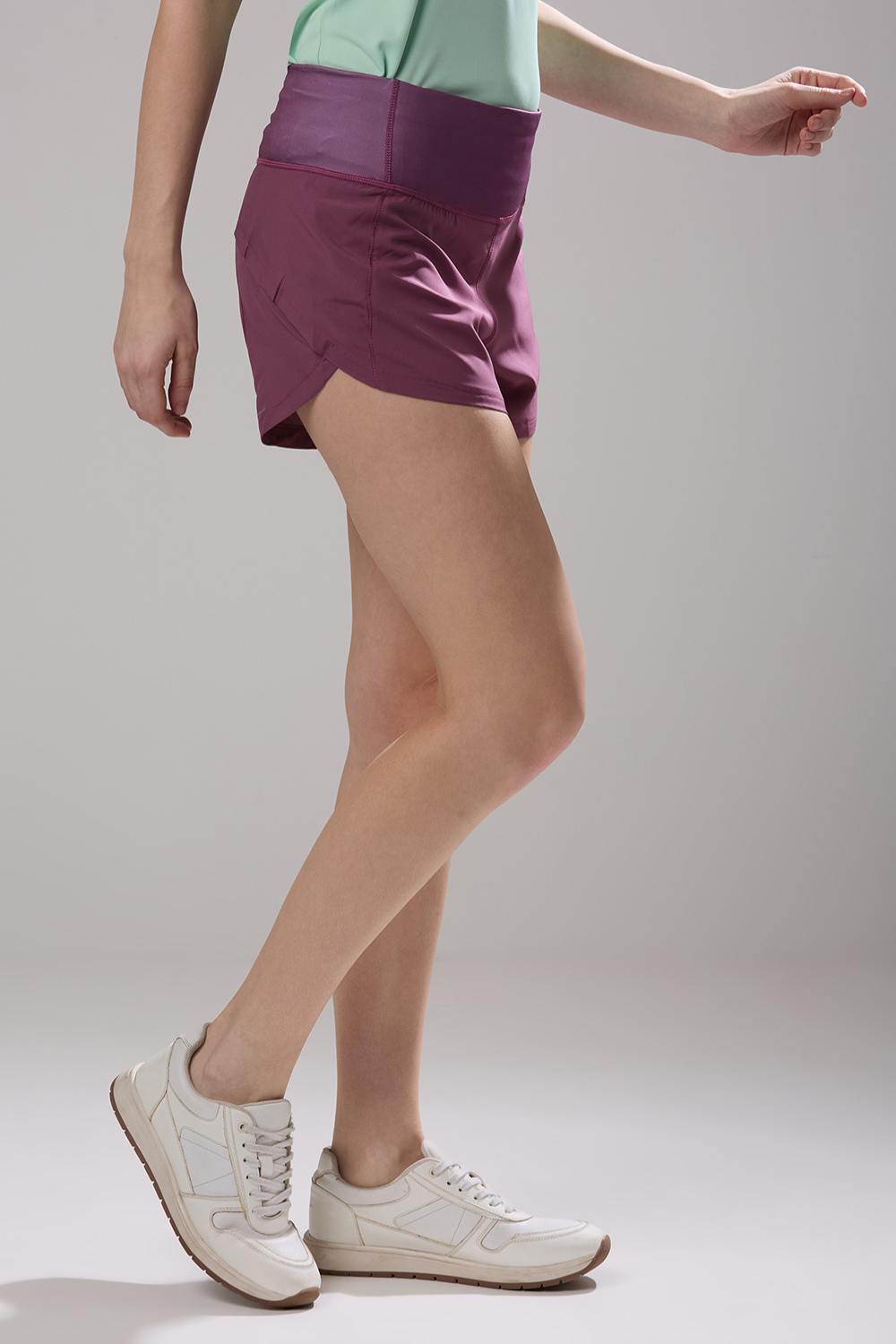
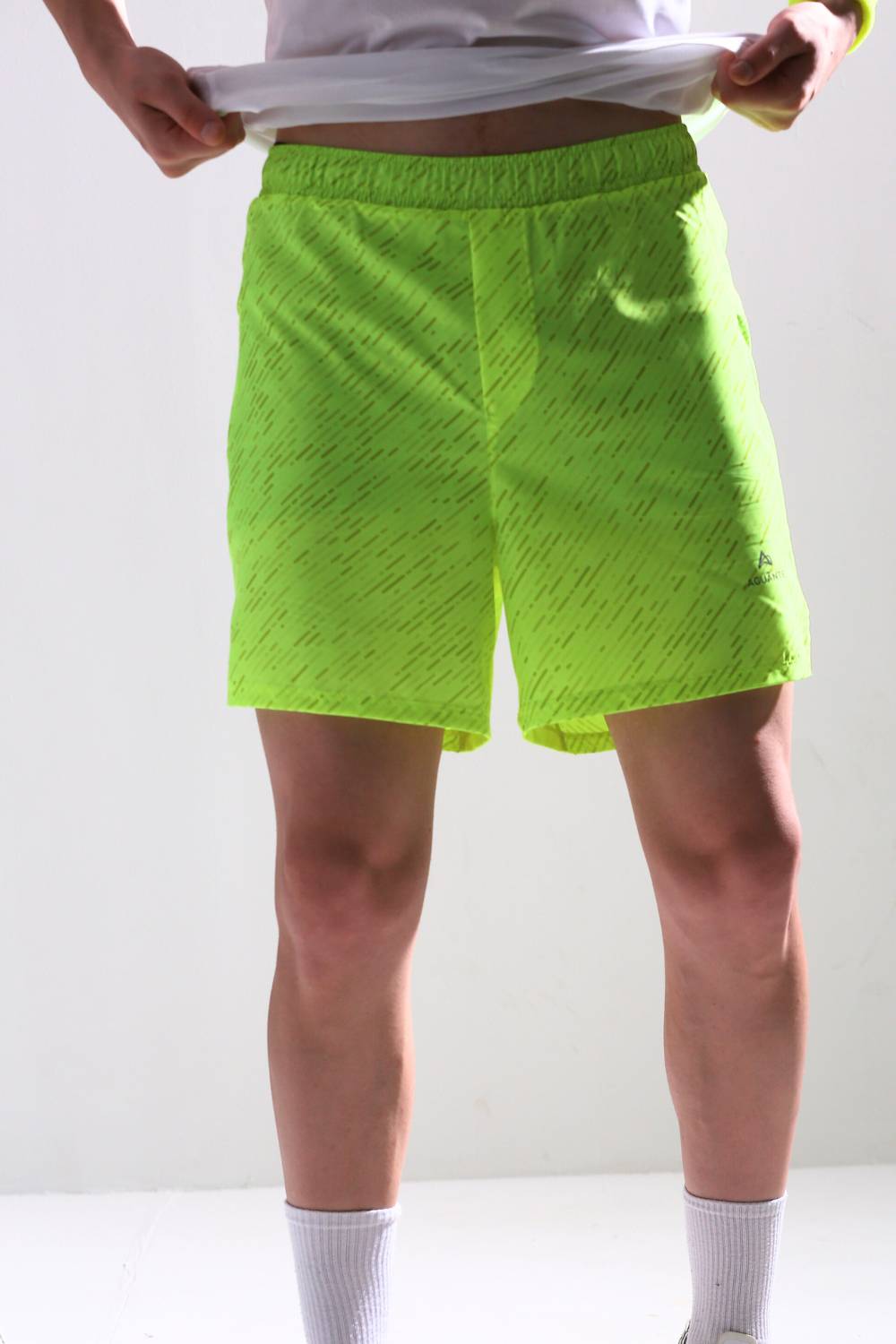
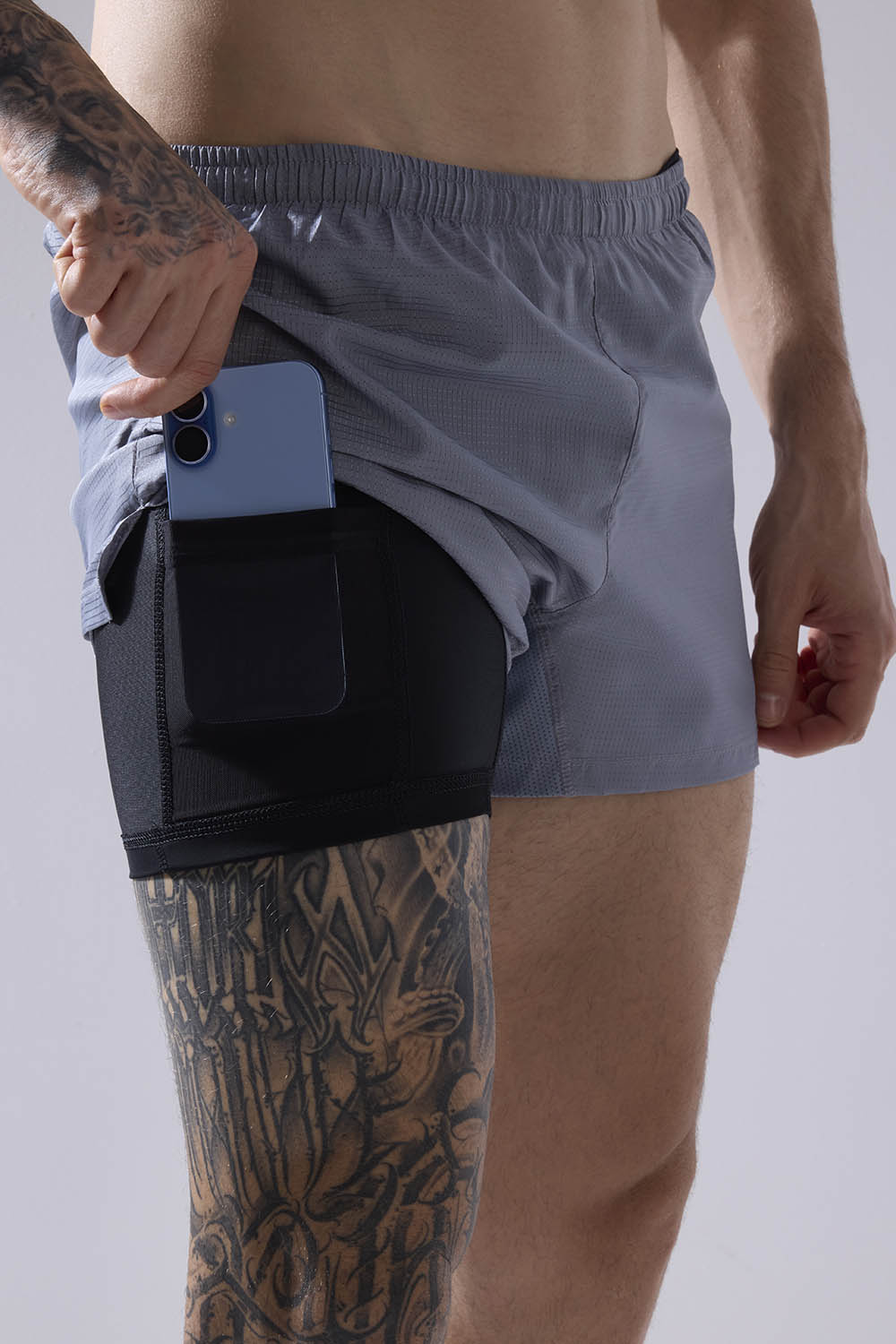

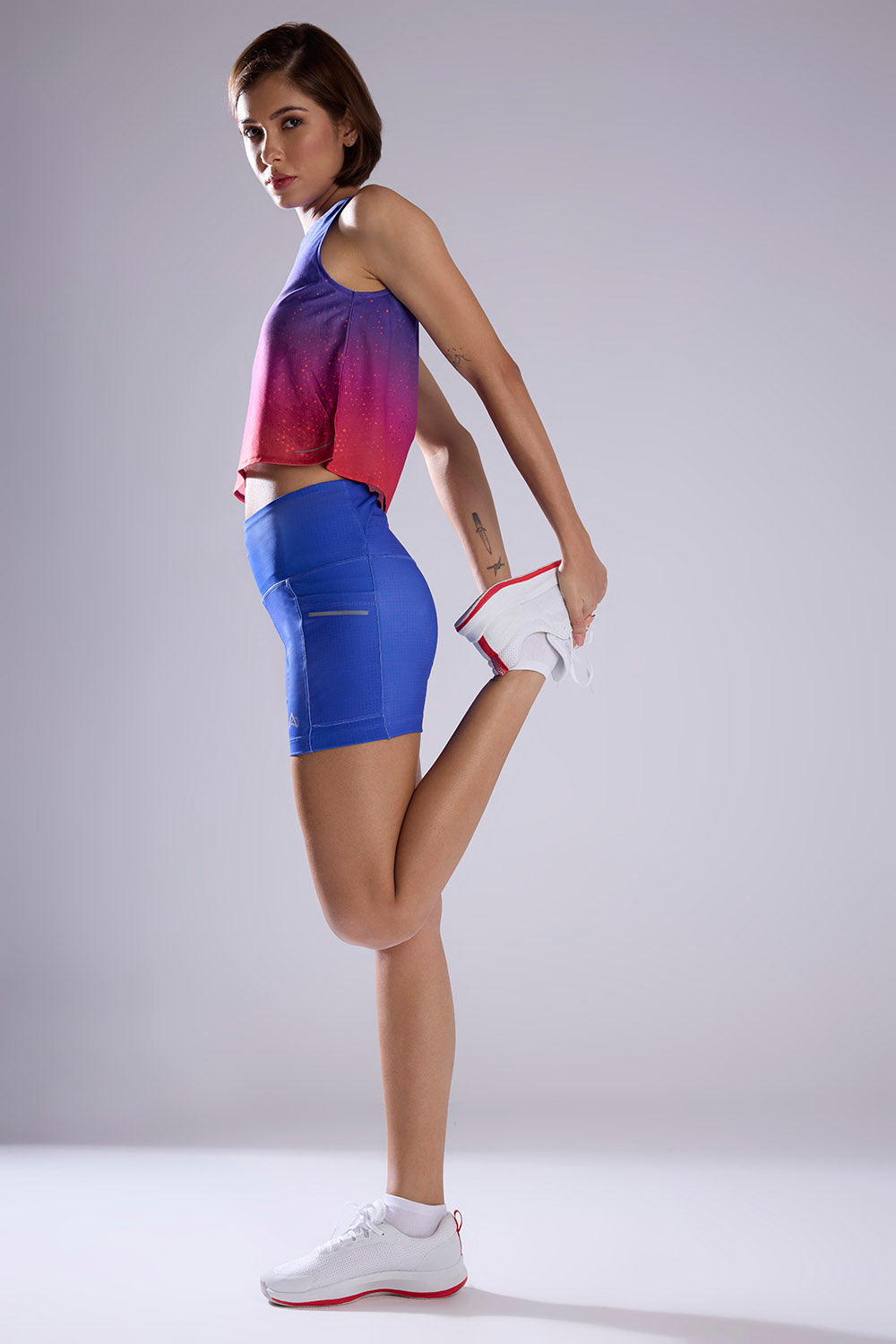
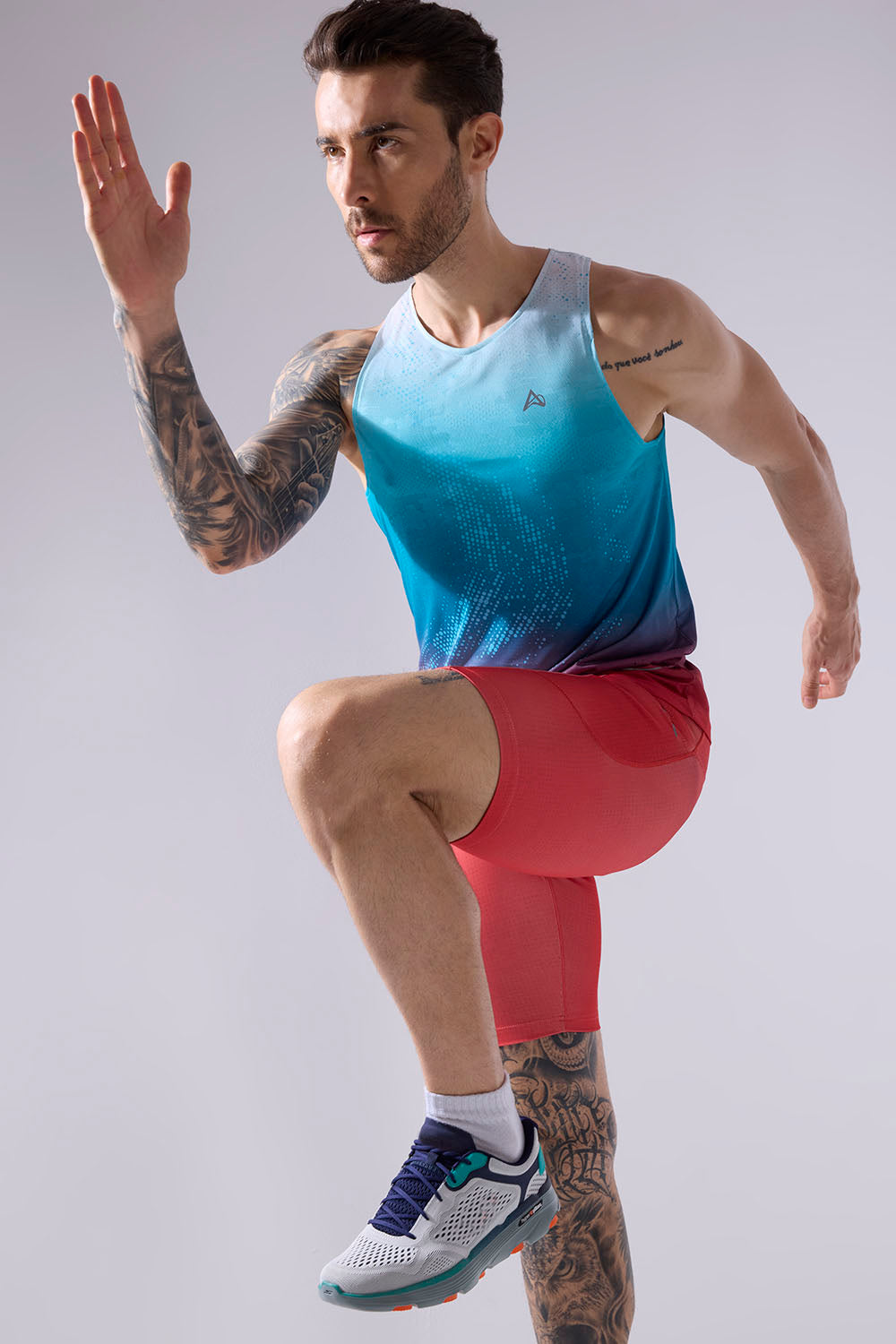

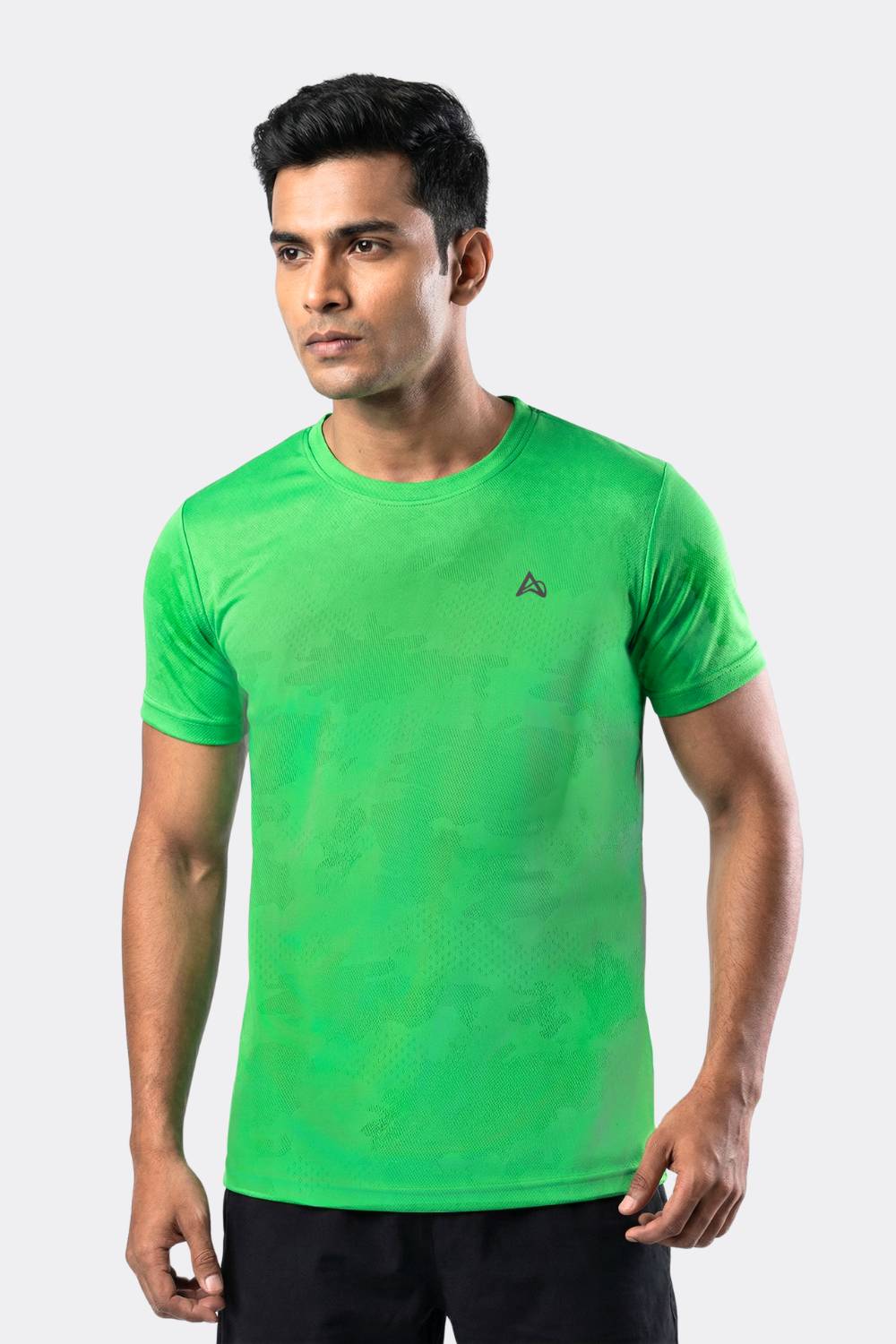
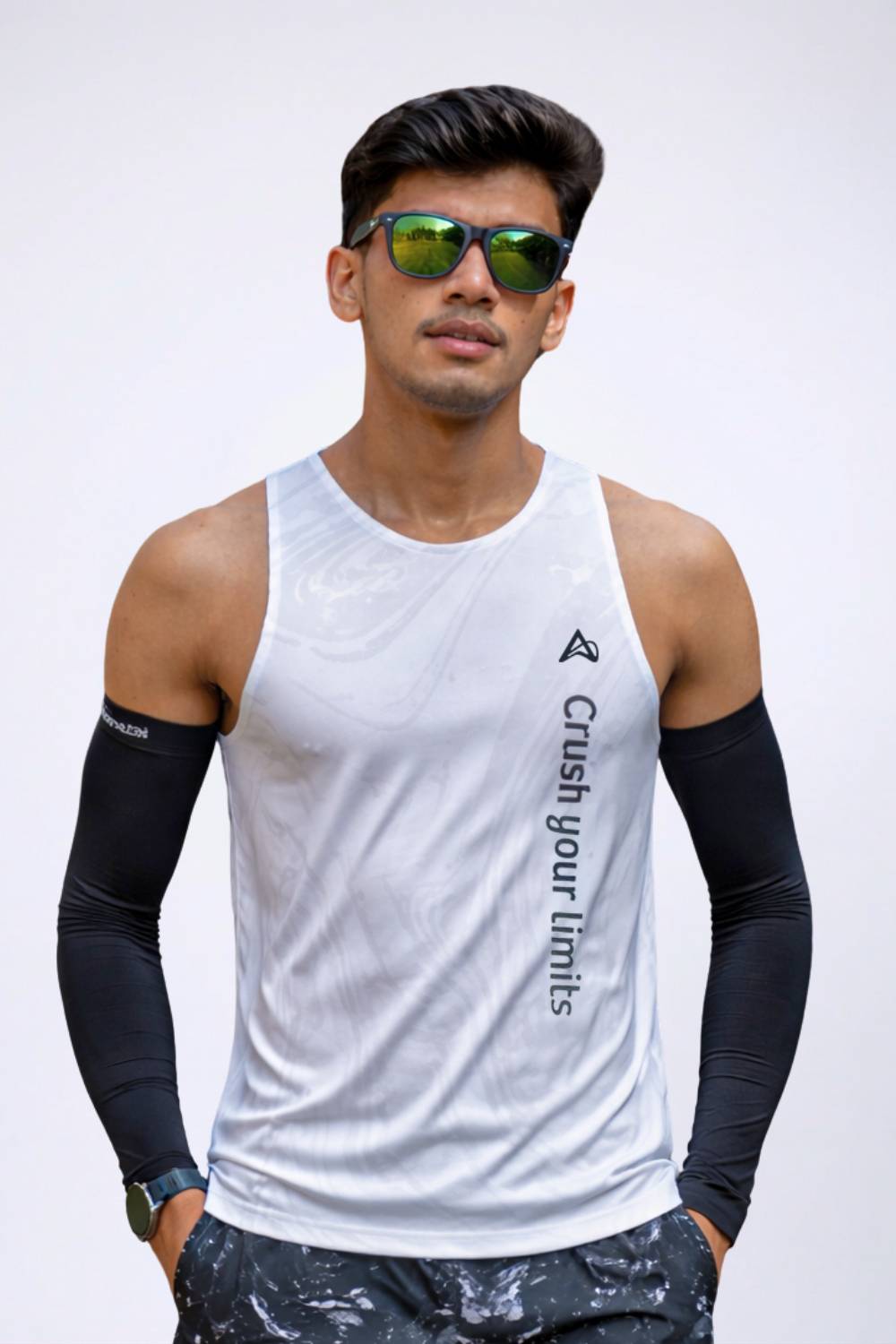

As India's monsoon season recedes, leaving behind a tapestry of humid evenings and unexpectedly cool dawns, a quiet revolution unfolds on the nation's running tracks and urban trails. Runners in cities like Mumbai and Delhi no longer settle for ordinary layers; they reach for functional hoodies designed to conquer the unpredictability of transitional weather. Imagine gliding through Bangalore's misty parks or navigating Gurugram's foggy highways these garments, with their advanced fabrics and thoughtful engineering, provide the perfect bridge between seasons, ensuring comfort without compromise.
Tired of gear that slows you down? Chafing, soggy fabrics, and missing pockets kill your run's momentum. At Aguante, we're runners who get it. Our high-performance activewear features moisture-wicking fabrics, ergonomic designs, and smart storage to keep you focused. Shop Now!
Functional Hoodies Rise as Go-To Gear for India's Transitional Weather Runners
India's climate defies simple categorization, swinging from oppressive monsoon moisture to abrupt winter bites in a matter of weeks. This volatility has propelled urban runners from the tech-savvy crowds in Bangalore to the endurance enthusiasts in Pune to embrace lightweight technical hoodies as indispensable allies. These pieces deliver ventilation on demand, shielding against chills while allowing sweat to evaporate swiftly, ideal for the fluctuating conditions in metros such as Mumbai and Delhi.
The phenomenon aligns with explosive growth in broader activewear sectors. According to industry analysis, the worldwide athleisure market reached an estimated value of USD 358.07 billion in 2023, with forecasts indicating expansion to USD 662.56 billion by 2030. This trajectory reflects a compound annual growth rate (CAGR) of 9.3% over the period from 2024 to 2030. Fueling this ascent is the escalating passion for sports and outdoor pursuits among younger demographics, a trend that resonates deeply in India's burgeoning fitness landscape. Here, demand surges for gear tackling regional idiosyncrasies, including rapid-drying features for damp post-rain outings and visibility enhancers for early-hour jogs amid urban haze.
Regionally, North America commanded 40.81% of the global athleisure revenue in 2023, with the U.S. segment alone holding 89.3% within that domain. In product breakdowns, shirts and t-shirts captured the leading revenue portion at 38.51% that year, while mass-category athleisure dominated with 66.12%. These figures underscore how accessible, everyday performance wear like hoodies is infiltrating transitional routines, making advanced functionality available beyond premium niches.
From Cotton Pullovers to Performance Hoodies: The Urban Shift
Traditional cotton sweatshirts, prone to absorbing moisture and adding unnecessary heft, are fading into obscurity among discerning runners in Bangalore and Pune. Instead, they favor hoodies equipped with moisture-management systems that draw perspiration outward, maintaining dryness during dawn layers when temperatures hover teasingly. Communities such as the Bangalore Runners observe notable upticks in adoption around October, precisely when subtle cools demand insulation that doesn't trap heat.
Further south and west, Hyderabad's marathon preparers and Navi Mumbai's seaside pacers rely on fabrics that neutralize odors, countering the clingy aftermath of humid air. Insights from major outlets like Decathlon India reveal surges in hooded garment sales during cooler stretches, particularly in Delhi and Gurugram, where blustery mornings from October through January amplify the need. This pattern isn't mere coincidence; it directly addresses India's meteorological whims, where a routine run might transition from sultry to sharp in minutes.
Consumer leanings favor mass athleisure options, which secured 66.12% of global revenue in 2023, democratizing access to capable apparel. While shirts and t-shirts held the top spot at 38.51% revenue share that same year, hoodies are steadily claiming space in versatile wardrobes, evolving from gym staples to seamless daily essentials amid these seasonal shifts.
City-Specific Styles Reflect Local Climates
In Bangalore, devotees circling Cubbon Park or pushing limits around Ulsoor Lake select hoodies with strategic ventilation panels, effortlessly managing light frosts without restricting movement. Strava updates from dedicated locals illustrate how such designs transform pre-dawn efforts into fluid experiences, even as morning mist settles on pathways.
Mumbai and Navi Mumbai runners, emerging from monsoon remnants, prioritize rapid-evaporation models with built-in sun protection to fend off residual damp and UV rays. Training groups prepping for local marathons vouch for hoods that deflect errant showers, preserving rhythm over irritation. Up north, Delhi and Gurugram athletes contend with airborne pollutants via specialized fabric mixes and glow-in-the-dark accents, crucial for visibility on dimly lit boulevards flanked by rushing vehicles.
In the arid expanses of Surat and Ahmedabad, gusty conditions inspire choices in subtle microfleece interiors paired with airy exteriors providing warmth against winds while preventing overheating. Such adaptations reveal the hoodie's chameleon-like quality, morphing to suit localized hurdles. Online fitness networks on Instagram further propel this, as regional athletes post testimonials of equipment enduring India's varied environmental demands, fostering community-driven trends.
Smart Fabrics Meet Seasonal Functionality
Delving deeper, these hoodies incorporate elastic poly-spandex compositions for unrestricted motion, perforated zones for optimal air circulation, and fused edges to eliminate irritation over extended distances. Drawing from worldwide textile evolutions, where total fiber output climbed 7% from 116 million tonnes in 2022 to 124 million tonnes in 2023 poised to reach 160 million tonnes by 2030 under existing patterns Indian producers navigate a landscape where virgin fossil-derived synthetics gained ground in 2023, even as cotton and recycled alternatives dipped marginally.
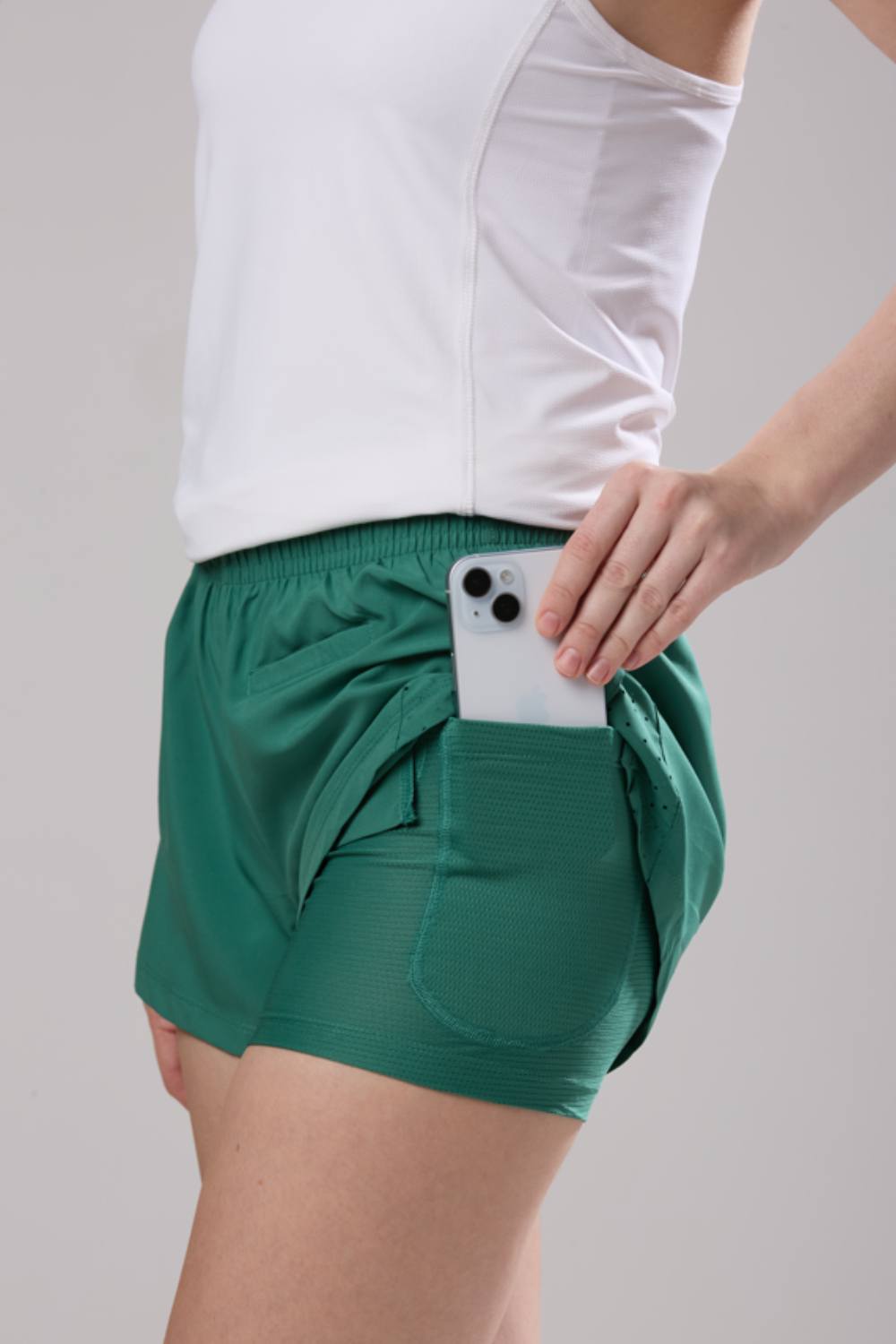
Practical enhancements elevate utility: sleeve grips via thumb loops, secure storage for devices with minimal jiggle, and luminous patterns that catch headlights in twilight. Mumbai's steamy environs highlight perspiration-responsive textiles, rigorously proven in sultry trials. Conversely, Delhi's sharper colds benefit from thermal-retentive knits that insulate lightly. Partnerships with institutions like IIT Delhi and NIFT accelerate progress, engineering threads attuned to India's humidity-heat cycles, empowering runners to maintain peak performance regardless of external flux.
This integration of technology isn't superficial; it stems from a need to align with global production realities. The Materials Market Report emphasizes guiding the industry toward emission reductions in raw materials, aligning with 1.5-degree pathways. In practice, these advancements mean hoodies that not only perform but also contribute to sustainable conversations, as synthetic's rising share prompts calls for balanced innovation.
Balancing Comfort, Cost, and Climate
Challenges persist amid the enthusiasm. In emerging Tier-2 centers near Pune or Surat, economic considerations steer many toward budget cotton variants, forgoing advanced perks like enhanced wicking or durability. Premium domestic options lag in physical retail availability, funneling purchases digital but depriving tactile evaluations essential for fit.
Moreover, bridging knowledge gaps proves tricky runners often overlook how superior ventilation or swift drying directly counters India's erratic elements, clinging to tried-and-true alternatives despite evident advantages in sustained ease. Brands must invest in awareness, demonstrating tangible benefits through demos and trials to convert skeptics.
India's Expanding Urban Fitness Economy
Despite hurdles, propulsion comes from escalating event participation. Icons like Bangalore's TCS 10K, Delhi's Airtel Half Marathon, and Navi Mumbai's NM Marathon attract throngs, igniting apparel demand tailored to seasonal nuances. Echoing global benchmarks, where North America held 40.81% athleisure revenue in 2023 and the U.S. subset 89.3%, India's metropolitan fitness surge mirrors this, with cities leading the charge.
Digital platforms note heightened hoodie queries from Delhi NCR and Maharashtra in the lead-up to winter, syncing with outdoor sector insights. There, U.S. outdoor retail hit $28 billion in 2024, a 1% rise from 2023, per the executive summary. Footwear and add-ons led gains, apparel remained steady, and casual lines surpassed technical ones, signaling consumer pivots toward versatile, everyday gear.
For entities like Aguante, this translates to prime positioning: developing cost-effective, rigorously vetted hoodies that fuse international breakthroughs with native insights. India's apparel retail is set to touch $105 billion in revenues for 2024, as per Statista projections highlighted in sector updates, amplifying opportunities in performance segments.
Marathon inflows and e-commerce booms underscore a vibrant ecosystem. Casual categorie's dominance reflects broader behavioral changes, where transitional items like hoodies fit seamlessly into lifestyles blending work, wellness, and weather adaptability.
Comfort Meets Climate Adaptability
India's segment for weather-flexible clothing appears primed for substantial growth as metropolitan running scenes evolve. Emerging developments such as yarns that adjust to temperature fluctuations, nano-scale reflective coatings, and eco-conscious mixtures promise to reshape standards, mitigating dependence on petroleum-based fibers even as global production escalates.
Frequently Asked Questions
How do running hoodies for different Indian cities vary in design?
Running hoodies are increasingly tailored to specific regional climates across India. Bangalore runners prefer models with ventilation panels for misty morning runs, while Mumbai and Navi Mumbai athletes prioritize rapid-evaporation fabrics with UV protection to handle residual monsoon dampness. In Delhi and Gurugram, runners need thermal-retentive knits with reflective accents for pollution and low-light conditions. Cities like Surat and Ahmedabad benefit from microfleece interiors with airy exteriors that provide wind protection without overheating in gusty, arid conditions.
Why are functional hoodies becoming popular among runners in India?
Functional hoodies are gaining popularity because they're specifically designed to handle India's unpredictable transitional weather, particularly during post-monsoon and early winter months. Unlike traditional cotton sweatshirts, these technical hoodies feature moisture-wicking fabrics, strategic ventilation panels, and quick-drying properties that keep runners comfortable as temperatures fluctuate rapidly. They provide the perfect balance of warmth and breathability for cities like Bangalore, Mumbai, and Delhi where morning conditions can shift from humid to chilly within a single run.
What features should I look for in a running hoodie for India's climate?
For India's diverse climate conditions, look for hoodies with moisture-management systems that draw sweat away from your body, strategic ventilation zones for airflow, and quick-drying fabrics that handle post-monsoon humidity. Essential features include thumb loops for sleeve stability, secure pockets for devices, reflective elements for early morning visibility (especially important in Delhi and Gurugram), and odor-neutralizing fabrics. Consider poly-spandex blends that offer unrestricted movement and fused edges to prevent chafing during long runs.
Disclaimer: The above helpful resources content contains personal opinions and experiences. The information provided is for general knowledge and does not constitute professional advice.
You may also be interested in: Urban Running Culture Drives Social Media Apparel Trends
Tired of gear that slows you down? Chafing, soggy fabrics, and missing pockets kill your run's momentum. At Aguante, we're runners who get it. Our high-performance activewear features moisture-wicking fabrics, ergonomic designs, and smart storage to keep you focused. Shop Now!
Powered by flareAI.co