























In today's fast-paced urban lifestyle, many professionals in cities like Bangalore, Hyderabad, Mumbai, Pune, Navi Mumbai, Delhi, Gurugram, Surat, and Ahmedabad find themselves balancing long commutes, demanding work schedules, and the desire for consistent wellness. Choosing between running and walking can feel overwhelming, especially when both deliver measurable health returns. Yet the right choice depends on your current fitness level, time constraints, and personal motivation.
Both activities strengthen the body, sharpen the mind, and support lasting vitality. The decision ultimately comes down to which one fits your routine and helps you sustain it over time. Whether you are a beginner ready to build momentum or someone refining an existing practice, understanding the nuances of each approach empowers you to move forward with confidence.
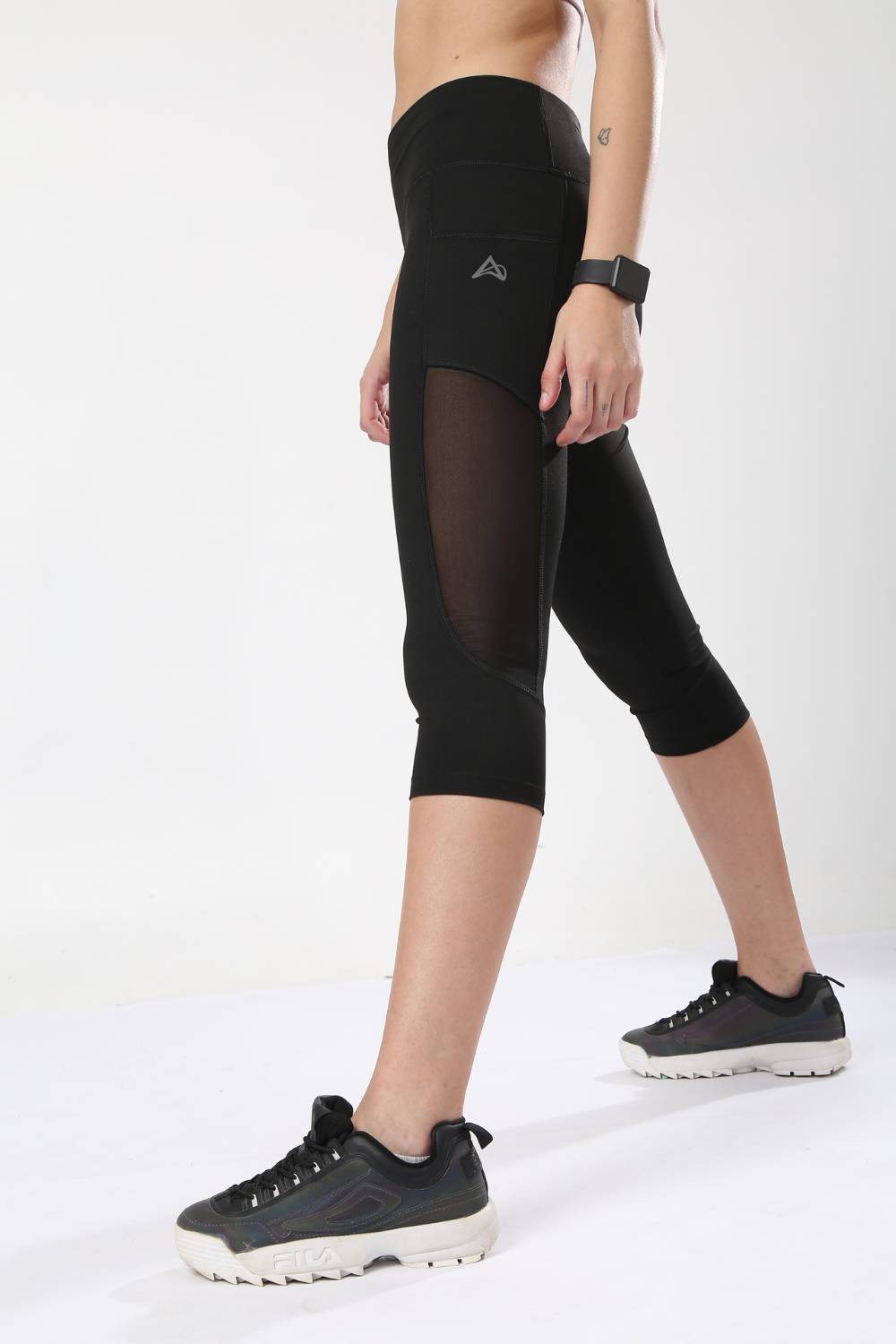
Tired of gear that slows you down? Chafing, soggy fabrics, and missing pockets kill your run's momentum. At Aguante, we're runners who get it. Our high-performance activewear features moisture-wicking fabrics, ergonomic designs, and smart storage to keep you focused. Shop Now!
The Health Benefits of Walking for Everyday Vitality
Walking stands as one of the most accessible forms of exercise, delivering benefits that extend far beyond simple calorie expenditure. Regular brisk walks improve heart health, strengthen bones and muscles, and enhance overall energy levels. They also support better sleep, reduce stress, and contribute to sharper focus.
Experts emphasize that even modest daily steps raise heart rate enough to deliver aerobic benefits when the pace quickens. This makes walking an ideal entry point for busy professionals who want to incorporate movement without overwhelming their schedules. As fitness improves, the same activity can evolve into something more demanding.
Proper posture and smooth technique amplify these advantages. Relaxed shoulders, natural arm swing, and a forward gaze help maximize efficiency and minimize strain. Many discover that turning walks into a part of their workday such as walking meetings or errands transforms it from a basic task into a meaningful wellness habit.
Why Running Can Accelerate Your Progress in Less Time
Once your body adapts to steady walking, introducing running intervals offers a more efficient path to higher-intensity benefits. Running delivers the same physical and mental advantages in shorter sessions, making it practical for those with limited time. The key lies in gradual transitions, such as incorporating run-walk intervals to build endurance safely.
This hybrid approach helps avoid plateaus while lowering injury risk. Both activities improve sleep quality, mental clarity, and resilience against daily stressors. For urban professionals seeking to fit movement into tight schedules, running provides time efficiency once fitness levels rise, complementing the accessibility of walking.
Gradually increasing pace and distance ensures the body adapts without burnout. Many find that combining shorter running bursts with recovery walking creates a rewarding routine that supports sustained energy and motivation.
Running vs Walking for Weight Loss and Calorie Burn
Both running and walking aid weight management, but their efficiency differs based on intensity and duration. Brisk walking burns calories steadily and can be woven into existing routines, making it sustainable for long-term habits. Running, with its higher intensity, accelerates calorie expenditure per minute, ideal for faster progress when time is limited.
Interval training alternating brisk walking with shorter running segments offers a balanced path to greater calorie burn while maintaining enjoyment. Proper footwear and supportive clothing help prevent strain during either activity. For those focused on weight loss, the choice often comes down to personal preference: walking for consistency or running for quicker results.
Many urban professionals start with walking to build a foundation, then incorporate running intervals as confidence grows. This progression supports sustainable weight management without requiring drastic lifestyle overhauls.
Choosing the Right Approach Based on Your Goals and Lifestyle
Beginners or those with limited time often benefit more from walking, as it requires minimal planning and integrates seamlessly into daily commutes or errands. Established exercisers may find running more motivating once they want to push intensity levels. The best strategy involves listening to your body and adjusting based on recovery needs.
Whether the focus is weight loss, stamina building, or simply greater overall vitality, both options outperform sedentary habits. The right combination creates a lifelong practice that delivers short-term gains alongside enduring health advantages. Experiment with pace, duration, and technique to discover what sustains you.
Track progress through daily steps or time spent active to stay motivated. Adjustments come naturally as fitness improves, ensuring the routine remains enjoyable and effective.
Practical Tips to Get Started and Stay Consistent
Begin with supportive, well-fitted shoes that cushion impact and promote smooth movement. Loose, moisture-wicking clothing helps you stay comfortable during walks or runs. Start slowly perhaps just 10 to 15 minutes at a comfortable pace then gradually increase distance and speed as your body adapts.
Cool down after sessions to aid muscle recovery, and incorporate gentle stretches for flexibility. If possible, combine activities: brisk walks for daily movement and shorter running intervals for targeted boosts. Listen to music, walk or run with friends, or join local groups to build motivation and social connection.
Stay hydrated, choose safe routes, and adjust intensity based on weather and energy levels. Small, consistent efforts compound into meaningful results, helping you maintain a healthy, active lifestyle over time.
Creating a Sustainable Fitness Practice for Busy Lives
The true advantage of either running or walking lies in sustainability. Many professionals find that the right mix starting with walking for accessibility and gradually adding running for efficiency supports long-term adherence. This balanced approach respects busy schedules while delivering lasting health benefits.
Whether you prioritize steady daily walks or more intense running sessions, the key is personalization. Experiment, track how you feel, and refine the routine as your goals evolve. With thoughtful planning and consistent effort, you can transform movement into a rewarding part of your daily routine.
Remember, progress comes from starting where you are and choosing methods that fit your life. Both running and walking offer powerful tools for wellness, and the combination that works best for you will keep you energized, focused, and thriving.
Health Benefits of Walking
Regular walking delivers widespread advantages that extend far beyond calorie reduction, including strengthened bones, improved mood, better sleep, and reduced risk of chronic conditions such as heart disease and type 2 diabetes. Walking faster, farther, and more frequently amplifies these outcomes, making it an ideal activity for those seeking practical ways to enhance fitness without specialized gear. The U.S. Department of Health and Human Services recommends at least 150 minutes of moderate aerobic activity weekly or 75 minutes of vigorous activity, with many people achieving better results through consistent daily steps. Interval training that alternates brisk walking with shorter slower segments provides an effective way to boost fitness levels efficiently while maintaining enjoyment. Proper posture, relaxed shoulders, and natural arm swing contribute to more effective calorie burn and reduced strain on joints.
Choosing supportive shoes, staying hydrated, and selecting safe routes all support long-term adherence. Tracking progress through step counts or time spent walking keeps individuals motivated and allows for adjustments as fitness improves. Many adults discover that incorporating walking into meetings, errands, or commute time transforms it from a basic activity into a meaningful part of their wellness routine. The cumulative effect of regular walking includes greater energy, stronger immunity, and improved cognitive function. For anyone aiming to achieve fitness goals through accessible methods, walking offers a proven, low-barrier pathway to better health that can be sustained indefinitely with minimal commitment.
Running vs Walking for Health and Weight Management
The decision between running and walking often comes down to balancing immediate results with sustained lifestyle changes that support lasting fitness. Both activities improve mental well-being, reduce stress, and contribute to better sleep when performed regularly. Walking excels at building a strong daily foundation because it requires little planning and can be woven into existing routines such as commuting or errands. Faster walking sessions raise heart rate sufficiently to deliver aerobic benefits and support weight management efforts when combined with mindful eating. In contrast, running delivers higher intensity in shorter periods, making it ideal for accelerating improvements in cardiorespiratory fitness and burning more calories per minute. Experts note that gradually transitioning from walking to include running intervals can optimize results without overwhelming the body.
This hybrid approach, sometimes called run-walk training, has gained popularity among fitness enthusiasts seeking to avoid plateaus while minimizing injury risk. The benefits extend beyond physical metrics to include improved sleep quality, sharper focus, and greater resilience against daily stressors. For people with busy schedules, walking provides flexibility and accessibility, whereas running offers time efficiency once fitness improves. Whether the goal involves weight loss, enhanced endurance, or simply greater overall vitality, both options outperform sedentary behavior. The key lies in starting conservatively, progressing gradually, and choosing the method that aligns with personal motivation and recovery capacity. Over time, the right combination of these activities can create a rewarding, lifelong fitness practice that delivers both short-term gains and enduring health advantages.
Frequently Asked Questions
Can combining running and walking improve fitness results?
Yes, combining running and walking through interval training can significantly enhance overall fitness and endurance. Run-walk intervals help the body adapt gradually, reducing injury risk while improving stamina and calorie burn. This balanced approach is ideal for people who want sustainable progress without overtraining.
Running vs walking: which is better for weight loss and overall fitness goals?
Both running and walking can support weight loss and improved fitness, but they differ in intensity and calorie burn. Running typically burns more calories per minute, making it more efficient for faster results. Walking, however, is easier to sustain daily and helps build long-term consistency, which is crucial for lasting fitness success.
What are the main health benefits of walking compared to running for beginners?
Walking is a low-impact exercise that improves heart health, boosts mood, and supports better sleep without putting excessive strain on joints. It is especially suitable for beginners or those returning to fitness because it is easy to start and maintain. Regular brisk walking can still deliver meaningful aerobic benefits when done consistently.
Disclaimer: The above helpful resources content contains personal opinions and experiences. The information provided is for general knowledge and does not constitute professional advice.
You may also be interested in: Running Shorts vs Half Tights - Aguante
Tired of gear that slows you down? Chafing, soggy fabrics, and missing pockets kill your run's momentum. At Aguante, we're runners who get it. Our high-performance activewear features moisture-wicking fabrics, ergonomic designs, and smart storage to keep you focused. Shop Now!
Powered by flareAI.co