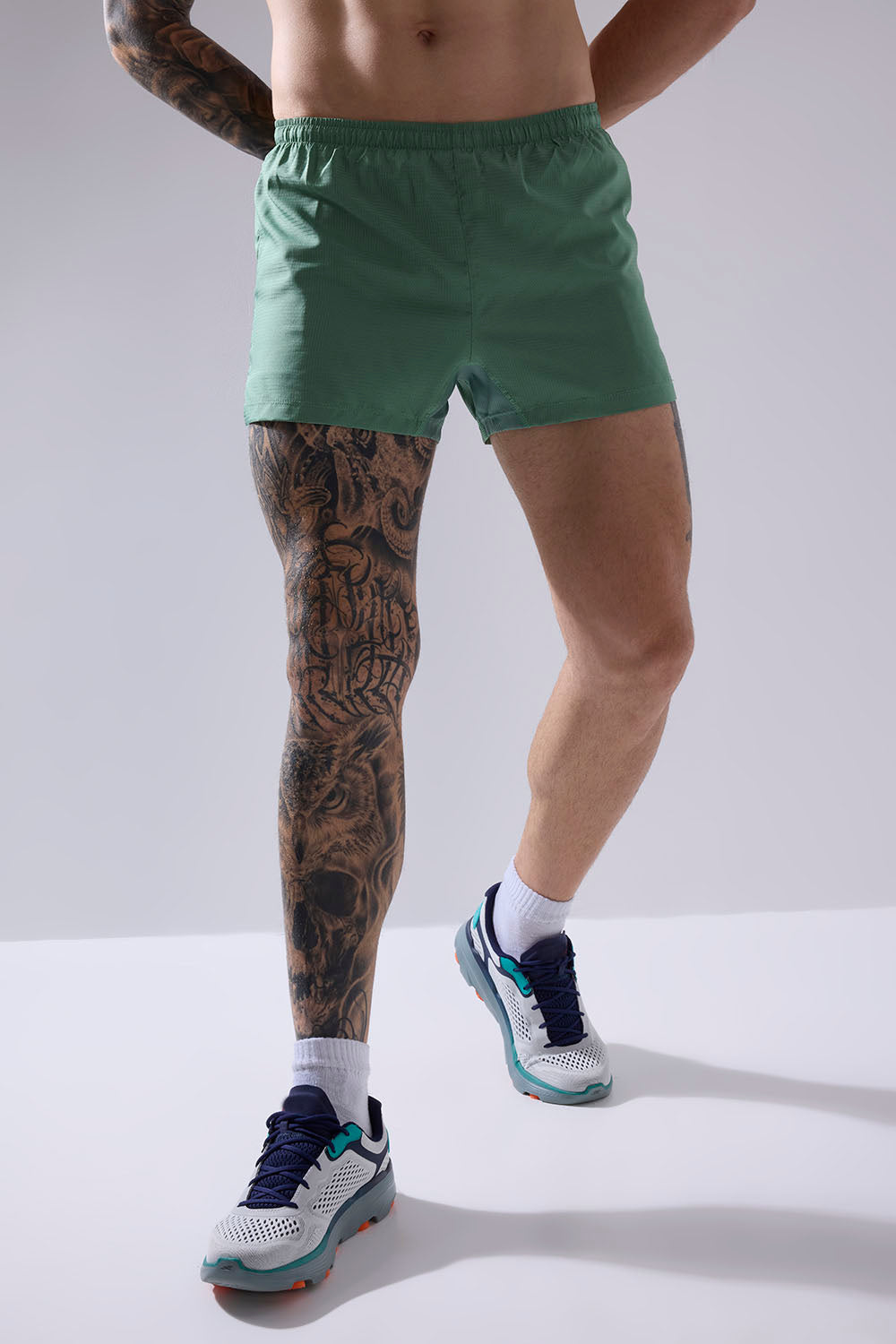
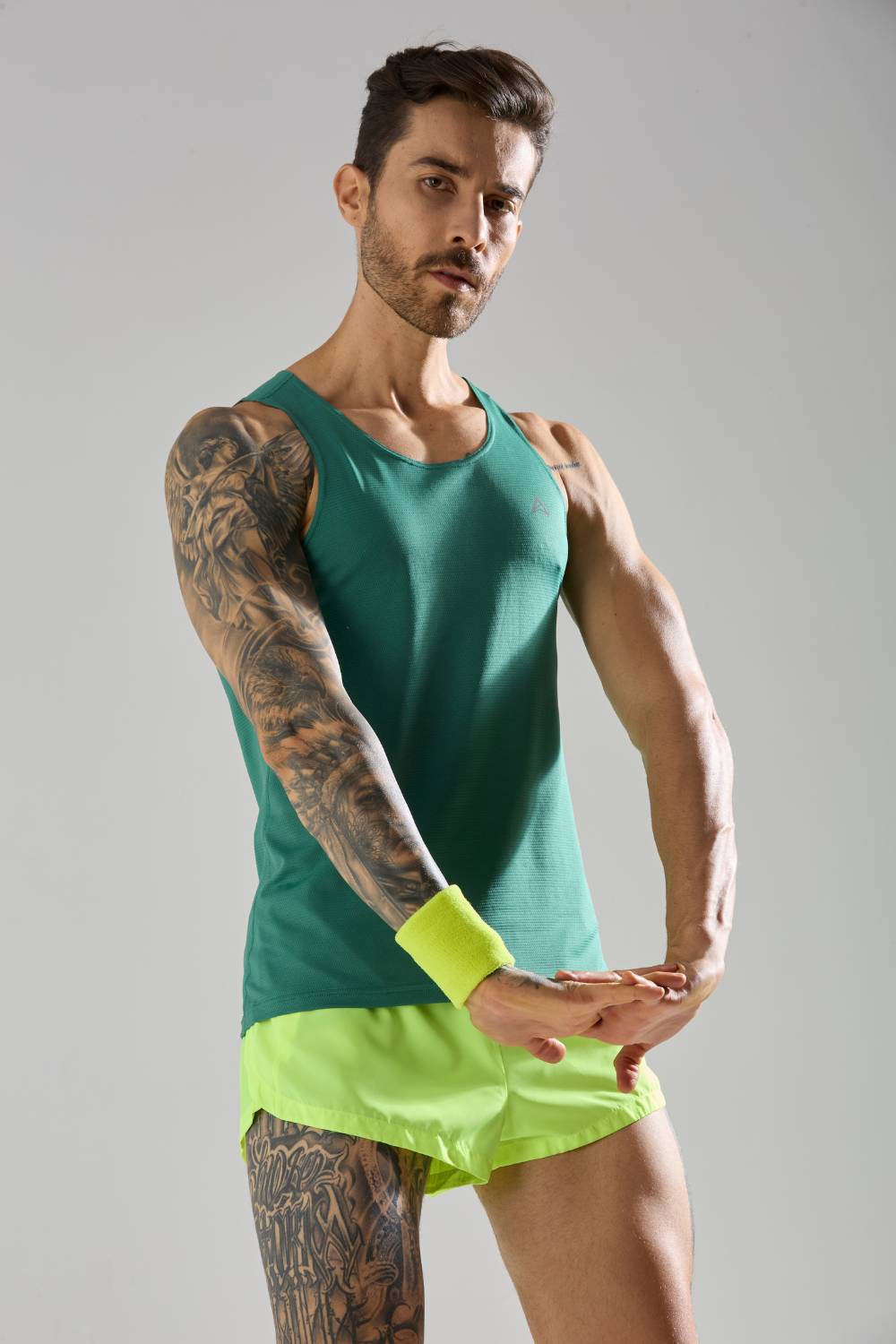
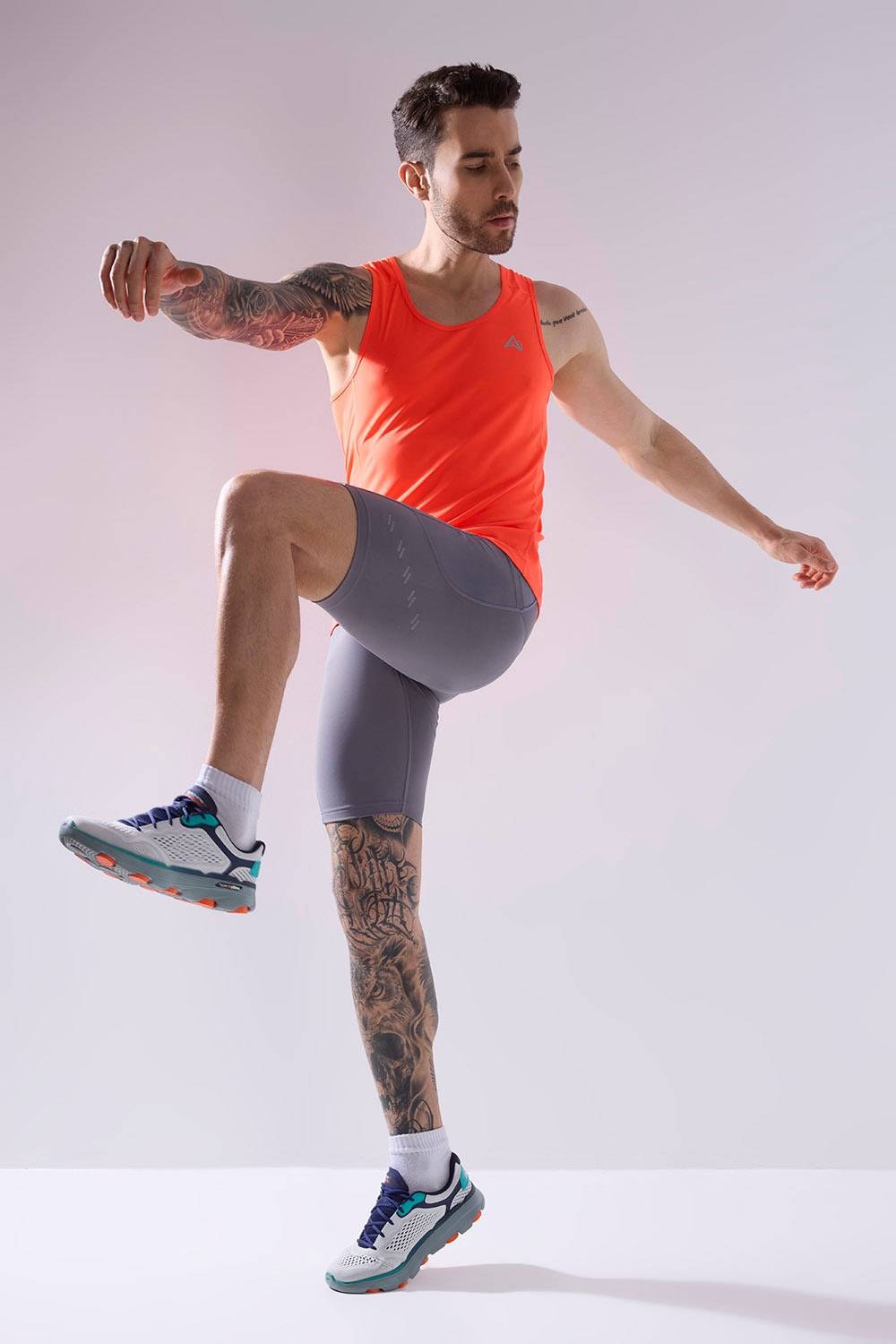





Runners of all levels understand the relentless demands of training and competition. From the early morning jogs in bustling cities to multi-hour races, every step pushes the body to its limits. One of the most effective tools available to enhance performance and support recovery is compression apparel. These specially designed garments apply gentle, graduated pressure to the muscles, helping to manage fatigue and promote faster restoration.
Whether you're navigating the humid conditions of southern India or the cooler mornings in northern regions, compression apparel offers a practical edge. It works by improving circulation, reducing muscle vibration, and easing the strain on joints during intense efforts. For runners seeking to maintain consistency in their training routines, this approach delivers noticeable results without compromising natural movement.
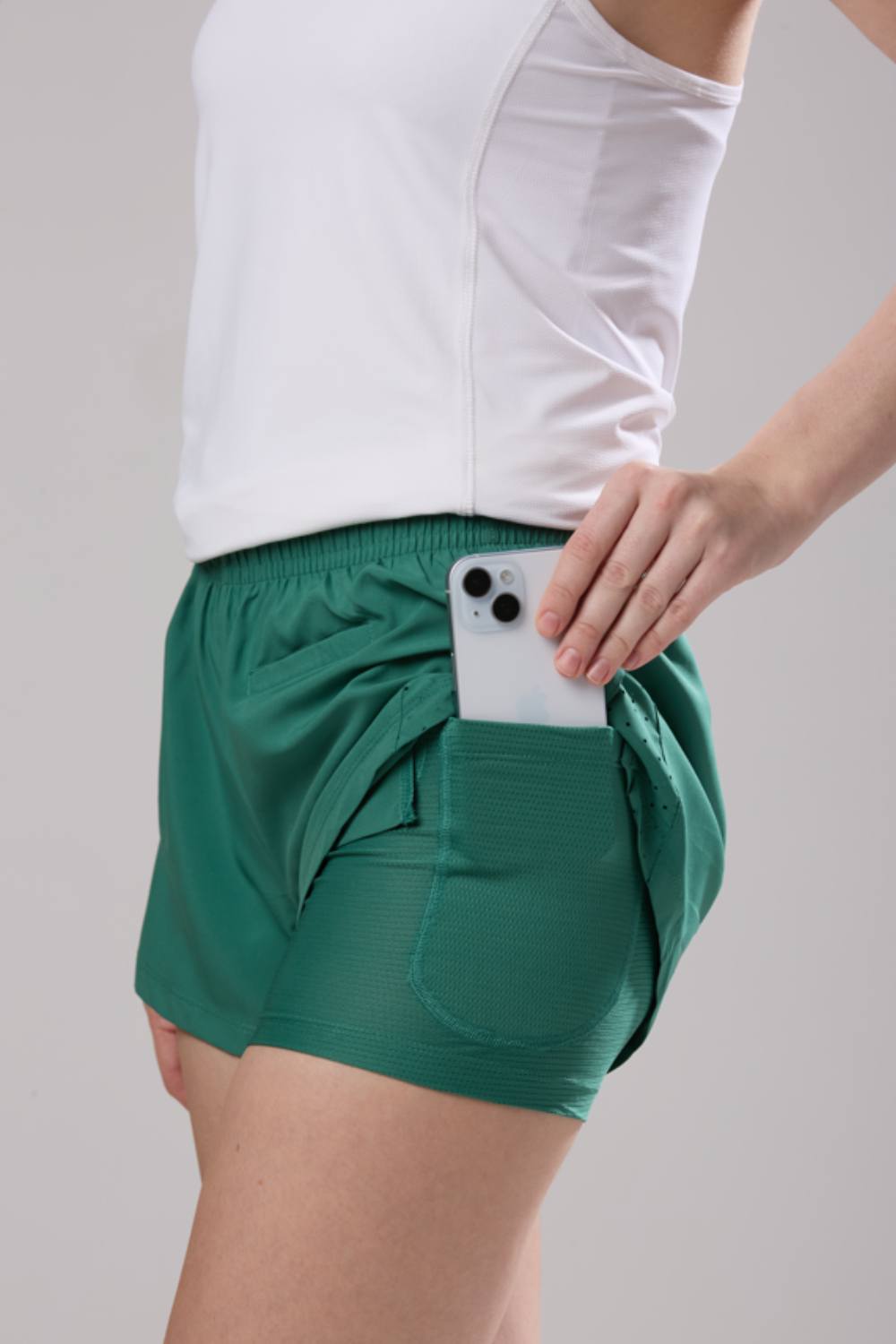
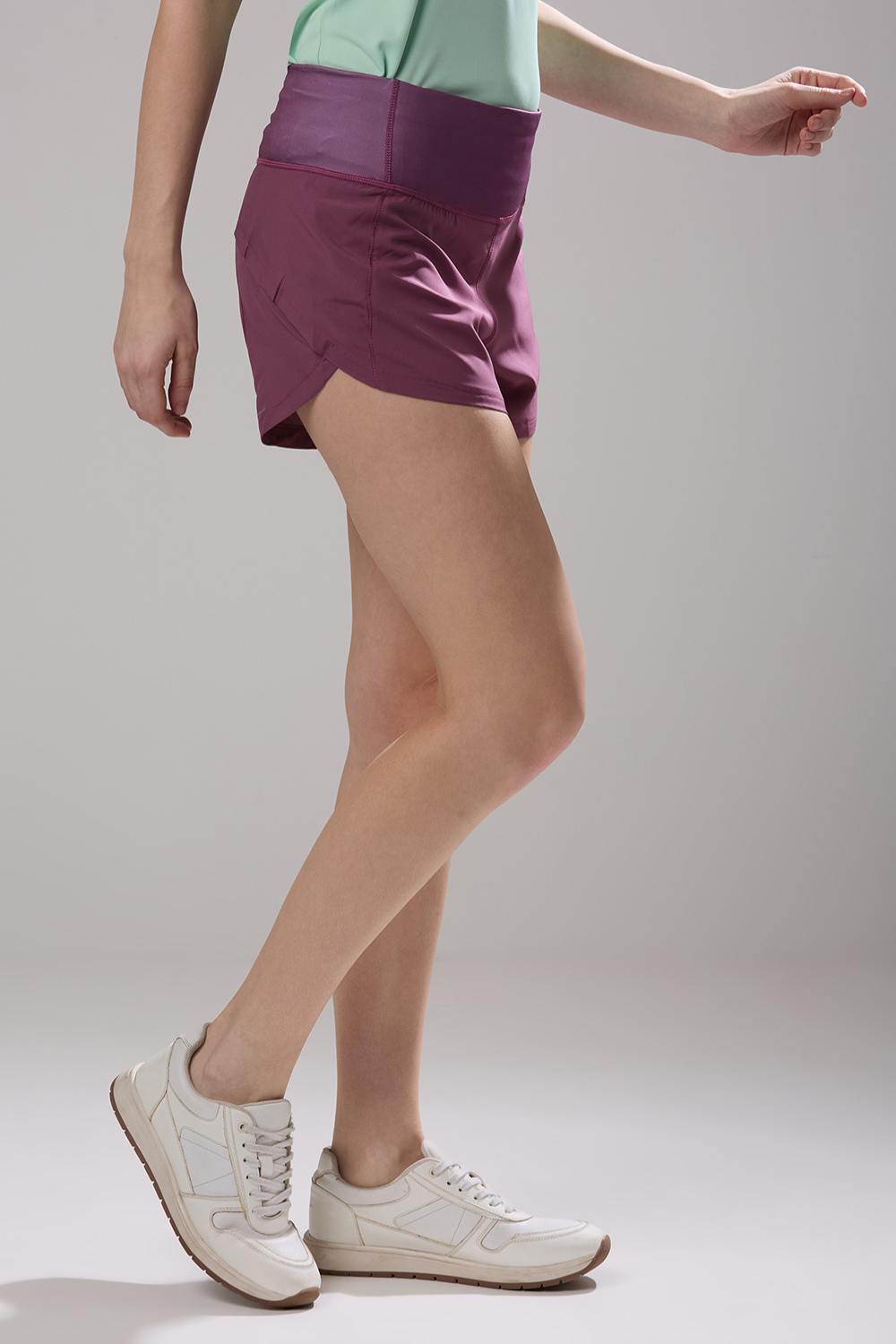
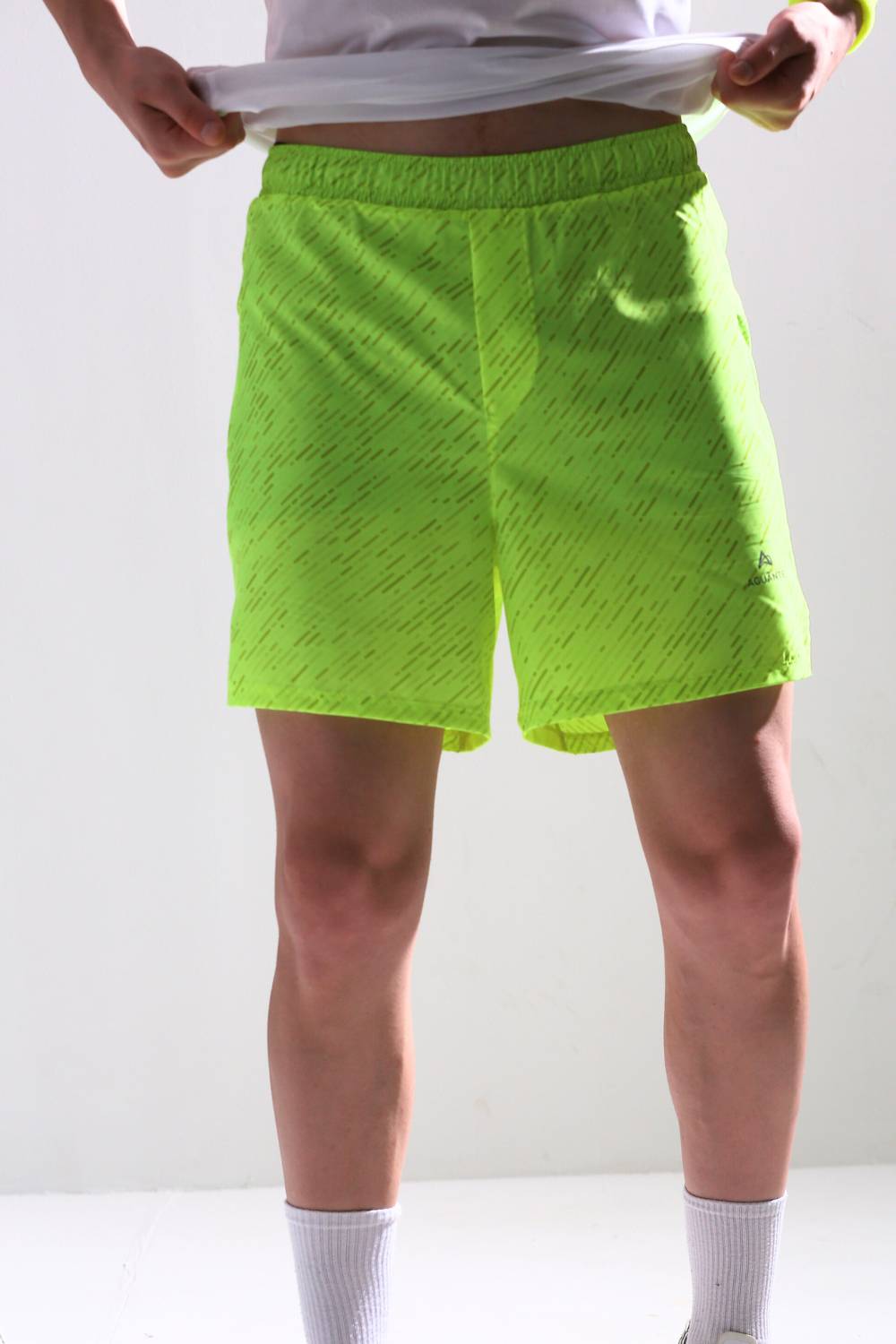
Tired of gear that slows you down? Chafing, soggy fabrics, and missing pockets kill your run's momentum. At Aguante, we're runners who get it. Our high-performance activewear features moisture-wicking fabrics, ergonomic designs, and smart storage to keep you focused. Shop Now!
How Compression Apparel Works to Improve Performance
Compression apparel operates through a principle known as graduated compression. Tight fabric wrapped around the limbs and torso creates a gentle squeeze that mimics the body's natural muscle pump. This mechanism encourages blood flow back toward the heart, delivering oxygen-rich blood more efficiently to working muscles.
The pressure also stabilizes muscles and joints, minimizing unnecessary movement. As a result, runners can maintain a more efficient stride, reduce energy expenditure, and push through challenging intervals with less effort. Studies on runners show that these garments help preserve power output during and after high-intensity sessions, making them especially useful for those balancing daily training with work or family responsibilities.
The Science Behind Muscle Recovery with Compression Clothing
Post-run recovery plays a critical role in long-term success. When muscles are subjected to repeated stress, lactic acid builds up and soreness sets in. Compression garments address this by promoting venous return the process of returning blood from the lower extremities to the heart.
Research consistently shows that graduated compression garments promote better venous return, reducing swelling and easing the stiffness that often follows intense efforts like marathons or trail races. This external pressure helps flush out metabolic byproducts, minimizes inflammation, and supports faster restoration of muscle function when you wake up ready to train again.
For endurance runners navigating back-to-back weeks or multi-event seasons, incorporating compression apparel into nightly routines offers a low-cost, non-invasive way to enhance overall recovery without relying solely on ice baths or extended rest days. Studies indicate that consistent use can lead to reduced perceived muscle soreness and quicker return to high-intensity sessions, directly contributing to improved performance metrics such as shorter race times and better endurance capacity.
Real-world Benefits for Runners Across India
Running in India comes with unique challenges, from the intense heat of summer in Hyderabad to the occasional monsoon delays in Mumbai. Compression apparel helps address these issues by keeping muscles warm when temperatures drop and cool when the sun is high. It also provides the stability needed for uneven terrain or crowded urban paths where foot placement can be unpredictable.
Runners who prioritize these recovery strategies often report fewer setbacks from minor strains, allowing them to maintain training consistency and build resilience against fatigue accumulation. In an industry where recovery optimization separates elite athletes from the rest, compression apparel serves as a practical ally that complements nutrition, sleep, and active recovery protocols, helping athletes sustain peak form across multiple races and training cycles.
Top Compression Apparel Options for Better Running Performance
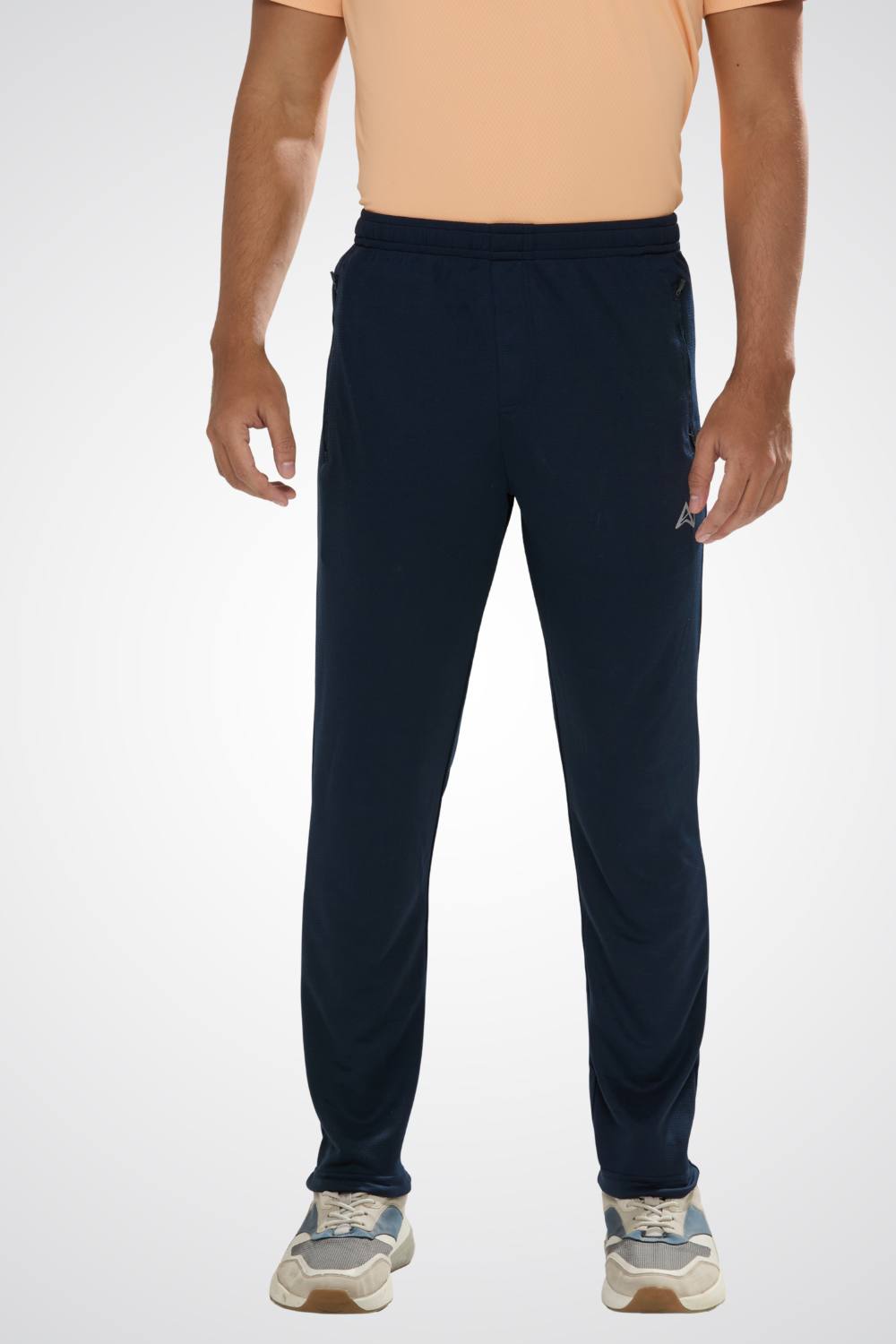
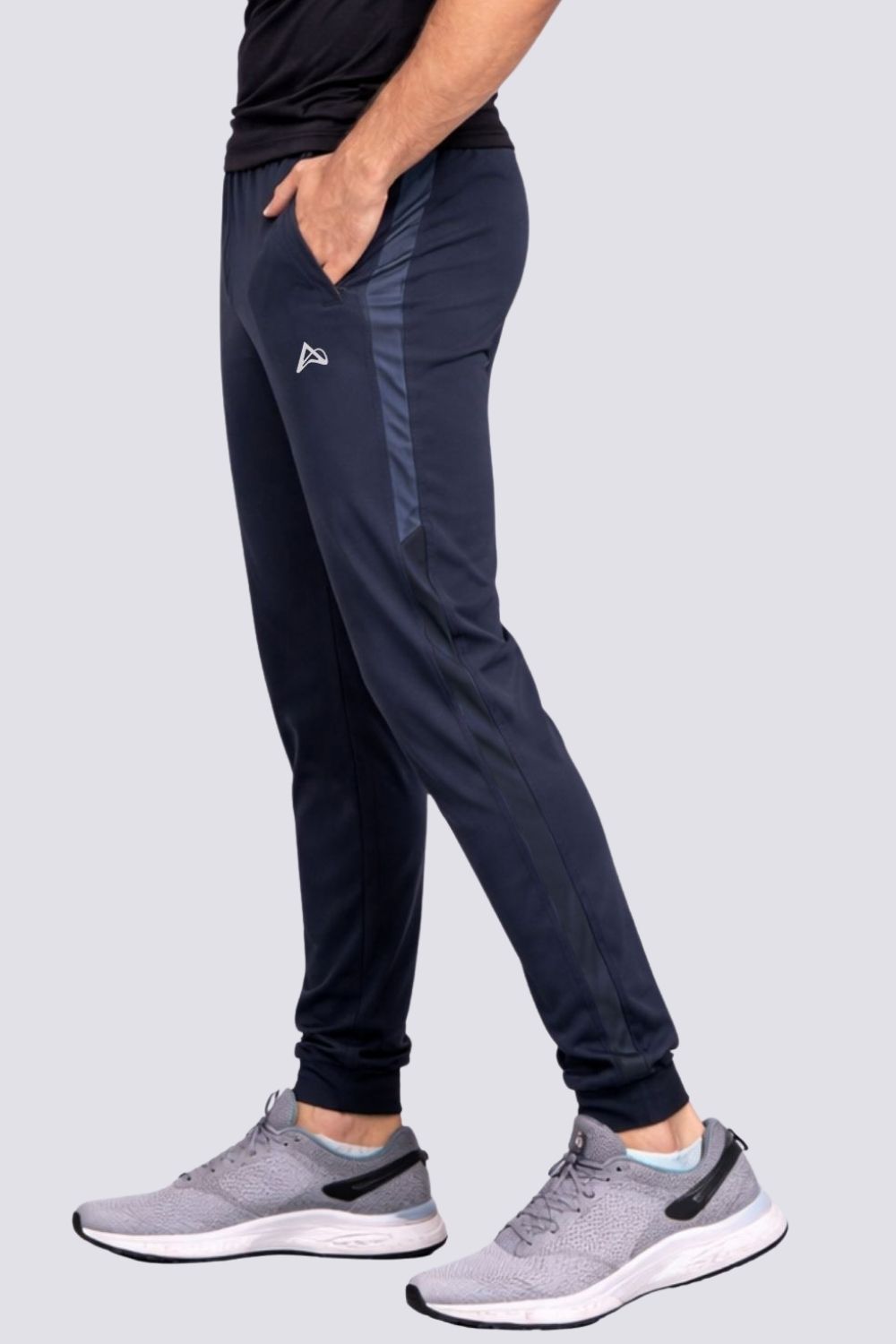
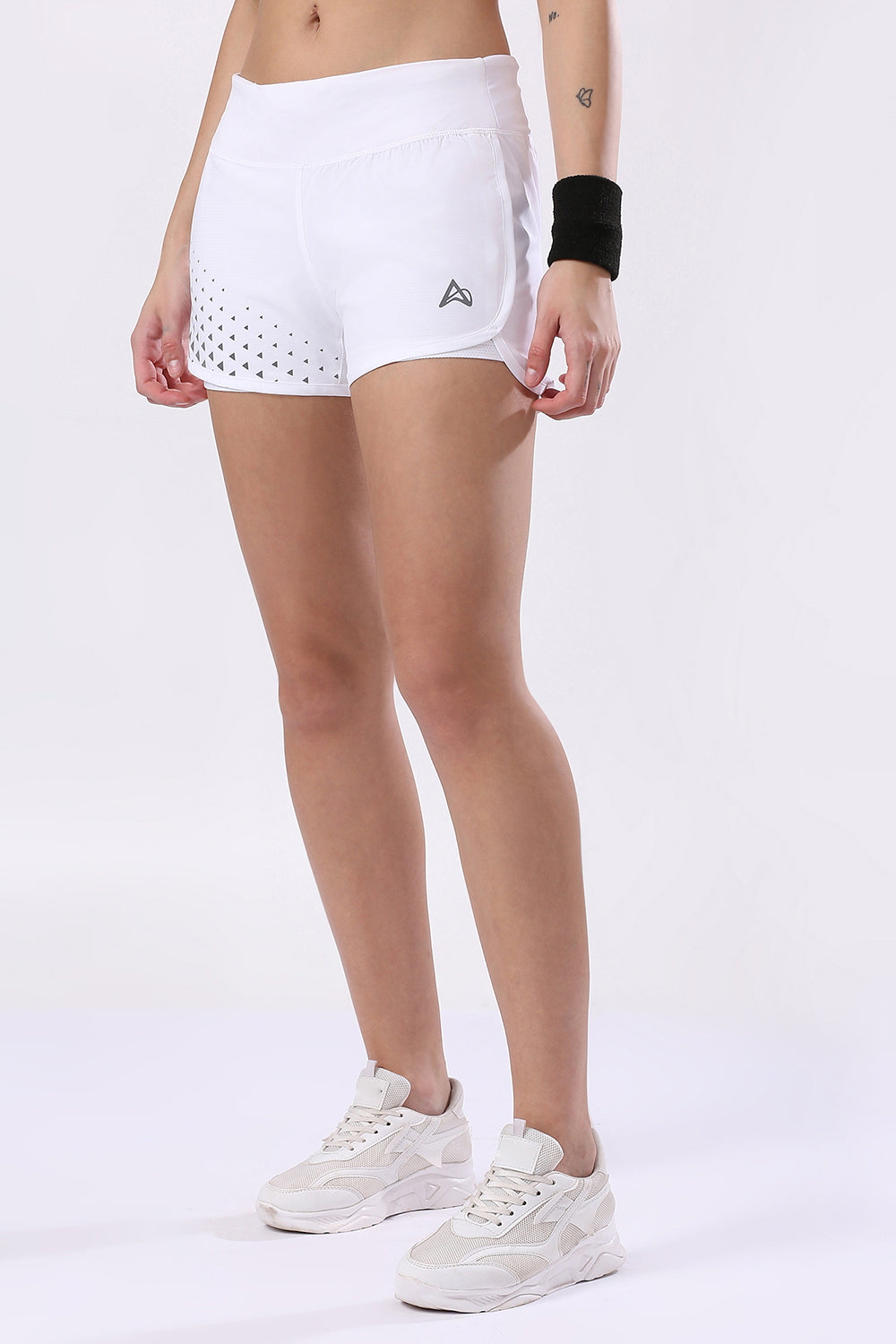
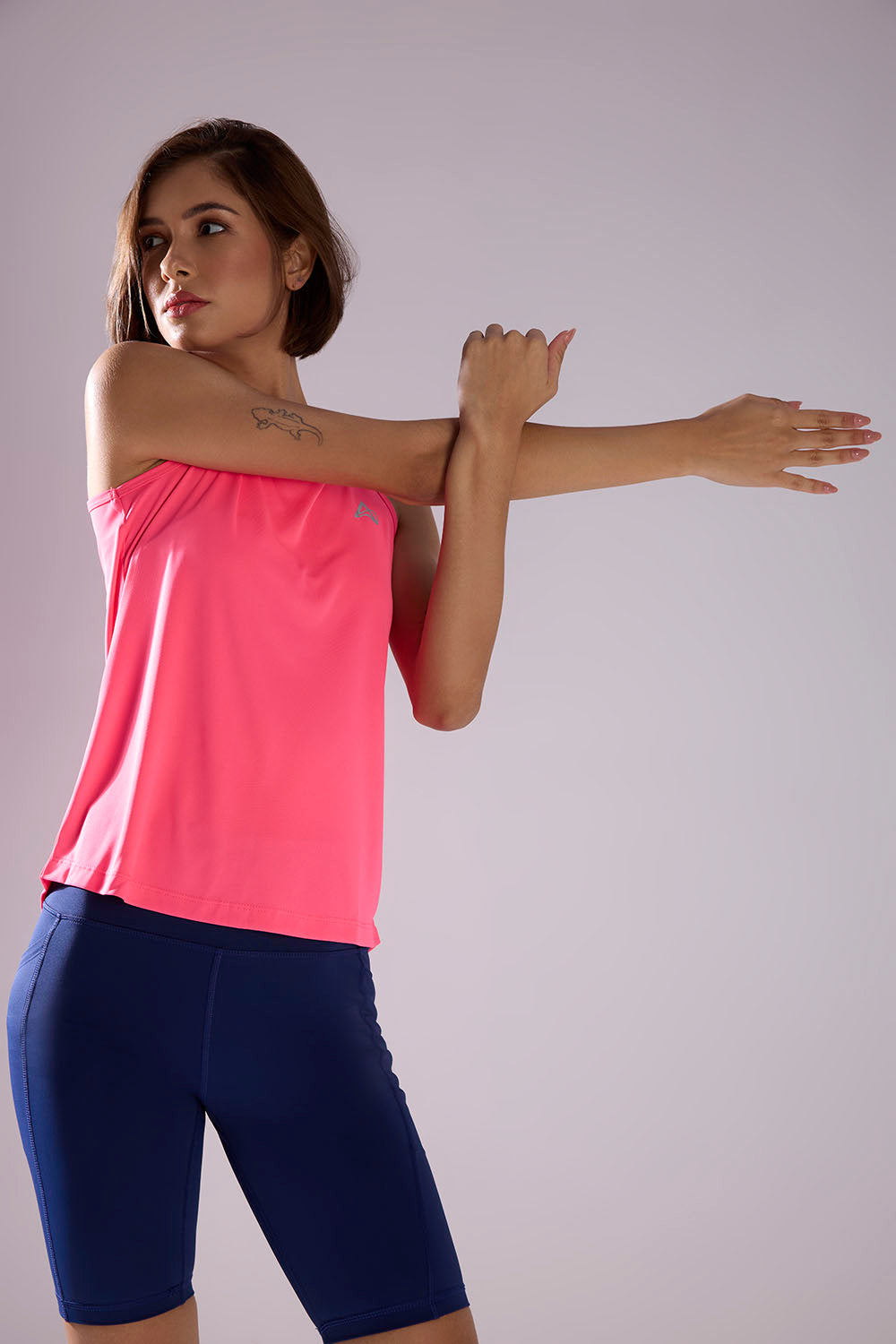
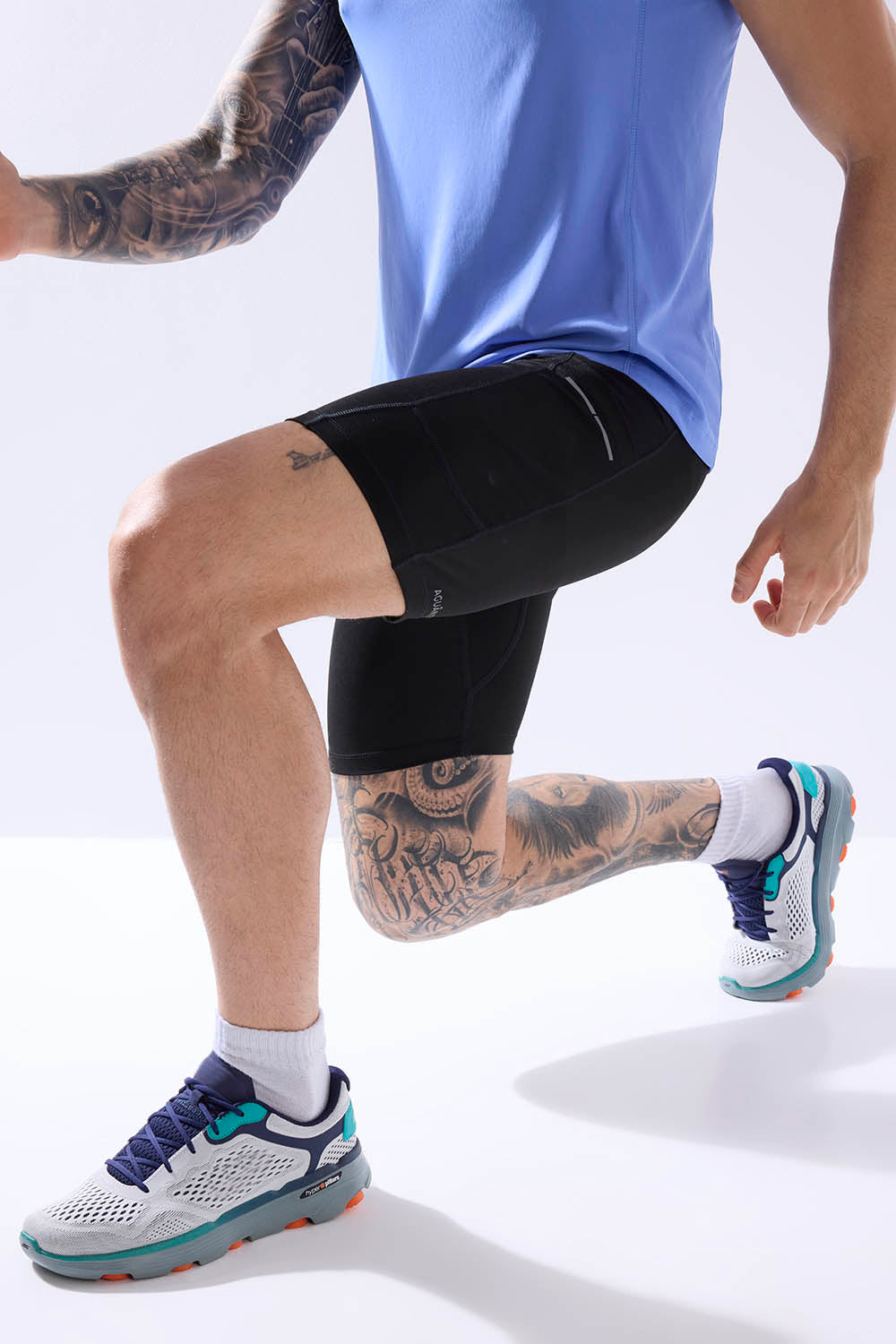
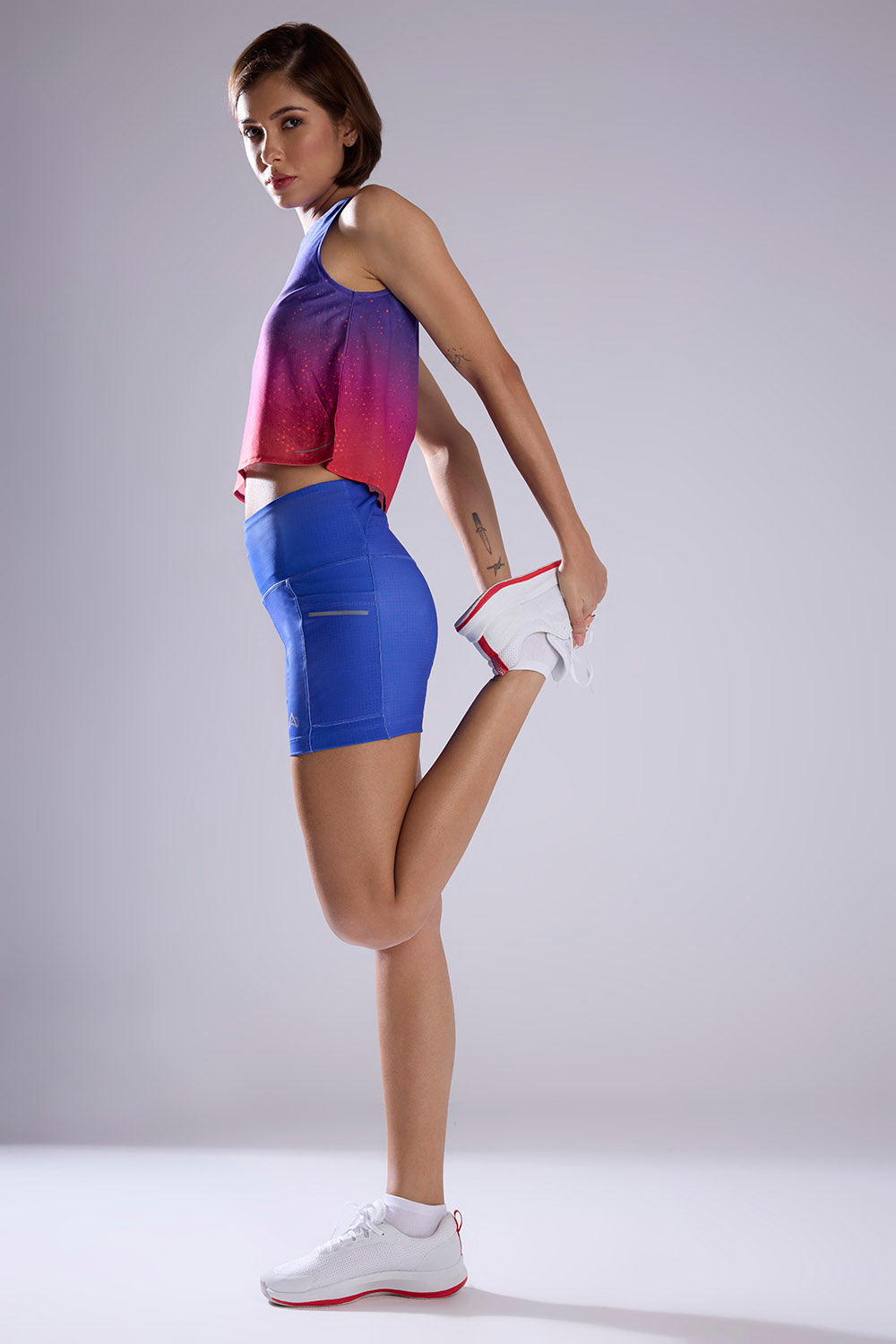
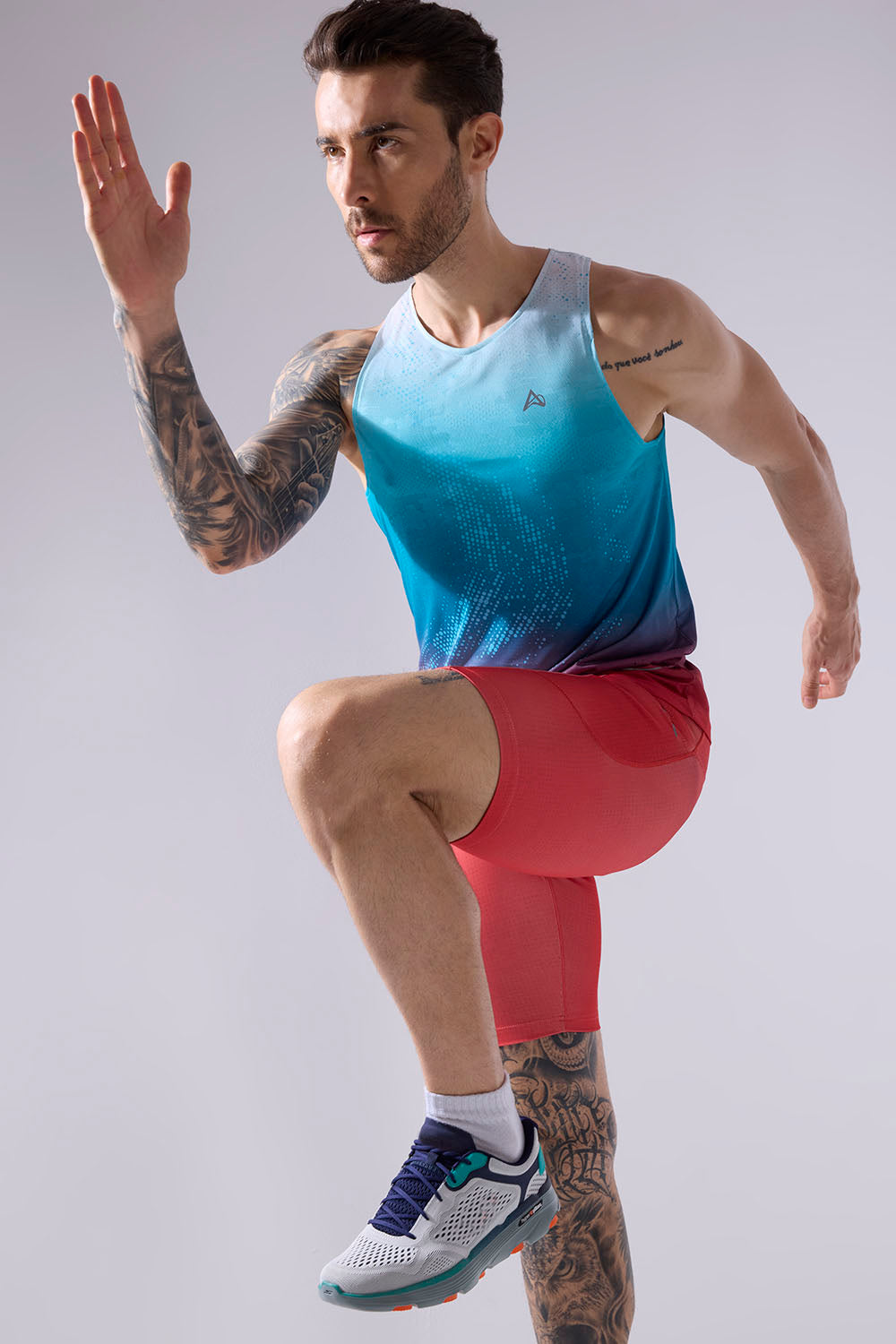
When selecting compression apparel, look for options designed specifically for runners. Lightweight fabrics that wick away moisture while maintaining support are ideal for long runs. Tights, sleeves, and shorts with graduated compression zones target the areas that experience the most strain during strides.
Consider materials that offer a balance of firmness and flexibility. Too tight can restrict circulation, while loose options provide minimal benefit. Many runners find that starting with a full-leg compression garment for recovery sessions and progressing to lighter options for daytime training works well. Brands that understand the needs of Indian runners often incorporate thoughtful details like moisture management and breathability to keep gear performing in varied conditions.
Experimenting with different lengths and zones helps identify what suits your body type and running style. The goal is to find apparel that enhances comfort without restricting range of motion especially important when you're training through the early mornings or late evenings in cities like Delhi or Ahmedabad.
Practical Tips for Integrating Compression Apparel Into Your Routine
Getting the most out of compression apparel starts with consistent use. Many runners wear it immediately after runs to maximize the recovery benefits during sleep. Others prefer wearing it during warm-up sessions to prepare muscles for the day ahead.
- Start gradually test shorter sessions to see how your body responds before increasing duration.
- Pair compression with a solid warm-up and cool-down to amplify benefits.
- Choose the right pressure level based on your experience; beginners may benefit from lighter compression.
- Store garments properly to maintain elasticity and support over time.
Track how you feel after incorporating these garments. Many runners notice improved sleep quality and quicker return to peak performance within a few weeks of consistent use. This approach aligns well with modern running science, where small, compounding advantages in fatigue management lead to better overall results.
Choosing the Right Compression Apparel for Your Needs
Not all compression garments are created equal. Consider your specific goals whether you want maximum muscle support for intense training or lighter options for daily wear. Look for certifications that ensure quality materials and proper construction.
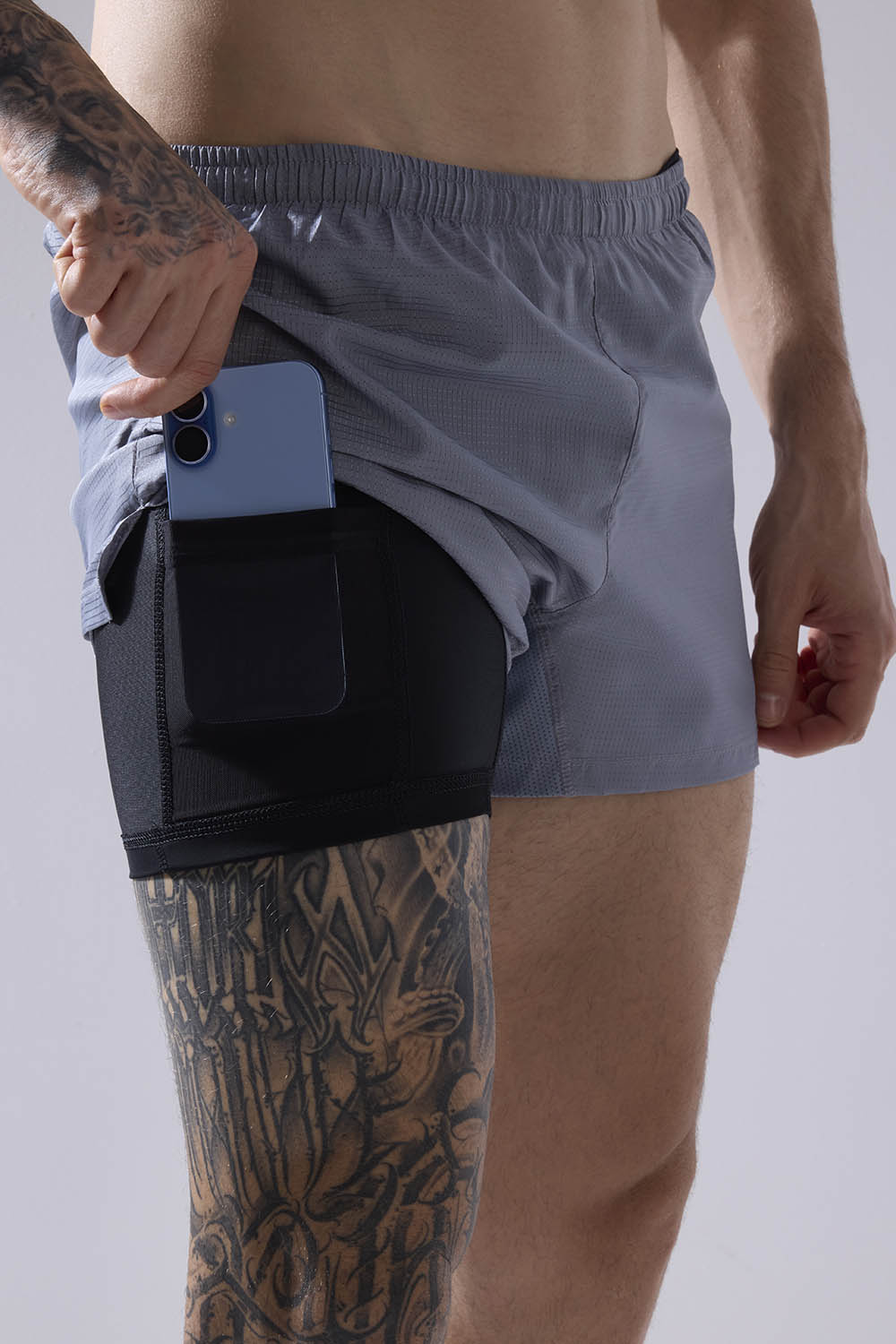
For runners balancing demanding schedules, the convenience of quick-drying, easy-to-clean pieces cannot be overstated. Many options now include features like built-in shorts or convertible designs that offer versatility for different activities. The key is finding a balance that fits your lifestyle and supports your running goals without adding unnecessary bulk.
Reading reviews from other runners in similar climates can provide valuable insights. What works well in one environment may need adjustment for another, so experimenting with a few pieces is worthwhile before committing to a full kit.
Exercise-induced muscle fatigue represents one of the biggest barriers to sustained athletic output in running, yet compression apparel has emerged as a highly effective tool for mitigating its effects and accelerating post-workout recovery. A comprehensive systematic review and meta-analysis of 27 randomized controlled trials demonstrates that lower-limb compression garments significantly reduce the decline in muscle strength and power following intense physical activity, with effect sizes indicating moderate benefits across both trained and untrained runners. The garments improve venous return, enhance blood circulation, and stabilize muscles during and after exercise, which collectively minimizes swelling, eases soreness, and supports faster re-engagement in training. When worn for rest intervals ranging from one to 48 hours, or even beyond 72 hours, these apparel options prove particularly valuable for runners recovering from hard sessions, allowing quicker return to high-volume workouts without compromising strength gains.
Subgroup analyses further reveal that the recovery advantages are more pronounced in trained athletes but remain beneficial for novices, making compression apparel accessible to runners of all experience levels seeking to optimize their recovery protocols. By reducing the extent of muscle damage and supporting efficient oxygen utilization, compression garments help prevent prolonged downtime from minor setbacks, enabling more consistent training frequency and higher training quality. This evidence-based approach to recovery aligns perfectly with modern running science, where every percentage point of performance improvement comes from compounding small advantages in fatigue management, sleep quality, and neuromuscular readiness. For content marketers exploring how compression apparel supports running performance, this research provides credible, actionable insights into why such garments deliver tangible long-term benefits in endurance and strength maintenance.
Post-race Recovery Improves with Compression Running Apparel
Post-race recovery stands as a critical component of long-term running success, where smart choices in recovery tools like compression apparel can accelerate muscle repair and maintain circulation throughout the night. Research consistently shows that graduated compression garments promote better venous return, reducing swelling and easing the stiffness that often follows intense efforts like marathons or trail races. This external pressure helps flush out metabolic byproducts, minimizes inflammation, and supports faster restoration of muscle function when you wake up ready to train again. For endurance runners navigating back-to-back weeks or multi-event seasons, incorporating compression apparel into nightly routines offers a low-cost, non-invasive way to enhance overall recovery without relying solely on ice baths or extended rest days.
Studies indicate that consistent use can lead to reduced perceived muscle soreness and quicker return to high-intensity sessions, directly contributing to improved performance metrics such as shorter race times and better endurance capacity. Runners who prioritize these recovery strategies often report fewer setbacks from minor strains, allowing them to maintain training consistency and build resilience against fatigue accumulation. In an industry where recovery optimization separates elite athletes from the rest, compression apparel serves as a practical ally that complements nutrition, sleep, and active recovery protocols, helping athletes sustain peak form across multiple races and training cycles.
Train Smarter, Recover Faster
Compression apparel has earned its place as an essential tool for runners looking to improve efficiency, manage fatigue, and accelerate recovery. By applying targeted pressure to muscles and supporting circulation, these garments help you train smarter and recover faster. Whether you're a weekend warrior or training for your next major race, adding this layer to your routine can make a meaningful difference in how you feel and perform.
The evidence from research on runners shows that consistent use leads to tangible benefits in muscle recovery and overall endurance. As you explore options for your own training, remember that the best gear is the one that fits your body and enhances your natural movement. With the right compression apparel, every run can bring you closer to your goals whether that's completing a personal best or simply enjoying the process of staying active.
Frequently Asked Questions
What are the benefits of compression apparel for runners and running performance?
Compression apparel helps improve blood circulation, reduce muscle vibration, and support overall muscle stability during running. This leads to better energy efficiency, reduced fatigue, and improved endurance during training and races. Many runners also experience more consistent performance and less muscle strain over time.
How does compression clothing support recovery and reduce muscle soreness after running?
Compression clothing enhances venous return, helping blood flow back to the heart more efficiently and flushing out metabolic byproducts like lactic acid. This reduces swelling, inflammation, and post-run stiffness in the muscles. As a result, runners often experience faster recovery and reduced soreness after intense sessions.
When should runners wear compression apparel and how do you choose the right compression level?
Runners can wear compression apparel after runs, during recovery, or even overnight to maximize recovery benefits. Some also use it during warm-ups to prepare muscles for activity. It is important to choose a graduated compression level that feels supportive but not overly tight, with breathable and moisture-wicking fabric for comfort.
Disclaimer: The above helpful resources content contains personal opinions and experiences. The information provided is for general knowledge and does not constitute professional advice.
You may also be interested in: How Women's Running Apparel Supports Comfort and Mobility
Tired of gear that slows you down? Chafing, soggy fabrics, and missing pockets kill your run's momentum. At Aguante, we're runners who get it. Our high-performance activewear features moisture-wicking fabrics, ergonomic designs, and smart storage to keep you focused. Shop Now!
Powered by flareAI.co