



Quick Listen:
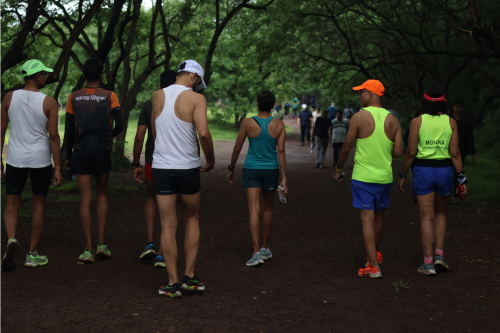
On a misty December morning in Bangalore's Cubbon Park, thousands of runners pound the paths, their breath visible in the cool air before the heat builds. Humidity lingers even in winter, and unpredictable terrain tests every step. The right apparel breathable fabrics, secure pockets, anti-chafing seams turns a grueling run into pure flow. This ritual repeats across the country: along Mumbai's Marine Drive at dawn, up Pune's challenging hills, through Hyderabad's bustling streets. Running has become a national passion in India, and in 2025, the apparel powering it is more innovative and attuned to local needs than ever.
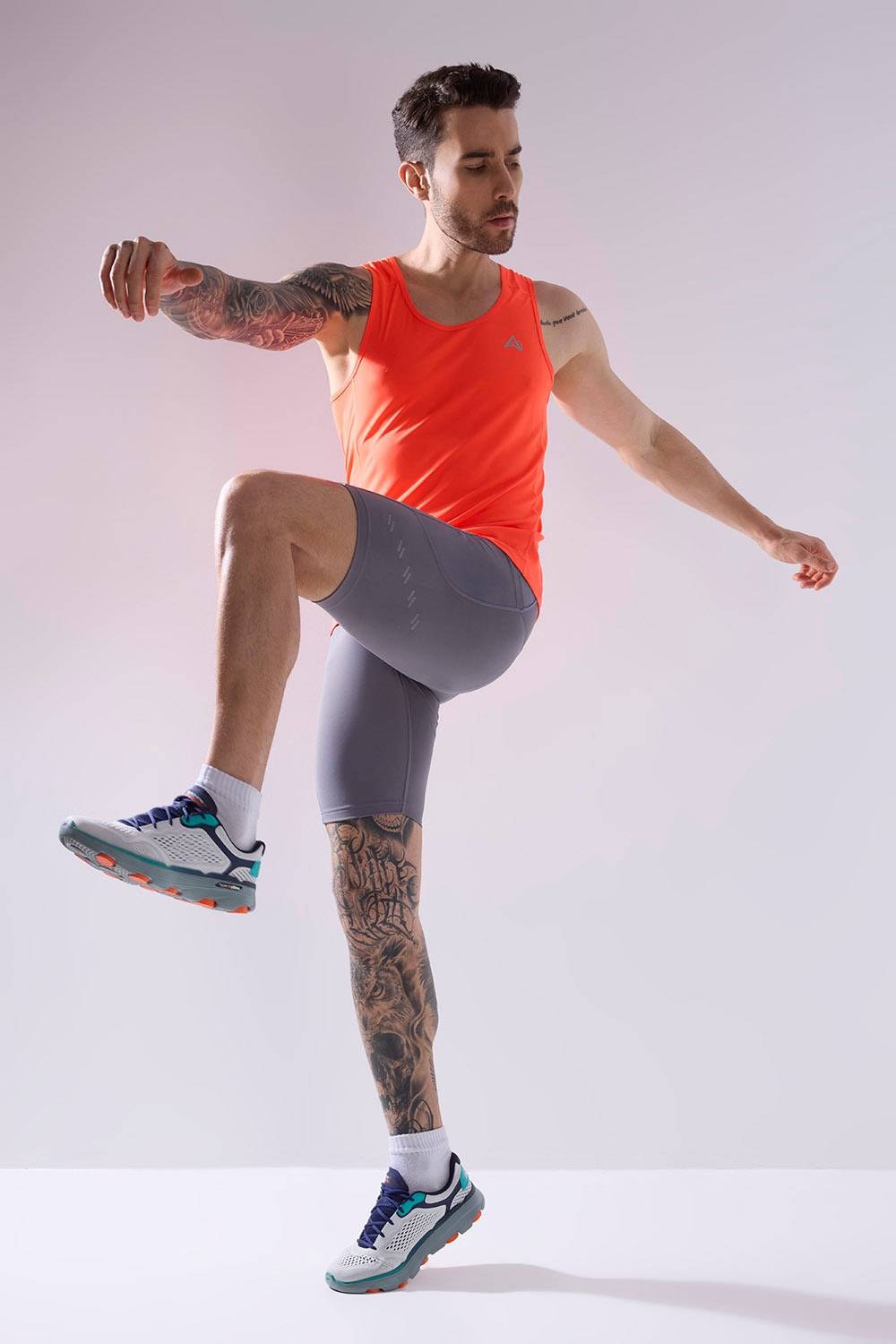
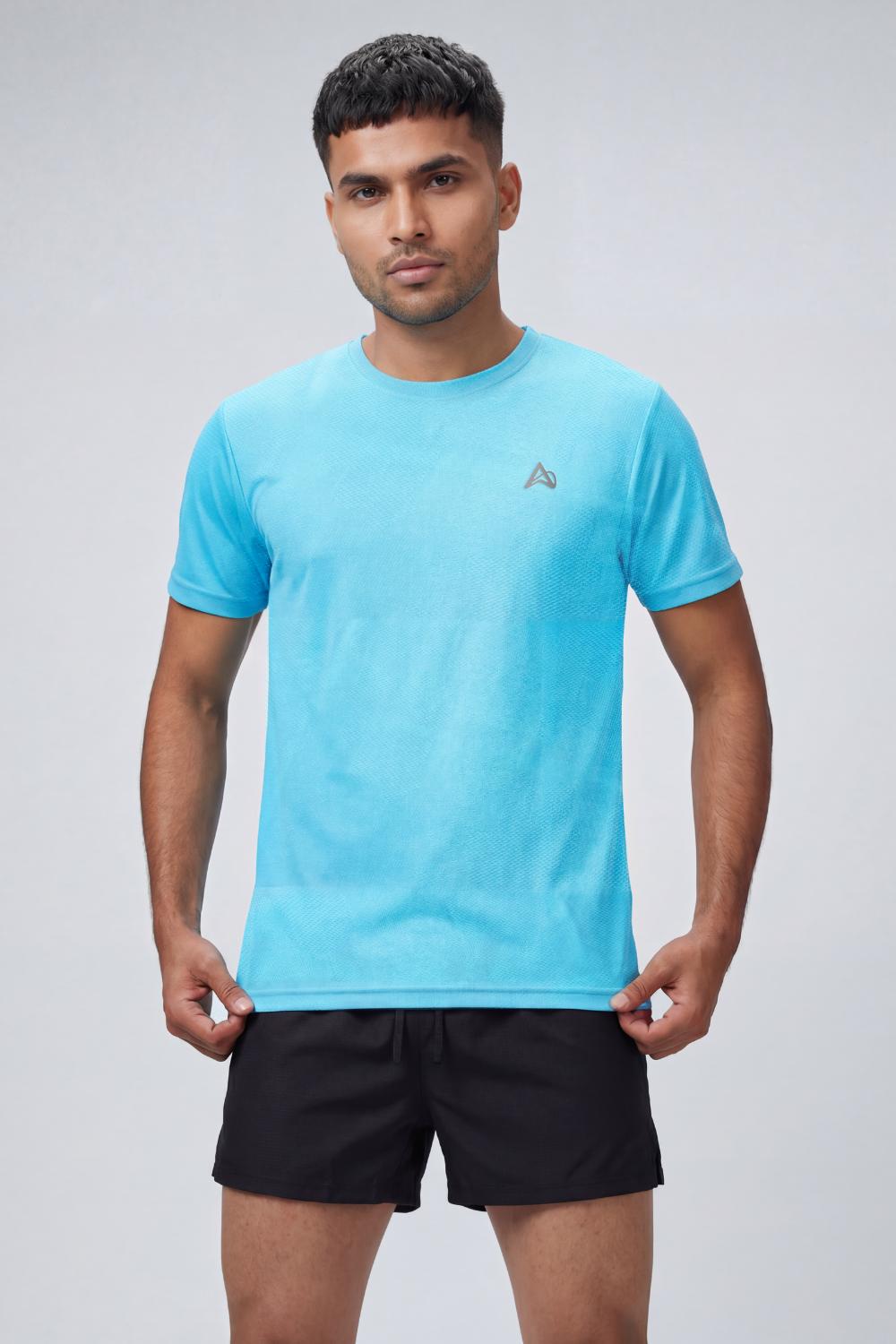
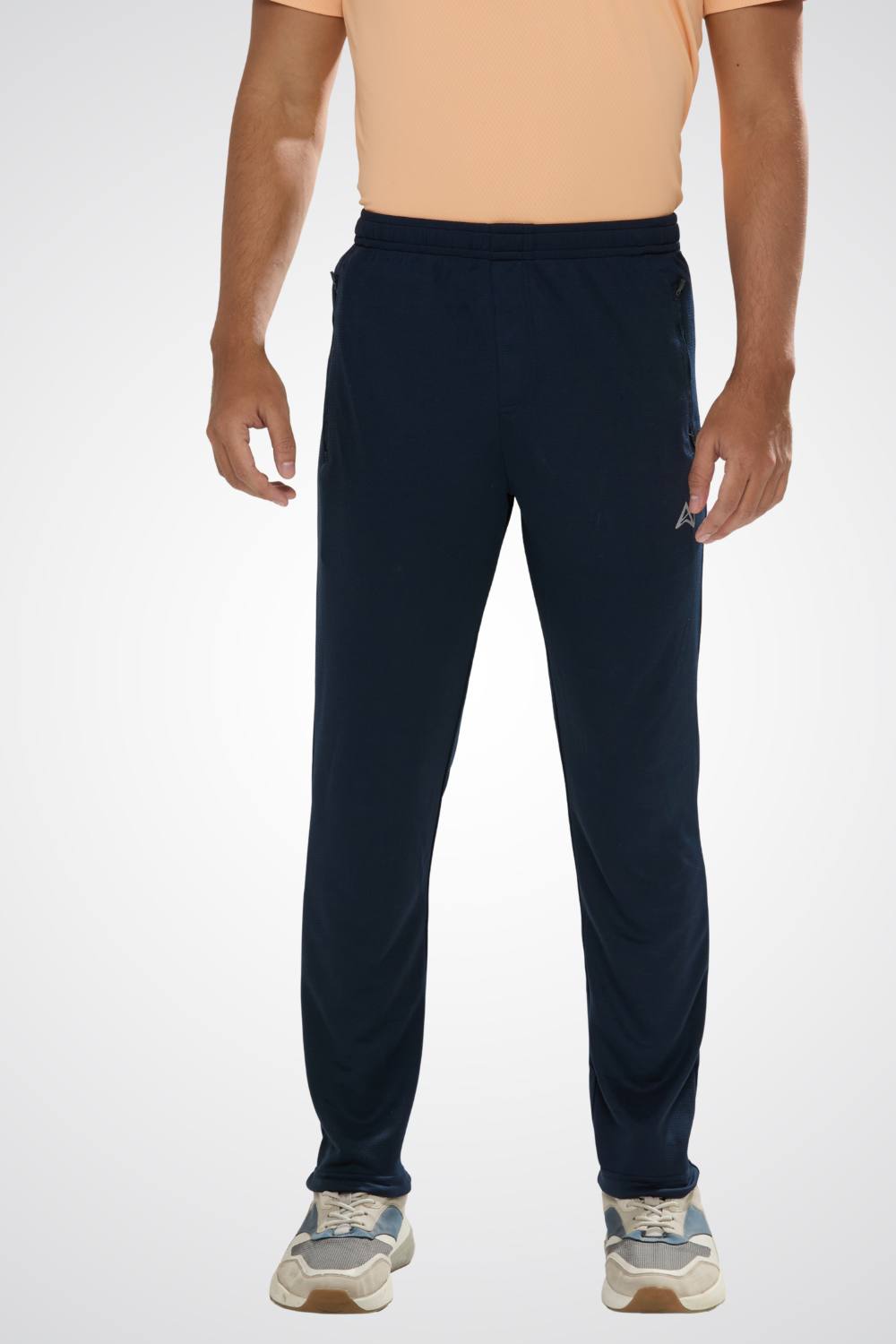
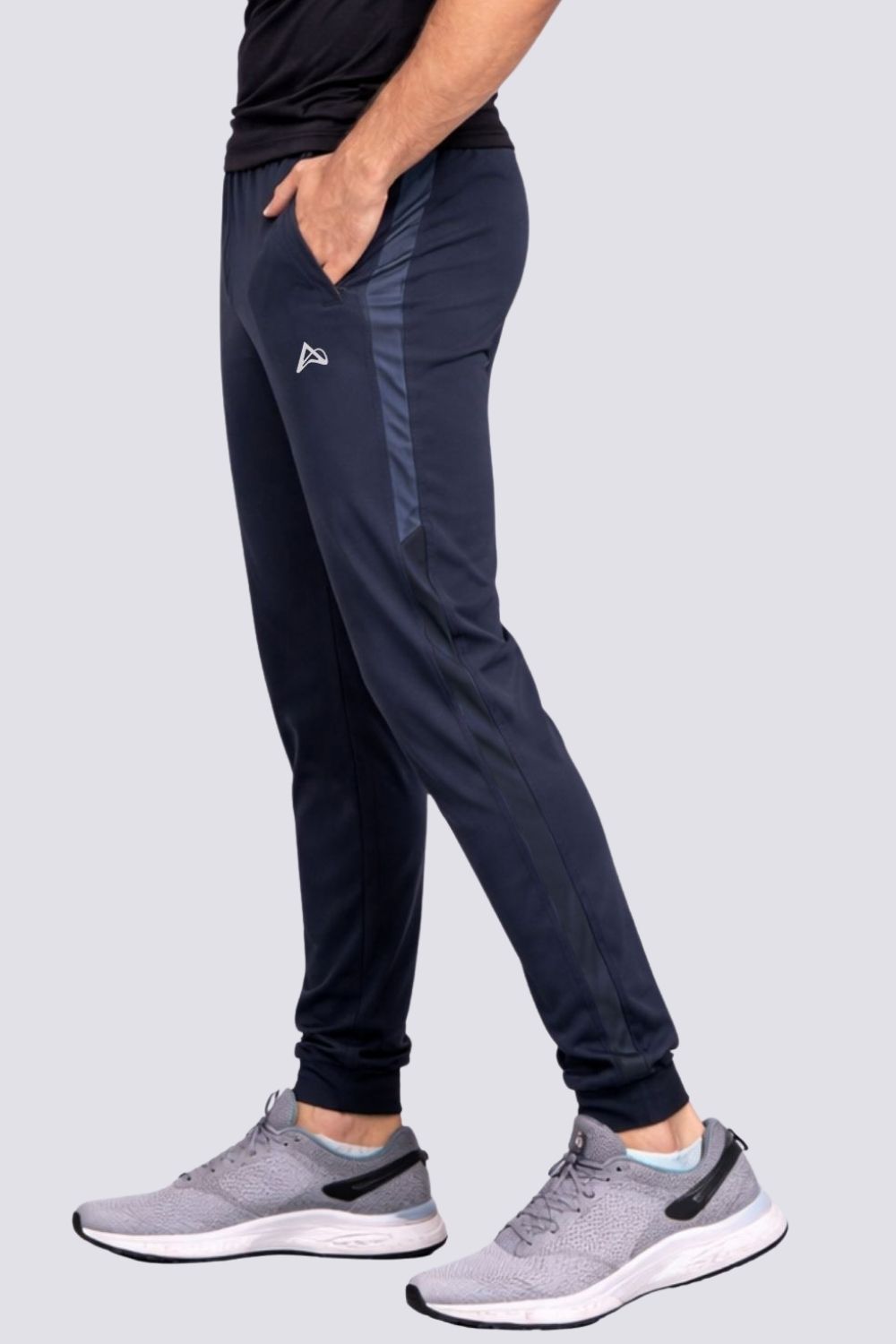
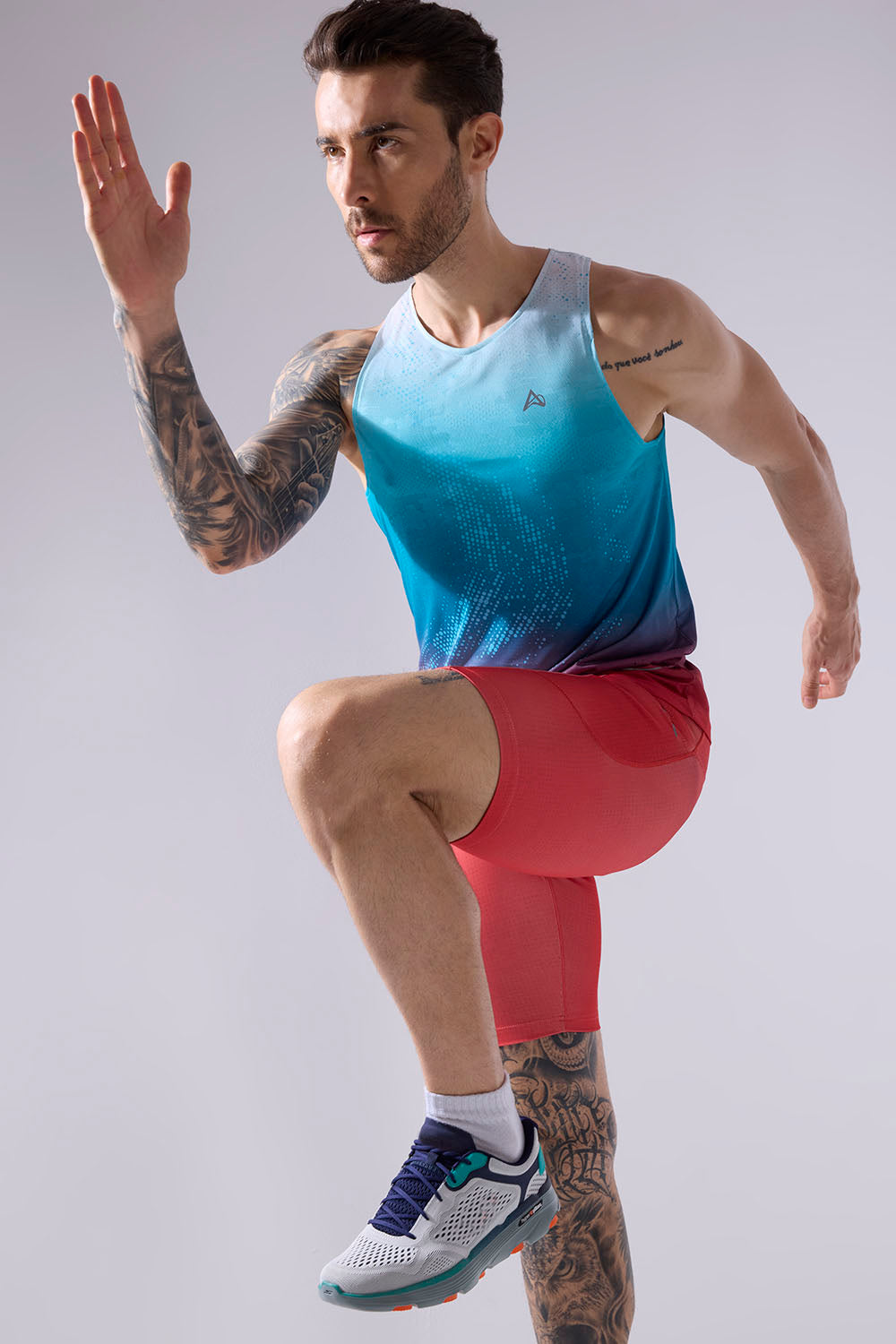
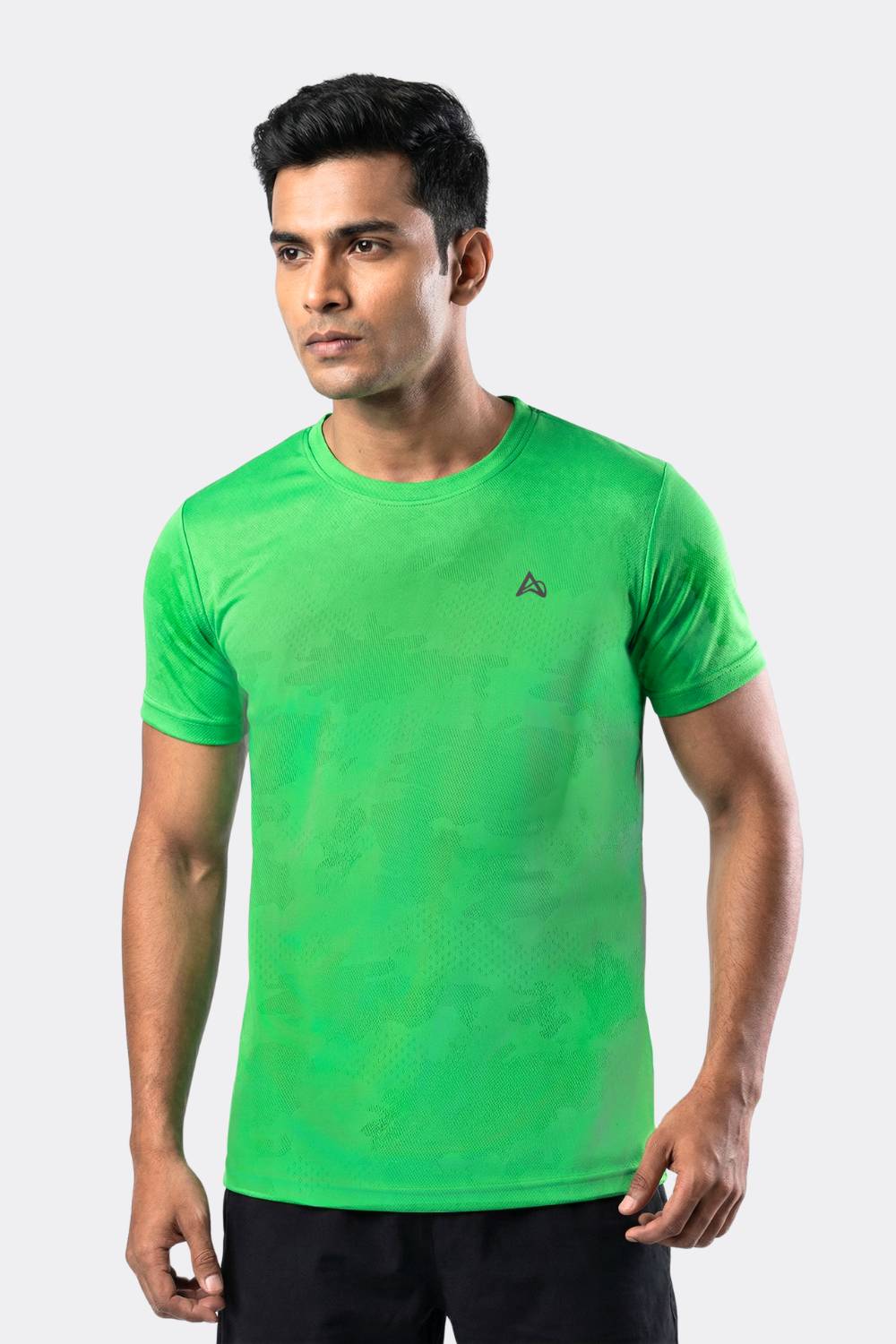
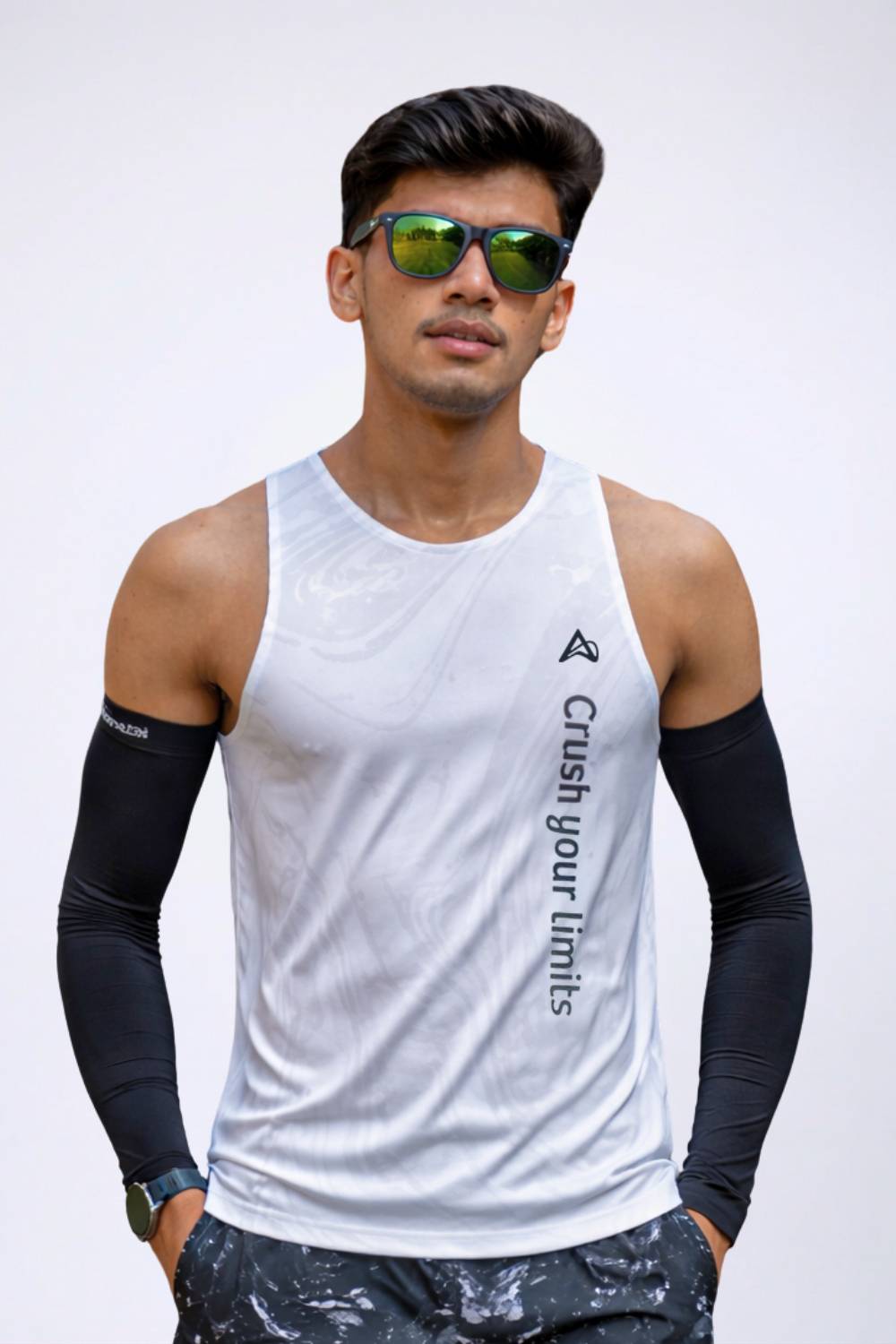
Tired of gear that slows you down? Chafing, soggy fabrics, and missing pockets kill your run's momentum. At Aguante, we're runners who get it. Our high-performance activewear features moisture-wicking fabrics, ergonomic designs, and smart storage to keep you focused. Shop Now!
Running Apparel Trends in India 2025: Emerging Styles and Innovations Shaping the Future of Activewear
As we settle into 2025, India's activewear landscape is transforming rapidly, driven by innovations tailored to the country's unique climate, terrain, and runner demographics. From tech-infused fabrics to sustainable materials, the focus is on performance that feels personal especially in thriving running hubs like Bangalore, Hyderabad, Mumbai, Pune, Delhi, Gurugram, and beyond.
The Explosive Growth Fueling the Revolution
India's embrace of running is backed by impressive numbers. The India running gear market stood at USD 2.4 billion in 2024 and is forecasted to double to USD 4.8 billion by 2033, advancing at a robust compound annual growth rate (CAGR) of 7.71% from 2025 onward. This expansion stems from heightened health consciousness, greater involvement in fitness pursuits, rapid urbanization, swelling disposable incomes, the surge in recreational jogging, booming marathons and community races, celebrity athlete endorsements, and the unstoppable rise of e-commerce.
Zooming out, the overall India sportswear market reached USD 10.2 million in 2024, on track to grow to USD 16.6 million by 2033 with a steady 5.1% CAGR over the same period. Key catalysts include an expanding fitness culture, widespread adoption of active lifestyles, higher consumer spending power, and a sharper emphasis on garments that blend functionality with contemporary style.
On the global stage, the running apparel market is valued at USD 90.44 billion this year (2025), projected to climb to USD 131.89 billion by 2030 at a 7.84% CAGR. Drivers mirror India's story: rising health awareness, breakthroughs in fabric technology, the fusion of athletic performance with everyday fashion, and notably, increased female participation demanding specialized designs. In emerging economies like ours, urbanization and growing middle-class incomes are accelerating demand.
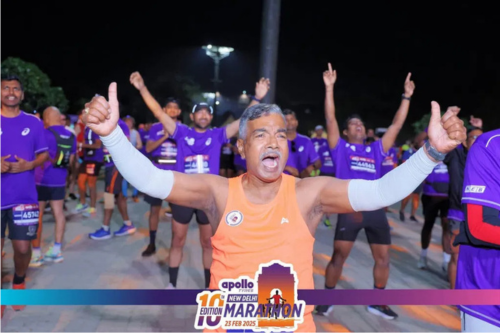
These figures translate to packed starting lines in cities across regions North India, West and Central India, South India, and East India. Running groups thrive in Navi Mumbai's modern paths, Gurugram's corporate parks, Surat's industrial outskirts, and Ahmedabad's vibrant streets. Yet runners here face distinct challenges: sweltering heat, monsoon downpours, dusty trails, and potholed roads. Generic international gear often falls short, sparking demand for localized solutions.
Core Innovations Dominating 2025
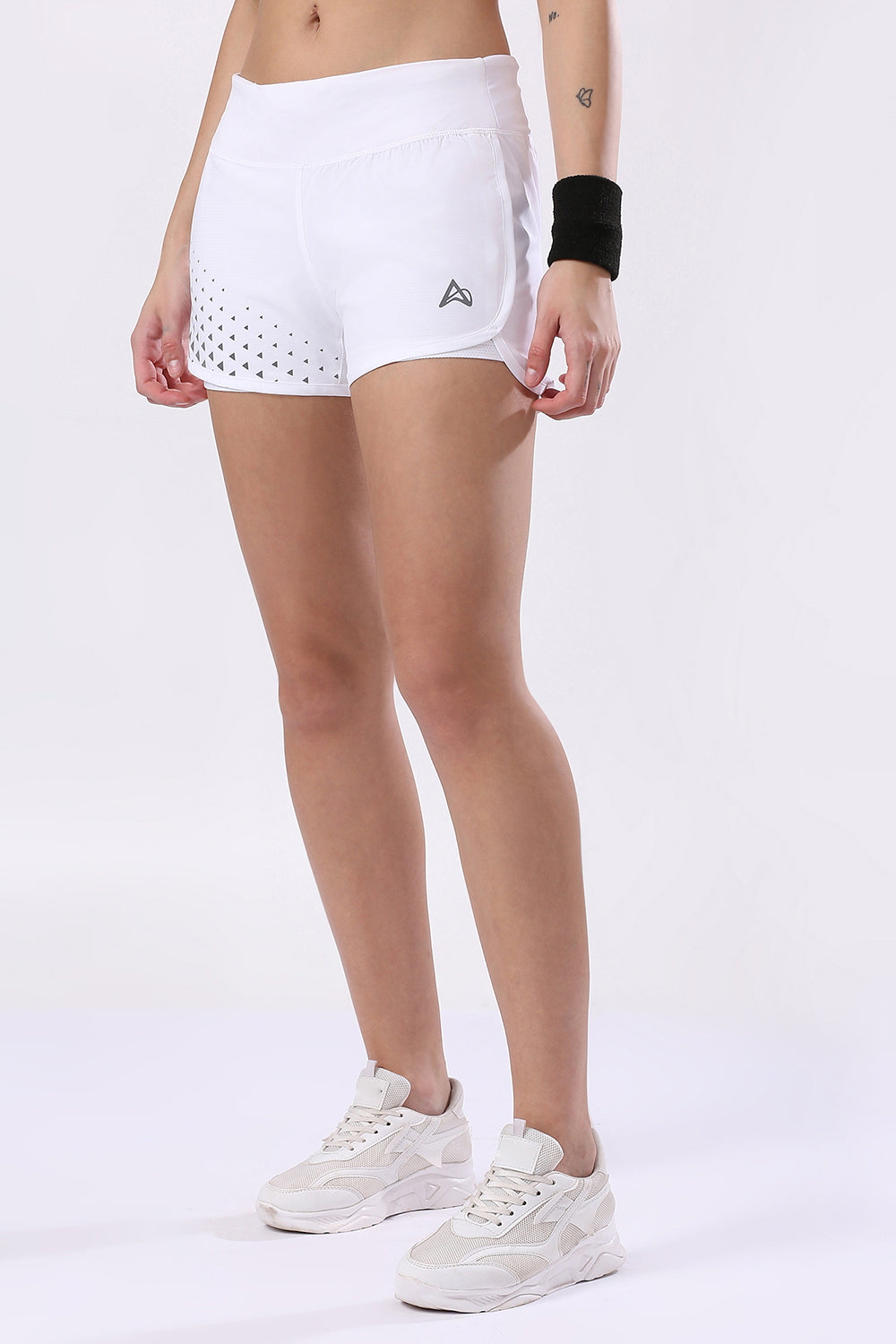
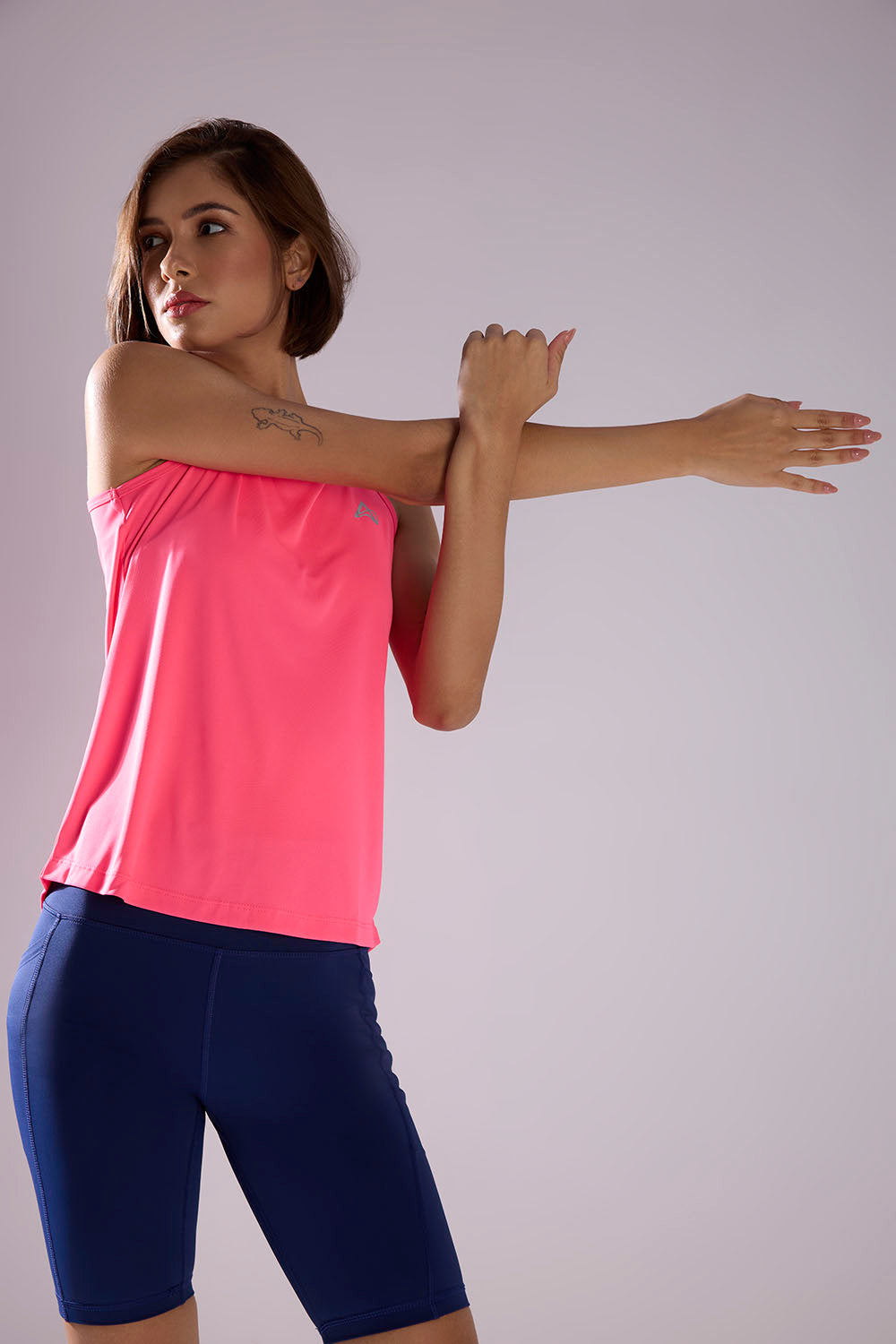
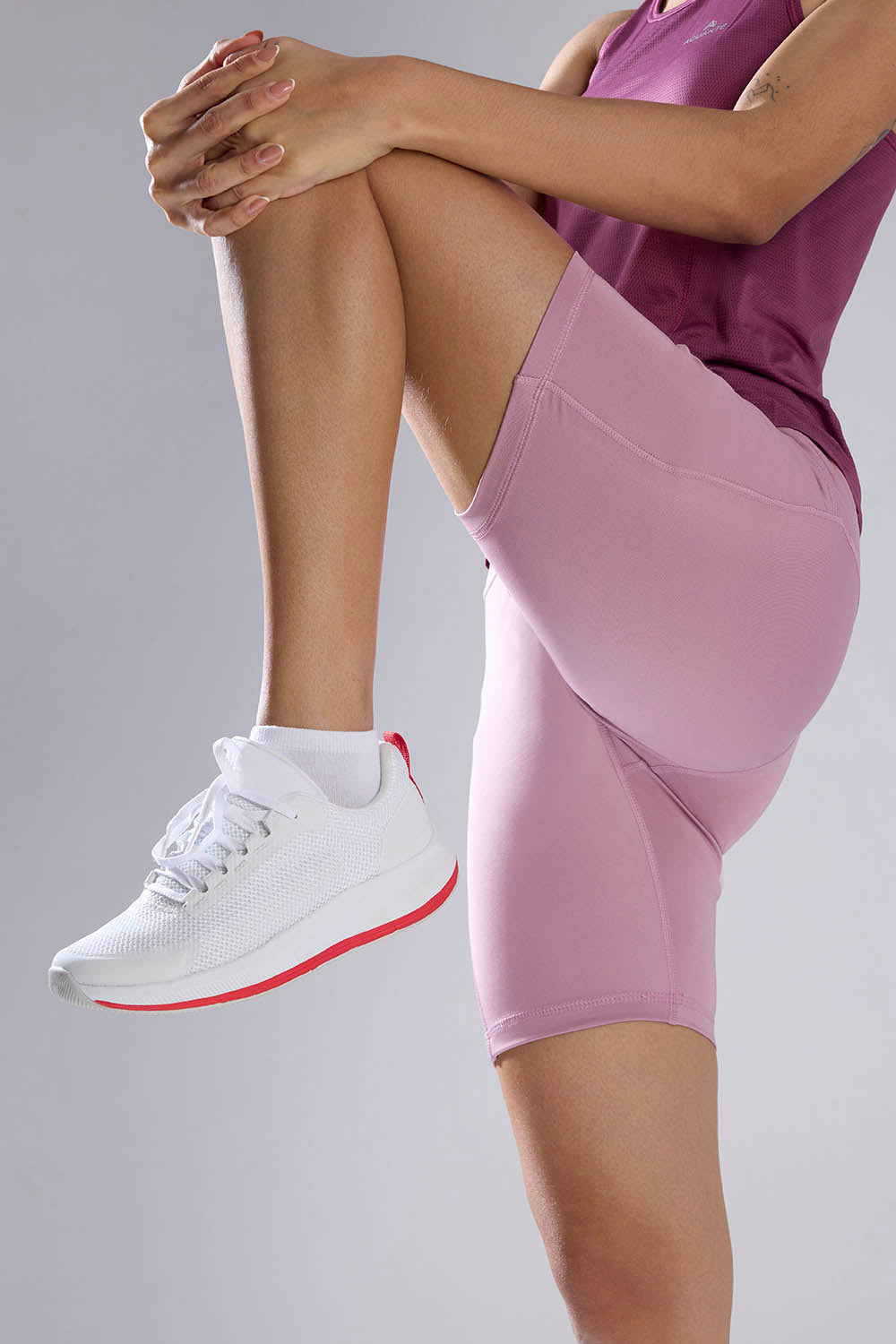
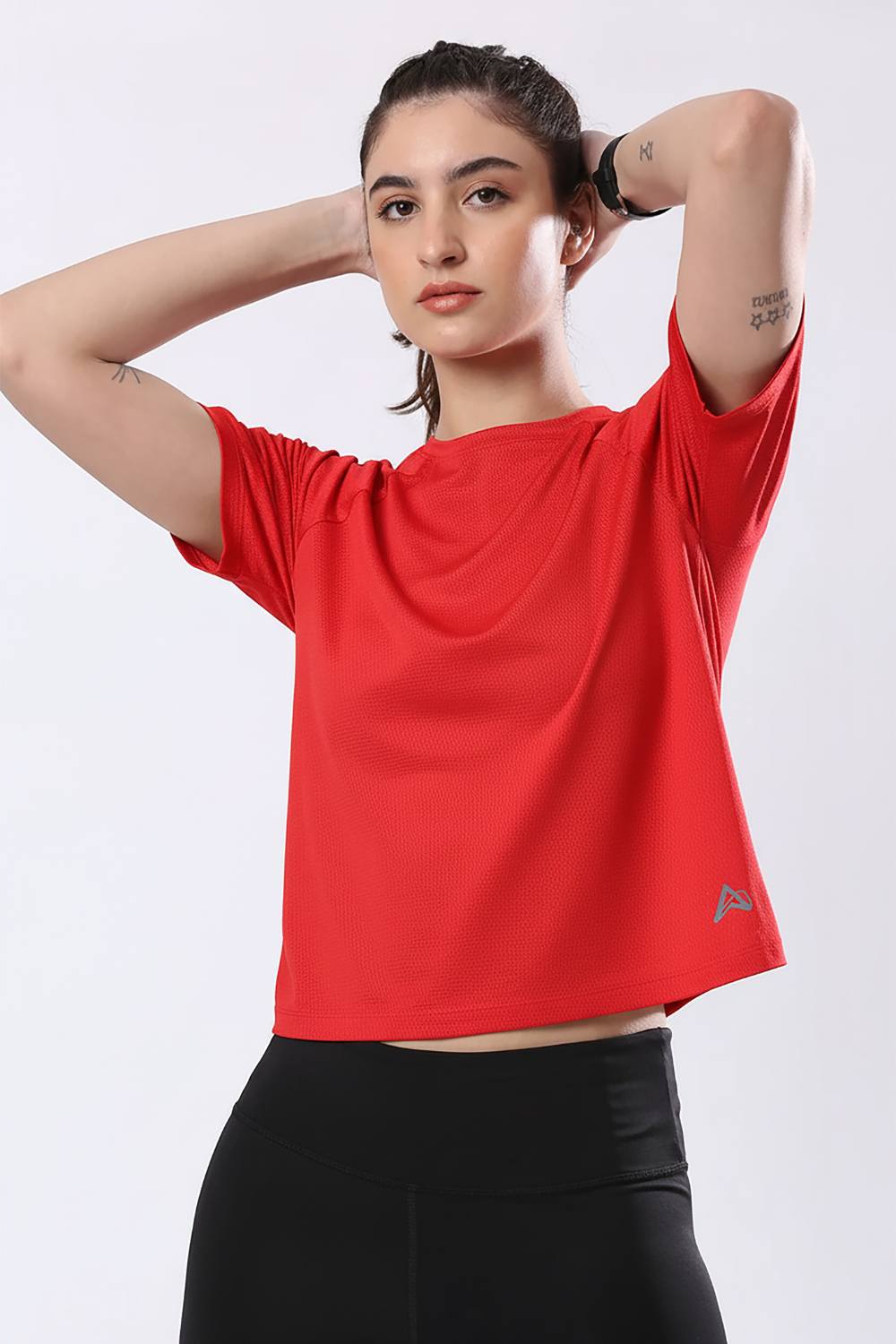
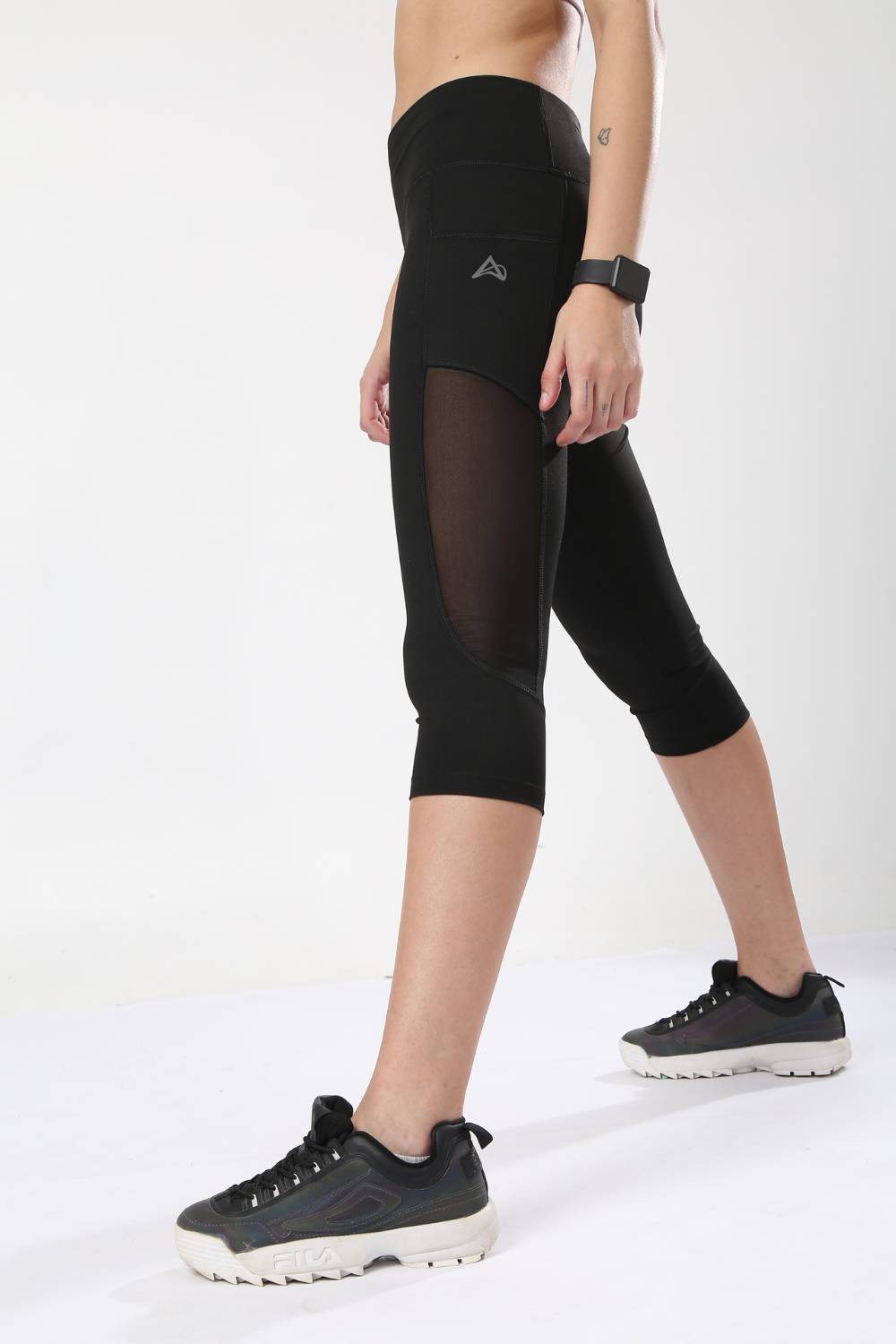
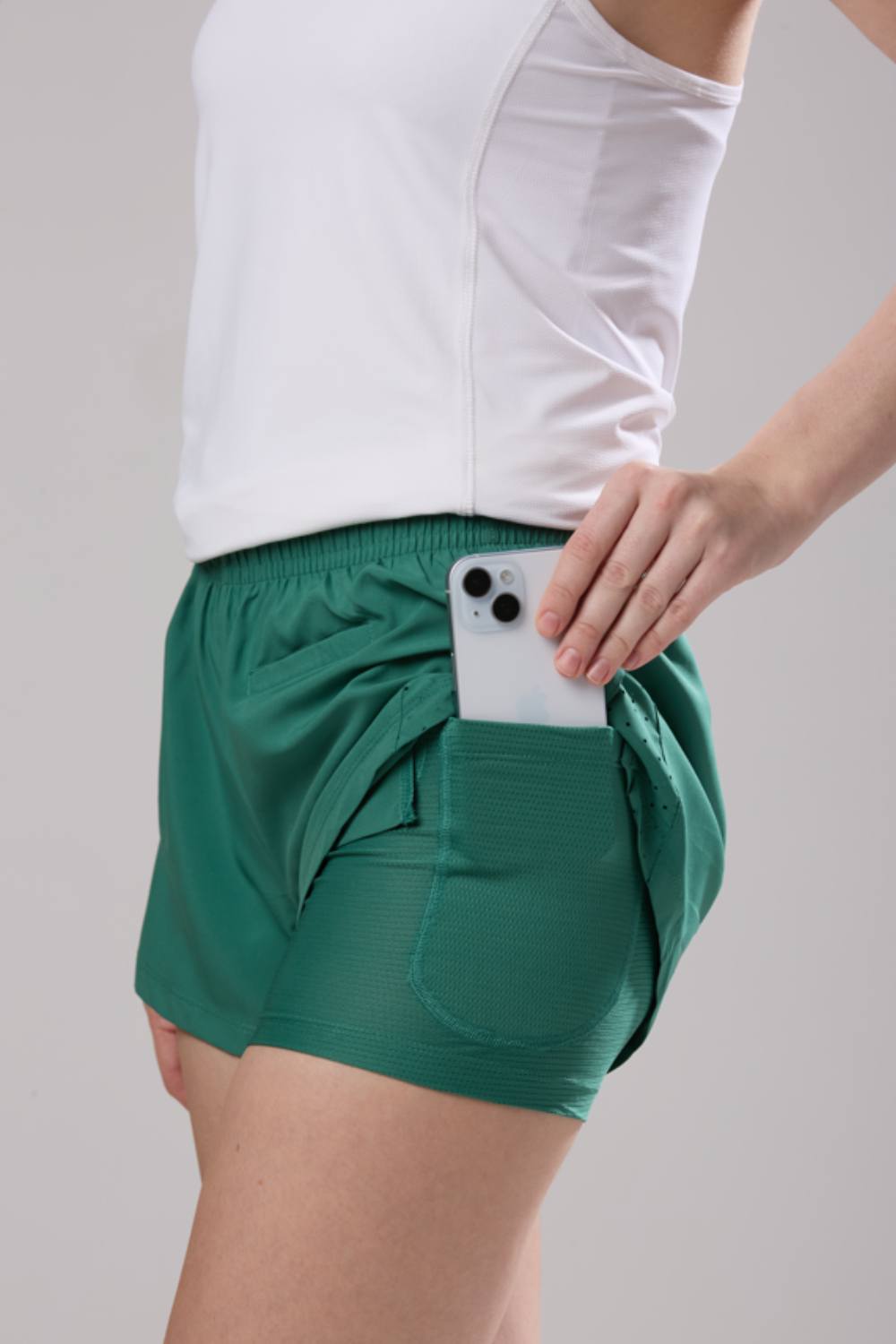
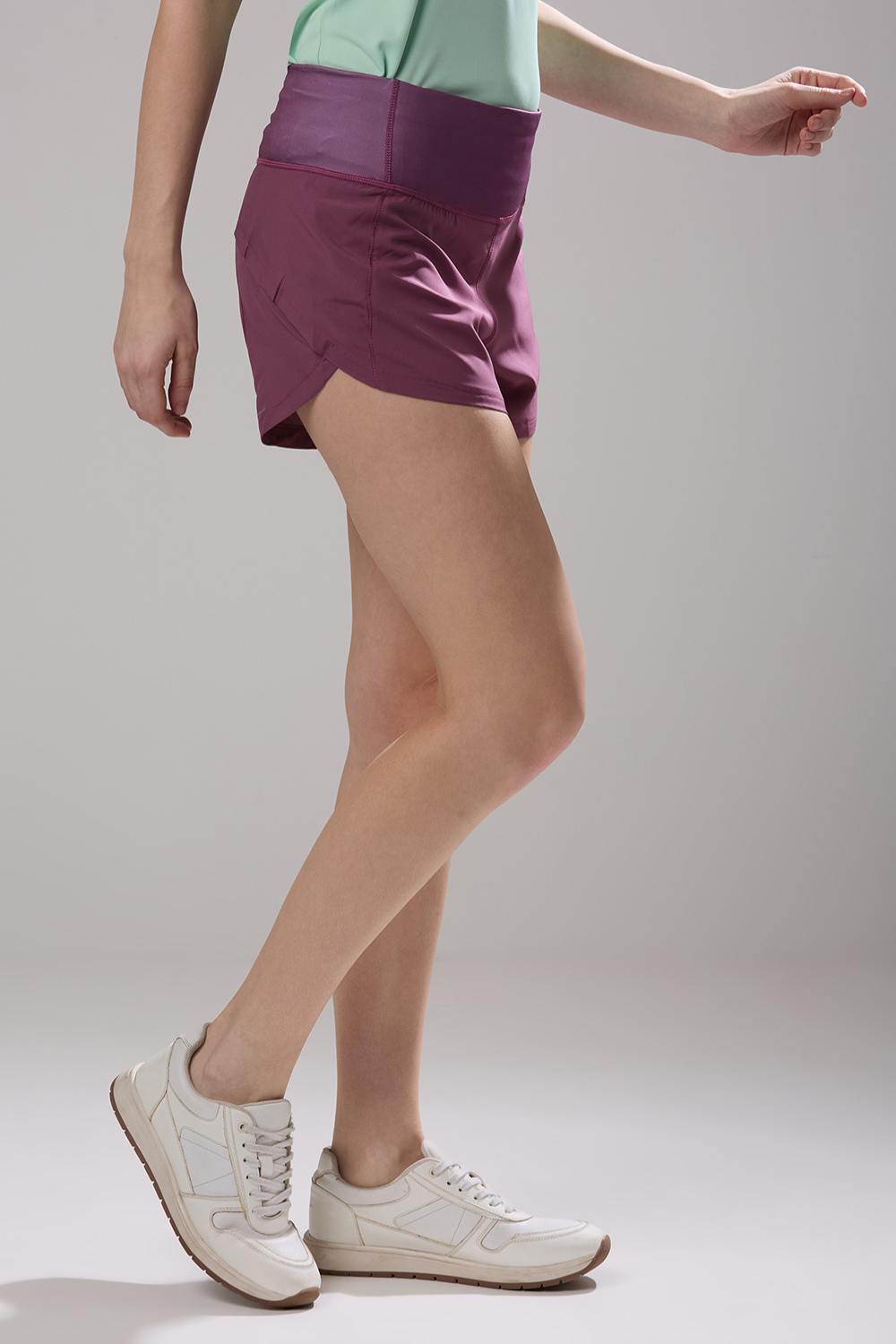
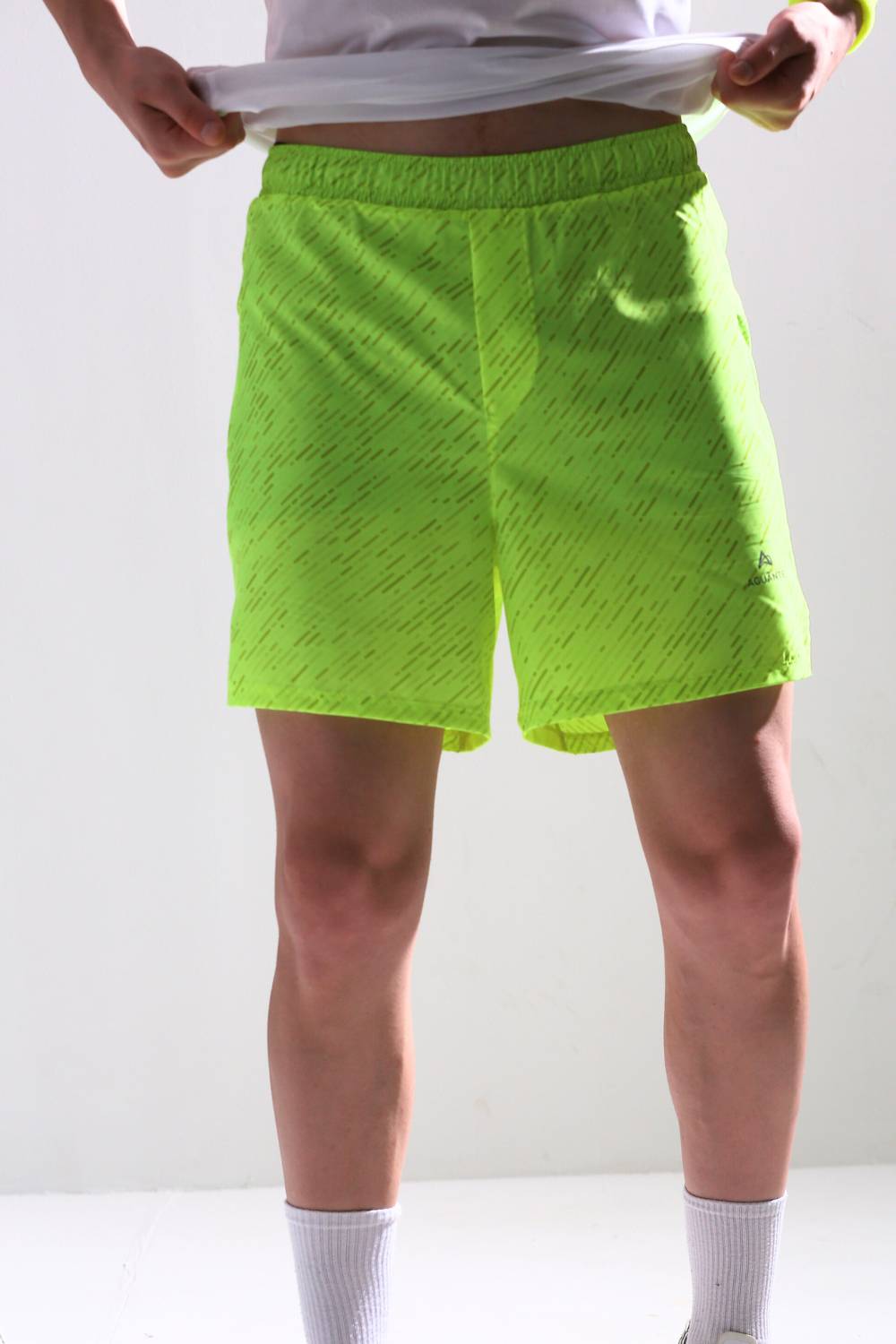
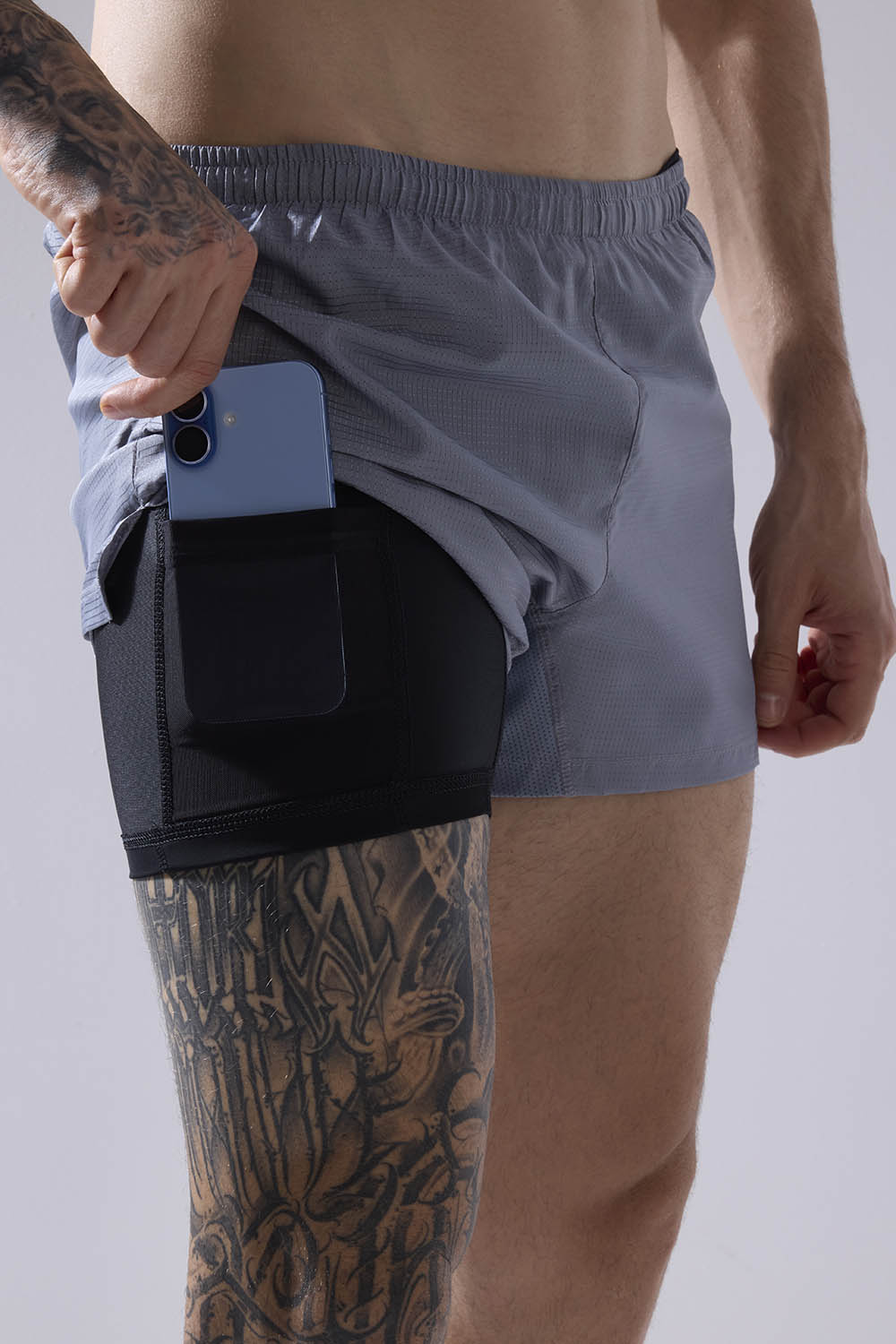
At the forefront are advanced fabrics engineered for India's demanding conditions. Moisture-wicking materials that excel in high humidity think Mumbai's coastal stickiness or Hyderabad's intense summers paired with superior breathability, dominate wish lists. Anti-chafing inner linings prevent irritation on long runs, while pockets designed not to bounce secure phones, keys, and gels. Reflective accents ensure visibility for those pre-dawn or post-work jogs in traffic-heavy Delhi and Gurugram.
These aren't luxuries; they're essentials tested by real runners on Indian terrain. Brands are moving away from overseas templates, instead crafting fits suited to diverse Indian body types and movement patterns. The result? Apparel that delivers world-class performance without the premium import markup local ingenuity meeting global standards at accessible prices.
Emerging tech adds excitement: smart textiles embedding sensors for real-time heart rate or body temperature monitoring. While still niche, they're gaining traction among serious athletes in tech-savvy Bangalore and Pune.
Safety features also stand out. In urban chaos like Pune or Navi Mumbai, where runners dodge vehicles, high-visibility reflective gear is no longer optional it's a trendsetter.
Sustainability Meets Urban Functionality
Eco-consciousness is weaving into the fabric of choices. Runners in environmentally aware cities like Bangalore and Surat increasingly favor pieces made from recycled polyester or organic blends. This aligns with global shifts, though in India's hot, humid reality, performance remains king sustainable options must still wick sweat relentlessly and dry fast.
Urban practicality defines many designs: lightweight, compressible layers for unpredictable weather, secure zip pockets for essentials on city commutes, and versatile styles that transition from trail to café. Personalization is rising too, with online tools allowing tweaks to sizing, colors, or features democratizing access even in tier-2 cities via direct-to-consumer channels.
Social platforms amplify it all. Running coaches and enthusiasts on Instagram, Facebook, and YouTube share unfiltered reviews, training tips, and race recaps, fostering tight-knit communities in Hyderabad, Mumbai, and beyond. Their endorsements carry weight, spotlighting gear that truly performs under local stress.
Persistent Challenges in a Growing Market
Despite the momentum, hurdles remain. High-end imported brands often carry steep prices, putting them out of reach for many in emerging centers like Ahmedabad or Surat. A sizable portion of casual runners still opts for basic cotton tees, underestimating how specialized apparel enhances comfort, reduces injury risk, and boosts endurance.
Awareness gaps persist outside major metros, where education on technical benefits lags. Counterfeits also erode trust. Yet progress is evident: e-commerce bridges gaps, and local events demystify premium features through hands-on trials.
Promising Opportunities on the Horizon
The proliferation of marathons from iconic Mumbai to energetic Delhi and vibrant running clubs creates fertile ground. Brands tying up with these events gain authentic visibility, while direct sales models slash costs, delivering high-spec gear affordably nationwide.
Partnerships with influencers and coaches prove potent, building credibility through genuine stories. Those brands fixating on runner-centric details uncompromising breathability for heat waves, durable outsoles for rough roads, distraction-free fits capture loyalty.
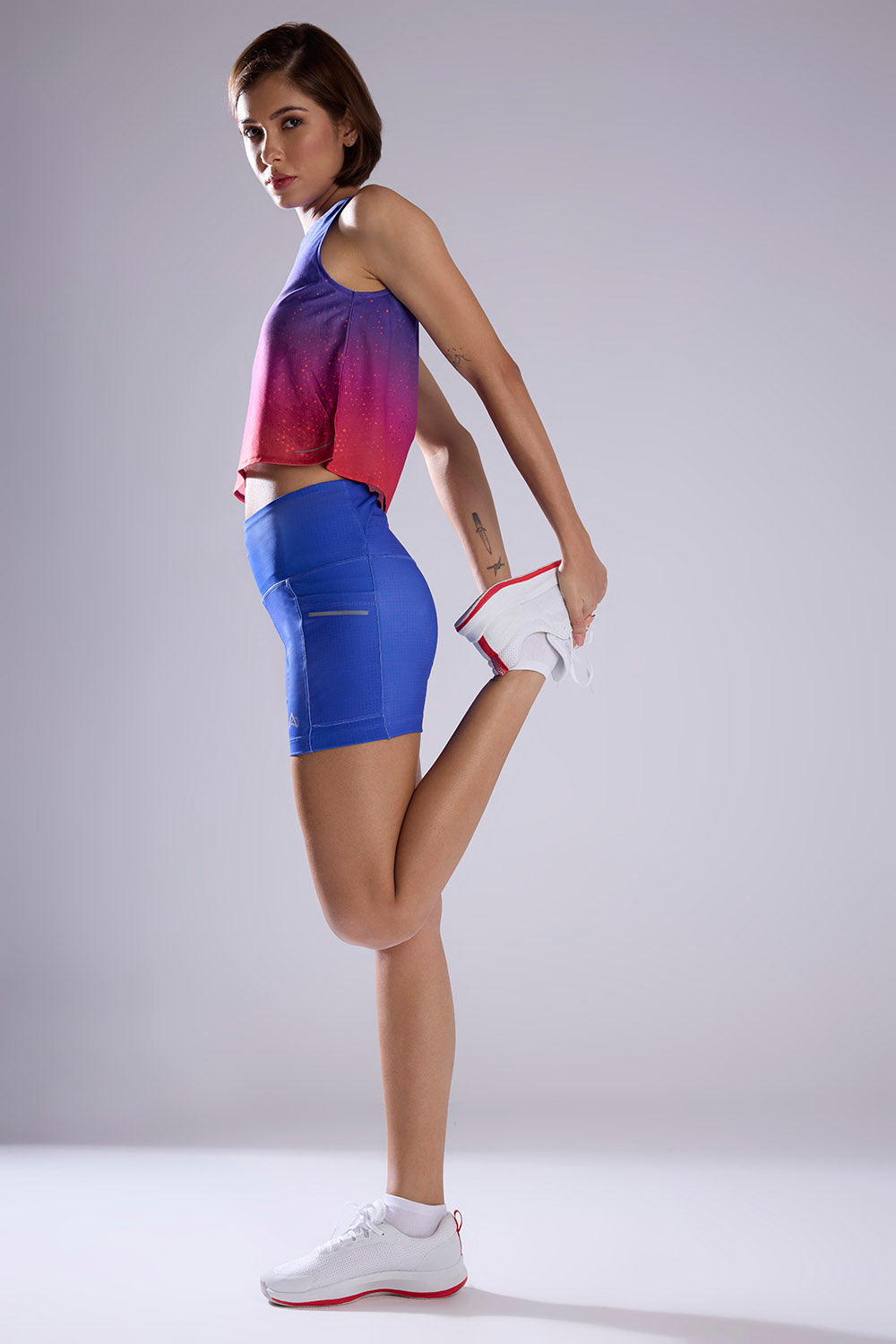
Women's segments offer particular potential, with gender-specific collections addressing fit and style preferences amid rising female participation.
Looking Ahead: A Distinctly Indian Stride
In 2025, India's running apparel ecosystem stands at an inflection point, blending cutting-edge innovation with grounded necessity. From Bangalore's lush parks to Pune's rugged elevations, runners seek gear that anticipates every sweat drop, every uneven step without unnecessary frills or exorbitant costs.
The winners will be brands committed to Indian realities: unparalleled comfort in humidity, breathability under scorching sun, resilience on unpredictable paths, all at honest pricing. As markets expand vigorously and streets fill with more determined strides, the future of running in India promises to be dynamic, inclusive, and profoundly local. The run is just getting started.
Frequently Asked Questions
What are the key features to look for in running apparel in India in 2025?
The most important features include moisture-wicking fabrics that perform well in high humidity, superior breathability for hot weather, and anti-chafing inner linings for long runs. Secure pockets that don't bounce, reflective accents for visibility in traffic-heavy areas, and designs suited to diverse Indian body types are also essential. These features address India's unique climate challenges from Mumbai's coastal humidity to Hyderabad's intense summers making runs more comfortable and safer.
How big is India's running gear market and what's driving its growth?
India's running gear market reached USD 2.4 billion in 2024 and is projected to double to USD 4.8 billion by 2033, growing at a 7.71% CAGR. This explosive growth is fueled by heightened health consciousness, booming marathons and community races across cities like Bangalore, Delhi, and Pune, rising disposable incomes, the surge in recreational jogging, and the expansion of e-commerce. Celebrity athlete endorsements and the growth of vibrant running clubs in urban centers are also contributing significantly.
Are sustainable running apparel options available in India, and do they perform well?
Yes, eco-conscious running apparel made from recycled polyester and organic blends is gaining popularity, especially in environmentally aware cities like Bangalore and Surat. However, in India's hot and humid climate, performance remains paramount sustainable options must still deliver excellent moisture-wicking capabilities and fast-drying properties. Brands are successfully combining sustainability with functionality, offering gear that meets both environmental values and the demanding performance standards required for Indian running conditions.
Disclaimer: The above helpful resources content contains personal opinions and experiences. The information provided is for general knowledge and does not constitute professional advice.
You may also be interested in: Whats Next for Running Apparel: Trends to Watch in 2025
Tired of gear that slows you down? Chafing, soggy fabrics, and missing pockets kill your run's momentum. At Aguante, we're runners who get it. Our high-performance activewear features moisture-wicking fabrics, ergonomic designs, and smart storage to keep you focused. Shop Now!
Powered by flareAI.co