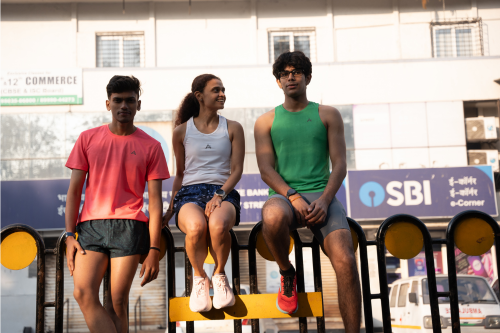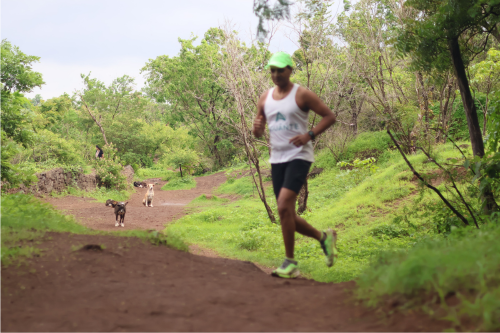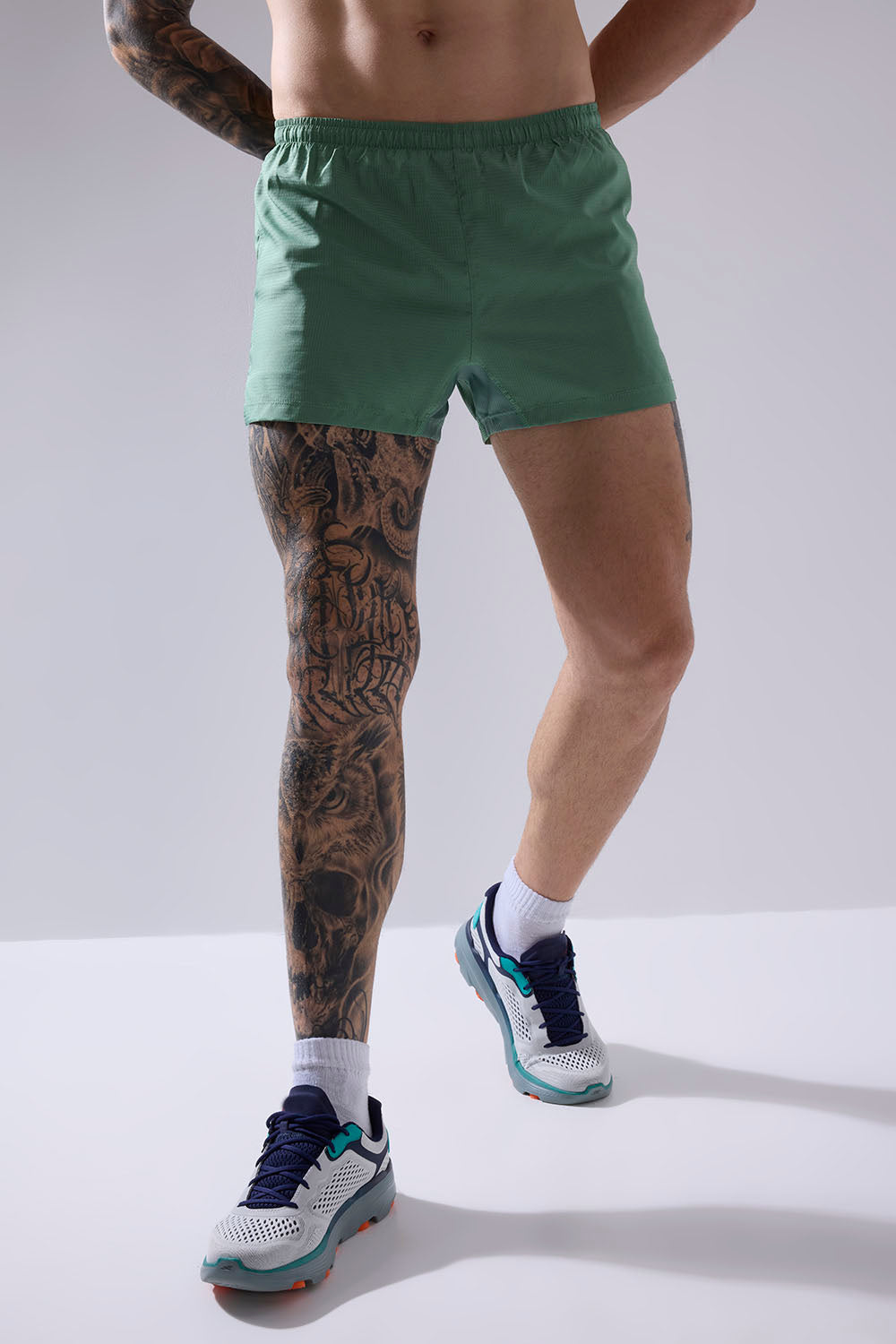
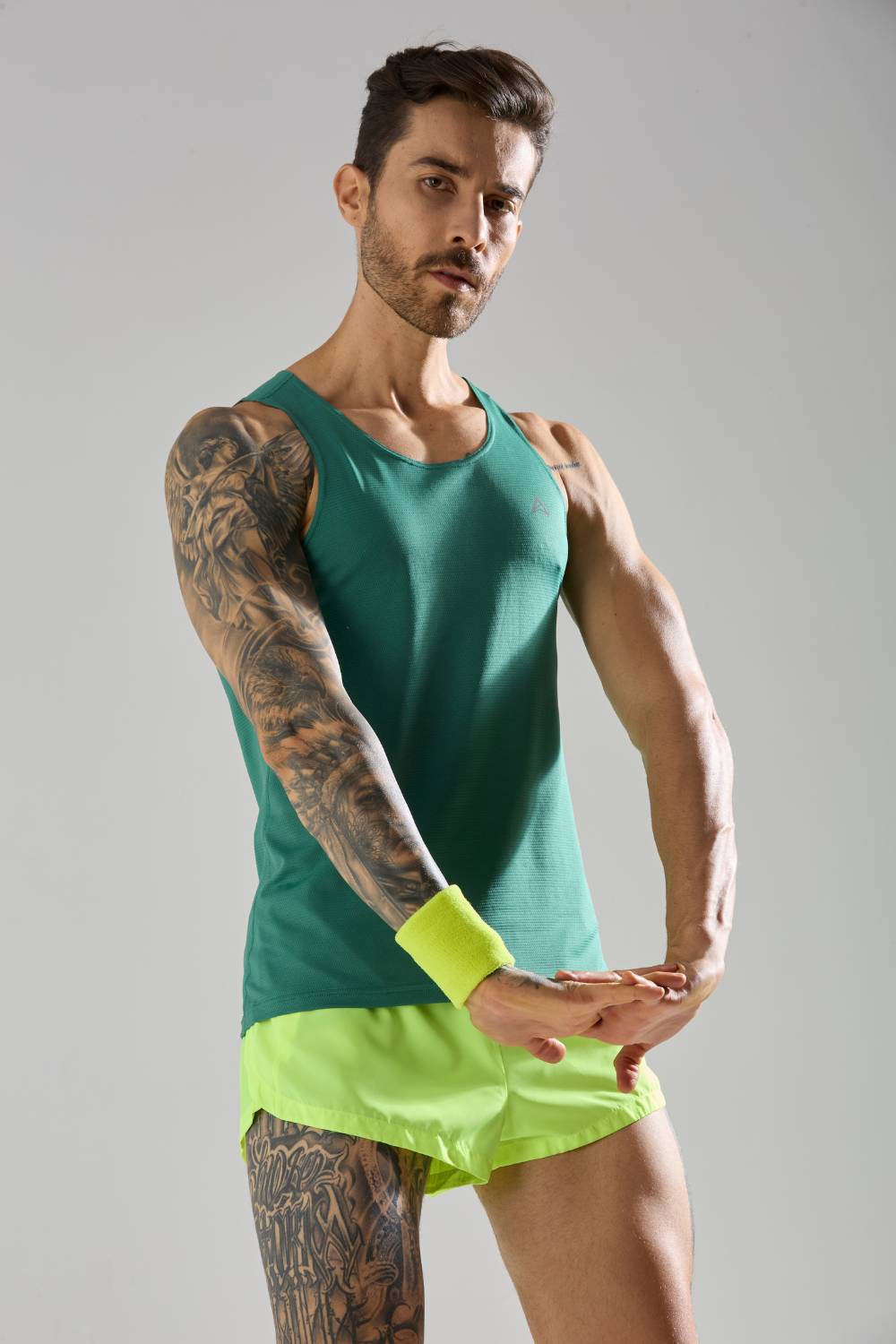
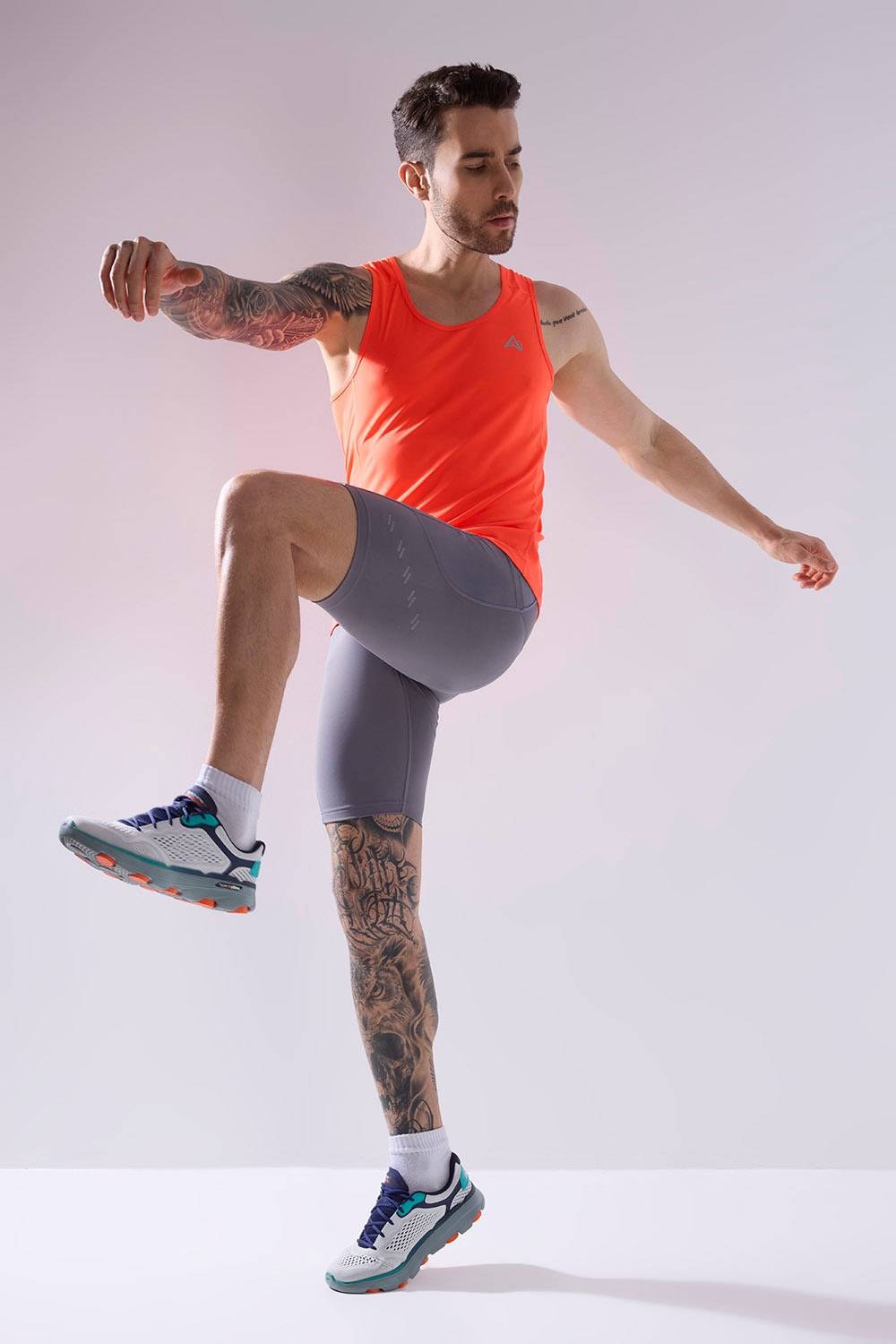
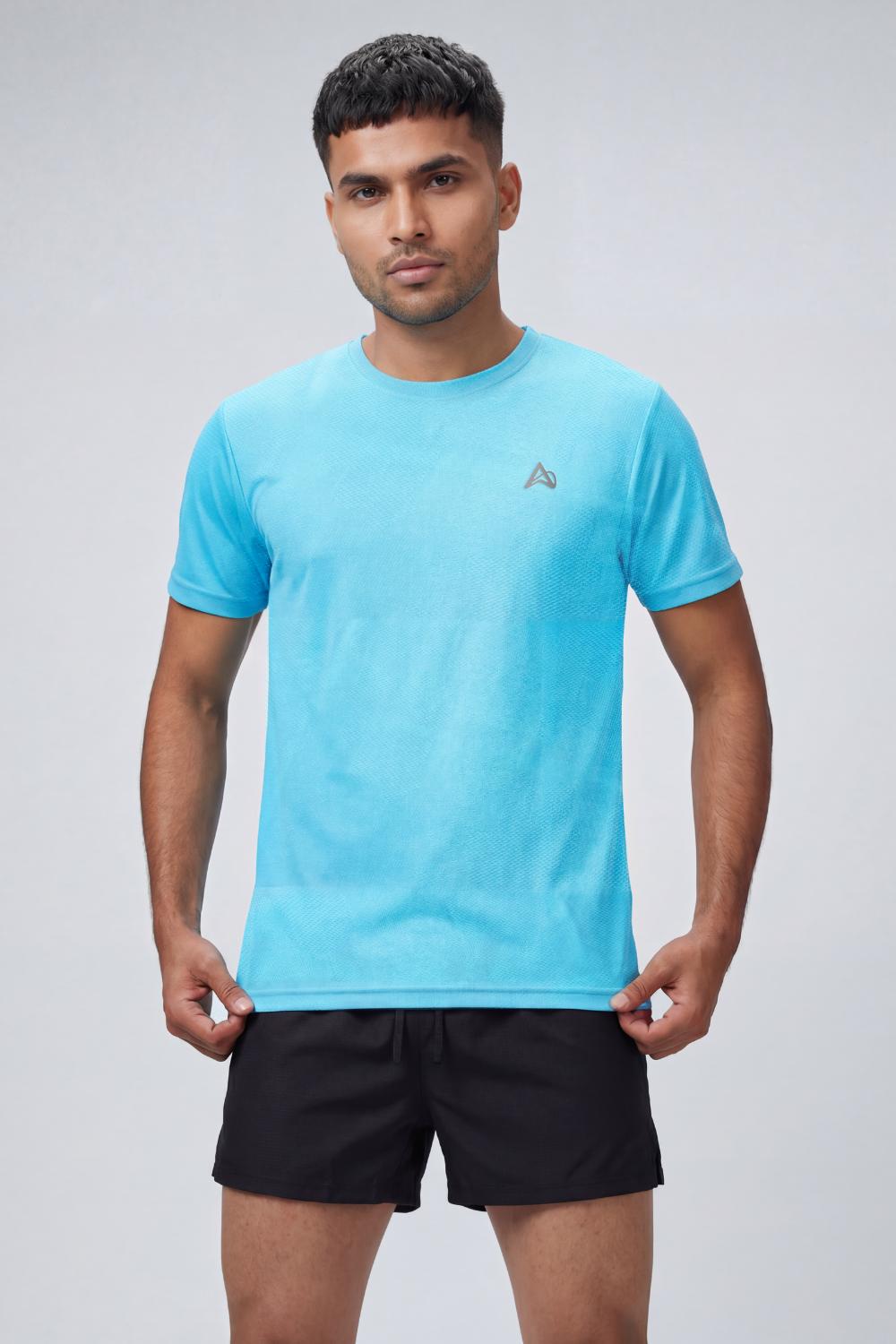
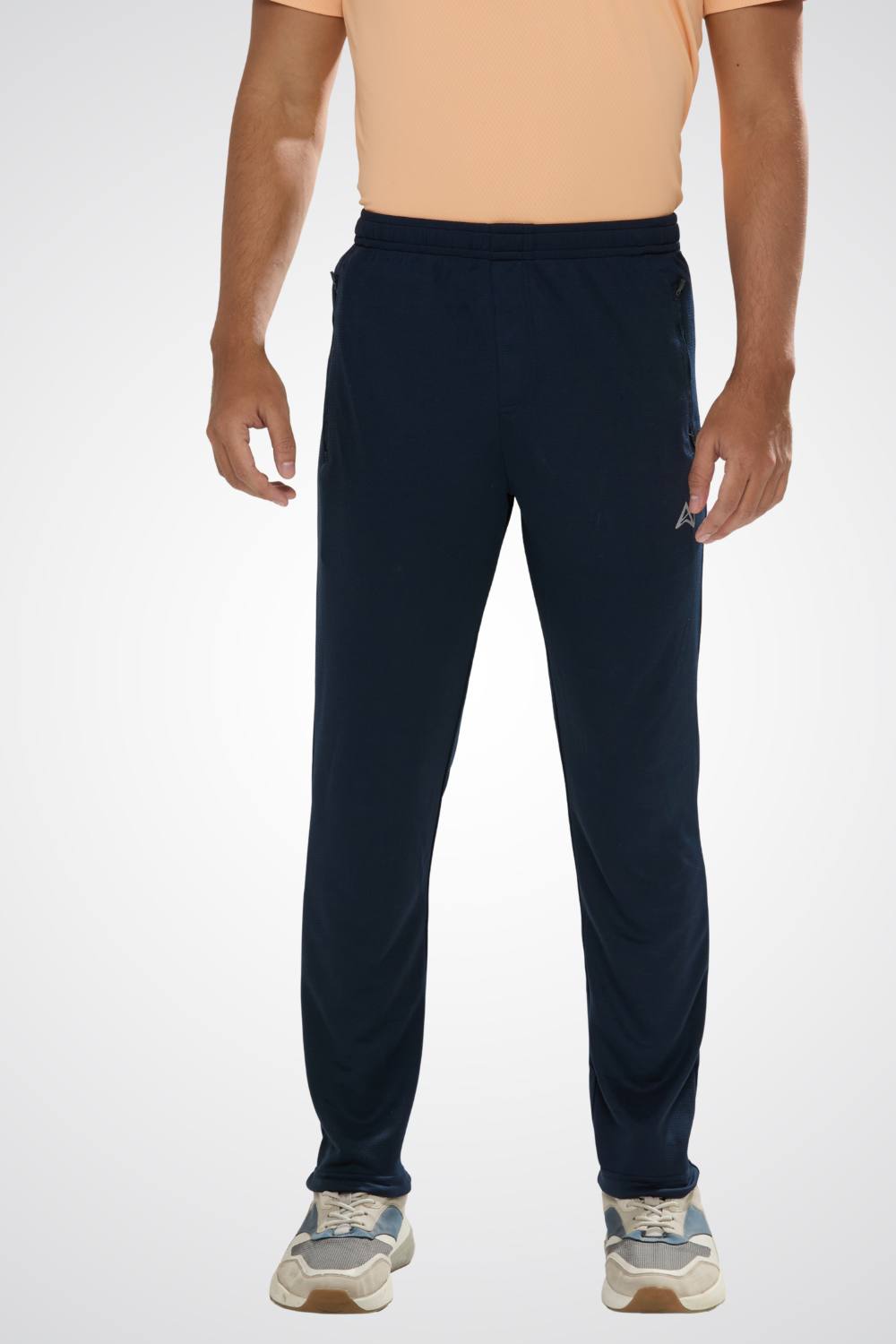
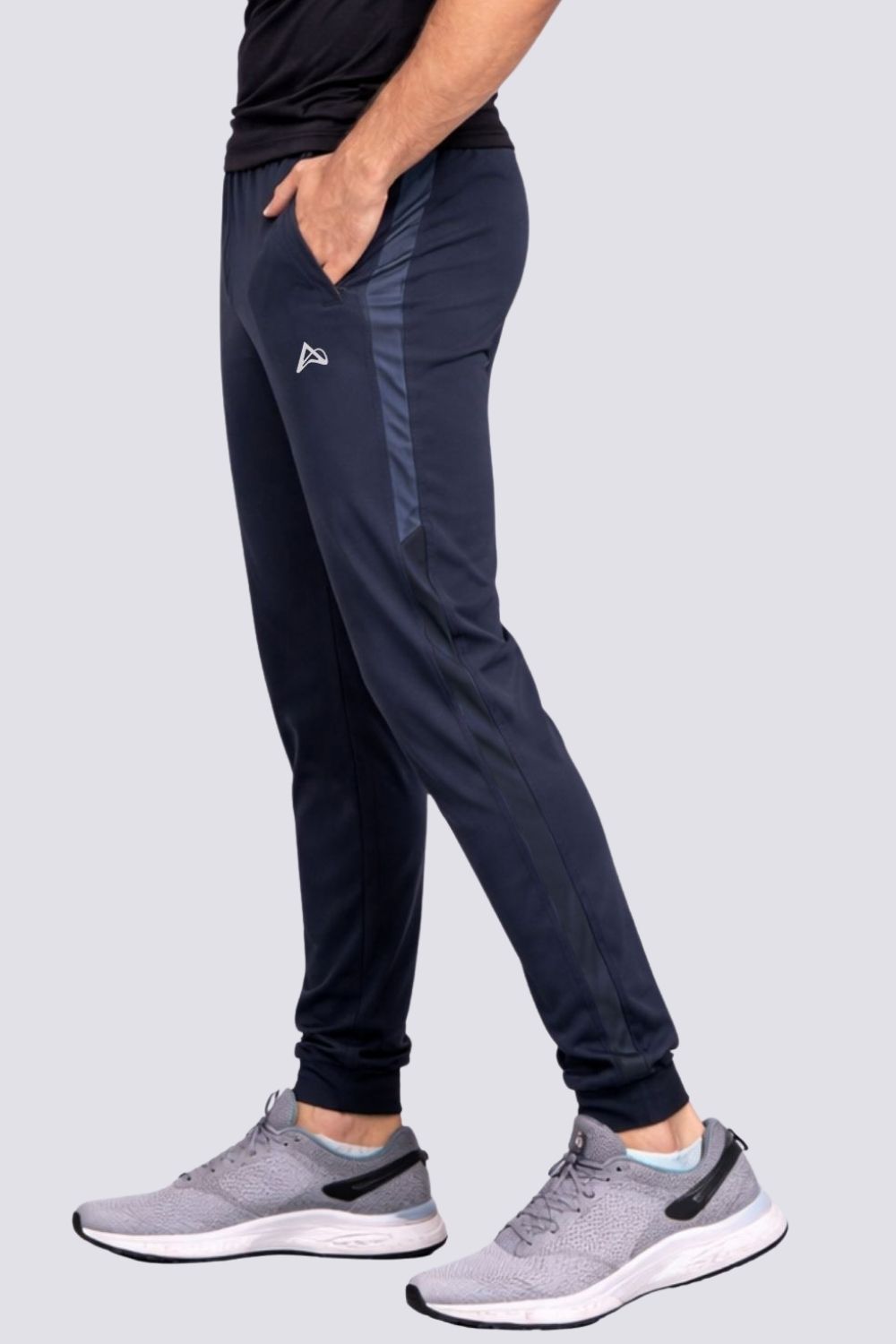
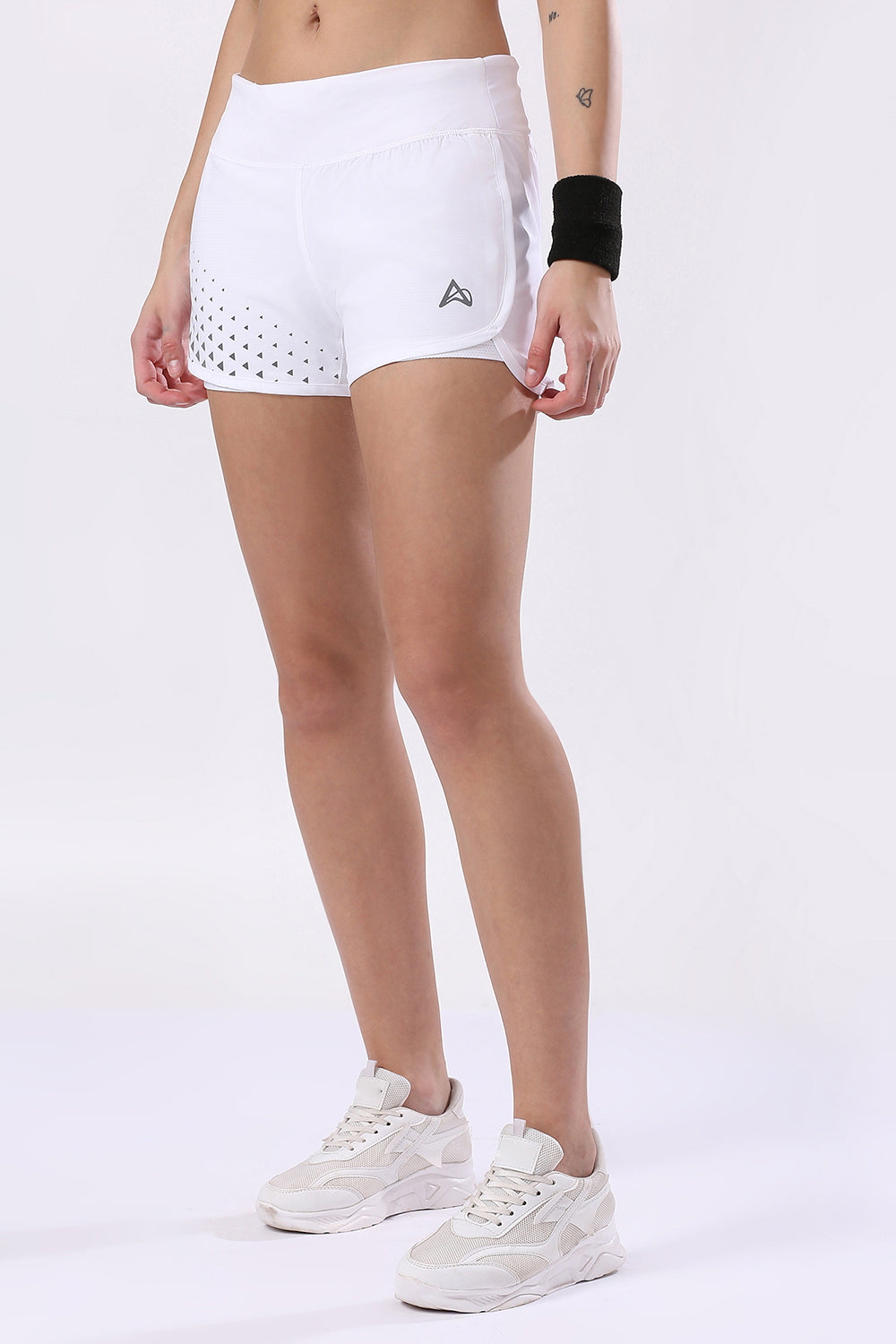
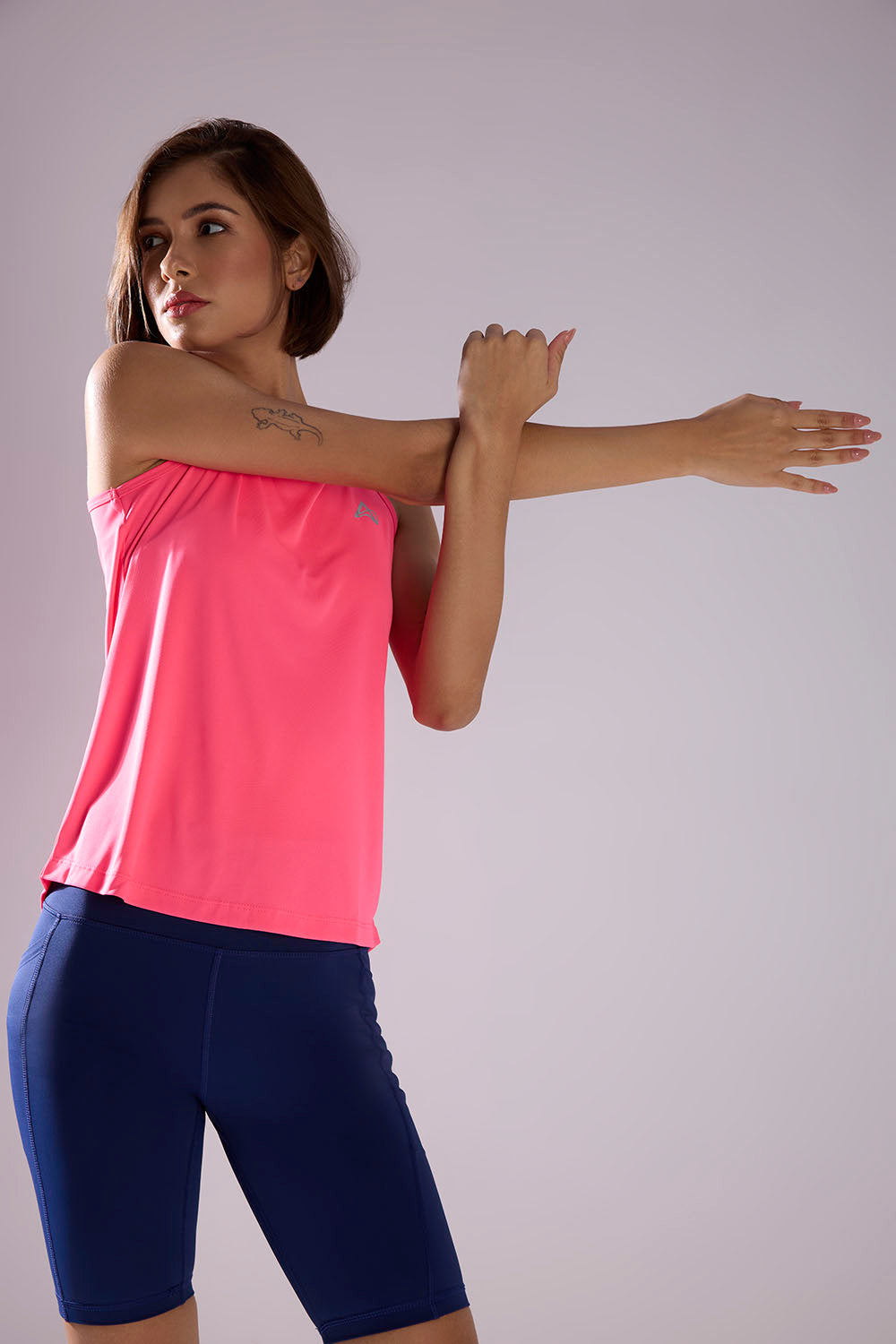
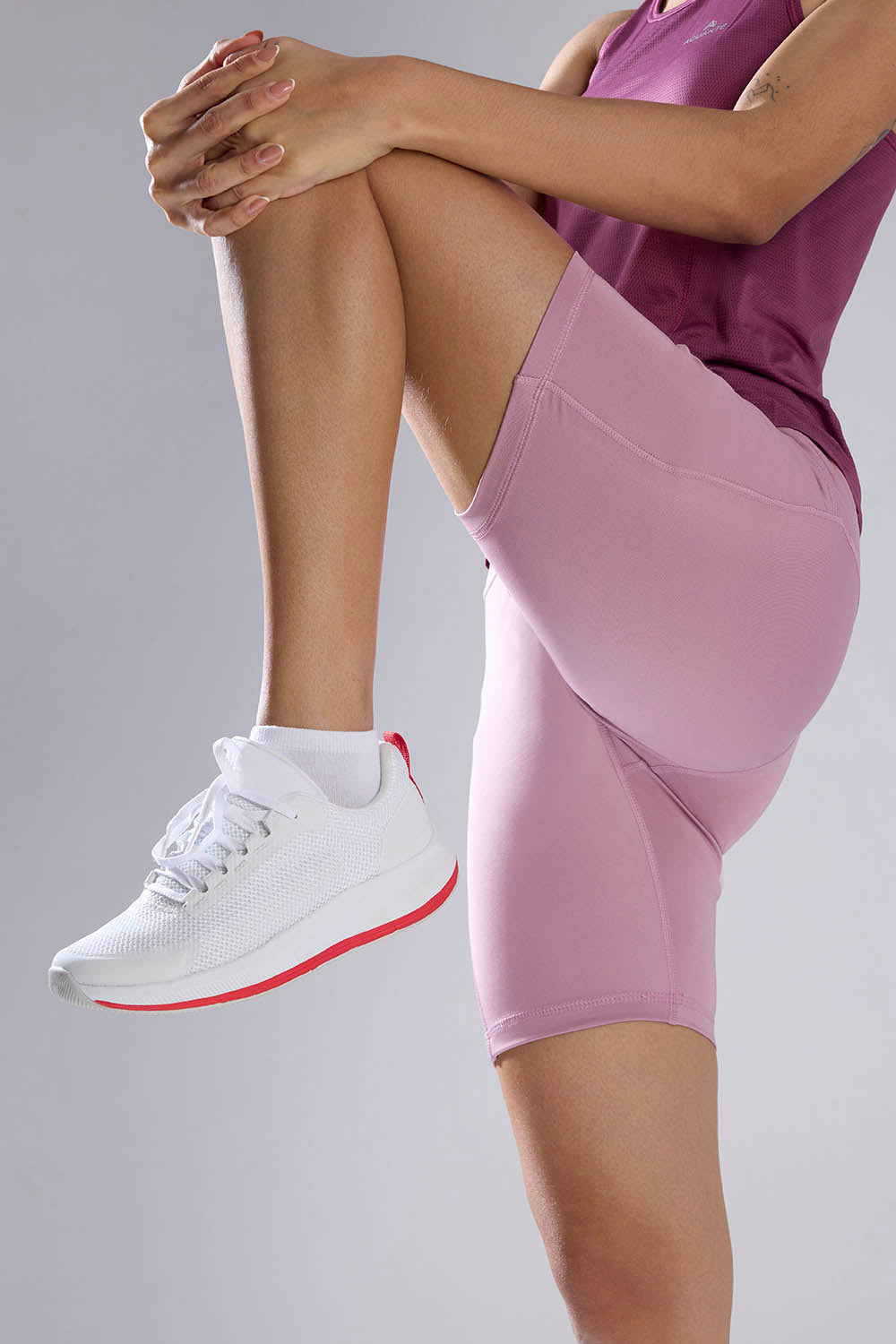
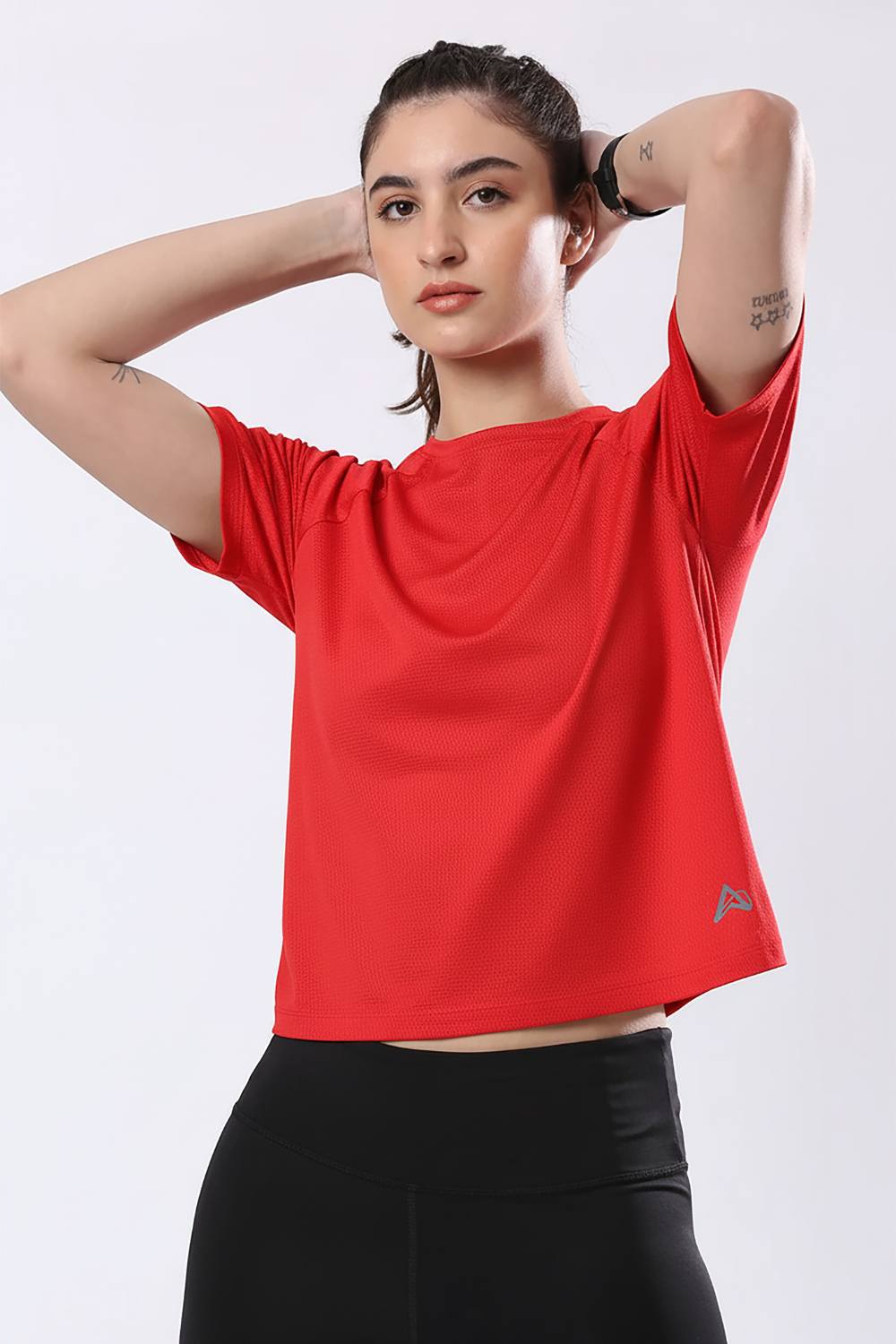

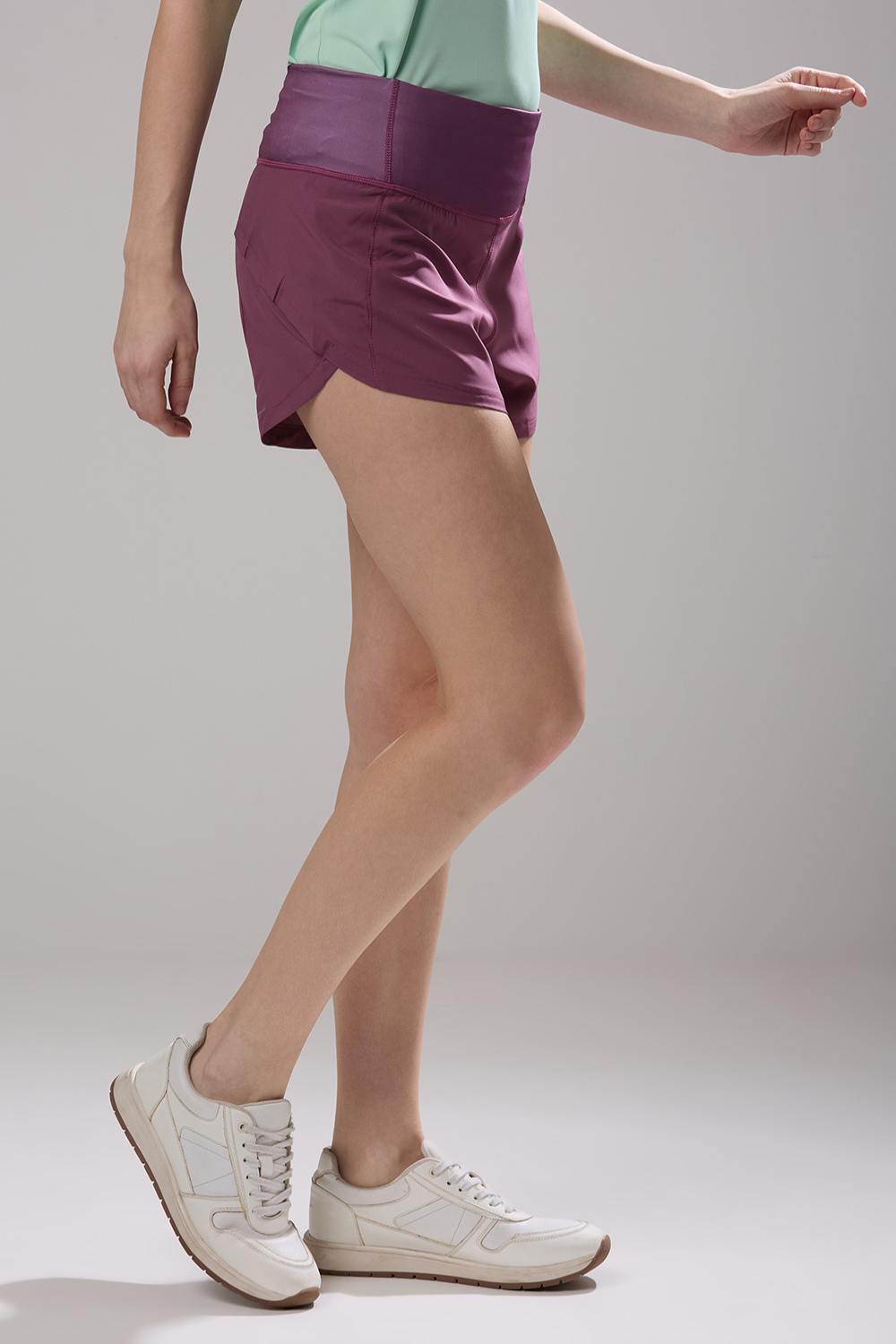
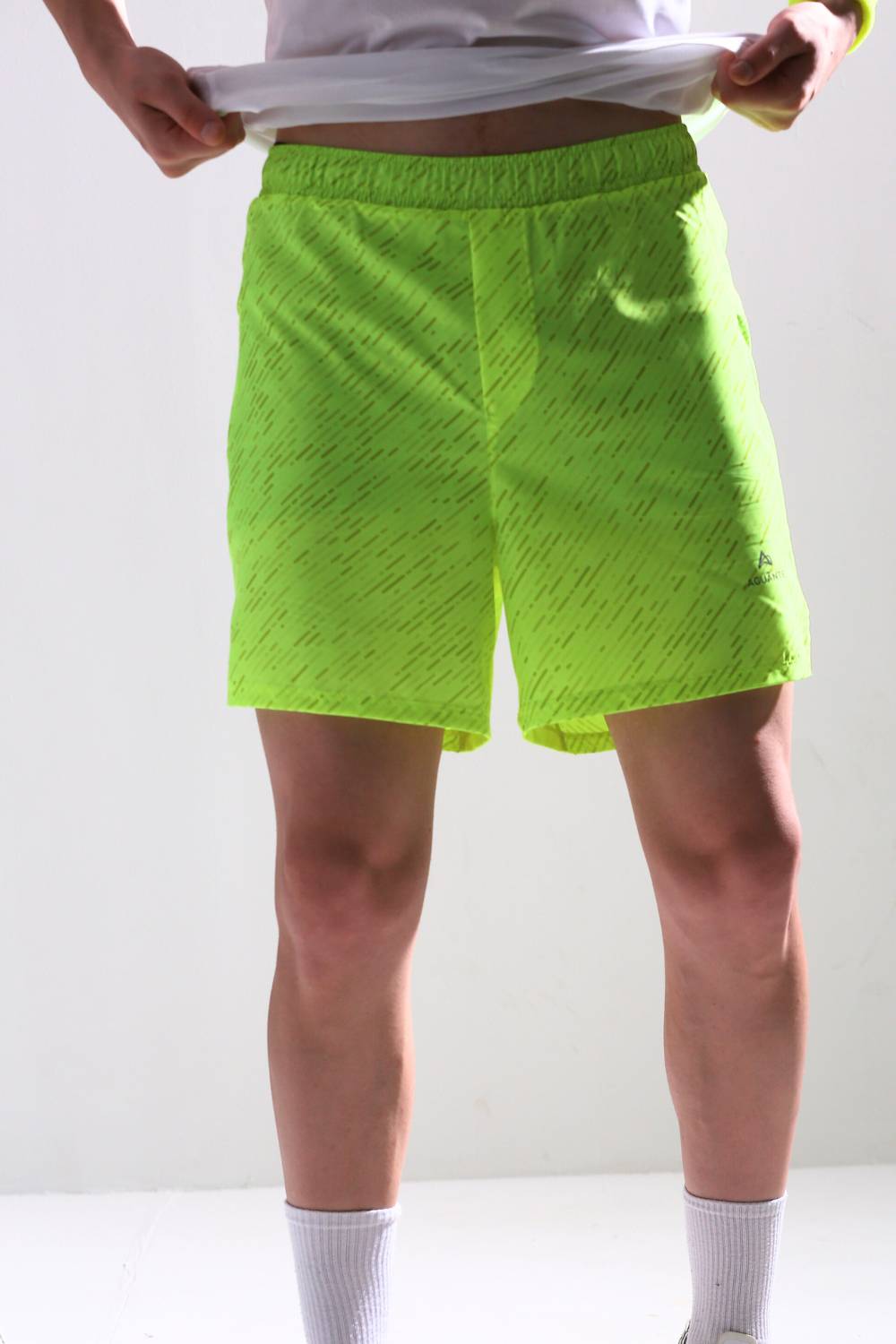

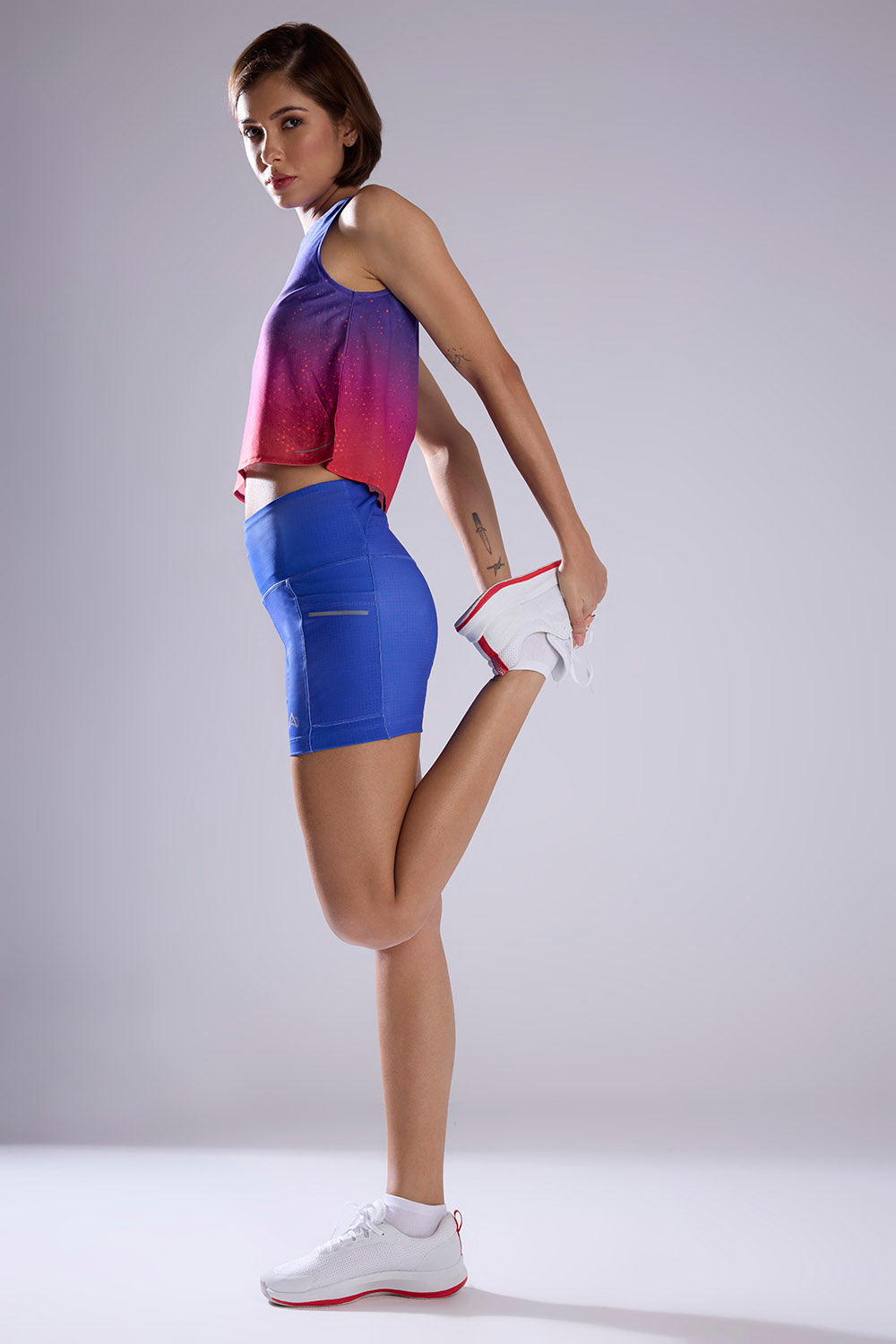
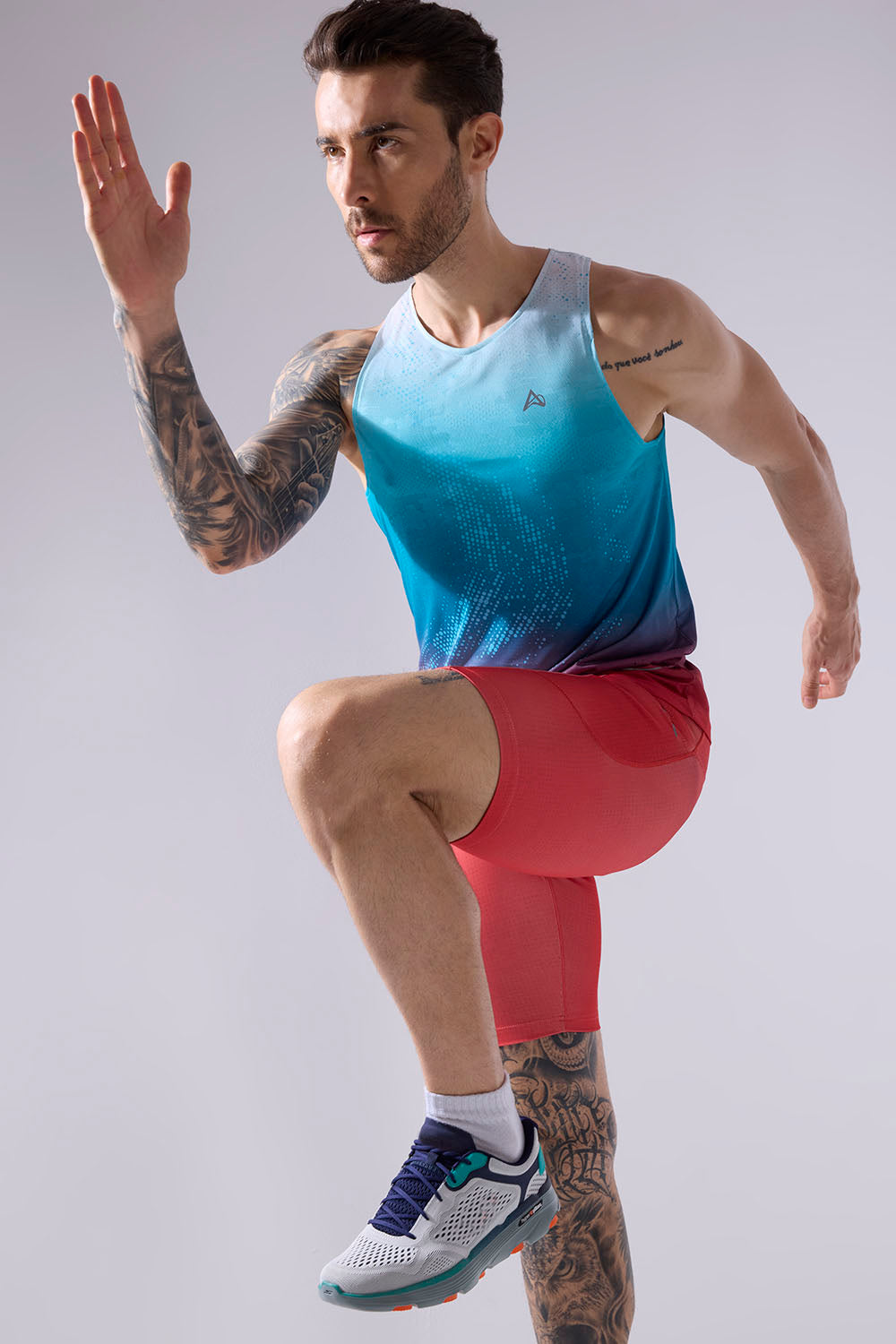

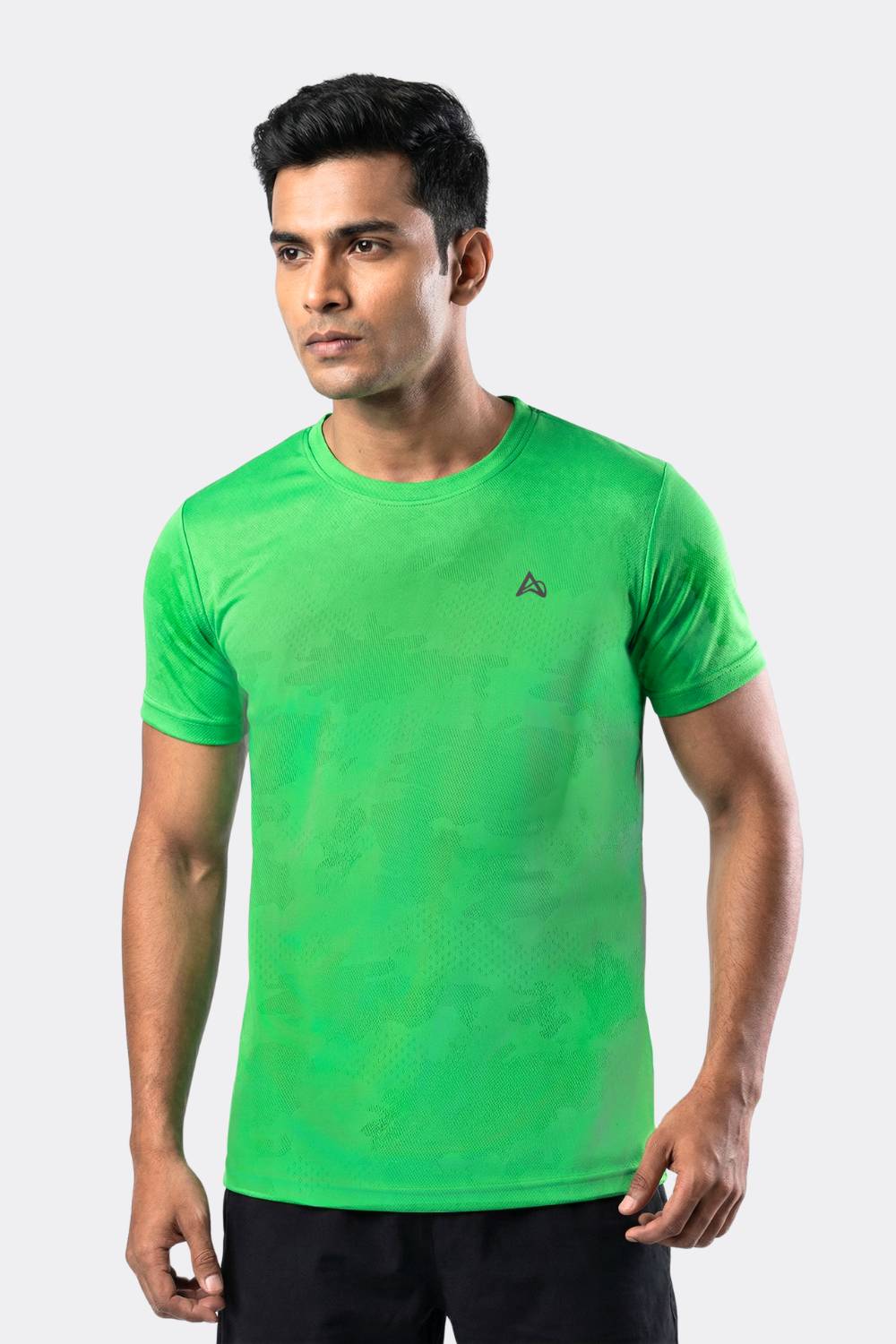
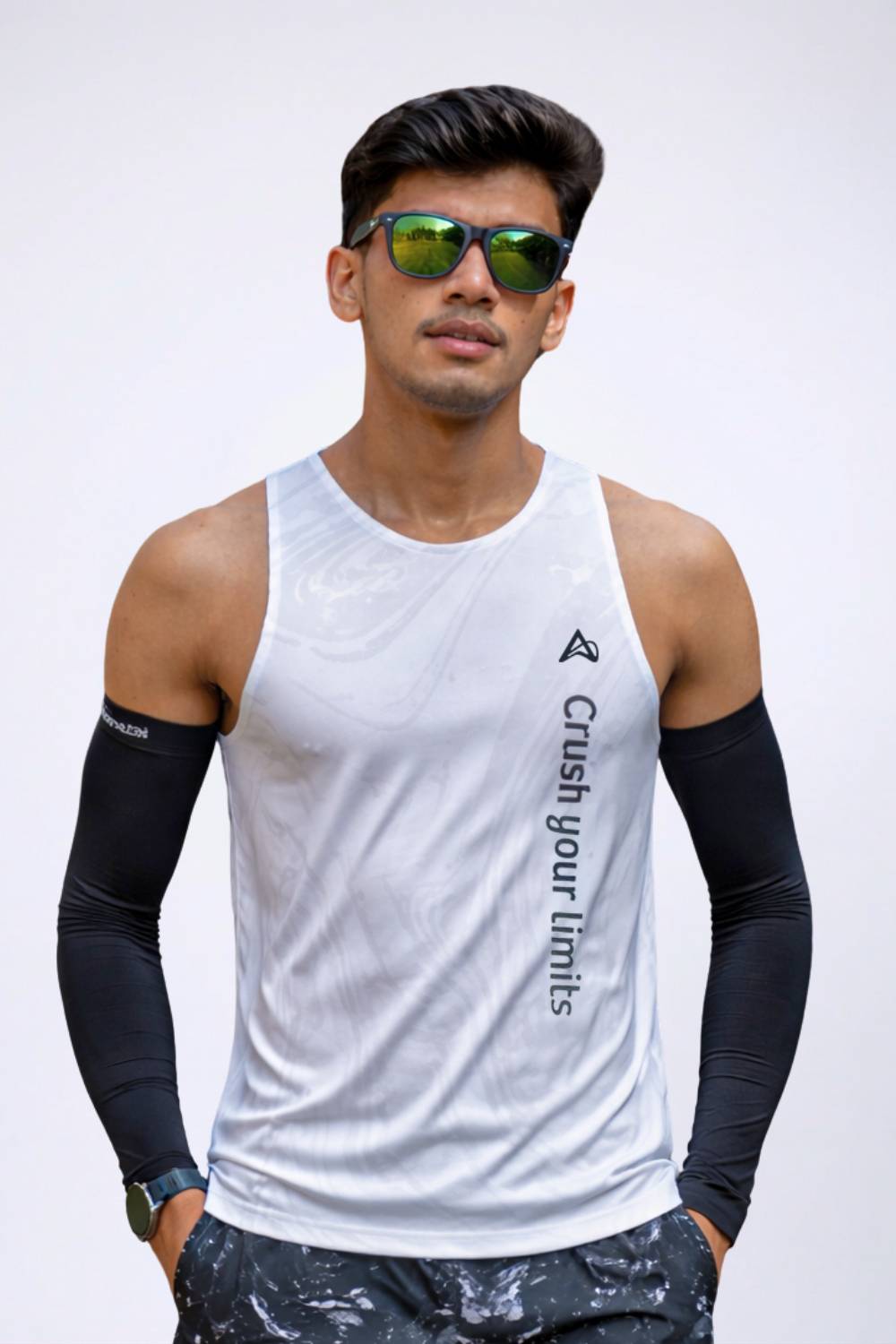

Running has evolved far beyond a simple fitness routine. Across cities like New York, Toronto, London, Berlin, Mumbai, Delhi, and Bengaluru, it has become a lifestyle choice shaped by discipline, identity, and personal performance goals. In this evolving landscape, men's running apparel is no longer just about basic comfort it now represents a careful balance of engineering, aesthetics, and functional design. For runners aged 20–40, apparel is part of a larger performance system that influences endurance, confidence, and consistency.
Brands like Aguante are operating in a world where runners expect more from their gear: breathable fabrics that respond to climate changes, ergonomic cuts that support movement efficiency, and designs that transition seamlessly from training sessions to everyday wear. This shift has redefined what qualifies as performance running clothes for men, making innovation and adaptability central to modern sportswear.
Tired of gear that slows you down? Chafing, soggy fabrics, and missing pockets kill your run's momentum. At Aguante, we're runners who get it. Our high-performance activewear features moisture-wicking fabrics, ergonomic designs, and smart storage to keep you focused. Shop Now!
Running Apparel as a Performance System, Not Just Clothing
In cities such as Mumbai, Delhi, and Pune, running communities have expanded significantly, driven by urban wellness culture and structured fitness events. Similarly, metropolitan regions in the United States and Europe have seen a rise in recreational running groups that prioritize consistency and data-driven training. This global convergence has pushed apparel brands to think beyond aesthetics and focus on performance systems built into clothing itself.
One notable shift is the integration of functionality into everyday running wear. Lightweight layering, ventilation zoning, and sweat-control technology are now essential expectations rather than premium features. In India, for example, the India running gear market growth reflects increasing participation in recreational running, driven by urbanization and fitness awareness trends across cities like Bengaluru and Hyderabad.
This evolution shows that running apparel is no longer a passive category. It actively influences training quality. When runners in cities such as Gurugram or Surat choose gear for early morning runs, they are evaluating breathability, fit stability, and heat management as seriously as their training plan. The apparel becomes part of the performance equation.
Fabric Innovation and Moisture Management in Modern Running Gear
At the core of modern moisture-wicking running shirts lies textile engineering designed to manage sweat, reduce friction, and maintain thermal balance. In warmer climates like Ahmedabad or Mumbai, sweat accumulation can significantly impact running efficiency and comfort. As a result, fabric innovation is not optional it is foundational to performance apparel design.
Technical textiles used in running apparel now prioritize quick-dry properties, airflow channels, and anti-chafing construction. These features allow runners to maintain rhythm without distraction, especially during long-distance sessions. In European cities such as Amsterdam or Copenhagen, where weather conditions shift rapidly, adaptability becomes just as important as cooling efficiency.
In India's growing fitness ecosystem, the demand for functional sportswear is strongly linked to lifestyle changes. A sports apparel demand shift highlights how rising gym participation and marathon culture are influencing consumer expectations for breathable, stretchable, and performance-driven apparel.
For male runners aged 20–40, fabric choice often determines consistency. When clothing adapts to movement instead of restricting it, runners are more likely to sustain longer training cycles. This is where innovation in textiles becomes a long-term performance investment rather than a stylistic upgrade.
Fit, Ergonomics, and Movement Efficiency for Men
The design of ergonomic running clothing is centered around biomechanics. Every seam, panel, and cut is engineered to support natural movement patterns while minimizing resistance. In cities like Delhi and London, where runners often navigate crowded urban routes, mobility and flexibility become essential design priorities.
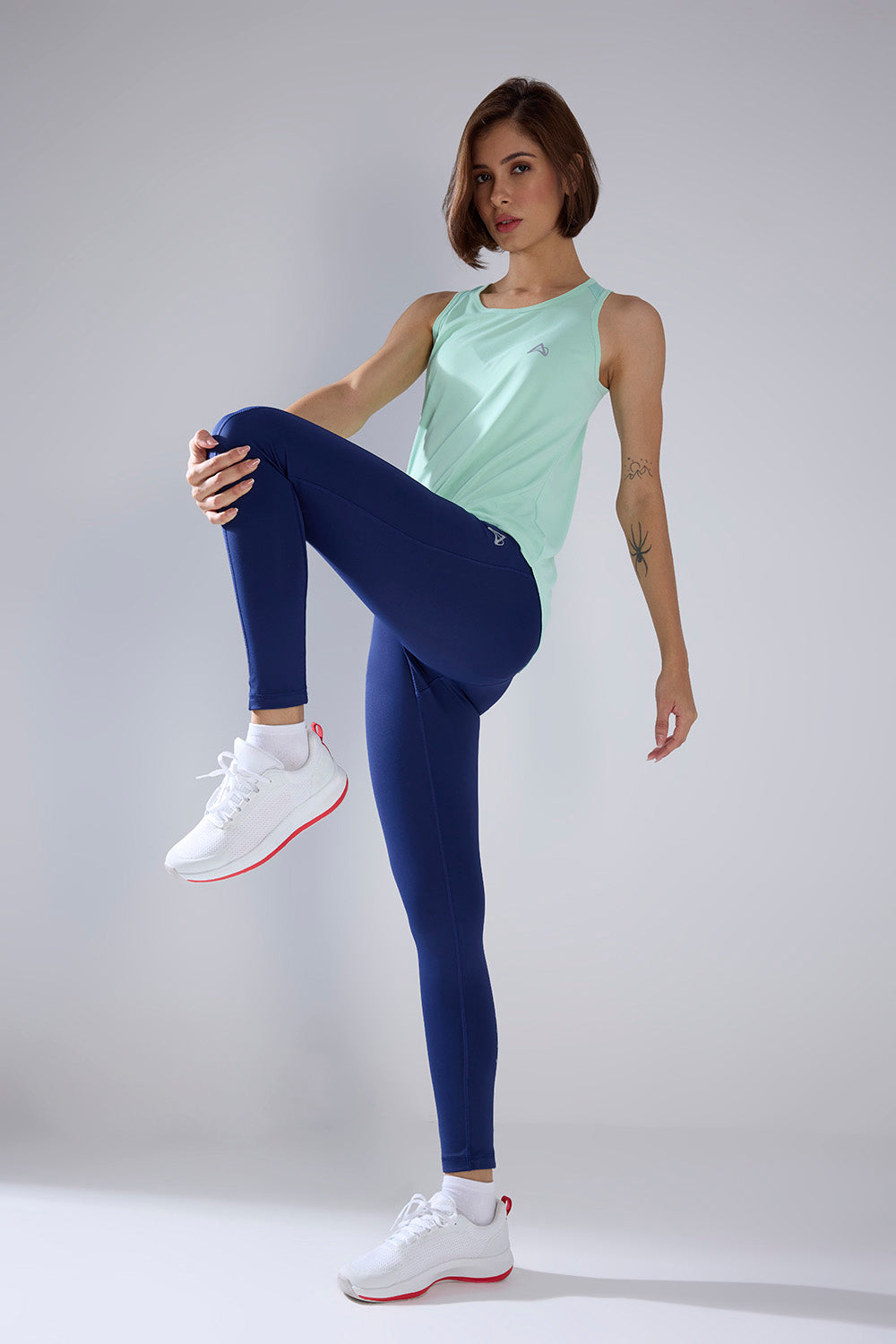
Modern comfortable running gear for men focuses on reducing unnecessary fabric weight while enhancing articulation in key movement zones such as shoulders, thighs, and knees. This ensures that stride efficiency remains consistent across varying intensities, whether during interval training or endurance runs.
In Pune and Bengaluru, where running groups frequently train in early morning conditions, lightweight construction and adaptive fit are especially valued. Apparel that shifts seamlessly with motion allows runners to focus on pace and breathing instead of constant adjustment. This subtle improvement often leads to better long-term training discipline.
Fit also plays a psychological role. When runners feel unrestricted, they are more likely to push boundaries. This is why modern performance apparel design increasingly integrates athlete feedback loops, refining cuts based on real-world movement data rather than static sizing models.
Style Meets Performance: The Rise of Modern Activewear
Today's runners expect apparel that performs during workouts but also aligns with personal style preferences. The rise of athleisure culture in cities like Toronto, New York, and Berlin has blurred the line between training wear and everyday fashion. This shift has elevated expectations for stylish activewear for men.
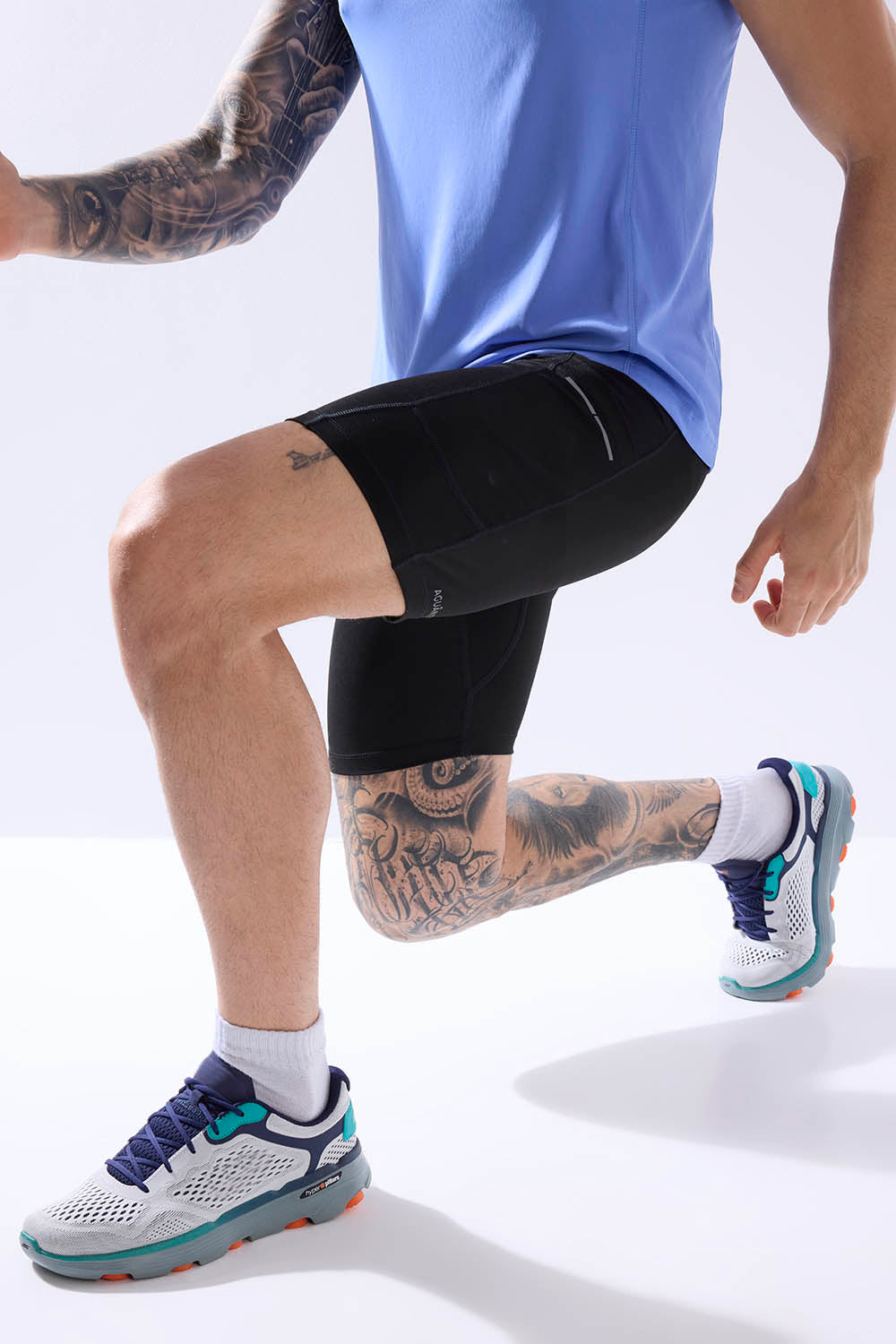
Reflective detailing, minimalistic design language, and versatile color palettes are now key considerations in apparel development. Features like reflective strips are particularly important for early morning or late evening runners in urban environments such as Mumbai or Gurugram, where visibility directly impacts safety.
Style in running apparel is no longer superficial it contributes to motivation. Runners who feel confident in their gear are more likely to maintain consistent routines. This is especially relevant in younger demographics who integrate fitness into broader lifestyle identity choices.
As a result, modern running apparel sits at the intersection of performance engineering and lifestyle branding. It must function under pressure while remaining visually aligned with contemporary fashion expectations.
Urban Running Culture and Apparel Adoption Across Indian Cities
India's urban fitness landscape provides a clear example of how running apparel adoption is shaped by city infrastructure and lifestyle patterns. In Bengaluru, early morning running groups are a common sight in tech corridors and residential parks. In Mumbai, coastal routes and organized marathon events have contributed to a strong community-driven running culture. Delhi and Hyderabad have also seen a rise in structured running clubs and weekend endurance events.
This growing culture is directly influencing apparel demand. Consumers are increasingly selective about gear that supports heat management, durability, and long-distance comfort. The expansion of fitness participation is reflected in broader apparel consumption trends, as seen in the sports apparel industry trends, where urbanization and lifestyle changes continue to drive adoption of performance-focused clothing.
In cities like Ahmedabad and Surat, where climate conditions can be challenging for outdoor training, breathable materials and lightweight construction are especially important. Meanwhile, in Pune and Navi Mumbai, mixed terrain running routes require apparel that balances durability with flexibility.
These regional differences highlight an important insight: running apparel is not universally uniform. It must adapt to environmental, cultural, and behavioral differences across cities while maintaining consistent performance standards.
Choosing the Right Men's Running Apparel for Performance
Selecting the right men's running apparel requires a balance between technical features and personal training needs. Runners focused on endurance may prioritize breathability and moisture control, while those engaged in speed training often look for lightweight compression and reduced friction.
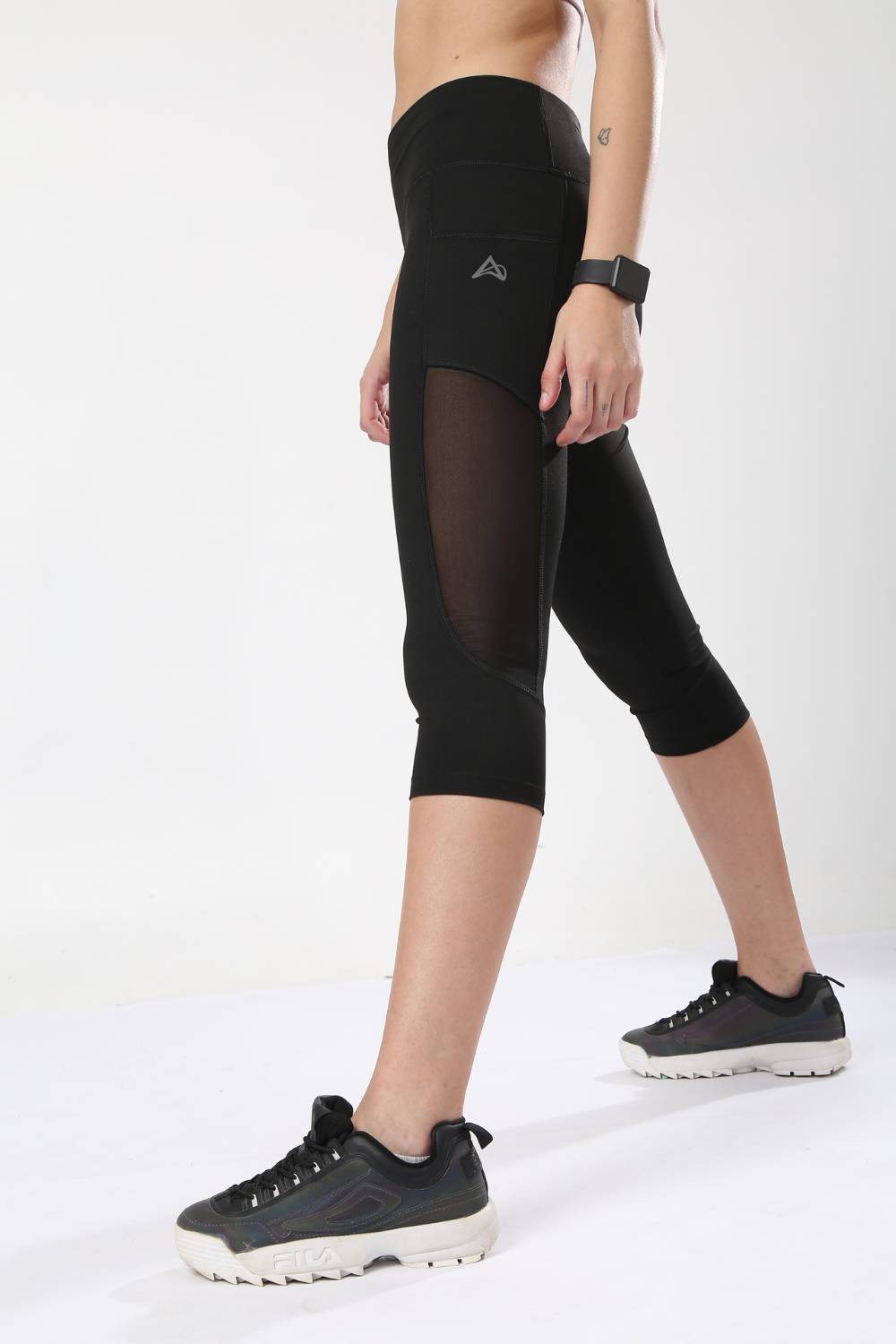
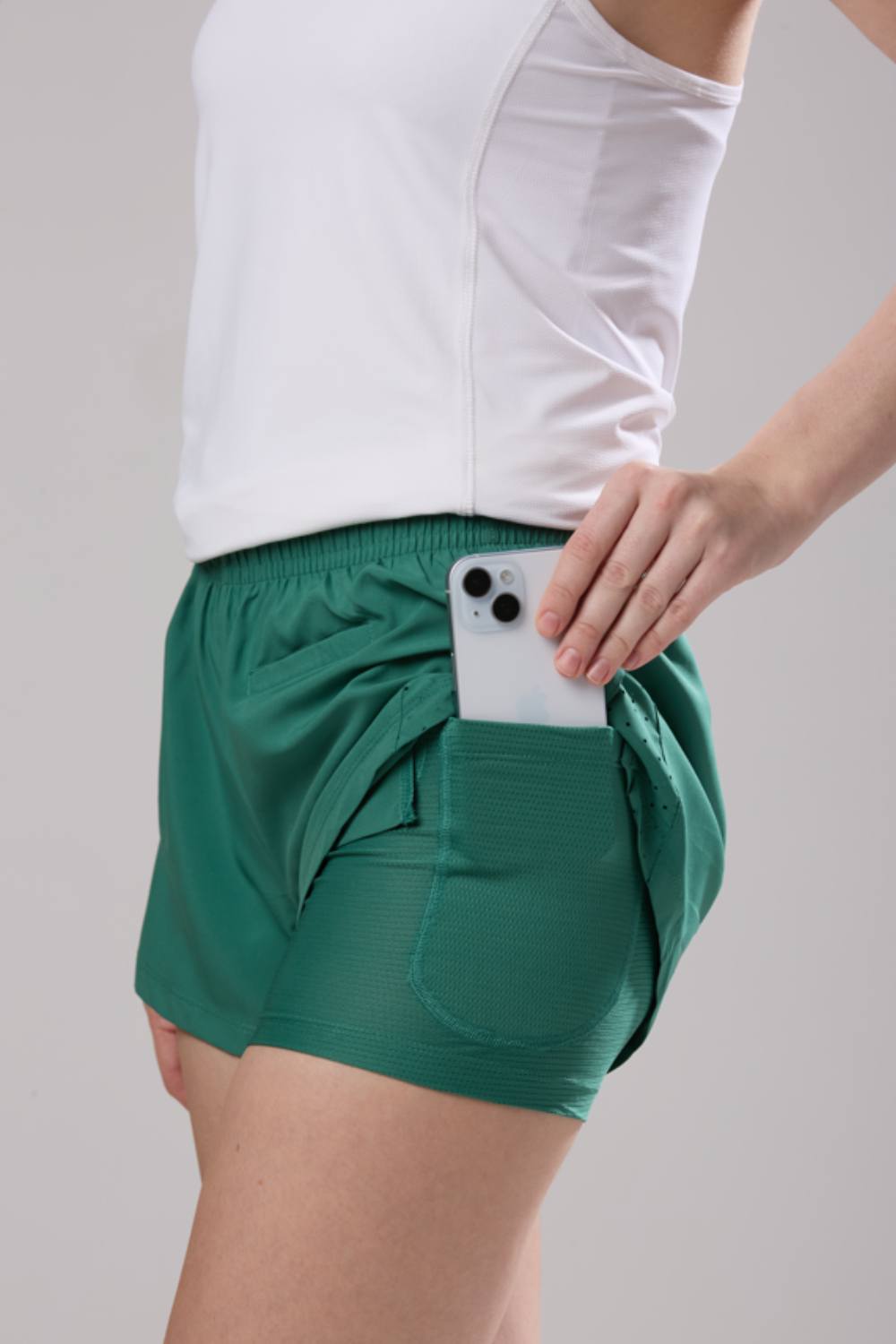
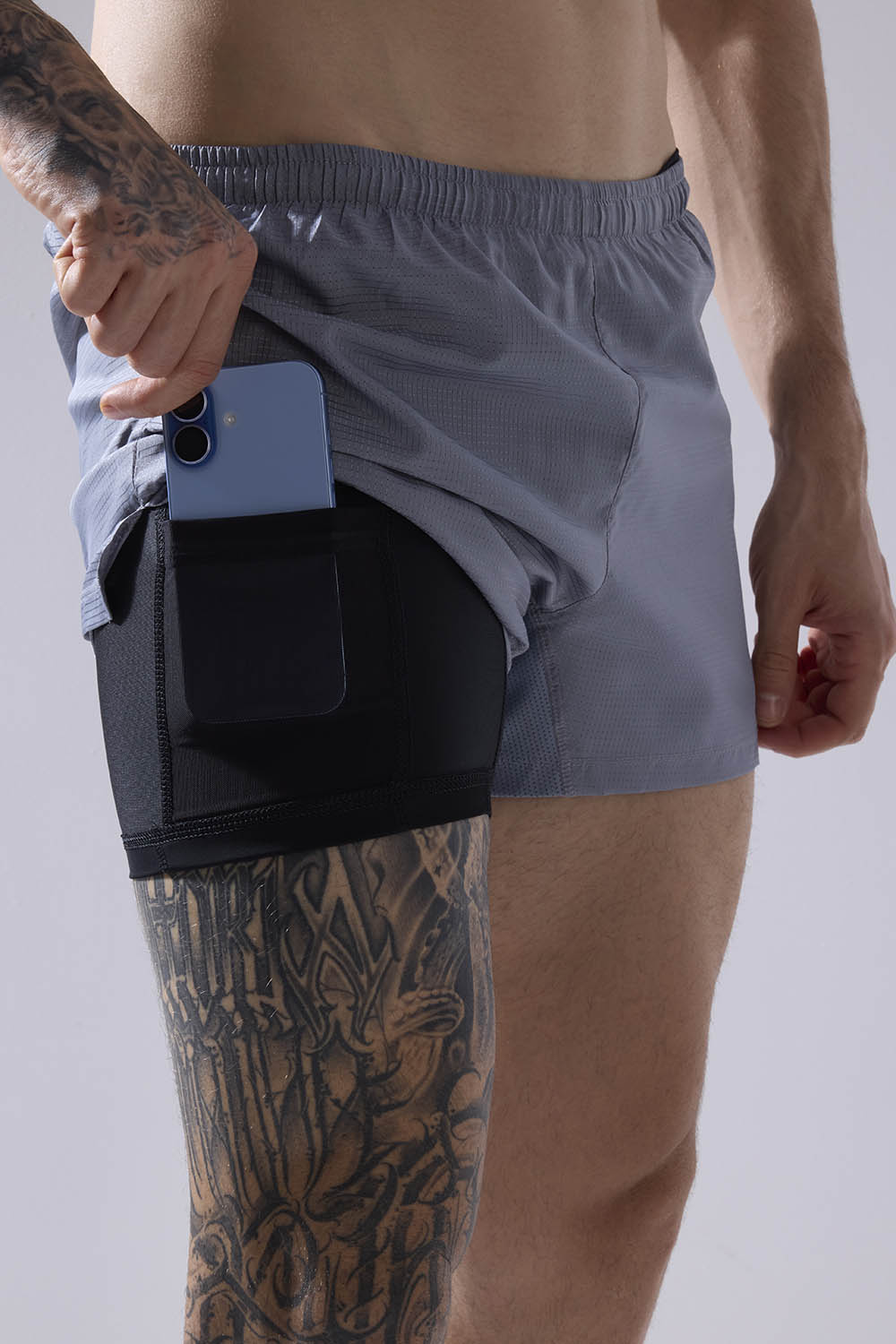
Features such as secure pockets, reflective detailing, and adaptive waistbands contribute to a more efficient running experience. For urban runners navigating busy routes in cities like Delhi or Mumbai, safety and practicality become equally important considerations alongside performance metrics.
Brands like Aguante focus on combining functional engineering with modern aesthetics, ensuring that apparel supports both structured training and everyday mobility. This dual-purpose approach reflects a broader industry shift toward versatile performance wear that aligns with dynamic urban lifestyles.
Ultimately, the best running apparel is the one that disappears during use it should not distract, restrict, or require adjustment. Instead, it should enable consistency, allowing runners to focus entirely on performance goals.
Apparel as an Enabler of Modern Running Performance
Running apparel has evolved into a critical component of athletic performance, especially for men who prioritize consistency, comfort, and efficiency in their training. Across global cities and emerging fitness hubs like Bengaluru, Mumbai, Delhi, and Toronto, the demand for functional yet stylish gear continues to grow.
The future of performance running clothes for men lies in intelligent design gear that adapts to climate, supports biomechanics, and aligns with modern lifestyle expectations. From moisture management to ergonomic fit and reflective safety features, every detail contributes to a more effective running experience.
As running continues to grow as both a fitness practice and cultural movement, apparel will remain central to how athletes define performance, identity, and progress. The right gear does not just support running it enhances it.
Frequently Asked Questions
What should men look for in high-performance running apparel?
Men's running apparel should prioritize moisture-wicking fabrics, ergonomic cuts, and lightweight construction that supports natural movement. Key functional features include quick-dry textiles, anti-chafing design, ventilation zoning, and secure pockets. For urban runners, reflective detailing adds an important safety element during early morning or evening runs. The best gear works invisibly enabling focus on performance rather than constant adjustment.
Why is moisture-wicking fabric important in men's running shirts?
Moisture-wicking fabric draws sweat away from the skin, helping regulate body temperature and reduce friction during runs. This is especially critical in warmer climates where sweat buildup can disrupt rhythm and overall running efficiency. Technical textiles with quick-dry properties and airflow channels allow runners to sustain longer training sessions more comfortably. Choosing the right fabric directly impacts consistency and long-term training discipline.
How does running apparel affect performance and training consistency for men?
Well-designed running apparel functions as part of a broader performance system not just clothing. Ergonomic fits reduce movement resistance, while breathable materials manage heat and sweat, both of which contribute to better endurance and focus. Psychologically, runners who feel confident and unrestricted in their gear are more likely to maintain regular training routines. Apparel that adapts to the body and environment ultimately enables more effective, consistent performance.
Disclaimer: The above helpful resources content contains personal opinions and experiences. The information provided is for general knowledge and does not constitute professional advice.
You may also be interested in: The Science of Running Apparel: Why Fit and Comfort Matter
Tired of gear that slows you down? Chafing, soggy fabrics, and missing pockets kill your run's momentum. At Aguante, we're runners who get it. Our high-performance activewear features moisture-wicking fabrics, ergonomic designs, and smart storage to keep you focused. Shop Now!
Powered by flareAI.co