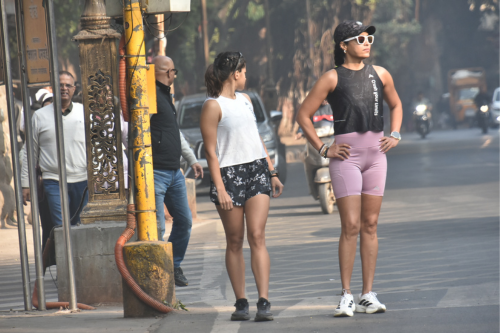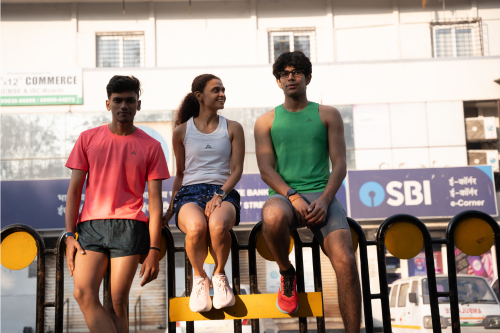
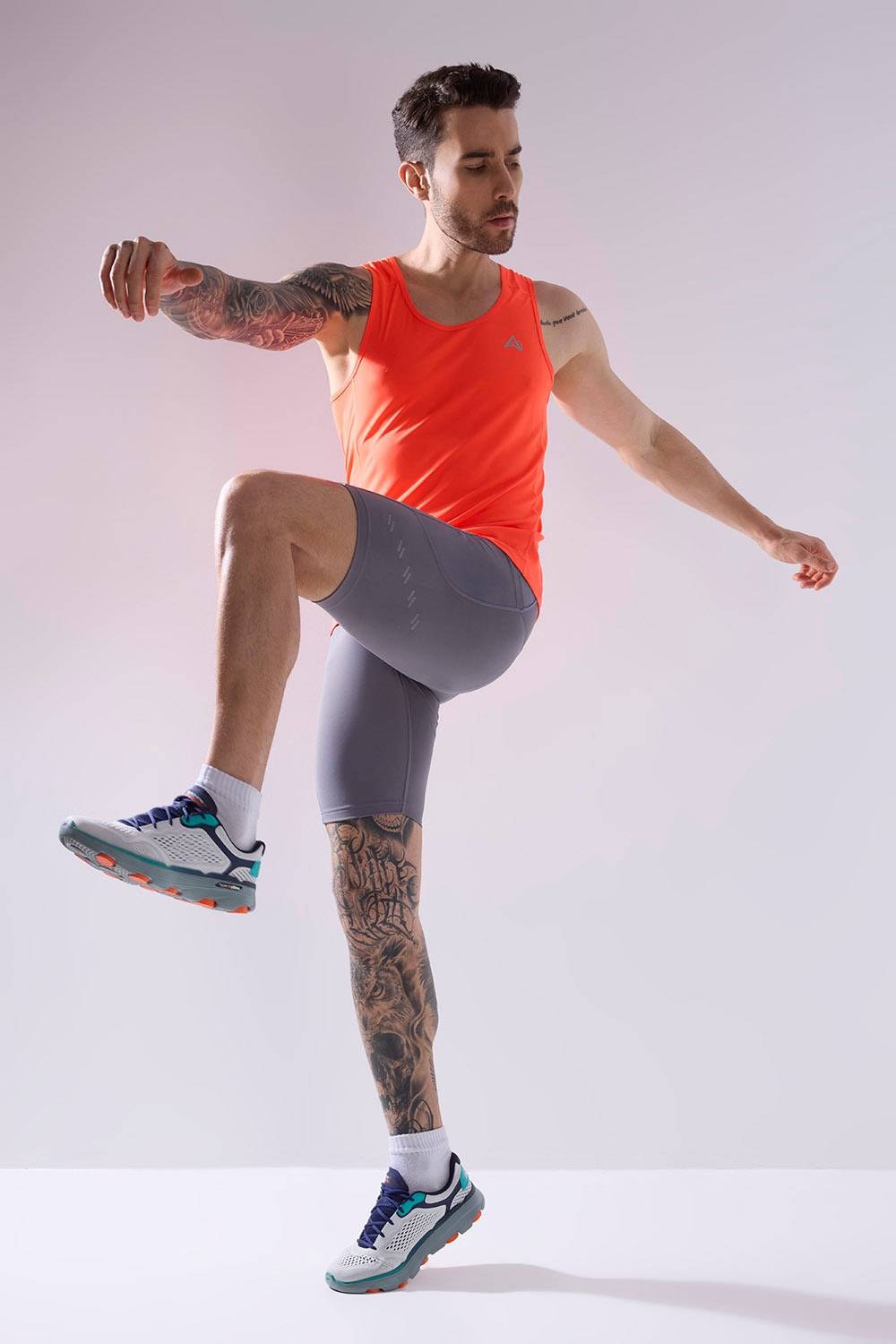
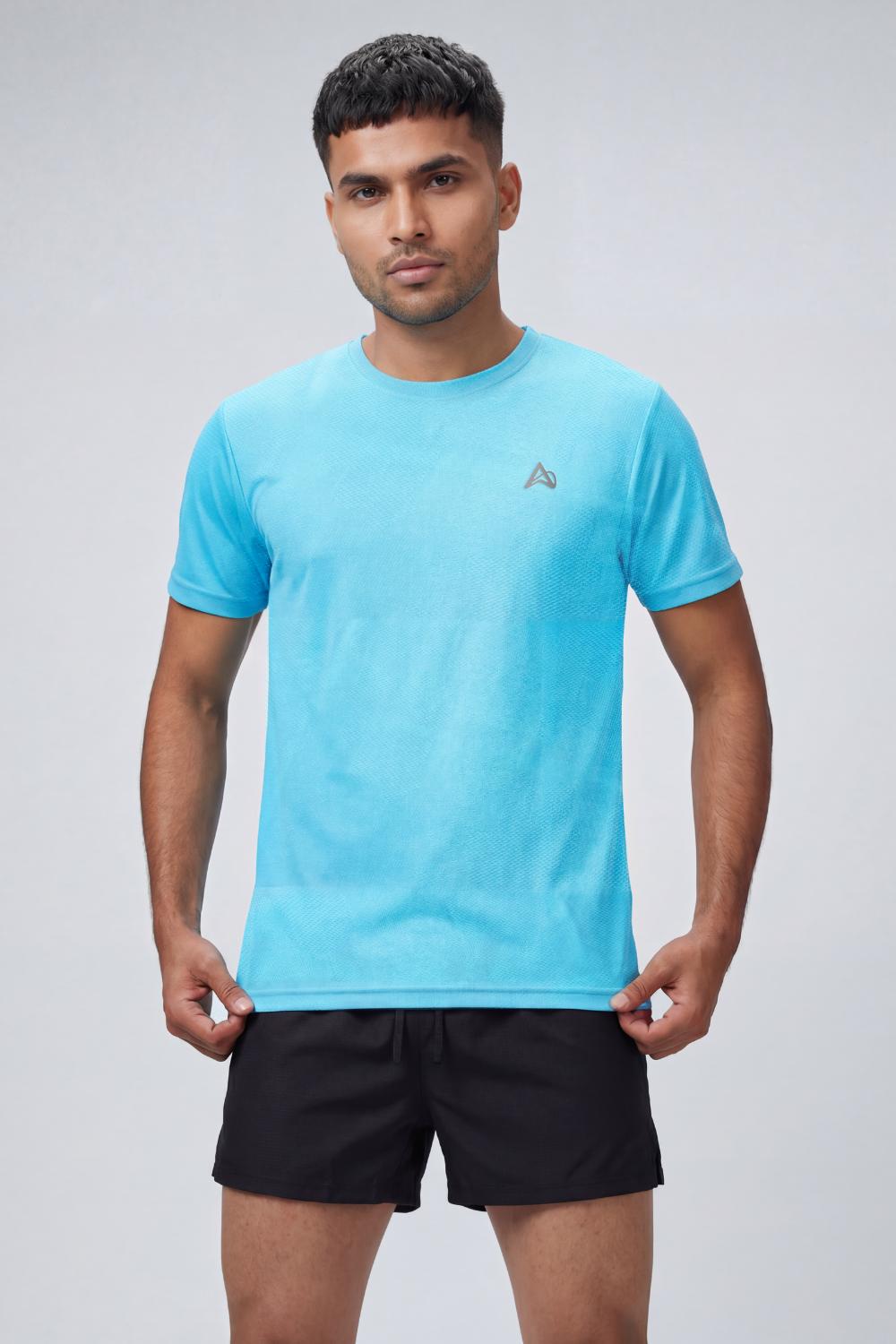
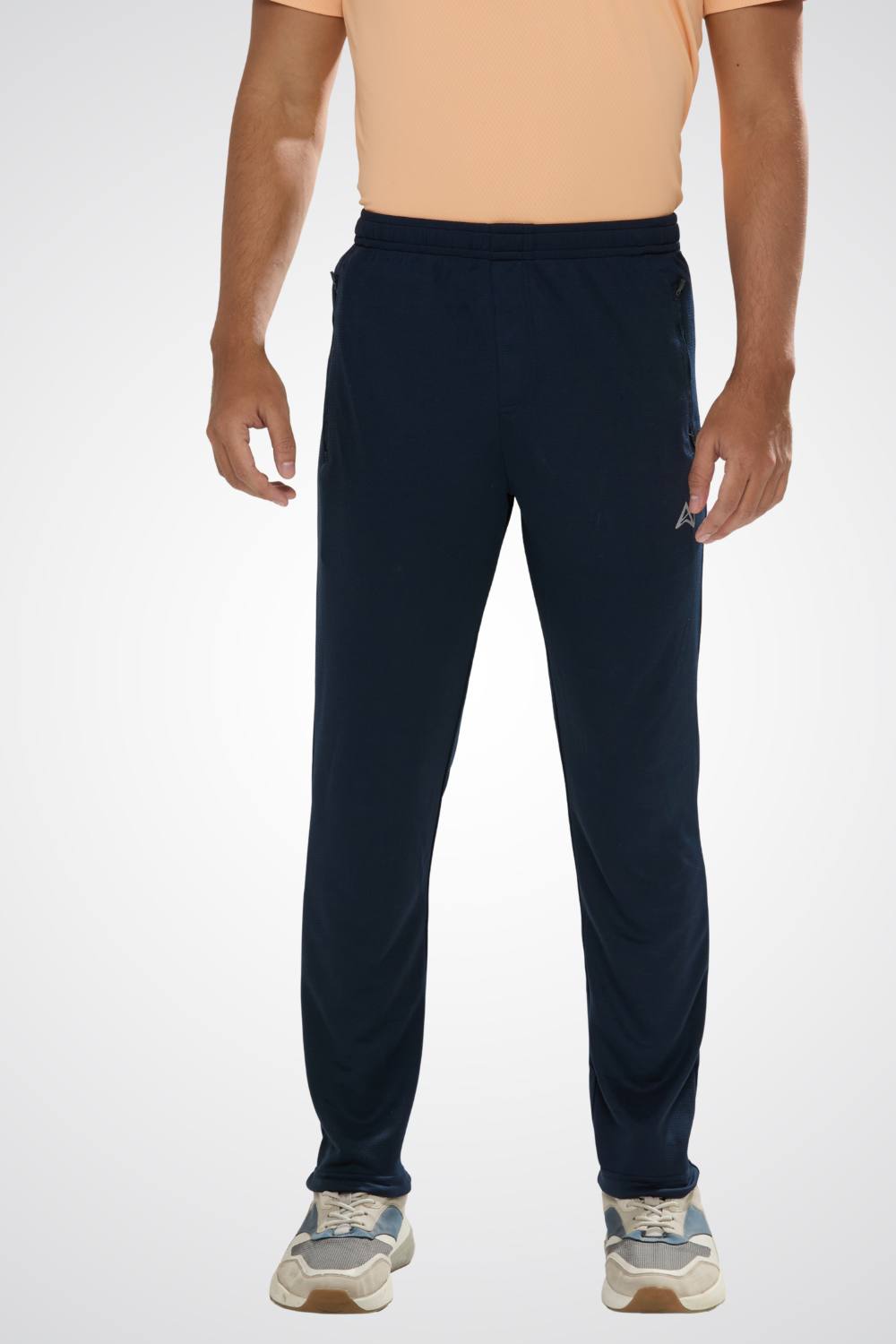
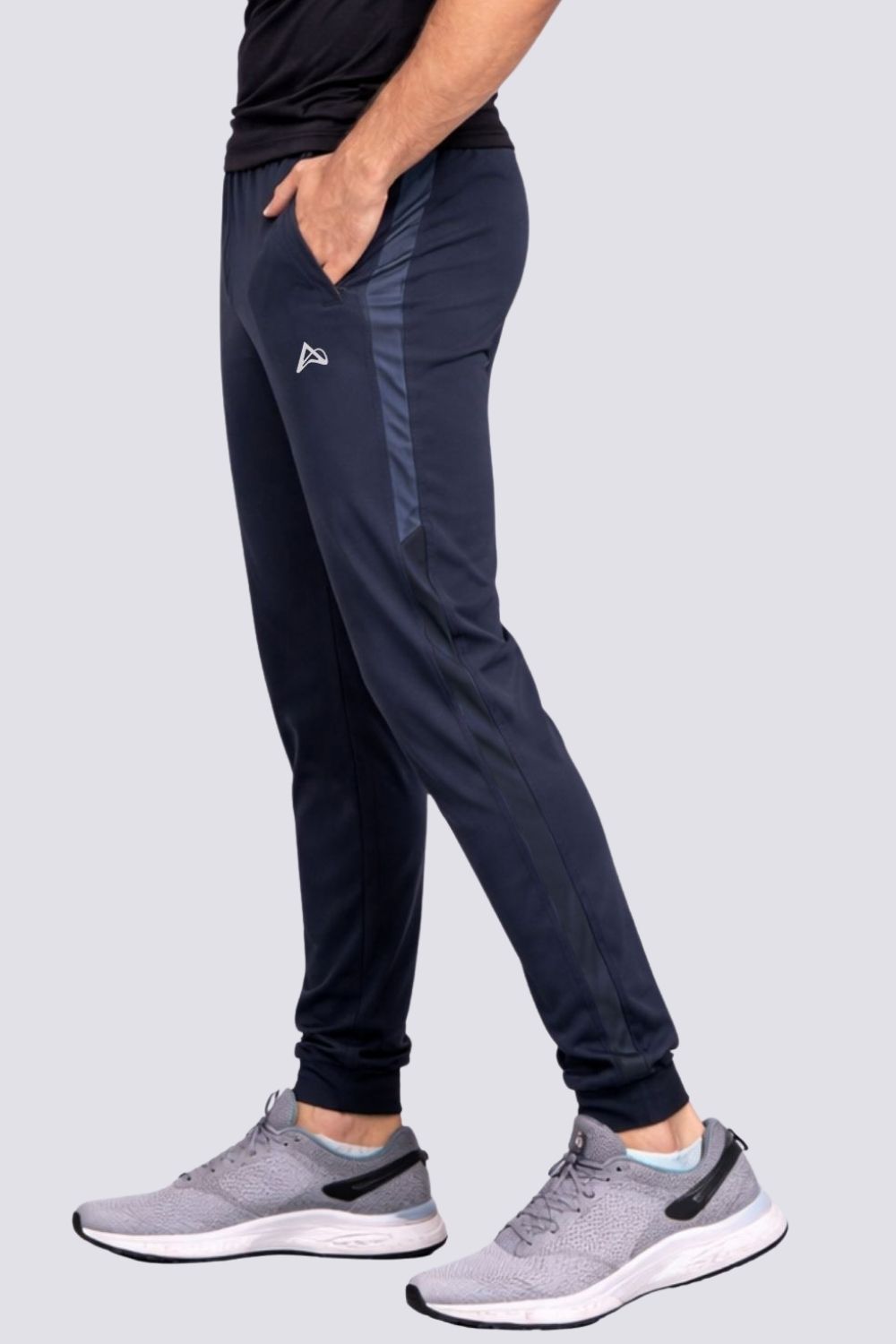

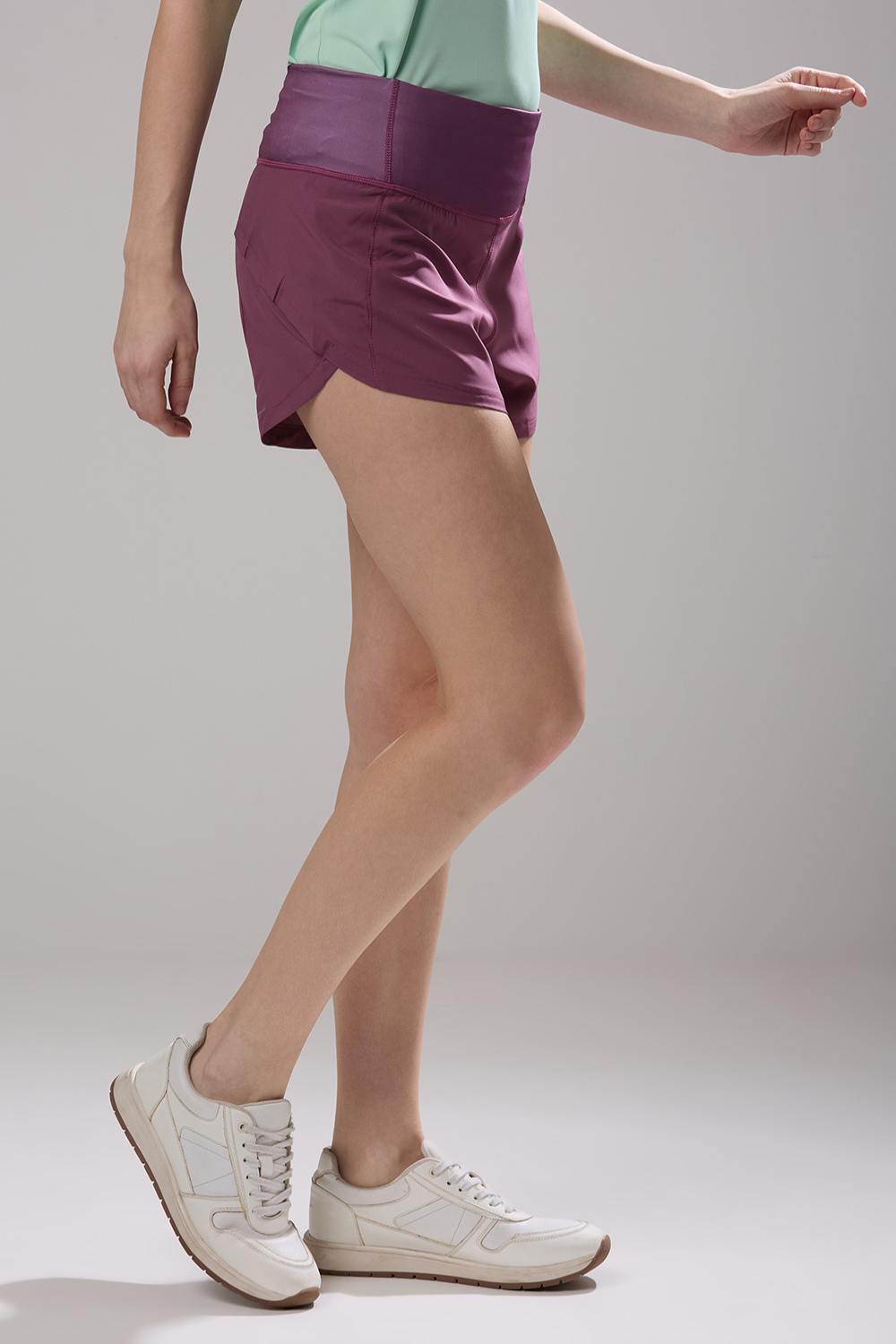
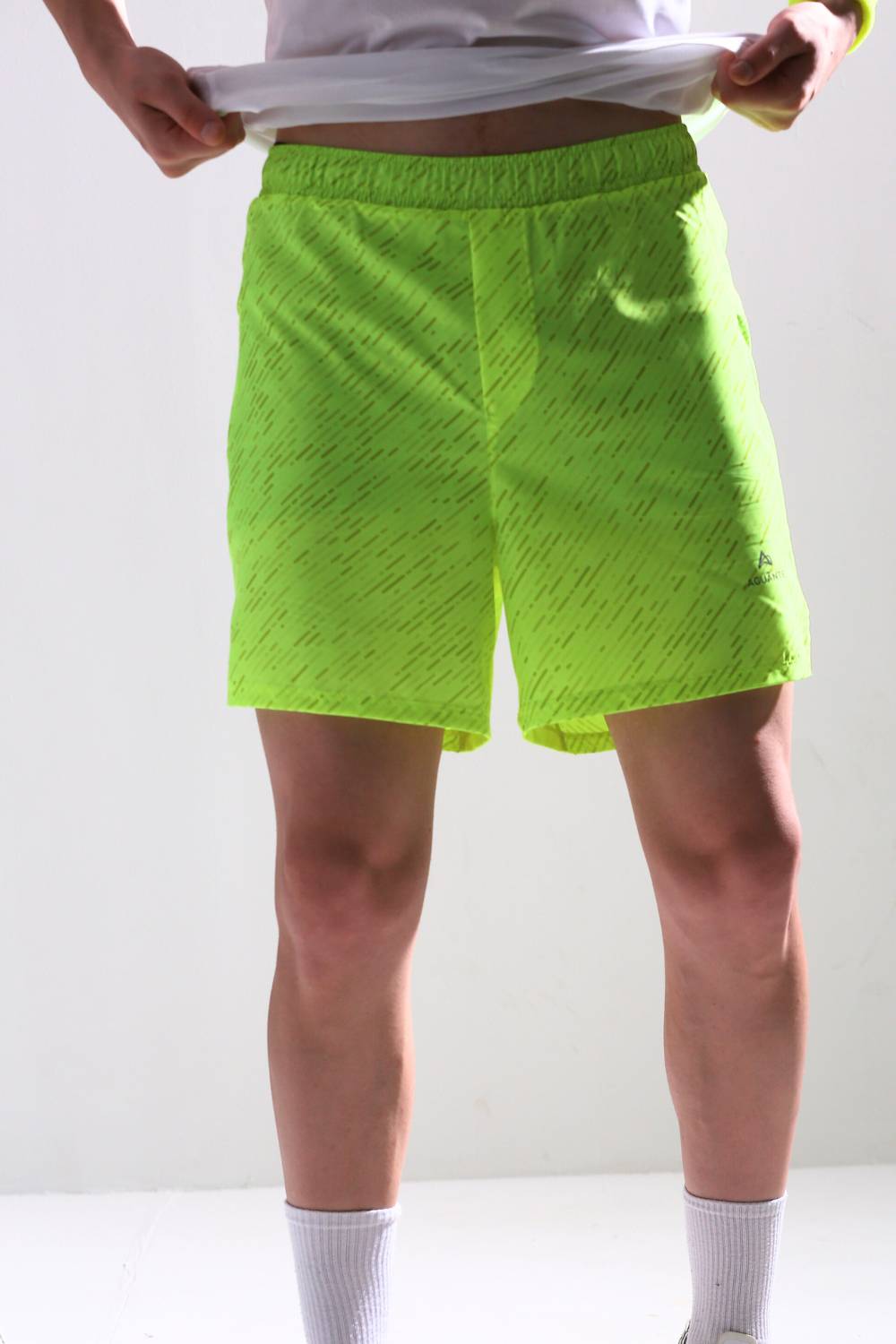
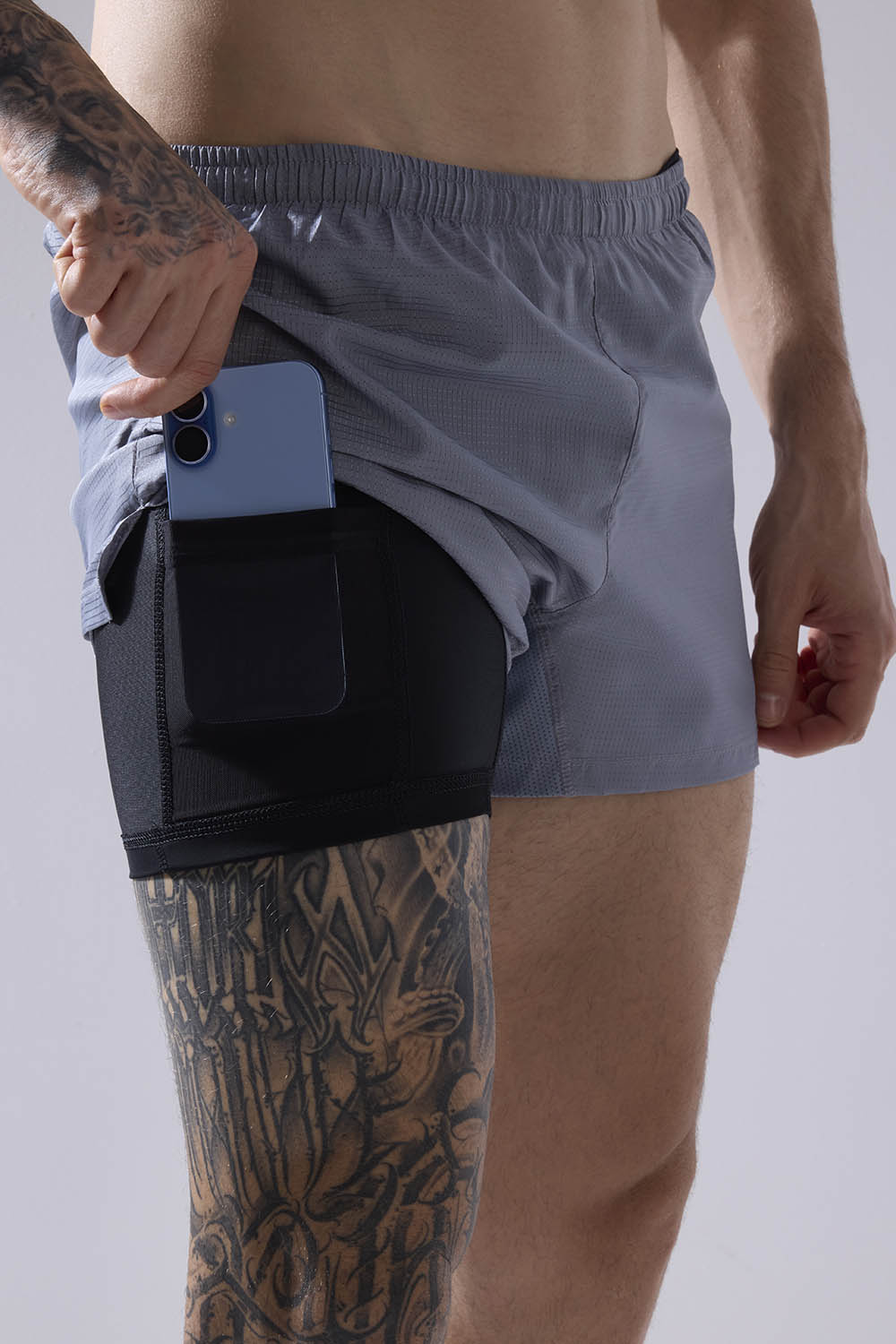

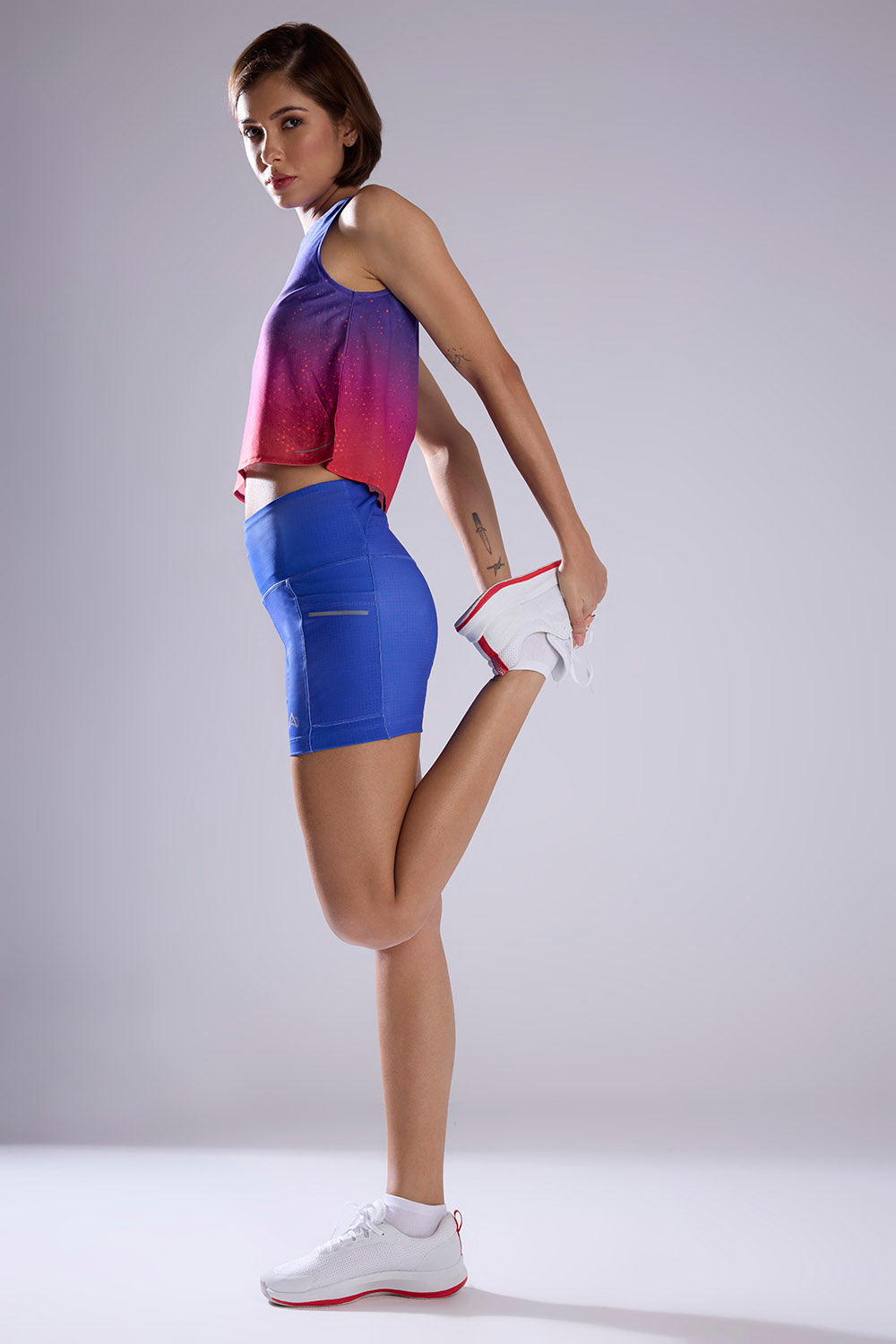
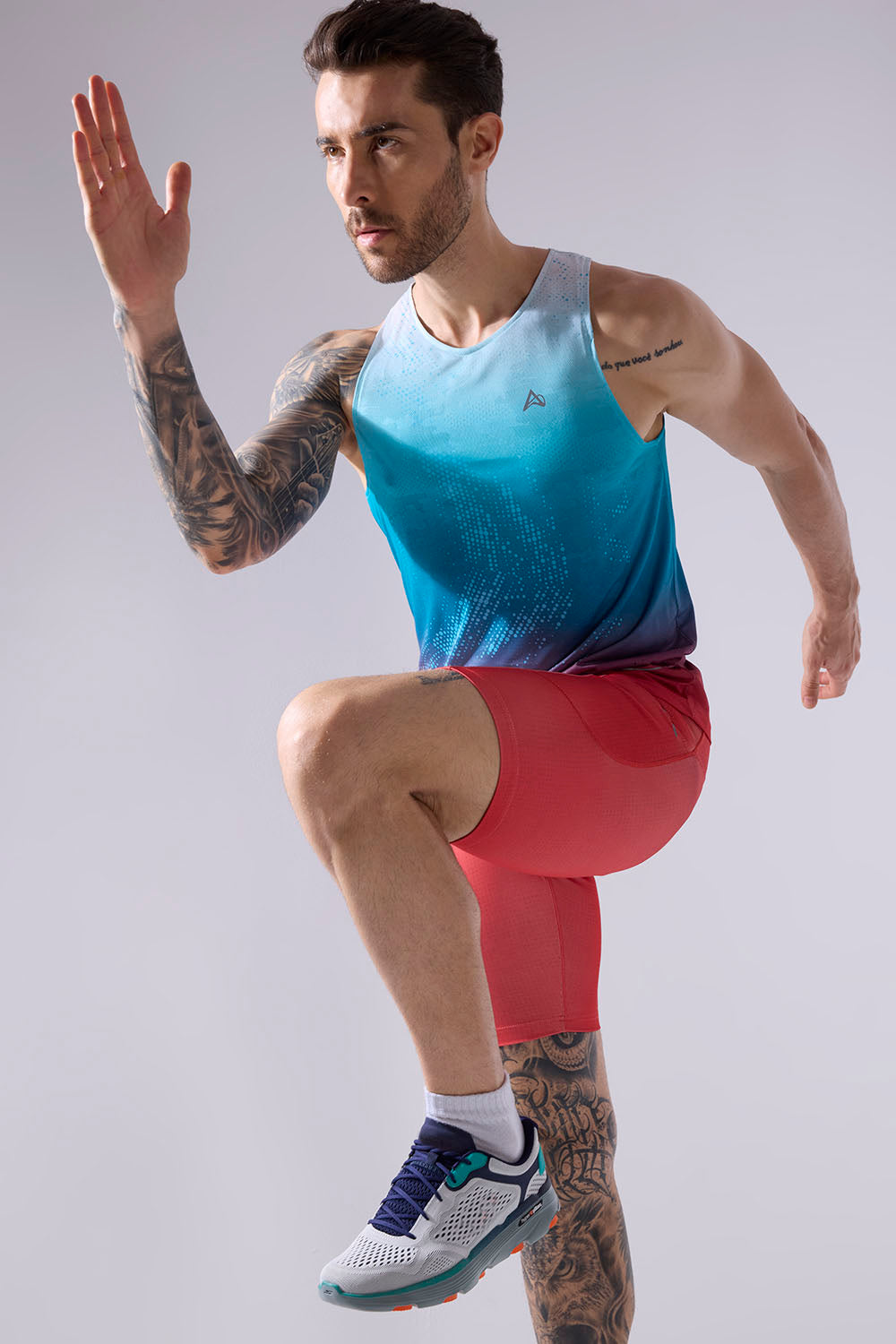

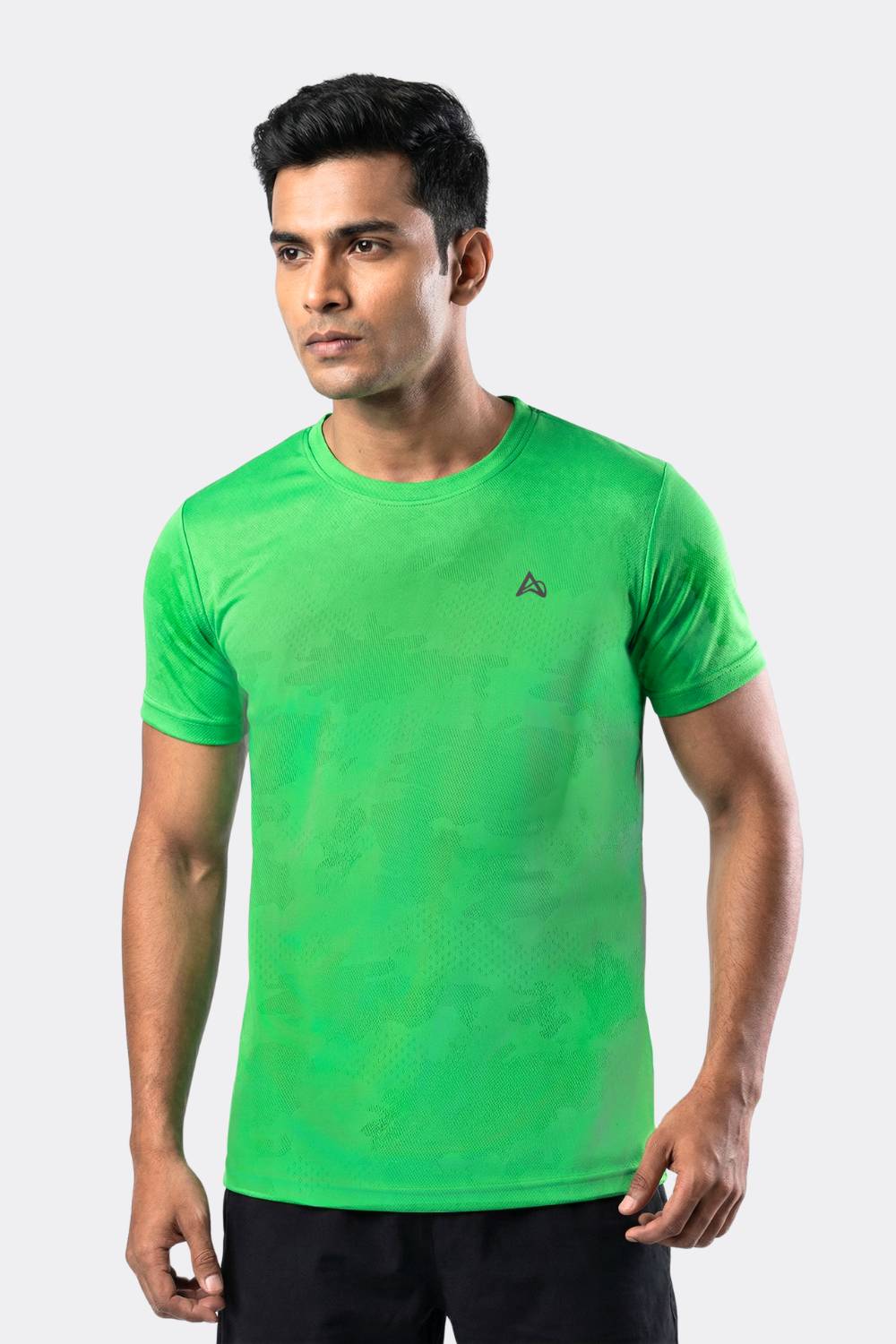
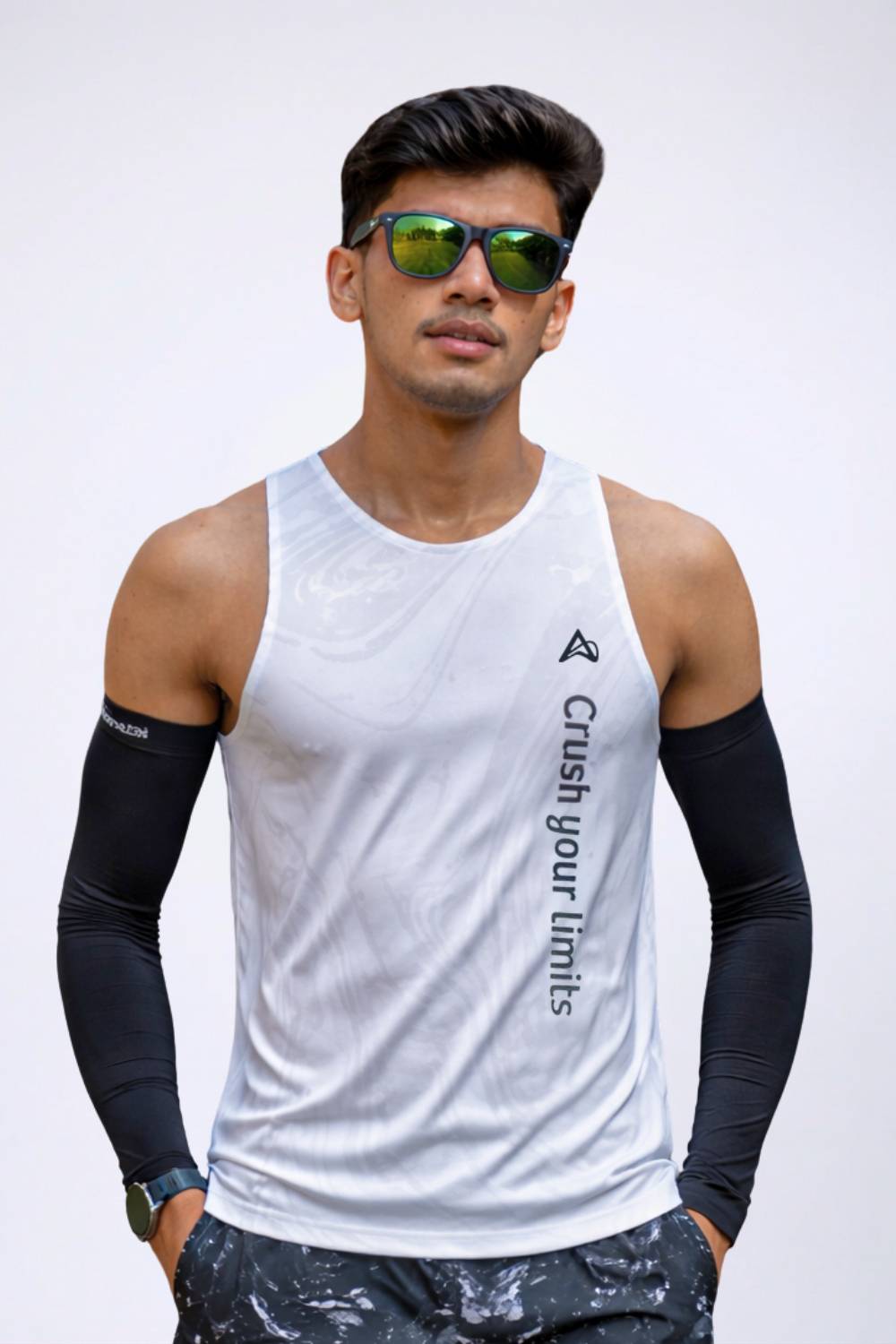

Running in hot and humid conditions can be an invigorating yet challenging experience. For fitness enthusiasts in Indian cities like Bangalore, Hyderabad, Mumbai, Pune, and Delhi, maintaining comfort and performance during summer runs requires more than just determination it demands the right apparel. Breathable running clothes are essential for regulating body temperature, reducing the risk of overheating, and keeping sweat away from the skin. Choosing the correct gear can make the difference between a draining run and an energizing session, especially for those training for marathons, participating in early morning group runs, or integrating running into their daily fitness routines.
Tired of gear that slows you down? Chafing, soggy fabrics, and missing pockets kill your run's momentum. At Aguante, we're runners who get it. Our high-performance activewear features moisture-wicking fabrics, ergonomic designs, and smart storage to keep you focused. Shop Now!
Understanding the Science of Breathable Running Gear
Breathable running apparel is designed to allow heat and moisture to escape, preventing the body from overheating while maintaining an optimal core temperature. Fabrics like polyester blends, technical mesh, and lightweight synthetics are engineered to enhance airflow and wick sweat away from the skin. In Bangalore and Hyderabad, where humidity can reach over 70% during summer months, the ability of running apparel to facilitate evaporation significantly impacts endurance and comfort. Moisture-wicking running gear reduces the sensation of dampness, helping runners maintain focus and performance without being distracted by soaked clothing.
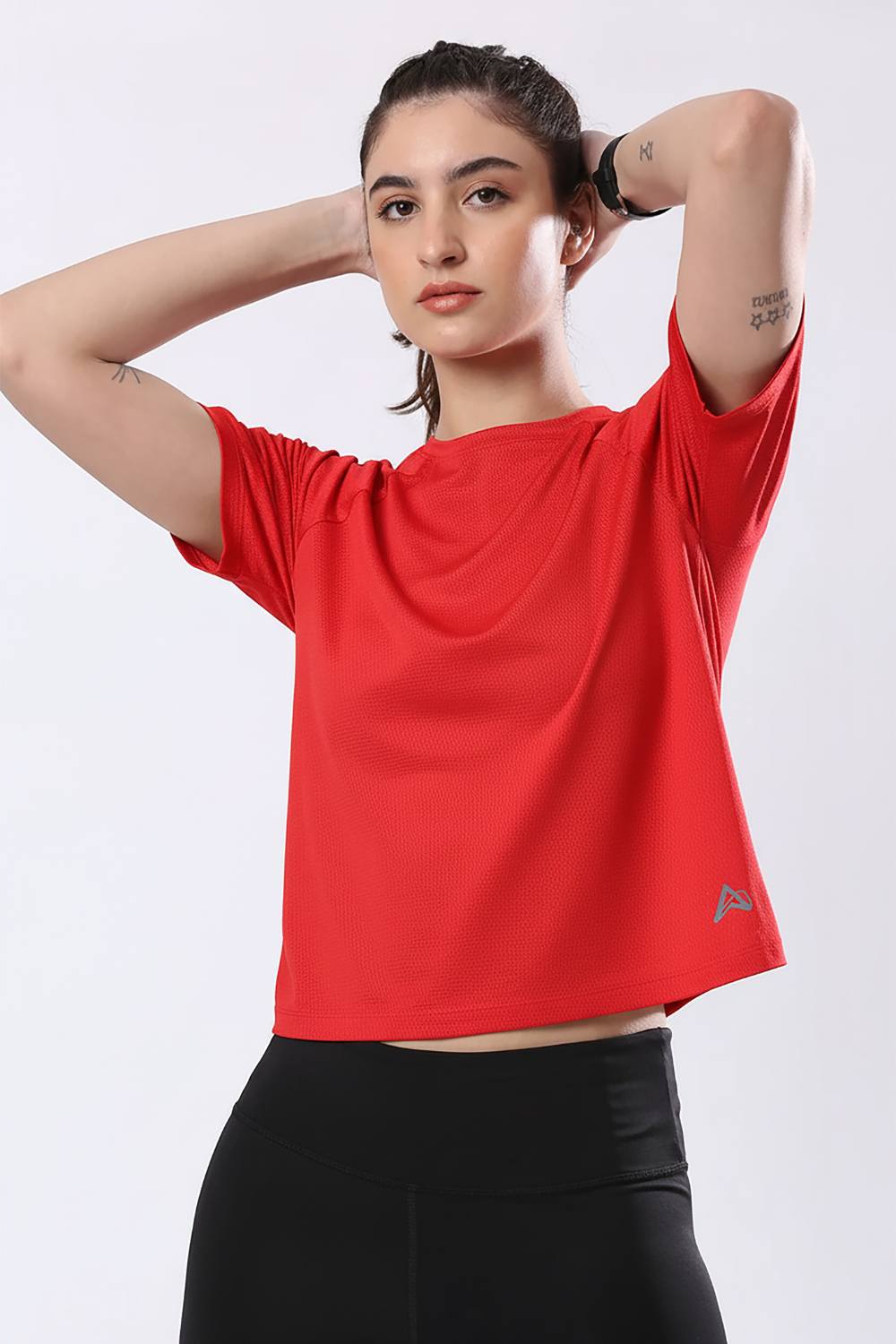
Many sportswear brands, including those catering to high-performance athletes, incorporate micro-ventilation zones in shirts and shorts, particularly in high-sweat areas such as the back and underarms. These design elements ensure that air circulation is continuous, preventing heat buildup and reducing the likelihood of skin irritation. Lightweight, breathable fabrics are also less restrictive, allowing for a full range of motion during sprinting, hill runs, or interval training.
Key Features to Look For in Hot Climate Running Apparel
When selecting running apparel for hot and humid environments, several features stand out. Firstly, moisture-wicking capabilities are non-negotiable. Clothes that pull sweat away from the skin and transfer it to the fabric's surface accelerate evaporation and keep runners cooler. This is particularly critical in coastal cities like Mumbai, Navi Mumbai, and Surat, where persistent humidity can amplify discomfort during outdoor activities.
Secondly, lightweight and quick-drying fabrics are essential. Sportswear designed for heat should minimize fabric density without compromising durability. Many brands now employ innovative knitting techniques and technical yarns to create fabrics that feel almost weightless while maintaining structural integrity during intense workouts. Additionally, UV protection integrated into fabrics is increasingly sought after by runners in cities like Ahmedabad and Gurugram, shielding skin from harmful sun exposure during midday runs.
Design Considerations for Performance and Comfort
Beyond fabric technology, apparel design significantly influences comfort in hot weather. Loose-fitting or semi-fitted silhouettes promote airflow, preventing garments from clinging to sweaty skin. Strategic seam placement and flatlock stitching reduce friction, minimizing chafing even during long-distance runs. In Delhi and Pune, where summer heat often coincides with prolonged outdoor training sessions, these subtle design improvements enhance the overall running experience.
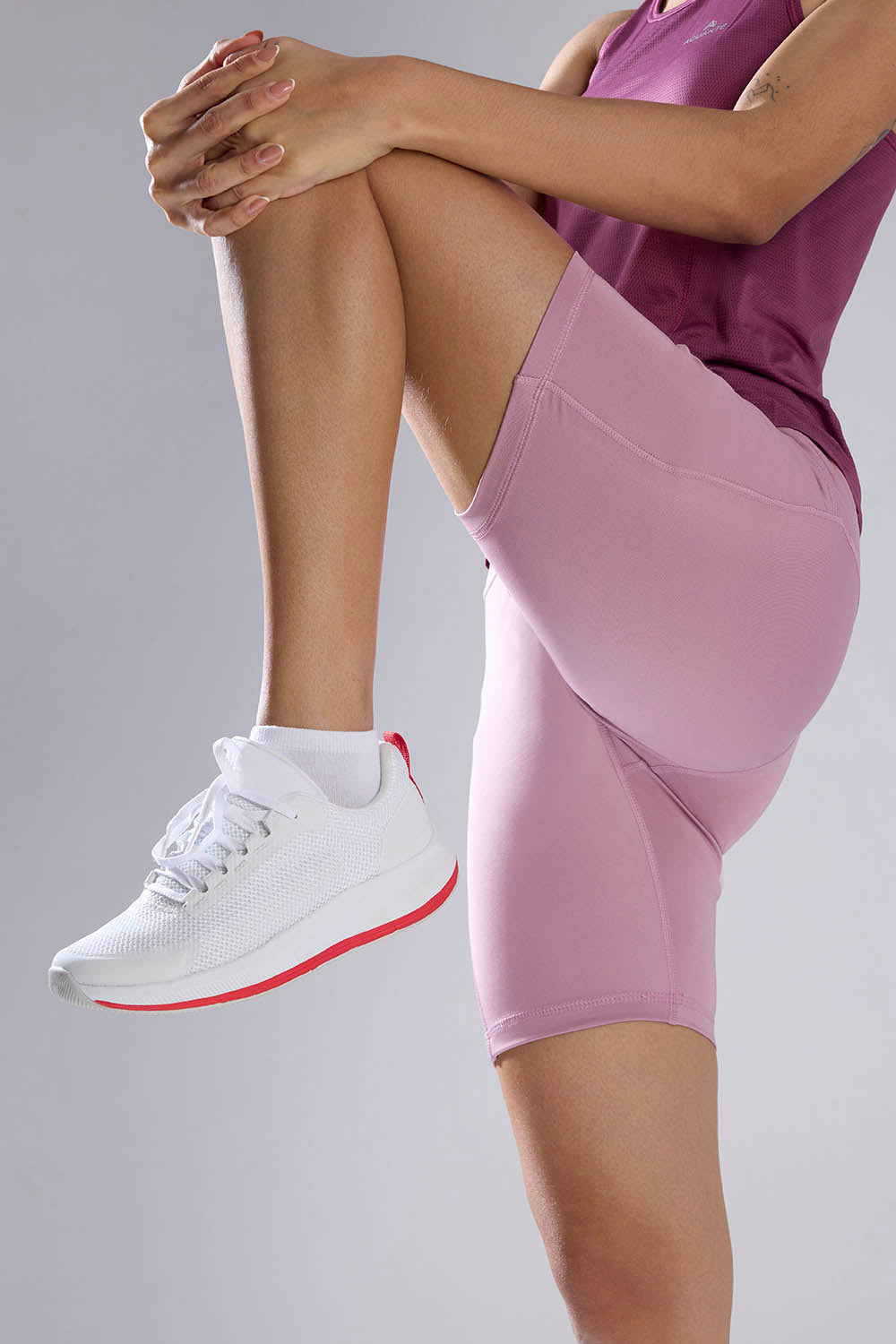
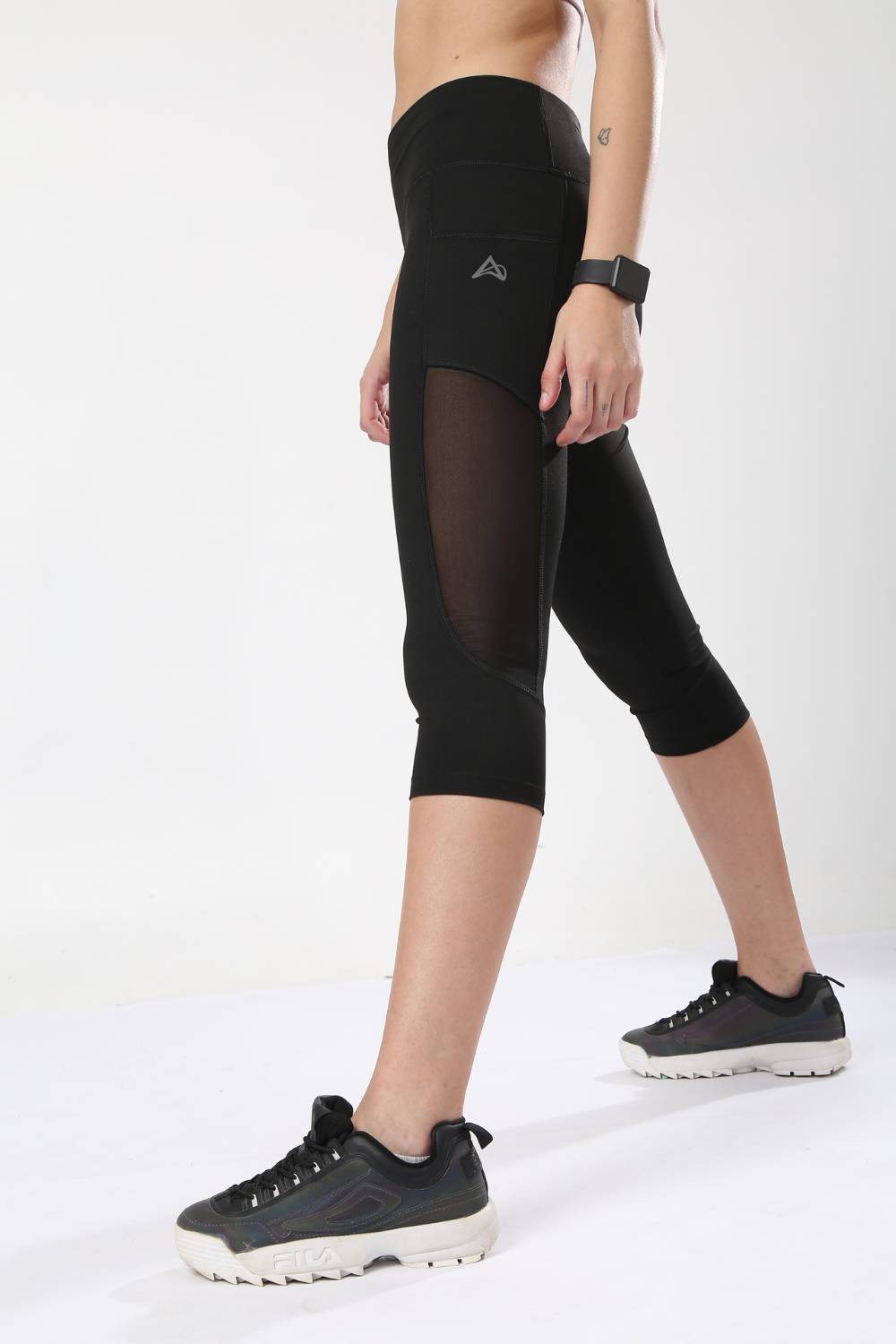
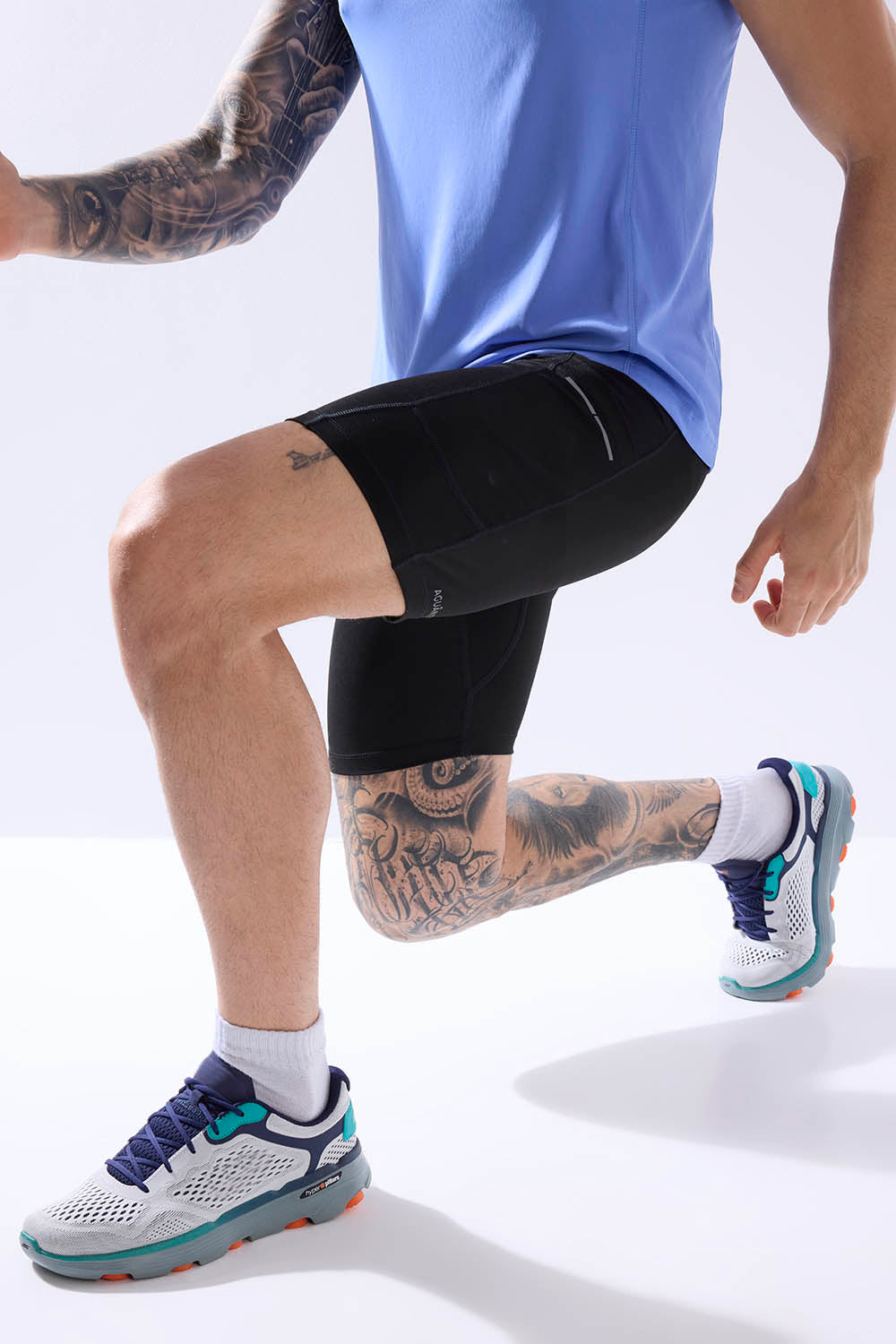
Compression elements in shorts and leggings can also be beneficial. They support muscle groups, improve blood circulation, and reduce fatigue without trapping excessive heat when designed with breathable panels. Runners who integrate yoga or core strengthening sessions into their routine in Hyderabad or Bangalore may find hybrid compression gear particularly effective for maintaining comfort while enhancing performance across multiple activities.
Real-World Insights: Local Running Practices
Runners in Indian metros have adapted their training schedules and apparel choices to mitigate the effects of heat and humidity. In Mumbai and Navi Mumbai, early morning or late evening runs are preferred, reducing direct sun exposure and leveraging cooler temperatures. Community running groups often recommend moisture-wicking tops paired with lightweight shorts for optimal comfort. Incorporating breathable running clothes into these routines allows athletes to sustain higher intensity intervals without overheating.
Similarly, in Pune and Bangalore, urban running routes frequently include shaded parks and lakeside tracks. Runners report that clothing with enhanced ventilation and sweat management enables them to maintain consistency in training, even on days when humidity exceeds 75%. Observing local practices provides valuable insights for choosing gear that balances performance, safety, and comfort.
Technology Innovations Driving Breathable Apparel
Recent advances in fabric technology have further improved the performance of running apparel in hot climates. Brands are increasingly using engineered fibers that integrate micro-channels to enhance airflow while maintaining fabric strength. Fabrics treated with anti-odor and antimicrobial finishes help prevent bacterial growth, ensuring that garments remain comfortable and hygienic during multiple uses. This is particularly relevant in high-humidity cities like Surat and Ahmedabad, where sweat retention can otherwise lead to discomfort and skin irritation.
Some sportswear lines also feature adaptive fabrics that respond to body temperature, opening microscopic vents when the runner's skin temperature rises and closing them during cooler periods. These innovations demonstrate how combining functional design with scientific insight can significantly elevate the running experience, reducing perceived exertion and improving overall endurance.
Choosing the Right Combination: Tops, Bottoms, and Accessories
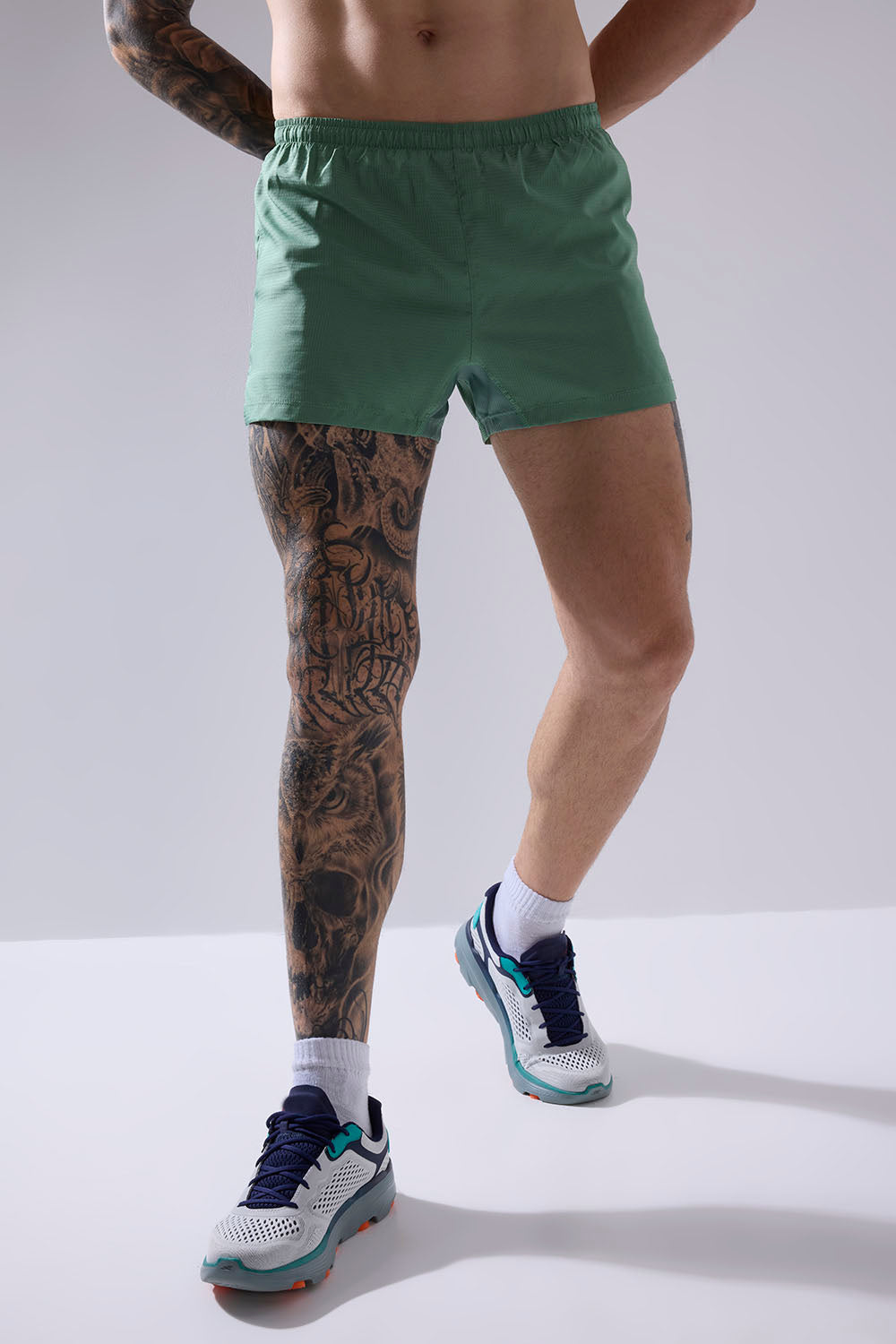
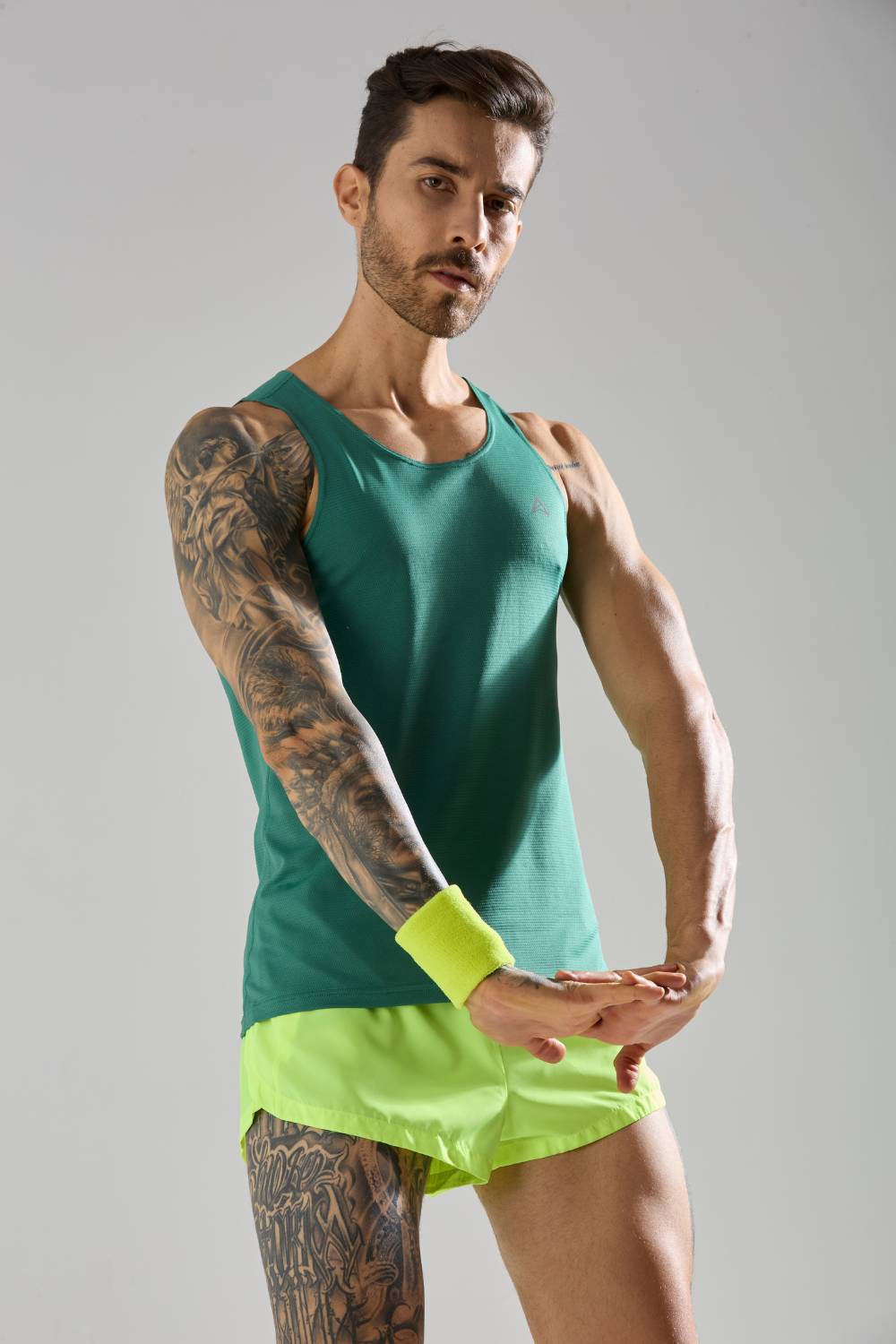
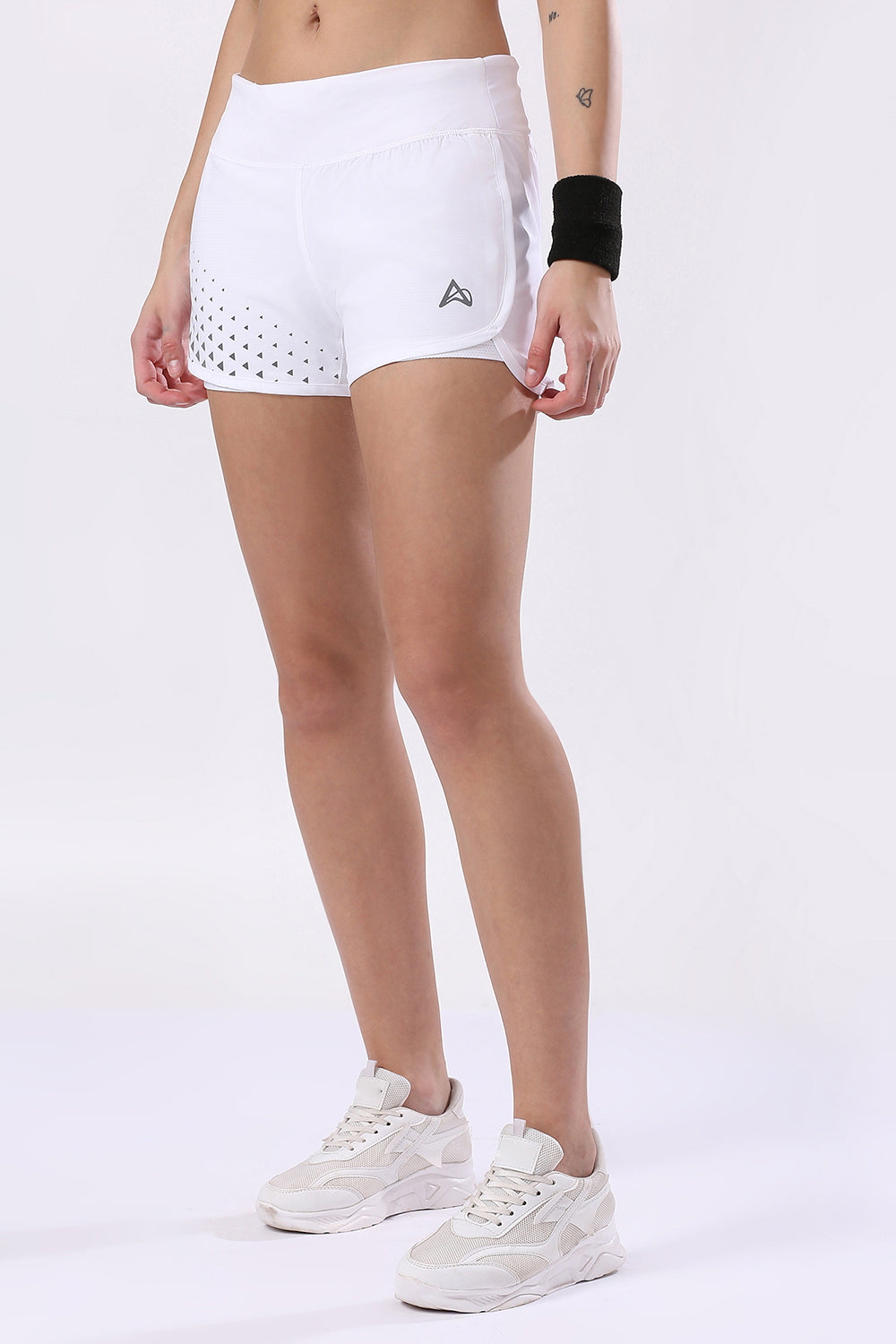
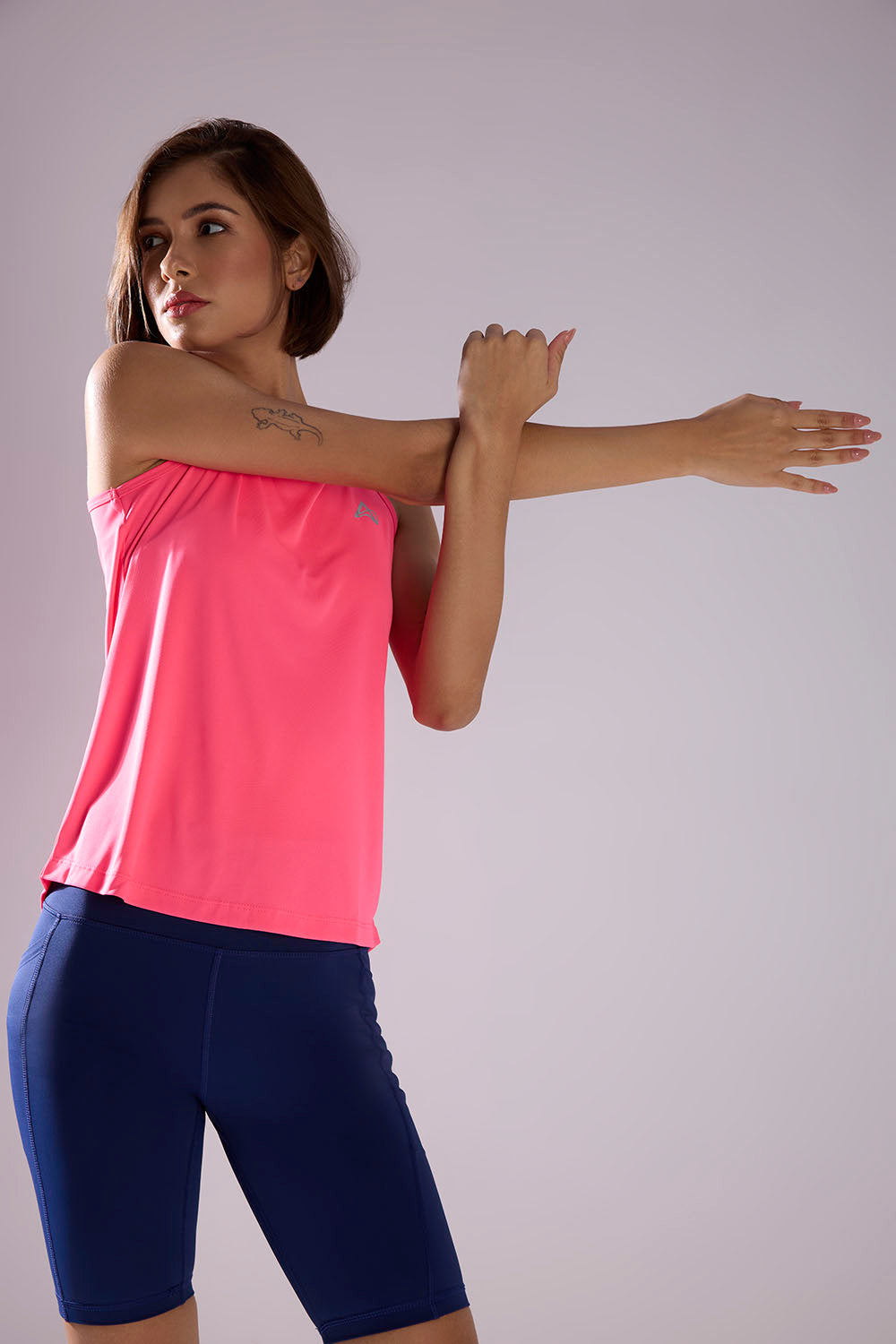
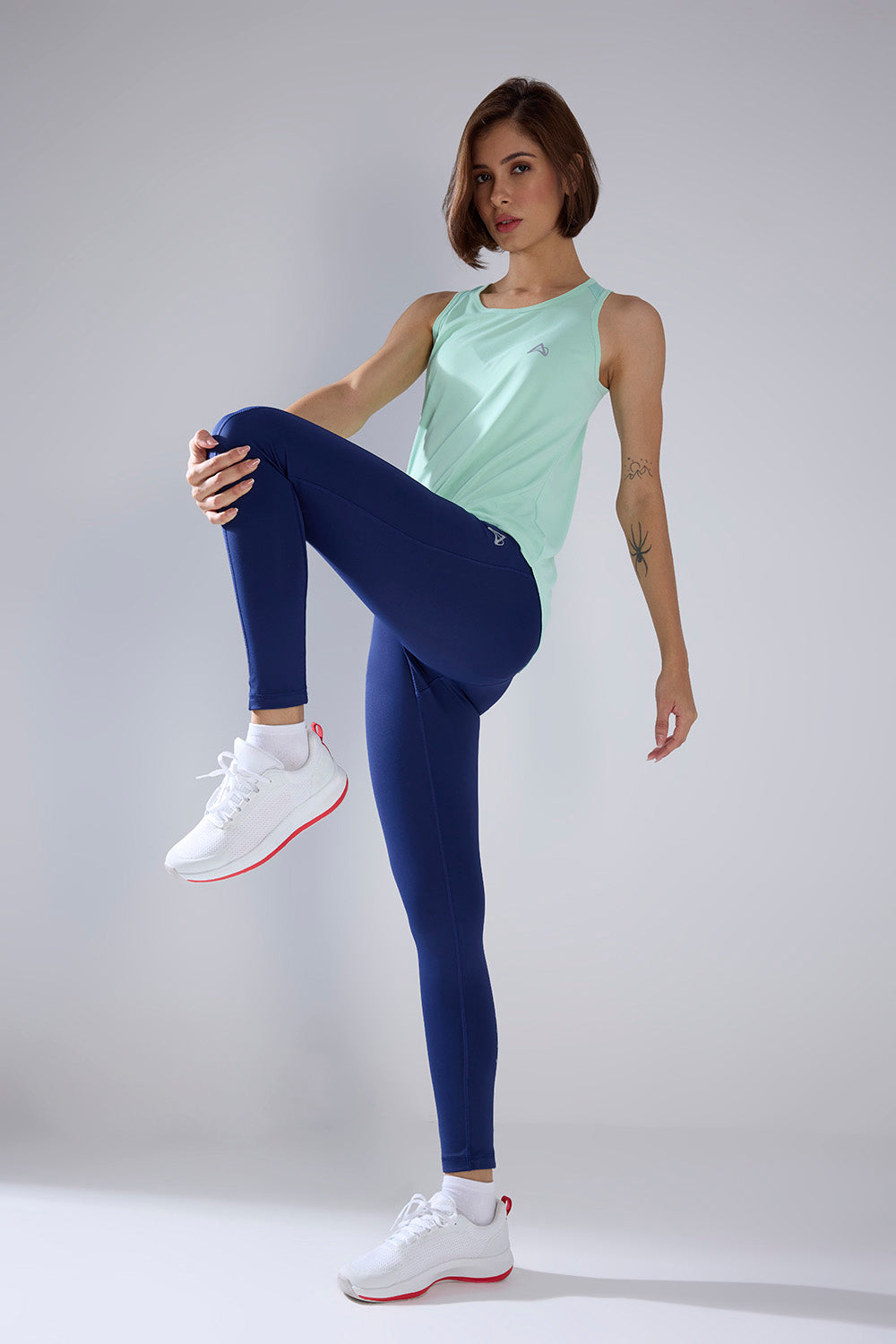
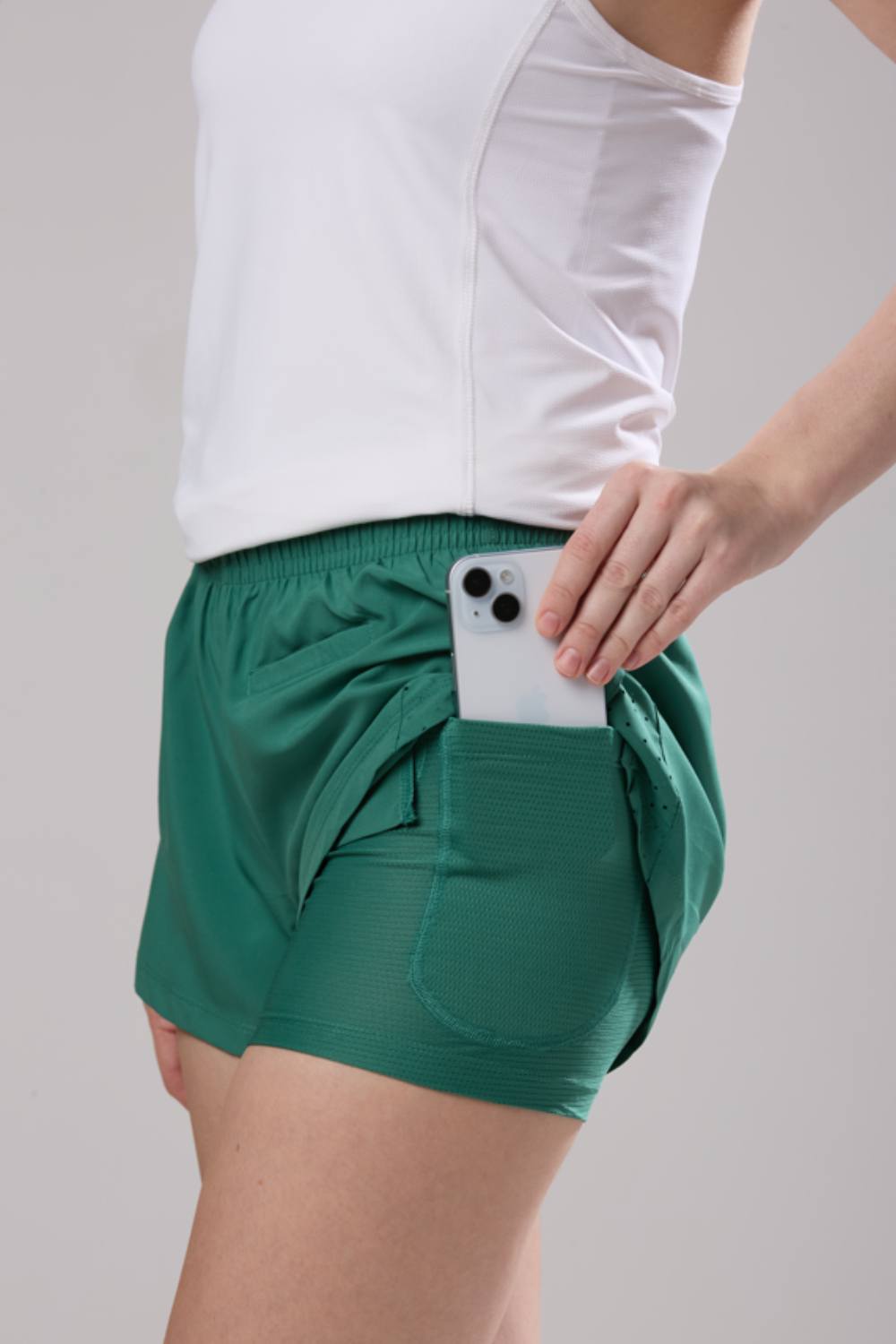
For optimal heat management, runners should consider the entire ensemble rather than isolated pieces. Lightweight shorts or leggings paired with breathable, sleeveless or short-sleeved tops maximize airflow while ensuring sweat is efficiently wicked away. In Bangalore, Hyderabad, and Delhi, pairing mesh-panel shirts with compression shorts has become a popular choice among both amateur and competitive runners. Accessories like ventilated caps, moisture-absorbing wristbands, and lightweight running socks complement apparel choices, enhancing comfort and reducing distractions during long runs.
Hydration packs and reflective gear are also increasingly integrated into summer running routines. These additions address safety and convenience while complementing breathable clothing choices, ensuring that runners maintain focus on performance rather than environmental challenges.
Practical Tips for Maintaining Breathable Gear
Proper maintenance extends the lifespan and effectiveness of breathable running apparel. Runners in Mumbai, Pune, and Gurugram are advised to wash technical fabrics in cold water and avoid fabric softeners, which can impair moisture-wicking capabilities. Air drying or low-heat machine drying preserves fabric structure and prevents shrinkage, maintaining ventilation and performance over repeated use. Storing apparel in a dry, ventilated area further prevents microbial growth, an important consideration in humid climates.
Rotating multiple sets of breathable running clothes allows for consistent training without compromising comfort. Observing local environmental conditions, such as monsoon humidity in Mumbai or peak summer temperatures in Ahmedabad, can guide when to wear lighter layers versus more protective yet still breathable options, optimizing both safety and performance.
Evaluating Product Performance Before Purchase
Runners seeking high-performance gear in hot climates can leverage real-world product feedback from local communities and verified performance claims. Studies on sports apparel markets indicate that the athleisure and sportswear sectors are expanding in North America, with brands like Nike, Adidas, and Lululemon incorporating breathable, moisture-wicking fabrics to enhance user experience source. Similarly, the global sports leggings and tights market shows significant adoption of breathable designs, driven by increased participation in fitness activities and preference for comfort-enhancing apparel source.
Compression sportswear, widely used for endurance activities such as running and cycling, demonstrates measurable benefits in performance and fatigue reduction, with approximately 32% of recreational fitness enthusiasts integrating these garments into their routines source. Evaluating such evidence-backed insights alongside personal comfort trials ensures that runners in India select clothing that genuinely supports their performance goals in hot and humid conditions.
Smart Summer Running Gear Choices
For runners in cities across India, from Delhi and Gurugram to Pune and Hyderabad, breathable running apparel is an indispensable component of summer fitness. Prioritizing moisture-wicking fabrics, lightweight designs, and strategic ventilation enhances comfort, supports endurance, and mitigates the risk of overheating. By combining scientific knowledge of materials, thoughtful garment design, and insights from local running practices, athletes can optimize their performance and enjoyment, turning challenging hot-weather runs into productive and satisfying experiences. Selecting apparel informed by verified performance claims, local conditions, and user experiences ensures that every run remains effective, safe, and comfortable.
Frequently Asked Questions
What fabrics are best for breathable running apparel in hot and humid weather?
The best fabrics for hot and humid conditions include polyester blends, technical mesh, and lightweight synthetics engineered to wick moisture away from the skin and enhance airflow. Many high-performance running apparel brands also incorporate micro-ventilation zones in high-sweat areas like the back and underarms. Look for quick-drying, low-density fabrics with anti-odor or antimicrobial finishes to stay comfortable and hygienic across multiple runs.
How do I choose the right running clothes for India's summer heat and humidity?
When running in hot, humid cities like Mumbai, Bangalore, or Delhi, prioritize moisture-wicking tops paired with lightweight shorts or compression bottoms that feature breathable panels. Semi-fitted or loose silhouettes promote airflow, while flatlock stitching minimizes chafing during long-distance runs. Complement your outfit with a ventilated cap, moisture-absorbing wristbands, and technical running socks for full-body comfort.
How should I care for moisture-wicking running gear to maintain its performance?
To preserve the moisture-wicking capabilities of technical running apparel, wash in cold water and avoid fabric softeners, which can clog the fibers that enable sweat transfer. Air drying or using low heat in a dryer helps maintain fabric structure and prevent shrinkage. Store gear in a dry, well-ventilated space especially important in high-humidity climates and rotate between multiple sets to ensure consistent comfort during training.
Disclaimer: The above helpful resources content contains personal opinions and experiences. The information provided is for general knowledge and does not constitute professional advice.
You may also be interested in: Running Apparel Designed for India's Hot and Humid Climate
Tired of gear that slows you down? Chafing, soggy fabrics, and missing pockets kill your run's momentum. At Aguante, we're runners who get it. Our high-performance activewear features moisture-wicking fabrics, ergonomic designs, and smart storage to keep you focused. Shop Now!
Powered by flareAI.co