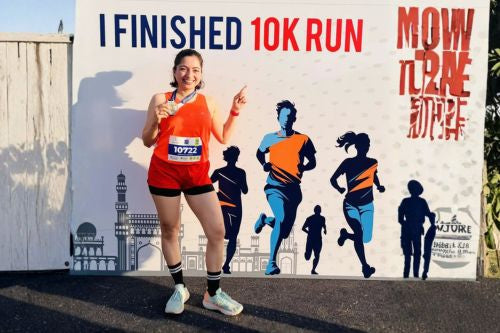
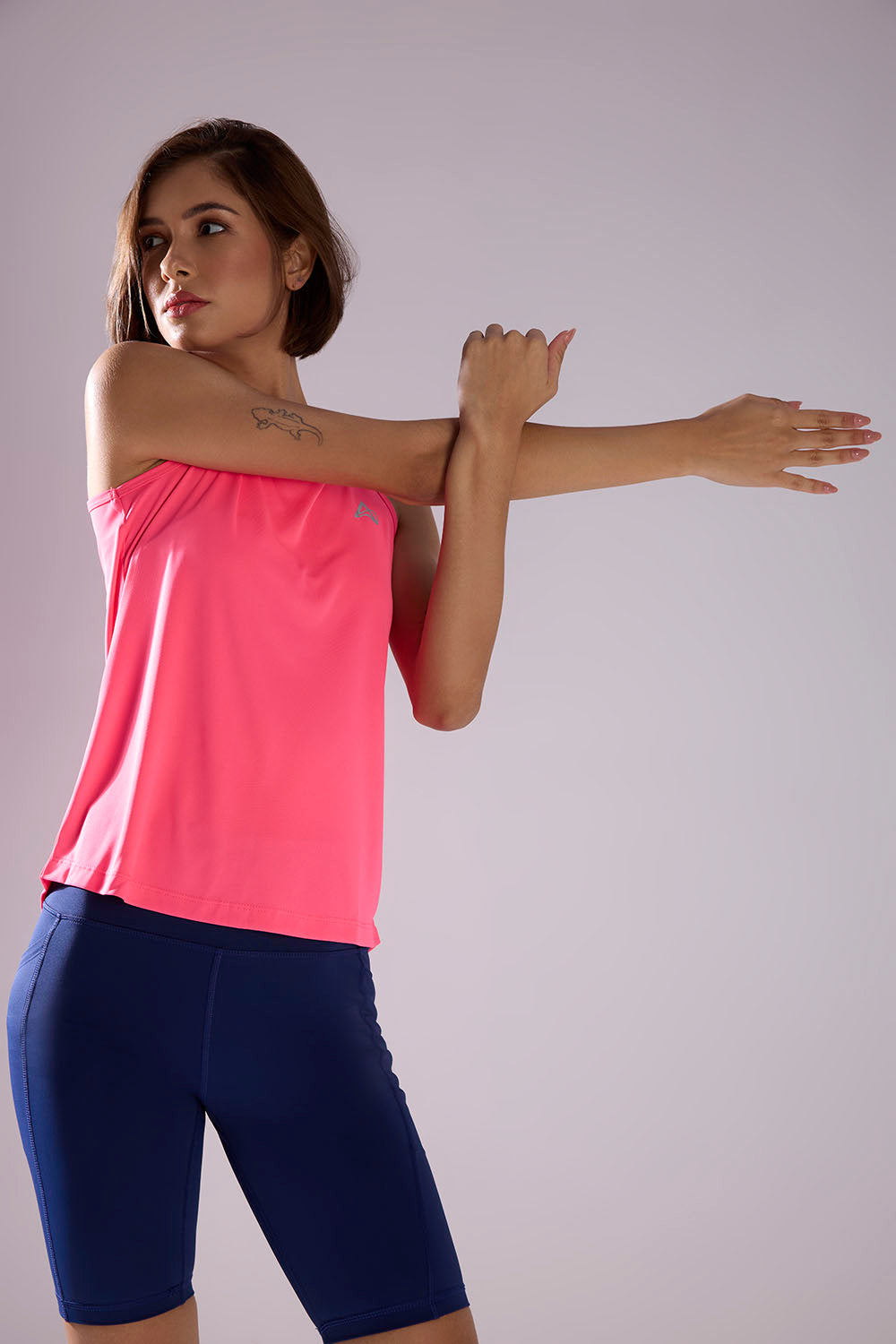
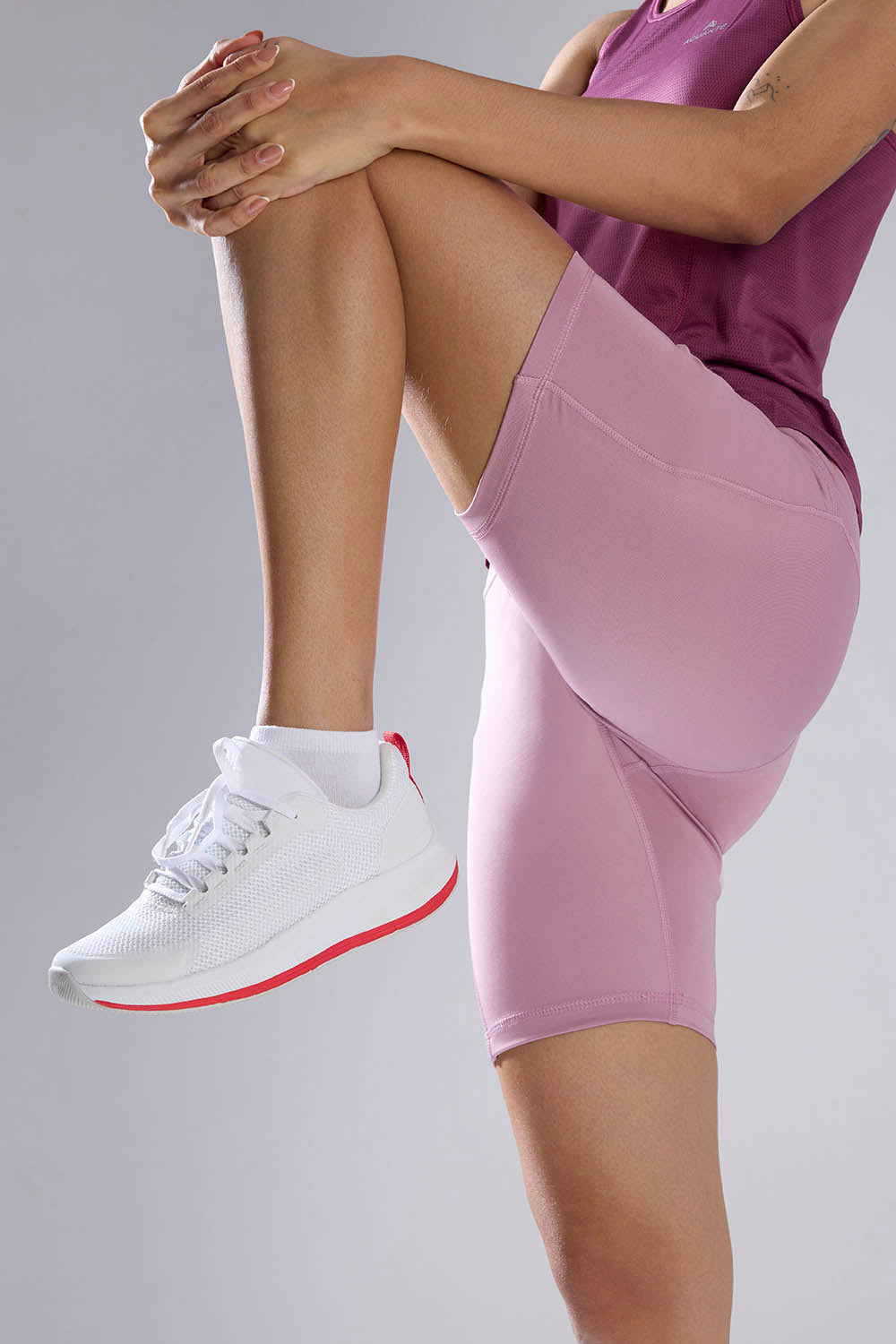
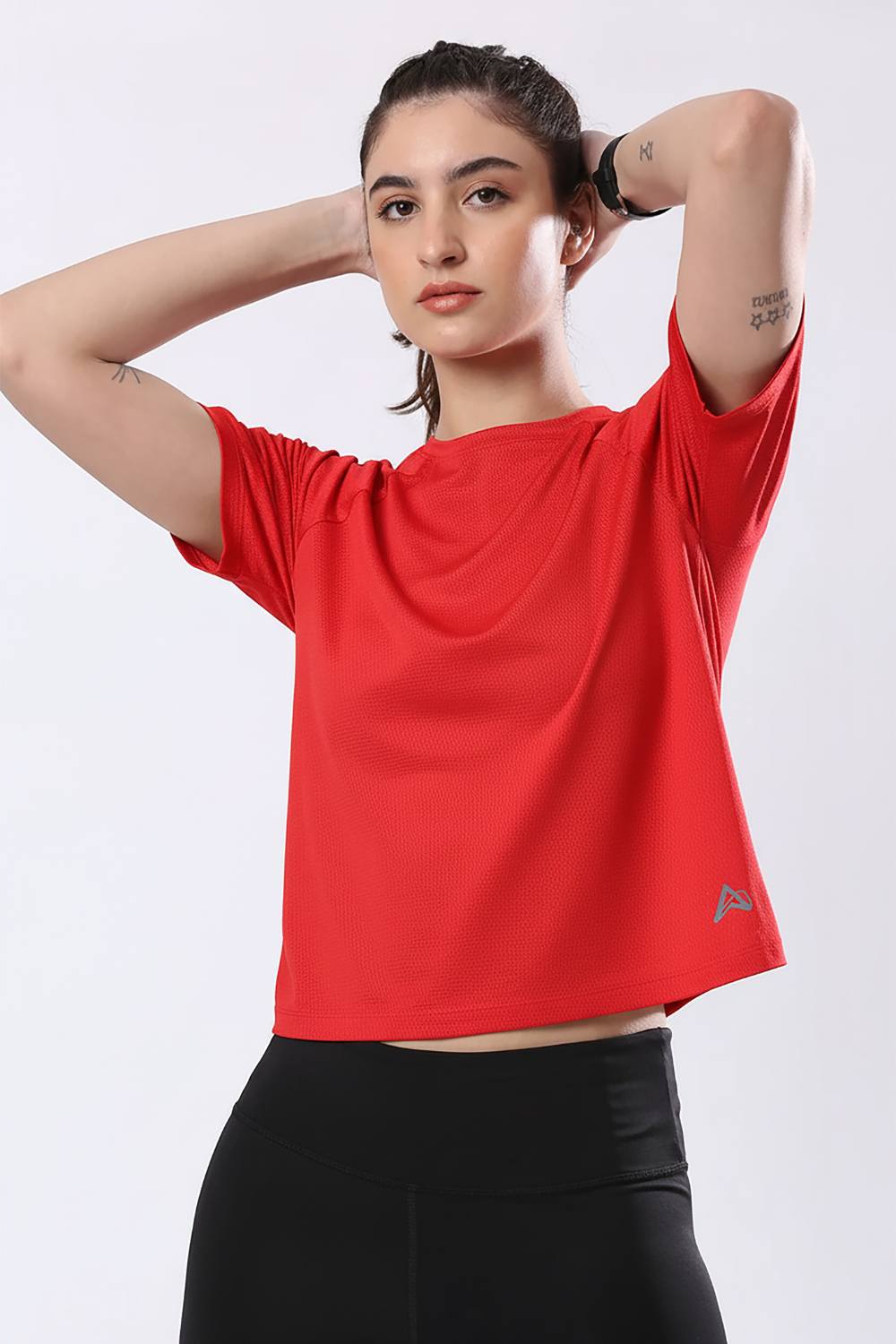
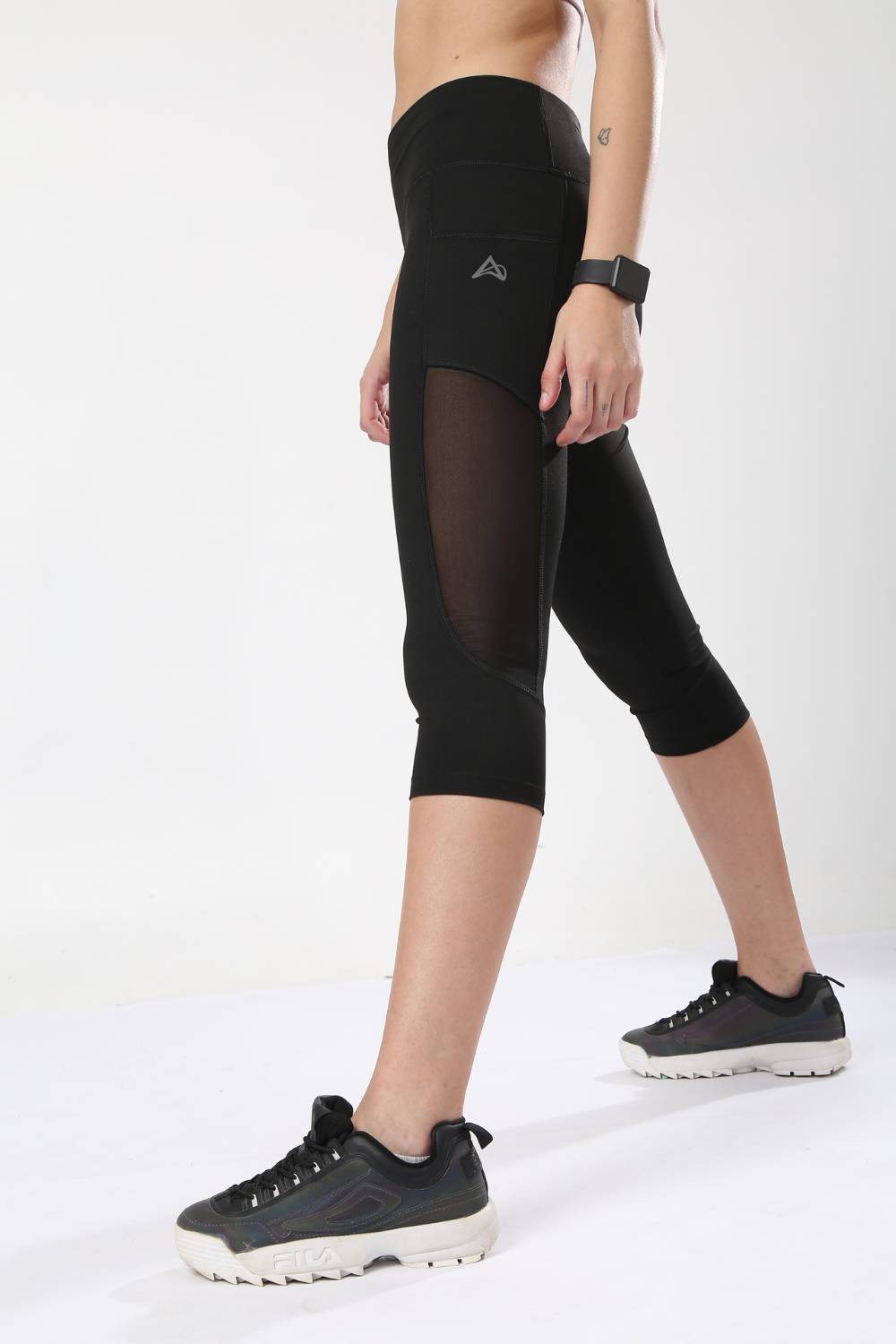
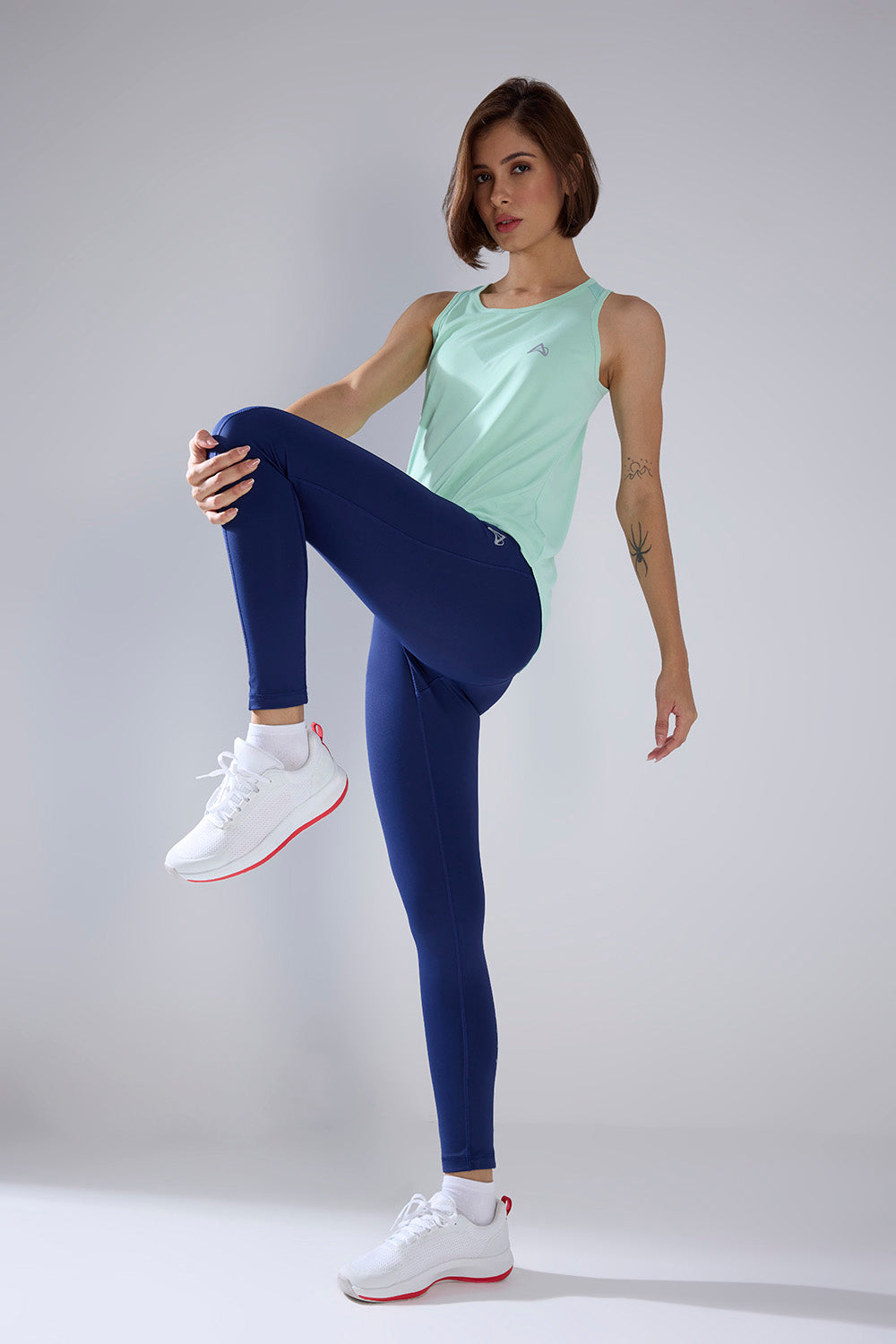



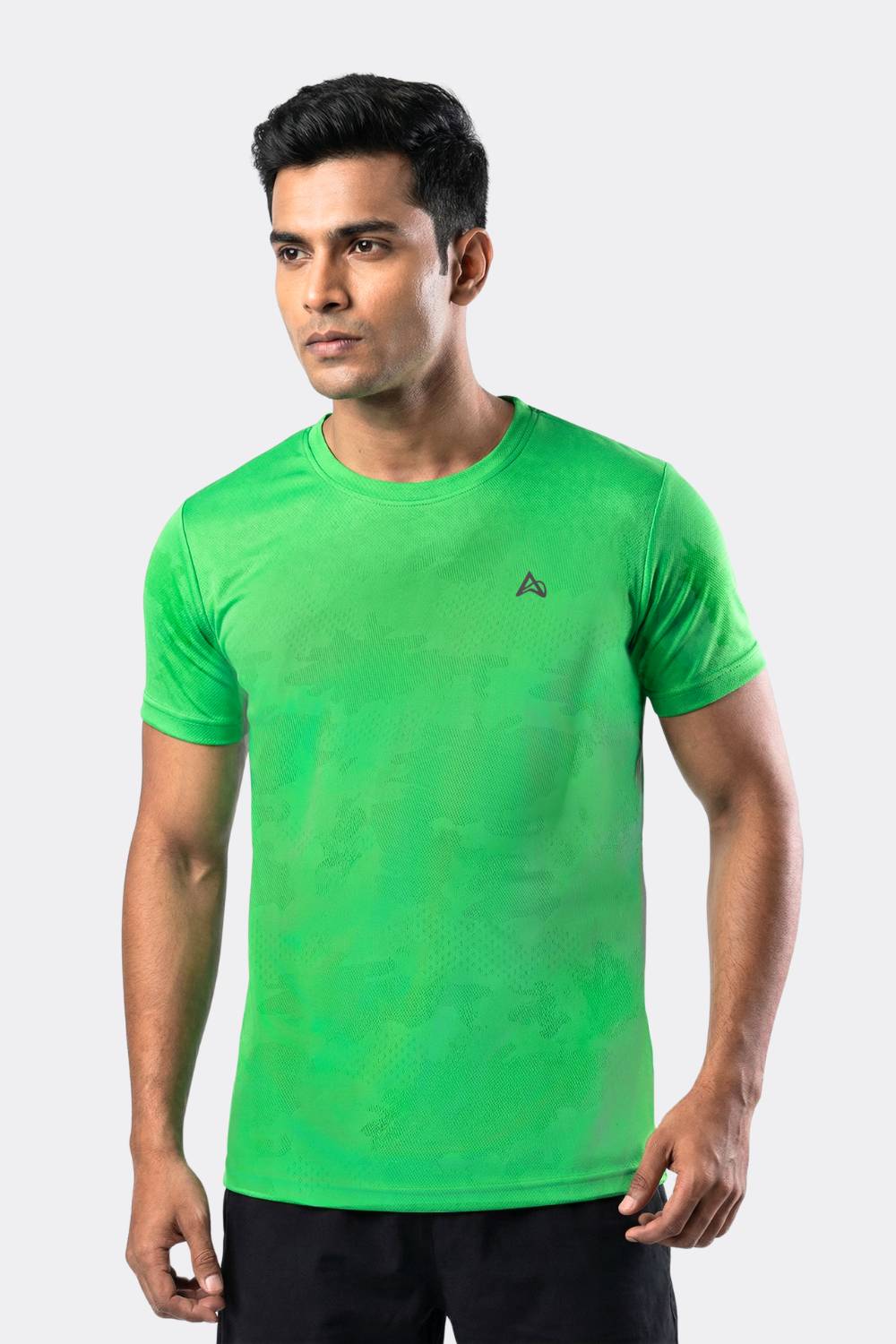
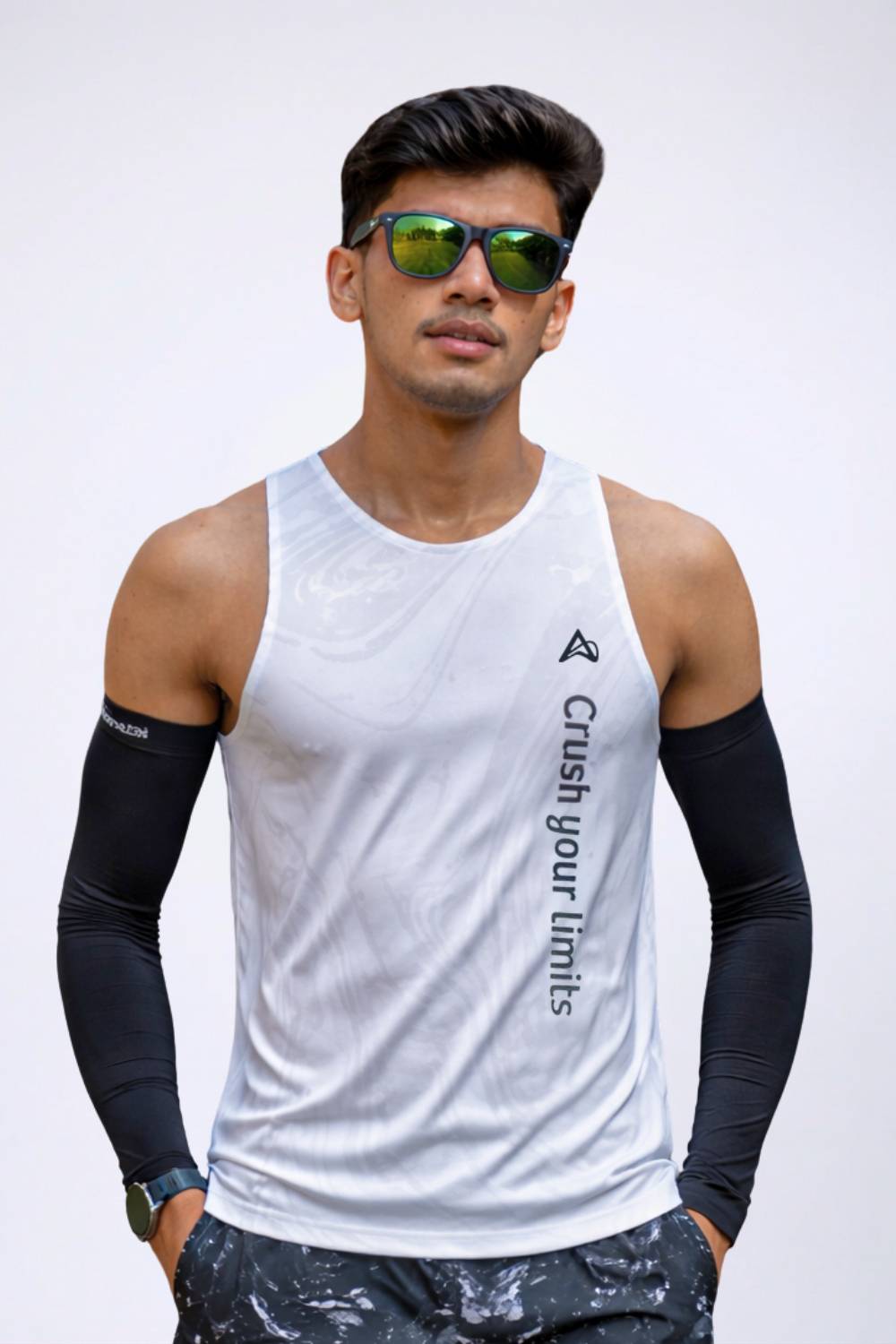

Running in India comes with unique challenges. From intense summer heat and high humidity to unpredictable monsoon showers and cooler winter mornings, runners need clothing that adapts to changing weather conditions. Choosing the right running apparel for Indian weather can help improve comfort, manage sweat, reduce friction, and make training more enjoyable.
Whether you're preparing for a marathon, running before work, training for a half marathon, or building a regular fitness routine, your running clothes should suit both your workout and your local climate.
For runners in Mumbai, Pune, Bengaluru, Hyderabad, Chennai, Delhi-NCR, and other Indian cities, the right combination of lightweight fabrics, breathable designs, comfortable fits, and practical storage can make a noticeable difference.
Why Does Running Apparel Matter in Indian Weather?
India's climate varies significantly across regions and seasons. Coastal cities can experience high humidity, inland areas can face extreme summer temperatures, and monsoon weather can bring sudden rainfall.
Ordinary gymwear or heavy cotton clothing may become uncomfortable during longer runs because it can hold moisture, feel heavy when wet, or cause friction against the skin.
The best running apparel for Indian conditions should offer:
- Lightweight construction for hot weather
- Moisture management and quick-drying performance
- Breathable materials that support airflow
- Comfortable fits that allow unrestricted movement
- Reduced friction during long runs
- Secure pockets for phones, keys, and energy gels
- Suitable coverage for different temperatures and running preferences
No fabric can eliminate the effects of extreme heat or humidity, but the right clothing can help you stay more comfortable during training.
1. Choose Moisture-Wicking Running T-Shirts and Singlets
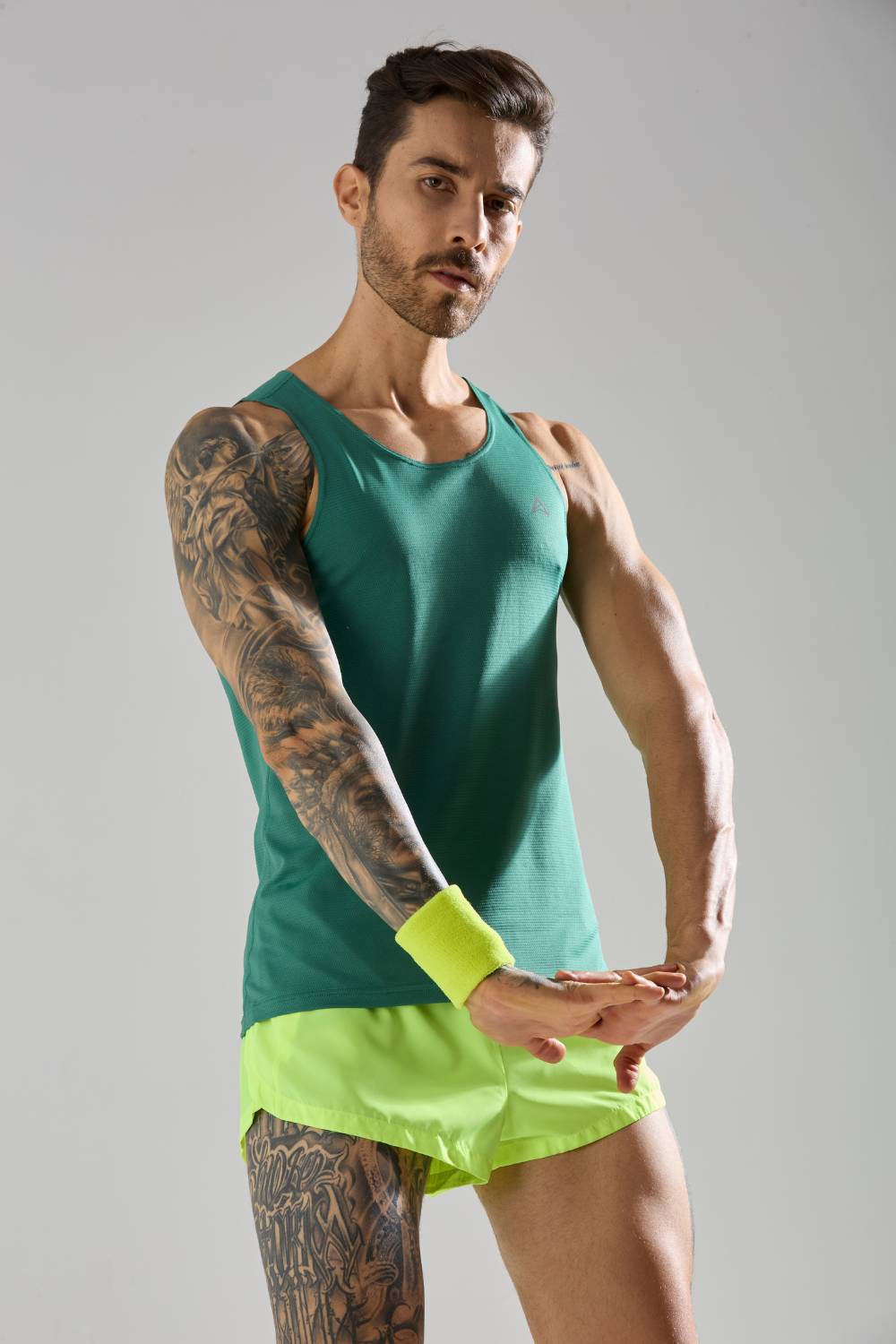
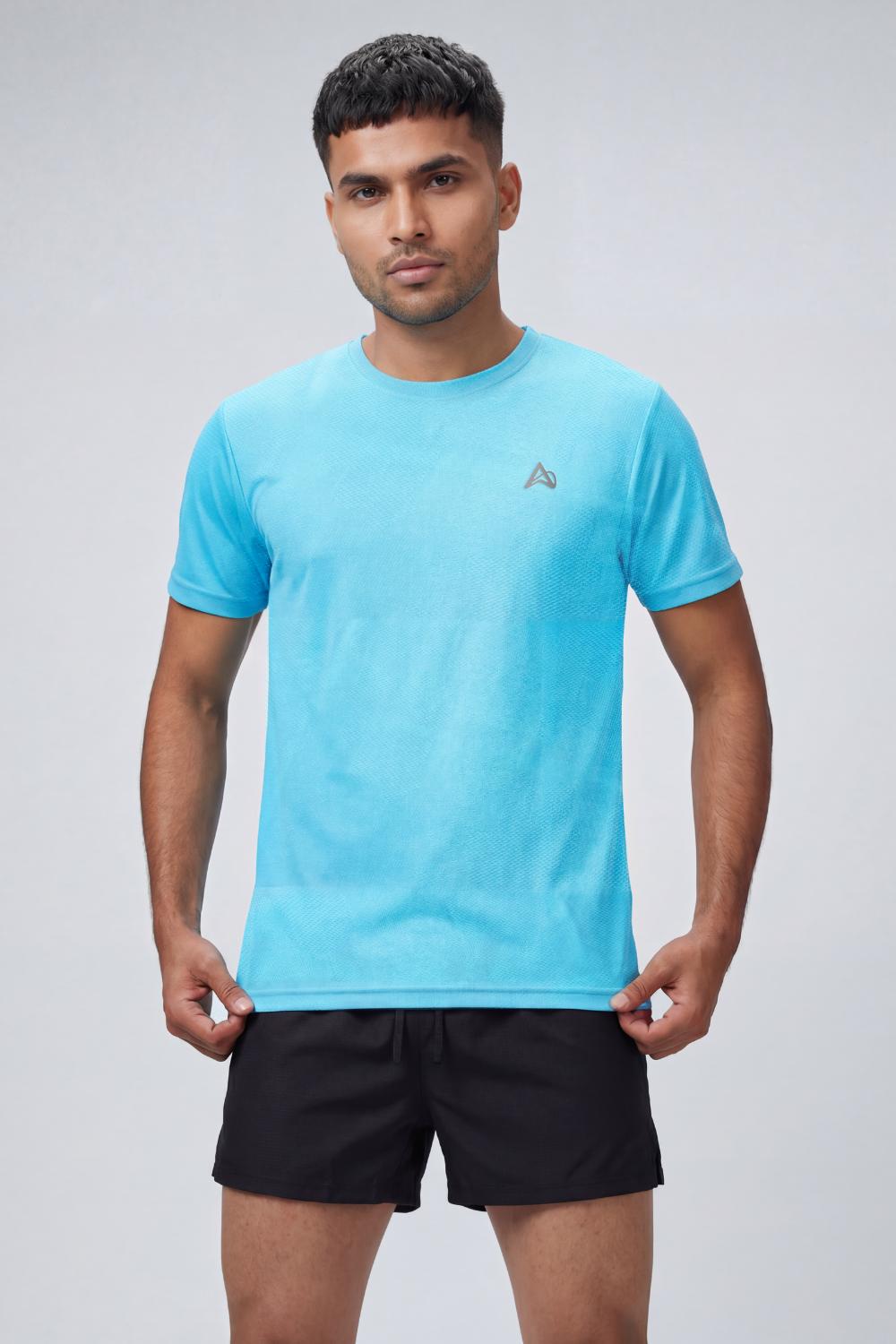
A running top is one of the most important parts of your summer running outfit.
In hot Indian weather, your body produces sweat to regulate its temperature. When humidity is high, sweat evaporates more slowly, making lightweight and breathable clothing especially useful.
Look for running tops made from technical fabrics such as polyester or suitable performance blends. These can be designed to move moisture away from the skin and dry faster than ordinary cotton.
When choosing a running T-shirt or singlet, consider:
- Lightweight fabric
- Breathable construction
- Quick-drying properties
- Comfortable seams
- Freedom of movement
- Reflective details for low-light running, where available
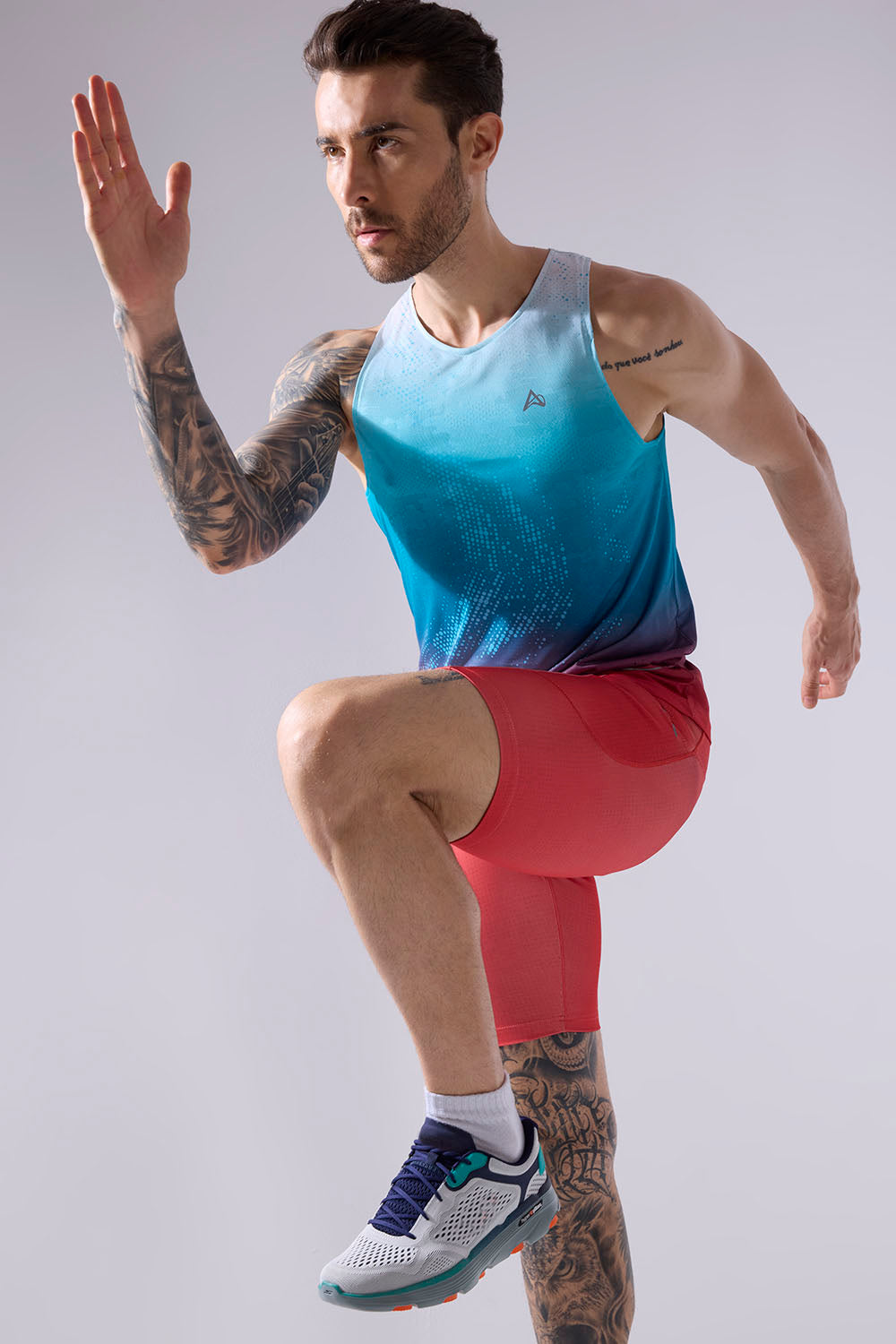
For warmer conditions, a singlet can provide greater airflow around the upper body.
Explore Aguante men's running singlets for a performance-focused option for summer training and race-day running.
2. Wear Running Shorts Designed for Heat and Humidity
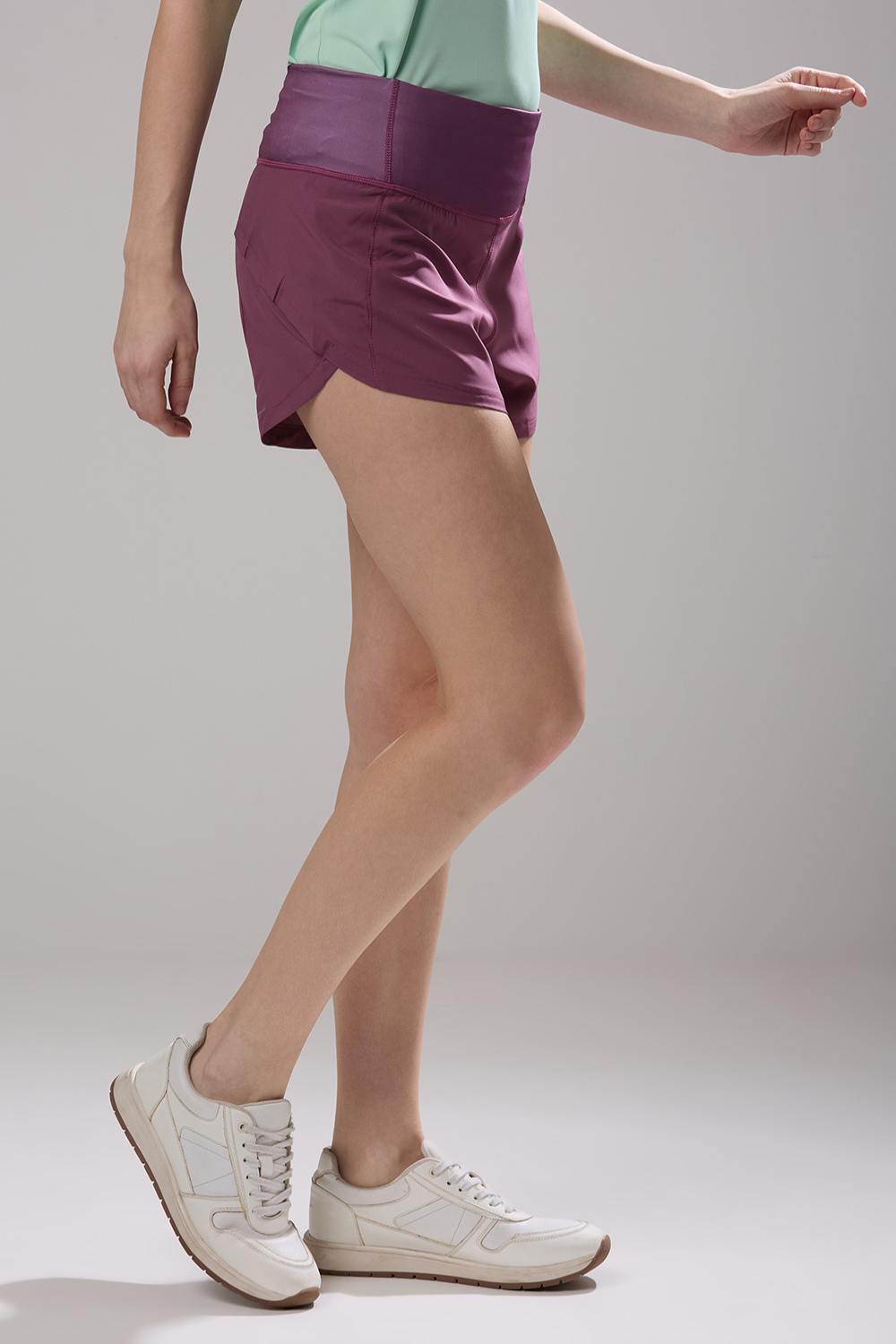
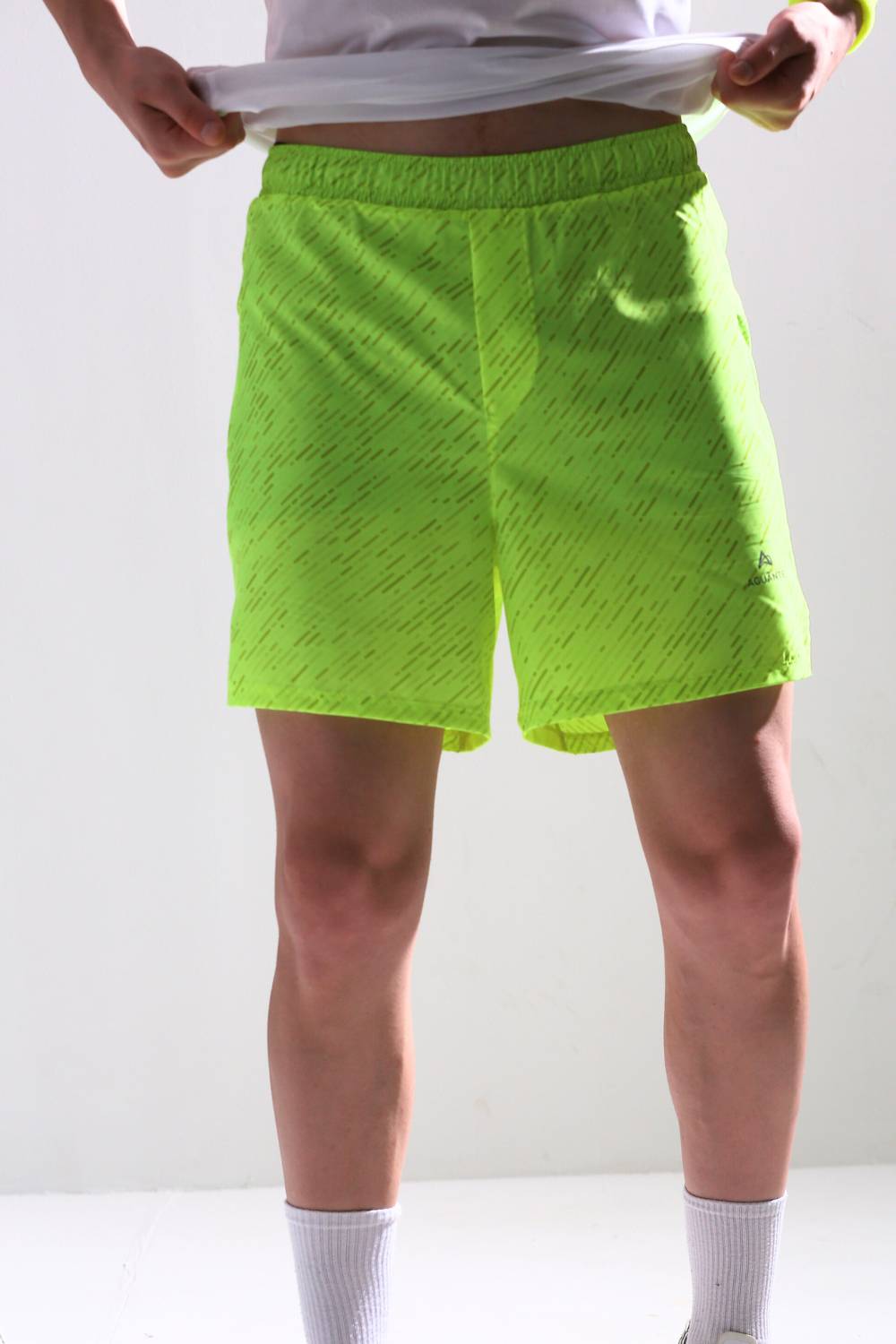
Running shorts should allow your legs to move freely without excessive fabric movement or uncomfortable friction.
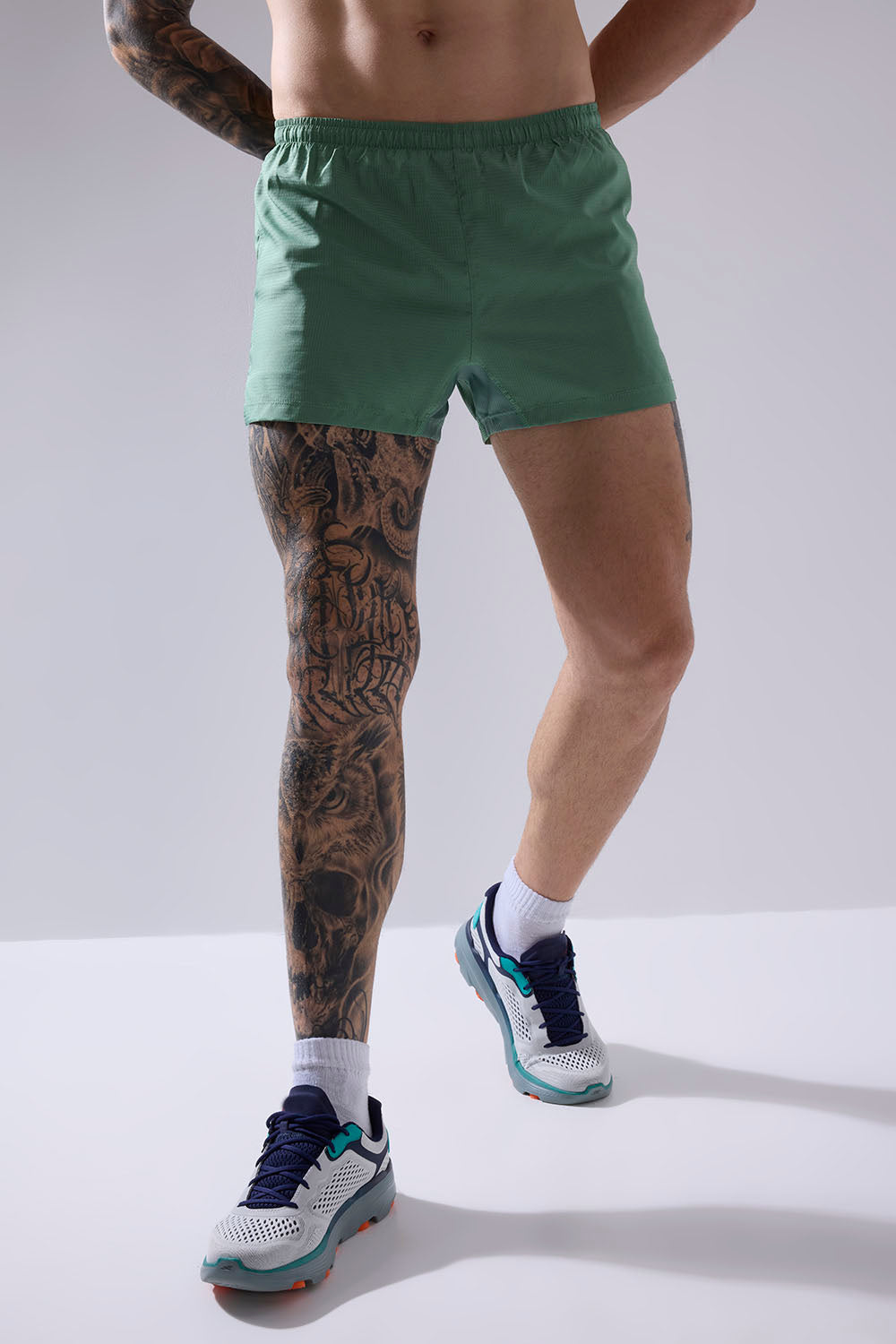
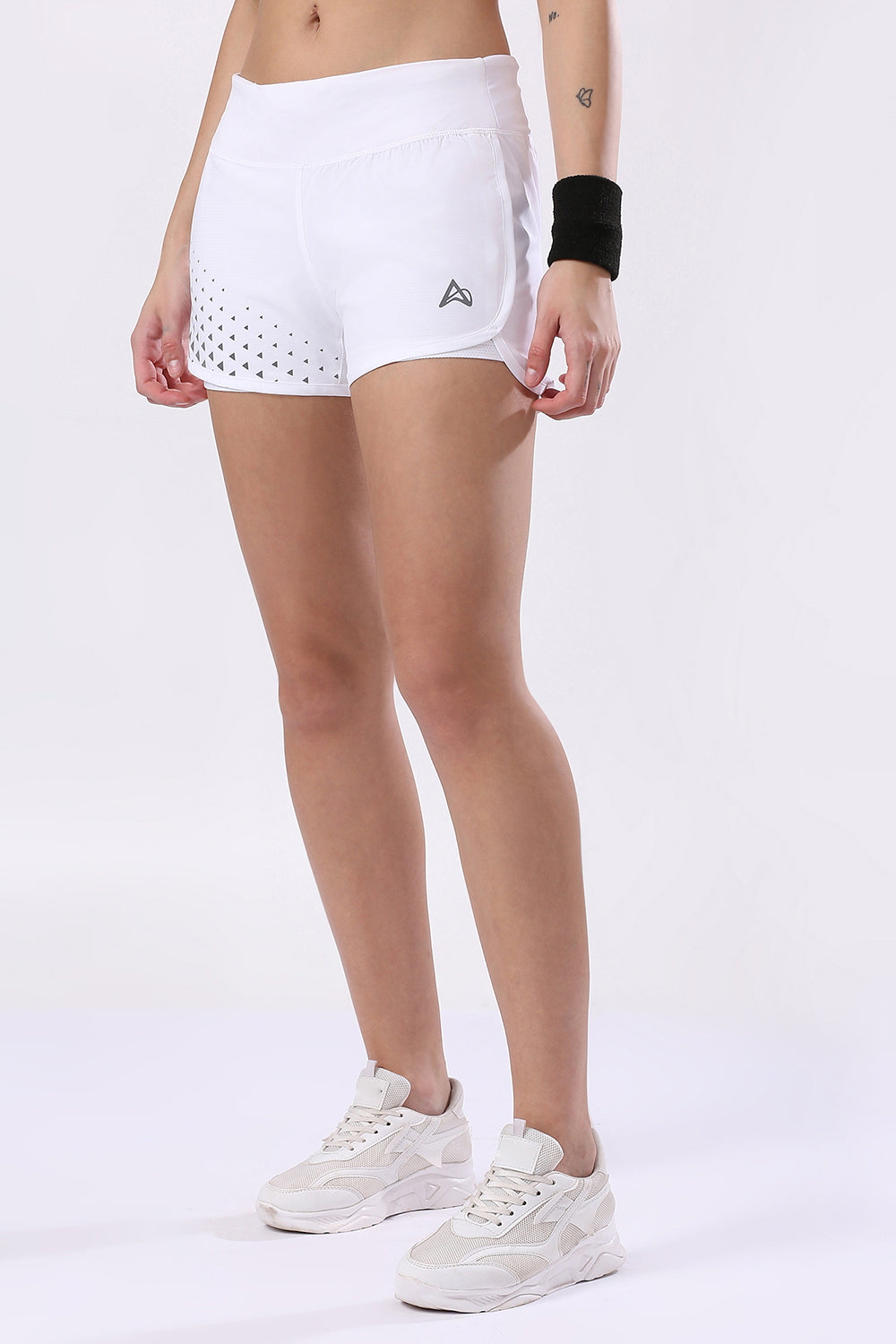
For summer running, look for lightweight shorts with breathable construction, a comfortable liner, and a secure fit.
Different styles suit different running needs:
Short split shorts: Useful for runners who prioritize airflow and unrestricted movement during speed sessions and races.
Mid-length running shorts: A practical choice for everyday training and longer runs, particularly when you want more coverage.
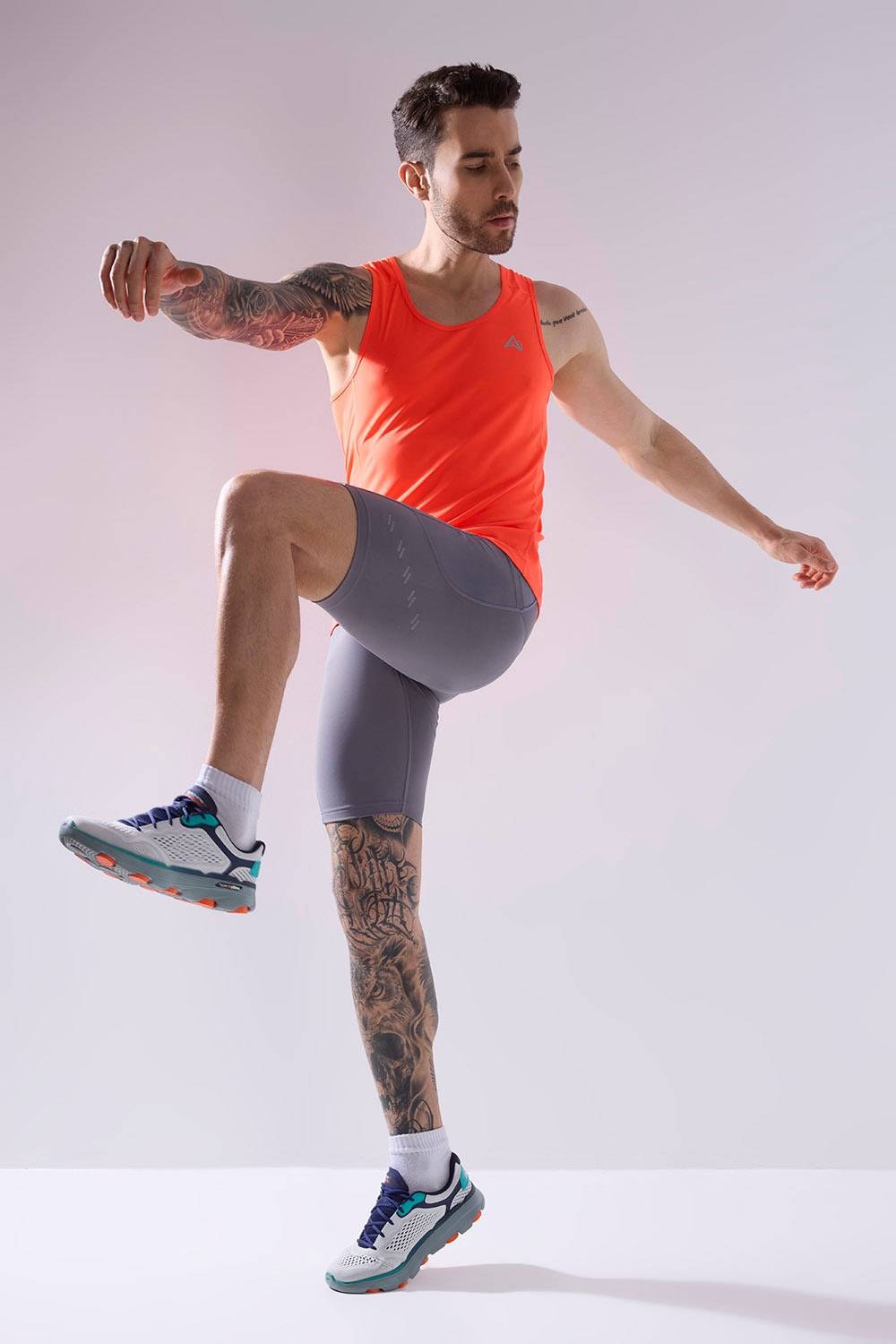
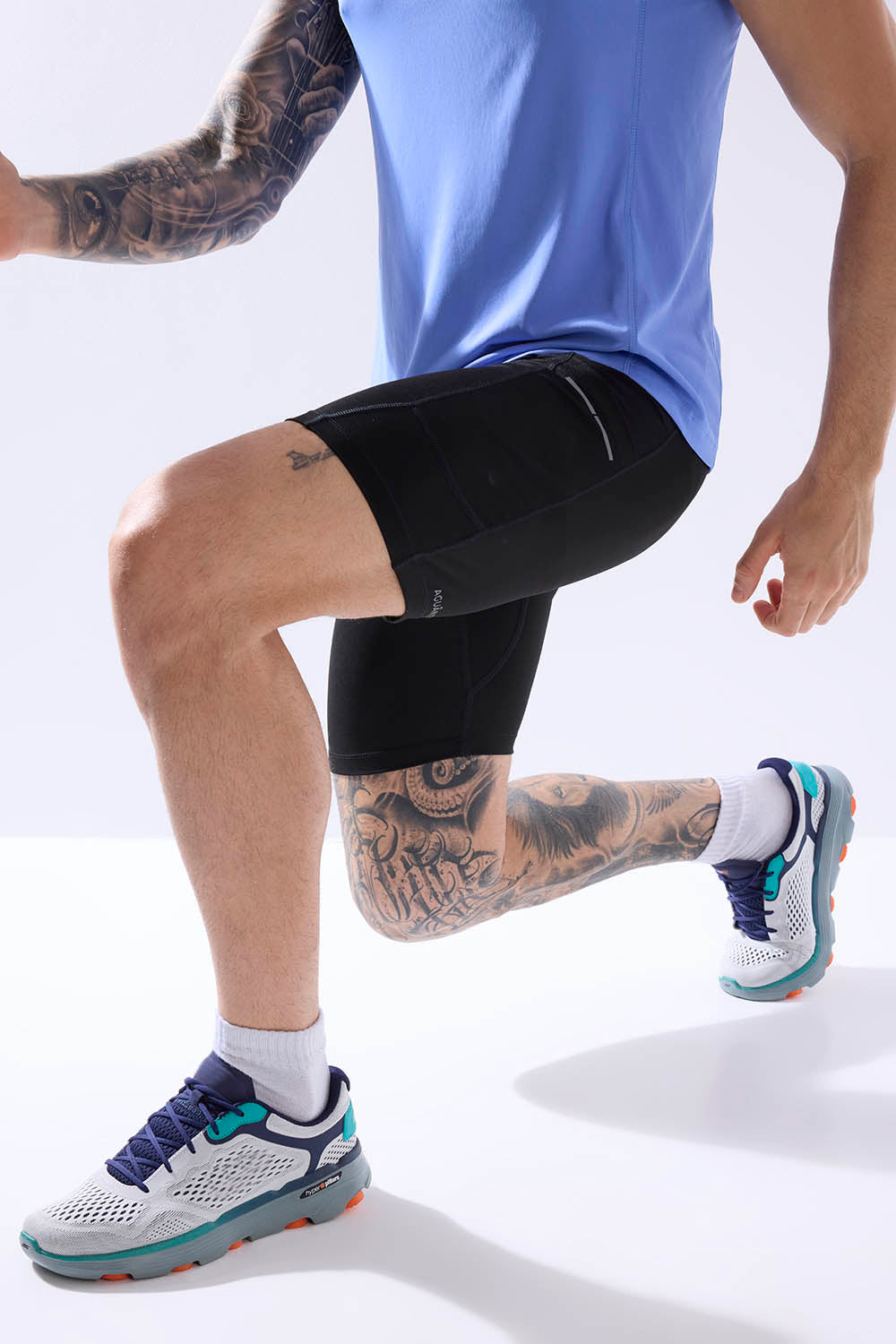
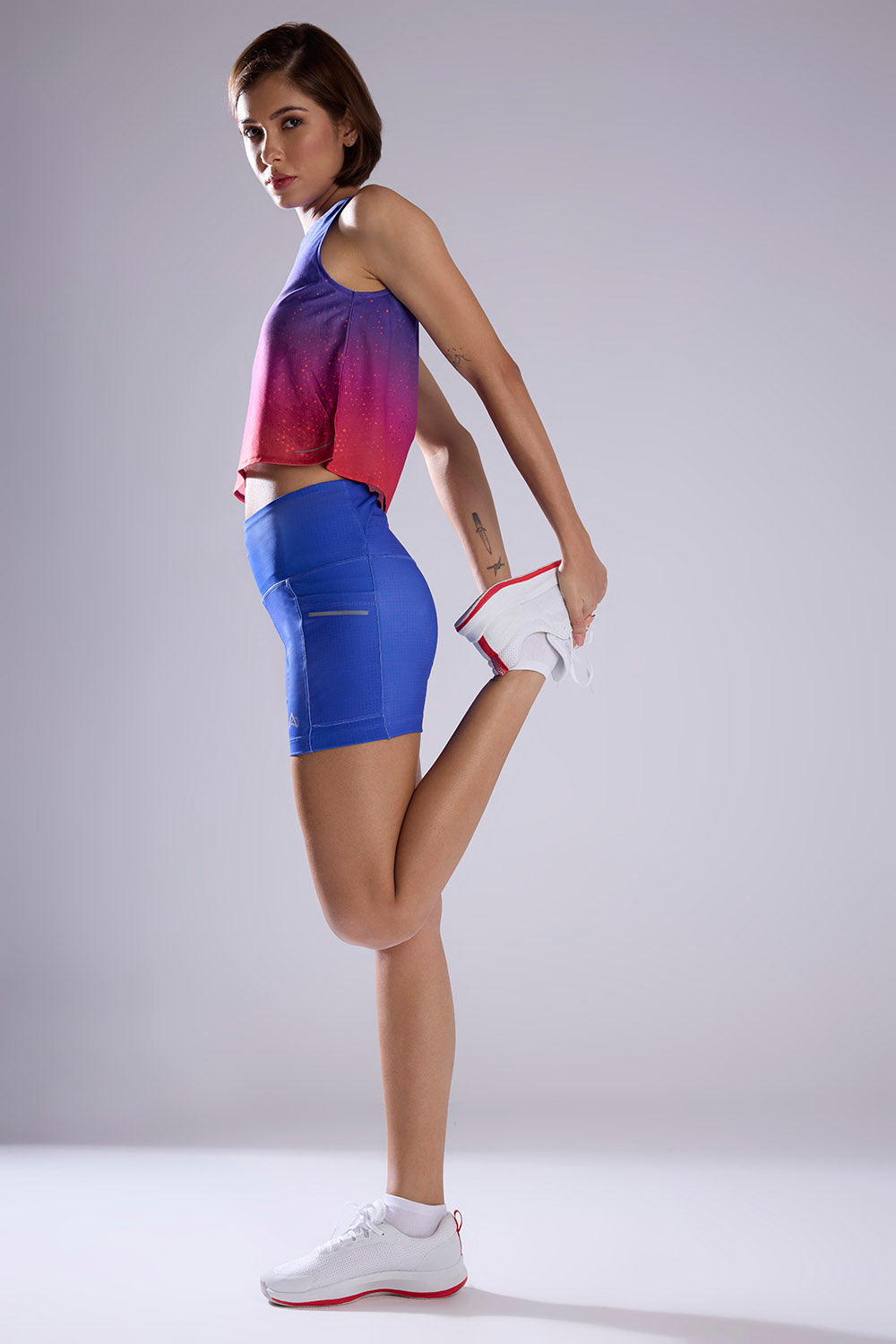
Running half tights: Useful for runners who prefer a closer fit, additional coverage, or reduced skin-on-skin friction between the thighs.
Aguante offers several options for different training preferences:
- 2" Split Running Shorts for lightweight, speed-oriented running.
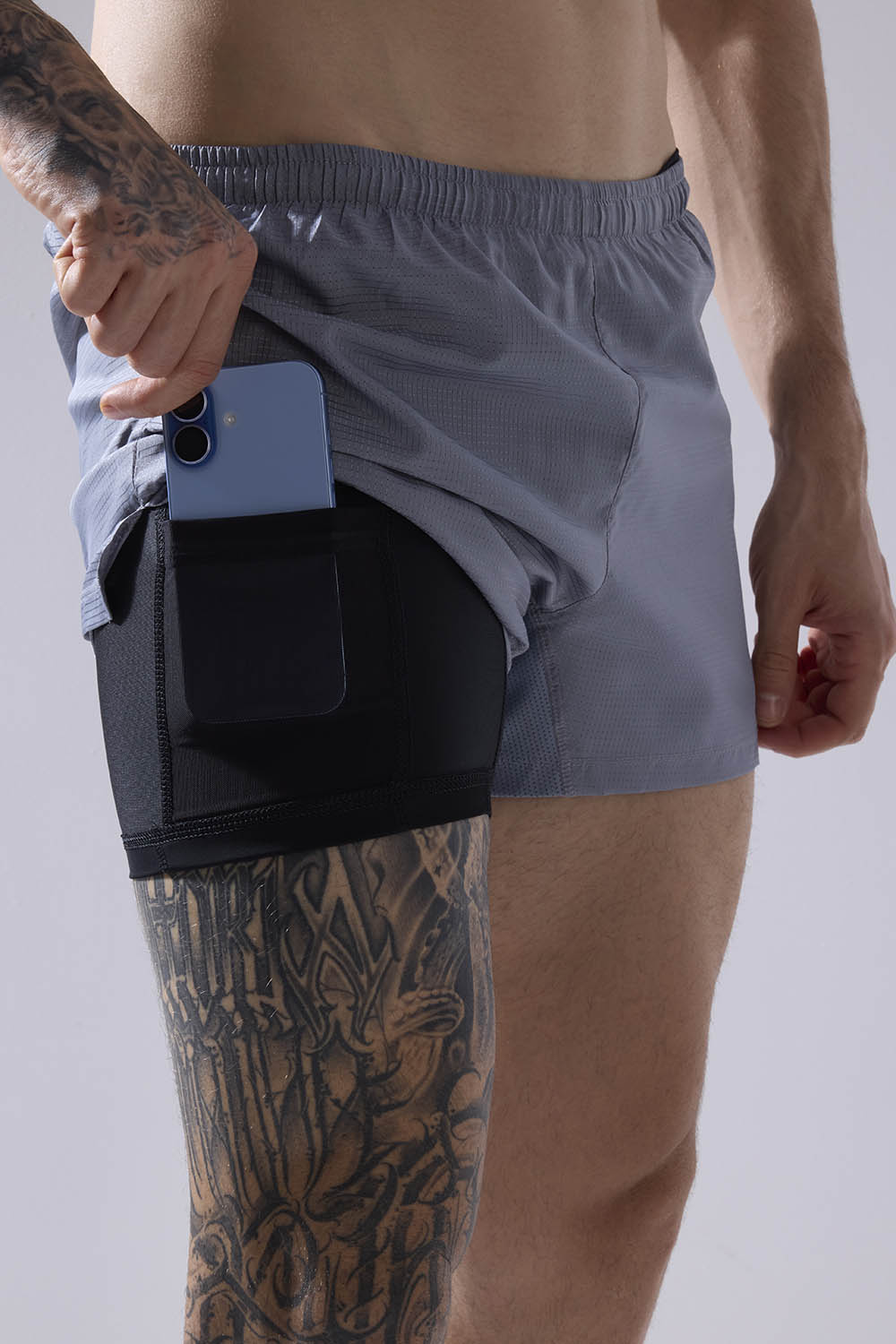
- 5" EnduroFlex Performance Shorts for runners who want a longer short with storage.
- Men's Running Shorts Collection for more options.
Choose the style that feels comfortable over your usual running distance rather than focusing only on length or appearance.
3. Choose Half Tights to Reduce Inner-Thigh Friction
Inner-thigh chafing is a common problem during long runs, especially when sweat and humidity increase friction.
Half tights cover the upper legs and can reduce direct skin-on-skin contact. Their closer fit may also help prevent excessive fabric movement.
They can be useful for:
- Half-marathon training
- Full-marathon preparation
- Long-distance running
- Runners who experience inner-thigh chafing
- Athletes who need secure storage
Aguante's men's half tights collection includes options for different running and training preferences.
For longer sessions, explore the 7" Distance Running Half Tights or 8" CoreRun Half Tights.
Remember that fit matters. Half tights should stay in place without excessive compression, uncomfortable seams, or trapped heat.
4. Select Running Apparel for the Indian Summer
Summer running can expose you to intense sunlight, high temperatures, and heavy sweating.
For hot-weather sessions, prioritize lightweight clothing and reduce unnecessary layers.
A practical summer running outfit includes:
- Lightweight moisture-wicking singlet or T-shirt
- Breathable running shorts or half tights
- Technical running socks
- Comfortable running shoes
- A cap or visor for sun protection
- Sunscreen and appropriate hydration
Try to schedule outdoor runs during the coolest practical part of the day. When temperatures reach extreme levels, particularly around 35–40°C, consider shortening your run, reducing intensity, moving indoors, or skipping the session if conditions are unsafe.
Running apparel supports comfort, but it cannot make dangerous heat safe.
5. Choose Quick-Drying Clothing for Monsoon Running
Monsoon running in India presents a different challenge. Rain can soak your clothes, while humidity can slow drying.
Heavy, saturated clothing may feel uncomfortable and increase friction during longer sessions.
For monsoon training, look for:
- Quick-drying running tops
- Lightweight shorts
- Comfortable, secure waistbands
- Technical socks suited to your conditions
- Clothing that remains comfortable when damp
- Reflective details for poor visibility, where available
Avoid unnecessary layers that become heavy when wet. After running, change out of damp clothes as soon as possible and wash them before wearing them again.
Explore Aguante's complete running apparel collection to compare options for training and race-day use.
6. Pick the Right Clothes for Winter Running
Winter running in India varies by location. Bengaluru and Pune may have cool mornings, while Delhi-NCR and northern regions can experience much colder conditions.
Instead of wearing several heavy layers, use clothing appropriate for the temperature and intensity of your run.
Consider:
- A lightweight technical T-shirt for mild conditions
- An additional breathable layer for colder mornings
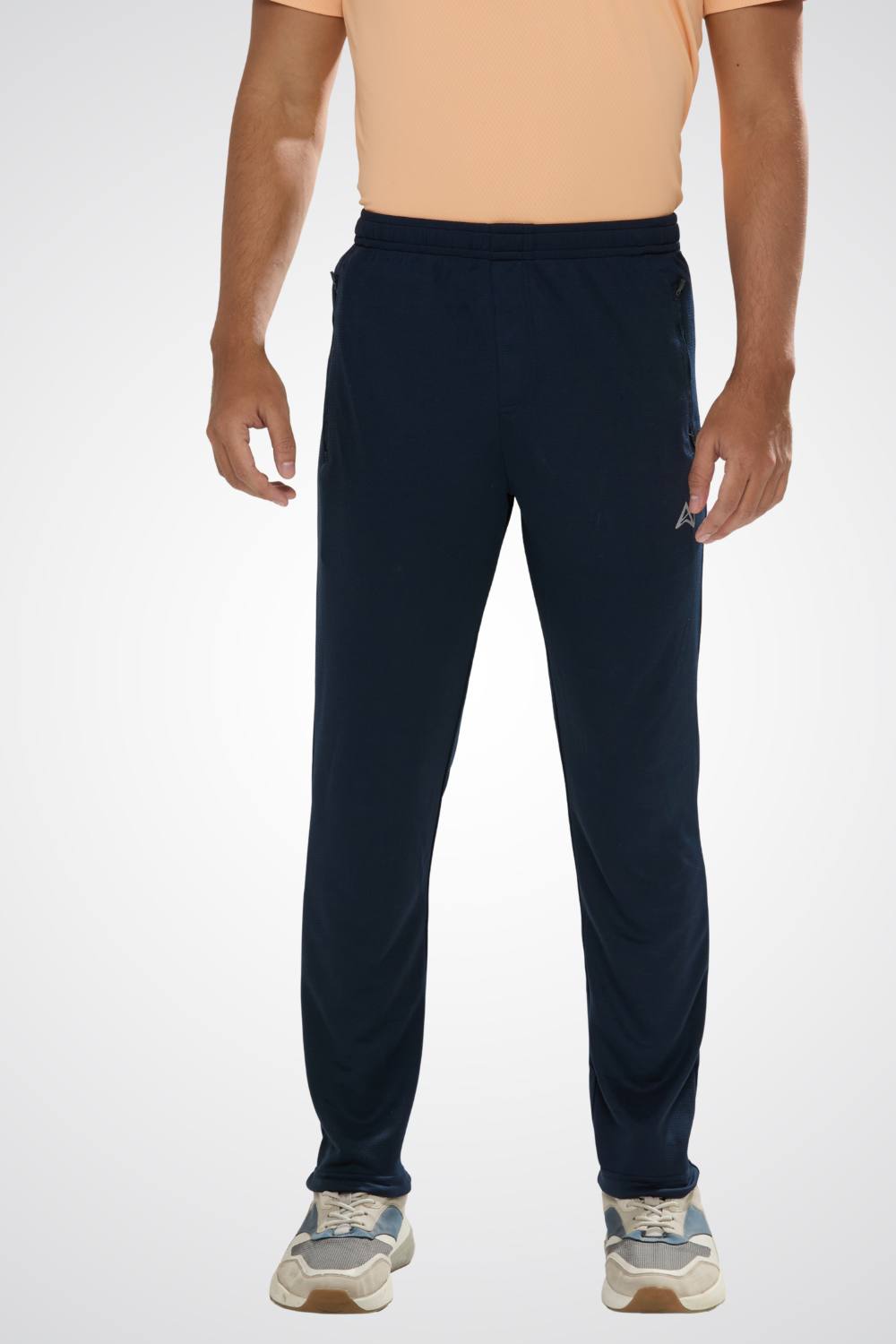
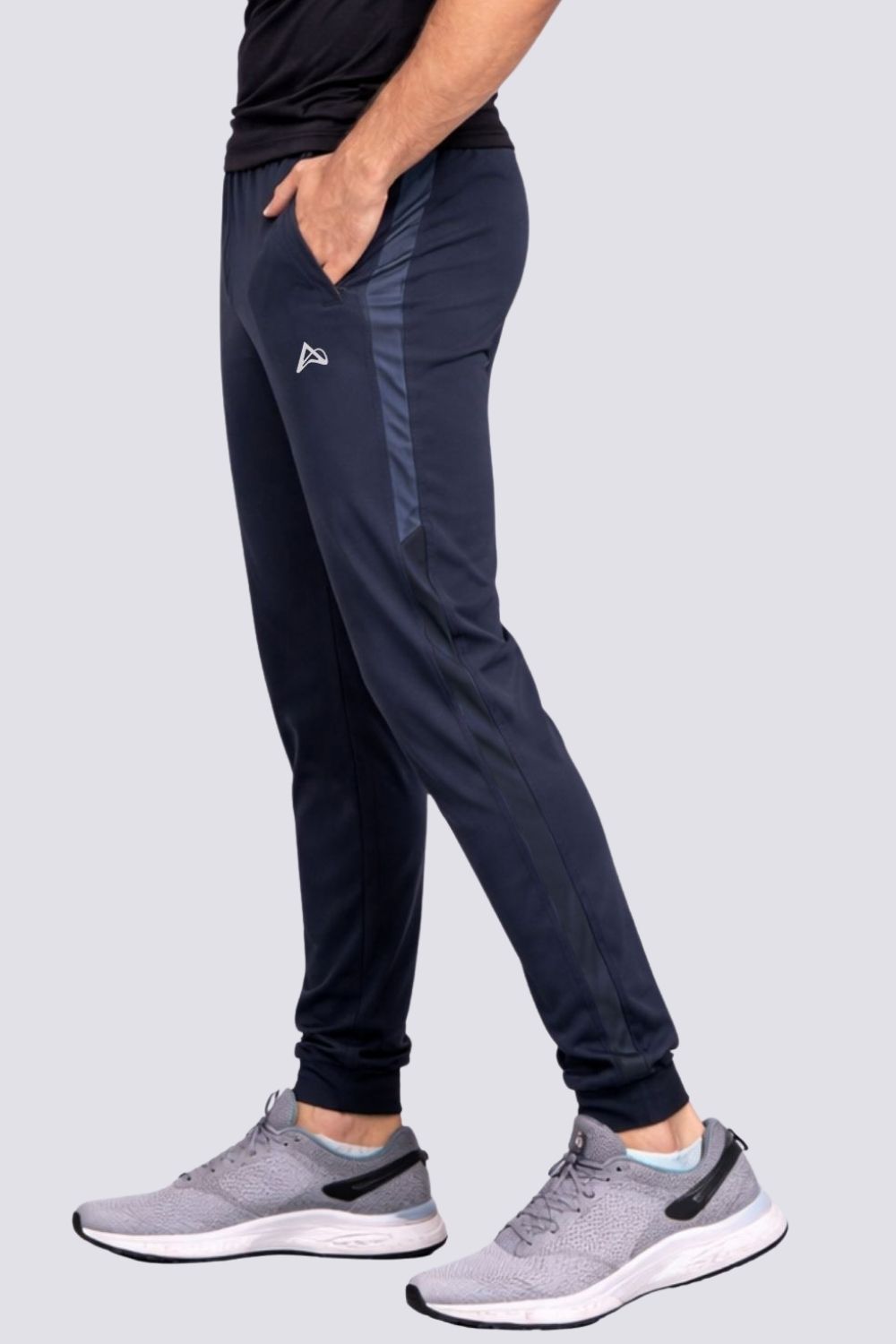
- Running tights or half tights according to personal comfort
- Technical socks
- Reflective clothing or accessories for early-morning visibility
Dress for the conditions you expect during the run, and avoid excessive layering that becomes uncomfortable once your body warms up.
7. Look for Pockets That Keep Essentials Secure
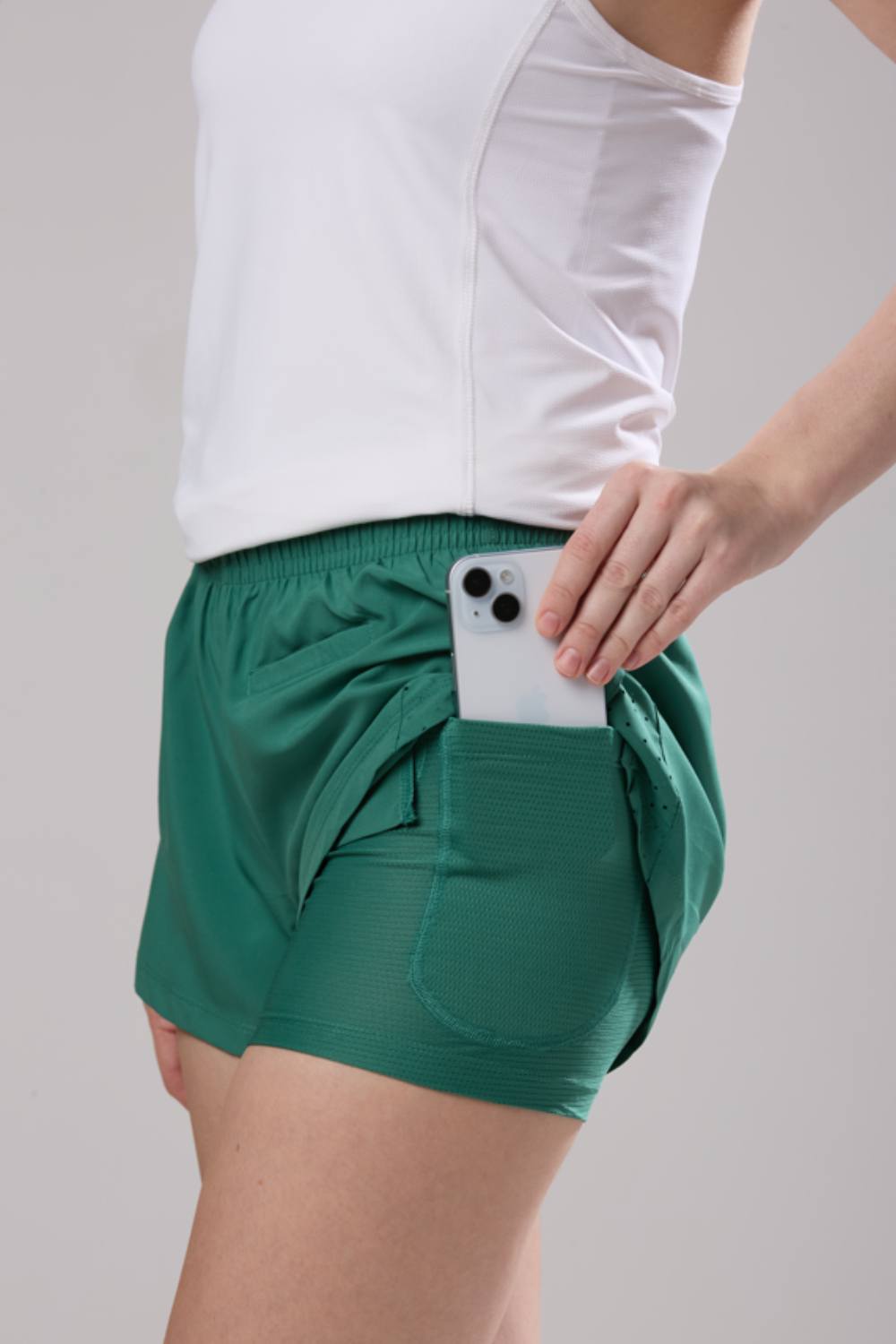
Storage is important when training for long distances. Carrying your phone, keys, identification, or energy gels in loose pockets can create bouncing and discomfort.
When choosing running apparel, check whether the pockets are suitable for what you intend to carry.
For example, Aguante's 5" EnduroFlex Performance Shorts are designed with multiple secure pockets for runners who need to carry essentials.
For runners who prefer tights, the 7" Volt Training Half Tights are another option to explore.
Always test pocket stability during training before relying on a garment for race day.
8. Avoid Common Running Apparel Mistakes
Even good running clothes may feel uncomfortable if you choose the wrong design or fit.
Avoid these common mistakes:
- Wearing heavy cotton during long, sweaty runs
- Choosing shorts that ride up or move excessively
- Buying clothing without checking the fit
- Wearing brand-new apparel for a marathon
- Ignoring chafing during shorter training sessions
- Staying in sweaty clothes long after running
- Assuming all polyester fabrics offer the same performance
Test your clothing over the distance you intend to run. A comfortable 20-minute jog does not necessarily predict how a garment will feel after two hours.
Best Running Apparel for Indian Weather: Quick Guide
| Weather or Training Need | Recommended Apparel |
|---|---|
| Hot summer runs | Lightweight singlet and breathable shorts |
| High humidity | Moisture-wicking, quick-drying technical clothing |
| Inner-thigh chafing | Well-fitting half tights or suitable anti-chafing shorts |
| Monsoon running | Lightweight, quick-drying apparel |
| Long-distance training | Comfortable shorts or tights with secure storage |
| Cool winter mornings | Technical top with suitable additional layers |
| Marathon race day | Tested running clothes and reliable storage |
Why Consider Aguante for Running Apparel in India?
Aguante focuses on performance apparel for running and functional fitness. When choosing running clothes for Indian weather, consider your typical climate, running distance, storage requirements, and preferred fit rather than buying a garment based on style alone.
You can explore:
- Aguante Running Apparel
- Men's Running Shorts
- Men's Half Tights
- Aguante Running Singlet
- Long Run and Race Collection
Whether you're running in Mumbai humidity, training through Pune's summer, preparing for a Hyderabad race, or building endurance in Bengaluru, choose apparel that matches your actual training conditions.
Aguante also supports bulk and customised apparel orders for running groups and teams. For enquiries, call 7757049944 or visit Aguante's website.
Frequently Asked Questions
What is the best fabric for running apparel in India?
Lightweight technical polyester and suitable performance blends are popular choices because they can offer moisture management and quick drying. Fabric weight, ventilation, fit, and construction also affect comfort.
Are cotton clothes suitable for running in Indian summer?
Cotton can work for short, low-intensity activities, but it absorbs sweat and can remain wet. Lightweight technical apparel is generally more practical for longer, sweat-heavy runs.
Are half tights better than running shorts in humid weather?
Neither is universally better. Shorts generally provide more airflow, while half tights offer more coverage and can reduce inner-thigh friction. Choose based on your comfort, fit, and running distance.
What should I wear for running during the Indian monsoon?
Choose lightweight, quick-drying apparel that remains comfortable when damp. Wear suitable shoes and socks for the route, and change out of wet clothes after your run.
Final Takeaway
The best running apparel for Indian weather is lightweight, breathable, comfortable, and suited to the season. Moisture-wicking tops, well-fitting running shorts, half tights when needed, and secure pockets can make summer training, monsoon runs, and long-distance sessions more comfortable.
Start by choosing clothing for your local conditions and the distance you run. Test your outfit during training, manage friction early, and adapt your routine when temperatures become extreme.
Explore Aguante's performance running apparel at aguante.in and find options for your next training session or race. For bulk or customised running apparel for your running group, contact 7757049944.