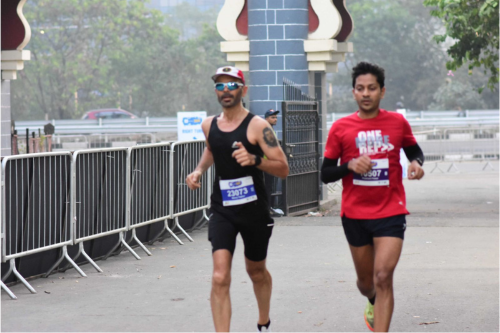




Running in humid weather can make even a short workout feel challenging. When the air is full of moisture, sweat evaporates more slowly, leaving your skin damp and your clothes feeling sticky. For Indian runners, this can mean more discomfort, increased friction, and difficulty staying comfortable during summer runs, monsoon training, and long-distance sessions.
So, what are the best running clothes for humidity?
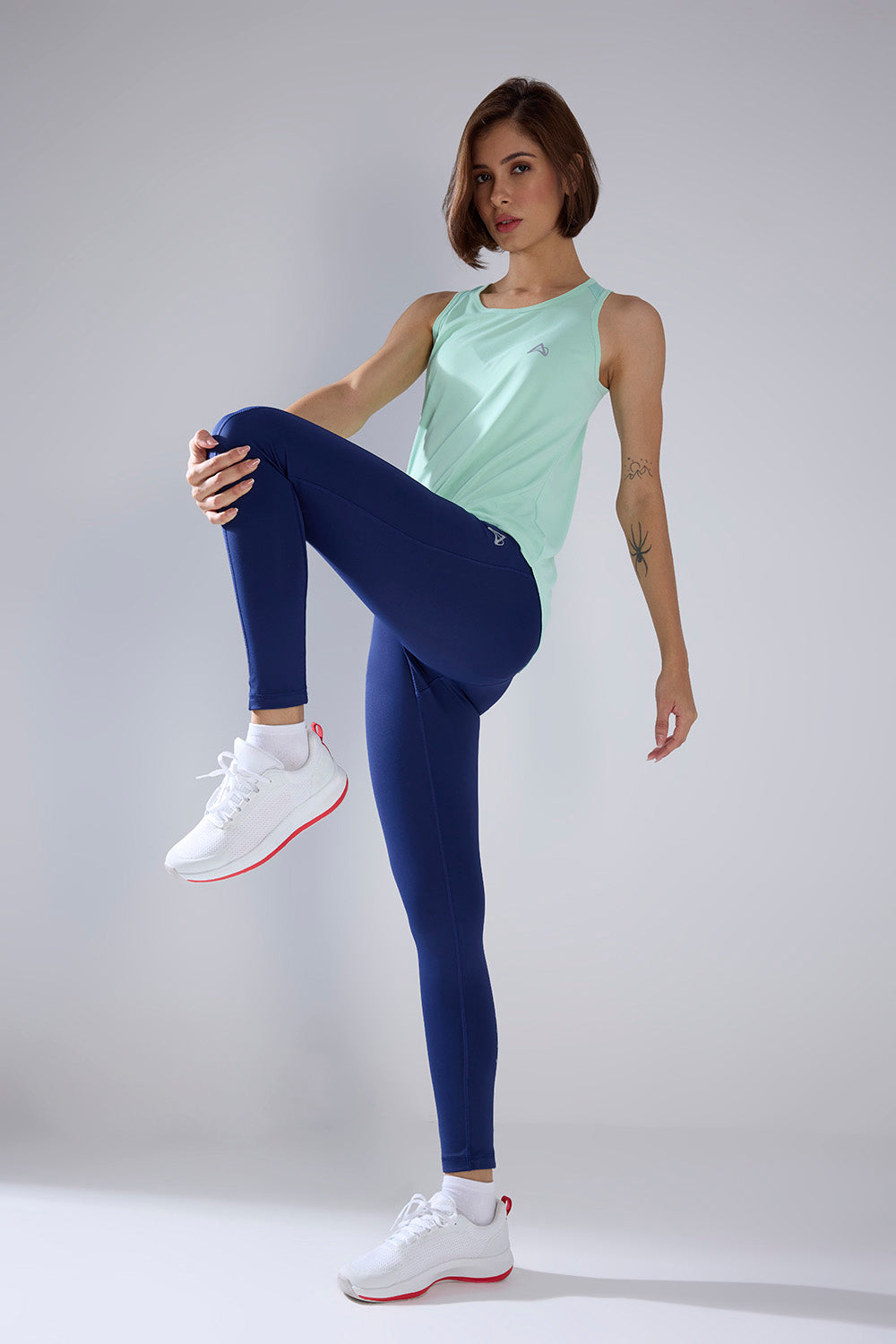
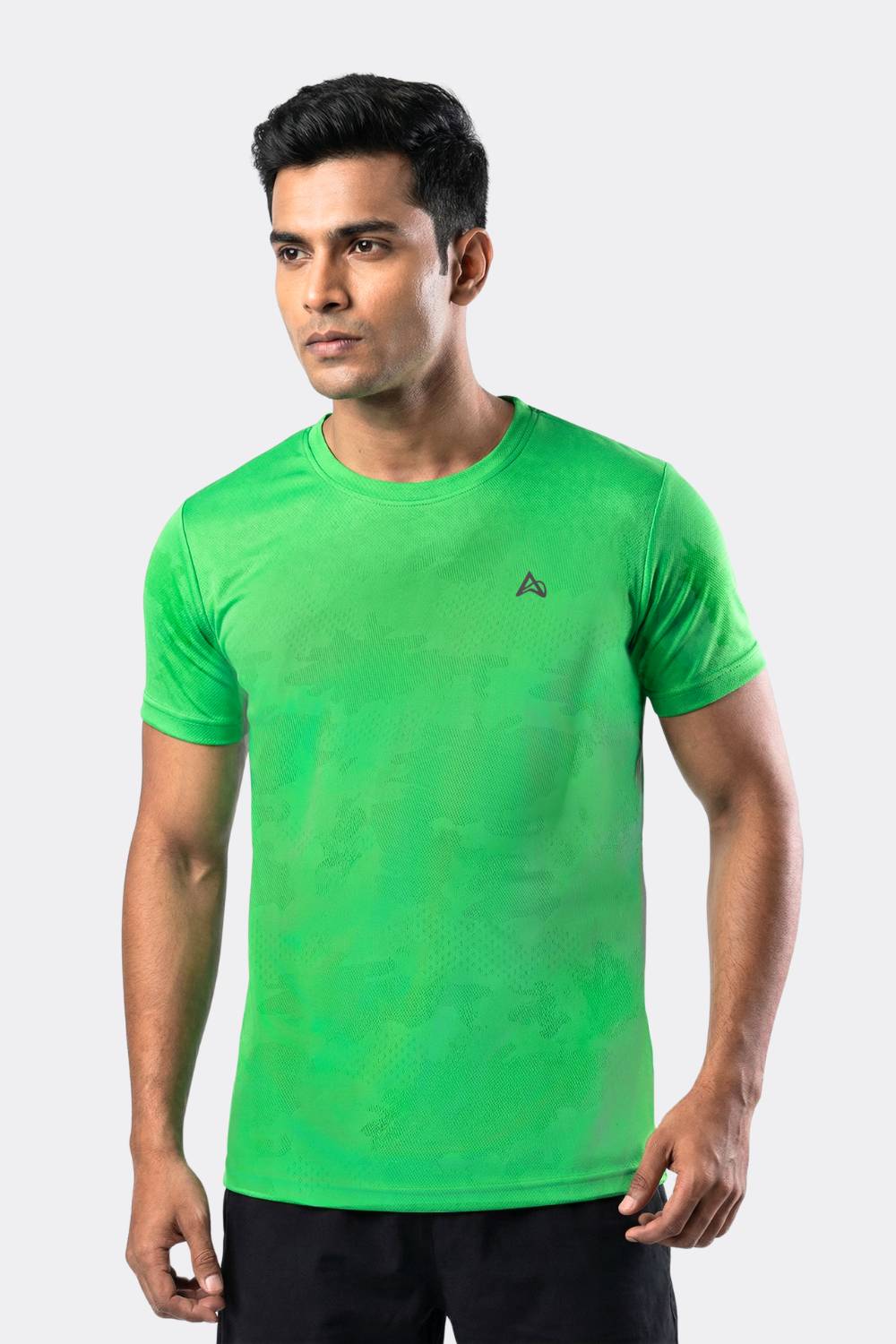
The best choice is usually lightweight, breathable, quick-drying running apparel that manages moisture and allows comfortable movement. A technical running singlet or T-shirt, breathable running shorts or half tights, and sweat-managing socks can help you stay more comfortable in humid conditions.
Whether you're running in Mumbai, Pune, Bengaluru, Hyderabad, Chennai, or Kolkata, here's how to choose the right running outfit for India's humid climate.
1. Choose Lightweight, Moisture-Wicking Running Tops
Your running top can make a significant difference when humidity is high.
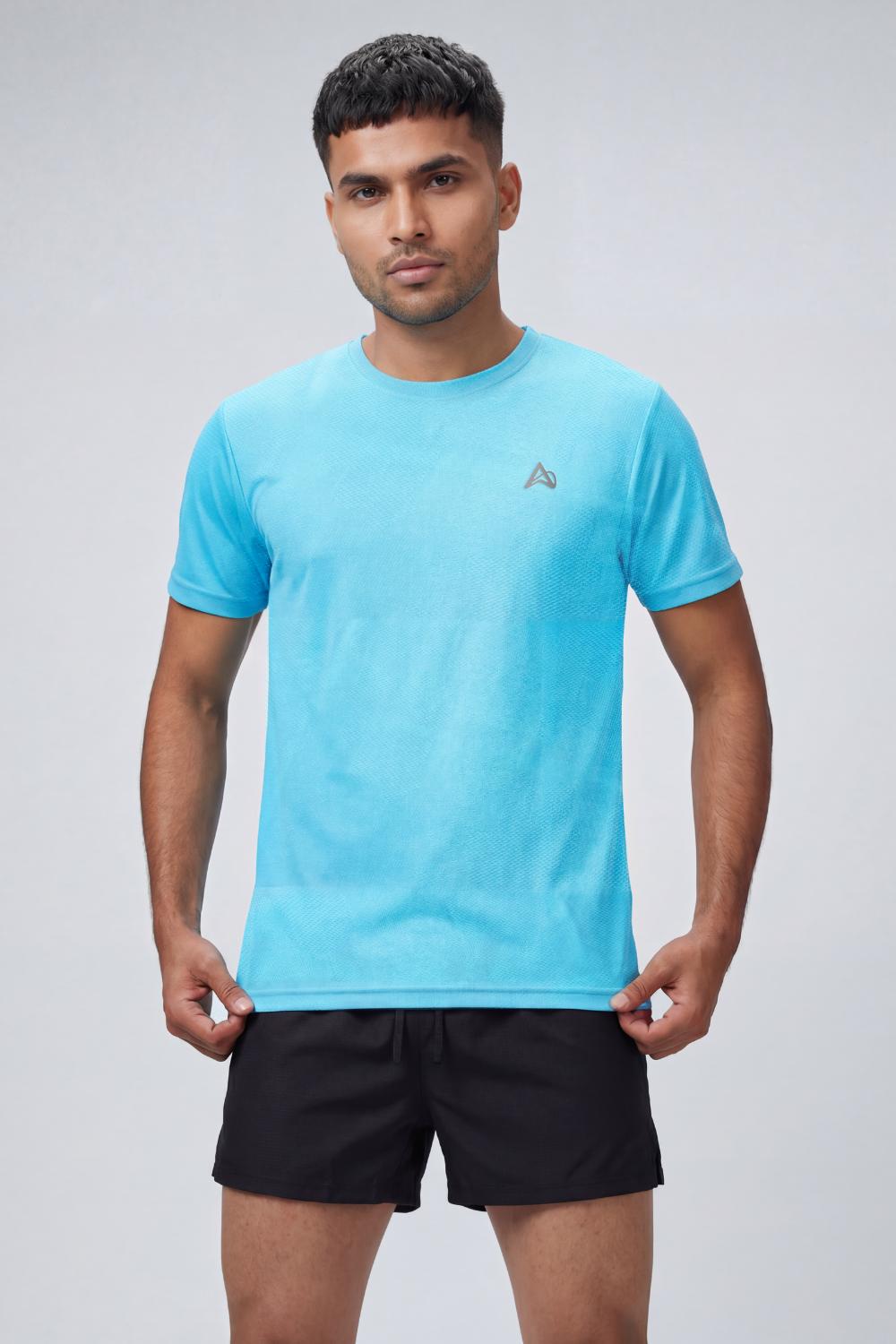
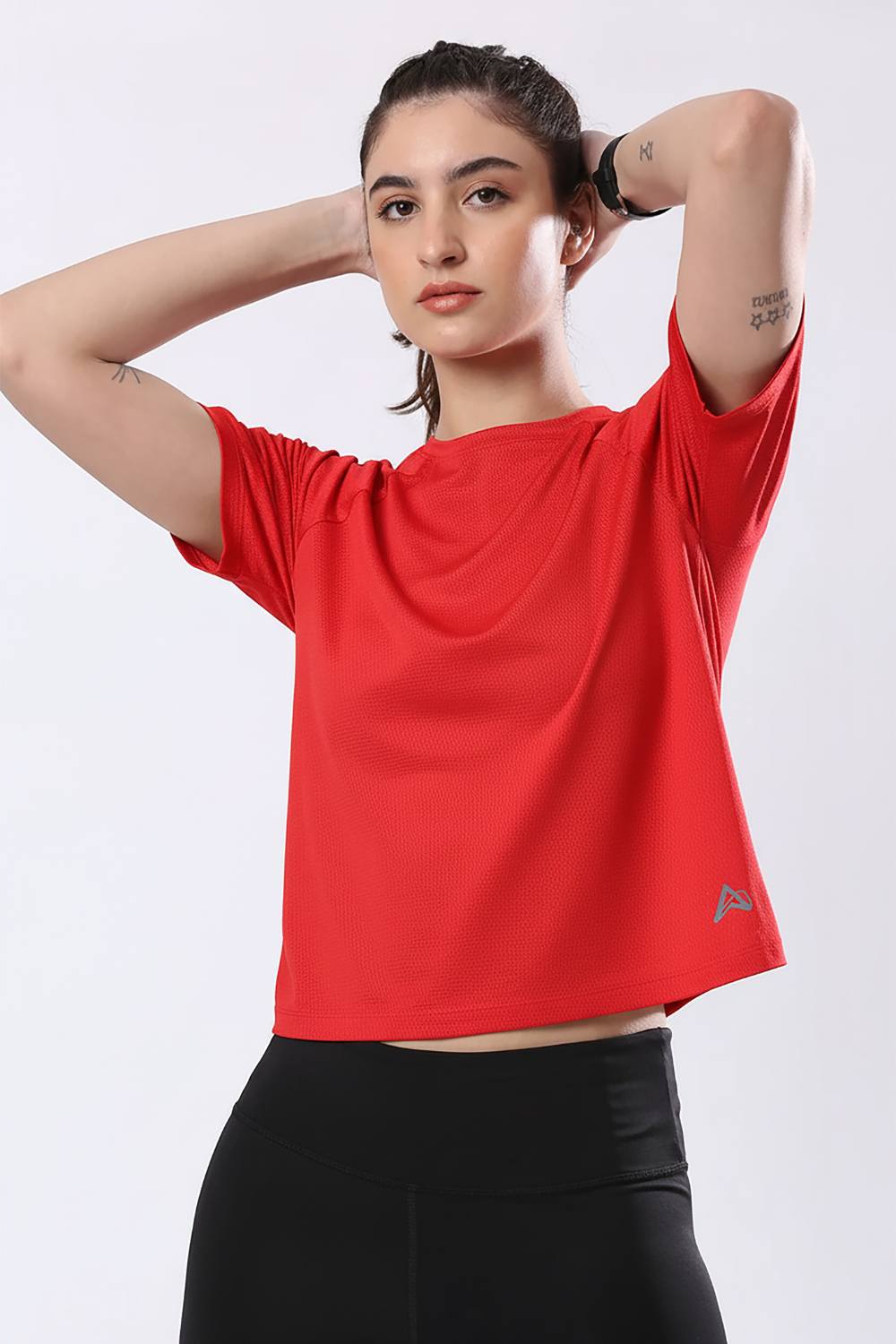
Ordinary cotton T-shirts absorb sweat and may stay wet against your skin. Lightweight technical fabrics, such as polyester and suitable synthetic blends, can be engineered to move moisture across the fabric and dry relatively quickly.
When choosing a running T-shirt or singlet, look for:
- Lightweight fabric that doesn't feel heavy when sweaty
- Breathable construction for better airflow
- Quick-drying performance
- Comfortable seams around the shoulders and underarms
- A fit that allows unrestricted arm movement
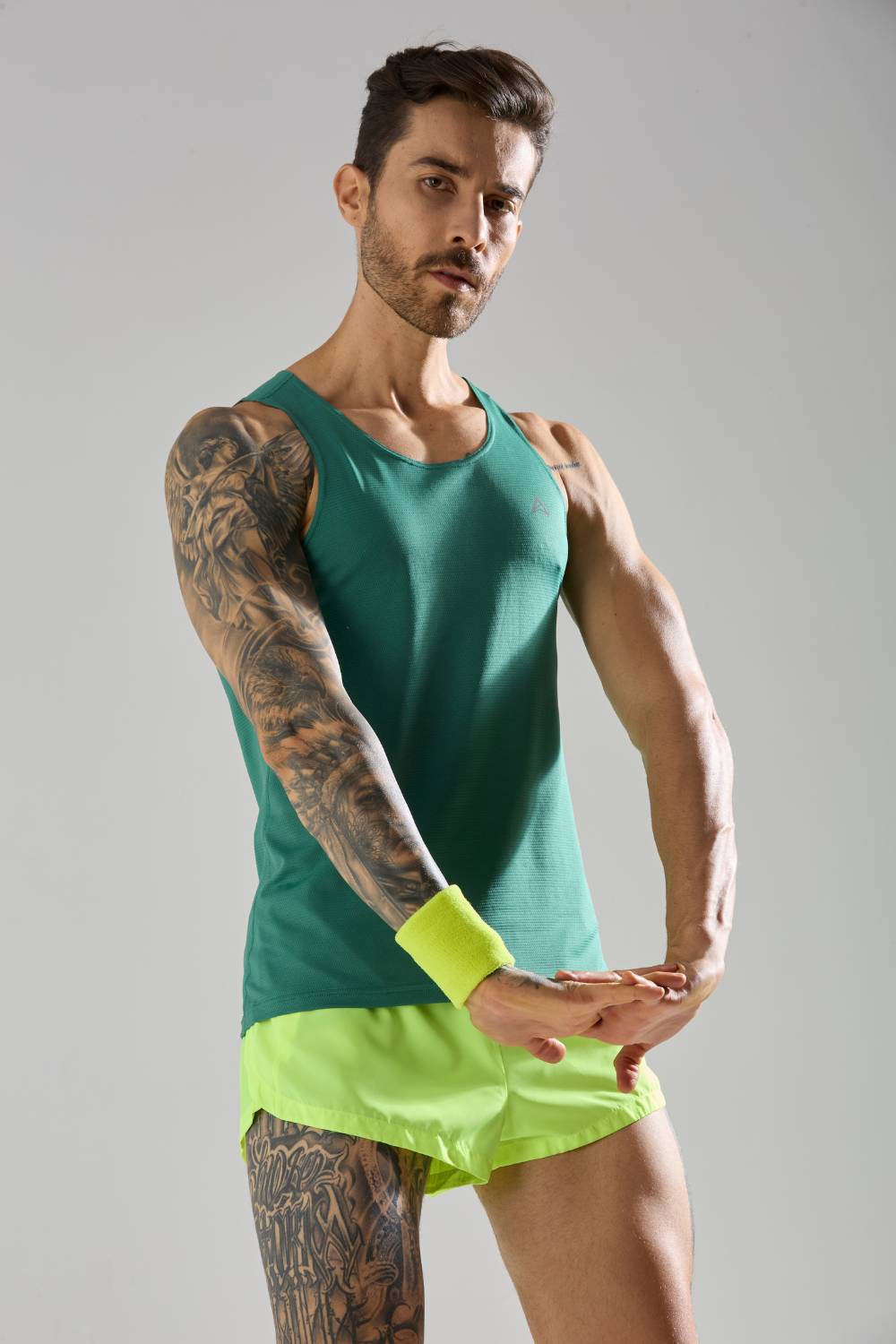
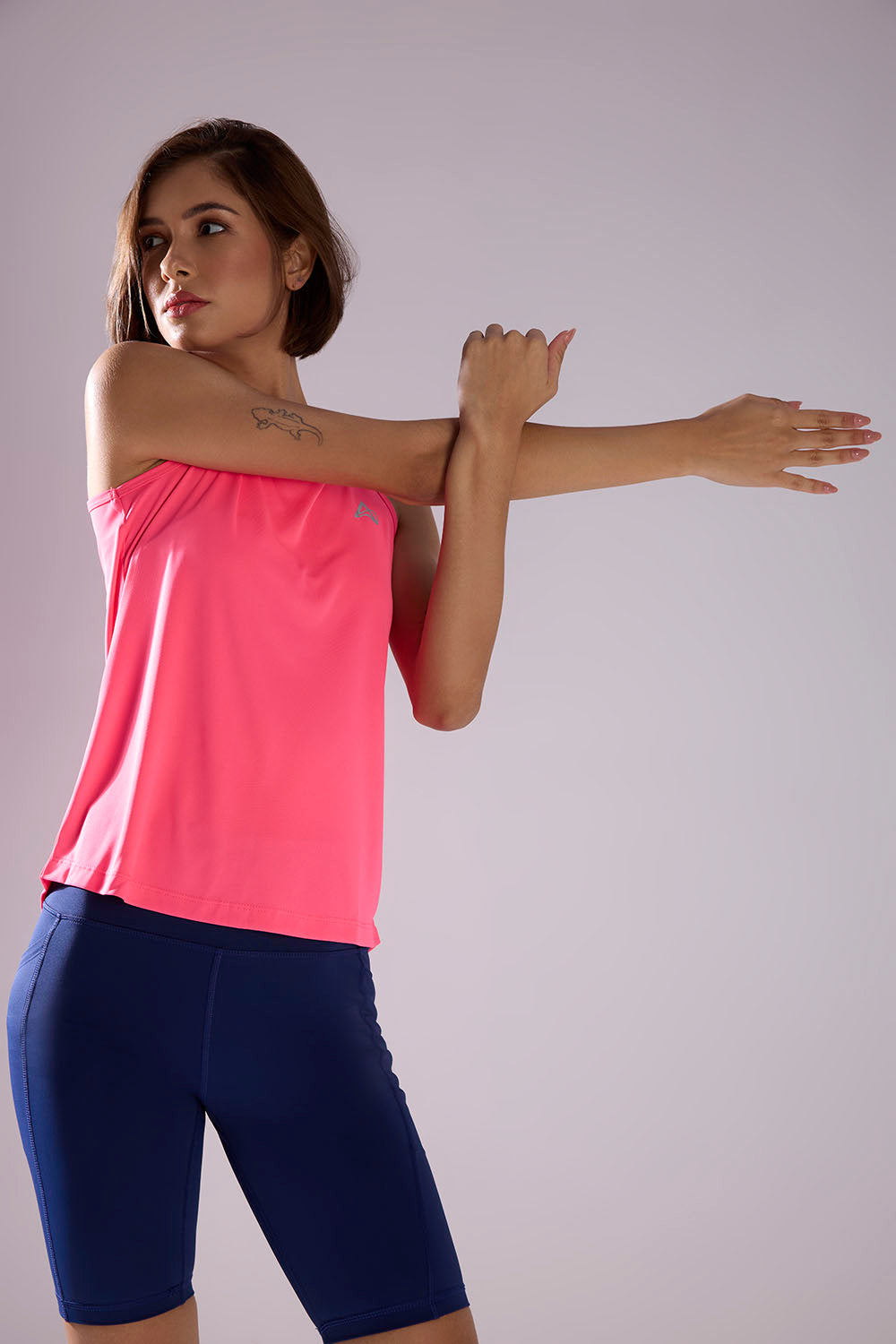
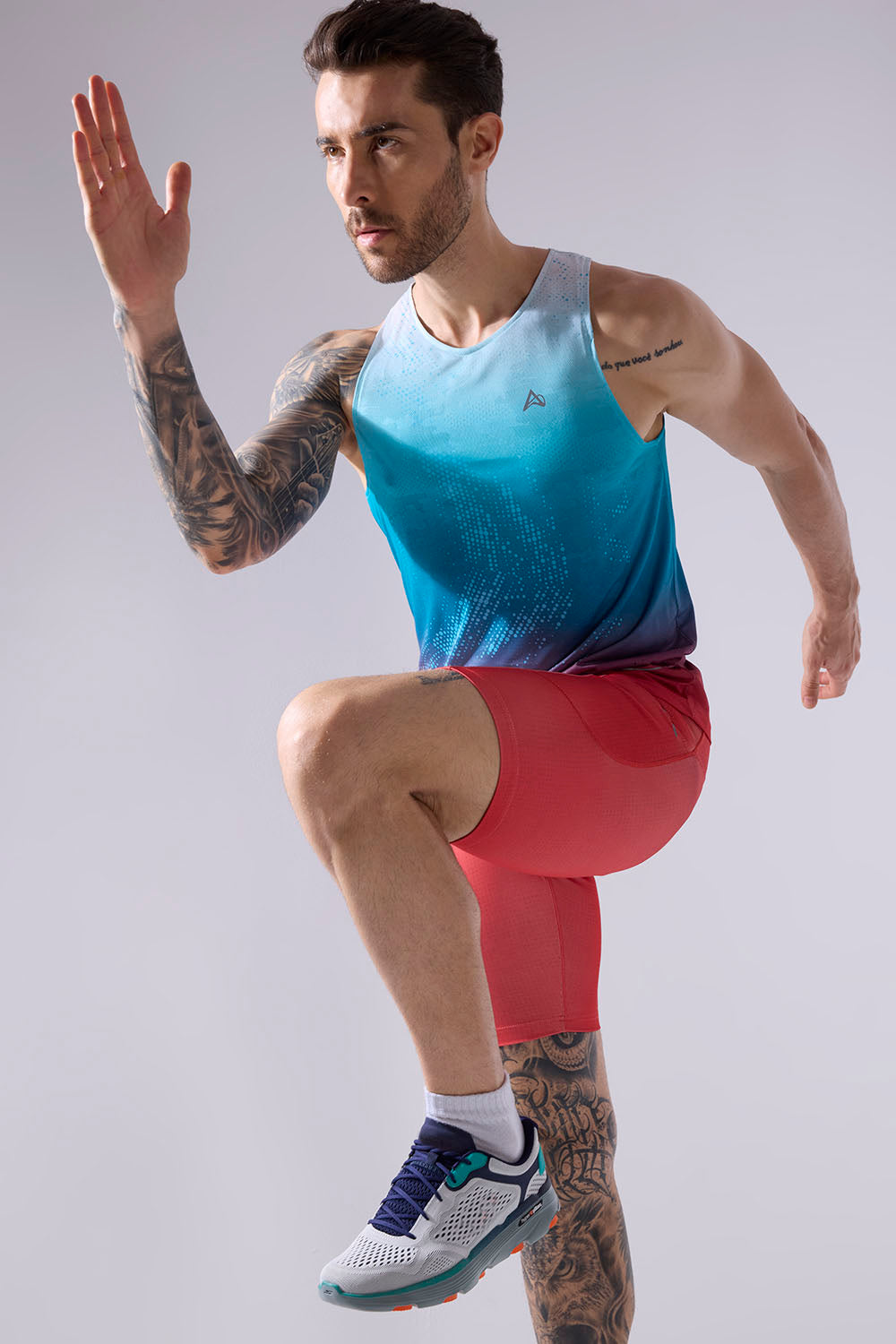
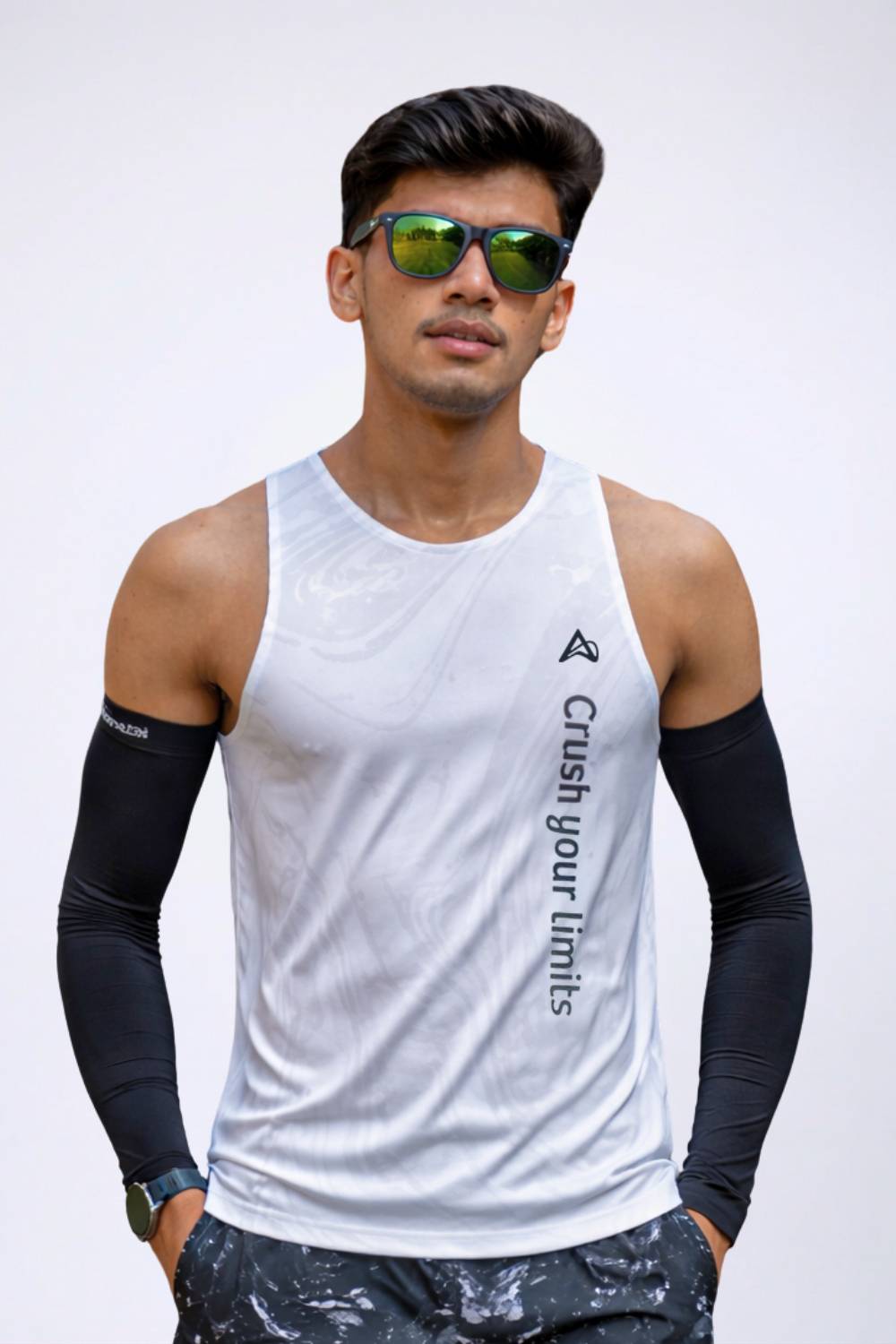
For particularly hot runs, a singlet can be a practical option because it covers less of your upper body than a standard T-shirt.
Explore Aguante men's running singlets for a performance-focused option for warm-weather training.
2. Wear Breathable Running Shorts
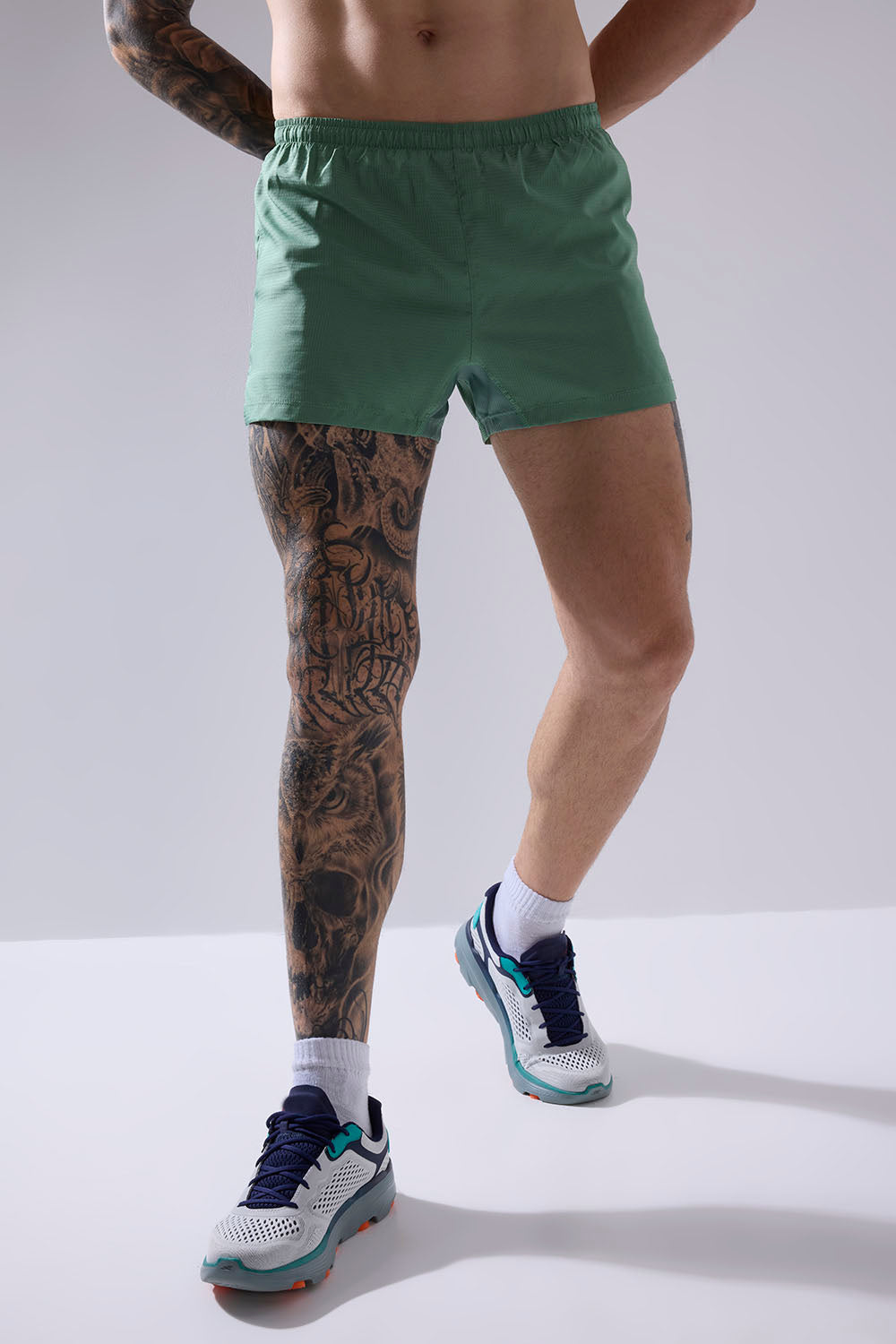
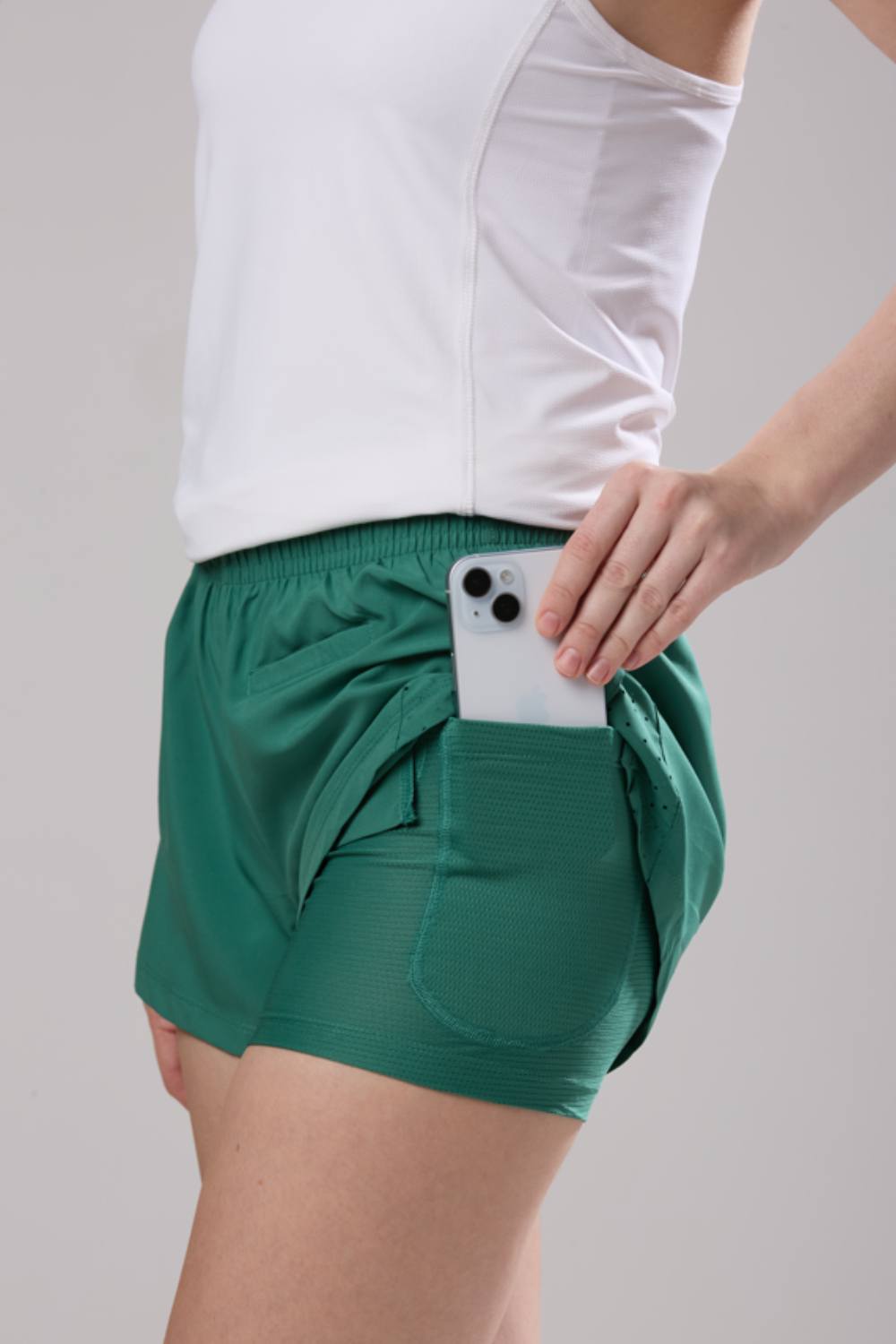
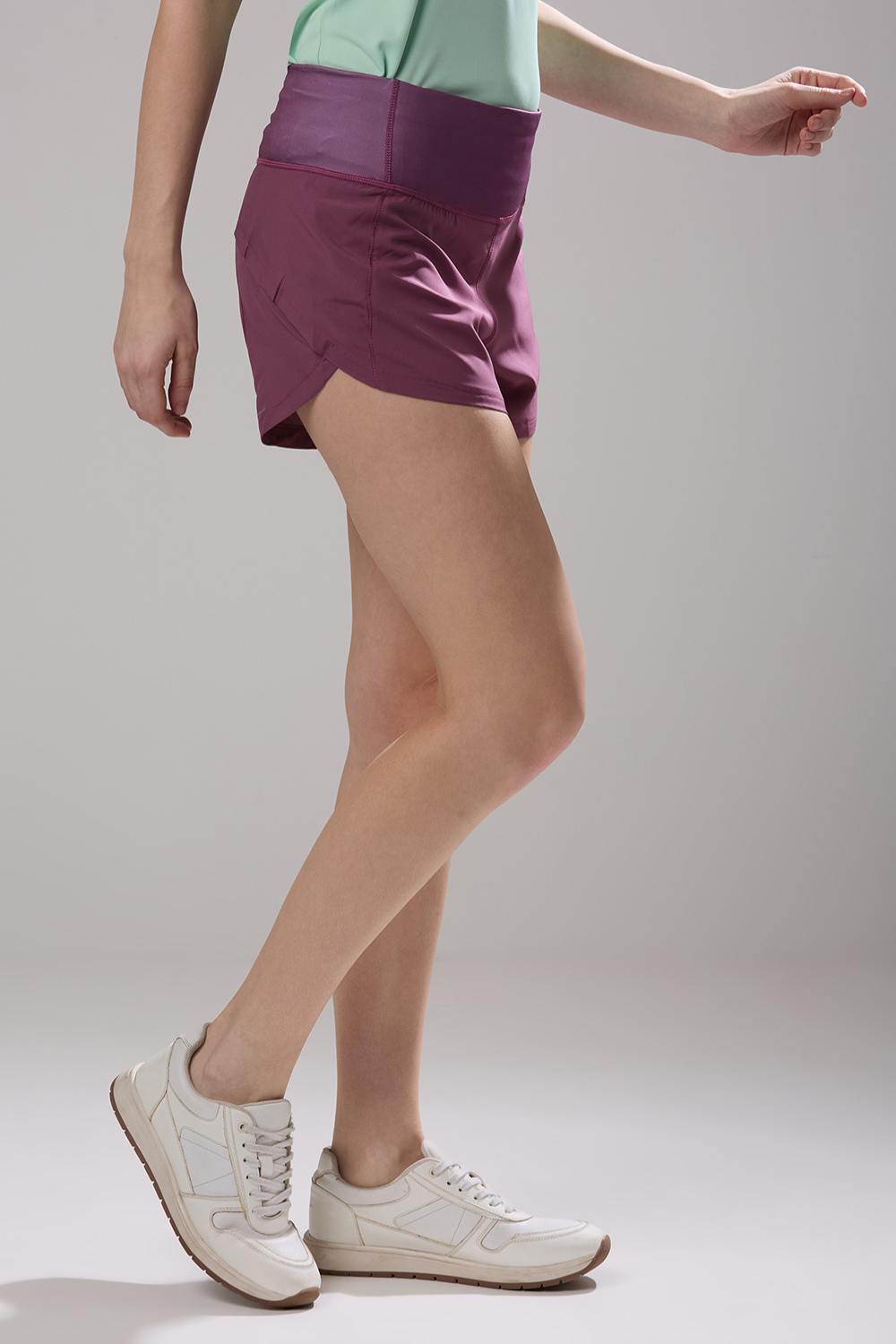
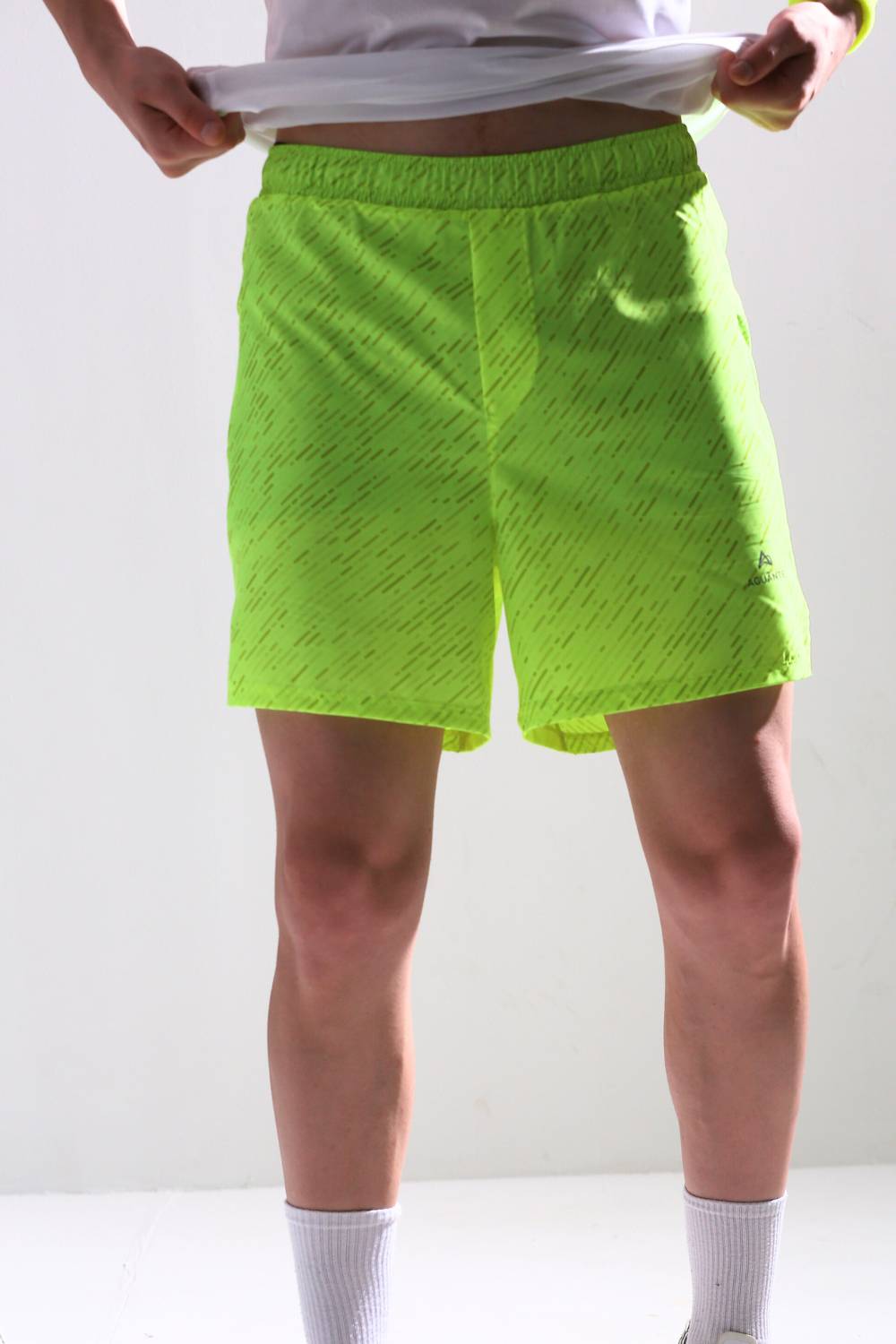
The best running shorts for humidity should feel lightweight, allow your legs to move freely, and stay comfortable as you sweat.
Look for shorts with breathable fabric, a comfortable liner, and a fit that doesn't bunch up or rub against your skin.
Different styles offer different advantages:
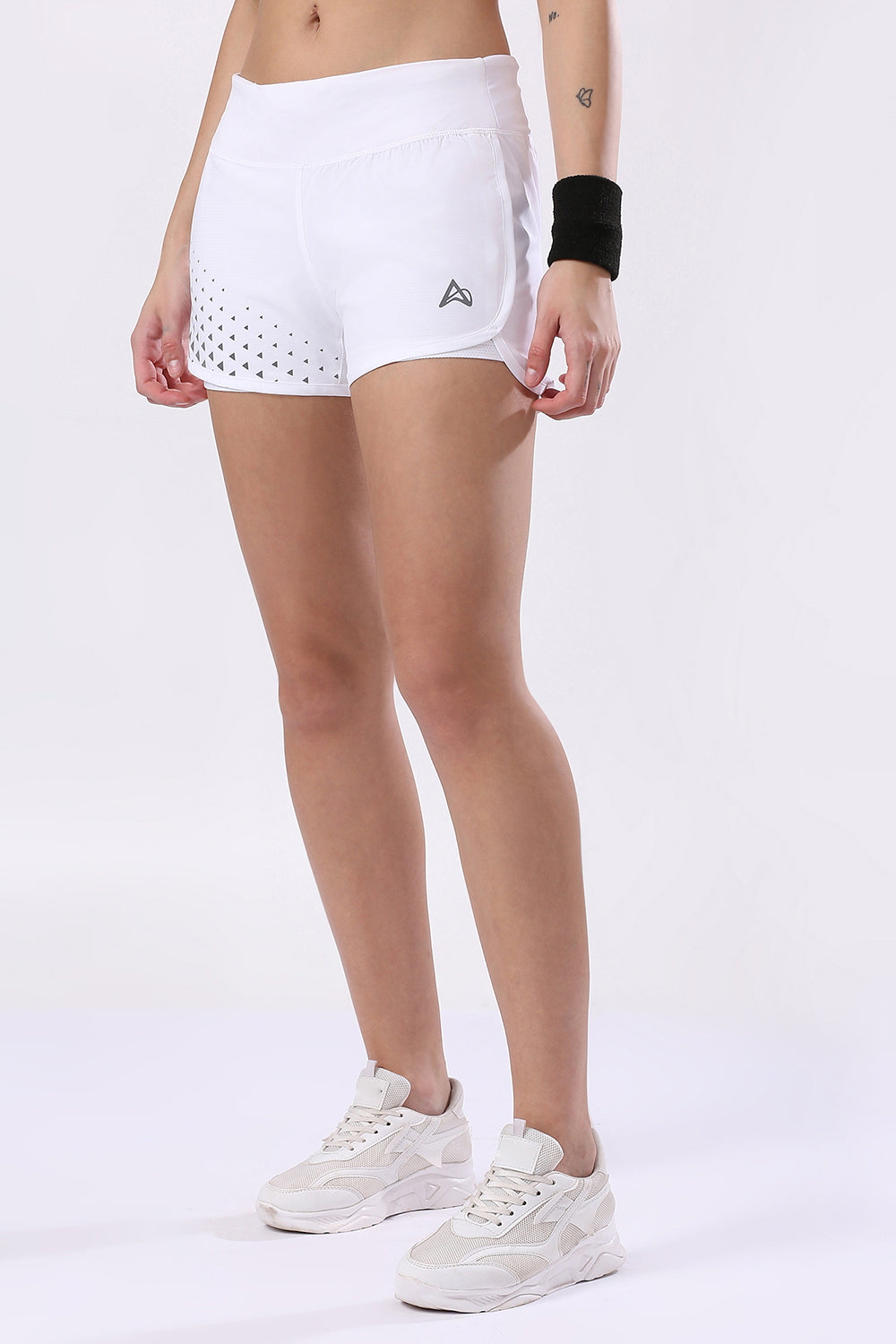
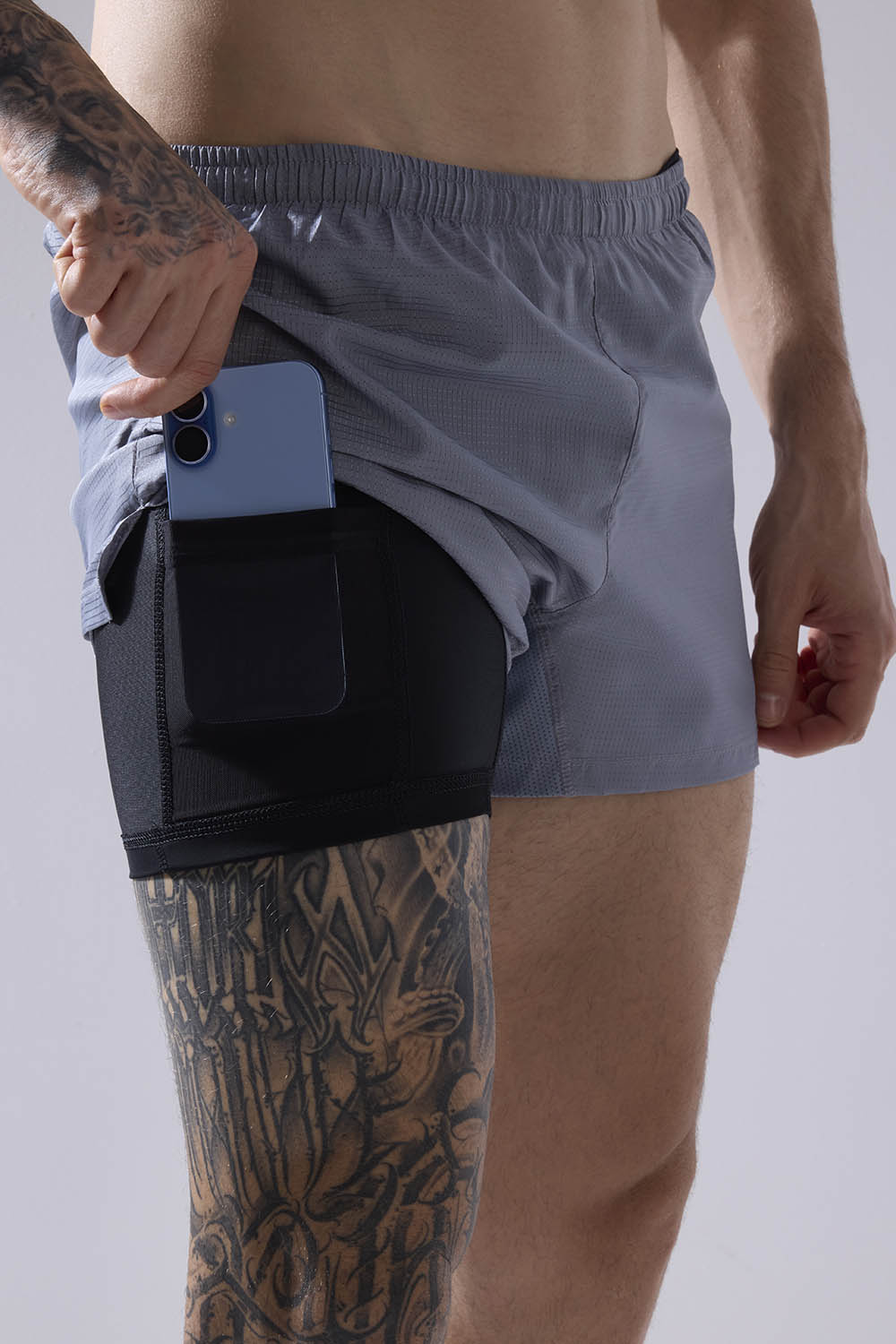
- Split running shorts: Useful for maximum freedom of movement and airflow during speed sessions.
- Mid-length running shorts: A versatile option for everyday training and longer runs.
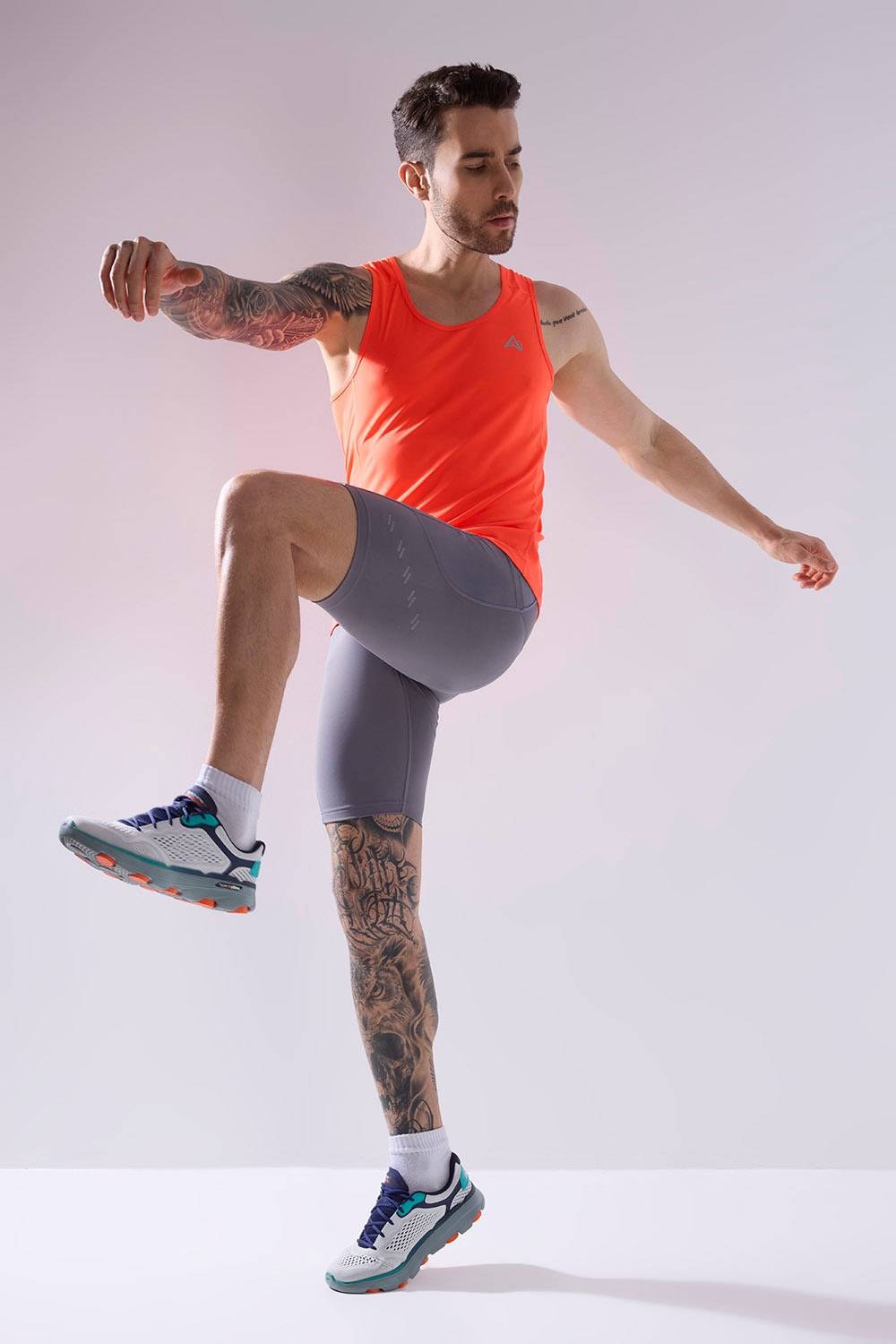
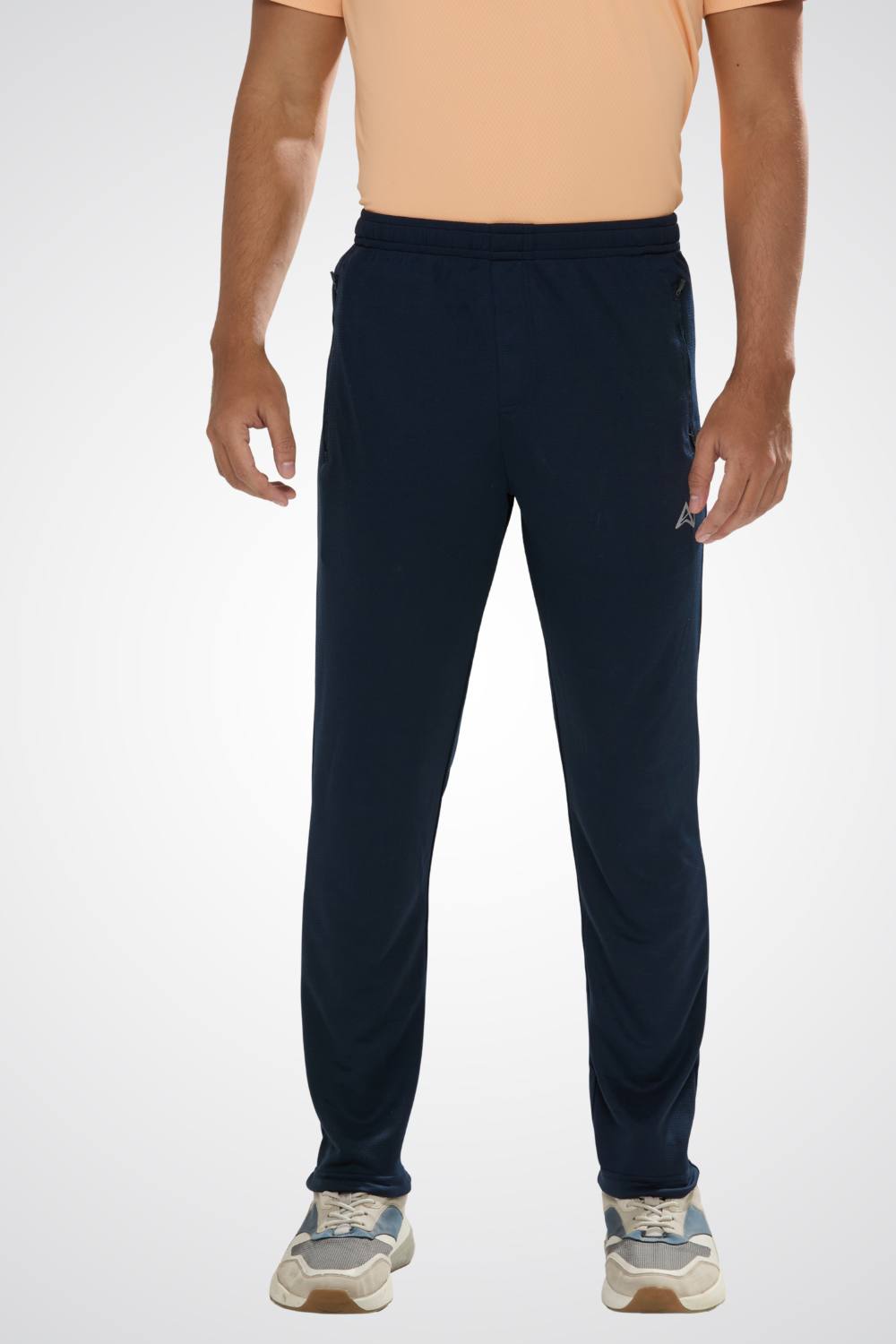
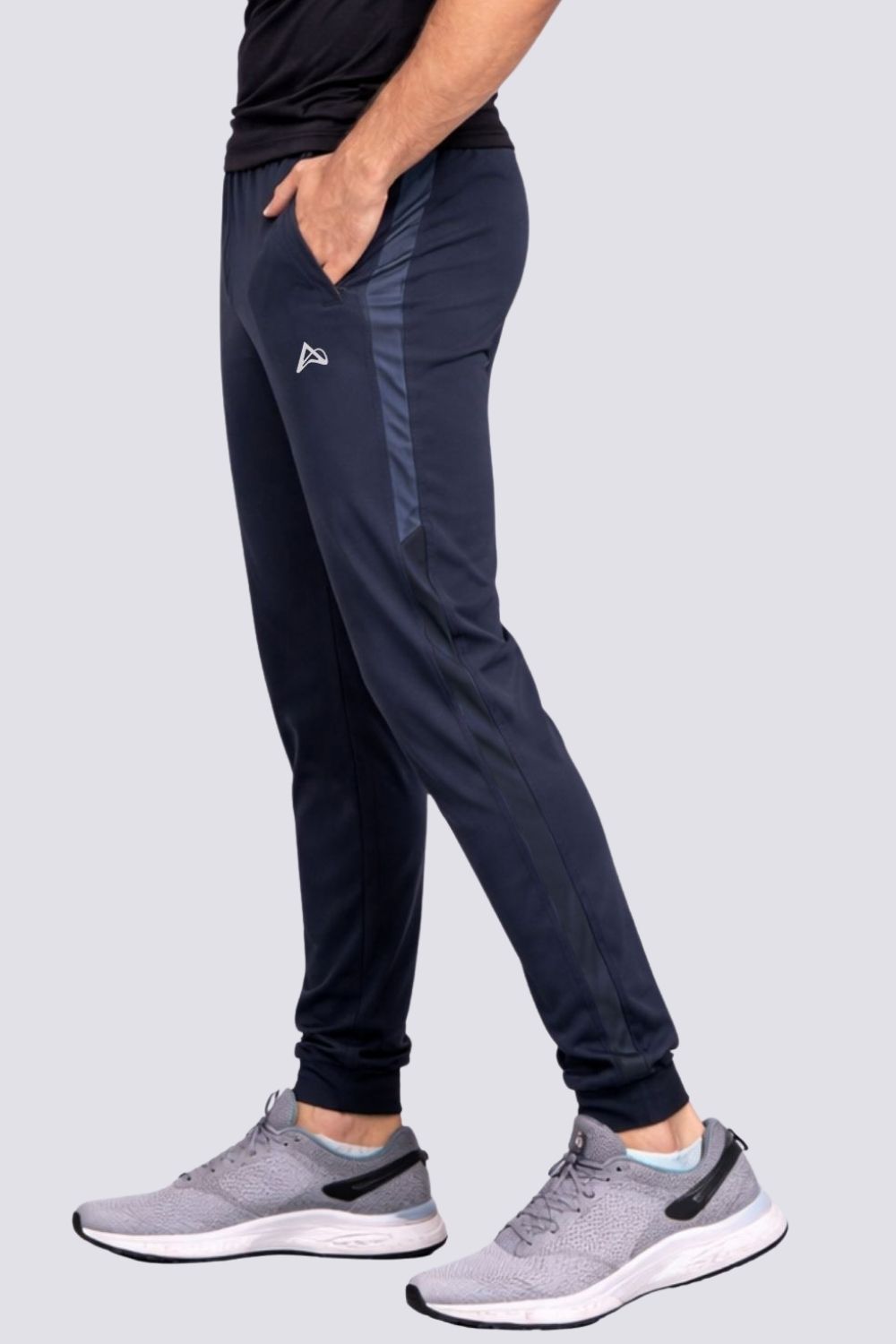
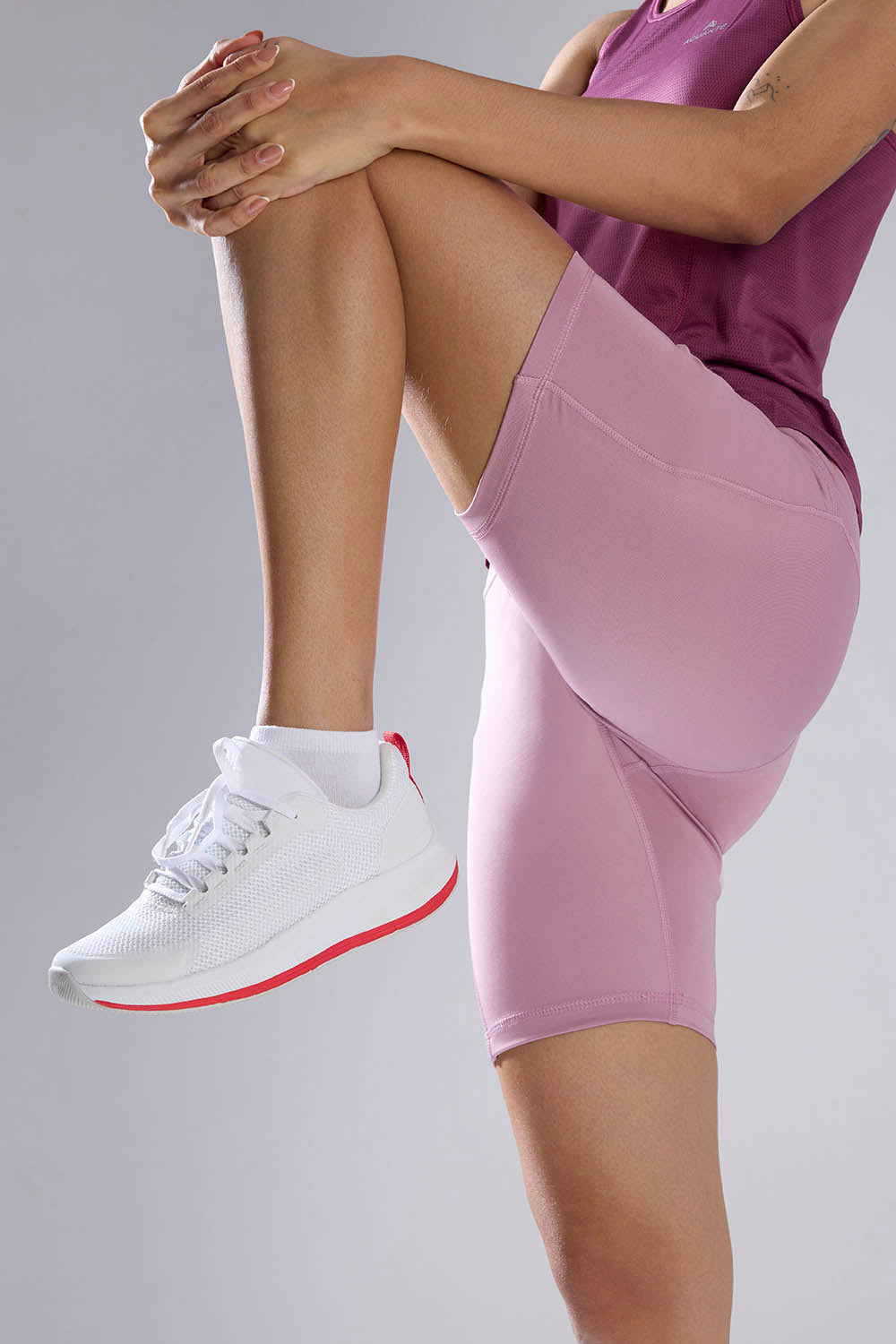
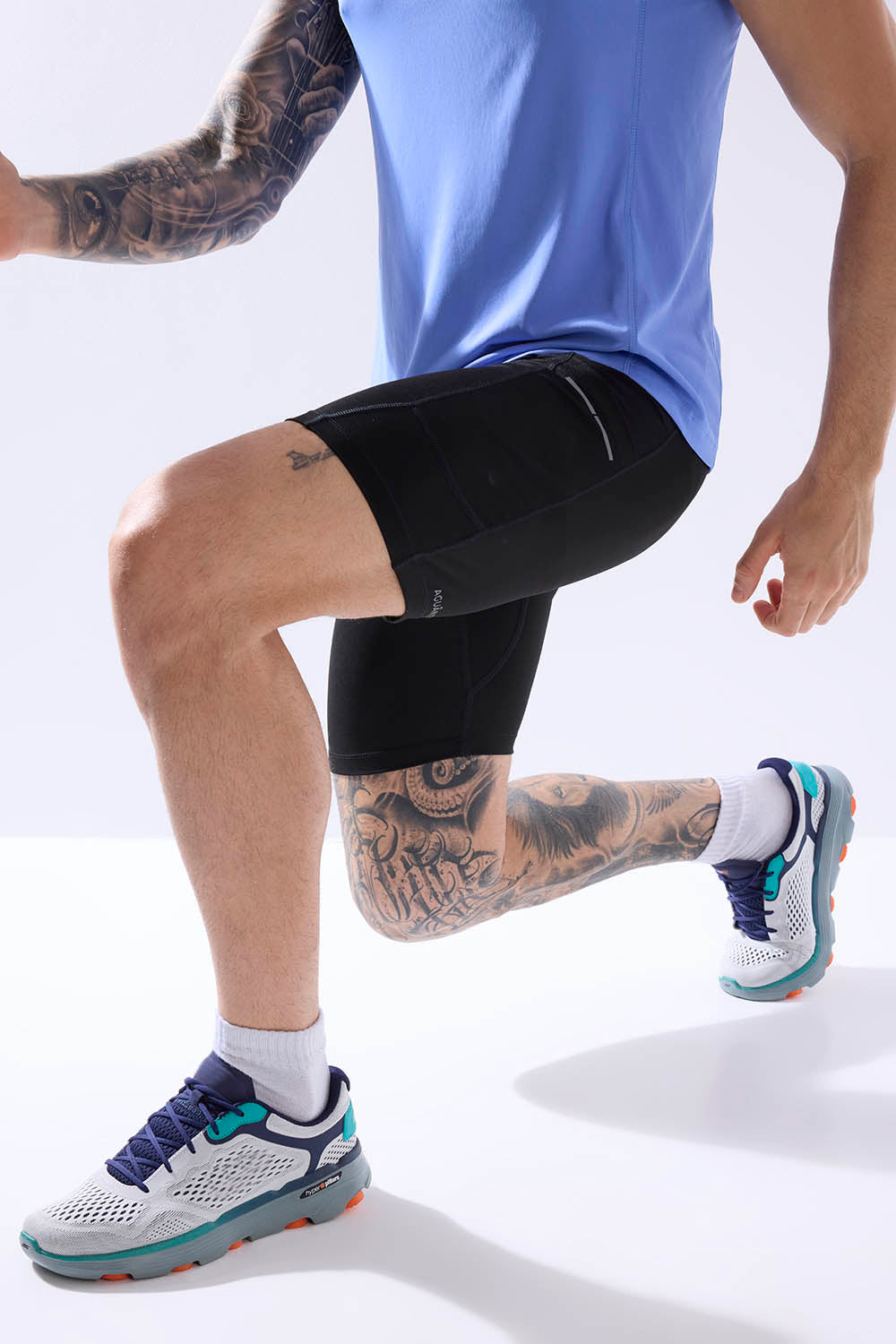
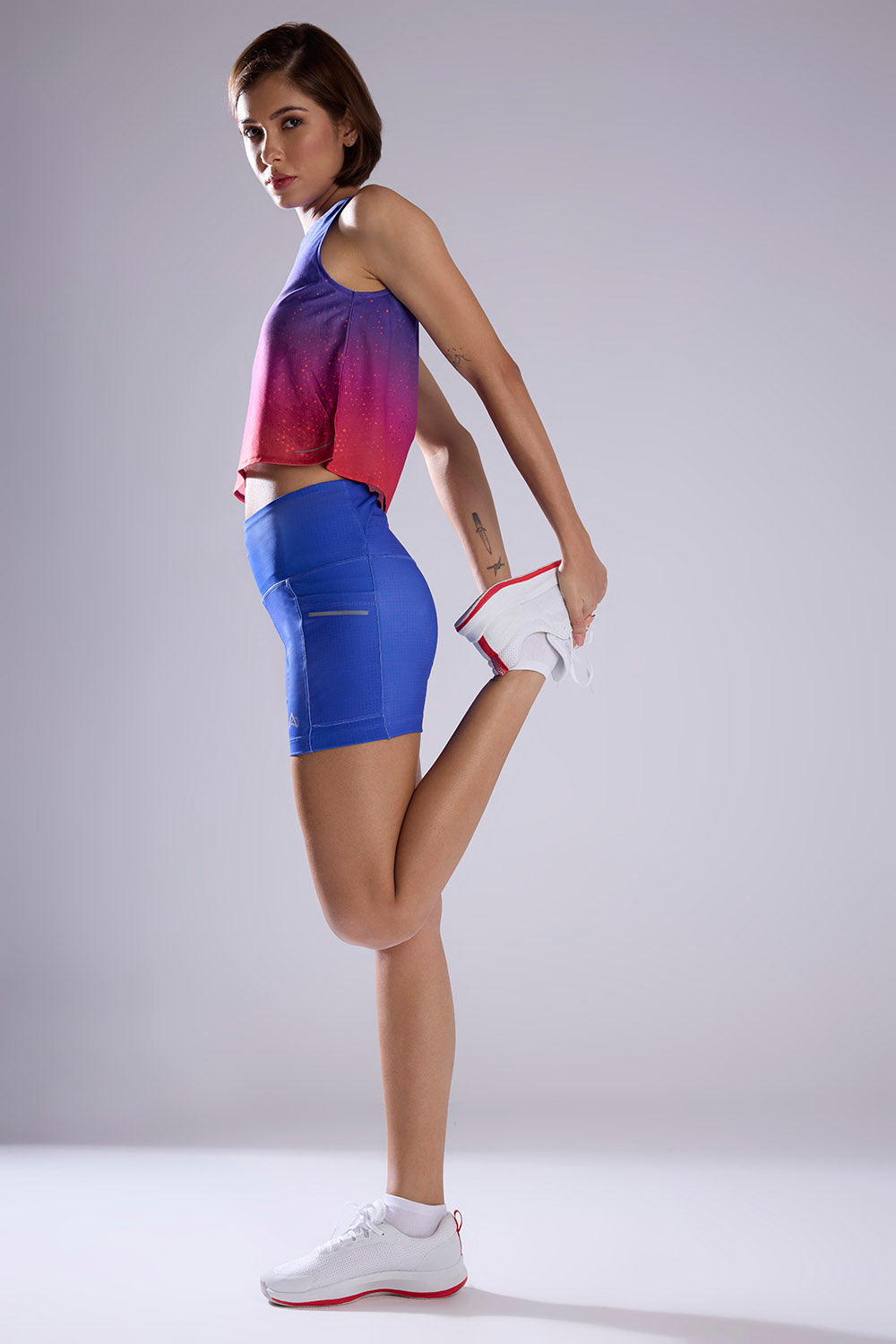
- Half tights: Provide more coverage and can reduce direct skin-on-skin friction between the thighs.
Aguante offers options for different running preferences, including 2" Split Running Shorts and 5" EnduroFlex Performance Shorts.
You can also explore the Aguante men's running shorts collection.
3. Consider Half Tights if You Experience Chafing
Humidity and sweat can make inner-thigh chafing more uncomfortable, particularly during long runs.
Half tights cover the upper legs and can reduce direct skin-on-skin contact. Their closer fit may also help minimize fabric movement.
They can be worth considering if you:
- Experience inner-thigh irritation
- Run long distances
- Prefer a close-fitting garment
- Need pockets for your phone or energy gels
- Want additional coverage during training
Explore Aguante's men's half tights for options suited to different running preferences.
For longer sessions, you can also consider 7" Distance Running Half Tights.
Half tights aren't automatically cooler than shorts, though. Choose a comfortable fit and test the garment during training before using it for a race.
4. Polyester vs Cotton: Which Is Better for Humid Running?
For most sweaty running sessions, lightweight technical polyester is generally more practical than cotton.
| Feature | Technical Polyester | Cotton |
|---|---|---|
| Moisture management | Can be excellent | Absorbs moisture |
| Drying speed | Generally faster | Generally slower |
| Weight when wet | Often stays relatively light | Can become heavy |
| Long-run comfort | Good when well-designed | May become uncomfortable |
| Chafing prevention | Depends on fit and construction | Wet fabric may increase friction |
| Best use | Running and training | Casual wear and low-intensity activity |
Remember that not all polyester garments perform the same way. Fabric weight, knit structure, ventilation, and fit all influence comfort.
Tip: Don't choose running apparel based on the fibre label alone. Look for a lightweight garment specifically designed for running.
5. Look for Ventilation and Comfortable Seams
Breathability isn't just about the material. The way a garment is constructed also matters.
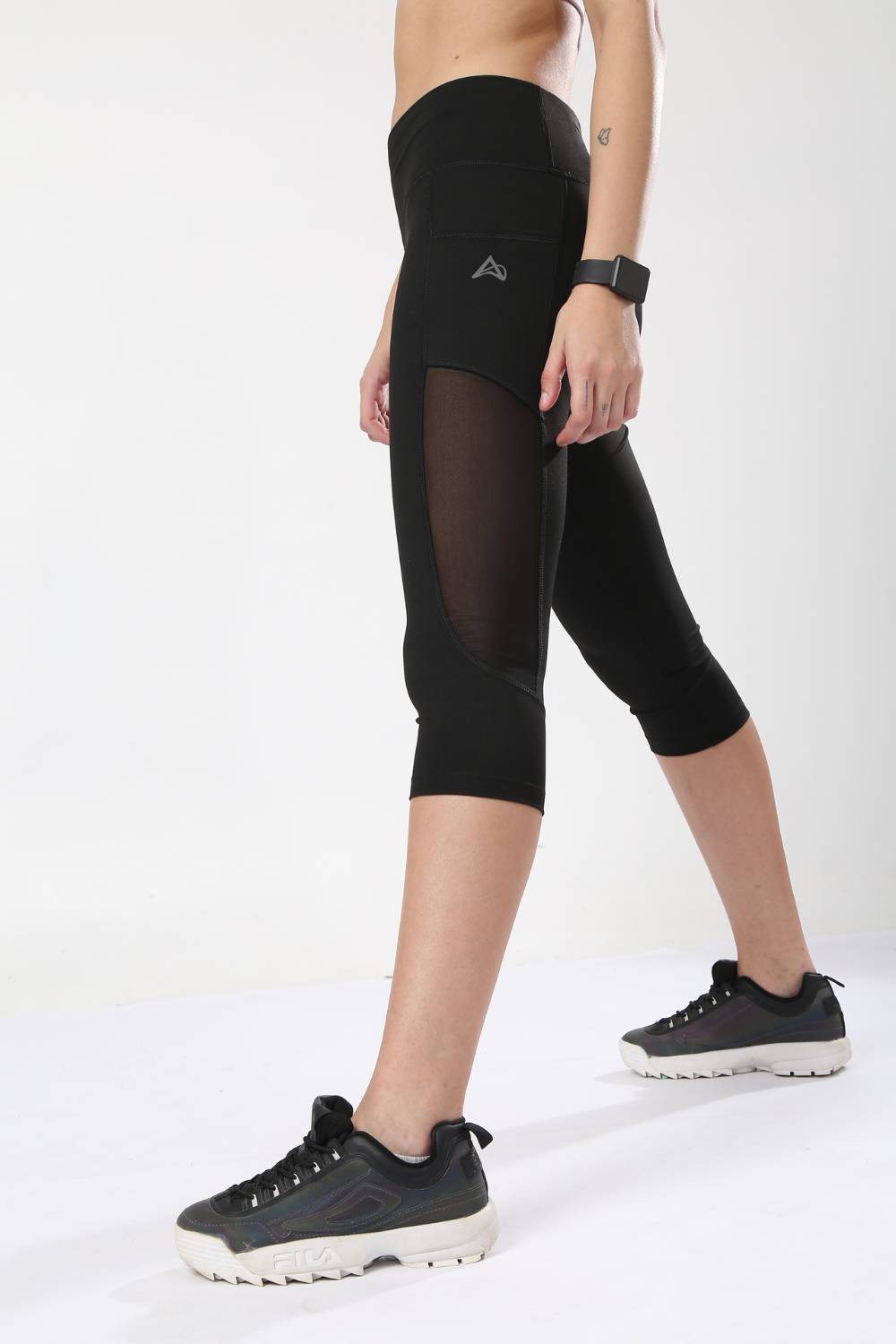
Mesh panels, ventilated sections, and lightweight fabric can help improve airflow. Smooth seams and a stable fit may also reduce irritation during repetitive movement.
Before buying running clothes, check for:
- Mesh or breathable panels
- Lightweight construction
- Comfortable waistbands
- Minimal rubbing around the inner thighs
- Smooth seam placement
- A fit that stays in place while running
These details can be especially useful during half-marathon and marathon training, when small sources of discomfort may become more noticeable over time.
6. Wear the Right Socks for Humid Weather
Your socks matter just as much as your top and shorts.
Cotton socks can become saturated with sweat, potentially contributing to discomfort and friction inside your shoes.
Consider technical running socks designed to manage moisture and provide a secure fit. Choose socks that don't bunch up, rub at the heel, or create pressure points around your toes.
For humid-weather running, your basic outfit should include:
- A lightweight technical top
- Breathable running shorts or half tights
- Technical running socks
- Well-fitting running shoes
- A cap or visor when appropriate for sun protection
7. Adapt Your Running Clothes to Indian Weather
Humidity varies by region and season, so your outfit should reflect the conditions.
Mumbai and Chennai: Prioritize lightweight tops, breathable shorts, and apparel that remains comfortable during prolonged sweating.
Pune and Hyderabad: For hot summer sessions, choose lightweight fabrics and avoid unnecessary layers.
Bengaluru: Use breathable apparel for warm, humid days and add a light layer when early-morning conditions are cooler.
Kolkata and other humid regions: Quick-drying clothing and comfortable fits can help during sweaty training sessions.
During the monsoon, remember that rain-soaked clothing may increase friction. Change out of wet apparel promptly after your run.
8. What Should You Avoid Wearing in Humid Weather?
To make your runs more comfortable, avoid common clothing mistakes:
- Heavy cotton T-shirts during long, sweaty runs
- Thick shorts that restrict airflow
- Loose garments that repeatedly rub against your skin
- Poorly fitting waistbands or liners
- New clothes that haven't been tested over distance
- Staying in sweat-soaked clothing after your workout
If you experience recurring chafing, consider an anti-chafing lubricant and adjust your clothing fit. Clothing can help reduce friction, but it cannot guarantee that irritation will never occur.
Best Humid-Weather Running Outfit from Aguante
If you're looking for running apparel for India's heat and humidity, Aguante offers performance-focused options for different training needs.
- For lightweight upper-body coverage: Aguante Running Singlet
- For speed sessions and airflow: 2" Split Running Shorts
- For training with storage: 5" EnduroFlex Performance Shorts
- For additional leg coverage: Men's Half Tights Collection
- For more running apparel: Aguante All Products
Choose according to your running distance, fit preference, storage needs, and local conditions. Test your apparel on regular training runs before relying on it for race day.
Frequently Asked Questions
What are the best running clothes for high humidity?
Lightweight moisture-wicking tops, breathable running shorts or half tights, and technical socks are practical choices. Prioritize quick drying, airflow, comfortable seams, and a stable fit.
Is polyester good for running in humidity?
Yes. Lightweight technical polyester can be a good choice because it can be engineered for moisture management and quick drying. Its performance depends on the garment's construction.
Are half tights better than shorts in humid weather?
Not for everyone. Shorts generally allow more airflow, while half tights provide more coverage and may reduce inner-thigh friction. Choose whichever feels more comfortable over your typical running distance.
How can I prevent chafing during humid runs?
Wear well-fitting running clothes, reduce unnecessary fabric movement, and consider an anti-chafing lubricant on areas prone to friction. Change out of wet clothes after running.
Is it safe to run in very hot and humid weather?
High heat and humidity can increase the risk of heat-related illness. Run during the coolest practical hours, reduce intensity, hydrate appropriately, and move indoors or skip the session when conditions are unsafe. Clothing alone cannot prevent heat illness.
Final Verdict: What Are the Best Running Clothes for Humidity?
The best running clothes for humidity are lightweight, breathable, quick-drying, and comfortable over your full running distance. Technical polyester tops, well-designed running shorts, half tights when additional coverage is useful, and moisture-managing socks are a practical starting point for Indian runners.
Don't focus on fabric alone. Fit, ventilation, seam placement, and moisture management all influence how your clothing feels during a run.