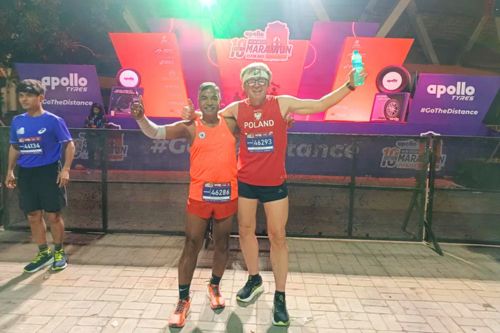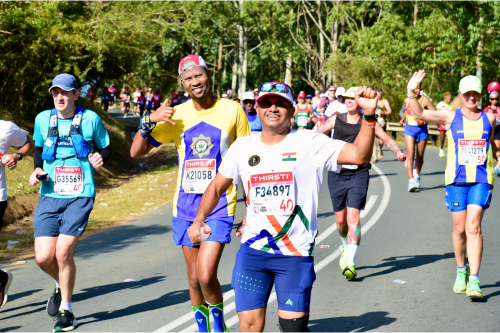












The Comrades Marathon stands as one of the world's most demanding ultramarathons a relentless 90-kilometer journey between Pietermaritzburg and Durban that tests physical limits and mental fortitude. For decades, Indian runners viewed a strong showing here, much less a medal, as an elusive goal reserved for international elites. That perception changed decisively with Devarao Chaudhari, widely known in the running community as @runholic_dev. In back-to-back appearances, he secured silver medals finishing in approximately 7:04 in one edition to set the fastest Indian time in the race's century-long history, then following with another silver in 7:03, shattering his own mark by minutes and becoming the first Indian to achieve consecutive silvers at this iconic event.
This achievement marks more than personal triumph; it illuminates the accelerating rise of ultra-endurance talent across India's metropolitan centers. Cities such as Bangalore, Hyderabad, Mumbai, Pune, Navi Mumbai, Delhi, Gurugram, Surat, and Ahmedabad already vibrant with marathon participation are nurturing ultrarunners capable of global contention.
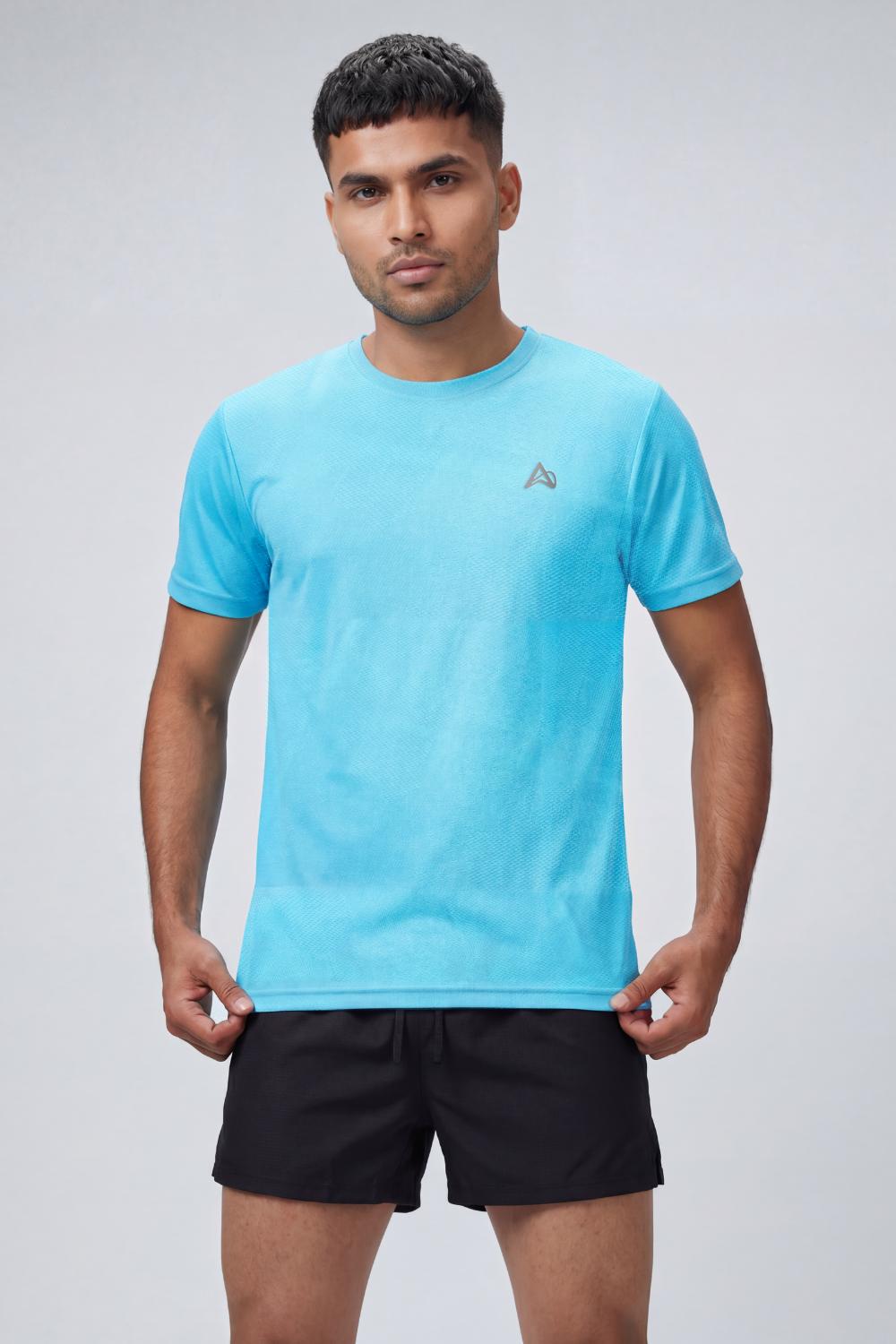
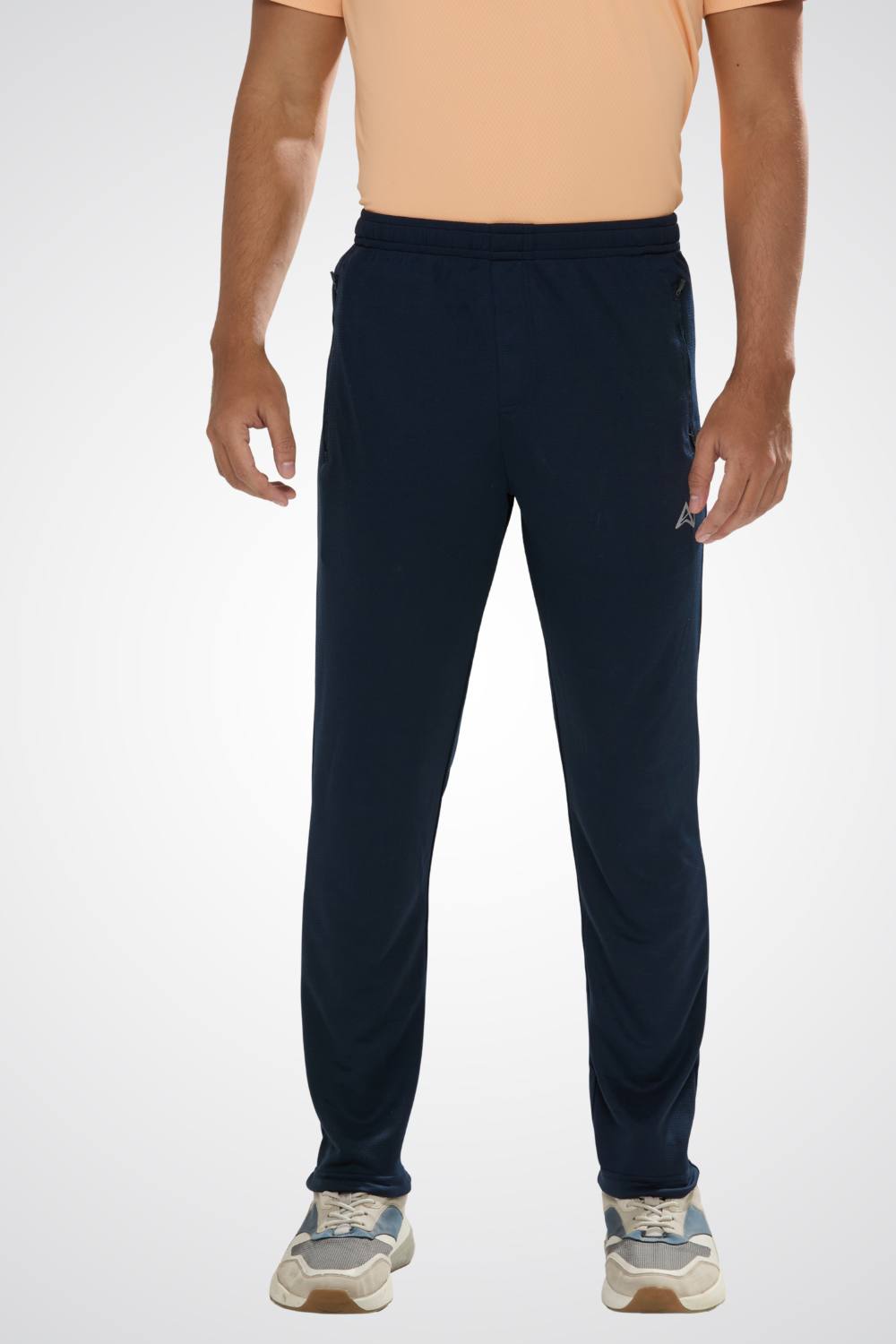
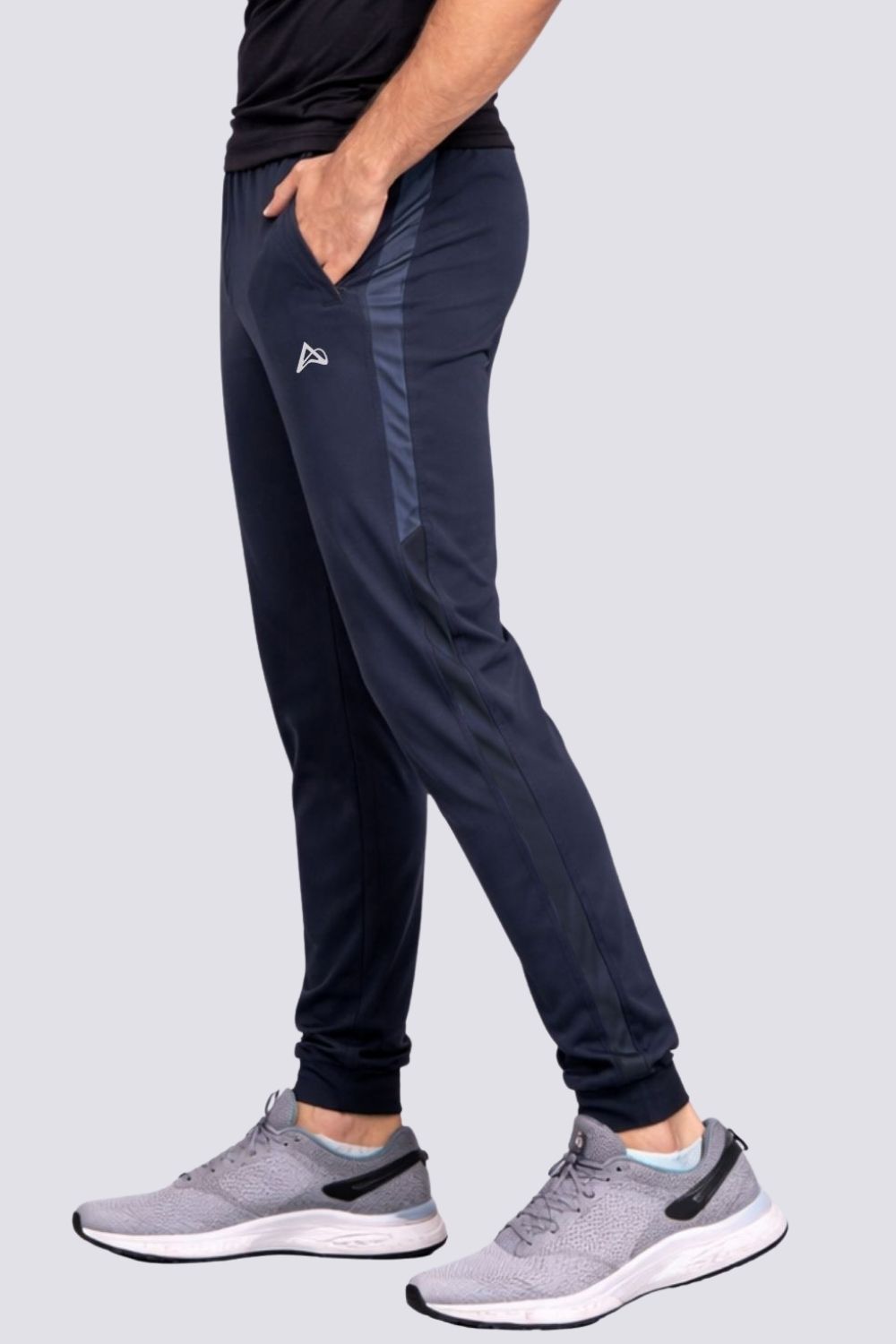
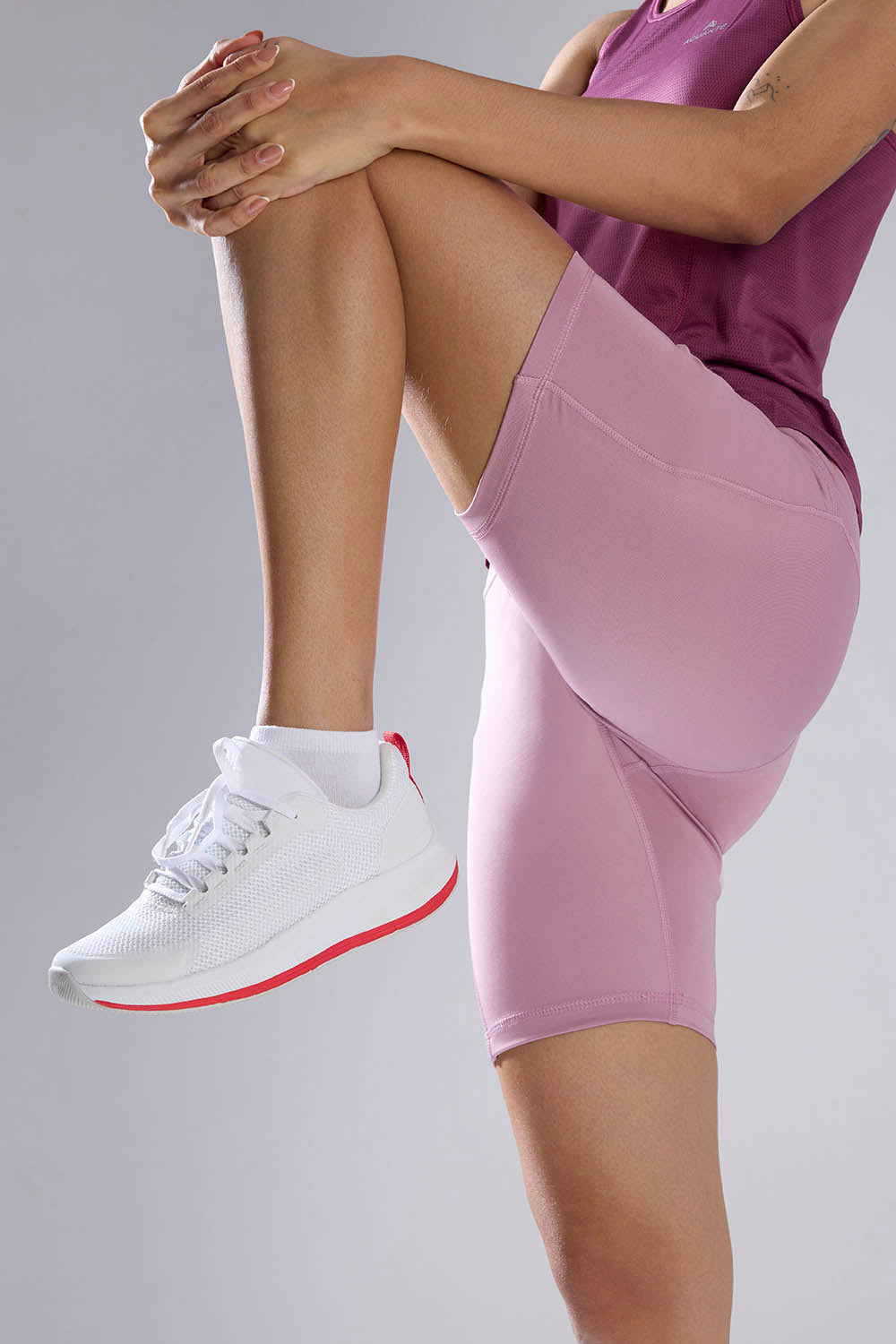
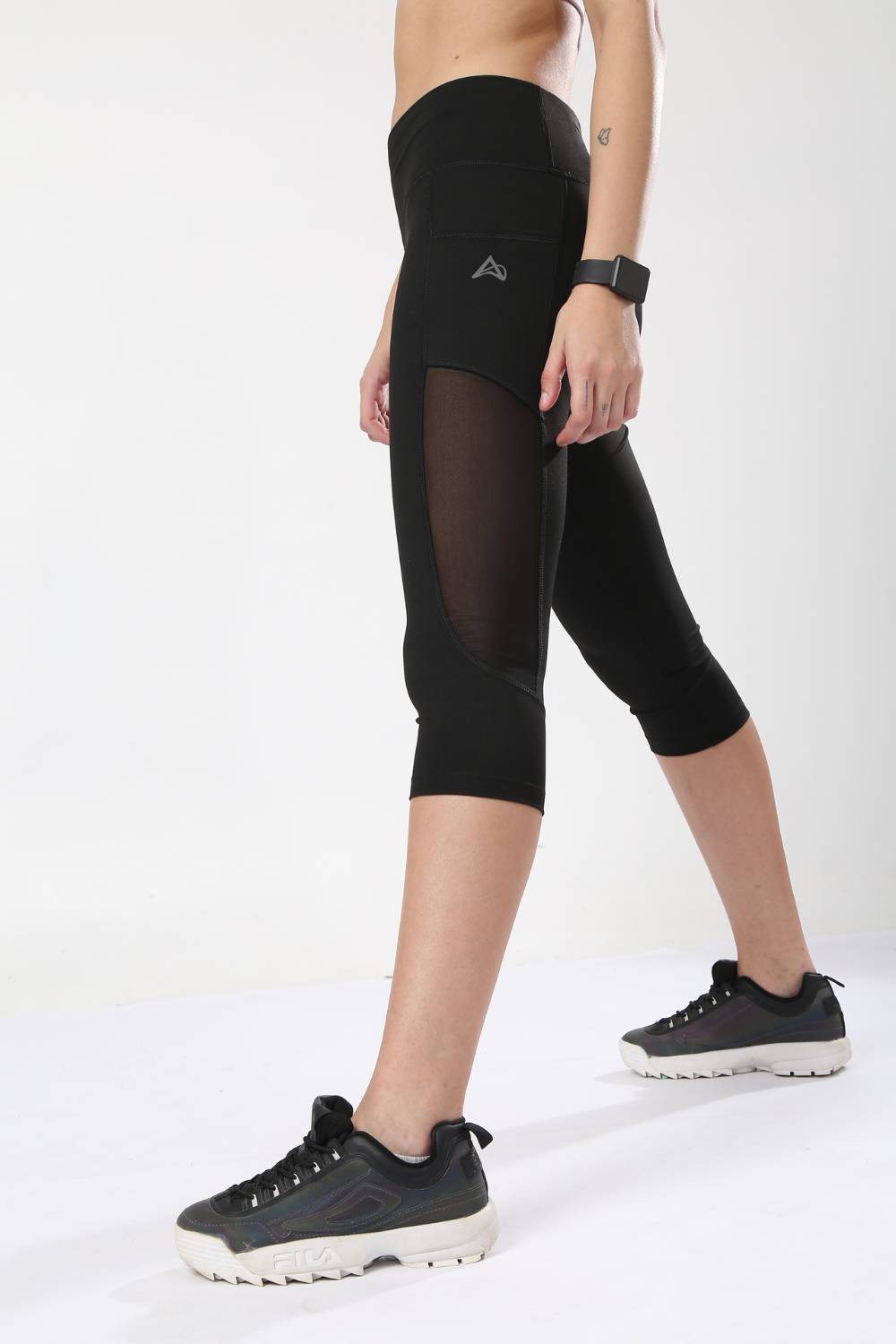
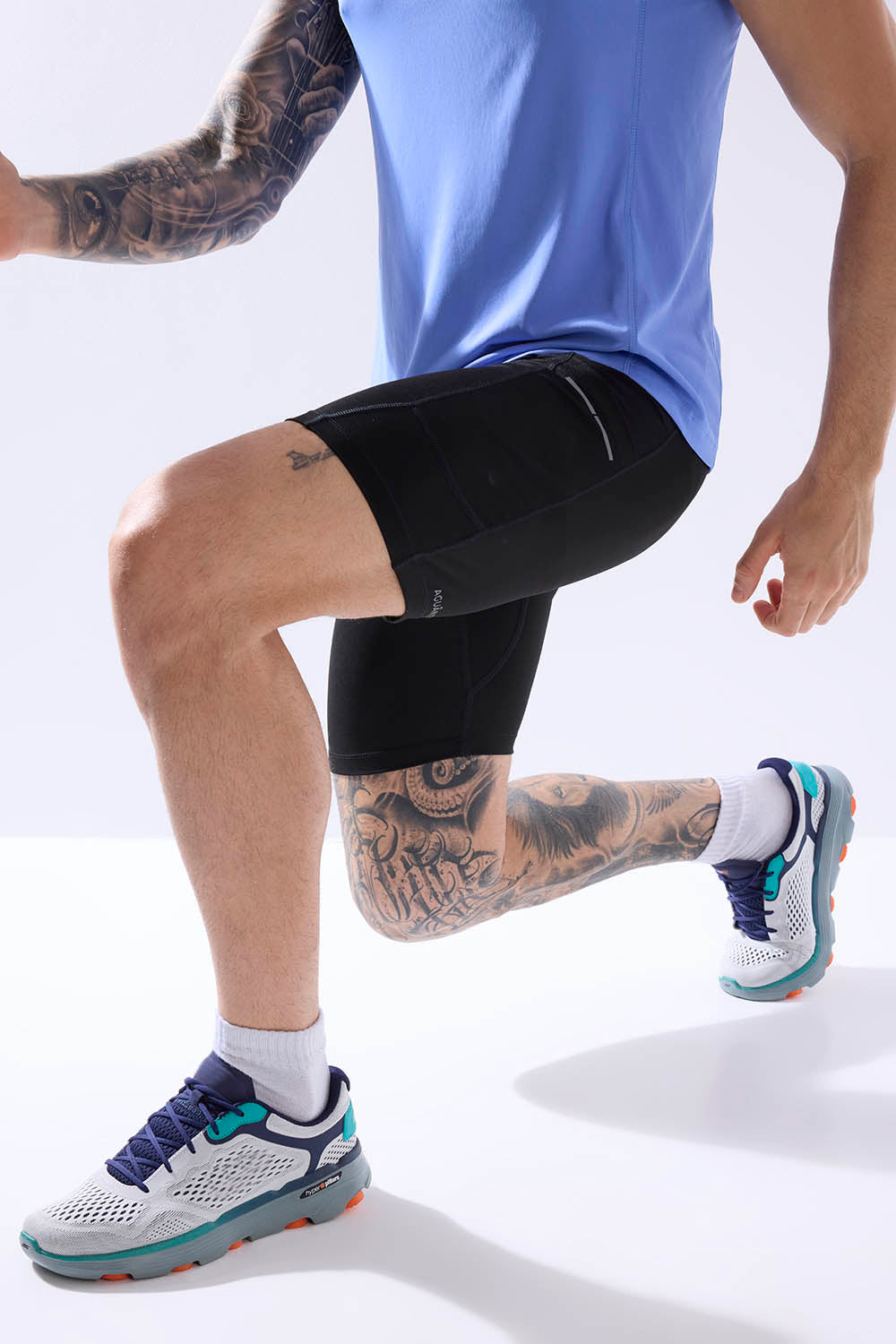
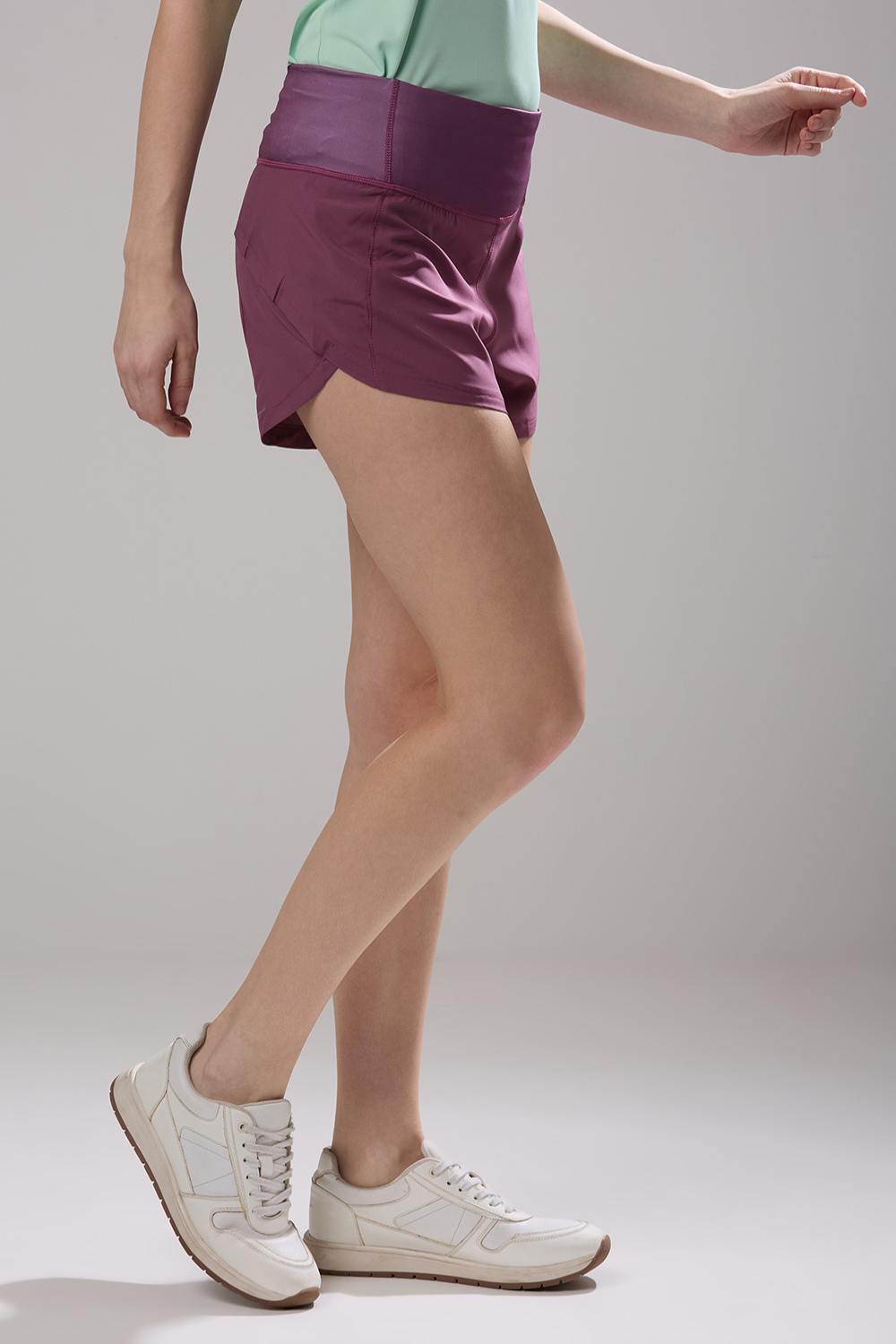
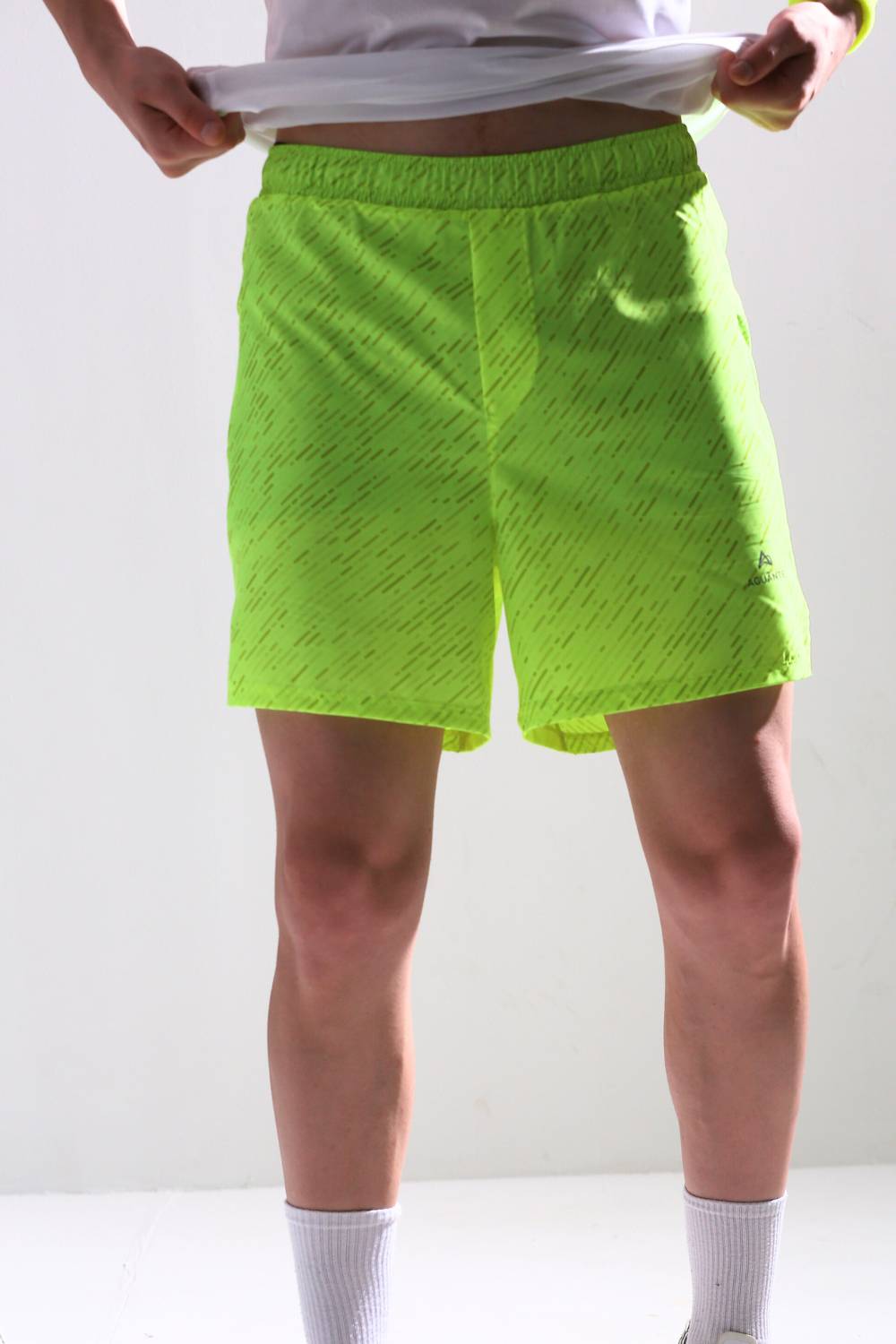
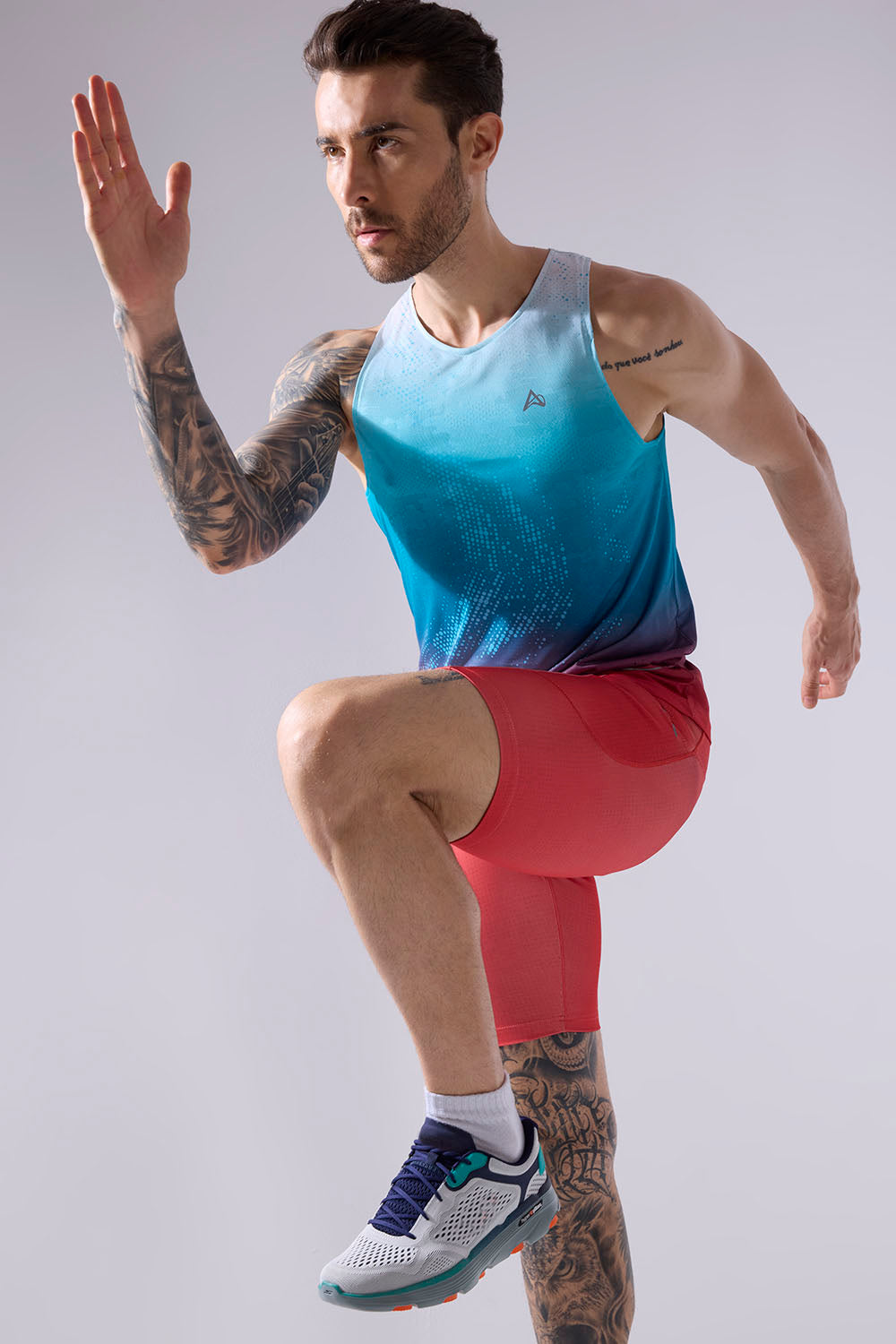
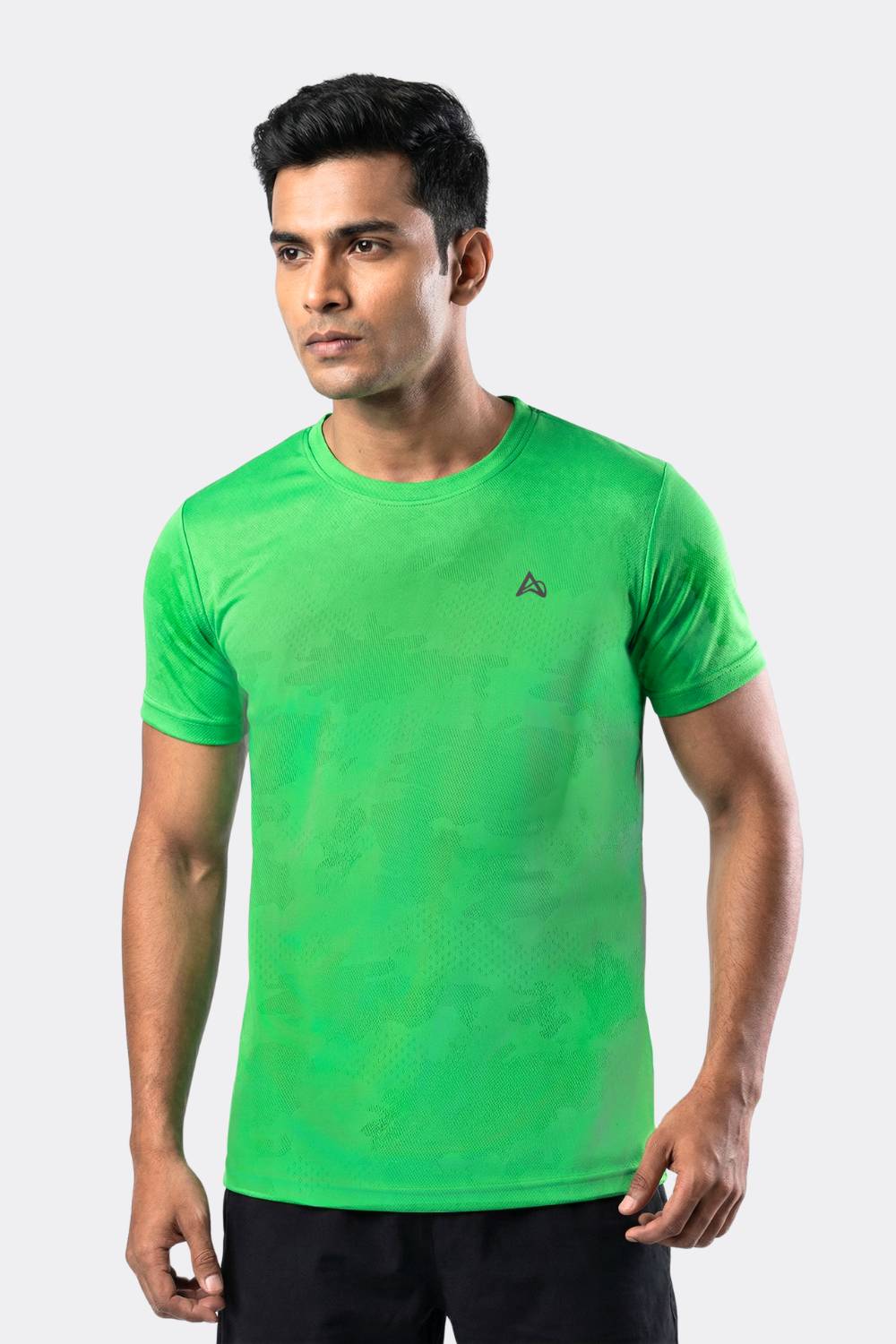
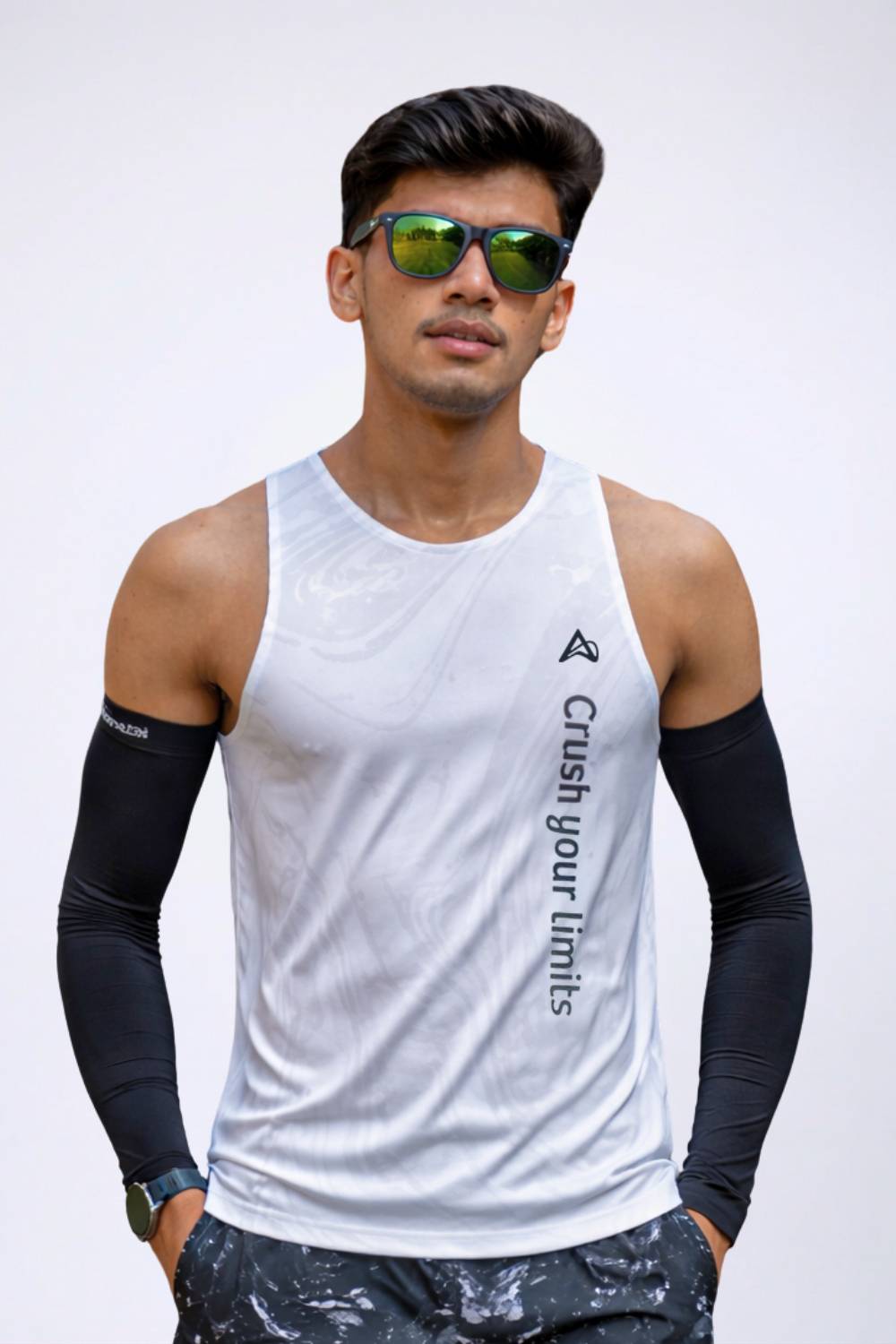
Tired of gear that slows you down? Chafing, soggy fabrics, and missing pockets kill your run's momentum. At Aguante, we're runners who get it. Our high-performance activewear features moisture-wicking fabrics, ergonomic designs, and smart storage to keep you focused. Shop Now!
The Surge of Ultra-Distance Running in Urban India
Ultra-marathons have gained serious traction in India over recent years. Domestic events like the Deccan Ultra around Bangalore and segments of the high-altitude Leh Ladakh Marathon have served as proving grounds, drawing urban athletes into distances beyond the standard 42.2 kilometers. In Hyderabad and Pune, informal yet disciplined training groups now routinely schedule long runs along reservoirs, highways, and peri-urban trails, with many logging weekly volumes exceeding 100 kilometers in preparation for international ultras.
Entry into Comrades itself has increased noticeably. More Indian participants travel to South Africa annually, motivated by the event's storied legacy and the opportunity to benchmark against top global performers. Chaudhari's consecutive silvers earned by finishing under the 7:30 threshold required for the medal underscore the community's maturation. His performances particularly echo in humid coastal hubs like Mumbai and Navi Mumbai, where training mirrors Comrade's punishing heat, elevation changes, and sustained effort.
Grassroots momentum extends to Ahmedabad and Surat, where local clubs host group ultras, exchange training insights via social platforms, and build supportive networks. The scene has democratized: everyday professionals engineers, teachers, entrepreneurs carve out high-mileage routines amid demanding schedules, proving ultra-running's accessibility beyond a privileged few.
Devarao Chaudhari's Path: Resilience Forged in Small-Town India
Chaudhari's story begins in Pusad, a modest town in Maharashtra, where early life involved hardship and an initial aspiration to join the Indian Army. When that path closed, running emerged as his outlet starting with barefoot sessions before evolving into deliberate, high-volume training. He confronted India's signature challenges: oppressive heat, humidity, and variable terrain that closely resemble conditions in Delhi's scorching summers or Gurugram's arid stretches.
Comrades alternates between "up" runs (more climbing) and "down" runs (steeper descents), each demanding tailored tactics. Chaudhari mastered both, carrying fuel and gear securely while maintaining rhythm through fatigue that derails most competitors. His results back-to-back sub-7:30 finishes demonstrate not just speed but strategic depth. Runners and coaches in Bangalore and Delhi cite his regimen as evidence that Indian physiology, when paired with intelligent preparation, excels in extreme endurance.
He stands as part of a broader wave. Athletes from Hyderabad and Pune have delivered competitive international showings, while emerging talents in Surat and Ahmedabad post strong domestic ultra times. Events such as the Deccan Ultra continue to produce regional standouts whose breakthroughs fuel wider ambition.
Persistent Barriers in the Ultra Landscape
Progress notwithstanding, significant obstacles persist. Many cities lack dedicated ultra infrastructure: runners in Gurugram and Navi Mumbai often navigate congested roads or sparse trails, with limited access to specialized recovery facilities or high-altitude simulation. Mumbai and Ahmedabad's climate exacerbates dehydration and fatigue, contributing to injury patterns noted by sports medicine centers in Pune and Delhi.
Funding remains a core issue. Ultra specialists rarely attract substantial sponsorships, compelling athletes to finance overseas travel independently. Chaudhari's visibility, however, generates momentum that could attract brand partnerships and community backing, easing the burden for future generations.
Forward Momentum: Infrastructure, Innovation, and Market Potential
Optimism abounds for ultra-running's trajectory in India. Municipal and state initiatives in Delhi and Hyderabad increasingly channel resources toward endurance sports. Collaborations with technology companies and nutrition providers expand, supplying tools that refine training without elite-level expense.
Wearable devices now monitor heart rate variability, sleep quality, and pacing empowering runners in Surat, Pune, and beyond to train smarter. Academic institutions in Mumbai nurture campus running groups that could develop into talent feeders.
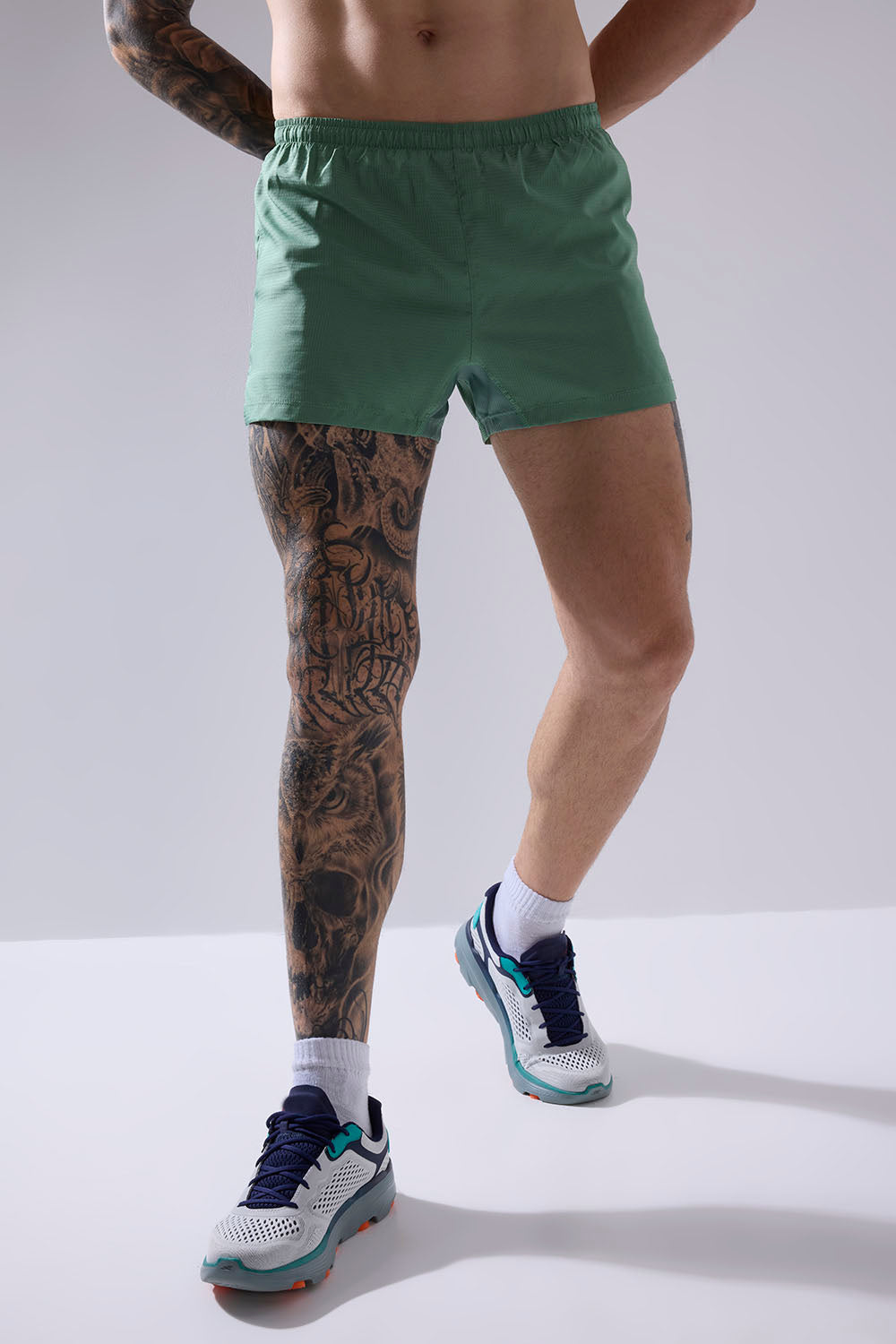
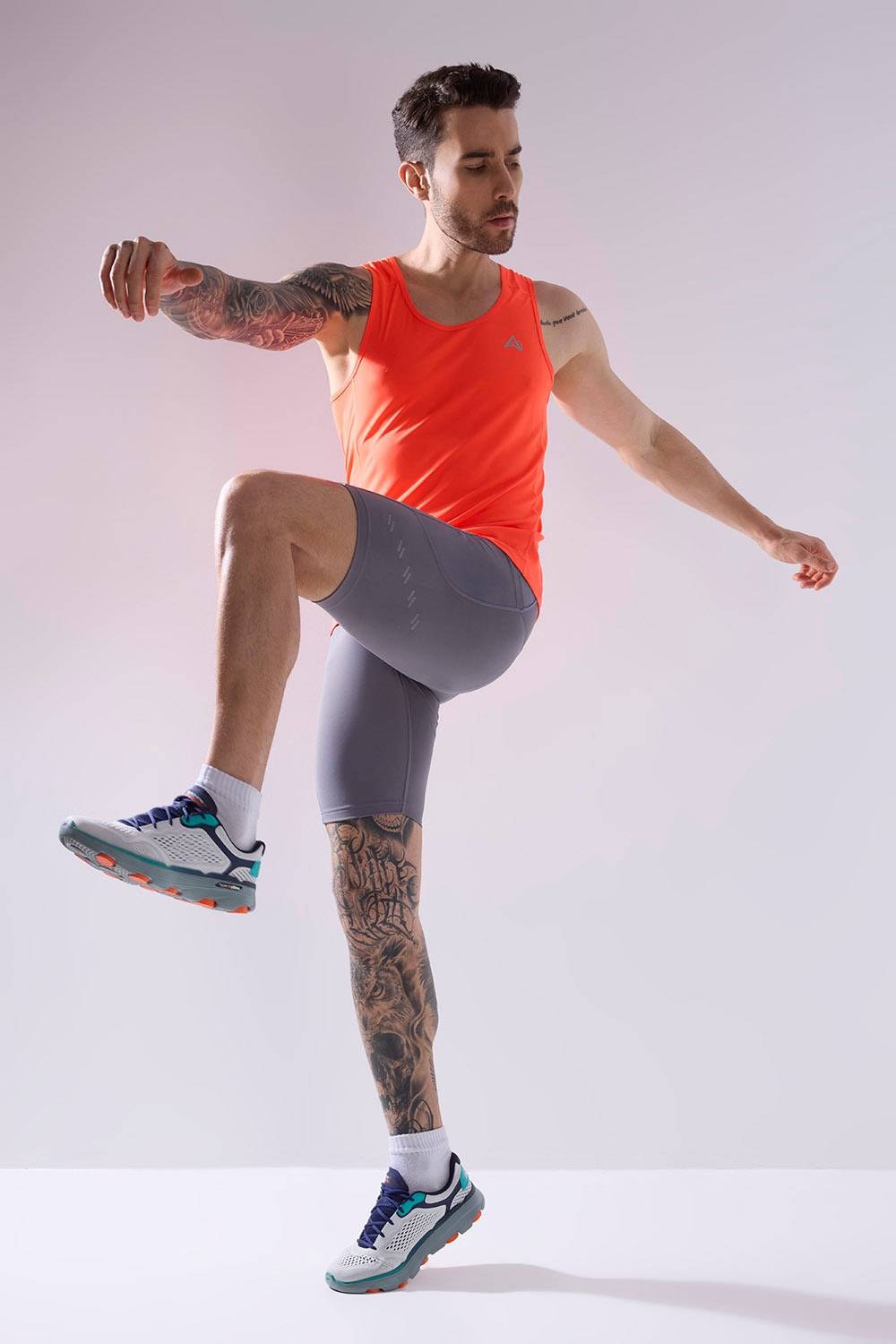
Commercial prospects grow in parallel. Demand rises for gear engineered for Indian realities breathable fabrics that combat humidity, non-bouncing pockets for long efforts, and ergonomic designs validated on local roads. This creates fertile ground for brands prioritizing runner-centric innovation over imported generics.
The broader social commerce landscape reinforces this opportunity. According to industry analysis, India's social commerce market reached USD 29.27 billion in 2025 and is projected to expand at a 37.5% CAGR to USD 143.86 billion by 2030, driven by mobile-first discovery, creator influence, and expanding reach into Tier-2 and Tier-3 cities Mordor Intelligence . Platforms on Instagram, Facebook, and YouTube where running communities thrive facilitate direct engagement and sales, accelerating access to performance apparel tailored for local conditions.
India's Ultra Future Takes Shape
Devarao Chaudhari's consecutive Comrades silvers transcend individual accolades; they affirm that Indian endurance athletes command respect worldwide. In Bangalore's vibrant running circles, Hyderabad's trail networks, Mumbai's coastal paths, and parks across Pune, Ahmedabad, and Delhi, aspiration now replaces awe. The coming years promise additional breakthroughs, deeper community roots, and sustained investment in the discipline.
The directive is straightforward: commit to the training, embrace the discomfort, and pursue boundaries once deemed unreachable. For runners in these cities or anyone inspired to join them thoughtfully designed activewear stands ready to enhance the effort. Aguante, built by Indian runners for Indian runners, delivers moisture-wicking performance, secure storage that stays put over ultra distances, anti-chafing features, and fits refined through real-world testing on the same roads and climates athletes face daily equipping every stride toward the next historic milestone.
Frequently Asked Questions
Who is Devarao Chaudhari (@runholic_dev) and what did he achieve at the Comrades Marathon?
Devarao Chaudhari, known online as @runholic_dev, is an Indian ultramarathon runner from Pusad, Maharashtra. He made history by becoming the first Indian to win consecutive silver medals at the Comrades Marathon, finishing in approximately 7:04 and then 7:03 — setting and breaking the fastest Indian finishing time in the race's century-long history.
Why is the Comrades Marathon considered one of the toughest ultramarathons in the world?
The Comrades Marathon is a 90-kilometer race between Pietermaritzburg and Durban, South Africa, alternating each year between an "up" run (heavy climbing) and a "down" run (steep descents), each demanding entirely different race tactics. Runners must contend with extreme physical fatigue, heat, and sustained effort over many hours, with a silver medal requiring a finish under the 7:30 threshold. These combined challenges make it one of the most demanding endurance events globally.
How is ultra-distance running growing in India, and which cities are leading the way?
Ultra-running has seen rapid growth across Indian cities including Bangalore, Hyderabad, Mumbai, Pune, Delhi, Gurugram, Surat, and Ahmedabad, where training groups regularly log over 100 kilometers per week. Domestic events like the Deccan Ultra and the Leh Ladakh Marathon have served as key proving grounds, while grassroots clubs and social platforms help democratize the sport beyond elite circles. Chaudhari's international success has further energized this community, inspiring everyday professionals to pursue ultra-endurance at a global level.
Disclaimer: The above helpful resources content contains personal opinions and experiences. The information provided is for general knowledge and does not constitute professional advice.
You may also be interested in: Aguante - Activewear Clothing
Tired of gear that slows you down? Chafing, soggy fabrics, and missing pockets kill your run's momentum. At Aguante, we're runners who get it. Our high-performance activewear features moisture-wicking fabrics, ergonomic designs, and smart storage to keep you focused. Shop Now!
Powered by flareAI.co