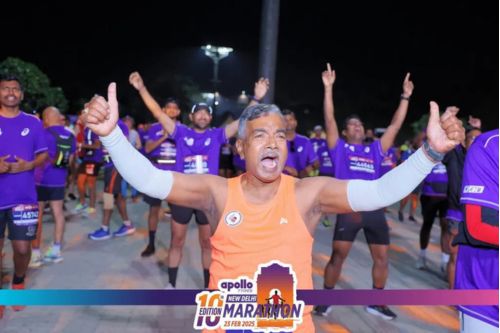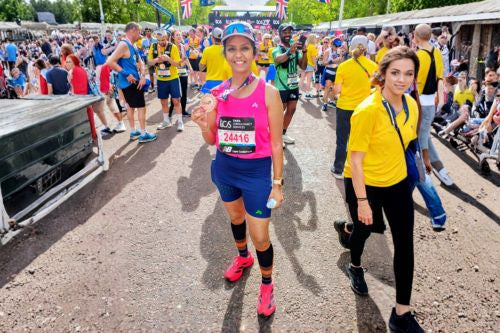








The Tata Mumbai Marathon has solidified its status as India's premier road race, delivered an unforgettable spectacle. More than 65,000 on-ground participants part of a record-breaking total exceeding 69,000 including virtual runners flooded the revamped course, incorporating the sleek Mumbai Coastal Road stretch. The event blended elite drama with mass enthusiasm, as thousands from urban centers across India chased personal records amid humid air and cheering crowds. From Bangalore's disciplined tech runners to Hyderabad's tight-knit training groups, regional pride fueled breakthroughs that underscored a deepening national running culture.
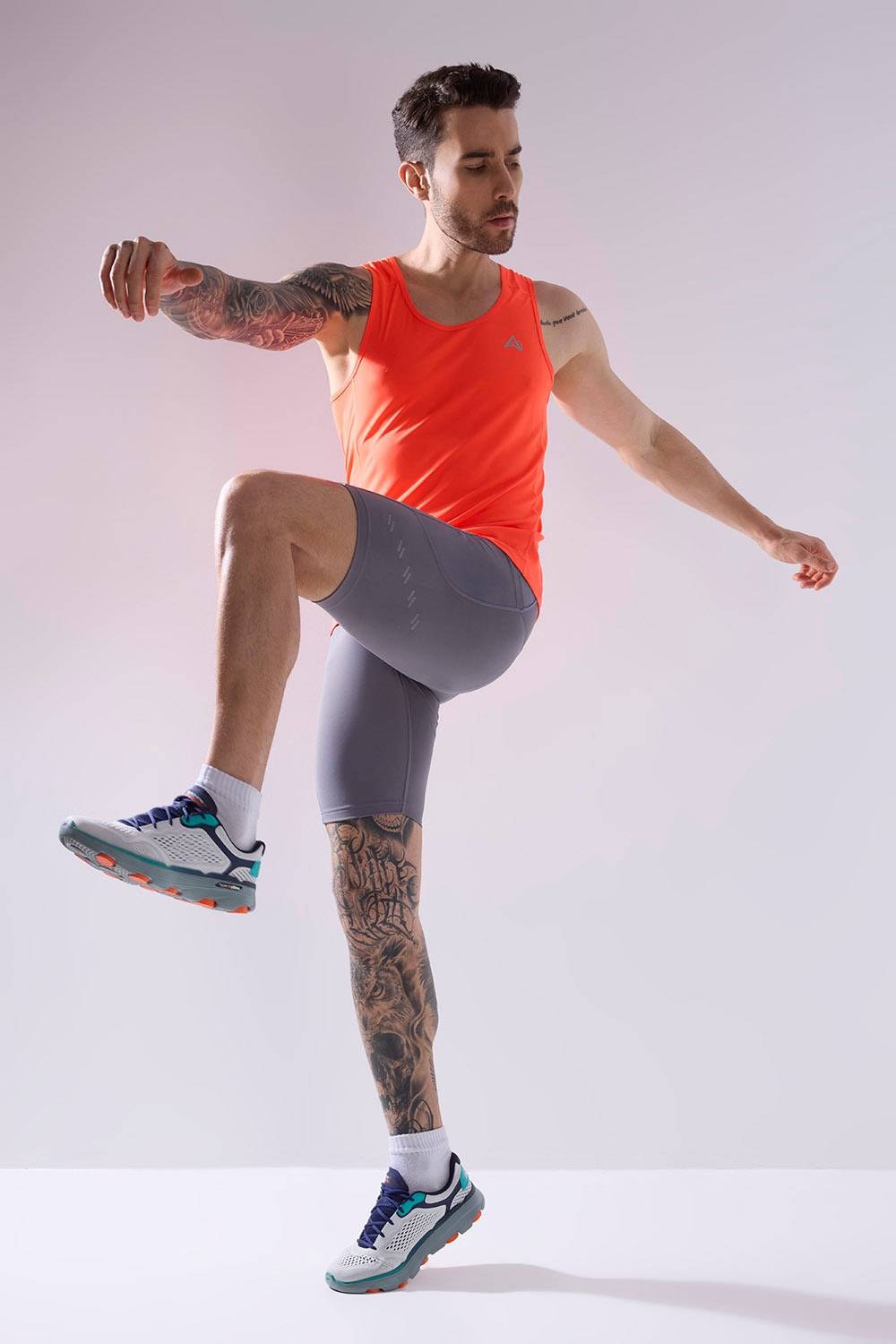
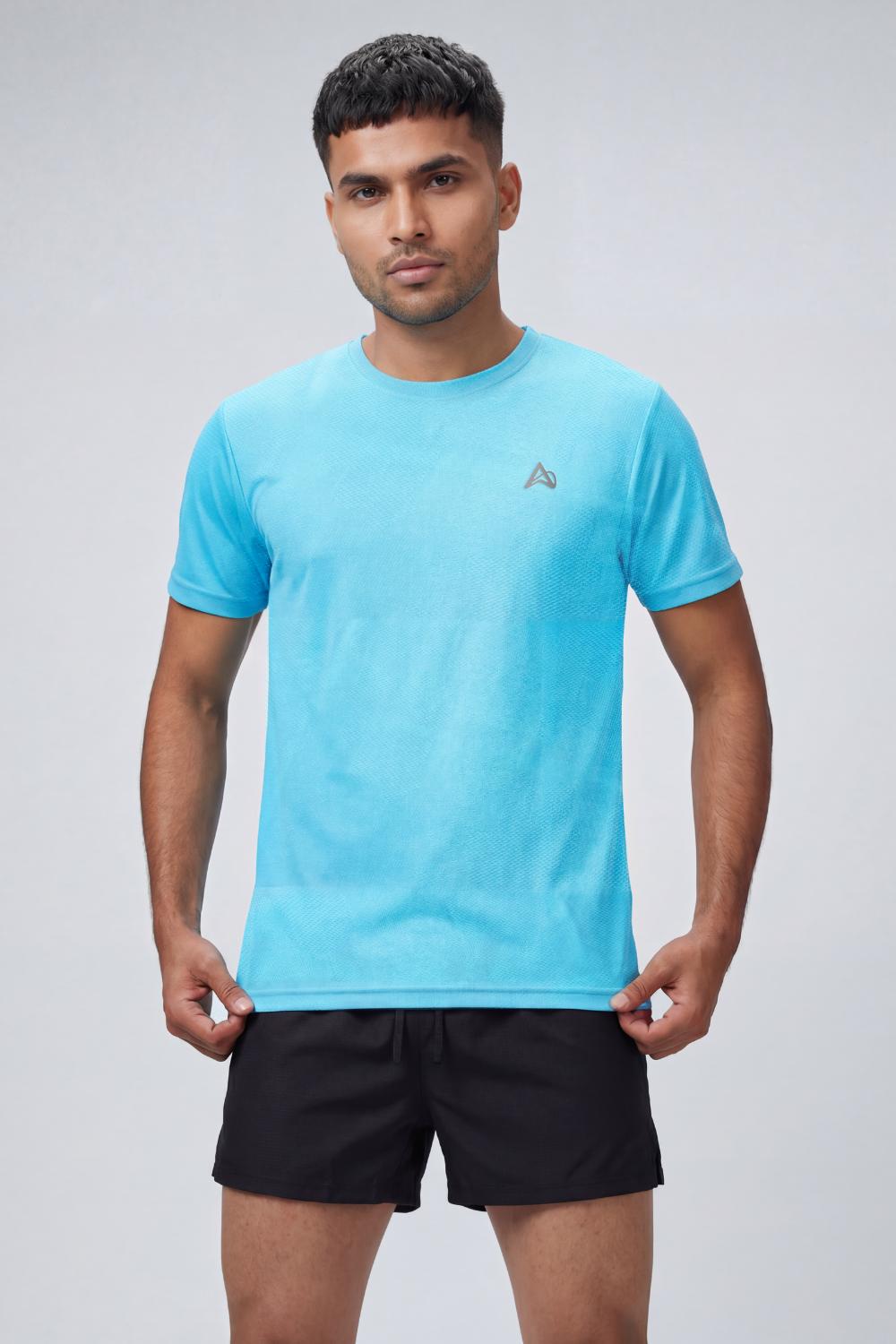
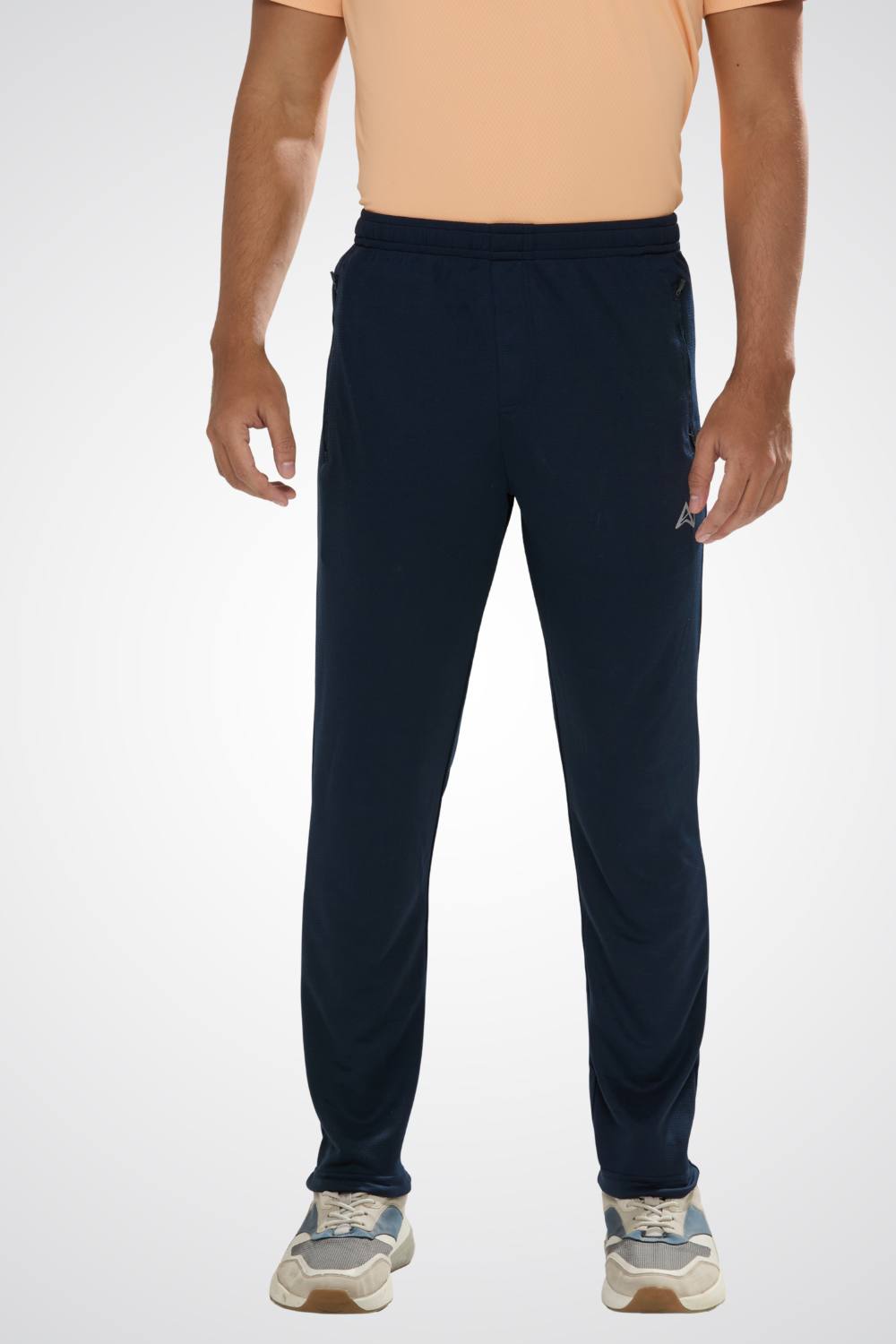
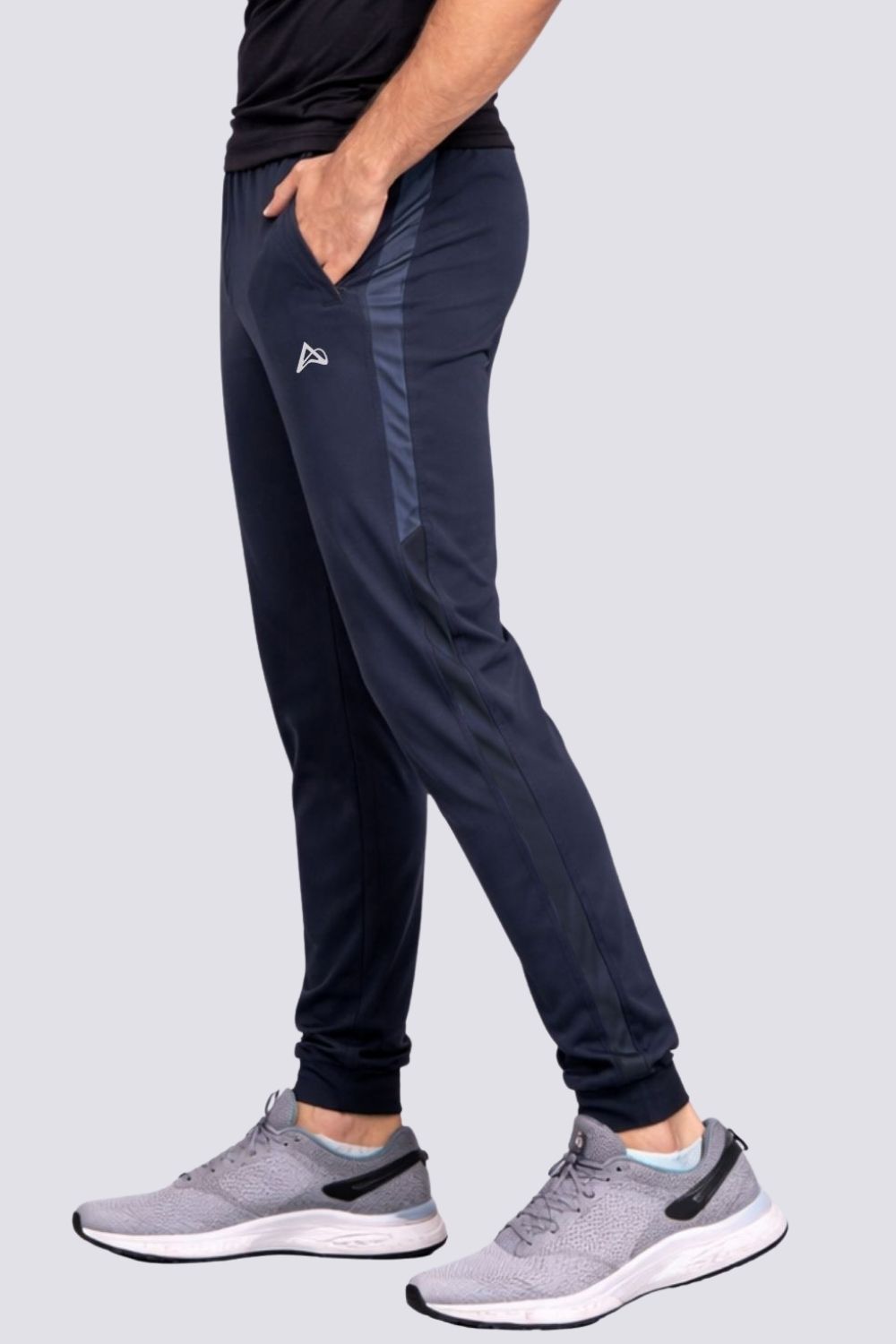
Tired of gear that slows you down? Chafing, soggy fabrics, and missing pockets kill your run's momentum. At Aguante, we're runners who get it. Our high-performance activewear features moisture-wicking fabrics, ergonomic designs, and smart storage to keep you focused. Shop Now!
Record Crowds and a Shifting Landscape
This year's turnout marked a clear escalation in India's marathon scene. Official figures confirmed over 65,400 physical participants, with the full marathon category alone drawing a historic 14,059 first-time entrants in that distance. The inclusion of the Mumbai Coastal Road added scenic yet exposed sections, testing runners with potential headwinds and open stretches between Haji Ali and the Sea Link.
Urban centers in the primary target regions drove much of this surge. In Bangalore, professionals integrate structured group sessions into demanding schedules, building consistent mileage. Hyderabad's emerging parks and community drives foster collective motivation, while Pune's undulating terrain prepares athletes for real-world demands. Mumbai anchors the ecosystem with its coastal challenges and iconic landmarks, but Delhi, Gurugram, Surat, Navi Mumbai, and Ahmedabad contribute growing contingents many traveling specifically for this flagship event. Corporate wellness initiatives in Gurugram and Hyderabad, alongside virtual options for Ahmedabad participants, have broadened access and normalized long-distance running as part of urban life.
The event's inclusive format spanning full marathons, halves, 10Ks, and shorter Dream Runs continues to democratize endurance sports, turning once-elite territory into a nationwide celebration of persistence.
Elite Performances and Indian Breakthroughs
Ethiopia's dominance defined the international elite races. Tadu Abate Deme secured the men's title in 2:09:55, holding off Kenya's Leonard Langat (2:10:10) and Eritrea's Merhawi Kesete Weldemaryam (2:10:22). In the women's race, Yeshi Kalayu Chekole claimed victory in 2:25:13, marking one of the fastest winning times in event history.
Indian athletes delivered compelling narratives of progress. Kartik Karkera topped the Indian elite men with a personal best of 2:19:55, narrowly ahead of Anish Thapa (2:20:08) and Pradeep Chaudhary (2:20:49). This result highlighted the maturation of domestic talent refined on local roads. Sanjivani Jadhav led the Indian elite women in 2:48:58, with Nirmaben Thakor (2:49:07) and Sonam (2:49:21) rounding out the podium.
Amateur runners mirrored these achievements. Participants from Bangalore credited methodical group training for shaving minutes off prior marks. Hyderabad athletes praised community support that sustained them through tough kilometers. Pune and Navi Mumbai competitors, familiar with variable elevation, navigated the course's mix of flat coastal segments and urban sections effectively. Even runners from pollution-heavy Delhi and Gurugram reported meaningful personal bests, demonstrating that strategic adaptation early starts, indoor alternatives yields results.
These performances reflect regional strengths: Bangalore's analytical approach, Hyderabad's communal drive, Mumbai's enduring intensity. Together, they form a vibrant, diverse mosaic of Indian endurance running.
Overcoming India-Specific Hurdles
Running in India demands resilience against distinctive obstacles. Mumbai's signature humidity drained energy reserves, while inland athletes from Ahmedabad faced training heat spikes. Terrain differences Pune's hills versus Surat's flatter but less-developed paths required versatile preparation.
Infrastructure varies by city. Metros like Mumbai and Delhi offer better hydration and medical support, whereas Surat and Gurugram still develop dedicated facilities. Pollution in Delhi and Bangalore necessitates dawn training or gym sessions. Crowded streets everywhere test mental fortitude, yet local running groups provide essential accountability and camaraderie.
Runners counter these challenges through practical tools: hydration and nutrition strategies tailored to humid conditions, apps for progress tracking, biomechanics insights from community coaches. The payoff appears in stronger finishes and higher completion rates.
The Broader Momentum and Aguante's Role
The 2026 Tata Mumbai Marathon mirrors a global and regional surge in endurance pursuits. The global running apparel market continues its upward trajectory, fueled by health consciousness and lifestyle integration. Asia-Pacific emerges as the fastest-growing region, propelled by urban fitness adoption and supportive initiatives.
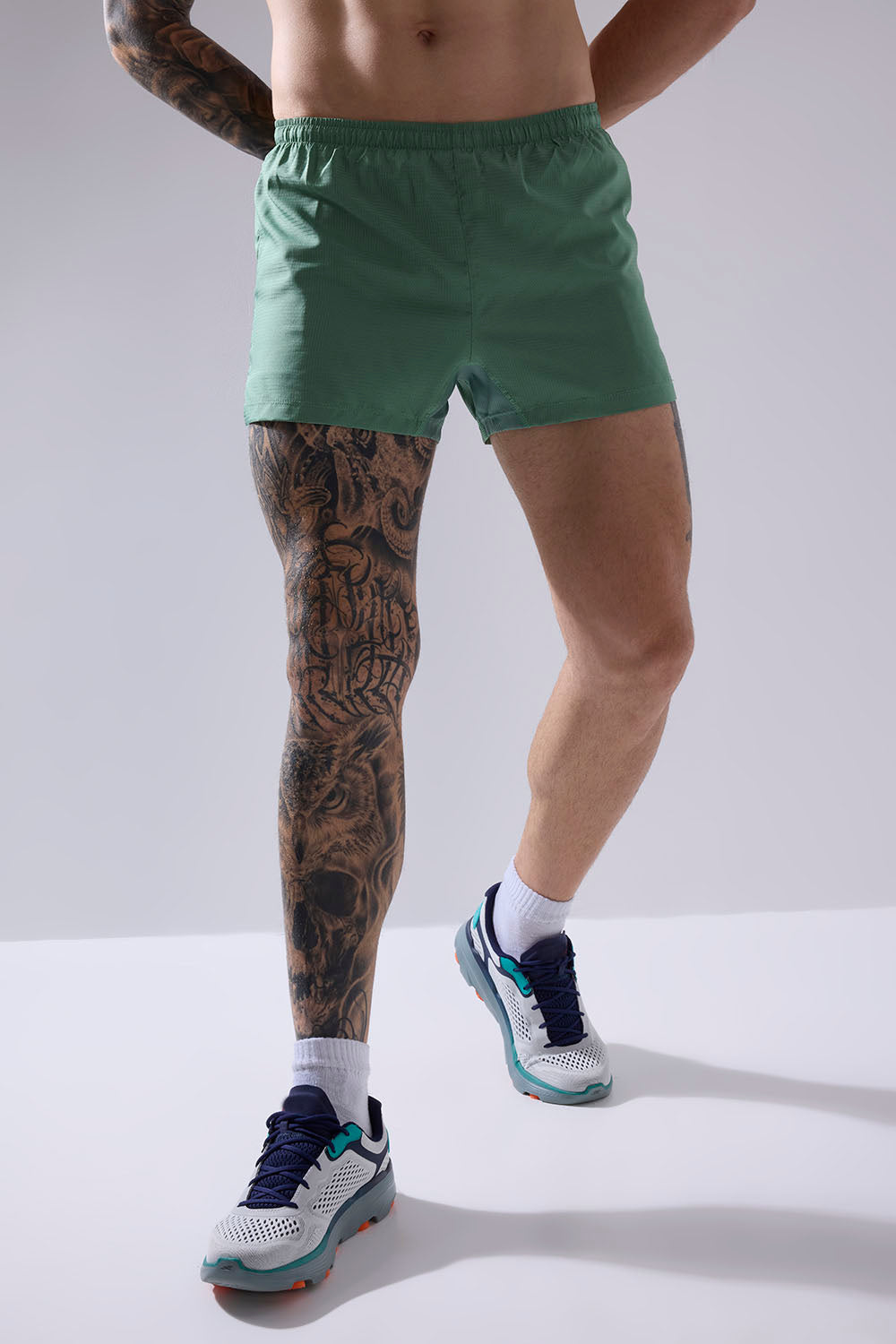
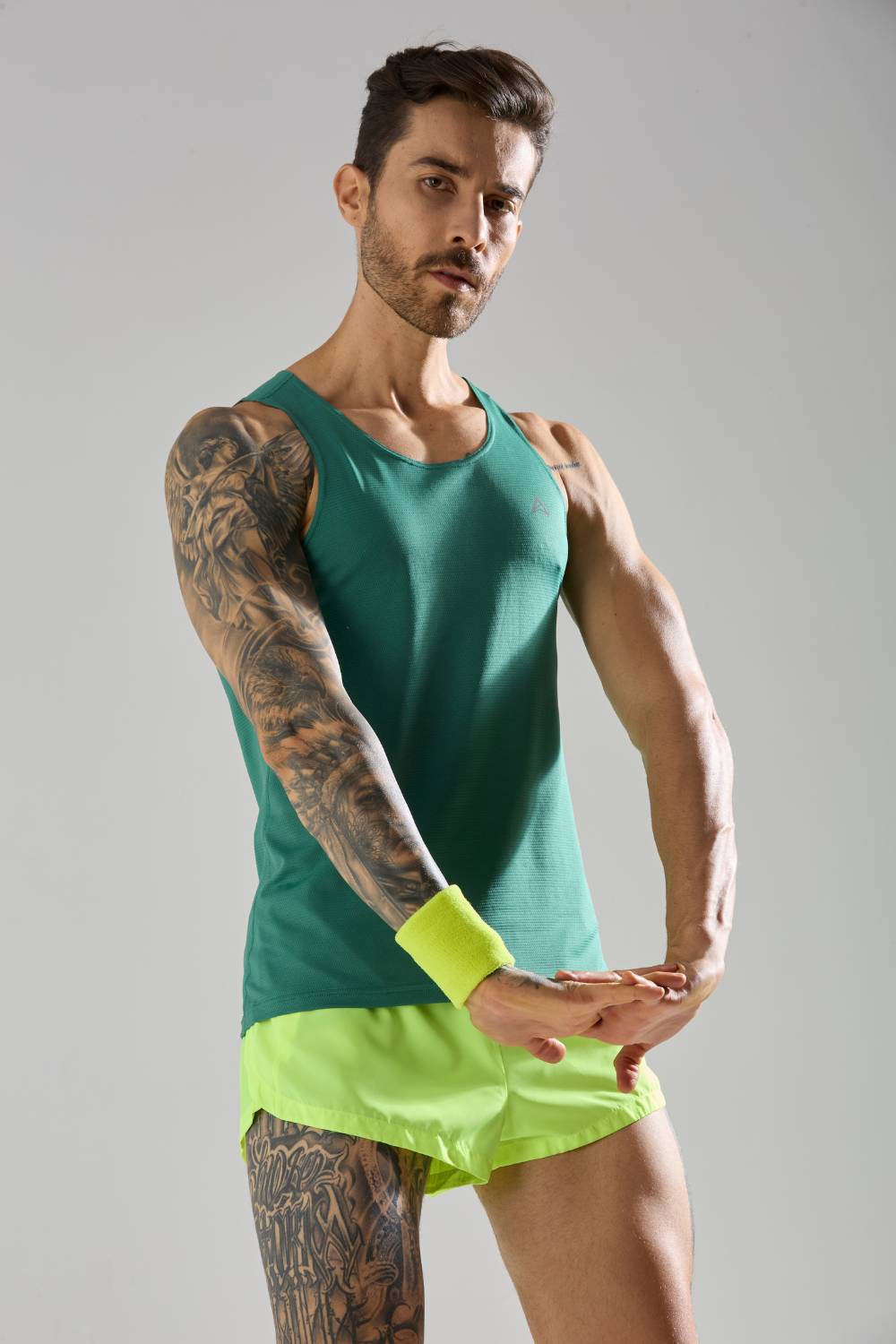
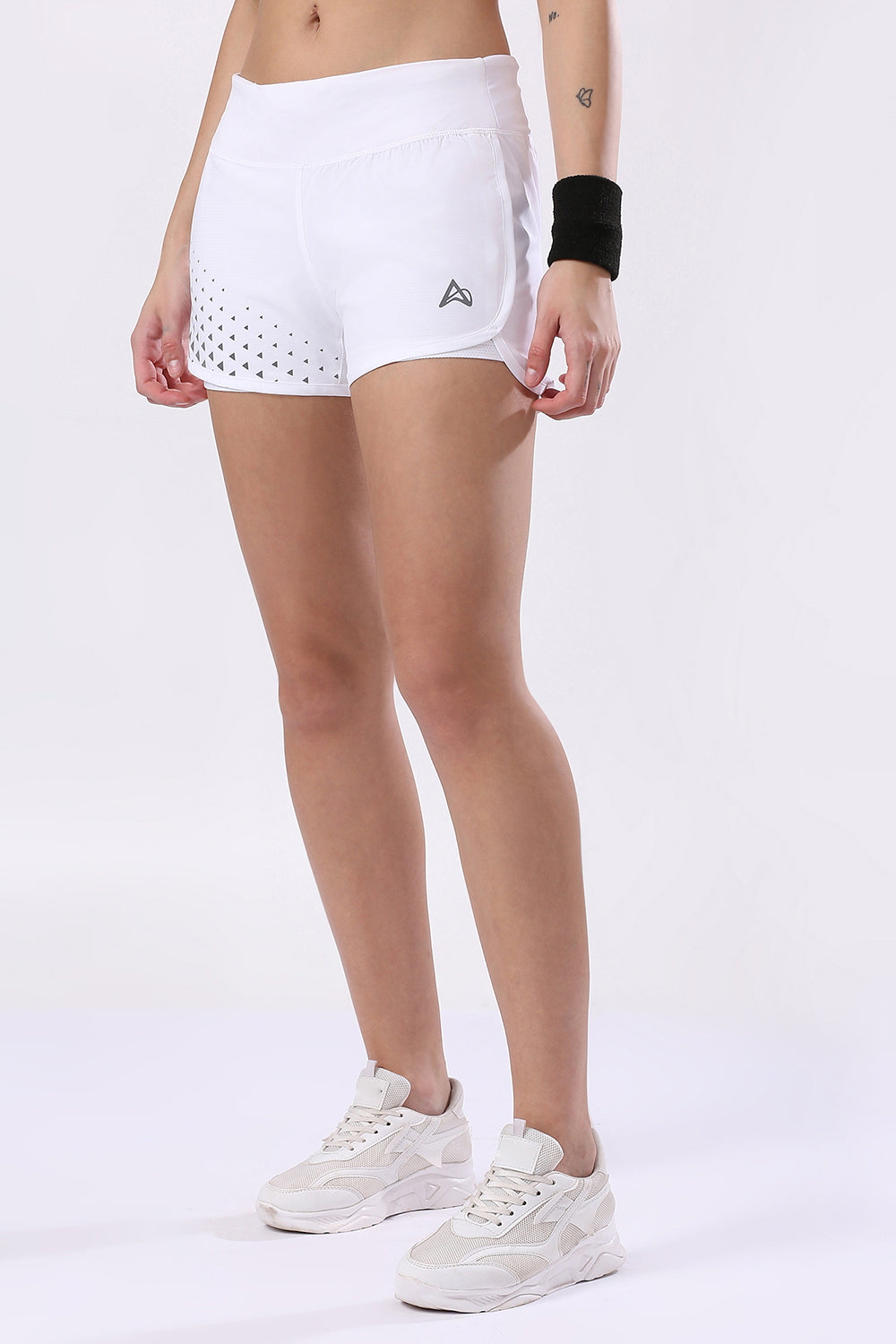
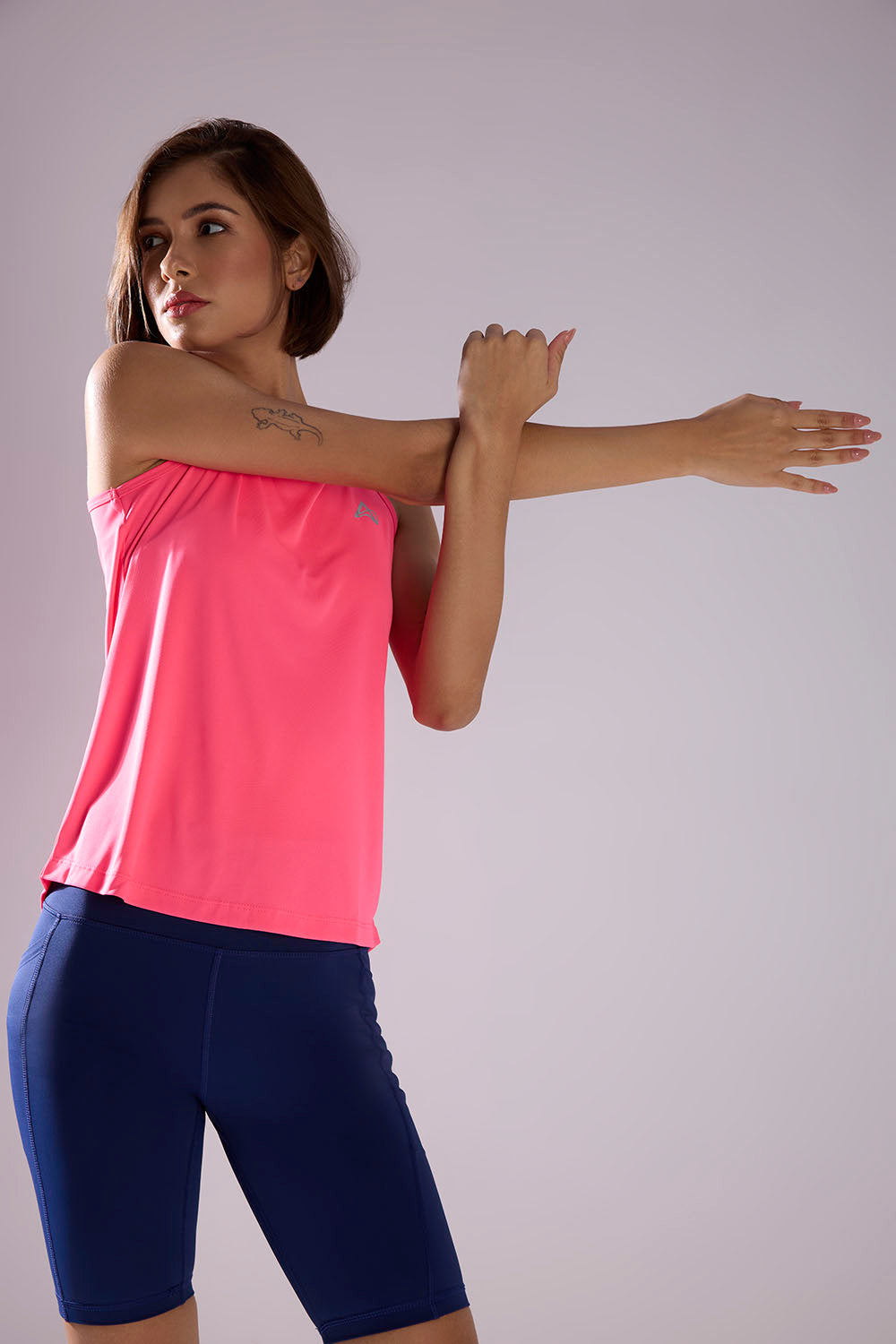
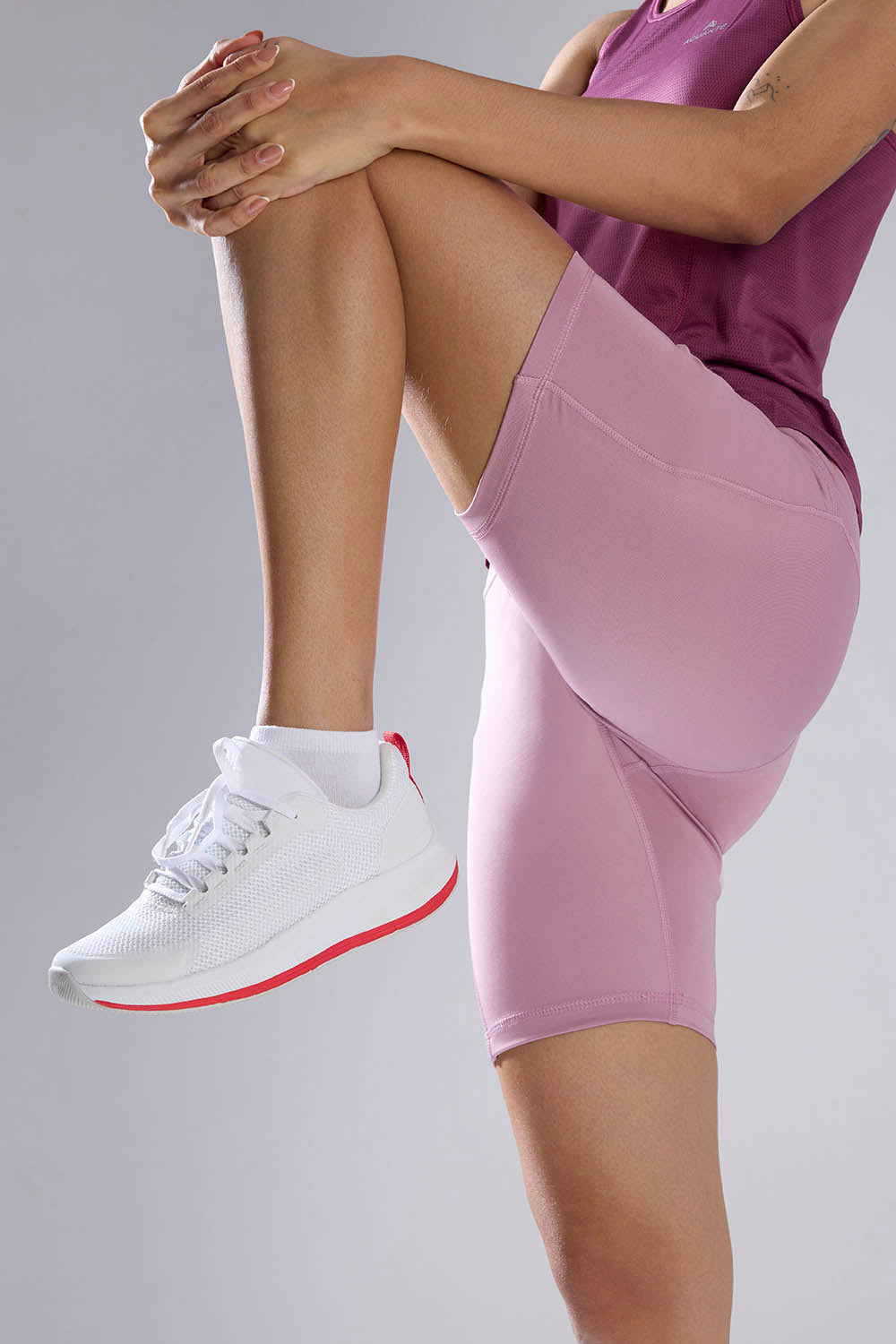
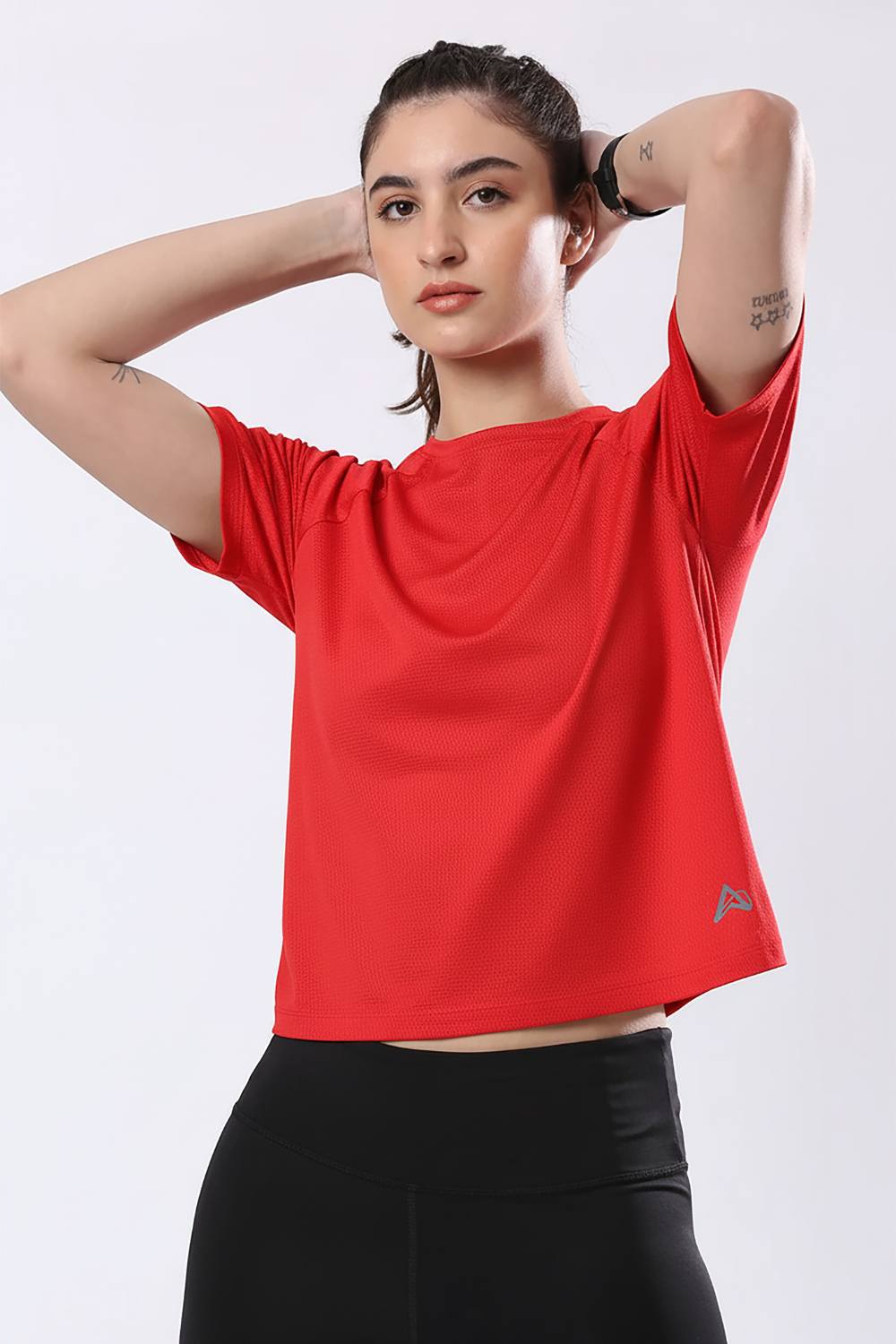
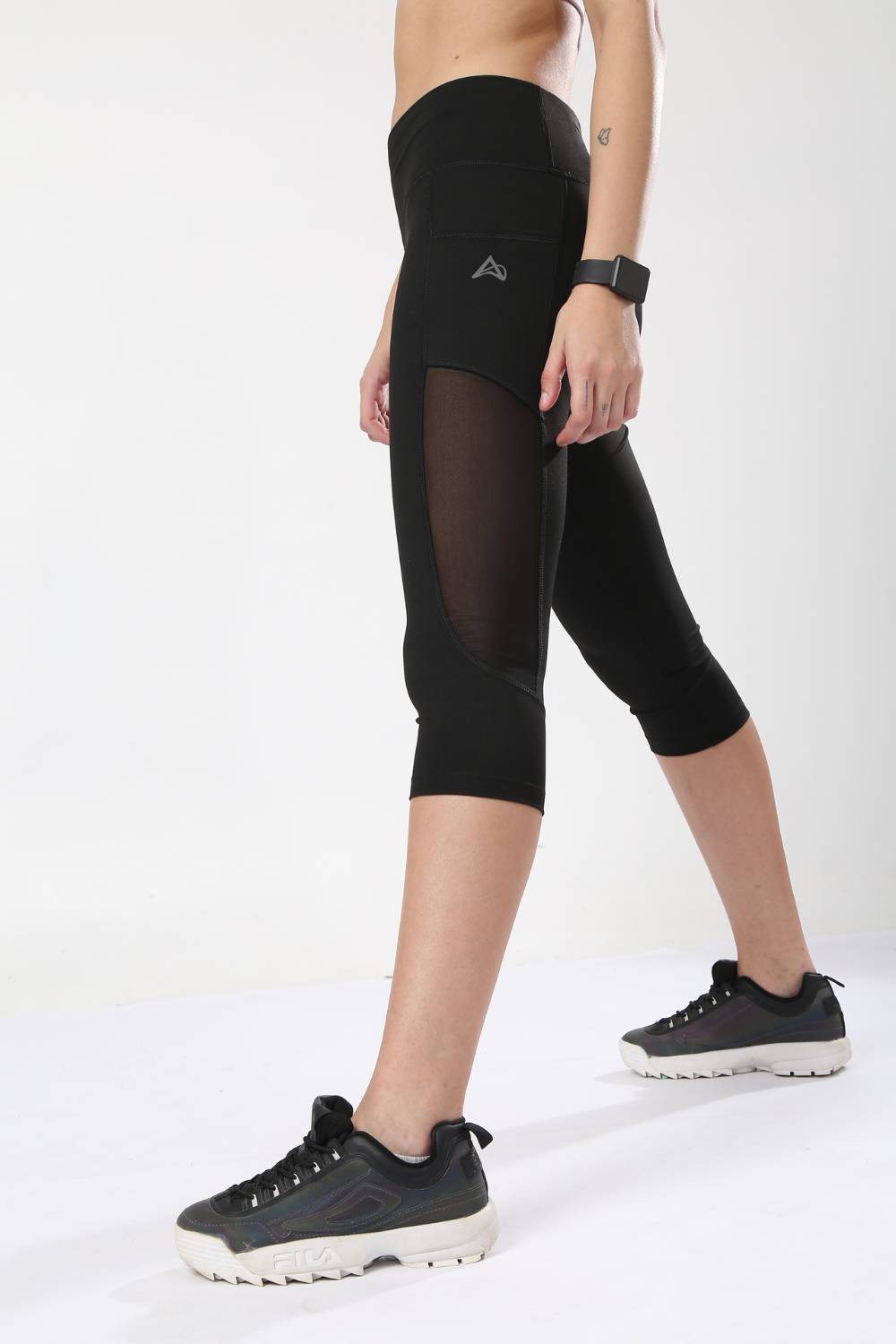
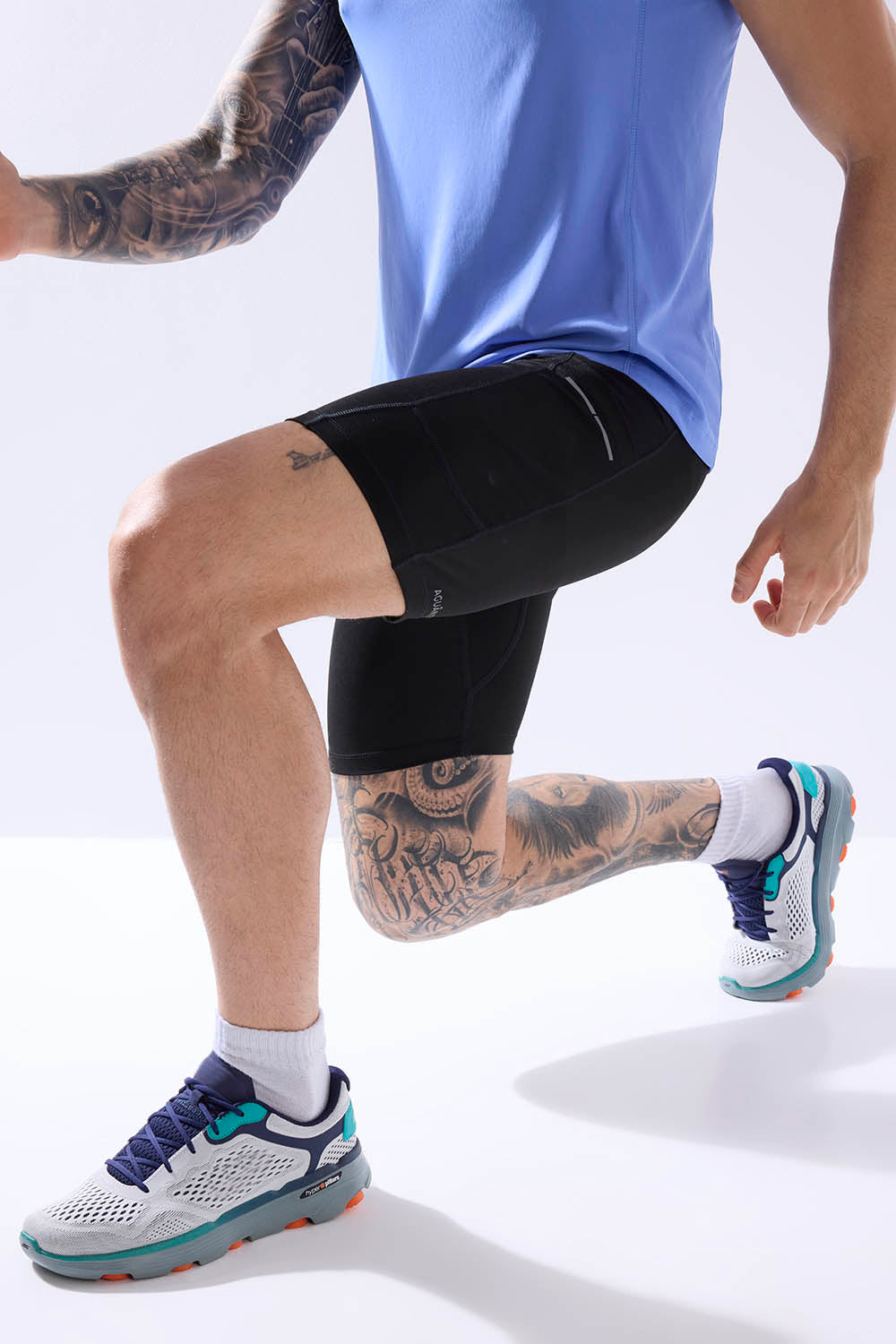
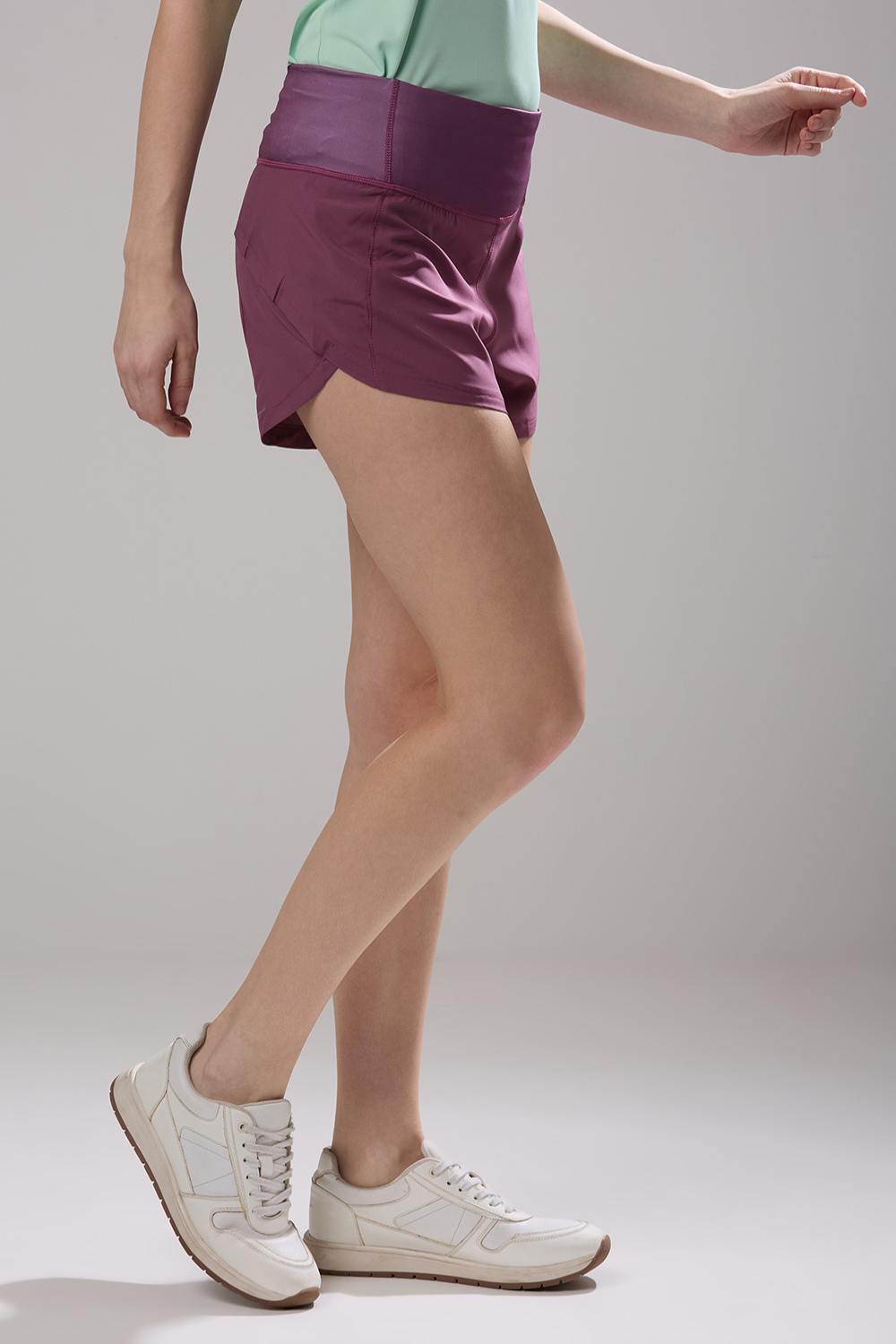
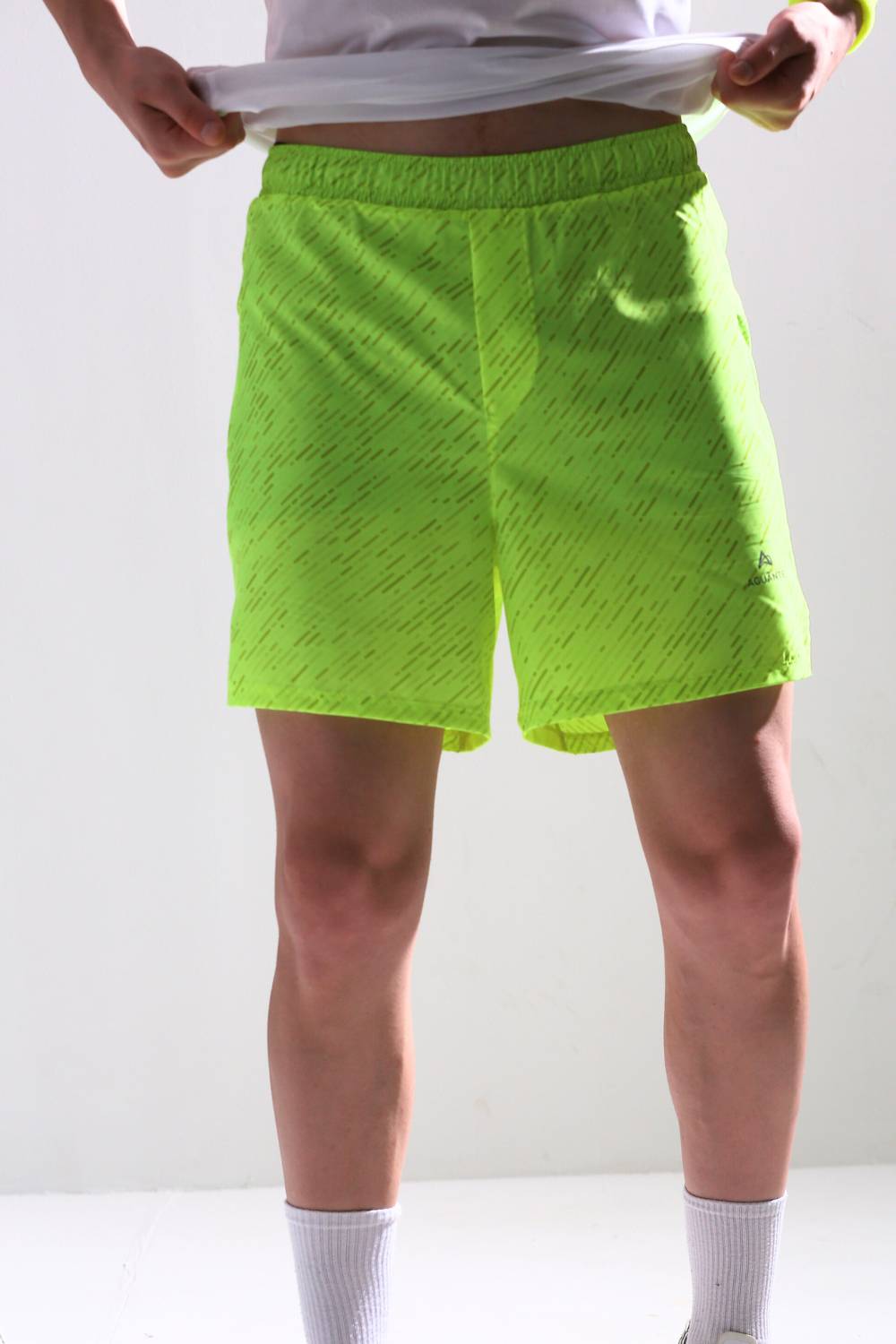
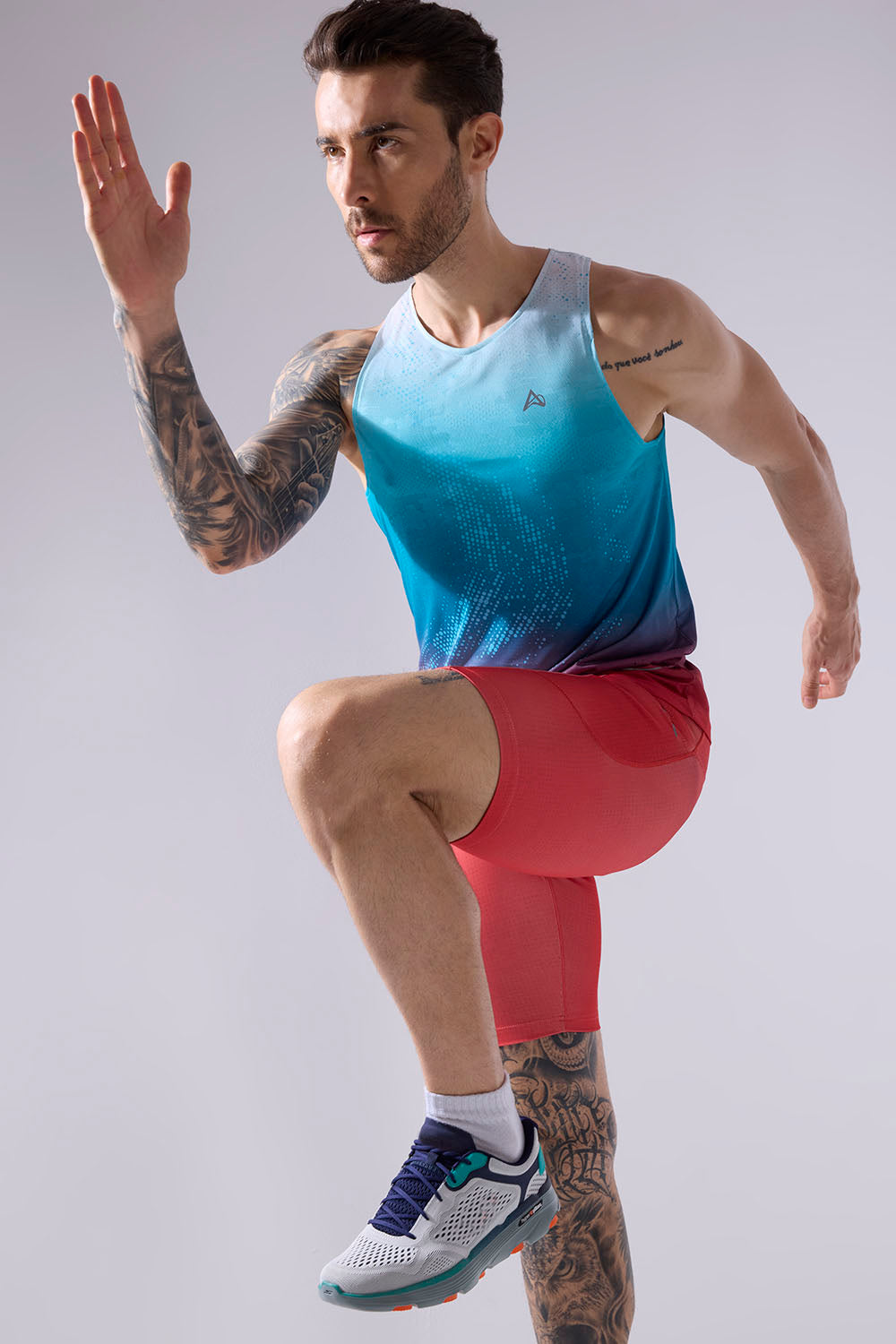
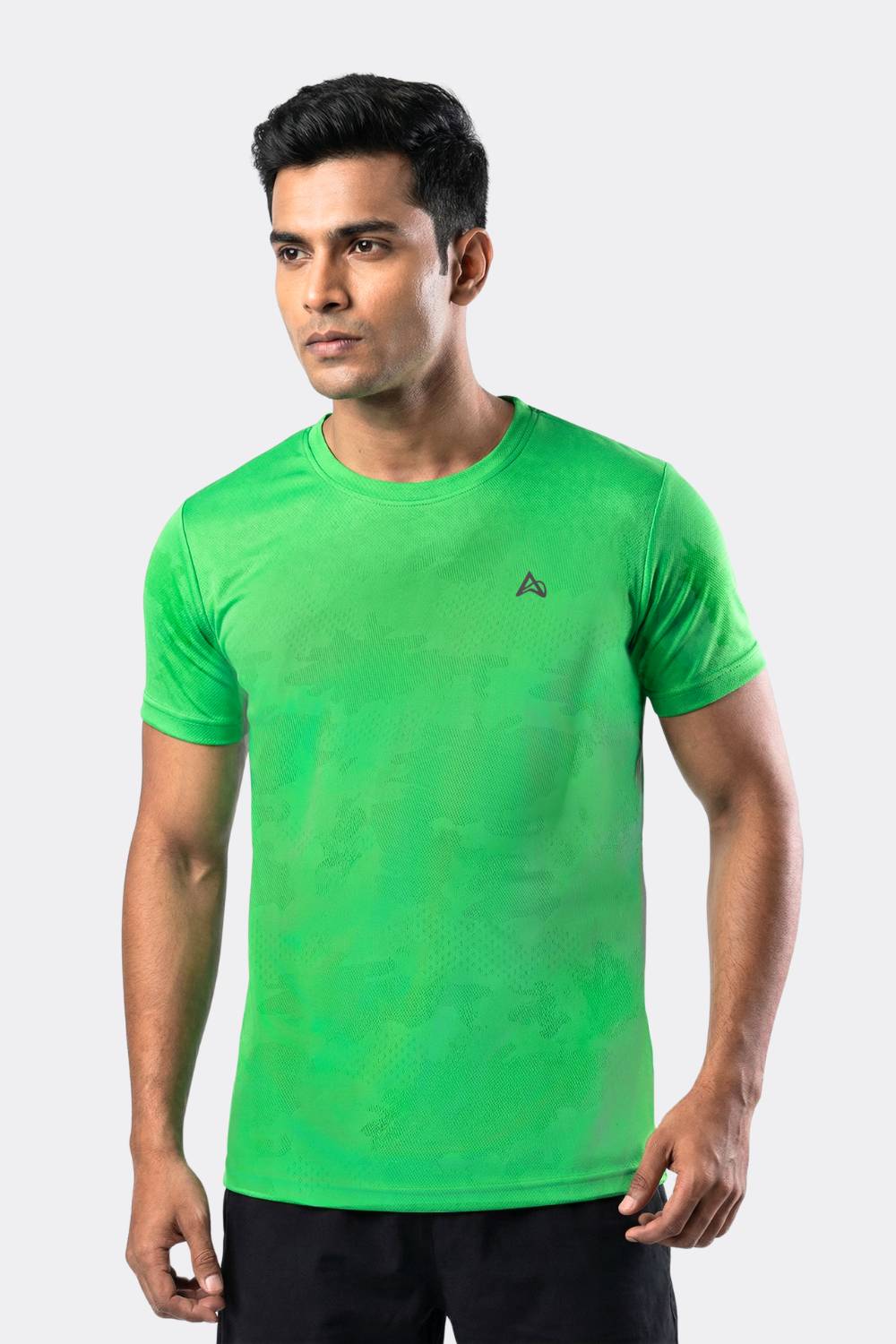
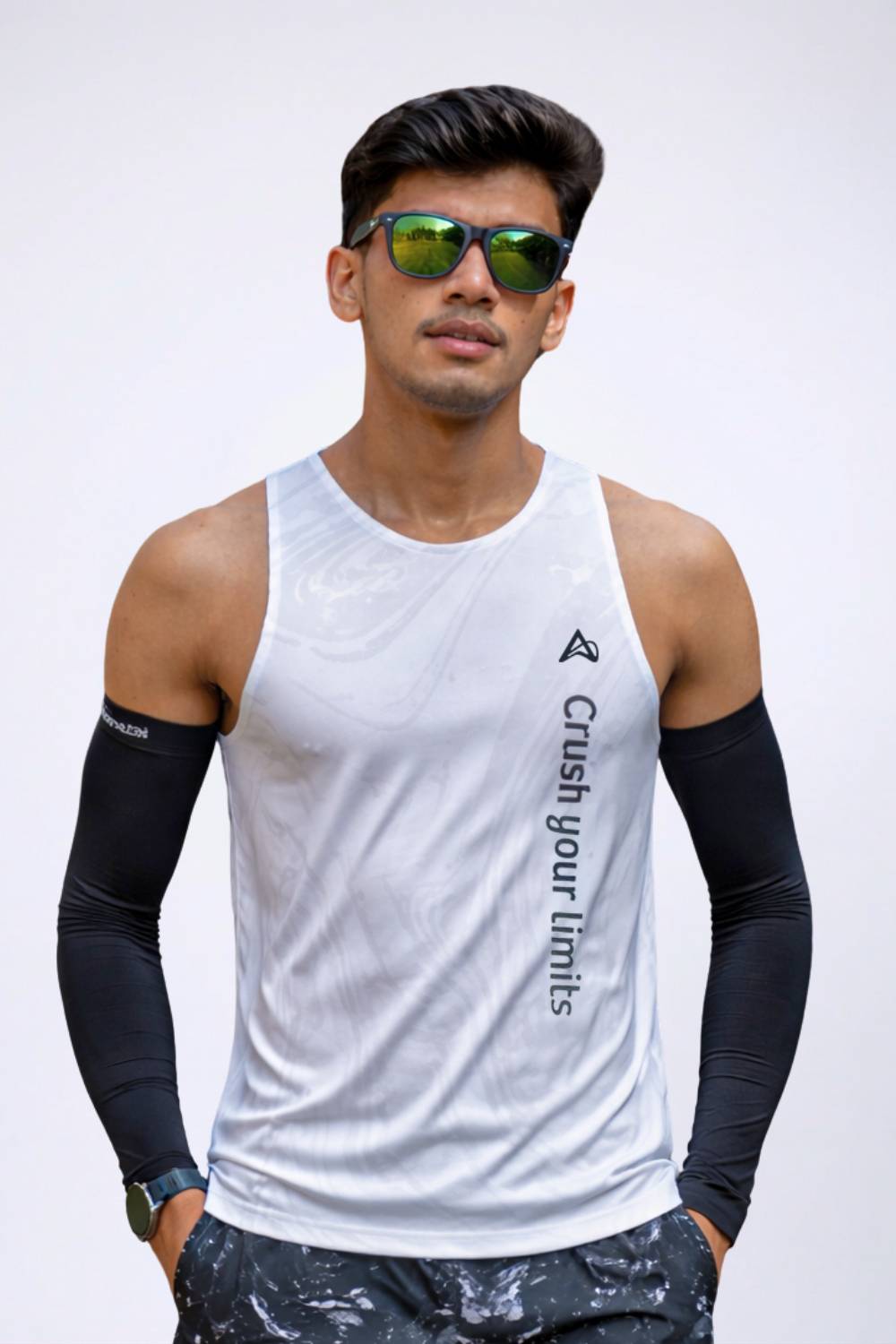
In India, recreational running expands rapidly, creating demand for gear that performs under local realities intense heat, high humidity, uneven surfaces. Aguante, established in 2018 by runners for runners, addresses this precisely. Products feature moisture-wicking fabrics, non-bouncing secure pockets, anti-chafing linings, ergonomic fits, and reflective details all rigorously tested in Indian conditions. Priced accessibly, these pieces deliver high-performance quality without the premium markup of international brands designed abroad.
Available on platforms like Myntra Marketplace and Amazon Marketplace, Aguante equips athletes from Bangalore to Surat with distraction-free apparel, allowing focus on training and racing.
Looking forward, India's running ecosystem promises continued evolution. Expanding training infrastructure, corporate involvement, and media attention elevate the sport. Trends toward sustainable events and ultramarathons loom, yet fundamentals endure: disciplined consistency, intelligent fueling, and strong community networks propel progress.
The Tata Mumbai Marathon 2026 affirmed a powerful reality India's endurance athletes are not merely showing up; they are thriving, setting benchmarks, and inspiring the next wave. With regional hubs leading the charge, the future of running in India appears swifter, more inclusive, and full of potential.
Frequently Asked Questions
How many participants took part in the Tata Mumbai Marathon 2026?
The Tata Mumbai Marathon 2026 saw a record-breaking turnout of over 69,000 participants in total, including more than 65,400 on-ground runners. The full marathon category alone attracted a historic 14,059 first-time entrants. The event featured multiple categories — full marathon, half marathon, 10K, and Dream Runs — making it accessible to runners of all levels.
Who won the Tata Mumbai Marathon 2026 elite races?
In the men's elite race, Ethiopia's Tadu Abate Deme claimed victory with a time of 2:09:55, while Yeshi Kalayu Chekole won the women's race in 2:25:13 — one of the fastest winning times in the event's history. On the Indian front, Kartik Karkera led the domestic men's category with a personal best of 2:19:55, and Sanjivani Jadhav topped the Indian women's elite podium in 2:48:58.
What challenges do Indian marathon runners face and how do they overcome them?
Indian marathon runners contend with unique obstacles including high humidity in Mumbai, extreme heat in cities like Ahmedabad, air pollution in Delhi and Bangalore, and inconsistent training infrastructure across cities. Athletes overcome these challenges through early-morning training sessions, indoor alternatives during poor air quality days, community-based running groups for accountability, and tailored hydration and nutrition strategies suited to local conditions.
Disclaimer: The above helpful resources content contains personal opinions and experiences. The information provided is for general knowledge and does not constitute professional advice.
You may also be interested in: Why Indian Marathoners Choose Aguante for Long Runs
Tired of gear that slows you down? Chafing, soggy fabrics, and missing pockets kill your run's momentum. At Aguante, we're runners who get it. Our high-performance activewear features moisture-wicking fabrics, ergonomic designs, and smart storage to keep you focused. Shop Now!
Powered by flareAI.co