








Quick Listen:
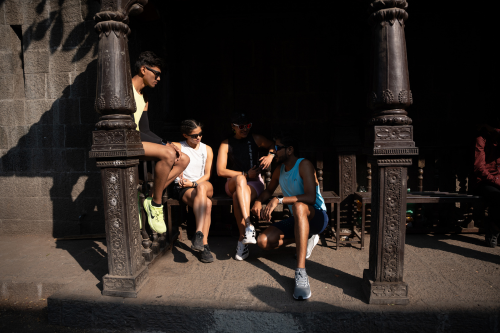
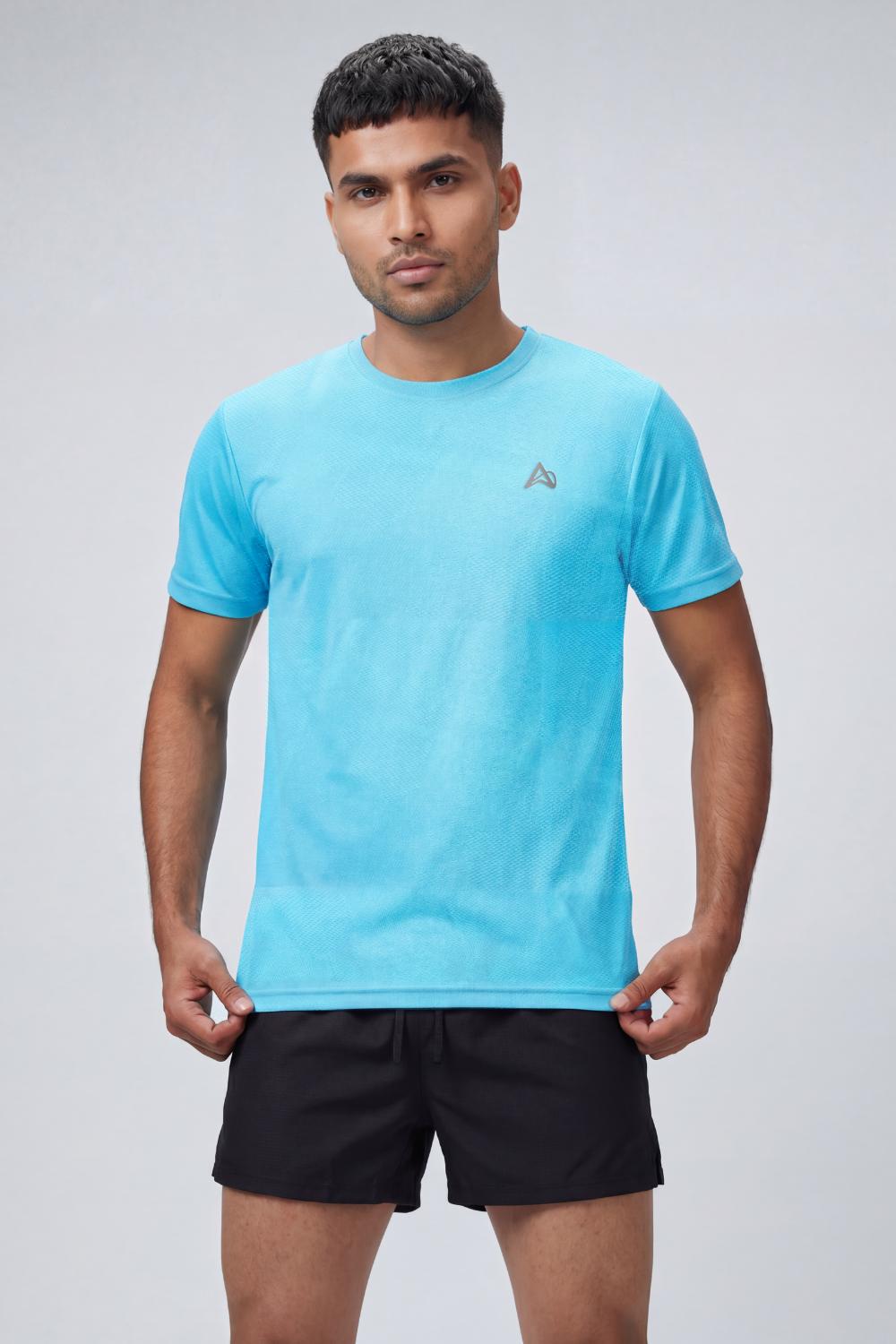
As the sun dips below the horizon in Mumbai's crowded streets, runners lace up their shoes for evening jogs, dodging traffic under dim streetlights. It's a scene repeated in cities across India, where the thrill of fitness meets the peril of poor visibility. This growing tension has spotlighted a crucial innovation in the activewear world: reflective running gear that blends safety with contemporary style.
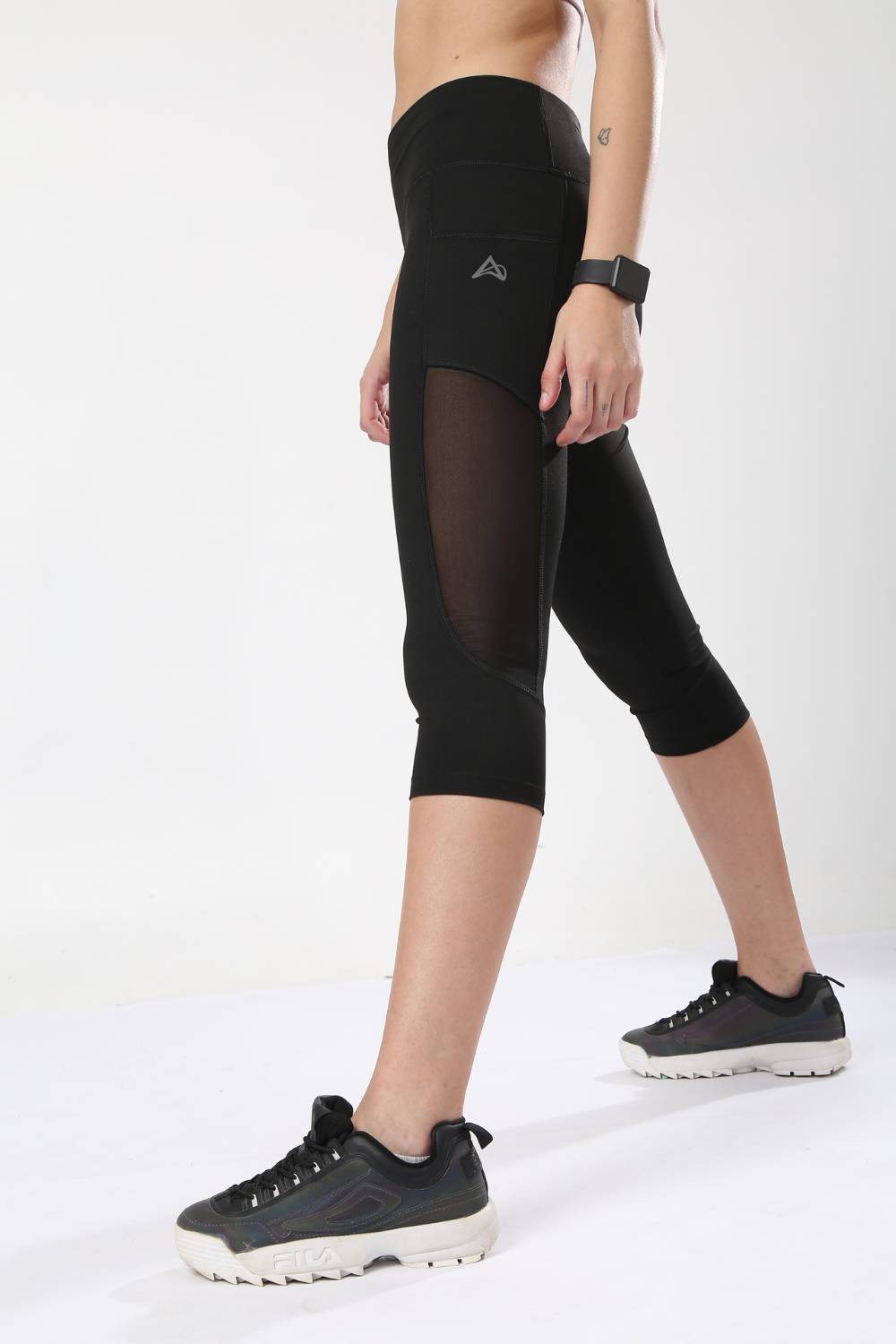
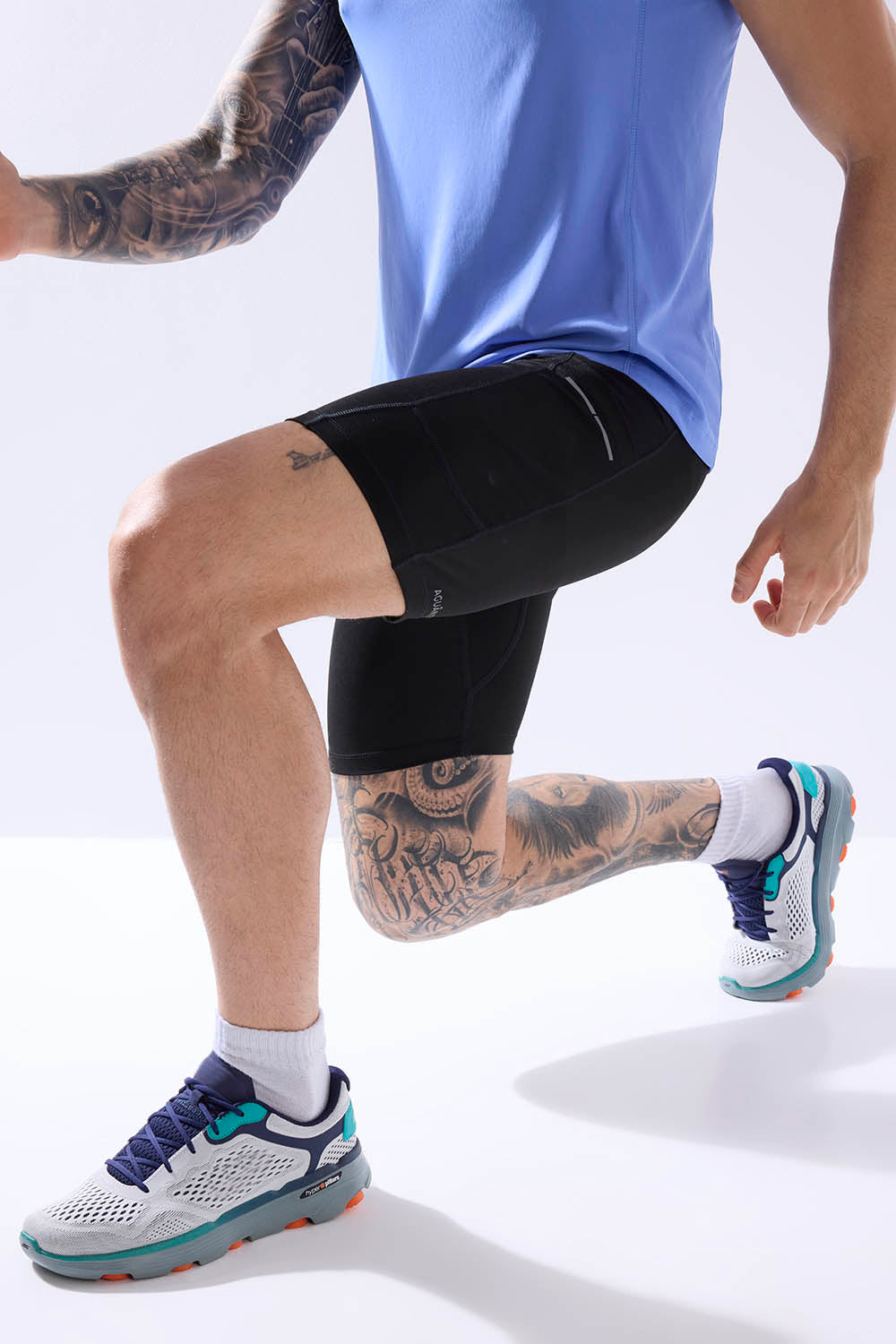
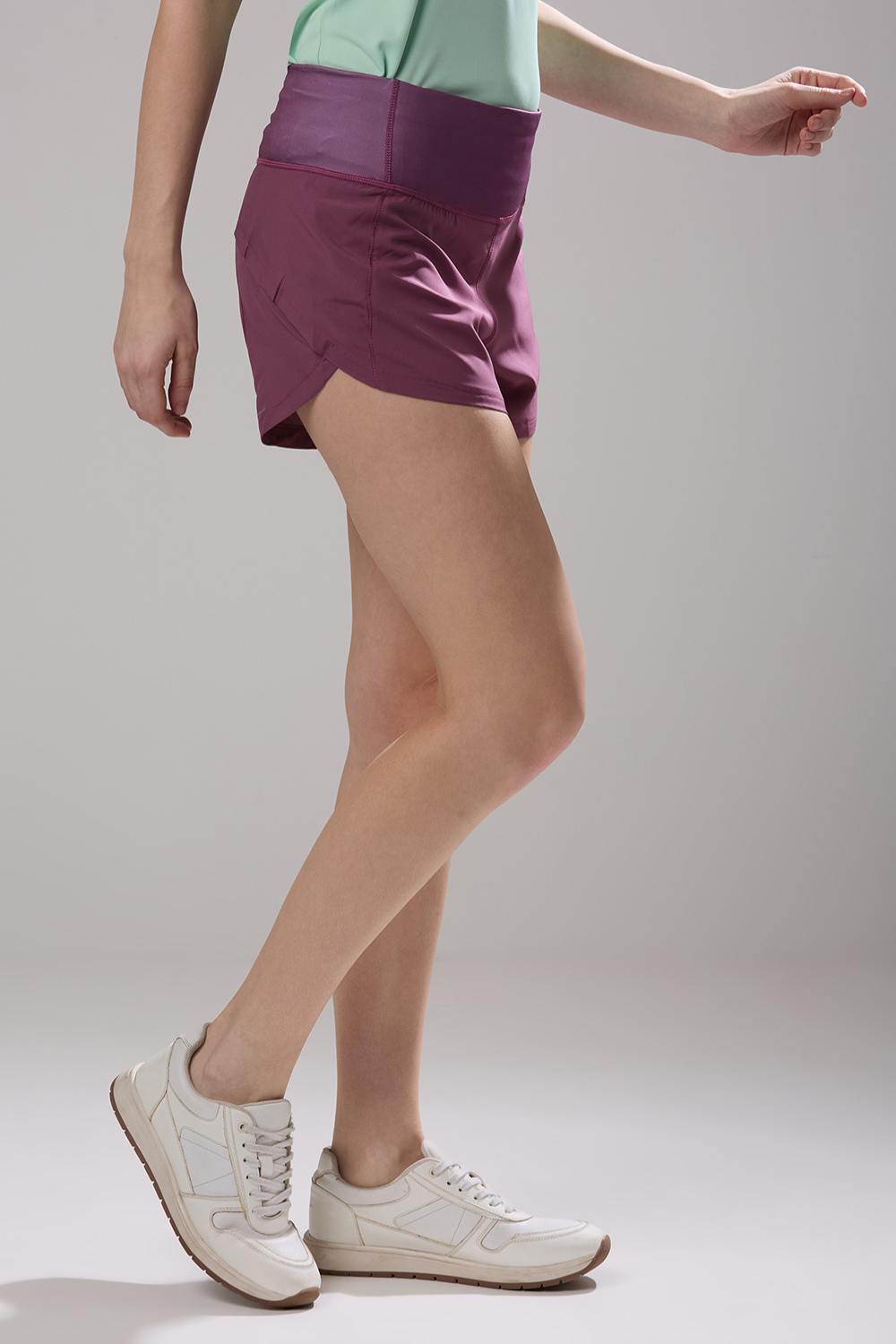
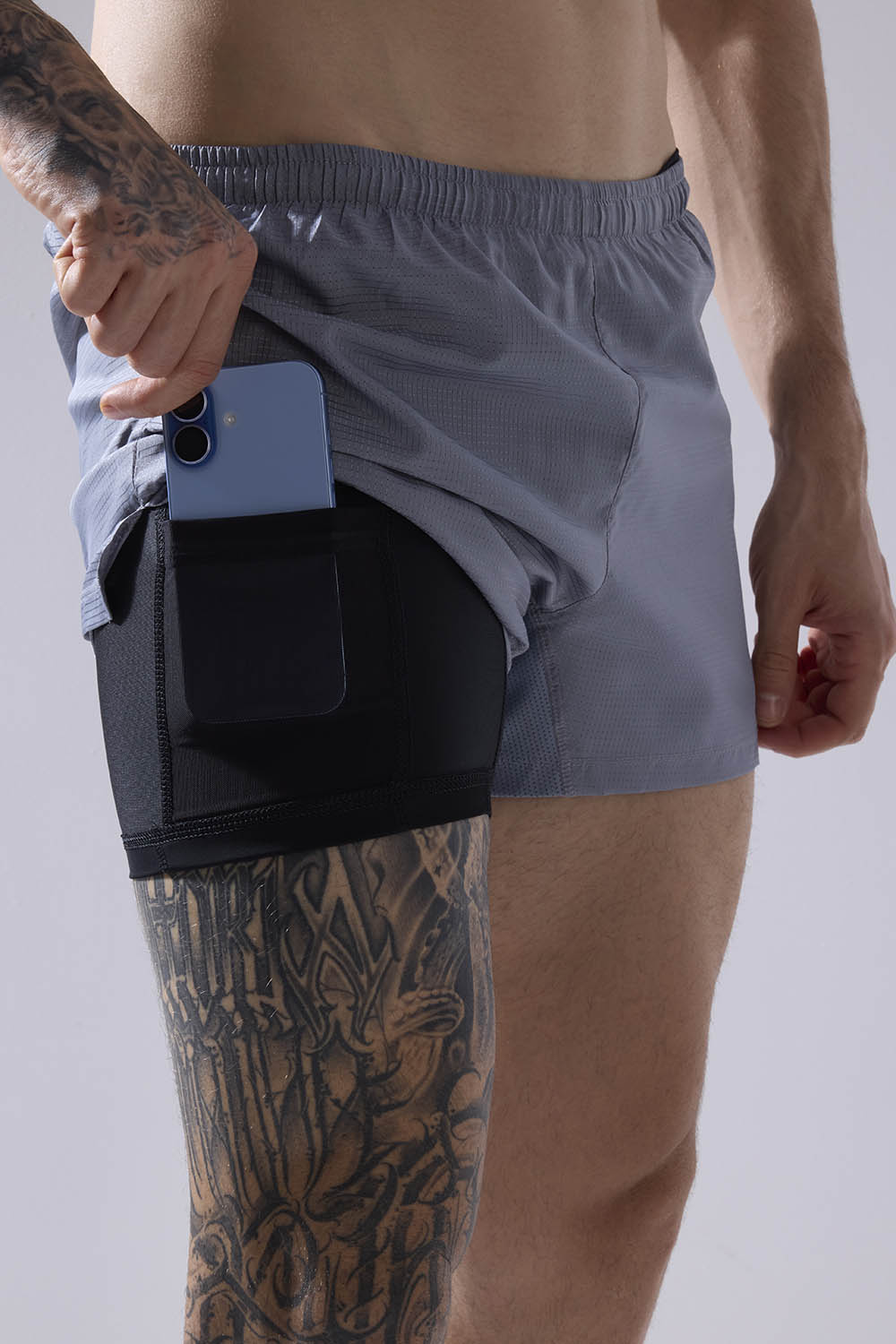
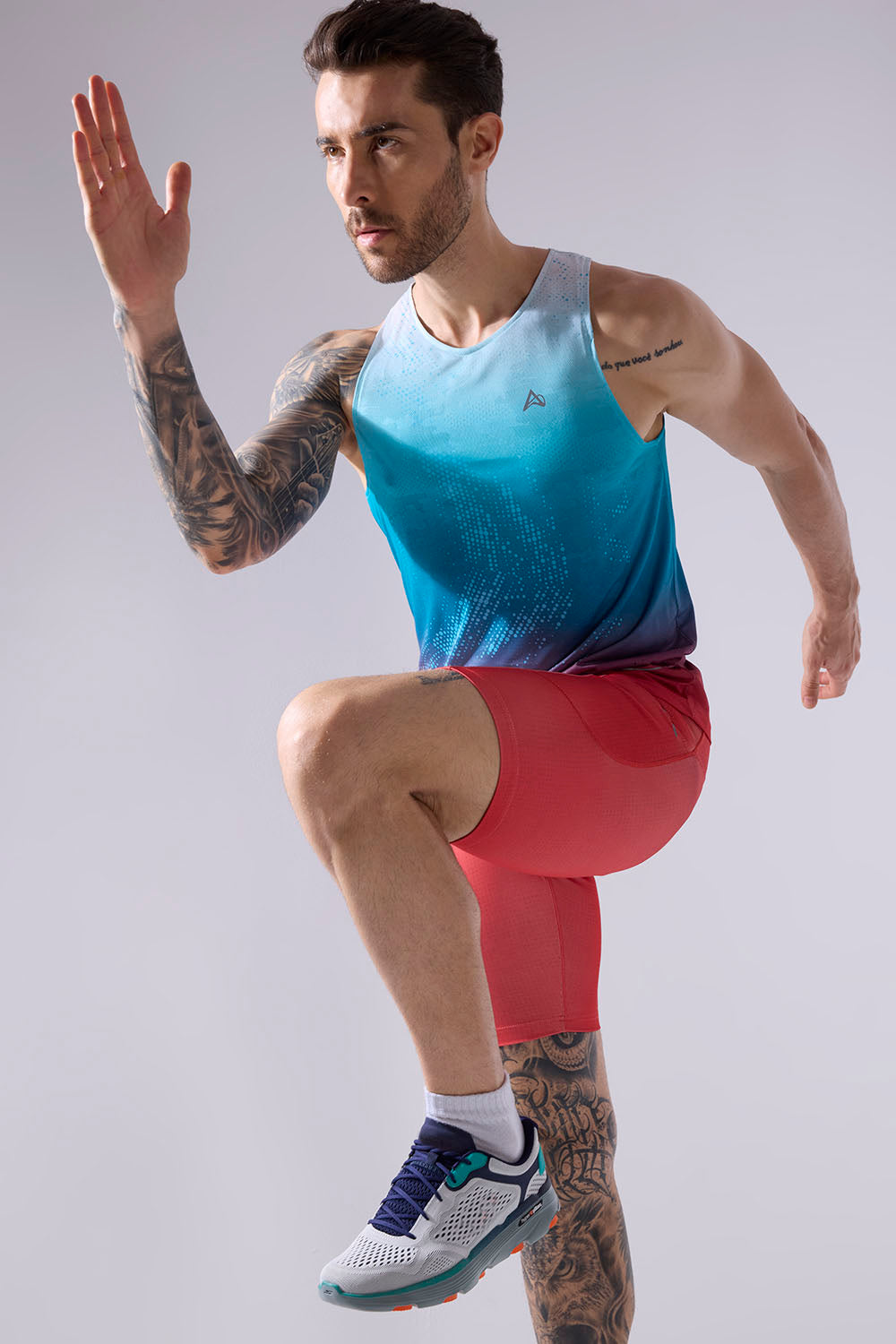
Tired of gear that slows you down? Chafing, soggy fabrics, and missing pockets kill your run's momentum. At Aguante, we're runners who get it. Our high-performance activewear features moisture-wicking fabrics, ergonomic designs, and smart storage to keep you focused. Shop Now!
The Rise of Reflective Gear in India's Fitness Boom
The relevance is clear: as more Indians hit the pavements in metropolises like Delhi and Mumbai, where pedestrian fatalities hover around 43% and 44% respectively, the industry must prioritize safety without compromising aesthetics. Brands are responding with moisture-wicking fabrics embedded with reflective strips, offering 360-degree visibility that could prevent accidents in low-light conditions.
Emerging Trends and Recent Developments
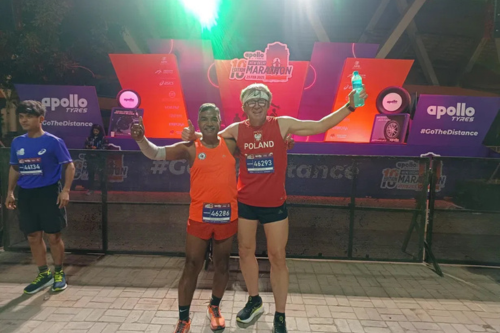
The trend toward reflective running gear is accelerating amid a surge in night-run events across urban India. In Mumbai and Pune, where hit-and-run incidents claim 44% of fatal crashes, runners are turning to apparel with built-in reflectors to stand out against oncoming vehicles. Recent developments include advanced fabrics that adjust to light levels, as noted in market reports projecting the reflective sportswear segment to grow at 5.1% CAGR globally, with India leading in urban adoption.
In Bangalore, vulnerable road users account for 73% of fatalities, many occurring between 1600-2100 hours when light fades. Similarly, Hyderabad's Cyberabad area sees 35% of road deaths as pedestrians, with outer ring road sections notorious for evening mishaps. Brands are innovating with ergonomic designs that incorporate reflective elements on hems and sleeves, aligning with the athleisure boom valued at USD 13.16 billion in 2024.
Delhi and Gurugram report alarming stats: 42% of 2021 fatalities in Delhi were pedestrians, while Gurugram saw 149 pedestrian deaths in 2023, with 45% of crashes at night. This has spurred trends like glow-in-the-dark logos, popular in Ahmedabad where pedestrians make up 44% of fatalities. The shift reflects a broader cultural move toward functional fashion in fitness apparel.
Real-World Examples, Applications, and Case Studies
In Mumbai, where 161 pedestrians died in 2022 crashes, many at night, reflective gear has practical applications for evening runners along Marine Drive. A case study from IIT Delhi highlights that in urban settings like Delhi, pedestrians face risks from trucks and cars, often in low visibility; reflective vests could mitigate this, as seen in Gurugram's Vision Zero project reducing deaths by 12.7% through better visibility measures.
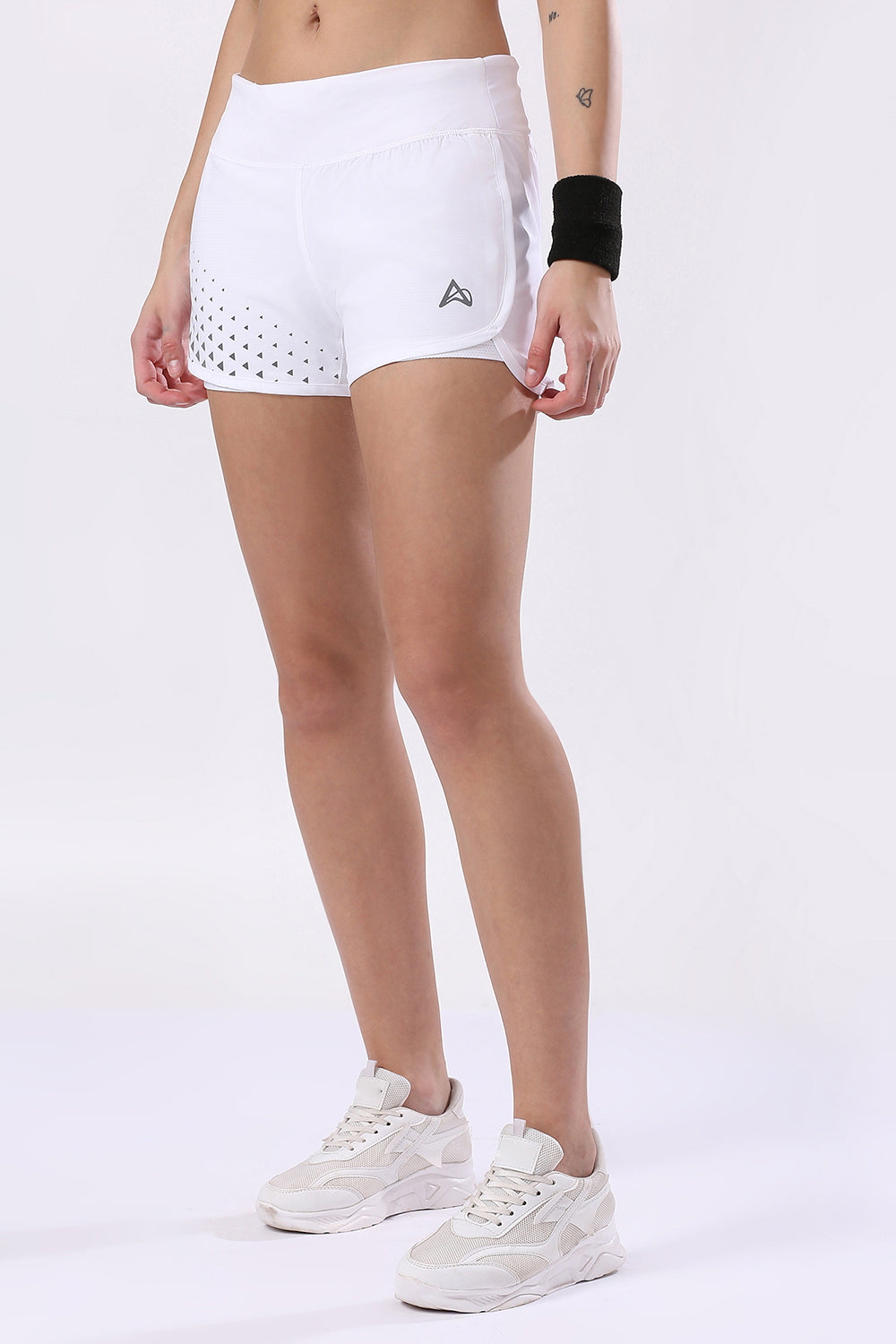
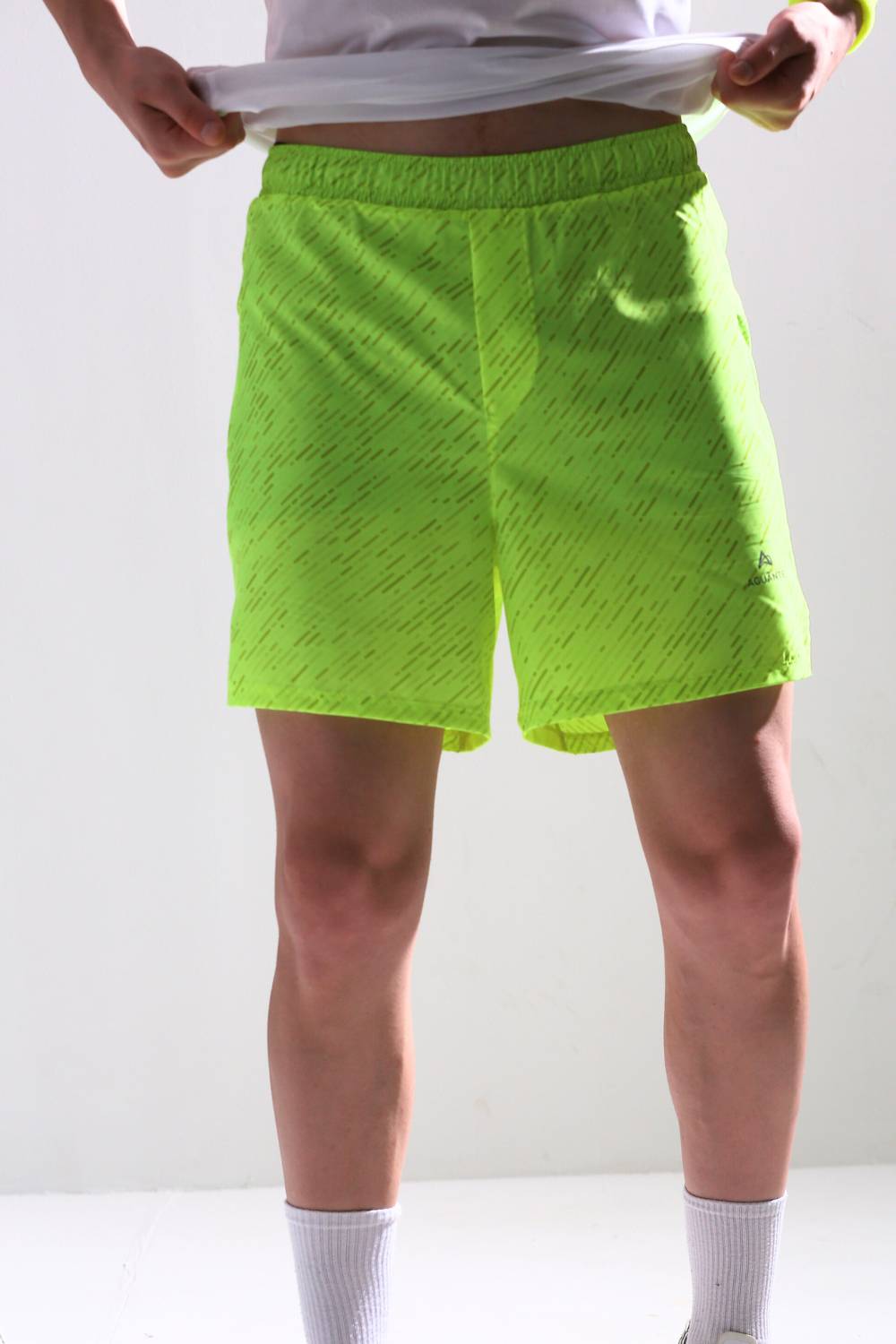
Bangalore's Outer Ring Road, unsafe for pedestrians with 90% fatalities due to speeding, serves as an example where runners using reflective shorts report feeling safer during dusk jogs. In Pune, 70 pedestrian deaths in the first eight months of underscore the need; local marathons now mandate reflective wear, drawing from government reports showing elderly pedestrians disproportionately affected at night.
Hyderabad's ORR recorded 369 fatalities over five years, many pedestrians; applications include group runs with reflective armbands. In Surat and Ahmedabad, Gujarat's 2023 report notes 1,757 pedestrian fatalities statewide, with urban lacks in infrastructure amplifying low-light risks; case studies from night events show reflective gear reducing near-misses. Navi Mumbai mirrors Mumbai's 48% pedestrian hit-and-runs, where fitness apps integrate gear recommendations for safe routes.
Key Challenges, Limitations, and Risks
Despite benefits, challenges persist. In Delhi, high-risk corridors like GT Karnal Road see multiple pedestrian deaths per km due to poor lighting, limiting reflective gear's effectiveness without infrastructure support. Underreporting is rife; IIT Delhi estimates pedestrian fatalities at 35% nationally, far above official 19%.
In Gurugram, 60% of roads lack pedestrian crossings, and nighttime crashes double daytime deaths, risking over-reliance on gear alone. Mumbai's footpaths are often encroached, forcing runners onto roads where reflective elements may not counter speeding vehicles. Cost is a barrier in lower-income areas of Hyderabad and Pune, where adoption lags. Risks include fading reflectivity over washes, as per fabric market analyses.
Bangalore's 907 pedestrian deaths from 2017-2020 highlight systemic issues like ill-suited infrastructure, where even stylish gear can't fully mitigate chaotic traffic. Limitations in Ahmedabad and Surat stem from 87.5% fatalities in areas without zebra crossings, emphasizing the need for combined solutions.
Opportunities, Efficiencies, and Business Impacts
Opportunities abound in India's activewear market, valued at USD 22,852.80 million in 2024, with reflective gear driving efficiencies in safety and sales. In urban hubs like Mumbai and Delhi, brands can capitalize on night-run surges, as reflective apparel sales rise with events.
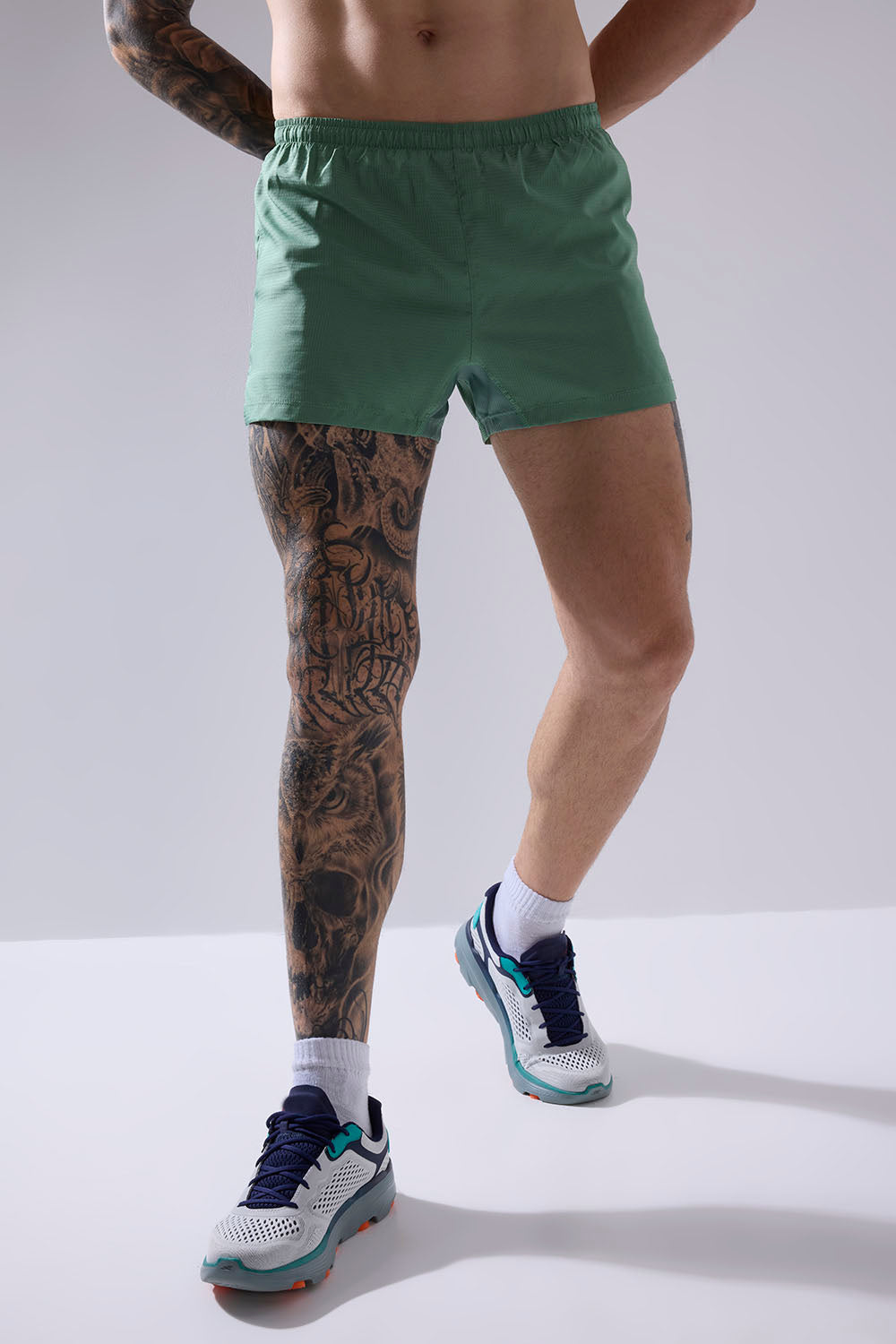
Business impacts include expanded market share; in Bangalore and Pune, where fitness trends boom, innovative designs like reflective shorts enhance brand loyalty. Efficiencies arise from reduced accident risks, potentially lowering healthcare costs tied to 35,221 national pedestrian deaths in 2023. Gurugram's interventions show how gear complements infrastructure, creating synergies for apparel firms partnering with city planners.
In Hyderabad and Navi Mumbai, opportunities lie in customizable reflective elements for humid climates, boosting performance apparel sales. For Ahmedabad and Surat, market growth at 8.5% CAGR offers avenues for local manufacturers to innovate, impacting job creation in the sector.
Looking Ahead with Expert Insights
As India's cities pulse with fitness enthusiasts, reflective running gear stands as a beacon of progress, merging safety and style seamlessly. Experts from IIT Delhi advocate for widespread adoption, noting that enhanced visibility could curb the 22% pedestrian deaths on expressways. Future outlooks predict tech-infused fabrics, like sensor-embedded apparel, revolutionizing the market.
Recommendations for professionals: Integrate reflective elements into core designs, collaborate with urban planners in cities like Mumbai and Bangalore, and educate consumers on visibility's role. In the end, this gear isn't just clothing it's a lifeline, ensuring every run ends safely under the city lights.
Frequently Asked Questions
Why is reflective running gear important for runners in India?
Reflective running gear is crucial for safety during low-light conditions in Indian cities, where pedestrian fatalities remain alarmingly high 44% in Mumbai, 43% in Delhi, and 28% in Bangalore. With many runners exercising during early mornings or evenings when visibility is poor, reflective elements provide 360-degree visibility to oncoming vehicles, potentially preventing accidents. This is especially critical in urban areas where inadequate street lighting and infrastructure gaps put runners at increased risk on busy roads.
How does reflective sportswear combine safety features with style?
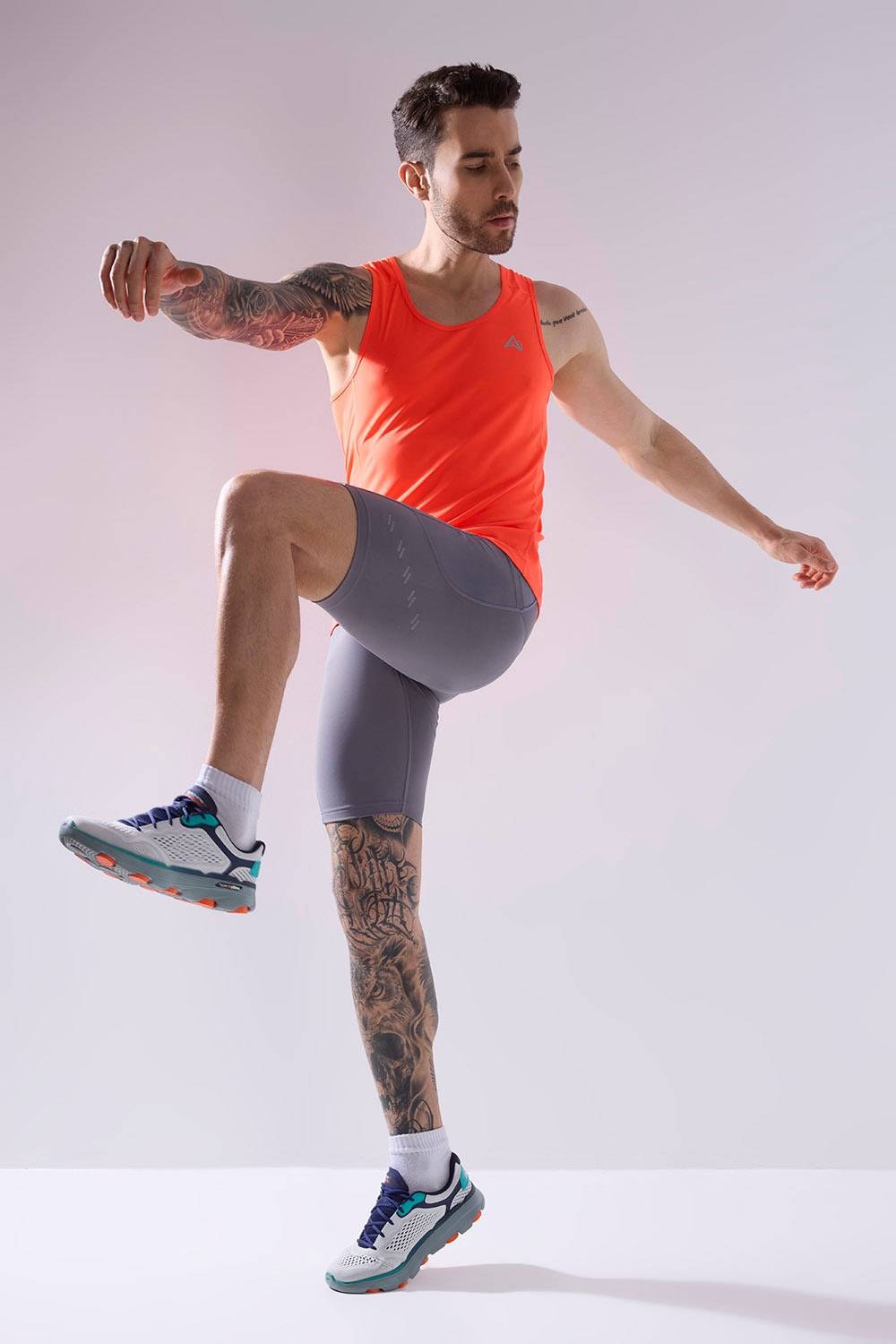
Modern reflective running gear seamlessly integrates safety and fashion through innovative designs that embed reflective strips into moisture-wicking fabrics without compromising aesthetics. Brands are incorporating ergonomic reflective elements on hems, sleeves, and logos that enhance visibility while maintaining the sleek, contemporary look demanded by India's style-conscious fitness enthusiasts. This fusion aligns with the athleisure boom, offering functional protection alongside performance features that keep runners comfortable and visible during their workouts.
What are the key challenges facing reflective running gear adoption in India?
Despite its benefits, reflective gear faces several challenges including affordability barriers in lower-income areas, effectiveness limitations in cities with poor infrastructure like inadequate lighting and missing pedestrian crossings, and durability concerns as reflectivity can fade with repeated washing. Additionally, over-reliance on gear alone cannot fully address systemic issues such as speeding vehicles, encroached footpaths, and chaotic traffic patterns common in cities like Gurugram, Mumbai, and Bangalore, where infrastructure improvements must complement safety apparel for maximum effectiveness.
Disclaimer: The above helpful resources content contains personal opinions and experiences. The information provided is for general knowledge and does not constitute professional advice.
You may also be interested in: Why Reflective Running Gear Is Critical for Urban Safety
Tired of gear that slows you down? Chafing, soggy fabrics, and missing pockets kill your run's momentum. At Aguante, we're runners who get it. Our high-performance activewear features moisture-wicking fabrics, ergonomic designs, and smart storage to keep you focused. Shop Now!
Powered by flareAI.co