



Quick Listen:
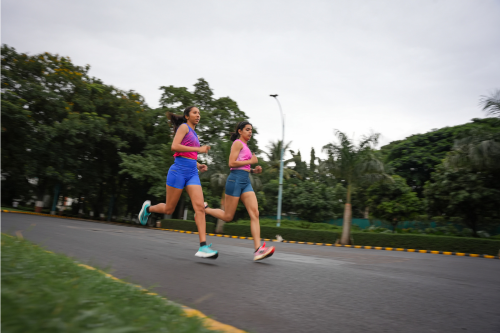
Imagine pounding the pavement on a steamy morning in Mumbai, where the coastal humidity clings like a second skin, or navigating Delhi's dusty heat during an afternoon jog. As sweat starts to pour, your shirt doesn't turn into a soggy mess instead, it pulls the moisture away, evaporating it swiftly and keeping you cool and composed. This seamless experience isn't magic; it's the power of moisture-wicking fabrics at work, transforming how runners tackle long distances in India's challenging climates.
In the thriving activewear and performance apparel sector, particularly for running and fitness clothing, moisture-wicking fabrics represent a pivotal advancement. These specialized materials are engineered to draw sweat from the skin to the outer layer of the garment, where it spreads out and evaporates rapidly. This mechanism is crucial for long-distance runners, who face prolonged exposure to heat and humidity, preventing issues like overheating, chafing, and reduced mobility. For brands designing running gear, incorporating these fabrics means delivering products that prioritize endurance and comfort, directly impacting athlete satisfaction and performance metrics.
The relevance in India cannot be overstated, given the country's varied weather patterns. From the arid summers in Ahmedabad to the monsoon-soaked trails in Hyderabad, runners demand apparel that adapts. Global activewear market, estimated at USD 406.83 billion in 2024, is set to reach USD 677.26 billion by 2030 with a CAGR of 9.0%, driven by a surge in fitness activities and modern clothing preferences for gyms and daily wear. In India, this growth is amplified by urban fitness booms in cities like Bangalore and Pune, where tech-savvy professionals seek gear that supports their active lifestyles without compromise.
At its core, the technology relies on capillary action within synthetic fibers such as polyester or nylon. These fibers create channels that transport moisture outward, maintaining dry skin and optimal body temperature. This not only minimizes blister risks during extended runs along Surat's industrial paths or Gurugram's corporate parks but also enhances overall efficiency, allowing runners to focus on their stride rather than discomfort. Studies highlight how such fabrics reduce perceived exertion, enabling longer sessions in humid environments typical of Navi Mumbai or Delhi.
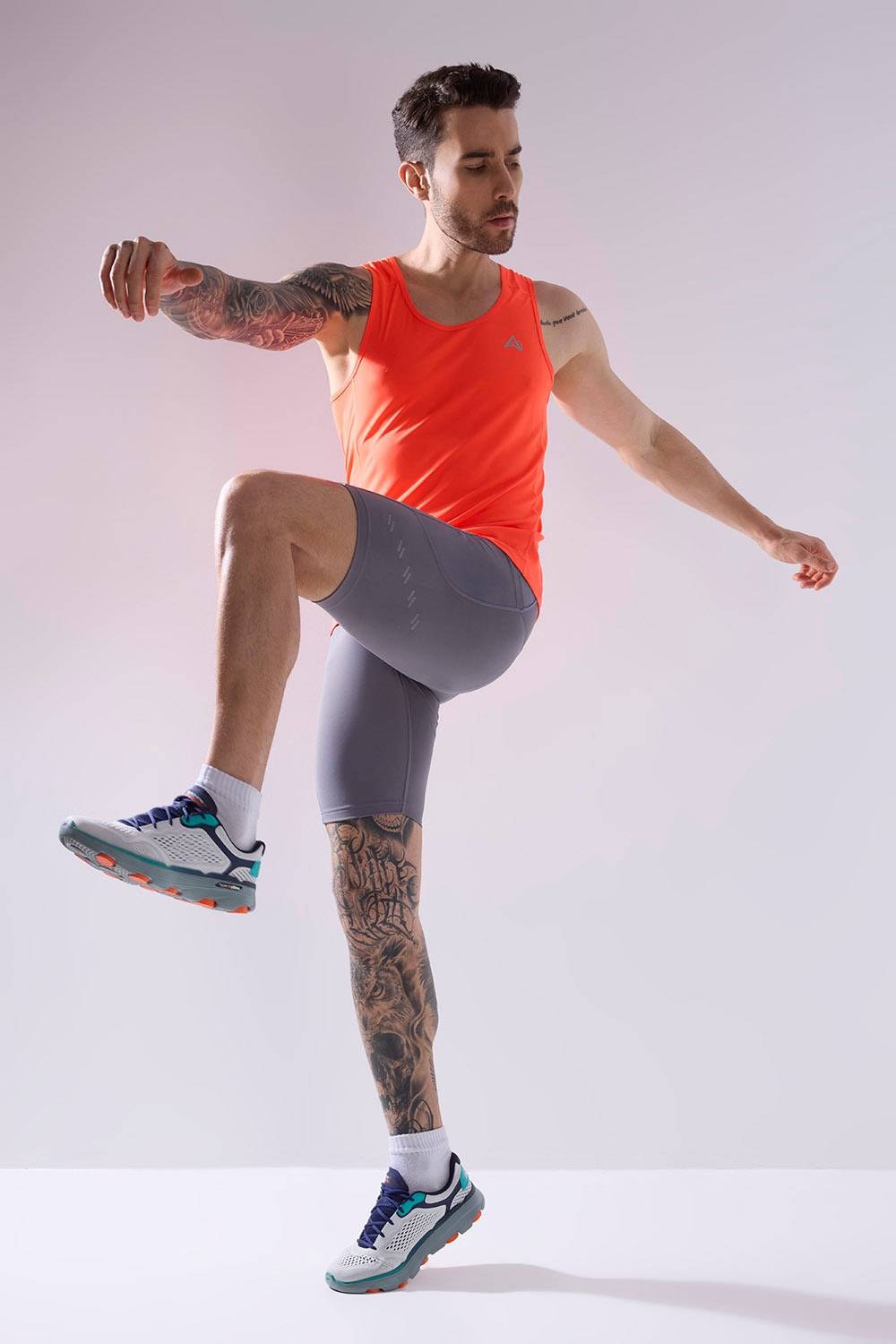
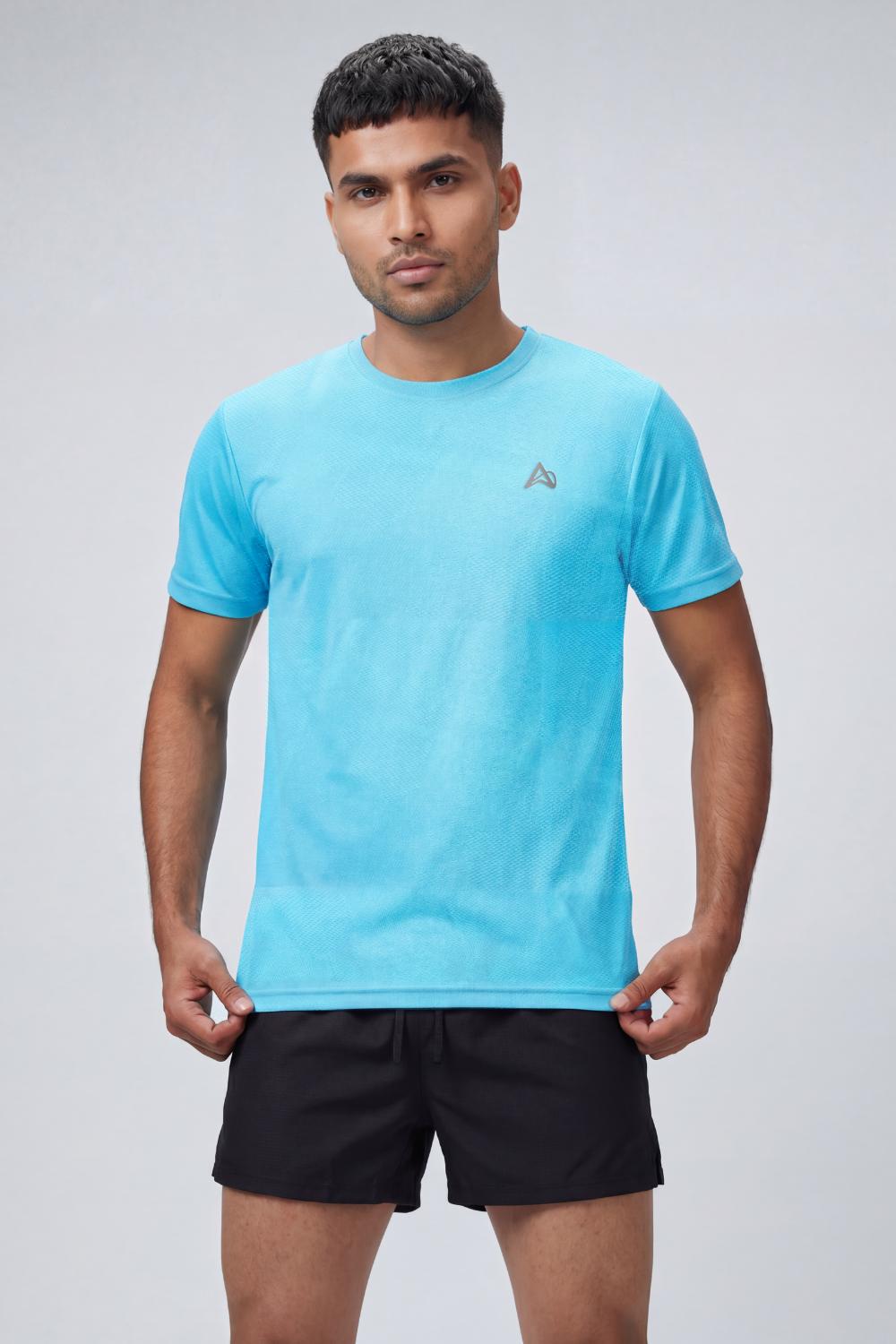
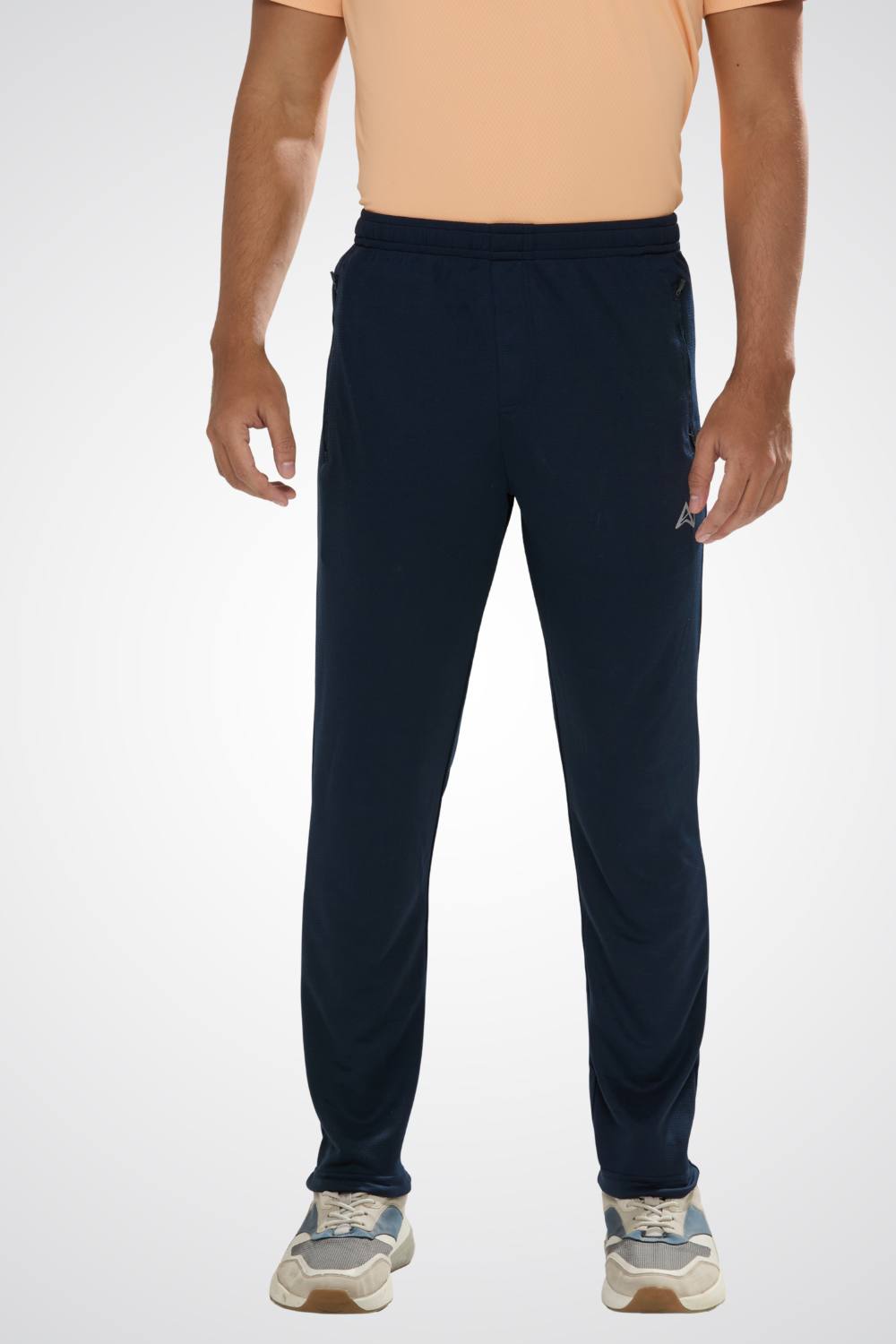
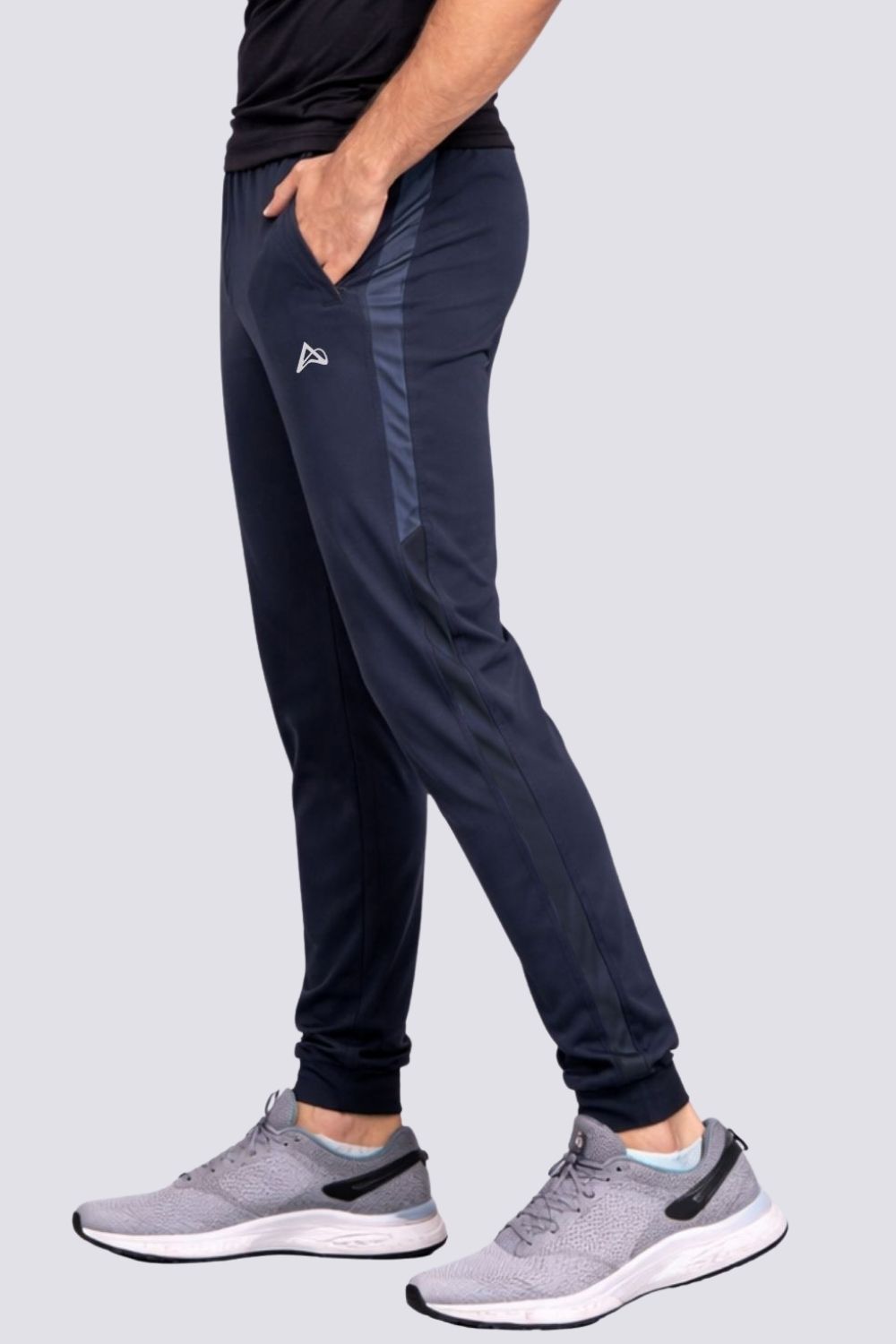
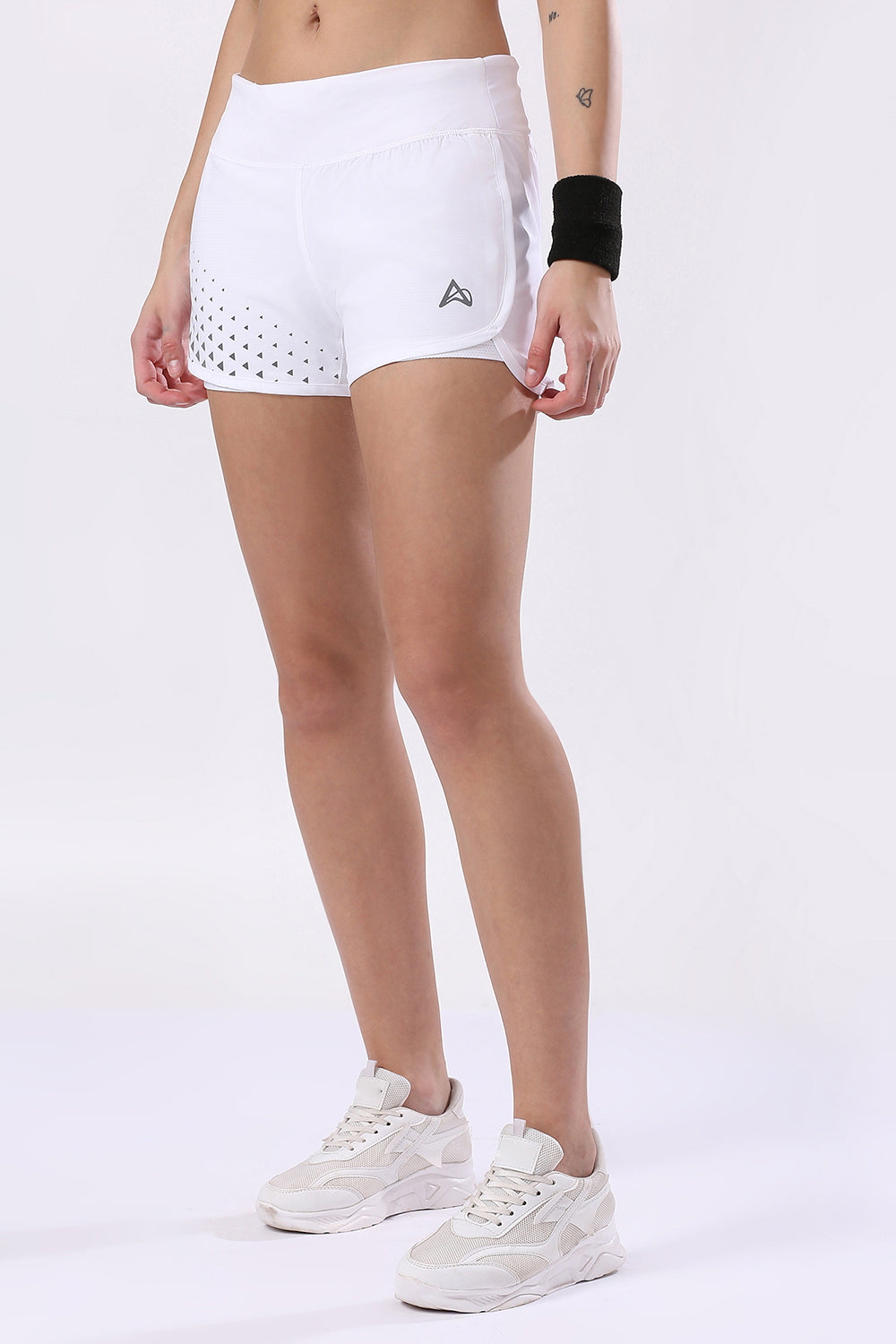
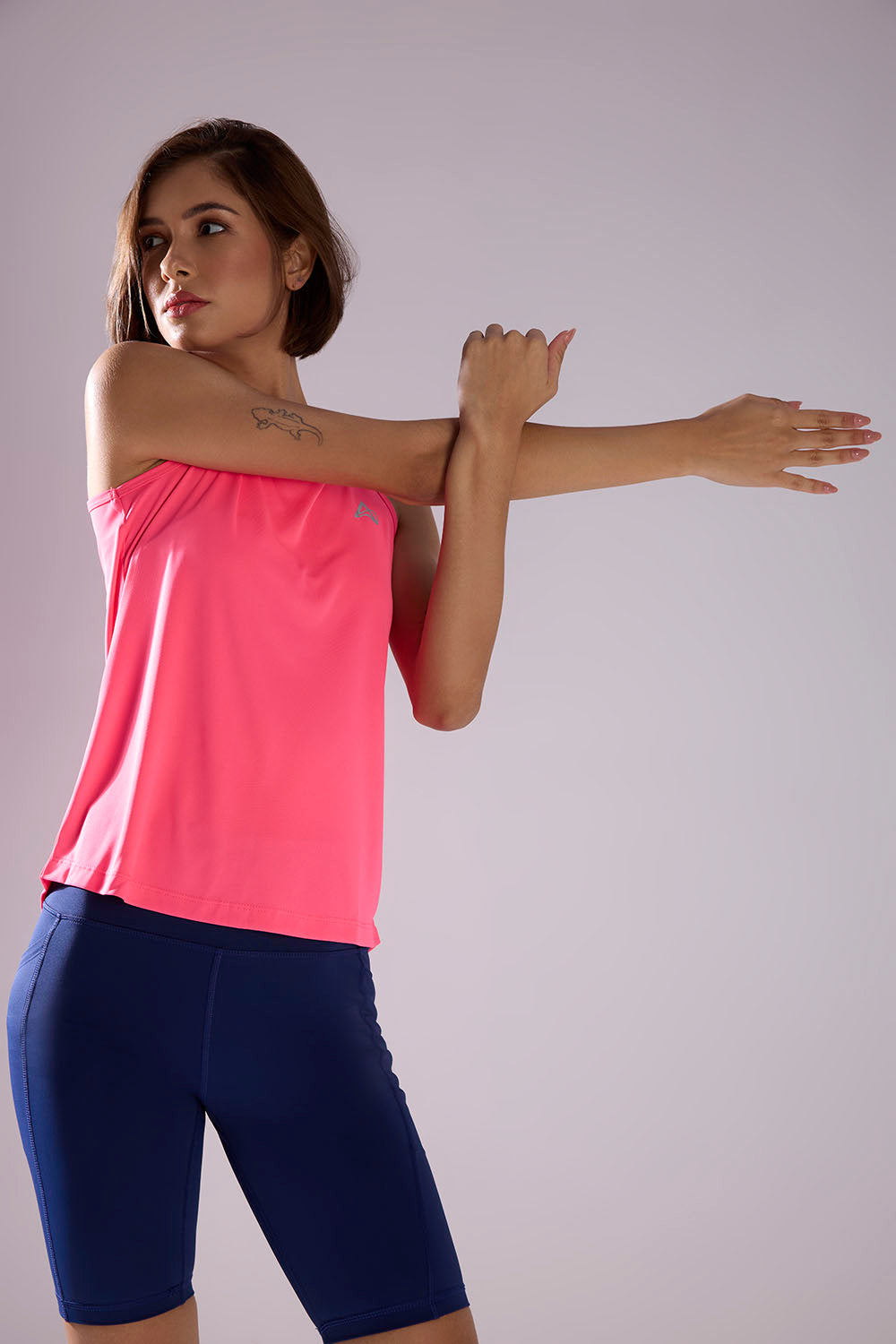
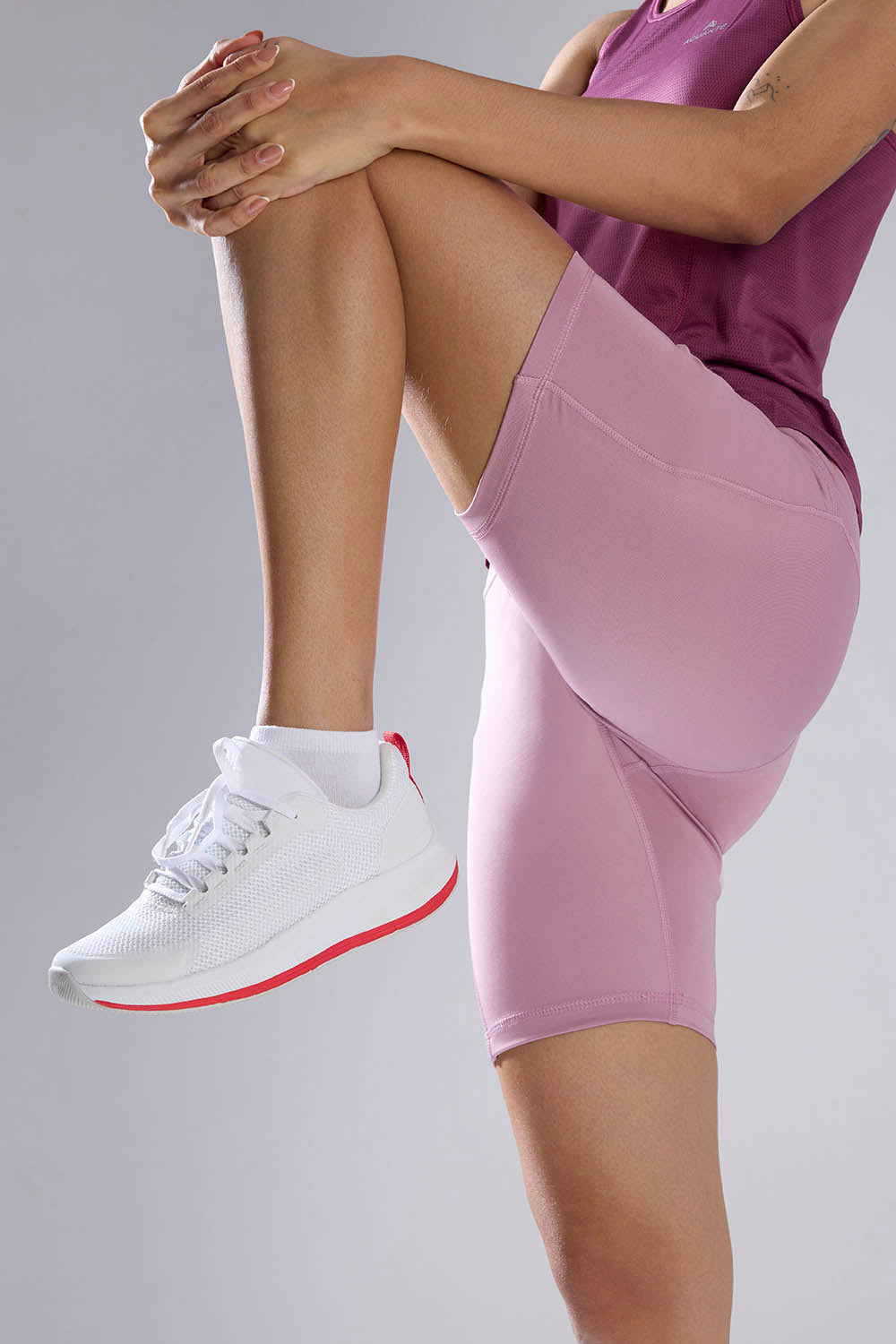
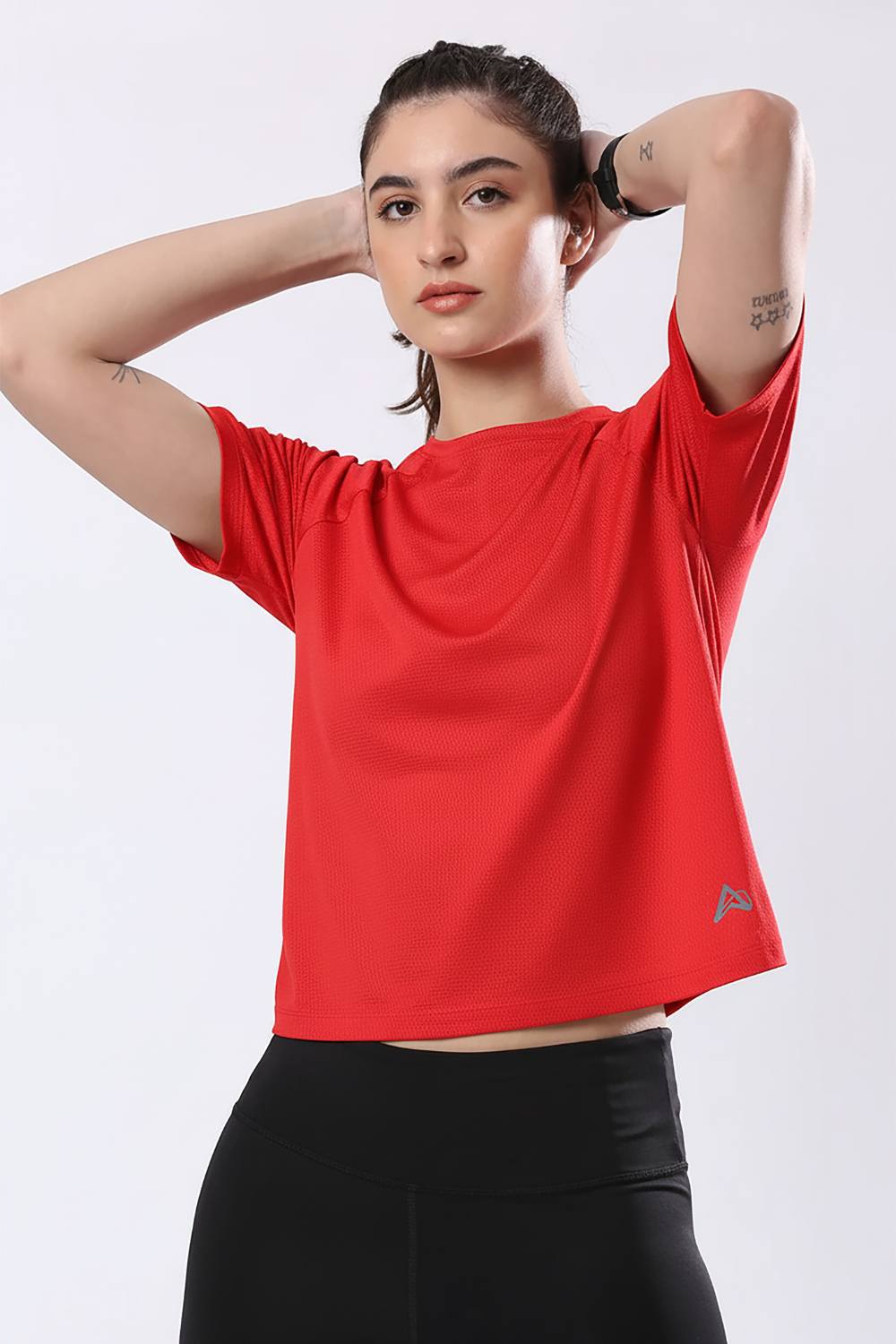
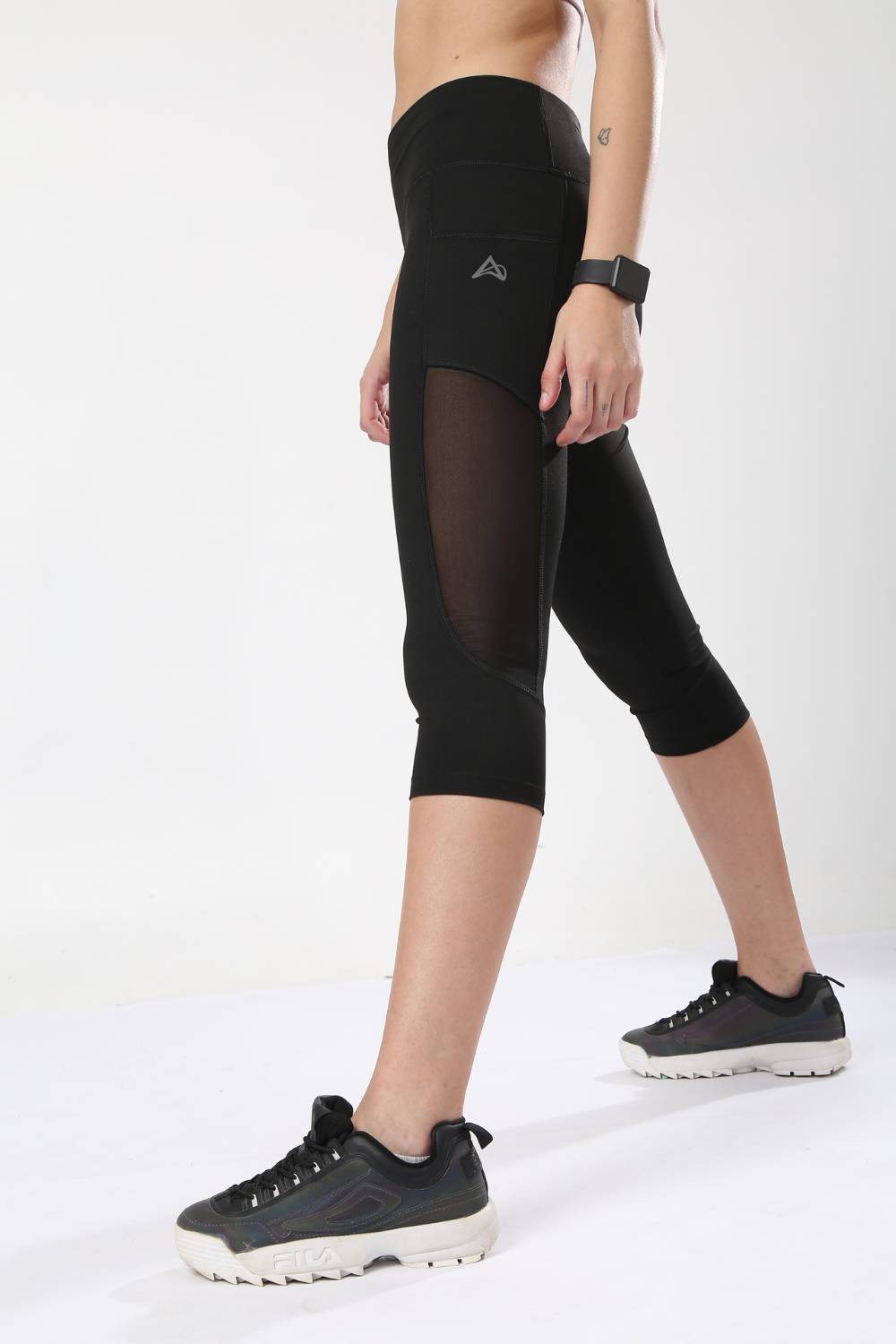
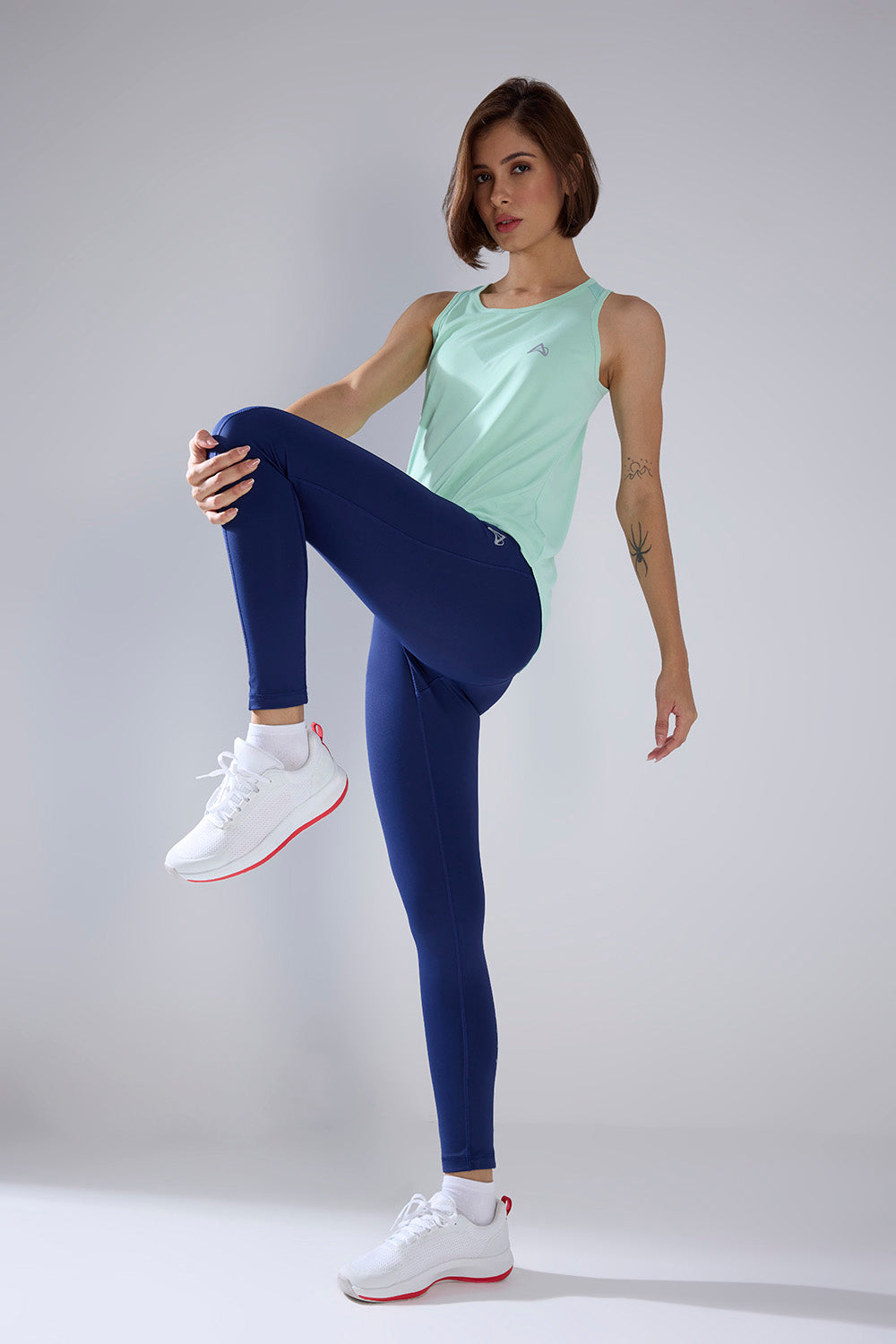
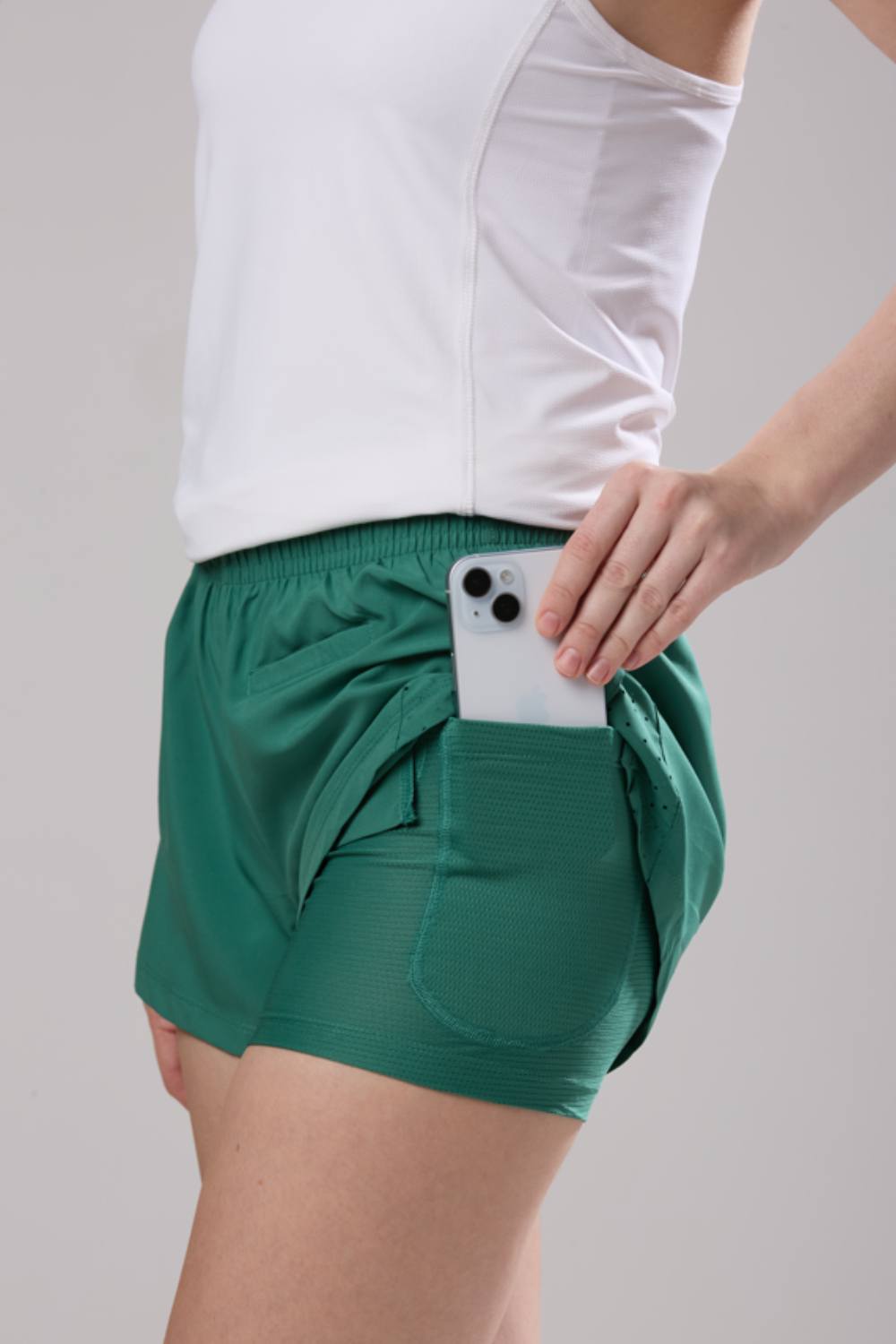
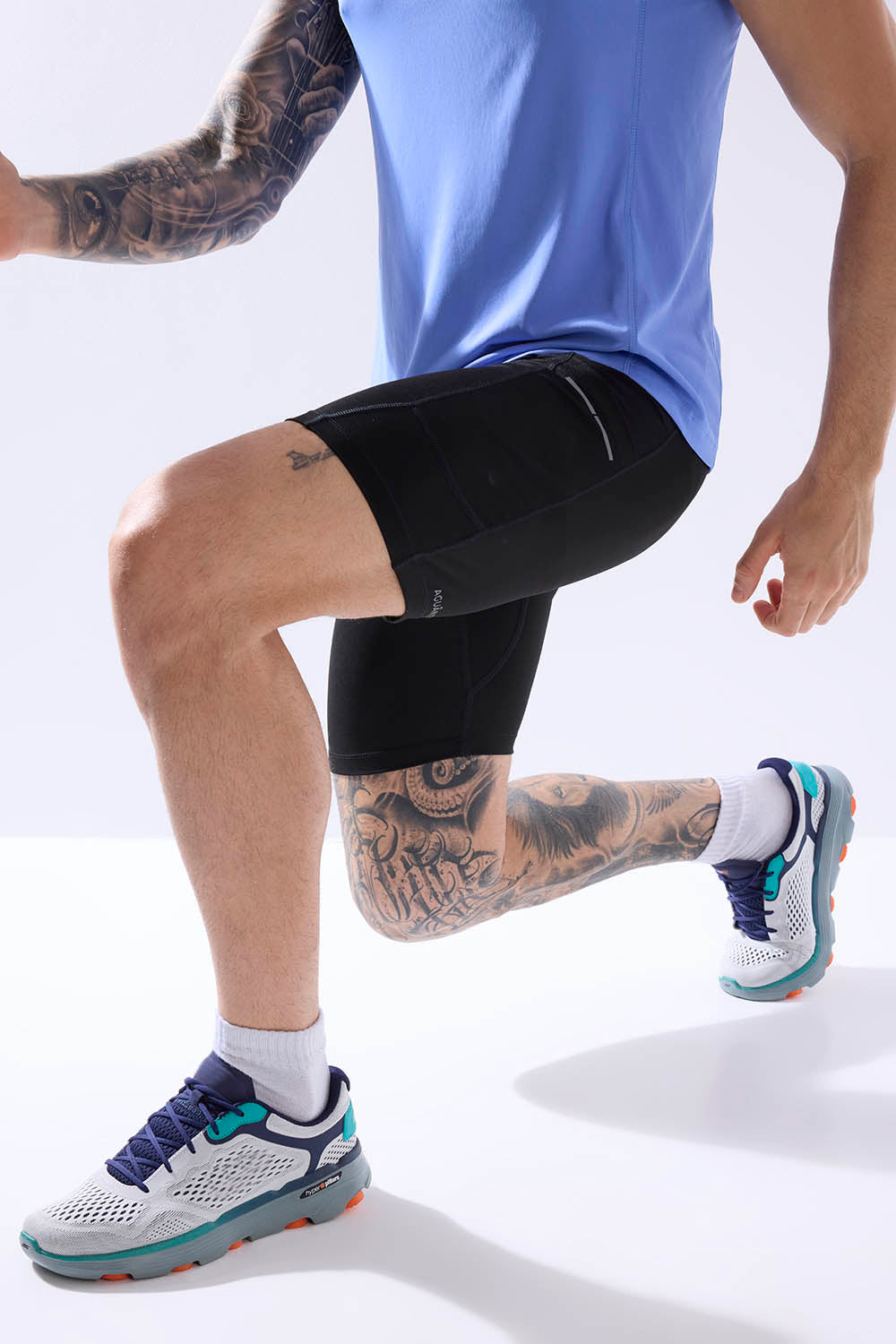
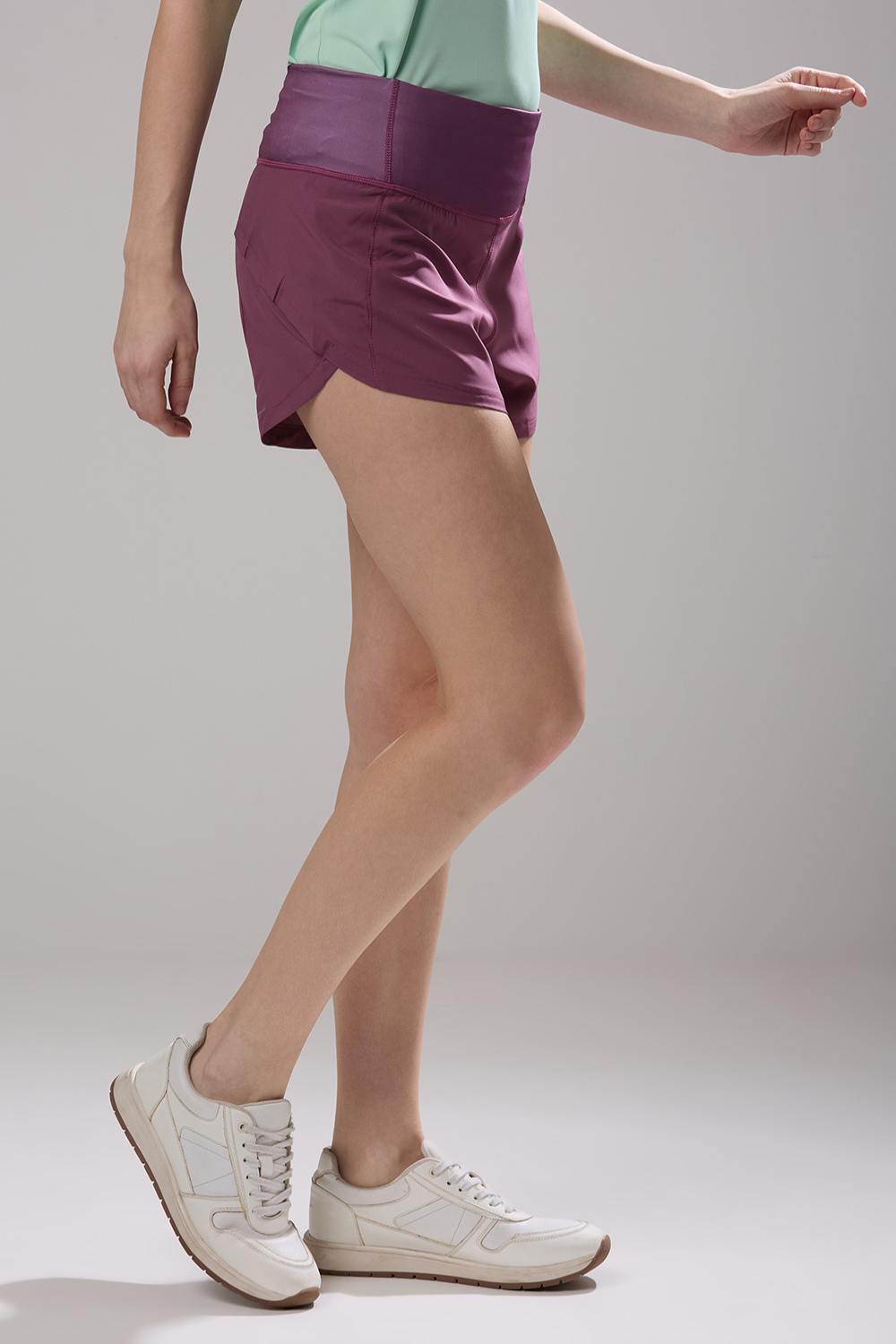
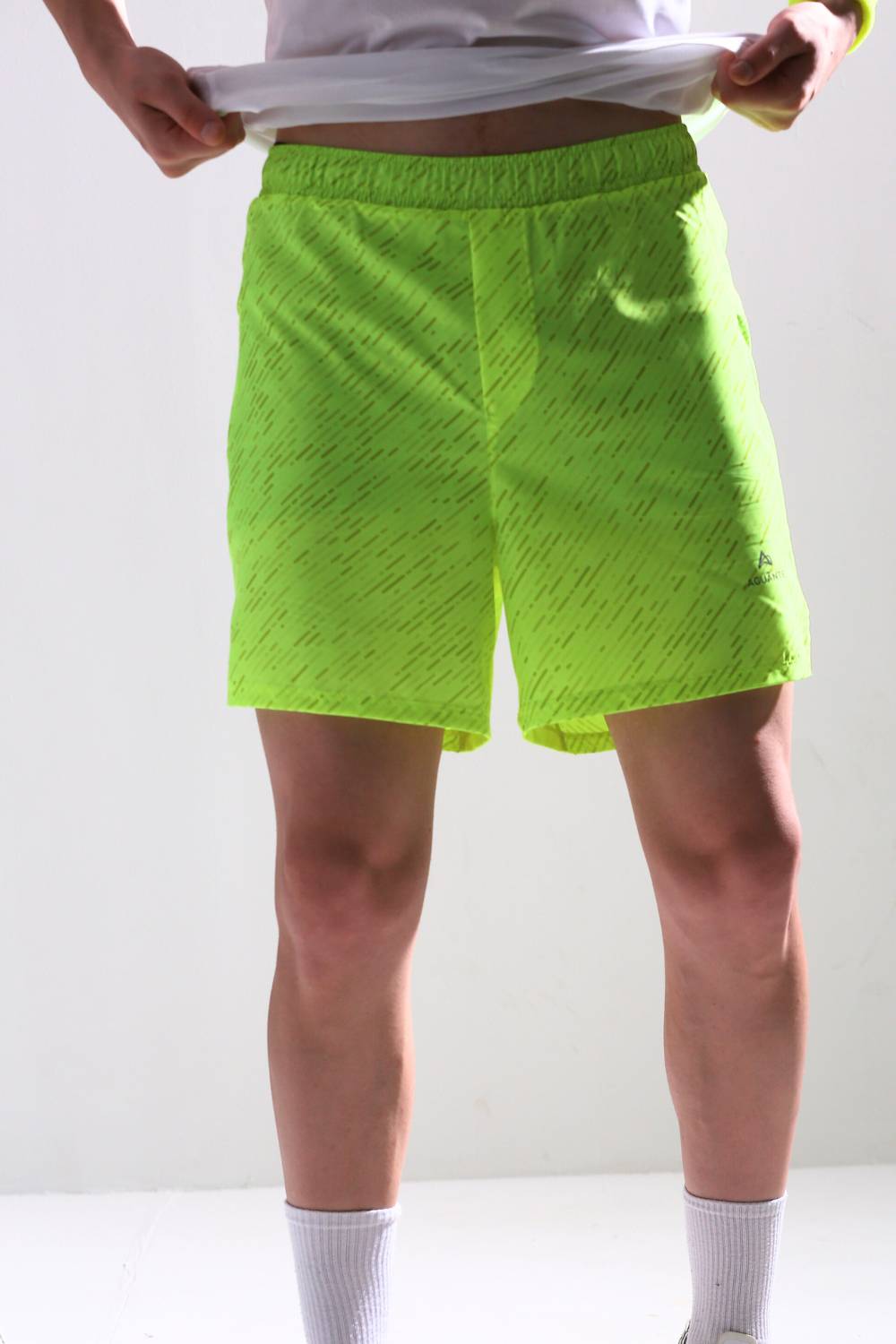
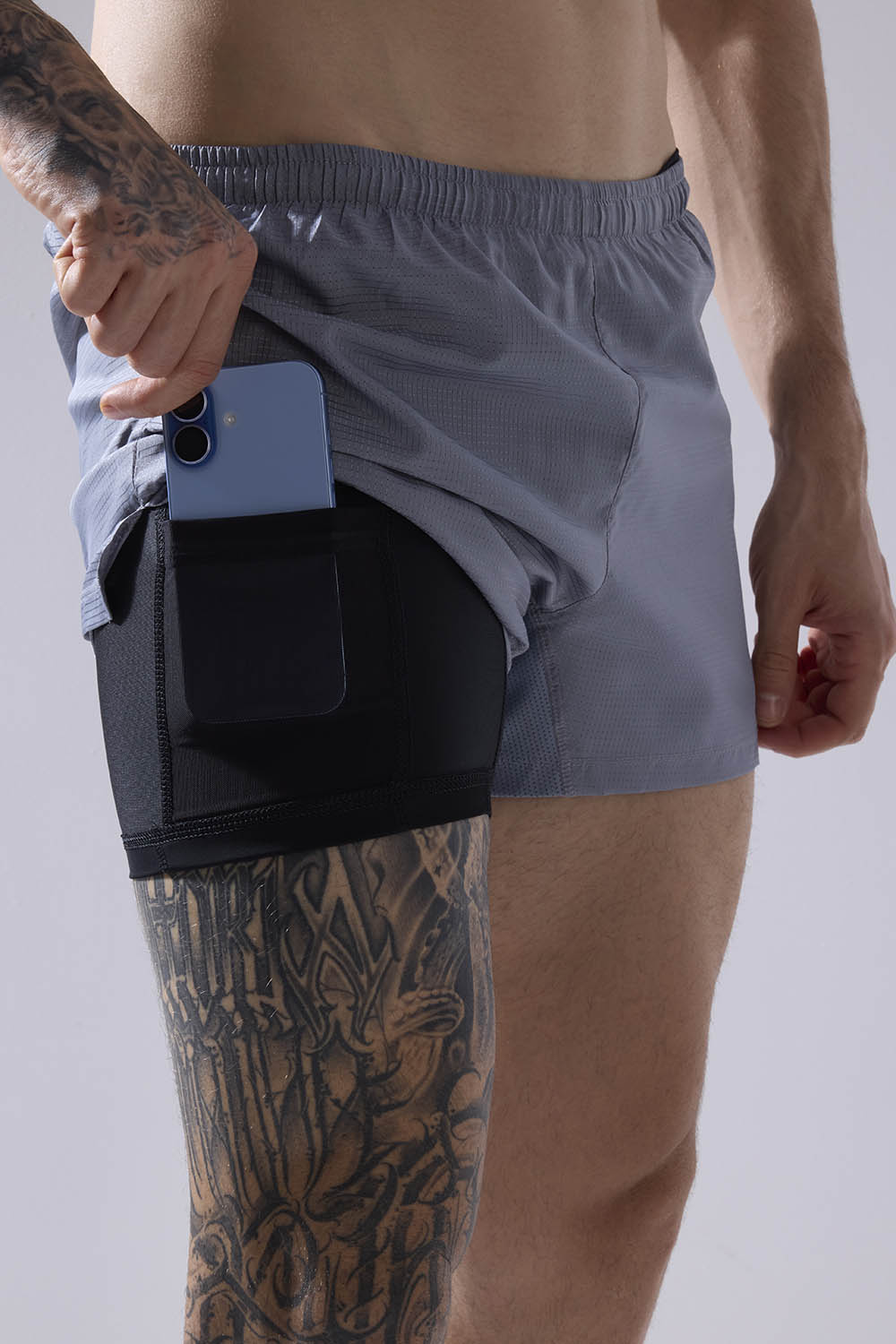
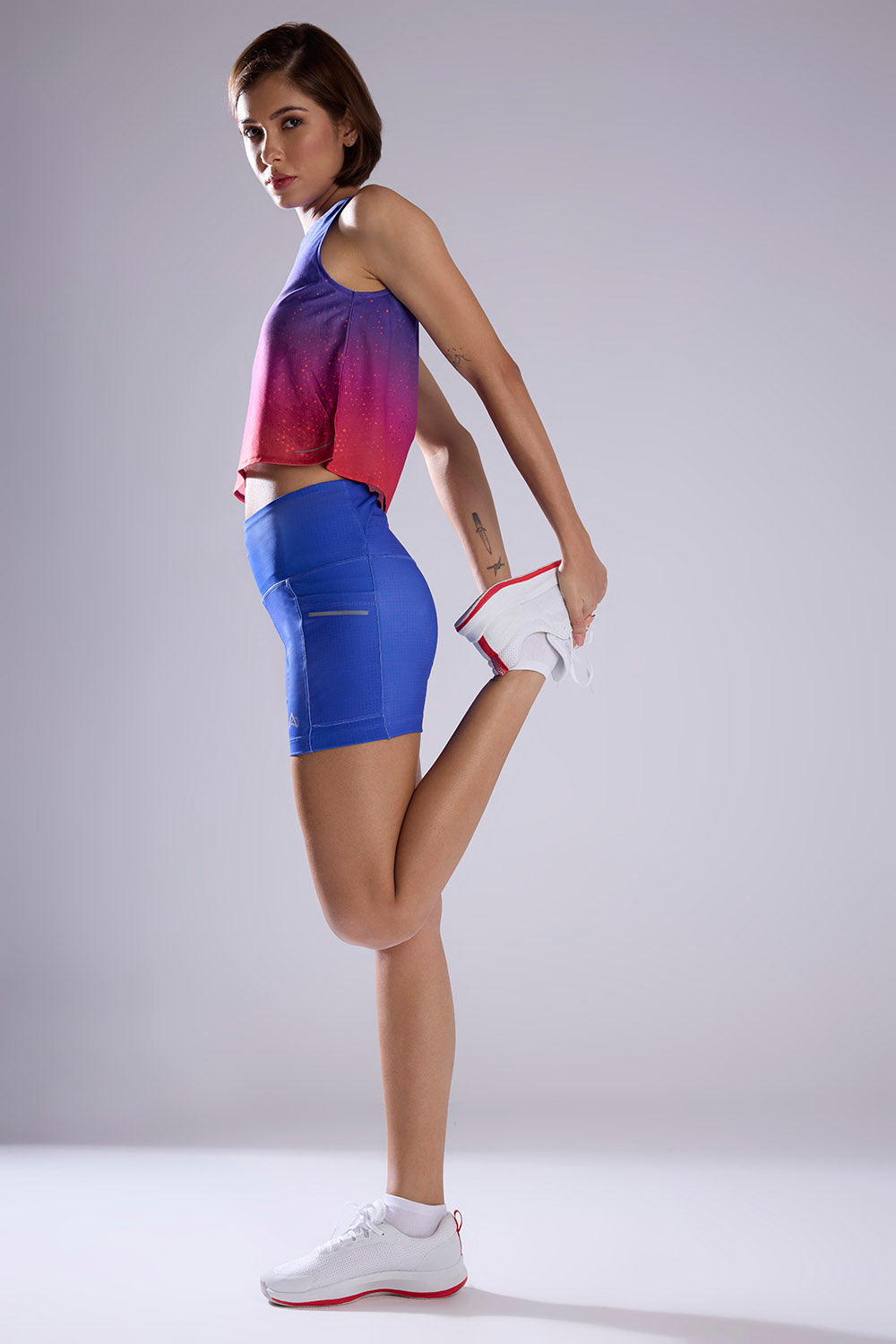
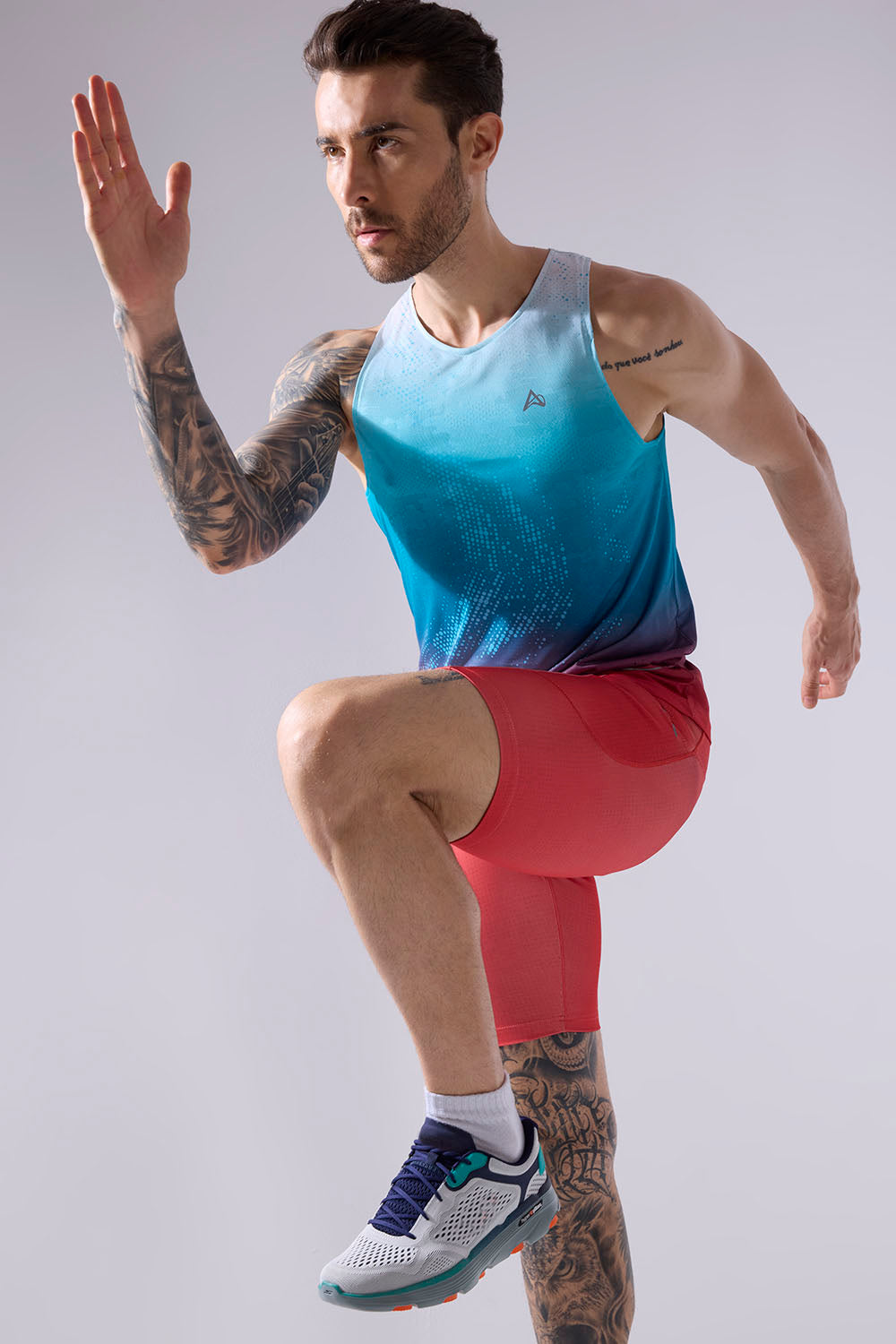
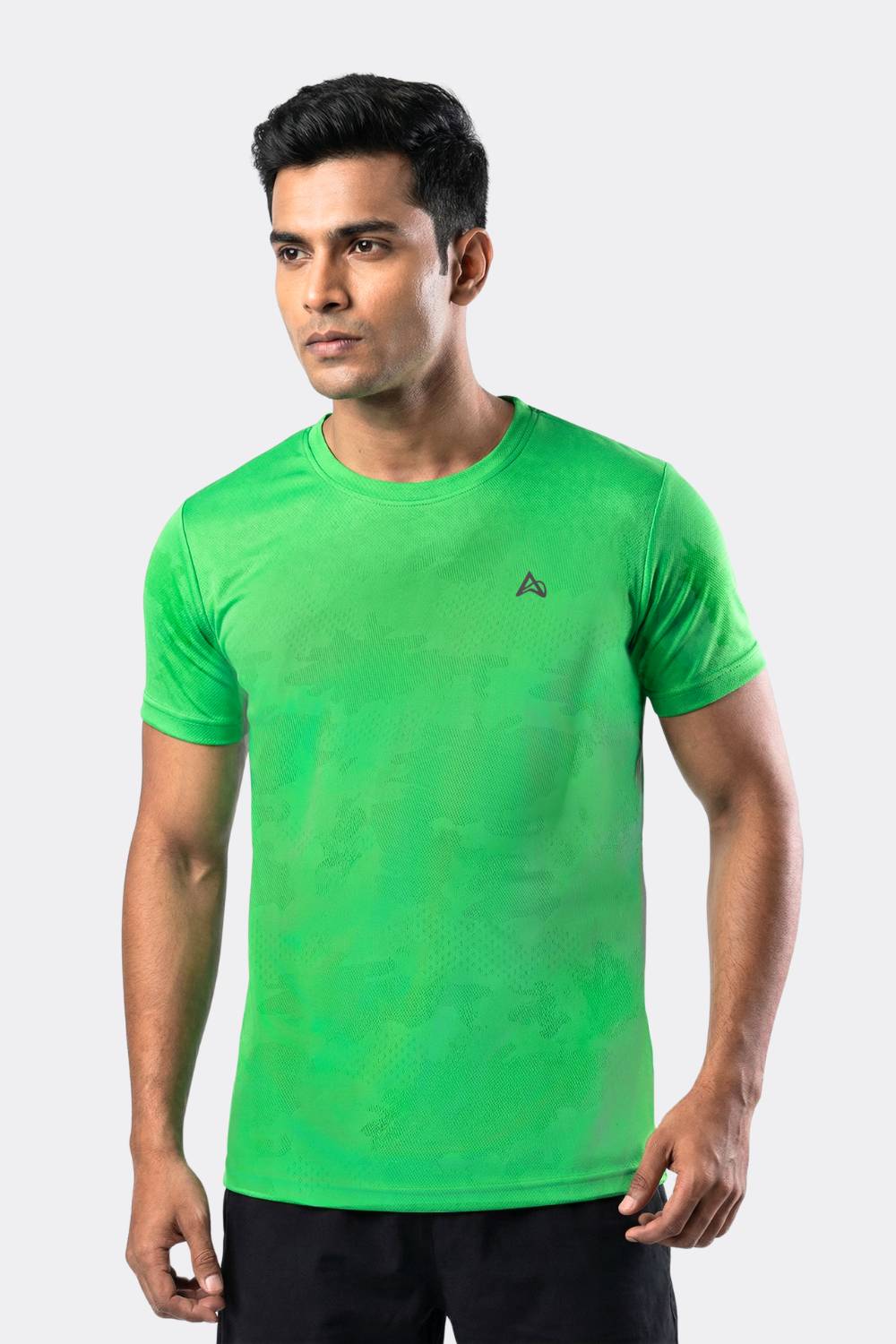
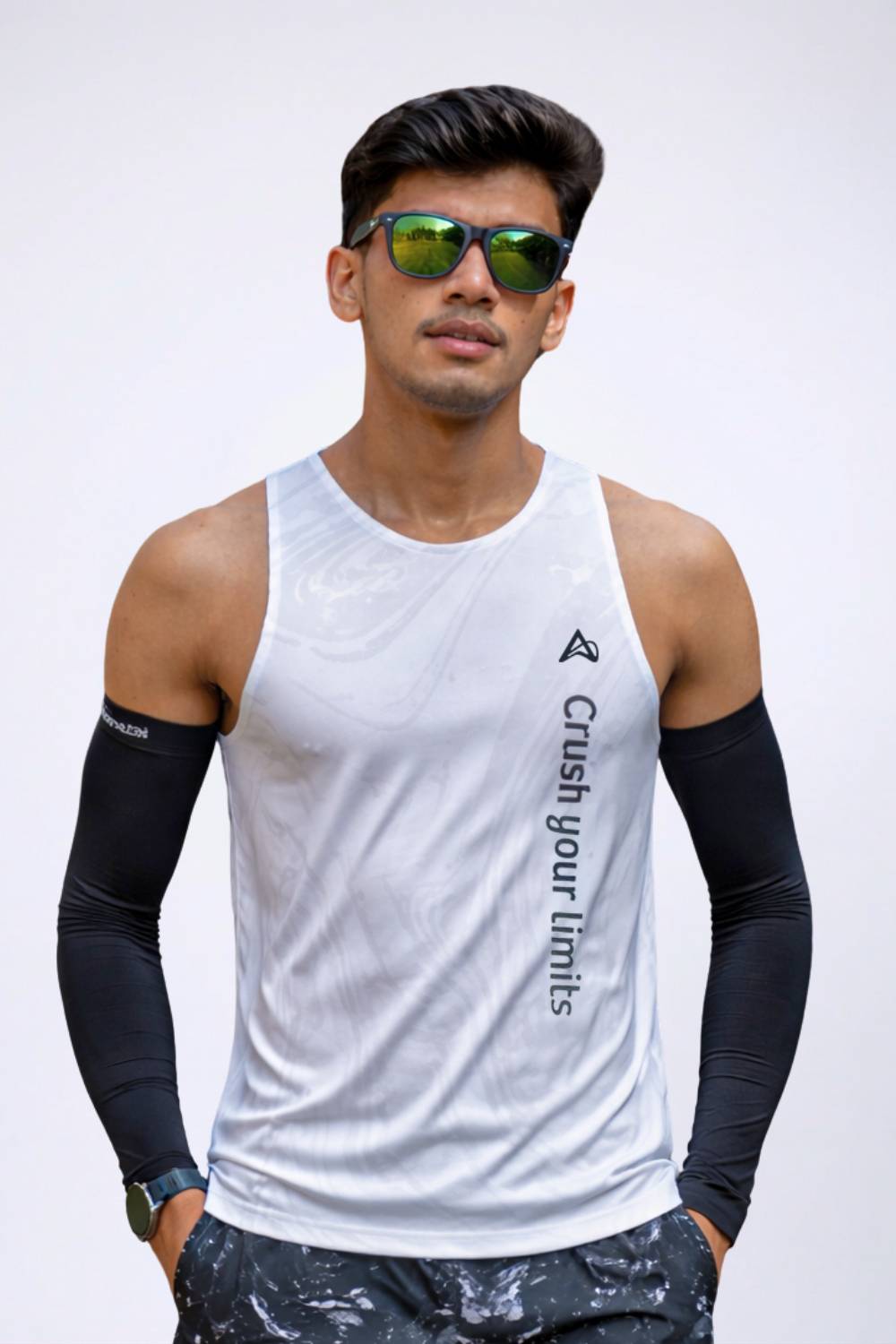
Tired of gear that slows you down? Chafing, soggy fabrics, and missing pockets kill your run's momentum. At Aguante, we're runners who get it. Our high-performance activewear features moisture-wicking fabrics, ergonomic designs, and smart storage to keep you focused. Shop Now!
Emerging Trends and Recent Developments
The evolution of moisture-wicking fabrics is accelerating within India's activewear landscape, blending cutting-edge innovation with sustainability. Recent developments emphasize recycled polyester and bio-based alternatives that retain superior wicking capabilities while addressing environmental concerns. The global performance fabric market, valued at USD 80.70 billion in 2024, is projected to hit USD 114.66 billion by 2033 at a CAGR of 4.1%, propelled by demand for sportswear featuring moisture management and breathability. Asia Pacific holds the largest share at 39.2%, with India contributing through localized adaptations for tropical conditions.
A standout trend is the fusion of smart textiles with wicking tech. In Hyderabad's innovation hubs, researchers are developing fabrics that dynamically adjust to humidity, optimizing wicking in real-time for runners facing variable weather. This dovetails with the broader Indian sports apparel sector, where moisture-wicking is integral to marathon kits and training wear. According to reports, the India sports wear market is anticipated to reach USD 3.2 billion by 2030, growing at a CAGR of 8.5%, fueled by fitness trends in urban centers like Mumbai and Delhi.
Phase-change materials are another breakthrough, absorbing and releasing heat to regulate temperature, ideal for Ahmedabad's dry heat or Surat's humid spells. In Pune, material scientists are pioneering biodegradable wicking options, reducing plastic dependency amid growing eco-awareness. These advancements respond to consumer needs in Gurugram's fitness communities, where sustainable, high-performance gear is in high demand. Brands are innovating rapidly, incorporating antimicrobial properties to combat odors, ensuring runners in Bangalore's bustling streets stay fresh during intense workouts.
Moreover, the integration of AI in fabric design is on the rise, predicting sweat patterns based on regional climates. This positions India as a key player, with local firms in Navi Mumbai leading in customizable apparel that enhances breathability without sacrificing durability.
Real-World Examples, Applications, and Case Studies
Across India's vibrant running culture, moisture-wicking fabrics deliver tangible benefits. Consider the Wipro Bangalore Marathon in 2025, where temperatures ranged from 20-25°C with humidity levels hitting 88-94%. Runners equipped with wicking apparel reported sustained energy and fewer hydration breaks, as the fabrics mitigated sweat accumulation and potential chills. Participants from Karnataka lauded the dry feel, which sharpened their focus on pacing amid the event's challenging conditions.
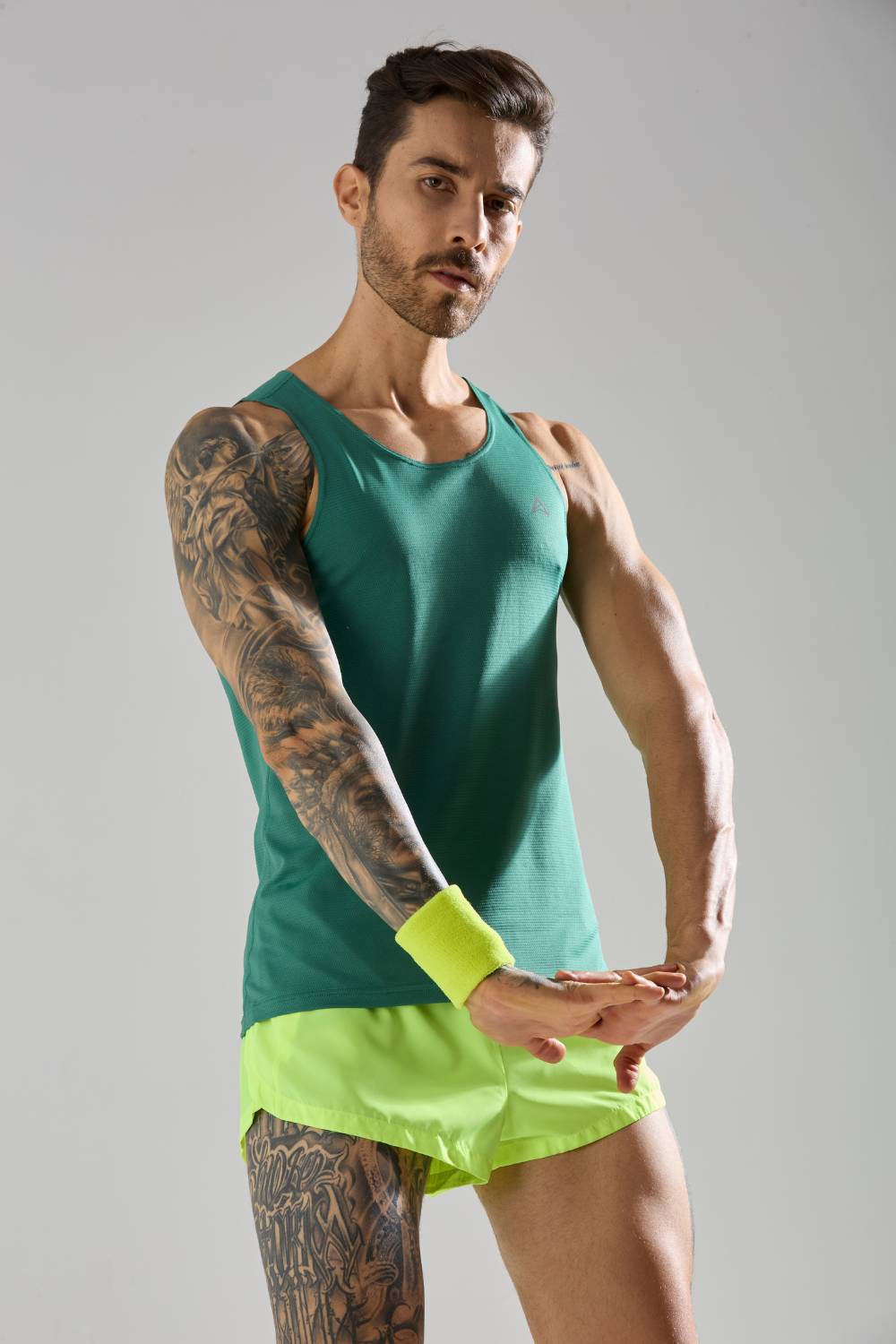
In Mumbai's coastal runs, athletes in moisture-wicking singlets experience boosted endurance. Studies indicate reduced fatigue in humid settings, with fabrics dispersing sweat efficiently to maintain thermal balance. Delhi's half-marathons showcase another application: corporate runners in Gurugram incorporate wicking layers with antimicrobial tech, countering urban pollution and odor during long sessions.
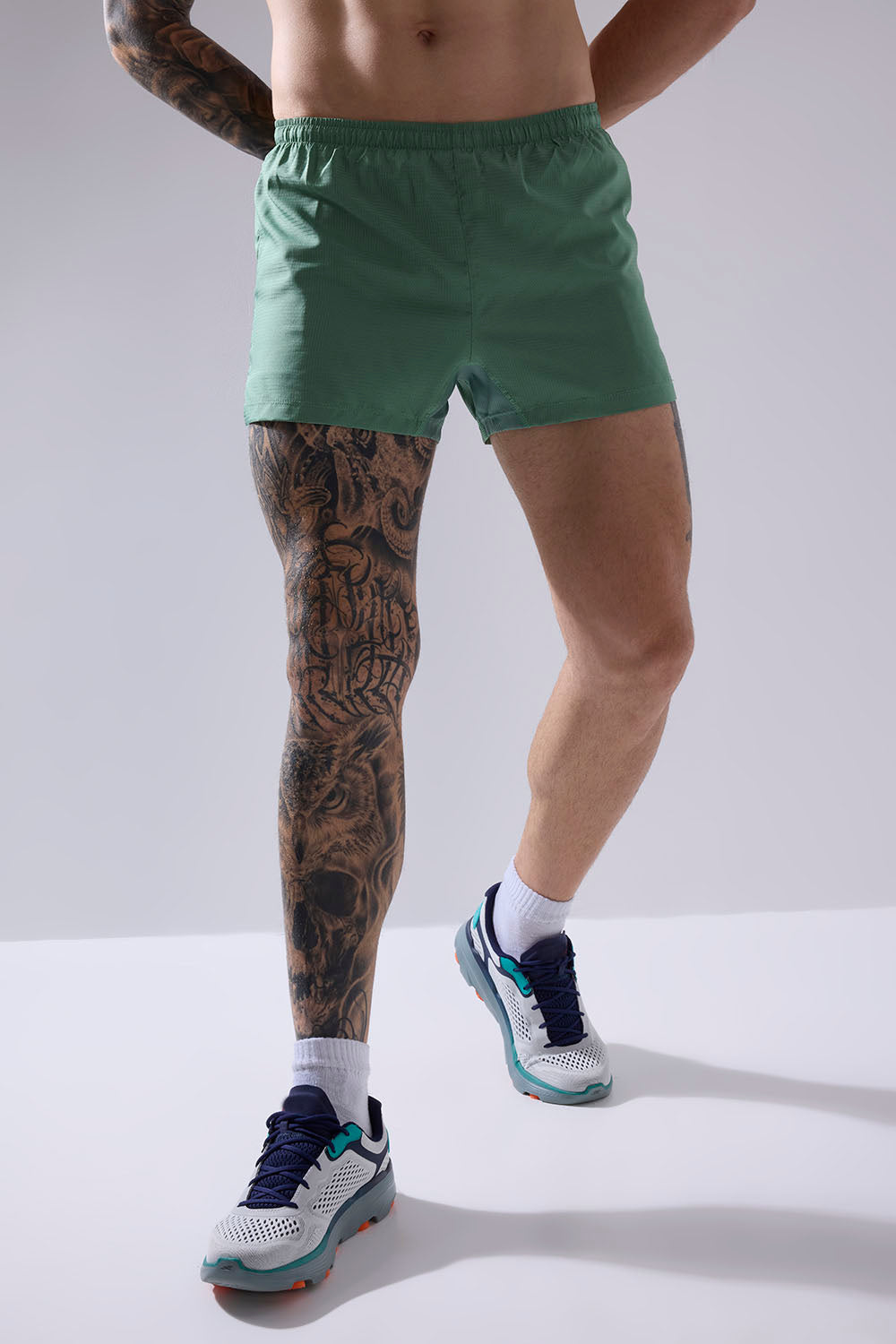
Hyderabad's fitness enthusiasts rely on wicking shorts for multi-hour trails, where fluctuating humidity demands reliable moisture control. A case from Navi Mumbai clubs reveals that premium wicking gear led to notable improvements in performance, with athletes noting less fatigue over 15km runs due to drier skin and enhanced cooling. In Surat and Ahmedabad, everyday runners on varied terrains find wicking essential, turning potential discomfort into seamless experiences. These instances underscore how, in India's diverse landscapes, such fabrics elevate running from endurance test to enjoyable pursuit.
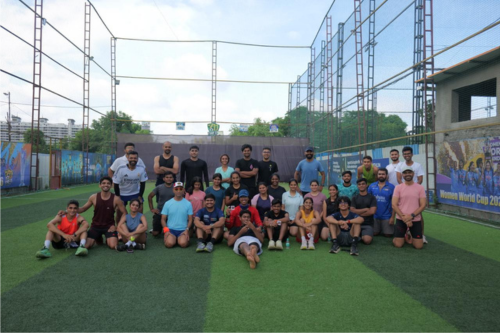
Further applications extend to group training in Pune, where wicking fabrics support team dynamics by minimizing distractions, and in Delhi's parks, where they aid in recovery by preventing post-run sogginess.
Key Challenges, Limitations, and Risks
Despite their advantages, moisture-wicking fabrics face significant challenges in the Indian context. Affordability tops the list; premium variants command high prices, restricting access for emerging runners in cost-sensitive areas like Pune and Bangalore. Specialized production escalates costs, exposing supply chains to disruptions, as seen in global shortages affecting local manufacturers.
Durability is another hurdle. Exposure to Mumbai's saline air or Delhi's dust accelerates wear, with frequent washing diminishing wicking efficacy and shortening garment life. Environmentally, synthetic dominance contributes to microplastics, a pressing issue for eco-conscious consumers in Gurugram's sustainability drives. Brands risk reputational damage without shifting to greener options, amid critiques of production's resource demands.
Performance limits surface in extremes: during Hyderabad or Surat's heavy rains, fabrics may overload, leading to saturation and irritation. Fit variations also pose risks, with some users experiencing inconsistent wicking in looser styles, necessitating better tailoring. These factors highlight the need for ongoing refinement to align innovation with India's practical running realities.
Additionally, in arid Ahmedabad, over-reliance on synthetics can trap heat if not paired with breathable designs, underscoring the importance of holistic apparel strategies.
Opportunities, Efficiencies, and Business Impacts
The ascent of moisture-wicking fabrics unlocks substantial opportunities in India's activewear surge. The India sports apparel market, at USD 705.85 million in 2024, is forecasted to climb to USD 1,592.58 million by 2030 at a CAGR of 14.52%, spurred by performance gear demand in Mumbai and Delhi. Designers benefit from streamlined product lines, cutting returns tied to sweat discomfort and boosting customer retention.
Business effects are striking. Bangalore's startups leverage R&D for climate-optimized fabrics, capturing market share. In Pune and Navi Mumbai, combining wicking with ergonomics has driven sales growth, with reports indicating uplifts from targeted features. E-commerce thrives in Hyderabad, where marketing wicking perks to fitness groups spikes conversions.
Supply chain efficiencies arise from local sourcing in Ahmedabad and Surat, lowering costs and attracting green buyers for stronger loyalty. Overall, this fosters a dynamic sector, with activewear spearheading growth in a market valued at USD 706 million, per Ken Research insights. The ripple effect? Enhanced competitiveness, where apparel anticipates runner needs, propelling industry expansion.
Opportunities also lie in collaborations, like tech integrations in Gurugram, positioning brands for global exports while catering to domestic demands.
Expert Insights, Future Outlooks, and Recommendations
Looking forward, Indian experts view moisture-wicking fabrics as central to running apparel's evolution. Analysts at Ken Research highlight their role in market sustainability, forecasting AI-enhanced adaptations by 2030 for personalized performance. Delhi academics advocate hybrid blends of natural and synthetic fibers to tackle durability in humid Mumbai-like settings.
The outlook remains positive, with the global moisture-wicking market eyeing USD 3.86 billion by 2029 at a 6.4% CAGR, India gaining ground via innovations. Recommendations for sector pros: Prioritize India-centric R&D, embrace eco-materials, and consumer education on wicking advantages for enduring loyalty.
In essence, whether crafting innovative lines or hitting Bangalore's early trails, moisture-wicking fabrics are reshaping running possibilities. Dive deeper into this tech at How Moisture-Wicking Fabrics Enhance Performance During Long Runs.
Frequently Asked Questions
How do moisture-wicking fabrics work for runners in humid Indian climates?
Moisture-wicking fabrics use capillary action within synthetic fibers like polyester and nylon to draw sweat away from the skin to the garment's outer layer, where it spreads out and evaporates quickly. This technology is particularly effective in India's humid cities like Mumbai, Delhi, and Hyderabad, helping runners maintain optimal body temperature, prevent overheating, and reduce chafing during long runs. The fabrics keep you dry and comfortable even in extreme humidity levels of 88-94%, as experienced during marathons in Bangalore.
What are the main benefits of wearing moisture-wicking running apparel during long-distance runs?
Moisture-wicking running apparel delivers multiple performance benefits including reduced perceived exertion, minimized blister risks, enhanced thermal regulation, and improved overall endurance. These fabrics prevent the soggy, heavy feeling of sweat-soaked clothing, allowing runners to focus on their stride rather than discomfort. Studies show that runners in moisture-wicking gear experience less fatigue during extended runs, sustained energy levels, and fewer hydration breaks, making them essential for training and marathon events across India's diverse weather conditions.
Are moisture-wicking fabrics suitable for both hot and humid weather in India?
Yes, moisture-wicking fabrics are specifically designed to excel in India's varied climates, from the arid summers of Ahmedabad to the monsoon-soaked trails of Hyderabad and the coastal humidity of Mumbai. The fabrics adapt by rapidly dispersing sweat and maintaining dry skin contact, which is crucial for thermal balance in both hot and humid conditions. However, they work best when paired with breathable designs and proper fit, as this combination ensures optimal air circulation and prevents heat trapping during intense workouts in cities like Surat, Pune, and Gurugram.
Disclaimer: The above helpful resources content contains personal opinions and experiences. The information provided is for general knowledge and does not constitute professional advice.
You may also be interested in: How Indian Runners Benefit From Moisture-Wicking Tops
Tired of gear that slows you down? Chafing, soggy fabrics, and missing pockets kill your run's momentum. At Aguante, we're runners who get it. Our high-performance activewear features moisture-wicking fabrics, ergonomic designs, and smart storage to keep you focused. Shop Now!
Powered by flareAI.co