



Quick Listen:
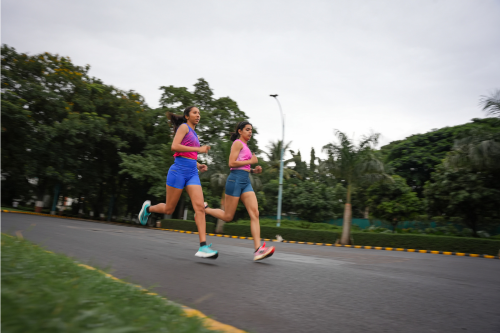
In cities across India, the early hours now belong to runners. From the tree-lined avenues of Bangalore to the coastal paths of Mumbai, from the wide boulevards of Delhi to the emerging trails of Surat and Ahmedabad, recreational running has moved far beyond niche enthusiasm. It has become a daily rhythm for thousands weekend warriors chasing personal bests, office-goers clearing their heads before the workday, young professionals building stamina one kilometer at a time. This swelling participation is quietly forcing a rethink of what athletic apparel must deliver in a country defined by heat, humidity, dust, pollution, and remarkably diverse body types.
Market data underscores the scale of this transformation. According to industry analysis, India's activewear market generated USD 15,107.3 million in revenue during 2024 and is forecast to nearly double to USD 29,972.9 million by 2030, expanding at a compound annual growth rate of 12.2% from 2025 onward. Women formed the dominant and fastest-growing end-use segment in 2024, reflecting both greater participation and stronger demand for performance-oriented designs. In the wider apparel and footwear sector, valued at roughly USD 67.32 billion and projected to reach USD 109 billion by 2030 with an 8.45% CAGR through the late 2020s, functional sportswear and athleisure categories continue to outpace many traditional segments as health consciousness spreads.
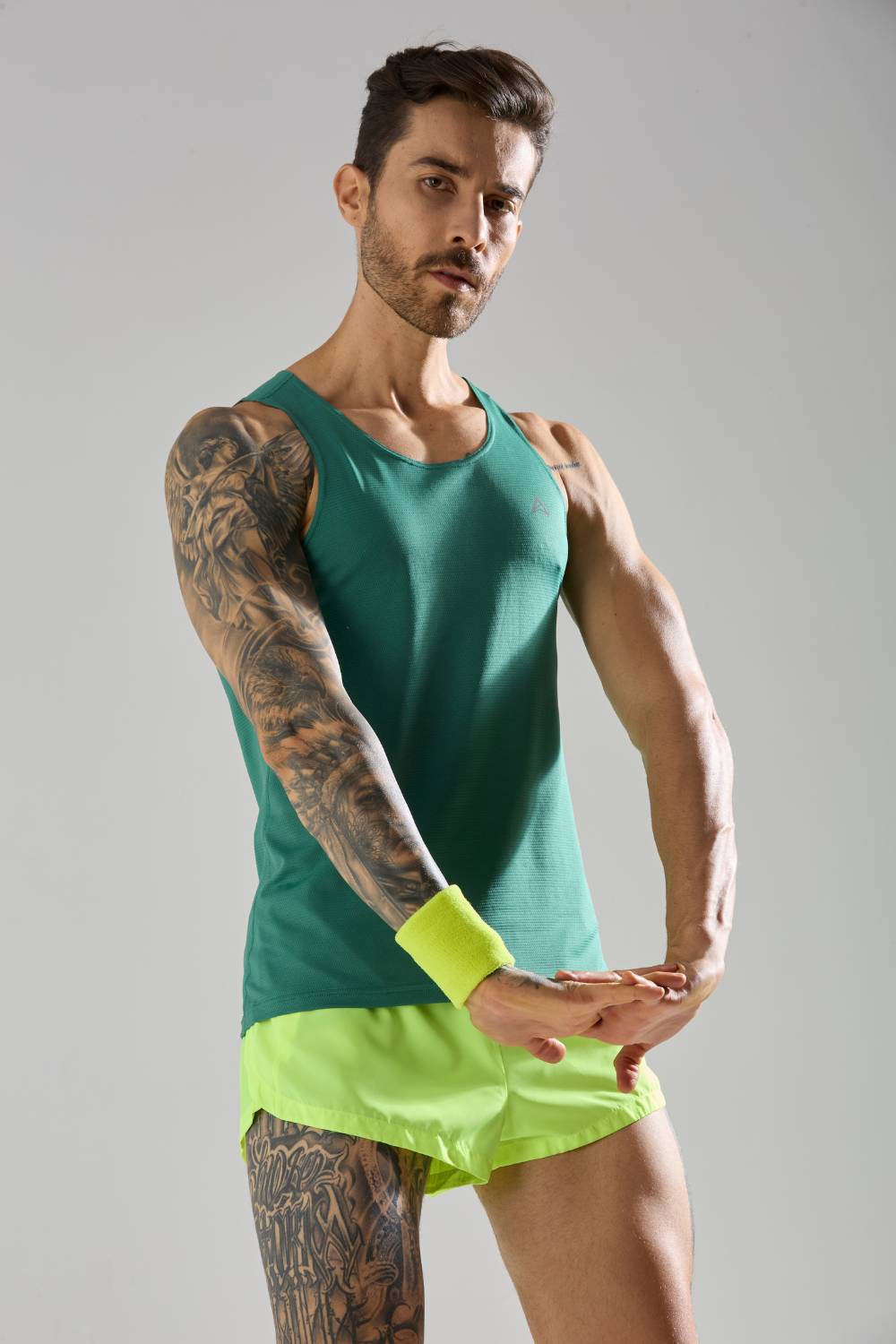
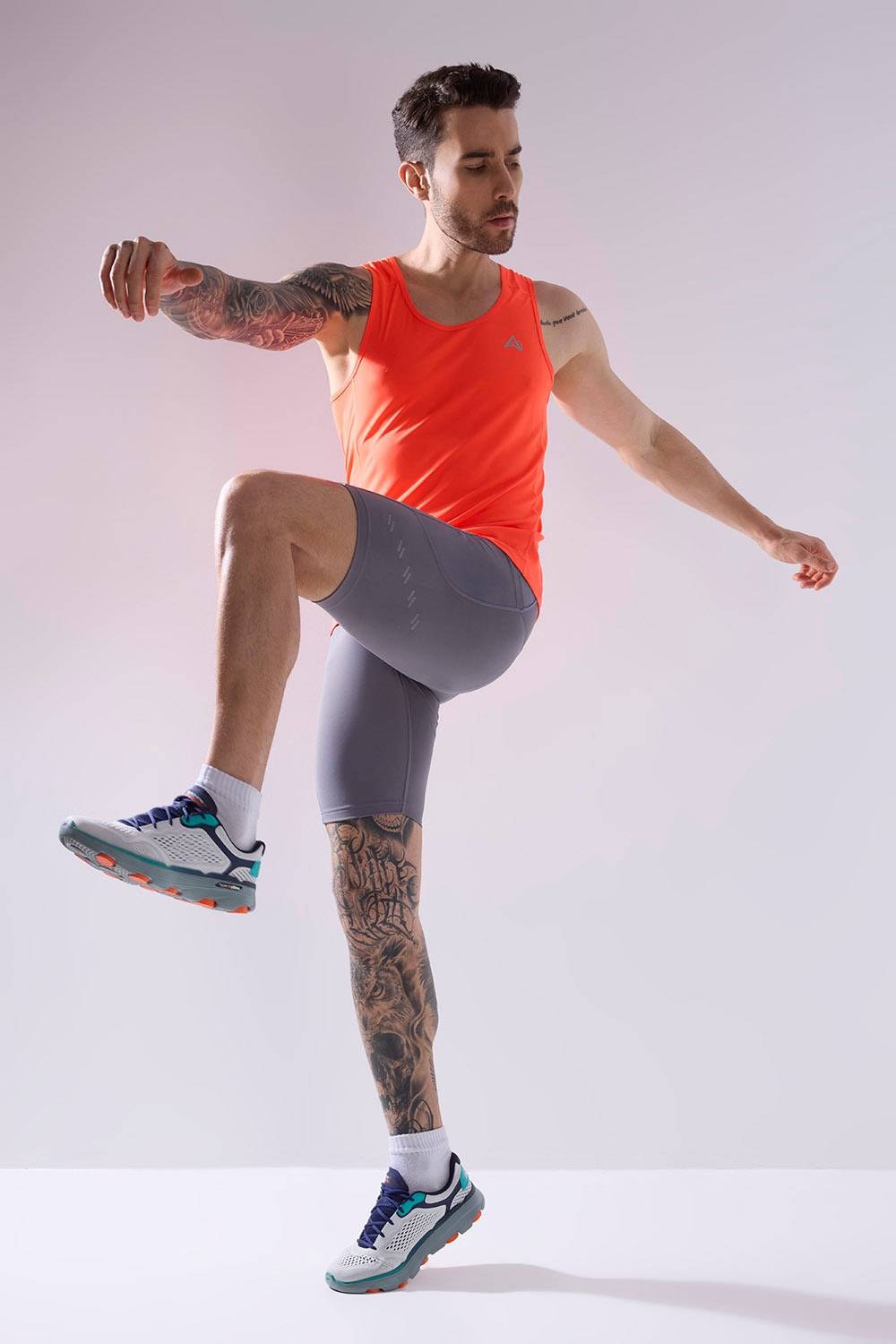
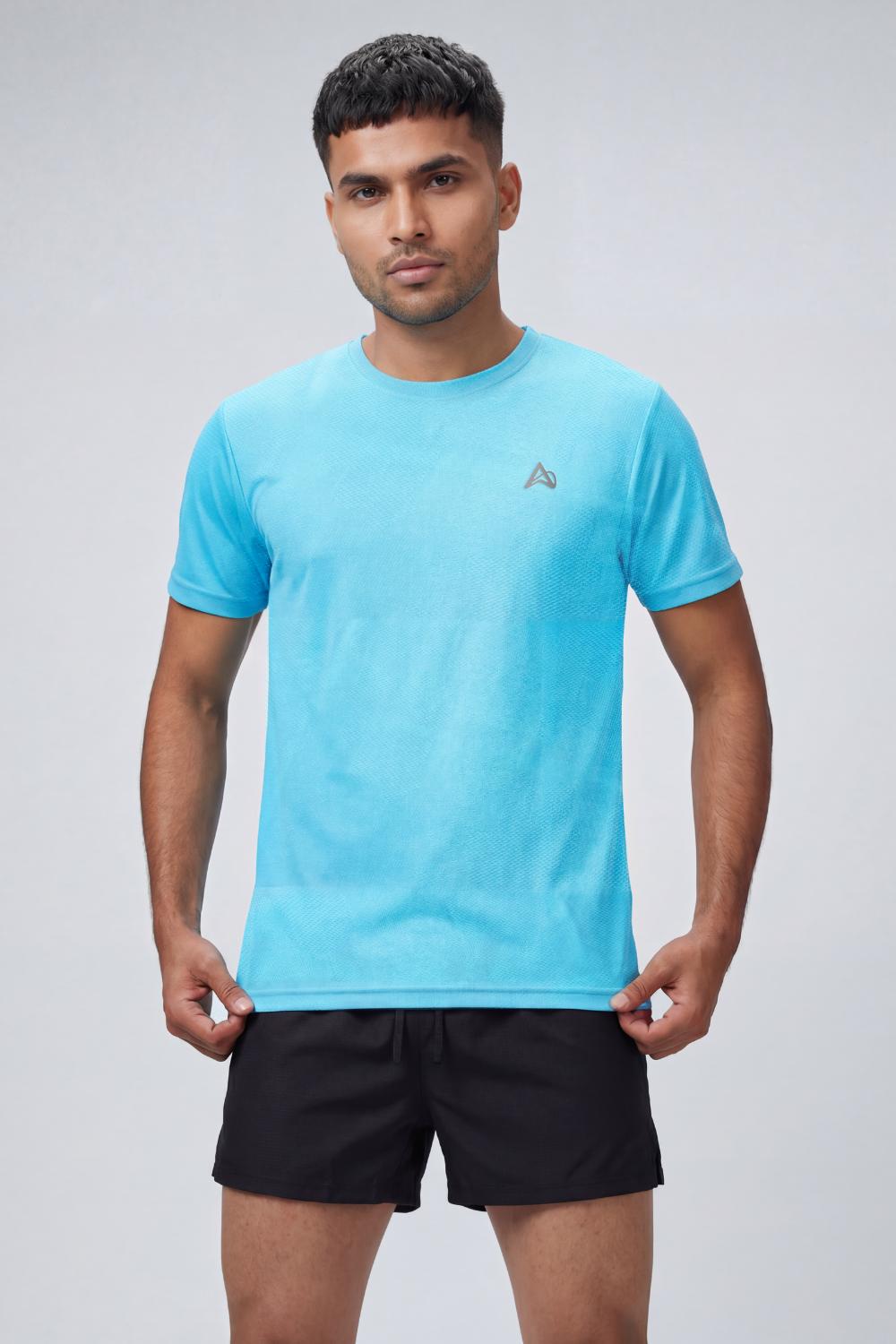
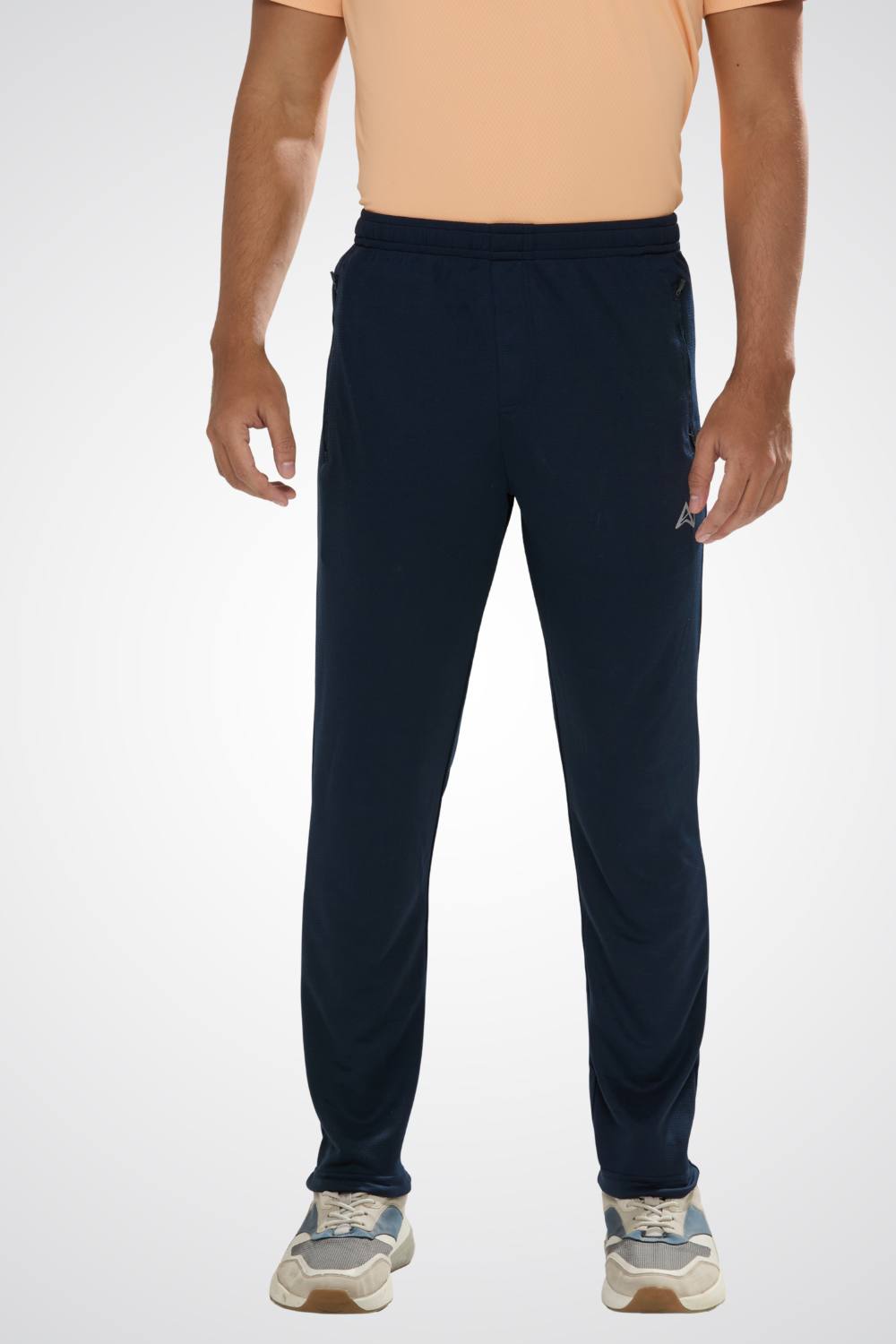
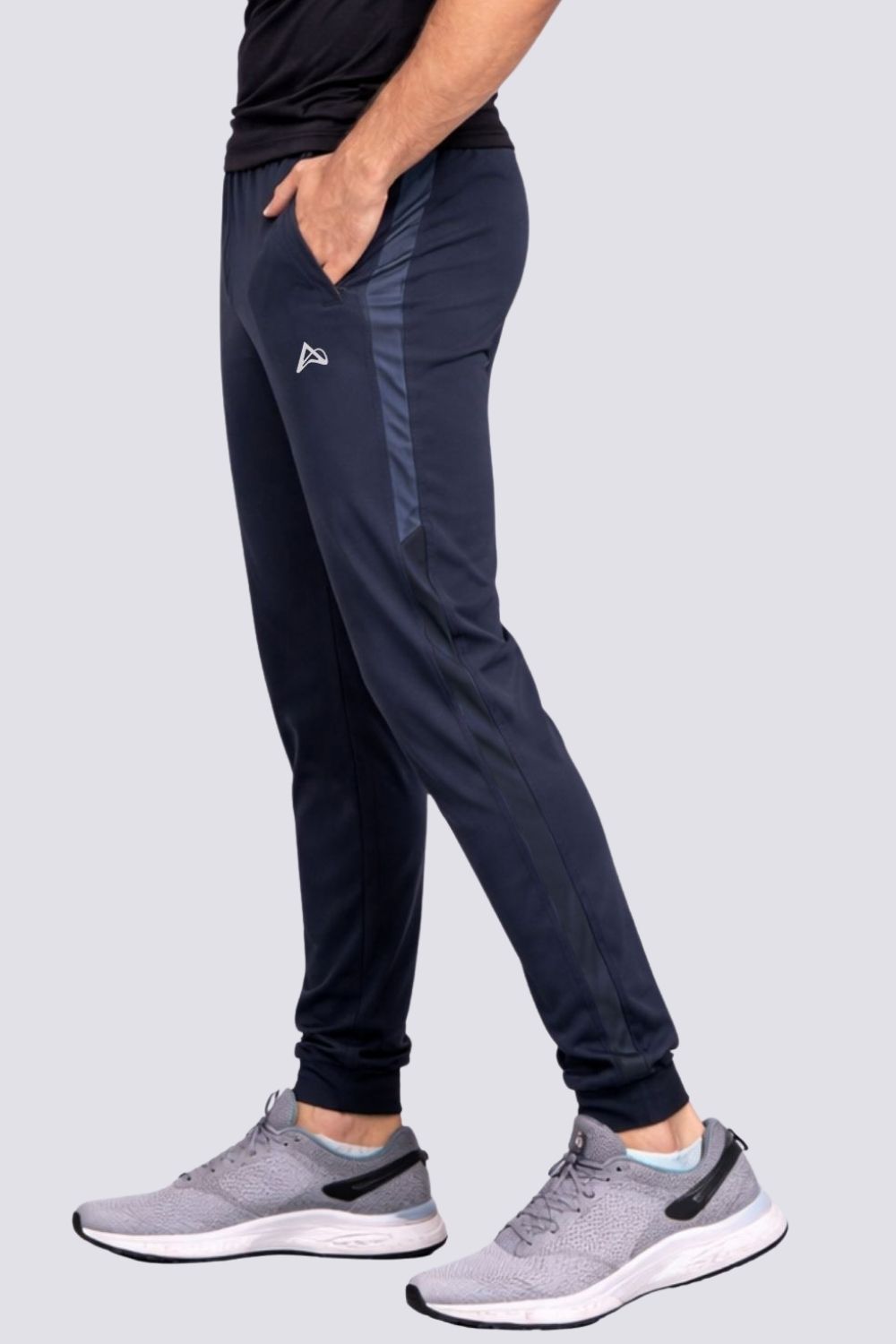
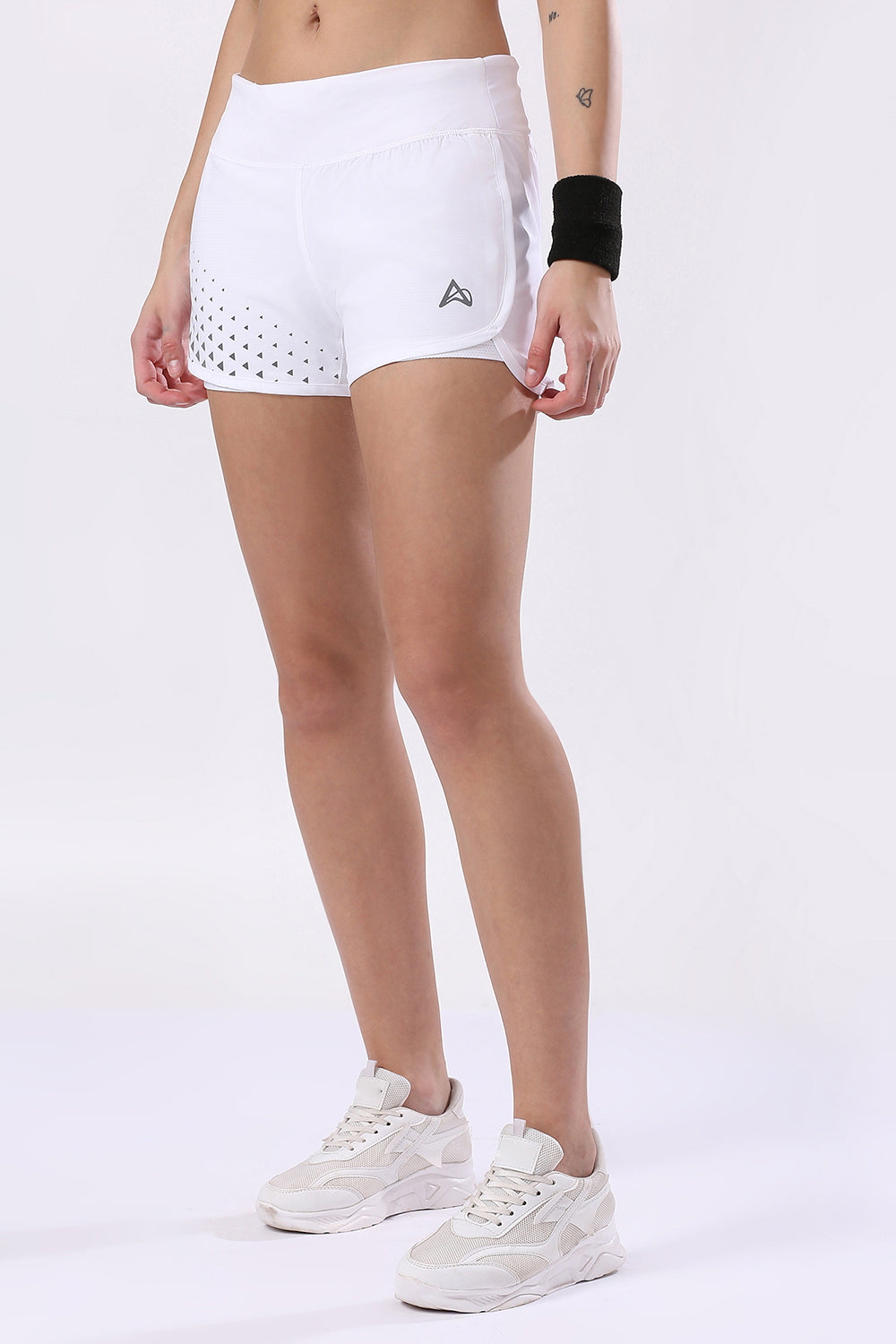
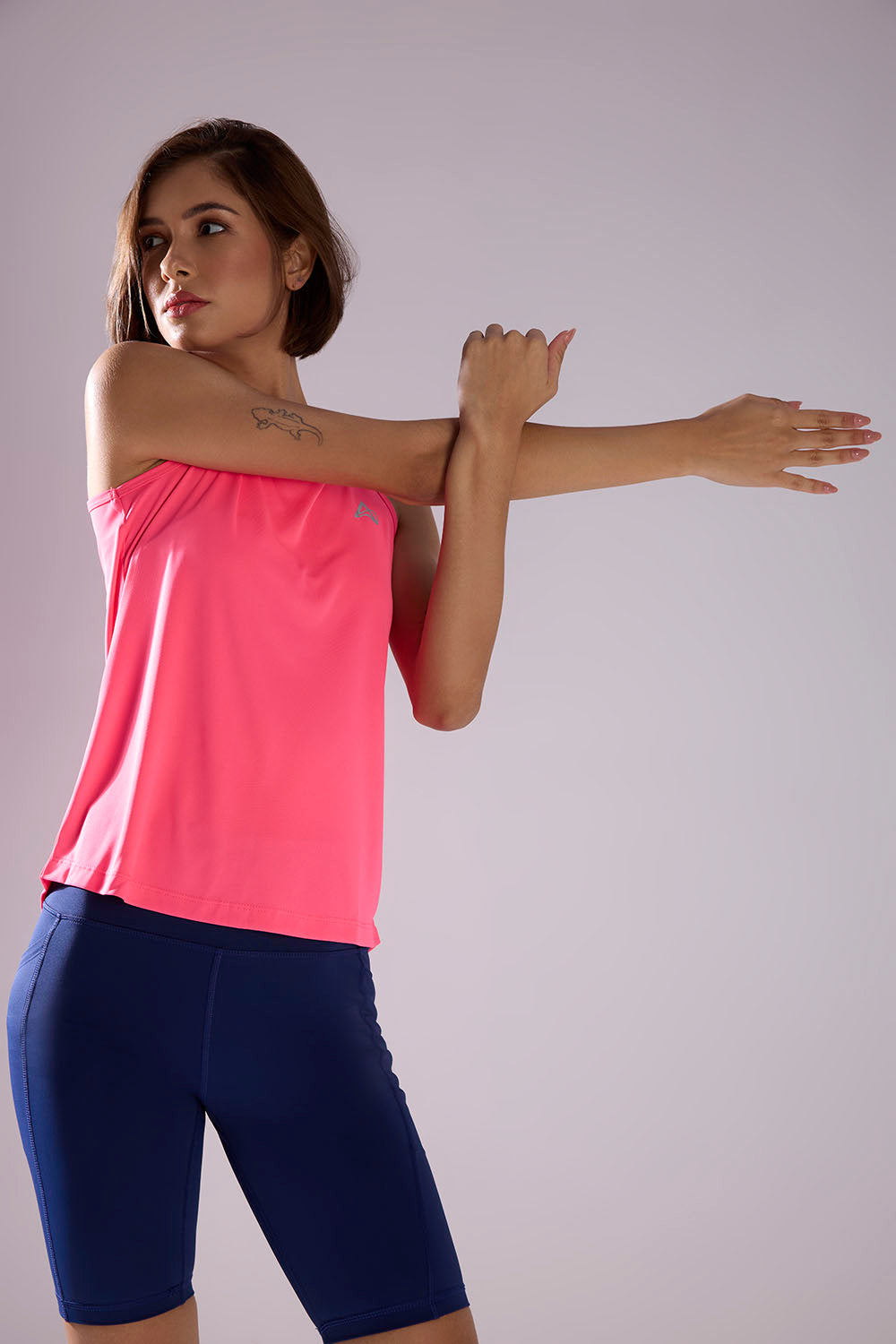
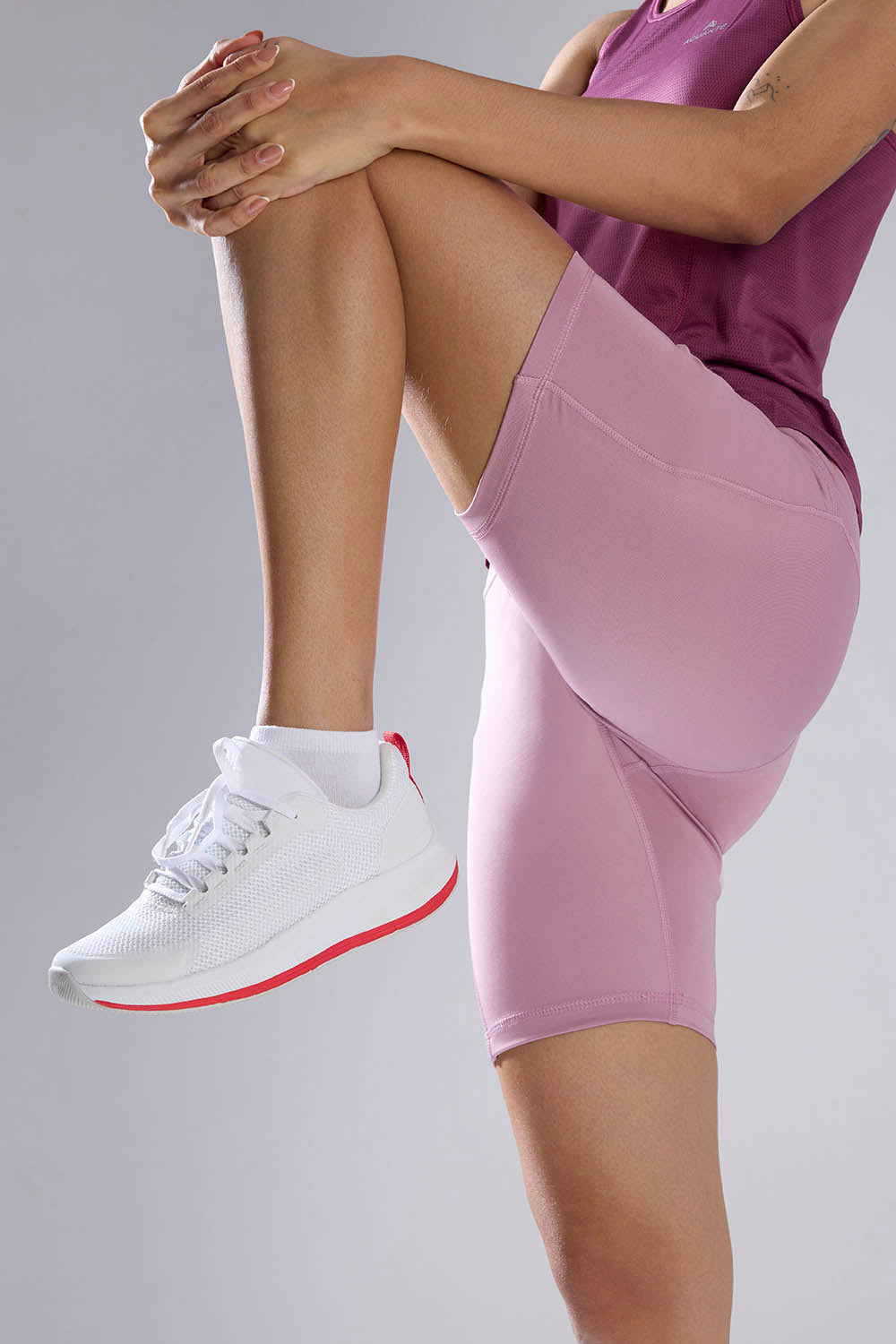
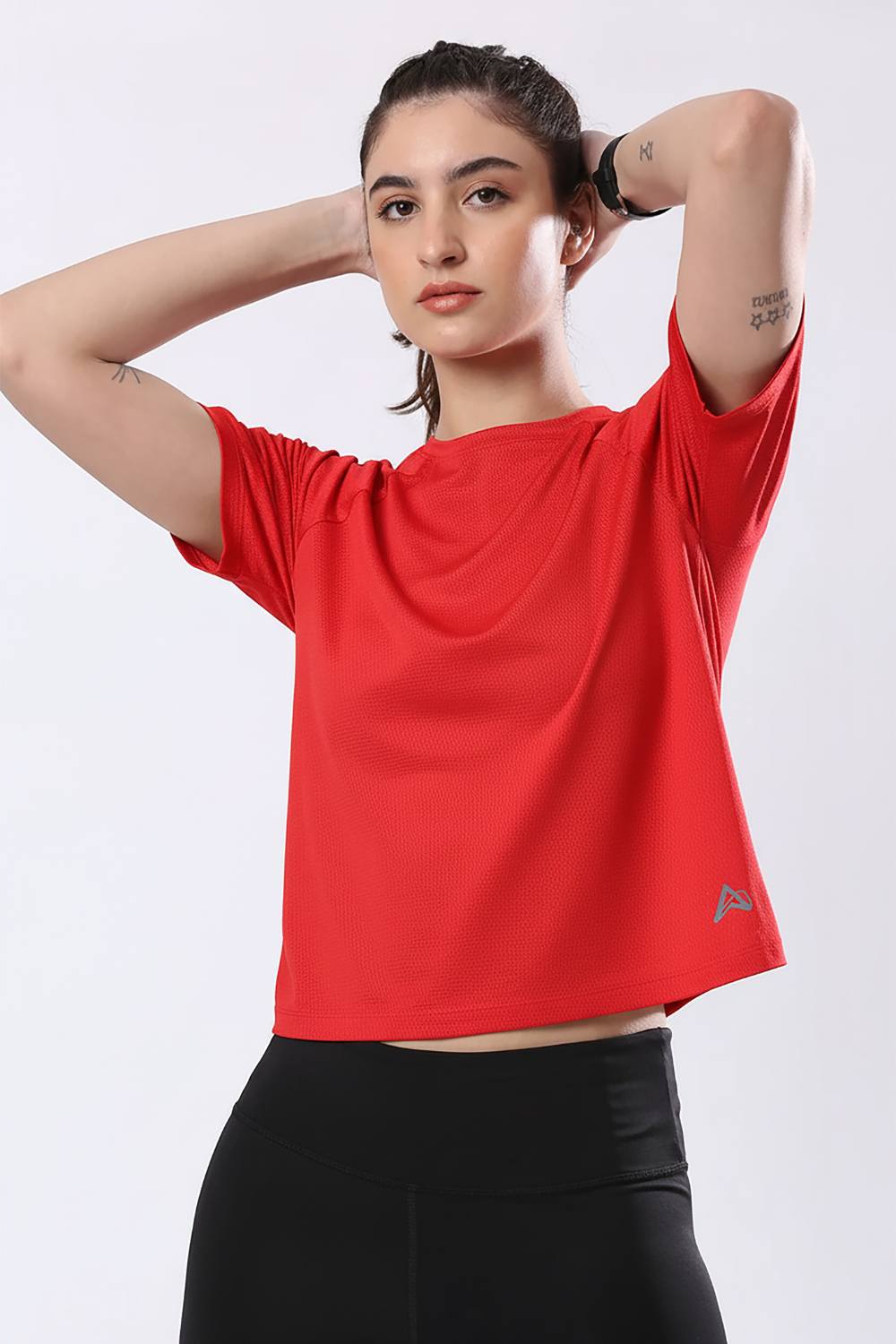
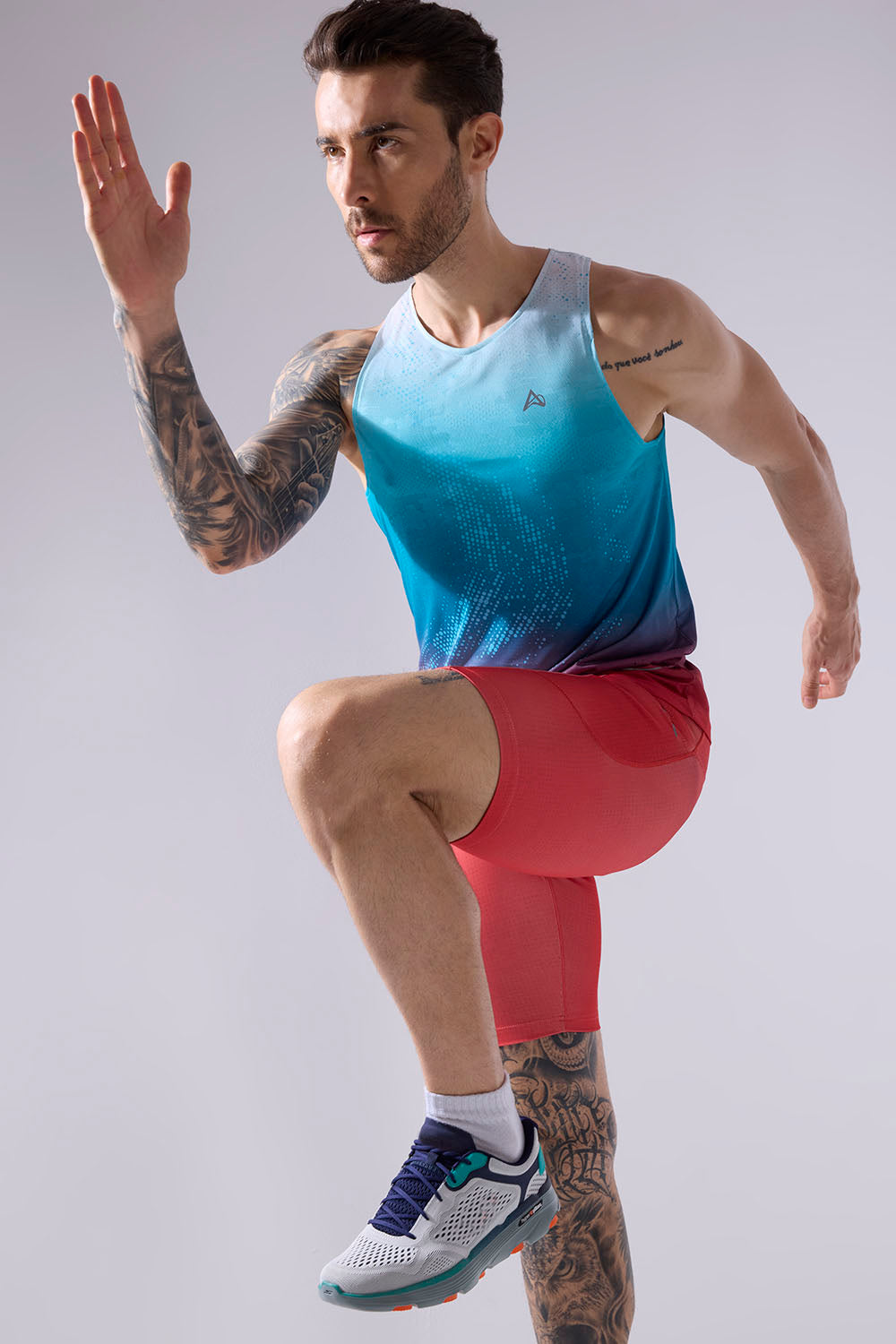
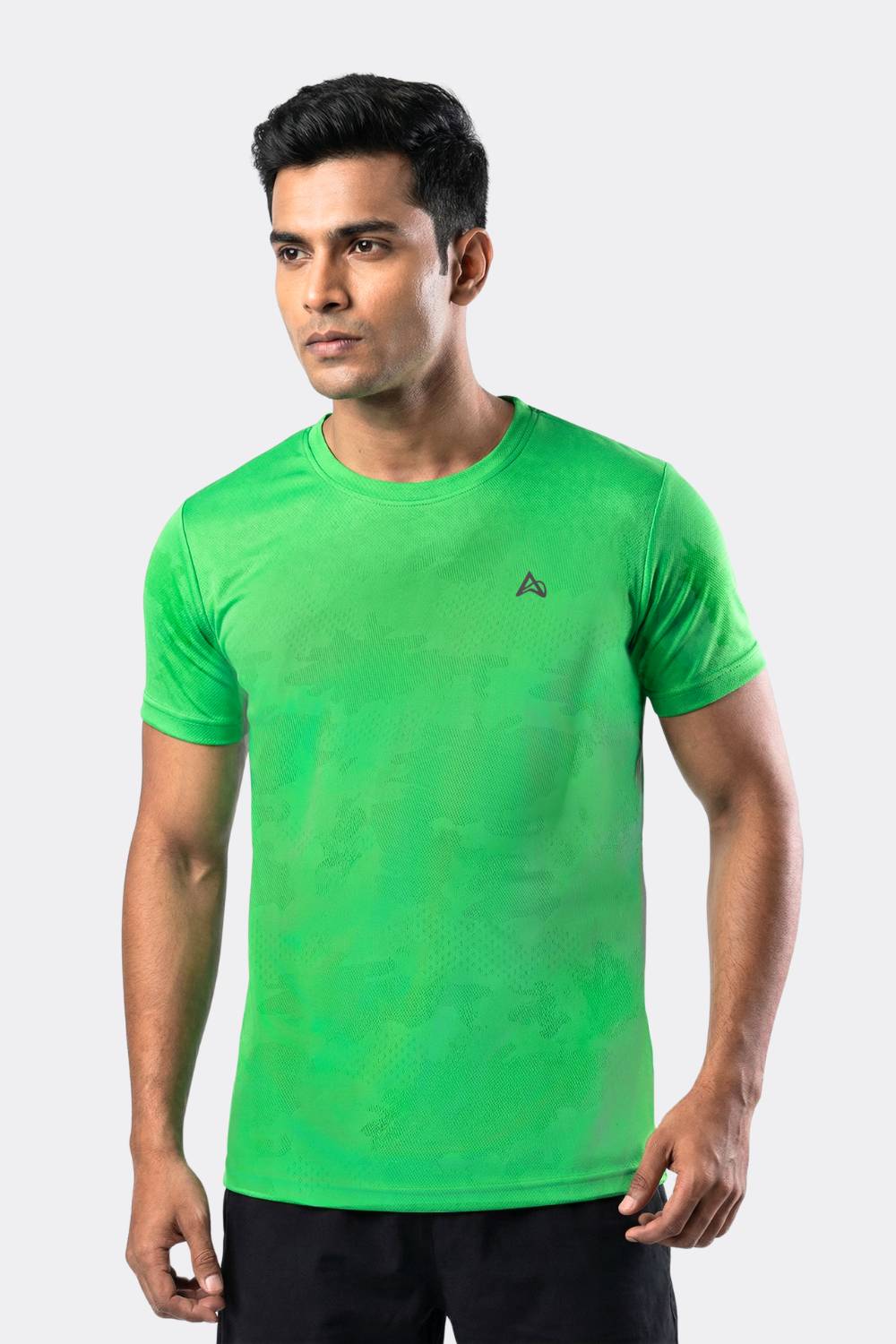
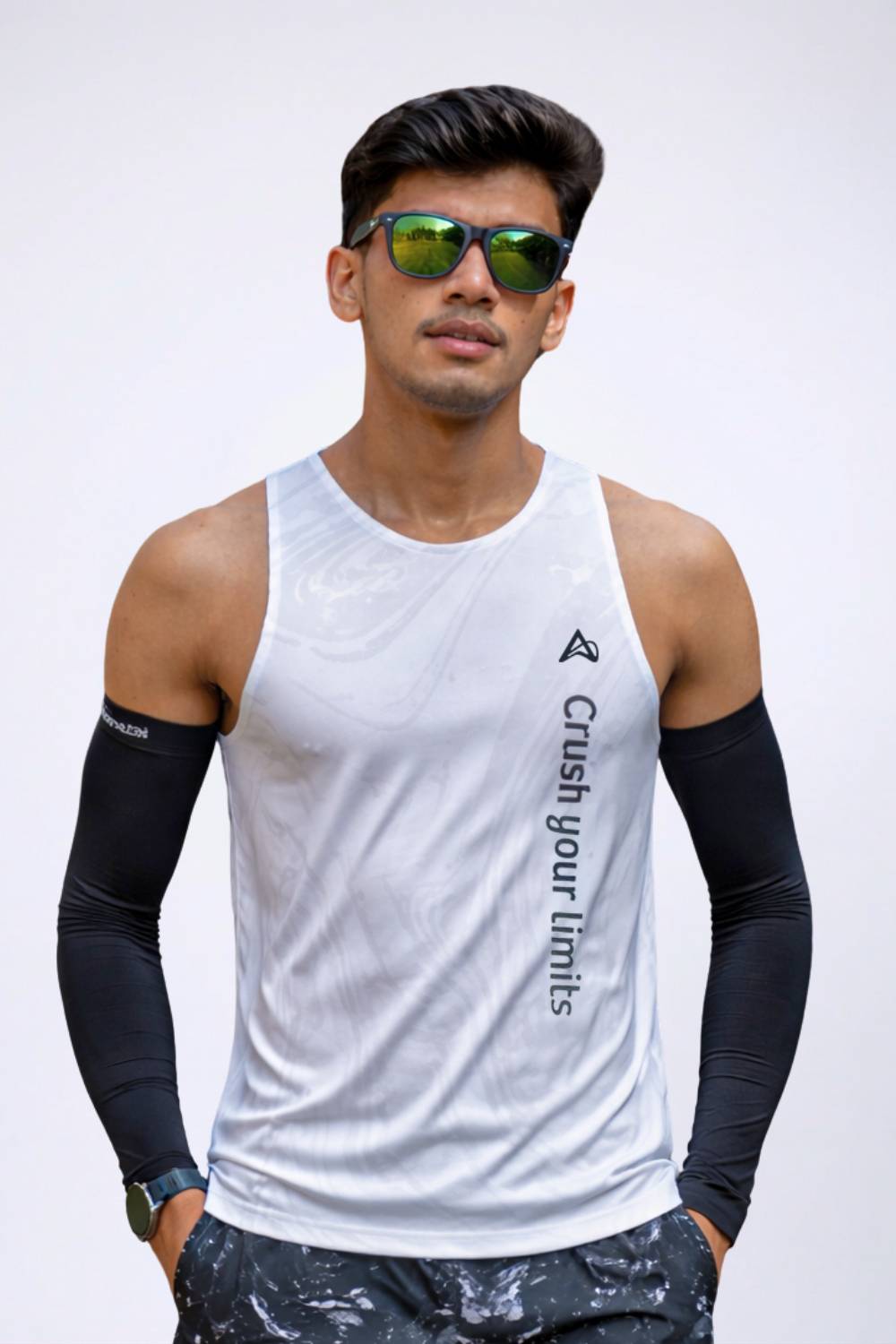
Tired of gear that slows you down? Chafing, soggy fabrics, and missing pockets kill your run's momentum. At Aguante, we're runners who get it. Our high-performance activewear features moisture-wicking fabrics, ergonomic designs, and smart storage to keep you focused. Shop Now!
The Social Fabric of Urban Running
Running in these metros has evolved into a communal experience. Weekly group runs once small gatherings now regularly attract dozens, sometimes hundreds. Bangalore's Cubbon Park and Mumbai's Marine Drive serve as natural hubs where strangers become regulars. Corporate wellness programs in Gurugram and Hyderabad encourage entire teams to lace up together, while university campuses in Pune and Ahmedabad inject youthful momentum into evening and weekend sessions. Even in rapidly growing Hyderabad, dedicated running communities are coalescing through digital meet-ups and shared training plans.
Social platforms amplify these connections. On Instagram, Facebook, and YouTube, everyday runners post training logs, race recaps, and candid gear reviews. Coaches and local athletes document humid sunrise efforts in coastal cities or masked runs through smog-heavy northern mornings. These authentic, unfiltered conversations reveal what truly matters: clothing that survives real conditions rather than looking good only in air-conditioned showrooms.
Marathons and Timed Runs as Market Catalysts
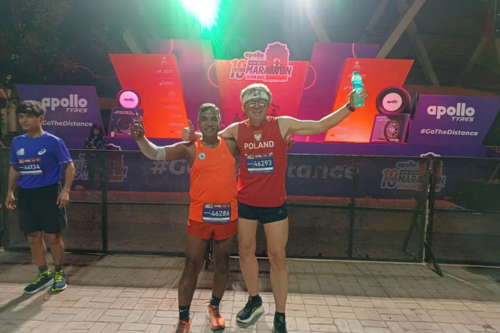
Mass-participation events have grown dramatically. City marathons report steadily rising registrations, bolstered by civic campaigns and state-level promotion of physical activity. Each race season triggers predictable demand waves new singlets and shorts for taper weeks, compression pieces for recovery, lightweight layers for unpredictable pre-dawn weather.
Local textile centers in Surat and Ahmedabad have begun responding with agility that global supply chains struggle to match. Performance-oriented yarns, moisture-management finishes, and lightweight constructions emerge from these clusters far more quickly than equivalent imports, allowing faster iteration based on direct runner feedback.
Why Generic Activewear Falls Short Here
India's running terrain and climate impose demands rarely encountered in design studios located in temperate zones. Coastal humidity in Mumbai, Navi Mumbai, Surat, and parts of Hyderabad saturates fabrics within minutes unless engineered for rapid evaporation. Pollution in Delhi and Gurugram accelerates material degradation and leaves a fine dust residue on every surface. Bangalore and Pune runners navigate broken sidewalks, gravel paths, and abrupt elevation changes that punish poor fit and weak stitching.
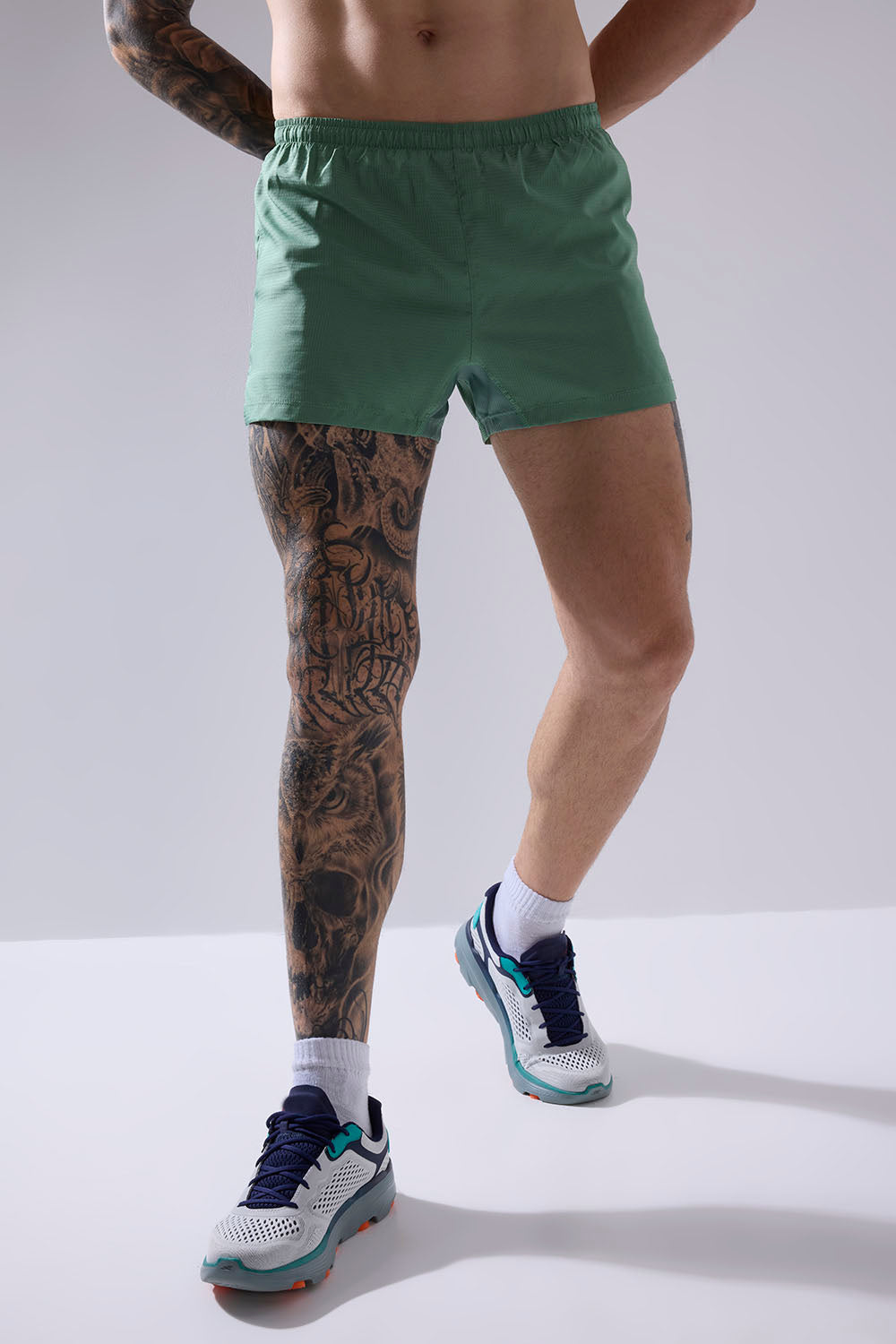
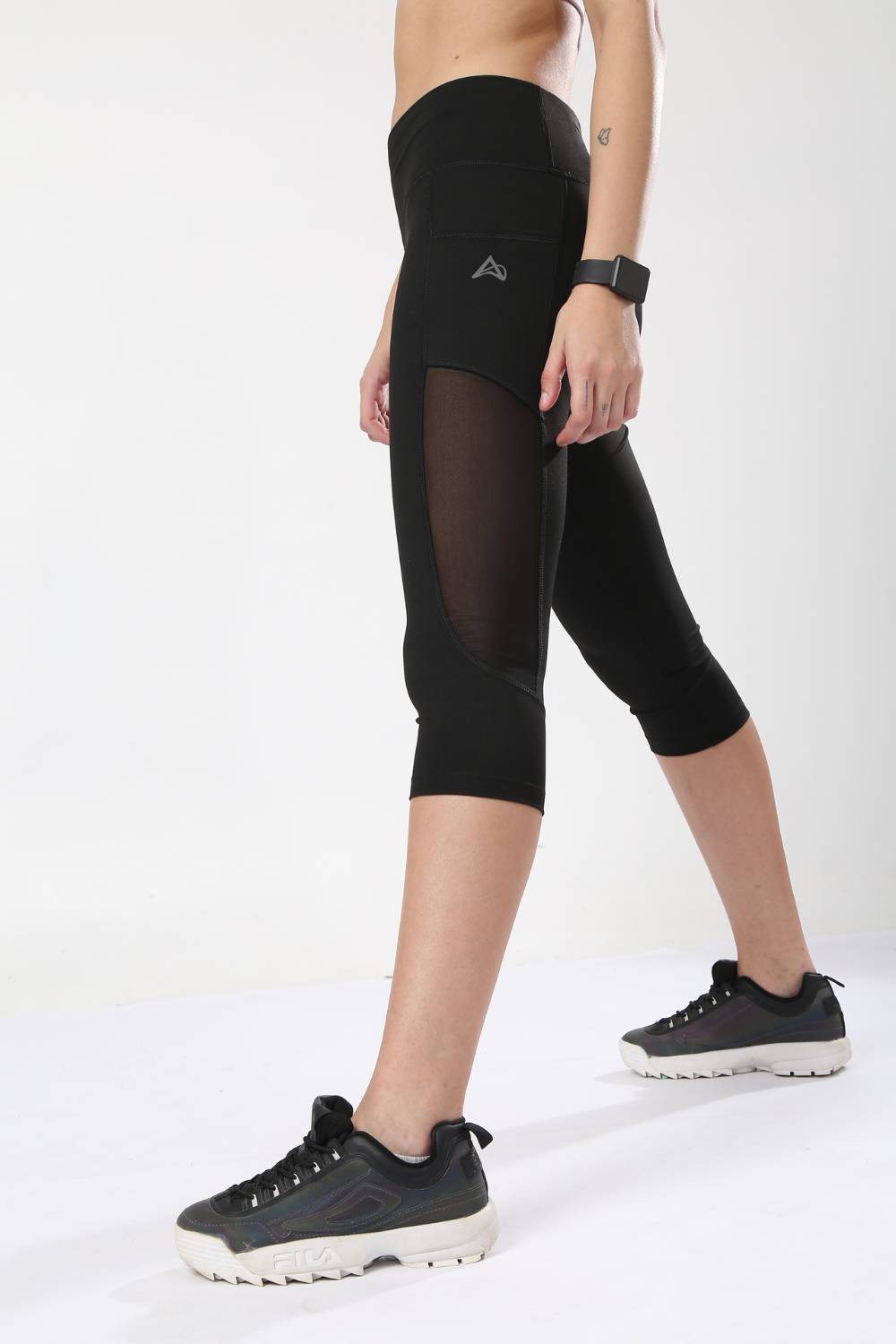
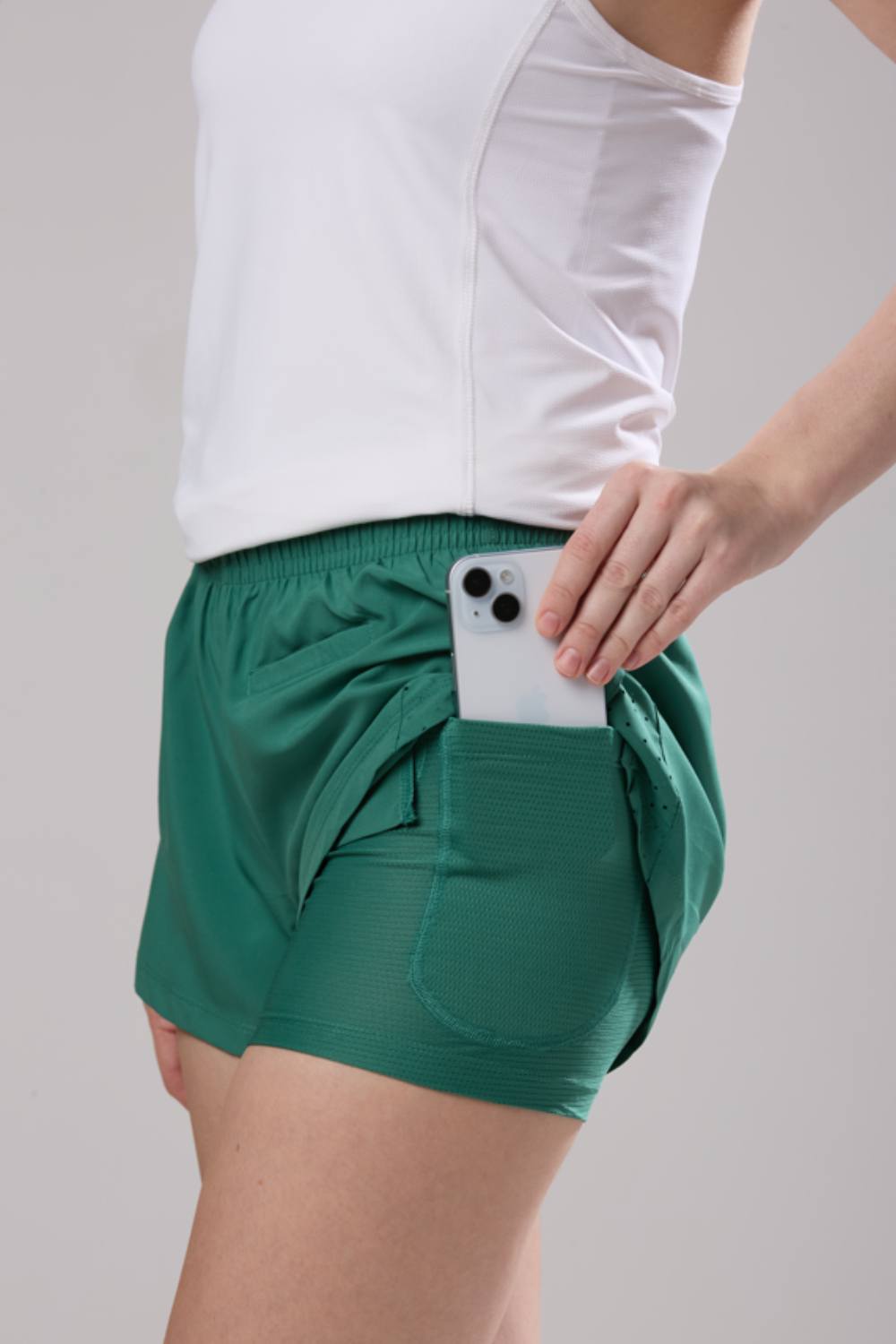
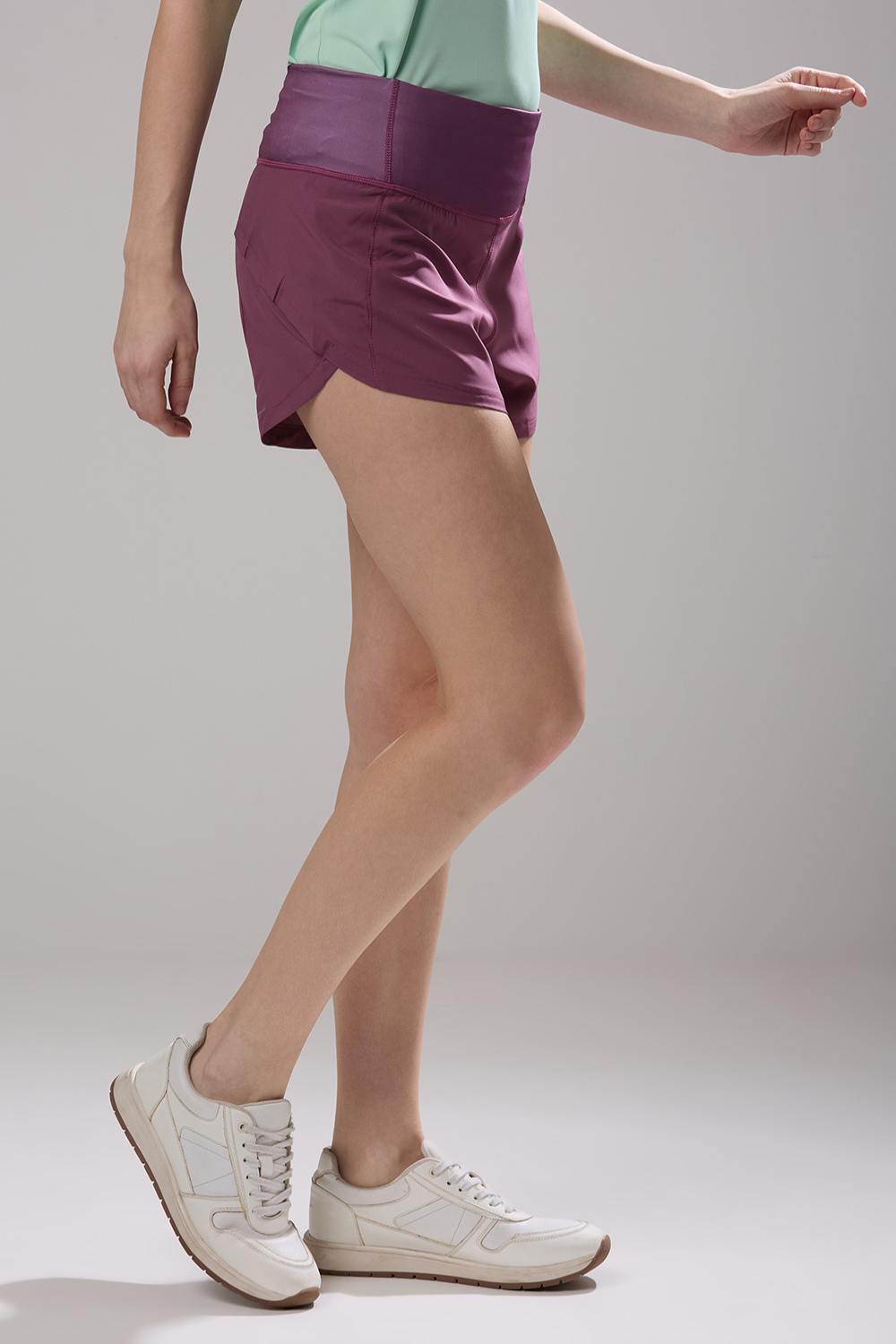
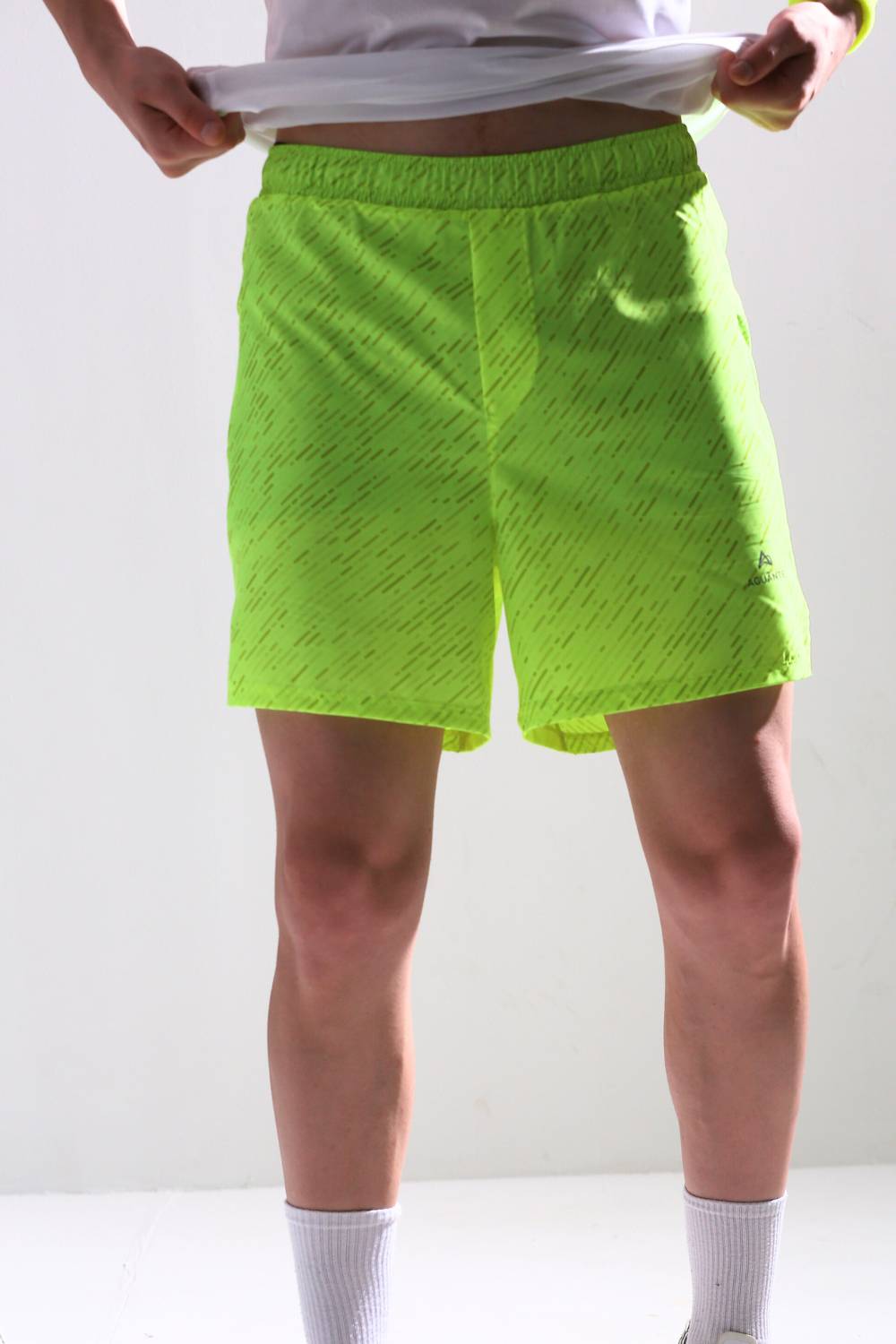
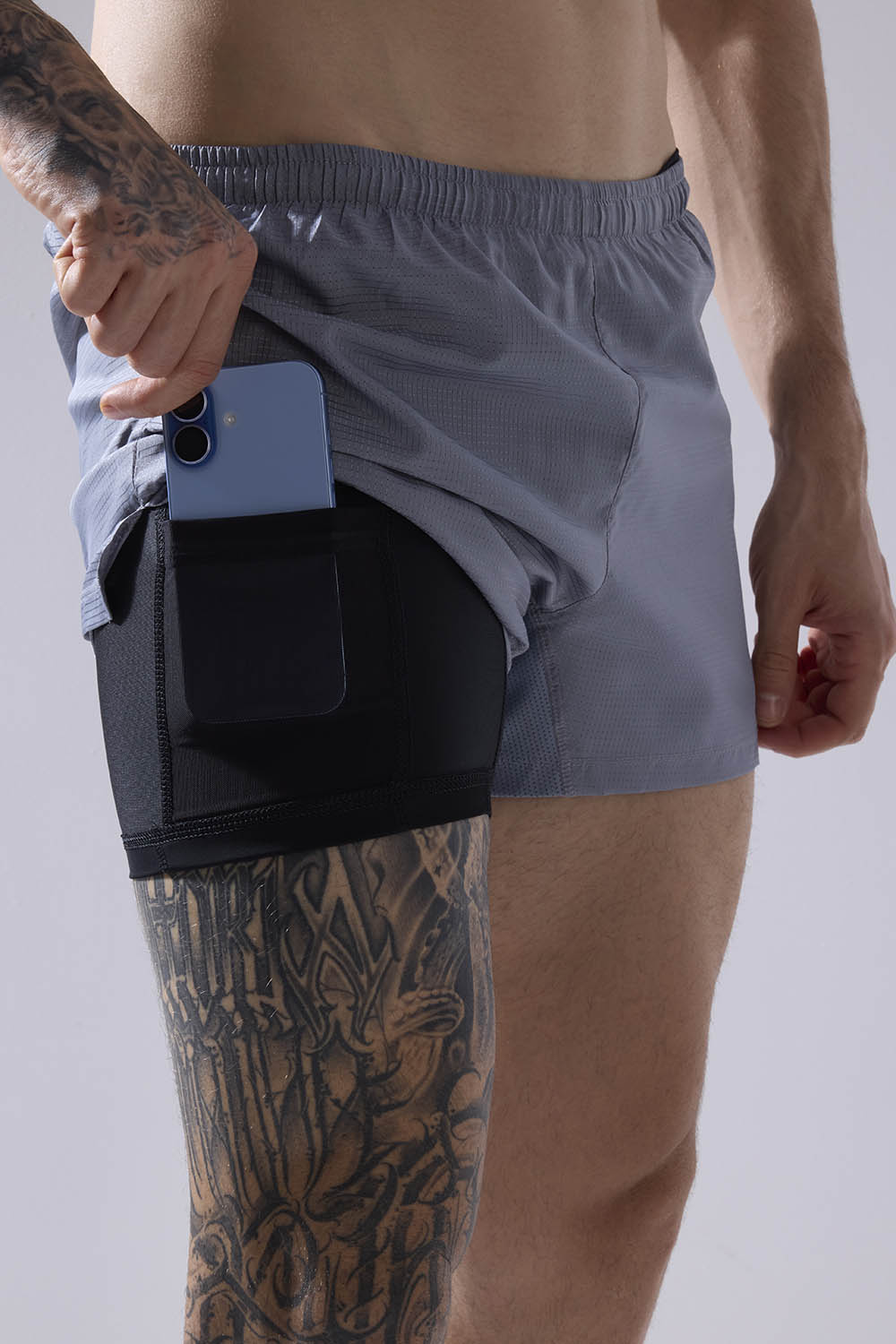
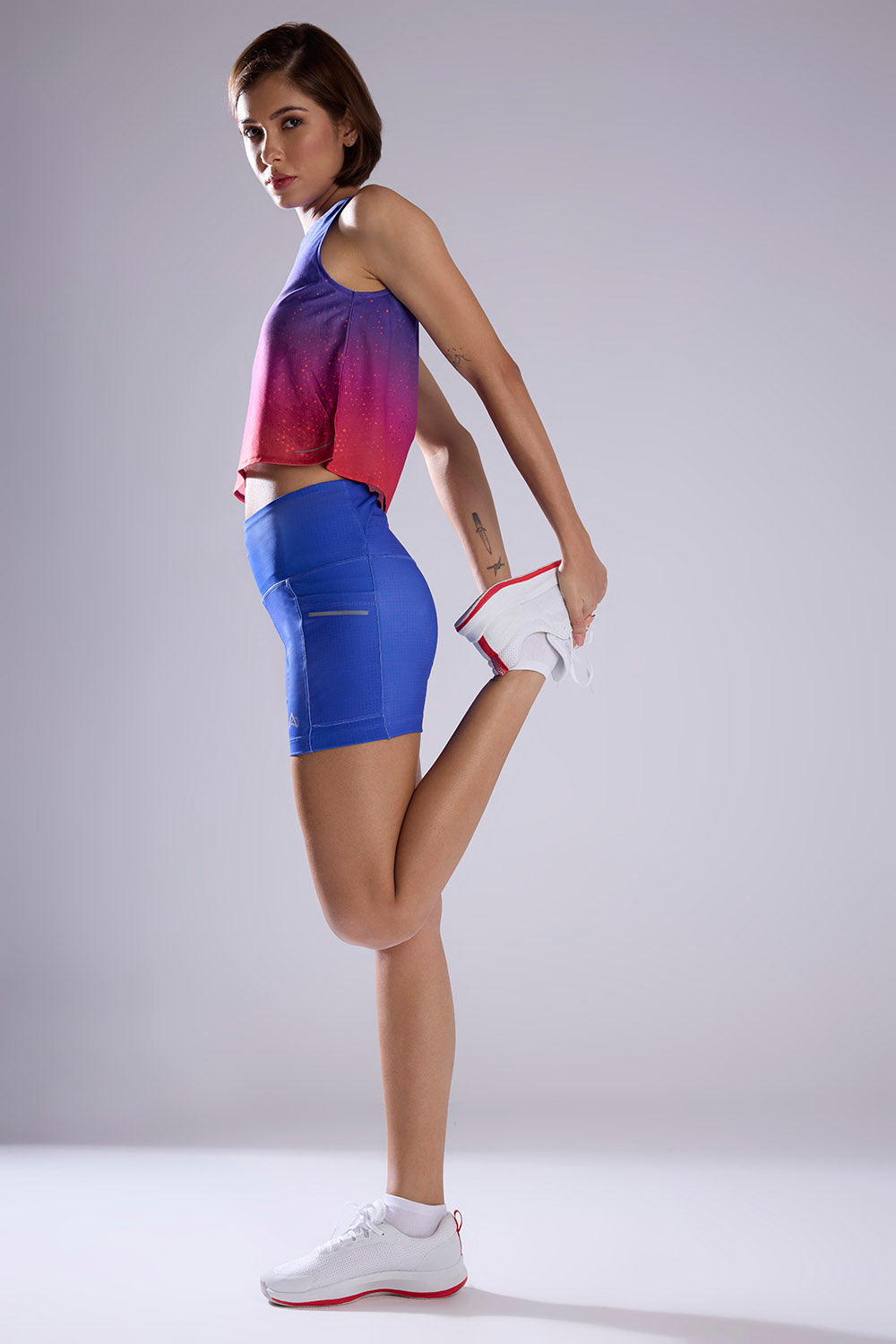
Successful pieces share certain traits: fabrics that wick sweat aggressively and dry before the next interval, inner linings that reduce chafing over long distances, pockets engineered to hold phones and gels without bouncing, reflective elements visible in low light, and thoughtful seam placement that respects Indian proportions. Brands conceived and tested abroad frequently miss these nuances, leaving local runners to adapt imported gear or search for alternatives built with their realities in mind.
Persistent Barriers: Fit, Durability, and Value
Sizing remains a persistent pain point. Body shapes vary considerably across regions, yet many international size charts rely on assumptions that do not travel well. Fabrics promising high performance in laboratory conditions sometimes pill, fade, or lose elasticity after repeated exposure to Indian heat, sweat, and airborne particulates.
At the same time, runners have grown more discerning. They want advanced features seamless construction, four-way stretch, anti-odor treatments yet most remain firmly price-sensitive. The influx of fast-fashion sportswear has raised expectations for both style and function while keeping average spend in check, forcing serious brands to deliver genuine technical advantages without crossing into luxury territory.
Where Opportunity Meets Innovation
The current landscape favors brands willing to localize deeply. Coastal runners need ultra-breathable, quick-dry tops that feel weightless even at kilometer 18. Long-distance enthusiasts in Bangalore and Pune seek lightweight, chafe-resistant kits built for hours on uneven surfaces. Delhi-NCR participants look for outer layers that manage sweat while offering some defense against poor air quality.
Proximity to manufacturing in Surat and Ahmedabad shortens development cycles, reduces minimum order quantities for testing, and enables small-batch customization. Direct-to-consumer approaches gain traction by partnering with run clubs for prototype trials, turning early adopters into credible advocates. Genuine micro-influencers people who run 50+ kilometers a week and speak plainly about what fails and what endures carry more weight than polished campaigns.
A Market Being Redrawn by Those Who Run It
Recreational running is no longer a seasonal hobby in these cities; it has settled into a durable lifestyle category. Competitive advantage now rests on three interlocking priorities: performance tuned to local climate, fit that respects regional anthropometrics, and durability proven under real-world abuse. Brands that commit to city-specific wear testing, maintain close dialogue with running communities, and treat Indian conditions as the starting point rather than an afterthought are best positioned to capture sustained loyalty.
For the growing thousands hitting the pavement each morning, the ideal running wardrobe is no longer a distant import. It is apparel designed with an intimate understanding of monsoon drenching, pre-dawn heat, urban dust, and the sheer persistence required to keep showing up. As participation deepens and diversifies across these metros, the apparel that earns a permanent place in runner's kits will be the kind engineered here, tested here, and priced with respect for the people who actually wear it.
Frequently Asked Questions
Why is demand for running apparel growing so fast in India?
India's recreational running culture has exploded across major metros like Bangalore, Mumbai, Delhi, and Hyderabad, driven by running clubs, corporate wellness programs, and mass-participation marathons. This surge in participation is directly fueling demand for specialized activewear. The Indian activewear market generated USD 15,107.3 million in 2024 and is projected to nearly double to USD 29,972.9 million by 2030, growing at a 12.2% CAGR with women forming the fastest-growing segment.
What features should running apparel have to perform well in Indian climate conditions?
Running gear designed for India needs to address unique local challenges: aggressive sweat-wicking and rapid drying for high coastal humidity in cities like Mumbai and Surat, reflective elements for low-light pre-dawn runs, and secure pockets for phones and gels. Seam placement, chafe-resistant linings, and durability against heat, dust, and pollution especially in Delhi-NCR are equally critical. Generic international brands often miss these nuances because their designs are tested in temperate climates rather than Indian conditions.
Are Indian-made running brands better suited for local runners than international ones?
Increasingly, yes local manufacturing hubs in Surat and Ahmedabad allow brands to iterate quickly based on real runner feedback, with shorter development cycles and smaller test batches compared to global supply chains. Indian-origin brands can also better address the persistent sizing gap, since international size charts often don't account for the diverse body proportions across India's regions. Runners get advanced technical features like four-way stretch and anti-odor treatments at price points that respect the market's value-conscious nature.
Disclaimer: The above helpful resources content contains personal opinions and experiences. The information provided is for general knowledge and does not constitute professional advice.
You may also be interested in: Running Apparel Suited for India's Warm Climate - Aguante
Tired of gear that slows you down? Chafing, soggy fabrics, and missing pockets kill your run's momentum. At Aguante, we're runners who get it. Our high-performance activewear features moisture-wicking fabrics, ergonomic designs, and smart storage to keep you focused. Shop Now!
Powered by flareAI.co