










Quick Listen:
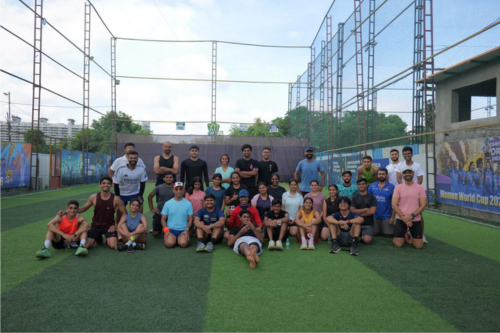
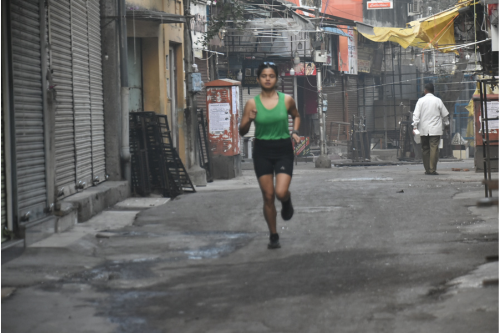
Picture the streets of Mumbai at dawn in mid-January, transformed from their usual chaos into a sea of determined strides and collective energy. The Tata Mumbai Marathon recently wrapped its 21st edition with a staggering 69,100 participants over 65,400 pounding the pavement in person and more than 3,700 joining virtually from afar. This record-breaking turnout, including 14,059 full marathon registrants, underscores a profound shift: running in India's urban landscapes is morphing from a personal endeavor into a vibrant, interconnected movement that influences health, economy, and society.
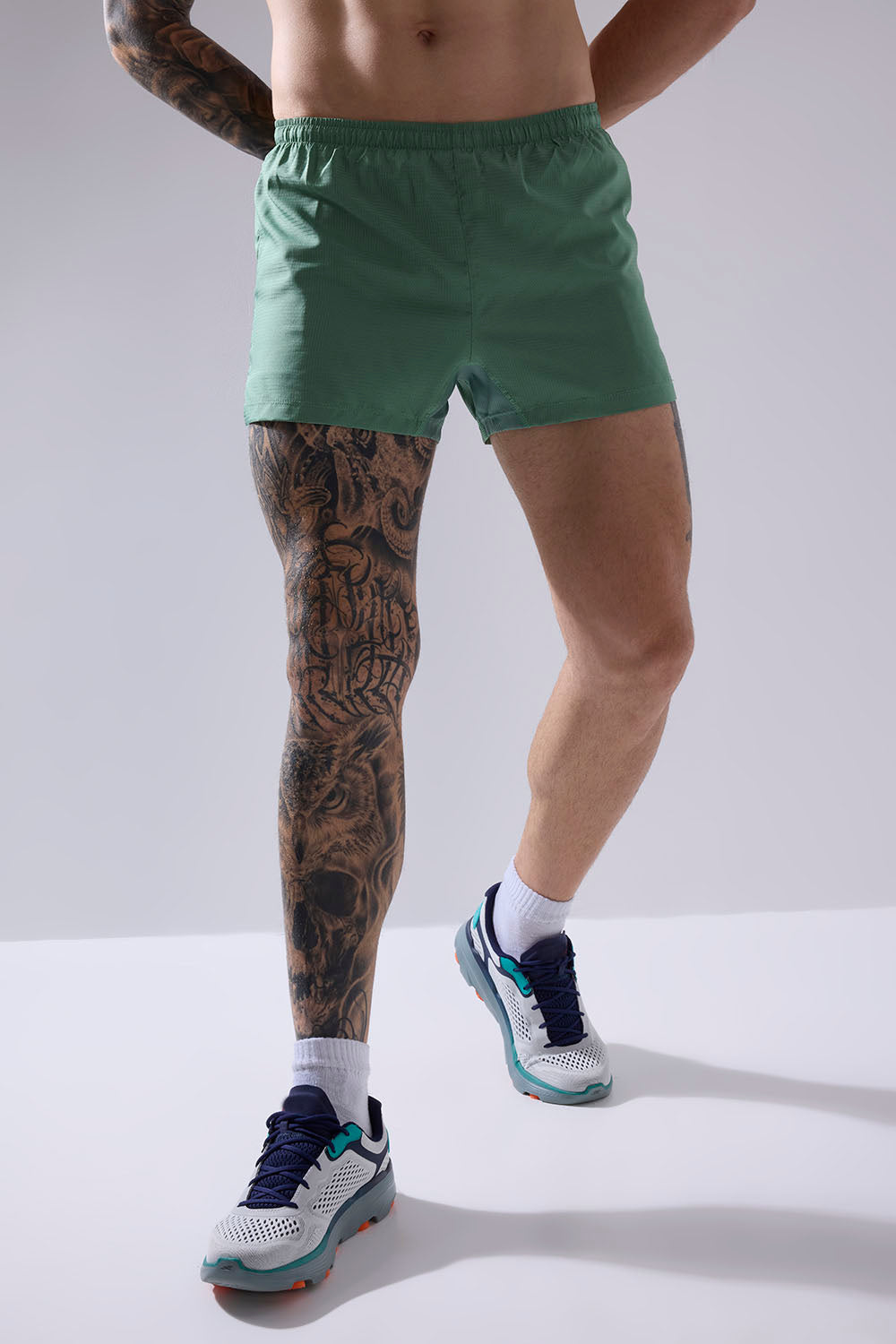
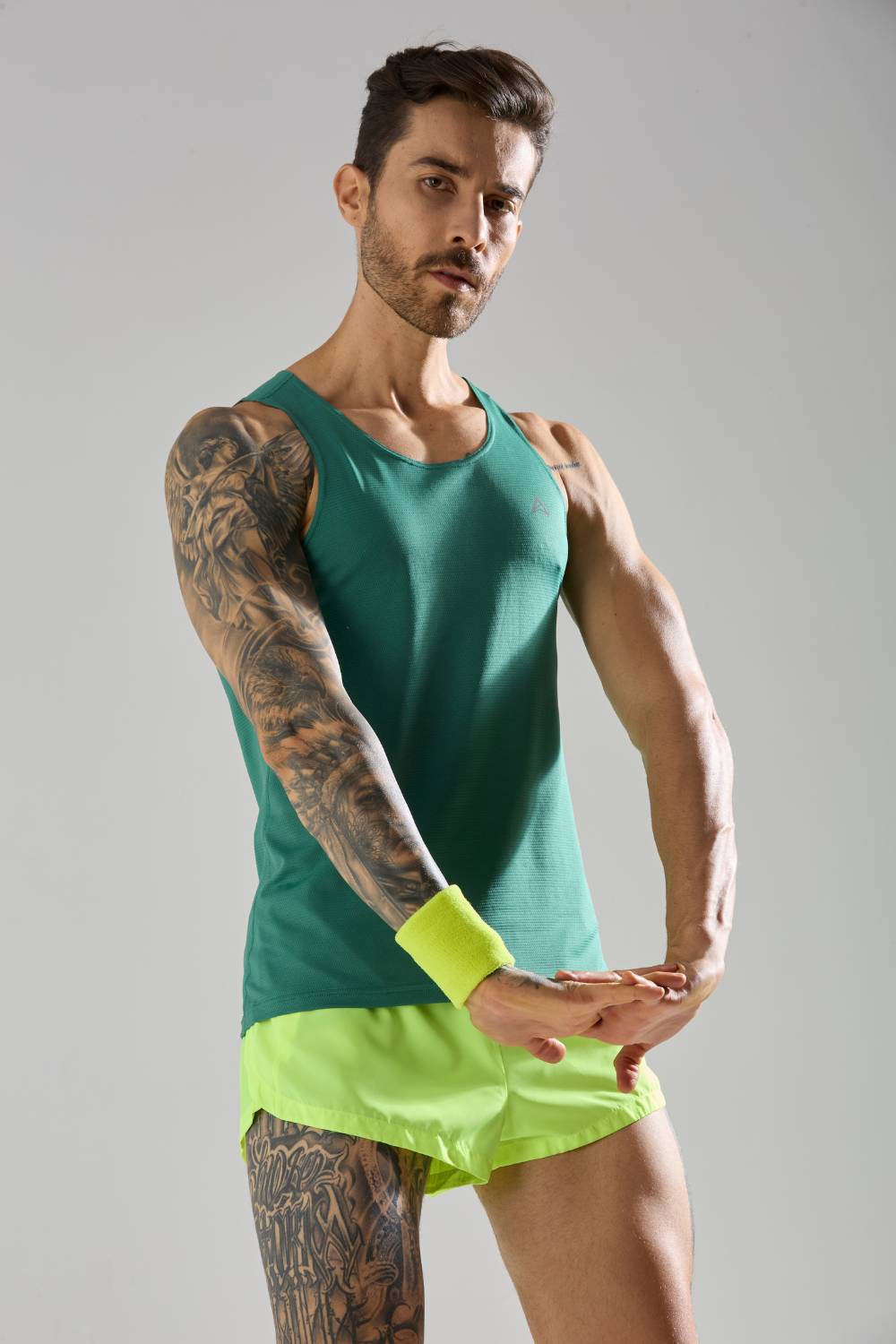
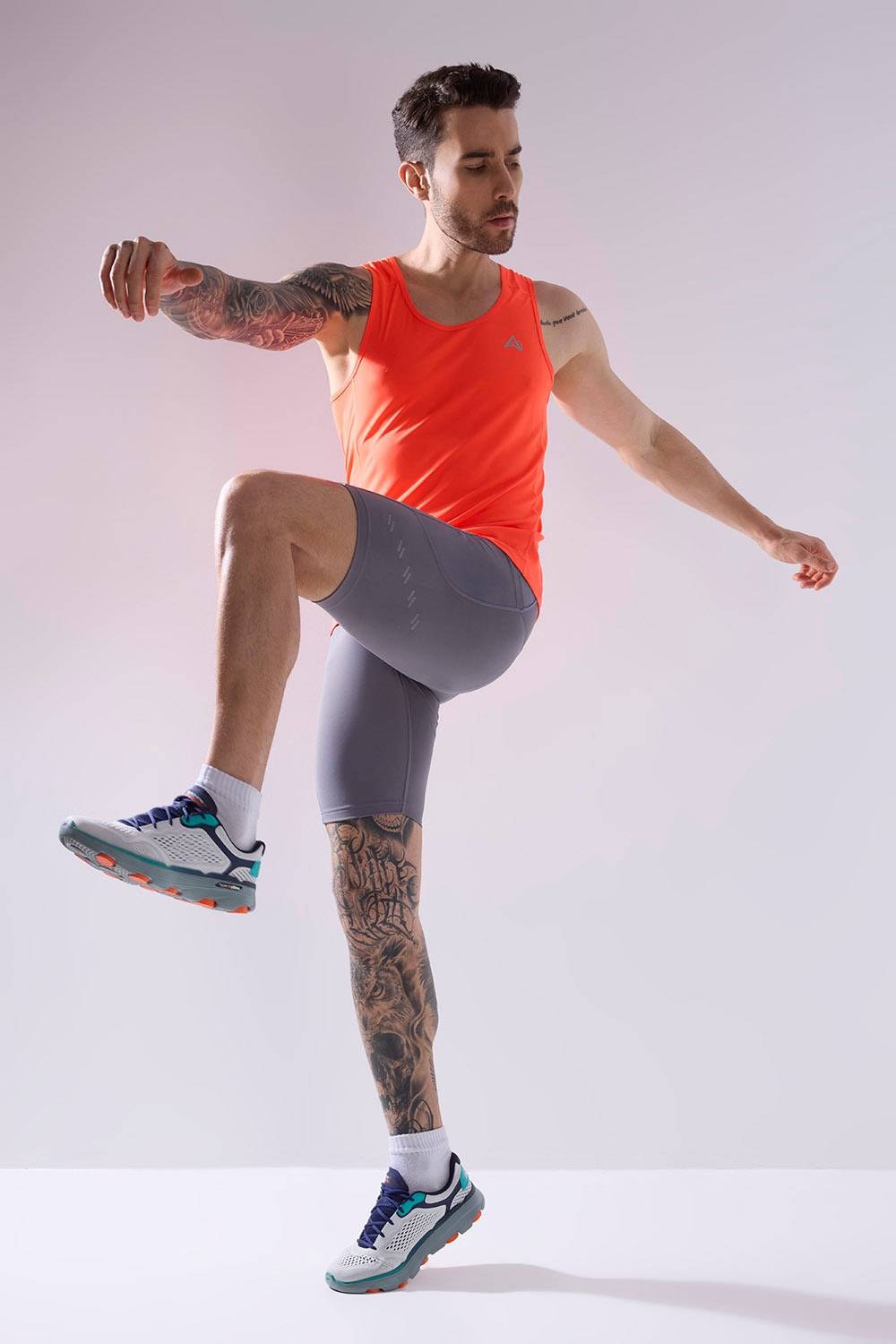
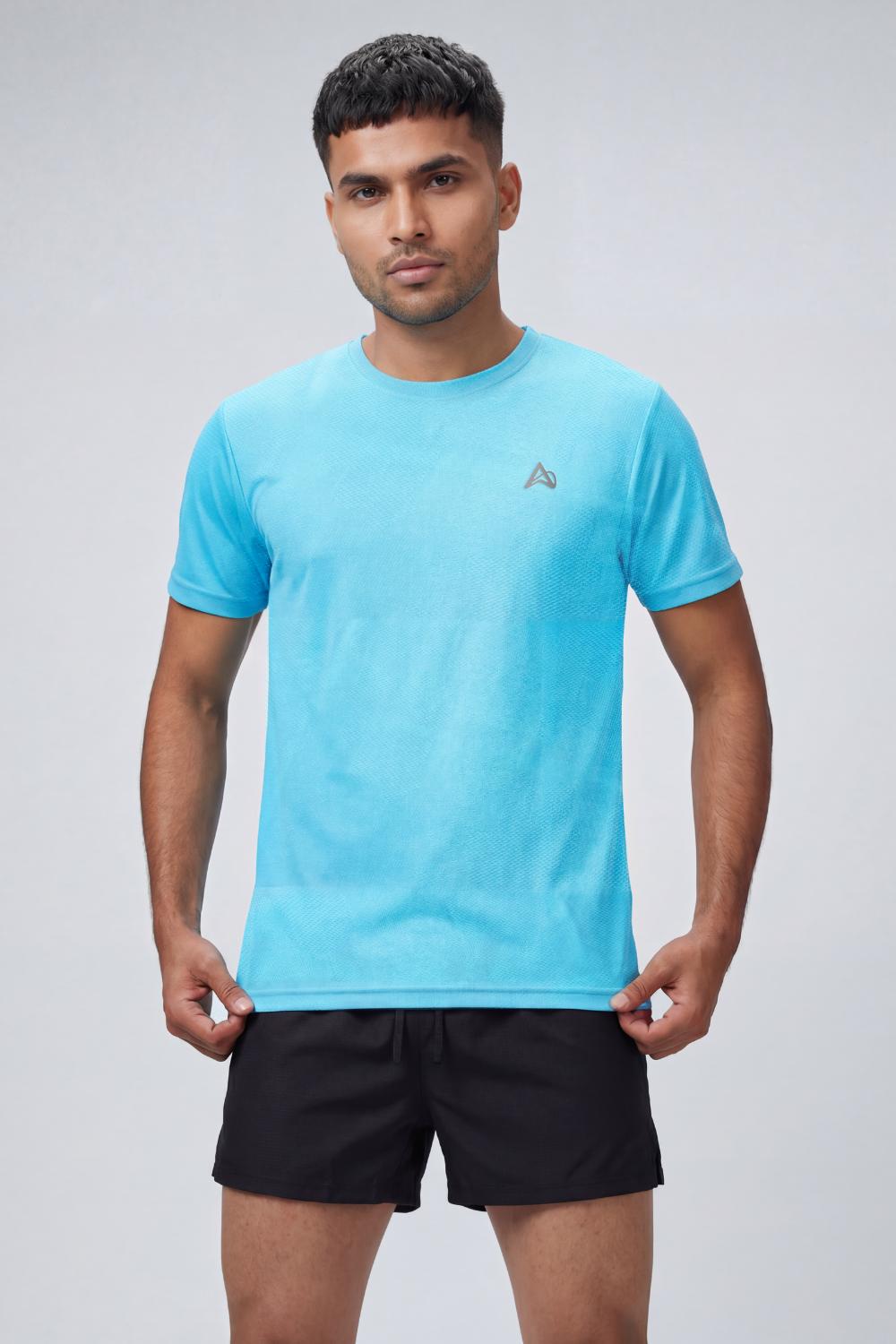
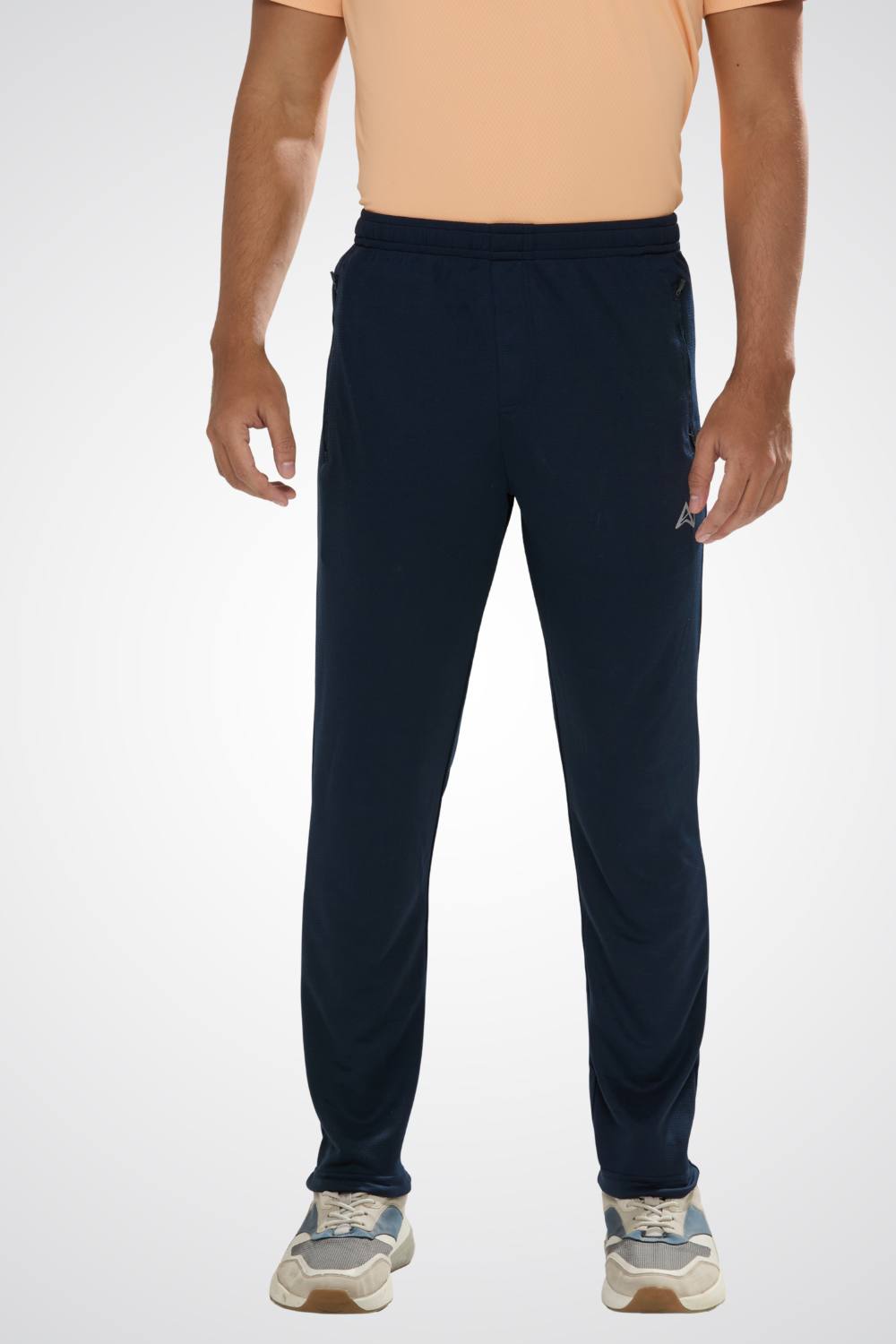
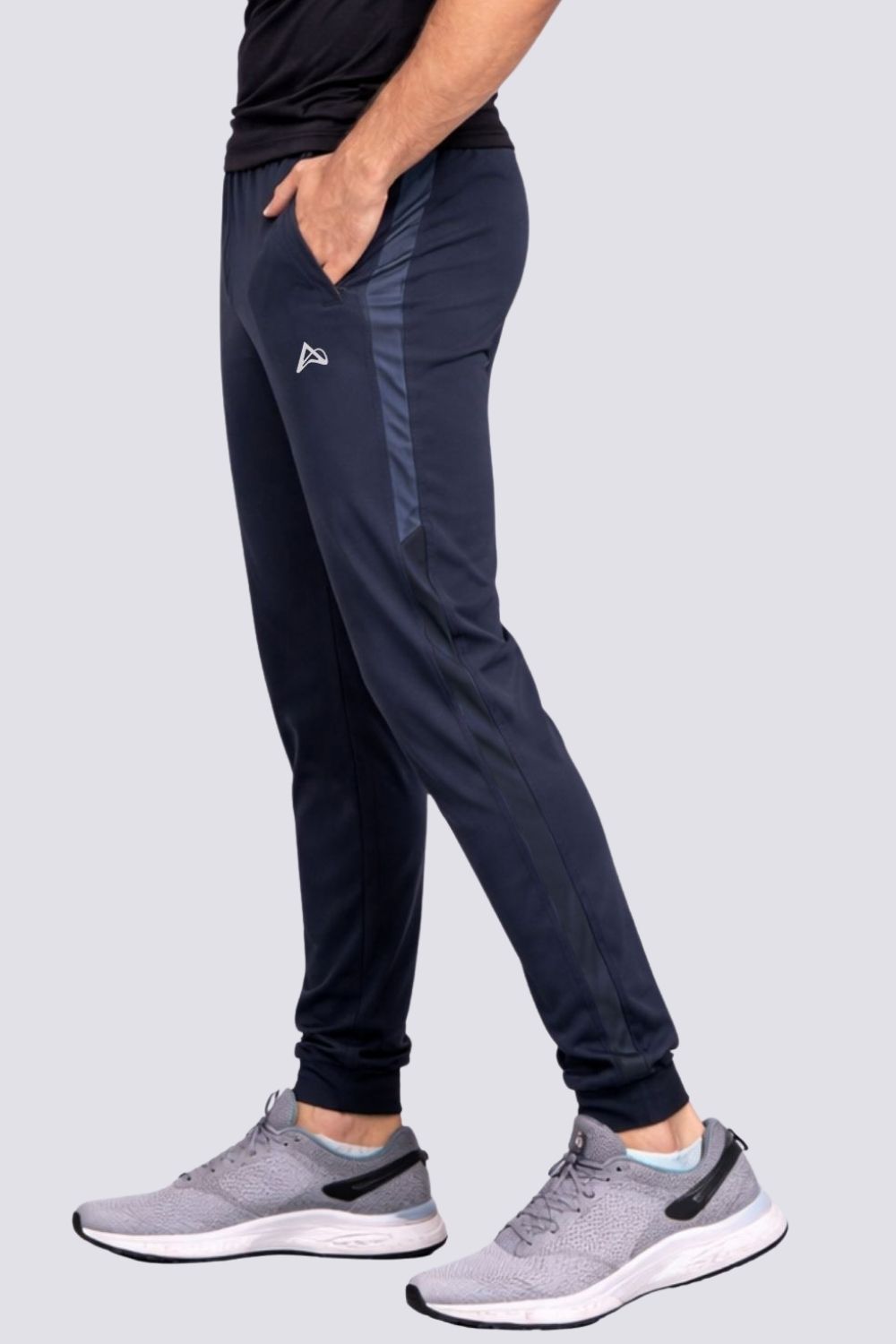
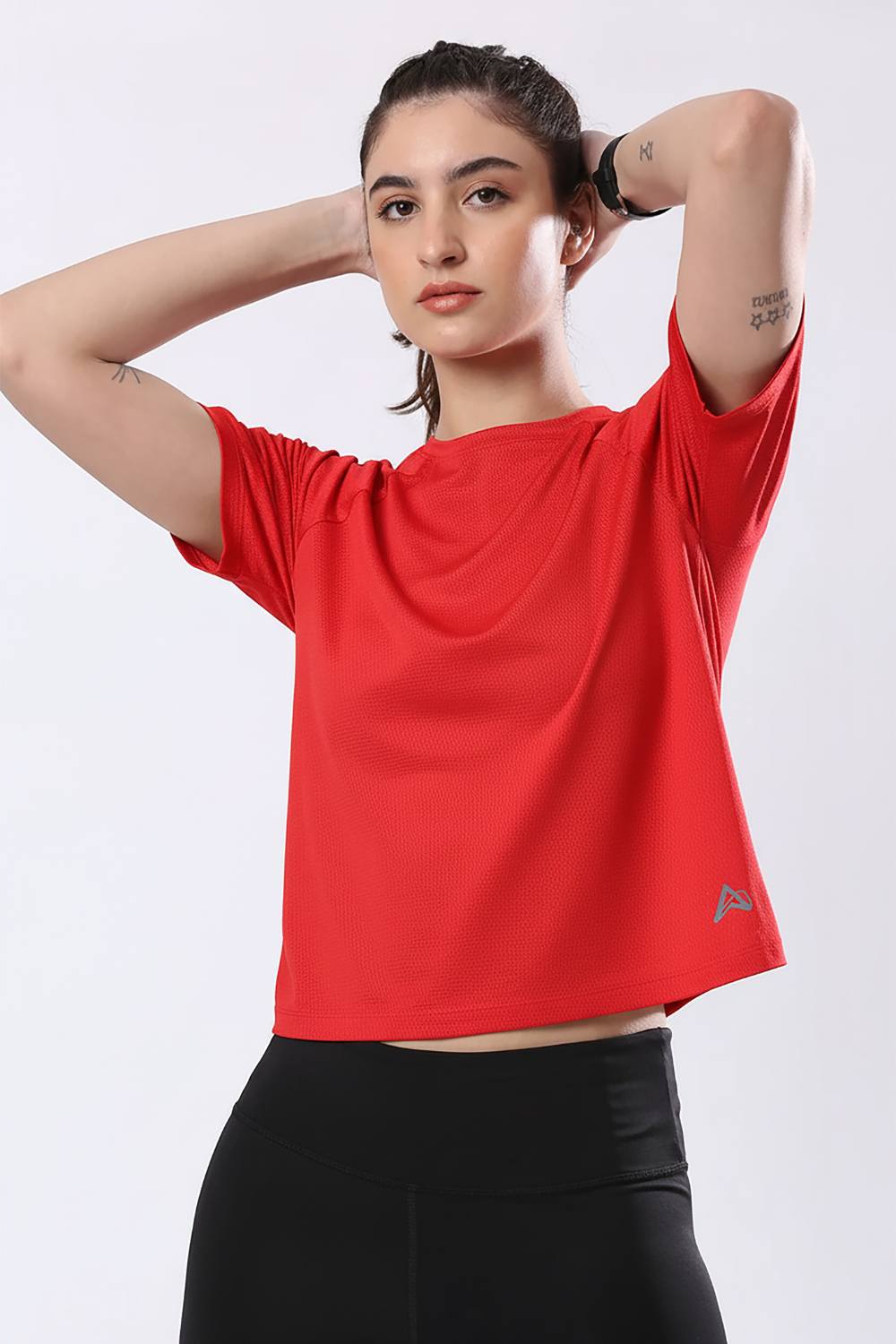
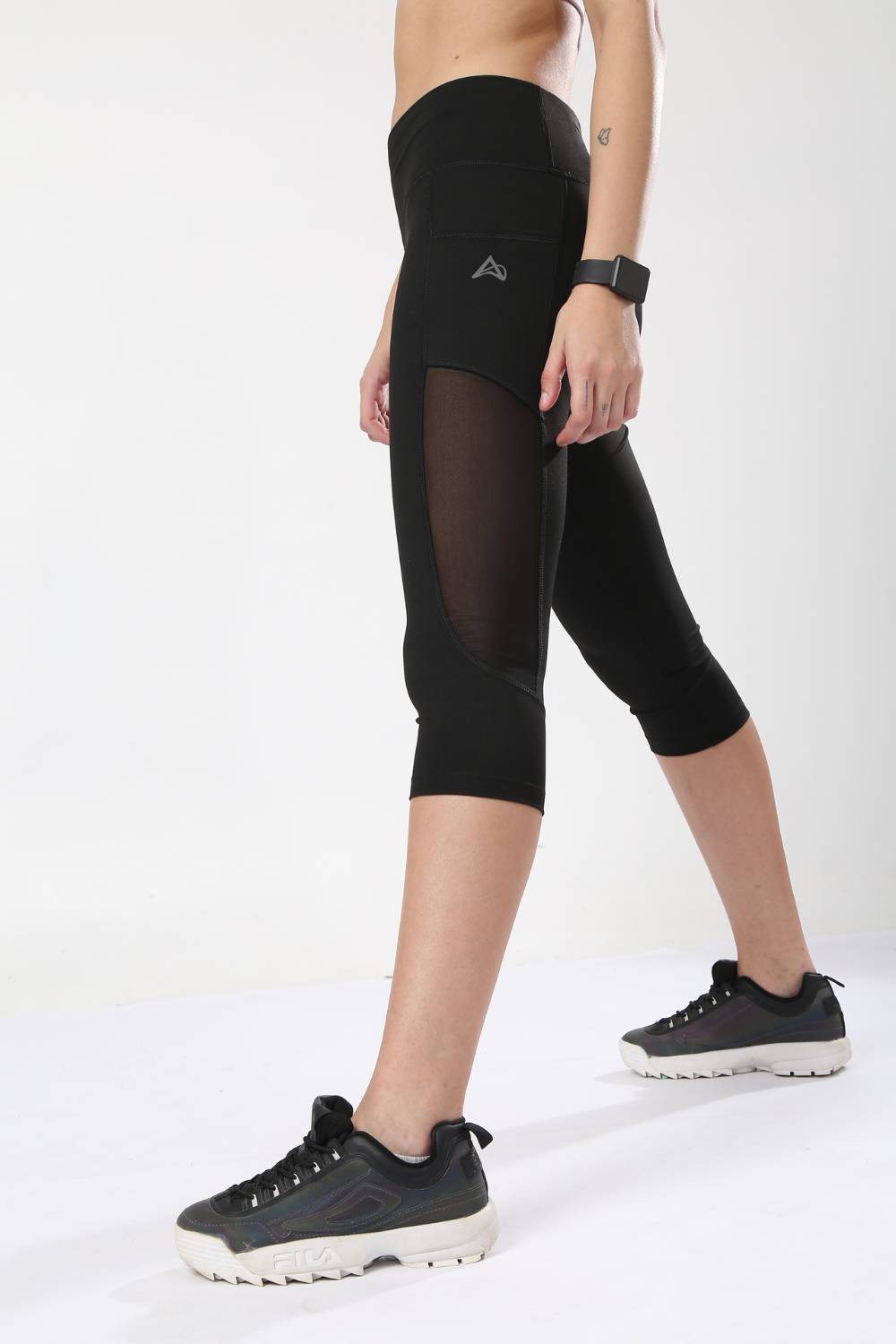
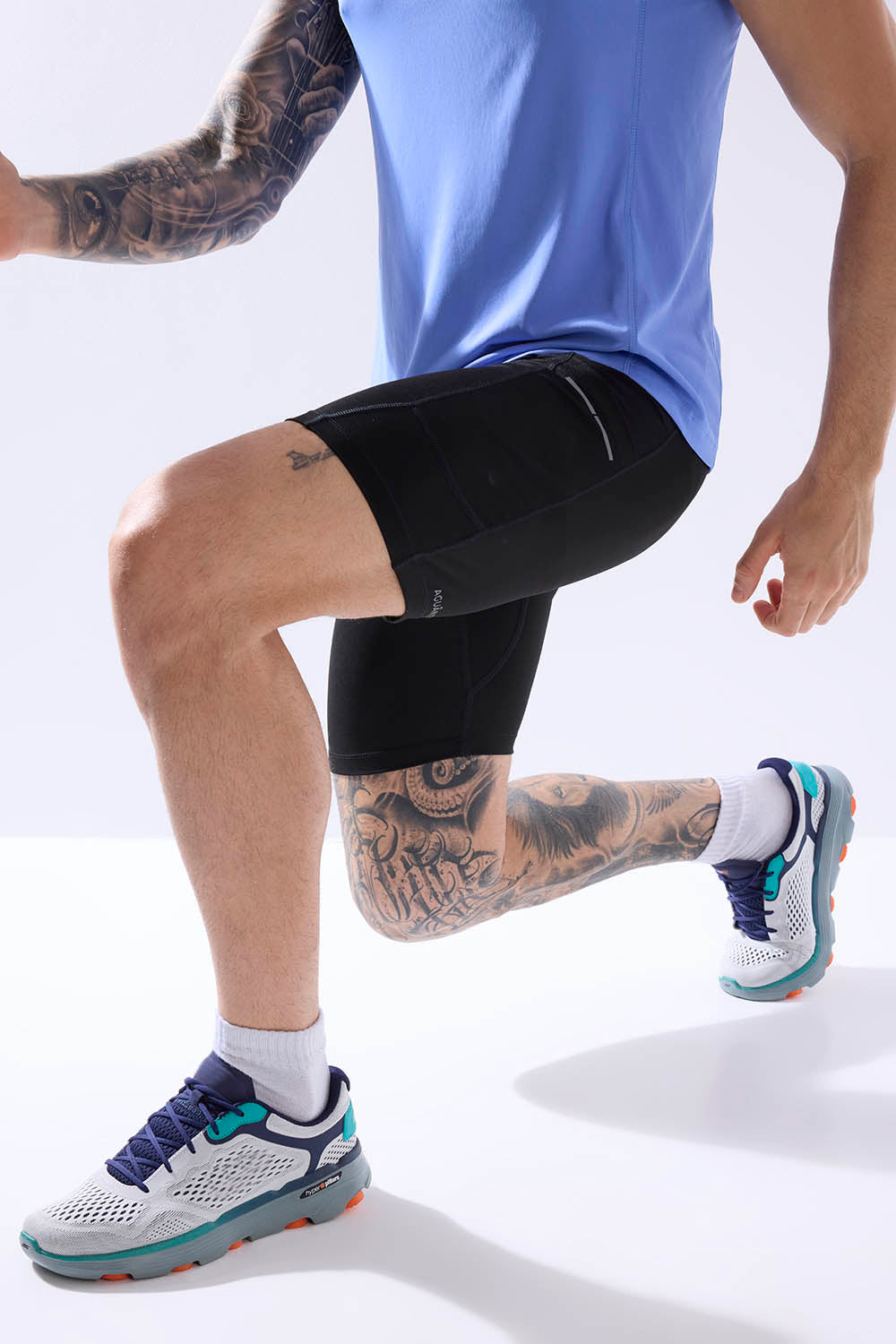
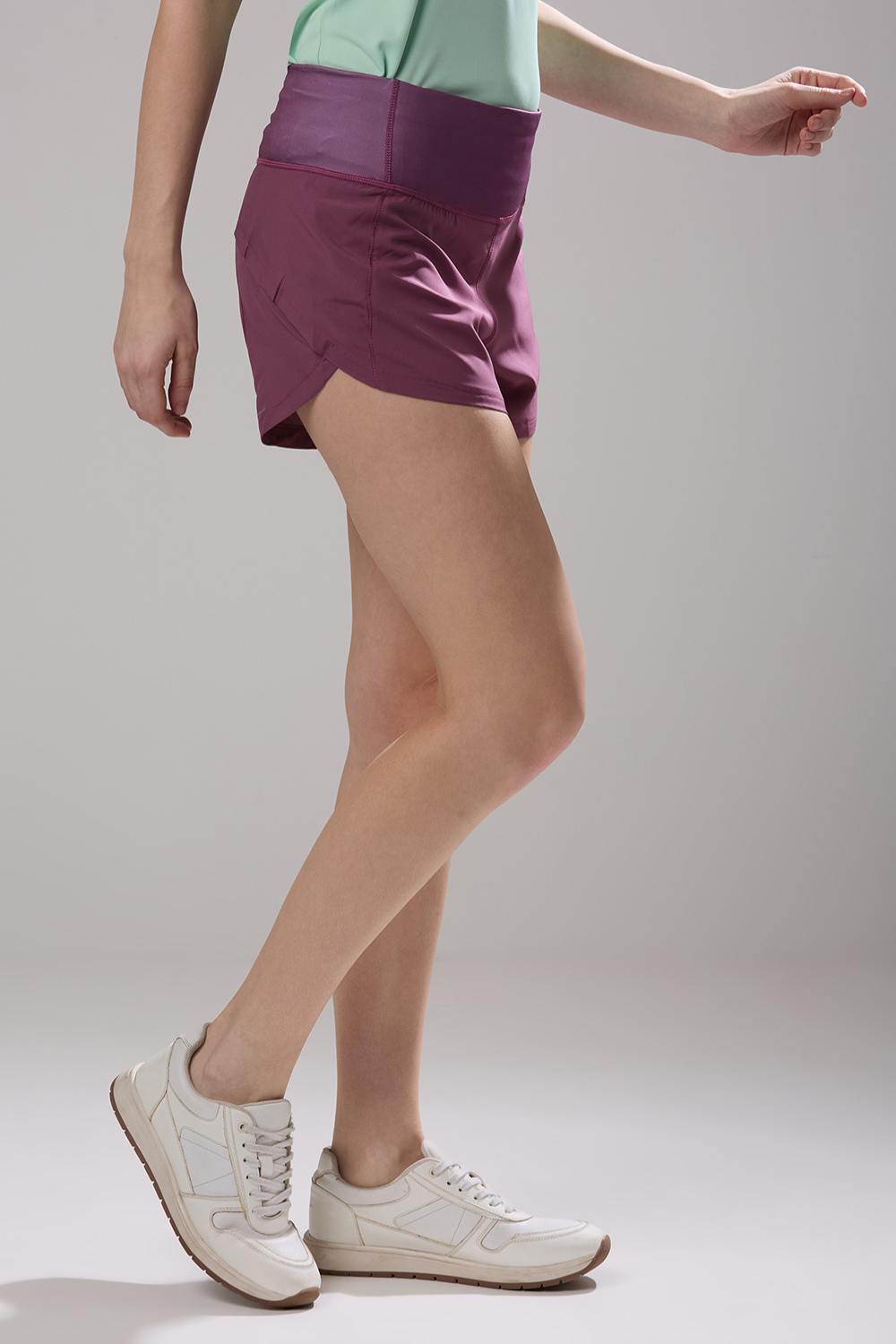
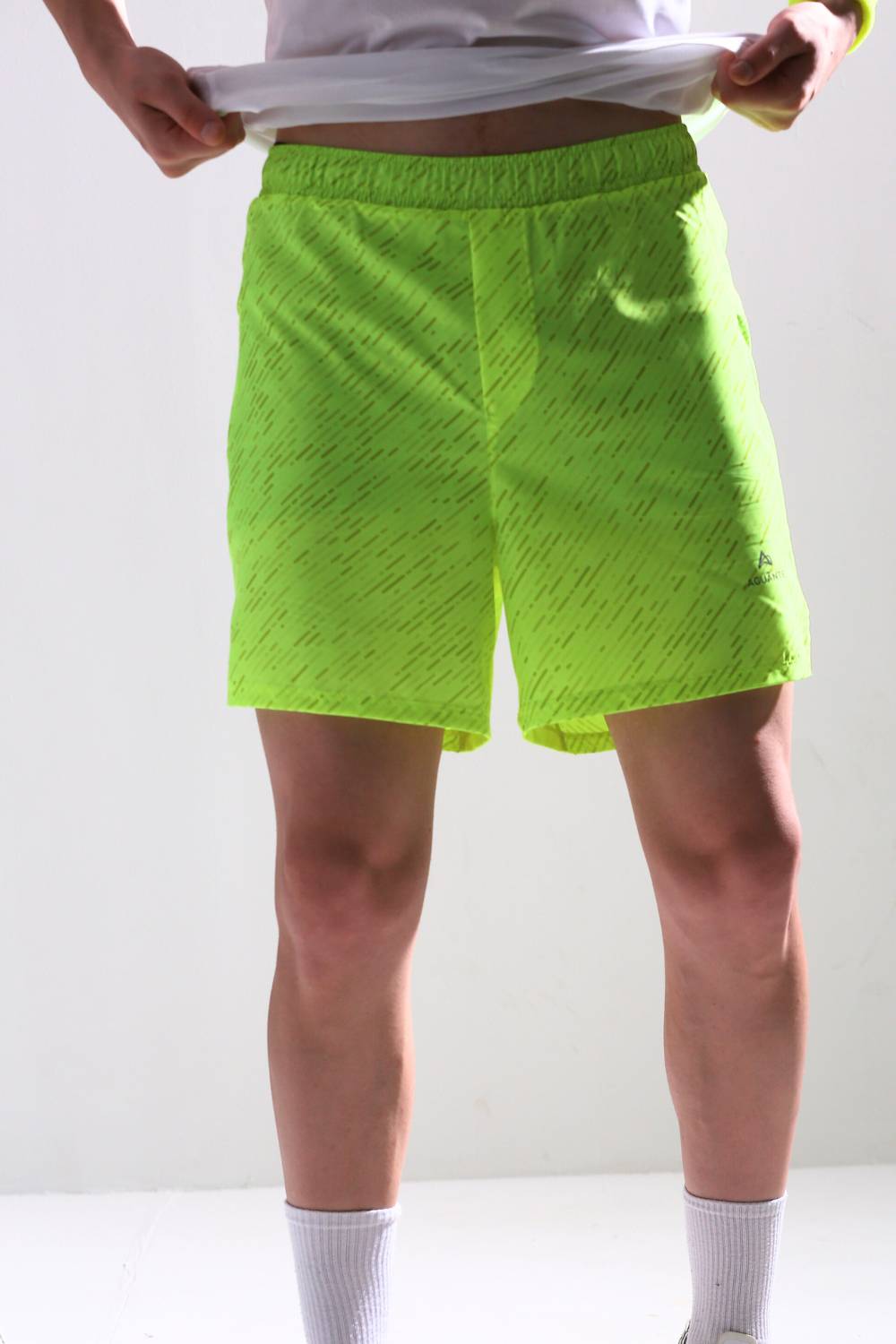
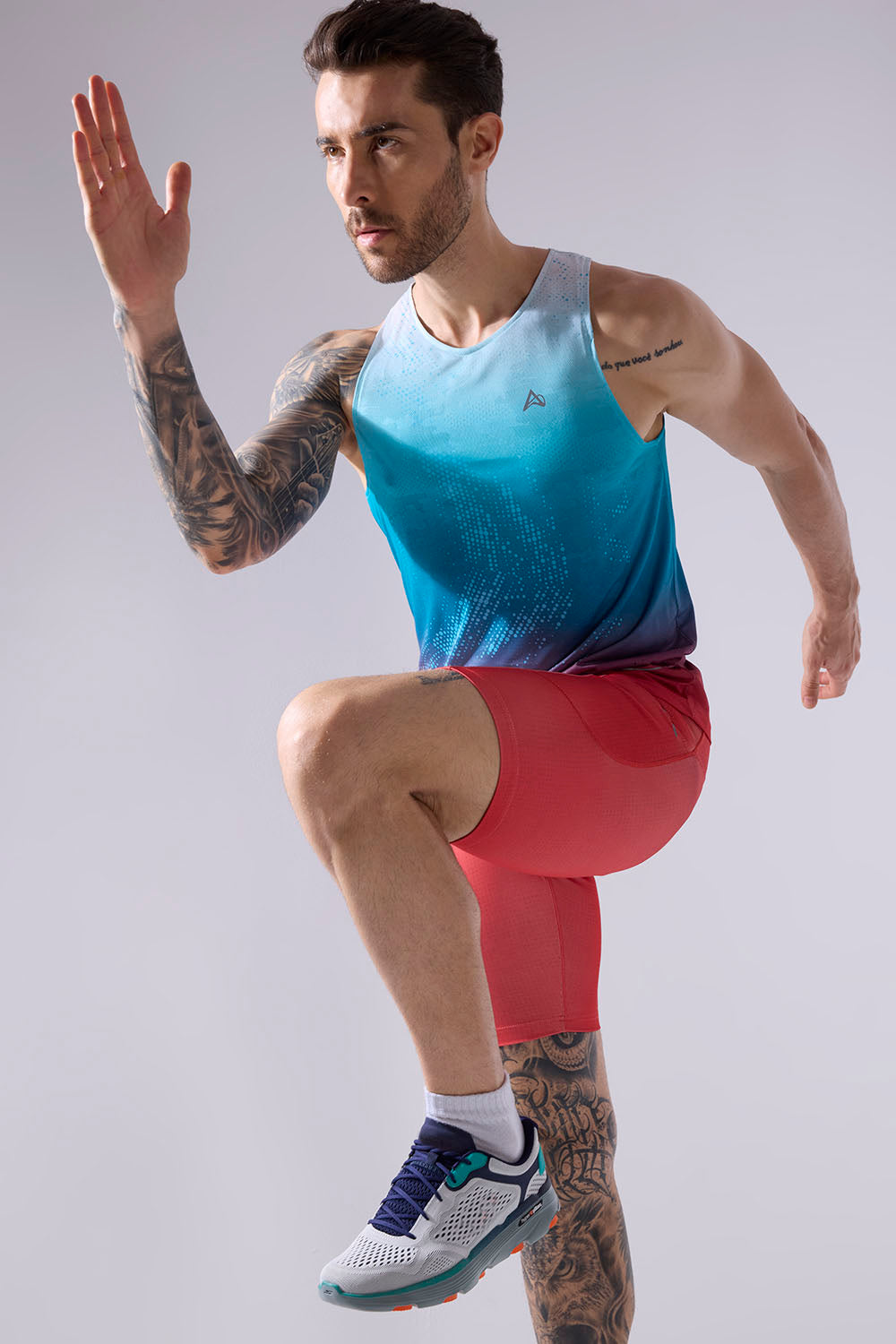
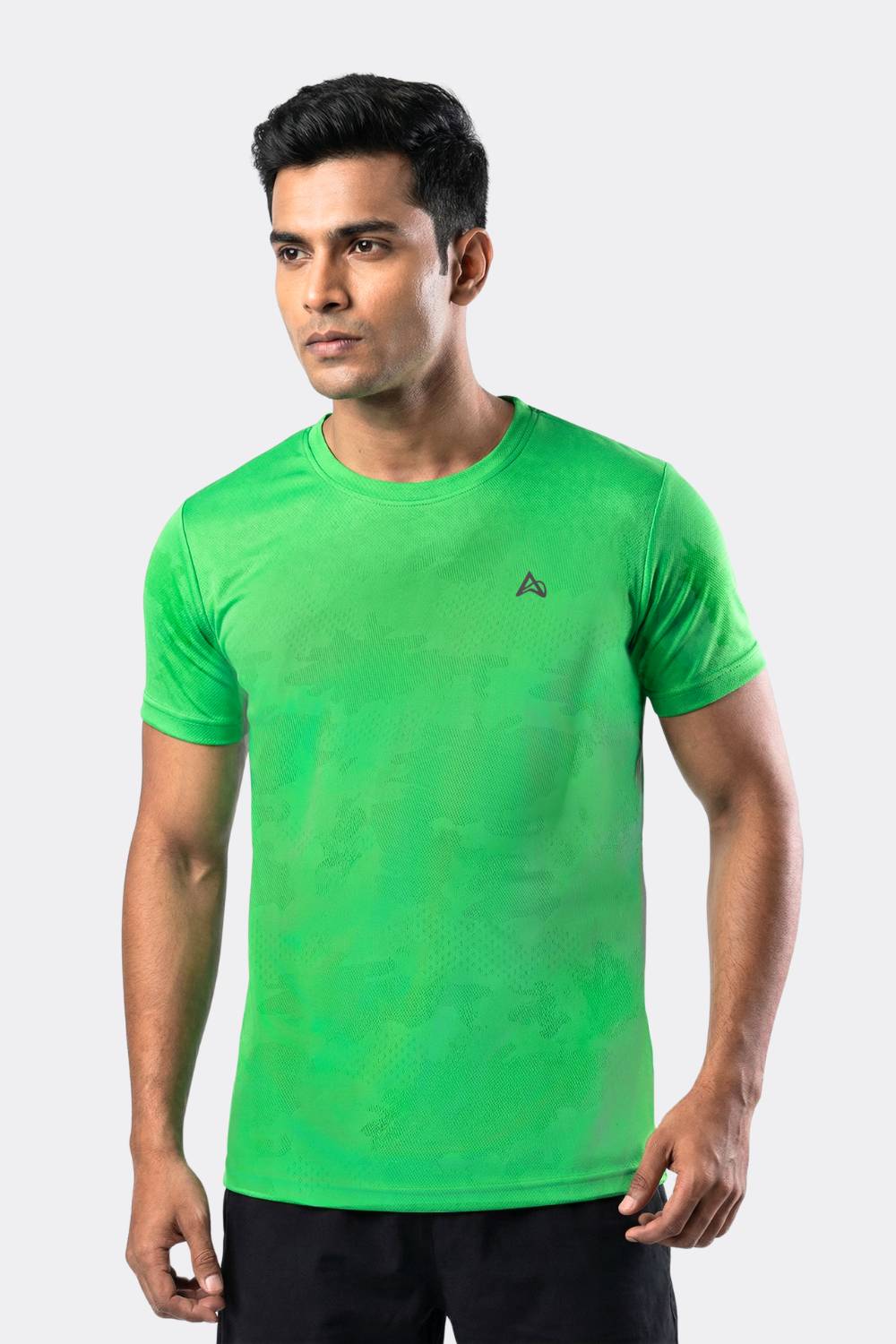
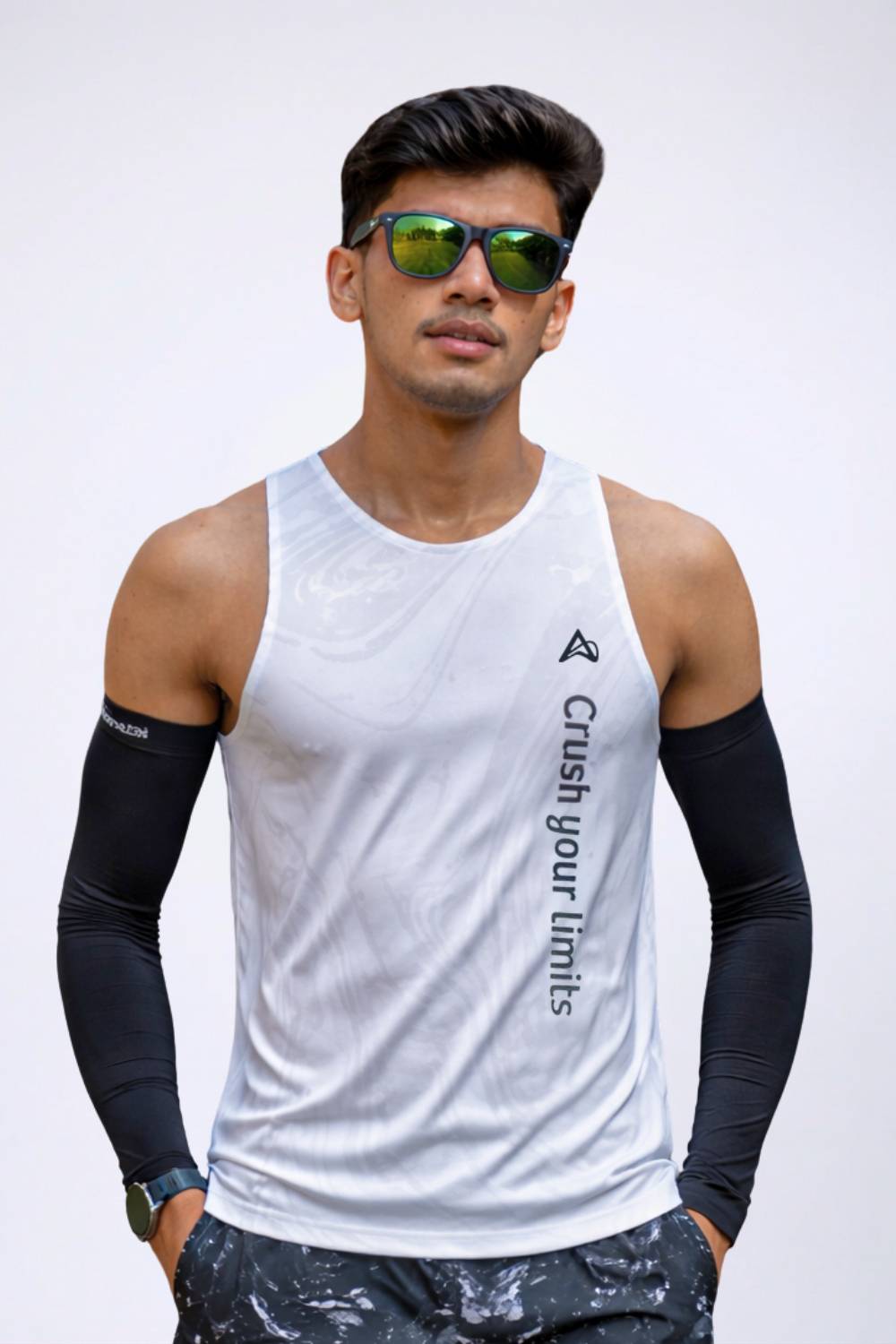
Tired of gear that slows you down? Chafing, soggy fabrics, and missing pockets kill your run's momentum. At Aguante, we're runners who get it. Our high-performance activewear features moisture-wicking fabrics, ergonomic designs, and smart storage to keep you focused. Shop Now!
The Significance of Large-Scale Races in India's Fitness Landscape
Events like this serve as barometers for the nation's evolving approach to wellness. They attract a diverse mix from corporate executives to first-time enthusiasts highlighting how structured fitness is weaving into daily life amid bustling cityscapes. What was once a fringe activity has blossomed into a multifaceted ecosystem encompassing gear, training, nutrition, and urban infrastructure. Consider the economic ripple: India's running equipment sector valued at $2.4 billion in 2024 is on track to reach $4.8 billion by 2033, expanding at an annual rate of 7.71 percent. This surge stems from greater health consciousness, urban sprawl, rising incomes, the spread of recreational running, a boom in local races, athlete endorsements, and the ease of online shopping.
Mapping Participation Across Major Cities
Mumbai Leading the Charge
As the premier running hub, Mumbai's marathon leverages its iconic coastal paths, optimal winter timing, and robust sponsorships. The 2026 event saw full marathon finishers jump to 11,630 a 22 percent rise from the previous year while half marathon completions reached 12,646, up 11 percent. Female involvement has skyrocketed 150 percent since 2016, reflecting broader inclusivity. Civic collaborations ensure smooth execution, turning the race into a citywide celebration.
Southern Innovation Centers Accelerate
In Bangalore and Hyderabad, running aligns seamlessly with tech-driven lifestyles. Pune and Navi Mumbai contribute through organized groups and corporate challenges. Universities and startups foster initiatives, with weekend meets evolving into comprehensive training networks that emphasize endurance alongside innovation.
Northern Drive Through Policy and Programs
Delhi and Gurugram benefit from governmental pushes and corporate wellness schemes, boosting event sign-ups. Exclusive communities host their own clubs, integrating race goals into professional metrics. This blend of institutional support and personal motivation reclaims public areas for fitness.
Western Regions Gaining Momentum
Surat and Ahmedabad are emerging on the scene with community-led races supported by state programs and city upgrades. These efforts create pedestrian-friendly zones, drawing industrial professionals into the running fold and fostering local pride.
Key Trends Driving the Running Revolution
Corporate health strategies now view marathon entries as vital for team cohesion and mental resilience. Departments monitor involvement to combat workplace burnout. Technology plays a pivotal role, with wearables and apps turning preparation into precise, data-informed journeys synced to event schedules. Socially, group runs build lasting connections, converting parks into vibrant hubs of camaraderie.
- Increased female engagement, up significantly in major events.
- Rapid adoption of timed races, indicating skill progression.
- Integration of virtual options, expanding reach beyond metros.
Insights from Participants on the Frontlines
Actor and triathlete Saiyami Kher shared her exhilaration after completing the full 42.2 kilometers: "Those 42 kilometres felt lighter because of the people. The energy was unreal, the organisation seamless, the new route electric." In Mumbai, finance houses fund teams, merging charity with exposure. Bangalore's entrepreneurs use runs for creative sparks, while Delhi's academic institutions launch clubs under municipal encouragement. Similar dynamics play out in Hyderabad and Pune, with Surat and Ahmedabad nurturing grassroots growth. Entrepreneur Nithin Kamath highlighted the inspiration from runners with disabilities and his wife's post-recovery 10km feat, reminding us of running's transformative power.
Persistent Hurdles in the Path Ahead
Despite the enthusiasm, challenges persist. Northern air pollution curtails training periods, as Kher noted the need for cleaner skies amid running's rise. Urban infrastructure often falls short, with inadequate safe routes in growing areas. Costs for fees and equipment barrier entry for many, and an overcrowded event calendar risks fragmenting focus. Standardizing safety and inclusivity is crucial to sustain this trajectory.
Unlocking Potential in the Expanding Ecosystem
The momentum opens doors across sectors. Demand for specialized apparel soars, particularly items suited to India's intense climates fabrics that excel in humidity, pockets that secure belongings on bumpy paths, and anti-chafing features validated by local athletes. India's sports clothing market, at $0.71 billion in 2024, is poised to climb to $1.59 billion by 2030 at a 14.52 percent yearly pace, propelled by wellness trends, fitness uptake, city living, athleisure appeal, gym booms, races, youth sports, brand expansions, online sales, and style shifts toward practical fashion. Homegrown brands offering premium, India-tuned products at fair prices stand out against overseas designs. Additionally, race tourism elevates city profiles, aiding hotels and travel. Digital tools for networking, analytics, and registrations represent untapped growth.
Forecasting the Road Forward
Signature races signal enduring trends: deeper corporate integration, fitness-oriented urban design, and tailored sportswear advancements. With over 2.8 million runners nationwide growing by 365,000 yearly and more than 1,500 events, running is solidifying as an industry pillar encompassing competitions, guidance, insights, and gear.
Ultimately, these gatherings illustrate urban India's rekindled passion for motion. A simple jog can spark routines, forge bonds, and fuel markets. For observers of societal and economic shifts, it's evident: running transcends sport, reshaping city living and public vitality.
Frequently Asked Questions
How big is India's running community and how fast is it growing?
India's running community has surpassed 2.8 million active runners and is growing by approximately 365,000 participants per year, with over 1,500 running events held annually across the country. Flagship events like the Tata Mumbai Marathon which drew a record 69,100 participants in its 2026 edition are a clear indicator of this explosive growth, driven by rising health awareness, corporate wellness programs, and expanding urban infrastructure.
What is fueling the running boom in Indian cities like Mumbai, Bangalore, and Delhi?
India's urban running revolution is being powered by a combination of corporate health initiatives, technology adoption (wearables and training apps), and a growing culture of community fitness. Cities like Mumbai lead with iconic race routes and strong sponsorships, while Bangalore and Hyderabad benefit from tech-driven lifestyles that embrace data-informed training; Delhi and Gurugram are driven by government wellness programs and corporate participation mandates. Together, these forces are transforming public parks and city streets into active fitness hubs.
What business opportunities does India's running boom create for sportswear and fitness brands?
India's running market presents significant commercial potential across multiple sectors. The country's running equipment market, valued at $2.4 billion in 2024, is projected to reach $4.8 billion by 2033, while the sports clothing segment is expected to grow from $0.71 billion to $1.59 billion by 2030. Homegrown brands that offer climate-appropriate apparel designed for India's heat and humidity alongside digital tools for race registration and analytics, and race tourism services, stand to capture a fast-expanding and underserved market.
Disclaimer: The above helpful resources content contains personal opinions and experiences. The information provided is for general knowledge and does not constitute professional advice.
You may also be interested in: Early-Morning Schedules Define Urban Running in India - Aguante
Tired of gear that slows you down? Chafing, soggy fabrics, and missing pockets kill your run's momentum. At Aguante, we're runners who get it. Our high-performance activewear features moisture-wicking fabrics, ergonomic designs, and smart storage to keep you focused. Shop Now!
Powered by flareAI.co