



Quick Listen:
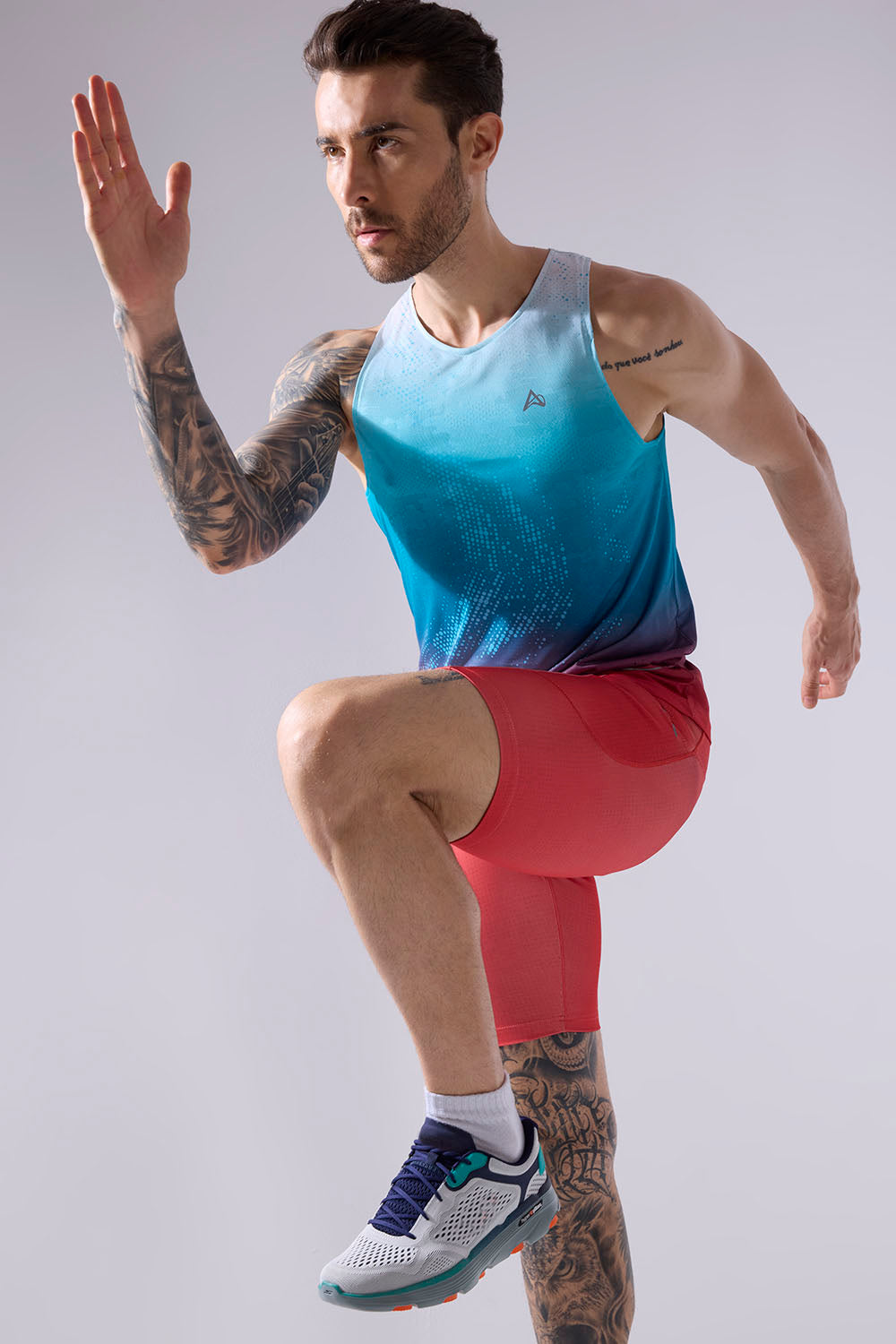
In the oppressive grip of a Delhi summer, where the mercury surges beyond 40°C and humidity clings like an unwelcome shadow, a determined runner powers through her final stretch. Perspiration streams down, yet her garment refuses to sag heavily; it deftly draws away the dampness, facilitates rapid evaporation, and sustains her core composure to cross the finish line with vigor. This scenario embodies more than sheer willpower it's the transformative power of moisture-wicking fabrics revolutionizing training regimens across India. In bustling metropolises from Mumbai to Bengaluru, these advanced materials are converting erratic exercise routines into unbreakable routines, particularly in a nation where capricious climates often sabotage even the most resolute athletes.
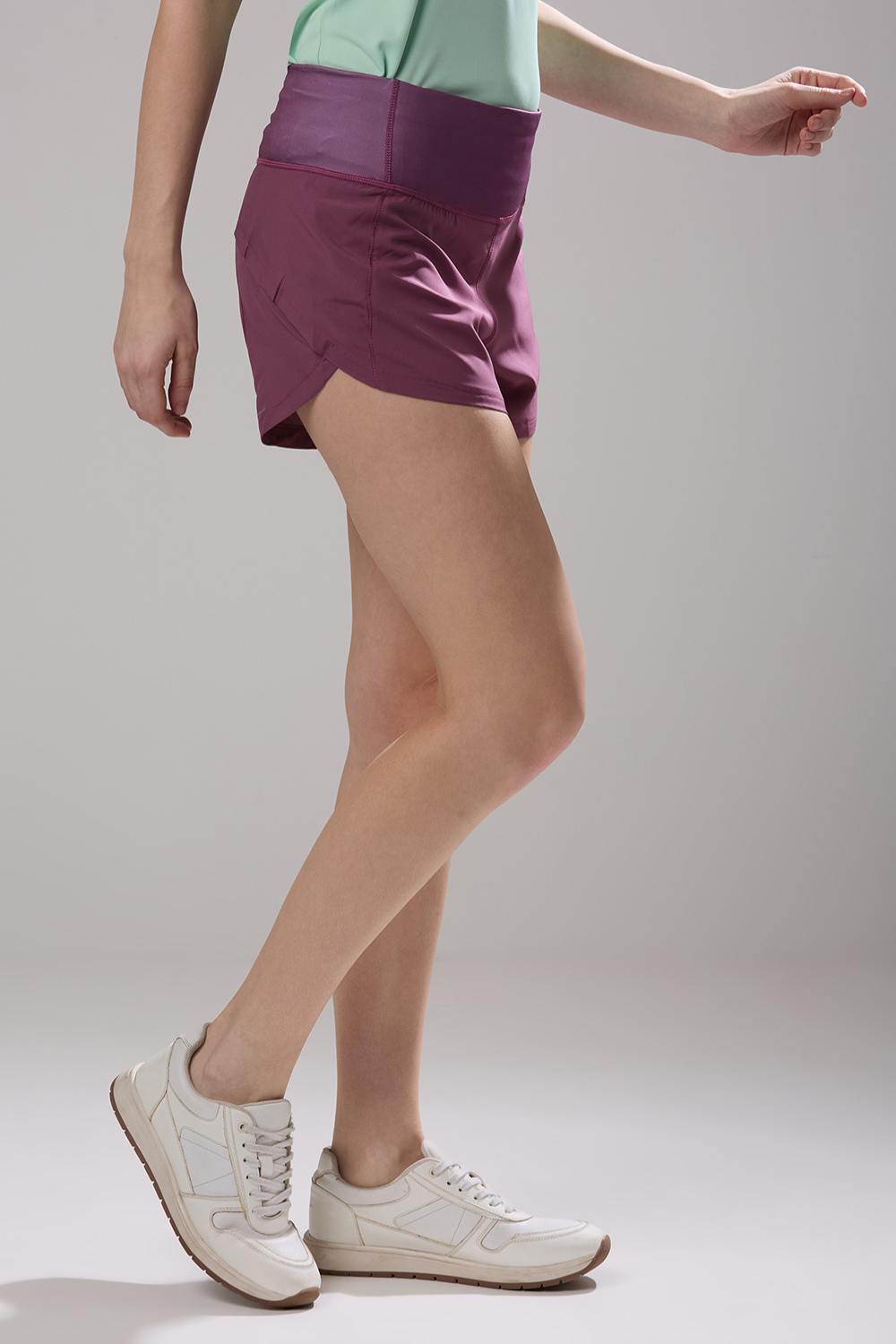
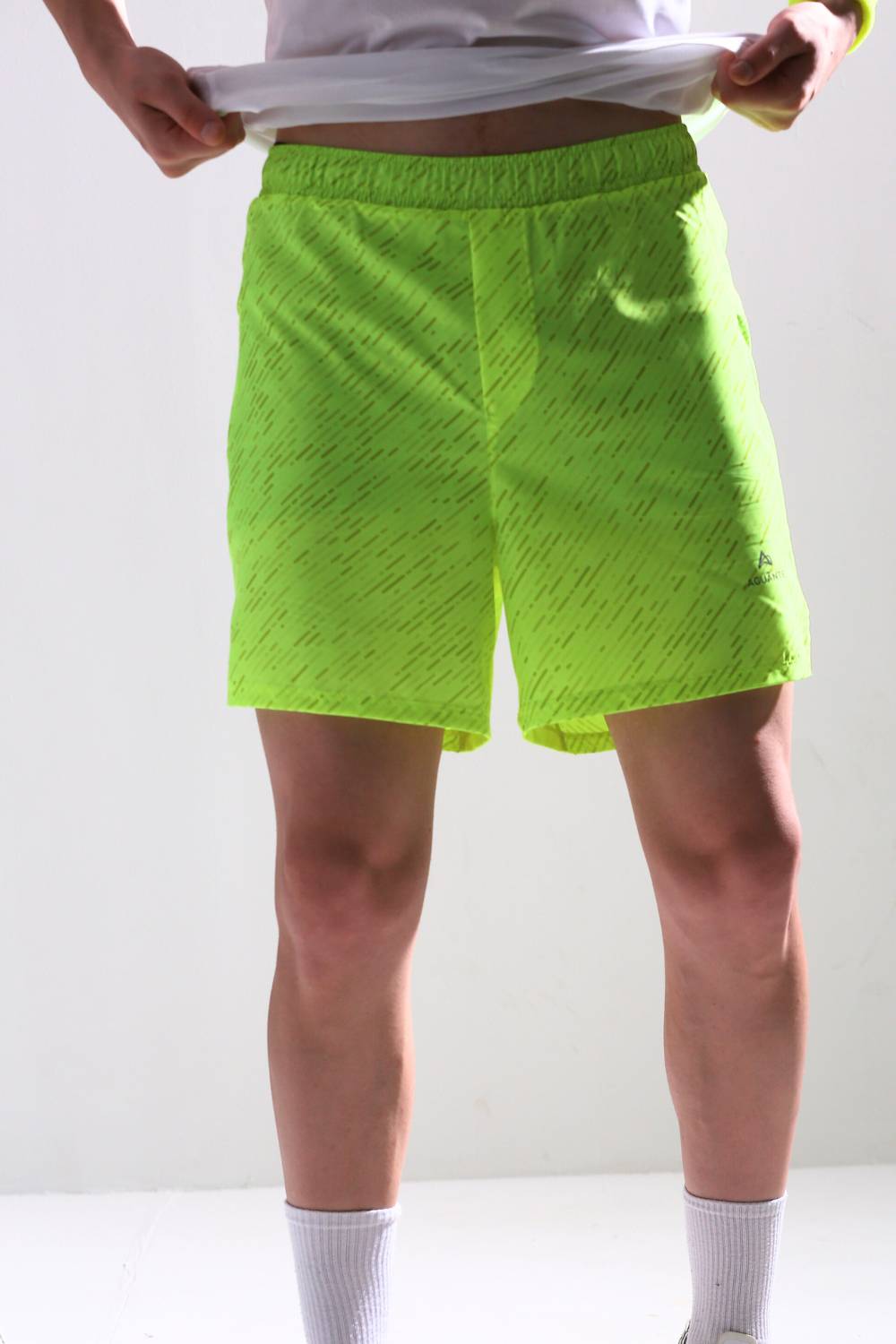
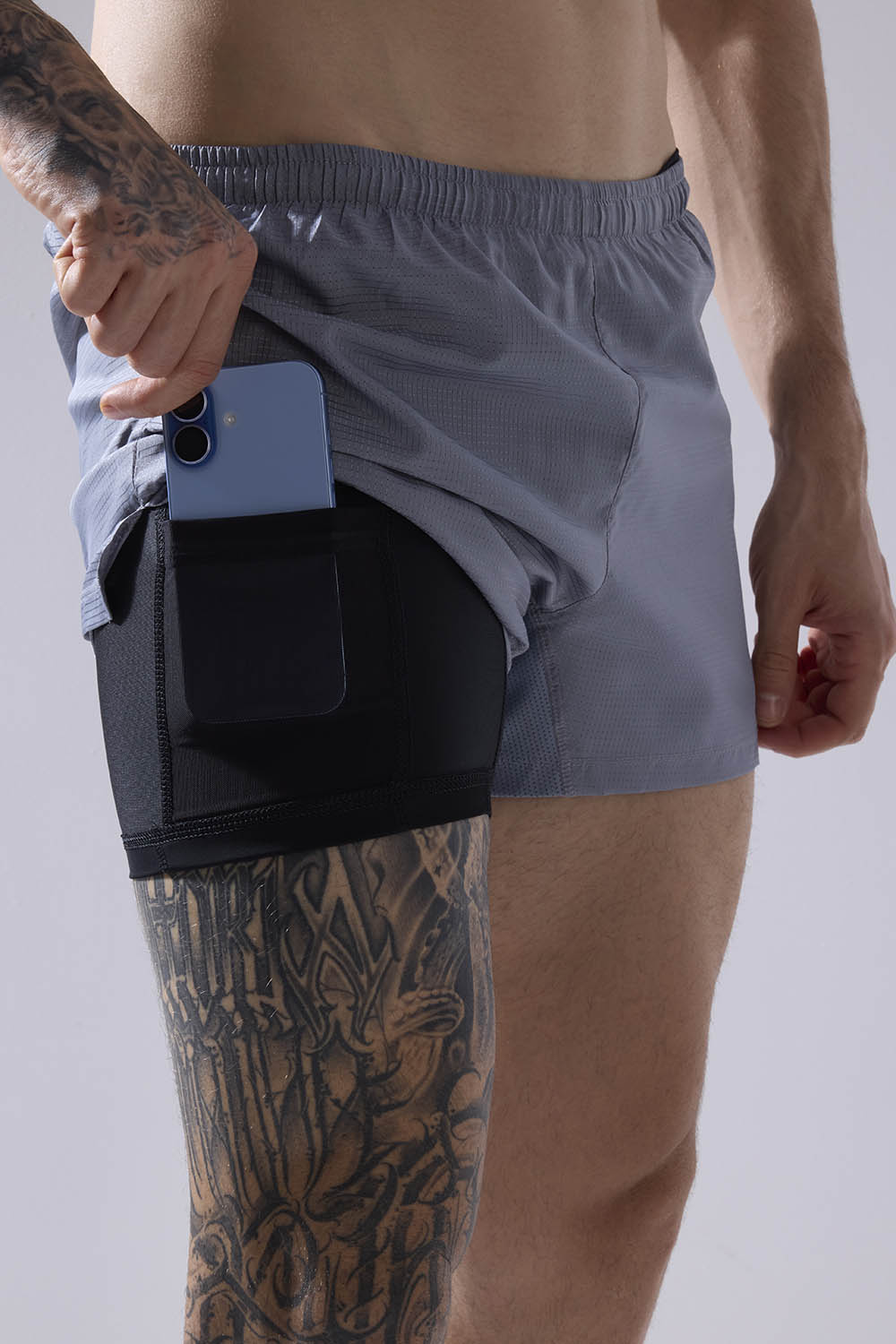
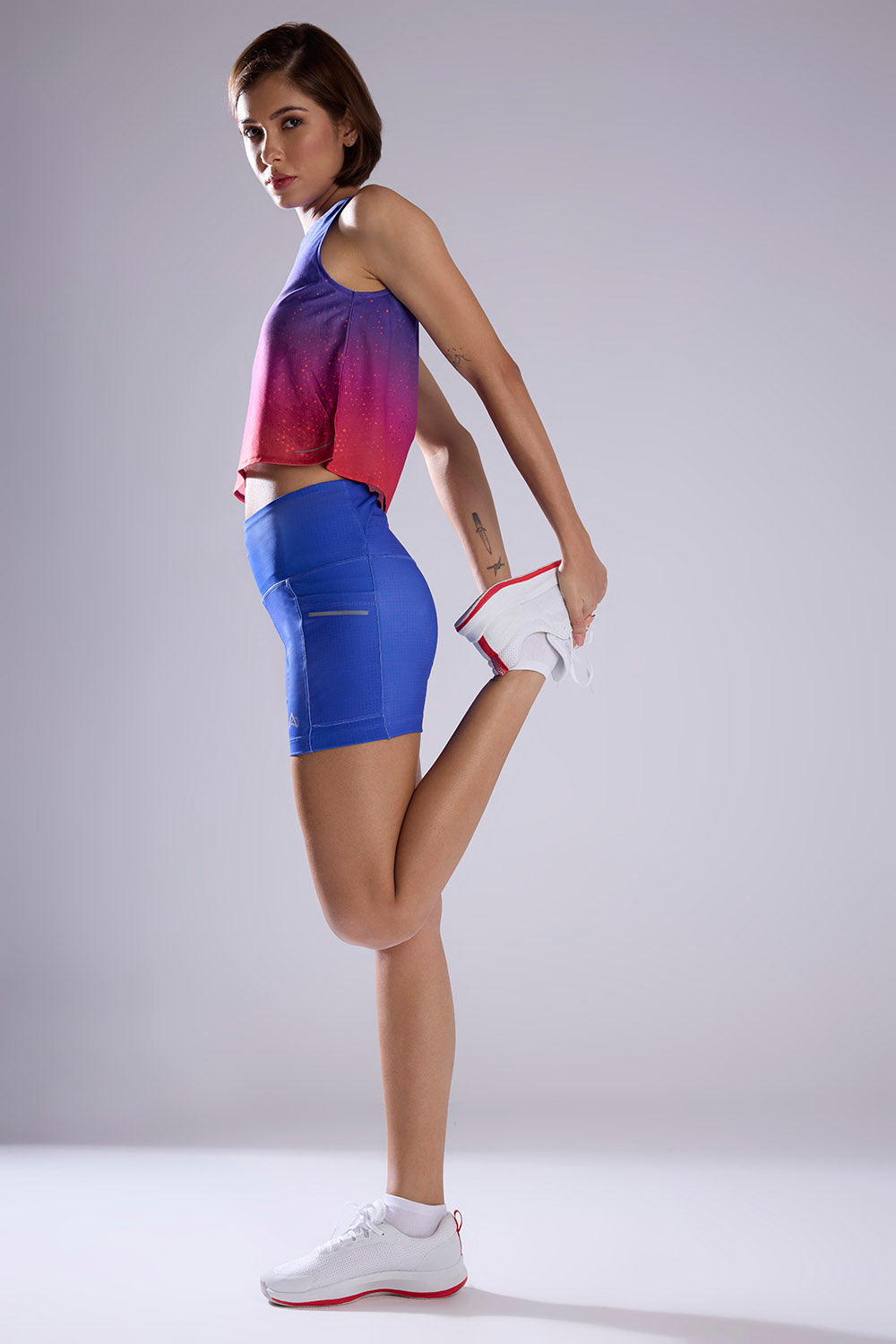
Tired of gear that slows you down? Chafing, soggy fabrics, and missing pockets kill your run's momentum. At Aguante, we're runners who get it. Our high-performance activewear features moisture-wicking fabrics, ergonomic designs, and smart storage to keep you focused. Shop Now!
Moisture-Wicking Gear Helps Indian Athletes Train Consistently Across Hot and Humid Cities
From Bengaluru's misty, high-humidity dawns to Delhi's arid scorching days, cutting-edge moisture-management textiles empower runners, cyclists, and fitness in cities to uphold peak performance throughout the seasons.
Why Sweat Management Defines Training Discipline
Envision Hyderabad's relentless monsoons saturating the atmosphere to 80% humidity, transforming an ordinary run into an exhausting ordeal. Contrast that with Delhi's parched summers, where dehydration strikes swiftly and mercilessly. Amid India's thriving urban fitness landscape, moisture-wicking innovations emerge as the pivotal ally. Beyond merely absorbing sweat, these textiles modulate body heat, minimize irritation from friction, and preserve drive by ensuring comfort amid exertion.
The industry's trajectory underscores this shift. India's city-centric activewear sector expands briskly, anchored in Bengaluru, Mumbai, and Delhi as primary centers. Professionals and casual enthusiasts invest in apparel engineered for India's unpredictable elements. Discipline in training hinges on reliability, and discomfort is its nemesis. Worldwide, sportswear expenditures reached 160 billion dollars in 2020, with India's portion swelling amid youth-driven enthusiasm for activity despite thermal challenges.
Consider the athleisure surge: globally appraised at USD 358.07 billion in 2023, it's forecasted to climb to USD 662.56 billion by 2030, advancing at a CAGR of 9.3% from 2024 onward. Enthusiasm among youth for sports and and outdoor pursuits propels this, with North America holding 40.81% revenue in 2023, and the U.S. at 89.3%. Shirts and t-shirts dominate with 38.51% share, while mass categories claim 66.12%. In India, moisture-wicking forms the backbone, enabling wearers to endure without the burden of saturated attire, fostering sustained sessions.
These fabrics regulate temperature during activities, keeping users dry and at ease. The global moisture-wicking fabrics market has expanded robustly, poised to reach $3.86 billion by 2029 at a 6.4% CAGR. This growth stems from rising outdoor recreation, where people seek stress relief, fitness, mental wellness, and nature connection benefits amplified by gear that manages perspiration effectively.
Emerging Trends in Moisture-Wicking Apparel Across Indian Cities
Bengaluru and Hyderabad lead as innovation hubs, with D2C labels introducing polyester-spandex mixes featuring microchannel fibers that transport sweat efficiently, akin to intricate conduits. Far from ordinary shirts, these are crafted for the damp mornings typical of southern India. Visit neighborhood outlets, and eco-conscious variants stand out, balancing wicking with breathability to stabilize skin temperatures.
Mumbai and Pune witness escalating gym enrollments and marathon engagements, fueling need for rapid-drying leggings and tops. The shoreline's mugginess requires resilient materials, and suppliers respond adeptly. In the Delhi NCR region including Gurugram and Noida company health schemes propel high-end activewear into workplace fitness centers and spin classes. Workers transition from formal wear to polos that handle moisture, merging professional and physical spheres fluidly.
Analysts from IMARC and Technopak forecast India's activewear CAGR near 12% to 2030, with strongest uptake in Bengaluru and Mumbai. Brands like Aguante prioritize region-tailored sweat control as a competitive advantage. Cooling fabrics align here, with charts indicating consistent Y-o-Y value growth from 2018 to 2033, incremental opportunities in thousands from 2023, and projections by material attractiveness and textile shares.
Moisture-wicking fabrics market forecasts by fiber type and distribution channels span US$ Bn and million square meters from 2020 to 2034, signaling robust expansion. As urban India intensifies its sweat equity, intelligent textiles address the nuances.
Real-World Applications and Regional Case Studies
Bengaluru's running groups rely on mesh tanks with wicking properties for steamy summer outings. Participants note extended distances covered sans typical energy dips, as materials expedite sweat dispersal quicker than gathering clouds.
In Mumbai, triathletes along marine drives opt for recycled polyester suits enduring brine and sprays. The 2024 IDFC urban sports poll confirms rising involvement, pinpointing comfort as central. Reduced abrasions and annoyances translate to prolonged training phases swimming, cycling, running uninterrupted.
Gurugram's office-based joggers wear logoed tees that dispel rainy-season wetness, slashing skipped workouts. Sellers recount repeat buys, with patrons highlighting how dryness encourages regularity. Coaches observe marked declines in intra-workout weariness, boosting commitment as apparel shoulders the burden. These anecdotes mirror broader shifts, where outdoor activities surge for health gains, underpinned by fabrics that keep wearers engaged longer.
The Science: How Moisture-Wicking Fibers Work
Fundamentally, dual layers operate in tandem: inner hydrophobic surfaces push moisture outward, while outer hydrophilic ones diffuse it for swift vaporization. Capillary forces in nylon, spandex, and micro-polyester composites propel the process, akin to a streamlined assembly line.
Domestic advancements shine through entities like NIFT Delhi and BTRA Mumbai, refining yarn architectures and incorporating bacteria-resistant layers suited to Indian contexts. Studies affirm that holding skin heat between 32–35°C optimizes output; wicking materials excel in equatorial simulations.
A key study from Stanford researchers introduces the integrated cooling (i-Cool) textile idea, merging heat conduction and sweat conveyance for superior perspiration control. Submitted in September 2020, it addresses conventional fabric's shortcomings in heavy sweating poor evaporation, weak cooling, leading to dehydration and electrolyte issues. Authors from Stanford's materials, electrical, and mechanical departments, plus UC Berkeley and labs, detail a functional design enhancing human thermoregulation. This framework influences local creations, turning theory into practical shields against India's heat, averting fluid loss and imbalances to extend athletic windows.
Key Challenges and Limitations in Indian Conditions
Rigorous laundering in mineral-rich water accelerates synthetic degradation, curtailing durability. Beyond major cities like Ahmedabad or Surat, knowledge gaps persist consumers default to traditional cotton, overlooking advanced perks.
Environmental concerns loom: predominant oil-sourced fibers conflict with green preferences, though plant-derived or reused options gain ground gradually. Pricing daunts Tier-2 buyers, viewing tech apparel as premium unless produced in national clusters like Surat.
Yet, as moisture-wicking projections via Transparency Market Research outline sizes by fiber and sales modes to 2034, innovation pressures mount for resilient solutions.
Opportunities and Market Impacts
Economical productions from textile bastions like Ahmedabad promise scalability. Emerging apparel ventures allying with tech specialists can customize for areas, fusing wicking with scent control for soggy shores.
International trade opportunities arise India's warm-climate experiments could captivate worldwide audiences. Online platforms like Aguante and HRX inform through drives, aiming at 20-40 demographics on hydration advantages. FactMR data on cooling fabrics growth by material Y-o-Y to 2033, attractiveness indices positions India centrally.
Integrating such tech aligns with global trends, where athleisure's youth surge and recreation benefits drive billions, amplifying India's export and domestic clout.
Consistency as the New Metric of Performance
In essence, these textiles cultivate reliability the ultimate training triumph. They curb chafing-related harms, fortify psychological endurance by alleviating bodily strains. Experts at Bangalore University and IIT Delhi posit that enhanced thermal ease elevates routine adherence by 15–20%.
Looking ahead to 2030, anticipate AI-infused cloths and moisture monitors, elevating intelligence. Labels mastering ease, eco-friendliness, and affordability will spearhead. In dynamic India, moisture-wicking transcends utility it's the vital link sustaining progress, one evaporated drop at a time, empowering a fitter nation amid rising global markets like cooling fabric's steady ascent.
Frequently Asked Questions
How do moisture-wicking fabrics help athletes train more consistently in hot and humid climates?
Moisture-wicking fabrics use a dual-layer system where hydrophobic inner surfaces push sweat outward while hydrophilic outer layers facilitate rapid evaporation, keeping athletes dry and comfortable. By regulating body temperature between 32–35°C and reducing friction-related irritation, these materials help prevent the discomfort that often derails workout routines in India's challenging weather conditions. Studies show that enhanced thermal comfort can improve training adherence by 15–20%, making it easier for athletes to maintain consistent exercise schedules despite extreme heat or humidity.
What is the difference between moisture-wicking fabrics and regular cotton workout clothes?
Unlike traditional cotton that absorbs and retains sweat, moisture-wicking fabrics made from polyester, nylon, or spandex blends actively transport perspiration away from the skin through capillary action in microchannel fibers. This allows sweat to evaporate quickly on the fabric's outer surface, keeping the wearer dry and preventing the heavy, clingy feeling of saturated clothing. In humid conditions like Hyderabad's monsoons (80% humidity) or Delhi's scorching summers, this technology prevents dehydration, reduces chafing, and maintains comfort throughout intense training sessions.
Are moisture-wicking workout clothes worth the investment for casual fitness enthusiasts in India?
Yes, especially for those exercising in India's varied climate zones, from Mumbai's coastal humidity to Delhi's dry heat. While moisture-wicking apparel may seem premium compared to cotton, the global moisture-wicking fabrics market reaching $3.86 billion by 2029 reflects growing recognition of its benefits for stress relief, fitness, and mental wellness. These fabrics help prevent workout-ending discomfort, reduce skipped sessions due to weather challenges, and support longer training phases making them valuable for anyone committed to regular exercise, from Bengaluru's early morning joggers to Gurugram's office-based fitness enthusiasts.
Disclaimer: The above helpful resources content contains personal opinions and experiences. The information provided is for general knowledge and does not constitute professional advice.
You may also be interested in: Mentorship Keeps Runners Consistent Across Seasons
Tired of gear that slows you down? Chafing, soggy fabrics, and missing pockets kill your run's momentum. At Aguante, we're runners who get it. Our high-performance activewear features moisture-wicking fabrics, ergonomic designs, and smart storage to keep you focused. Shop Now!
Powered by flareAI.co