
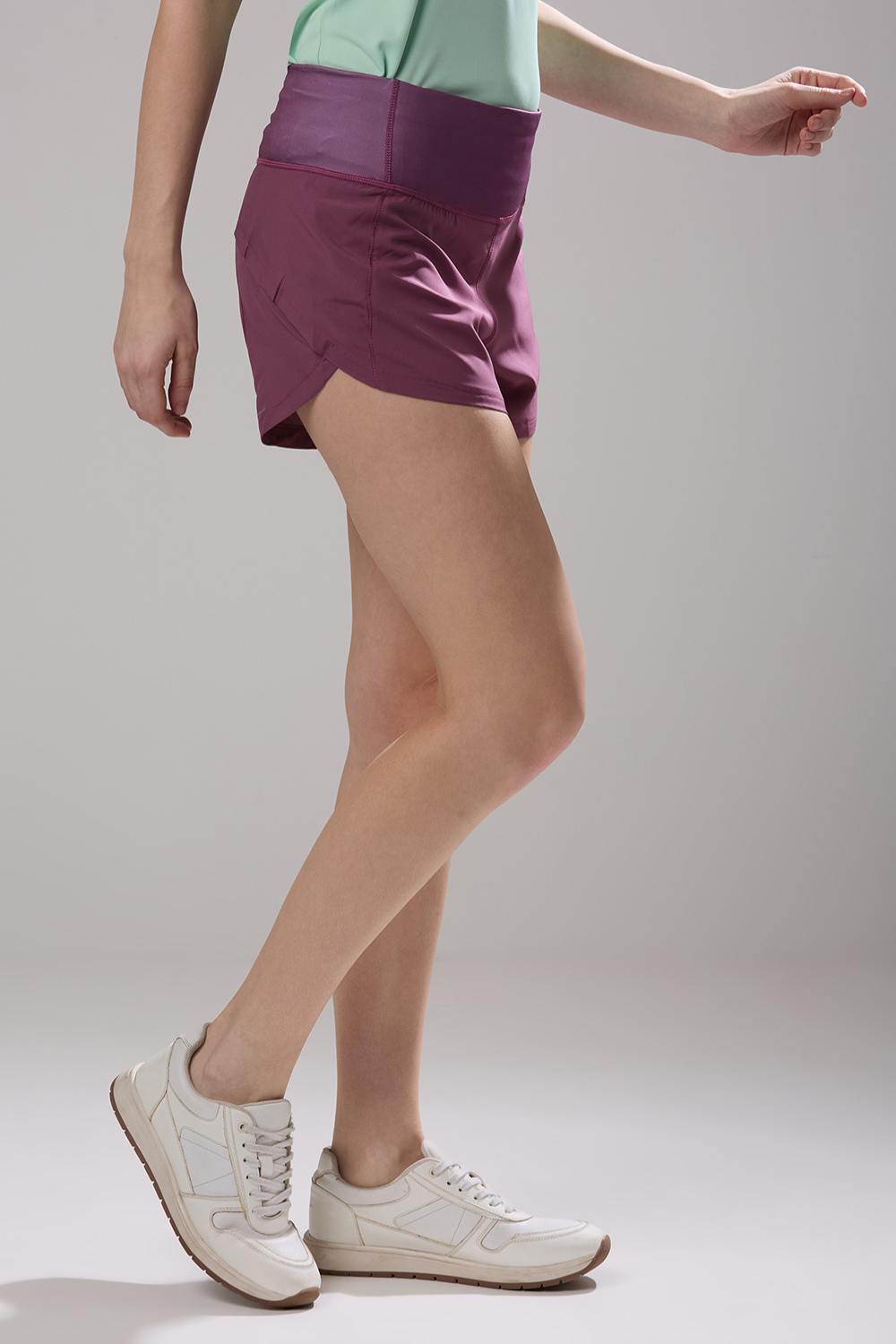
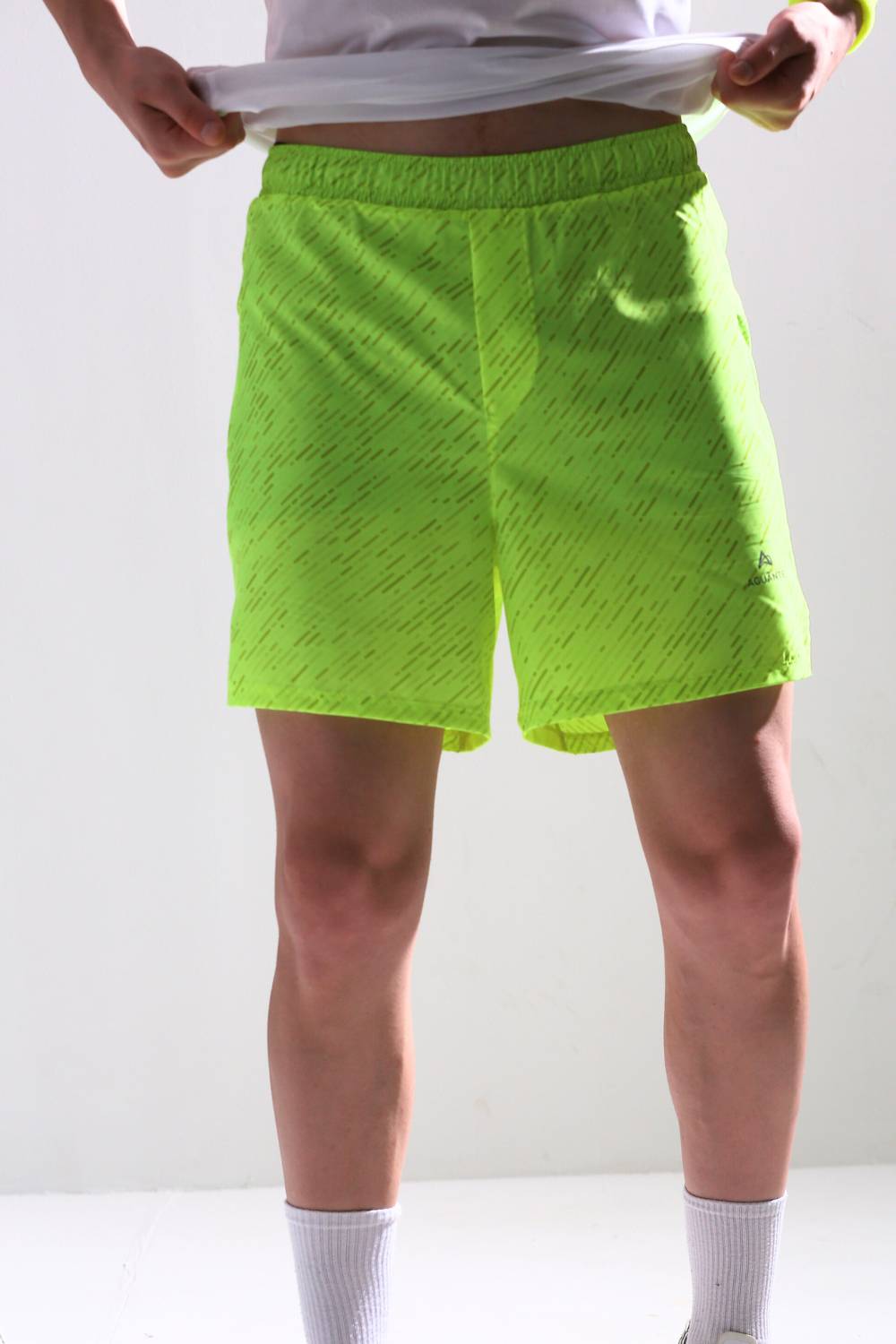
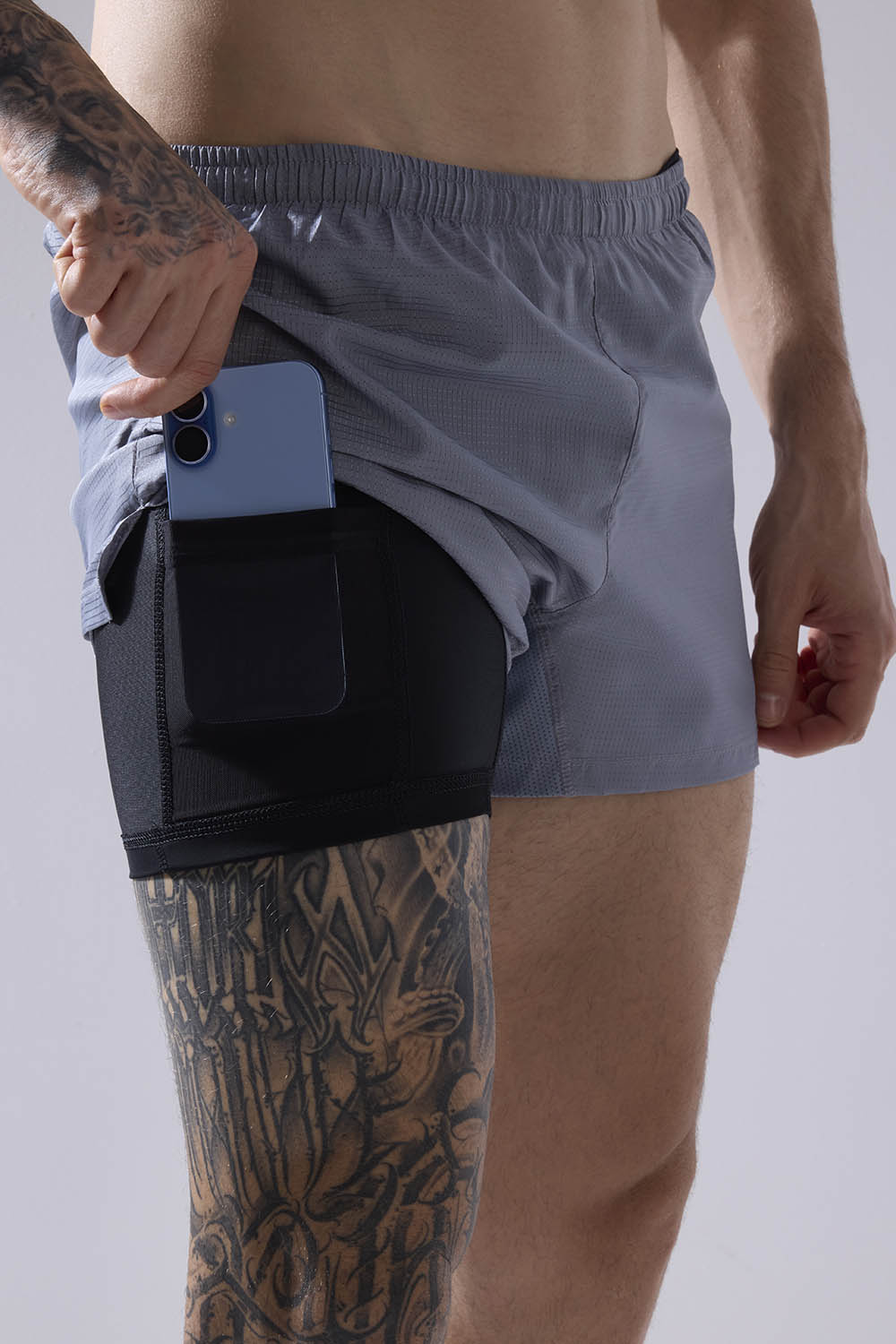

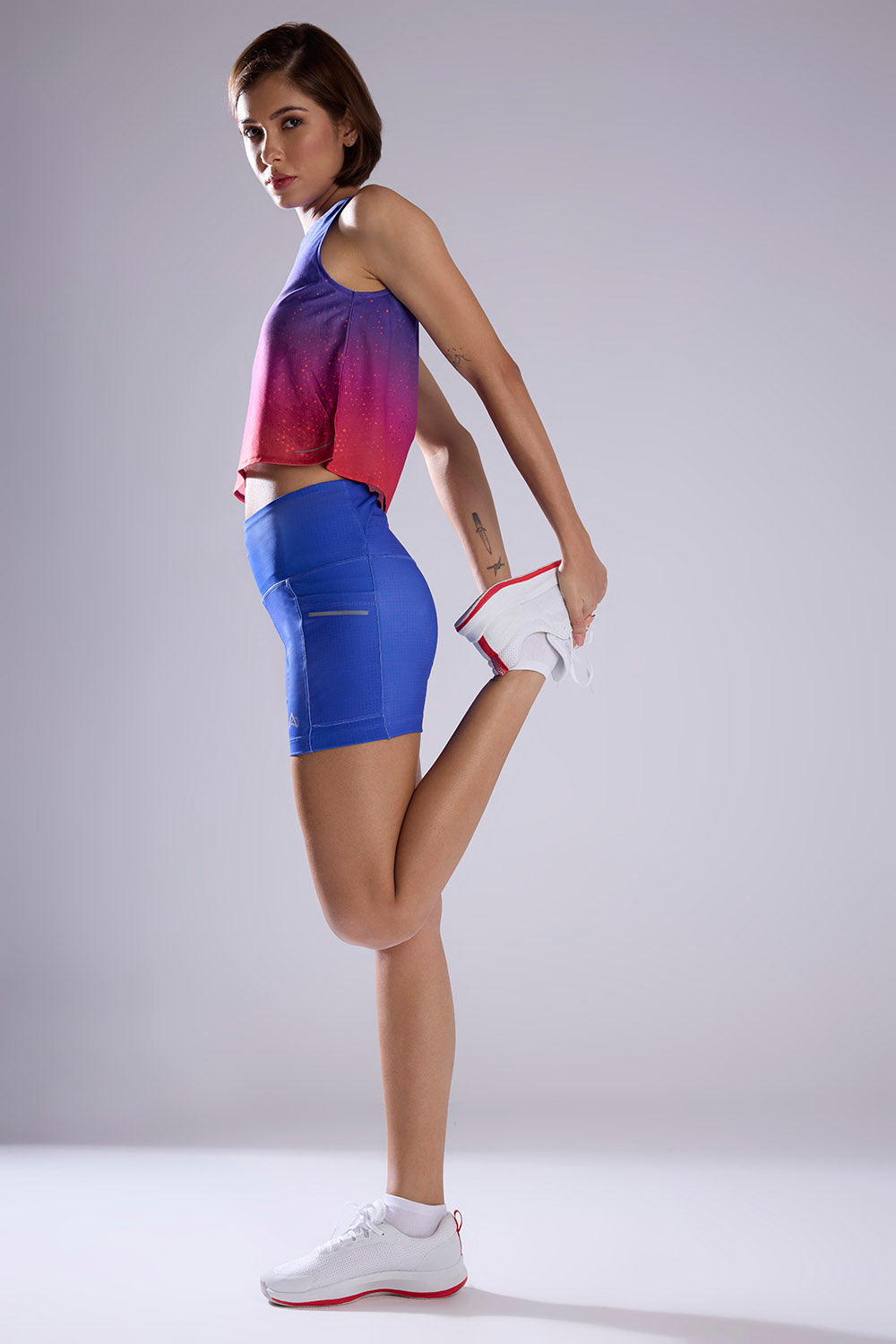


Choosing the right fabric for running and training can significantly affect comfort, especially when workouts involve heat, humidity, and prolonged sweating. Cotton has long been a popular choice because it feels soft, breathable, and familiar. However, moisture-wicking fabrics are designed with a different purpose: helping manage sweat during physical activity. Understanding how these materials behave can help runners and fitness enthusiasts make better decisions when selecting activewear.
The difference between cotton and performance fabrics is not simply about whether one material is natural and the other is synthetic. Fabric construction, breathability, weight, fit, and finishing techniques all influence how clothing feels during movement. For people comparing moisture wicking fabrics vs cotton, the key question is not which material is universally better, but which fabric suits the activity, environment, and intensity level.
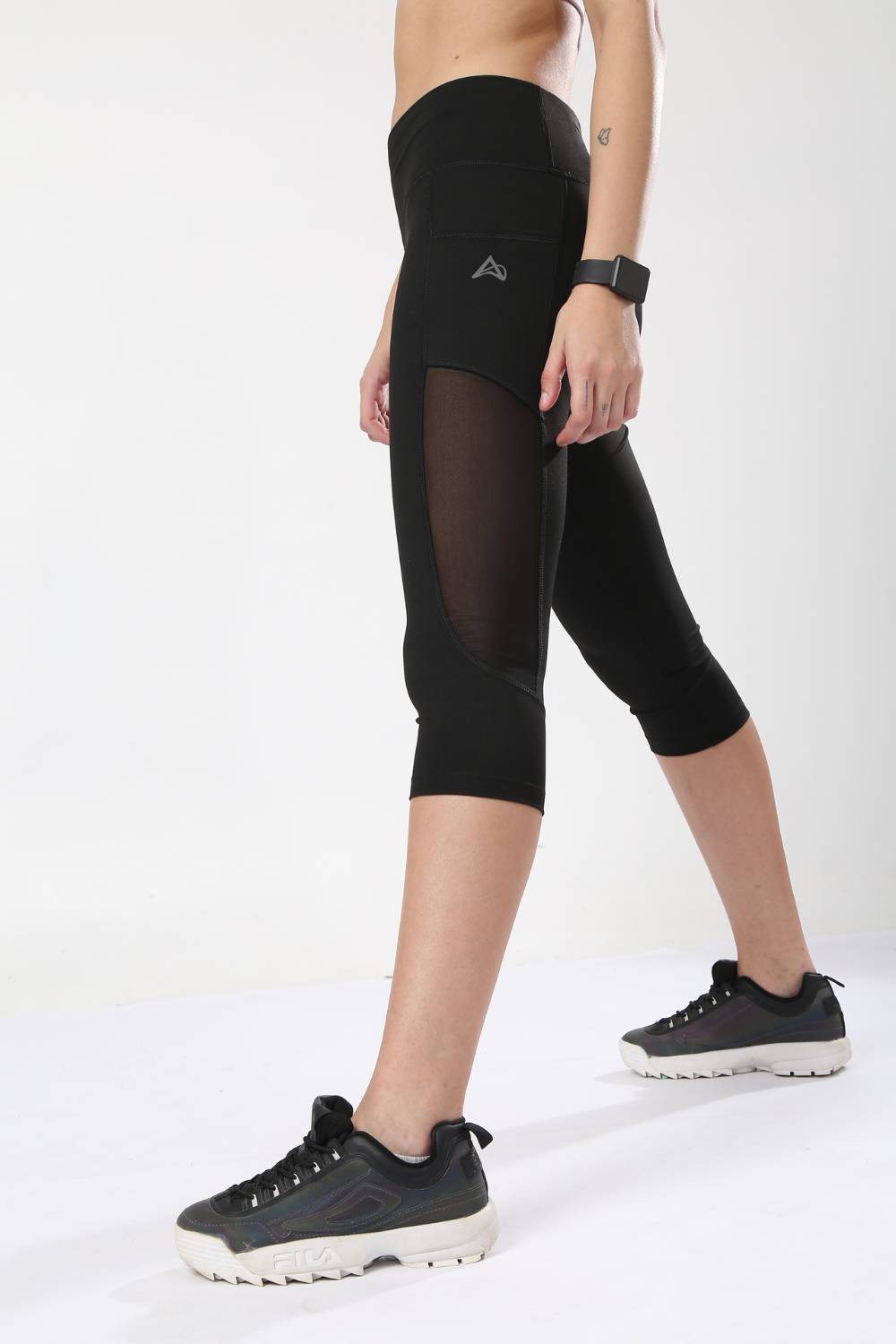
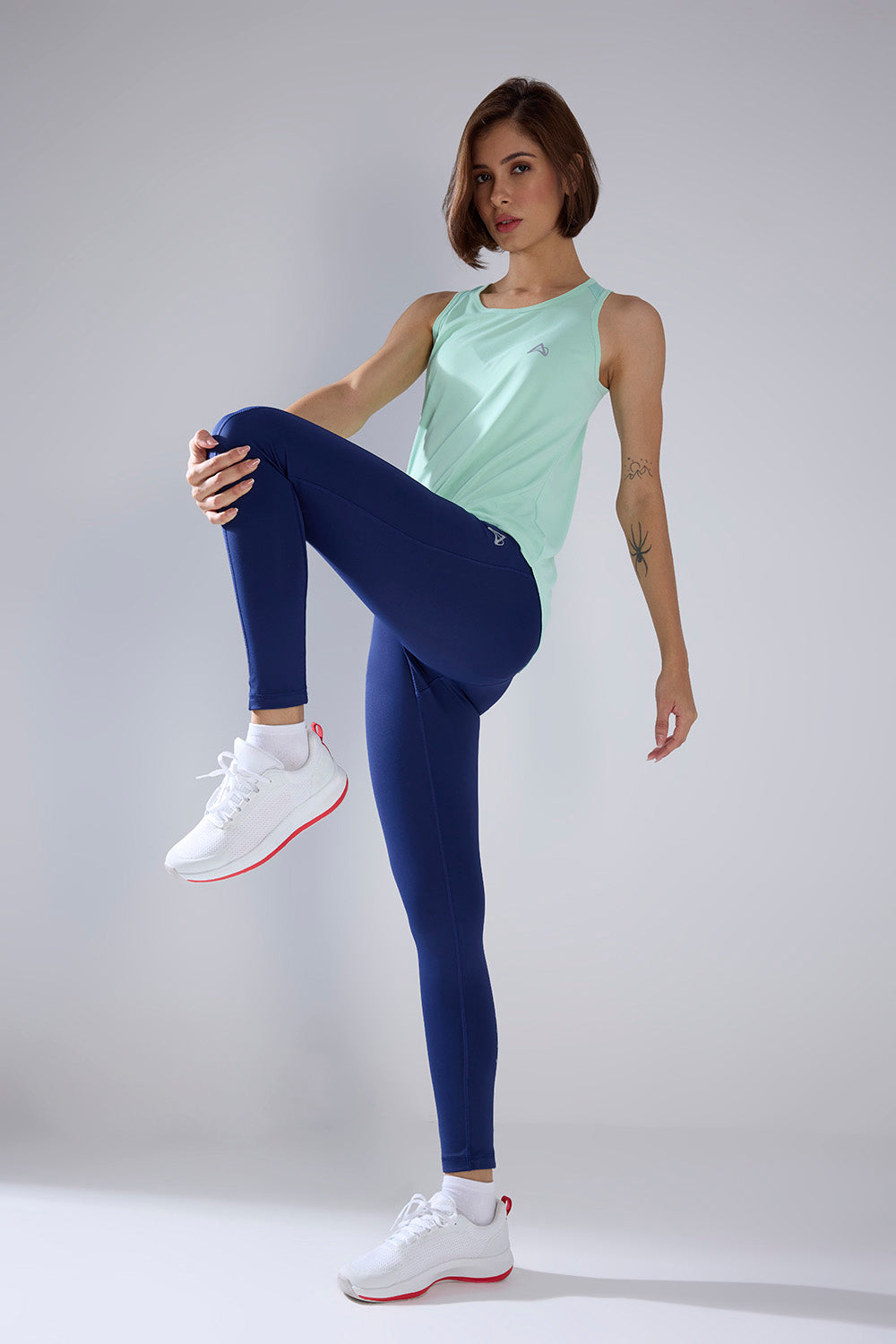
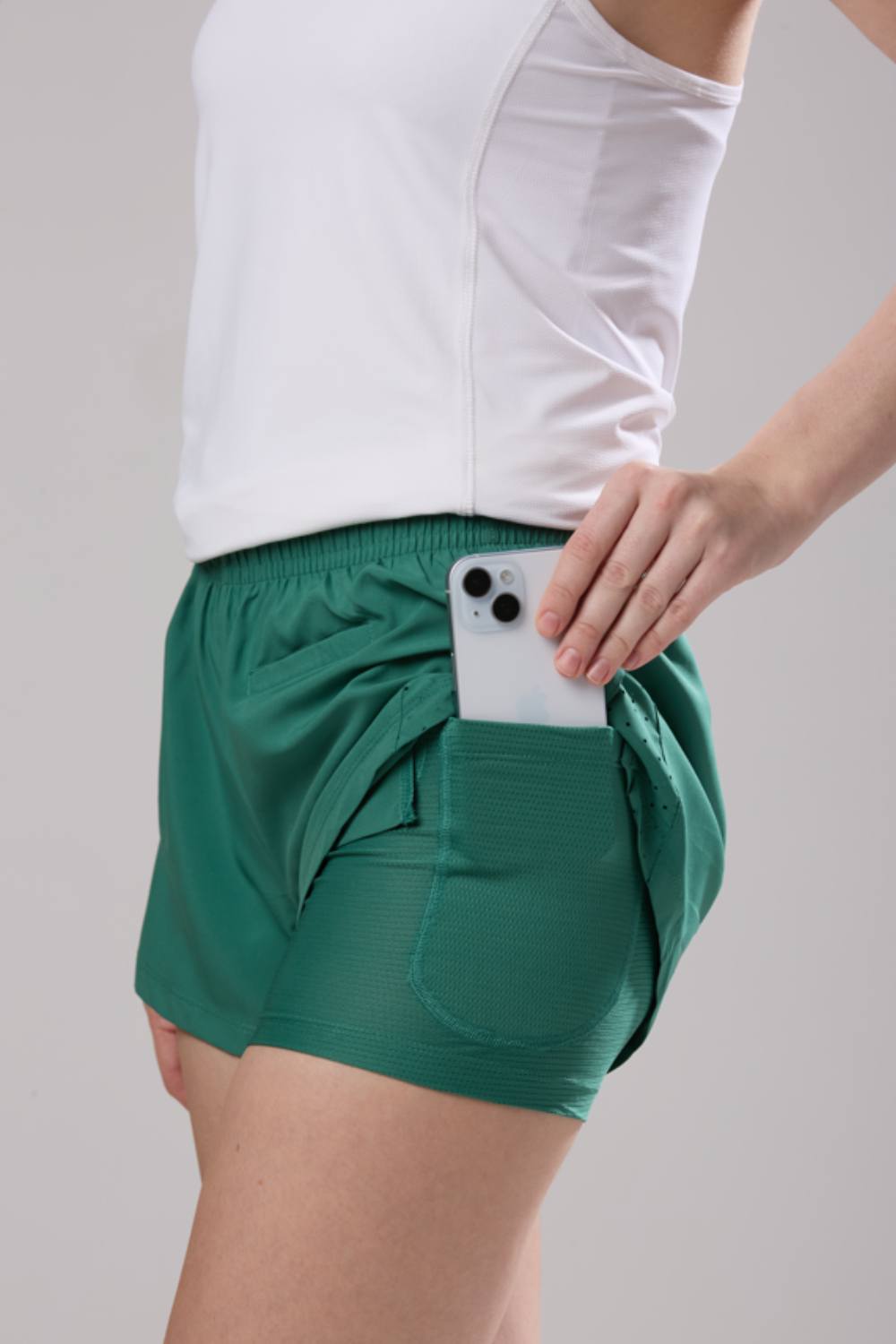
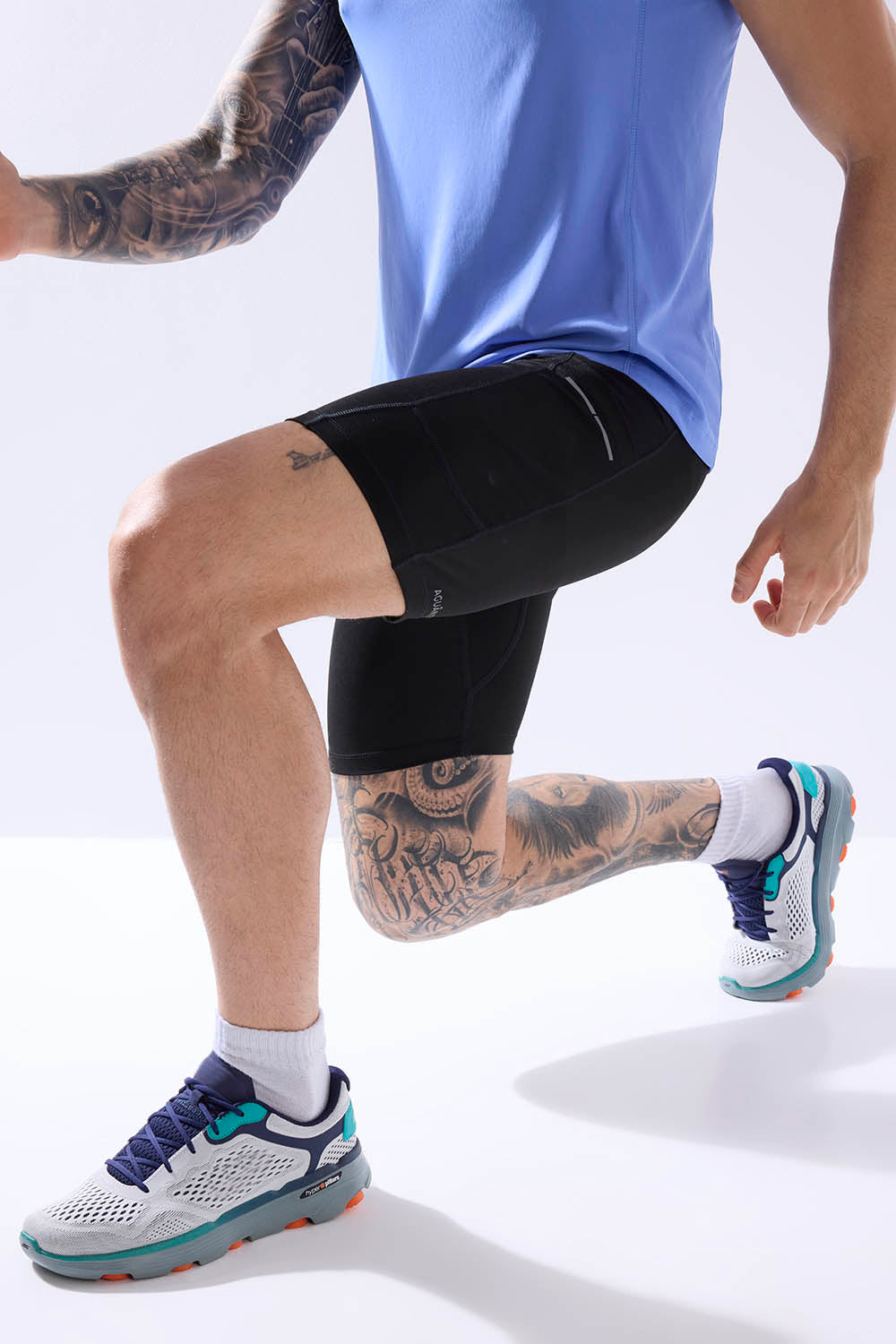
Tired of gear that slows you down? Chafing, soggy fabrics, and missing pockets kill your run's momentum. At Aguante, we're runners who get it. Our high-performance activewear features moisture-wicking fabrics, ergonomic designs, and smart storage to keep you focused. Shop Now!
How Moisture-wicking Fabrics Work During Exercise
Moisture-wicking fabrics are engineered to manage perspiration by moving moisture away from the skin and spreading it across the surface of the fabric. This allows sweat to evaporate more efficiently, helping the wearer feel drier during sustained activity.
The concept is often misunderstood because moisture-wicking does not mean that a garment actively cools the body. Instead, it supports the natural cooling process by helping sweat move and evaporate. The actual cooling effect comes from evaporation, while the fabric's role is to support moisture management.
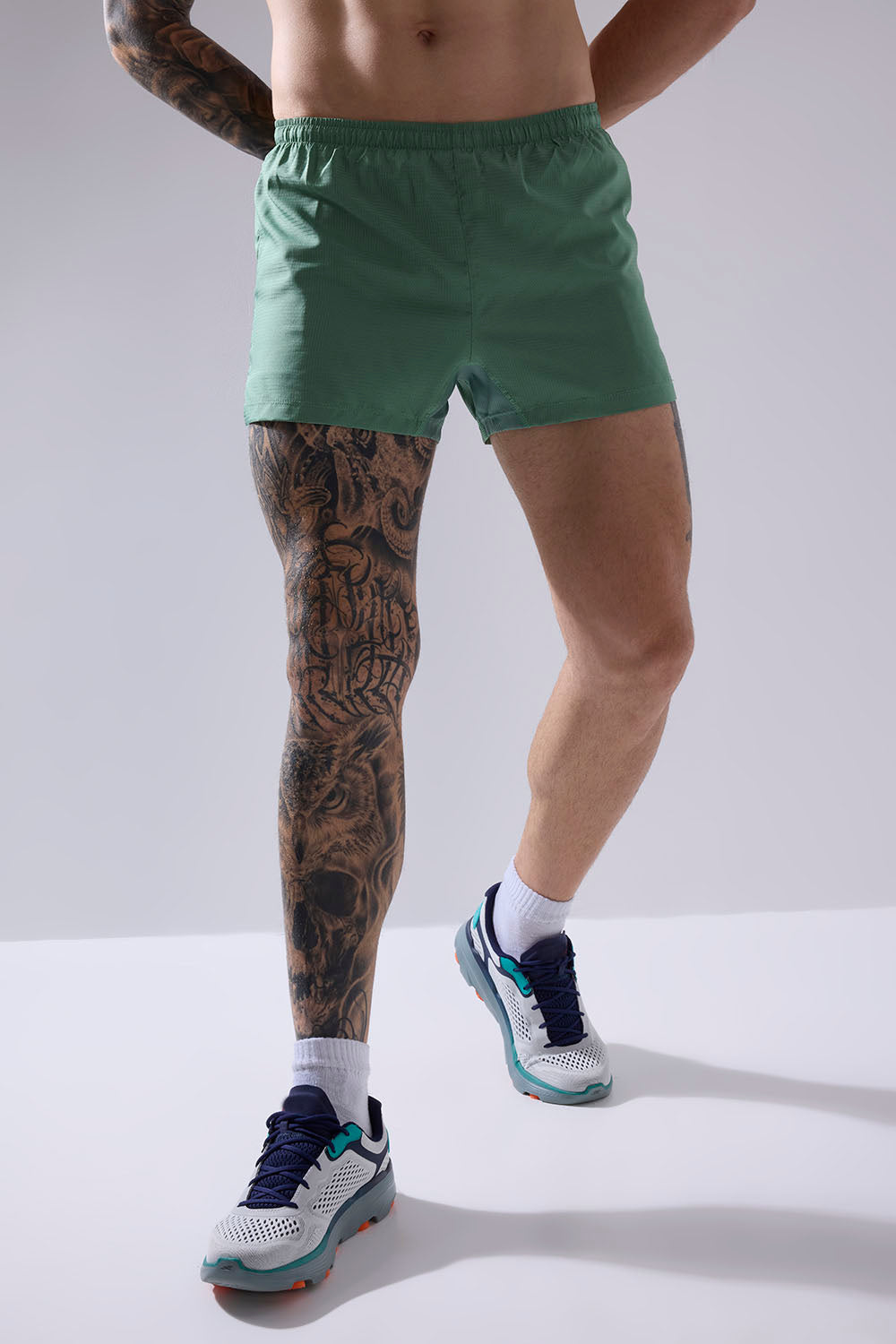
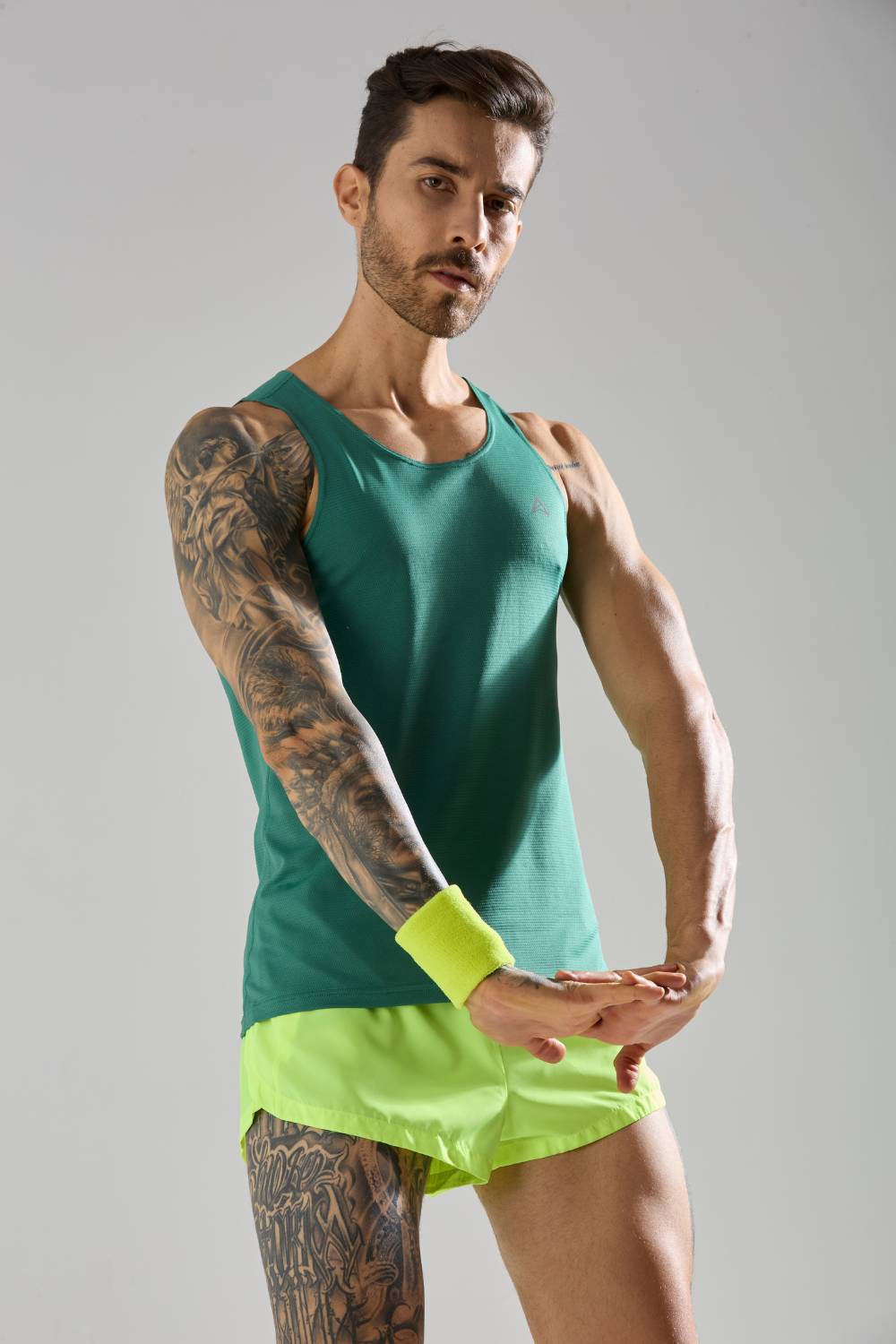
Performance materials such as engineered polyester are commonly used in activewear because their fibres can be designed to transport moisture effectively. However, not every synthetic garment performs in the same way. Fibre design, weave structure, fabric density, and garment construction all contribute to the final experience.
For runners, this distinction matters because a shirt that feels comfortable at the beginning of a workout may behave differently after extended movement and sweating. A well-designed moisture-wicking garment is built around the demands of exercise rather than simply everyday comfort.
Cotton vs Polyester for Workouts: Understanding the Practical Difference
Cotton remains a popular clothing material because it offers a naturally soft feel and good breathability. For casual wear, light activity, or relaxed movement, cotton can provide a comfortable experience.
The challenge appears when exercise creates significant perspiration. Cotton absorbs moisture, which means it can hold sweat within the fabric. Once saturated, cotton garments may become heavier and stay damp against the body for longer periods.
This is why many athletes consider the difference between cotton vs polyester for workouts when choosing training apparel. Polyester-based performance fabrics can be engineered to move moisture across the textile surface, supporting faster drying during activities where sweat levels are higher.
Research into fabric behaviour highlights that cotton and performance fabrics each have different strengths. Fabric performance in heat depends on more than fibre type alone, with factors such as air movement, garment weight, construction, and fit influencing comfort.
The right choice depends on how the clothing will be used. A cotton T-shirt may work well for a casual walk or everyday wear, while a runner completing longer sessions may benefit from clothing designed specifically for moisture management.
Why Moisture Management Matters for Runners
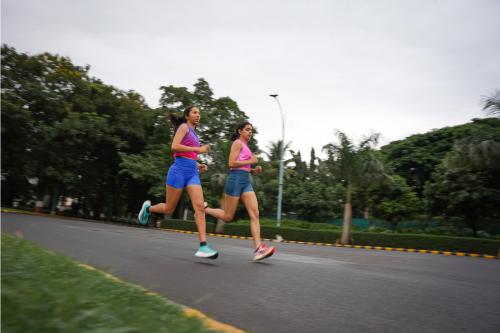
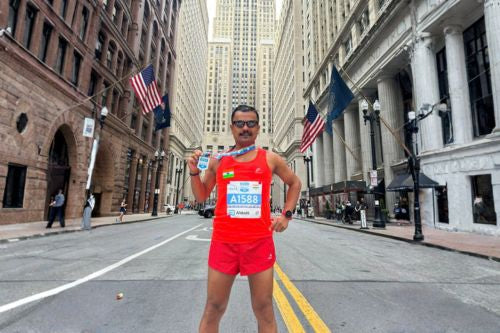
Running creates unique demands on clothing. Unlike low-intensity activities, endurance sessions involve repeated movement, increased body temperature, and continuous sweat production. The fabric next to the skin plays an important role in maintaining comfort throughout the activity.
For runners searching for the best fabric for running clothes, moisture control is often a major consideration. A fabric that helps manage sweat can reduce the discomfort associated with wet clothing, especially during longer training sessions.
- Breathability: How easily air moves through the garment and supports heat release.
- Drying ability: How quickly the fabric returns to a more comfortable state after absorbing moisture.
- Weight: How the garment feels when sweat accumulates during activity.
- Fit: Whether the design supports movement without restricting performance.
These elements show why choosing activewear requires looking beyond the label. A fabric name alone does not define performance. The complete garment design determines how well it supports movement and endurance.
Does Cotton Absorb Sweat Better Than Moisture-wicking Fabric?
One of the most common questions when comparing fabrics is: does cotton absorb sweat? The answer is yes. Cotton is absorbent, which is one reason it feels comfortable in many everyday clothing applications.
However, absorbing sweat and managing sweat are different processes. A fabric that absorbs moisture may remain wet, while a moisture-wicking fabric is designed to transport moisture away from the skin and help it evaporate across the surface.
This difference becomes more noticeable in warm and humid conditions. Outdoor runners and athletes often experience greater discomfort when clothing remains damp for extended periods. Performance fabrics are designed around this challenge by focusing on moisture movement rather than simply moisture absorption.
As textile research explains, clothing performance depends on the relationship between fabric properties and activity conditions. Cotton and synthetic fabrics can perform differently depending on temperature, humidity, activity level, and garment construction.
Choosing Between Breathable Workout Fabrics and Cotton
The choice between cotton and performance materials should be based on the purpose of the clothing. There is no single fabric that works perfectly for every situation.
When Cotton May Be a Suitable Choice
- Relaxed daily wear
- Low-intensity activities
- Short periods of movement
- Situations where softness and comfort are the main priorities
When Moisture-wicking Fabrics Offer Advantages
- Long-distance running
- High-intensity workouts
- Training sessions with heavy sweating
- Activities where staying dry and comfortable is important
For active individuals evaluating breathable workout fabrics, it is useful to consider the complete experience. A lightweight, well-constructed garment with moisture management features can support comfort during demanding sessions, while cotton can remain a practical choice for less intense activities.
What to Look for in Performance Fabric Activewear
Understanding fabric technology can help runners choose clothing that matches their training needs. Instead of focusing only on whether a fabric is natural or synthetic, consider how the garment performs during actual use.
- Moisture management: The ability to move sweat away from the skin.
- Fabric construction: The way fibres are arranged affects airflow and drying behaviour.
- Comfort during movement: Fit and flexibility influence how clothing performs during exercise.
- Activity suitability: Running apparel should match the intensity and duration of workouts.
These considerations are especially relevant for runners building a reliable training wardrobe. The right apparel choice can help reduce distractions caused by discomfort and allow athletes to focus on their movement and performance.
Making a Better Activewear Choice for Your Training Routine
The comparison between moisture-wicking fabrics and cotton is ultimately about matching materials with purpose. Cotton offers softness and familiarity, making it suitable for many everyday situations. Moisture-wicking fabrics are designed for active environments where sweat management and comfort during movement become priorities.
For runners and fitness enthusiasts, understanding the difference between sweat absorbing vs sweat wicking fabric can make it easier to choose clothing that supports their routine. Factors such as workout intensity, climate, duration, and personal comfort preferences all play a role in selecting the right material.
Aguante's focus on performance-oriented running apparel aligns with this approach by helping athletes consider the practical features that influence their training experience. Learning how fabrics work is an important step toward choosing activewear that fits the demands of regular movement, endurance sessions, and everyday fitness goals.
Ultimately, the best fabric choice is the one that matches the activity. Cotton can provide comfort for casual use, while moisture-wicking materials are designed to handle the challenges of sweat-heavy workouts. By understanding how each fabric behaves, runners can make more informed decisions about the clothing they wear on every run.
Frequently Asked Questions
What is the difference between moisture-wicking fabrics and cotton for workouts?
Moisture-wicking fabrics are designed to move sweat away from the skin and help it evaporate, while cotton absorbs moisture and can remain damp during intense activity. For workouts and running, performance fabrics often provide better sweat management and comfort during longer sessions.
Is moisture-wicking fabric better than cotton for running clothes?
Moisture-wicking fabric can be a better choice for running because it helps manage perspiration and keeps clothing feeling lighter during exercise. Cotton may still be suitable for casual wear or low-intensity activities where sweat management is less important.
Does cotton absorb sweat better than moisture-wicking fabrics?
Cotton absorbs sweat, but absorbing moisture does not always mean managing it effectively during exercise. Moisture-wicking fabrics are designed to transport sweat across the fabric surface so it can dry more efficiently, making them useful for activewear and high-sweat workouts.
Disclaimer: The above helpful resources content contains personal opinions and experiences. The information provided is for general knowledge and does not constitute professional advice.
You may also be interested in: What to Wear for the Hyderabad Marathon: Complete Race-day Gear Guide
Tired of gear that slows you down? Chafing, soggy fabrics, and missing pockets kill your run's momentum. At Aguante, we're runners who get it. Our high-performance activewear features moisture-wicking fabrics, ergonomic designs, and smart storage to keep you focused. Shop Now!
Powered by flareAI.co