



Quick Listen:
Long runs reveal the difference between ordinary workout clothing and apparel designed for endurance. A shirt or singlet that feels comfortable during a short training session can become distracting after hours of movement, heat buildup, and accumulated sweat. For runners preparing for longer distances, moisture management is not just about staying dry; it is about maintaining comfort, reducing irritation, and allowing the body to regulate temperature effectively throughout the run.
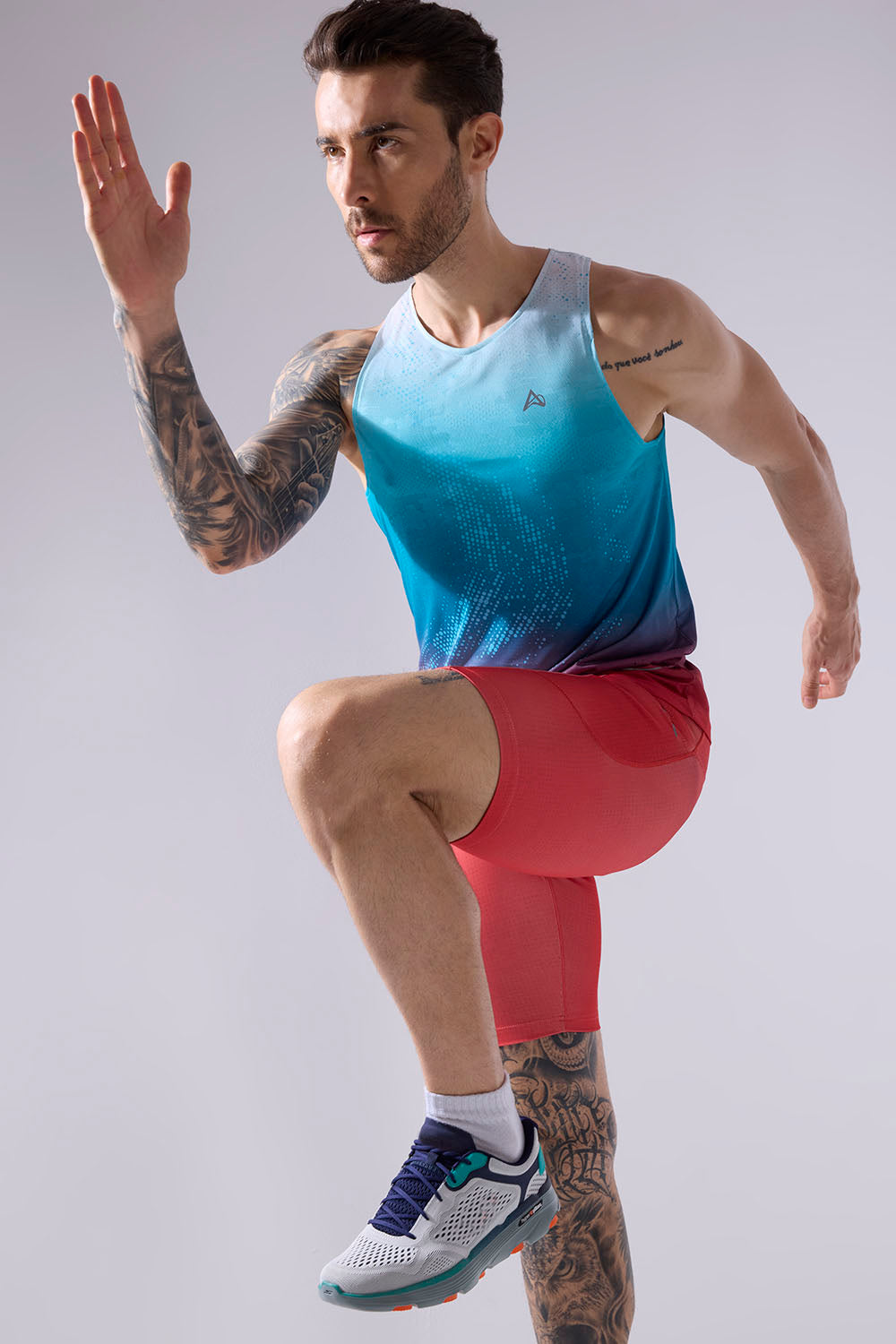
Moisture-wicking running apparel is designed to help move perspiration away from the skin so it can evaporate more efficiently. For endurance athletes, this function becomes increasingly important as distance and duration increase. Understanding how fabric construction, fit, and ventilation work together can help runners choose running clothes for long runs that support consistent performance and comfort.
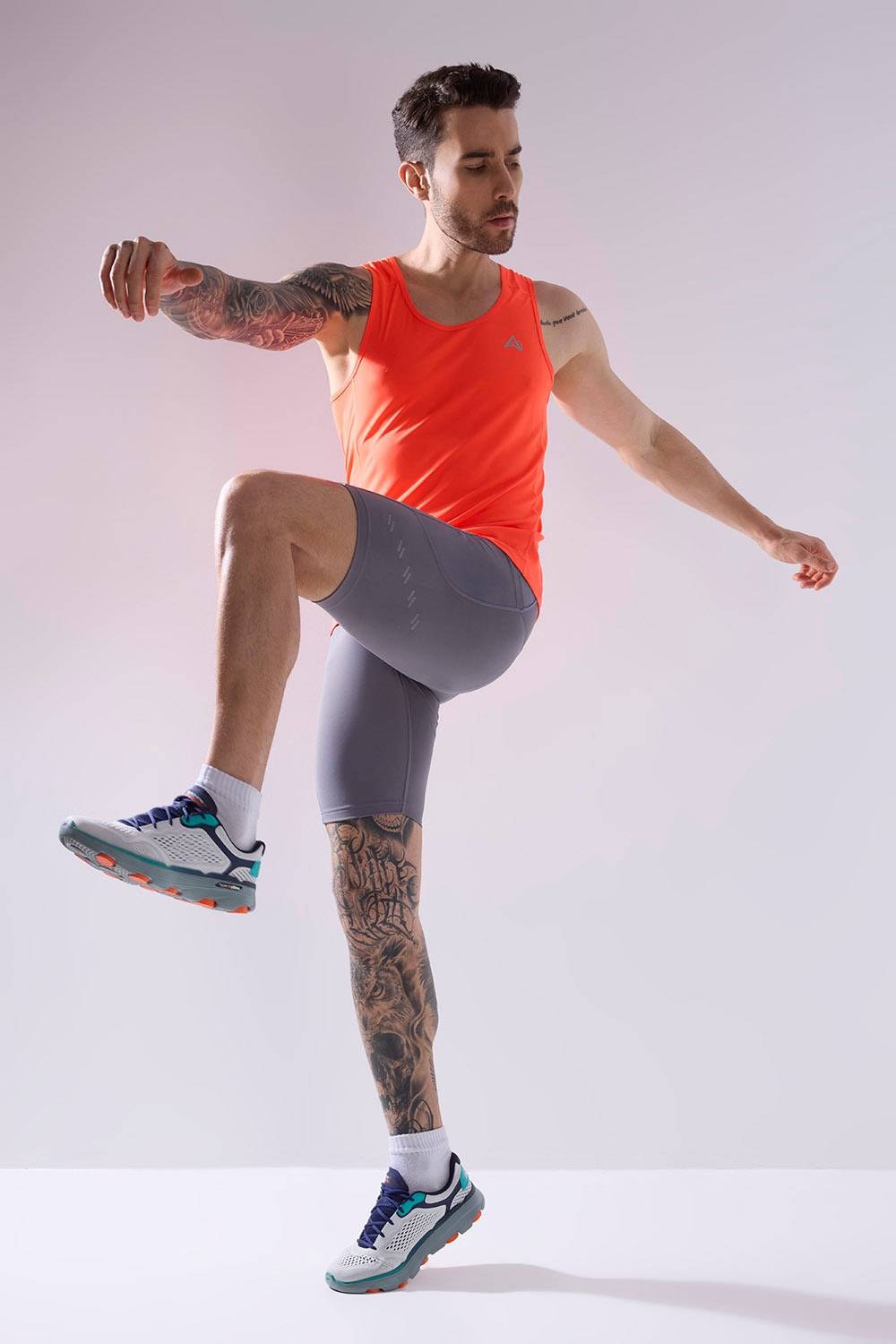
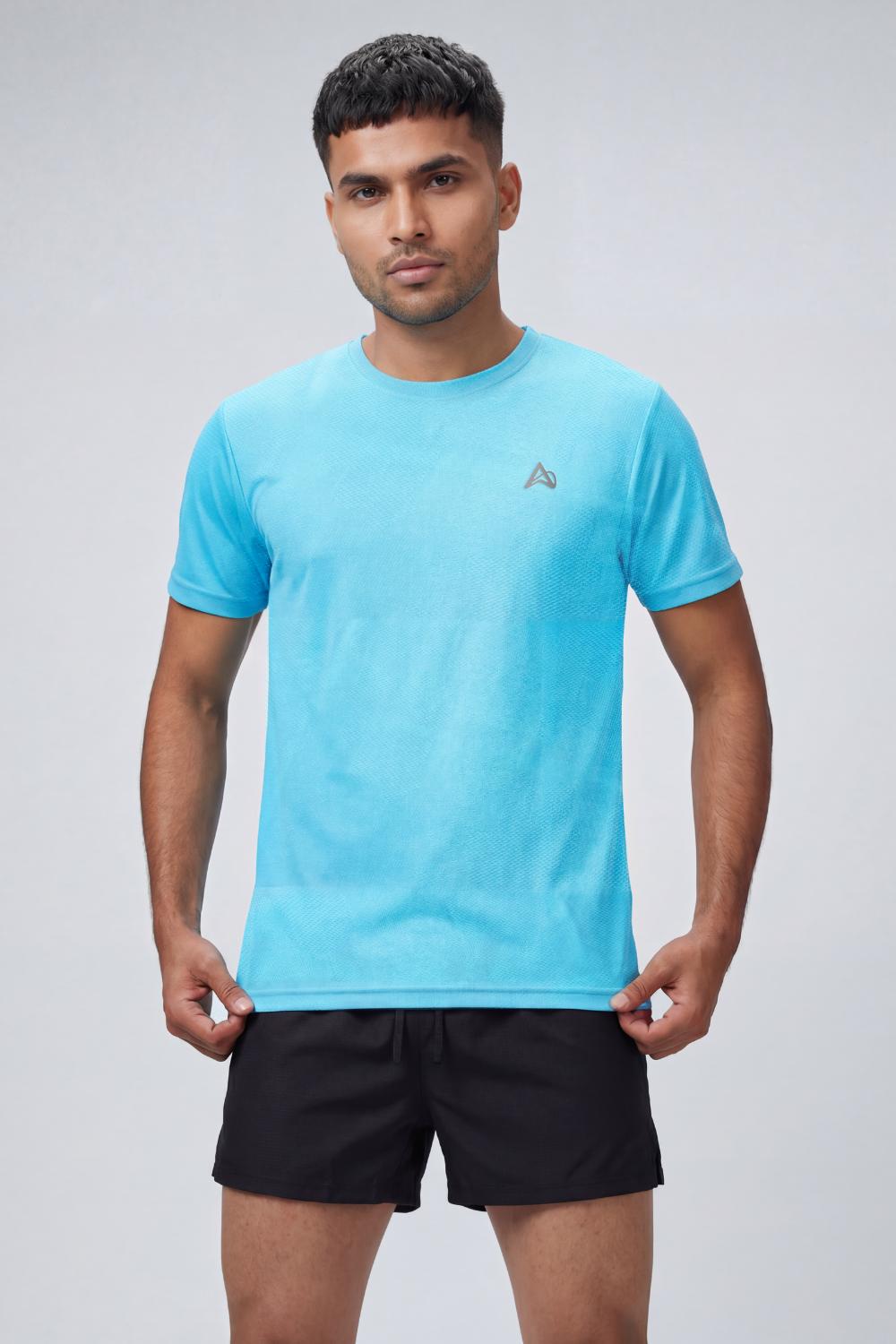
Tired of gear that slows you down? Chafing, soggy fabrics, and missing pockets kill your run's momentum. At Aguante, we're runners who get it. Our high-performance activewear features moisture-wicking fabrics, ergonomic designs, and smart storage to keep you focused. Shop Now!
Why Moisture Management Matters During Long Runs
During shorter workouts, sweat management may seem like a minor comfort factor. Over longer distances, however, small sources of discomfort can become major distractions. Fabric that stays wet against the skin may feel heavy, create friction, and make a runner more aware of their clothing than their training.
The purpose of moisture-wicking fabric for runners is to improve the movement of sweat away from the body. Instead of allowing moisture to remain trapped between the skin and fabric, technical materials are designed to spread perspiration across a wider surface area where it can dry more effectively.
This process supports a more comfortable running experience, especially during extended efforts where the body continues producing heat and sweat for a prolonged period. The benefit is not that sweat disappears, but that the garment helps manage it as part of a broader system of temperature control, airflow, and movement.
How Moisture-wicking Running Apparel Works
Moisture management depends on more than the name of the fabric. The way a garment performs is influenced by factors such as material structure, thickness, weave, finishing treatments, and overall construction.
Synthetic fibres such as polyester are commonly used in performance apparel because they can help transport moisture away from the skin and support faster evaporation. However, fibre choice alone does not determine performance. The design of the fabric and garment plays an equally important role in how effectively moisture and air move through the clothing.
According to analysis of fabric performance in extreme heat, lightweight construction, air permeability, moisture evaporation, garment fit, and material design all influence how runners experience clothing during hot and demanding conditions.
For runners, this means evaluating the complete garment rather than focusing only on a fabric label. A well-designed piece of technical running wear should work with the body by supporting airflow, reducing moisture buildup, and maintaining comfort throughout changing conditions.
The Role of Fabric Fit and Construction in Endurance Comfort
Fit is one of the most overlooked factors when choosing long-distance running clothing. A garment that does not move correctly with the body can reduce the benefits of even high-performance materials.
A closer athletic fit can help keep the fabric positioned effectively against the body, supporting moisture transfer during movement. At the same time, a fit that allows natural movement and airflow can improve comfort during longer sessions. The right balance depends on personal preference, running style, and environmental conditions.
Construction details also influence how apparel performs over distance. Seams, fabric placement, stretch, and ventilation zones can affect whether clothing remains comfortable after hours of repetitive movement.
For marathon trainees and endurance runners, apparel should be treated as part of training preparation rather than an afterthought. Testing clothing during long runs allows runners to understand how a garment behaves when exposed to real conditions, including sweat accumulation, changing temperatures, and extended movement.
Choosing Running Apparel for Sweaty Workouts and Long Distances
Selecting the best running apparel for sweaty workouts requires looking beyond appearance. Runners should consider how clothing performs when the body is working harder and conditions become more challenging.
- Moisture control: Look for fabrics designed to move sweat away from the skin and encourage evaporation.
- Breathability: Garments should allow airflow to help manage heat during sustained activity.
- Comfort over distance: The material should remain comfortable after repeated movement and extended wear.
- Secure fit: Apparel should stay in place without restricting natural running motion.
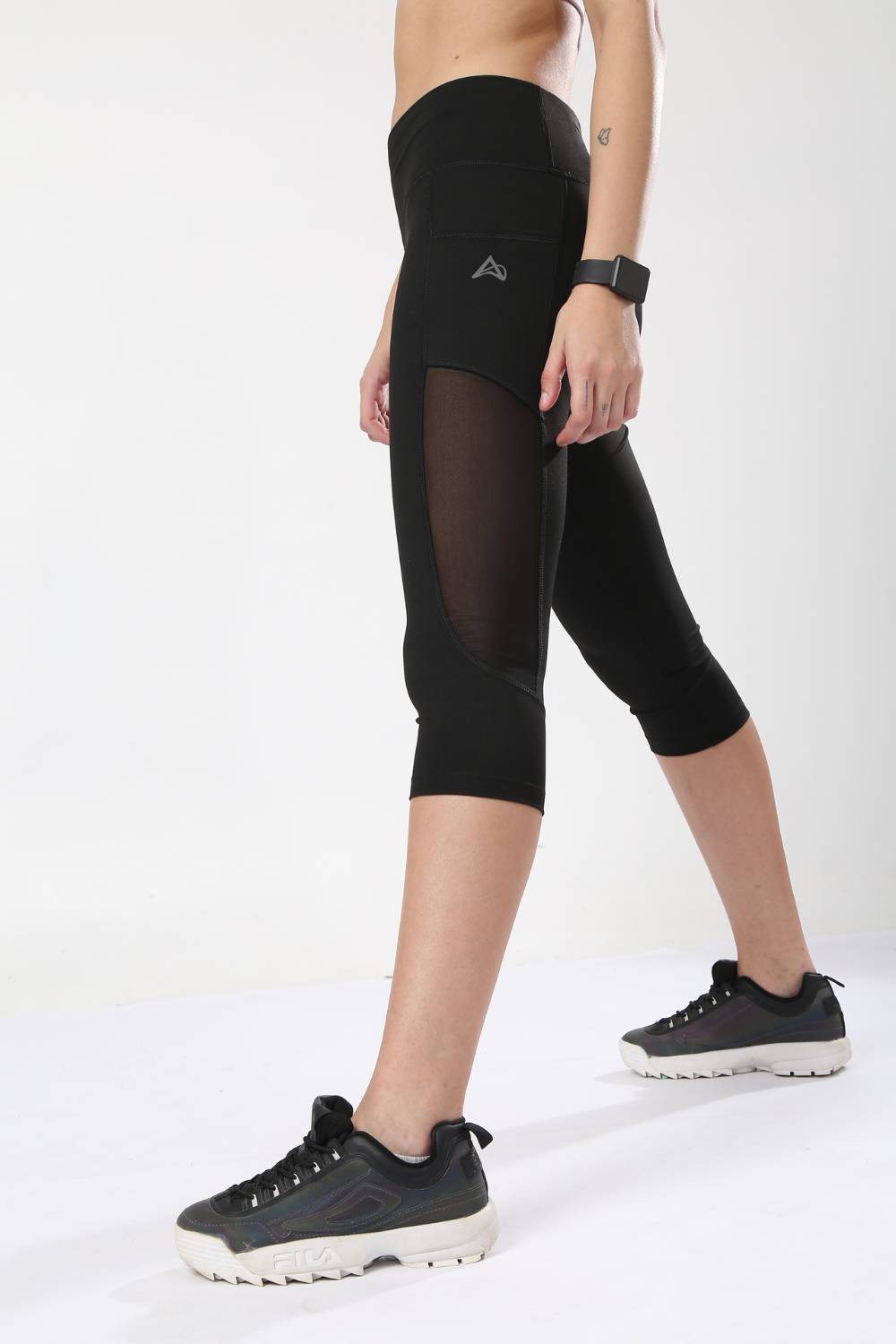
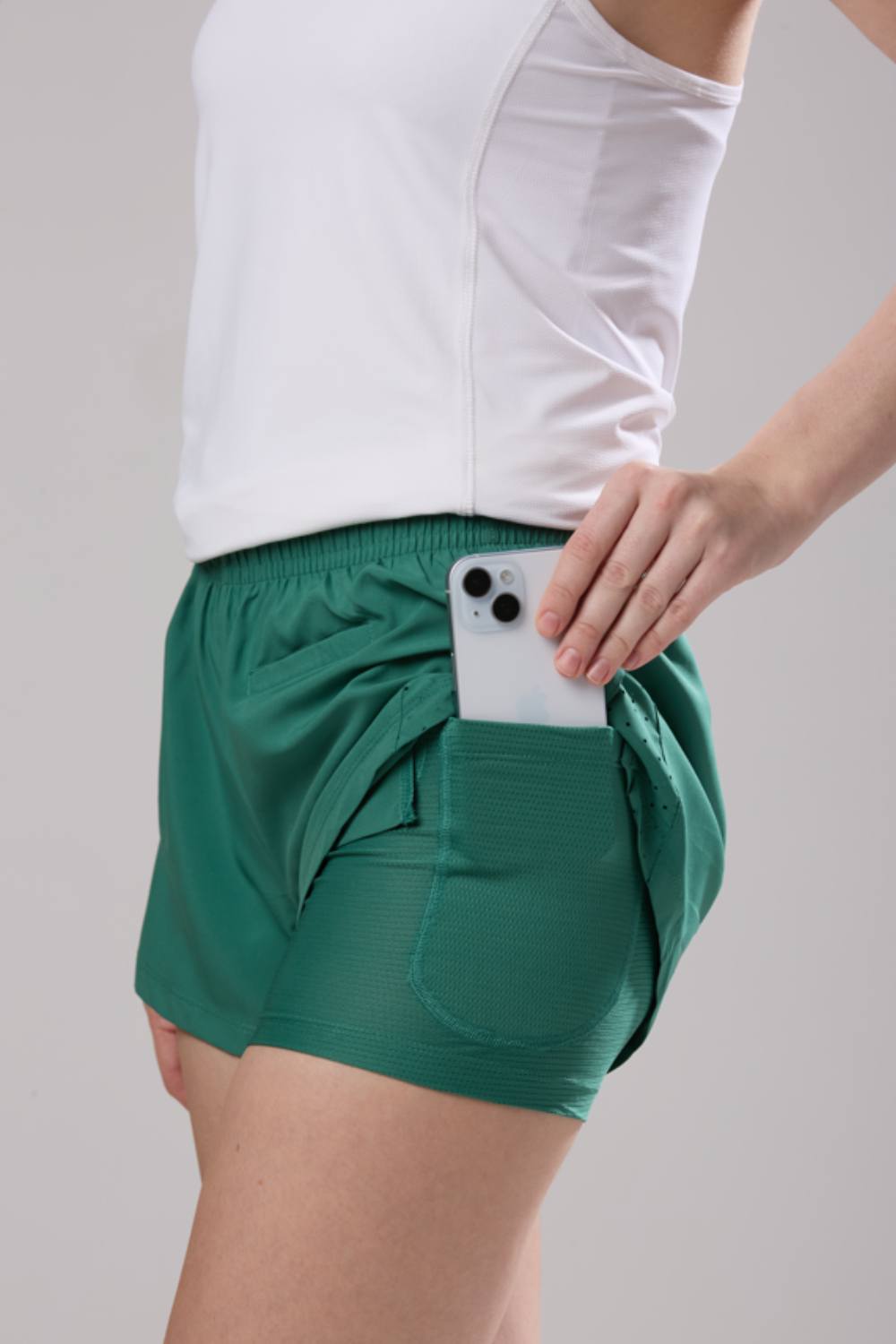
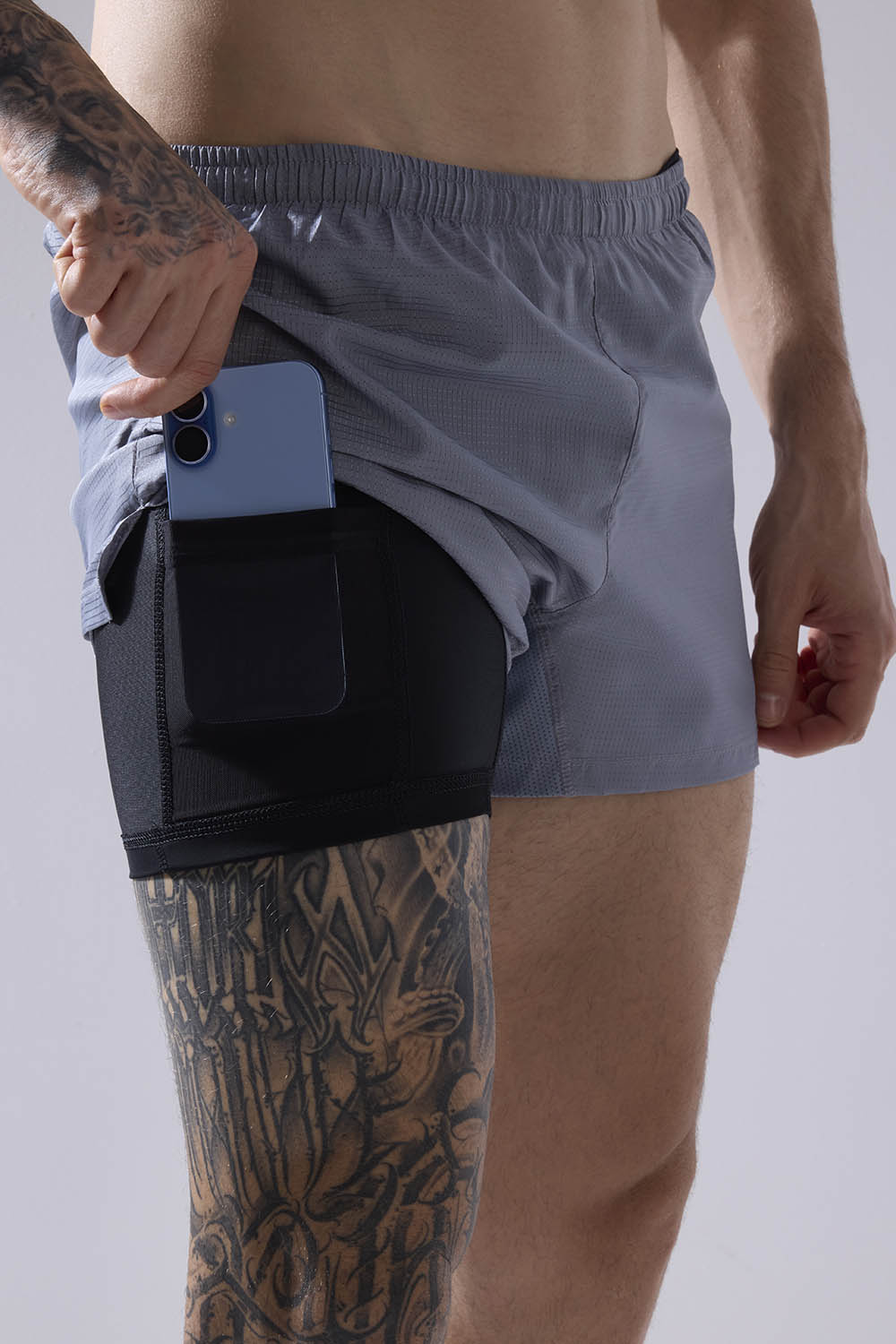
- Practical design: Features such as storage options, reflective elements, and ergonomic construction can improve the overall running experience.
These factors become especially valuable for runners training for longer events. A garment that performs well for a short session may not deliver the same comfort after several hours, making long-run testing an important part of apparel selection.
Why Long Runs Are the Best Test for Performance Clothing
Long training sessions expose weaknesses that may not appear during shorter workouts. A minor fit issue, fabric discomfort, or moisture problem can become much more noticeable as distance increases.
Runners are often better served by testing apparel under realistic conditions before using it during important events. This includes wearing similar clothing during long training runs, evaluating comfort after sustained sweating, and understanding how the garment performs in different weather conditions.
Research on testing running gear before race day highlights that clothing choices become increasingly important as distance increases. Moisture-soaked fabric, uncomfortable seams, and poor fit can create problems that accumulate over the course of a long effort.
The lesson is simple: running apparel should be tested through experience, not only selected based on specifications. A runner's own feedback after distance, duration, and environmental exposure remains one of the most useful ways to evaluate performance clothing.
How Moisture-wicking Apparel Supports Better Running Experiences
Performance apparel does not replace training, pacing, hydration, or preparation, but it can remove unnecessary distractions during a run. When clothing manages moisture effectively, runners can focus more on their movement, effort, and goals.
For endurance athletes, comfort has a direct relationship with consistency. The ability to complete regular long runs depends not only on fitness but also on creating conditions that make training sustainable. Apparel that supports sweat management, airflow, and freedom of movement becomes part of that routine.
Modern runners increasingly look for clothing that combines technical performance with everyday practicality. Whether preparing for a marathon, building endurance, or maintaining a regular running schedule, choosing suitable long distance running clothing can improve confidence during every stage of training.
Building a Smarter Approach to Running Apparel Selection
The right running gear is ultimately about matching apparel features with individual needs. A runner training in warm, humid conditions may prioritise ventilation and moisture control, while another may focus more on fit, layering, or versatility.
Understanding how moisture-wicking technology works helps runners make more informed decisions. Instead of choosing clothing based only on appearance, they can evaluate how materials, construction, and design contribute to comfort over time.
For brands focused on performance running apparel, educating athletes about these factors creates a stronger connection between product design and real running challenges. Apparel becomes more than a layer of fabric; it becomes equipment that supports the runner's journey.
Moisture-wicking running apparel performs best when fabric technology, garment construction, and runner needs work together. During long runs, where sweat, heat, and repetitive movement test every part of a runner's equipment, thoughtfully designed clothing can help maintain comfort and reduce distractions. For athletes building endurance, selecting apparel based on real performance needs is an important step toward more consistent and enjoyable training.
Frequently Asked Questions
How does moisture-wicking running apparel help during long runs?
Moisture-wicking running apparel helps move sweat away from the skin and supports faster evaporation, which can improve comfort during extended runs. It helps reduce the heavy, damp feeling that can develop when fabric remains saturated for a long period.
What should runners look for in running clothes for long runs?
Runners should look for breathable fabrics, effective sweat management, comfortable fit, and construction features that support movement over distance. The best running clothes for long runs should remain comfortable during extended wear and changing conditions.
How does moisture-wicking fabric for runners work?
Moisture-wicking fabric for runners works by spreading perspiration away from the skin so moisture can evaporate more effectively. Fabric structure, thickness, weave, and garment design all influence how well the apparel manages sweat during endurance activities.
Disclaimer: The above helpful resources content contains personal opinions and experiences. The information provided is for general knowledge and does not constitute professional advice.
You may also be interested in: Women's Race Day Apparel India: What to Wear for Your Next Running Race
Tired of gear that slows you down? Chafing, soggy fabrics, and missing pockets kill your run's momentum. At Aguante, we're runners who get it. Our high-performance activewear features moisture-wicking fabrics, ergonomic designs, and smart storage to keep you focused. Shop Now!
Powered by flareAI.co