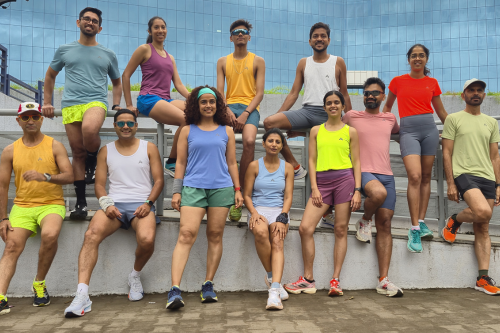



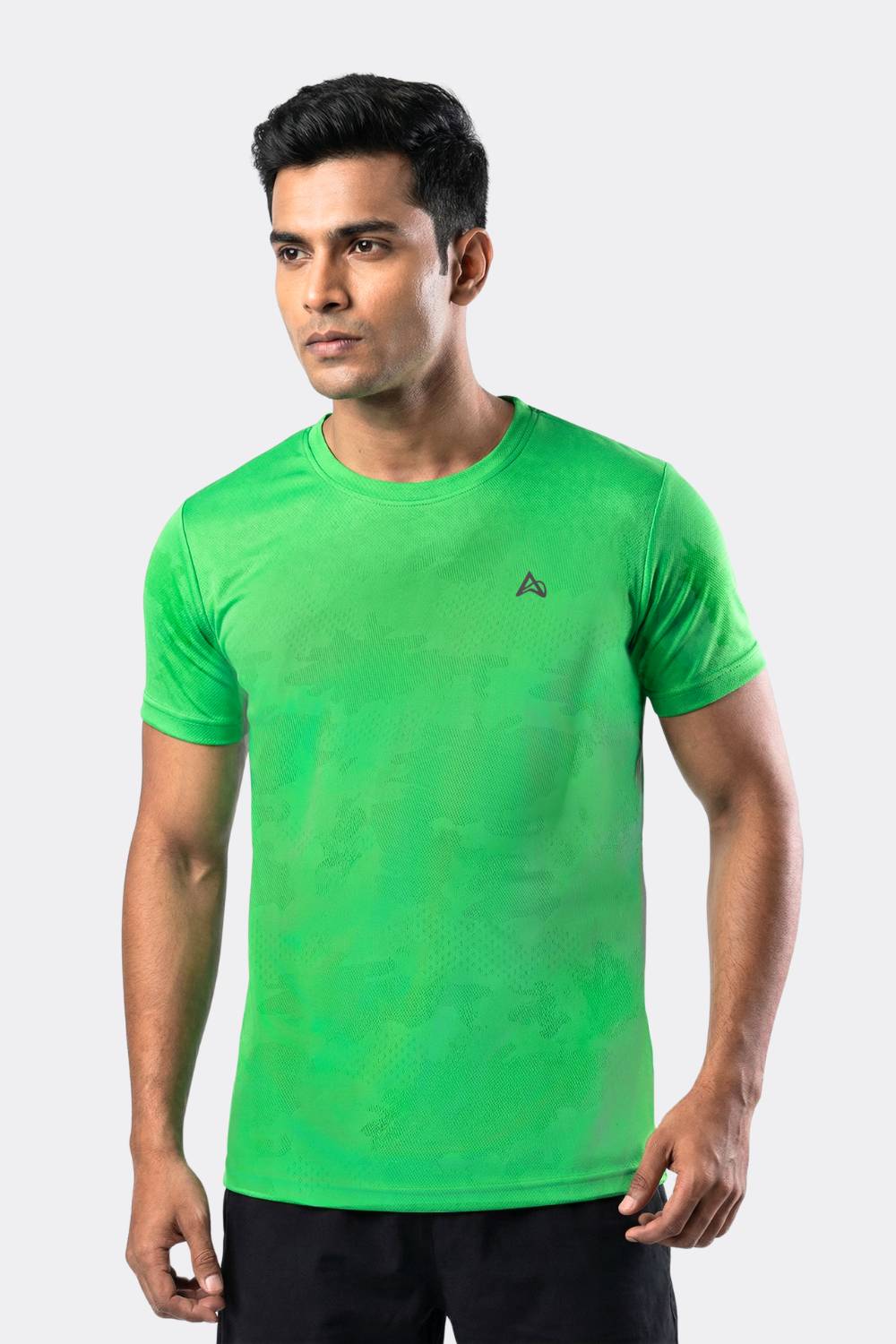
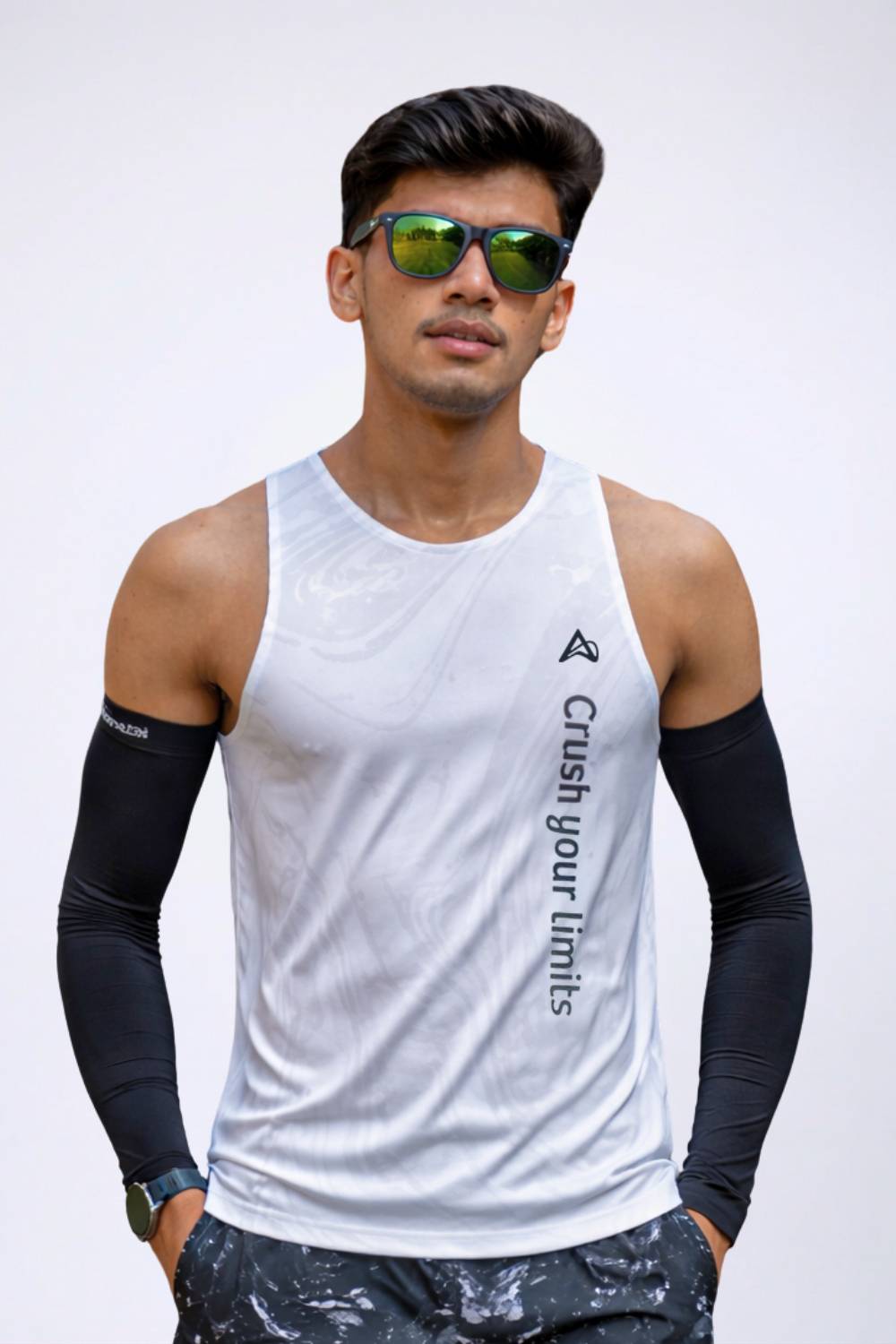

Runners in bustling Indian cities like Bangalore, Mumbai, and Delhi know that choosing the right gear can make or break a training session. As more enthusiasts hit the pavements and parks for their daily runs, understanding the differences between men's and women's running apparel becomes essential for comfort, performance, and injury prevention. While both categories share core features like moisture-wicking fabrics and breathable designs, distinct tailoring addresses physiological and biomechanical variations between male and female bodies.
Tired of gear that slows you down? Chafing, soggy fabrics, and missing pockets kill your run's momentum. At Aguante, we're runners who get it. Our high-performance activewear features moisture-wicking fabrics, ergonomic designs, and smart storage to keep you focused. Shop Now!
Fit and Construction: Tailored for Body Shape
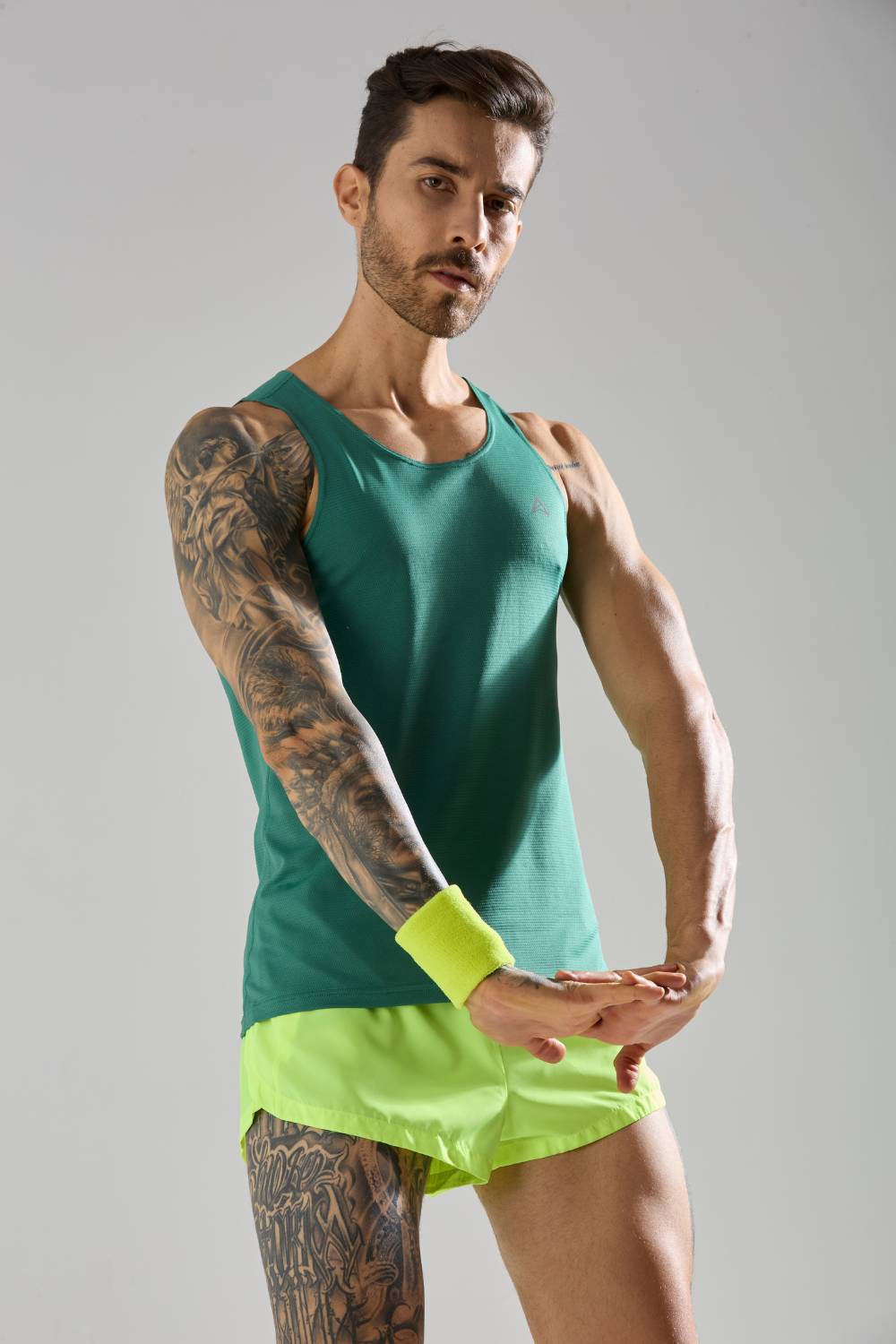
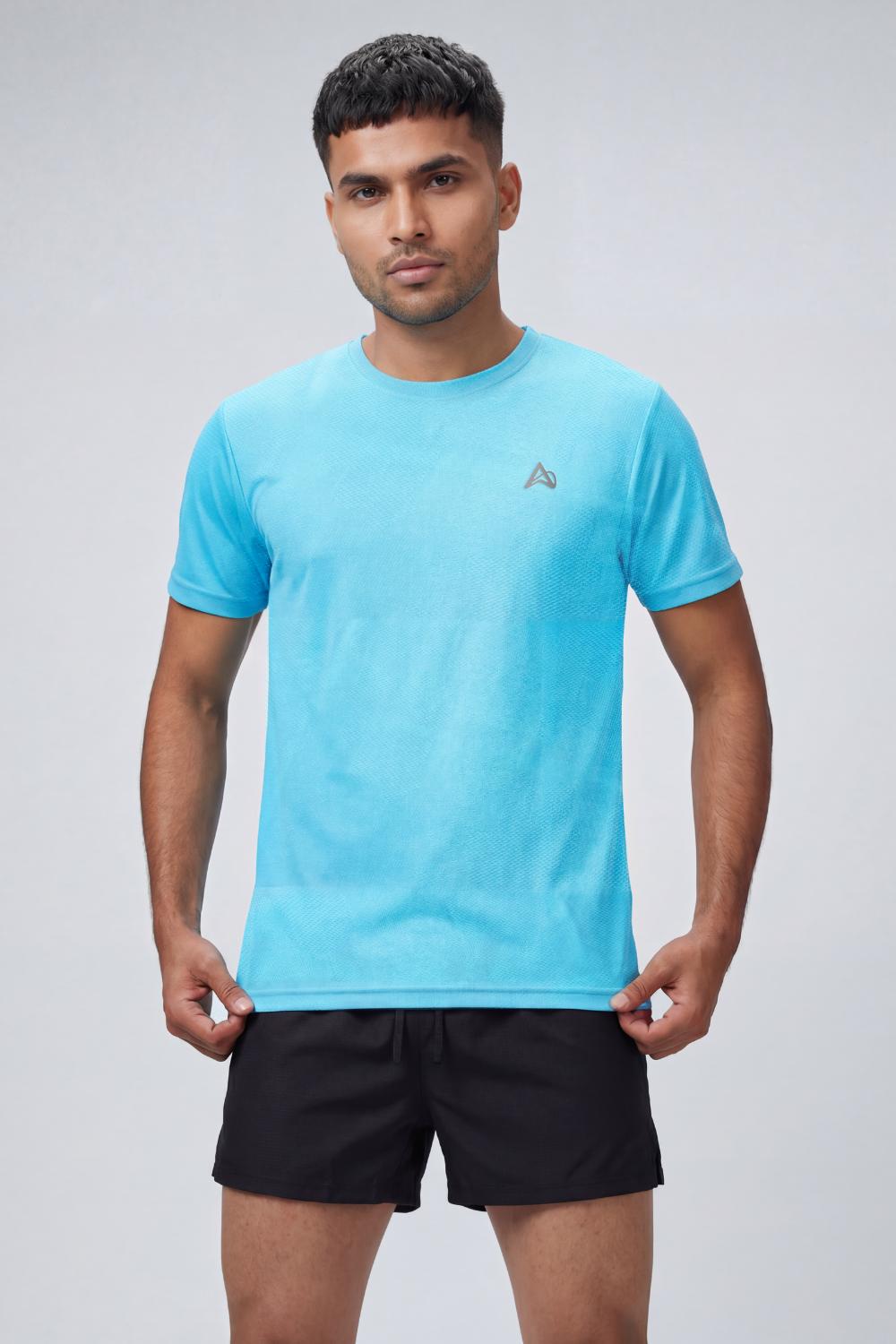
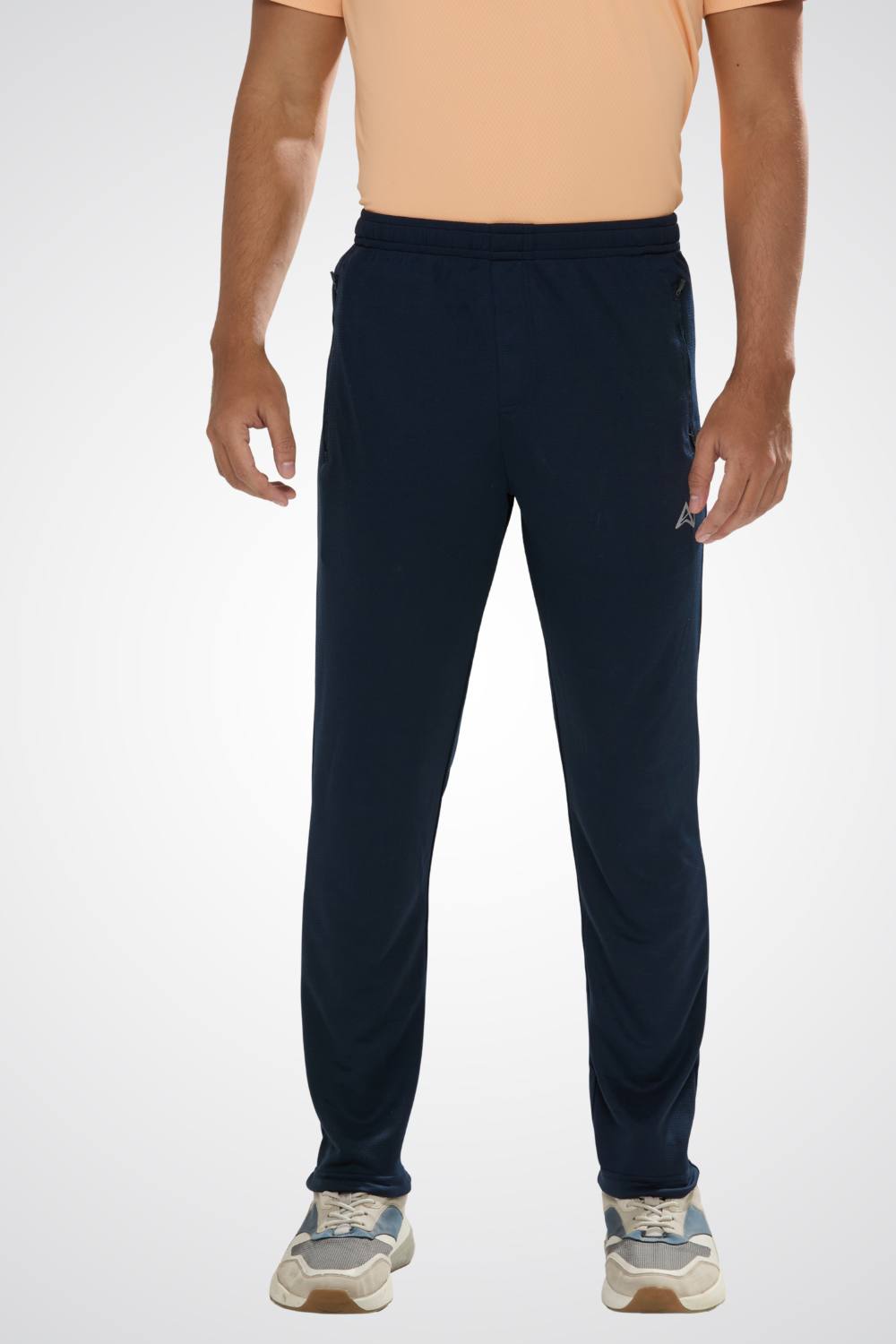
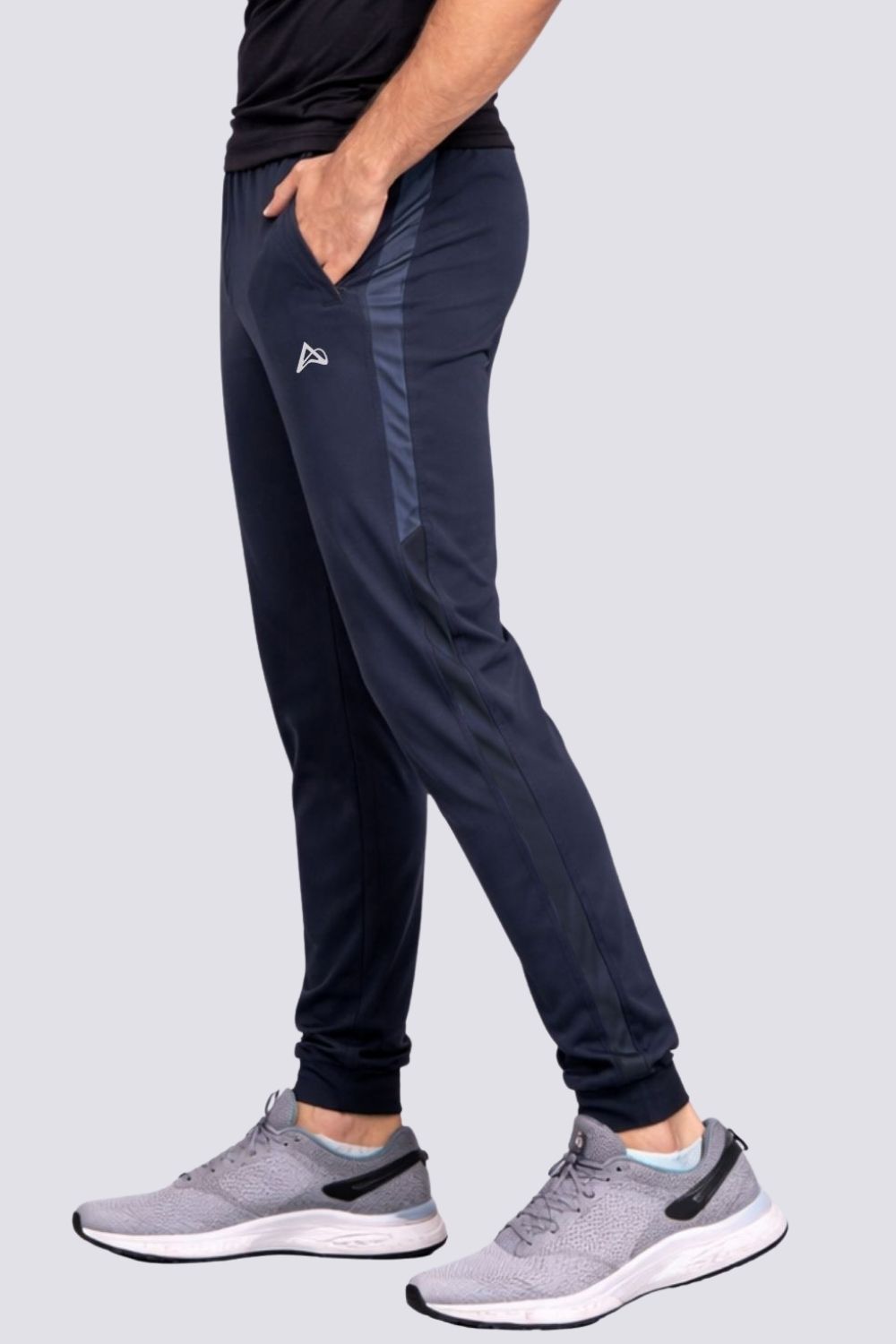
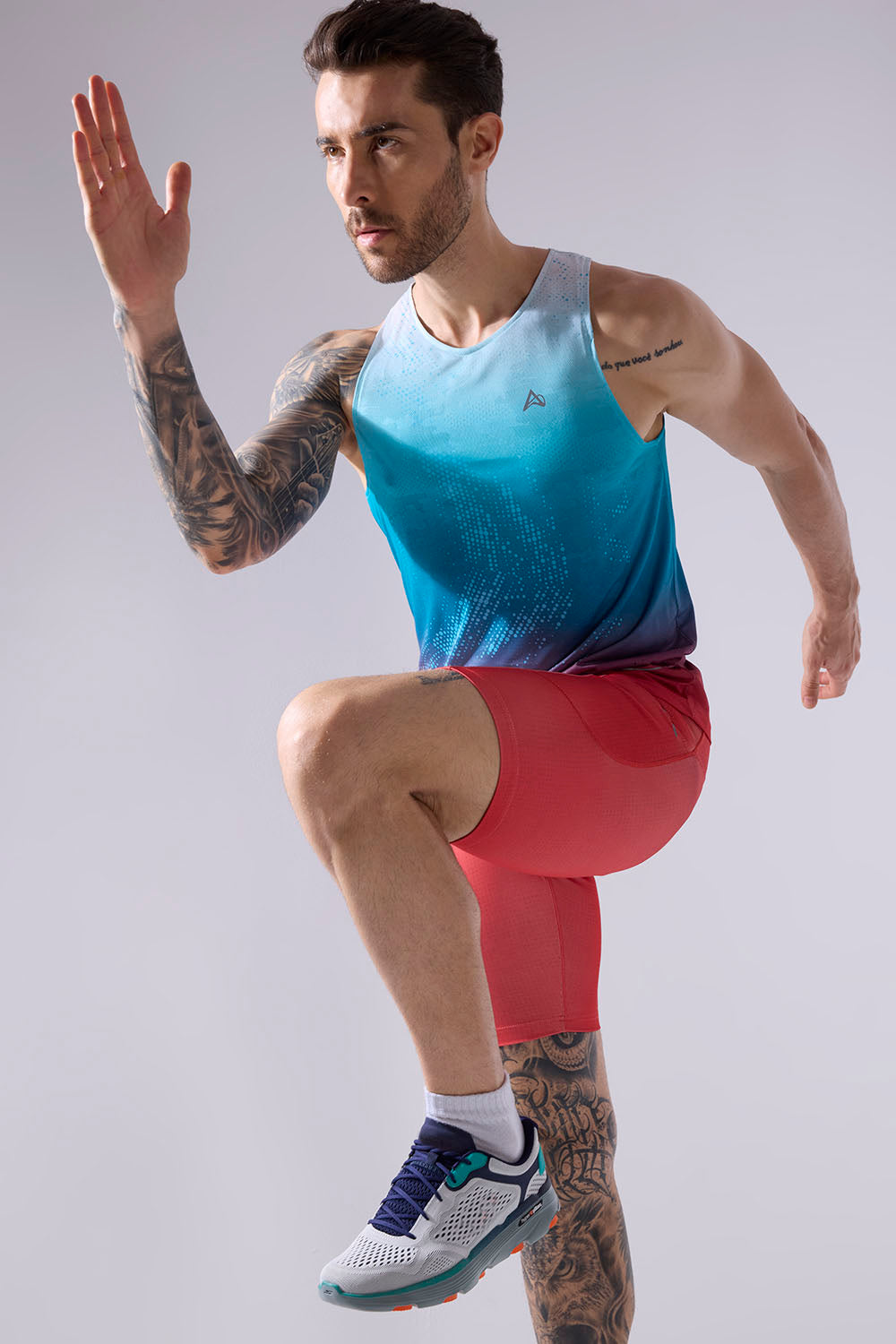
Men's running apparel typically features a straighter, more rectangular cut that accommodates broader shoulders and narrower hips. This design supports unrestricted movement during high-mileage runs or speed workouts. Singlets and shorts often prioritize minimal fabric around the torso to reduce drag and enhance ventilation in humid conditions common across urban India.
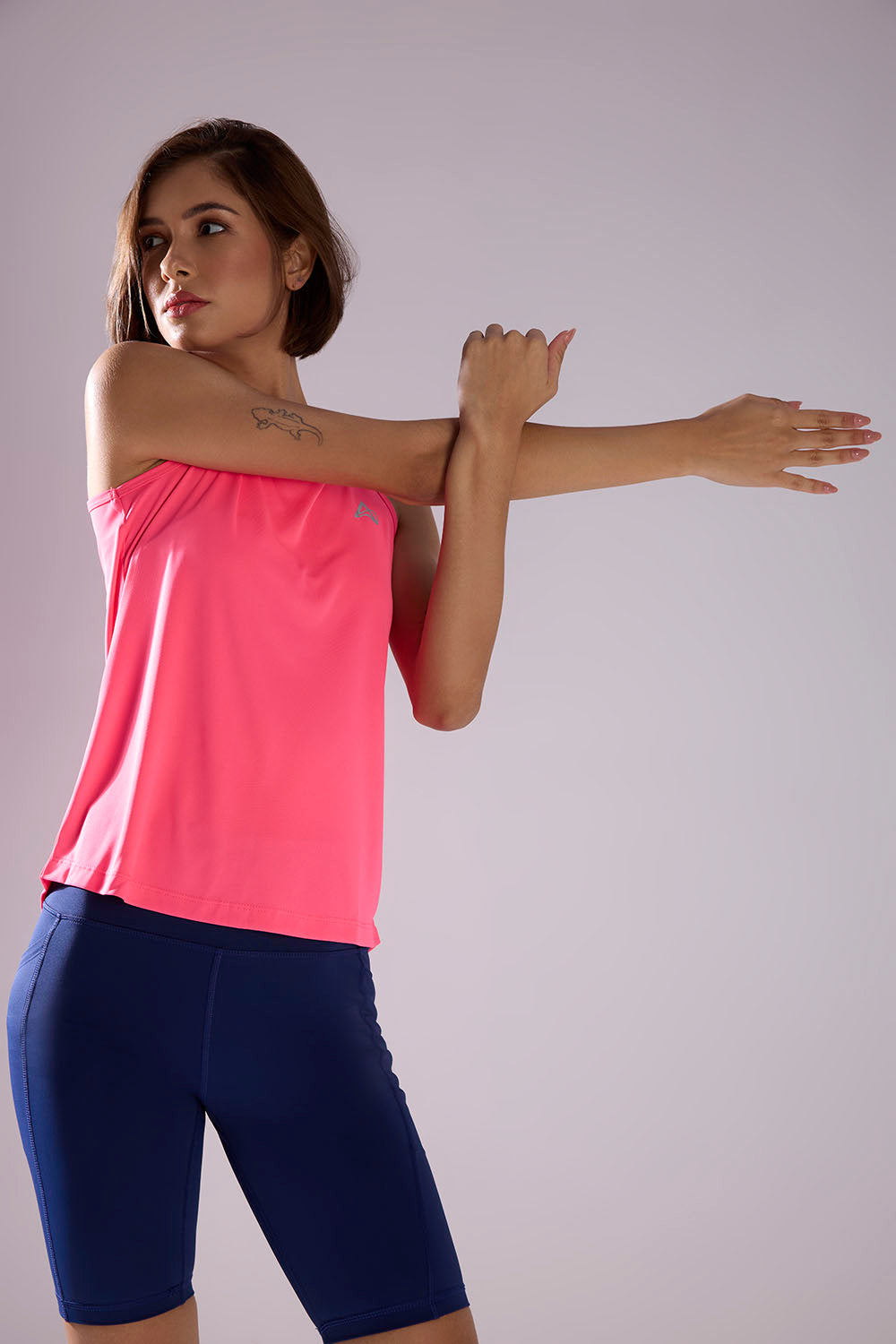
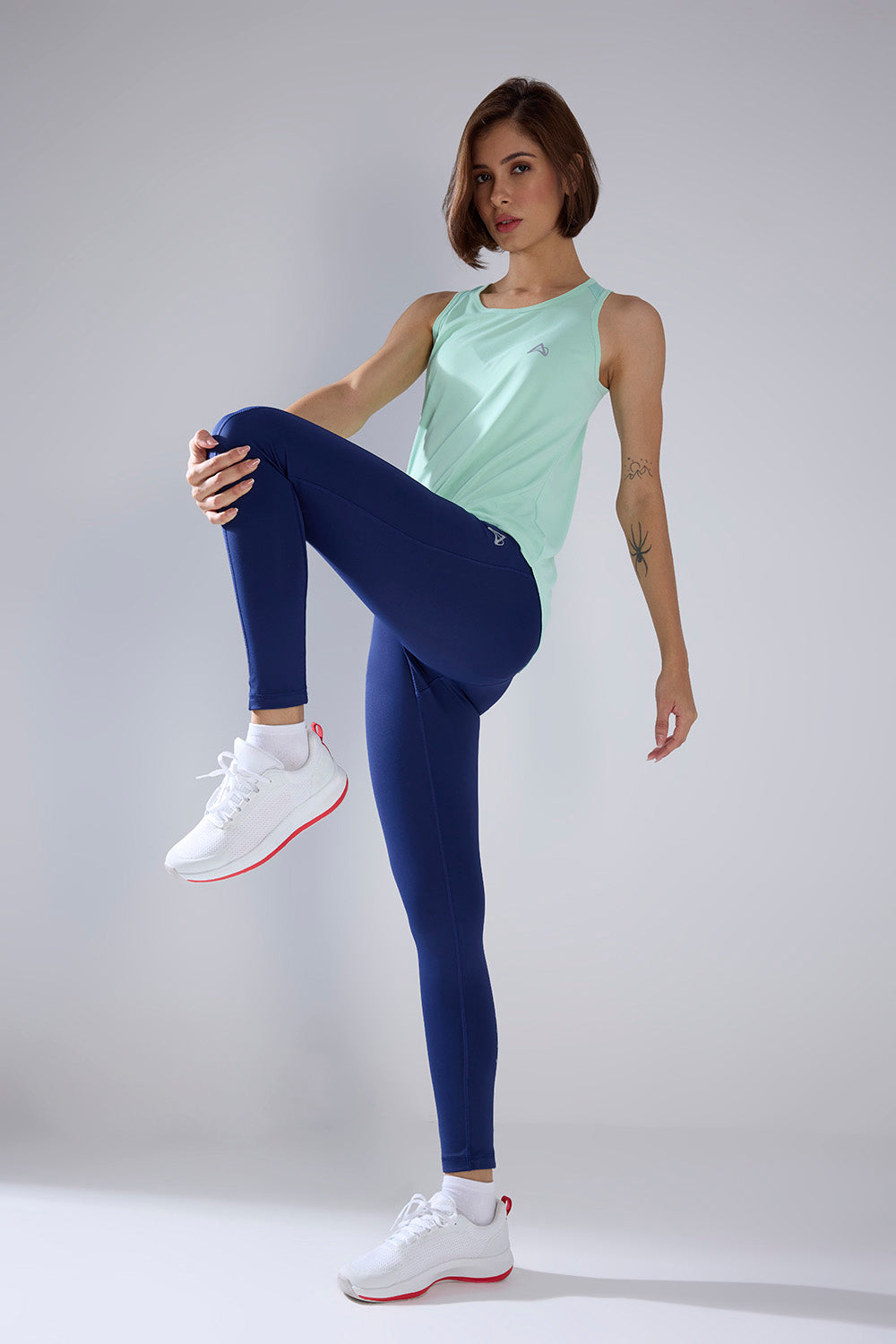
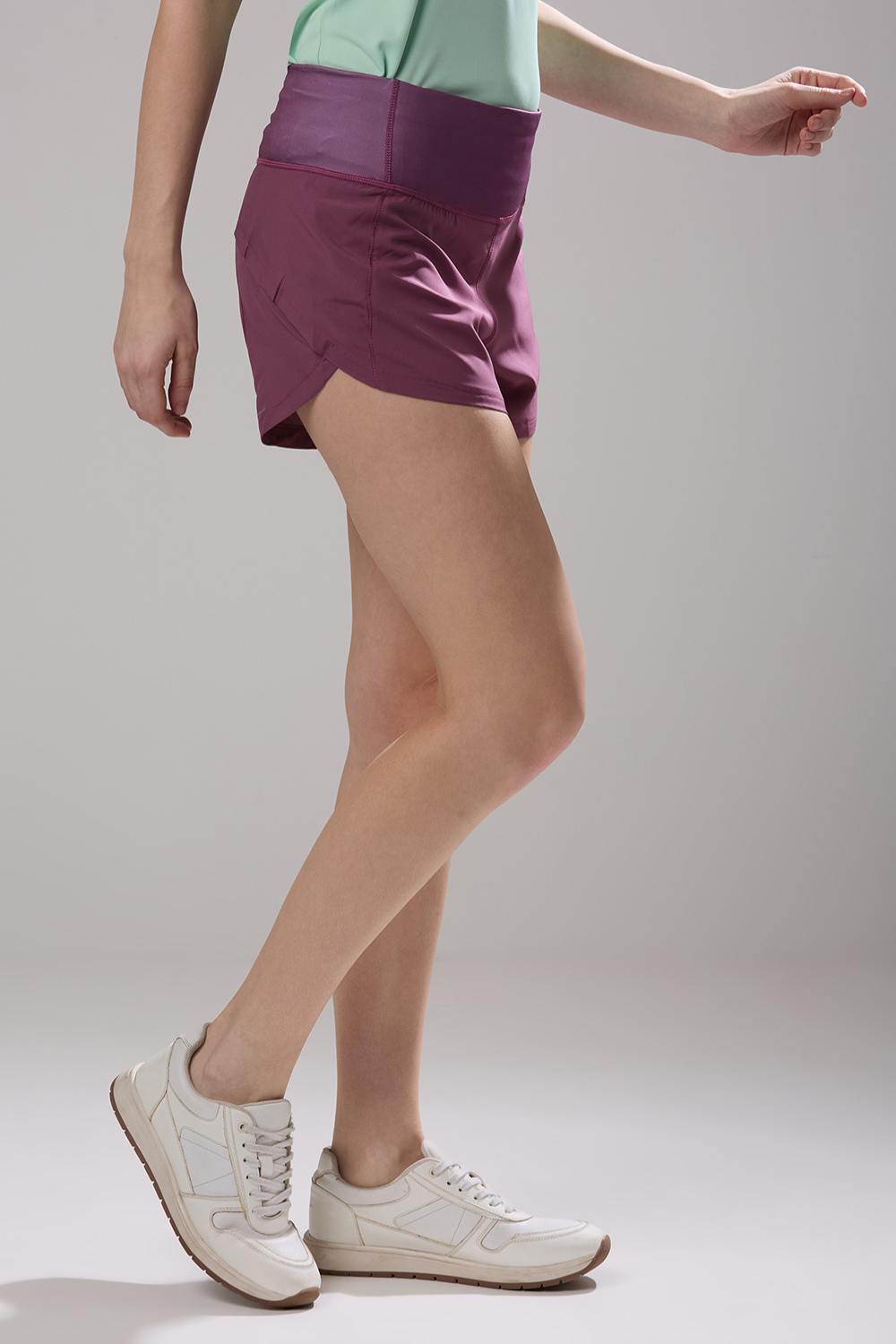
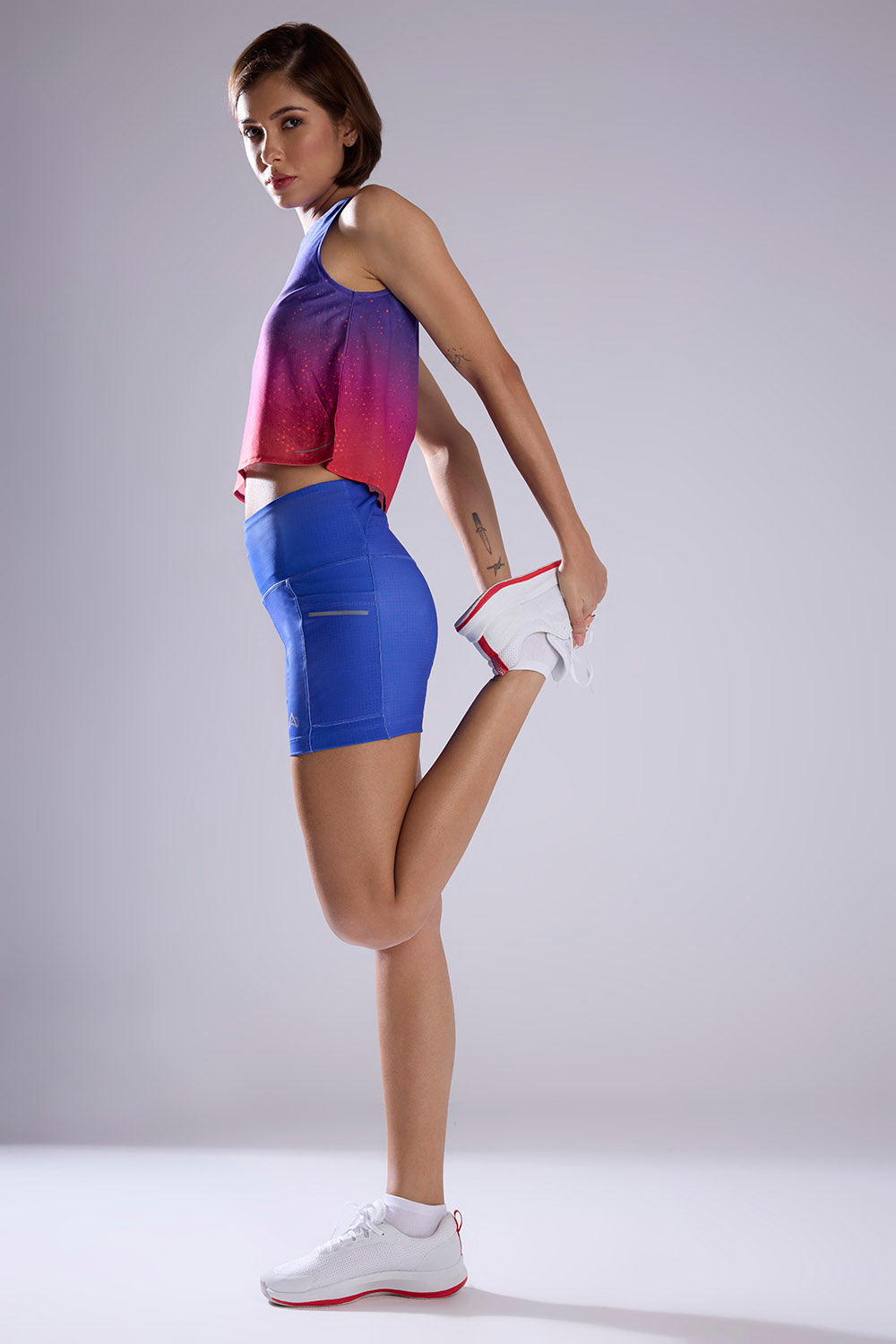
Women's running apparel, by contrast, incorporates shaping that accounts for narrower shoulders, a wider pelvis, and greater hip curvature. These garments frequently include darted seams, contoured waistbands, and strategic compression zones to provide a secure yet comfortable fit. Such construction helps minimize chafing during longer efforts, whether navigating Mumbai's coastal routes or Pune's hilly trails.
The evolution of women's athletic apparel has moved well beyond simply resizing men's products and changing colors. Modern designs now consider anatomical and physiological differences, resulting in better support structures and reduced friction points that enhance mobility and comfort for female runners.
Support Features and Coverage
One of the most noticeable distinctions lies in built-in support. Women's running tops and bras often integrate compression panels and encapsulated cups to manage breast motion during impact-heavy activities like interval training. This targeted support reduces discomfort and potential strain, allowing runners to maintain form over extended distances.
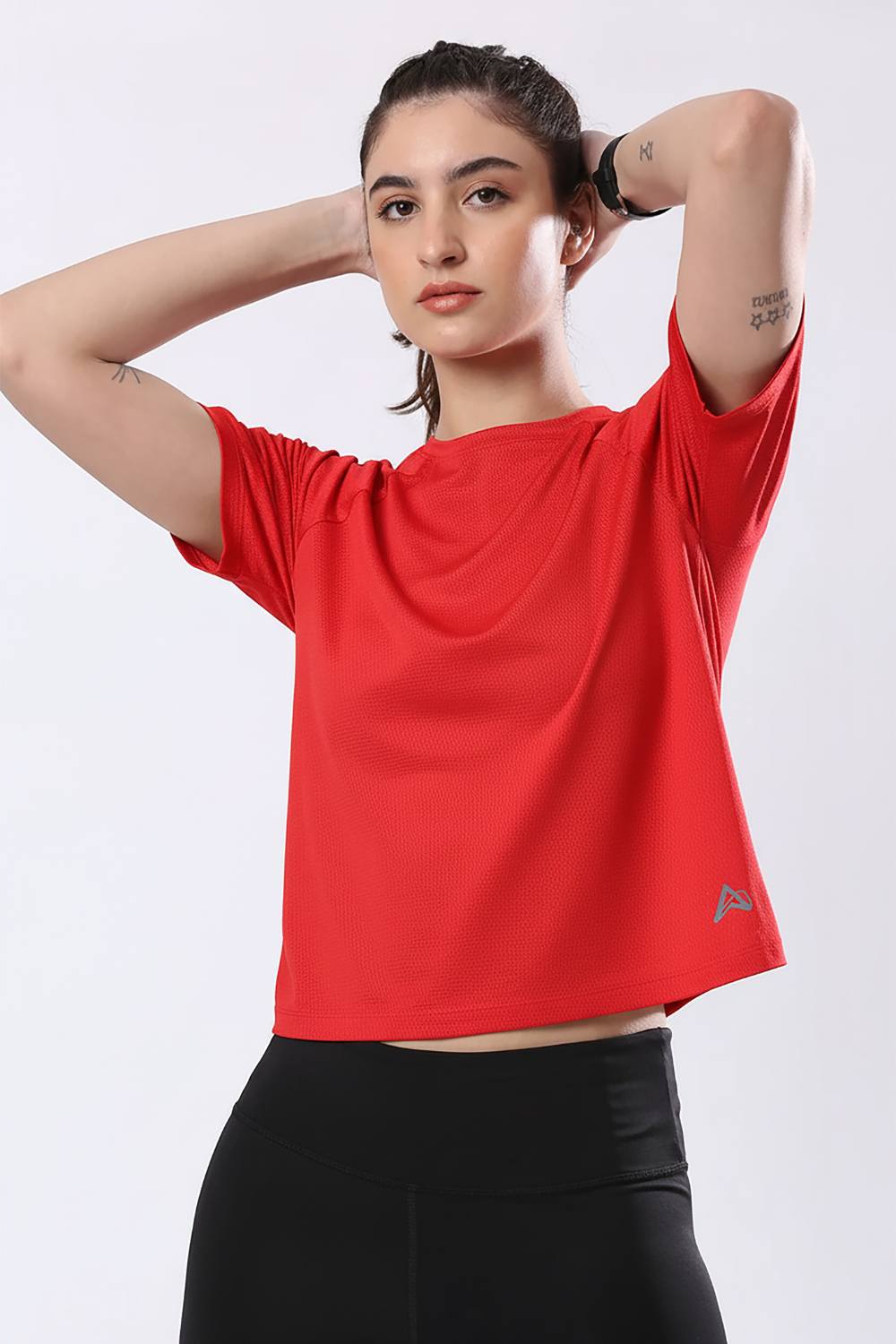
Men's tops focus more on overall torso compression and moisture management without the same emphasis on chest-specific support. Many feature looser armholes and raglan sleeves that facilitate shoulder mobility crucial for efficient arm drive in running.
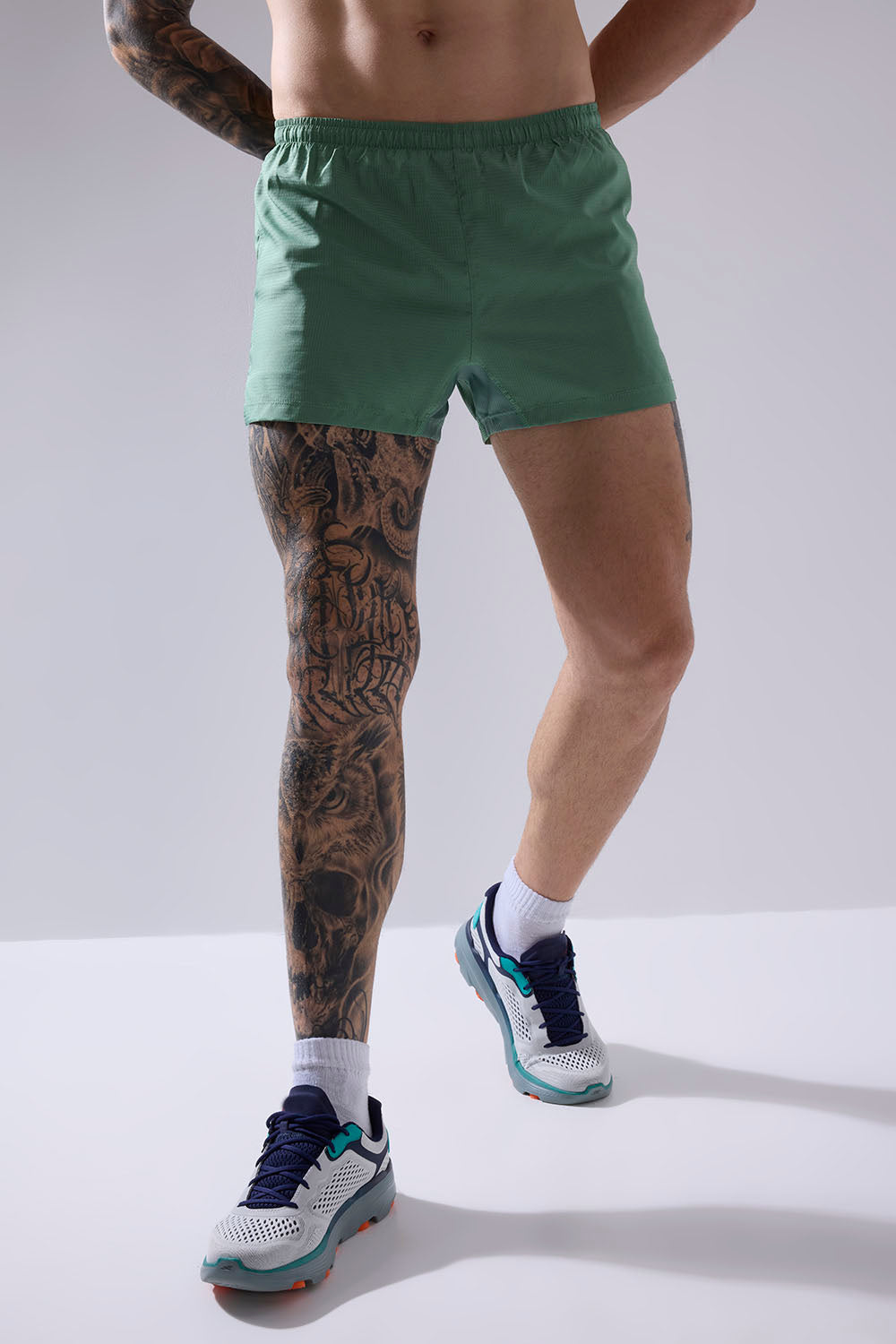
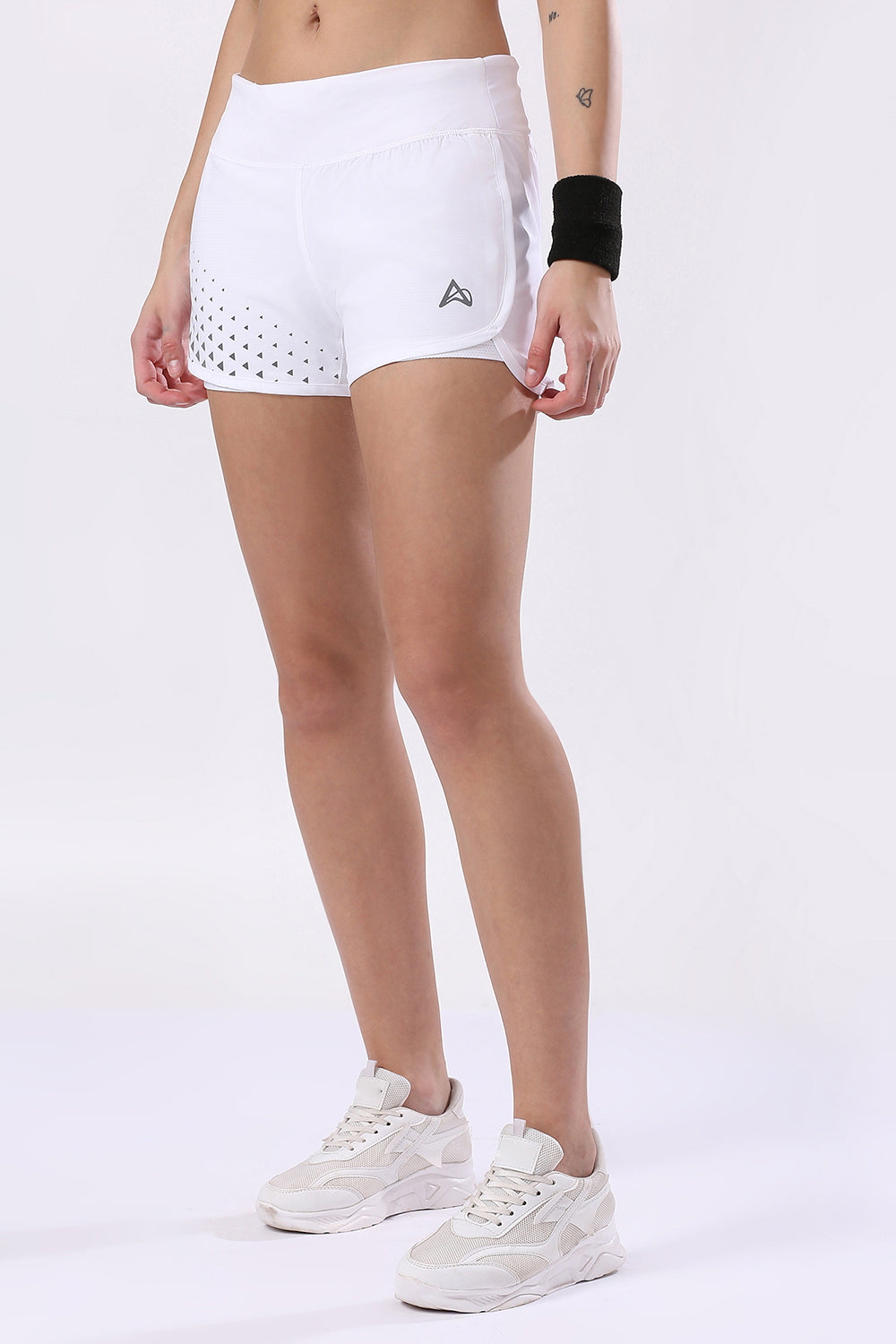
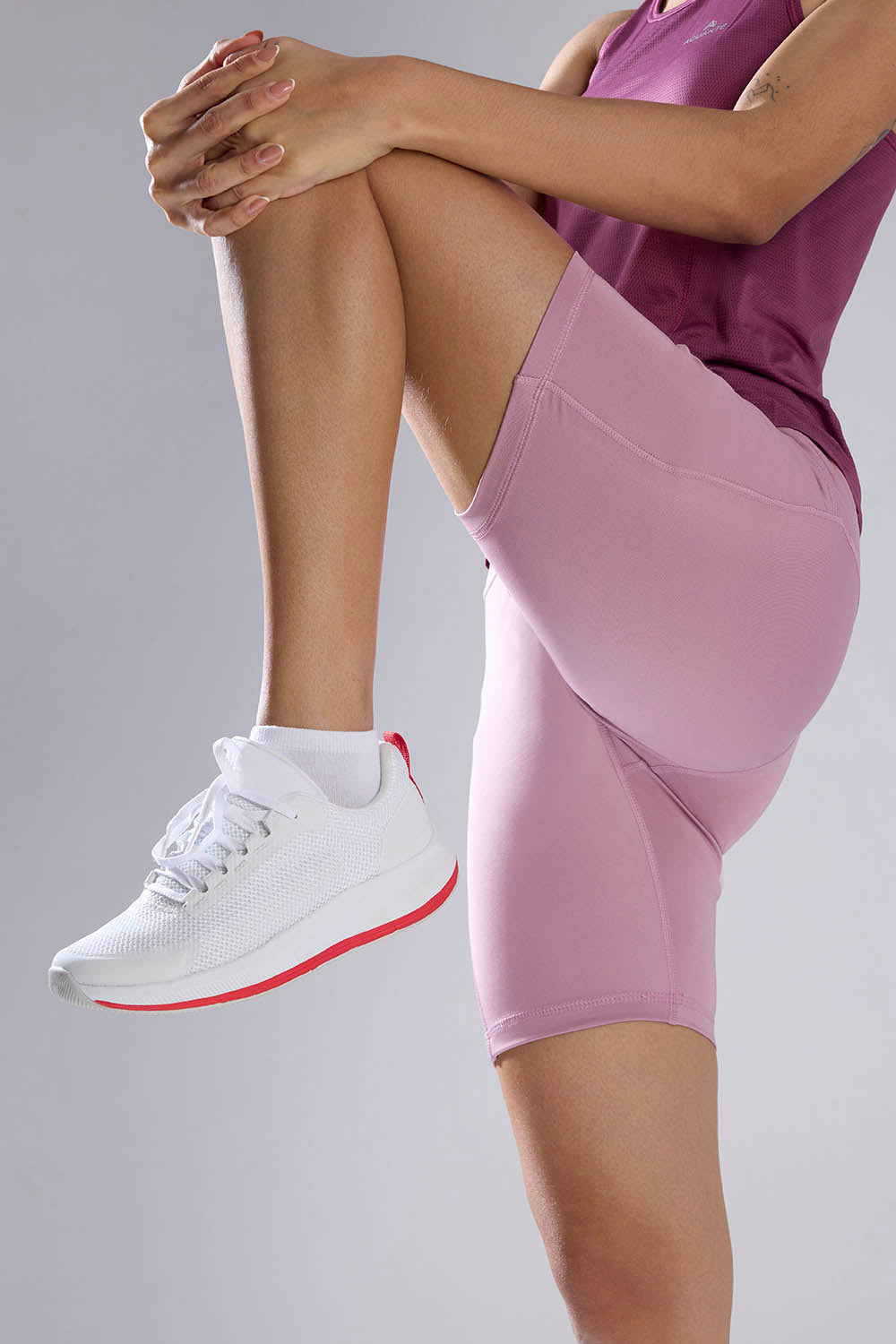
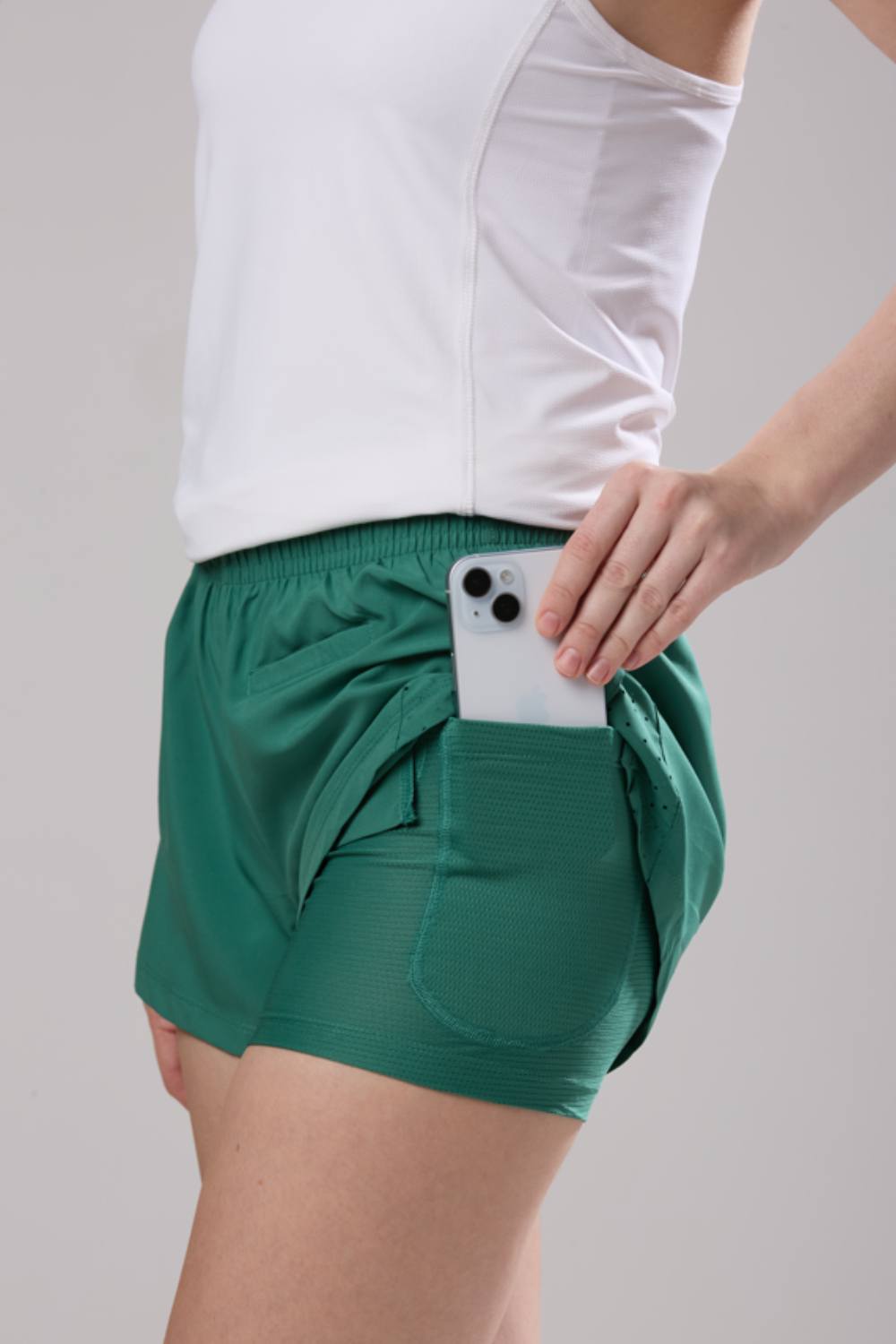
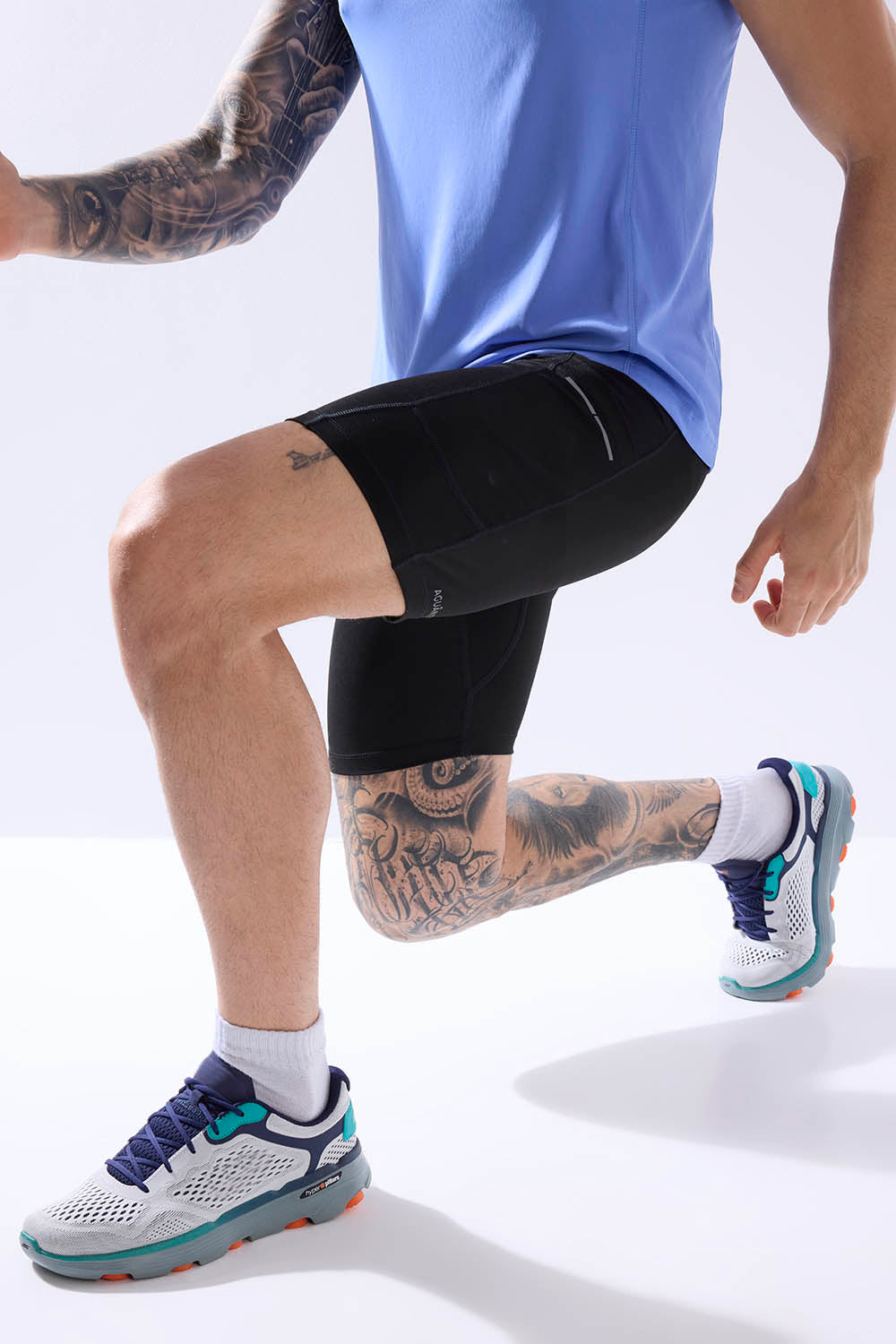
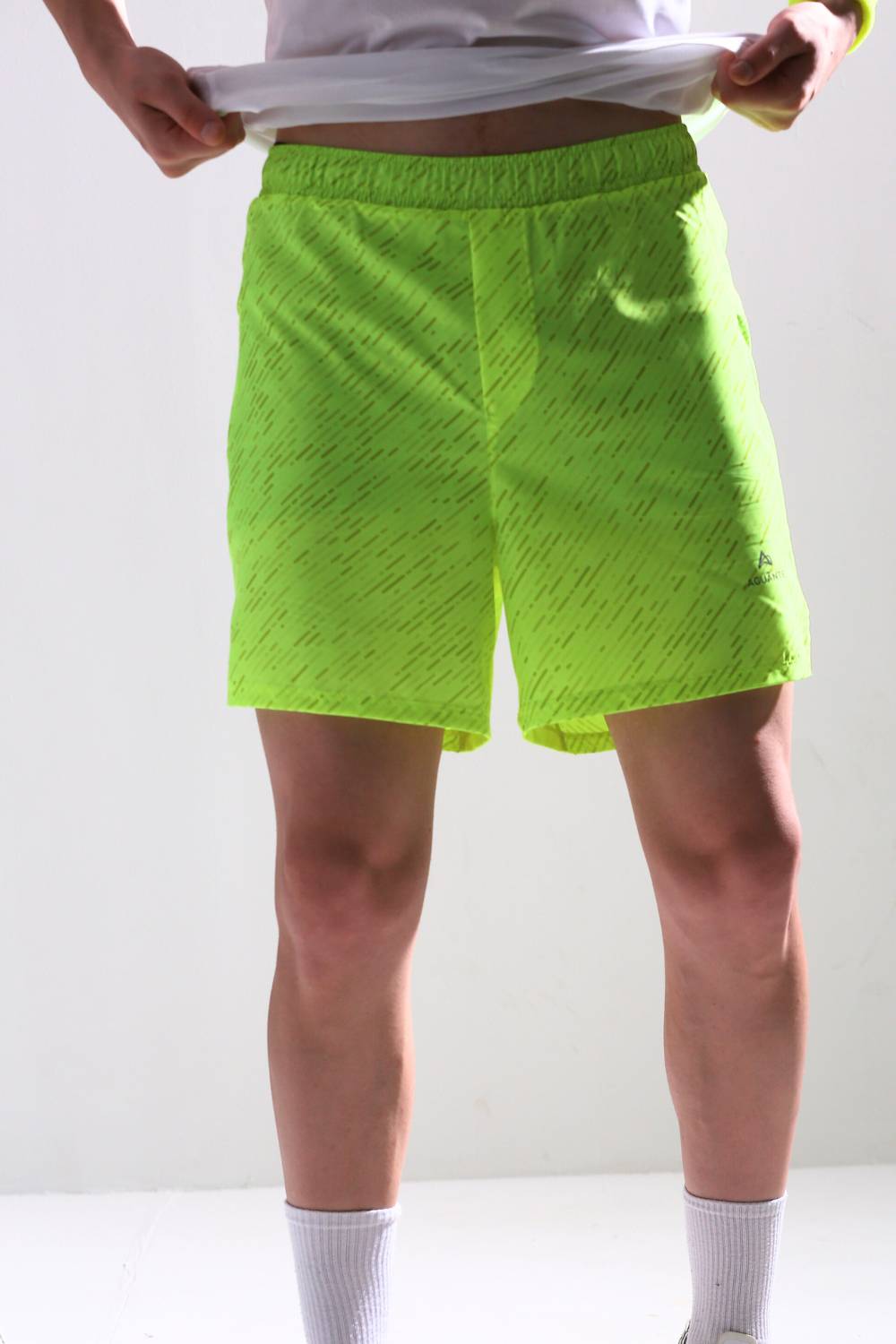
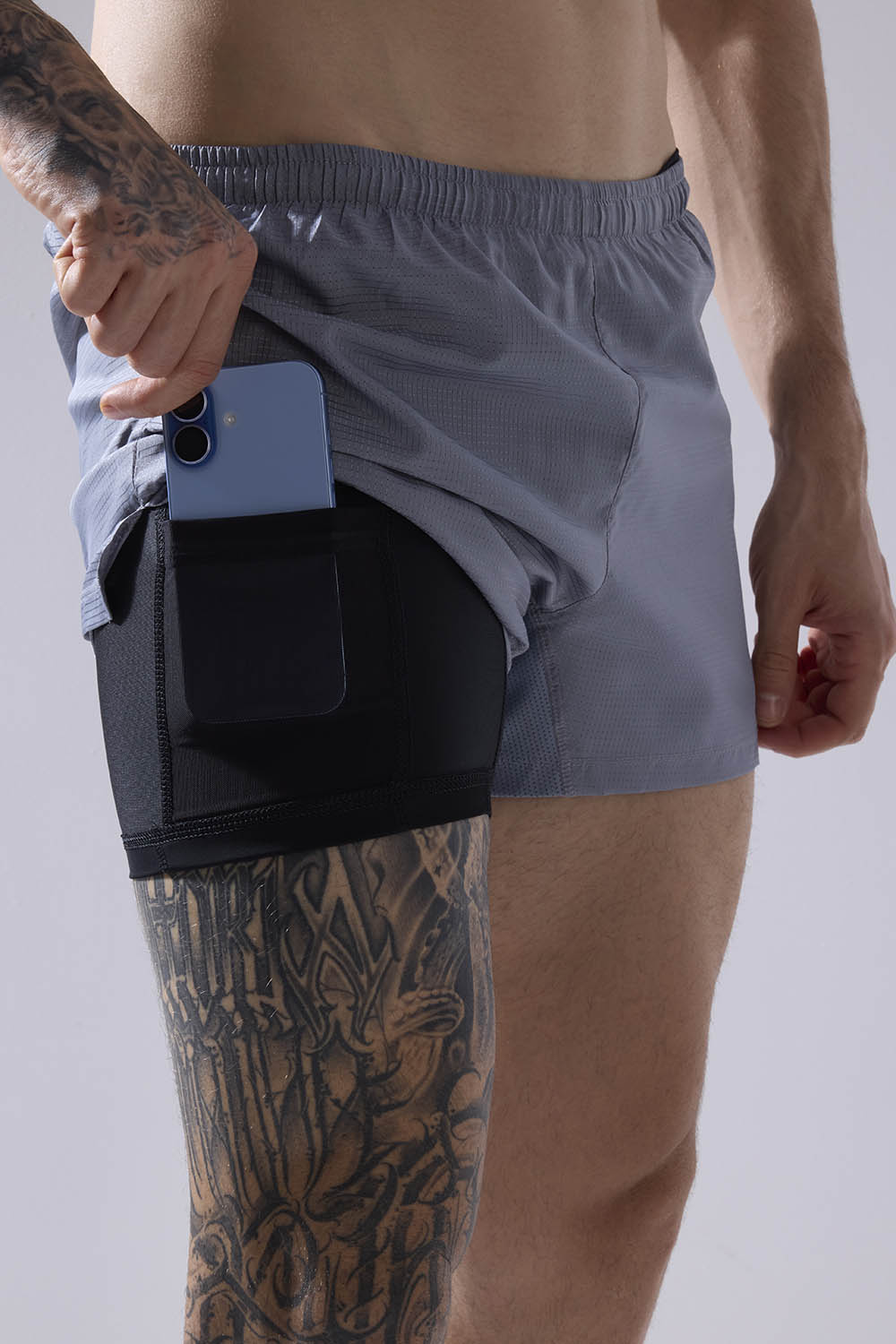
Bottoms also differ significantly. Women's running shorts and tights commonly include wider waistbands with silicone grippers to prevent rolling, along with higher-rise options that provide coverage and confidence. Men's versions tend toward a lower rise with lighter, more minimalistic constructions optimized for ventilation and freedom of movement.
Fabric Choices and Moisture Management
Both men's and women's running clothing rely on advanced synthetic blends, but the application varies. Women's apparel often uses softer, more flexible fabrics in areas prone to irritation, such as inner thighs and underarms. These materials balance quick-drying properties with gentle stretch to accommodate varying body compositions throughout training cycles.
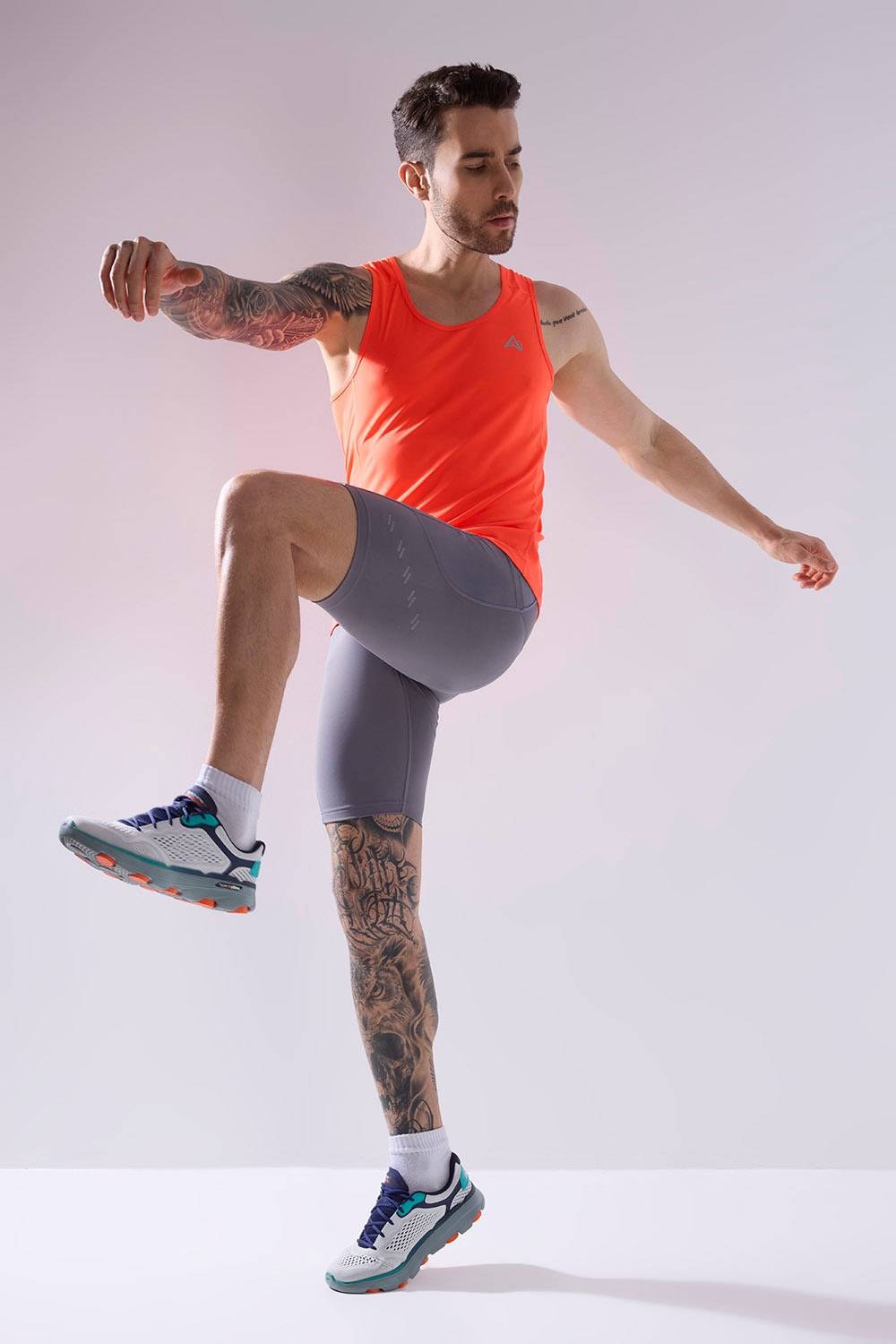
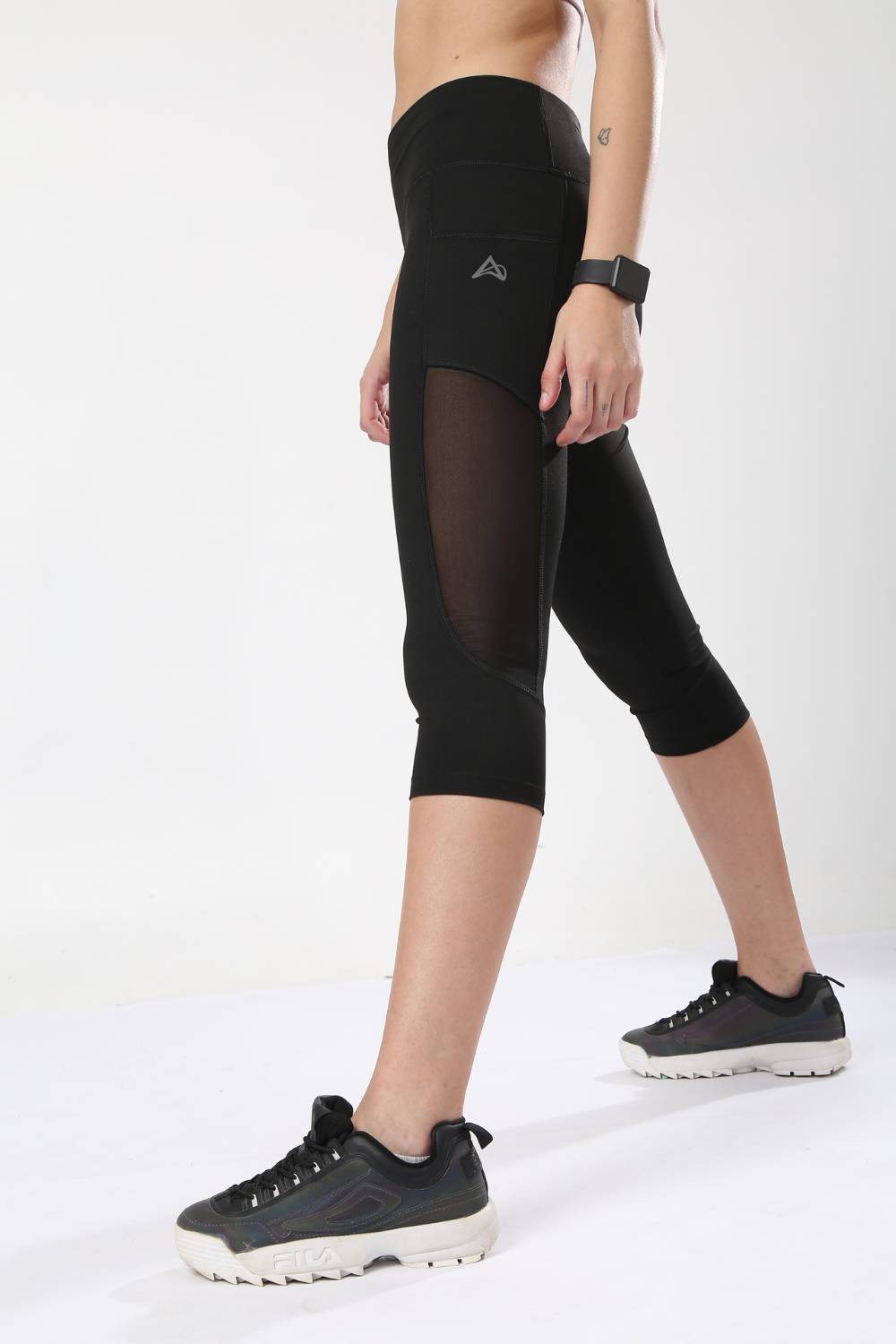
Men's garments frequently emphasize ultra-lightweight, highly breathable meshes, particularly in zones like the back and chest, to handle higher sweat rates typical during intense sessions. Compression tights for men often provide graduated pressure that aids muscle recovery, while women's versions balance compression with shaping elements that enhance circulation without restricting natural movement.
Design Philosophy and Practical Performance
Elite athletic uniforms illustrate how performance apparel for men and women can diverge in both function and presentation. The development of women's athletic apparel has evolved significantly from earlier industry practices that relied on simply resizing men's products and altering colors. Over time, outdoor and sportswear manufacturers have increasingly recognized that women's performance gear requires independent design considerations based on anatomical, physiological, and usage differences rather than superficial adjustments. This shift has been driven by athlete feedback, long-term field testing, and a growing understanding that comfort and performance are closely linked in endurance sports. Improvements in women-specific gear have included more tailored support structures in areas such as hip stabilization, chest support systems in high-impact sports, and insulation or ventilation patterns adapted to typical female thermoregulation needs. In addition, better attention to fit across shoulders, waist, and lower body proportions has helped reduce friction points and improve mobility during running and outdoor training.
While men's kits emphasize minimal distraction and functional consistency, women's designs sometimes incorporate additional considerations around aesthetics and visibility alongside core performance needs. This balance reflects broader industry recognition that effective running apparel must address the full spectrum of athlete experiences. Elite athletic uniforms often highlight how performance apparel for men and women diverges not only in fit but also in design philosophy, cultural expectations, and commercial presentation. In high-profile competitions, differences between men's and women's kits have sparked ongoing debate about whether design choices prioritize athletic performance or visual aesthetics.
Women's uniforms have frequently been described as more revealing or stylistically expressive compared to men's versions, raising concerns among athletes and observers about practicality, comfort, and the influence of marketing aesthetics on competitive sportswear. Female athletes have pointed out that some designs may increase discomfort or risk of wardrobe issues during intense movement, while others argue that athletes should have freedom of choice in what they wear. Manufacturers have responded by offering broader ranges of uniform options, including shorts-based alternatives and more conservative designs, attempting to balance performance needs with individual preference.
In practice, these differences influence real-world running efficiency. A well-fitted women's running singlet with appropriate coverage can prevent wardrobe distractions during group runs in Gurugram's parks, while men's moisture-wicking shorts with strategic venting help maintain core temperature during Ahmedabad's warmer evenings.
Runners often report that gender-specific designs contribute to better posture and reduced fatigue. For instance, properly contoured women's tights can offer hip stabilization that supports form on uneven surfaces common in Hyderabad's training routes, whereas men's apparel might prioritize lightweight durability for high-volume training.
Choosing the Right Apparel for Your Runs
When selecting running clothing, consider your individual body type, running style, and typical conditions rather than strictly adhering to gendered labels. Many brands now offer inclusive sizing and hybrid designs that blur traditional distinctions, allowing runners to mix and match based on specific needs.
Key factors to evaluate include:
- Activity type: Longer endurance runs may benefit from more supportive, coverage-focused pieces, while speed sessions favor minimal, highly breathable options.
- Climate considerations: In cities like Surat and Navi Mumbai, prioritize superior moisture management and quick-drying properties.
- Personal preference: Test different fits during shorter runs to identify what enhances your comfort and confidence.
Beginner runners in Delhi or Bangalore might start with versatile pieces that offer good coverage and support, gradually experimenting with performance-oriented designs as training progresses. Intermediate athletes often refine their wardrobe to include specialized items for different workout types.
The Impact on Running Experience
Properly fitted apparel does more than prevent discomfort it can enhance overall running economy and enjoyment. When clothing moves with the body rather than against it, runners report improved focus and reduced mental distraction during challenging sessions. This becomes particularly valuable in group settings or events where maintaining motivation matters.
Women's specific design advancements have addressed historical gaps in athletic apparel, leading to innovations that benefit all runners. Features once exclusive to women's lines, such as advanced seam placement and adaptive stretch, now influence broader product development.
Making Informed Choices for Better Performance
Understanding these differences empowers runners to make selections that align with their physiology and goals. Whether training for a local 10K in Pune or building consistency with morning runs in Gurugram, the right apparel supports sustained progress and injury resilience.
At Aguante, we focus on creating high-performance running clothing that respects these important distinctions while delivering exceptional quality for every athlete. Explore options designed with real runner feedback to find what works best for your unique needs.
Ultimately, the best running apparel is the one that makes you forget you're wearing it allowing full attention to the rhythm of your stride and the satisfaction of consistent training in India's vibrant running communities.
Frequently Asked Questions
How does fit differ between men's and women's running clothing?
Fit differences in running clothing are primarily based on anatomical structure and movement needs. Men's apparel usually features a more rectangular, relaxed fit with emphasis on ventilation and shoulder mobility. Women's running apparel is designed with shaped seams, wider waistbands, and contoured tailoring to better accommodate curves and provide a secure fit during long-distance or high-impact running.
What are the main differences between men's and women's running apparel?
The main differences in men's vs women's running apparel lie in fit, support features, and design adaptations for body shape. Men's running clothing typically has a straighter cut to suit broader shoulders and a narrower hip structure, while women's apparel is contoured for the hips, waist, and bust. These adjustments improve comfort, reduce chafing, and enhance performance during different types of runs.
Do men and women really need different running apparel for performance and support?
Men and women benefit from different design features in running apparel due to variations in support and biomechanics. For example, women's running gear often includes built-in sports bra support and targeted compression to reduce movement and improve comfort, while men's apparel focuses on breathability and lightweight construction. However, modern brands increasingly offer inclusive and hybrid designs so runners can choose based on personal comfort rather than strict gender categories.
Disclaimer: The above helpful resources content contains personal opinions and experiences. The information provided is for general knowledge and does not constitute professional advice.
You may also be interested in: Running Shorts for Different Distances and Terrains - Aguante
Tired of gear that slows you down? Chafing, soggy fabrics, and missing pockets kill your run's momentum. At Aguante, we're runners who get it. Our high-performance activewear features moisture-wicking fabrics, ergonomic designs, and smart storage to keep you focused. Shop Now!
Powered by flareAI.co