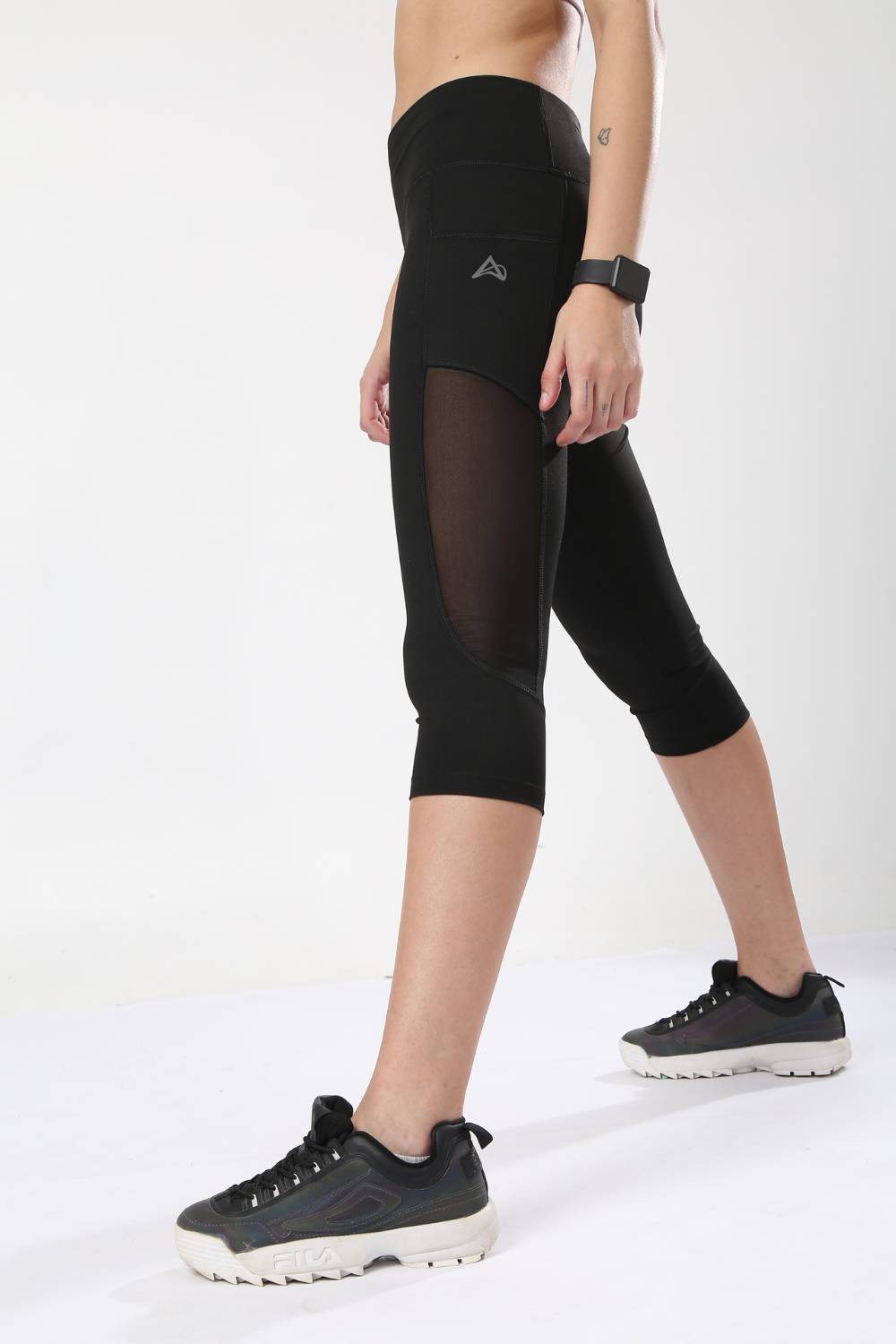
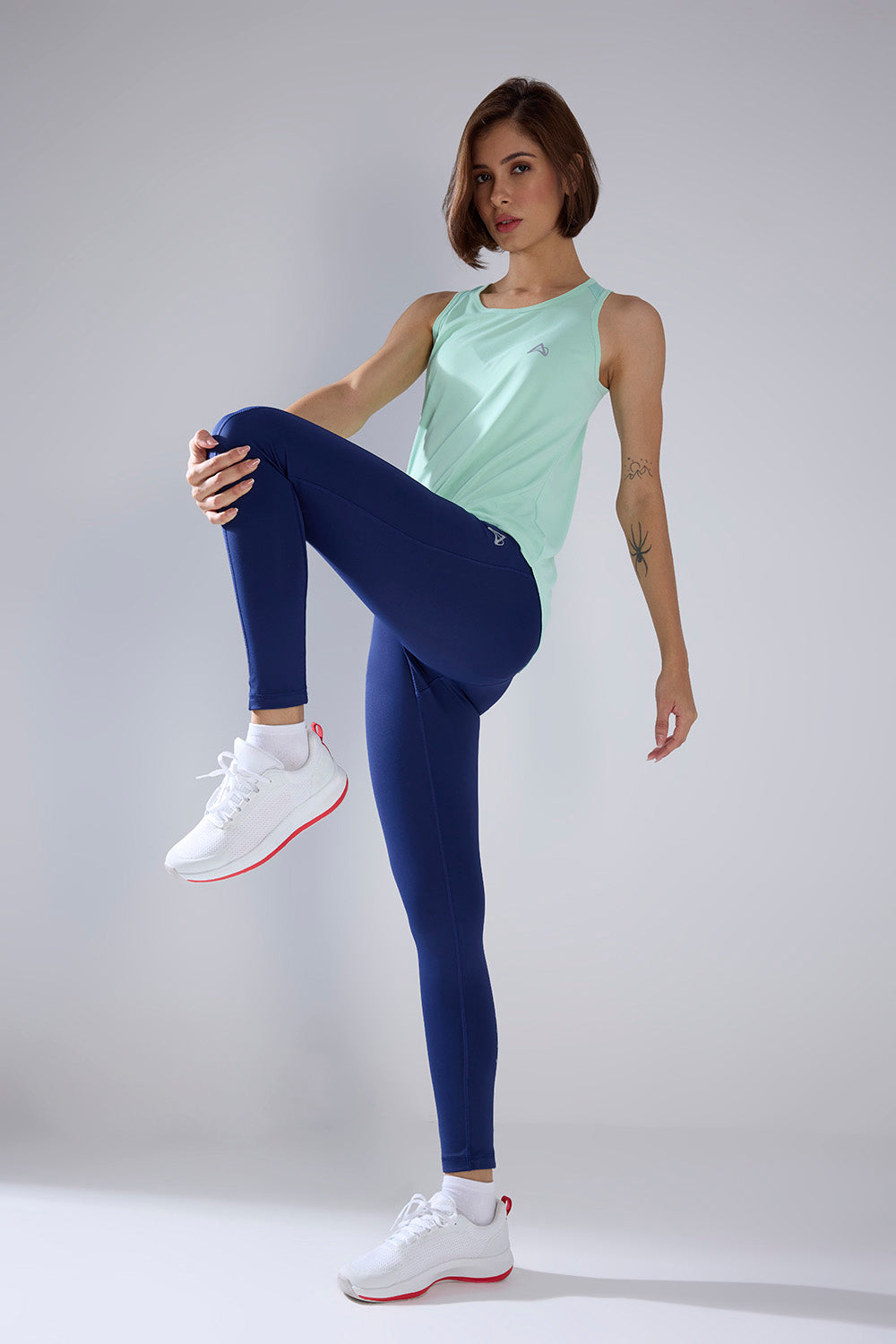

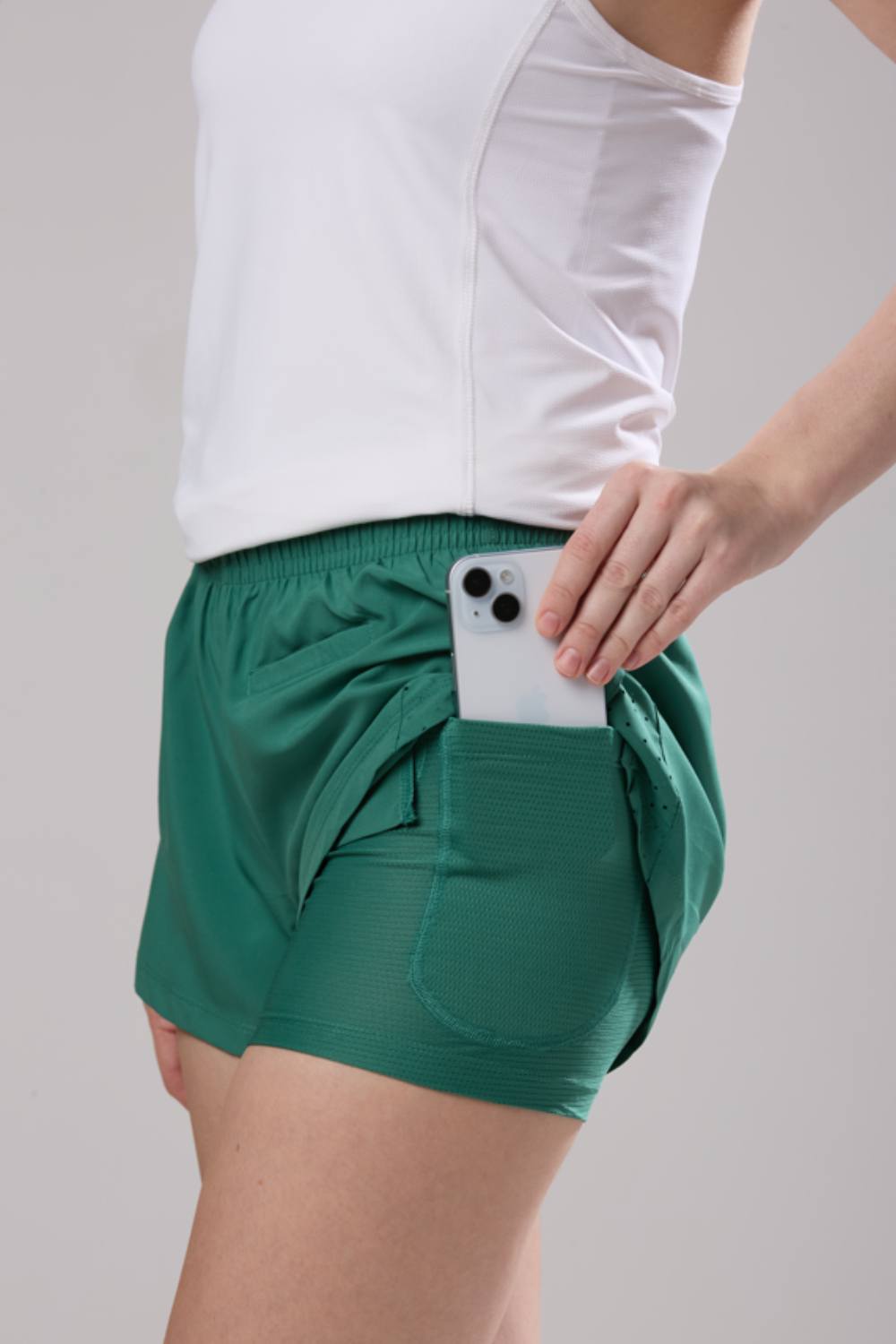
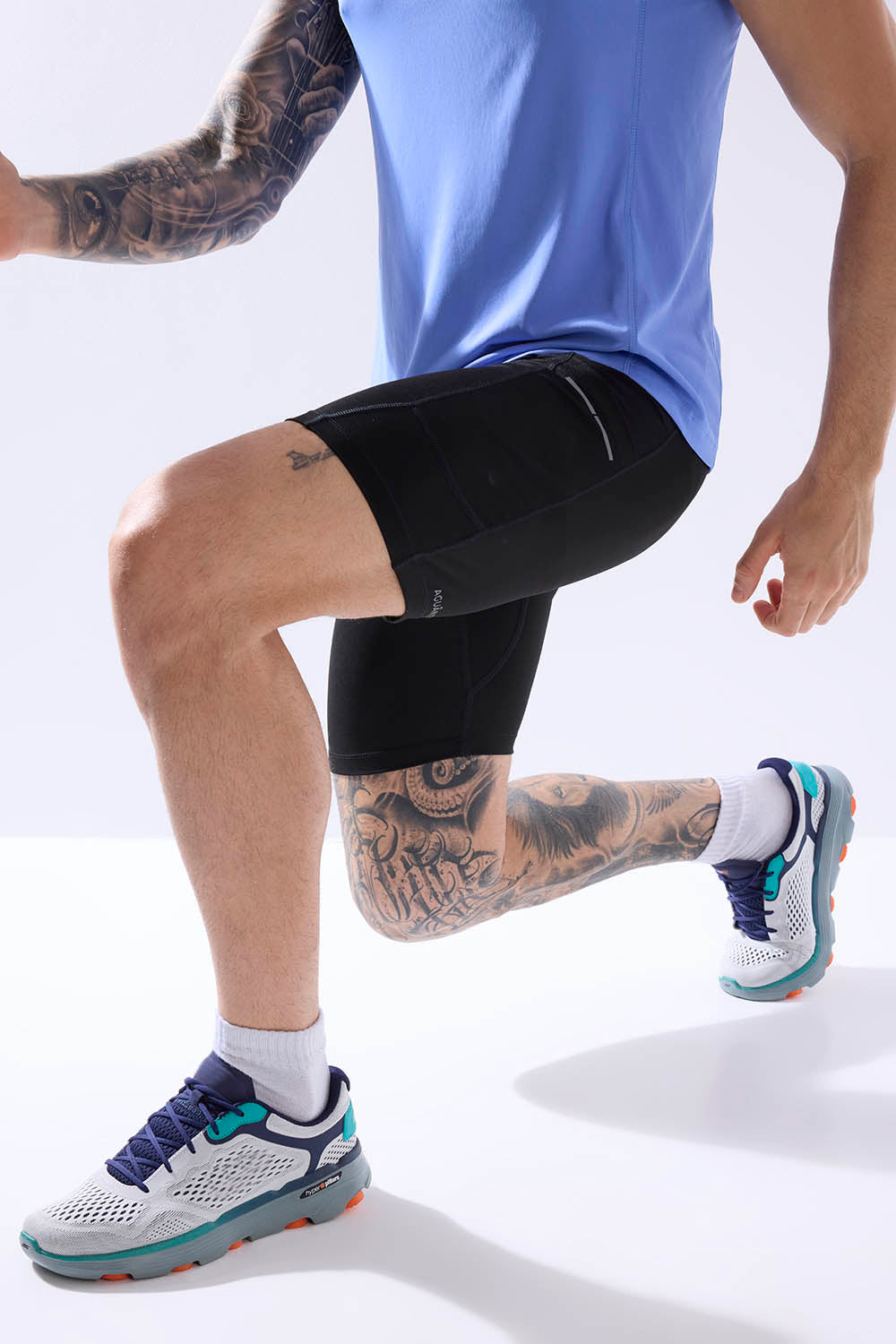
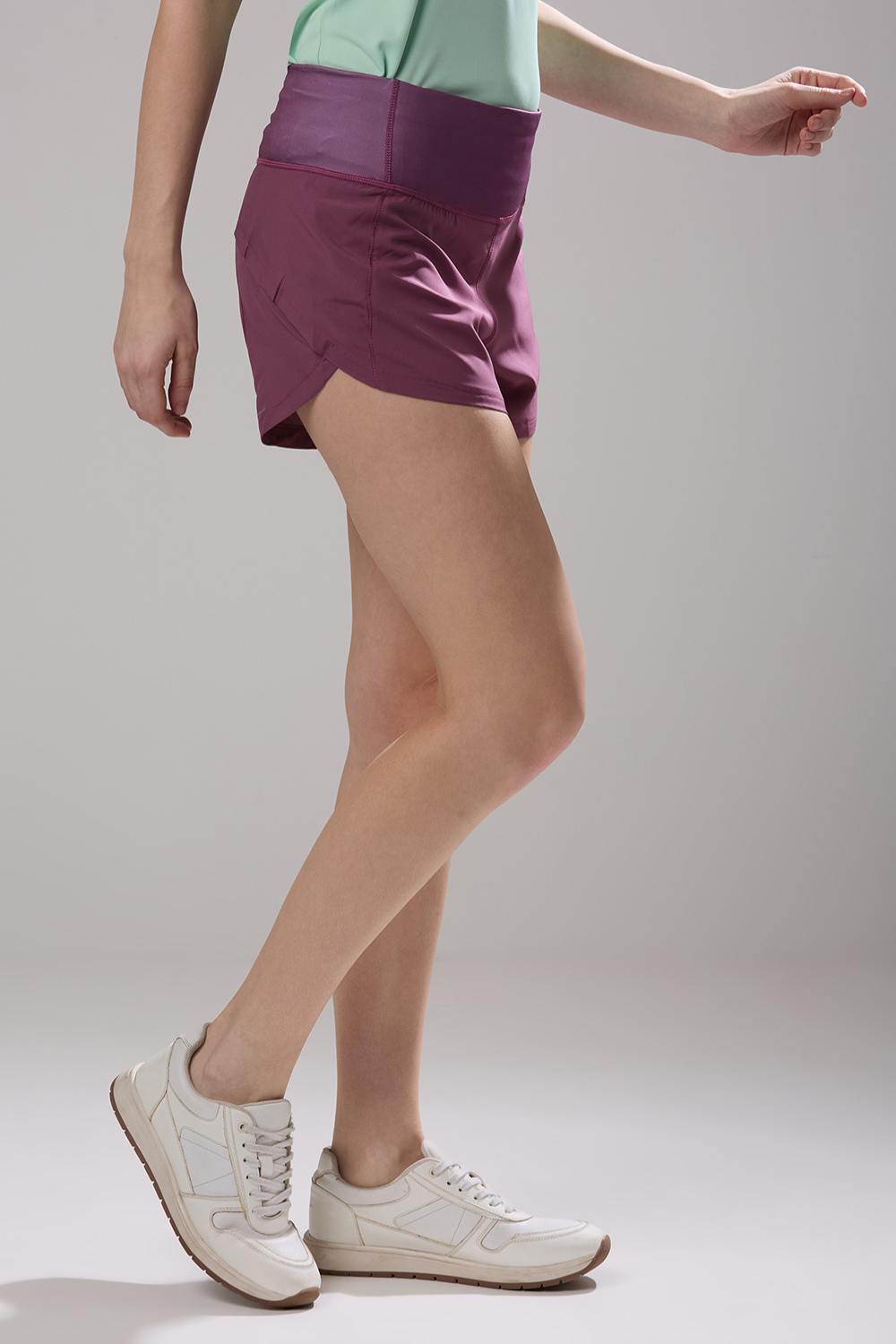
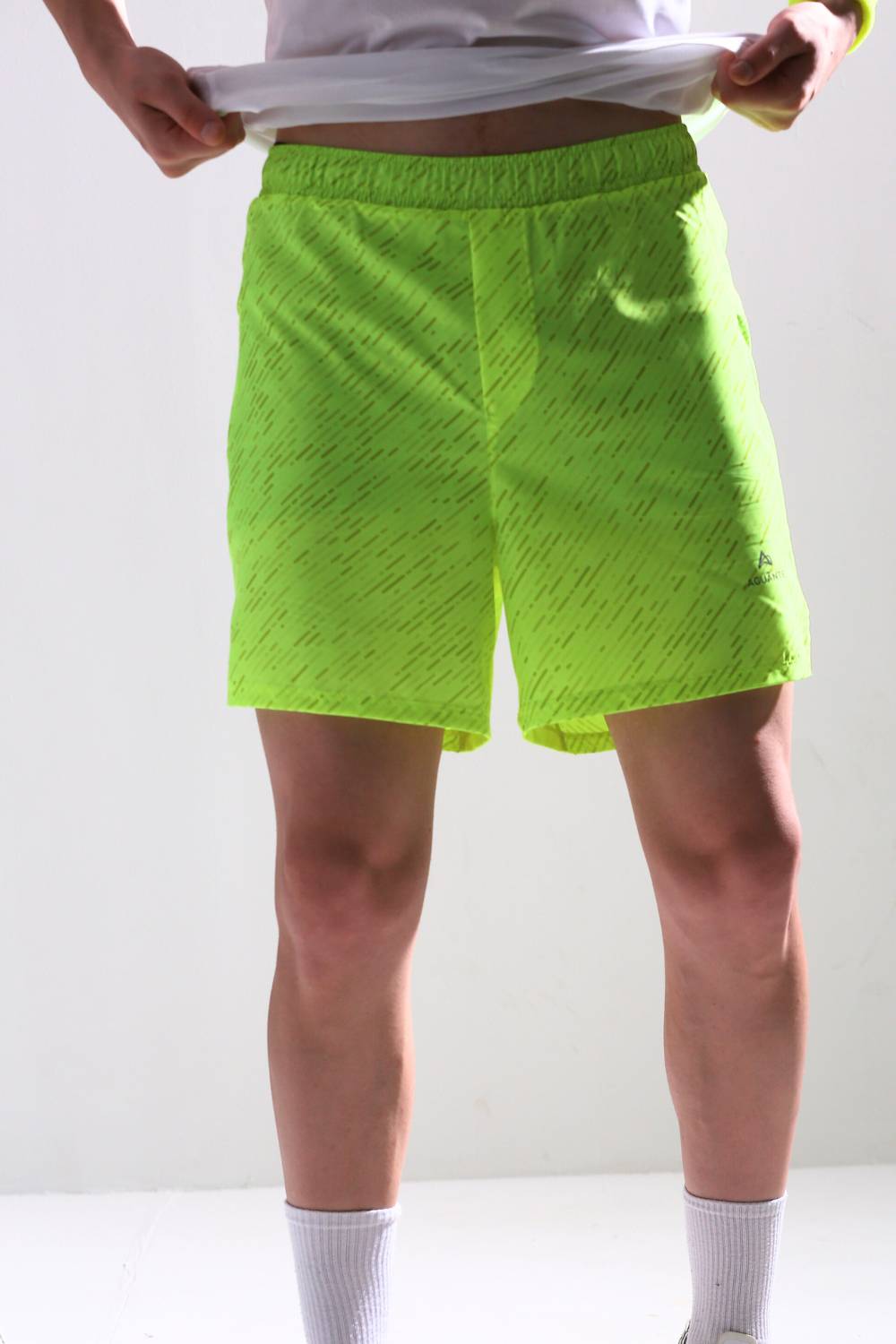
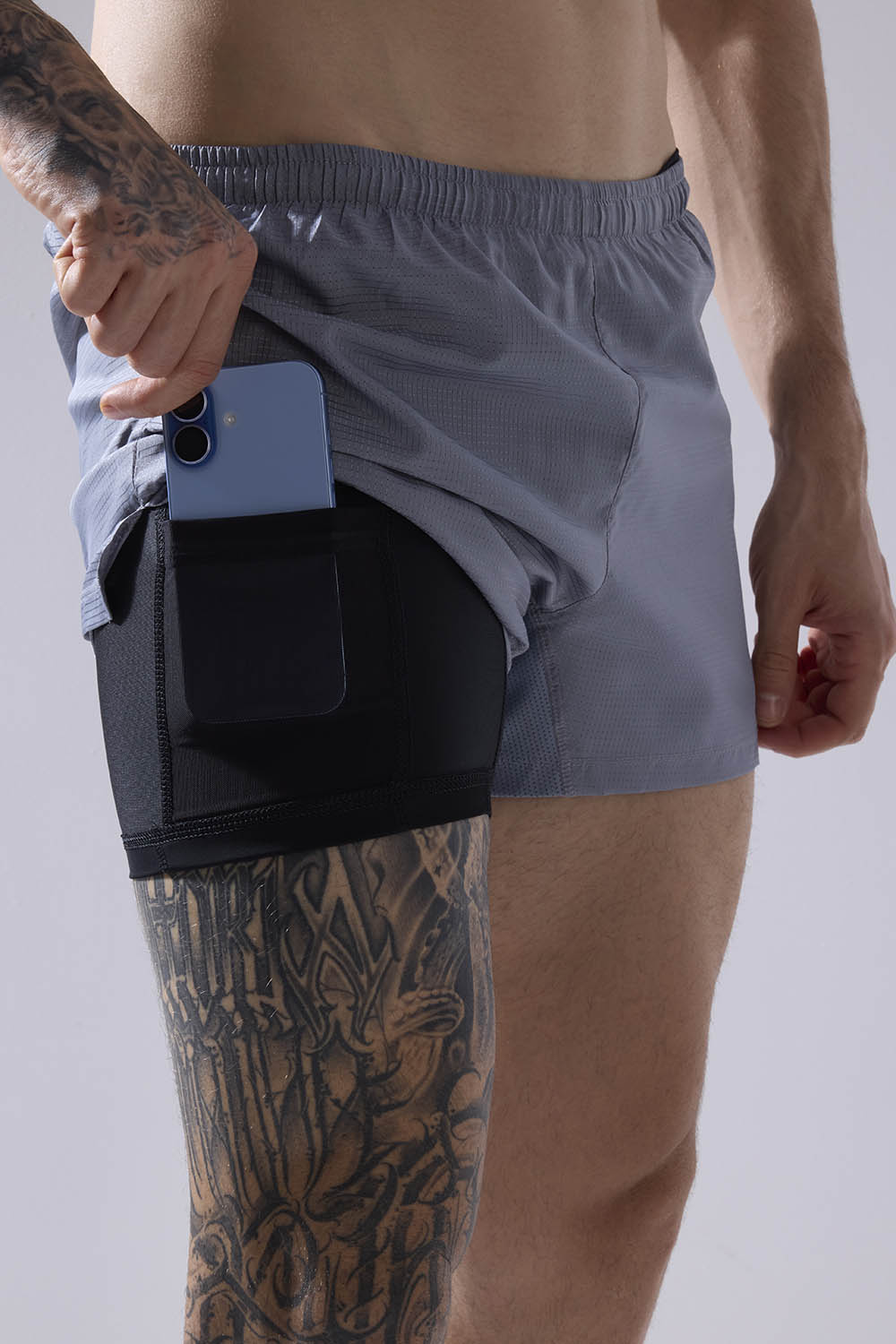

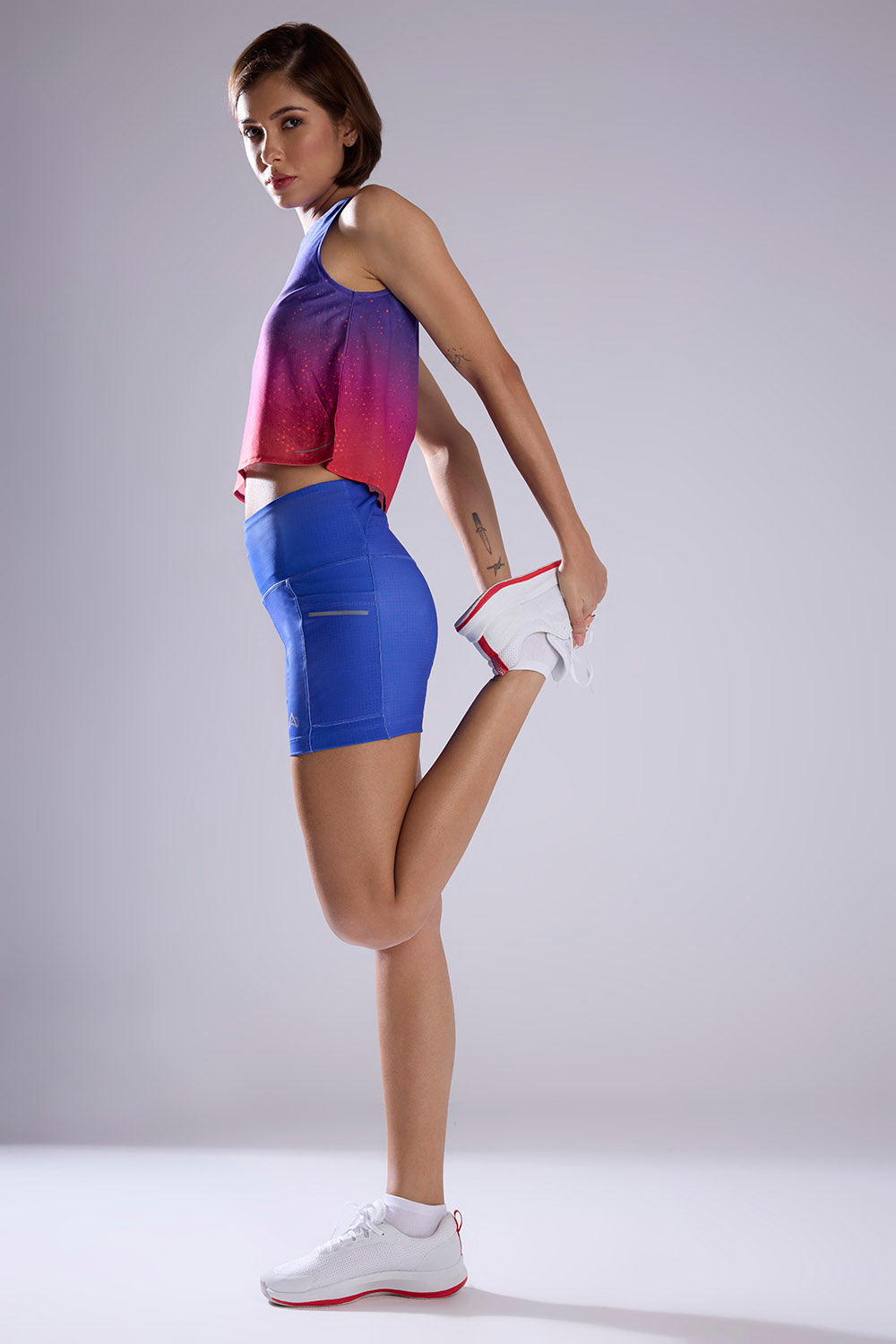
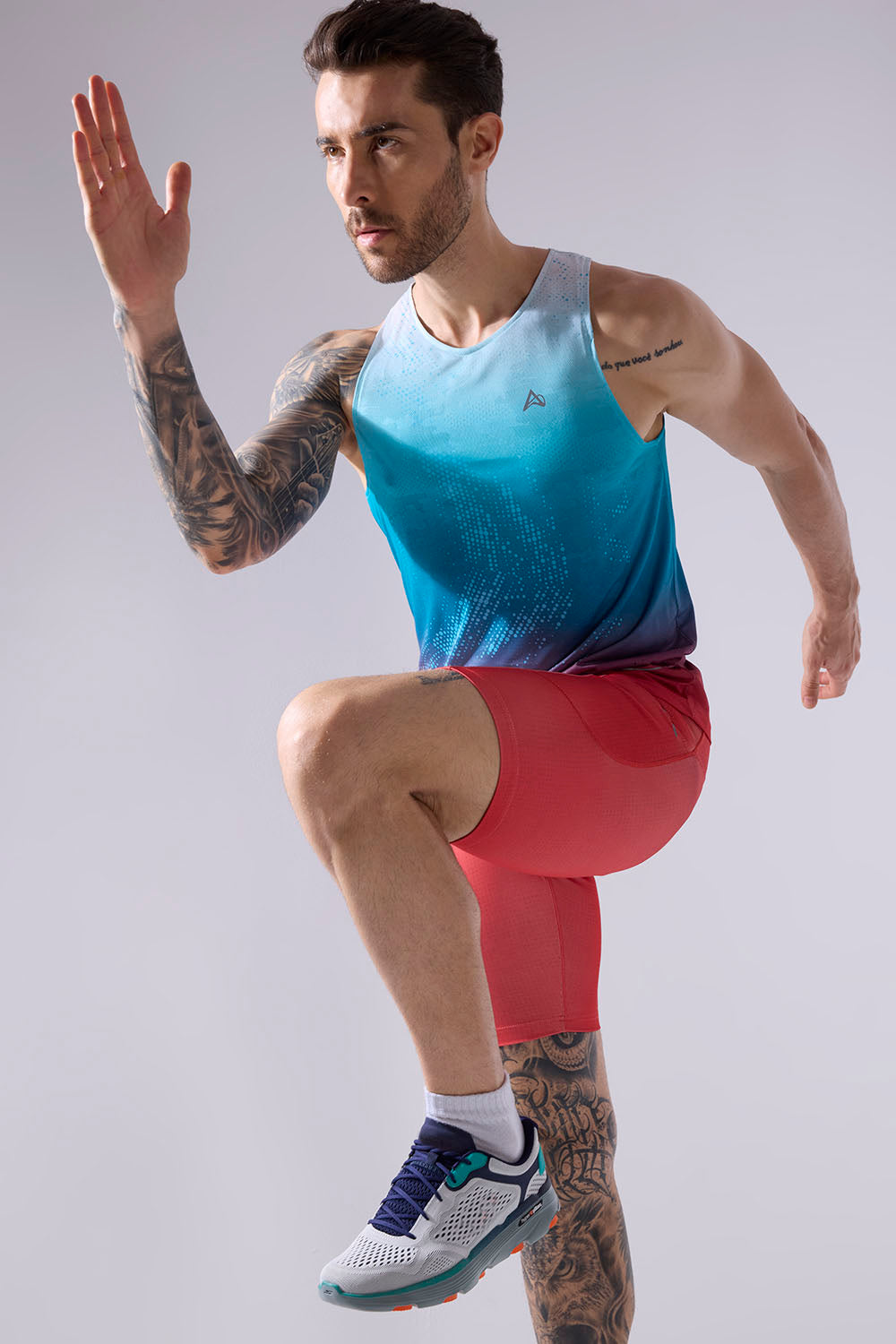

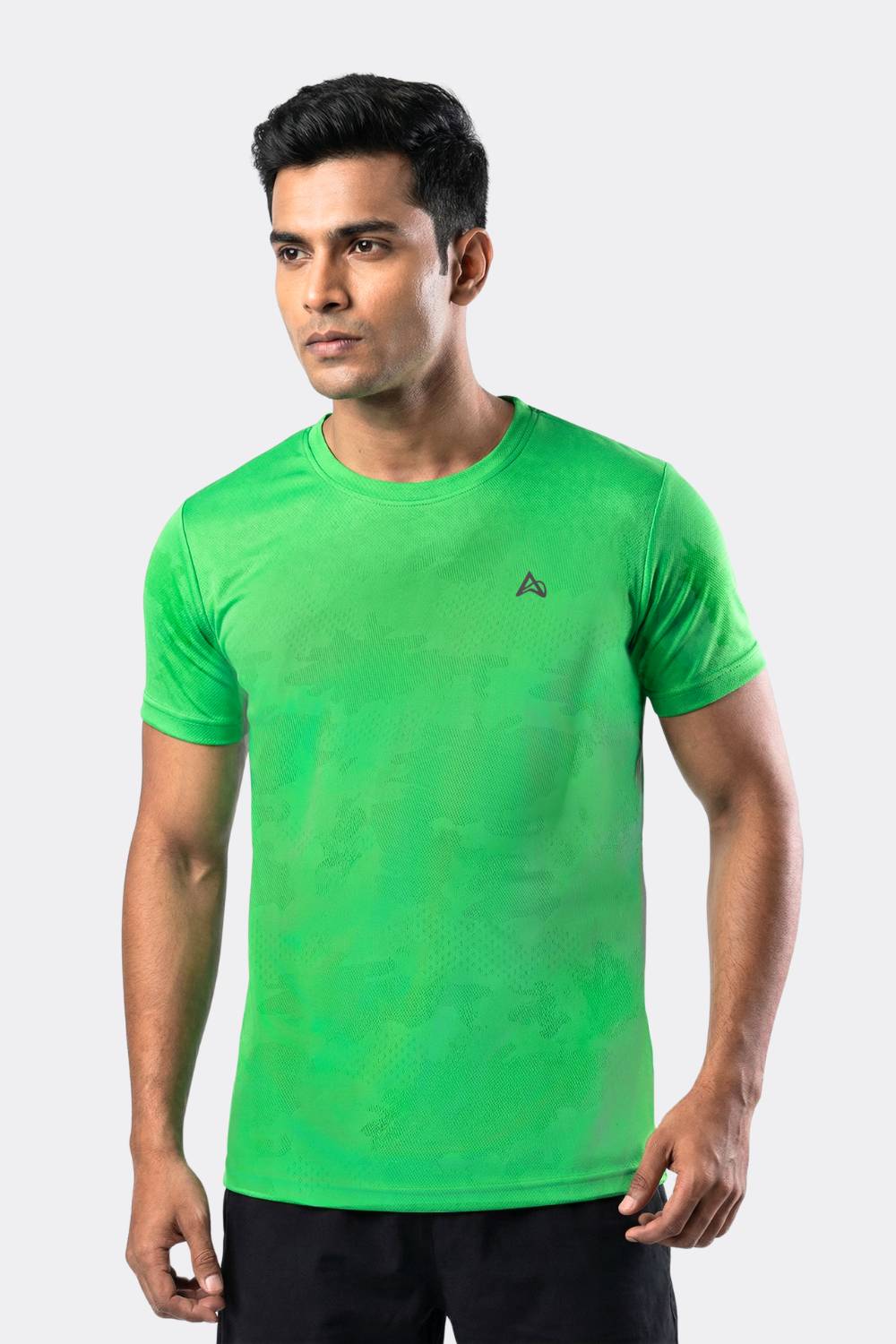
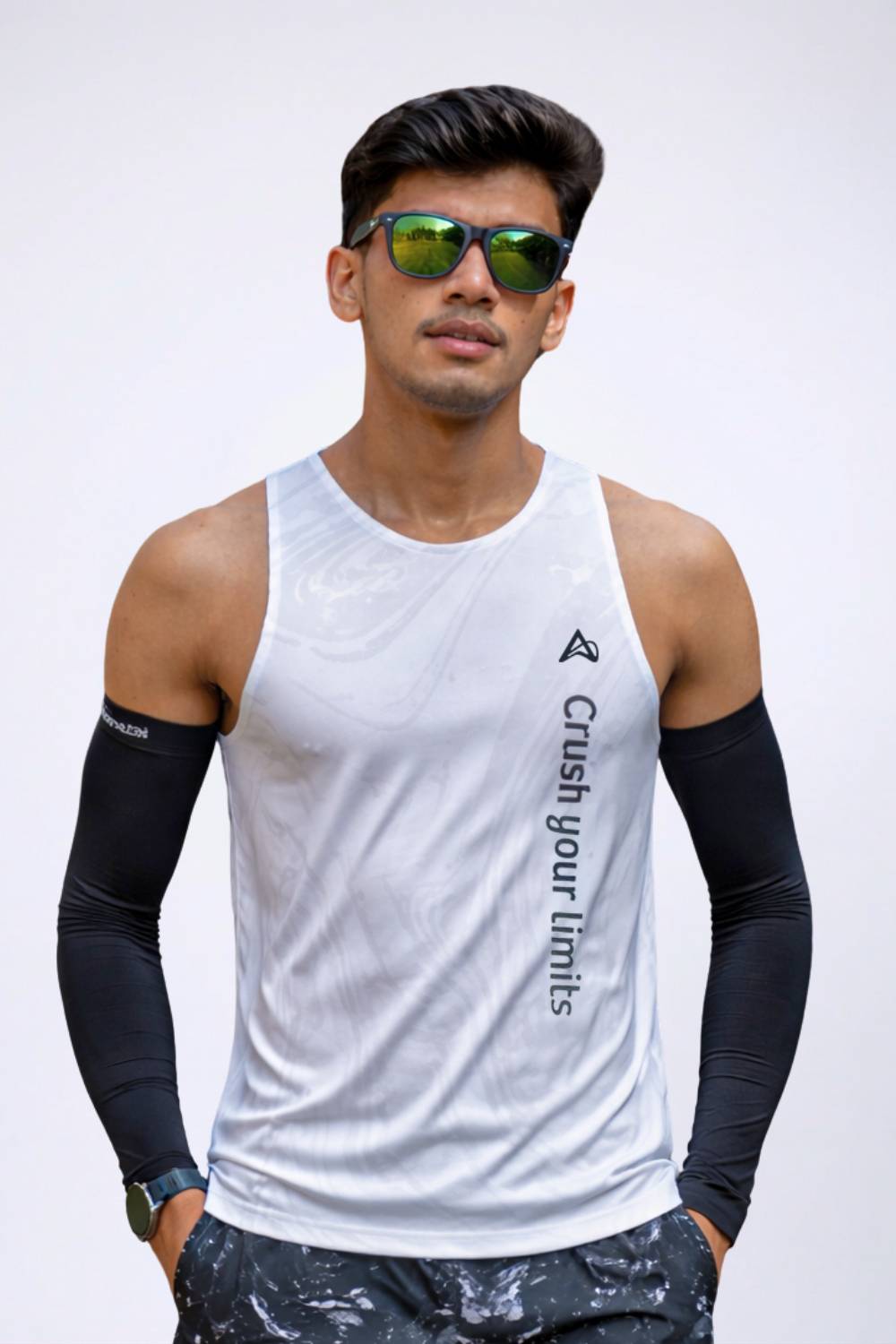

Selecting the right running singlet for race day can make a noticeable difference in your performance and comfort, especially when pushing through the demanding conditions common in urban races across India. Whether you're training in the humid mornings of Mumbai or preparing for events in the variable weather of Bangalore, a well-chosen singlet helps manage sweat, reduce chafing, and maintain focus on your pace rather than distractions from your gear.
Tired of gear that slows you down? Chafing, soggy fabrics, and missing pockets kill your run's momentum. At Aguante, we're runners who get it. Our high-performance activewear features moisture-wicking fabrics, ergonomic designs, and smart storage to keep you focused. Shop Now!
Understanding the Role of a Running Singlet in Races
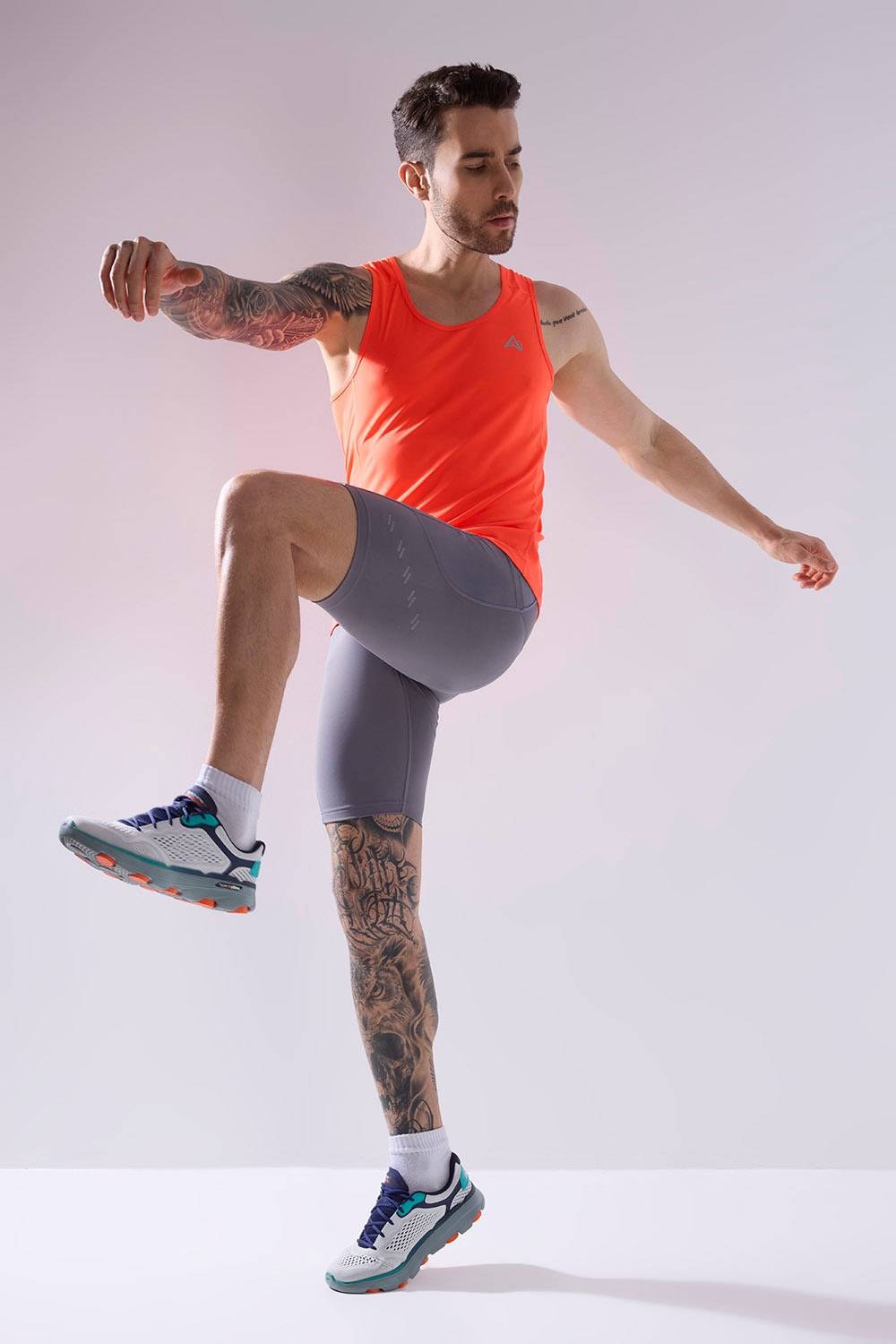
A running singlet, often called a race vest, serves as a lightweight layer designed specifically for competition. Unlike everyday training tops, it prioritizes minimal weight, maximum breathability, and freedom of movement. Runners in cities like Pune and Hyderabad frequently note how proper race attire helps them stay cool during longer efforts, where even small discomforts can impact timing and enjoyment.
The ideal singlet allows you to forget you're wearing it. It channels airflow, wicks moisture efficiently, and stays in place through high-intensity segments. This focus on performance details transforms basic apparel into a strategic advantage for race day.
Key Fabric and Weight Considerations
Determining the optimal running singlet for race day involves a thorough assessment of fabric weight, ventilation strategies, and ergonomic fit to maximize performance in competitive settings. Ultralight constructions using advanced Italian 3D mesh or open-weave materials weigh as little as 44 grams, allowing complete freedom of movement while rapidly evaporating sweat to prevent overheating or heavy dragging. Perforated designs and cutaway back panels channel airflow directly to the skin, maintaining a dry sensation even during sustained high-effort phases where moisture management becomes the difference between a solid effort and a disappointing finish. In warmer Indian conditions, these features prove particularly valuable. Best running shirts directly influences how the garment performs under race pressure. Lighter options in the 40 to 60 gram range prevent shifting or dragging that could distract from your form.
Fit, Seams, and Construction Details
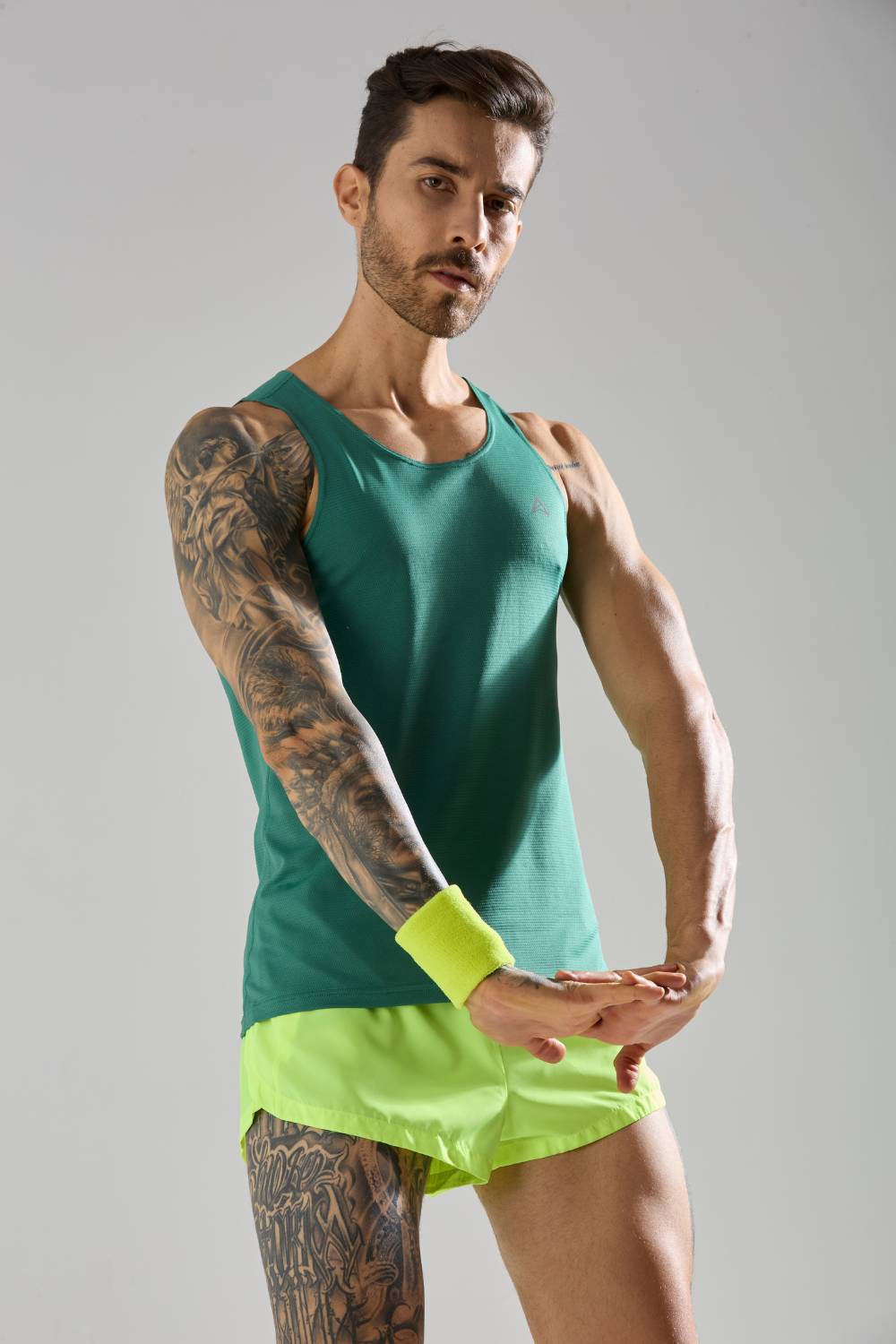
Ergonomic fit determines whether your singlet enhances or hinders your stride. Seek slim, aerodynamic silhouettes that reduce wind resistance and keep fabric secure without sagging. Wider armholes and racerback styles maximize shoulder mobility and airflow during intense segments.
Bonded seams and minimal construction eliminate chafing, a common issue in humid environments. Flatlock seams further reduce irritation, allowing you to maintain consistent pacing without adjusting your top mid-race. Reflective accents improve visibility for early morning or evening training sessions common in Delhi and Gurugram areas.
Choosing the ideal running singlet for race day requires evaluating factors like fabric weight, seam construction, and ventilation to deliver consistent comfort across varying race conditions. Lightweight designs in the 40 to 60 gram range prevent unnecessary bulk while still offering the security needed for longer efforts, where shifting fabric can lead to chafing or distraction. High-performance materials such as recycled polyester with antimicrobial finishes wick moisture effectively and dry quickly, keeping the body cool even in warm climates without the heaviness that slows pace.
Fitted yet non-restrictive cuts with wider armholes and racerback designs maximize mobility and airflow, allowing full shoulder and back freedom during high-intensity segments. Features like flatlock seams, reflective accents for visibility, and breathable perforations further enhance this by reducing drag and promoting steady heat dissipation, which is critical when pushing for a time goal. Best running vests become especially important for races ranging from 5K events to full marathons, where comfort over hours makes the difference between a strong finish and unnecessary fatigue.
Ventilation and Moisture Management Features
Effective ventilation separates good race singlets from average ones. Perforated panels and strategic mesh zones promote steady heat dissipation, crucial when temperatures rise during midday events in Ahmedabad or Surat. These designs help regulate body temperature without compromising the garment's lightweight feel.
Quick-dry properties ensure the fabric doesn't hold moisture, reducing the heavy, clinging sensation that slows runners down. UV-resistant layers add protection during outdoor training, supporting consistent performance across varying conditions.
Practical Testing and Versatility Tips
Before race day, test potential singlets during training runs that mirror event conditions. Real-world evaluation in both dry and humid settings reveals how well the garment maintains shape and breathability after repeated sweat exposure.
Consider versatility too. The best options integrate smoothly with hydration systems, race bibs, and your regular shorts or trainers. This adaptability supports warm-up routines and cool-downs, making the singlet a reliable part of your overall kit.
Runners preparing for community events or competitive races in Navi Mumbai often find that prioritizing these technical attributes leads to smoother execution and greater enjoyment of the sport.
Common Pitfalls to Avoid
Many runners overlook how poor fit or heavy fabrics can create drag and discomfort during key moments. Avoid singlets with bulky seams or restrictive cuts that limit natural movement. Instead, focus on garments engineered for race-specific demands.
Another frequent mistake involves choosing style over function. While aesthetics matter, performance features like moisture wicking and ventilation should guide your decision for optimal results.
Final Thoughts on Race Day Preparation
Choosing the best running singlet involves balancing lightweight construction, superior ventilation, and thoughtful design details tailored to your racing needs. By evaluating fabric weight, seam quality, and breathability features, you equip yourself with gear that supports peak performance when it matters most.
Invest time in finding a singlet that feels almost invisible during your efforts. This preparation contributes to better pacing, reduced exertion, and a more rewarding race experience for runners across India's vibrant running communities.
Frequently Asked Questions
How do I choose the best fabric and fit for a running singlet?
The best running singlet fabric is typically ultralight, such as recycled polyester or open-weave mesh, which helps with moisture-wicking and quick drying. A good race fit is slim and aerodynamic with racerback designs and wider armholes for better mobility. Lightweight options in the 40–60 gram range help reduce drag and improve overall comfort during running.
What is a running singlet and why is it important for race day performance?
A running singlet, also known as a race vest, is a lightweight top designed specifically for competitive running. It helps improve race day performance by enhancing breathability, reducing sweat buildup, and minimizing chafing. This allows runners to stay focused on pace and comfort, especially during long or high-intensity races.
What features should I look for in a running singlet for hot and humid race conditions?
For hot and humid conditions, prioritize ventilation features like perforated panels and strategic mesh zones that promote airflow. Quick-dry and moisture-wicking fabrics help prevent sweat buildup and keep the body cool during intense efforts. Additional benefits like flatlock seams reduce chafing, while UV protection and reflective details enhance safety and comfort.
Disclaimer: The above helpful resources content contains personal opinions and experiences. The information provided is for general knowledge and does not constitute professional advice.
You may also be interested in: Track Pants vs. Tights: Which is Best for Your Run? - Aguante
Tired of gear that slows you down? Chafing, soggy fabrics, and missing pockets kill your run's momentum. At Aguante, we're runners who get it. Our high-performance activewear features moisture-wicking fabrics, ergonomic designs, and smart storage to keep you focused. Shop Now!
Powered by flareAI.co