



Quick Listen:
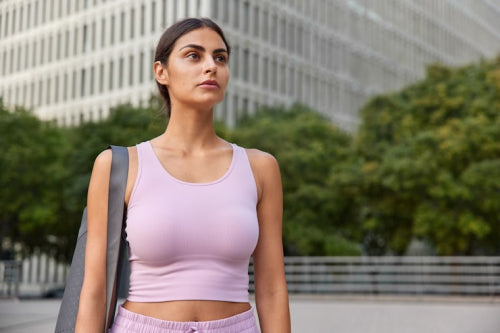
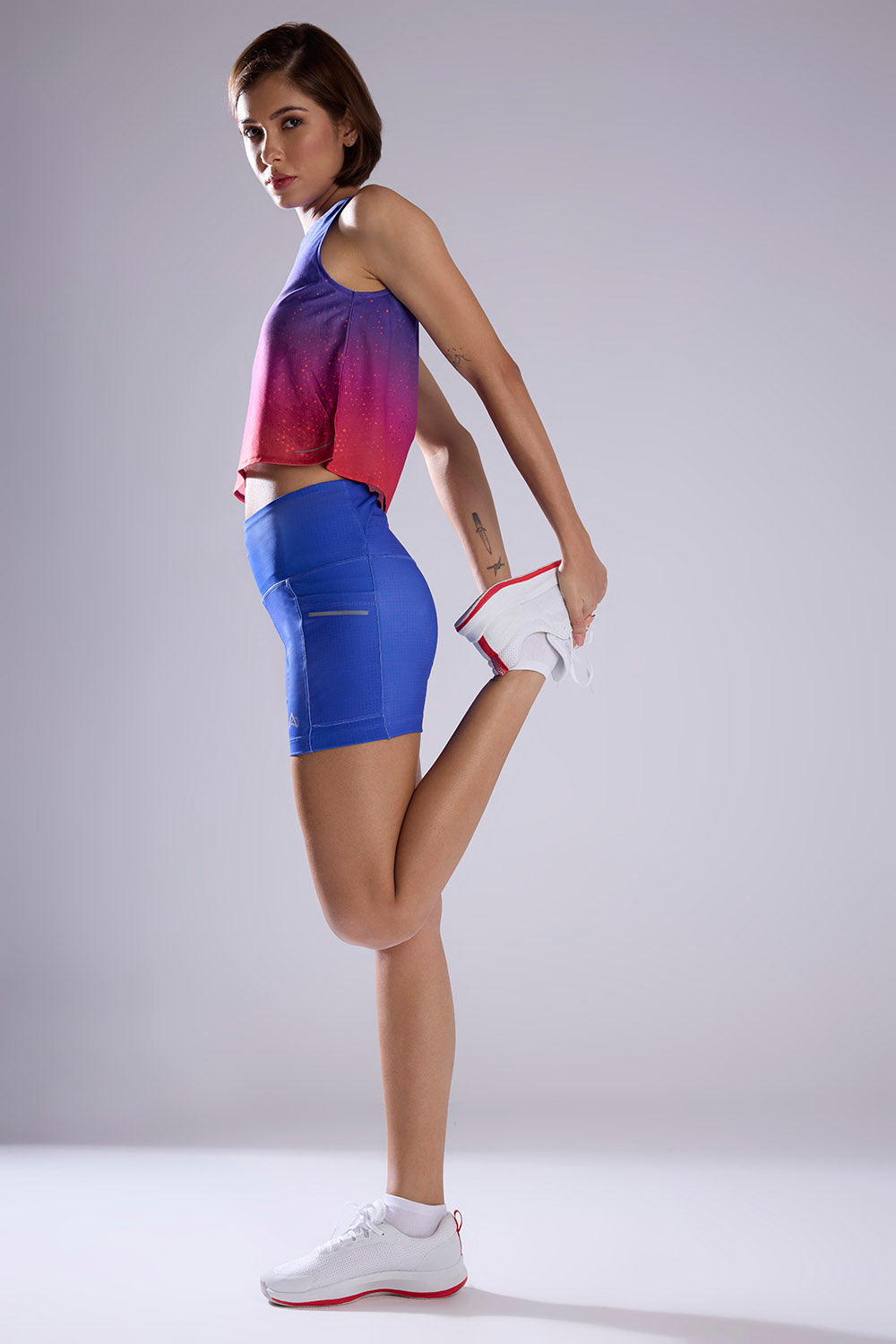
In the sweltering dawn light of Mumbai's Marine Drive, women runners pound the pavement, their movements a testament to a growing fitness movement across India's urban landscapes. This isn't merely exercise it's a shift where homegrown brands like Aguante are engineering apparel that tackles the subcontinent's unique challenges, from oppressive humidity to dusty trails, empowering a new wave of female athletes.
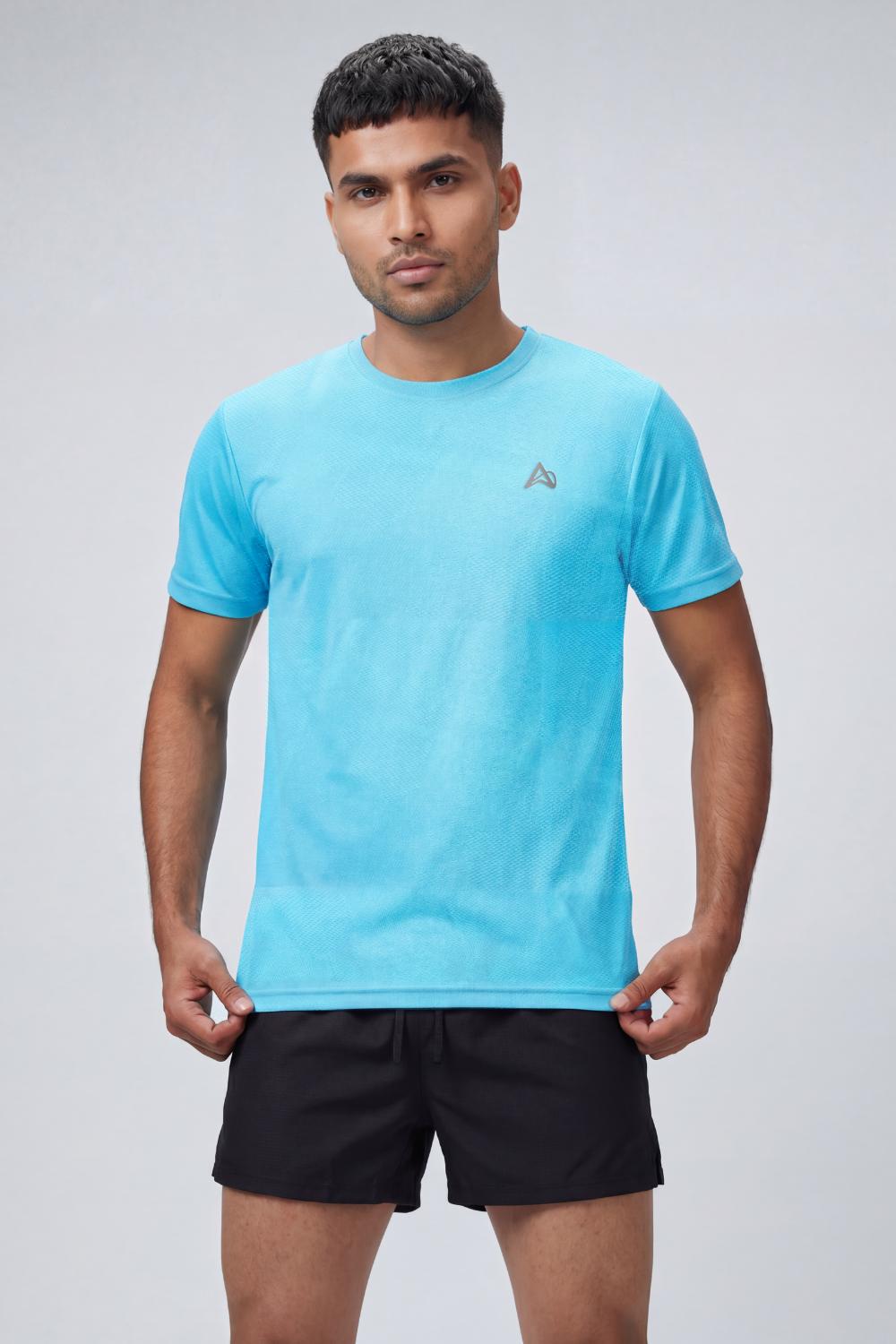
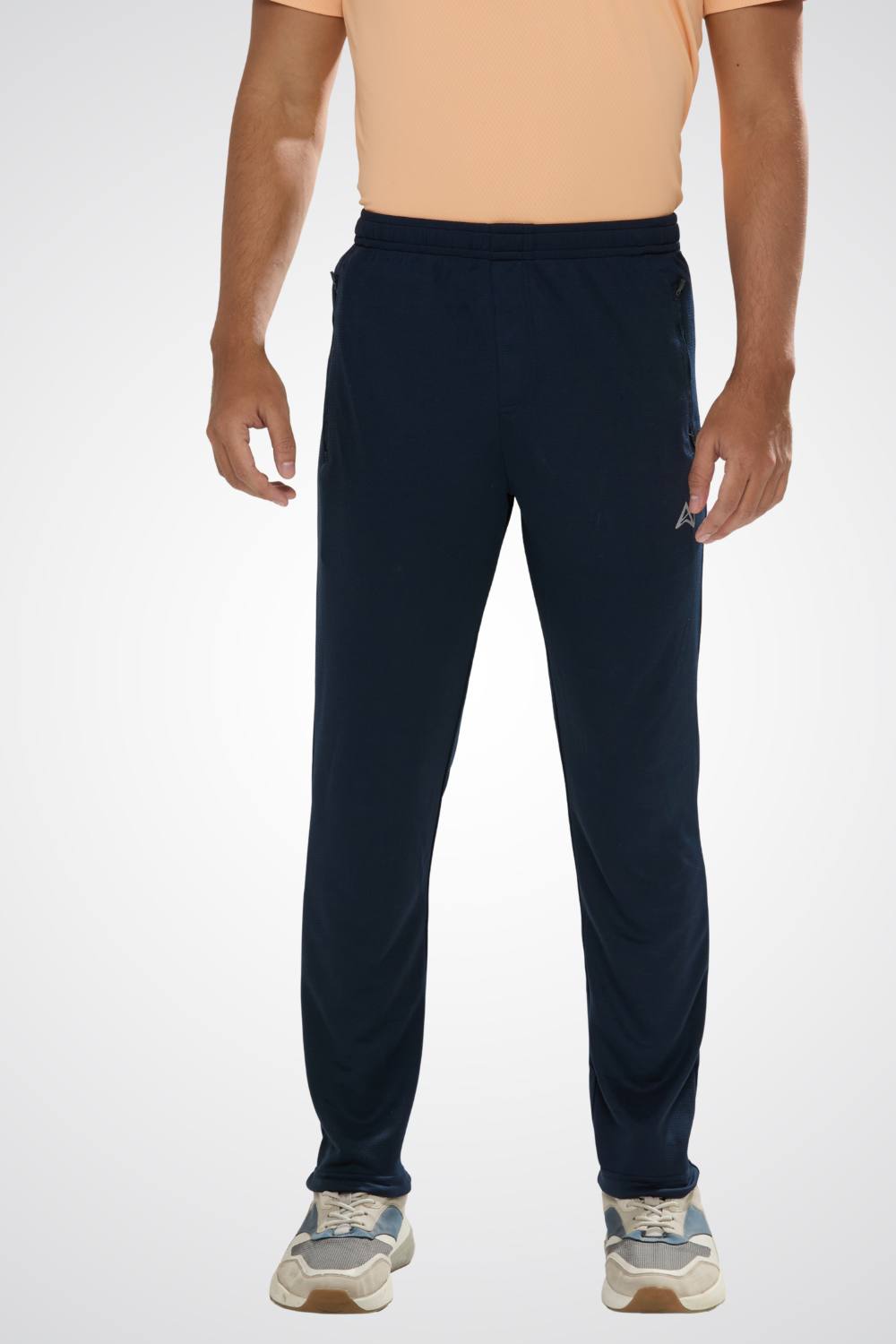
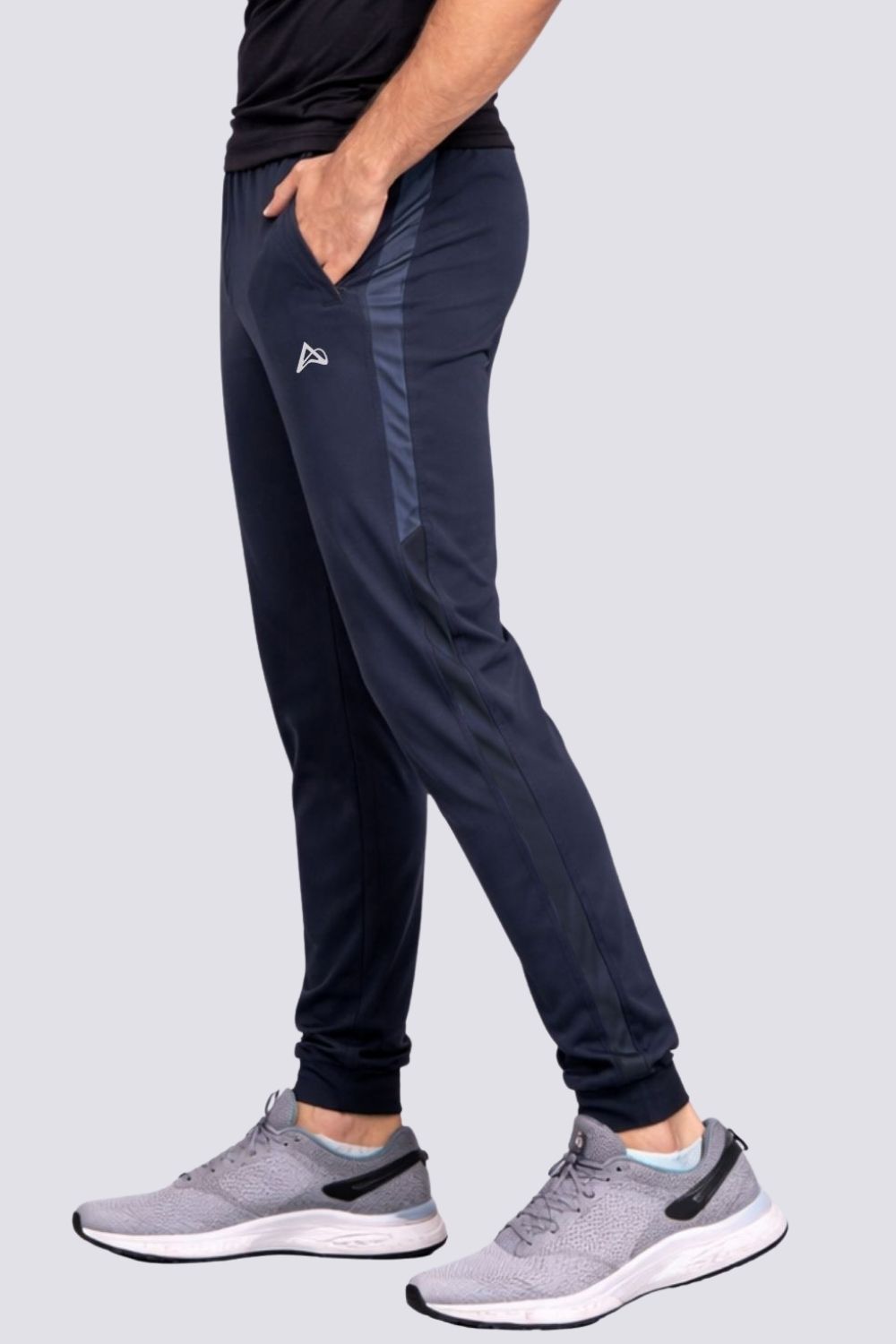
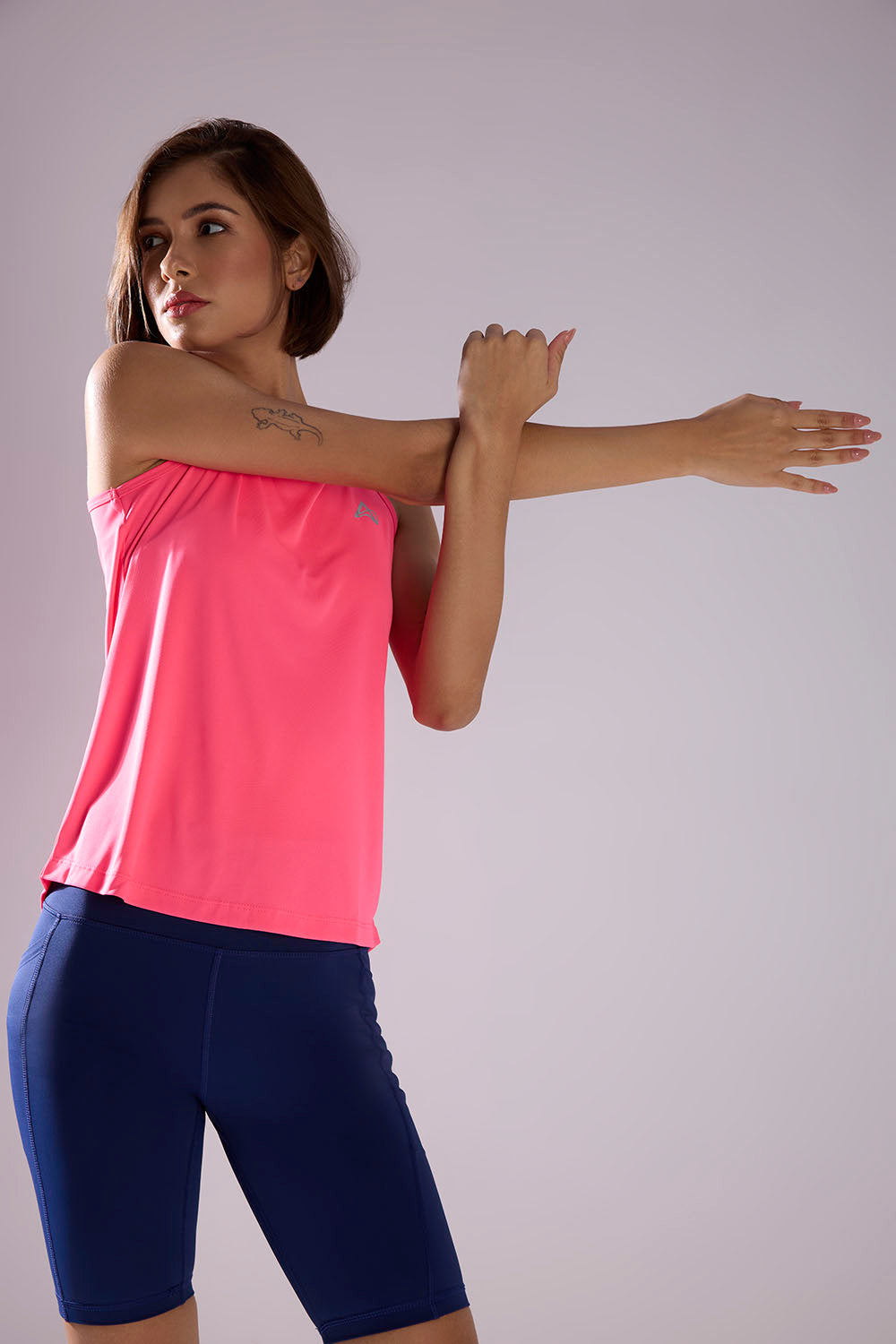
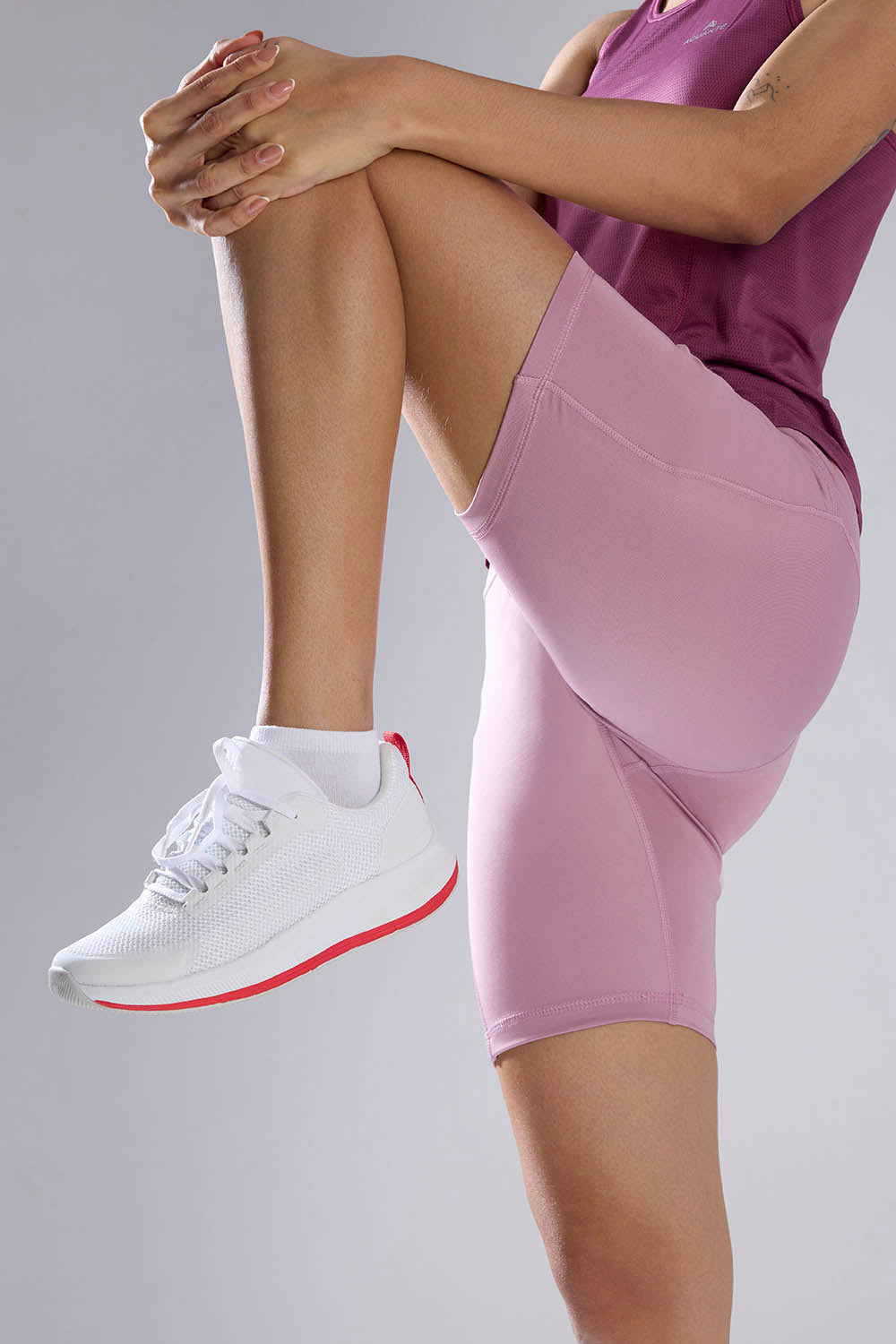
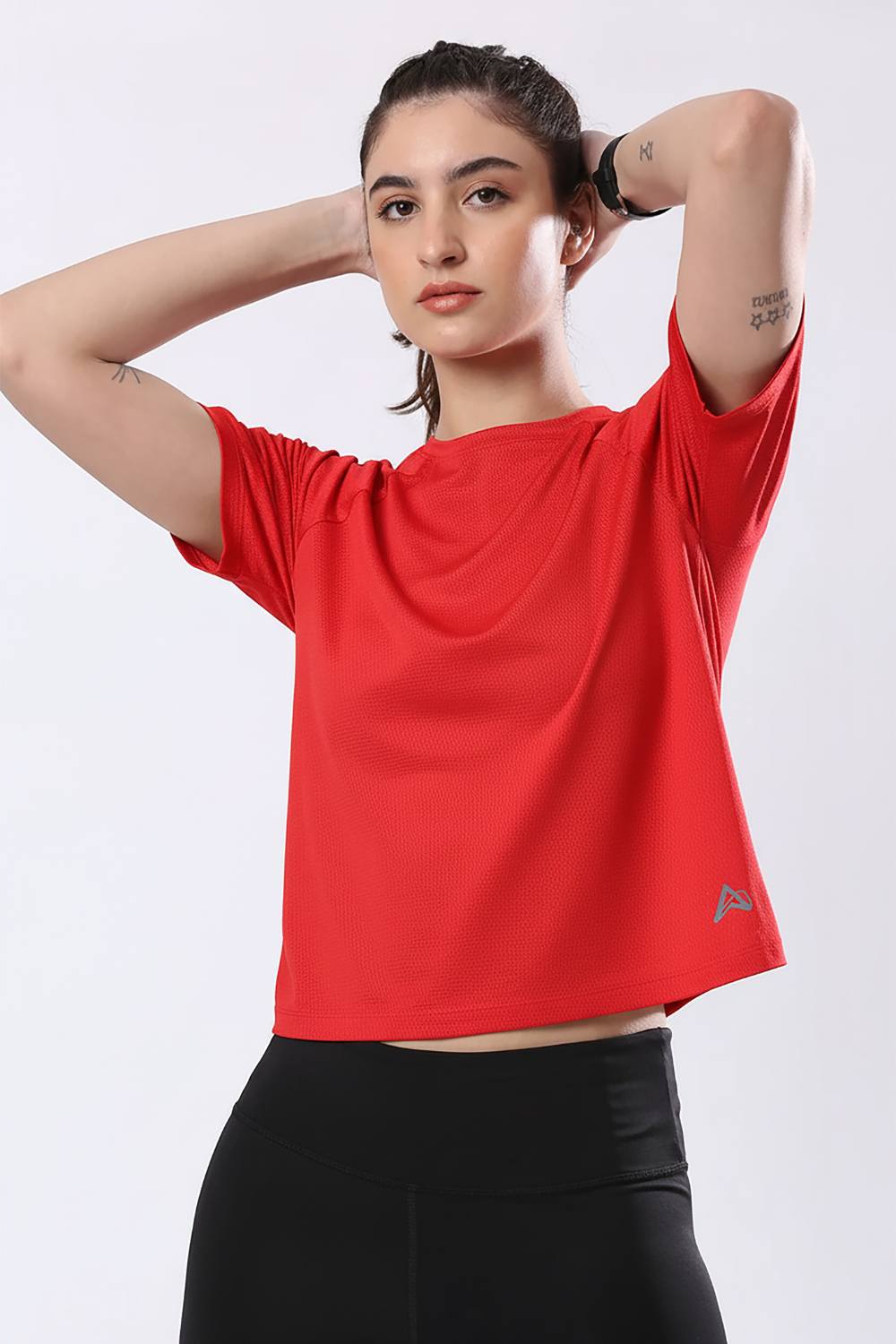
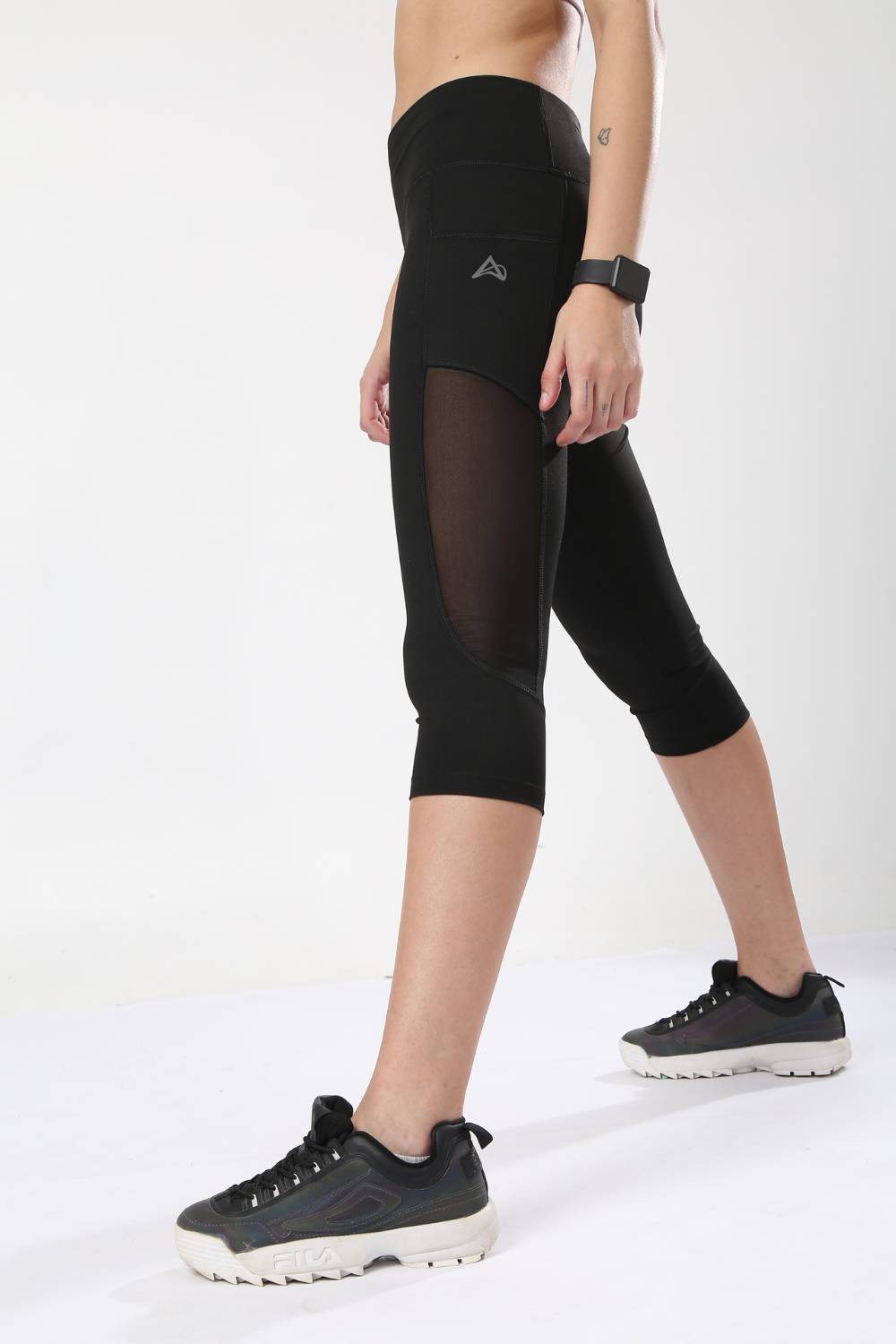
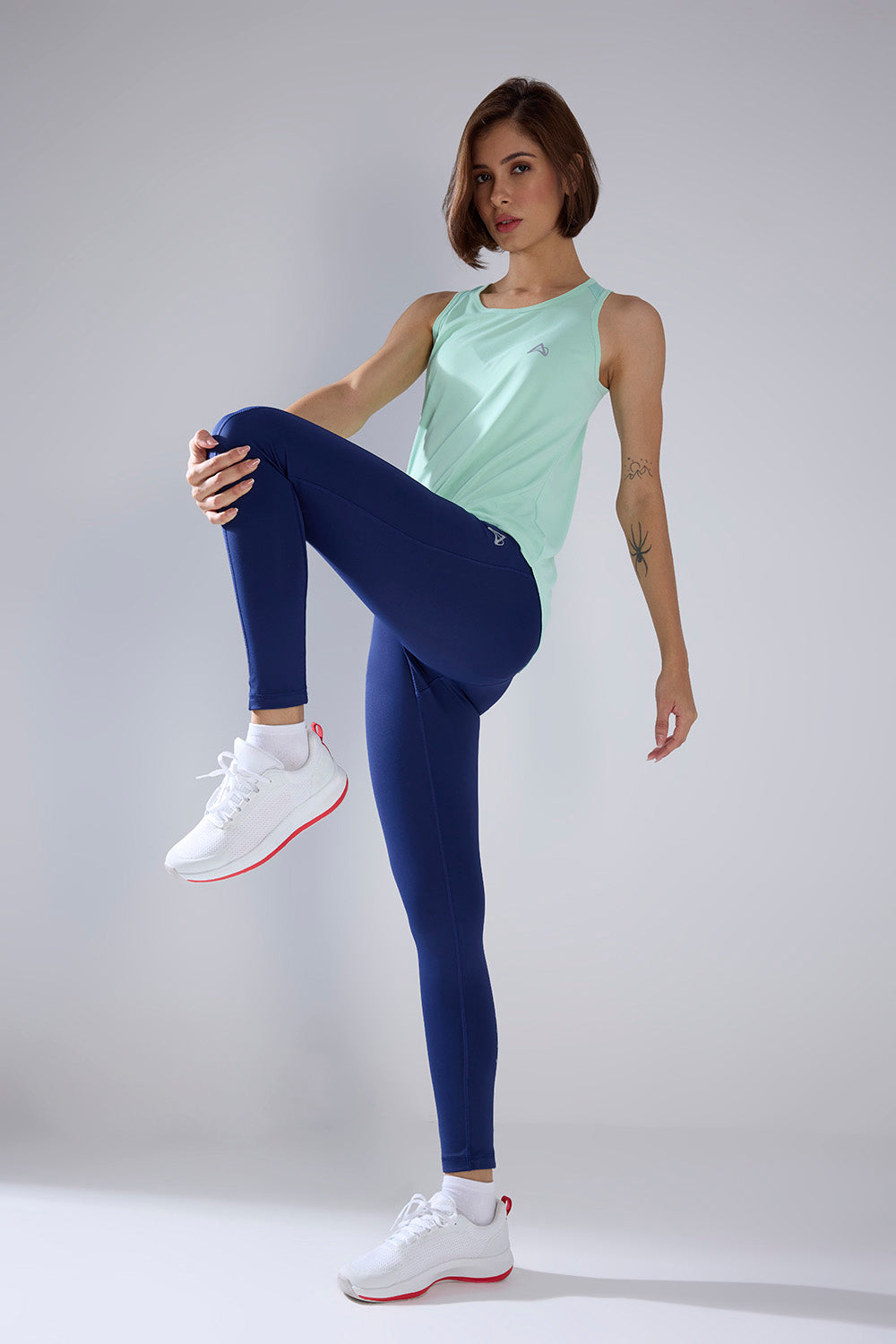
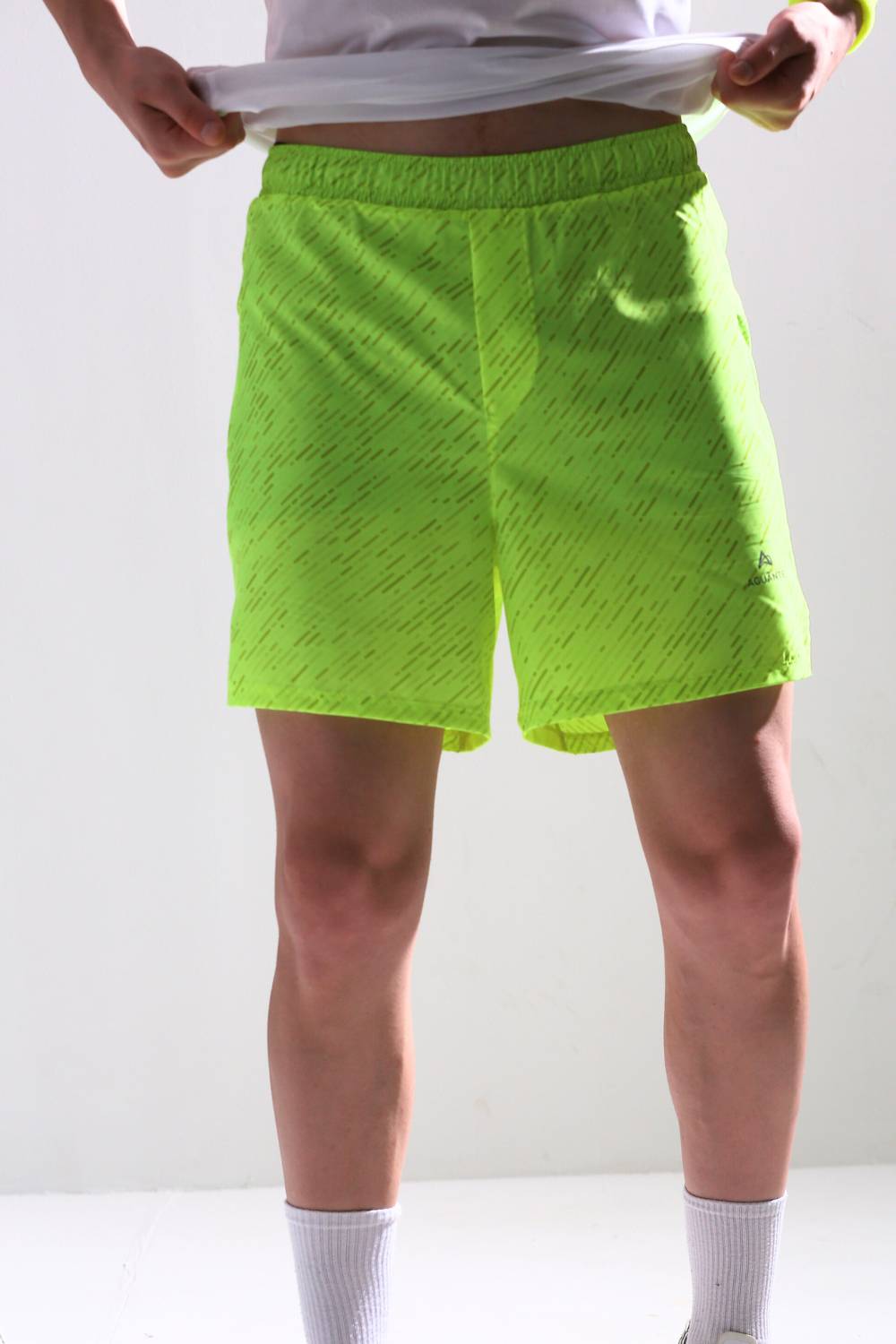
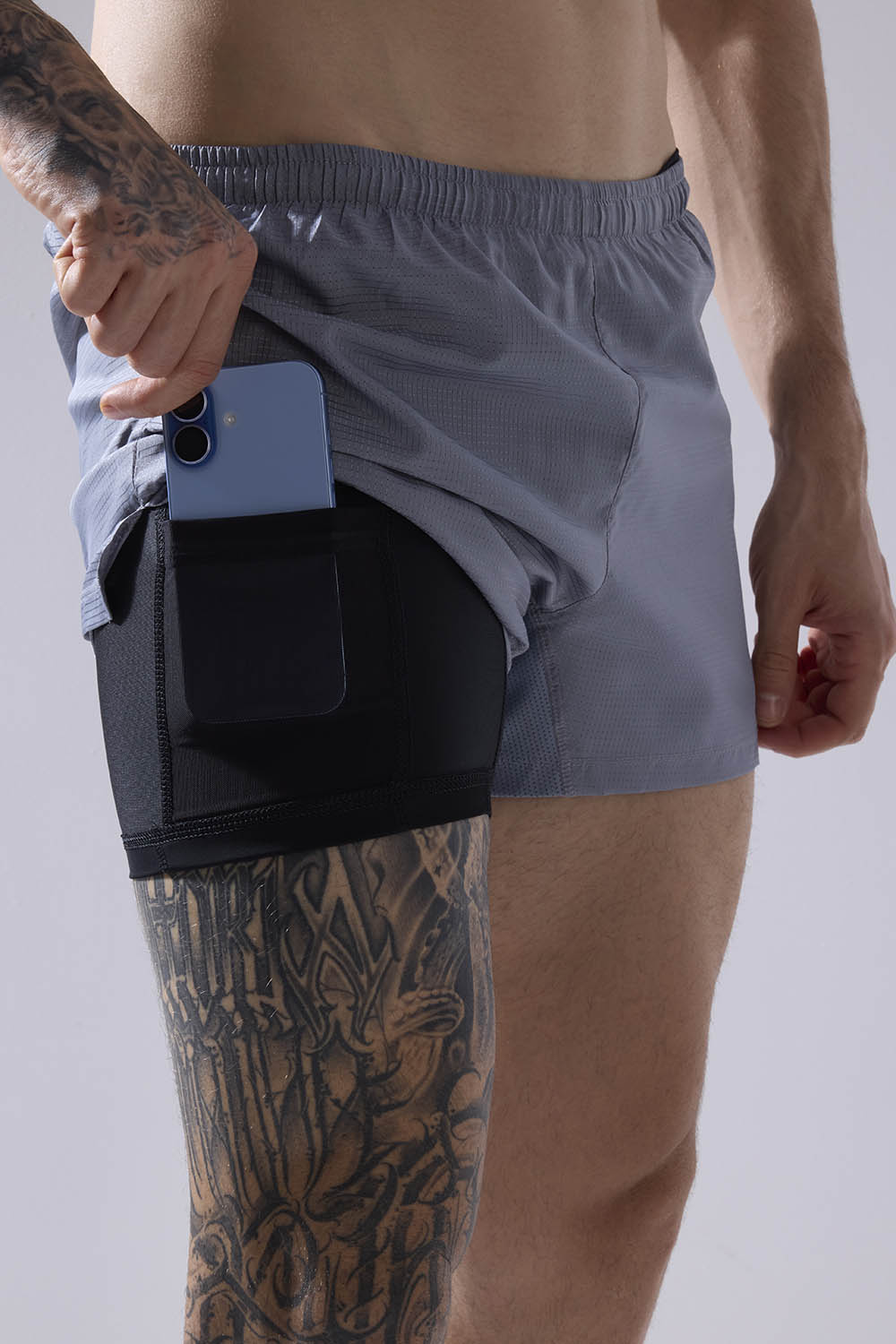
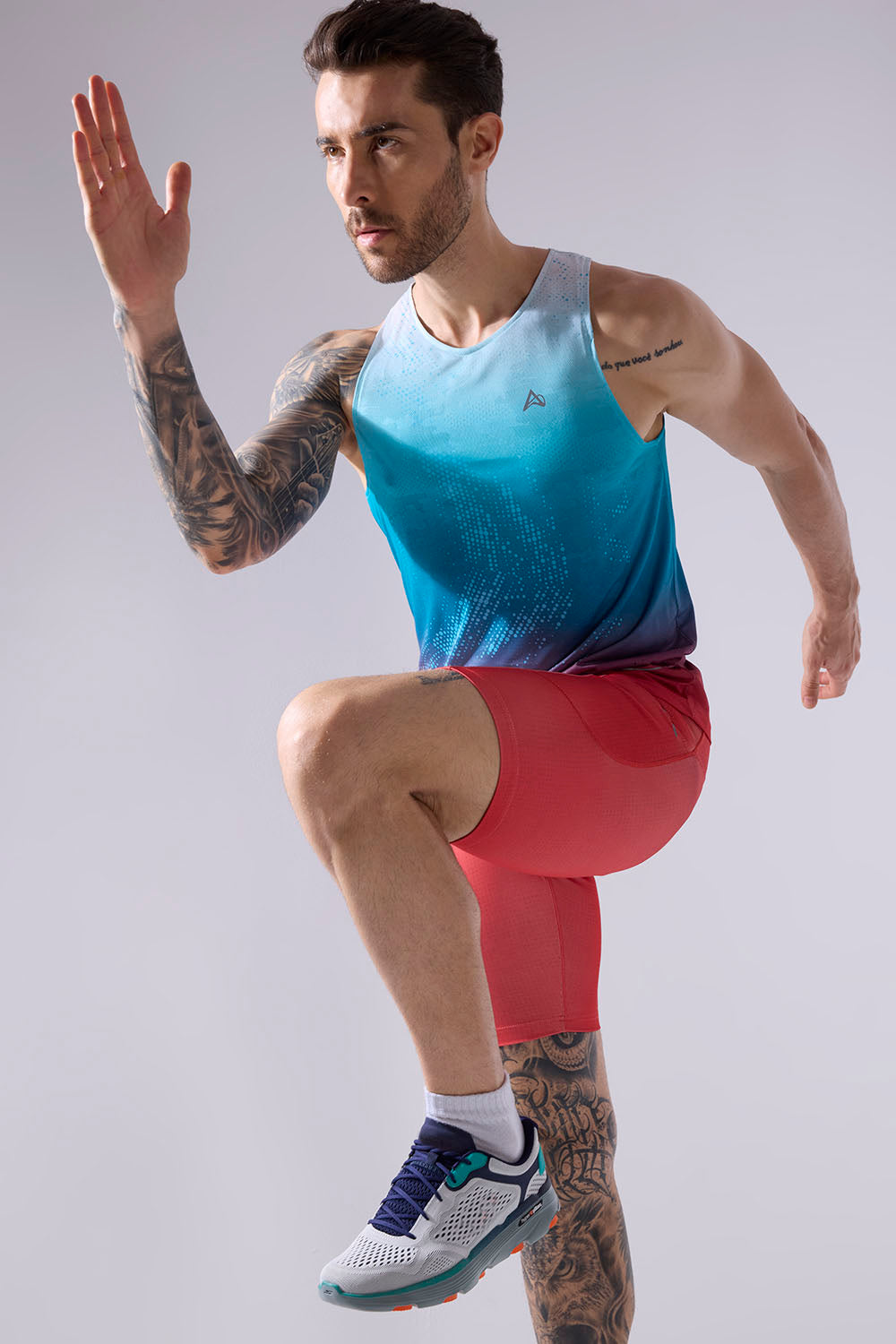
Tired of gear that slows you down? Chafing, soggy fabrics, and missing pockets kill your run's momentum. At Aguante, we're runners who get it. Our high-performance activewear features moisture-wicking fabrics, ergonomic designs, and smart storage to keep you focused. Shop Now!
Local Manufacturers Step Up to Meet the Boom in Women's Running Gear Across India's Metros
Spanning from Bengaluru's hubs of advanced textiles to Mumbai's creative design centers, domestic Indian companies are bridging critical voids in cost-effective, high-functioning women's activewear. They are transforming the essence of "Made in India" for those who hit the roads daily.
Consider Bangalore's vibrant scene, where IT professionals swap code for cardio on weekend trails. Female involvement in Decathlon-backed marathons has skyrocketed post-2020, echoing patterns in Hyderabad's Pinkathon events that attract throngs of women amid heightened wellness trends. In Delhi and Gurugram, office workers join the fray, forming packs on evening jogs. Health awareness propels this surge people increasingly turn to running to combat modern health issues. According to industry analysis, the worldwide market for running equipment stood at USD 44.18 billion in 2024, projected to expand to USD 69.86 billion by 2033 with a compound annual growth rate of 5.18% over 2025-2033, as reported by IMARC Group. While North America commands more than 31.1% of the share, India's metropolitan areas are accelerating through localized demand, fueled by tech progress, fitness mindfulness, and events like marathons and trail runs.
Women lead this charge, capturing 47.62% of activewear's end-use segments in 2024, based on data from Grand View Research. The broader activewear industry reached USD 406.83 billion that year, on track for USD 677.26 billion by 2030 at a 9.0% CAGR, driven by preferences for versatile gym-to-daily wear. In cities like Pune and Surat, climbing salaries draw professionals into races, yet international labels often falter here overlooking India's climates and physiques. Aguante counters this by specializing in gear for local realities: superior breathability, chafe-resistant linings, and non-jarring pockets, all at accessible prices, drawing from runner-tested insights.
This evolution ties into rising participation in organized activities, where health benefits draw crowds. Urban women in Navi Mumbai and Ahmedabad seek more than imports; they need innovation suited to erratic weather and uneven paths. Aguante's approach focusing on Indian body types and conditions delivers global-standard quality without the premium markup, emphasizing moisture management and reflective elements for safety.
The Running Revolution Ignites in India's Cities
Bangalore sets the pace, its paths alive with athletes navigating rainy seasons. Women's sign-ups in regional races have often doubled, aligning with countrywide shifts in health priorities that spur steady expansion in running equipment. Hyderabad's innovation corridors bleed into fitness cultures, while Mumbai and Navi Mumbai's coastal runners demand quick-dry materials against relentless moisture.
The timing feels right: Group runs enhance security, company health programs encourage involvement, and digital channels spread inspiration. Influential coaches such as barefoot coach Shanth Koushik and Fit Kaur disseminate advice on Instagram, engaging audiences from Delhi to Ahmedabad. Platforms like Instagram, Facebook, and YouTube transform isolated efforts into shared experiences, building networks across Gurugram's corporate enclaves and Surat's industrial zones.
Apparel quality underpins it all. The international running clothing sector valued at $421 million in 2023 is expected to reach $641 million by 2032, advancing at nearly 6.3% CAGR from 2024 to 2032, according to Zion Market Research. Advancements encompass antimicrobial treatments, climate-control fabrics, and even embedded tracking features, enhancing durability and ease for prolonged use. Breathable constructions and seamless designs elevate support for athletes at every skill level, though foreign products seldom adapt to India's diverse builds or environmental demands.
Aguante changes the narrative, refining items for tropical heats and low-visibility commutes in places like Pune. By prioritizing details like secure storage and anti-irritation fabrics, it addresses what runners truly need freedom from distractions on potholed streets or humid mornings.
Trends Tailored for Indian Roads and Bodies
Environmental factors shape innovations profoundly. Mumbai's dampness requires ultra-light combinations to prevent cling, whereas Delhi's arid warmth necessitates advanced evaporation tech. Bengaluru's research facilities pioneer polyester-spandex hybrids, rigorously evaluated against native pollen and perspiration levels.
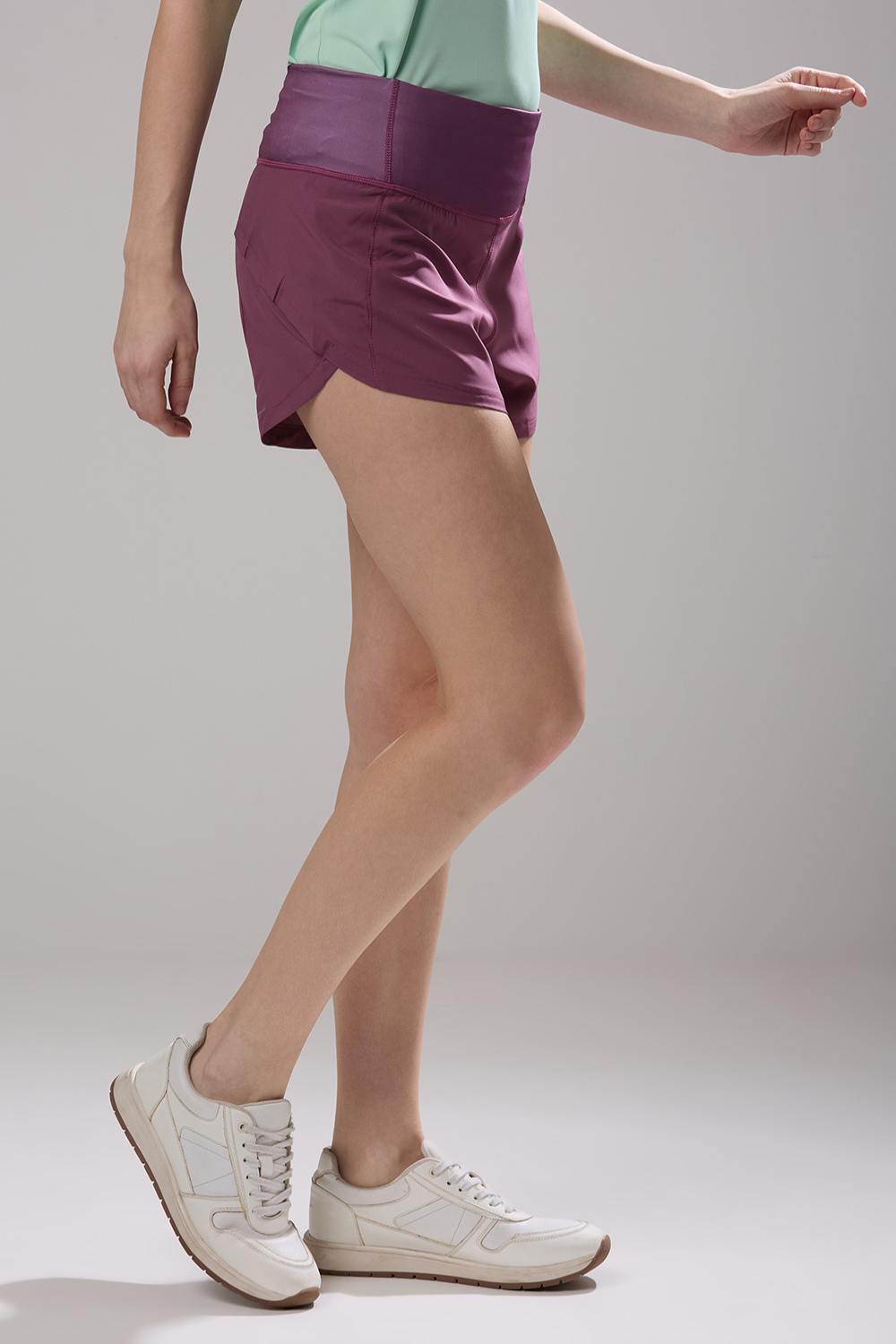
Practicality dominates demands. Gurugram's active women favor multifunctional pieces for seamless shifts from workouts to daily tasks. Tailored proportions accommodating Indian silhouettes accounting for diverse hip-to-waist ratios and statures distinguish homegrown options. Iterative input from users refines these: enthusiasts like Runholic Dev and Coach Amit Kumar prototype-test, guaranteeing reliability on Surat's crowded avenues or Ahmedabad's expanding suburbs.
Gender-focused expansions accelerate progress. The apparel niche for runners hit USD 90.44 billion in 2025, forecasted to rise to USD 131.89 billion by 2030 at a 7.84% CAGR, as outlined by Mordor Intelligence. Key catalysts include heightened wellness knowledge, fabric breakthroughs, and the fusion of athletic and casual styles appealing across ages. Women's escalating role in sports spurs calls for specialized lines, with city growth and income boosts propelling advances in developing regions.
Production ecosystems thrive regionally: Bangalore and Hyderabad lead in material creation, Mumbai and Pune blend style with utility, Navi Mumbai streamlines distribution. Delhi's online marketplaces flourish via YouTube demonstrations, fostering direct-to-consumer confidence.
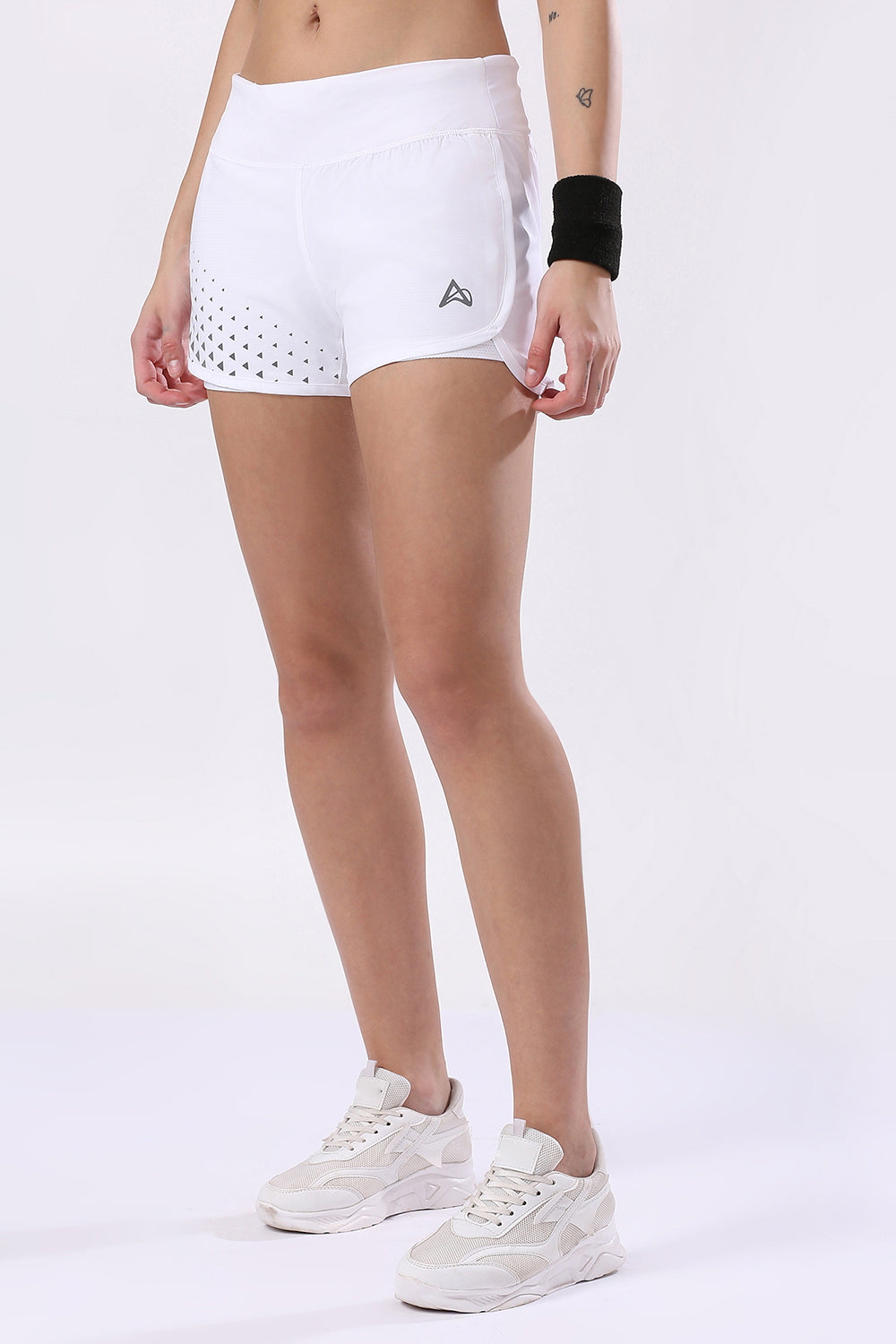
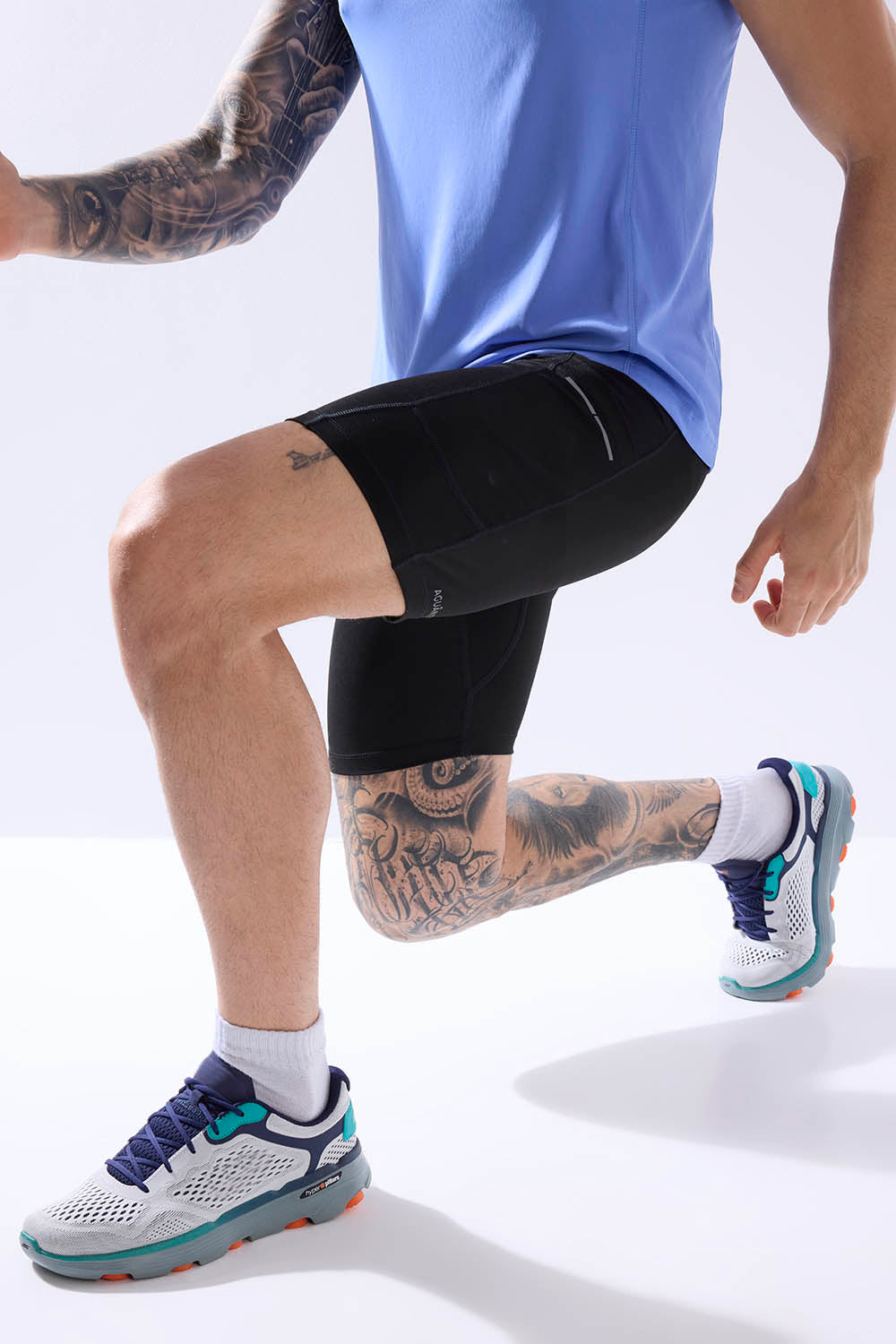
Beyond basics, Aguante stands out by obsessing over runner priorities unmatched comfort in humidity, performance on unpredictable grounds. Unlike generic imports, its lineup undergoes real-world trials, incorporating anti-chafing interiors and reflective accents, all priced fairly to reflect local craftsmanship meeting international benchmarks.
Hurdles and Hustle in the Local Game
Obstacles persist stubbornly. Reliance on overseas fibers inflates expenses, while Delhi consumers occasionally favor established foreign names for perceived prestige. Research facilities trail global scales in areas like sweat analysis, and supply chains complicate with region-tailored inventories thicker for coasts, ventilated for interiors.
Still, prospects shine brightly. Thriving women's groups through apps and gatherings multiply touchpoints; government MSME schemes in Karnataka and Gujarat facilitate expansion. Eco-friendly evolutions, such as bacteria-resistant natural fibers, position locals to capture niches sustainably.
Aguante navigates these by leveraging community feedback, turning potential drawbacks into strengths like designing for Indian runs that global players overlook.
Voices from the Ground and What's Next
Bengaluru trainers emphasize priority on user comfort and domestic trials. Gurugram digital voices advocate for material adaptations rooted in local realities. Forecasts suggest women's urban running segments may grow 25–30% annually through 2027, spearheaded by value-driven pioneers.
Major labels command steep fees with distant designs; Aguante provides elite functionality calibrated for Indian forms and routes at equitable costs embodying regional ingenuity on a world stage. As participation swells, supported by events and awareness, this segment's trajectory points upward, with India-specific gear leading the pack.
A New Stride for India's Runners
Under Ahmedabad's fading twilight, females don attire crafted for their rhythms, rejecting ill-suited alternatives. Entities like Aguante transcend commerce they ignite an ethos where metros pioneer genuine, resilient sportswear. With markets expanding and innovations accelerating, India's running landscape promises endurance, one empowered stride at a time, redefining active living for generations ahead.
Frequently Asked Questions
What is driving the growth of women's running gear market in India?
The women's running gear market in India is experiencing rapid growth due to increased health awareness, rising participation in organized marathons and running events, and growing fitness consciousness among urban professionals. Women now represent 47.62% of activewear's end-use segments, with participation in events like Decathlon-backed marathons and Pinkathon significantly increasing post-2020. The shift is further fueled by higher disposable incomes, company wellness programs, and the influence of fitness coaches on social media platforms.
How do Indian running gear brands like Aguante differ from international brands?
Indian brands like Aguante specifically design running apparel for India's unique climate conditions and body types, which international brands often overlook. They incorporate features like superior breathability for humid conditions, moisture-wicking fabrics for tropical heat, anti-chafing linings, and reflective elements for low-visibility conditions. Additionally, these homegrown brands offer global-standard quality at accessible price points, with designs tailored to diverse Indian physiques and tested on actual Indian roads and weather conditions.
What are the key features to look for in women's running gear in India?
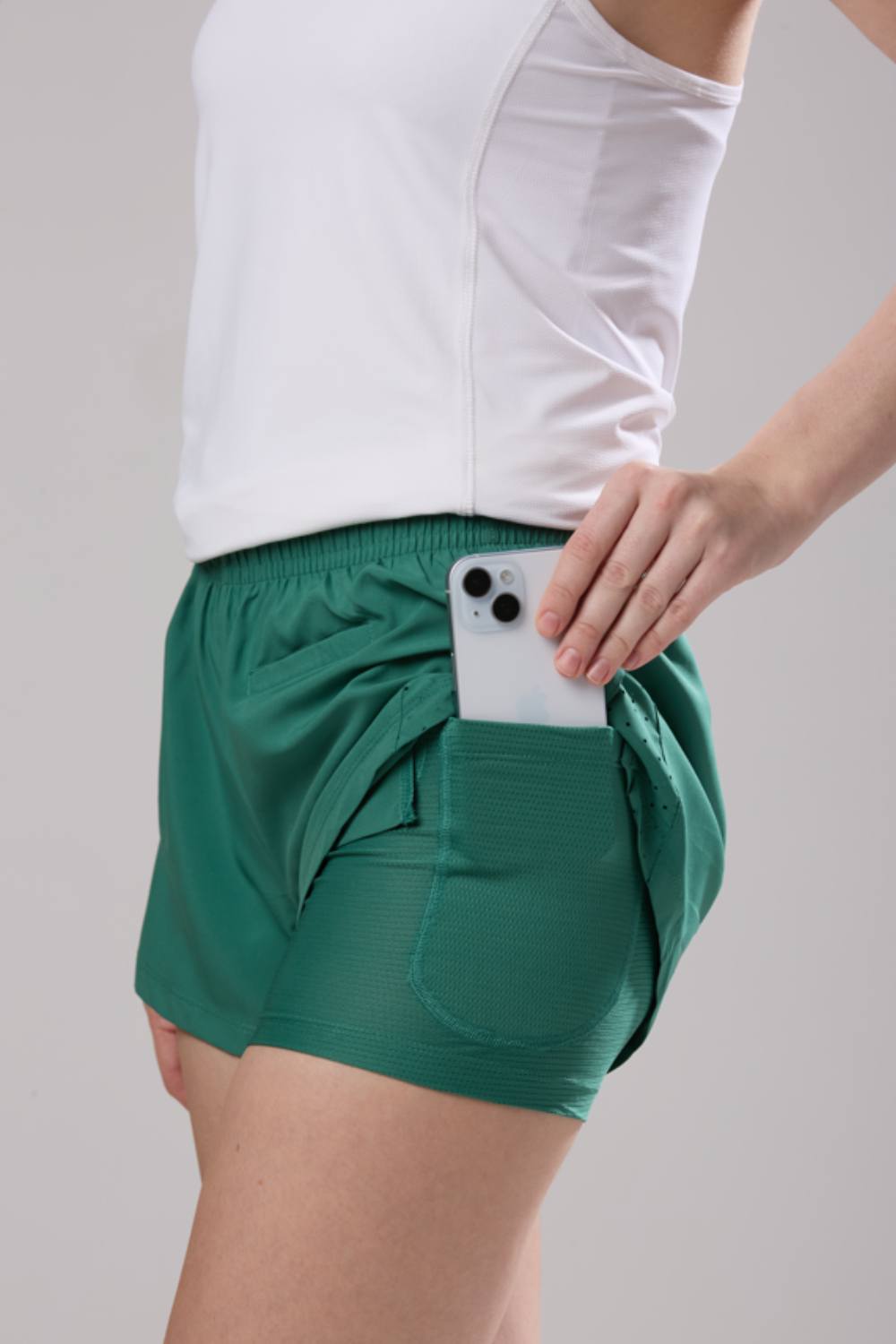
Essential features for women's running gear in India include advanced moisture management and quick-dry materials to handle humidity, breathable and lightweight fabrics for tropical heat, anti-chafing seamless designs for comfort, secure pockets for essentials, and reflective accents for safety during early morning or evening runs. The gear should also accommodate Indian body proportions with tailored fits, incorporate antimicrobial treatments for hygiene, and be durable enough to withstand varied terrain from potholed streets to dusty trails.
Disclaimer: The above helpful resources content contains personal opinions and experiences. The information provided is for general knowledge and does not constitute professional advice.
You may also be interested in: Anti-Chafing Running Shorts Gain Favor Among Athletes
Tired of gear that slows you down? Chafing, soggy fabrics, and missing pockets kill your run's momentum. At Aguante, we're runners who get it. Our high-performance activewear features moisture-wicking fabrics, ergonomic designs, and smart storage to keep you focused. Shop Now!
Powered by flareAI.co