



Quick Listen:
In the sweltering heat of Mumbai's coastal runs or the dry scorch of Bangalore's pre-monsoon trails, athletes know one truth: when your shirt clings like a second skin, focus fractures. Sweat pools, irritation builds, and that mental edge slips away. But imagine fabrics that whisk away moisture, let air flow freely, and keep your core cool turning grueling sessions into zones of sharp concentration. This isn't futuristic gear; it's the reality reshaping workouts across India's urban fitness boom, where breathable materials are emerging as silent allies in the battle against fatigue.
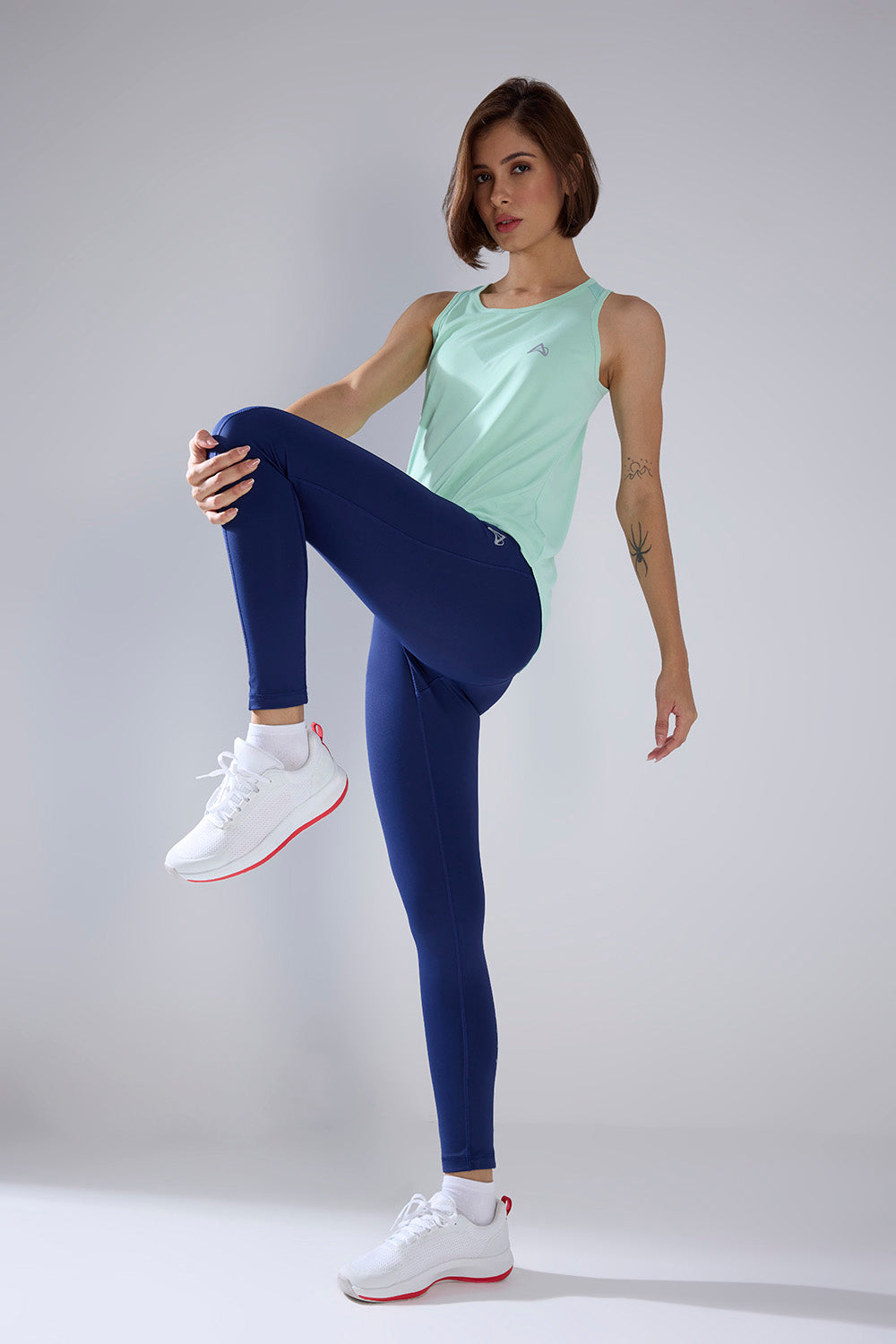
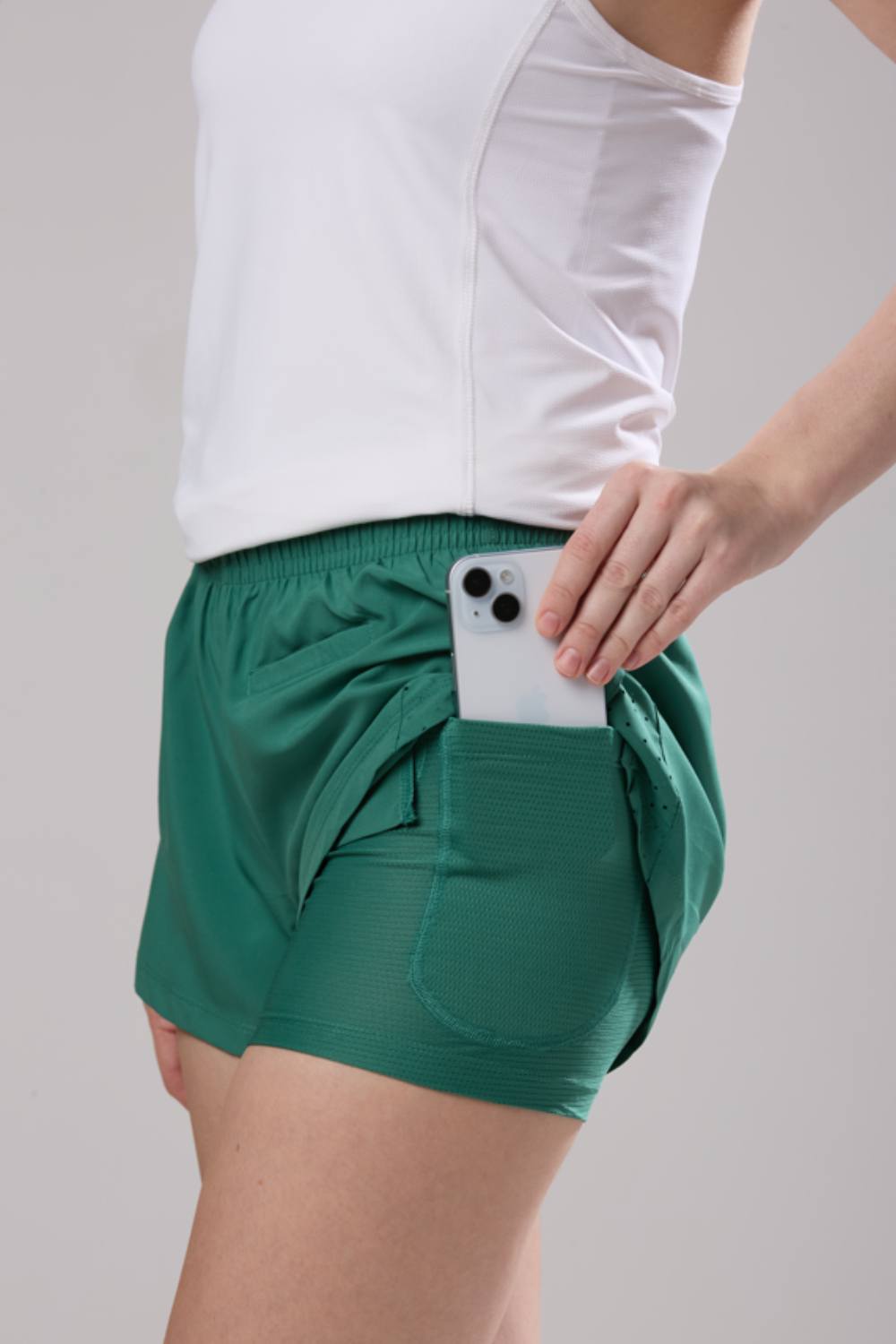
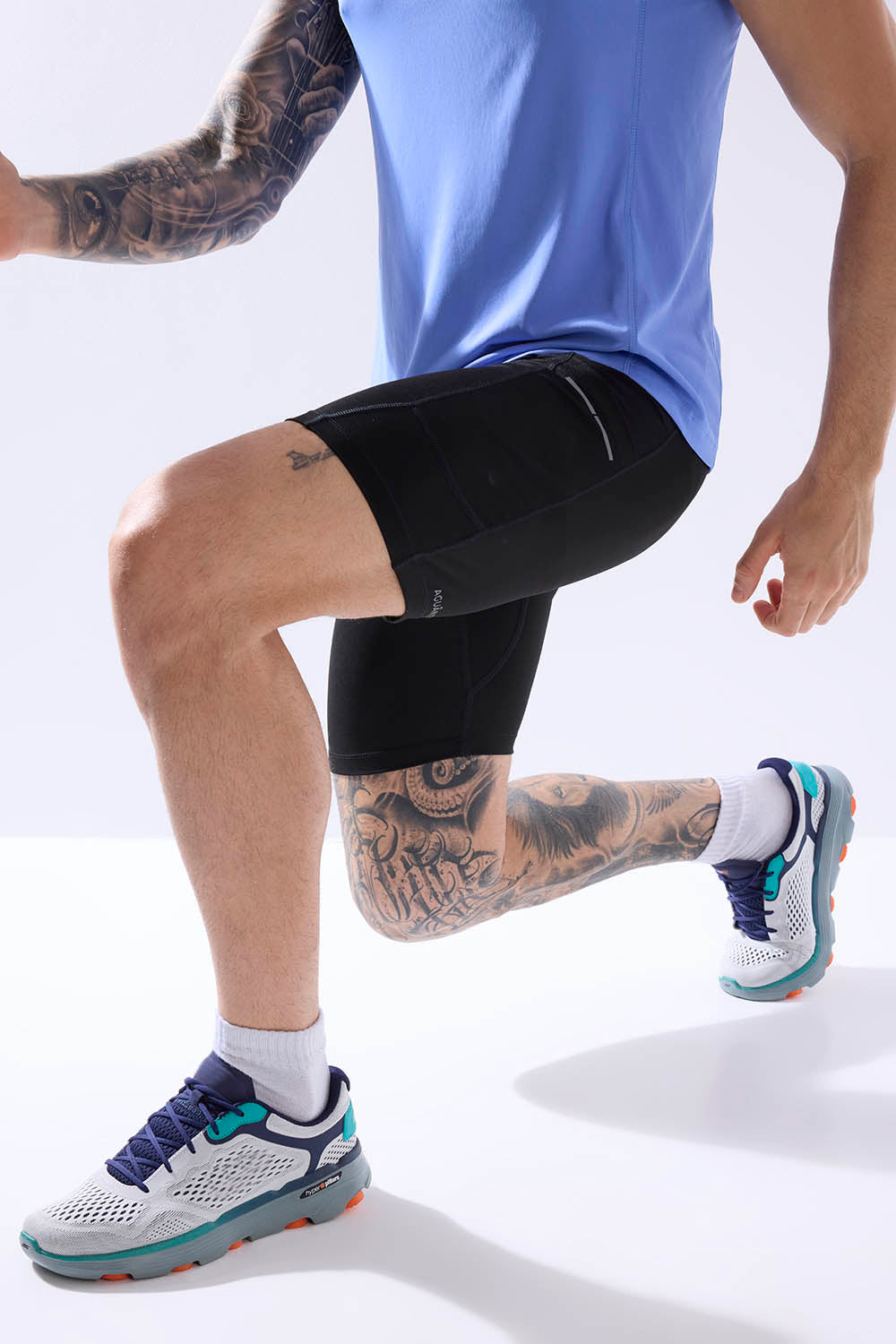
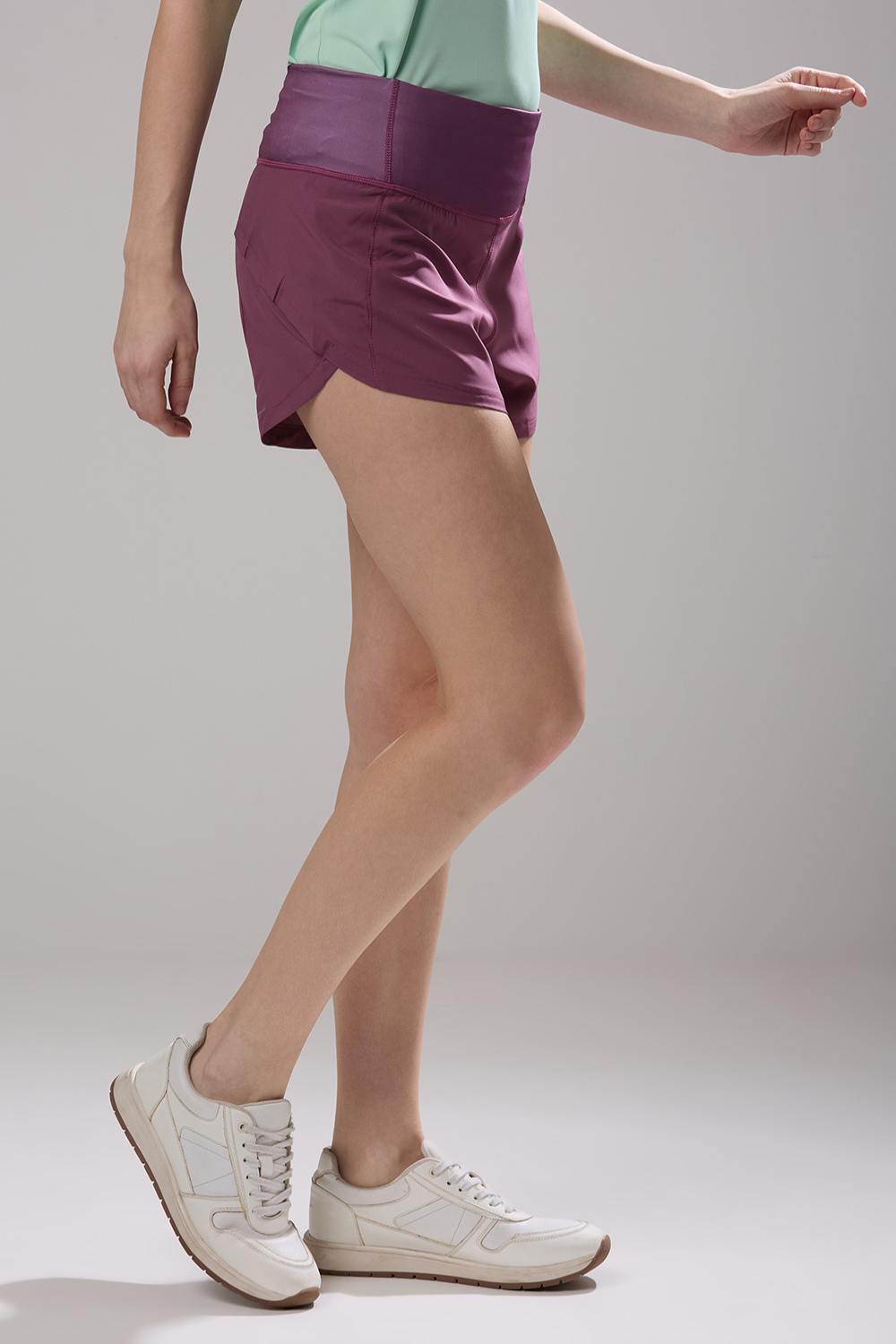
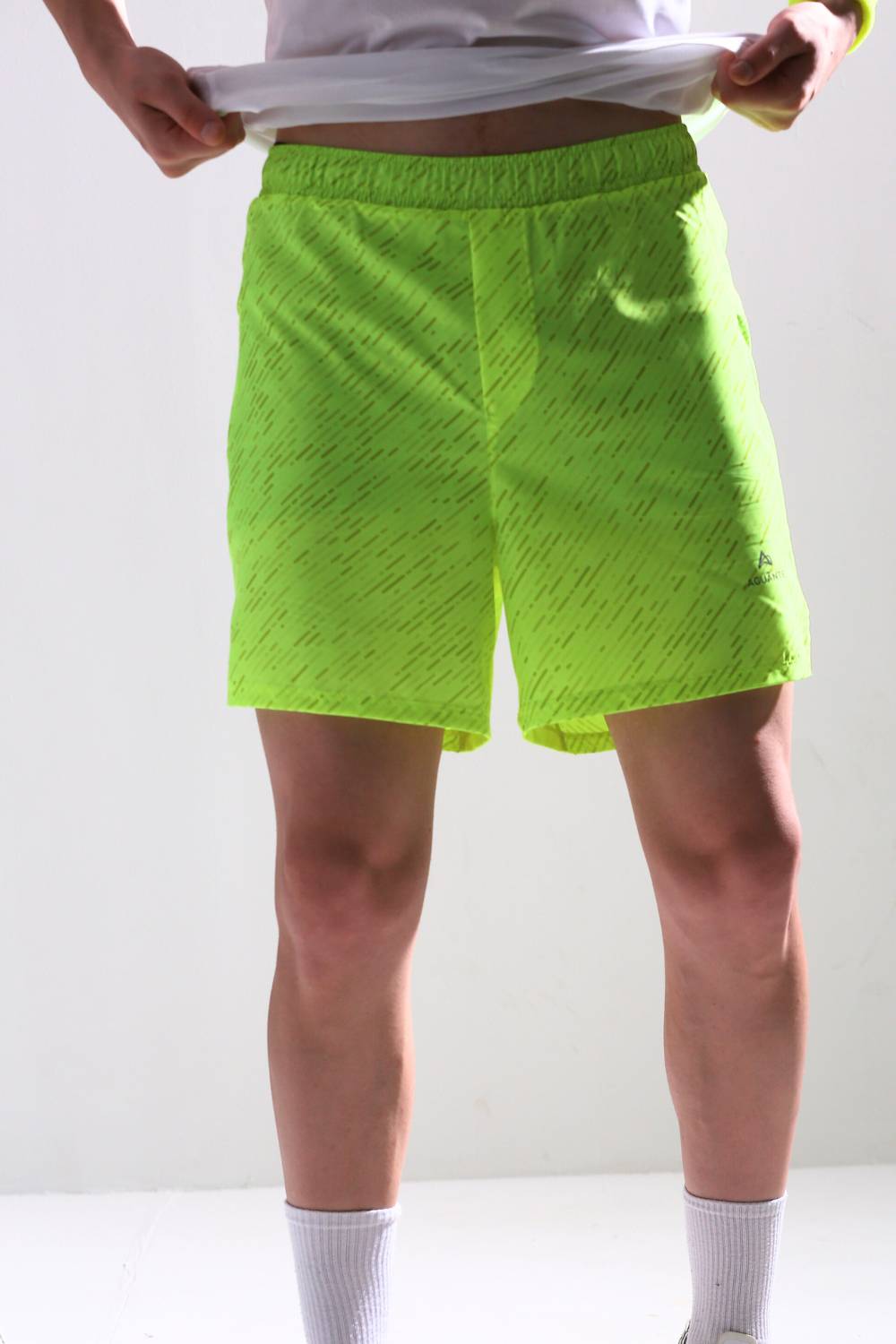
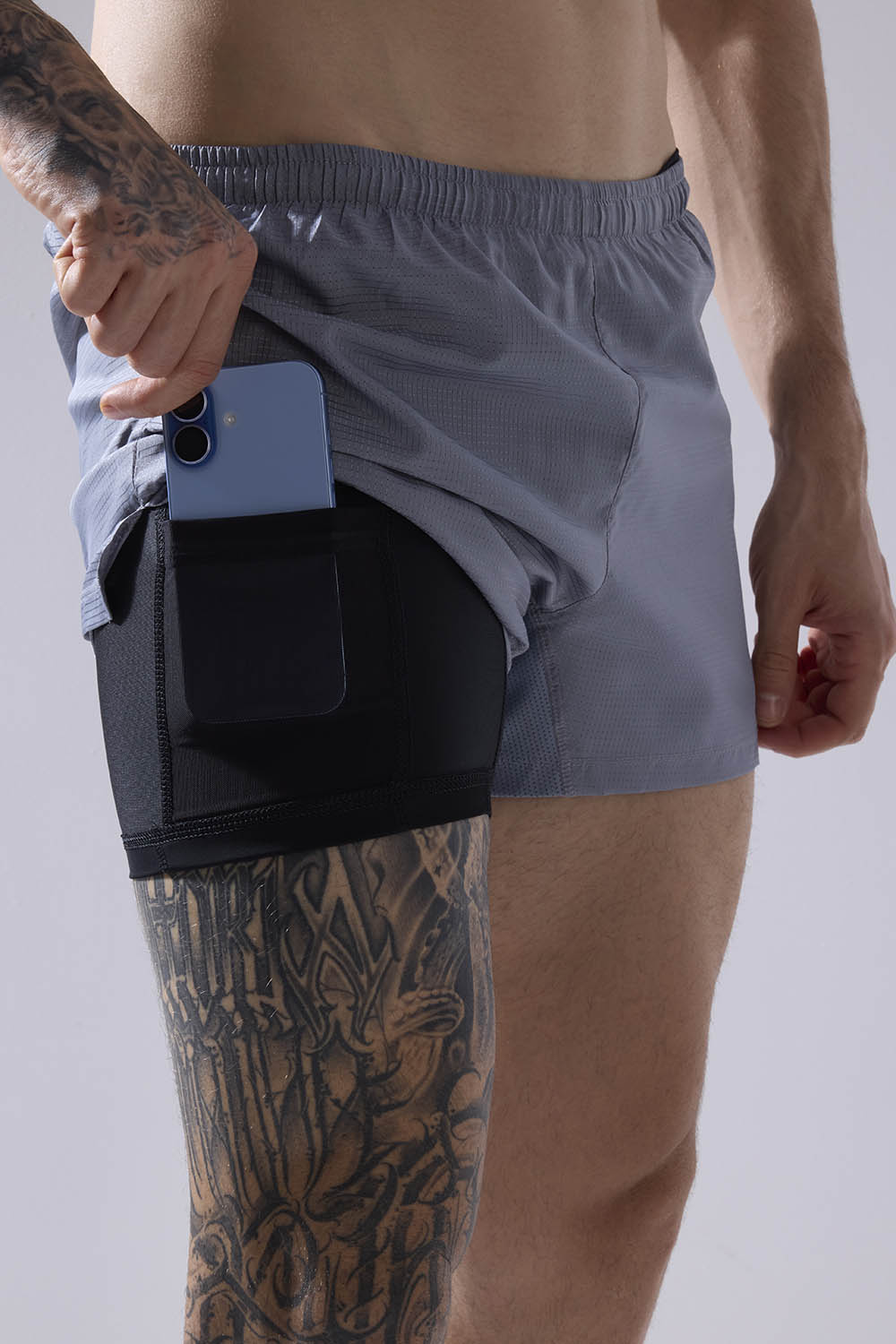
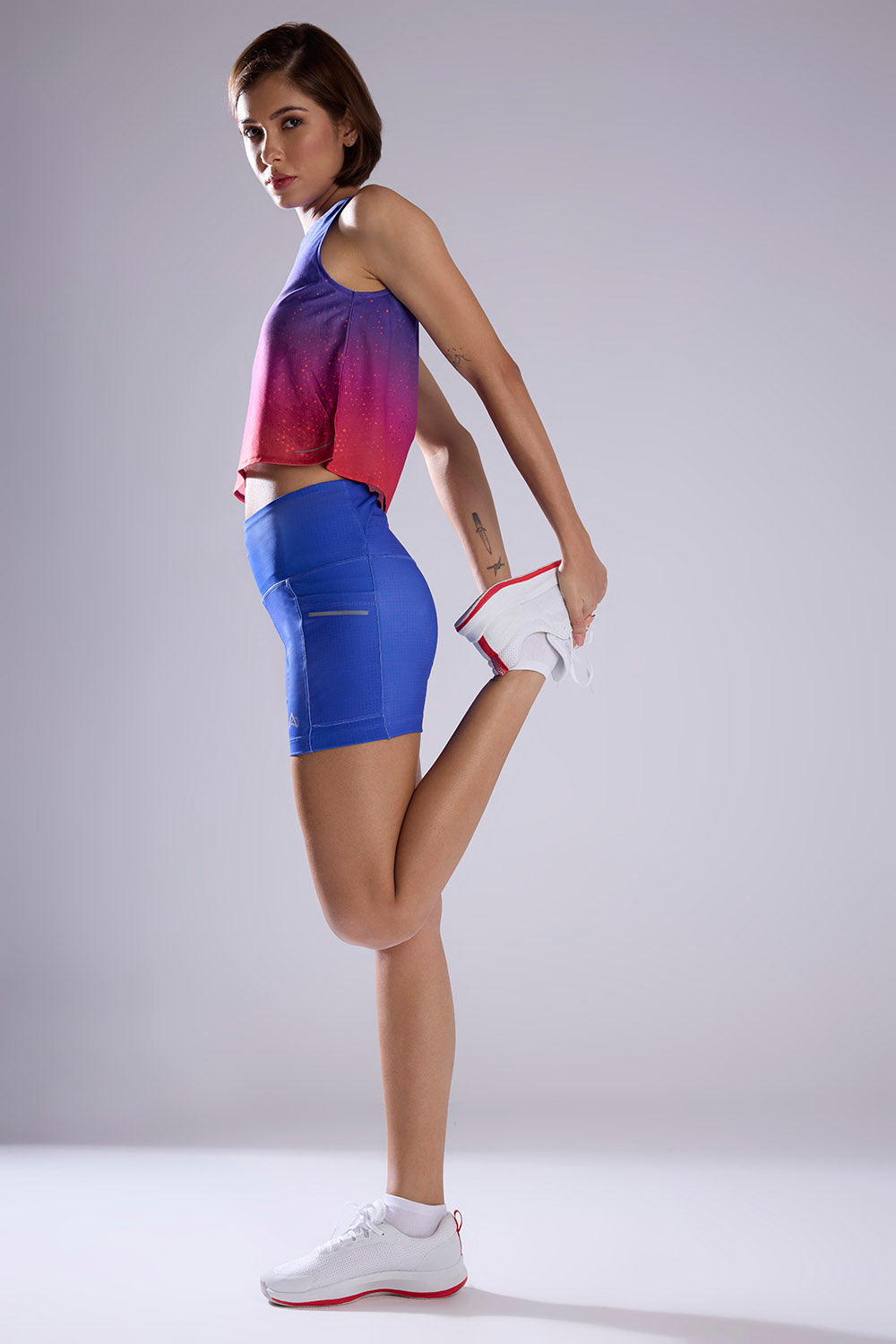
Tired of gear that slows you down? Chafing, soggy fabrics, and missing pockets kill your run's momentum. At Aguante, we're runners who get it. Our high-performance activewear features moisture-wicking fabrics, ergonomic designs, and smart storage to keep you focused. Shop Now!
Breathable Fabrics Help Athletes Stay Focused in India's Toughest Training Climates
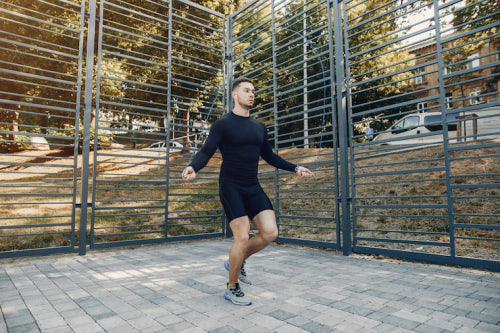
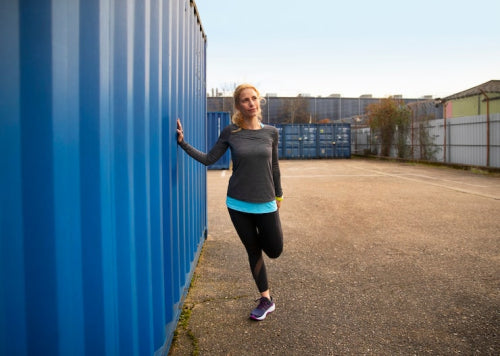
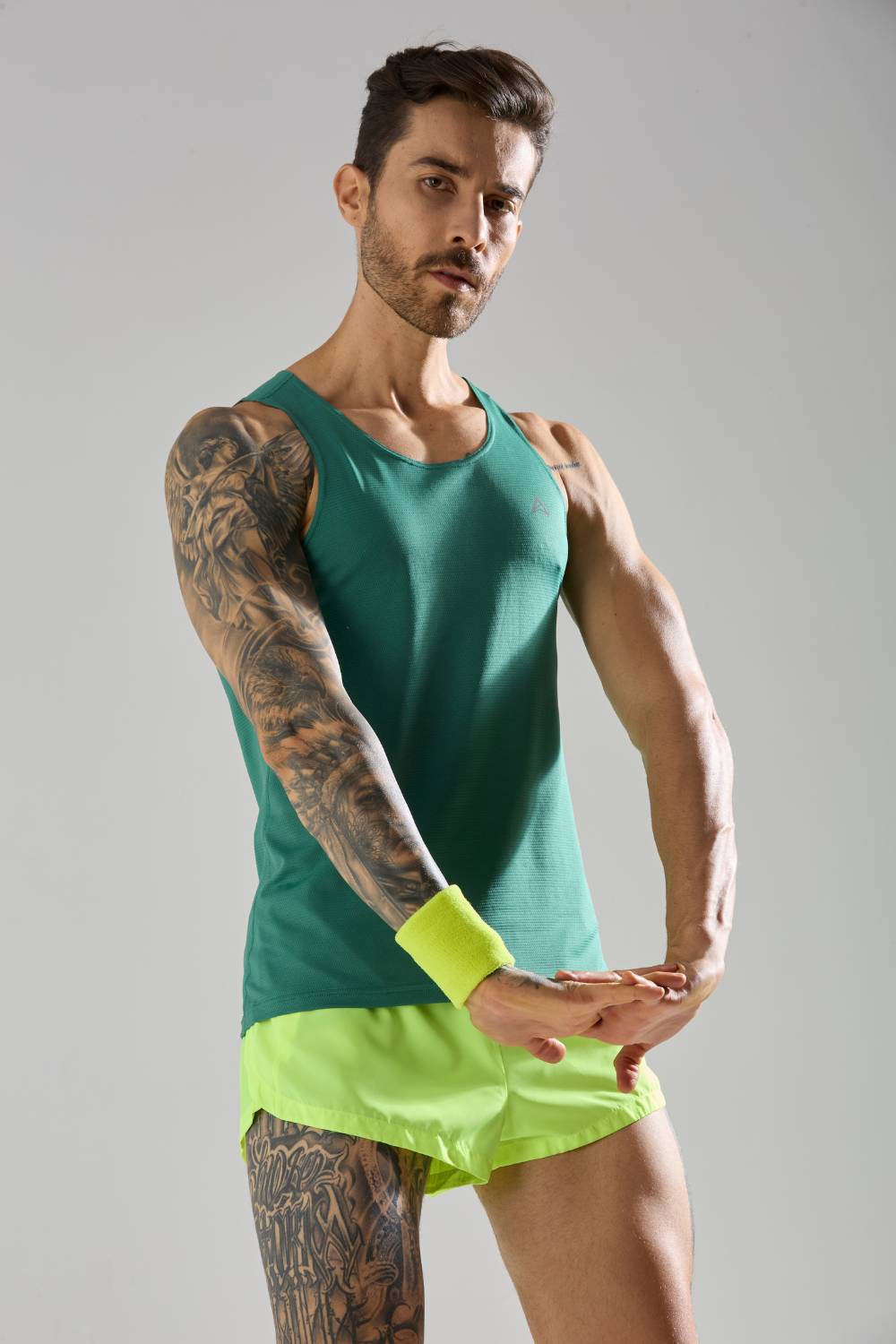
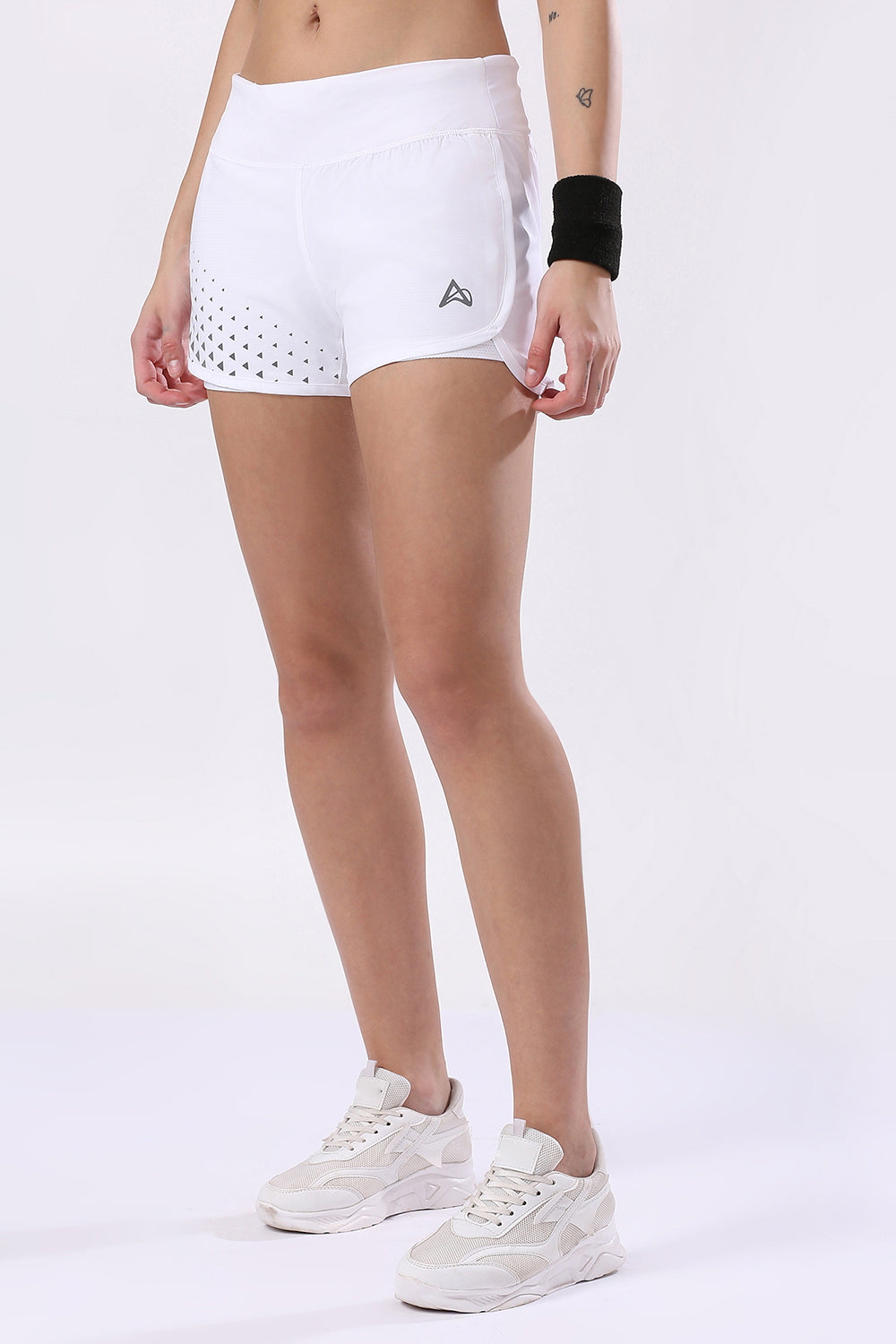
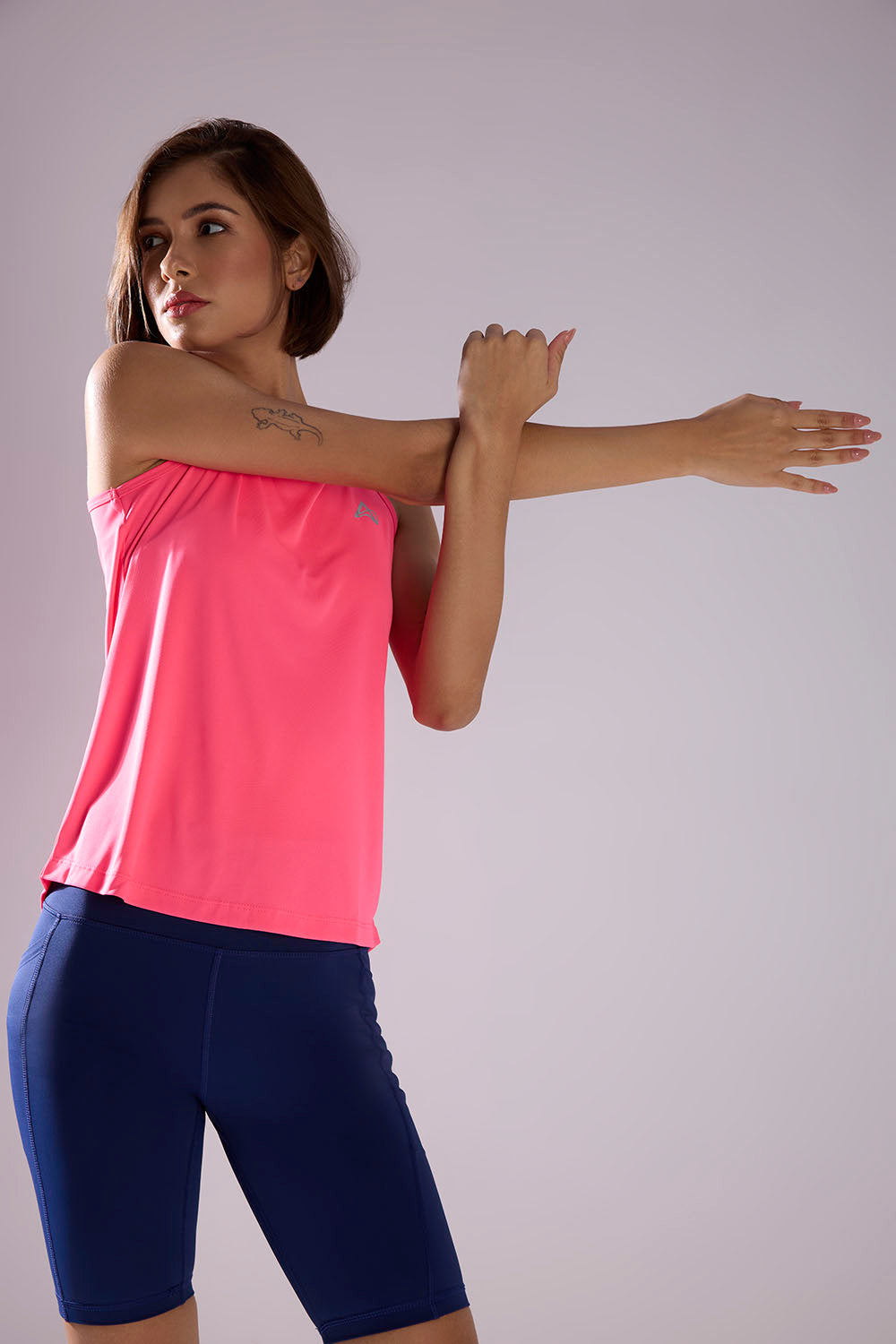
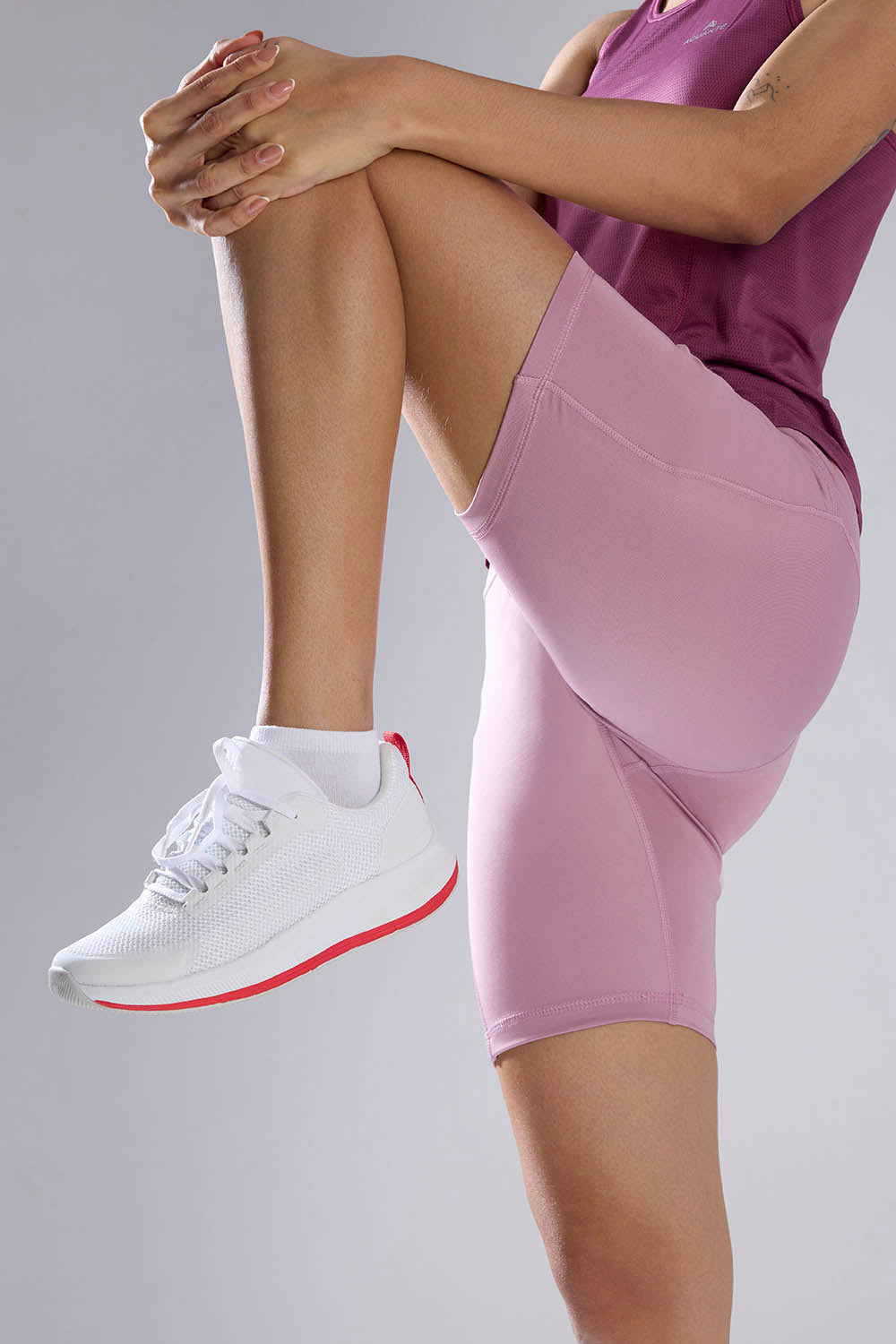
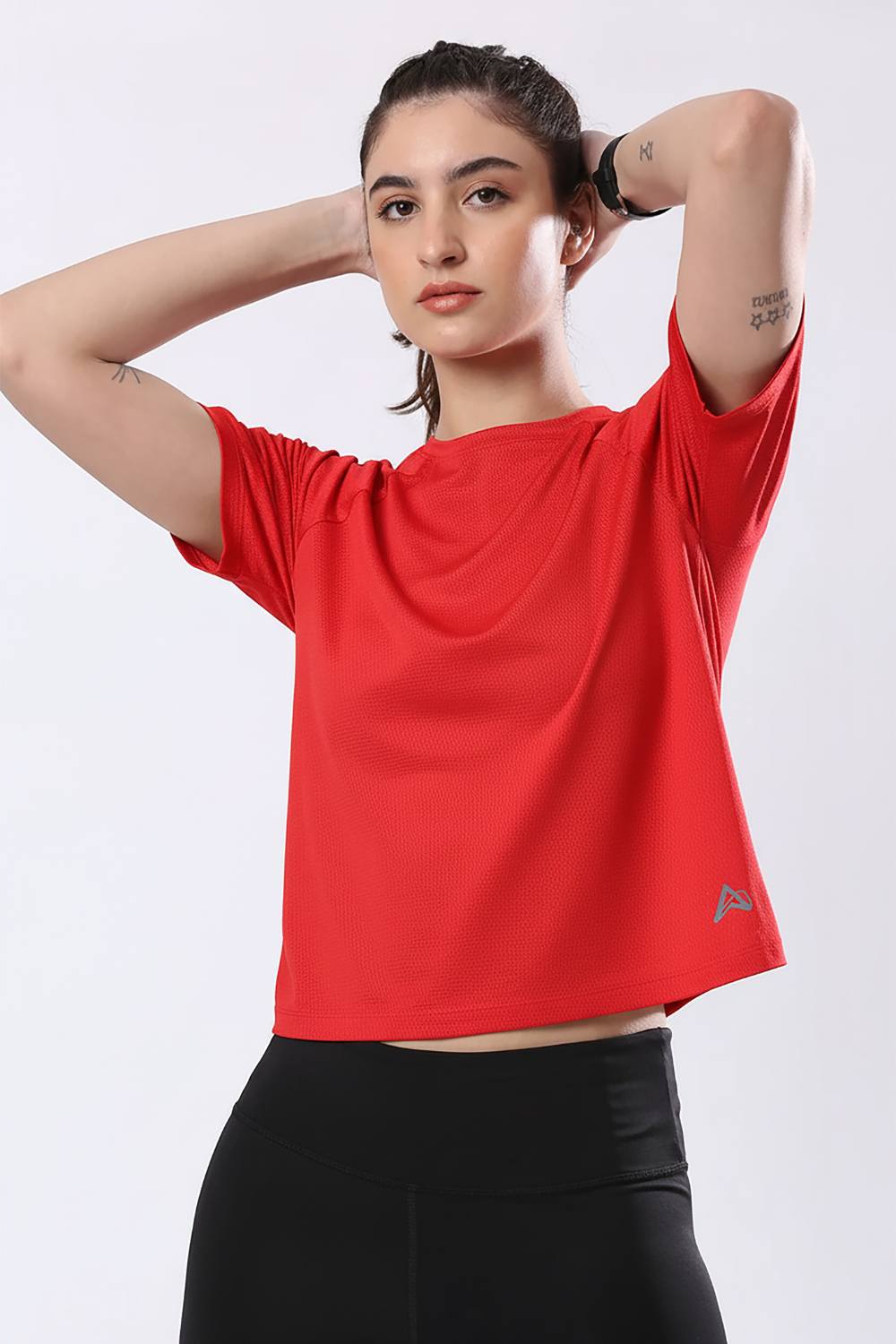
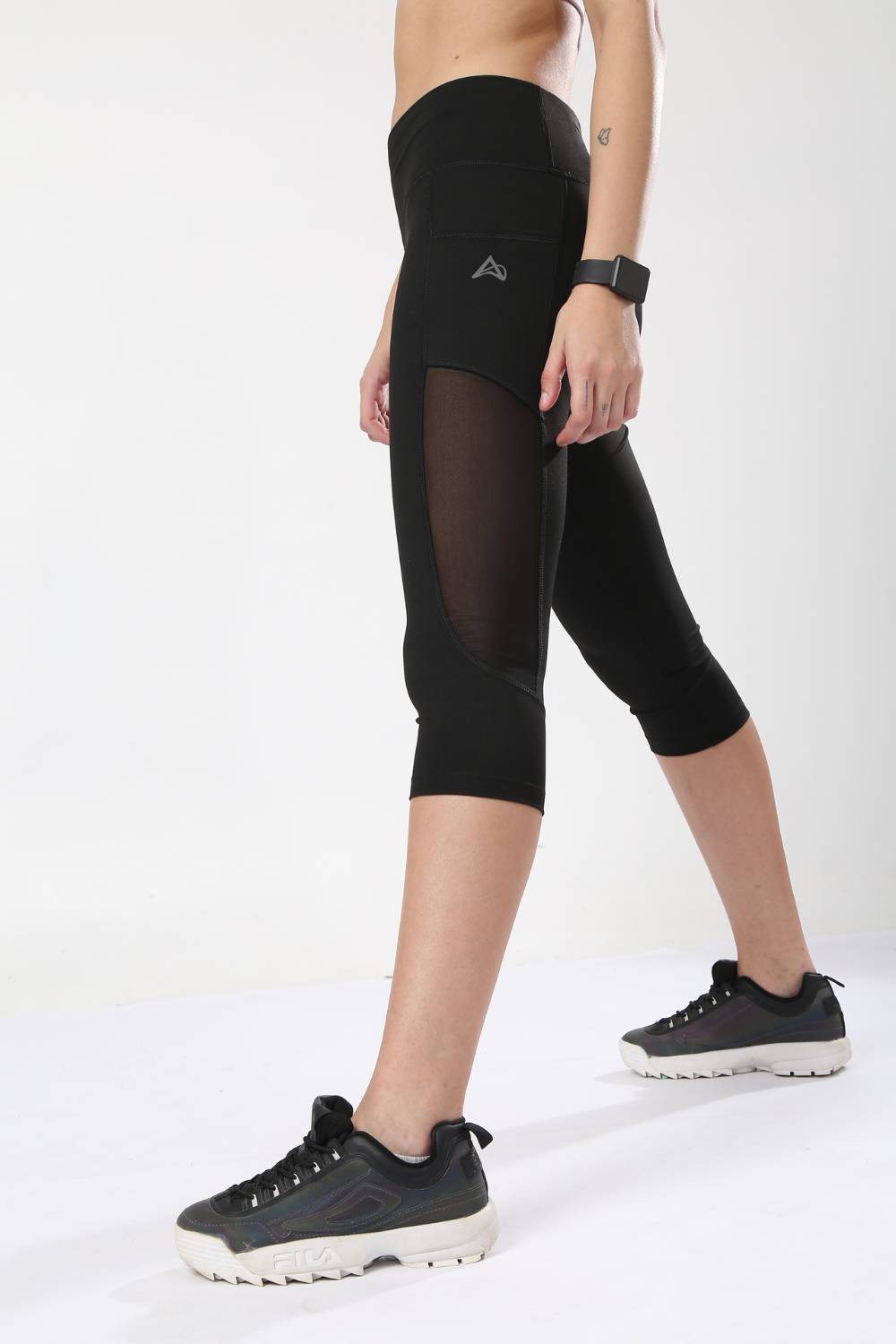
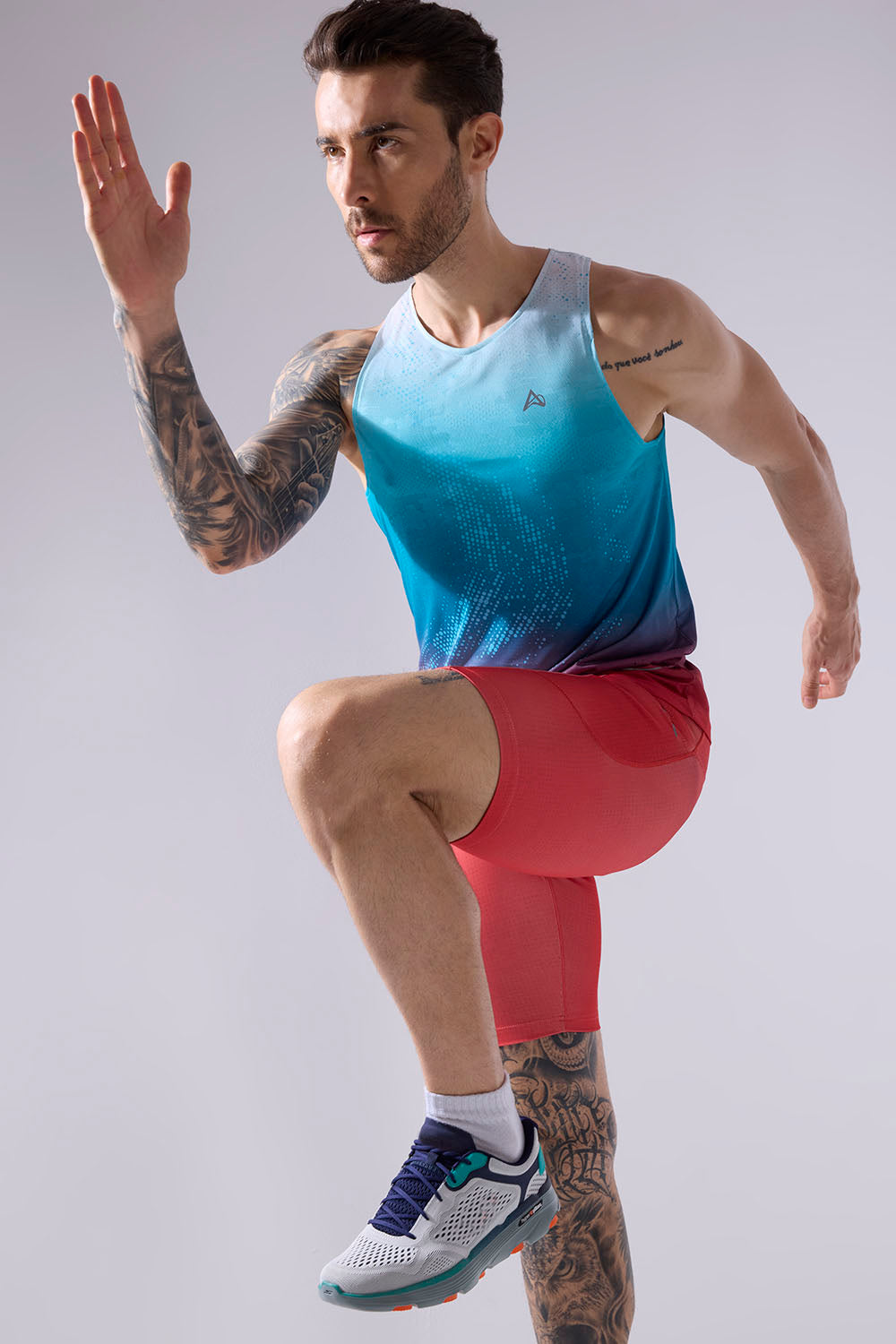
How innovations in lightweight, sweat-wicking materials from Bengaluru to Mumbai are redefining performance apparel for high-intensity workouts. Picture a runner pounding the pavement in Hyderabad's rising humidity, or a CrossFit enthusiast flipping tires in Gurugram's urban ovens. In these conditions, temperature regulation isn't a luxury it's physiology at work. Your body cranks up sweat to cool down, but trapped moisture spikes discomfort, diverts blood flow from muscles to skin, and muddles mental clarity. Enter breathable fabrics: those clever weaves of mesh panels and quick-dry synthetics that Indian athletes in Bangalore, Mumbai, and Hyderabad increasingly swear by. They wick away sweat, boost airflow, and cut fatigue, letting you lock in on form and pace.
This shift mirrors a broader surge in athletic wear demand, fueled by health-conscious urbanites embracing active lives. Globally, the sportswear market hit USD 206.64 billion in 2024, projected to reach USD 350.45 billion by 2032 with a CAGR of 7.84%, driven by products offering sweat-wicking, breathability, and movement enhancement benefits that guard against harsh weather, boost circulation, and prevent injuries. In North America, athletic wear stood at USD 26.28 billion in 2024, growing at 6.8% CAGR to 2030, propelled by similar trends: 24.2% of U.S. adults meeting physical guidelines in surveys, blending gym routines with daily fashion. India echoes this, with cities like Delhi and Pune adapting these tech fabrics to local sweats. Aguante, a player in athletic apparel retail, zeros in on this, crafting gear tuned to India's humid highs and dusty heats, helping everyday warriors stay sharp.
The Science Behind Breathable Fabrics
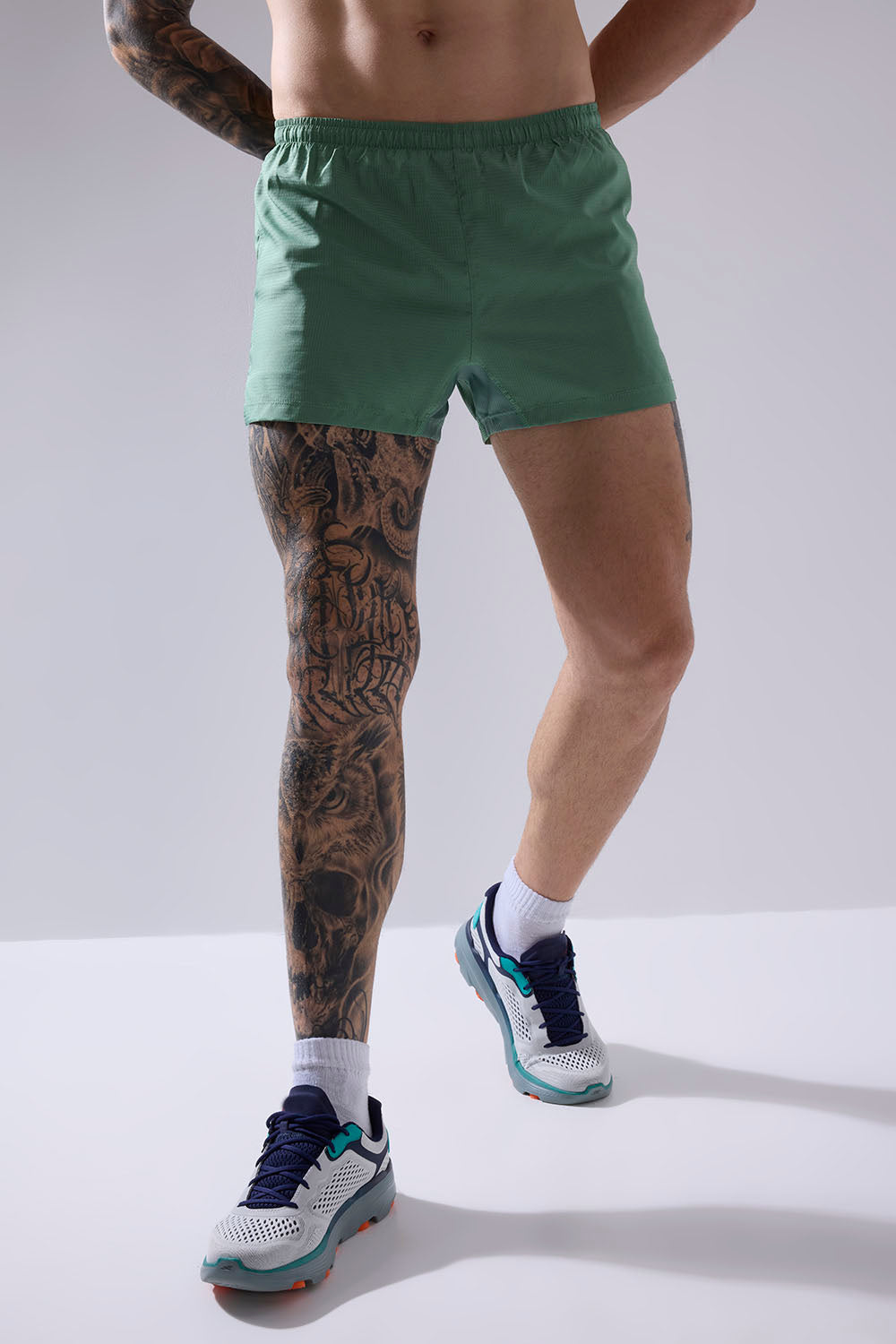
Dive into the weave, and it's all about micro-engineering. Synthetic blends like polyester-spandex knits create tiny vents for air circulation, balancing body heat while pulling moisture outward. Research from IIT Delhi spotlights heat transfer efficiency in these materials, ideal for running gear that keeps skin dry. Down in Thiruvananthapuram, CSIR-National Institute studies reveal how moisture-wicking textiles slash skin irritation and improve oxygen uptake key for sustaining focus when lungs burn and minds wander.
NIFT Mumbai's work adds layers, showing natural-synthetic hybrids that adapt to sweat rates. During high-intensity bursts think sprints or HIIT these fabrics prevent the "second sweat" chill, maintaining thermoregulation. It's not just comfort; it's performance neuroscience. Cooler bodies mean less cognitive drain, sharper decisions mid-set. Indian athletes feel it: a Bangalore trail runner pushes harder without the fog of overheating, crediting zonal mesh for that extra kilometer.
Regional Climate Demands Shaping Material Choices
In Bangalore and Hyderabad, hot-core hubs where dry heat stretches workouts, poly-spandex with zonal mesh reigns. It battles prolonged exposure, keeping air moving during extended sessions. Decathlon's Bangalore research hub logs 28% sales spikes in breathable tees pre-monsoon, as gym-goers prioritize ventilation over bulk.
Flip to Mumbai, Pune, and Navi Mumbai humidity traps that turn shirts into saunas. Here, antimicrobial finishes and hydrophilic coatings excel, fighting bacterial buildup and transferring sweat fast. A Mumbai running club saw 20–25% fewer heat-exhaustion dropouts in 2024 after adopting moisture-transfer kits, members reporting clearer heads for pacing coastal routes.
Then Delhi, Gurugram, Surat, and Ahmedabad: urban heat islands amplifying pollution and warmth. Surat's textile mills roll out air-mesh polyester with micro-perforations, boosting comfort 30% on long runs. Indoor studios in Delhi NCR lean toward eco-bamboo viscose for its soft breathability, blending sustainability with sweat control in air-conditioned confines.
Emerging Trends: Fabric Innovation & Consumer Behavior
Urban fitness tribes drive the wave. Metros buzz with demand for technical wear, from endurance races to yoga flows. Pune and Hyderabad sprout startups tinkering with recycled PET-organic cotton mixes, enhancing airflow while nodding to eco-concerns.
Bengaluru's sports labs collaborate with textile upstarts, patenting India-centric weaves. E-commerce in Hyderabad and Bangalore forecasts 12–15% CAGR for breathable activewear through 2026, as consumers vote with wallets for gear that blends style and science. The athleisure blur helps wear it to the gym, then errands, all while staying cool.
Real-World Applications and Case Studies
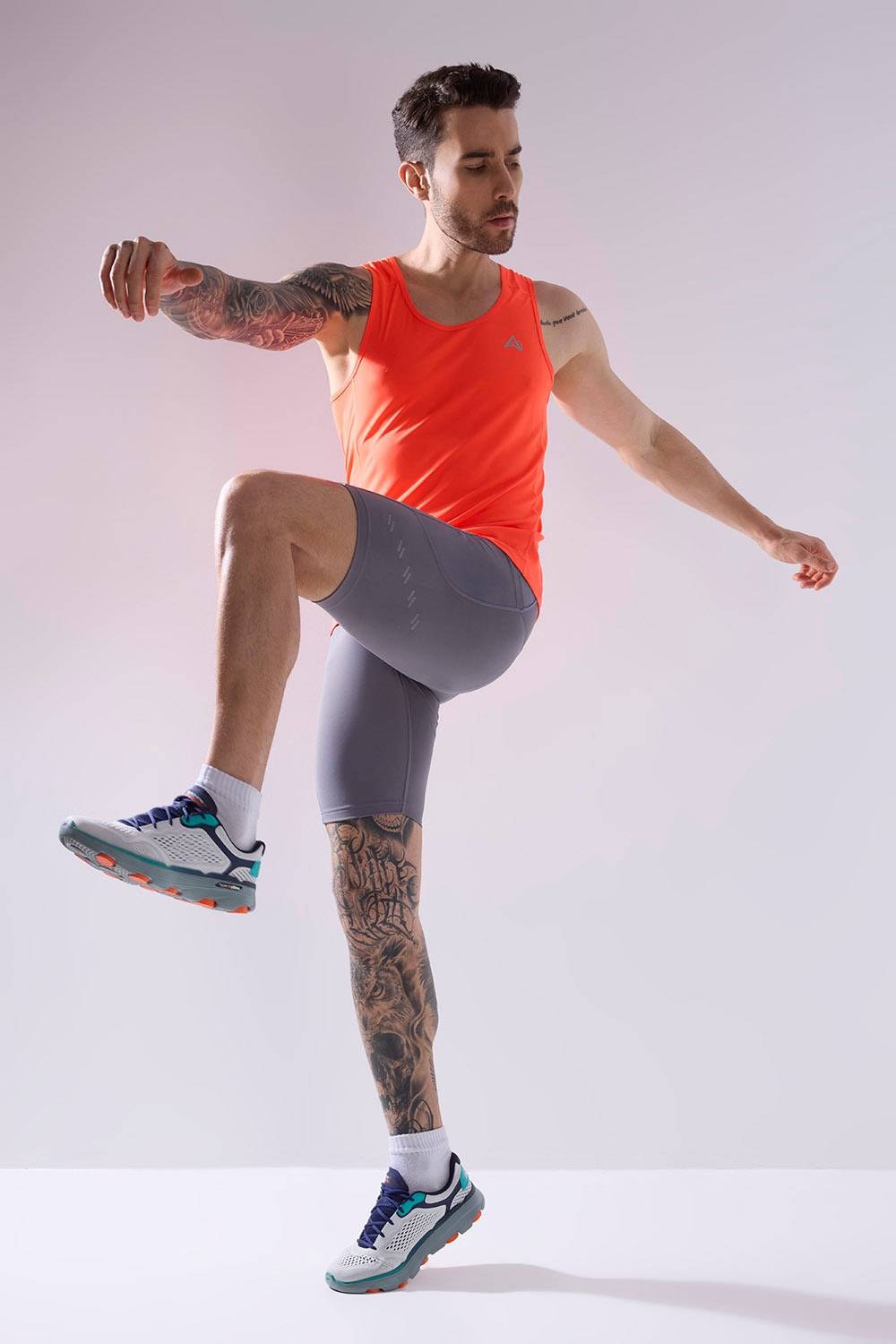
Numbers tell tales, but stories seal them. At the 2024 Mumbai Marathon, over 40% of finishers credited breathable compression tights and ventilated singlets for better endurance and focus no small feat in 80% humidity.
In Gurugram's CrossFit boxes, retailers saw 35% jumps in quick-dry top sales, owners linking it to member's improved concentration during circuits. One coach noted athletes hitting personal bests, distractions minimized by fabrics that "just work."
Challenges and Limitations
Not all smooth sailing. India's mills lag in ultra-fine yarns for premium breathables, relying on imports that hike costs. Standards vary, leaving budget lines with heat-trapping synthetics common in Tier-2 spots where awareness lags. Consistency plagues scaling, and knockoffs dilute trust.
Opportunities and Business Impact
Yet doors swing open. Sourcing from Surat and Ahmedabad cuts costs, boosts local jobs, and weaves in sustainability. Dive into anti-odor tech or adaptive cooling, and brands like Aguante can dominate professional training niches. That projected double-digit growth signals market hunger for focused, functional gear.
Expert Insights and Future Outlook
NIFT Bengaluru engineers predict smart fabrics with cooling nanotech by 2027, embedding sensors for real-time tweaks. Delhi NCR coaches affirm: comfort fabrics sharpen hydration awareness and pacing. Ahead lies AI-designed weaves, optimized for India's wild weather swings turning local labs into global exporters.
Breathability as the New Performance Benchmark
Ultimately, breathable tech bridges body and mind, letting Indian athletes conquer climates without losing steam. Aguante leads here, engineering for heat, humidity, and hustle. As workouts intensify, choose research-backed apparel your focus depends on it. In a nation running hotter, cooler gear isn't optional; it's the edge that endures.
Frequently Asked Questions
How do breathable fabrics help athletes stay focused during intense workouts?
Breathable fabrics use moisture-wicking technology and mesh ventilation to regulate body temperature by pulling sweat away from the skin and promoting airflow. This prevents overheating and cognitive drain, allowing athletes to maintain sharper mental clarity and concentration during high-intensity training. Cooler bodies experience less distractions from discomfort, enabling better focus on form, pacing, and performance goals.
Which breathable fabric types work best for India's different climates?
The ideal fabric varies by region: poly-spandex with zonal mesh suits Bangalore and Hyderabad's dry heat, providing extended ventilation during long sessions. Mumbai and Pune's humidity demands antimicrobial finishes and hydrophilic coatings that transfer sweat quickly and prevent bacterial buildup. For urban heat islands like Delhi, Gurugram, and Surat, air-mesh polyester with micro-perforations or eco-bamboo viscose offers optimal breathability and comfort.
What is the science behind moisture-wicking athletic wear for workouts?
Moisture-wicking fabrics are engineered with synthetic blends like polyester-spandex that create micro-vents for air circulation while pulling moisture outward from the skin. Research from institutions like IIT Delhi and CSIR shows these materials improve heat transfer efficiency, reduce skin irritation, and enhance oxygen uptake during exercise. By maintaining thermoregulation and preventing the "second sweat" chill, these fabrics support both physical performance and cognitive function during intense training sessions.
Disclaimer: The above helpful resources content contains personal opinions and experiences. The information provided is for general knowledge and does not constitute professional advice.
You may also be interested in: Indian endurance athletes turn to functional activewear brands for bet
Tired of gear that slows you down? Chafing, soggy fabrics, and missing pockets kill your run's momentum. At Aguante, we're runners who get it. Our high-performance activewear features moisture-wicking fabrics, ergonomic designs, and smart storage to keep you focused. Shop Now!
Powered by flareAI.co